Happy Easter!

Happy Easter, Progarchy. Today is the day when those of us who call ourselves Christians celebrate Jesus’ triumphal resurrection from the dead, defeating both sin and death at the same time. As some of you may know, John Elefante released a fantastic album last year entitled, On My Way to the Sun, which received a very well written review by our very own Carl Olson. My favorite song off of that album is “This is How the Story Goes.” This song does a great job of celebrating the resurrection, and it also shares the Gospel of Christ in a powerful way. The song features Rich Williams (guitars) and David Ragsdale (violin) of Kansas. I hope you have a wonderful Easter. God bless.

Muse to Start Work on New Album

640x360

According to Mark Kielty of PROG Magazine, Muse is set to start work on their 7th album within the next month.

But the follow-up to 2012’s The 2nd Law isn’t likely to be released until 2015.

Howard tells KROQ: “We’re going to go back in May and start working on some new stuff, so I think we’ll start recording it this year.

“If we can get something out this year that would be great – but definitely next year.

Frontman Matt Bellamy recently said he’d written some “good tracks” for the project and that the trio were aiming to return to a “more basic” sound.

He reported: “We focused on things like synthesizers, drum machines and stuff. On this next album, we’re going to veer back towards musicianship again: guitar, bass and drums. It’s probably going to be a bit of a rawer album, and definitely a bit more rock, I’d say.”

I’m glad they are deciding to steer back towards a more rock sound. It seemed like they were starting to head too far into the pop direction with the 2nd Law. Knowing Muse, the musicianship on the album will be fantastic, as will the ensuing concert. I believe I can safely say that 2015 will be a good year for prog.

Ian Anderson – Homo Erraticus – New Release

Ian_Anderson_Homo_Erraticus_Packshot_Web

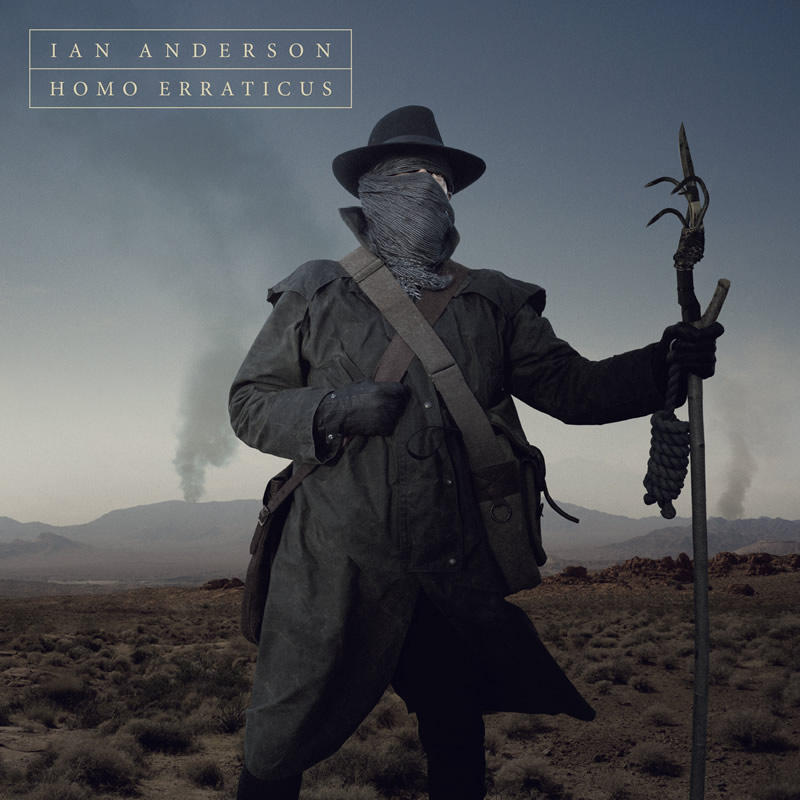
Ian Anderson’s new album, Homo Erraticus, is out today, according to his website. According to iTunes, it comes out tomorrow. Today, tomorrow, whenever it is, this is a must have album. I have had a chance to listen to it a couple of times over the past few days, and I am thoroughly impressed. Ian Anderson proves, yet again, that he is a master of modern cultural critique. He is not just some old guy playing music. He is clearly aware of the world of today, and he does a masterful job of commenting on it in a humorous way.

I wish I could give you a full review of the album right now, but professors have this strange policy of wanting papers turned in on time. Weird, right? Briefly, the album covers basically all of British history, from Roman times, through today, and predictions for the future. Ian Anderson and company (which is essentially Jethro Tull, just not called that because of the absence of Martin Barre) wonderfully meld together history with cultural critique. I particularly enjoyed the backhanded reference to his son-in-law, who plays the lead role in the hit AMC TV show, Walking Dead.

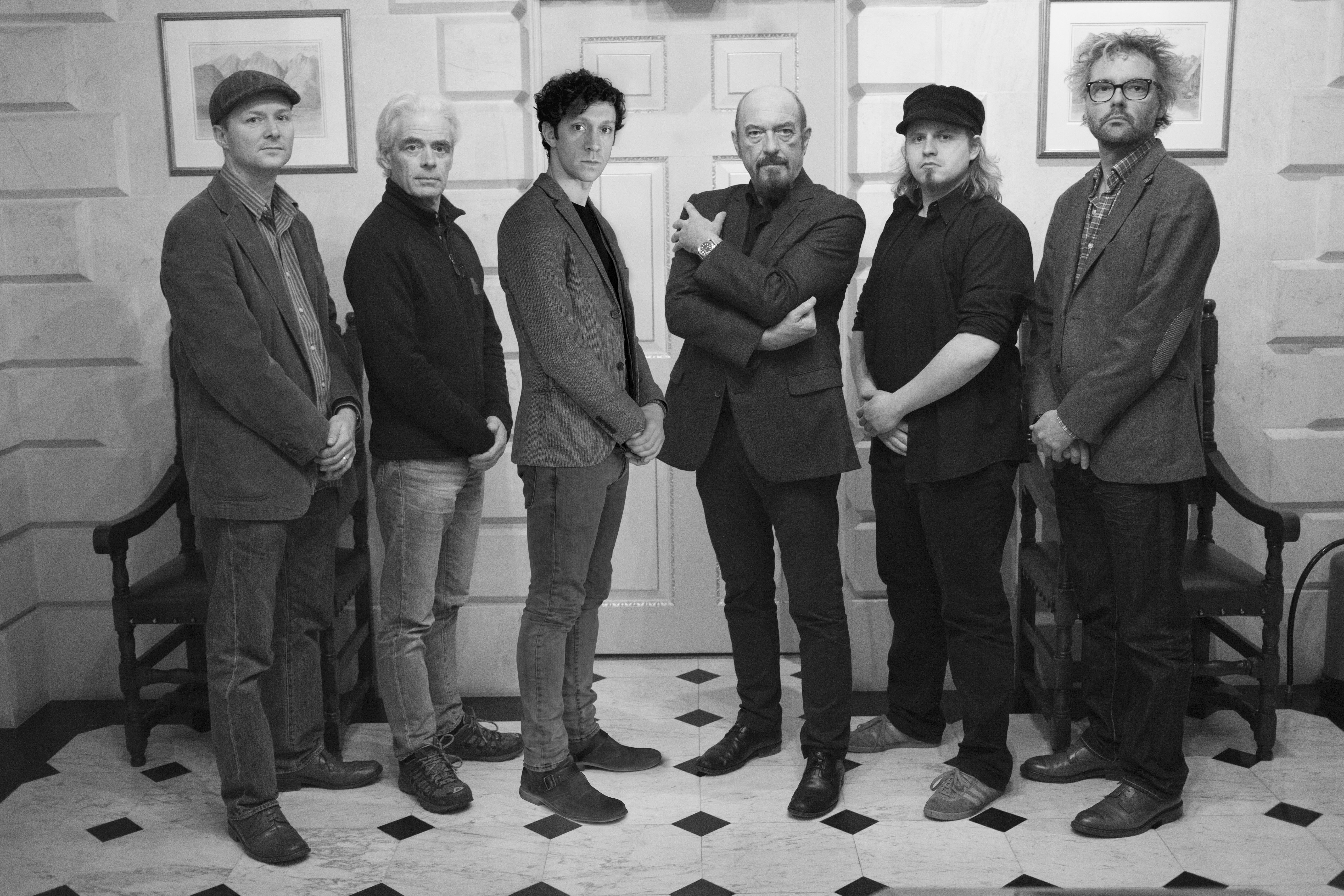
The line up for the band is the same as it was on Thick as a Brick 2: Ian Anderson (vocals, flute, acoustic guitar), David Goodier (bass), John O’Hara (keyboards and accordion), Florian Opahle (guitar), Scott Hammond (drums), and Ryan O’Donnell (backing vocals). I noticed that they lowered the key of the music, so Ian Anderson sounds a lot better on this album than he did on TAAB2. O’Donnell also provides excellent backing vocals, sometimes singing lead. The instrumentation is amazing, as you would expect from anything produced by Ian Anderson. I am even more astounded by Florian Opahle’s guitar playing. As my friend and fellow progarchist, Connor Mullin, pointed out to me, his style of playing is more akin to King Crimson than it is to Martin Barre. This is not all that surprising considering Opahle toured with Greg Lake before joining Ian Anderson. His playing is simply fantastic.

In the end, Homo Erraticus should certainly be added to any prog rock collection. Ian Anderson has proved that you are never too old to rock and roll.

http://jethrotull.com/ian-andersons-homo-erraticus-now-available-to-pre-order

https://itunes.apple.com/us/album/homo-erraticus/id842600703

IA_Group_Photograph_3_MG_5367_Complete_Flat

Ian Anderson – “Enter the Uninvited”

Ian_Anderson_Homo_Erraticus_Packshot_Web

A new song, called “Enter the Uninvited,” from Ian Anderson’s new album, Homo Erraticus, has been uploaded to YouTube by Kscope music. The album is due out on April 14th, and is Anderson’s first since 2012’s Thick as a Brick 2. If this song is any indication of how good the rest of the album is, this is going to be a fantastic album. Plus, the lyrics were written by Gerald Bostock. Enjoy.

Home

Elton John’s Goodbye Yellow Brick Road Gets 40th Anniversary Remaster

GoodbyeYellowBrickRoad

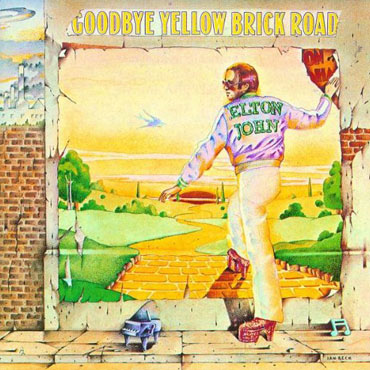
The candle is still flickering after 40 years. Yesterday, March 24, 2014, Elton John released a group of remastered and special editions of his 1973 classic, Goodbye Yellow Brick Road. The regular remaster copy contains the original album, while the deluxe edition contains the album plus a few covers of GYBR songs by other artists, along with live Elton John recordings from 1973. The “Super Deluxe Edition” contains all that plus several more live recordings from 1973.

The covers were made by various artists such as up and coming English artist Ed Sheeran, The Band Perry, Fall Out Boy, Zac Brown Band, and several other artists I am not familiar with. Having not heard the covers as of yet, I cannot comment on them. I have heard a bit of Ed Sheeran’s work however, and he really does have a gift for folk music. (Some may know him from his song, “I See Fire,” in Peter Jackson’s The Hobbit The Desolation of Smaug credits.) Knowing Elton John, the live songs are excellent.

It is also Elton John’s 67th birthday today, March 25th. Happy Birthday!

http://www.eltonjohn.com/home/

Here are the albums on iTunes: https://itunes.apple.com/us/collection/goodbye-yellow-brick-road/id147?fcId=807128381

bioYrs14

Dennis DeYoung- Live in Joliet, IL

Dennis DeYoung knows how to put on a show. Last night was the best time I have had in a while, and being within the first ten rows was a definite bonus. I’m still waiting for my hearing to come back (it probably won’t, but who cares, it was worth it). Dennis DeYoung sounds as good today, at age 67, as he did in 1977 when The Grand Illusion was released, and I sincerely mean that. Not one single note was off key. I have seen both Ian Anderson and Kansas live within the last few years, and neither the great Anderson nor Steve Walsh can sing anywhere near what they could in the 70s. Not only was DeYoung at the top of his game, but his entire band was incredible as well. I would venture to say that they were as good or better than Styx. The lineup was Dennis DeYoung on lead vocals and keyboards, Tom Sharpe (of Mannheim Steamroller) on drums, August Zadra on lead vocals and lead guitar, Jimmy Leahey on guitar, John Blasucci on keyboards, Craig Carter on bass guitar, and Suzanne DeYoung (Dennis’ wife of 44 years!) on backing vocals. Wow. Dennis DeYoung has surrounded himself with some incredibly talented musicians, who were obviously enjoying the time of their lives on stage. I was exceedingly impressed by August Zadra’s vocal talent, for he sounds just like Tommy Shaw on songs like Renegade and Fooling Yourself (The Angry Young Man). Between Dennis and August, the band was able to play their most popular songs, even the ones where Dennis doesn’t sing lead. 

For the show itself, the band opened with none other than The Grand Illusion, which I believe to be one of the best songs to open a concert with. I forget the order of the rest of the songs, but throughout the concert they played Lady, Babe, Lorelei, Desert Moon (which wasn’t a Styx song, but according to DeYoung “should have been”), The Best of Times, Blue Collar Man, Fooling Yourself, Mr. Roboto, Show Me the Way, Too Much Time on My Hands, Suite Madame Blue, and finishing the show with Renegade and Come Sail Away. There are a couple of other songs that are slipping my mind, but this list was the majority of the show. The band started with a romp roaring rendition of Grand Illusion, and the show was never dull. In between many of the songs, Dennis DeYoung engaged the crowd by telling stories about himself and the band, cracking jokes about getting old, and cracking jokes at the audiences expense (he’s from the Chicago area so it’s all good). The best line of the night was when he asked who had seen him in concert before, and who was seeing him for the first time. When people yelled and cheered at the latter, he responded, “Where the hell have you been, I’m 67 years old for Christ’s sake?!” That kind of humor was displayed throughout the whole night, and it was great. I’ve been to concerts where the band never says anything, and I’ve been to concerts where the band doesn’t shut up. Dennis DeYoung had the perfect balance. All the humor just goes to show that at 67 years old, DeYoung is still touring and playing because he LOVES it. And the band members all loved it too. August Zadra looked like he was having more fun than any single person should be allowed to have in Joliet Illinois when it is 20 degrees F in the middle of March. And all that fun certainly found its way to the audience- the concert was a blast.

Something must also be said of the Rialto Square Theater in Joliet, IL. It is magnificently beautiful. It was built in the 1920s as a movie house, and it has been lovingly restored to its former glory. The interior is much like the Chicago Theater (in Chicago) or the Fox Theater in Detroit, just on a smaller scale. I look forward to seeing more shows there (B.B. King at the end of May. Giddy up).

In the end, Dennis DeYoung and his band could not have been better. The one complaint I had about the show was the absence of Pieces of Eight, and the presence of Mr. Roboto (the one Styx song I could really do without). So, if you find that Dennis DeYoung is coming to a theater near you, drop everything, call the theater, buy tickets, and get ready for an awesome show. These really are The Best of Times.
5-2011

http://www.dennisdeyoung.com

Neil Young Introduces High-Quality Music System

I just came across this article from the Los Angeles Times talking about Neil Young’s new high-quality music company, PonoMusic. The goal of the company is to create portable music that has a quality as good as the master recordings (meaning it is not compressed). The PonoPlayer will cost a hefty $399 and will be able to hold between 1,000 and 2,000 high-quality albums, which implies that this player will have a rather large hard drive, because high-quality songs are much larger files when compared to their compressed counterparts.

The debate over compressed file formats as a standard in the music industry has raged ever since Apple created iTunes over ten years ago. Prior to iTunes and the iPod, the only way you could listen to music on the go was through a Walkman cassette or CD player. Those had their obvious disadvantages, namely the inability to carry around a lot of music. Once Steve Jobs announced the introduction of the iPod, the music industry was changed forever. Suddenly, people could carry around thousands of songs in a tiny little device that could fit in their pockets. However, the technology of the time did not allow for very large storage in small packages, which led to the need for the compression of songs. The article by Randy Lewis on the LA Times claims that MP3 files contain a mere 5% of the digital information originally supplied by the master recordings. While that may have been true in the 1990s, it is not nearly that bad today. Originally, the bit rate for MP3s was around 190 kbps. iTunes now sells their music at 256 kbps, and CD quality is 320 kbps. (iTunes does not use MP3, they use Apple lossless compression, or m4a, which is much better than MP3.) There are also several other sites online where you can acquire digital downloads of 320 kbps. I assume iTunes is heading in that direction now that the technology is available for larger capacity i-devices. The problem with higher kbps recordings is they take up an enormous amount of valuable space, and technology can only allow so much space in so small a space. According to Matt Komorowski, who has compiled a data table of prices per gigabyte over at his website, 1 gigabyte effectively cost $193,000 back in 1980. The price of 1 gigabyte in 2000 was around $19, and by 2009 was down $0.07. As technology has advanced, the price of storage has dropped dramatically.

Anyways, my point with all this yammering about the history of digital music and storage is to point out that there has been a large debate over the past few years between digital media and physical media. There are many people who claim that vinyl is as close as you can get to live because a vinyl record is an actual analog copy of the sound waves created during the recording. But we must remember that the vinyl records of the 1970, 80s, 90s, and up to today are of a much better quality than the first record made by Thomas Edison in 1878. It only makes sense that the future of digital records will be superior to that first introduced in the late 1990s, and it will be better than what is being offered today. Neil Young is merely trying to bring good audio quality back to the music industry. There is now a whole generation of people (my generation) that has grown up with headphones jammed in their ears, and they know very little about what a high quality recording sounds like (much less high quality music, but that’s a different problem). I think we will begin to see a move towards higher quality digital downloads, but only as the capacity of the portable music players increases. As the price per gigabyte continues to drop, it will be much easier to fit thousands of high quality songs and albums onto a smartphone that fits into your pocket. Neil Young is just trying to speed that process up a bit (don’t laugh too hard over that one).

Here is the link for the LA Times article by Randy Lewis:

http://www.latimes.com/entertainment/music/posts/la-et-ms-neil-young-pono-music-20140310,0,328753.story#axzz2vbTkDz9V

Dennis DeYoung of Styx- Live in Joliet, IL

5-2011

As I was driving home for spring break this past Friday, I was listening to my favorite radio station in Chicago, 890 AM WLS, and I hear the melodious voice of Roe Conn say that Dennis DeYoung was going to be interviewed on the radio in the coming minutes. That was enough to make the traffic I was cursing through almost bearable. The purpose of the interview was to promote a show that DeYoung is playing this coming Saturday, March 15, at the Rialto Square Theater in Joliet, Illinois. This made me about swerve off the road, since my parents just moved to a town outside Joliet last Wednesday. Game on. Three tickets purchased, and I cannot wait. 

Several years ago I saw Dennis DeYoung give a free concert for a Fourth of July celebration. My Dad dragged me to it, and I had never heard of DeYoung or Styx before. I was still rather new to prog at the time, but what I heard astounded me. Within the few days after seeing that concert, I acquired a copy of The Grand Illusion, and I fell in love with it. But what was truly amazing was how Dennis DeYoung’s voice has not changed at all since that album was made. He sounds as good today as the day the album was cut. He even sang a few bars of “Lady” over the radio the other day, and he was spot on. So now that I have had a chance to appreciate the music of Styx before hearing it live, I get the opportunity to hear Dennis DeYoung perform the greatest hits of Styx again. It will be awesome. 

So if you happen to be near the Chicago area this Saturday night around 8 PM, I highly recommend going to this concert. Tickets are going fast for this event, so order quickly before they are all gone. 

Click here for more info about the show and ticket information: http://dennisdeyoung.com/tour/details.asp?id=395

I’ll certainly post a review of the show soon after the euphoria wears off and I settle back into school. I honestly cannot think of a better way to end spring break than to see Dennis DeYoung singing “Come Sail Away.” Good times. 

Andy John Bradford’s Oceans 5 “Return to Mingulay”

s_8a

Yes, the title is a mouthful, but Andy John Bradford and his band Oceans 5 are awesome. In fact, I think Return to Mingulay is my favorite album of 2013. Their sound hearkens back to the British rock of the 1970s, with a calmer, thoughtful progressive feel to it. The band is made up of Andy John Bradford, a British folk singer/songwriter/solo artist, on vocals and 12 string guitar, Colin Tench on lead guitars, Stef Flaming on bass guitar, Marco Chiappini on keyboards, and Victor Tassone on drums. Originally, these guys got together to just make one song, “The Mingulay Boat song.” This song is a 200 year old song that Andy John Bradford wanted to perform in a new and unprecedented way, and he certainly accomplished that. In doing so, they discovered that as a group, they really clicked. And so, Oceans 5 and Return to Mingulay were born. Their website describes the process of creating Oceans 5:

When you think of Progressive music, you are unlikely to imagine a 200 year old tune with sea shanty lyrics. However this is what Folk Singer/Songwriter Andy John Bradford had in mind when he approached Progressive musician Colin Tench from Bunchakeze and Corvus Stone with the idea. The band actually formed around this one song. Despite the fact that they were all busy with their own bands already, more ideas kept flying backwards and forwards. Andy has a great feel for songwriting and Oceans 5 have proved to be rather good at twisting those songs into a whole new form. From bouncy and silly to epic rock. The 9 songs add up to one hell of an album that even the band members never imagined at the start of this.

 The album flows out of “The Mingulay Boat Song,” with many images and themes from the sea evoked. The ocean themes are fitting, as Mingulay is an island off the coast of Scotland. Originally an island inhabited by fisherman, Mingulay was abandoned in 1912; thus the title, Return to Mingulay. Their sound recalls the sounds of the sea, and it also recalls the sounds of Pink Floyd, The Strawbs, David Gilmour, and even Big Big Train. There are many Gilmouresque guitar riffs and solos throughout the album. The biggest connection to Pink Floyd, however, is the appearance of Lorelei McBroom on arguably the album’s best song, “6000 Friends.” (Lorelei McBroom is known for touring with Pink Floyd, and is most recognizable on the Dark Side of the Moon’s “The Great Gig in the Sky.”) The song addresses the issue of technology and online “friends” versus reality and real friendships. While the song may feel out of place amongst the rest of the album, it fits by creating a juxtaposition of the older, sea shanty type songs with the problems of the new technological era. Overall, the music relaxes the listener, much like The Dark Side of the Moon or Wish You Were Here. The music probably fits best into the genre of Progressive Folk Rock, mainly because of its overall theme of the sea. Throughout the album, it feels like this music could not have been produced in 2013. Return to Mingulay honestly sounds and feels like something produced in the 1970s in what many consider to be the golden age of prog. It would not be out of the ordinary to hear Genesis, Pink Floyd, or even Jethro Tull play some of these songs. Andy John Bradford and Oceans 5 have created an excellent masterpiece that should be considered one of the best albums of 2013. I look forward to seeing more from them. 

portfolio2

portfolio1

Muse- Pop Prog?

th-5

Muse has been one of my favorite bands for a while now. In fact, they were probably one of my first introductions to the progressive genre, although I didn’t know it at the time. (My first real introduction to prog was through Rush when I was in sixth grade.) Over the years, Muse has been called many different things, including progressive rock, space rock, alternative rock (but what isn’t called that these days? Mumford and Sons is even called alternative rock. Ok.), and symphonic rock. Ok, so that all sounds like it fits nicely into prog. But there is one strange thing about Muse that does not quite add up. They are popular. Very popular, in fact. These days, it seems that if a band is popular across wide audiences and continents, they are making pretty bad music (there are obviously exceptions, and I am probably being too pessimistic), but Muse has been making excellent music for over ten years now.

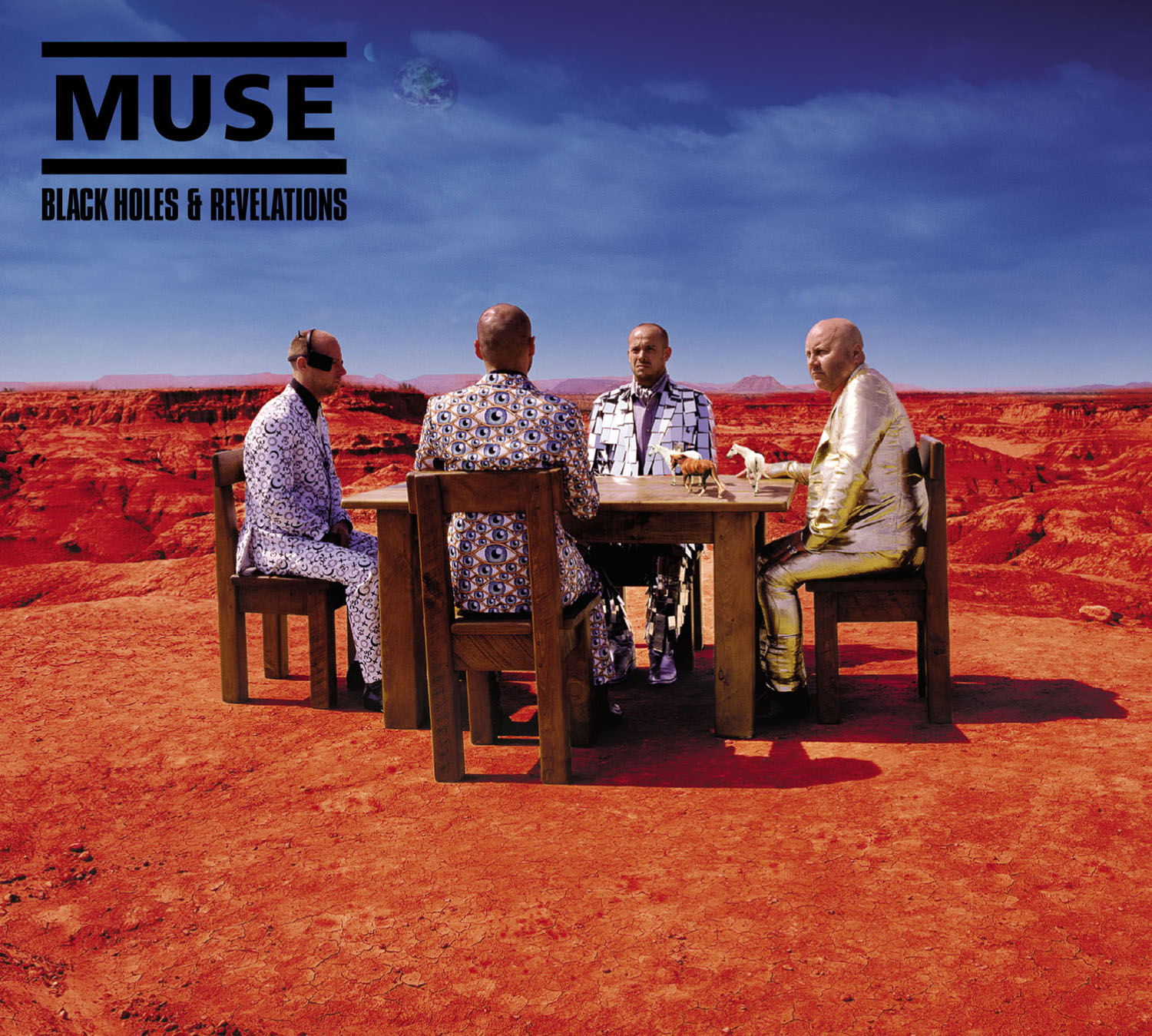
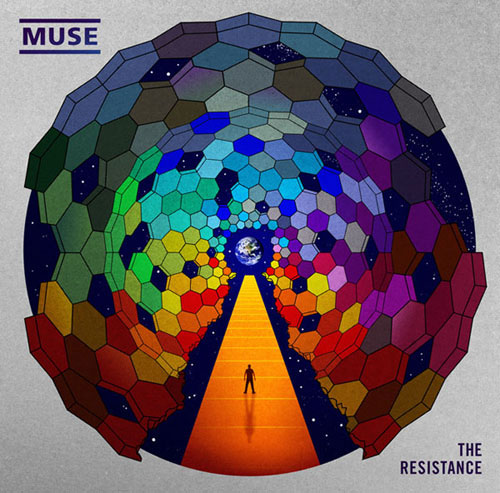
Muse’s best albums are Origin of Symmetry (2001), Absolution (2003, with cover art by the great Storm Thorgerson- Dark Side of the Moon), Black Holes and Revelations (2006), and The Resistance (2009). Their first album, Showbiz (1999), and their most recent album, The 2nd Law (2012), did not thrill me, but maybe I should give them another go around. Their sound is defined by singer/guitarist/studio keyboardist Matthew Bellamy’s magnificent voice. Bellamy is also an artist on the guitar, able to manipulate it to make almost any sound he wants. Often times, what sounds like synthesizer on the album is actually guitar in concert. Christopher Wolstenholme is no slouch on bass either. Many of their songs feature bass as the melody driving the song (ex. Starlight off of Black Holes and Revelations). Dominic Howard on drums is also an excellent percussionist, able to deliver both hard rocking drum riffs along with quieter, more technical drumming. Their use of keyboards and piano, along with a symphony on The Resistance, showcases their ability to explore different areas of the musical realm. They are more than willing to experiment with many different sounds, and more often than not it is breathtaking. Their technical, musical skill is some of the best in the modern, popular rock world.

51u+nJIOD3L._SL500_AA280_51LecLttTdL

Muse’s lyrics tend to deal with vague political ideas. They can be described as libertarian/anarchist, much like Rush. Origin of Symmetry deals with the dangers of new technology and what can happen when it is misused. Absolution is apocalyptic in nature, with songs ranging from the urgency of “Time is Running Out” to the symphonic beauty of “Blackout.” Black Holes and Revelations, probably their most popular album, deals with themes of science fiction and oppressive governments (Ayn Rand?). The Resistance discusses ideas of resisting governmental overreach, along with what the world would be like under a one world government. They end the album with a stunning three part symphonic piece that is very relaxing. All in all, Muse’s lyrics make the listener think, like all good prog should.

untitled

muse-the-resistance

Going back to Muse’s popularity, this is a band that can sell out arenas anywhere. From the 02 in London, to Lollapalooza in Chicago, Muse sells out venues to people who cannot get enough of their music. Is this a sign from God that the people are hungry for prog?! I certainly hope so. Deep down inside, every educated, thinking individual loves prog, and if Muse is a path by which millions of young people can be introduced to this wonderful genre, then more power to them. Here is to hoping that people listen to their Muse and are directed toward the beauty found in the genre of progressive rock.