


MC50 at 20 Monroe Live, Grand Rapids, Michigan, September 22, 2018.
Brothers and sisters, I wanna see a sea of hands out there … I want everybody to kick up some noise, I wanna hear some revolution … Brothers and sisters, the time has come for each and every one of you to decide whether you are going to be the problem or you are going to be the solution! You must choose, brothers, you must choose. It takes five seconds, five seconds of decision, five seconds to realize your purpose here on the planet. It takes five seconds to realize that its time to move, it’s time to get down with it. Brothers, it’s time to testify. And I want to know – are you ready to testify? Are you ready!! I give you a testimonial. THE MC5!!
As Brother J.C. Crawford’s ghostly, prerecorded invocation echoed in our ears, Wayne Kramer welcomed his audience (including me, my older brother, and my friends from high school and college) with a giant grin, a wicked riff from his Stars and Stripes Stratocaster, and the unmistakable, hyped-up grind of “Ramblin Rose.” Surfing a bone-shaking wave of sound, Kramer joyously belted out a raucous vocal, reeling off exhilarating solo licks on the Strat between verses. Almost 50 years after Detroit’s original punks recorded their live debut album Kick Out the Jams, the evening already promised to live up to the MC5’s formidable legend.
“Kick Out the Jams” itself quickly followed, with Zen Guerrilla’s Marcus Durant taking over on vocals, channeling MC5 singer Rob Tyner’s throaty, soulful delivery, stoking us up to dance and shout along. On this and “Come Together”, Kramer locked in with Soundgarden’s Kim Thayil for a meaty twin guitar punch a la Fred “Sonic” Smith; meanwhile, Faith No More bassist Billy Gould and Fugazi drummer Brendan Canty laid down deep irresistible grooves, vibrating human bodies and rattling the concrete floor. This was hard rock honed to a keen point — recklessly idealistic, the barbaric yawp of youth refined by decades of hard knocks, dearly bought wisdom, revived dedication to craft and killer instinct. Plus the obvious determination to give the crowd a good time.


Continue reading “In Concert: MC50 Presents Kick Out the Jams”

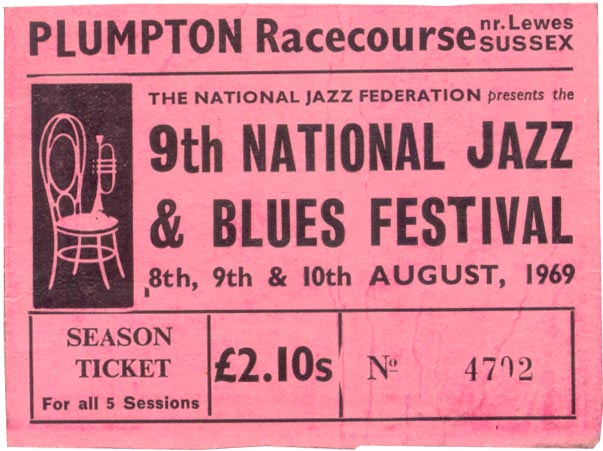
 (Hmmm …
 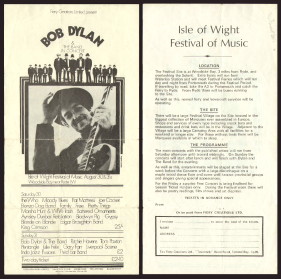 There’s also a copy of the Isle of Wight festival flier which I missed as it was the weekend which we were heading home. Such fond memories.
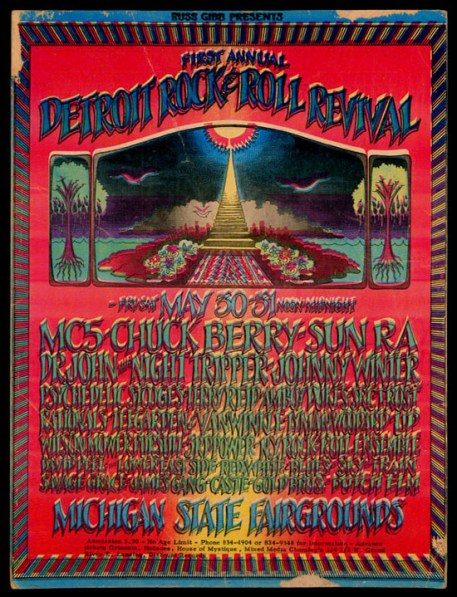 And talking with my brother later, I heard the story of how he and my cousin somehow got permission to go to the 1969 Detroit Rock’n’Roll Revival (with the MC5, Chuck Berry, Dr. John, The “Psychedelic” Stooges and many more acts) the night before my sister’s wedding. Maybe I should rethink missing
 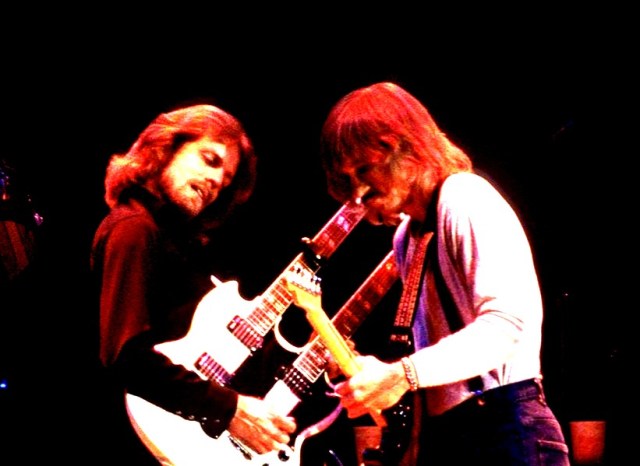 The dark end of late 70s rock culture makes for strange bedfellows on the weekly infinite linear mixtape. One week after
 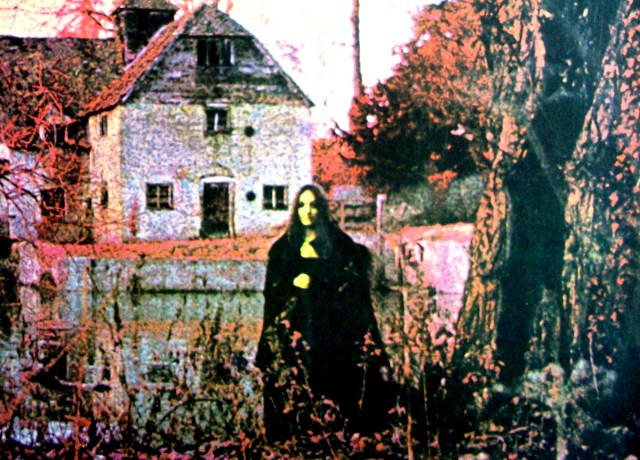 If they’re the only band on the infinite linear mixtape to be featured twice, and back-to-back at that, it’s because of the singularity of their two lead singers, who so influenced their respective versions of
  As a commercially successful American hard rock band fronted by two women in the 1970s, Heart was unique, and while it’s Patti Smith and the Runaways that have turned legendary (with merit, no doubt) for their stories, Heart’s impact on women in rock is, must be, outsized, and deserving of the same attention. While their 80s albums were marred by a soft rock sheen (but still, wildly successful), the early catalog resonates strongly: “Barracuda” with its gallop and biting reaction to a record company and music press that wanted, badly, to portray the Wilson sisters as objects of sexual intrigue; “Crazy on You”; “Magic Man”; “Straight On”; “Heartless”; “Dog and Butterfly”; “Dreamboat Annie.” For what they did and when they did it, Heart’s story is that of women in rock and roll itself, playing off and pushing against an industrial complex bent on making them something they weren’t.
