

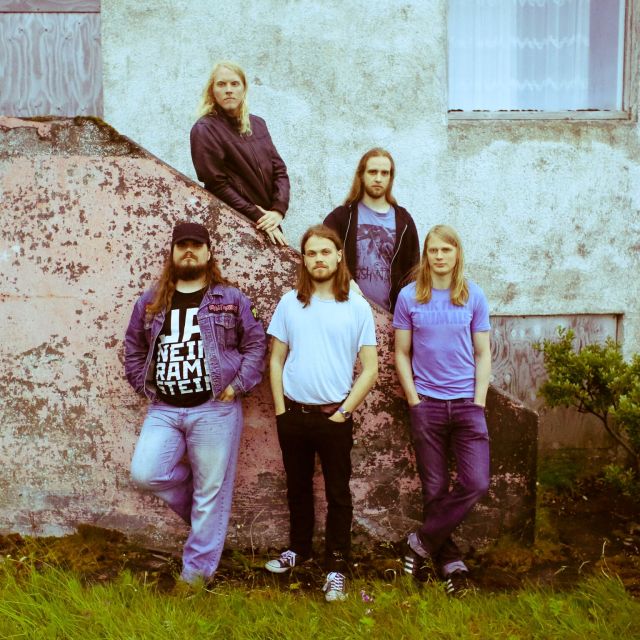
Iceland has been very active when it comes to the Progressive Rock genre in the recent years. It could be said that Ring of Gyges is one of the bands that represent this wave of the Icelandic Prog very well. Formed in 2013, the quintet released an EP titled “Ramblings of Madmen” in 2015 and a single “Witchcraft” in 2016, before launching their debut full-length release “Beyond the Night Sky” in November last year.
Vocalist and guitarist Helgi Jónsson told us about the band’s beginnings, new album, the Icelandic Prog scene, and more.
Let’s start from your early music beginnings. How did your musical career begin? When did you start playing? Which groups have been your favorites as a young man? Please tell us something more about your early life.
I come from a musical family, my dad plays bass and my parents raised me with their old vinyl records; Queen, Pink Floyd, The Beatles, that kind of stuff. I started learning classical guitar when I was a kid, probably around 9 or 10 years old, though I wasn’t really interested in that kind of music. I grew up in the countryside and the music school I went to wasn’t very good so the only proper tutoring I was getting at the time was from my dad, who taught me my first chords on the guitar (the power chords were particularly interesting to me!). When I was 13 I scraped together some money out of birthday cards and bought my very first electric guitar and amplifier, both shitty no-name brands, but I was ecstatic. I quickly formed a band with two of my schoolmates. We were mostly playing covers but I wrote one original song as well. Later on, my parents gave me an American Fender Stratocaster as a confirmation present, which remains to this day my favorite guitar and a good portion of our album was recorded with it. In high school I started to really get into prog, Rush, Dream Theater and Focus were some early favorites, but Blackwater Park by Opeth is probably the album that really sealed the deal for me on this whole prog metal thing.
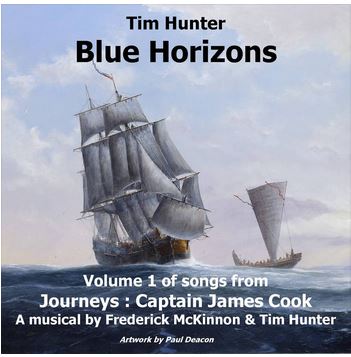
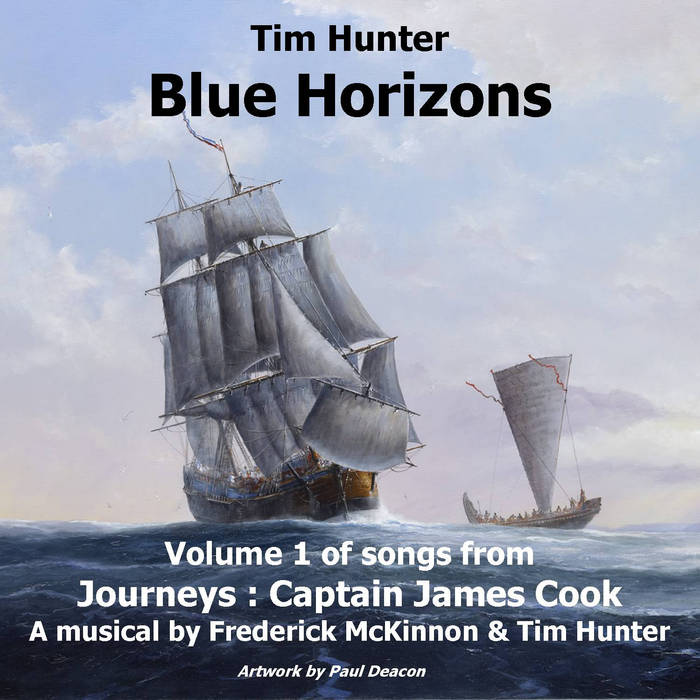
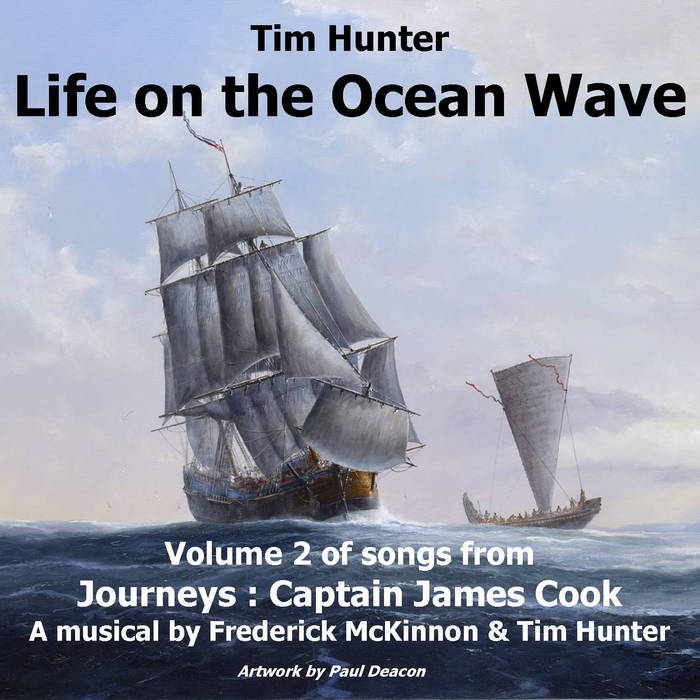
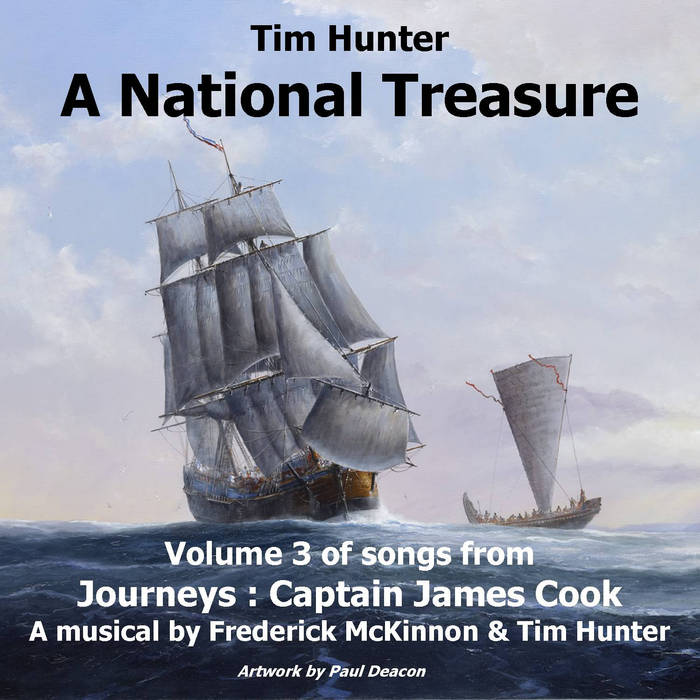
 d him, and to that mind, both Frederick McKinnon and Tim Hunter have created and produced a three volume recording around a play they’ve written on this amazing explorer titled: “JOURNEYS: CAPTAIN JAMES COOK.” 2018 is an auspicious time to release these as they mark the 250th year of Cook setting out to the Pacific realms and of course the 239th anniversary of his fatal demise in Hawaii, 14th February, 1779 over a stolen cutter.
 and dialogue penned by New York playwright Frederick McKinnon. At the time of writing Tim reported, “I’ve been interested for a while of working on a musical project about James Cook, I was particularly fascinated in Cook’s connections with East London, where I lived for a while.” He went on to add, “I joined forces with Fred, who was a fellow Cook enthusiast, and we’ve been working on the project for about a year now.”
 Prog artist and fan, Tim not only plays the part of Captain James Cook he also provides guitar and keyboards throughout. Cook is a subject dear to his heart. “We’re very proud, in North Yorkshire, of James Cook, who spent the early years of his life here. Cook rose from humble origins to become one of the world’s greatest explorers. On his three great Pacific voyages, he re-drew the map of the world and paved the way for the peoples of Hawaii, New Zealand, Australia, French Polynesia and British Columbia to no longer live in global isolation.” The albums were released under his label Northern Soundscapes. Tim is also a member of Anglo-French group, ‘Silver Hunter’ who play Marillion-style Prog. He also aired the popular ‘ProgYes’ Radio show on Phoenix FM for two and a half years.
 through her vocals a pivotal insight into her relationship with James. Two of the tracks from the first album focus on her coping without her husband and raising their family.

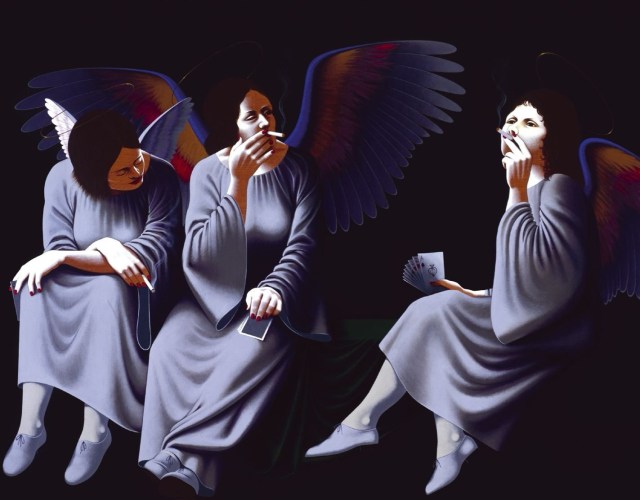 Metal is a tricky business. So is memory. I first heard “Children of the Sea” soon after it was released, I think, as a young teenager in 1980, tutored by an older sister in thrall to Rush’s Permanent Waves, Judas Priest’s Unleashed in the East, and, most of all, Black Sabbath’s Heaven and Hell. It was later that I learned of Sabbath’s late 70s identity crisis, their parting of ways with Ozzy Osbourne, and Ronnie James Dio’s efforts to help salvage a band worthy of his prowess. It couldn’t have been an easy road, and by all accounts wasn’t, BUT… the fruit of Osbourne’s dissolution, Dio’s post-Rainbow quest, and the Sabbath juggernaut’s need to produce a next record, was a pair of LPs blueprinting one way forward for metal: operatic vocal facility, pop-tinged melodies, subject matter less doom-and-gloom than dungeons-and-dragons. With, of course, guitars fully and thunderously intact. It was what Heart showed it could be with 1978’s


 Progarchy