

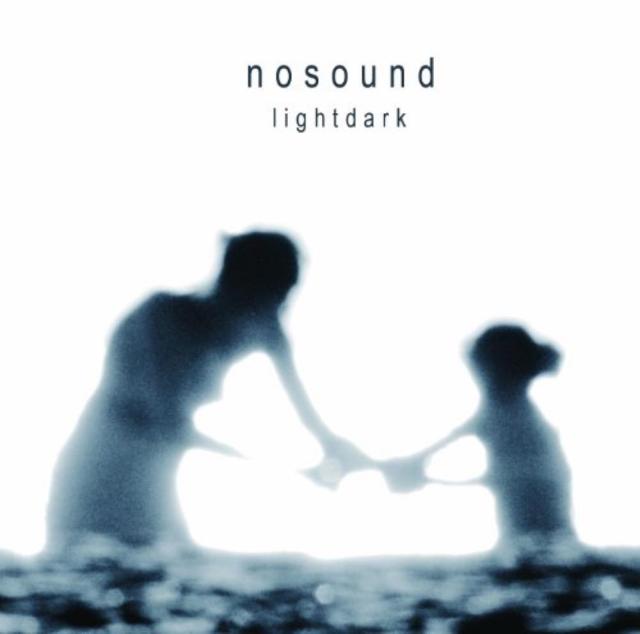
Ten year ago this fall, the brilliant Giancarlo Erra was in the studios writing, recording, and mixing what would become his magnum opus, LIGHTDARK, one of the first releases from the then-brand new KScope Records. Nothing Erra writes and records is unimportant, of course, but nothing he has done has quite matched the flawless LIGHTDARK, in its composition, its harmonies, its reach, and its flow. Never could this be wallpaper music. It is music that demands full immersion. As with T.S Eliot’s Four Quartets, Erra’s LIGHTDARK demands that we the listener stand within the art itself, seeing the world form the perspective of the art. As such, Erra is a genius, bringing us fully into his music.
As with some of the best composers of the past century, Erra eschews all forms of bombast as he whispers longingly toward the true, the good, and the beautiful. He is not afraid of silence, knowing that the notes that surround silence, do so affectionately and even passionately.
Imagine Mark Hollis writing music for Pink Floyd while serving as the backup band to Arvo Part, and you might get close to the genius and talent of Giancarlo Erra.


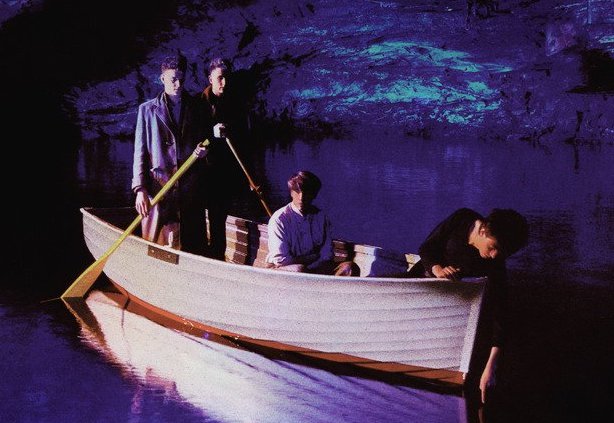 It’s like they couldn’t help it, all the British bands that invented themselves in the wake of the Sex Pistols. As hard as they tried not to, they created some of the loveliest pop music one can imagine, with smarts and restraint and pretension, lots of pretension. In their willful endeavor to be a serious, art-y band in an evolving psych-goth-pop scene, Liverpool’s Echo and the Bunnymen were not the equal of Siouxsie and the Banshees or the


