 Erewän – How Will All This End? – Anesthetize Productions, December 10, 2021
Tracks: Rising Sun on the Shore (4:06), Childhoods (5:05), Walk Away (5:32), Headline (7:07), The Banshee’s Keening (5:45), Witches of the Middle Ages (4:33), Twist of Fate (5:24), Evil’s In Us (8:14), Highlands (5:49)
Erewän’s late-2021 album, How Will All This End? has a fresh sound mixing a variety of rock and acoustic sounds. While Erewän may sound like a band name, it is actually the stage name for a Nice, France-based solo artist. Musically that may surprise you, since there is a rather heavy Celtic influence on the record. Erewän wrote all of the lyrics and the music, and Alexandra Lamia and Eric Bouillette guest on a couple of tracks. The rest of the music was performed by Erewän, who also made the artwork.
The album mixes elements of traditional progressive rock with folk music, particularly Celtic folk music. Irish whistles and violin are prevalent, along with acoustic guitar. Erewän plays some excellent electric guitar, as well. It’s a very pleasant album to listen to no matter where the music goes. At many times it’s rather soothing.
How Will All This End? is essentially a concept album, with all of the songs connected by the theme of the evil mankind has committed throughout history, and how that evil infiltrates each of us. The lyrics are sobering, and they force us to take a good look inside. Thankfully the music isn’t as gloomy as the lyrics can sometimes be.
Evil is deep down inside men
Evil is in each of usEvil! Evil! Evil! Evil!
Man is a wolf to man, He is the danger
He’s proved it through the ages, man can be toxic
Obsessed with one thing: How to own more
More power or money, so he made up the war– “Evil’s in Us”
As you can imagine, the record has some rather dark moments. “Headline” is a difficult track addressing the problems of bullying in schools and school shootings. It takes a very dark turn with the sounds of gunfire and screaming midway through the song. It’s a tough pill to swallow, but it’s a reminder of the evil we deal with in the world.
Thankfully the next song starts off more upbeat musically. “The Banshee’s Keening” has a very Celtic feel, as the name might suggest. I’ve always enjoyed the sounds of Irish whistles, which this song has in abundance, along with what sounds like fiddle in the background. The song is about exactly what the title says. A banshee is a spirit in Irish folklore that roams across the land “keening,” or wailing, in response to someone’s death.
“Witches of the Middle Ages” displays the calmer elements of the album, with a simple acoustic melody and the haunting Irish whistles and what I believe are bagpipes (it might be a guitar effect). The lyrics tell the story of a girl accused of being a witch and then executed by the Inquisition.
Thankfully it’s not all doom and gloom. In the lyrics of “Evil’s in Us,” Erewän gives us a glimpse of hope:
But demons rub shoulders with angels
Yet maybe angles could win sometimes
If you take time to listen to your heart
To your heart
To your heart
The final track is instrumental, which is a very good thing. The album is quite dark lyrically, and “Highlands” gives the listener a chance to decompress. It’s a soothing track, starting out acoustic with Irish whistles, piano, and strings before gradually adding in the rock elements. Midway through it jams into an electric guitar solo that retains the Celtic folk music styling with its melody. It’s a great bookend to the opening instrumental track, which eases the listener into the journey Erewän takes us on. Both songs remind me of Dave Bainbridge and Dave Brons’ solo work. If you’re a fan of their work, definitely check out Erewän.
My one complaint about the record is Erewän’s vocals can sometimes be difficult to understand. His accent is thick, which might leave the listener lost at times. I’ll compare it to the recent Premiata Forneria Marconi album, which features both English and Italian versions of the songs. I listened to the English version first, and I found Franz Di Cioccio’s vocals to be difficult to follow, although I really enjoyed the music. When I listened to the Italian version, his vocals sounded great and very natural. All that to say, I would love to hear a version of Erewän’s album with French vocals. I know that would limit the marketability of the record, but it still would be nice to hear.
Even as it is, How Will All This End? is a great album filled with a beautiful blend of rock and acoustic folk music. The lyrics make you think, which is what good art should do. The guitar solos soar, blending well with the Irish whistles. Give it a listen on Bandcamp.
Erewän Links: https://linktr.ee/erewan
https://www.facebook.com/Erewanproject/
https://anesthetize.fr/en/

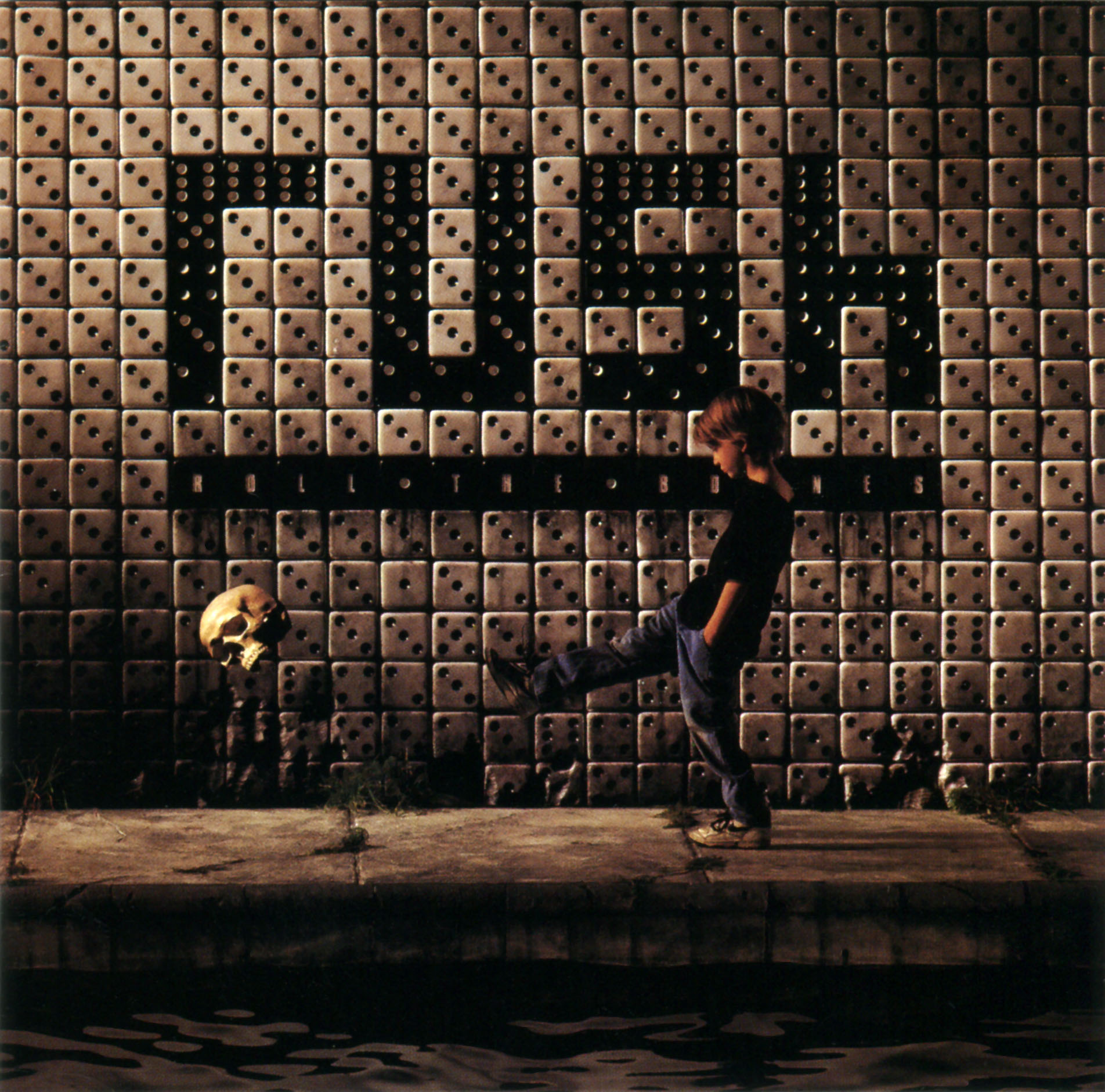 If I had to pick one Rush album between 1984-1996 to be my favorite, I would pick Roll the Bones without hesitation. I grew up with the early era of Rush (through Moving Pictures), and I didn’t come to the 80s (meaning post MP, which I consider to be more like their 70s output) music until I was in college. I’m in my late 20s, to give you a little perspective on where I’m coming from. I was drawn to the hard and heavy music and the rough philosophical and fantastical lyrics of that era of the band.
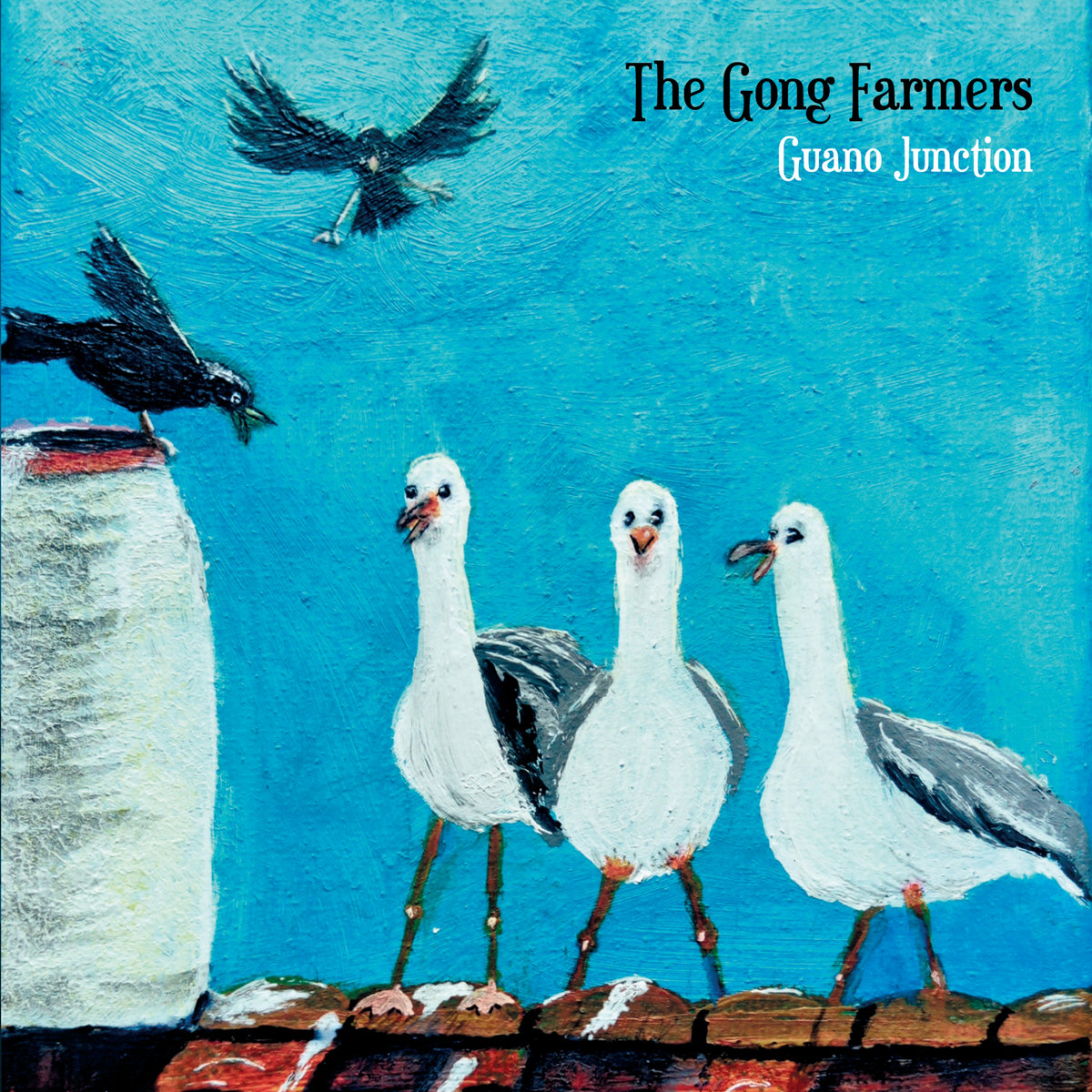 The Gong Farmers, Guano Junction, Spaceward Records, November 5, 2021