

Steve Hackett, The Night Siren (InsideOut, 2017)
Tracks: Behind the Smoke (6:58), Martian Sea (4:41), Fifty Miles From the North Pole (7:08), El Nino (3:52), Other Side of the Wall (4:01), Anything But Love (5:56), Inca Terra (5:54), In Another Life (6:07), In the Skeleton Gallery (5:09), West to East (5:14), The Gift (2:45)
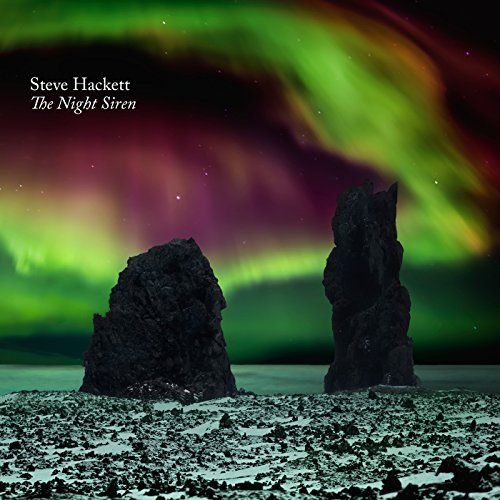 I think we all know by now that Steve Hackett is a genius. Over the last several years of this current wave of progressive rock, it seems that everything Mr. Hackett has touched has turned to gold. Indeed, he recently told the fine folks over at Prog magazine that he is currently in one of the most creative phases of his life (Prog 73). Considering his remarkable musical catalog, that is saying a lot. It rings true, however, when The Night Siren and his previous album Wolflight are concerned. They are some of the best albums of his solo career.
Both of these albums include a lot of what some might call “world music.” He features instruments and musicians from all over the world, including Azerbaijan, Scotland, Iceland, and Israel. He even includes both Jewish and Palestinian singers from Israel on the same song. Throughout all of this mix, Hackett’s message is clear: if we can have peace through musical collaboration, why can’t we have world political peace? This is certainly an excellent question to which it seems world leaders have no answer.
One might think that this conglomeration of disparate instruments and styles would create an off-putting wall of noise, but nothing could be further from the truth. Hackett masterfully blends these different influences with his signature guitar licks. The result is truly breathtaking.
Continue reading “The Night Siren: The Peaceful Resistance of Steve Hackett”
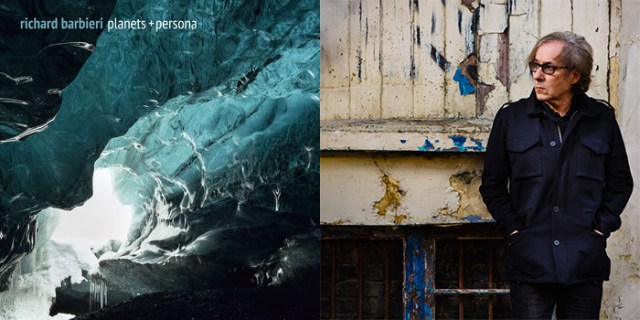 I was first exposed to that exotic, amorphous musical genre called “electronica” in junior high by a friend who listened to what we called “weird stuff”. I’m not even sure what it was; some of it was from Japan. It made a dent in my memory banks, however, because until then my musical interests had been confined to some classical (Brahms! Mozart! Good!), Top 40 rock (Queen! Also good!), and lots of



 The principles of exclusion, constraint, and limitation are drivers of art as much as what ends up on the canvas, and more than anything explain how U2’s “The Three Sunrises” did not make the cut of their seminal 1984 album The Unforgettable Fire. That album, their fourth, changed the band’s trajectory by broadening their palette (thus ultimately guaranteeing their longevity). Subduing the band’s onward-Christian-soldier martial airs without dulling its passion, producers Brian Eno and Daniel Lanois — who the previous year had created, along with Roger Eno, one of the great ambient masterworks in Apollo — worked at applying creative filters to make a music that was moody, introspective, less deliberate but also more whole. The Unforgettable Fire feels more like an album with a sonic narrative than any of its predecessors. Still, no one, not even Eno, could contain U2’s spirit or strong self-identity, and the recording sessions yielded some work with one foot still grounded in the energetic brightness characterizing their previous catalog.
 Progarchy