One of America’s two finest print sources has a great writeup on BENT KNEE. And, well deserved. By Jim Fusilli.
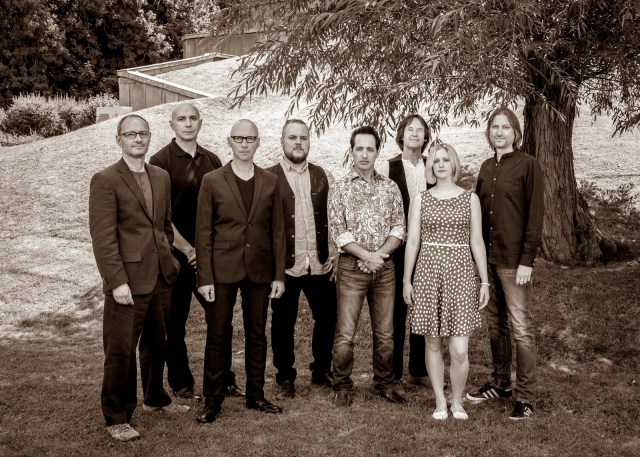
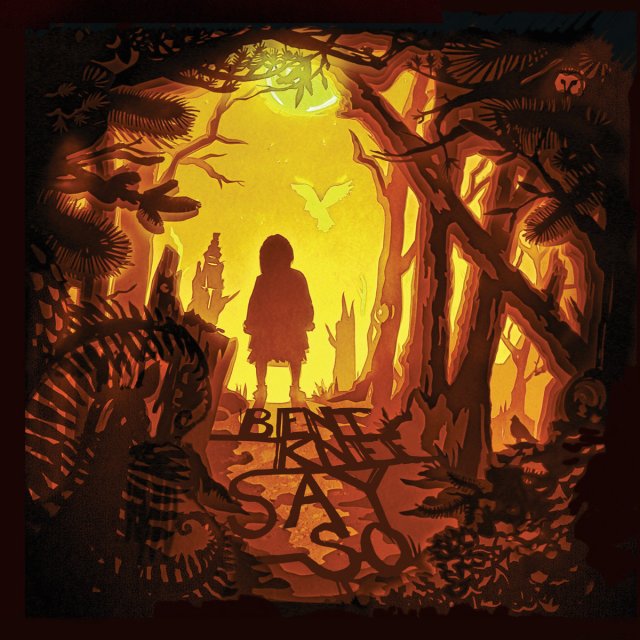
Bent Knee, whose latest album, “Say So” (Cuneiform), arrived on Friday, has been classified as a proponent of art rock, which is only a little more helpful than saying it makes music. Across the span of its three full-length discs, the silo-smashing, Boston-based sextet taps into cabaret, ’70s piano-based folk, chamber pop, industrial rock, metal and prog rock—with the snap of funk and hip-hop in some of its rhythms. Featuring the versatile, ever-appealing voice of Courtney Swain on top, Bent Knee’s unique mix is equal parts ingenuity and deliciousness.
Bent Knee may begin and end a track near the same sonic place, but in between it offers a journey filled with fruitful detours. The initial listening experience is to wonder what’s next; later, it’s a matter of catching up with what was missed the earlier times around. On “Say So,” the track “Counselor” features bouncy allusions to show tunes; punchy funk; wailing metal; and a sing-along worthy of a protest rally. A cocktail-lounge piano and a theatrical vocal by Ms. Swain introduce “Nakami,” but soon comes Gavin Wallace-Ailsworth’s booming drums, a stinging guitar and sweet strings; Ms. Swain, who also plays keyboards, sings the stirring outro in Japanese. “Eve” has two bludgeoning interludes right out of sludge metal, but there are also little bits on plucked violin and accordion, with some jazzy chording on electric guitar. For all that’s happening on this album, there’s little bloat or self-indulgence, and even the longest tracks feel like concise statements.
To read it all, and you should, go here: http://www.wsj.com/articles/say-so-by-bent-knee-review-1464125585
Thanks to Stephen Humphries for pointing this out to me this morning.


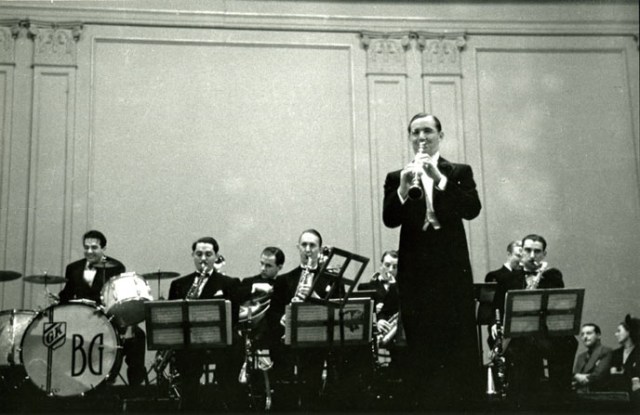 The Benny Goodman Orchestra’s performance at Carnegie Hall in January 1938 has a place in history as the coming out party for jazz, a legitimizing of an art form within the fortress of American (read: white/European) highbrow music. Ripe for irony? Yes. But when we recall this was the era of “race” records, and that jazz in the white American psyche was still an odd conflation of jump-and-jive black culture, blackface minstrelsy, and the carefully staged musical numbers of Hollywood sophisticates, Goodman and company’s triumph was quite real. Bringing an integrated group of musicians that included the best of its day to Carnegie Hall, blowing the collective Depression-era Jim Crow “high culture” hive-mind…. remarkable. This music is fierce, sometimes nasty, less a nod to propriety than a tuxedo-ed finger in the eye, dashing racial and artistic division by sheer force of celebratory musicality. “Sing Sing Sing,” a Goodman Orchestra signature tune written by Louis Prima, was the band’s finale, clocking in at over 12 minutes, and thus recorded, using the technology of the time, on acetate discs using a relay of multiple turntables (while the concert was almost instantly legendary, the recordings wouldn’t be made available for over a decade: see