Some Sunday (Reminiscere) Organ: Prog by Any other Name!

Jay Watson's avatarThe (n)EVERLAND of PROG

ridersOFtheUNIVERSE

RIDERS OF THE UNIVERSE in their new album Amen Road give us a tasty piece of Prog rock with some smatterings of psychedelic/space/ambient rock.  This song ‘Bovenkerk’ is an organ instrumental.  It is the 12th and final track on this 2015 release. Not only is it fitting for a Sunday, but nothing says progressive music in the year 2015 quite like a mighty Pipe Organ.  🙂

Mellotron On!

View original post

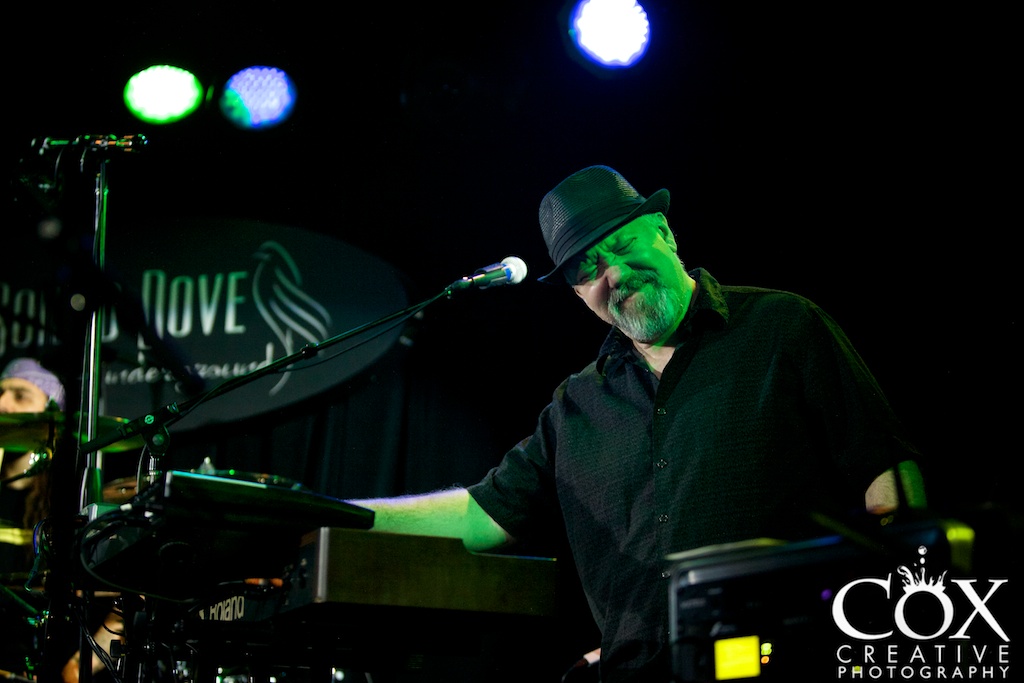
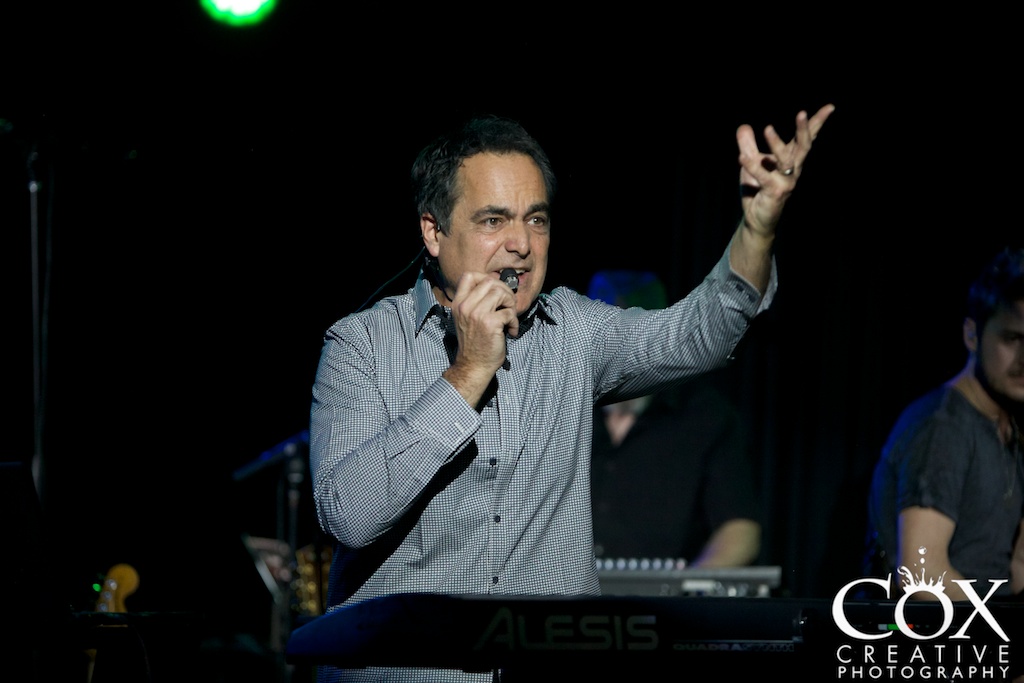
Preach it, Neal! The Neal Morse Band Live, 2015

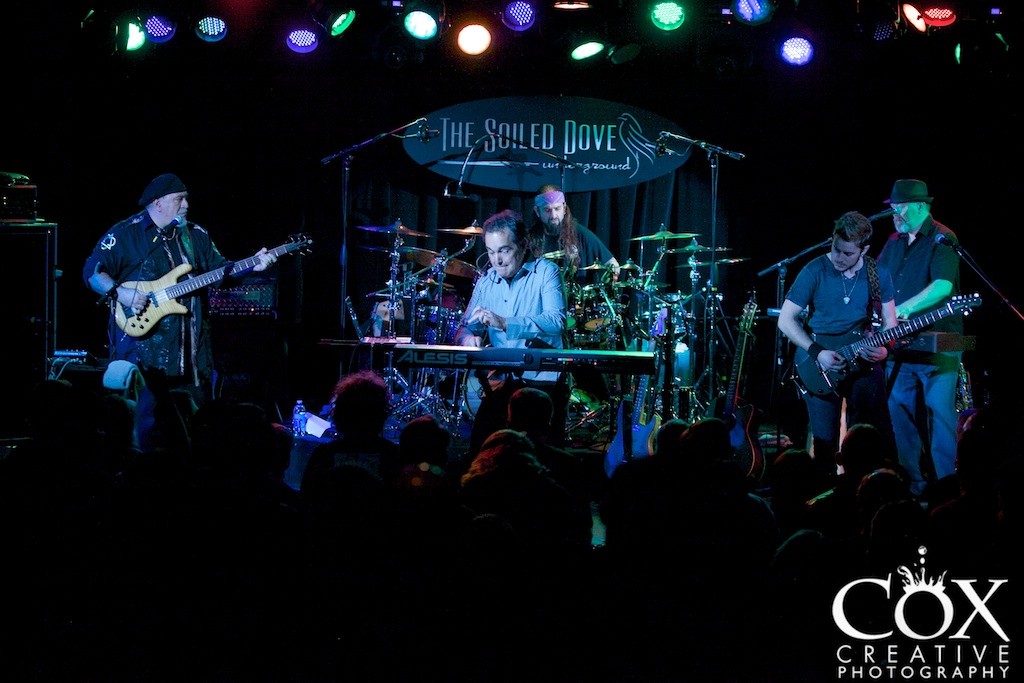
Review: The Neal Morse Band, ALIVE AGAIN TOUR, Aurora, Colorado, February 28, 2015.

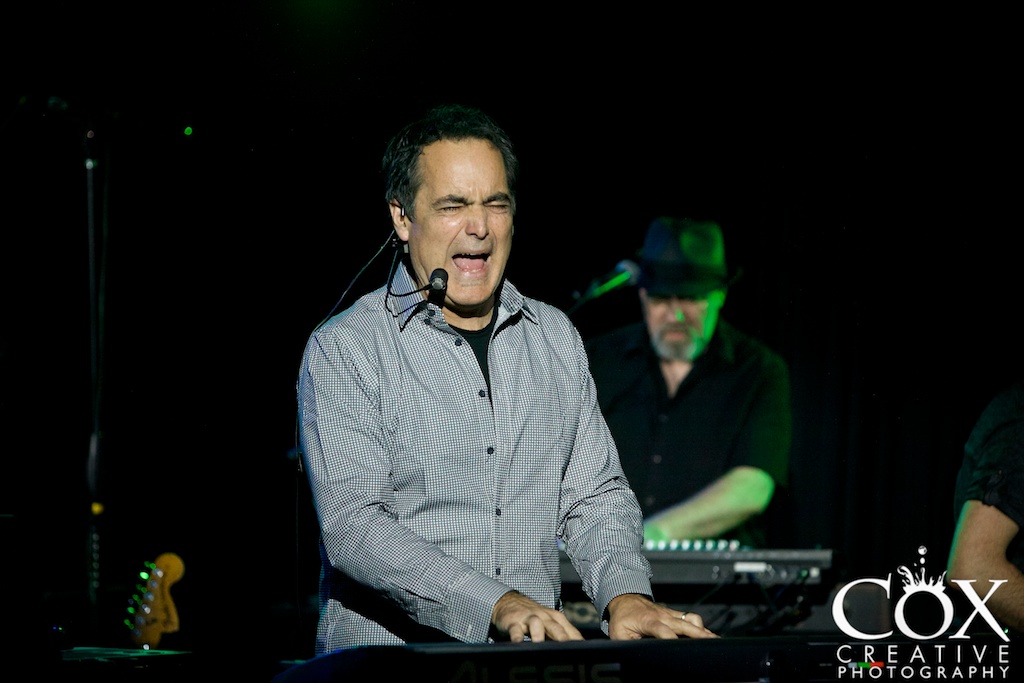
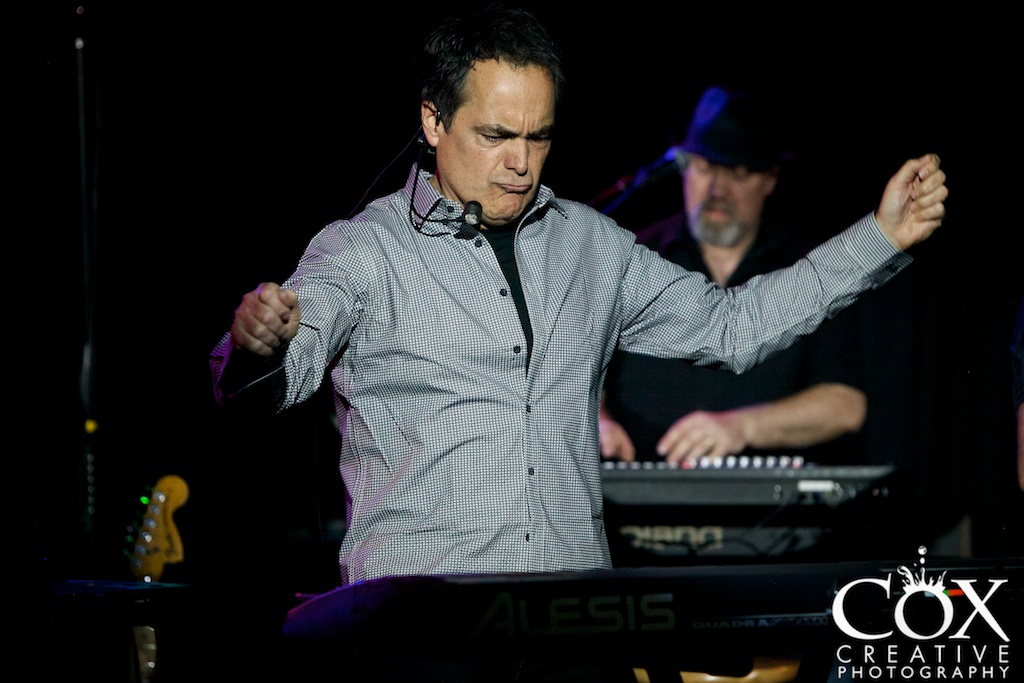
Neal, in a quiet acoustic moment, singing "Somber Days" from TESTIMONY.
Neal, in a quiet acoustic moment, singing “Somber Days” from TESTIMONY.

Last night, I had the incredible privilege of seeing the Neal Morse Band live in Denver (actually, in the suburb of Aurora), playing at the Soiled Dove Underground. To make it all so much better, I had the company of my beautiful, prog-friendly wife, Dedra. Colorado prog friends, Geddy, Vince, and Amy, were there as well. And, just to make the company even more interesting, Dedra and I sat with two brothers—Joe and Dave, originally from Columbus, Ohio, but now residing in Denver. Joe might even have been a bigger Neal Morse fan than I am, if such a thing is possible. The guy waved, pumped his fist, and screamed “amen” throughout the whole show. I loved it. Before and after the concert, we talked about the American founding fathers and the constitution! Not something I was expecting. But, when I told them I taught history at CU, they became pretty animated and wanted to make sure I taught only from primary sources. As it turns out, I do. So, a great geek time was had by all.  Neal Morse and Thomas Jefferson have far more in common than you might suspect.

But, of course, if you’re reading this, you’re not interested in my pedagogical style or my views on the saint of Monticello. You want to read about Neal! Or Mike! Or Randy! Or Bill! Or Eric! Of course, you do.

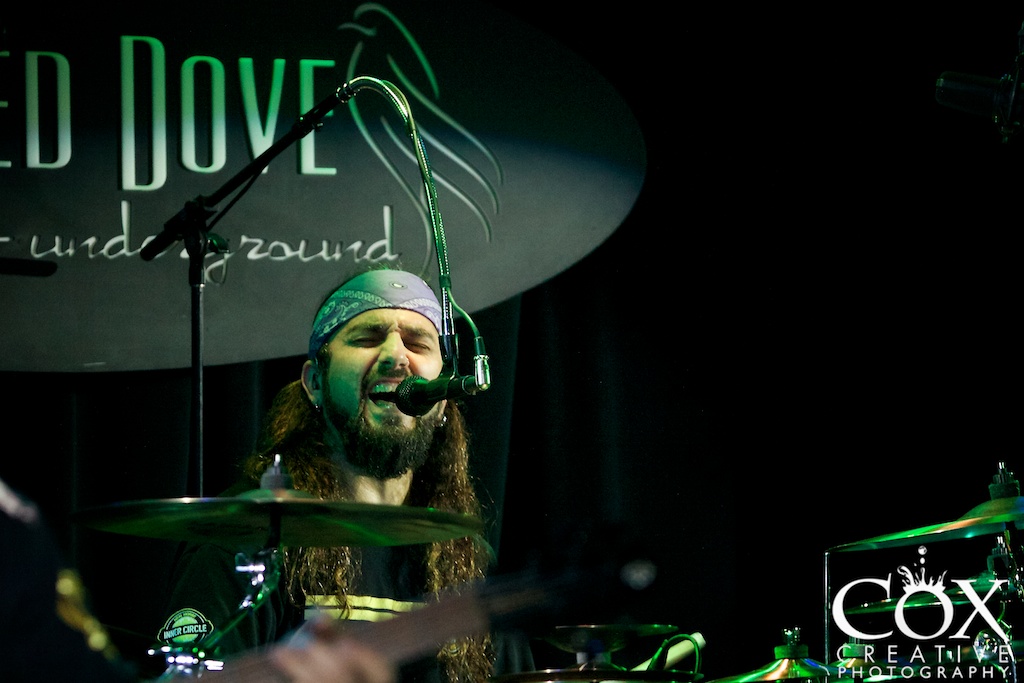
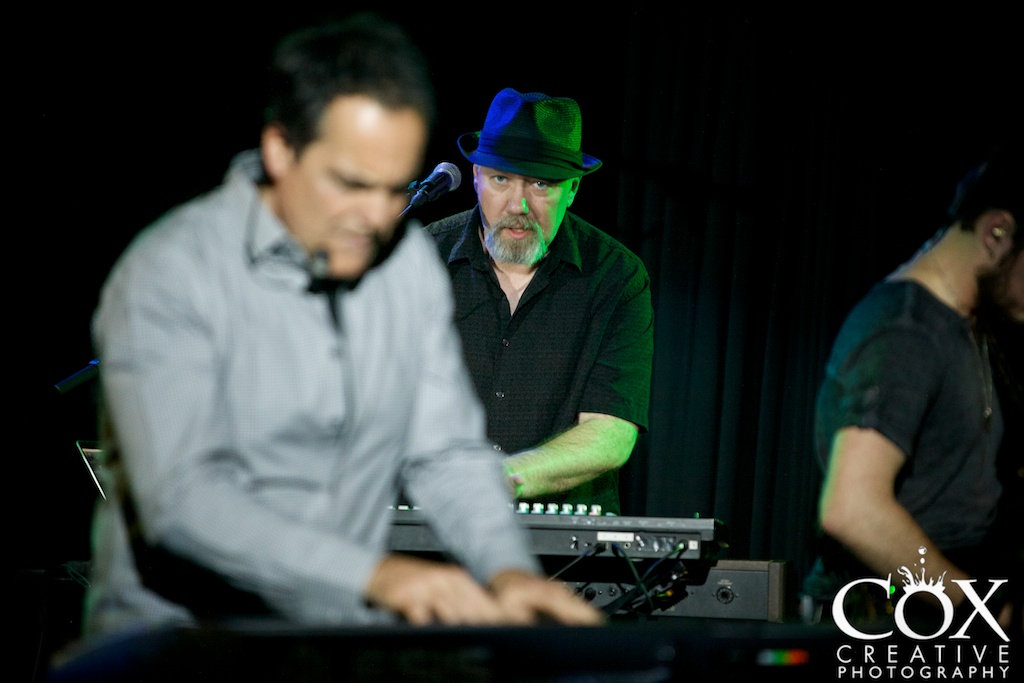
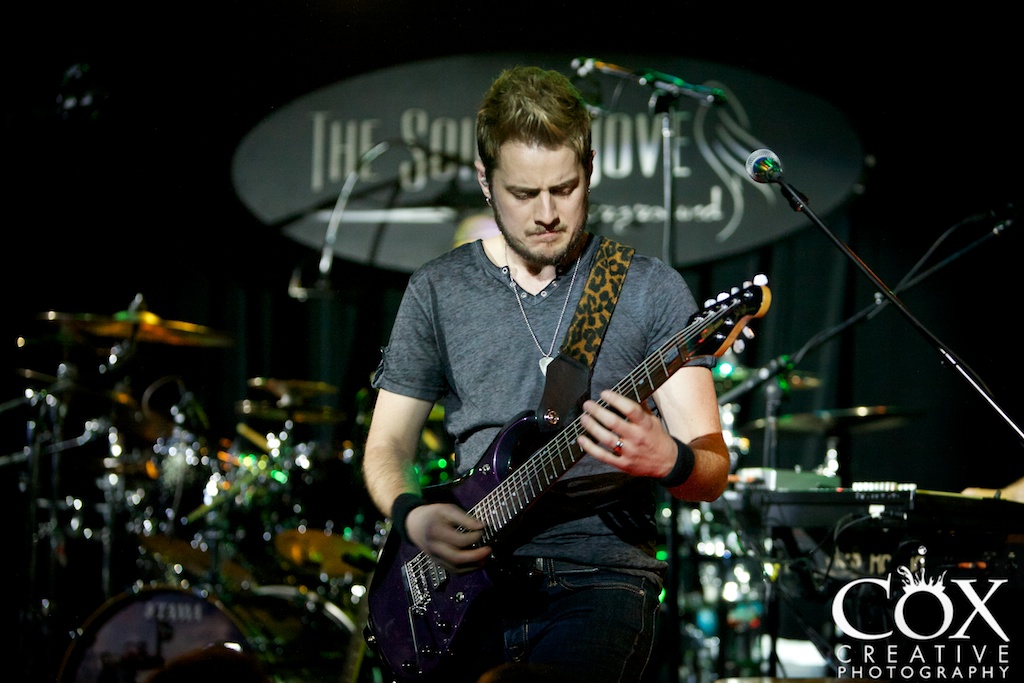
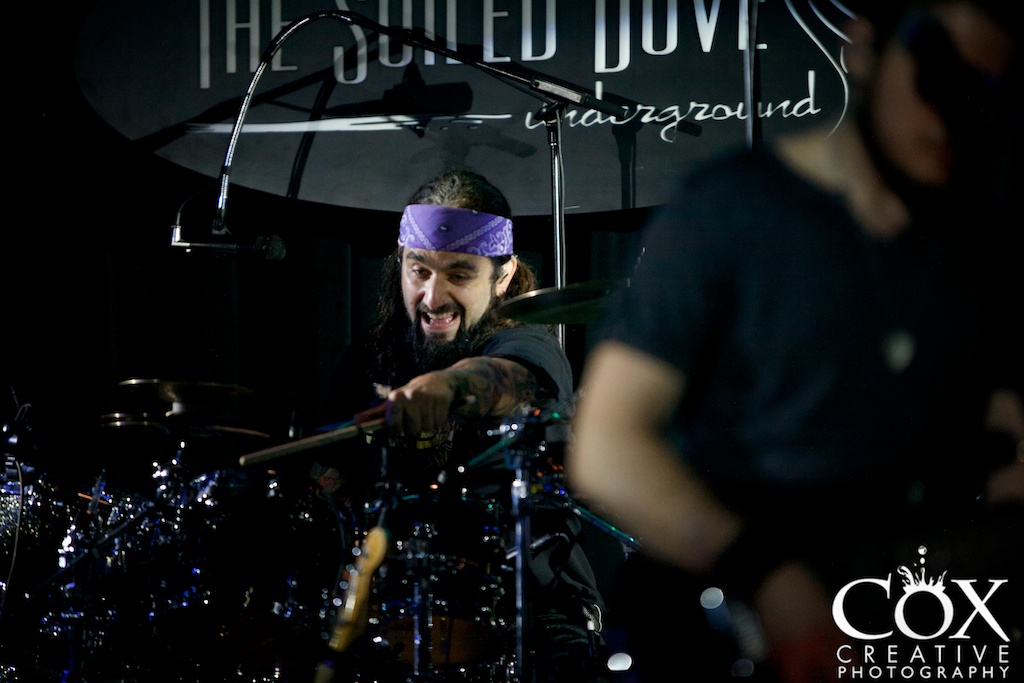
The NMB, 2015: Portnoy, George, Hubauer, Gillette, and Morse.

Whether or not I can add much to Tad Wert’s excellent review of the Nashville show remains to be seen. I will do my best.

Let me get the suspense out of the way. This was one of the single finest rock concerts I’ve ever seen, and I feel deeply honored to have been there. All day, today, I’ve been able to think about little else. I’ve seen Neal Morse before, and I’ve always thoroughly enjoyed myself at his shows. But, this. This was truly something special. Not only is Morse coming off of the single best album of his career, The Grand Experiment, but he has also truly expanded the show into a “band” effort. He is still the leader, to be sure, but this was the show of the band, not of an individual, or of an individual with a supporting band. These guys meshed so very, very well together.

So very well.  Sigh. . .

I took pretty copious notes, trying to record my reactions, during the 2.5 hour concert, and words such as “AWESOME” and “INSPIRED” appear frequently. At one point, I looked at my notes and thought, “I’m turning into a teenaged girl. All I need is some hearts on top of my ‘i’s.”

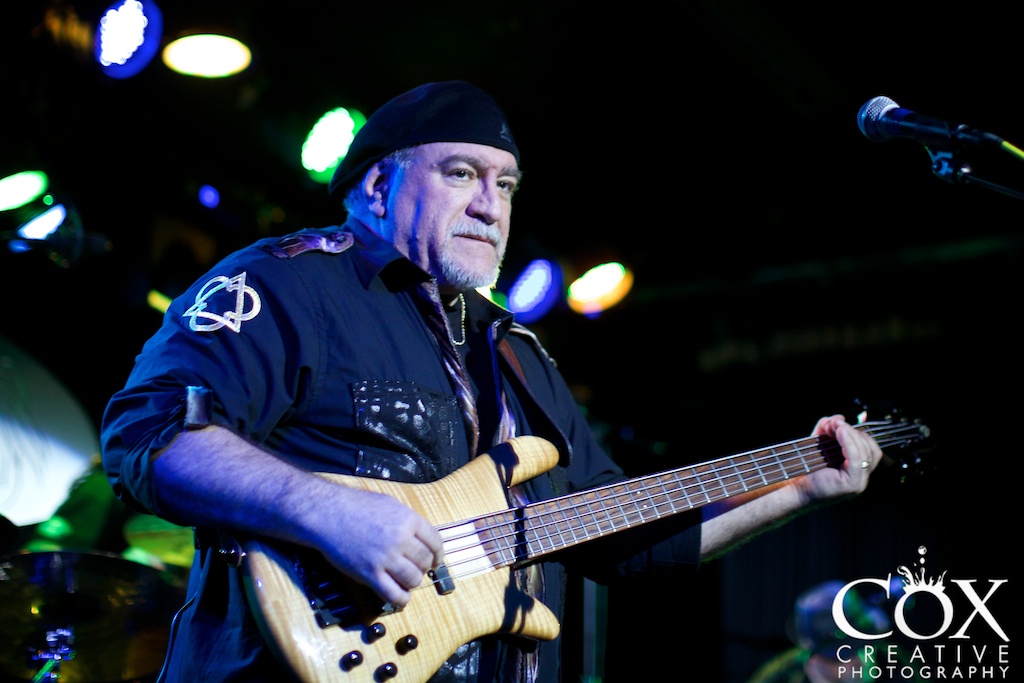
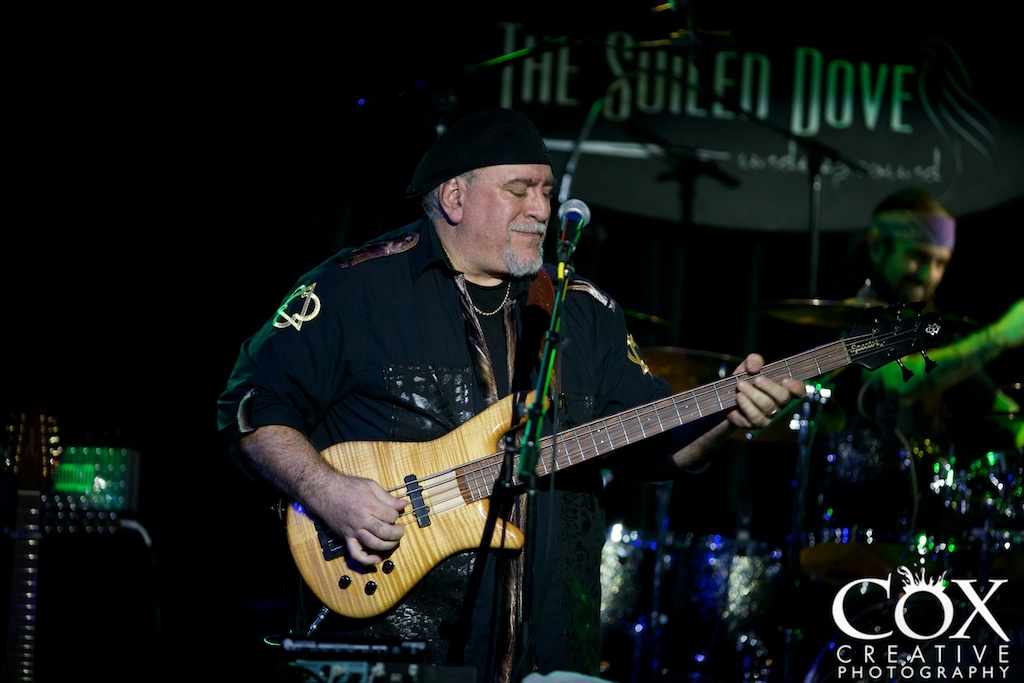
A few years ago, Tad called George "avuncular."  It's true!  And, he's an amazing bassist, too.  But, is he related to Princeton's Robert George???
A few years ago, Tad called George “avuncular.” It’s true! And, he’s an amazing bassist, too. But, is he related to Princeton’s Robert George???  The next album: The Bass and the Natural Law.

As to the set list, the guys played The Call; Leviathan; Harm’s Way/Go the Way You Go; The Grand Experiment; The Creation; Somber Days; Waterfall; In the Fire; Alive Again; Rejoice; Reunion; King Jesus. In between there were several solos—all quite good.

Let me offer a number of observations.

Neal and Mike were clearly in the highest of spirits, and the two really served as the pillars around which the others moved (Randy’s a pillar, too, really).

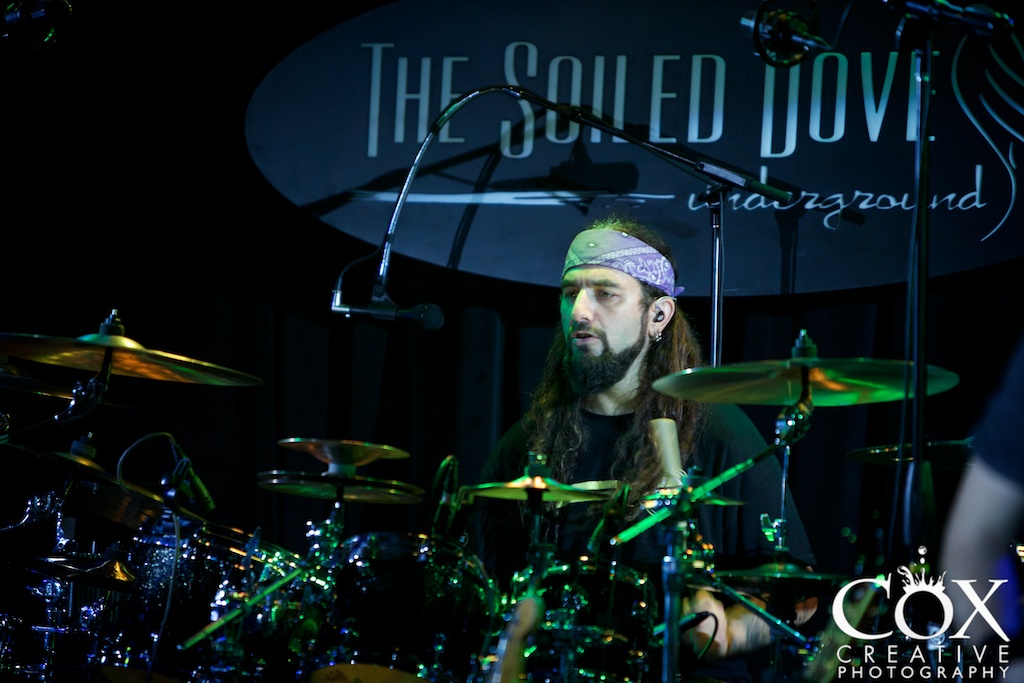
I've been listening to Portnoy for 23 years.  He just gets better and better.
I’ve been listening to Portnoy for 23 years. He just gets better and better.

Morse was in full “ham” mode, and I loved every moment of it.  I wasn’t alone.  Morse had the audience, totally and completely, from the first second to the last.

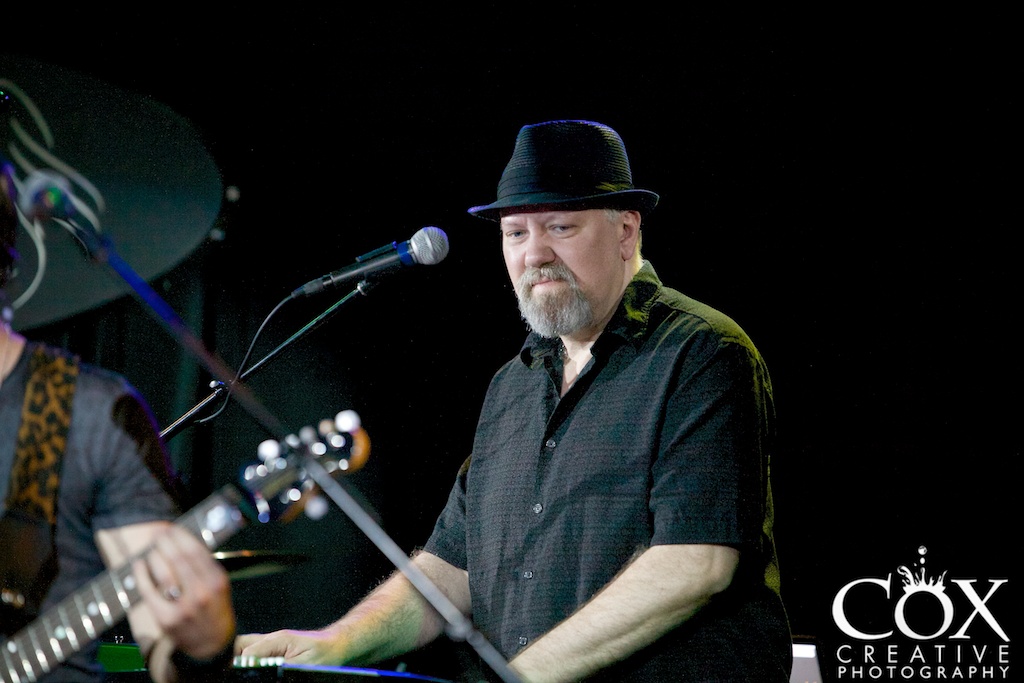
When I first saw Eric Gillette and Bill Hubauer on the MOMENTUM tour, they properly blew me away. I’d not seen a thing, as it turns out. They’ve each grown so much in confidence, it was almost like watch two entirely new players last night. Hubauer could’ve been in Procol Harum, and Gillette would’ve been a nice substitute for Trevor Rabin on 90125.

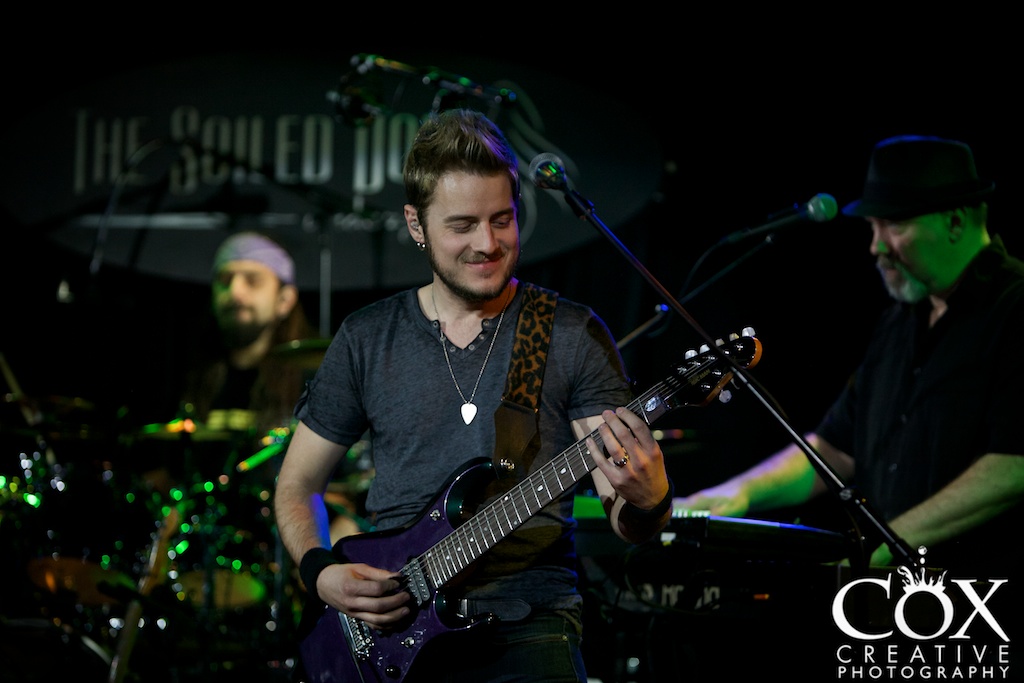
Holy schnikees, these guys are amazing.  Given his age, Gillette has fantastic future ahead of him.  And, he sings as well as he plays.

Every one of the members of the band played wonderfully. Randy even played a bass pedal solo!

The second best moment of the night was the performance of Waterfall from the new album. As I’ve noted here and elsewhere, this is the best album of Morse’s career, and I’ve been a huge (huge!) fan since THE LIGHT. In context of the new album, Waterfall offers a beautiful 6.5 minutes of Genesis-like delicacy and wonder. In concert, however, it’s an altogether different thing of beauty. Watching Neal, Bill, and Eric on guitar and Mike on tambourine exuding love and tenderness, I was moved at the most profound level.

One of the highlights in an evening of highlights: a Crosby, Still, Nash, and Young Waterfall (with more than a bit of Hackett-era Genesis).  And, yet, pure NMB!
One of the highlights in an evening of highlights: a Crosby, Still, Nash, and Young Waterfall (with more than a bit of Hackett-era Genesis). And, yet, pure NMB!

The best moment, though, arrived with the finale of the main set, the title track of the show and one monster of a prog tune, Alive Again. I realize some will take this as hyperbole, but it’s how I felt and how I feel: I was at a 1973 Yes concert, listening to the first live version of Close to the Edge or at a 1978 Rush concert, hearing the first live performance of Xanadu. Yes, this is how good “Alive Again” is. This is the greatest prog epic Neal has written, and it’s one of the best prog epics ever written. In hindsight, I realize the entire set list had been carefully constructed to lead to this 30-minute plus finale.

Before heading to the concert, I checked out some reviews and came across some of the standard comments about Neal. Too preachy is the most common complaint. Really??? If Jesus is half as cool as Neal makes Him, call me a follower. I love Morse’s convictions, his sense of purpose, and his humor. Morse is a natural leader and a man endowed with immense gifts. Preach it, Neal. Preach it until the end of days.

The Race for Space and other stories

2015 might well be starting off on a great footing with 3, yup, 3 amazing albums already released and jostling for position on my turntable and CD player respectively, but first I thought I’d look at a few gems from towards the end of last year that are worth investigating and listening to.

 Anytown

Anytown: Trouble on the Water

www.facebook.com/anytownmusic

 Songwriting genius Matthew Taylor, better known as the driving force behind Sheffield’s Dead Like Harry, puts his talents to good use here on the debut album by his new project Anytown, featuring a stellar line up of fellow Dead Like Harry members Robin Baker (bass, double bass) Alice Faraday (vocals) brother Samuel Taylor, whose making a name for himself as a solo performer on guitar and vocals, as well as the additional vocals of Rhiannon Scutt and Kirsty Bromley fill our the sound, whilst Matt’s distinctive warm vocals and his piano and keyboard work dominates the albums 9 tracks.

Dead Like Harry’s trademark vocal harmonies are carried over here, as Matt & Alice’s voices beautifully complement each other, whilst the stripped down sound of Anytown suit Mutts maturing songwriting superbly. The mood here is melancholic and contemplative, from the wonderful opening Balham Road, underpinned nicely by Matts accordion whilst the vocal harmonies soar.

The River is a fantastic piece with more of those gorgeous harmonies that fill the room and are the musical equivalent of a big warm hug.

Delhi Rising is the song about the protests throughout Delhi after the brutal rape and death of female student Jyoti Singh Pandey back in 2012, which shocked the world, and this song does her memory and the aims of the protesters justice. Also written in the traditional folk idiom of reflecting true events is the title track Trouble on the Water, the tragic tale of the Penlee lifeboat disaster.

The songwriting here is closer to the folk idiom than Dead Like Harry, and when performed in an intimate atmosphere (as I had the pleasure of seeing a few weeks ago) the songs send a tingle up the spine, and Matt’s songwriting has the uncanny knack to pull you into the story and take you to that particular place. A knack very few performers have.

A wonderful reinterpretation of Dead Like Harry’s Free as a Bird is heartbreakingly beautiful, whilst the haunting Winter Sky, with its beautiful harmonies and its tale of loss is followed by the superb The Promise, with some amazing piano work by Matt and beautifully understated guitar work, with some heartfelt lyrics.

Anytown is another one of Matt’s story songs, with his lyrical vignettes painting a picture with the songs, and is another song full of wonderful vocal harmonies.

The closing cover of Runrigs This Time of Year, with its beautiful vocals and performance is worthy of a Christmas release and with its lyrical theme brought a tear to my ear.

Anytown is an amazing musical project from Matt and co, and is an album full of melancholic, uplifting, introspective, haunting and beautiful songs, the type of album to be listened to on a dark winter night by a warm fire, as the optimism and beauty shine through and the lush vocal harmonies wrap themselves around you.

Don HarperEric Sidey

Don Harper: Cold World

Eric Siday: The Ultrasonic Perception

Dual Planet

Now here’s a couple of treats for anyone who is into early experimental electronic music, particularly the work of composers associated with the BBC Radiophonic workshop, that legendary laboratory where composers and avid experimenters created new sounds and revolutionised contemporary composition. Its influence echoes down the years from the work they did on early synthesisers, to being a major influence on the Krautrock genre, and for electronic pioneers like White Noise, as well as contemporary acts like Hot Chip. Famous of course for its work on the ever endearing Doctor Who, the theme tune is probably its most famous piece of work, and these two albums released on vinyl and CD by specialist soundtrack merchants Dual Planet, who have done a great job on the remastering and packaging.

Cold Worlds is a version of Don Harpers score for the Doctor Who story The Invasion, and are re-recordings of his original score, opening with a jazzed up version of the traditional Doctor Who theme that then goes from space into jazz funk, and runs the gamut of early synthesised sounds, with the centrepieces on the album Nightmare and Cold Worlds being eerie, atmospheric and of their time, with discordant synth tones and counter tones, electronic waves and disjointed bleeps, this pre-empts Krautrock by about 5 years, and separated from the images creates claustrophobic and sinister pictures in the mind. As a talented jazz pianist and composer the free form element of Harpers work is there, and the eerie sax that winds it way through Cold Worlds works so well against the cold sparse electronic backdrop. Other tracks like Psychosis and Sinister Stranger evoke the moods they were intended for, and are superb examples of how the electronic pioneers of the 1960’s pushed the musical boundaries, even though the brief pieces were hidden by dialogue or just used fleetingly as linking themes.

Eric Sidays Ultrasonic Perception is a collection of shorter musical cues, with Siday having been at the forefront of electronica musical scoring, and here on the Ultrasonic Perception a collection of his library music this explores his scientific study of sound, the Ultrasonic Perception, and large portions of the music on this collection were used throughout the 60’s in Doctor Who. From the 60’s and 70’s the eclectic and exciting sounds that are created here are ahead of their time. The synthesised sounds here pre date the traditional start of synthesised music, and Siday was such a pioneer that his work was an influence on Dr Moog, when working on his first commercial synthesiser, and undoubtedly influenced the nascent Radiophonic work of composers like Ron Grainer and Delia Derbyshire. This groundbreaking sound here still sounds clear and contemporary, and is worth listening to.

 Frost

Frost* The Rockfield Files

 Multi talented Jem Godfrey presents the latest chapter in his prog supergroups story featuring John Mitchell (It Bites) Nathan King and Craig Blundell. Recorded at Rockfield studios in Monmouth, this is a CD/DVD package featuring some rerecorded versions of classic Frost* songs like the brilliant Milliontown which showcases Godfreys superb songwriting skills, whilst John Mitchell makes his mark with some superb guitar work and his amazing vocal work all over this project.

More a holding activity than a new album (although we are promised a brand new one soon) this is a delight for all Frost* fans, and the DVD is superbly made, and the re-recordings of these classic songs, plus the brilliant Lantern here on record for the first time showcase a four piece band at the peak of the powers, and with Jem writing some amazing prog songs like Hyperventilate, its no wonder Frost* are so well loved.

As we’re speaking of John Mitchell lets come back to the trio of albums released this year that look set to help define the sound of 2015 and beyond (you’d almost think I’d planned it this way)

 Lonely Robot

Lonely Robot: Please Come Home

 This is John Mitchells latest musical project, having contributed to Frost*, Arena, It Bites and many other projects over the years Johns talents as a guitarist, vocalist and producer are undisputed. This album reaffirms the stamp of quality that John brings to any album he works on, and is a fantastic piece of work from the opening instrumental power of Airlock, featuring the unique talents of Jem Godfrey to the closing The Red Balloon; this is a powerful album of amazing musical moments and haunting beauty. Dealing with alienation, loneliness and the human condition the lyrics are never short of genius, and the music is atmospheric, haunting and elegiac throughout.

With a collaborative cast of talents including narration from Lee Ingleby, a core band of John Mitchell and Craig Blundell, with additional bass from Nick Beggs, there’s guests of the like of Peter Cox who provides vocals for the fantastic The Boy in The Radio. Heather Findlay adds her beautiful vocals to the haunting ballad Why do we Stay? with a certain Steve Hogarth bringing his unique vocals and piano playing along for the journey. Kim Seviour adds her vocal talents to the duet on the brilliant Oubliette whilst the most powerful song on the album, and one of the most beautifully written and realised tracks I have heard so far this year is the hauntingly gorgeous Humans Being with Steve Hogarth guesting on vocals and Nik Kershaw playing guitar.

As albums go this is a stunningly original record, with some majestic songwriting from John Mitchell, and like all great producers he knows how to cherry pick the best collaborators to bring something of themselves to his album, and still maintain his overall identity.

I have no doubt whatsoever that when the best of 2015 polls are written, this album will be making its presence felt.

 Grand Tour

Grand Tour Heavy on the Beach

 This wonderfully evocative concept album is the culmination of years of work from former Abel Ganz man Hew Montgomery, and is based around his fascination with all things Cold War and Nuclear, and seems unnervingly contemporary with the challenges the world is facing today with a resurgent Russia and the rise of Islamic State. Joined by the vocal talents of Joe Cairney, and Mark Spalding on guitar and Bruce Levick on drums, this is a band of no mean talent, and this album delivers the goods time after time.

With swathes of vast Floydian keyboard work, and real epic movements, this is a slice of classic concept prog, with wonderfully direct lyrics from Cairney that reference the beach time after time, and with motifs that crop up throughout the album, this is a piece of art that has to be listened to all the way through.

Like all the best concepts from Dark Side of the Moon, to Le Sacre du Travail, this isn’t an album to dip into. It’s all or nothing, and with the devastatingly powerful instrumental Little Boy and the Fat Man, referencing the two nuclear devices that devastated Hiroshima and Nagasaki and the two part track The Grand Tour which almost bookends the album, and the superb title track that is classic prog given a contemporary twist, this album is magnificent in every sense of the word.

The hard work that Hew has put into this pays off magnificently and I would say this is his crowning musical achievement so far.

The band he has with him are more than up to the challenging of interpreting his song-writing, and their innate musical ability puts the meat on the bones of the concept, and makes this record one that you have to buy.

 Race for Space2 Race for Space

Public Service Broadcasting The Race for Space

 English musical duo Public Service Broadcastings raison D’Etre is creating musical soundscapes based around old film footage, and their debut album Inform, Educate, Entertain is one of the best debut albums I have ever heard, and their reinterpretation of their track Signal 30 which closed the 2013 Formula One season review on the BBC has to be seen to be believed.

Taking as their concept for album number 2 is the Space Race between the USSR and the USA and their starting point is setting John F Kennedy’s speech about The Race for Space to haunting choral music, (with motifs that reoccur throughout the album) and ending with the last manned moon landing.

The artwork for this album is wonderful, two different covers on either side of the record showing either the American or the Russian perspective, and a beautiful booklet in the vinyl edition, which I had to have.

From the driving Sputnik, the jazz funk of Gagarin and then the haunting tribute to the astronauts killed in the Apollo 1 disaster (Fire in the Cockpit) and the celebration of Valentina Tereshkova who became the first woman in space (Valentina, with guest vocals from the Smoke Fairies) and the elegiac closing Tomorrow (when Apollo 17 became the last manned flight to leave the Moon), this album sets itself as referencing a specific period in time, when, with space flight anything seemed possible.

The beauty of Public Service Broadcasting is their use of archive recordings, and matching the music to the mood to evoke a golden era of interstellar travel when everything seemed possible, and it’s 43 minutes plus brings that period back to life and reminds us musically of a time when we spent looking at the stars in optimism, instead of gazing down at our feet. Of the time when people wondered ‘How can we do that?’ not ‘we can’t do that because of the cost’ and of a time when we thought we could live in space. It seems sad that the space race is now, to all intents and purposes history rather something that continues to this day, and this album is a beautiful tribute to all those who contributed and who gave their lives doing so.

Is Sid Meier a fan of the Flower Kings?

I tried three times to make it through the movie Avatar.  I never made it.  Every time I came to the floating mountains, i wanted to scream as loudly as possible–you stole that from Roger Dean!  And, the movie reeked, anyway.

I can’t say the same about Sid Meier.  In his own way, he’s a genius.  Needless to write, I was rather shocked when I saw the trailer for the forthcoming Meier game, STARSHIPS.  Here’s a screen capture:

A screen capture from the new Meier game, STARSHIPS.

Now, check out the image from the cover of Retropolis by the Flower Kings.

The cover of 1996's RETROPOLIS by the Flower Kings.
The cover of 1996’s RETROPOLIS by the Flower Kings.

Well, let’s hope this is just a case of admiration.

DPRP 2014 Reader Poll Results

The Dutch Progressive Rock Page has released the results of the 2014 reader poll. Unfortunately, DPRP saw a decline in the number of voters over previous years, especially in the younger demographics. But, Mike Portnoy won best drummer by a wide margin. Is anybody really surprised about that, though? Congratulations Mike, and to all of the fantastic prog artists of 2014!

http://www.dprp.net/dprpoll/2014/index.php

February First Impressions…

As Winter gives way to another Spring, new album releases are finding their way onto my radar in ever increasing numbers. Three new CDs dropped onto my doormat in rapid succession a couple of days ago and each, in its own way, is making a big first impression.

lr

First up, we have Please Come Home, by Lonely Robot, John Mitchell’s new solo project. This is a disc that grabs you immediately – melodic and catchy as hell, with superb guitar playing throughout. If you enjoyed Sound Of Contact’s debut, or the recent release from former SoC member Dave Kerzner, there’s a strong possibility that you will fall in love with this. A proper review will follow soon…

psb

Next is Public Service Broadcasting‘s second full album release, The Race For Space. If you’ve not heard this band, you really should give them a listen. They expertly blend sampled clips from various audiovisual archives with a unique musical style that is very difficult to pin down, leaping between pop, dance, ambient & electronic. Imagine if Kraftwerk played conventional instruments as well as synths… and were English… and wore tweed. It isn’t prog but it is innovative and highly entertaining. This album scores bonus points with an unashamed space geek like me simply because of its subject matter: the ‘golden era’ of space exploration, from Sputnik through to Apollo 17.

sh

Finally, we have Sanguine Hum’s double-CD magnum opus, Now We Have Light. Confronted with this sprawling, ambitious epic, I can imagine just how a Genesis fan must have felt back in 1974, expecting another Selling England but faced with the intense, bewildering genius of The Lamb. On the strength of just two listens, it’s already clear that this is an altogether darker, more mature and more subtle offering than its excellent predecessor, The Weight Of The World. Dare I say an early candidate for Album Of The Year? Time will tell. It’s going to take me a while to untangle the complex musical threads of this album and make sense of it all, but it’s an adventure I look forward to with relish…

Rounding ‘80: The Reinvention of Three Bands

As the 1970s turned into the 1980s, hard rock and progressive bands were taking serious stock, re-inventing sounds that had sustained them and, for fans, defined an era.  The list of bands who turned the corner of the 1980s influenced by punk and disco and new wave is long, and includes many touchstone bands of prog and heavy rock: Yes, Genesis, Led Zeppelin, ZZ Top, The Rolling Stones, REO Speedwagon, Supertramp, Moody Blues, Chicago, Judas Priest.  Songs became shorter, tighter, glossed in reverb and electronics.  In an odd way the 1960s really ended around 1979-80.  It was a death knell for bands unable to adapt to the FM version of the pop single.

Maybe it’s nostalgia, maybe it’s hindsight, but looking back at those handful of years I find it fascinating that three of rock’s great survivors — AC/DC, Black Sabbath, Rush — issued essential work in this time of transition.  You won’t find three bands on the harder side of the rock spectrum to be more different, but the creative spark feeding each of them isn’t dissimilar.  Aussie rockers AC/DC, considered up to this time mostly a snotty and raucous punk band (believe it or not), issued their landmark Highway to Hell in August 1979, redefining the sound of hard rock.  Lead singer Bon Scott promptly made good on his self-destructive promise in February 1980, and the band turned on a dime, hiring Brian Johnson and releasing their best record, Back in Black, that July.  Black Sabbath had jettisoned Ozzie Osbourne in 1979, and taken on Rainbow singer Ronnie James Dio, releasing the pop metal beauty Heaven and Hell in April 1980 and its equally excellent follow up, Mob Rules, in November 1981.  Rush, on the heels of its long-form prog titan Hemispheres, cut song length, distilled their pop hooks, and issued Permanent Waves in January 1980, to be followed by their widely acknowledged masterpiece, Moving Pictures, in February 1981.  That each of these bands continued producing consistently good and sometimes great work, and toured, well into the 2000-teens, comes down to the dynamic that kept them artistically and commercially viable in 1979-1981.

AC/DC’s output in the 1970s was unique, an amplified, dirty, dangerous version of Chuck Berry roots rock as set in a Down Under pub. Bon Scott considered his group a punk band, with good reason.  Their sound, stripped and lean, had little to do with the increasingly orchestral tendency of European prog or the overt commercial leanings of softening American rock. Brothers Malcolm and Angus Young’s wiry electric playing punctuated Scott’s leering Puckish howl, and had way more in common with the Stooges or the New York Dolls than the Stones or Zep.  Songs like “TNT,” “Dirty Deeds (Done Dirt Cheap),” and “It’s a Long Way to the Top (If You Want to Rock’n’Roll),” say it all.  1979’s Highway To Hell was a massive leap, bolstering the sonics and tightening the pop songcraft, always in their songs while losing none of the visceral dirty-ness, lyrically and musically.  AC/DC’s stock-in-trade innuendo was always meant to make you blush, make you laugh, and make you mad (objectification of women in rock is, no doubt, a double-pronged devil), all trumped by making you rock.  Scott’s ode to miscreantism, the title track brims with cocksure attitude, and was echoed 11 months later on Back in Black’s “Hell’s Bells.”

“Hells Bells”and “Back in Black” were both tributes to Scott and a declaration of a new direction.  Where Highway to Hell and its predecessors were all punk-ish attitude and like Scott teetered on a precarious edge, Back in Black had a metal edge, was decidedly mid-tempo, ready for the sports bar and dance floor. Producer Mutt Lange, who had also shepherded Highway to Hell, mined gold.  Back in Black was the second best-selling record of the 1980s, and for certain, it contains some of the best straight-ahead riff rockers you can imagine, facing its detractors without blinking.

Black Sabbath’s first six albums are legendary things indeed.  In recent years they’ve come to signify the creation myth of heavy metal, and continue to be the genre’s gold standard.  Sabbath’s last two records of the ‘70s with Ozzy Osbourne, though, were a mixed bag — tired, coked up, a bit lost (nothing against them: let’s recall this was still the era where, if you weren’t the Eagles, you took two weeks a year to make an album then toured the other 50).  So while Ozzy regrouped with Randy Rhoads, Iommi, Butler, and Ward brought in Deep Purple producer Martin Birch and vocalist Ronnie James Dio, who had worked together in Rainbow.  One of the most interesting singers in rock history, Dio was already 37 years old, had fronted the band Elf across several very decent rock records then, along with Ritchie Blackmore, helped reinvent the Deep Purple sound in Rainbow, bringing full-on fantasy-inspired lyric writing to heavy rock.  This approach was a knife’s edge, and for the rest of his career Dio, a consummate singer and a terrific performer, didn’t always succeed in steering the fantasy metaphors toward the sublime.  The two records he made with the newly Ozzy-less, and rudderless, Black Sabbath, however, showcase his strengths as a singer, songwriter, and a bandleader: pop vocal melodies soar over the metal undertow that could be conjured only by Tony Iommi and Geezer Butler.

This iteration of Sabbath was short-lived, as Dio went on to huge success as a solo act in the 80s, but it would be hard to overestimate the inspiration he brought to the band when it was seriously on the ropes in the late ‘70s.  They’d make two more studio records together, the less-than-stellar Dehumanizer in the early ‘90s, and then the true return to form in the 2000s, under the name Heaven and Hell (naturally), with a tremendous live album and then an equally great studio effort, The Devil You Know.  Their 2007 tour leaned heavily on that 1980 album that gave them their name, and it’s clear the energy Dio could still bring:

For Rush fans of my vintage, who were teenagers in 1980, Permanent Waves and Moving Pictures were the gateway drugs to the Rush back catalogue.  Turns out those two records are the two-way mirror of the rest of Rush’s records, encapsulating the best of its past and future.  Rush fans know these records intimately; I would guess since I was fourteen I’ve listened to them both several hundred times, and I revisit the pair of them every few months.  For me they are inseparable, the first really heavy and difficult records I enjoyed as a kid, difficult because they were so different from anything else out there.  Listening as an adult, and having experienced lots of other kinds of music since that time, I’ve been struck by several things, the first being, they are still in their way difficult, but just more familiar.  Alex Lifeson’s solos, always unique in their sound, really pop with an almost avant garde tone and approach.  The intro to “The Spirit of Radio” almost doesn’t make sense (almost), the solo of “Freewill” is like free jazz, and their biggest hit, “Tom Sawyer,” bristles with an angular, angry middle passage that spikes and careens over Geddy Lee’s crazy, funky bass.  It restores some of my faith in humanity that these songs still get regular rotation on radio, and that Lifeson was given a gift he shared with the rest of us.  The tendency on these albums — produced by Terry Brown, as were the previous Peart-era Rush records — towards shorter pieces shows growth in the sense that making a brief statement is often a greater achievement than going long.  And yet the lengthier songs are among Rush’s best, “Jacob’s Ladder” containing a powerful lyric by Neil Peart, whose simpler meditations I’ve always found more compelling.  “The Camera Eye,” Moving Pictures’ epic, at turns breezy and moodily dark, breathtakingly blends new wave and progressive rock.

Rush’s journey from Hemispheres to Moving Pictures is well-documented, and I think they acted as a bellwether for other bands making similar leaps, particularly Yes.  Like AC/DC and Black Sabbath, Rush adapted, progressed, for quantifiable reasons (for instance, commercial survival, enlarging their market) and certainly for ones more fuzzily defined, to push boundaries that limit artistry, to feed inner fires.  And in the end that’s why these bands are where they are today.

Celtic Convictions: The Lovely Metal of Leah McHenry

Leah, KINGS AND QUEENS (Innerwound Recordings, 2015).

Track listing: Arcadia; Save the World; Angel Fell; Enter the Highlands; In the Palm of Your Hand; Alpha et Omega; Heart of Poison; Hourglass; Palace of Dreams; This Present Darkness; The Crown; Remnant; There is No Farewell; Siuil a Run

Birzer rating: 9.55/10 

Lovely Leah.
Lovely Leah.

***

Leah McHenry is a diamond, but not in the rough. Indeed, her talents are perfectly shaped and polished, ready to appear alone or in a company of other gems. Whatever the setting, though, Leah will be the brightest in the room.

I’m not sure I could honestly call this piece a review in any journalistic or Brian Watson-sense of the term “review.” I count Leah among my friends, however much distances across North America might separate us, and I’m proud to include anything she does as progarchist. At a personal level, she and I share the same views on political, religious, cultural, and familial matters, and I’m deeply honored to know her.

That admitted, I think I can also state with some objectivity (as much as beauty allows an objective statement to be made about it) that Leah possesses one of the three best voices in modern music. Only David Longdon of Big Big Train and Susie Bogdanowicz rival her for a top position among the best three. This is not to state I don’t have a fond affection for other singers. After all, I love Geddy Lee’s voice, but I would never claim—even under the pretense of objectivity or perhaps even under torture—that he wields a “pretty” voice. Leah, David (well, handsome), and Susie do.

After justly-famed progarchist and classical philosopher, Time Lord, introduced me to the music of Leah in 2012, I quickly fell under the pull of her siren song (though, quite holy and post-Homeric pagan).  Her first album, OF EARTH AND ANGELS, really introduced me to metal. I’d heard some prog metal, but Rush was generally as heavy as my musical tastes had developed. Admittedly, I’m still trying to figure metal out, but I loved what Leah was doing with the genre in 2012. There was simply so much life in every note and every lyric. So much life. Life teeming with life. Life everywhere. And, on that first album, she revealed a real knowledge of Celtic and Scandinavian folk tunes and medieval wisdom. Her opening song, “Prisoner,” though lyrically about something altogether different than my interpretation here, sounded like she could be a true warrior princess leading her troops into a battle for all that is good and sacred.

Shortly after hearing her first album, I came across her Christmas EP, LET ALL MORTAL FLESH KEEP SILENCE. While there’s a long tradition of great artists dipping into this holiday genre, it always remains a risky venture. When taken seriously, Christmas songs live up to the immense gravitas of the birth of what Christians consider the messiah. Writing about the Word made Flesh is no easy task, and it should never be done for light or transient (or commercial) reasons. Mediocre Christmas songs just sound ridiculous. Leah’s metal take on the birth of Jesus has all the drama necessary to honor Mary’s son.  Thus, though I have no divine authority, I assume that Leah will not be spending eternity with the unbelievably tacky Dan Schutte or Marty Haugen.

It was Leah’s second EP, OTHERWORLD, that convinced me of her nearly divine status as an artist. Imagine if her fellow Canadian Sarah McLachlan hadn’t gone full-blown pop and more than a bit wacky after her brilliant first three albums. If you can imagine this, the path not taken by McLachlan, you have Leah and OTHERWORLD. As with everything Leah does, she sings and plays every single note with absolute attention to detail and, most importantly, with humbling conviction.

I’m still trying to understand the entire genre of metal (hence, the 9.55/10 rating), and Leah’s KINGS AND QUEENS is about as metal as I’ve ever heard. It’s far harder and more driving than anything she’s previously done. Much of it comes out of the huge sum of money she deservedly raised in a campaign leading up to the making of this second full-length album.

One could never accuse of Leah of lacking confidence, but KINGS AND QUEENS possesses even more confidence than the first several releases. She’s also fully embraced all things medieval, Celtic, and Scandinavian in this album. Indeed, KINGS AND QUEENS might very well serve as the soundtrack to the Viking invasion of Ireland. When Leah sings, the listener stands with Bran the Blessed, Arthur, and Leif Erikson. The listener also stands with Leah at the heart of a storm, though as an observer, not as a participant or victim. Indeed, the power of Leah’s voice and song writing is akin to some kind of classical force of nature, perhaps transcending all but the Fates.

As the title KINGS AND QUEENS suggests, Leah has entered fully upon a world of the past with her beautifully produced, dense, and textured music. The artist herself claims not to be a progger (not out of distaste, but, instead, as a patriot of pure, raw metal), but the album is very progressive. There’s a coherent, if not single, story going on throughout the album, and the themes of loyalty, betrayal, and duty leap out of every song.

I’ve listened to the entire thing through several times now. Each time I listen to it, I hear something new, and I think “I like this song best,” but it’s never the same track when I listen to the album the next time. Admittedly, if Leah sang the entirety of page 452 of the Oxford English Dictionary, I’d buy the cd and love it. Yes, she has that kind of voice.

And, as I’ve written before, and I’ll write again: given her tenacity, her talent, her voice, and her age, Leah McHenry is the future of rock. That she’s as beautiful and kind as she is talented doesn’t hurt, either.

Future Times

I remember as a boy that my most prized possessions were a ‘Sharp’ double tape ghetto blaster and a record/tape player. The former I used to lug around in an American Army backpack that I had bought from an army surplus store. The latter I recorded the tapes on, and played records way too loudly.

Buying an LP was an incredibly visceral experience, even when they skipped, jumped or just refused to play anything. Such were the perils of buying cheap vinyl from the market. There was none of this 180g nonsense back then. No, records were so flimsy you could read a comic through them. I didn’t know back then, growing up in the late 70s and early 80s, but I should have blamed OPEC, apparently.

Getting a newly purchased LP home was a religious moment – and yes I admit to that thrill you can only get from smelling it. The artwork, the lyric sheet. The first crackles as the needle sought out the beginning of the first track. Many of the LPs I first listened to in this manner are still very good friends. Even though my top 15 is now littered with newer third-wave bands such as echolyn, Discipline, Izz and Glass Hammer.

Skip forward 35 years or so and I’m now listening to an album stored on a device the size of a box of Swan matches, albeit a lot slimmer. It is playing, via Bluetooth, over a 9.1 surround system. I bought the album a few minutes ago and I haven’t yet physically held it or pored over the artwork. The CD itself is in a van somewhere bound for York. Even then, a CD unboxing is nowhere near as exciting as the LP equivalent. Yet the music was beamed across the ether and is now belting out of the speakers. 

So, I hear you ask. What album is it? Well, I guess it’s by a band that continues to straddle all four waves of progressive rock music. Given my love of American Prog (radio show of the same name appearing soon on Progzilla.com: shameless plug I know) it is apt that the singer just happens to now be in one of my aforementioned top 15 bands. But the one I’m listening to is not American. Even though he is.

I read interminable rants about this album when it first came out and I admit to hearing a very brief snippet and I wasn’t overly impressed to say the least. Anyone with opposable thumbs and a keyboard of some description connected to the interwebs let loose with their tuppence ha’penny. To my eternal shame I believe I said that the snippet I heard ‘sucked balls’. Now I don’t know what that means but I think it’s pretty negative.

Whilst all of this was, my comment included, mere subjective opinion some of what was written masqueraded as a ‘review’. As though using this word alone can lend objective credibility to what is, in effect, a simple statement of whether you happen to like a record or not. Now don’t get me wrong, some professional (and a few amateur) writers are incredibly adept at distilling the essence of a work into a few hundred incredibly well-crafted words. But the vast majority of stuff I read about this album didn’t fall into this category. People got into full blown arguments about it. They fell out. Friendships ended, or at best were severely tested. 

Never has so much been written by so many, in fact. But to my eternal shame I never actually listened to the thing myself. Never formed my own opinion. 

So now I am. And I have.