

Tag: Big Big Train
I’m not the-list-kind-of-guy but…
…nevertheless I have done my homework and now will present my list of the best albums from this absolutely fantastic year of prog! 🙂 I mean 2012 and 2013 have been excellent years both of them but 2013 has been special. I think we can agree on that even though our personal lists may differ a bit. Not to be spoiling too much, but the number one was a no-brainer really, but then it was extremely hard to distinguish between albums 2 to 6. These are five albums that actually can interchange their positions depending on what kind of day it is for me. 🙂 This is how it all ended up today at least. So off we go!
10. Camelias Garden – You Have A Chance
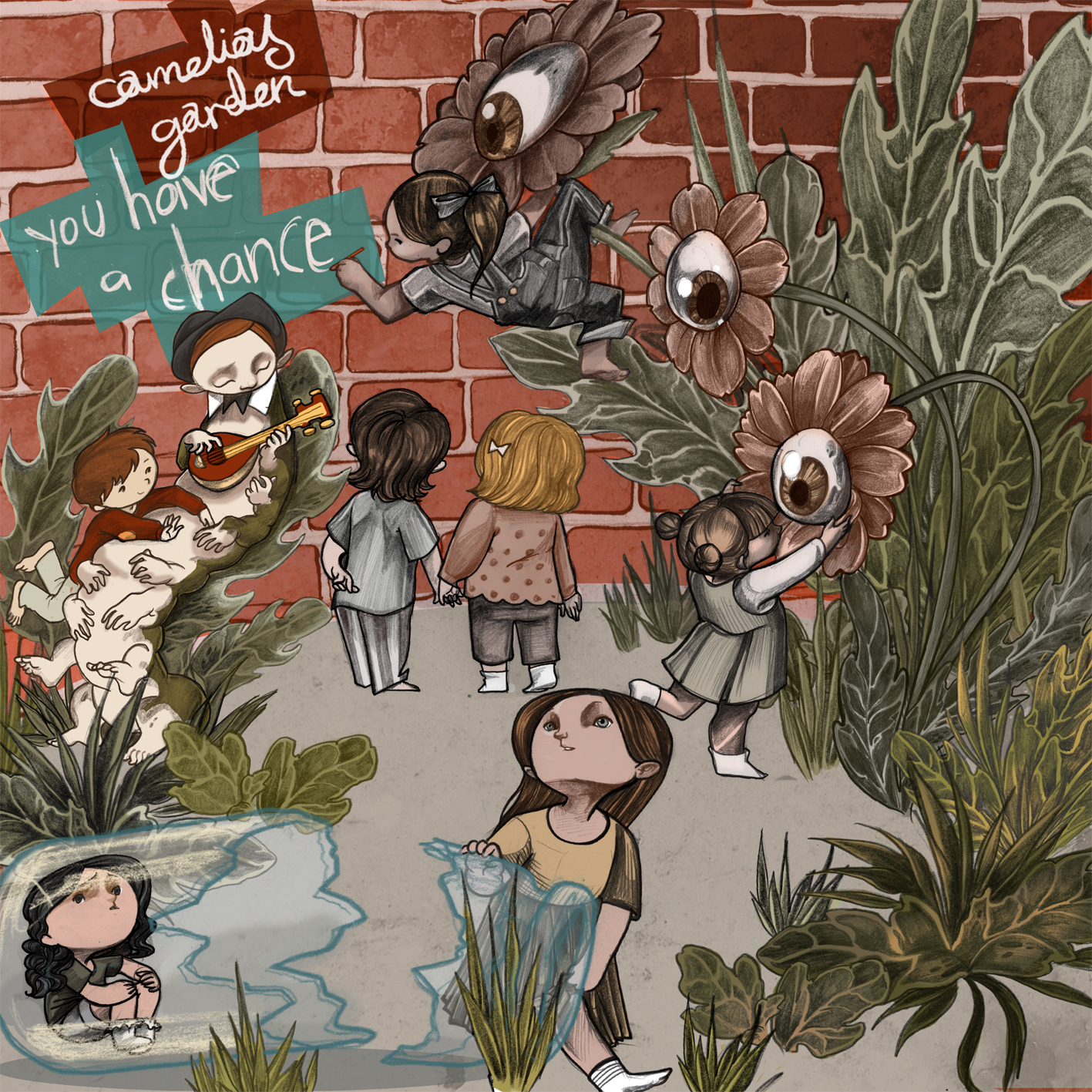
Lovely debut album by this Italian band. Folky prog a bit in the vein of Harmonium.
9. Spock’s Beard – Brief Nocturnes and Dreamless Sleep
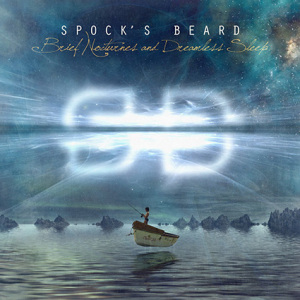
Well, who would have thought that my favourite SB-album would be the one without both Neal and Nick? But so it is!
8. Haken – The Mountain
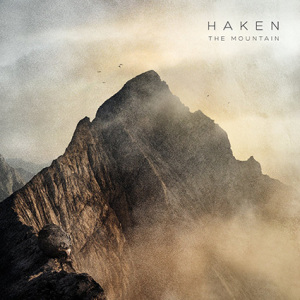
Rawk’n’rawl and some real quirkiness in a fine mix! Will always remember sitting in Mr Ian Greatorex’s listening room with high end stereo equipment, giving this a first listen…with a Big Big Beer in my hand.
7. Lifesigns – Lifesigns
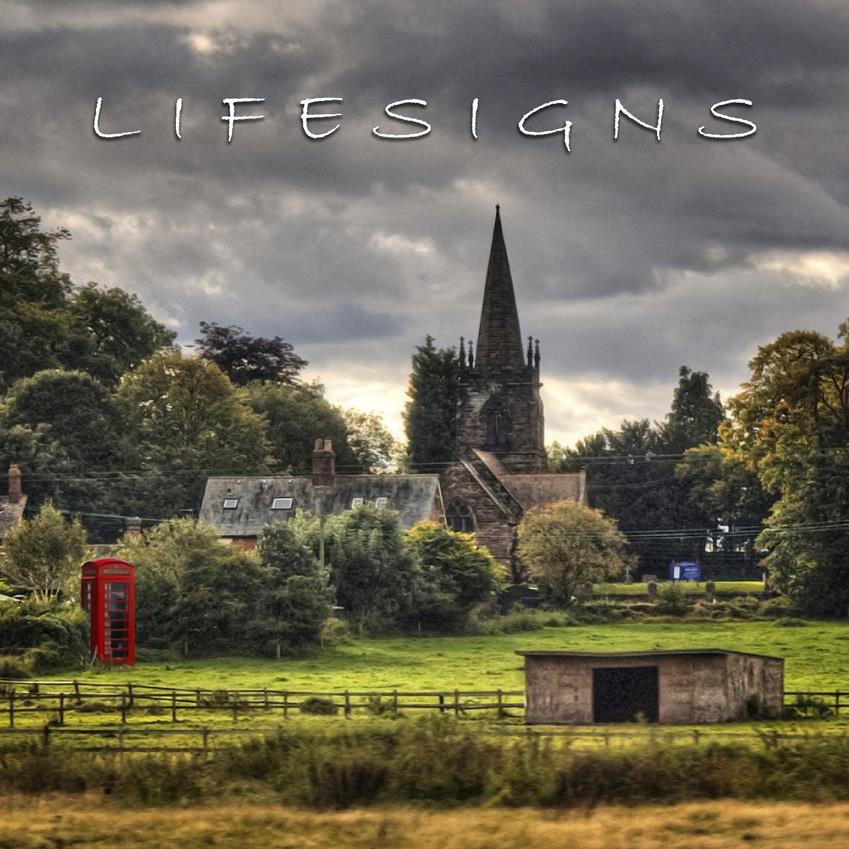
After feeling it was a bit “meh” to start with this lush album has grown and grown. Some really beautiful songs here!
6. The Tangent – Le Sacre du Travail
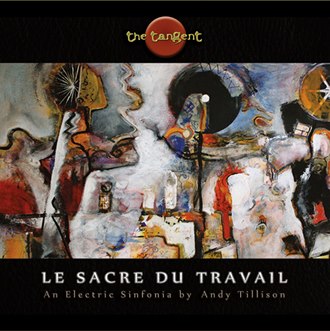
Mr Andy Tillison’s magnum opus to date! Greatness! And with Gavin on drums and Jonas on bass, what can possibly go wrong?
5. Cosmograf – The Man Left In Space
Superb album by Robin Armstrong’s brainchild, comsograf! It’s one of those you just have to listen to from beginning to end totally undisturbed.
4. Moon Safari – Himlabacken Vol. 1

I can’t resist this band’s music! It always makes me so very happy and warm inside! Lovely peeps in the band as well!
3. The Flower Kings – Desolation Rose
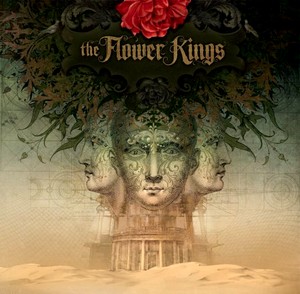
Best TFK album since Space Revolver I dare say. So glad they’re back and sounding so fresch and on their toes again!
2. Steven Wilson – The Raven That Refused To Sing
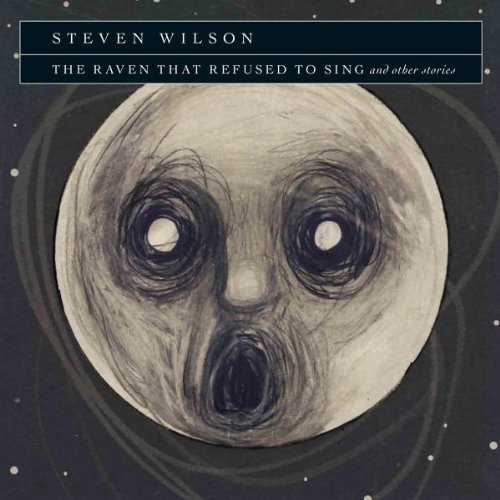
What can I say? It’s a gorgeous album!
1. Big Big Train – English Electric: Full Power
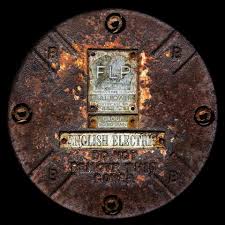
Well, nobody’s probably really surprised about this being my number one of 2013. 😀 It’s a stunner and will be for many years to come! It’s the best album of any genre for me this year. Without competition.
So…that’s it folks. Outside my list of Top 10 you can find some that are very fine albums and would have made any Top 10 from any other year before 2012. Vienna Circle – Silhouette Moon, Days Between Stations – In Extremis, Johannes Luley – Tales From The Sheepfather’s Grove and Shinebacks fine album Rise Up Forgotten, Return Destroyed (added 20130103) are examples of albums bubbling just beneath position number 10. Then we find albums that I haven’t found the time, motivation or curiousness to listen to more than very casually at the best. Riverside, Airbag, Fish, Nemo, Maschine etc are among those bands or artists that I haven’t given proper attention as of yet.
Merry Christmas and A Happy New Year everyone!
PS. Best prog-related and most fun and interesting experience of the year: Big Big Weekend 14-15 September in Winchester and Southampton!
Judas Unrepentant
Alva Noe has an interesting essay out on art, skepticism, and forgery:
I don’t know whether it is true that a janitor at an art gallery was fired not so long ago for sweeping up the artwork the morning after the opening, but the story captures a certain skepticism about art: if art is whatever “we,” or the art cognoscenti, say it is, then there is no such thing as art.
The worry that art is a sham is an old idea and it is one that art itself has cherished.
…
It is right to reject, as Gopnik does, the myth of the connoisseur, but Gopnik does so for the wrong reasons. The problem with the myth is not that it attributes unrealistic powers of discernment and identification to the connoisseur or critic, but rather that it mischaracterizes his or her job, and so it misunderstands what powers he or she needs to do the job well in the first place.
Gopnik describes the connoisseur as if he or she were a human measuring device, someone who has been trained up to give the right answer to questions of value and origin. This thought leads directly to skepticism. For either we suppose that the connoisseur cannot be wrong, that whatever he or she says goes, or we suppose that a mistake is possible, that a different connoisseur or critic could offer a different answer—but if a mistake is possible, then we must admit that there are no settled criteria for deciding the question of value, there is only what you or I or we “like.”
The connoisseur or critic, crucially, is not a measuring instrument, a kind of authorship- or value-detector. Rather, they are bent on seeing, and seeing is not mere detection. Unlike detecting, seeing is not instantaneous, nor is it all or nothing or once and for all. Seeing is itself thoroughly critical; it is thoughtful and it is contextual. Stanley Cavell captures this idea when he explains that what distinguishes the critic is not that he or she can discern qualities that you cannot, but rather that, in discerning them, the critic can give you the means to discern them as well. Criticism is less an art of discrimination than it is a discipline of accounting for what one sees; it is a practice of making it intelligible to oneself and another. Critics make sense, and they give you the tools you need to make sense too. Critics don’t just see, they teach us how to see.
…
We are all critics, and neither the possibility of forgery, nor that of perceptual error, should lead us to be skeptics, about art, or anything else.
If you need a soundtrack for further reading and reflection, why not revisit Big Big Train on Tom Keating.
English Electric Part Two (Best of 2013 — Part 1)

Progarchy.com is an awesome music site because we have a contrarian community here with truly excellent taste in music. I love reading everyone’s 2013 lists! It’s a real thrill to share this site with so many thoughtful people. One of the things I especially enjoy is how individual personalities really shine through in the Top Ten lists. And yet we also have some common rallying points. For example: witness the huge love for Big Big Train on this Web site.
So far we have had superb year-end reflections from Alison Henderson, Kevin Williams, Thaddeus Wert, Craig Farham, Russell Clarke, Brad Birzer (in two parts), Erik Heter, John Deasey, and James Turner.
Today, I am going to start my year-end reflections. Like last year, I will spread it out over many days. (Just trying to keep it epic and proggy here, eh?)
But, this year I will also do a couple of things differently. First of all, I am not going to do a Top Ten. In the spirit of Spinal Tap-like excess, and in celebration of the release this year of the riff-tastic 13, Black Sabbath’s fine return to form, I am going to do a Top Thirteen list. (And, after all, it is also the year 2013.)
So, I am going to do my Top Thirteen list in alphabetical order for the first Ten. Then, the last three will be three bonus additions, given out of alphabetical order. (I will explain my rationale further when I get to the final three.)
However, I want to start off my Top Thirteen list with a bit of a dissenting argument. And this argument accompanies the band that I deliberately have coming up first alphabetically into my Part 1 position… namely, Big Big Train.
Notice that I am putting their English Electric Part Two on my list. That’s because I absolutely cannot endorse English Electric Full Power with a Top Ten slot.
I vehemently object to the idea that a prog band can rip apart their two preceding albums and then assemble them into an alternate playlist, mixing in some new bonus tracks, and calling this playlist the final product. What ever happened to the prog ideal that a concept album was a carefully-sequenced work of art that was meant to be digested uninterrupted as an organic whole?
Perhaps that ideal was often more musical B.S. than reality on the artist’s side. But still, on the listener’s side, even if the alleged epic unity was half-baked and overly pretentious, at least it encouraged artists to strive toward that ideal nonetheless, and to encourage listeners to critique the music with those highest of aspirations as setting the bar of judgment of success whenever hearing the approximate realization of the ideal.
So, where are we with prog now in the twenty-first century, if one of the absolutely upper-echelon prog bands is caught up in the technological whirlwind that encourages musical projects to be released in less-than-finished form as mere works in progress?
Well, I am never going to be able to accept the reconfiguration of track order when it comes to excellent prog music. This is because, as I get to know the albums, I become deeply immersed and I internalize every detail. One of the very greatest things when listening to a beloved album is, as one track ends, anticipating — in the brief moment of silence — the beginning sounds of the imminent next track.
J’accuse! By monkeying with the track order of English Electric Parts One and Two, Big Big Train has done violence to the intimate musical memories that are forged as the listener forges a bond with the prog cycle of unfolding experience!
For me, Full Power is not the glorious final form of the magnificent English Electric achievement. I mean, get serious: how can it be? Let me quickly annihilate the thesis: Full Power begins with “Make Some Noise,” which is a great song, but it is a stand-alone single. If you try and argue that it is the indispensable overture to a final-form epic, I will laugh in your face. Get real. It is a B-side, a bonus track, a novelty song. It’s not the unmistakeable “Theme to English Electric.”
Therefore, I say English Electric Part One was the Best of 2012. And English Electric Part Two is the Best of 2013.
But admit it, people: Full Power is an imposter of an album.
Make Some Noise is, yes, a really nice EP of bonus tracks mixed into a short highlights playlist for English Electric fans. But Full Power is as much a playlist as Make Some Noise! How could it possibly be the best form of Parts One and Two?
Okay, wait a minute. Maybe some of you are going nuts at this point. Maybe both you and the band will want to demonstrate to me how Full Power most certainly does work better as an overall track order for the English Electric musical vision.
But you know what? I don’t care. Even if the band were to agree with you.
Because you’d still be wrong about prog in general, even if you might be right about this album. (Honestly, I stopping listening to Full Power after a while because it was just doing too much violence to my already-established, deeply internalized, fond musical memories of Big Big Train’s work. So, maybe you could argue I didn’t give it enough of a chance. But really! Why should I have to?)
But, to conclude, I have saved my main point for last…
I have read a number of people on this site celebrating how 2013 has been such a great year for prog. So much great prog music. More than we have time to listen to. How wonderful. Yada yada yada.
But you know what, people? It is exactly this sort of situation that creeps me out. Look where technology has brought us — a surfeit of prog to tickle our ears in 2013! Now, on the one hand, my immediate reaction to that is joy and excitement. Kid in a candy store, right? But, on the other hand, on further reflection, what does that situation say about prog?
That it has become a commodity!
Which is truly a great danger to the health of the art form, in my opinion. Because, if prog is becoming a generic “commodity,” and you can easily (and without too much effort) get your “fix” of it almost anywhere, then the art form is flattening out, and entering into a decadent phase.
The only hope we have, then, to resist the commodification of prog, is to adhere to critical standards, and to unfurl our annual Top Ten lists as setting the very standards by which we must judge the true upper-echelon achievements as showing best how to resist the commodification of prog.
Therefore, by placing English Electric Part Two on my list — and not English Electric Full Power — I am saying that at all costs we must resist the “playist-ification” — the commoditization — of prog!
I can endorse only fully formed artistic statements as worthy of upper-echelon rank. And if the artists themselves laugh and say that there is no such thing… well, then you know what? They are giving up on one of the key ideals of prog. If you want to do concept albums themselves as time-delayed, track-order improv… well, good luck with that. This ain’t jazz! What new sensibility are you bringing to bear here? Commoditization!
Hey artist, you can go remix Vapor Trails, or go slice up English Electric, if you like… but you know what? I might still enjoy it. But it’s not you at your best. And we fans must refuse to give our critical endorsement to any kind of playlist mentality. Otherwise we may as well go back to Top Forty land.
So, there you have it. Has it really been been prog’s luckiest year ever? Think again…
I say we will always remember that 2013 was when the great Big Big Train gave us an illustration of the greatest danger facing prog: its commodification. (Now, let the debate begin!)
More of my Top Thirteen will soon follow, in celebration of this un/lucky year…
It was the best of prog, it was the worst of prog.
My Review of 2013
2013, what a superb year for prog music, there have been dozens of fantastic albums released across the whole gamut, from classic English prog, to experimental rock music, and returns of several prog legends with fantastic new albums and new bands making waves and moving the genre on.
This is what I consider to be the albums that have been the strongest this year, and ones which I have kept coming back to over and over again, the musicality, the performances, the songwriting, the production, the sound is different from album to album, the topics wide ranging and when you listen to these albums back to back, they are all fresh, vibrant and new.
This is my sound of 2013, and these are albums that will stay with me, long after 2013 is but a memory.
Kingbathmat: Overcoming the Monster
Following on from last years superb Truth Button, Kingbathmat returned in triumph, on their most assured album to date, Overcoming the Monster is all about dealing with psychological obstacles, which is reflected in the brilliantly observant lyrics, and the superb cover art as well.
Masters of making an album, rather than just one track, the full force of Kingbathmats impressive musical arsenal is unleashed and untamed over these 6 fantastic tracks, with luscious harmonies reminiscent of Yes in their heyday, with tracks like the driving Parasomnia and the musical finale, the epic riff driven full on space rock masterpiece that is Kubrick Moon, with its superb guitar and keyboard work, and the interplay between all 4 members of the band is a joy to listen to as the track reaches its epic conclusion after 11 plus minutes of sheer musical abandon.
Lifesigns by Lifesigns
Keyboard player John Young, bassist Nick Beggs and Martin ‘Frosty’ Beedle have combined their not inconsiderable talents, and present 5 amazing tracks as the Lifesigns project.
With guests of the calibre of Steve Hackett, Thijs Van Leer, Robin Boult and Jakko Jakszyk Lifesigns fits nicely in the English progressive tradition, with inventive performances, quality musicianship, (the interplay between Beggs fluid bass playing and Youngs superb keyboard playing is a particular delight, while Beedle builds on and adds to a tradition of inventive percussion started by Bill Bruford and others) and instead of imitating or following a pre-ordained idea of what progressive rock should be, this is showing what it is.
Intelligent mature well crafted songs, atmospheric and ambient soundscapes created by the band, where Youngs emotive vocals weave over, and the beauty of the album from the superb Lighthouse to the closing 11 minutes worth of Carousel, Lifesigns is the sound of three talented musicians having the time of their life, not compromising, and delivering the album they were born to make.
Thieves Kitchen-One for Sorrow Two for Joy
The trio of Amy Darby, Phil Mercy and Thomas Johnson have moved from being a live band to a studio project, and in the process have moved organically away from Thieves Kitchens original prog roots, into something more prog folk, with some fantastic vocals from Amy, whilst Phil’s versatility as a guitarist shows all over this album from the brilliant The Weaver, the two epics in which the album hangs, Germander Speedwell and the closing Of Sparks and Spires, whilst Thomas is as inventive a keyboard player as any on the current scene. This is a well-performed, well-produced album, which is made to be listened as a whole. There’s no dipping in or out of songs here and this is a superb musical meeting point of songs and lyrics and performance, and a high point in Thieves Kitchens story so far.
Ravens & Lullabies: Gordon Giltrap & Oliver Wakeman
Two musical powerhouses in their respective fields, guitar maestro Giltrap and keyboard supreme Oliver Wakeman combine their considerable talents on this magnificent concept album on Esoteric.
With Giltraps effortlessly beautiful playing and Wakemans beautifully fluid keyboards, any album with one of them on is a joy; with them both together you’re getting a masterclass in collaborative performances.
With Olivers vocalist of choice the incomparable Paul Manzi on board (seeing Oliver and Paul perform together sends shivers down your spine) and with Wakeman and Giltrap trading licks, exchanging riffs and building things of beauty around each others talents, has to be heard to be believed.
This album is a thing of great power and great beauty and is one which you’ll find you keep returning to again and again, and each time you’ll discover something new, one of the best albums either man has put their name to, and this is one of those collaborations you hope continues.
John Lees’ Barclay James Harvest: North
The first new studio album from John Lees BJH since 1999’s Nexus, this is a superb continuation of the BJH sound, and a triumphant musical return for one of the most underrated bands of the progressive scene, this is classic BJH at its finest.
However in an album full of strong tracks like the digital single Unreservedly Yours, The highlights of this superb album, which as the name suggests draws on the Northern roots of the band, reflecting beautifully and evocatively on where they came from, is the epic and beautiful title track, which brings the landscape and area home to anyone from the North, especially if they are so far from home, that and its beautiful finale At the End of the Day, a wonderful musical end with words from a poem by Northern poet Ammon Wrigley, these two tracks close a magnificent and wonderful album, with grace, beauty and pathos
This deserves to be acclaimed as a great album from John Lees Barclay James Harvest, building on the fine musical tradition and heritage that BJH have, whilst giving their sound a contemporary feel.
Manning: The Root, the Leaf & The Bone
This is Guys 14th album, and he shows no sign of slowing up, with a magnificent concept all about change and time passing, brilliantly executed and realised, with superb pieces like the opening title track, the dramatic Forge with its fantastic percussive sound, and the lyrical themes running through the album about what has been lost to progress.
The core Manning band are a stunningly tight group, and guest musicians like Chloe Hetherington and Marek Arnold enhance the magic of Guys music.
This is a brilliant folk tinged work that shows Guys songwriting to be top notch and is another triumph for Manning.
The Tangent – Le Sacre Du Travail
L’Etagere Du Travail
After a break of 2 yrs Andy Tillison and the Tangent return with not one, but two stunning new albums.
The main treat is the new studio album proper Le Sacre Du Travail, which translates as the Rite of Work. Influenced strongly by Stravinskys Rite of Spring, this is a contemporary progressive symphony for modern times, with Andy thinking big about things that don’t necessarily fascinate other songwriters, the music itself is written and should be listened to as a complete symphony, like Andy says, progressive music should take you on a journey, and Le Sacre does that, from the opening of Coming up on the Hour (overture) the 22 minute epic Morning Journey and Arrival, its musical dexterity, with wryly observant and sympathetic lyrics, pulling you into the piece, and its counterpart the leading to the conclusion of the symphony, Evening TV, with its cyclical ending of ‘it all starts again’. This is one of the finest examples of a rock sinfonia I have ever heard.
The companion piece of an album as well L’Etagere Du Travail, the Shelf of Work, a 10 track supplementary disc of outtakes and alternate mixes available only from the Tangents website, from the older material the remix Dansant Du Paris is the Tangent go pop, with a fantastic sax break and clever remix, and a different version of the brilliant Ethernet. There are also 5 extra tracks on here, the brilliant Monsanto, the contemplative lost in Ledston, however the stand out track here is the fantastic Suppers Off, an amazing piece of work, from the free festivals of the 70’s to the corporate greed of today via questions about why people have stopped making things and only want to make money, this is a musical angry young man statement, with big questions about musical recycling, and how come big bands remaster stuff all the time, and people lap it up.
To create a masterpiece like Le Sacre is achievement enough, but to then follow it up with a companion album including Suppers Off which would be a significant track by anyone’s standards is an astonishing record by any musician, but to do it in one year as a simultaneous release reminds us why Andy Tillison is one of the most important voices on the prog scene.
Shineback: Rise up Forgotten Return Destroyed
This debut release by Tinyfish frontman Simon Godfrey with lyrics from Robert Ramsay, this is a step away from the Tinyfish sound.
Drawing on a diverse range of genres and sounds, this tells the story of Dora who videos her dreams and is drawn into a dark journey into her own past uncovering dark secrets.
Danny Claires vocals work so well on the album in the musical blog interludes, telling part of Dora’s story, whilst musically the genres flip from the driving electro rock of Is this the Dream? The synth driven Bedlam days that mixes techno and garage sounds, with some great keyboard work.
Godfrey has pulled together an amazing story and the electro emphasised music taking his muse in a totally different direction from anything he’s done before.
His own insomnia is drawn on throughout the album adding to the story, particularly on the mood changing piano driven Faultlines, his vocals being sublime throughout the album, whilst the title track is 10 minutes plus of musical brilliance.
This is a superb debut for a talented musician stepping out from the music he’s known for, into a left field musical future. The fact that this succeeds so well is testament to Godfreys talent and vision, and his choice of collaborators (including Matt Stevens, Dec Burke, Henry Rogers). This is fantastic.
The Fierce and the Dead: Spooky Action
The Fierce and the Dead is this intense, powerful, exciting groove monster.
The 11 new tracks that make up this mighty album all take you different places, and into unexpected territories, from the opening groove of Part 4, the driving intensity of the single Ark underpinned by a monster bass riff, and powerful percussion sound, whilst the twin guitars trade riffs and licks of an almost industrial nature, it’s a mighty blend of light and shade.
There are hints of jazz, of rock, of prog, of allsorts running through this album, and plenty of sounds coming through that you wouldn’t expect a guitar to be able to make, the fantastic Lets start a Cult with its stabs of brass and epic finish, the funk stomp of I like it, I’m into it, with its great drum beats and dirty bass and guitar sound, and a that killer riff, this is the sound of a band operating at full capacity.
Kev Feazey plays his bass like a third guitar, whilst the guitar sparring of Matt Stevens and Steve Cleaton is exemplorary, both being mighty guitarists, whilst the drums of Stuart Marshall underpin everything and build to the mighty sound of the Fierce and the Dead.
This is experimental, this is exciting, this is everything that is good about instrumental rock, new, fresh and an album you will keep returning to, time and time again as there is so much depth to these tracks that you pick something new up every time you listen.
Sanguine Hum: The Weight of the World
Oxfords Sanguine Hum took their debut, Diving Bell as their starting point, and pushed their music even further creatively and musically, creating as they do so, one of the most interesting, exciting and unpredictable albums I have heard all year.
From the musical tour de force that is the epic title track, clocking in at well over 15 minutes, and not one minute of which is wasted, there are hints of electronica running throughout the album, pulsing through the fantastic Cognoscenti, providing an exciting counterpoint to the beautifully melodic guitars and the driving percussion, whilst Day of Release provides one of the many musical highpoints, with hints of early OMD and Joffs vocal melody providing a sublime contrast.
From the start not a moment is wasted, not a foot is put wrong, and there is beauty throughout the album, in the music, the lyrics, the spaces between the notes.
This is an album like albums are supposed to be made, running almost seamlessly from start to finish.
I would argue that they are one of the few truly progressive bands out there, not copying, but creating, not imitating, but innovating.
Conundrum in Deed – Gentlemen
This is London based quartet Conundrum In Deeds debut album and is classic jazz prog rock, with their sound being enhanced by the fact that instead of different keyboard sounds, its just Sadlers piano adding to the rock, sound, and from the opening Falling leaves, right through to the closing title track, the music entrances you, draws you in and takes you on a journey.
With the lyrics as important (if not more so) than the music, songs like the beautifully mellow Strangers in Sympathy, the driving funk bass driven Love in the Age of Technology, the brilliant Holy Flowers, and the majestic Rise/Church Bells with its stunning bass/piano interplay.
Conundrum in Deed are the finished article, a superb band with something new to say, echoing the sounds of yesterday, reminiscent of bands like Caravan and others of that ilk from the Canterbury Scene.
Big Big Train – English Electric Full Power
A monumental collection by anyone standards, this is strange as it may seem, my first introduction to Big Big Train, and what an introduction.
This is English Electric parts One and Two, and the EP Make some Noise, in a lavish hardback book with some beautiful new pictures, stories behind the songs, and is a weighty package suitable for one of the greatest musical projects its been my pleasure to listen to.
From the opener of Make some Noise, and into the albums proper, the expansive sound, the powerful musicianship, the intelligent and well observed lyrics, this is a complete musical package.
Tracks like Uncle Jack, the haunting and poignant A boy in darkness, the English sound of Hedgerow and Keeper of Abbeys, and the frankly brilliant East Coast Racer make this a double album to get lost in, you don’t listen to one or two songs, you clear the decks, turn off the phone or internet, put the album on and sit down, let it wash over you, as you absorb its beauty, its strength, its power.
This is a magical work and one, which in 20 years time will be looked on as a significant musical achievement.
There are loads more albums that could have made this list, and some honourable mentions must go out to Chris Wade, whose been so prolific this year (three Dodson & Fogg albums, and one prog instrumental one) that it has been hard to choose between them, the musical maturity and progression from Derring Do, to The Call, via the Sounds of Day and Night have been exciting to listen to, and fascinating to see where Chris is going to take his musical talent next, I predict even bigger things for him in 2014.
Haze’s fantastic Last Battle saw their triumphant return, and what was nearly a goodbye has become a new beginning for them.
Jump just get better and better, and like a fine wine keep on maturing, and their stunning Black Pilgrim takes familiar themes and weaves their musical magic round them.
If I’ve missed out some other big releases like the Steven Wilson album, or the new Magenta album then it’s because sadly I’ve not heard them yet!
2013 will go down in Prog history as a superb year, and I am already excited about the prospect of 2014, so I shall end by wishing you all Merry Christmas and a Happy New Year.
2013 – The Pax Progorama
While “pax” literally translates as peace, people generally use the term “Pax Romana” to refer to a golden age of Imperial Rome. Well, if that’s the case, then the year 2013 has left no doubt that we are in another golden age for progressive rock.
Now, you will have excuse me a bit for the “Progorama” thing in the title, but that’s the closest thing to alliteration that came to mind. “Pax Progtopia” doesn’t roll off the tongue quite as well. There were a few other ideas I had, and none of them were very good … “Pax Progorama” worked the best, ok? Hyphens added upon request.
The other question is this – do I have the best, most appropriate historical metaphor? Could the current era be just as well described as a prog renaissance? Probably. We could liken the 1970’s as the original Pax Prog-O-Rama … the punk rockers as the barbarians who finally toppled a weakening empire … the 1980’s and early 1990’s as the Dark Ages (with of course, the neo-proggers being the Monks/Byzantines that preserved the flame of Western Civilization) … the rise of the Internet being equivalent to the Gutenberg printing press … and the late-1990’s and beyond representing the Renaissance and the spreading of new ideas, knowledge, and in our case here – art. Maybe I should go back and rewrite the beginning of this post. Then again, as Theodoric of York, Medieval Barber says …. naaaaahh (start at the point about where 1:00 minute remains …).
No matter what metaphor you choose, the resulting conclusion is still the same: Anno Domini 2013 was an incredible year for progressive rock, quite possibly the best ever. I don’t say that lightly. This year also gives weight to the opinion (mine, anyway) that our current Golden Age of prog has surpassed the previous one – and I don’t say that lightly, either. The past few years, and 2013 in particular, have been nothing short of an embarrassment of riches for prog lovers. Just how good was 2013? Let’s take a look. Continue reading “2013 – The Pax Progorama”
The Permanent Way: Preliminary Awards, 2013
Well, as tomorrow is Advent and the beginning of the Christian New Year, it seems as good a day as any (or better, frankly) to list my “best of 2013.”
Before I get to my own choices, however, I want to extend a huge, gargantuan, ginormous thanks to my fellow progarchists and to all of you who have supported us over our mere 14 months of existence. I’m proud of us. Extremely proud. A good pride, I hope—not the kind that goeth before the fall.
As with almost every one we write about (in fact, most musicians in all forms and genres of music), we each have full-time jobs and many of us have big families as well. We write for progarchy because, as I assume is obvious, we love music. So, again, a major thanks to all who have contributed through their time and talents. Even after 14 months, progarchy.com still boasts some of the best writing and analysts in the blogosphere. Indeed, I would gladly hold up our writers against any group of writers. We don’t agree on religion, politics, and a billion other subjects. But, we each believe the reviewer must attempt to write as art, at a level commensurate with what is being reviewed.
Though our intention in the first few days of our existence was to be a kind of Dutch Progressive Rock Page/ “European Perspective” (our models and favorites) for North America, we realized pretty quickly (after a week or so), that there’s room for some thing larger than just the music scene in the U.S., Canada, and Mexico, also recognizing how intimately connected we each are, one to another, across this increasingly small globe. As I often remind my students in the history of western civilization, modern technology allows us to know of events in the world often much faster than large news agencies and governmental bureaucracies. How different from the six to eight weeks it once took to cross the Atlantic. One of my favorite moments over the last several years was receiving a demo copy of a song from Greg Spawton. I commented in real time as I listened to the music, and I think Greg and I both sighed in awe at our ability to communicate instantly, though separated by 4,500 miles. May we never take such things for granted.
The same is true with music. The internet has allowed us to form communities that geography once prevented. We can interact with the artists (should they be willing, and most are) in ways that were impossible 20 years ago. I’m sure this puts a certain strain on the artist, but it also has to be satisfying as well. We can react to songs, lyrics, and artwork in a truly satisfying manner. T.S. Eliot once argued that no poet can write in a vacuum, in pure originality, as art is always a communal experience, building upon the past and reaching out to those of one immediate family, kin group, and society.
I especially want to thank (in no particular order): Greg Spawton, Leah McHenry, David Longdon, Andy Tillison, Giancarlo Erra, Arjen Lucassen, Matt Stevens, Matt Cohen, Steve Babb, Robert Pashman, John Bassett, Sam Healy, Jim Trainer, and Jerry Ewing. Each of these men answered every question I asked them, usually very quickly and without any justified “why are you bugging me, Birzer?!?!”

An equally important thanks goes out to all of you who have trusted us with your art, your music, and your ideas. I hope you feel we’ve treated it with respect, a sacred trust.
Progarchy is also a way of saying thanks to the musicians and artists we love and who have inspired us. I’m rather happy to say that I’ve been listening to prog—in some form—since 1971, the year I turned four. Having two older brothers, I found the music of Yes, Jethro Tull, and Kansas immediately inviting. Even before 1971, I was rather obsessed with the theme song to the Banana Splits, often putting it on the turntable, blasting it, and waking the entire family at around 3 in the morning. My mother can verify this. She and my brothers would come down the stairs in our duplex in Great Bend, Kansas, to find 2-year old me dancing like a madman.
At the risk of my friend and fellow progarchist, Eric Perry, calling me out as “hyperbolic,” I state this with gusto and conviction. 2013 has the best year for music in my lifetime. I know of no other year that has been so filled with such innovation, harmony, varied time signature, and lyric quality. And, this is saying a lot. There have been a lot of great years for rock over the last five decades. From my perspective, third-wave prog is now in the position jazz was between about 1955 and 1975. This is OUR golden era, building up the brilliance of 40 years ago without imitating, mocking, or denigrating it. Whatever small part progarchy has done to contribute to this, amen. Again, I say, AMEN!
Preliminary Awards, 2013
Last year, I began December by offering a few “awards” to some amazing folks who are not themselves out front as musicians. This year, I’d like to do the same, especially as I offer the “best all around progger” award. This is the person who makes what so many others do possible. I have to split it this year, between an American and a Brit. For me, the American has been Billy James, president extraordinaire of Glass Onyon PR. This guy not only loves the genre of prog, he serves the indispensable role of promoting our genre in every venue possible, and he always does it with grace, class, and enthusiasm. Billy has been as kind and helpful as he has been informative.


Our Brit “all around progger” is none other than Sally Collyer. Sally contacted me about a year ago, saying, “I’ve seen your name and your ideas, and I think we have a lot in common.” Absolutely. Not only have we bonded on prog, but we have on the unlikely subject of horses as well! Progressive equines. Or, something like this. Again, a brilliant person, Sally answers everything, helps with everything, and continues to offer a brilliant support. We also all know she’s an absolute mainstay in the British prog community and an equally lovely person. The significant other of Andy Tillison, Sally keeps brightness, purpose, as well as levity, in the prog community.
So, to Billy and Sally: thank you, thank you, thank you.
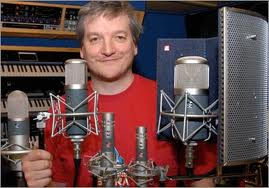
Audiophile Award. This one, again, goes to Rob Aubrey. I know there’s a famous guy out there, now even more famous for his 5.1 mixes. But, for my money, the best man in the business is Aubrey. One only has to listen to his work this year for Big Big Train and Cosmograf to realize what an ear and mind he possesses. Exact, precise, yet imaginative. A hard combination to beat. He is our generation’s Phill Brown.
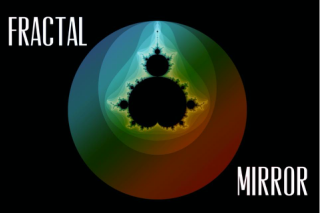
Best emergence of an artist/group. Fractal Mirror. Combining the talents of several spectacular musicians, including the drum work of Frank Urbaniak, the keyboard and bass playing of Ed Van Haagen, the artwork of Brian Watson, the haunting goth vocals of Leo Koperdraat, and the advice of a number of major figures in the scene, including Giancarlo Erra, what more could we want? I wish them all the well-deserved success in the world as they begin their journey as a group.

Best single song. Big Big Train, The Permanent Way. From the opening notes, David’s vocals move us into the twilight realms of quiet nostalgic, but without reason. The first few times I heard this, I couldn’t quite figure out what was happening? Was Aubrey cutting him out. Then, I realized, David is a gentleman artist. The voice of the song is John Betjeman. David, rather impressively was deferring to this great poet. From there, David build, flows, lulls, and, then, of course, rocks.
Best Packaging. What’s not to love about a cd or two accompanied by explanations, lyrics, and photos. This year, the award goes to the ninety six page booklet that comes with Big Big Train English Electric Full Power. The photos are gorgeous, the notes are meaningful, and the tributes to past and present allies of the band is heart warming, to say the least.
More to come. . . .
Prog 2013 – An Unordered List
Last year was an incredible year for Progressive Music (note: upper case), but in my opinion, 2013 has been even better. Thanks to this community (Progarchy) and the ever-lively Big Big Train Facebook group, I have been exposed to more new prog in 2013 than in any year since the halcyon days of the early 70s. As a result, my wallet has been considerably lightened, but my musical universe has been enriched way beyond mere monetary value.
What follows is a brief review of my top ten purchases in 2013 – albums received for review or borrowed from friends are not included, however much I enjoyed them. The list is alphabetic, as each of these albums is my favourite when I’m listening to it, depending on my mood.
Steven Wilson – The Raven That Refused To Sing: A superb album from start to finish, replete with powerful, hard-rocking passages, beautiful melodies, jazzy interludes, lush arrangements, and oodles of emotion (not something SW is renowned for). Much as I enjoy SW’s guitar playing, I’m delighted that he has handed over most of the guitar work to the incredible Guthrie Govan and stepped back to be more of a musical director – he has always been an excellent songwriter, but I think his compositions have benefitted greatly from this change of focus. I also think this is Wilson’s strongest and most confident vocal performance ever. Of course the rest of the band members are all outstanding, but in particular I love Wilson’s use of Theo Travis’ woodwinds to add an extra dimension that was sometimes lacking in the Porcupine Tree soundscape.

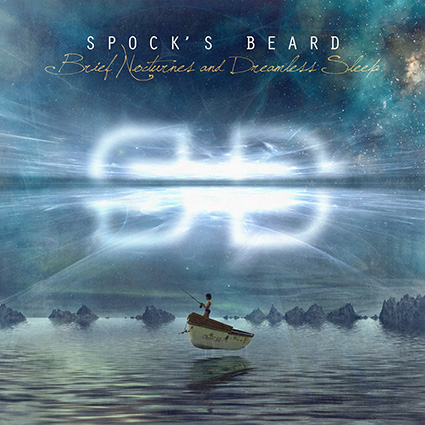
Spock’s Beard – Brief Nocturnes and Dreamless Sleep: I love Nick D’Virgilio’s singing and drumming and was concerned when I heard that he’d left Spock’s Beard, but I needn’t have worried. I thought X was an excellent album, but Brief Nocturnes is even better. Ted Leonard not only brings his powerful and emotive vocal delivery to the band (I think he’s the best vocalist the Beard have had to date), but also his strong compositional skills, which were always evident with Enchant. And Jimmy Keegan is a monster drummer, a worthy full-time successor to the vacated “batterie” stool (he’s been touring with the band for years). Ryo’s keyboard work has also been going from strength to strength since Neal Morse, the uber-controlling force, left the band, while Alan Morse and Dave Meros seem to be even more energised by the injection of new blood into the band. A strong set of songs, powerfully delivered by a great band.
Sanguine Hum – The Weight of the World: Sanguine Hum are one of my favourite “new” finds. This Oxford-based band deliver layered and beautifully structured compositions with plenty of dynamics, which never fail to surprise and delight. One reviewer described their approach as “polymath”, but I think this may give the wrong impression – while their music is precise, it is never clinical, and while complex, it is never complicated for the sake of it. Although I slightly prefer their first album, “Diving Bell”, “Weight of the World” is an excellent album that gets repeated listening, and will continue to do so.

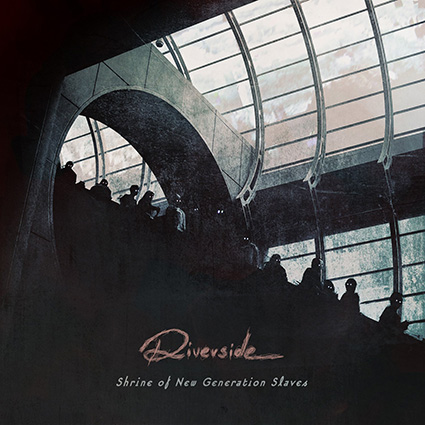
Riverside – Shrine of New Generation Slaves: “SoNGS”, to my ears, is the best Riverside album since their impressive debut “Out Of Myself” in 2004. With greater emphasis on songwriting rather than thrash, and more varied textures that their last few albums, this album is imminently listenable, apart from the rather tiresome first few minutes of the opening song, which seems to stutter along for ages before it gets going. Mariusz Duda’s side project, Lunatic Soul, is definitely bleeding back into Riverside, which I’m delighted about. More, please Mariusz…
Haken – The Mountain: For me, the find of the year. Two months go I’d never heard of this band, but now I have all three of their albums and can’t stop listening to them. “The Mountain” is a real tour de force, with light and shade, strong melodies, excellent harmonies, tight ensemble playing and impressive pyrotechnics that are just right in context of each song, when they explode. I think their “Gentle Giant” moment (The Cockroach King) is one of the finest since the great band themselves were performing – far better than Spock’s Beard’s efforts (which are nevertheless uniformly good), and rivalling Kevin Gilbert’s genius in his “Suit Canon”. This band has everything (except a permanent bass player – sad that I’m living on the wrong continent, too old and simply not talented enough to audition for the post… !). Great album, and great band with a stellar future.

Cosmograf – The Man Left In Space: I’m a sucker for good sci-fi – combine it with superb songwriting and musicianship from wide range of musicians and I’m in there, lead boots, space suit and all. The first time I heard this album, I thought some of the the interludes caused the album to lose momentum musically, but repeated listening has completely dispelled that impression. I now think this is a beautifully balanced album, lyrically and musically, and I’m really looking forward to the next Cosmograf album (which is always a good sign).
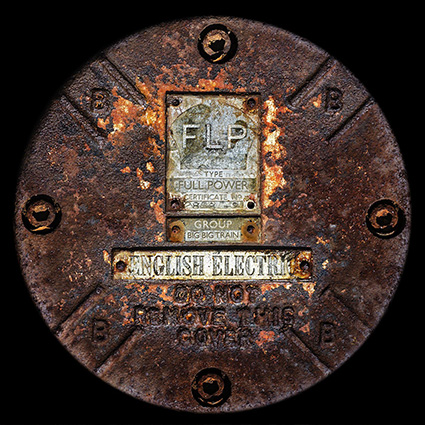
Big Big Train – English Electric Full Power: “English Electric”, parts 1 and 2, were already two of my all-time favourite albums, but the combined and expanded package, “Full Power”, has raised the bar even higher. I have already written full reviews of the individual albums (here on Progarchy and elsewhere), so suffice to say that the re-ordering of the songs and the additional material has created one of the most satisfying listening experiences I’ve had since I first became “aware” of music. Brilliant songwriting, meaningful lyrics, exemplary delivery, superb, lush production. And of course, there’s also the magnificent packaging…
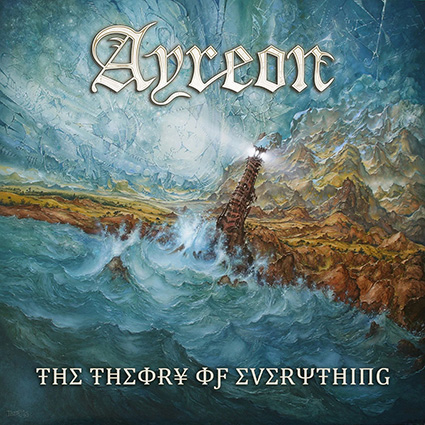
Ayreon – The Theory of Everything: Two adjectives often associated with Ayreon are “bombastic” and “overblown”, but I prefer to use adjectives such as “majestic” and “melodic”. Arjen Lucassen has more musical ideas than is reasonable for any single human being, and he seems to be a helluva nice guy as well. “The Theory of Everything” is his best work, including side projects, since “The Human Equation”, which was my first encounter with his music and still my favourite. However, I’ve only had TTOE for two weeks, and already it is threatening to nudge THE aside. With a stellar cast of musicians and singers, including major prog alumni John Wetton, Rick Wakeman, Keith Emerson, Jordan Rudess and Steve Hackett, he’s created another intense epic work that soars and delights, while examining the very human themes of genius, deception, ambition, pride and love. As a scientist, I also appreciate the recurring symbol of the lighthouse, representing intellect and science casting illumination through the gloom. Brilliant album.
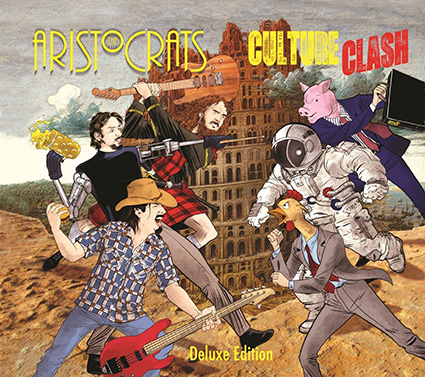
The Aristocrats – Culture Clash: This band has literally blown my socks off (it’s OK, it’s summer in the southern hemisphere, so I’m not too uncomfortable). I bought the “Boing! We’ll Do It Live” DVD earlier this year, and was mesmerised by the incredible technical abilities of the three musicians, Govan Guthrie (guitar), Marco Minnemann (drums) and Bryan Beller (bass). But this is not just a musical show-off band – not only do they write splendid (instrumental) music that crosses a vast range of genres (truly Progressive), but their obvious enjoyment of the music, and each other, is completely infectious. “Culture Clash”, their second album, sees them settling into their relationships and interactions, and writing music specifically for each other – and it’s a sheer delight. Want more!
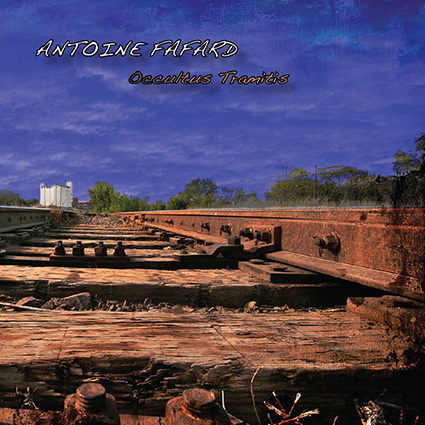
Antione Fafard – Occultus Tramatis: I get to listen to a lot of new music while I’m working, putting science textbooks together. Much of it tends to slip by me while I’m concentrating on the work, but every now and then an album wrests my attention from whatever I’m doing and forces me to focus on the music. “Occultus Tramatis” was one of those albums. Canadian bassist Antione Fafard has put together a star-studded cast of jazz, jazz-fusion and progressive rock performers including Jerry Goodman and drummers Simon Phillips, Chad Wackerman, Terry Bozzio and Gavin Harrison, and produced an outstanding album of prog fusion, which despite its musical complexity and ever changing time signatures is nevertheless fresh and rewarding, revealing different possibilities every time you listen to it. Each track has its own feel, with changes of pace, a variety of complex rhythms and contrasting instrumental arrangements, but the album still still has an organic flow. I listened to my review copy twice straight through, and immediately ordered the CD. Challenging, but excellent.
Honourable mention:
Thieves’ Kitchen – One For Sorrow, Two For Joy: I marginally prefer The Water Road, but this is a strong collection of jazzy prog songs.
Roy Harper – Man and Myth: Powerful, emotional work.
The Flower Kings – Desolation Rose: Their darkest album to date, but a real return to form. May have made it into my top 10 if it had arrived earlier.
Amplifier – Echo Street: Gorgeous guitar-based, atmospheric music.
Airbag – The Greatest Show On Earth: Only arrived last week. Excellent album that is rapidly growing on me.
Notable omission:
Lifesigns: This is a strange one for me. I really like the instrumental work, but some of the compositions seem to meander for long periods. And I can’t get into the vocals – the delivery seems flat and unidimensional to me. Sorry.
Not considered (see above, but added to my wish list):
Comedy of Errors – Fanfare & Fantasy
Days Between Stations – In Extremis
Dream Theater – Dream Theater
KingBathmat – Overcoming the Monster
Levin Minnemann Rudess – LMR
Magenta – The Twenty Seven Club
Moon Safari – Himlabacken Vol. 1
Persona Grata – Reaching Places High Above
PFM – Da Mozart A Celebration
Shadow Circus – On A Dark and Stormy Night
Sound of Contact – Dimensionaut
The Tangent – Le Sacre Du Travail
TesseracT – Altered State
Verbal Delirium – From The Small Hours of Weakness
Von Hertzen Brothers – Nine Lives
Verdict:
So much to listen to, so little time. Prog has never been healthier.
Craig Farham/faroutsider
The Best of 2013 (IMHO)
What a bountiful year 2013 has been for good music. All the albums on my Best Of list are destined to become classics, I’m sure! So, let’s count them down, all the way to Number 1:
 11. TesseracT: Altered State. I’ll kick the list off with the most unabashedly heavy album, but one that has grown on me over the past few months. Ashe O’Hara is a terrific vocalist, and the band lays down a multilayered bed of crunching guitars, drums, and bass for him to soar over. The songs are divided into four groups, “Of Matter”, “Of Mind”, “Of Reality”, and “Of Energy”. These guys know their mathematics, as well! One of the songs is “Calabi-Yau”, and the artwork includes the E8 Root System, a hypercube, and an Apollonian sphere. Best track: “Nocturne” (Check out the moment of transcendence at 3:14) –
 10. Riverside: Shrine of New Generation Slaves. Mariusz Duda’s side project, Lunatic Soul, has had a pronounced effect on Riverside’s music, and that’s all to the good, in my opinion. SoNGS is more melodic and varied than anything they’ve produced so far, and even though it came out early in 2013, it still stays close to my sound system. Go for the two-disc set, which adds two extended tracks that flirt with ambient jazz. Best track: “Feel Like Falling” –
9. Steven Wilson: The Raven That Refused To Sing. Very few artists push themselves as hard as Steven Wilson, and TRTRTS is another leap forward for him. I’m thinking at this point he’s left the world of prog, and he is his own genre. Not everything works – “Luminol” is too much Yes-jams-with-Herbie-Hancock for my taste, but when he clicks, no one comes close. Best track: the achingly beautiful “The Raven That Refused To Sing” –
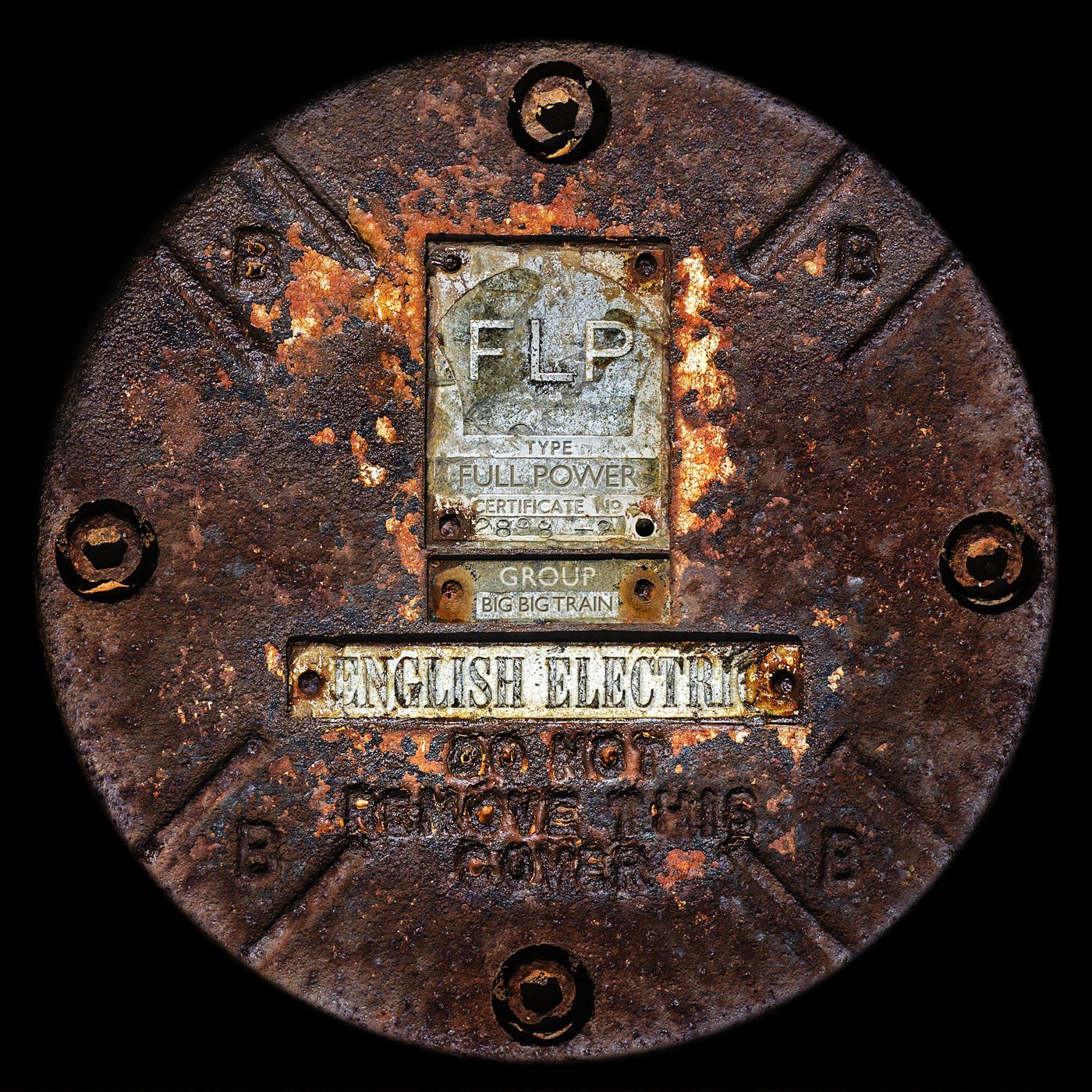 8. Big Big Train: English Electric: Full Power. Much has been written on this site about the sheer wonderfulness of this collection. The care that went into the accompanying booklet is a joy to behold. The resequencing of songs works well, and the new opener “Come On Make Some Noise” is as fun as a classic Badfinger single from the 70’s. I’m a Tennessee boy, but I could easily spend the rest of my days in the pastoral Albion depicted in BBT’s Full Power. Best Track: “Uncle Jack” –
 7. Cosmograf: The Man Left In Space. A sci-fi concept album about the dangers of all-consuming ambition and the isolation that results, this is a very satisfying album both musically and lyrically. One of the most-played discs of the year in my household. Best track: “Aspire Achieve” –
 6. Ayreon: The Theory Of Everything. A recent release, so I haven’t had a chance to fully absorb this sprawling work. Arjen Lucassen is the Verdi of progressive rock, composing magnificent operas that explore what it means to be human in today’s dehumanizing times. For TTOE, Lucassen gathered the most talented roster of musicians and vocalists yet – including John Wetton, Rick Wakeman, Keith Emerson, Jordan Rudess, and Steve Hackett. The story itself leaves behind the sci-fi thread that previous Ayreon albums followed to chronicle the travails of a small group of family and colleagues torn apart by autism, deception, envy, academic ambition, and pride. Throw in a dash of the supernatural, and this is a very thought-provoking work. Best track: “Magnetism” –
And now it’s time for the Top Five!
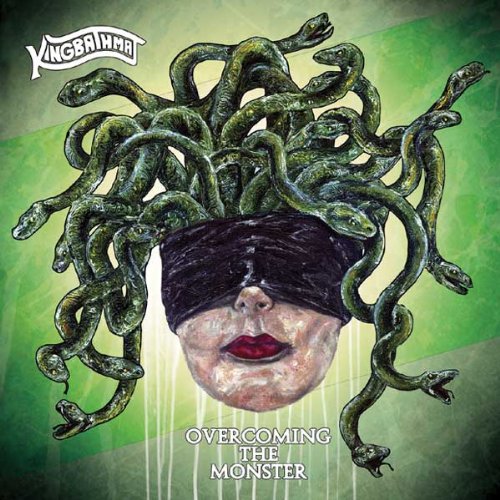 5. Kingbathmat: Overcoming the Monster. This band has been very prolific lately, releasing Truth Button and Overcoming the Monster in a matter of months. OTM is a fantastic set of songs about the different “monsters” we all encounter in our day to day lives. Most impressive of all, Kingbathmat have developed a truly unique sound that is accessible yet new. I can’t wait to hear the next iteration of it. Best track: “Kubrick Moon” –
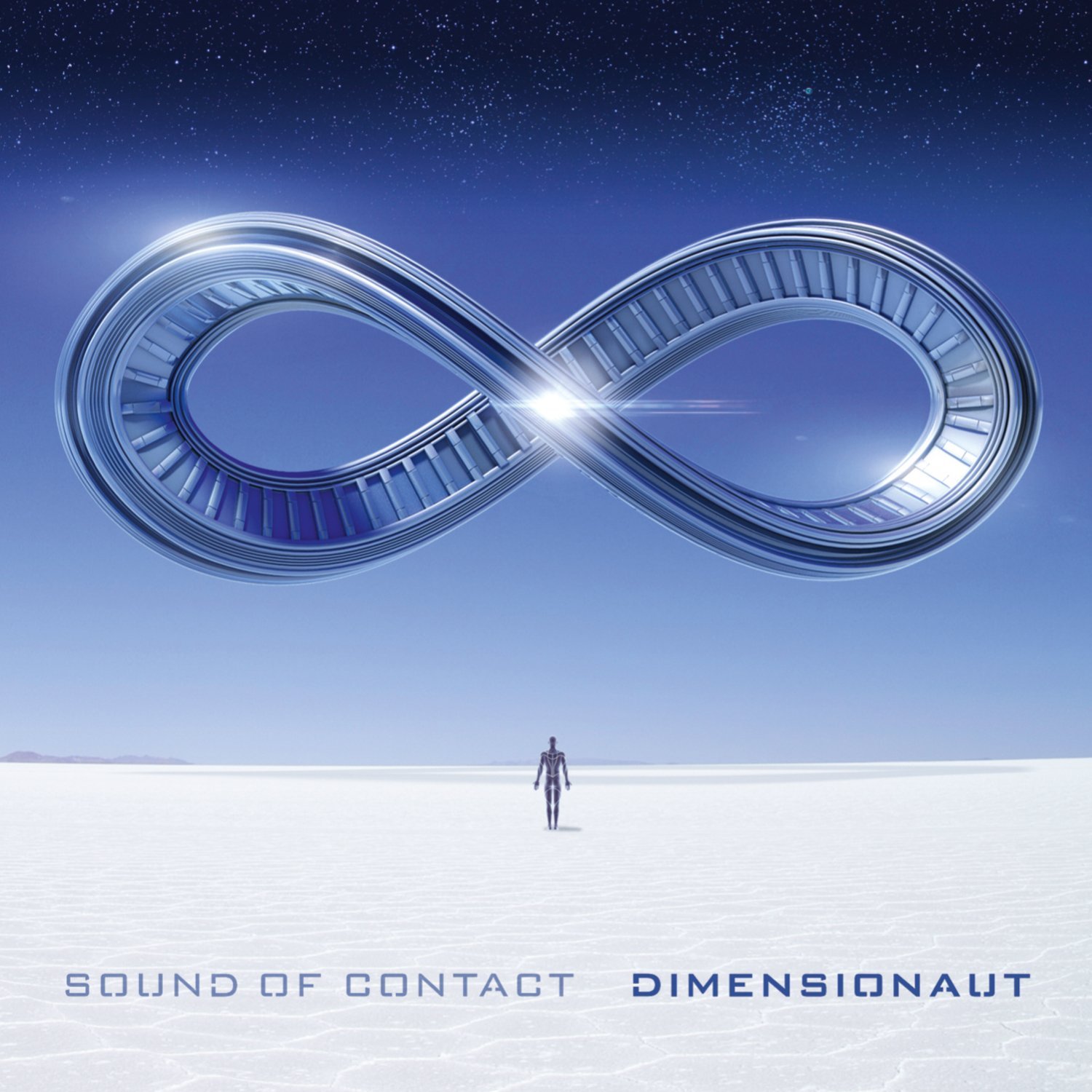 4. Sound Of Contact: Dimensionaut. I’m sure SoC’s vocalist and drummer Simon Collins is tired of comparisons to Genesis (he’s Phil’s son), but that is what first strikes the hearer of this outstanding album. Fortunately, repeated listening reveals SoC’s extraordinary talent in their own right. The songs themselves are perfectly constructed gems, and the production is top-notch. The band moves effortlessly from straight pop (“Not Coming Down”) to the most complex prog epic (“Mobius Strip”). Best track: “Pale Blue Dot” –
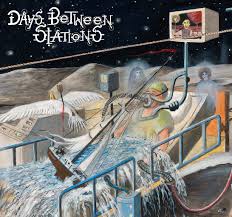 3. Days Between Stations: In Extremis. I’ve already written a full review of this immensely rewarding album in an earlier Progarchy post. Suffice it to say that this is already a classic. And Sepand Samzadeh is one of the nicest guys in the prog world! Best track: “Eggshell Man” –
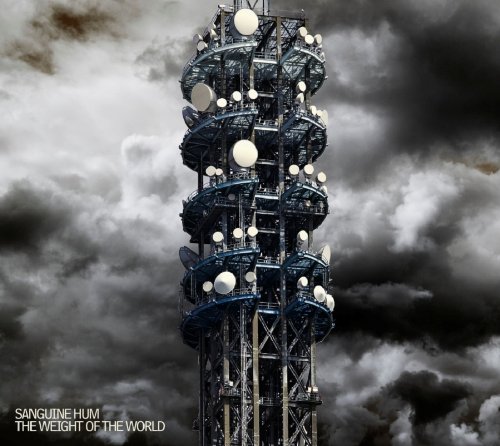 2. Sanguine Hum: The Weight of the World. If XTC and Jellyfish had a child, Sanguine Hum might be it (with Frank Zappa for a godfather). This album is simply a delight to listen to, from start to finish. It’s one that reveals new details, regardless of how many times you hear it. Their secret weapon is Andrew Booker on drums. Reminiscent of Stewart Copeland’s work with The Police, Booker has a light and inventive touch that often becomes the lead instrument. The entire band generates an organic sound that is seductive and playful. Best track: “The Weight of the World” –
Album of the Year
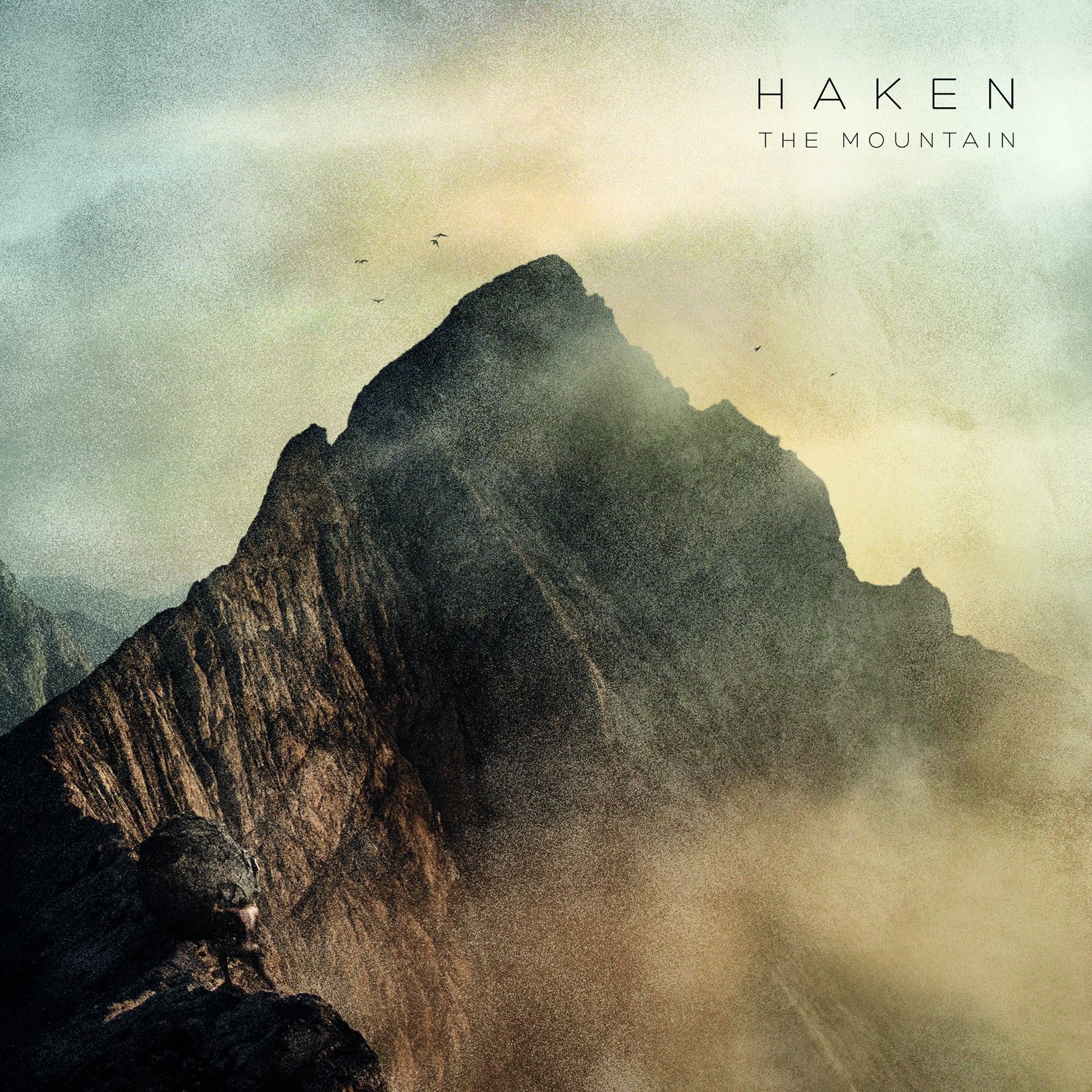 1. Haken: The Mountain. Until a couple of months ago, I had never heard a note by this band. Fast forward to now, and there hasn’t been a 48-hour period when I haven’t listened to this album, in its entirety, at least once. An extraordinary meditation on the importance of never giving up on overcoming obstacles, The Mountain is a deeply moving work. Musically, it is progressive metal in the same vein as Dream Theater, Devin Townsend, and even Rush. Every single song is indispensable, but if I had to pick one, it would be “Pareidolia” –
Well, reader, thanks for hanging in there to the bitter end. I hope I’ve affirmed some of your own opinions and perhaps piqued some interest in an artist or two you’re not aware of yet. Here’s hoping 2014 is as good as 2013!
 Progarchy