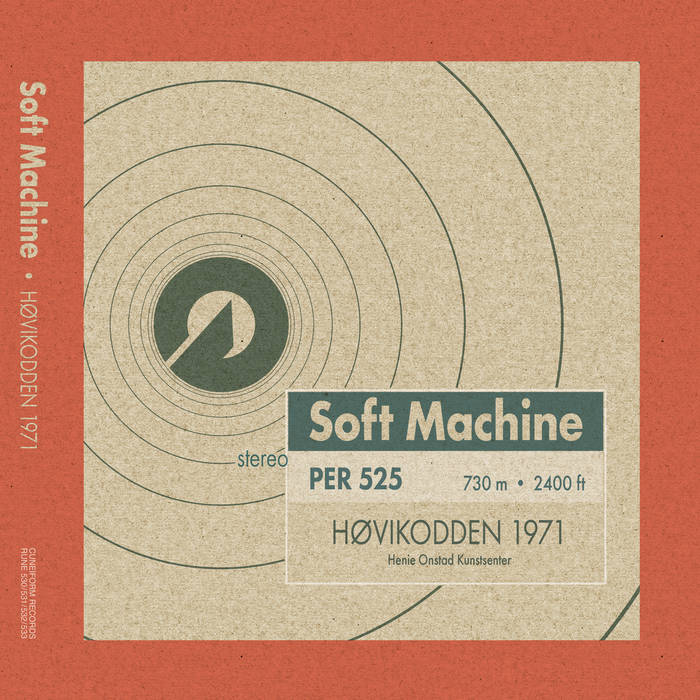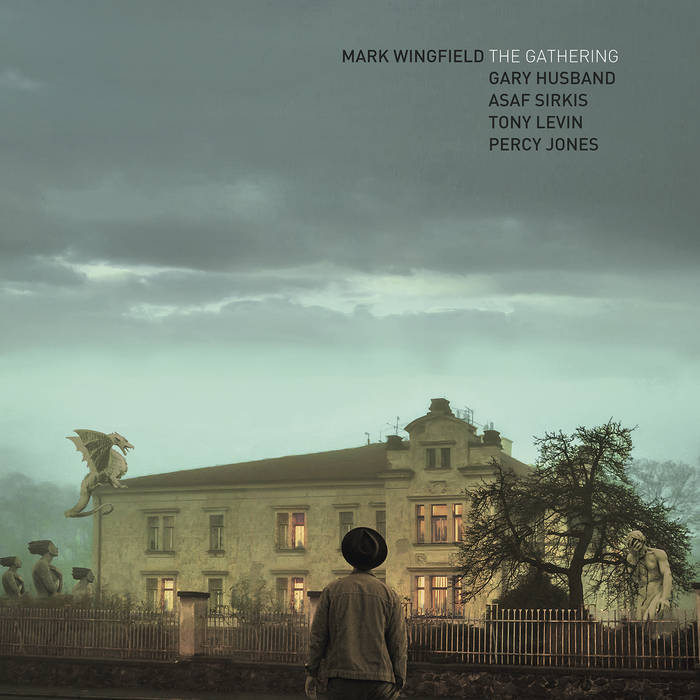
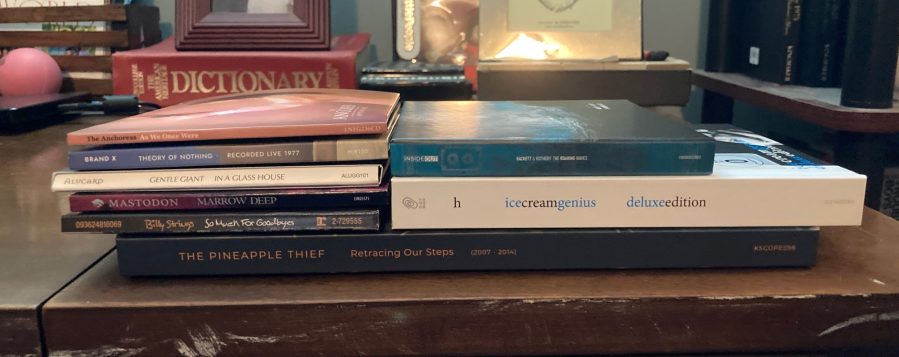
With Labor Day behind us, it’s time to wrap up releases from this summer (plus one from last year). Listening/purchase links are included in the album and/or at the end of each review.

The Anchoress, As We Once Were: Another strong, affecting song cycle from Catherine Anne Davies, deepening the vein mined on 2021’s marvelous The Art of Losing. Spoken word collages unite four generations of her family from grandmother to daughter and stitch together a wildly varied set of tunes: the thrashy glam of “Throw Over Your Man” and “Damsels”, the vintage melodic pop of the title track and an extended suite anchored in Davies’ atmospheric work with Pete Townshend’s vintage synthesizers build to an ominous confrontation with the past (“What You Did”), a big-beat spaghetti-western climax (“All Fall Down”) and the fluid release of “Hard to the Tide”. This is a first-rate concept album; the callbacks to Hounds of Love and Little Earthquakes show Davies making a generation of art-rock history her own and becoming a more confident, individual auteur in the process. (Order from Burning Shed.)
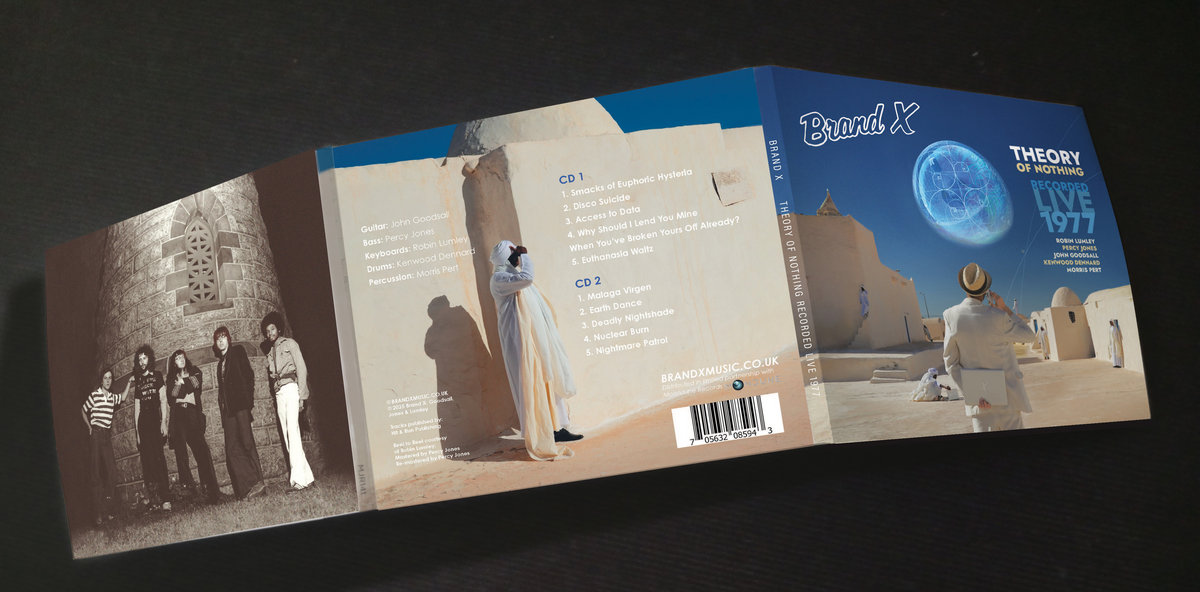
Brand X, Theory of Nothing: Reclaiming a musical heritage from multiple generations of rip-off moneymen, bassist Percy Jones is the driving force behind this live bootleg in every sense of the word. British jazz-rockers like these guys always brought their own unique bent to fusion, amply demonstrated on this 1977 Chicago date; drummer Kenwood Dennard and percussionist Morris Pert push hard, while guitarist John Goodsall, Jones and keyboardist Robin Lumley riff, ramble and wail on heads and vamps that mesh Weather Report’s laid-back hookiness (“Disco Suicide”, “Earth Dance”) with Genesis-style pomp (“Deadly Nightshade”,”Nuclear Burn”). Kudos to Leonardo “Moon June” Pavkovic for helping Jones – as well as Goodsall and Lumley’s heirs – reclaim the Brand X name – and receive what’s rightfully theirs on this release! (Not on streaming services, but listen to digital excerpts here.)
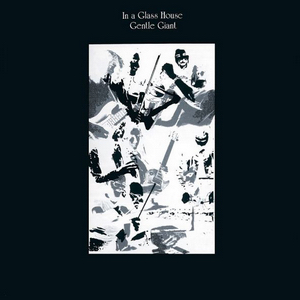
Gentle Giant, In a Glass House: 1973’s transitional album from the Giant, recorded in the wake of saxophonist Phil Shulman’s departure. All the trademarks are in place, though; few other bands then or now would have the stones to stick pipe organ and vibraphone in the same song- not to mention violin cameos and a recorder ensemble elsewhere! There are lightning-fast riffs from Gary Green’s guitar, counterpoint from Kerry Minnear’s keyboards and sharp sectional contrasts aplenty here, consistently anchored by Derek Shulman’s wailing soul vocals and nimbly navigated by Ray Shulman and John Weathers in the engine room. Newly remixed from AI-derived stems, In a Glass House has been missing in action for a while; remastered at a low level so you can turn it up good and loud, it’s a must for Gentle Giant completists and worth a listen by the intrigued. (Order from Burning Shed.)
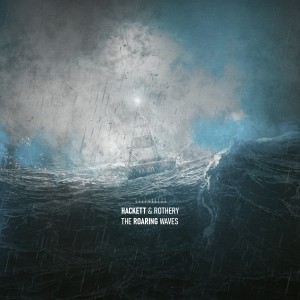
Hackett & Rothery, The Roaring Waves: Eight years in the making, a genuinely satisfying collaboration of two guitar greats that guitar great together. Sure, Genesis’ Steve Hackett was a major influence on Marillion’s Steve Rothery from the word go, but neither’s ever stopped developing over the decades, and each has perfected their own sound and style – all brought to bear on this strong set of instrumental duets. The crunchy stomp of “The Storm” displays how well Hackett and Rothery complement each other; “Sandsend” shows off their differences in tasty duet fashion; the Celtic-tinged “Red Dragon” catches them interlacing mid-tempo magic in tandem. Then there’s the multi-sectioned, ever-evolving title track and the closer “Pacific Coast Highway”, where Steve H. wails on harmonica while Steve R. plays the blues. At first unassuming in its impressionistic vibe and long-form compositions, this one’ll grow on you. (Order from The Band Wagon USA.)
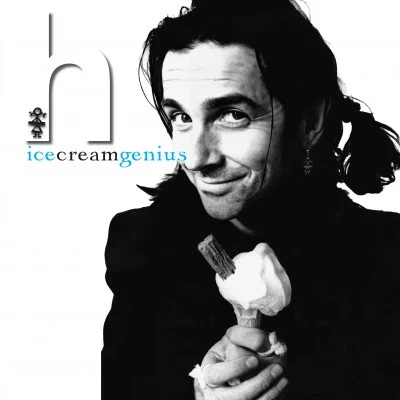
h (Steve Hogarth), Ice Cream Genius (Deluxe Edition): This is Hogarth’s only solo album, recorded in the mid-90s, after Marillion’s commercial collapse but before they found their indie-prog mojo. Backed by a killer core band (XTC’s Dave Gregory on guitar! Porcupine Tree’s Richard Barbieri on synths! Blondie’s Clem Burke on drums!), the singing Steve H. launches wispy reveries on “The Evening Shadows” and “Better Dreams”, digs into a subtly seductive blend of love and anxiety on “Really Like” and “Cage”, and rocks out on single “You Dinosaur Thing” and Stones steal “Until You Fall”. While Ice Cream Genius landed with a muffled splat even among Marillion fans, it laid a solid foundation for h’s ongoing occasional live shows, and turns out to be a fine listen in its own right. Arguably, the BluRay bonus material looks like overkill at first – 2 1/2 hours of demos? 6-plus hours of live material? – but the snatches of Marillion epics yet to come in the former and the vast range of covers in the latter (Beatles together and solo, Pretenders, Gabriel, Bowie, pre-Rumors Fleetwood Mac) wind up sealing the deal on this rather cool reissue. (Order from Racket Records.)
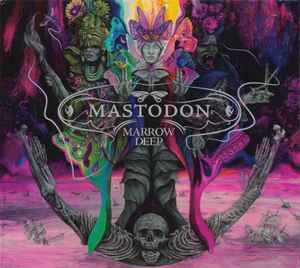
Mastodon, Marrow Deep: Will tragedy ever let up on Mastodon? In the wake of guitarist/singer Brent Hinds’ recent demise, you’ve gotta give Brann Dallor, Bill Kelliher and Troy Sanders crediting for regrouping, with new guitarist Nick Johnston and keyboardist Joao Nogueira bringing fire, precision and WOARRGGGHHH to the new lineup. At first listen, it does seem like the guys are trying to outrun the past here. The multitempo lurches and dead stop of “Barbarian’s Blood”, the dirty swing of “Poisonous Weapons”, the spectacular riffs of “Out Like A Lamb” blaze by; even a galloping elegy for Hinds, “Your Ghost Again”, is there and gone before you know it. But the second half of Marrow Deep pauses for breath with “In the Ruins” and “Moth and Bone”, melds nuance and shred on “Golden Spires”, then strikes the motherlode with “The Vanishing” (featuring super-sludge guest bass from Black Sabbath’s Geezer Butler) and crazedly eclectic finale “The Three Fates” (lush harmonies, a melodramatic breakdown and a jazzy playout!). Not quite up to the high mark set by 2021’s Hushed and Grim, but Mastodon still rocks like a double-trailer truck full of bricks, nailing every proggy hairpin turn even through tears. (Order from the band’s webstore,)
The Pineapple Thief, Retracing Our Steps (2007-2014): With the Thief on the verge of a new album with a new label (Far and Wide, out next month from InsideOut), I figured it was time to crack the last of my 2025 box sets – and I’m glad I did! This one covers TPT’s middle period on 7 CDs and a BluRay, moving from their final indie release through their initial work with post-prog label KScope, from the sprawling extended title tracks of What We Have Sown and Tightly Unwound through the Floydian atmospherics on Someone Here Is Missing to the tightly constructed, lushly orchestrated tunes of All the Wars and Magnolia. From album to album, Bruce Soord further assimilates and transcends his musical influences, zooms in tighter on matters of the heart and spirit, and sharpens his lyrical observations and badass guitar riffs to diamond-keen points. It’s thrilling to take the journey with him, Jon Sykes and Steve Kitch again; Retracing Our Steps leaves them on the verge of connecting with drummer-to-the-prog-gods Gavin Harrison and, with Your Wilderness and the albums that followed, vaulting to the next level. (Still available to order from Burning Shed.
Billy Strings, So Much for Goodbyes: Live, Ionia Michigan’s finest bluegrass singer/songwriter/guitarist is one extroverted guy, but in the studio, his mileage typically varies. Recorded shortly after the unexpected passing of Strings’ mother, So Much for Goodbyes leans into introspection with moving results: “Carry Us Home”and “Lay Me Down” lament without being lachrymose, “Burn the Other End” and “10,000 Miles from a Friend” protest loss and solitude without caving to despair. There’s gorgeous gospel harmonizing on “Light the Way” and “Wrestling an Angel”, Billy’s backing band whip up good times on “Bluewater Breakdown” and “I Like Train Songs” and Americana producer extraordinaire T-Bone Burnett supplies crystal clear sound plus guest shots from the cream of Nashville’s progressive scene. But the deepest moments here come straight from Strings’ gut in solo tune “I Still Crash” and closing instrumental “Debra’s Waltz”. Light on flash, strong on substantial writing, playing and singing, this may be the perfect introduction to Billy Strings, no matter your listening preference. (Order from Billy’s webstore.)
— Rick Krueger