A White Knight to the Rescue!

Welsh progger Robert Reed has had his share of the spotlight here before – as a core player in neo-prog stalwarts Magenta and Cyan, as half of avant-garde duo Chimpan A, lately as the driving force behind the ambient-Celtic longform Sanctuary albums. In the process, like so many other independent artists, he’s taken the DIY approach to releasing and distributing his recordings.
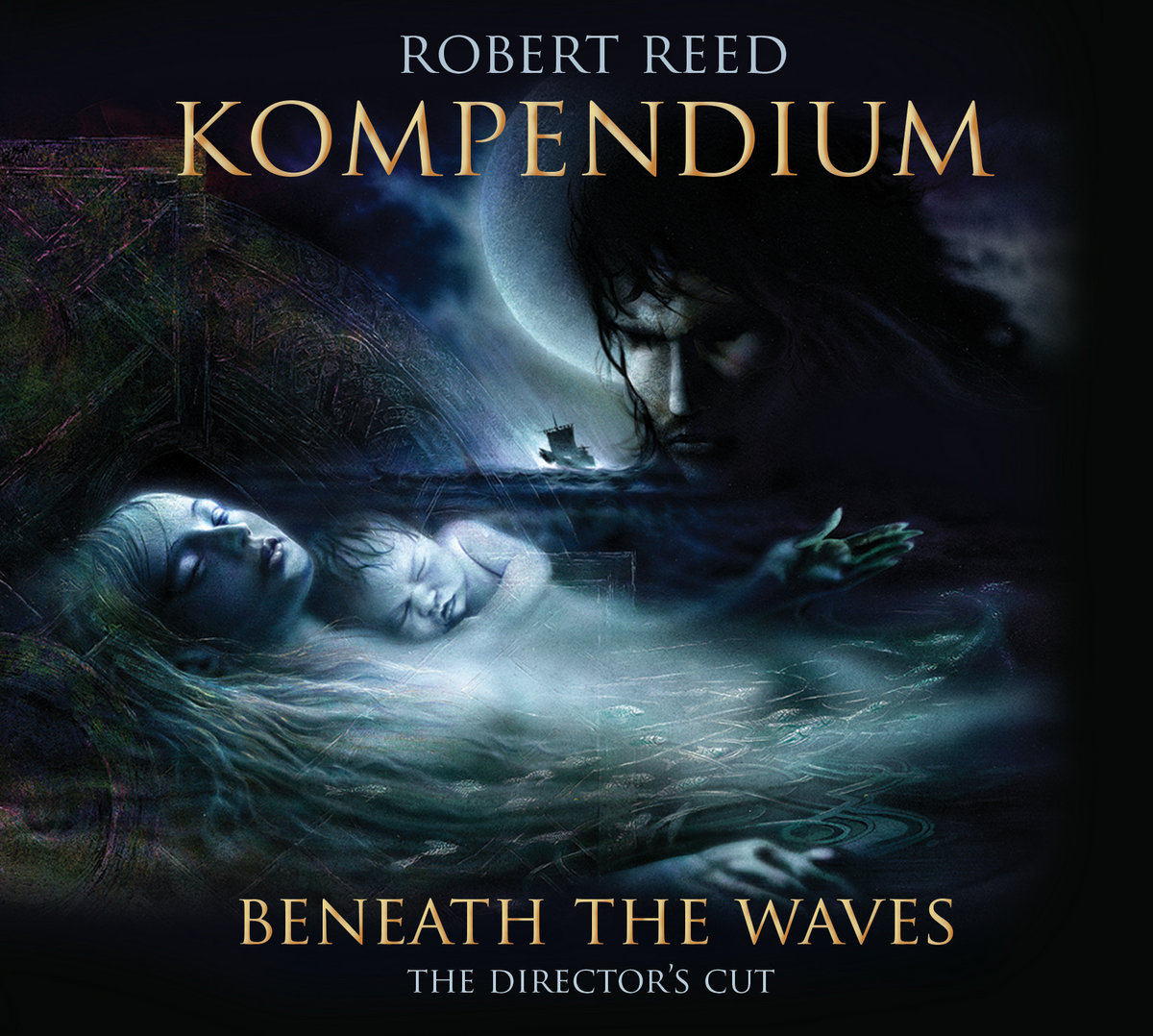
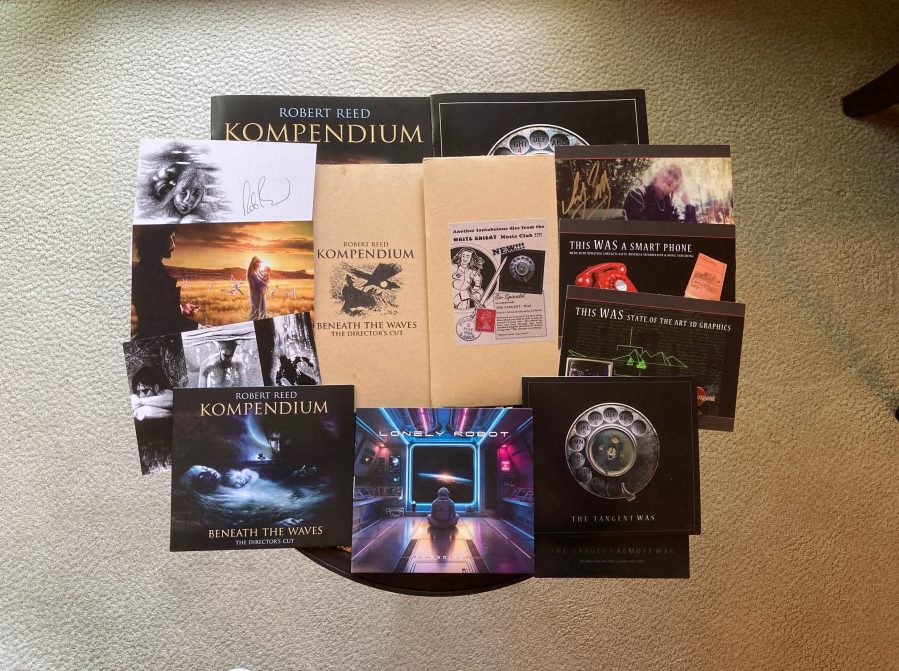
Reed’s latest on Tigermoth Records is his long-awaited “director’s cut” of 2012’s Kompendium: Beneath the Waves. A full-fledged rock opera with seamlessly integrated classical and folk elements, the original held me spellbound on its initial release; after all, how could I resist an epic, grimly romantic tale of Love that’s stronger than Death? Especially when the story was told via the spectacular singing of Chimpan A’s Steve Balsamo and Sanctuary’s Angharad Brin (plus a plethora of operatic role players and the English Chamber Choir), grounded by the elegantly stylish rhythm section of Nick Beggs and Gavin Harrison, and seasoned by an all-star roster of soloists from Steve Hackett and piper Troy Donockley to King Crimson’s Jakko Jakszyk and Mel Collins, all floating atop Dave Stewart’s immense, glorious orchestrations? Three fresh bonus tracks (“My Soul Laid Bare” featuring Les Penning and Tiger Moth Tales/Cyan stalwart Peter Jones, “Stars” and “The Calling”) slot effortlessly into the original narrative, adding depth and detail to the ardent flow of Reed’s grand design. His mission statement for the original album was “Remember when music was more than a click of a mouse?” and Beneath the Waves delivers the old school goods, mashing up the symphonic thrust of Mike Oldfield’s early works with the melodrama of Jeff Wayne’s War of the Worlds, while bringing it all bang up to date. This will be on my year-end Favorites list for sure! (Regular and deluxe editions can be ordered from the Tigermoth online shop or The Band Wagon USA. Reed doesn’t place music on streaming services, but the video below gives a solid overview of the album.)
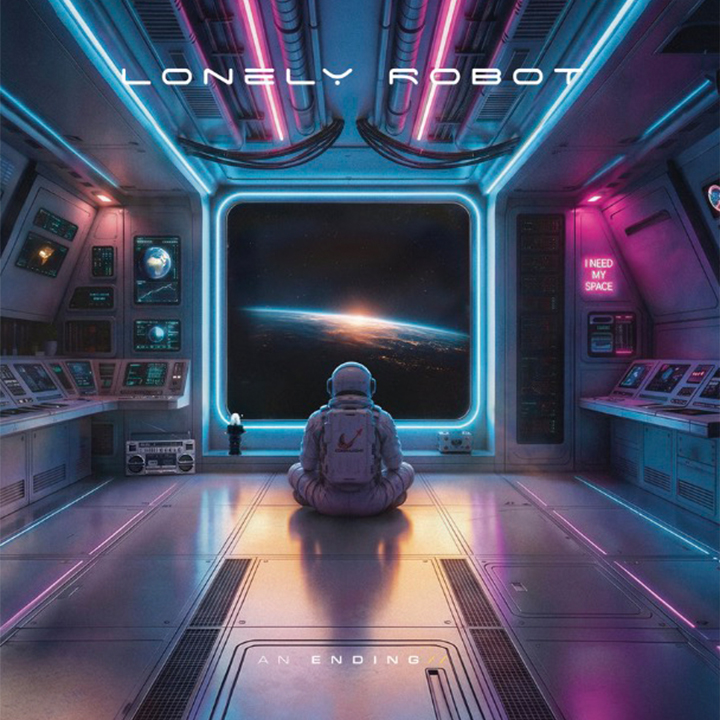
And beyond his own music, Reed has done the prog world a service with his other label White Knight Records, recently making room for two long-time Progarchy faves who’ve moved on from genre giant Inside Out! First, following a couple of intimate (yet no less marvelous) detours from the galactic sweep of his original Lonely Robot trilogy, John Mitchell brings together both threads to give his conceptual space prog throughline An Ending. As always, Mitchell’s heart is on his sleeve lyrically, his instrumental and vocal hooks are irresistible, and his guitar solos constantly arc skywards, whether on rifferama single “Show the Way”, mid-tempo power ballad “The River”, heavy rocker “Rearview” or the gently mournful concluding suite “Bending Light/Iron Sea/Oblique”. With Craig Blundell on drums shadowing Mitchell’s every multi-instrumental move, this is a fine, deeply felt conclusion to the Lonely Robot era — whether bathed in ecstasy or melancholy, the words and music are heartfelt and cathartic as always. (Order from Tigermoth or The Band Wagon USA.)
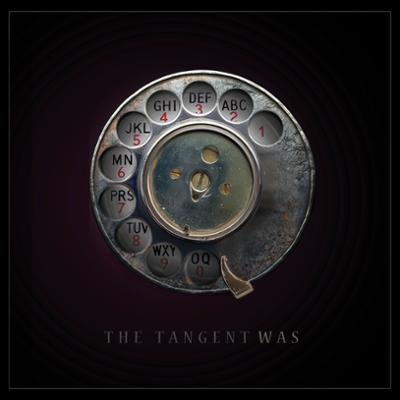
And our longtime hero Andy Tillison has also landed on White Knight, bringing with him The Tangent’s most ambitious, generously sprawling magnum opus yet; Was: A Nostalgia serves up Tillison’s classic blend of social awareness and stylistic eclecticism in heaping proportions, to consistently stunning effect. Disc 1’s “Was/Almost Was” meditates on time, memory (personal and cultural), atrocities far away and bacchanalia up close; Earth Wind and Fire shake hands with Ralph Vaughan Williams on the short, soulful shot “Follow the River”; and “Was Not” chews on the pros and cons of our collective hunger for the good old days, complete with “The Prog Rock Bit in 7”. But wait, there’s more: disc 2’s “La Suite ‘Ce q’etait'” is a full-on electric sinfonia, kaleidoscopically shifting from chamber winds and piano through a smattering of ELP (complete with Tarkus quotes) and blaxploitation grooves. In between there are graceful, completely idiomatic episodes of smoky jazz that summon up Don Ellis and Miles Davis in equal measure, before a final blast of rock and Tillison’s ultimate rallying cry “Laisse moi chanter”. Throughout, guitarist Luke Machin and Soft Machine’s woodwinds genius Theo Travis climb peak after peak with their solo work; new bassist John Jowitt and drummer Steve Roberts hold down the ever-shifting foundations without skipping a beat (odd-time or strict); and Tillison plays and sings for his life, whether conjuring up digital orchestras, growling organ and synths, or his unassumingly earthly style of sprechstimme. The Tangent always has something to say about retaining our humanity in an inhumane world, and Was carries on that tradition with panache and passion. Give the title track below a shot and see what it does for – and to – you. (Available from Tigermoth and The Band Wagon USA; I cheerfully recommend the deluxe edition, which includes the bonus CD Almost Was, with an hour-plus of impressive outtakes.)

— Rick Krueger
Rick’s Quick Takes for Summer’s End

As usual, direct purchase links will follow each album review, along with video or audio streaming where available. Given the potential impact of new US tariffs and regulations on both overseas musicians and the vendors who sell their music, I especially encourage readers to support your favorite prog artists and retailers during this period of transition.

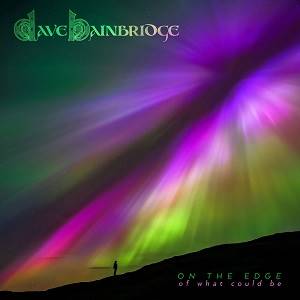
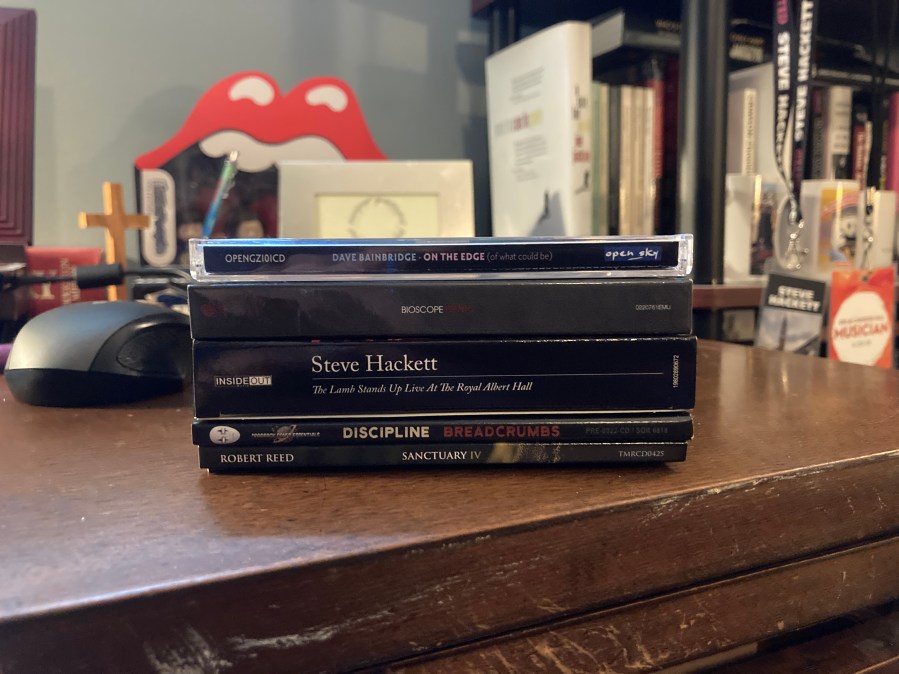
Dave Bainbridge, On the Edge (Of What Could Be): I glommed onto Bainbridge with his fabulous 2021 effort To the Far Away, but every one of his solo albums is crammed full of delights — rocking, rhapsodic and ravishing throughout. On the Edge is no exception: a double album with a self-contained suite on each disc, like Dave’s band Iona it takes listeners on a trip through the beauty of this world to the promise of a life to come. So many highights they can’t all fit here! Up-tempo elegy “Colour of Time” (with Randy McStine’s fierce vocal inspiring Bainbridge to heights of biting, frenzied jazz-fusion); the title track’s multi-sectioned build from triple-time acoustic folkiness to a thrilling electric climax; Simon Phillips’ fleet drum groove on “Farther Up and Farther In”, topped with mind-melting acrobatics from Bainbridge and piper Troy Donockley; Frank van Essen’s evocative violin and Bainbridge’s primal, Santana-meets-Mahavishnu cry on the orchestral “Beyond the Plains of Earth and Sky” are just a few of many great moments. Toss in vocals (in English and Gaelic) from a bevy of fine singers and virtuoso keyboards from Bainbridge, and you have an set that takes you on a genuinely amazing journey, gathering power as it builds to a spectacular culmination. Already a 2025 Favorite and a solid contender for the year-end top spot.

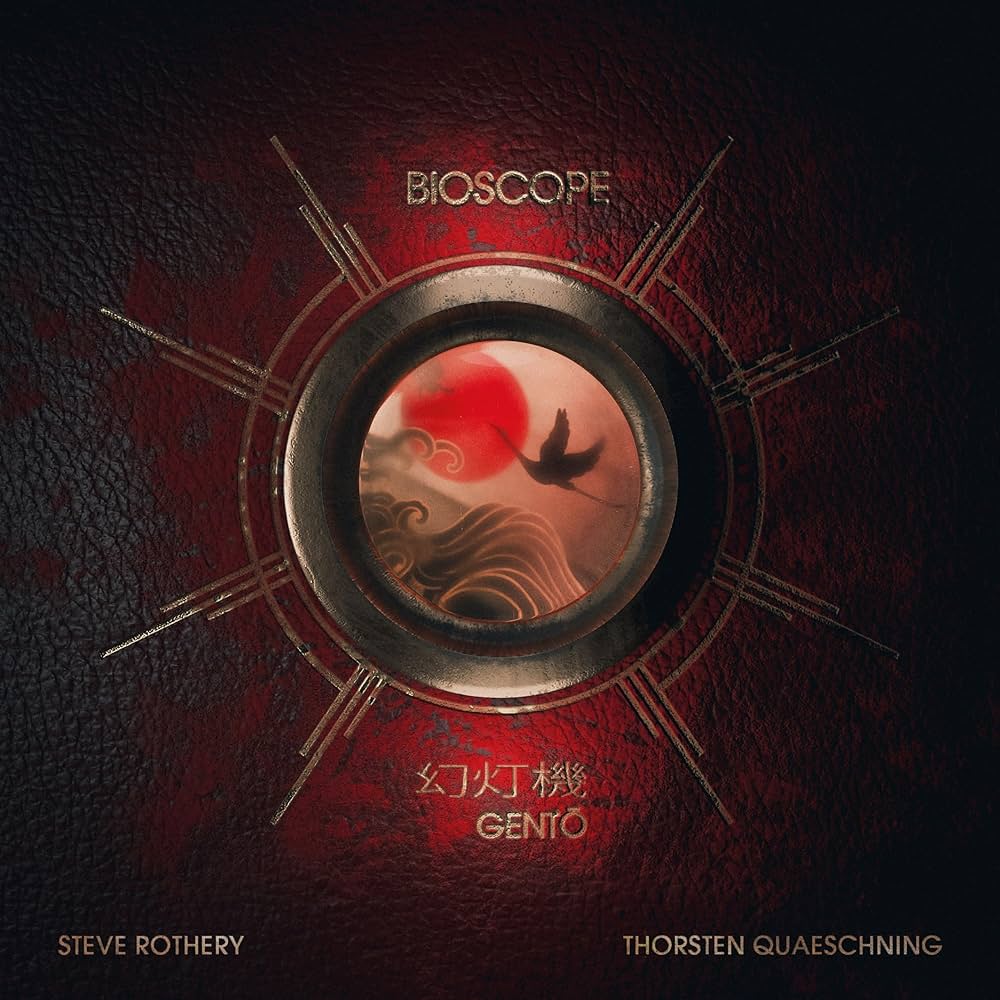
Bioscope, Gento: Steve Rothery’s keening, singing guitar has been one of Marillion’s prime calling cards for more than 40 years; as Edgar Froese’s appointed musical heir, Thorsten Quaeschning has recently propelled synth-rock trailblazers Tangerine Dream to fresh creative heights. Recorded during breaks in their bands’ work, the duo’s debut is a classic example of how two great tastes can taste great together. With the exception of psychedelic-Beatles closer “Kaleidoscope”, the musical elements on Gento repeatedly gather from thin air, coalesce, intensify, interact, react and dissipate — whether driven by Quaeschning (the wispy melodies, luxuriant textures and motorik rhythms of the three-part opener “Vanishing Point”), Rothery (the chiming rhythm guitar, slide/synth duets, fierce fuzz riffing and floating arabesques that shape another trilogy, “Bioscope”), or both in wonderfully organic call and response mode at multiple pieces’ climaxes. Add the rock solid drumming of Elbow’s Alex Reeves, and the results really are magical. Gento has gently, unobtrusively grown on me, all the way to making my 2025 Favorites list; it may take a few listens, but I think it will do something similar for you.

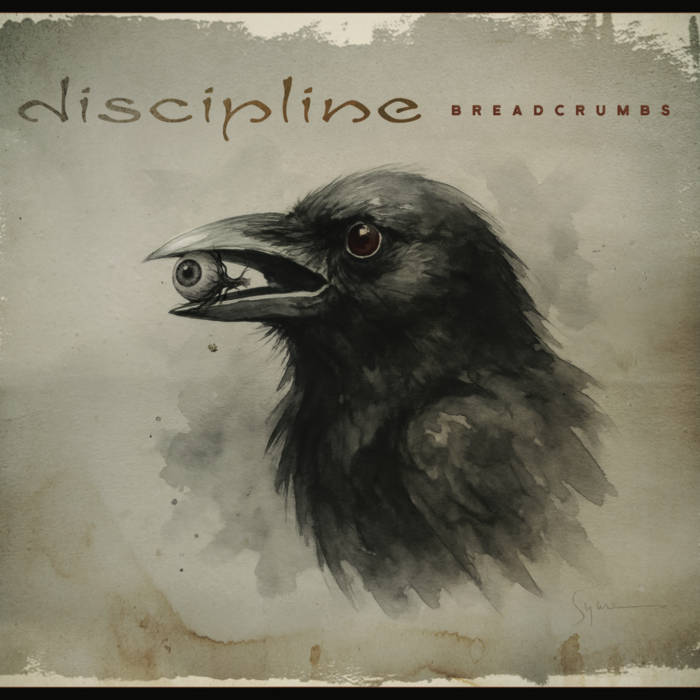
Discipline, Breadcrumbs: Eight years on from their last record, the Detroit proggers serve up another helping of their trademark, stately melancholia. Breadcrumbs proudly mines veins dug by King Crimson, Gabriel-era Genesis, Van der Graaf Generator — even a bit of keyboard-period Rush, with production by Terry Brown and art by Hugh Syme to boot — but as always, the results are a heady, hearty brew all its own. Throughout the intriguing title epic, the measured lament of “Keep the Change”, the relentless, stinging “When the Night Calls to Day/Aloft” and the thwarted, impressionistic “Aria”, Matthew Parmenter’s lyrical rhetoric and harmonically slippery keys take point, with Chris Herin providing pungent, tasty support and comment on guitar. While Breadcrumbs leans away from the slashing theatrics of vintage Discipline classics Unfolded Like Staircase and To Shatter All Accord, it still gives off a chilly intensity that showcases the band at their most spellbinding and cathartic. Through every challenging musical twist and verbal turn. this album is finely crafted and delivered with total conviction — another instant 2025 Favorite!

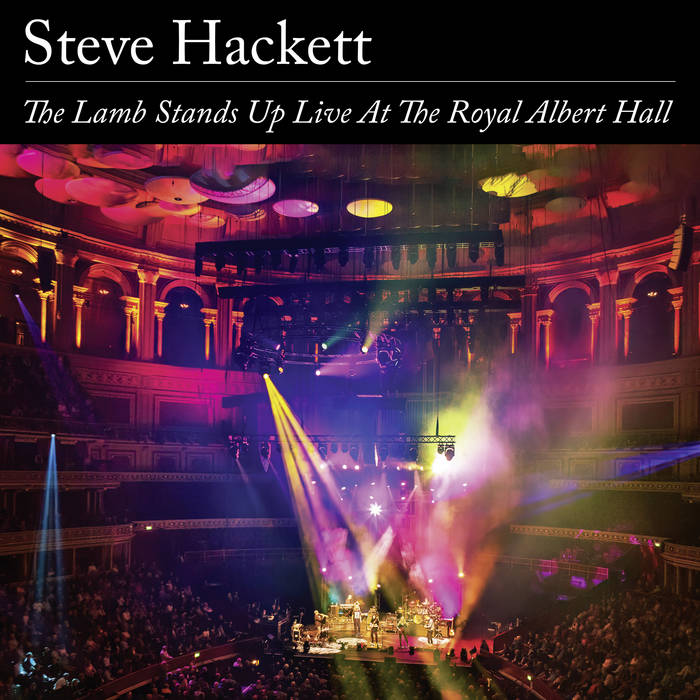
Steve Hackett, The Lamb Stands Up Live At The Royal Albert Hall: Yes, it’s Hackett’s tenth live album of the 21st century, but as usual, fans will find this a must for multiple reasons. Given recent personnel announcements, it’s probably Steve’s last live set with Roger King’s keyboards and Craig Blundell’s drums driving his talented band forward; the first half proves a spirited solo set, with lots of pleasingly vintage material and a thrusting trilogy of excerpts from 2024’s The Circus and The Nightwhale. And it’s hard to conceive of a better anniversary celebration for The Lamb Lies Down on Broadway! Nad Sylvan utterly inhabits protagonist Rael and Peter Gabriel’s other sundry characters; unjustly-forgotten Genesis vocalist Ray Wilson conjures an atmospheric, rumbling take of “Carpet Crawlers”; reflective moments like “Hairless Heart” shimmer, narratives like “The Lamia” and the title track subtly, potently grip your attention, and heavier moments like “Fly on a Windshield”, “Lilywhite Lilith” and “It” slam good and hard. With the super-deluxe box of The Lamb finally coming out at the end of September after multiple delays, sets like Dave Kerzner’s studio tribute and Hackett’s new concert set have nicely filled the gap while reminding both long-time and first-time listeners how ahead of its time the album was, and how vibrant this music still is.

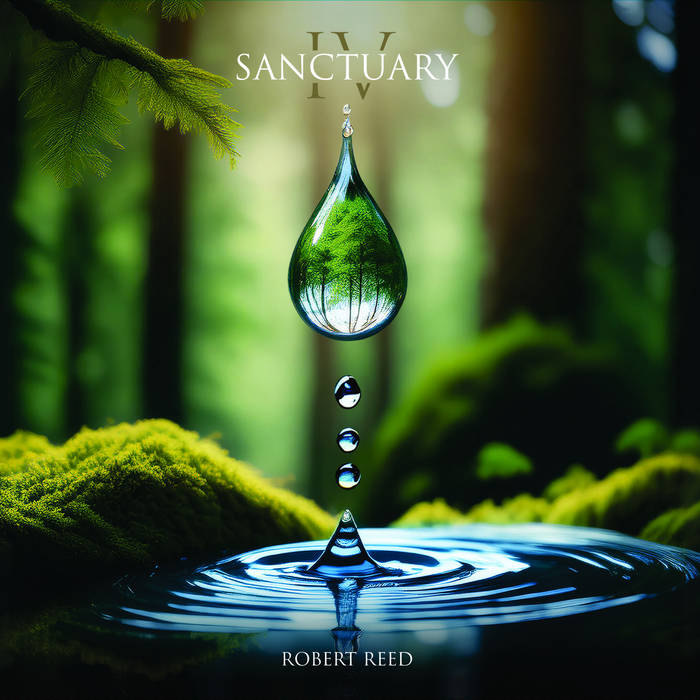
Robert Reed, Sanctuary IV. One of the driving forces behind 1990s neo-proggers Magenta, Reed has branched out impressively in the following decades. Reed’s Sanctuary albums — episodic long-form pieces in the genre pioneered by Mike Oldfield’s Tubular Bells — have evolved far beyond pastiche or even tribute, and here he refines and re-energizes his approach to its peak. Compelling opener “The Eternal Search” races forward, climaxing with an utterly berserk Simon Phillips drum solo; “Truth” bounces vivid instrumental colors off of sampled male vocals, morphs into a nautical shuffle laced with Les Penning’s recorder tootles, then lunges for a grandiose, double-time finale; and the closing “Sanctuary” provides the perfect comedown with its gentle, compact, well-wrought theme. If you’re looking for a sweet spot between Bainbridge’s Celtic maximalism and Bioscope’s kinematic ambience, Sanctuary IV’s shimmering, tuneful instrumentals could be just your ticket.

— Rick Krueger