FARO

An Interview with ROCCO DE SIMONE of FARO

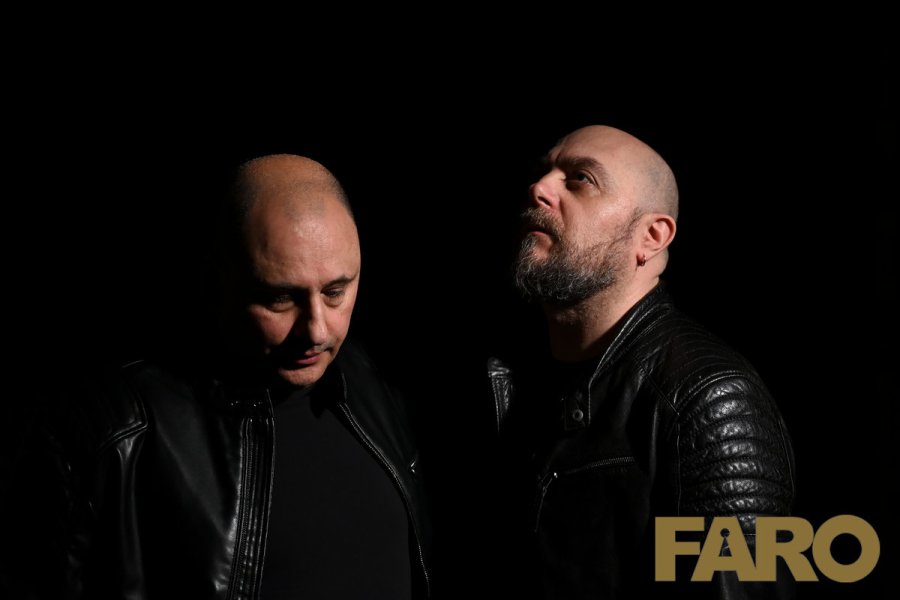
Progressive rock has always been a genre that thrives on innovation, pushing boundaries both musically and thematically. Italian progressive rock band FARO is no exception. With their latest album, Nu-Man, released in September 2024, the band delves into the complex themes of transhumanism and the evolving relationship between humanity and technology. The album presents a deeply cinematic and immersive experience, blending organic instrumentation with modern electronic elements to create a soundscape that is both evocative and thought-provoking. At the heart of FARO’s music is frontman Rocco de Simone, whose introspective lyrics and dynamic vocal delivery bring these themes to life. In this interview, Rocco discusses the conceptual depth of Nu-Man, his approach to songwriting, and the broader philosophical implications of living in an increasingly digital world.

NU-MAN by FARO prog band

Nu-Man delves into transhumanism and the evolving relationship between humans and technology. Do you think this theme resonates differently with listeners depending on their personal experiences?

I believe that our relationship with technology is deeply personal, shaped by our experiences and by how much we allow it to influence our lives.

In our album, we address the theme of transhumanism in a clear way, though through metaphors rather than explicit statements. I started reflecting on these ideas because I strongly felt that, especially after the pandemic, the world was heading in a direction where technology is becoming increasingly central to our existence.

How this theme resonates with listeners largely depends on their individual perspective: those who have personally experienced the weight of digitalization, isolation, or automation might perceive its more unsettling aspects, while others may see it as an inevitable evolution—perhaps even a positive one.

Whether this is good or bad, only time will tell. The real issue, however, is the evident process of dehumanization we are witnessing: the loss of empathy, the growing inability to experience deep emotions, and the diminishing capacity for critical reflection. This leads to a flattening of sensitivity, making it increasingly difficult to appreciate beauty in its most authentic forms, including the most profound and thought-provoking artistic expressions, while the superficial and the mediocre gain more and more space.

Nu-Man embodies this concept perfectly: a flawless being, yet incapable of truly experiencing emotions. No matter how much technology and artificial intelligence evolve, they will never be able to replace what only human beings can express—that spark that makes us truly unique.

The album has a cinematic and immersive quality. If Nu-Man were to be adapted into a film, what kind of story or aesthetic would you envision?

I enjoy auteur films set in small-town America, where the focus is on the characters’ lives and personal dramas. However, I believe Nu-Man would be better suited to a more dystopian and modern story, with a touch of madness and futurism. I envision a narrative that contrasts characters facing existential struggles in a society where feeling emotions or asking questions has become outdated. These characters could be the last remaining humans, on the brink of extinction, while everything around them spins at an unstoppable pace of technological modernity.

The setting would be decadent and dystopian—a world where everything from the past has been abandoned, rusting away, replaced by a present that leaves no room for reflection or genuine beauty. The tension between old and new, between the human and the technological, would create the perfect contrast to depict the growing dehumanization.

I have partially represented my visual vision, albeit metaphorically, in the Isaac music video, created together with my friend and photographer Pino Giannini. It’s dark, dystopian, and deeply dramatic, reflecting the atmosphere I envision for Nu-Man.

Progressive rock often challenges traditional songwriting structures. How do you approach crafting a song—do you prioritize melody, atmosphere, or storytelling first?

Unconventional structures or compositional complexities—though sometimes present—are not the main focus of FARO. What truly matters to us is the emotional authenticity of the music. Every track must resonate sincerely and convey something profound. We strive for a balance between atmosphere, melody, and storytelling, but in the end, it’s always the emotional impact that prevails. For us, every song is a journey meant to evoke a genuine reaction in the listener.

We always compose with a strong visual component in mind; our music unfolds as a sensory experience that goes beyond sound. The ambient and cinematic element is fundamental in our writing because it helps create that immersive dimension we consider essential. We want the listener to be able to imagine a scene, a place, an emotion—as if they were experiencing a film through music.

The balance between organic instrumentation and electronic elements is crucial in your sound. How do you decide when to let technology take the lead and when to keep things raw and human?

The sound component is fundamental for us because it is through sound that our compositions take on a unique identity. We are very attentive to sound research and prefer modern tones because they perfectly align with our emotional vision. At first listen, the use of cutting-edge sounds may give the impression of a shift towards digitalization, but in reality, it is the presence of organic sounds, like guitars, that prevails. Synthesizers and keyboards act more as a backdrop, creating an atmosphere that enriches and supports the sonic narrative.

Sometimes, we like to push the boundaries with layered sounds, combining guitars with highly expanded synthetic effects, creating a blend of raw rock and futuristic soundscapes. Our way of layering and orchestrating sounds inflates the overall texture in an original way, and the harmonic interplay gives life to an avant-garde effect. We aim to balance the electronic elements with more traditional instruments, creating a fusion that not only stimulates the listener but also enhances the emotions we want to convey. In this sense, technology provides us with opportunities that would otherwise be difficult to achieve, becoming a means to express complexity and deeper emotions.

You’ve mentioned feeling a sense of disconnection from the world post-pandemic. Do you think music can help bridge that gap, or is it also being affected by the same digitalization and detachment?

Yes, the world as I once knew it no longer exists, but as I mentioned, this isn’t necessarily a bad thing. It becomes a problem when we forget where we come from. Music and art, in general, are among the few truly powerful tools that remind us we are beings capable of deep emotions and a connection to something greater. Artistic expression is one of the most noble aspects of humanity—it allows us to rise above mere existence.

It doesn’t matter if music is influenced by digitalization; as I said, we ourselves use all the available technologies to express our vision. But what truly makes the difference is the soul behind the sounds. Even the most synthetic instruments can convey powerful emotions if used with intention and sensitivity. In the end, there is no gap to bridge as long as technology remains a means rather than the ultimate goal. The key is ensuring that the human element remains at the heart of everything.

Some of the lyrics on Nu-Man evoke existential and philosophical themes. Do you draw inspiration from specific philosophers, writers, or personal introspections?

The lyrics I write are often inspired by personal experiences or stories of people close to us. I love portraying the human soul as the central focus around which all our concepts revolve. My narrative style is often poetic and dramatic, centered on introspection, metaphors, and the unspoken. I draw inspiration from modern literature, but also from the cursed poets of the late 19th-century Decadent movement and classical philosophy. However, what stimulates me the most are film dialogues, which I consider an important source of inspiration.

I am particularly drawn to stories of people facing deep inner conflicts, often in difficult or dehumanized environments, where the struggle for survival intertwines with the search for meaning. Themes such as solitude, redemption, and the resilience of the human spirit are at the core of our compositions. The drama and pursuit of authentic emotions in these stories are what I strive to convey through music, with a vision that places the human being at the center—grappling with their vulnerabilities, yet also with their ability to endure and hope.

Given that you have a strong visual approach to music, how do you see the role of album artwork, photography, and music videos in complementing Nu-Man’s themes?

The album cover is actually a frame taken from the Isaac video, which I created almost entirely using the stop-motion technique. Initially, that image wasn’t meant to be the cover, but when we realized its visual and evocative power, we had no doubts—it was perfect.

The image shows the shadow of a mannequin falling backward, spinning into the void. A void that represents the absence of soul, of emotions. The mannequin is a symbol of all of us—manipulated, exploited, emptied until it dissolves, making way for the rebirth of a new being: perfect, yet devoid of humanity. This transformation embodies the core of our concept—the transition from man to a transhuman entity.

The Paradox video also fits into this reflection, but from a completely opposite perspective. I deliberately created it using Kaiber AI as a provocation, in contrast to Isaac, which is deeply artisanal and artistic. Isaac took me months of work, pouring in my passion for visual art, photography, and filmmaking. In Paradox, on the other hand, I let artificial intelligence generate the images, questioning how technology can be both a resource and a threat to artistic expression. Two opposing visions, yet both part of the same discourse: what remains of art and human identity in the era of extreme digitalization?

How do you feel about the current state of progressive rock and metal? Are there any new bands or artists that excite you?

Fortunately, progressive rock and metal continue to be vibrant and constantly evolving genres, even though today’s musical landscape is increasingly challenging for more complex and thought-provoking music. There’s also a recurring issue that often hinders this evolution: many listeners and critics approach music with blinders, clinging to stereotypes about what “prog” should be, forgetting that, by its very nature, it is a genre meant to be free from rigid structures and predefined formulas.

In past decades, bands like Rush, Queensrÿche, Tool, and later Dream Theater revolutionized the scene by blending diverse sounds and genres, allowing prog to evolve. Today, this process continues—perhaps in a less radical way—but it often goes unnoticed or is underestimated by parts of the audience.

Incredible bands like Leprous and the younger Sleep Token—whom I consider among the most innovative—are changing the rules of the game. I could also mention Tesseract or Periphery, groups that have successfully carried forward this evolution. A special mention goes to Sleep Token: I find them extraordinary. Their vocalist is outstanding, and they’ve managed—through great maturity and skill—to merge seemingly opposite genres like ambient, pop, hip-hop, R&B, prog, and djent. Not everyone can pull off such a feat, and the fact that they are dividing audiences between traditionalists and more open-minded listeners proves just how groundbreaking they are.

Before them, bands like Porcupine Tree, Katatonia, and A Perfect Circle took the sound to new dimensions, and we, in our own way, strive to follow that example—keeping the drive for experimentation and sonic exploration alive.

Italian progressive rock has a rich history with bands like PFM and Banco del Mutuo Soccorso. Do you feel a connection to that legacy, or do you see FARO as carving a completely separate path?

I am proud to be a part of a genre that, in the ’70s and early ‘80s, made Italy an innovative reference point on a global scale. It’s a shame, though, that for various reasons, it was born and died in that very period, leaving room for a music scene that, with few exceptions, has been a source of great embarrassment for me. Italy went from being a beacon of musical experimentation to a country dominated by trivial pop songs, often devoid of any artistic value and unable to compete with international realities.

As for Faro, I can say that no, we don’t feel at all like the heirs of PFM, Area, or Balletto di Bronzo. Our background is more closely tied to modern progressive rock in the British and American styles, which we still find more innovative and inspiring.”

You’ve spoken about your love for cinema and literature. Are there any particular films or books that directly influenced Nu-Man’s concept?

Cinema is a world that has always fascinated me for its ability to explore emotions, symbolism, and the human condition. If I had to choose one film that struck me, it would be difficult to narrow it down to just one, given the vastness of the works that have influenced me. Directors like the Coens, Tarantino, Lynch, and Coppola have an extraordinary ability to tackle complex themes, creating multi-faceted characters and stories that stay in your memory. These films, with their capacity to explore humanity through chaos, beauty, and mystery, are among the main sources of inspiration for Nu-Man. The search for truth, ambiguity, and unease that I find in their works are reflected in our album, which seeks to explore the human condition in a profound and challenging way, blending elements of introspection, evolution, and distortion. Although it is impossible to reduce all of this to a single film or book, I believe that the concept of Nu-Man emerges precisely from the confrontation with these complex worlds, where the individual confronts their own contradictions and the challenges of a transforming era.

The song Isaac presents a haunting metaphor of sacrifice. How do you approach writing lyrics that are both symbolic and emotionally immediate?

The lyrics of Isaac are deliberately metaphorical and unsettling, and as you rightly pointed out, the music and video complement the theme, creating a total work of art. My intention is to engage all the senses through art, creating an experience that goes beyond mere listening, embracing emotionality and visual vision. In this album, I was looking for a theme tied to change and transformation because every transformation, every evolution, inevitably involves the loss or death of something that we cannot take with us. Isaac, therefore, tells exactly this: sacrifice as a moment of necessary loss for a new birth, a new beginning.

My approach to writing lyrics is very spontaneous and natural. I don’t write from a pre-established plan, but try to be guided by the authenticity of the theme I choose. Even if the theme may seem fantastical or surreal, what matters to me is that it is authentic, that it reflects a deep human concept. I am not interested in stories that don’t center around the complexity of the human soul, even if they deal with themes like science or science fiction. The humanistic component must always be present, because it is what makes the story and emotions universal.

In the end, every lyric I write must belong to my most intimate emotions, the ones I feel deeply, on a marrow level. I never write anything that I don’t truly feel is mine, that doesn’t resonate with my experience and my deepest reflections. That’s why the themes I explore, even when sometimes fantastical, are always rooted in emotional reality and human experience.”

With streaming dominating music consumption, how do you feel about the way listeners engage with albums today? Do you think Nu-Man is best experienced as a whole, or does each track stand on its own?

Today we are living through one of the worst moments for music with true artistic value. Music, unlike 20 or 30 years ago, is often reduced to a simple pastime, a fast and superficial consumer product. In the past, however, it was deeply rooted in people’s lives: it represented a social message, it was the soundtrack of existences, memories, and human experiences. It was a means of cultural and political expression, capable of influencing fashion, thoughts, lifestyles, and entire generations. Today, it is increasingly rare to find listeners who experience it with that intensity, but there is still a small niche of true music lovers, people who seek authentic emotions and explore various genres with passion and expertise.

Nu-Man is an album that cannot be listened to casually or superficially. It is a sonic journey that requires attention and immersion, to be savored track by track or in one go for those who have the patience and sensitivity to let themselves be carried away. Each song tells a story of its own, but all are connected by a red thread that grows and evolves from the first to the last note. It is an album designed for those who seek a deep musical experience, for those who want something more than just background music.

FARO’s sound has evolved dramatically since Gemini. Do you think you’ve found your definitive sound, or do you expect more transformations in the future?

To think that we have arrived or found the definitive sound would, for us, be like declaring the end of everything. Each album is a journey in itself, an exploration of sounds and approaches that are always new and unknown. Our music thrives on evolution and experimentation, and the idea of crystallizing into a fixed style would go against our artistic nature. Each record is the reflection of a specific moment, but our path is in constant transformation, and it is this search that always pushes us forward.

What was the most challenging track to write or record on Nu-Man, and why? 

The making of this album challenged us on many fronts, with some tracks being particularly complex to develop. Paradox, for example, was one of those songs we almost gave up on because it seemed like it couldn’t find a clear direction. But the perseverance of Angelo and I pushed us to rework it several times, turning it into one of the album’s most successful tracks, so much so that we chose it as a single. Nothing in Nu-Man was easy, but challenges are part of our journey, and we’re always ready to face new ones.

Looking ahead, do you have any new creative directions or collaborations in mind for the next phase of FARO?

The Faro are aware that the journey is not over yet, and the next album will bring with it new elements and surprises. We’re at a turning point, feeling the need for a new change. We are not capable of repeating ourselves. Of course, the things that define us have shaped our personality and uniqueness, which in turn define our sound, but research and experimentation are always at the core of our creative process. We can’t help but explore new ways of expressing ourselves, and this can only open up new possibilities. As for collaborations, we are wide open to them: there could be big surprises on the next album. The emotion machine is always in motion, and all we can do is fuel it, every time and with more intensity!

Nu-Man is out now; stream/download from Bandcamp.
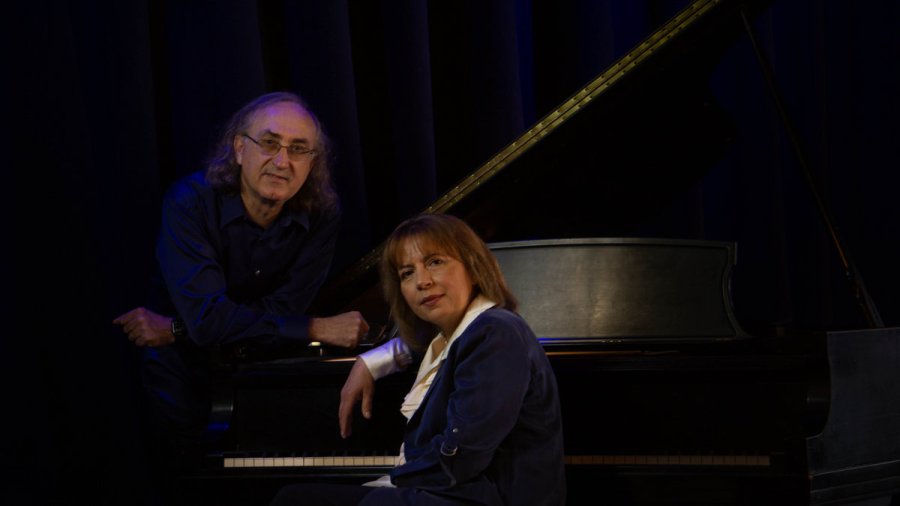
The MC2 project

Album Review: The MC2 Project – A Day at the Slopes

Denver-based instrumental progressive rock duo The MC2 Project invites listeners to experience the thrill of a perfect ski day with their latest release, A Day at the Slopes. Guitarist Anthony A-man and pianist Larisa Gorodinski have crafted an album that blends rock’s raw energy, classical’s precision, and jazz’s free-flowing spontaneity into a cinematic and immersive sonic exploration.

Concept is a driving force behind The MC2 Project’s music, and as Anthony explains, A Day at the Slopes is a love letter to skiing and snowboarding in Colorado—specifically in Vail. “The anticipation and enjoyment of the ski trips, driving from Denver to the mountains, and then coming back home satisfied and tired—it’s a special feeling,” he shares. That sentiment is woven throughout the album, with each track representing different moments of an adventure on the slopes.

The album kicks off with “One Day Morning,” setting a peaceful, expectant tone. The interplay between A-man’s guitar work and Gorodinski’s expressive piano evokes the crisp morning air and quiet anticipation before the action begins. “Hello Mountains” follows, building excitement with ascending melodies and layered harmonies that reflect the grandeur of arriving at the peaks.

As the album progresses, the duo captures the full range of a skier’s experience. “Mountain Top” delivers a sweeping, majestic atmosphere, while “Skiing Down” translates the rush of carving through fresh powder into a flurry of cascading keyboard arpeggios and rapid-fire guitar runs. The exhilarating “Race on the Slopes” mirrors the intensity of high-speed downhill racing, brimming with complex time signatures and fast-paced interplay.

But it’s not all smooth sailing. “Tough Terrain (Hairbag Alley)” throws listeners into a technical, almost chaotic landscape, mirroring the challenge of navigating treacherous slopes. Anthony explains how The MC2 Project approaches composition through vivid imagery: “We have a track called ‘Cloud 9’ on the new album. Some of you might know the Cloud 9 run in Blue Sky Basin at Vail. It’s my favorite place to snowboard. We had no demos for that tune, but after reviewing photos and videos from the place, the track came together naturally.” That organic approach to composition is a testament to the duo’s ability to translate experience into sound.

The album begins to wind down with “Last Run of the Day,” a reflective, almost wistful piece that captures the final moments before packing up, followed by “Driving Home” and “What a Day!”, which bring a sense of satisfaction and closure to the journey.

Beyond their impressive musicianship, The MC2 Project’s ability to work with collaborators adds another dimension to their music. Anthony speaks highly of drummer Alex Bituckih, who has become an essential part of their recordings, and bassist Matt Skellenger, whose versatility helped shape the final sound of A Day at the Slopes. Their approach to production is equally meticulous, as Anthony details: “Sometimes it takes 20 takes to get things right. I listen to what I record again and again, even as a separated guitar part, before sending it to our sound engineer, Alex JaJa. He’ll tell me if something doesn’t sound right, so I’ve learned to be extra critical from the start.

With A Day at the Slopes, The MC2 Project proves that instrumental progressive rock can be both technical and highly evocative. By drawing from personal experiences and translating them into complex musical landscapes, the duo delivers an album that not only breaks confines but also resonates on an emotional level. Whether you’re a fan of prog, jazz, or simply enjoy adventurous, concept-driven music, this is a ride worth taking.

For more information about The MC2 Project visit their website.

Pocket Bandits

POCKET BANDITS: Prioritizing Melody and Arrangement

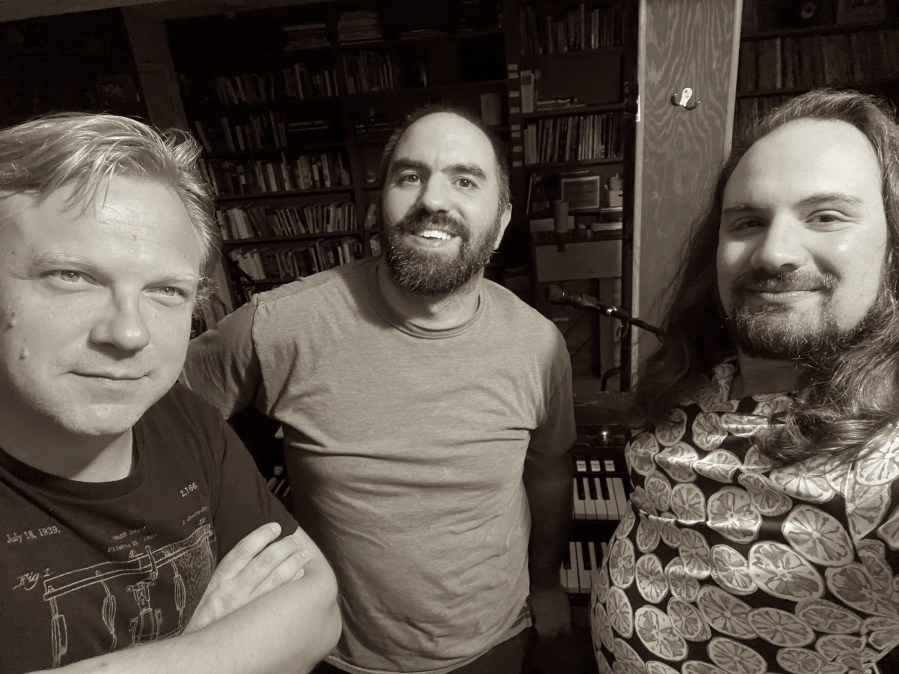
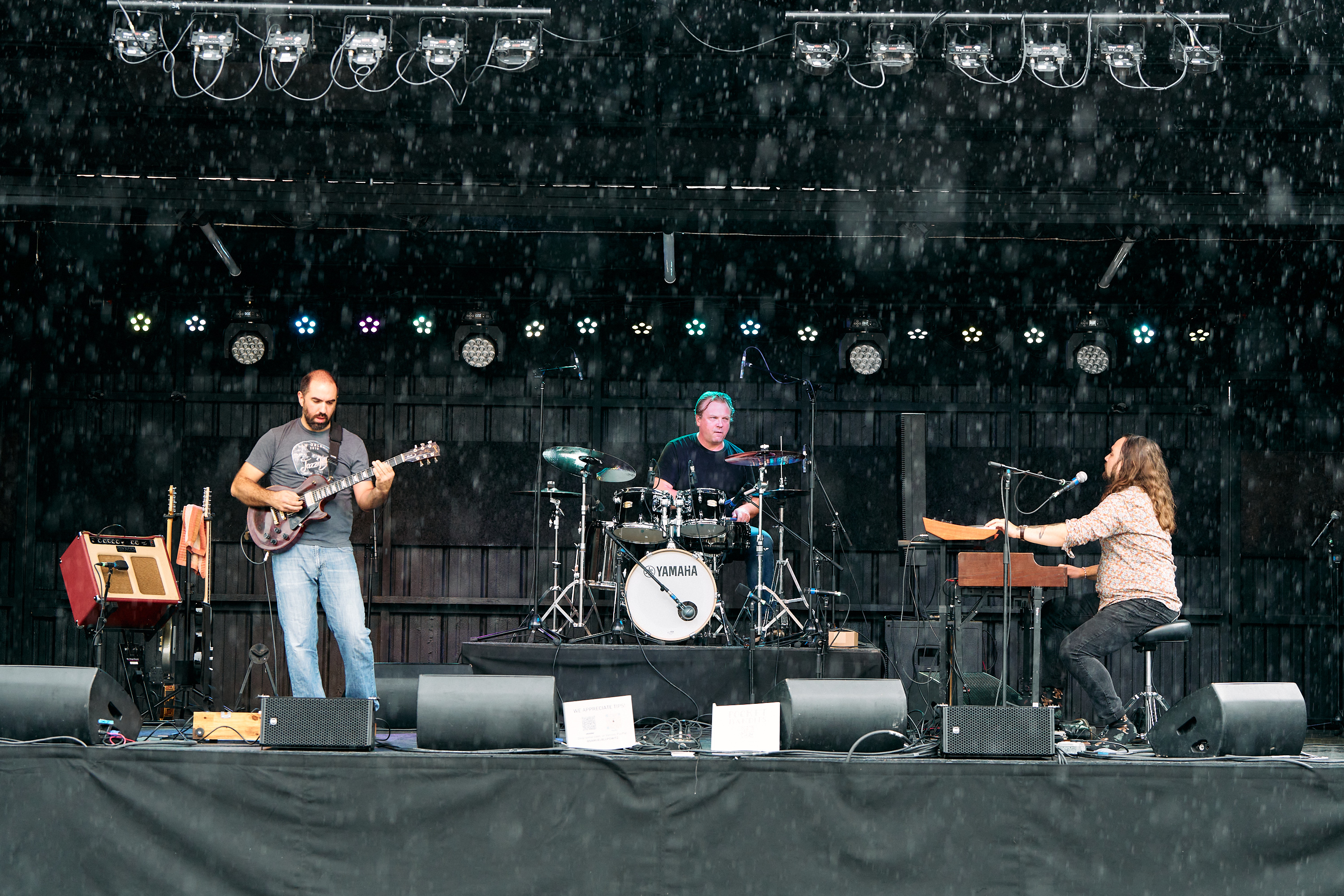
New York-based progressive fusion trio Pocket Bandits are on the verge of launching their full-length debut album titled Nine. The nine-tracker is full of adventurous, improvised, but also calculated musical elements that as a whole work splendidly well. The members of the band—Simon Bjarning (drums), Samuel B. Lupowitz (organ), and Joe Massa (guitars)—speak for Progarchy about the upcoming release, inspiration, influences, and more.

“Nine” is your debut album—what’s the story behind its creation, and why did you choose the title “Nine”?

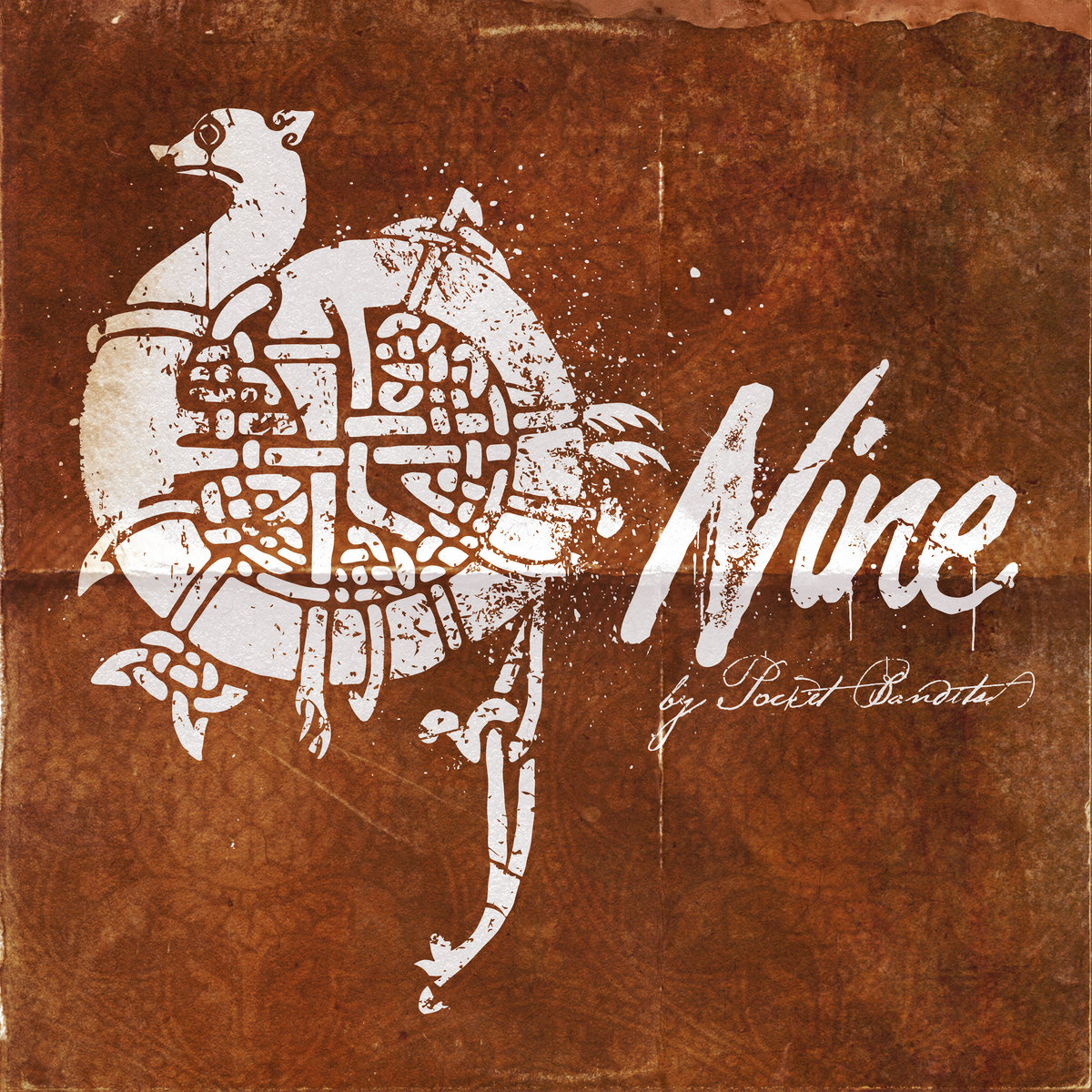
SAM: We were into the idea of doing a retro-sounding, not-quite-self-titled debut, something like With the Beatles or Ladies and Gentlemen: The Rolling Stones. I think Simon suggested By Pocket Bandits, and when we thought about what was by Pocket Bandits — an album? A bunch of songs? Nine songs! — we wound up with Nine by Pocket Bandits.

SIMON: We all have a love for the Beatles and since there are nine tracks on the album, we also decided to make a reference to “Revolution 9” from the White Album.

Your sound is described as a modern twist on the old-school organ trio. What inspired you to explore this format, and how do you make it your own?

SAM: One of my musical heroes, John Paul Jones from Led Zeppelin, once said he learned to cover bass parts while playing keyboards so he could switch instruments without having to worry about “some bass player” messing him up. I work as a keyboard player 90% of the time these days, but I love playing bass, and I was really inspired by the challenge and the liberation of covering both. Joe was the one who had the initial idea to put an organ trio together; he’s a big fan of Eric Krasno and Soulive, and Simon came into the fold with a real love of three-piece bands of any instrumentation. But I think early on any attempts to play “traditional” jazz organ trio music went by the wayside; we just kind of play and write what we like and make it work with this instrumentation, which winds up sounding pretty far from, say, Jimmy Smith or Delvon Lamarr.

Each of you brings a distinct musical background to Pocket Bandits. How do your individual experiences shape the band’s sound?

SAM: I think spending the majority of my musical life accompanying vocalists and writing lyrics has been a huge influence on how I approach playing in an instrumental ensemble. As much as we like to write complex, unexpected, intricate music, we also prioritize melody and arrangement. We want you to be able to sing and dance to our music as much as if there were vocals. 

SIMON: We are very open to how each member plays, and we immediately explore our own sounds to be a good fit.

Can you walk us through the creative process for a song like “The Pocket Bandit” or “Second Drink”? Where do you start, and how do the tracks evolve?

SIMON: “The Pocket Bandit” was actually quite simple. I wrote a bass line – almost making the riff the melody. It’s a funny little tune and I had no idea what to call it so the working title became “The Pocket Bandit” and it stuck 🙂

SAM: As collaborative as the end results wind up being, all three of us are pretty self-sufficient as composers. Generally one of us will bring in a demo with the tune and arrangement (with at least rough examples of the full instrumentation). Once we get in a room together, our natural personalities tend to color in the black-and-white outline of the demo, even if the tune is mostly written already. Often one of us will start filling in melodies or extra hooks that become a crucial part of the song, but if you listened to Joe’s pandemic-era demo of Second Drink, most of what’s on the record is there, at least in an embryonic state. You’d miss a couple of things though — like, imagine “Come Together” without Paul McCartney’s bass part. It’s not the same tune, even though, technically, it is.

Simon, you’ve performed with everyone from Evanescence to symphony orchestras. How does your background in classical and rock influence your approach to drums in Pocket Bandits?

SIMON: Yeah, it’s been a fun and diverse ride for sure. Those gigs were Livenation gigs, and I performed with bands like Evanescence and others as a percussionist. The thing (one of many) I love about Pocket Bandits is that I’m kind of leaving the idea of genre behind. Of course, we’ll have approaches as we work on tunes, but most of the time, I’m just letting my ears guide my hands and feet.

I guess my background spoke louder years back, but as I’m getting older – in my case anyway – I’m becoming more my own player and actually liking what I do, haha. I grew up in Copenhagen, Denmark, and as it is over there as well as here, there’s a bit of pigeon holing going on in regards to being a jazzer or a rocker or a classical player. I’ve always been a little bothered by that, so maybe unintentionally I’ve never thought I was one type of player. I do, however, try to stay inspired, listen to my own sound, develop that, and discover new recordings or check out videos on YouTube, etc. I’m sure that there’s a pattern somewhere that reveals the true nature of my background, hahaha. Some days I listen more to heavier styles, some days it’s more jazz, and I have my classical periods as well. 

Sam, as the Hammond organist and multi-tasker juggling basslines, melodies, and harmonies, how do you balance the demands of your role in the trio?

SAM: it’s been an exercise in balancing what comes naturally to me with how far I can push my chops. As an organist and as a bass player, I have strong opinions about what I would want each instrument to do on its own, and I will hit the woodshed until I’m able to execute those independent parts together. That said, the most important thing is that the music FEELS good. As much as I want my left hand (and foot) to be James Jamerson, and as much as I want my right hand to sound like Billy Preston or Cory Henry, it’s also been educational to learn that sometimes less is more. Being crafty and finding ways to play the two roles in a way that locks together rhythmically, rather than trying to integrate two independent parts, has made for some slicker arrangement choices that sit in the pocket better than when I’m trying to force it too much.

Joe, your electric guitar work on the album is described as vibrant and intense. Who are your biggest influences, and how do you approach your tone and phrasing?

JOE: Influences include but are certainly not limited to: Larry Carlton, George Harrison, John Frusciante, Eric Krasno, John Scofield, Andy Summers.

The biggest factor in approach is not having to account for a vocalist so it’s important to keep a balance between creating interesting and captivating melodies and making sure all the chord changes/harmonies are covered. Being an instrumental group also opens up some more options when it comes to composition as well, both from a structural and melodic standpoint and it’s a fun challenge to walk the balance of pushing the envelope while still trying to be as accessible as possible.

You’ve mentioned being inspired by bands like Soulive and Snarky Puppy. What elements of their music do you admire, and how do you incorporate those influences into your own compositions?

SIMON: Those guys are so good! The inspiration no 1:-). As a drummer, I use the energy and the jazzy and gospel-like elements to stay inspired. I pay attention to where Sam and Joe are going and I structure my parts around what they’re doing, leaving room for improv, in the same fashion as SP and Soulive.

SAM: We love complex music that makes you dance! These bands have chops and progressive ideas for days, but it’s always the groove that grabs your attention first.

The album closes with “The Sidler,” a jazzy and bombastic track. What was the inspiration for that piece, and how do you approach the challenge of ending an album with such a bold statement?

JOE: I honestly wrote this song with the intention of using it as an album closer. I had written the outro separately from the first part of the song and once I put the two sections together, it came out pretty seamlessly.

SAM: This was definitely the song we put the most extra studio production into — more layers of guitars, keyboards, and percussion than we have access to live as a three piece. Playing “Sidler” live has forced us to be really thoughtful about dynamics and textures, making sure we really let it build gradually and not peak too early. We certainly kept that concept in mind for the studio, but being able to build in extra parts and utilize some different instruments to expand the orchestral palette really helped us intensify the build.

Beyond your original compositions, you’re known for unique covers of artists ranging from The Beatles, Steely Dan to Super Mario Brothers. How do you choose which songs to reimagine, and what do you hope to bring to those renditions?

SIMON: My approach is usually “Hey, I like this tune. Should we cover it?”  Nothing deeper than that on my end. We cover Life On Mars as well as Kid Charlemagne. Those are very far apart stylistically, but they have in common that they are really great tunes. That’s a big draw for us.

SAM: We just want to have fun! We love to choose songs that get a little “aha” from the audience, especially songs that land in an interesting way without lyrics or vocals. I think music from video games or movies or TV would be harder to integrate into a band with a singer, but the themes from Succession or Super Mario 64 are familiar in a different way than what might come up on a Spotify playlist. And I don’t think people generally expect three white guys around middle age to bust out contemporary pop tunes, and while our audiences have been very receptive to our more challenging music, I love to feel the lift from the audience when we hit the chorus of a Chappell Roan or Billie Eilish song. And sometimes our song choices are just about a power move. We can cover Kid Charlemagne because Joe can crush the guitar solo. We can bust out Kashmir because we can give it the weight and grandeur that it requires without it feeling like an underwhelming bar band version (and I don’t have to try to sing or dress like Robert Plant). We like to flex those muscles! We’re in a weird, challenging time for live music, and I think we all want to make sure we deliver freshness and surprise while still being inviting, rather than alienating.

How has the Central New York music scene shaped your journey as a band, and how do you see your music reaching audiences beyond the region?

SAM: Joe is born and raised in this area, his father is also a musician, so he knows this scene well. Simon and I both moved to this area from other parts of the world in the last decade or two, and I think we both love the opportunity and diversity of musicians and styles we’ve connected with. Pocket Bandits seems to fill a musical niche that’s different than a lot of other things going on in our area, but it’s also engaging and (to my surprise and delight) accessible to people stumbling across us at a bar. But part of the appeal of this project has been that it’s a little easier to pack up and go — we’ve all got families and extramusical commitments, but we all want to get out there and play for as many people as possible, and I’m hoping some jazz and progressive rock festivals, along with breweries and other small indie venues, will take to us too, as we begin to book gigs in support of Nine by Pocket Bandits.

Your live performances are clearly a big part of your identity. What do you think makes a Pocket Bandits show special and memorable for your audience?

SAM: I think it’s our chemistry, that we’re having a great time seeing where the music is going to take us. I think that joy is infectious. These guys make me play better, and I’m always as excited as anyone to see what’s going to happen when we get going!

SIMON: I think our focus on musical diversity and our striving towards virtuosity. And to put smiles on people’s faces. Positive energy is important to us. 

The pandemic played a role in forming Pocket Bandits. How did that period of reflection and limitation influence the band’s vision and music?

SAM: Joe and I had been playing together in multiple bands nonstop for so many years, and I think the two of us were just dying to get back to playing together after this sudden, unplanned hard stop. With all the challenges around lockdown and people taking care of their families and the other life changes that came with Covid, something small and low maintenance (with no vocals, you don’t even need a PA system) made sense. It just felt more manageable to try for something more intimate than the seven-to-ten-piece bands with horns and a bunch of vocalists we’d been working in. And the downtime meant Simon was available, and we’d been admiring his playing in the region and hoping for a chance to work more closely with him. 

But all that said, the stress and anxiety of that time did make it challenging for me to rise to the occasion of covering organ and bass on this very complex music. It was a couple of years of casually working on music as a trio before I felt I could get it together to really commit. After those first few variant waves were past us, we really hit the ground running with writing and gigging.

Funk, jazz, progressive rock—your music spans multiple genres. How do you strike a balance between these influences while staying true to your sound?

SAM: Honestly, I think it’s just what comes out when we play! We’re all heavily inspired by those genres in different ways, and it all becomes part of the stew. It feels authentic because it is authentic — not a lot of thought about “is this too jazzy, is this too aggressive.” It’s just what we like and what we do!

What’s next for Pocket Bandits after the release of “Nine”? Are there plans for touring, new music, or other projects in the works?

SAM: We’re not looking to hit the road for months at a time, but we’re trying to travel around the northeast US and beyond as much as we can, anywhere that will have us. It’s always a challenge getting a new ensemble off the ground, but with this album out in the world, we’re really looking forward to playing for as many people in as many places as possible. And we’re always writing, so I don’t think it will be very long until the next record is underway!

Pocket Bandits’ Nine is out on January 24, and is available for pre-order on Bandcamp. For more about Pocket Bandits, visit their website. Follow the band on Facebook and Instagram.

Bakelit

BAKELIT Brings Progressive Rock and Artful Ambition

Swedish keyboard maestro Carl Westholm, known for his work with CarptreeCandlemass, and Avatarium, has launched his latest venture, Bakelit, with the release of their debut album, Asleep or Insane. This project merges the atmospheric depth of progressive rock with the experimental edge of electronic art rock.

In this exclusive interview, Carl shares insights into the creative process behind Bakelit, the challenges of going solo, the inspiration behind their music, and what fans can expect next from this new project.

Asleep or Insane by Bakelit

Carl, you’ve been involved in many iconic projects like Carptree, Candlemass, and Avatarium. What inspired you to create Bakelit, and how does it differ from your previous work?

This project actually started with an ambition to create something entirely on my own, without involving anyone else. Over the years, I’ve had a folder on my computer filled with songs that didn’t fit into my other projects. It’s not that I don’t enjoy collaborating with other musicians—I do—but sometimes, it’s refreshing to try something different.

At first, I wasn’t sure where this would lead, but as the project evolved, I realized some songs needed input from others—like drums, guitar, and lead vocals. That’s when I reached out to some trusted friends and collaborators from my past projects. Although the songs were already written, their contributions elevated the music to a whole new level.

The songs for Asleep or Insane have had a long journey. Could you share more about how they evolved into their final versions?

The earliest versions were purely instrumental, featuring only synthesizers, drum machines, and my organ or Fender Rhodes. Occasionally, I’d add bass. Over time, melodies emerged, and I began experimenting with vocal arrangements, but I wasn’t satisfied with the results.

I eventually brought in my friends. Lars played drums while listening to the original drum machine tracks, which gave his playing a unique groove. We decided to keep both layers, and it worked better than I’d expected. Similarly, Öivin and Cia added their personal touch to the lead and background vocals, creating something I could never have done alone.

Bakelit blends progressive rock with electronic art rock. What influenced this fusion, and how do you balance these two styles?

It’s always difficult to pinpoint influences, especially with this project. I’d say the process itself shaped the sound more than anything else. There wasn’t a conscious decision about the final style—it emerged naturally as the songs developed.

You brought collaborators from earlier projects into Bakelit. How did these relationships shape the album?

I gave everyone a lot of freedom. The songs and melodies were already written, but I left the interpretation and attitude up to them. For example, Lars and Ulf approached the drums and guitars entirely in their own way, which added a unique character to the album.

The singles “Coolest Place on Earth” and “Remember Who You Are” introduced Asleep or Insane. Why were these tracks chosen, and what do they represent?

“Coolest Place on Earth” was the first single because we all felt it was the most accessible track, with a catchy chorus while still being a progressive rock song. It’s a bit of a departure for me, but I was happy with the result.

“Remember Who You Are” came next. It’s a heavier song that showcases all the band members’ talents. Honestly, I don’t remember exactly why we picked it as the second single, but it felt like a natural follow-up.

The music videos have received praise for their dreamy, surreal aesthetic. How important is the visual aspect to Bakelit?

Thank you! I wanted the videos to feel dreamy and slightly unreal, but still introduce the band without resorting to the typical “five people playing on stage” setup. It’s another mix of two worlds—visual and musical.

You released Asleep or Insane under your revived label, FOSFOR Creation. Why this choice, and what does it signify?

FOSFOR Creation has been my own label for over 20 years. I started it with Nicas (from Carptree) to release our music independently. It feels good to have control over the process, even though working with a major label might have offered more resources. At this point in my career, it’s easier to rely on my own efforts rather than reaching out to labels for help.

The album title, Asleep or Insane, suggests duality. What themes or ideas run through the album, and how did you choose the title?

I love the duality in the title—it reflects how I often see the world. Sometimes, you’re not sure if you’re dreaming or just going insane. While the album doesn’t follow a specific concept, the songs are connected by this sense of uncertainty and introspection.

Are there specific tracks on the album that hold special significance to you?

“Coolest Place on Earth” stands out for me because I dared to take a different direction, and it worked. It’s a song I’m particularly proud of.

What has the reception been like for Asleep or Insane, and how does it feel to see this project come to life?

I’m thrilled with the reception, especially in the past few days as the number of listeners has grown significantly. Of course, I’d love for more people to discover it, but the positive reviews we’ve received so far are very encouraging.

What’s next for Bakelit? Can fans look forward to live performances or new projects?

Absolutely! Everyone in the band is excited about the idea of performing live, so we’re working on putting together a live act. I also hope to explore more creative projects in the future.

As a seasoned musician, how do you see the evolution of progressive rock, and where does Bakelit fit into it?

Since the album is so new, I still can’t listen to it objectively or place it within the genre’s evolution. Ask me again in a year!

What do you hope listeners take away from Bakelit’s music, especially this debut album?

I hope listeners give the album time to grow on them and experience its blend of progressive rock and electronic music. It’s a fusion of two styles that I think offers something unique.

Asleep or Insane by Bakelit is out now, offering a fresh and innovative take on progressive music. Check it out on Bandcamp here. Follow Bakelit on Facebook and Instagram, and visit their website.

Sight of Theia

Experimental Sound of SIGHT OF THEIA

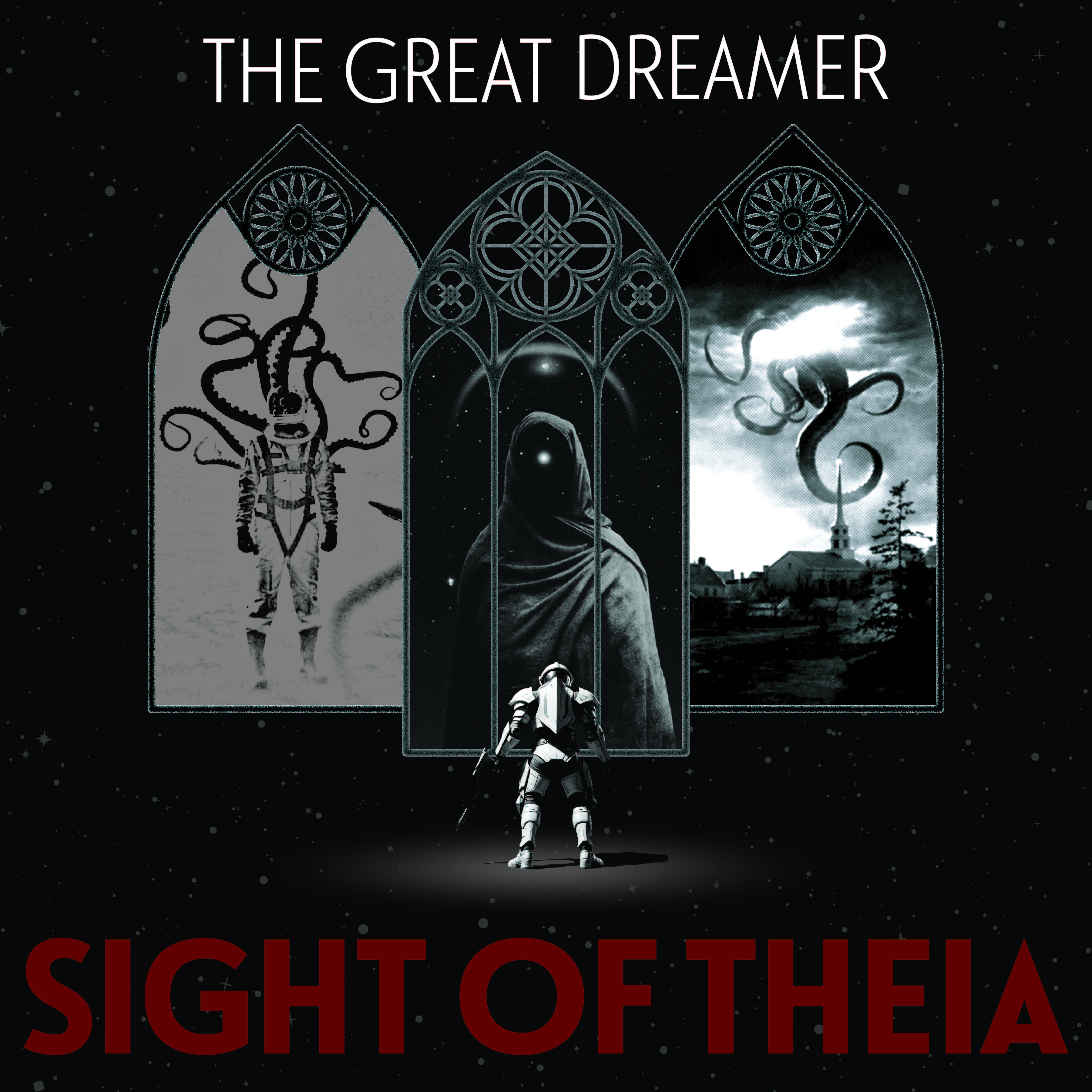
Progressive metal quartet from Atlanta, Sight of Theia are launching their first full-length album entitled The Great Dreamer on January 11, 2025. Bringing together influences from Meshuggah and Mastodon, and packing it all together with a touch of southern stoner metal, the band are determined to continue experimenting with different musical elements in the future.

In this interview Alex Buhlig (guitars, synths) tells us about the band’s work on The Great Dreamer, experimenting, influences, and more.

The Great Dreamer is your first full-length album, following your 2021 EP Lighthouse. How does this album represent the evolution of Sight of Theia’s sound?

When “Lighthouse” came out we noticed that the EP’s closer, “Black Magic” really got the crowds going at our shows. So we tried to explore the rhythmic and meditative nature of that track more. That song also featured us tuning lower, so we ditched the 6 strings for seven string tuned to Drop A.  

The album’s title track is described as a “séance for Cthulhu.” Can you dive deeper into how H.P. Lovecraft’s themes influenced the song and the album as a whole?

Before we had named the track the ominous and psychedelic nature of the track was apparent.  Before we played it live, we asked the crowd if they were ready to summon a demon. Once we started to collaborate with Mezzianna on Vagabond and the general outline of the narrative took shape, summoning a demon turned into summoning space Cthulhu. 

You’ve mentioned the album combines progressive metal with Southern stoner metal influences. How did you find the balance between technicality and raw, earthy riffs?

For us it’s all about creating tension and release. If everything is always at a ten out of ten technically there is no release and the song doesn’t ‘go’ anywhere. Adding moments of simpler but more ethereal  riffs creates movement,  crescendos, peaks and valleys. We really want to create music that takes the listener on a journey.

Tracks like “Children of the Uplift” and “Alea Iacta Est” showcase a range of moods. How did you approach crafting such contrasting soundscapes within the album?

I am a big Steven Wilson fan and have always loved how he tackles a wide variety of genres in his work so I try to take the same approach while arranging. When starting an arrangement I generally have a direction I want to go in, whether it’s more technical and progressive or rhythmic and vibey. Regardless of the approach we like trying to introduce dynamics to our songs with different techniques, effects or influence from genres outside our beaten path.  

“Vagabond” stands out with Mezzianna’s vocal contribution. What inspired you to include a vocal track on an otherwise instrumental album?

The arrangement of “Vagabond” feels like it lends itself to vocals, when writing it we were all admittedly going through a bit of a Sleep Token phase and it made sense to try to incorporate vocals. Mezzianna had been a friend/fan of the band for a while and wanted to try his hand at the vocals. So we cooked up some lyrics and some melodies for him to try out and he knocked it out of the park in our opinion.  

Vagabond (with Mezzianna) by Sight of Theia

Mezzianna’s lyrics on “Vagabond” set the stage for the album’s story. Can you share more about that narrative and how the music reflects it?

Children of the Uplift starts our narrative out with trying to capture the excitement and wonder that would be felt by a crew of space explorers setting out from earth to settle amongst the stars. Gravity Well captures the chaotic nature of  their journey and the rigorous nature of their journey. Vagabond is the realization that the ship they’ve been given for their journey is faulty and they were set up to fail essentially.  The Great Dreamer is the entrance of Cthulhu offering to save their souls from dying alone in space. Mad Hatter is the manic energy of someone desperate enough to take Cthulhu up on their offer. Parhelion is the ritual and awakening of Cthulhu. Alea Iacta Est is the realization, and remorse of our explorers. Followed by the destruction of the universe.  

You worked with John Douglass, Alexa Parra, and Christoffer Borg during the recording, editing, and mastering process. How did their expertise shape the final product? 

John Douglass brought his expertise to our drum tracks and got a fantastic drum performance out of Ricky. Editing is always a tricky, time consuming process and we’re thankful that Alex Parra was able to use his years of experience to discern what needed to be edited and what didn’t. As for the mixing, I appreciate having an objective ear when it comes to the mix. It’s pretty easy to think that your parts should be louder because they are your parts while completely ignoring the bigger picture of the song. I think Chris did a great job seeing the bigger picture of what the songs were going for.  

Recording in Atlanta must bring a certain vibe to your work. How did the city’s music culture influence The Great Dreamer?

Atlanta has such an incredible music scene filled with many diverse genres. When you have access to such a wide variety of shows to check out it’s easy to let it work its way into your work. The stoner metal influence in our music definitely comes from the regional metal scene here in Atlanta. I’ve spent some time at warehouse raves in Atlanta which inspired me to work synths and more electric elements into our music.  

With influences like Meshuggah and Mastodon, what aspects of their styles inspired you the most when crafting this album?

We find the rhythmic phrasing of bands like Meshuggah to be really compelling and wanted to try to blend that with rich harmonies that bands like Mastodon incorporate into their work. 

Stoner metal isn’t often combined with progressive metal’s technical elements. What challenges did you face blending these genres, and how did you overcome them?

Combining more technical moments with some of the more laid back sensibilities that stoner metal bands have creates a sense of dynamics in our music we think creates more of a journey for the listener to go on.  It’s all about creating a sense of tension and release. You can absolutely sometimes try to cram too much into one song and need to cut it down.  Certain musical ideas can be so much more impactful if they only occur once in a piece though.  

You’re celebrating the release of The Great Dreamer with a performance at Smith’s Olde Bar. What can fans expect from the live show? Any surprises planned?

Our show at Smith’s Olde Bar has a line up absolutely stacked with some of the best underground prog that Atlanta and the South East has to offer. We’ve got something special in the works for that show but it wouldn’t be much of a surprise if I gave it away now. Come to the show and find out!  

How do you approach translating the album’s complexity into a live setting, especially for instrumental tracks?

We make use of backing tracks to make our live shows as seamless as possible.  We try to invoke a mood or vibe that doesn’t stop between songs. Whatever is happening between songs might be minimal but it’s there and makes everything feel more immersive. We’ve included some of the transitional pieces on the album as palate cleansers so to speak. 

The album will be available on major platforms and Bandcamp. Why is Bandcamp still an important platform for a progressive metal band like yours?

I think Bandcamp still offers the most direct way for fans to connect with bands.  Bandcamp Fridays are a great way to put money in the pockets of musicians you are a fan of. 

Looking back at the journey from Lighthouse to The Great Dreamer, what lessons have you learned as a band?

I think we’ve learned how to better communicate with each other, which creative battles are worth fighting and how to creatively problem solve during the songwriting/recording process. 

Where do you see Sight of Theia’s music heading in the future? Are there new directions or ideas you’re excited to explore?

I kind of hope we get to go further in all directions. I’d love to write heavier songs, more complicated songs, more straight-forward and accessible  stuff. I did really enjoy collaborating with a vocalist and we are talking to some more vocalists about other guest spots to release later as singles to hopefully flesh out the story of the album a bit more. 

If you could collaborate with any other progressive or stoner metal band, who would it be and why?

I’d say Night Verses, I feel like the ethos of the bands are similar, primarily instrumental progressive metal with the occasional guest vocalists.  

How do you hope The Great Dreamer resonates with listeners? What do you want fans to take away from the album?

Hopefully, fans can get a sense of the narrative even if the music is primarily instrumental. If someone listens to the songs and just thinks, “dang these are some sick riffs,” that’s great too! 

Instrumental music relies heavily on listener interpretation. Have fans ever shared interpretations of your music that surprised or inspired you?

I had a friend come out to one of our shows who told me that seeing us play made him feel closer to his late father who was a musician. Which might be one of the most sincere and meaningful compliments I’ve gotten for our music.

Sight of Theia online:

Bandcamp

Facebook

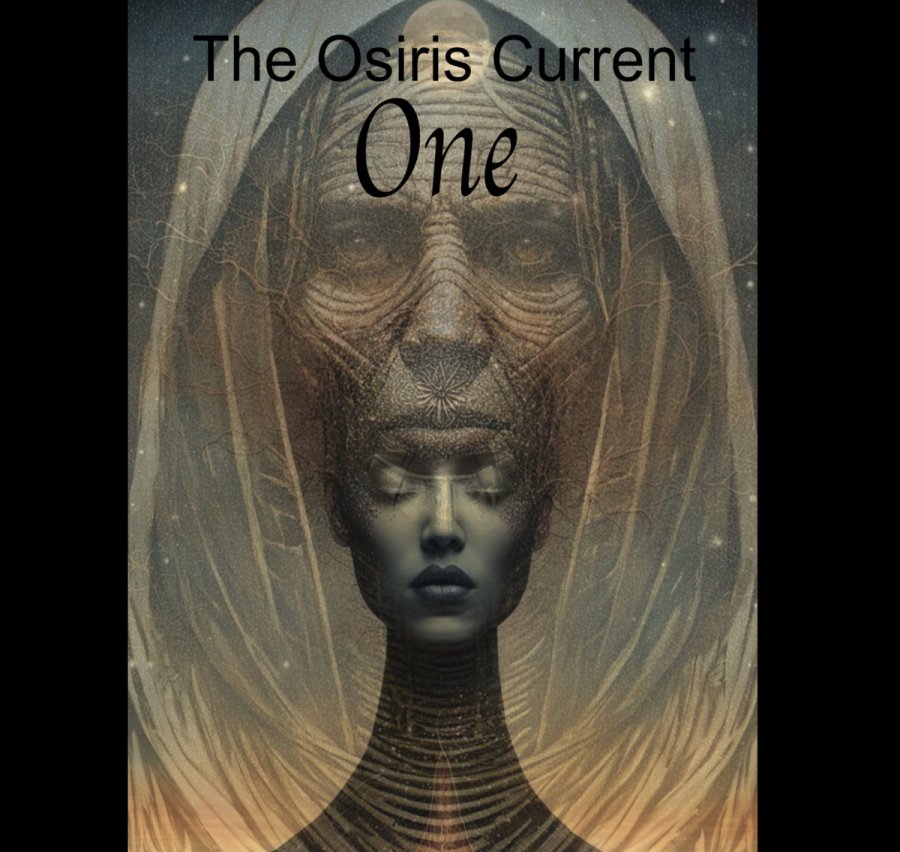
The Osiris Current - One

Review: The Osiris Current’s “One”

The Osiris Current’s One is a progressive rock/metal album that grabbed my attention from the first listen. The California-based band blends heavy desert rock with occasional oriental influences, creating a sound that is extremely expansive. With five tracks, each offering its own unique experience, One proves to be quite a dynamic and unpredictable journey.

The album opens with “Touching the Void,” a track that would undoubtedly shine in a live setting. The explosive vocal delivery, combined with crushing riffs and a thick desert rock atmosphere, immediately establishes The Osiris Current’s distinct sound. The energy is palpable, drawing you into a world where the heaviness of the music feels like an unstoppable force.

One by The Osiris Current

“The Plan” continues this intensity, with pounding drums, sharp vocals, and a relentless groove that builds into something almost cinematic in its power. The track’s blend of progressive metal elements and raw aggression is impressive, but it’s “Sanctuary” that really shows the band’s range. The song shifts effortlessly between moods, with guitar melodies flowing like water, perfectly capturing the album’s fluidity. It’s this seamless integration of heaviness and melody that makes One so engaging.

One of the most striking features of the album is the way The Osiris Current balances intensity with moments of beauty. “Mud” is a prime example, where delicate, ethereal female vocals weave through gritty, tank-like riffs. The contrast between the soaring vocals and the heavy instrumentation creates a mesmerizing effect, demonstrating the band’s ability to craft complex soundscapes that don’t sacrifice aggression.

The closing track, “Around the Bend,” is an epic 11-minute journey that encapsulates everything the band excels at: atmospheric tension, aggressive grooves, and soaring melodies. The song’s layers of vocals, riffs, and drums come together in a way that feels epic and intimate, a perfect finale to an album that’s anything but predictable.

One is a stunning debut that showcases the band’s ability to mix heaviness with beauty, intensity with subtlety. The songwriting is impeccable, the performances are top-notch, and the production is flawless. This is a progressive metal album that will likely find its way onto many year-end lists, providing it reaches right ears. If you’re a fan of forward-thinking metal with a unique sound, One is a must-listen.

!GeRald!

Review: !GeRald!’s “Music for Broken Elevators”

Music for Broken Elevators stands out among recent experimental releases, and few bands compare to the unique vision of !GeRald!. This EP departs in a way from the guitar-heavy intensity of their previous release, The Lost Tapes, opting instead for expansive arrangements and a raw, electrifying feel. While guitar freakouts occasionally make an appearance, the focus here is on dynamic compositions that chart unconventional, mesmerizing terrain.

The songs are more structured and concise, with classic track lengths that complement eccentric titles like “The Blissful Little Fire of Frank Bigbof.” and “Glory Whole.” !GeRald! strike a balance between whimsy and complex artistry, blending playfulness with depth.

“The Blissful Little Fire of Frank Bigbof” moves through vibrant, cinematic segments, combining classical and ambient influences with flashes of jam-like intensity. “The Short Way Home” feels fragmented and unpredictable, balancing eerie spoken vocals with a trippy blend of synths, piano, and guitars, creating an atmosphere that’s surreal and captivating.

Enter “Glory Whole,” and we get !GeRald! offering variety for a fast-paced sense of mystery and menace, with instruments weaving in and out of the mix while never losing the central feel of the song. The band’s chemistry shines in “Letter to Sandrine,” a playful yet musically tight piece. After a textured intro of swirling synths and guitar effects, the track builds to a unified melody, with all members aligning to deliver a bold, uplifting rush that feels like a sonic flight.

The closing track, “Atmosphere,” centers vocals against a lush, psychedelic soundscape. There is a swamp of psychedelic effects, and moments of synths meeting with bubbling guitars and blistering explosions of rock power.

!GeRald! is a rare breed—musicians who play from the heart, unbound by genre or convention. Music for Broken Elevators is a refreshing example of their open-minded creativity and stands out for its artistic spirit in today’s music scene.

Get it from Bandcamp. Follow !GeRald! on Facebook.

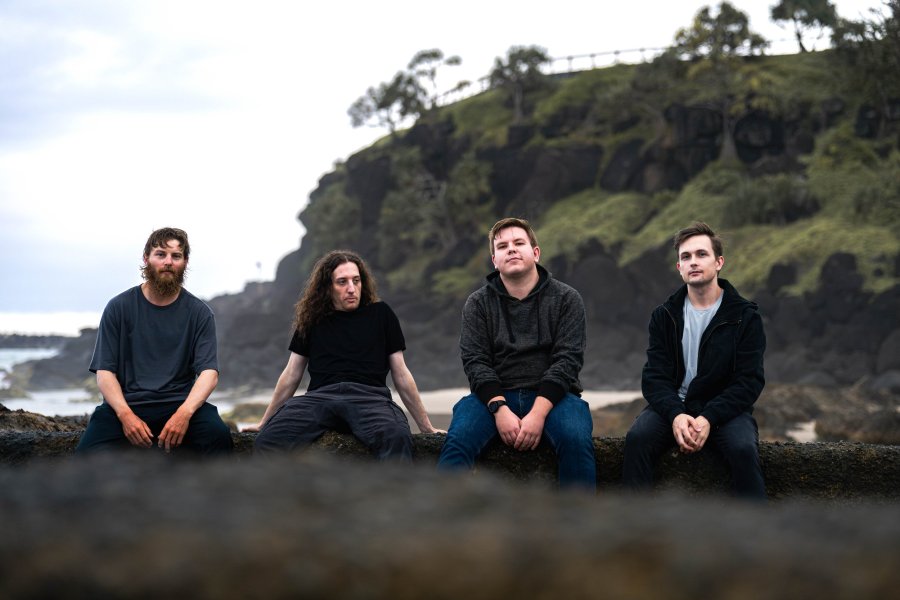
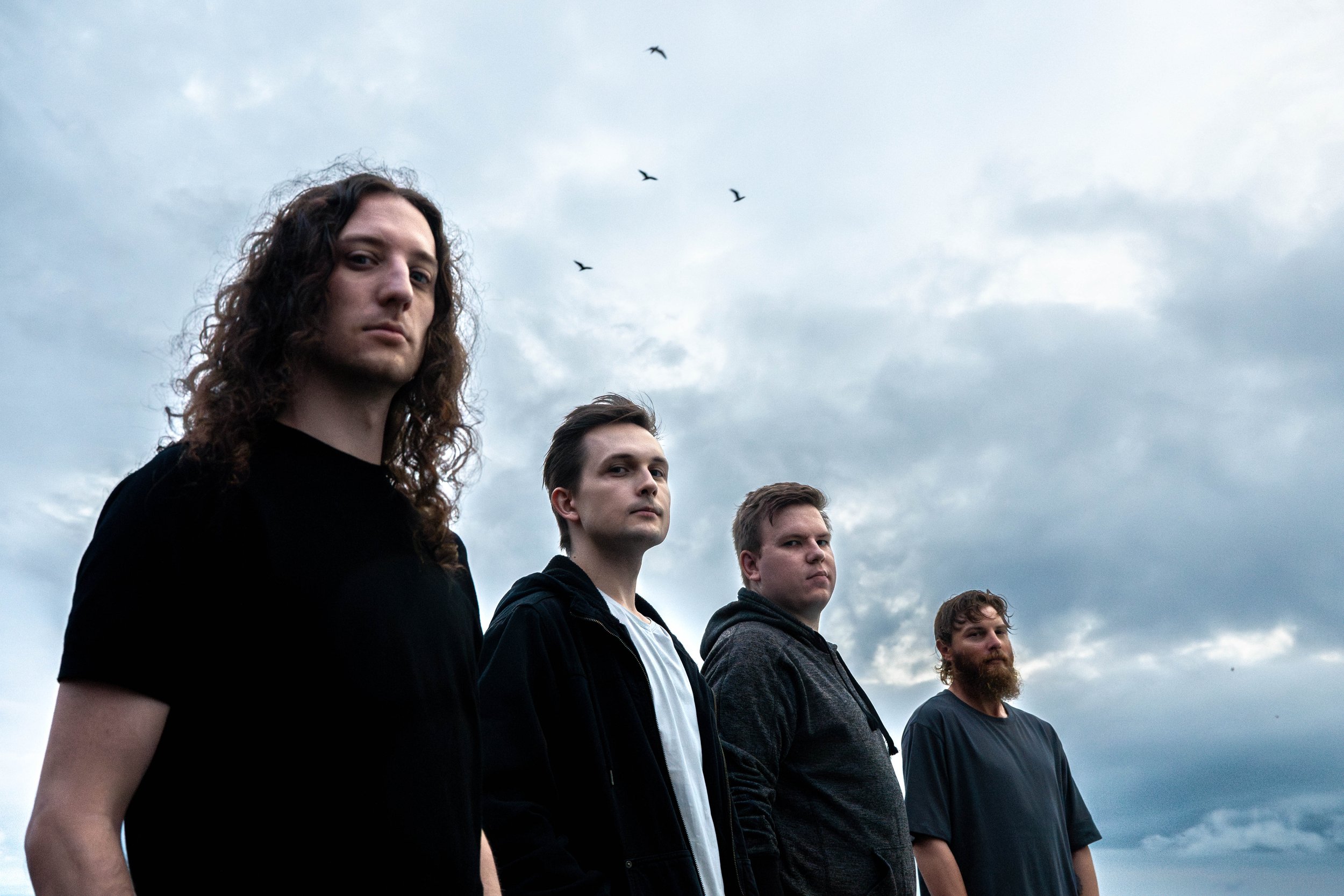
Celebrating the Essence of Prog with GLADIOLUS

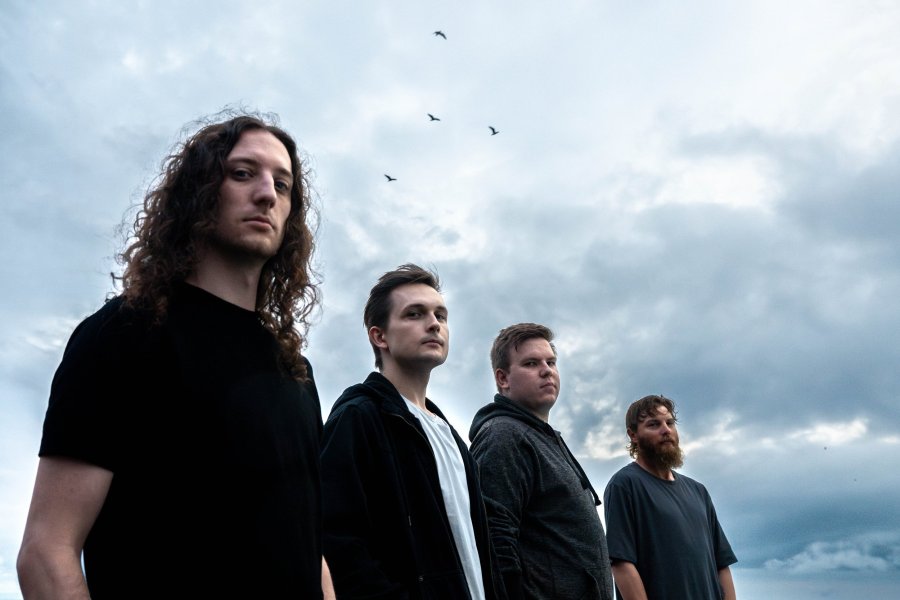
Progressive metal band Gladiolus is turning heads with their debut album, Inertia. Formed by guitarist and vocalist Dan Hendrex and multi-instrumentalist Anson Nesci, Gladiolus blends elements from classic prog influences with modern djent and atmospheric metal, creating a sound that’s at once familiar and refreshingly unique. Their music is heavily inspired by pioneering bands like Karnivool, Devin Townsend, and Opeth, yet Gladiolus forges a distinct sound through dense vocal harmonies, ambient soundscapes, and layered instrumental passages.

In this interview, Dan discusses the paths that led each member to join forces, the journey of creating Inertia—a project years in the making—and their thoughts on the evolving progressive metal scene. Dan reflects on the personal musical evolution that ignited his love for prog metal and the collaborative process with Anson and the rest of the band. Read on to discover the story behind Inertia and what makes Gladiolus a band to watch in the world of progressive metal.

Describe your personal musical journeys that led to Gladiolus.

Dan: I’ve always been a musical being – I’d listen to pretty much anything growing up, and I’d always fall asleep with the radio on. Stuff like Jet, Live, Powderfinger, Linkin Park, Alien Ant Farm, The Gorillaz and System of a Down shaped the soundtrack of my early childhood.

I picked up guitar around age 10 and kinda coasted for a while, but then a friend showed me prog metal at 16… I latched on pretty much immediately. Hearing Tool for the first time really kickstarted an actual deeper interest in guitar and music as a whole. Some other friends through the following few years put me onto bands such as Karnivool, Twelve Foot Ninja, Caligula’s Horse, Devin Townsend and Periphery, and I was hooked. 

Seeing that influx of people recording music that sounded good in their bedroom around 2013-14, I figured “why not give it a shot?” I bought a shitty guitar link cable from some store and downloaded a free DAW with some trial plugins, just to mess around. At some point, I saved up enough from my job at Bunnings to pick up something a little more serious, and bought myself an AX8. The stuff I was writing at the start was pretty average, but practice, time and inspiration by seeing so many cool bands in Brisbane inspired more interesting compositions.

How did you both first connect and what made you want to work together?

Dan: Eventually, the approach turned from “hey, this is fun” to “hey, what if I actually tried to write some original music and release it? That’d be a cool story to tell at the old folks home when I’m 72” and so I put some feelers out to see if anyone wanted to collaborate.

It was a bit of a revolving door at the start, until Anson got in touch with me around 2017. He’d just moved back up to Brisbane from Melbourne, and saw a post I’d put up on a Facebook group looking for musicians with an early demo of Inertia attached. We clicked pretty much immediately, and quickly started piecing the bones of the album together as a team. It was so easy to bounce ideas off of Anson, so I knew I’d struck gold with that connection – a real camaraderie that you just know from minute one is going to be a lifelong friendship.

We met Joe through one of the earlier band members, and we shot him some demos. A week later we took our gear down to his place and auditioned him. Same deal, pretty much instant broship was formed. Dude’s just so chill, and he’s got the chops to throw around when he needs to! Tracking with him has been a breeze, and every time we ask for a little bit of Joe secret sauce on top, he delivers in spades.

Anson and I were both studying at Griffith University in the Gold Coast at the time – I studied Mechanical Engineering, and Anson was completing his Bachelor in Popular Music. We used the space to record some tracks and hone our skills, submitting some as production assignments for Anson’s courses. Zak was in Anson’s cohort at the time, and we all bonded from our love of prog metal, stopping to chat as we passed by each other roaming the halls and studios. He helped us with our first drum engineering session, and I jumped in to assist him with composing some pieces for his assessments. The slot opened up and it just made sense to us. We already connected really well and his style melded perfectly with the tracks we’d put together for Inertia, so we asked him to come aboard!

Reflect on realizing Gladiolus’ debut album Inertia.

Dan: It was a very gruelling process. I started demoing stuff around 2016 on my own, and had large swathes of the album’s tracks mostly together by the time the others had joined. Anson came in towards the tail end of the main writing sessions and helped contribute to the structures of a bunch of existing songs, as well as giving us the entire structures of what became Disintegrator and The Wanderer. We demoed out pretty much the whole album as Joe joined, and then go to tracking drums, bass and rhythm guitars.

We went through a couple of vocalists to try and find what was the right fit, and it took probably 1-2 years of trying out different angles before the boys pushed me to give it a shot myself. There was a lot of momentum loss due to people joining/leaving at critical moments. Once we had a stable lineup, the pandemic hit. We all got very busy as well… Anson got married, we all finished school and moved multiple times, and life got in the way of us completing the album. 

We’d find gaps of time to get together and collaborate, but since it had been so long since we started, a lot of the momentum (or maybe you could say… Inertia?) had been lost. We’d also spent a large amount of time thinking about the intent of the album, and moulding its intricacies to convey the right emotions and progressions. 

Lead guitars and vocals were the last things to be done, and didn’t fully come together until early this year. I think the main reason those took so long was fear. I’m pretty new to being a vocalist, and I was TERRIFIED of ruining the record with bad vocal delivery/melody or cringey lyrics, so it took a lot of deliberate collaboration with Anson to shape those elements. A lot of what was needed was already in my head, but because I was so new to vocals, I really needed that extra brain to bounce things off of and affirm my feelings towards what made sense harmonically and structurally. 

The same can be said for lead guitars, which were very much so a collaborative effort between Zak and myself. We both worked hard to build parts that fit sonically with the established structures and provide additional dimensions to them, while also allowing space for the vocals to stand out where needed.

Describe the creative process for Inertia.

Dan: Most of the album was constructed during our time together at university. Anson would come hang out and sometimes sleep on my couch, and we’d just chill out. We’d have a session open in Reaper and just play with different ideas or noodle until something stood out as interesting, and then try and develop it further with stream-of-consciousness part creation/layering. After enough time experimenting and chopping/changing, we built the rhythmic and structural skeletons of the songs. We used synth and drum sampling plugins to lay down the foundations of those parts as well.

Lead guitars and some very vague ideas for vocal progressions were constructed along with these initial demoes. Joe took the drum parts we’d made and tried his best to learn them, while changing them if they didn’t make sense or spicing them up where some sauce was needed. A lot of the intricacies of the drums were developed in the studio whilst we were tracking them. We’d tracked drums at university, but we felt we could get a better source tone so we rented out Studio Circuit for three days, and Joe absolutely smashed through the whole album’s recording. Poor bugger thought he was done, and then we made him do it again!

Vocals and lead guitars were done ad-hoc at multiple locations… Anson and I would trade off the travel, meeting up at one anothers’ places with the vocal gear to smash out some layers when we had time. Similarly, Zak and I caught up when we could to try and shape the lead parts together. Some of it was done solo, but we’d pretty much always meet up and do the final takes with one of us engineering the other.

Tell me about the different instrumental aspects that you explore on these new songs.

Dan: Inertia is very much so a record that celebrates all the pillars of what makes prog so interesting. A lot of our sound is rooted in the vibes that you can find in progressive rock and metal from the mid-00s to early-10s, but we’re not afraid to poke our heads out of that box when it feels right.

We’ve got a lot of modern djenty-sounding tonalities that might be likened to Periphery or Tesseract in tracks like Myopic and The Precipice, but you’ll also find more atmospheric/textural soundscapey stuff ala Devin Townsend/Porcupine Tree/Karnivool in tracks like Tremors and Inertia. Disintegrator was a fun little foray into a more post-metal/desert rock sound, and we played with duelling stereo guitar solos that wrap around each other in The Wanderer. You’ll find our longer compositions evolve and shift a lot, and we love to play with textures and dynamics to move the listener where we want them to be emotionally.

The album is peppered with bucketloads of vocal layering, to really fill in the sonic space and make the high points massive. We utilise a lot of reverb on guitars and synth pads to evoke certain feelings as well, such as the dip after the second chorus in Tremors, the soaring chorus of Inertia or the ending of Downtrodden.

Inertia was very much so an journey of exploration/self-discovery, and we think that the tracks on the record reflect that in their juxtapositions with each other.

What is your opinion about the progressive metal scene today, both in Australia and worldwide? 

Dan:  Metal has seemingly experienced a massive resurgence in the public eye over the last few years. Maybe the pandemic brought people’s willingness to explore more intense emotions out, or maybe it’s just the fabled 20-year cycle that fashion/trends are rumoured to go through, but it’s really exciting either way. We have bands like Bring Me The Horizon and Knocked Loose leading the charge in showing the larger population just how good heavy music can be, and it’s super awesome to see those gates being pried open again. You simply wouldn’t see stuff like Megan Thee Stallion’s collab with Spiritbox or Doja Cat’s rock/metal adaption of Say So pre-pandemic!

It’s also really exciting to see the boundaries of what defines metal being challenged in ways we haven’t seen in yonks. The early 2010s gave way to a new wave of metal with djent and the accessibility of bedroom recording gear, and I think that we’re seeing a similar level of genre-shift happening before our eyes now. You have bands like Loathe and Thornhill bringing back a lot of the timbres/tonalities that we loved in the early 00s nu-metal, reminding people why we loved Deftones and Limp Bizkit so much back then, and you’ve got the resurgence of 80s synthwave, 90s electronica and 2010s EDM sliding into metal through bands like Northlane and Haken. Sleep Token are bringing RnB into the mix in a way I’ve never seen in the genre before, and Bilmuri are making f**king COUNTRY tracks with breakdowns that make me wanna scream HELL YEAH BROTHER!

There’s never been a better time to be a metal fan if you ask me. There’s such a broad range of stylistic exploration happening, and people merging genres together that seem like they should be the antithesis of each other. It’s no wonder that we’re seeing an increased interest in the scene – I love it so much and I’m all for it. It’s so f**king prog, man.

Gladiolus

Let me know about your influences — the artists that in a way shaped and continue to shape your music.

Dan: We’ve been inspired by so much music that it can be hard to pick key influences to our sound sometimes, but there’ a few stand-outs that are definitely worth a mention. 

Karnivool have always been a favourite of ours. We love the way they build their songs to tell a story and convey emotions so effectively. The push and pull of their compositions are unmatched, and a huge inspiration to our music. We also love their approach to guitars, with there often not being a clear-cut lead/rhythm separation, using stereo guitars playing equally important parts to add layers without one necessarily being more up-front than the other. Their ability to allow the rhythm section to breathe and drive songs is also something we strive to be even half as good at!

We draw inspiration from bands like Opeth, Caligula’s Horse and Porcupine Tree for similar reasons. I think a lot of the tracks we have that are through-composed or built with multiple separate parts such as Flicker, The Wanderer and Inertia are all informed in some way by how these bands navigate these challenges in their own compositions. Tracks like Ghost of Perdition, Graves and Anaesthetize come to mind when thinking about this.

Devin Townsend’s music has always been extremely inspiring to me, and his world-class vocal abilities are what I try to emulate with my own vocals. We utilise a lot of similar techniques in layering of backing tracks. I’ll record 4+ takes of each harmonic layer, and we’ll pan them to give a choir-like effect. We also love his use of reverb tails and how they feed into his music’s distinct vibe – definitely something we’ve taken to doing as well with big synth pads and massive verb tails on guitars/vocals.

We love a bit of sludge and grind every now and then, and we can’t think of better bands that capture this aesthetic than The Ocean and Cult of Luna. Both strongly influence areas of Inertia that delve into the muddier side of metal – tracks like Disintegrator and the end of Inertia really lean into this vibe. It’s something that really came into the picture with Anson’s involvement in production, and I’m so glad for it. Really keen to play with these tonalities more in the future.

What are your top 5 records of all time?

Dan: This is a cruel question. You can’t make me pick favourites! I’ll try for you though. In no particular order:

  • KarnivoolSound Awake
  • Devin TownsendKi
  • MeshuggahNothing
  • The OceanPhanerozoic I
  • Caligula’s HorseIn Contact

Besides the release of Inertia, are there any other plans for the future?

Dan: It’s been a long road getting to the release of Inertia, so we’re keen to bask in the satisfaction of its completion for a bit. That said, I don’t think we’re gonna be able to keep ourselves away from the temptation of writing. I’m excited to get back into the chair at home and put some songs together for fun, then see where that might naturally lead us once we’ve got a few demos under our belt. Who knows what the next release will look like – I don’t wanna put a label on it just yet!

Playing some more shows definitely isn’t off the cards, either. We’ll jump at pretty much any opportunity to get up onstage and share our tunes with a live audience… hopefully we can book a few gigs interstate soon! That’d be awesome.

Check out Inertia on Bandcamp. Gladiolus are on Instagram and Facebook.

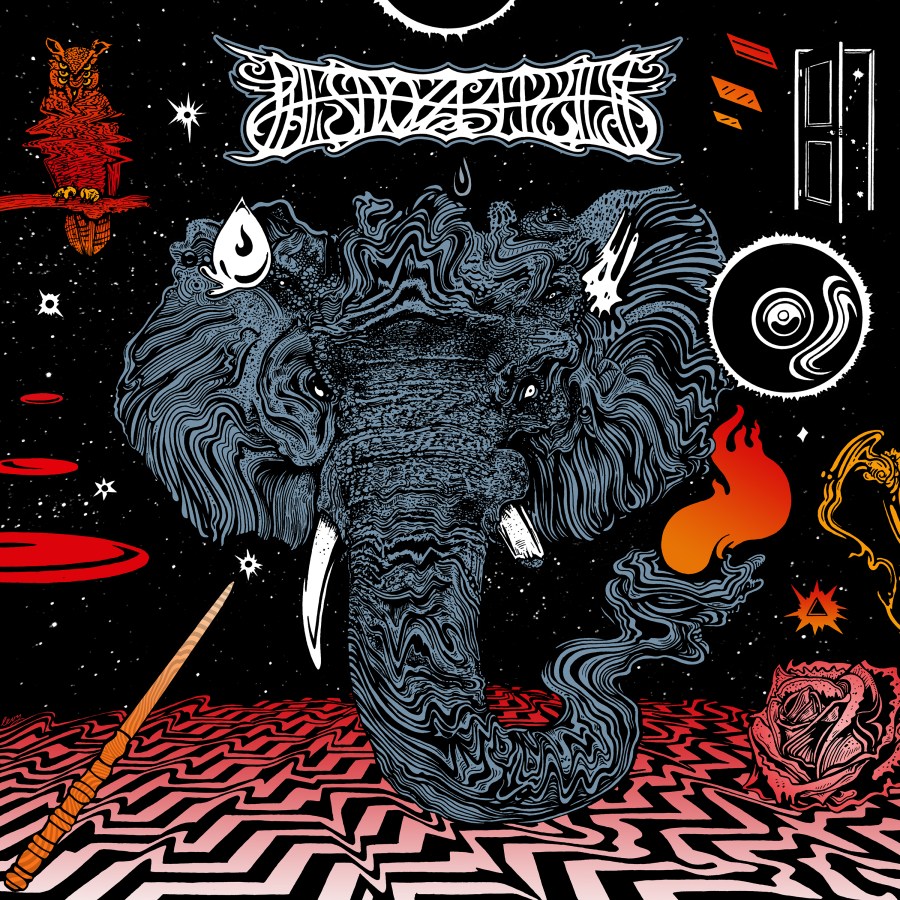
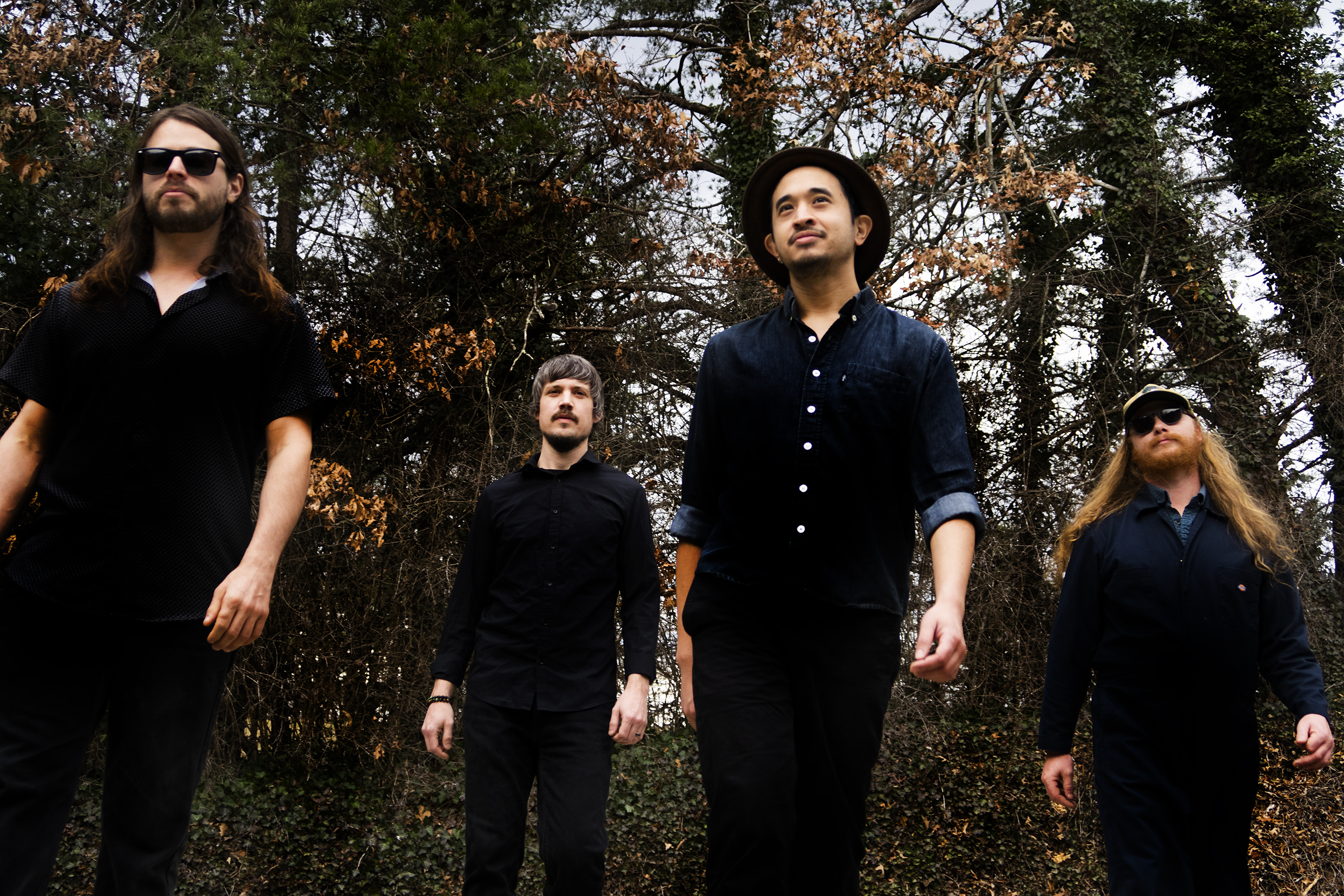
Review: The Snozzberries’ Self-Titled Exploration

It could be said that Asheville’s THE SNOZZBERRIES is one of the rare bands on today’s scene that bring such a fruitful mixture of progressive rock, psych rock and funk. They don’t limit themselves to any confines in their music. While they are very technical people who can play with precision this doesn’t mean that the band goes and tosses around excessively long instrumental sections just to keep reminding the listener of their skill. For being the sophomore release, The Snozzberries is the upcoming album from the band, and it is a record that needs time in order to be fully comprehended. There are styles and musical circumstance that get explored on this release only.

Backing somewhat dark themes Ethan Heller’s powerful vocal delivery which provides the ideal vehicle to deliver the words. Another one of THE SNOZZBERRIES’ strengths is their ability to have complex songs that still manage to be packed in relatively short pieces. This allows choruses to become hooks, and don’t rely on uber skilled technique to impress. Like stated earlier, the experimental aspects of the music are well above par.

The energetic drumming gives the album a tribal feeling that along with the twisted psych-y melodies creates a perfect atmosphere. The music on The Snozzberries is very upbeat and catchy which helps visualising it, almost making it seem as if the listener is a protagonist. All of the melodies are completely memorable and brilliantly written. The songs vary in length, but the music still manages to be very accessible.

The Snozzberries is out on November 1st. Follow THE SNOZZBERRIES on Facebook and Instagram.

Gladiolus

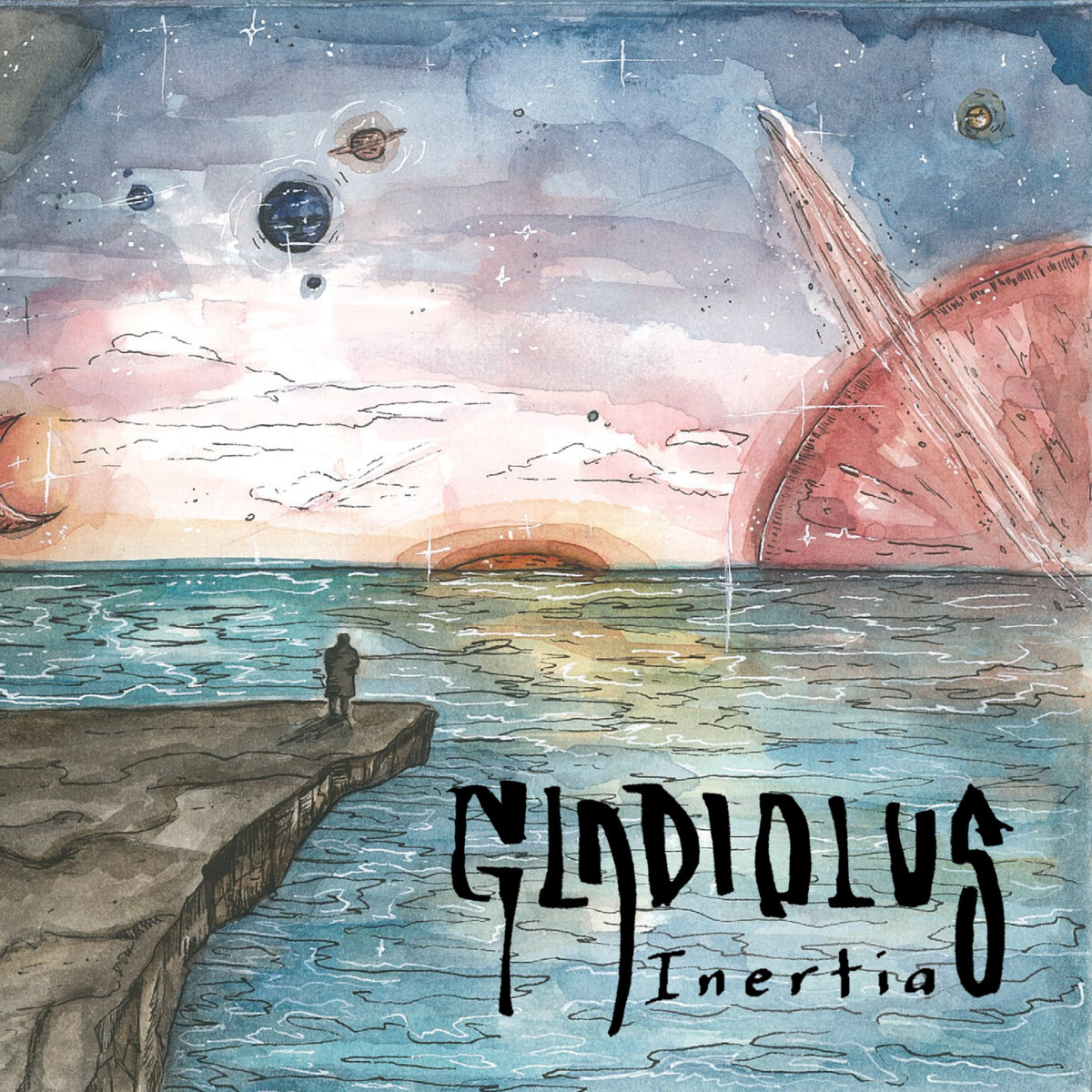
Review: Gladiolus – Inertia

With the amount of records being released in the present era, ranging from the bedroom to high-class studio productions, it is quite a challenge to satisfy my hunger for music lately. Most of this has to do with the fact that the music being released today lacks sincerity, especially considering the avalanche of the ongoing “AI artists.”

GLADIOLUS from Brisbane, Australia could be described as a true progressive rock/metal band with touches of death metal, offering well-thought melodies, interesting vocal arrangements, and passages that connect the dots that are quite enjoyable on there debut full-length release Inertia

The album opens with “Myopic,” which after a short ambient intro shows that GLADIOLUS have a lot to offer. With often changes, the band distances themselves from delivering just a pure, lifeless showcase of technical proficiency, something that these guys definitely have, but rather present the work that is alive, dynamic and above all, interesting.

References to various stylistically different artists can be heard in GLADIOLUS’ music. Their explorations within OPETH’s or PORCUPINE TREE’s melancholia speak of that, but the band is not afraid to delve deeper and expand their horizons. As Inertia flows by, a listener is taken to a sound-trip that gets more metal-esque. Each of the songs on the album has its own personality, and labelling this record under a single genre would do this band a lot of injustice. As an example, “Disintegrator” is a hard-on prog number with sound that lies somewhere between HAKEN and BETWEEN THE BURIED AND ME.

The craftsmanship and musicianship are top-notch that it ultimately makes me think how is it possible that these young guys deliver such a mature material? And that is a great thing. Starting from two center-pieces “Flicker” and the title track (both exceeding the 10-minute mark), as Inertia flows by, GLADIOLUS are even more prolific; they are like a gladiolus flower that opens up slowly.

To summarise, Inertia is a record largely based on the progressive rock/metal channelling many different elements. This is a true epic, both in length and amount of quality material, which requires quite a few listens to get into it. How far GLADIOLUS are ready to go? Time will tell. But for now they are on the right path.

Take a listen of Inertia on Bandcamp. Like GLADIOLUS on Facebook and follow them on Instagram.