Haven of Echoes, The Indifferent Stars, 2022 Tracks: Sirensong (6:11), The Orator’s Gift (4:49), Stasis (5:31), Endtime (9:03), The Lord Giveth… (6:02), Let Them In (12:15)
UK and German duo Haven of Echoes have created a compelling blend of moody synth and bass-based prog. The group is a new project featuring UK-based Paul Sadler on vocals and electric guitar and Germany-based Andreas Hack on all other instruments. Sadler wrote the lyrics and vocal lines while Hack wrote and arranged the music, as well as produced and mixed the album. Their music is perhaps best described as melancholic progressive rock. Sadler is known for his work with progressive metal band Spires, while Hack is known for his work with Frequency Drift. The band was joined by electric harpist Nerissa Schwarz (Frequency Drift) on “Stasis” and “The Lord Giveth…”, the latter of which she wrote.
The opening of the record quickly shows how Hack has no intention of making “The Indifferent Stars” sound like a typical “prog” album. While one might be tempted to start the record with some soaring guitars, Hack chose a wall of drums with strings filling in the rest of the space. As the album progresses, it becomes clear that the approach to rock music is a bit more roundabout. Bass and drums create a solid rhythm section, but even the bass is very understated. The layers of synth sounds and Sadler’s layered vocals are what drive the record forward. The balance of delicate sounds with heavier broodiness create a unique and compelling sound.
“Endtime” has a melancholic brood to it with an interesting chant style to the singing in the second half. The song starts more upbeat before taking a dramatic turn in the second half. Sadler’s voice really shines, with his vocal layering done very well. A lot of times a singer harmonizing with himself doesn’t work very well, for me at least because it sounds so obvious, but Sadler sings in a couple different styles, which almost makes it sound like there are multiple vocalists. As such the vocal performances on the entire record stand out and make it an album worth listening to. On top of that, Sadler’s lyrics are interesting and intelligent, drawing the listener into reflection.
All man’s desire is nothing but fire
“Endtime”
As the longest track on the album, “Let Them In” has room to move through various musical themes. It can be elegant and gentle one minute with vocals over calm piano, while the next minute it’s building on top of heavier guitar, bass, darker piano, and a wall of synths. Before you know it, it’s back in a calmer space built on a layer of cleaner piano, bass, and guitars. The closing guitar solo real seals the deal.
The album was superbly mixed by Hack. There’s a lot of depth and clarity in the mix. There is a layered effect to it that invites you to dig deeper on repeated listens. There’s much to uncover in the subtle bass, dancing cymbals, and myriad keyboard sounds.
If I had a complaint, it would be the lack of electric guitar leads. Sadler only plays on the last track, and his solo is very good. I think it would have added another layer to the album if he played throughout. The record gets its depth and heaviness from a mix of moody synths and low bass. There’s nothing wrong with that – in fact the result is very interesting. But some more guitar solos wouldn’t have hurt either.
It’s clear that Sadler and Hack are an extremely dynamic duo. Sadler’s lyrics and vocal talent are a perfect match to Hack’s musicianship and skill as a producer and mixer. The band’s sound is built by a wall of sound, combining all the instruments to create an effect, rather than any particular instrument standing at the forefront. Their goal is more about the overall sound than the individual parts, as it should be. The result is worthy of your time and attention.
Lingua Ignota, Live at Union Transfer Philadelphia, PA December 15, 2022 8:30 pm
Concert review by Bob Turri
We arrived a half hour early or so on a rainy, dreary Thursday night in Philadelphia. Lingua Ignota, the enigmatic singer/multi-instrumentalist was scheduled to play two sets. In some ways a perfectly fitting scenario as to what we were about to experience. Lingua Ignota’s most recent album, Sinner Get Ready is a stunner of an album. Using central Pennsylvania as a backdrop, it evokes an emotional sound with religious overtones and conflicting emotions. I first read about Lingua Ignota in Prog Magazine. The reviewer mentioned some of the Pennsylvania references, wondering why an artist like this would choose to live there, but also ended the review by saying you should at least listen to the album once. This piqued my interest, and I ordered the album directly from her website. Her voice is somewhat Nico-esque but the emotional delivery and range is what hooked me. There is almost a reverent quality to her sound steeped in dark mysticism.
Union Transfer was the Spaghetti Warehouse prior to being turned into one of Philadelphia’s hippest musical nightspots. Because of the cavernous nature of the venue, the sound quality has been questionable in the past, but on this night, there was only a piano in the center of the stage with one spotlight on it. An email was sent on the day of the show letting attendees know the show would start on time. Not much after 8:30 the lights went dim, my eyes focused on the stage waiting for Lingua Ignota’s entrance. Much to my surprise a lone light shaped like a candlestick with a beaming almost fluorescent light at the top appeared in the middle of the floor and there was Lingua Ignota breaking into her first song, sung a cappella, which sounded like an African-American spiritual.
After finishing she quietly moved through the crowd and entered the stage, sat at her piano and started playing. The piano strings had been treated with metal objects and chains which gave a somewhat dissonant percussive sound as she struck the keys. She played a number of songs, mostly new, as far as I could tell, and went from one song to the other. The audience, mostly made of art school graduates or attendees, with some older folks thrown in to boot, was mostly transfixed throughout the first set and barely clapped, yelled or said anything. Lingua Ignota was completely silent except for her singing and piano playing. She ended the first set with a magnificent version of the Gavin Bryar song ìJesusí Blood Never Failed Me Yetî, and left the stage.
After a short break the second set began. This was different using taped music, piano, additional vocals, and possibly synthesizers, holding court utilizing the candle stick beaming lights, adjusting them now and again, and singing her head off, although her voice sounded like it might need a rest as she has been on tour for a while. There is a somewhat perplexing quality to her stage show and visuals. The projection screen throughout the second set consisted of Christian evangelical gatherings, spontaneous baptisms, people I’m guessing speaking in tongues, and evangelical preachers in a constant loop.
Her lyrics dive into religious topics and icons such as Jesus Christ, Satan, blood, the body, and the sacraments. It almost felt at times like being at a church service, but it was difficult to discern what the sermon was. Anti-Christian, pro-spirituality, or just a commentary on how religion can either guide or misguide people. It’s difficult to say but the way the music, singing and lyrics are presented, in such an emotional heartfelt way its hard not to get caught up in this.
In the same email that told everyone to get to the show on time it mentioned that Lingua Ignota was considering dropping her stage moniker and using her real name, Kristin Hayter. I think this would be a good idea as the Lingua Ignota persona may have reached a limit and it would be very interesting to see what this dynamic performer and singer might do next. The second set ended with an encore of the Dolly Parton song, “Jolene.” Again, her beautiful voice, expressed in many different octaves was captivating. The crowd during the end of the second set started to wake up, catcalls, whistles, and yelps began to be heard, and Ms. Hayter thanked the Philly contingent and said this time around was much better than the last visit. It’s tough to shake off our demons, but if there is one artist worth watching, you might want to tune in.
This year has been an interesting one for me musically. For much of the middle of the year I was absorbed by older progressive metal music, primarily diving into back catalogs for Meshuggah, Pain of Salvation, TesseracT, and Caligula’s Horse. I found that I wasn’t as compelled by more traditional “prog rock,” at least not in its shorter forms. I did find myself enjoying some of the longer form tracks, like Lobate Scarp’s “Flowing Through The Change” and Ryo Okumoto’s “The Myth Of The Mostrophus.” Much of my favorite new music leaned towards post-progressive music, with a few more traditional picks thrown in as well. I’ve reviewed a lot of music this year and listened to far more, some of which would have made a best-of list in years past where I listened to less music. Alas.
The following order is relatively arbitrary apart from my top album at the end.
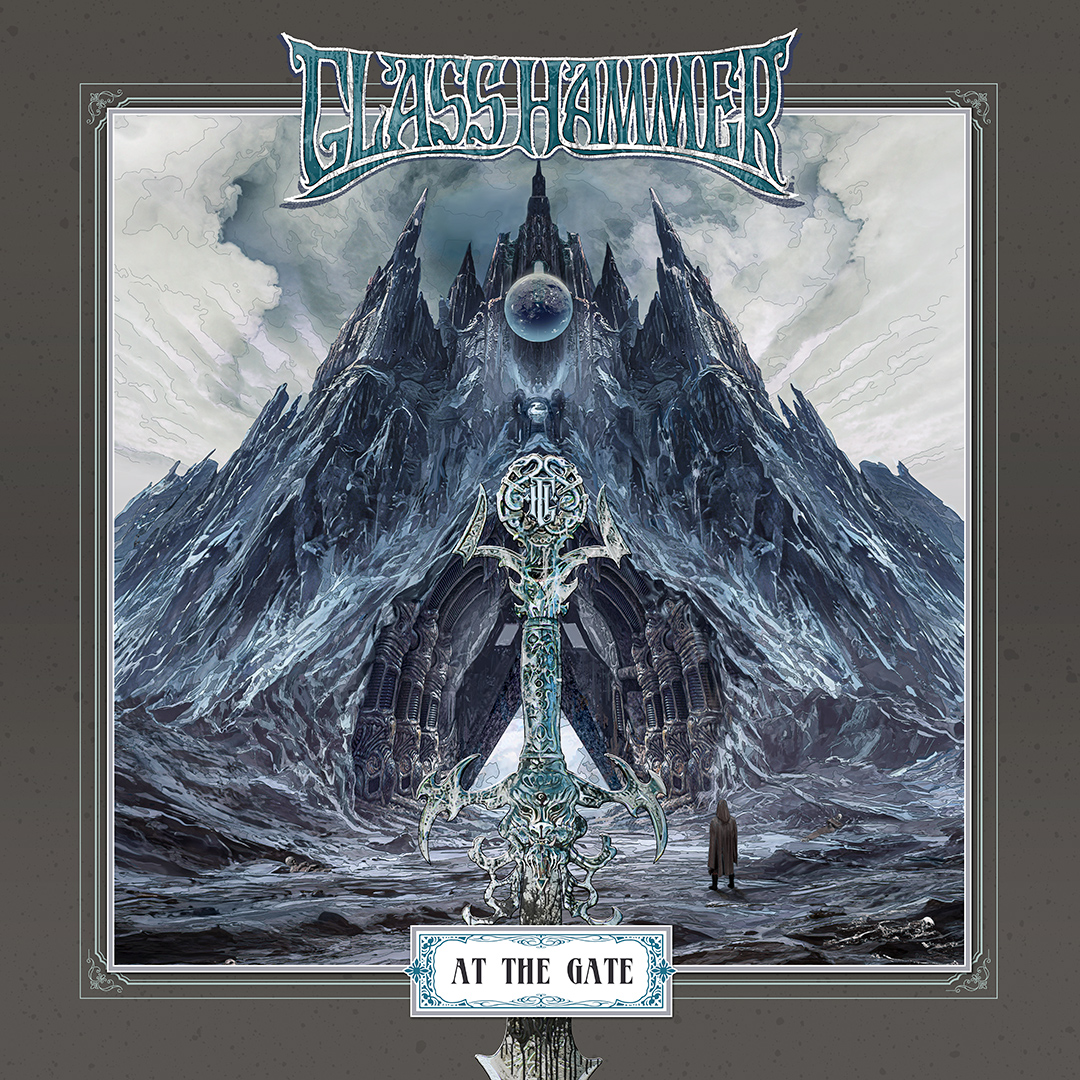
Glass Hammer – At The Gate
The third record in Glass Hammer’s Skallagrim trilogy of fantasy albums doesn’t disappoint. In fact in may be the best of the trilogy. Equal parts heavy and proggy, I think my favorite parts are when the band goes full Rush. You don’t hear many bands really showing a mature Rush influence (as opposed to hearing elements of a Rush sound), and it was great to hear it on this album.
Lobate Scarp – You Have It All
This record was a long time in the making for Lobate Scarp and it’s mastermind, Adam Sears. The record masterfully blends prog with pop sensibility, all while bearing a strong Spock’s Beard influence. My favorite song is the 17-minute “Flowing Through The Change.” Beyond that, I’ve found many of the uplifting lyrics from other tracks running through my mind over the course of the year. Check out Time Lord’s review: https://progarchy.com/2022/05/06/album-review-you-have-it-all-by-lobate-scarp/.
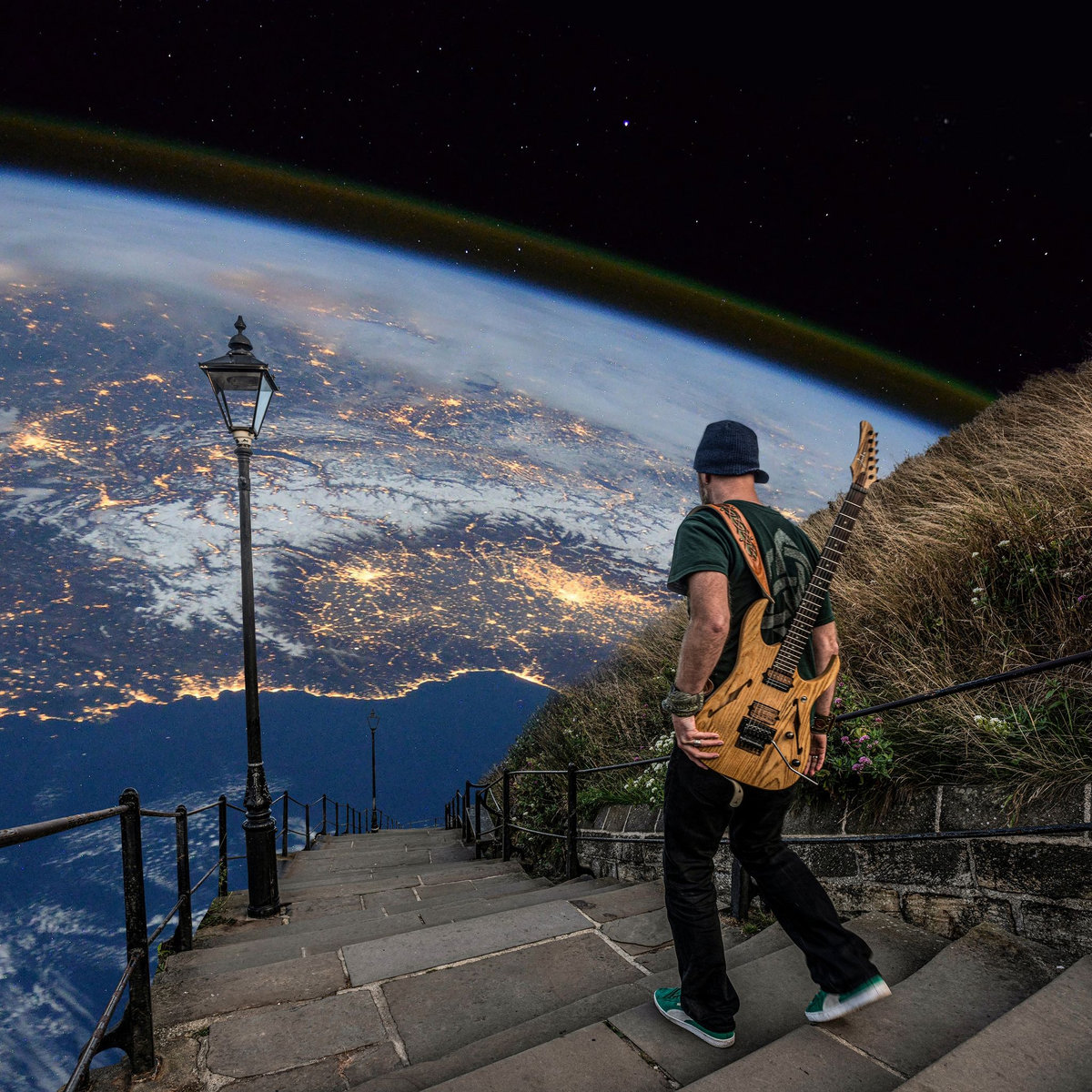
Dave Brons – Return to Arda
Dave Brons recently released a follow-up to his 2020 Tolkien-influenced record, Not All Those Who Wander Are Lost.Return to Arda looks at nature within Tolkien’s “Middle-Earth” through a celtic progressive rock lens. Featuring vocals from Sally Minnear, and mixing by Dave Bainbridge. Check out the album on Bandcamp: https://davebrons.bandcamp.com/album/return-to-arda.
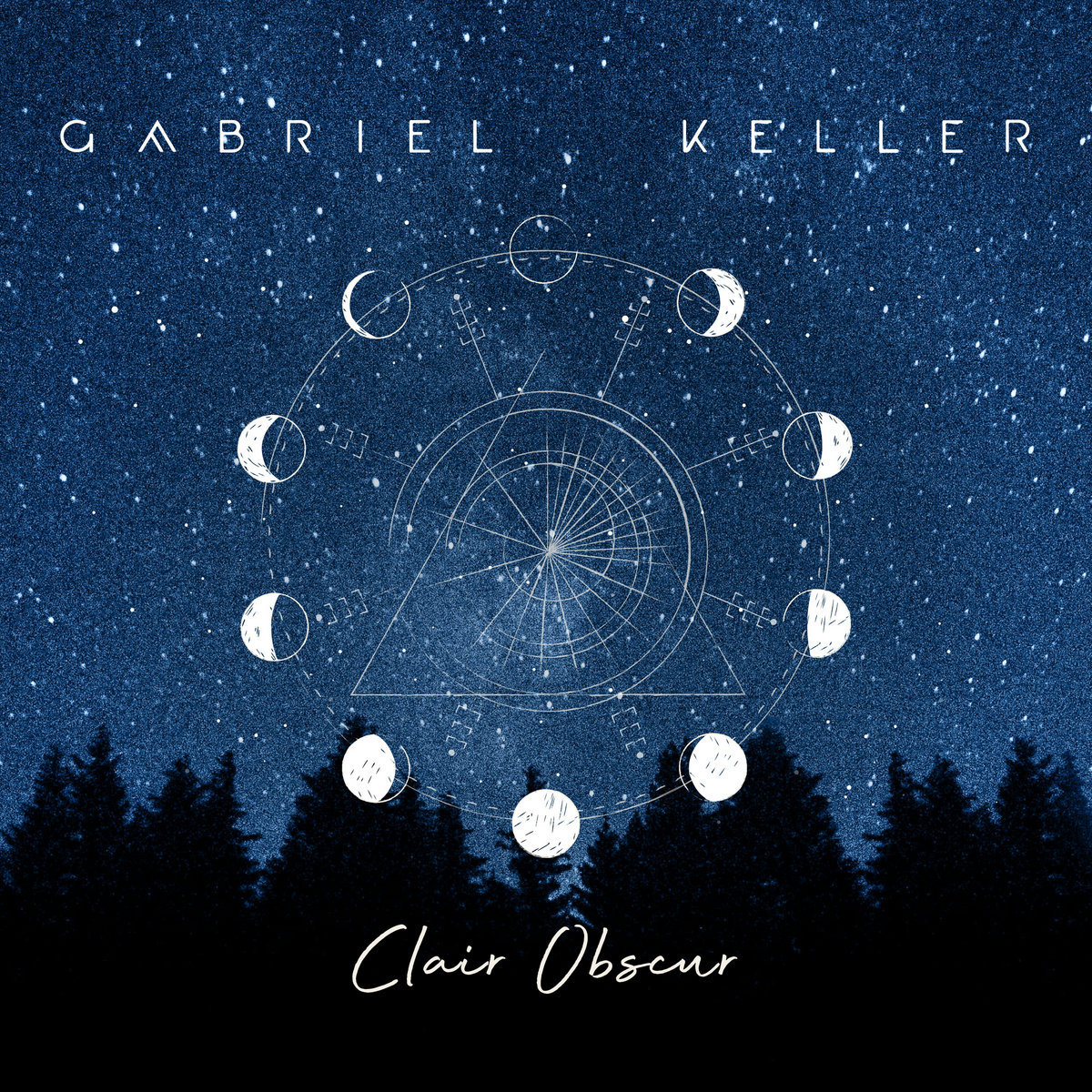
Gabriel Keller – Clair Obscur
I reviewed quite a few albums from France this year, and this record was my favorite of those. It contains a blend of English and French lyrics with multiple vocalists. The album has a variety of styles, gradually getting darker and heavier as it goes along. Check out my review: https://progarchy.com/2022/11/13/gabriel-kellers-stunning-musical-journey-clair-obscur/.
Inhalo – Sever
I reviewed this debut album from the Dutch proggers for the Dutch Progressive Rock Page earlier this year, and it was a very pleasant surprise for me. It reminded me of TesseracT if they were playing just hard rock and not metal. Very atmospheric with a mature sound. I love their wall-of-sound approach. It’s a solid record, and I look forward to more music from the band. Check out my DPRP review: https://www.dprp.net/reviews/2022/071.
Big Big Train – Welcome To The Planet
This record was bittersweet, being the final Big Big Train record to feature David Longdon on lead vocals. It was also an album of change for the band, with new member Carly Bryant taking a more prominent role on the record compared to Common Ground released a mere six months earlier. The record contains a pleasant blend of the band’s more accessible bits as well as their proggy moments. “Capitoline Venus” is a touching love song, while “Oak and Stone” fits in a long tradition of Big Big Train’s pastoral contemplative tracks. The title track is a bit unlike anything we’ve heard from the band, at least during Longdon’s tenure, reflecting Bryant’s new influence. It took me a few listens, as it took me by surprise at first. But once I “got” it, I really came to enjoy it. Check out my review: https://progarchy.com/2022/01/19/album-review-big-big-trains-welcome-to-the-planet/; and check out Rick’s review too: https://progarchy.com/2022/01/21/ricks-quick-takes-for-january/.
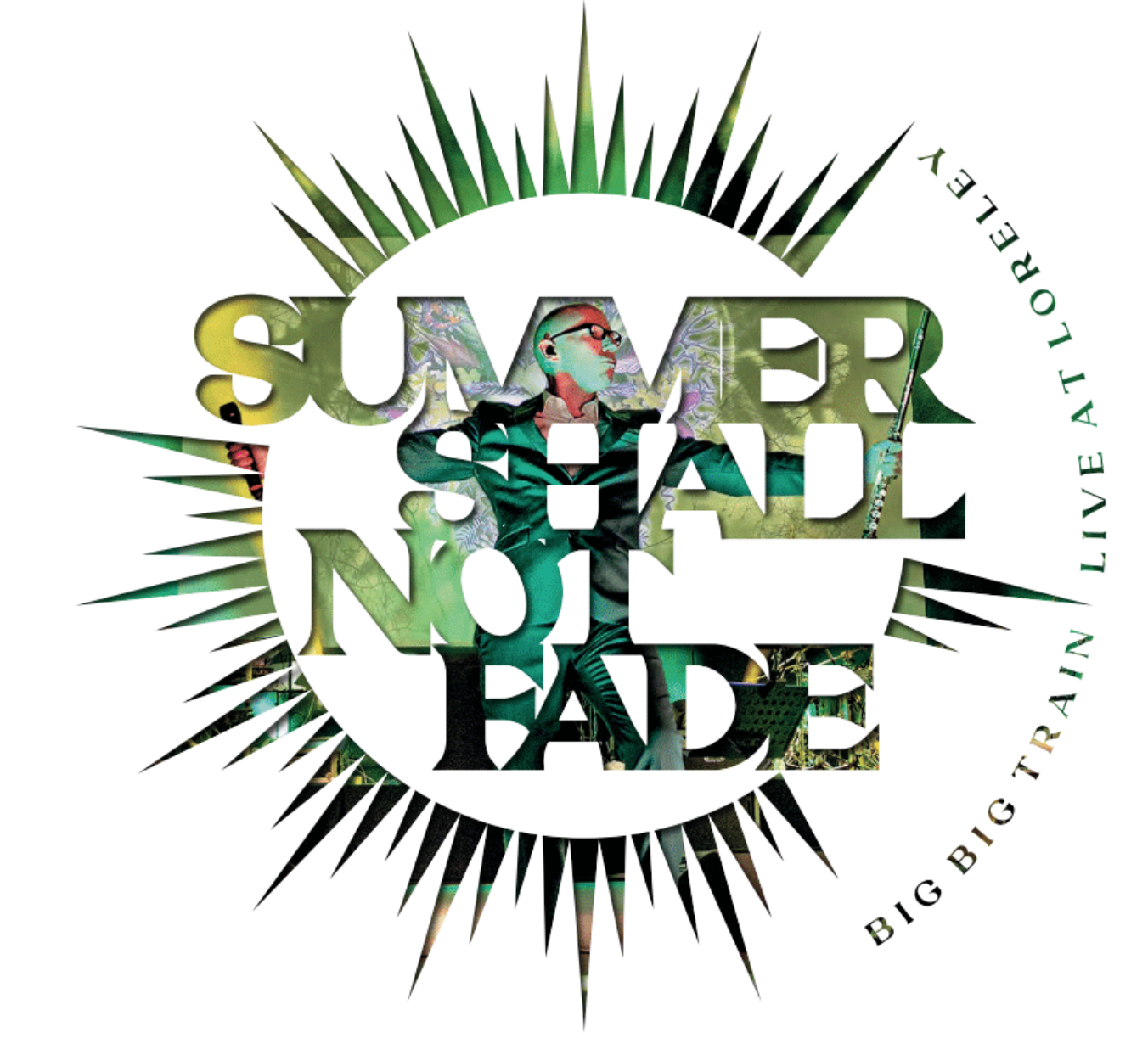
Big Big Train – Summer Shall Not Fade
The band’s 2018 performance at the Night of the Prog in Loreley, Germany, has been a bit legendary amongst the band’s fans for years, and I suspect the band decided to release it this year due to Longdon’s tragic passing last year. The concert finds the “classic” lineup of the band playing at or near their best in front of a very large crowd. We’re reminded of how great a frontman Longdon really was. It’s a pleasant way to remember this part of the band’s history. Check out my review: https://progarchy.com/2022/11/05/big-big-train-summer-shall-not-fade/.
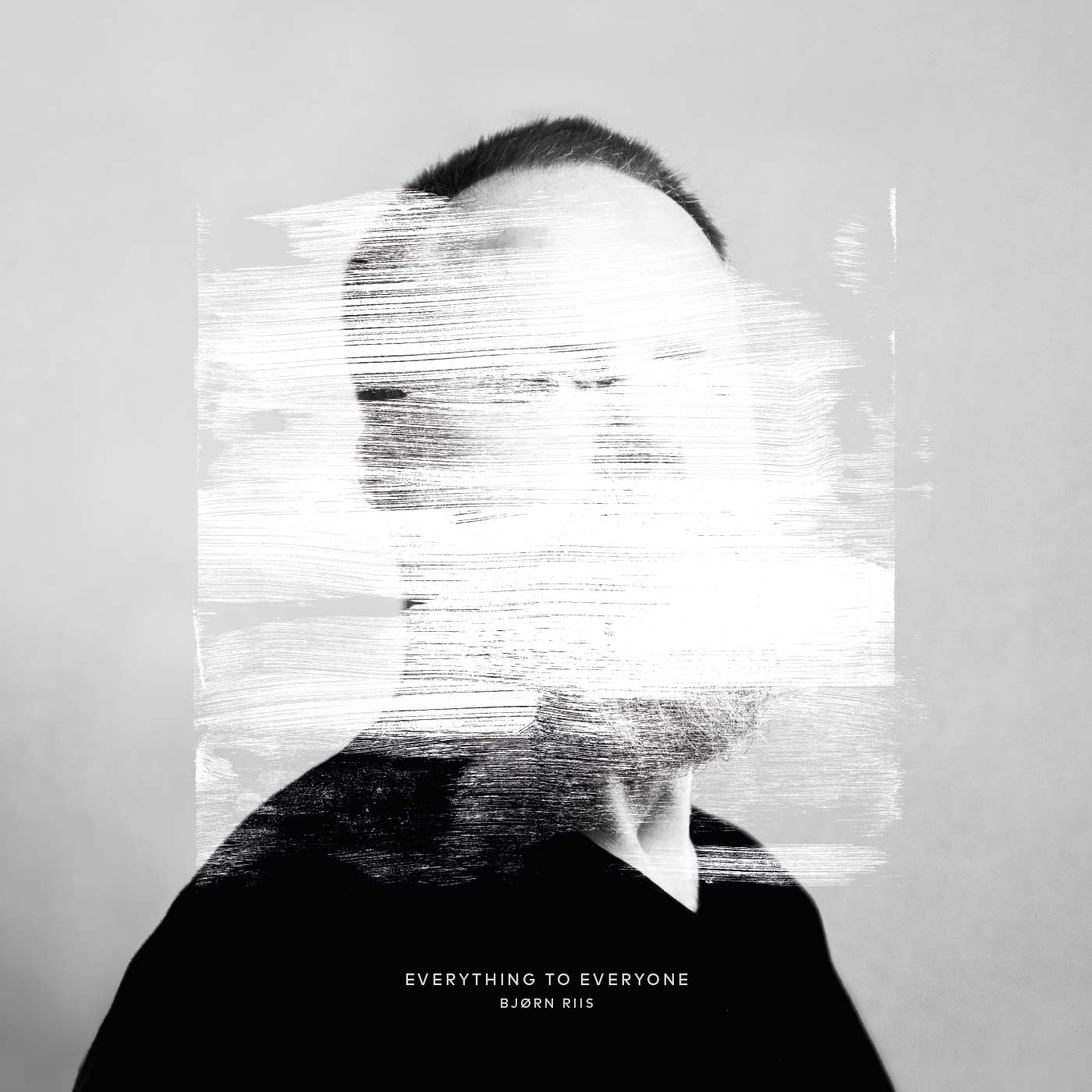
Bjørn Riis – Everything To Everyone
This record dominated my listening early in the year. Riis is an excellent guitarist, and his atmospheric rock is always compelling. Every one of his solo albums is worth listening to for his music, vocals, and lyrics. His albums are melancholic, like most of the progressive rock I’ve heard from Norway. Check out my review: https://progarchy.com/2022/05/09/album-review-bjorn-riis-everything-to-everyone/.
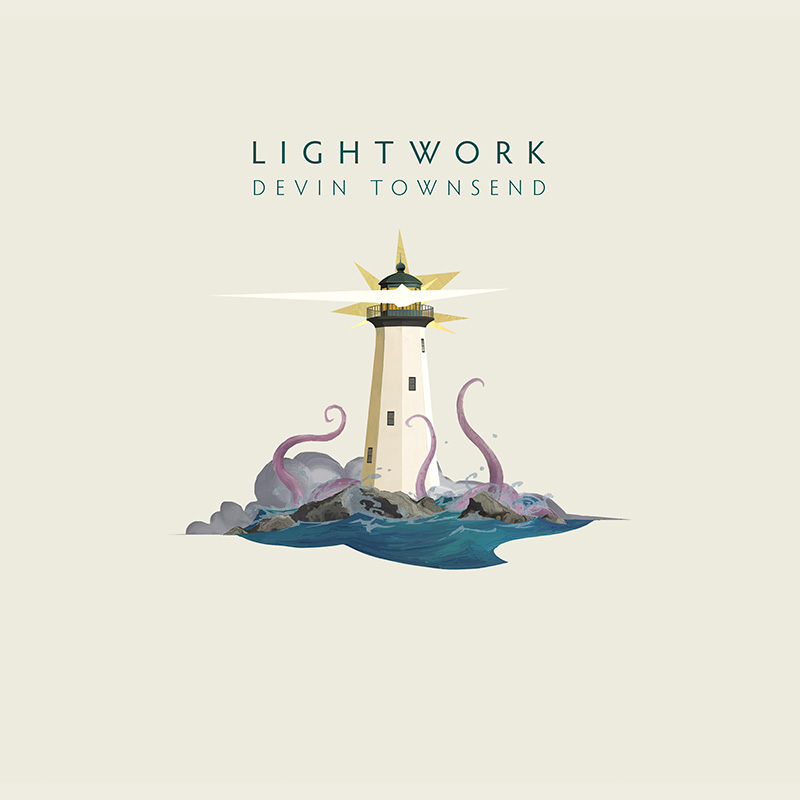
Devin Townsend – Lightwork/Nightwork
Devin may have gone quieter on Lightwork, but the album displays his talent as well as any of his records. His skills as a mixer, writer, composer, guitarist, and singer are on full display. The companion album, Nightwork, has some heavier moments, perhaps to soothe parts of his fan base. Either way, both records are great. Check out my review: https://progarchy.com/2022/12/22/devin-townsend-lights-the-night-lightwork-and-nightwork/.
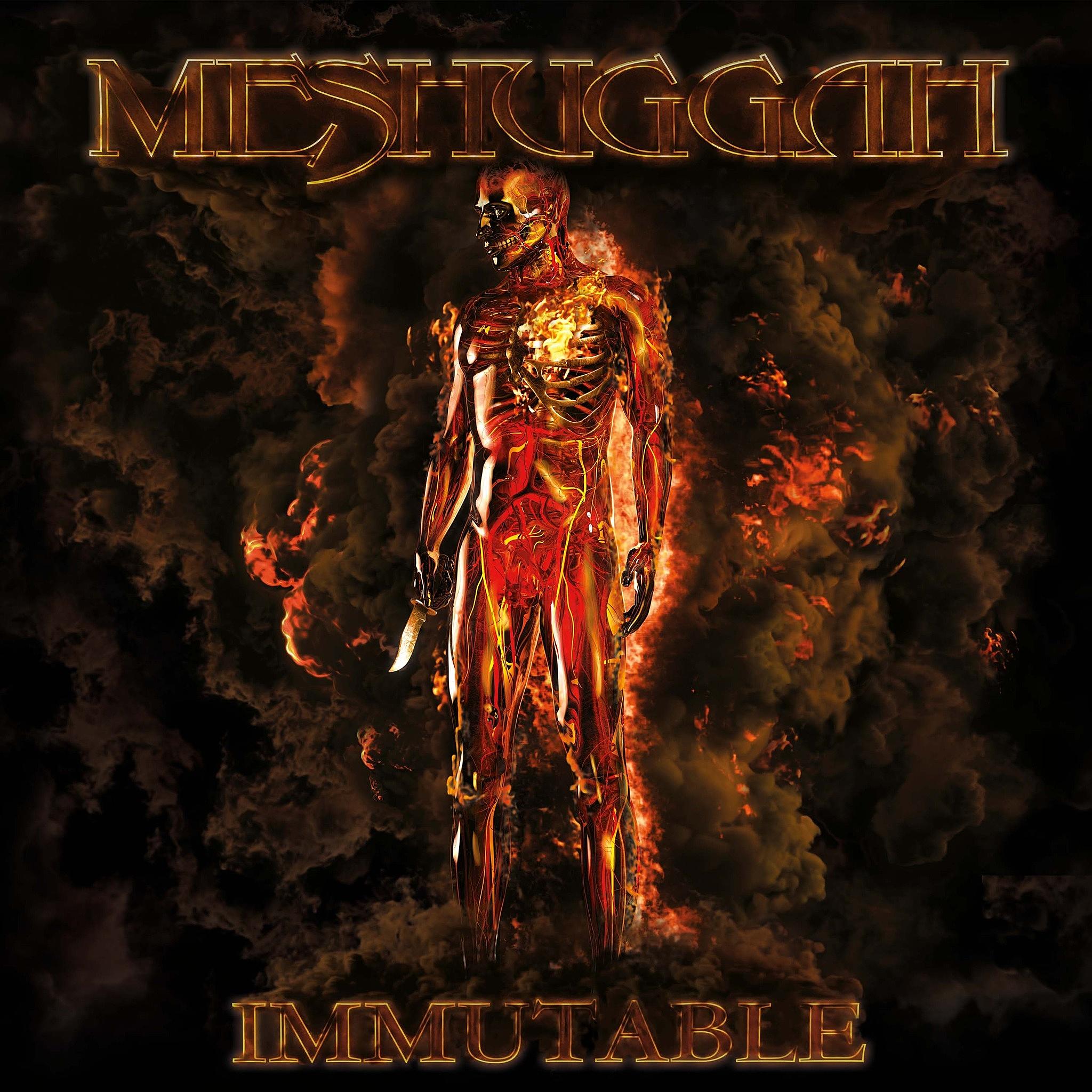
Meshuggah – Immutable
It has taken me close to a decade of listening to progressive metal before I was able to finally get into Meshuggah, and it happened this year! I’ve long known about them and respected them, but I just couldn’t get it. Maybe me getting into Devin Townsend’s more extreme side over the past couple years helped open that door, but I’m now a big Meshuggah fan. I could even hear a Meshuggah riff (from “Demiurge”) coming from my knife and cutting board when I was chopping celery last week. “Immutable” is a fantastic record, finding the band tweaking their sound a bit without changing their substance at all. “Broken Cog” is heavy, brooding, and atmospheric. The scream of “broken cog” close to the end is absolutely epic. Check out Mahesh Sreekandath’s review: https://progarchy.com/2022/11/25/immutable/.
Porcupine Tree – Closure Continuation
I didn’t get into Porcupine Tree until after their hiatus following 2009’s “The Incident” and subsequent tours. I had no real expectations for this record, since Porcupine Tree has played a lot of different styles over the course of their long career. I kept an open mind, and I was highly rewarded. This album is pure Porcupine Tree without feeling like it’s trying to create a certain sound. It’s just what came about from the members writing and playing together on occasion over the past decade. Upon reflection, I think my dislike for some of Steven Wilson’s poppier solo work might be tempered if he continues to make music like this in other outlets. Check out Rick Krueger’s review of the band’s live show in Chicago: https://progarchy.com/2022/09/23/porcupine-tree-in-concert/.
Marillion – An Hour Before It’s Dark
Another record that dominated my listening early in the year. This record is almost as good as 2016’s F.E.A.R. Perhaps not quite, but it is close. It’s one I’ll likely enjoy for years to come. Well written music and lyrics (for the most part – I have my beefs with one track) that ponder the turmoil of the last few years. It’s a hopeful album that has some calls to reflect and change our ways. In the end, it makes you think, as all good art should. Check out my review: https://progarchy.com/2022/03/27/we-still-have-time-marillions-message-of-hope-an-hour-before-its-dark/.
1. Oak – The Quiet Rebellion Of Compromise
Oak never disappoint me. Their latest record finds them evolving their sound a little bit, but it is still definitively Oak. Their layered soundscapes, haunting vocals, and thoughtful lyrics have kept them at the top of my list of favorite newer bands since I first heard them in 2016, and they’ve only confirmed that for me with this record. They’re a band that deserves far more recognition from the prog world. Check out my review: https://progarchy.com/2022/12/14/oaks-third-masterpiece-the-quiet-rebellion-of-compromise/.
My favorite prog book of the year was Steven Wilson’s Limited Edition of One. Breaking the mold of rock artist memoirs, Wilson (and Mick Wall, who helped him in the writing process) created a post-modern masterpiece. I typically dislike anything deconstructive (in an academic sense), but Wilson turned it into an art form. He combines memories with lists of his favorite music, books, and movies along with more philosophical commentary on his career and on music in general. Check out my full review of the book: https://progarchy.com/2022/05/08/more-than-a-memoir-steven-wilsons-limited-edition-of-one/.
This best-of list feels woefully incomplete considering how much excellent music was released this year… Muse, The Flower Kings, Six by Six, Ryo Okumoto, The Bardic Depths, Cosmograf – all great records, but the above list really captured my attention for one reason or another.
Hopefully 2023 will be another great year for prog. As usual for me, music has been an escape, a sedative, a lighthouse in the storm. With 2022 being one of the most difficult years of my life, music provided much needed comfort and direction over the course of the year. I suspect that will continue in the new year.
Merry Christmas and Happy New Year, everyone. Thanks so much for reading.
Devin Townsend, Lightwork, 2022, Inside Out Music/Hevy Devy Records
Lightwork Tracks: Moonpeople (4:44), Lightworker (5:29), Equinox (4:39), Call of the Void (5:53), Heartbreaker (7:00), Dimensions (5:23), Celestial Signals (5:12), Heavy Burden (4:23), Vacation (3:10), Children of God (10:06)
Nightwork Tracks: Starchasm, Pt. 2 (4:34), Stampys Blaster (0:38), Factions (5:13), Yogi (3:57), Precious Sardine (10:14), Hope is in the World (4:16), Children of Dog (6:45), Sober (4:37), Boogus (3:33), Carry Me Home (4:04)
Devin Townsend seems to be the most eclectic artist operating in what could broadly be called the progressive music scene. He’s most well known for his work as a metal artist, having some of the finest clean and distorted vocals in the business. He’s also a stellar guitarist and an even better producer. Beyond the metal, he’s long dabbled in ambient music, and as of late he’s been blending the two together to marvelous effect. 2019’s Empath was a masterpiece demonstrating that extreme metal, musical theater, opera, and ambient music can blend into a powerful and moving epic.
Last year he released The Puzzle, a minor release that is primarily ambient with vocals serving more of an instrumental role, meaning it was more about the sound than the actual lyrics. That record reflected Devin’s mind as he processed the Covid-19 pandemic, especially the early phases of it. At the same time he released Snuggles, a shorter ambient album whose goal was to calm and soothe the listener. I can state from personal experience that it does just that. It’s a great antidote to anxiety and depression.
Last month found Devin releasing his latest “major” release, Lightwork, along with its slightly heavier companion album, Nightwork. His intention was to go lighter on this record, although the metal elements still pop up now and again, especially in the vocals, which vary from clean to distorted depending on what the songs need. It’s a very different record than Empath. I hesitate to call it “pop,” as that might conjure up images of Steven Wilson’s The Future Bites. I think there are some interesting parallels between Townsend and Wilson that are worth exploring in a future article, but Townsend’s approach to pop (for lack of a better word) is far more introspective than Wilson’s. Wilson often wears his influences on his sleeve, while still creating a signature sound. Townsend creates his own sound, incorporating elements from myriad genres to make music that sounds like no one else. If Lightwork can be called pop, it is because it is more accessible than some of Townsend’s other work. It still remains complex in its layering, lyrical themes, and overall sound.
Lightwork has less of a flow to it, with the focus being more on the actual songs. With the wall of sound approach Devin is known for, there is some blending together between tracks, so it never feels disjointed. There is a loose overall theme to the record of love and light – a port in the storm, as it were. Musically it ebbs and flows. “Lightworker” has some epic soaring vocal moments with orchestral layers and backing vocals, not dissimilar from bits of Empath. Devin holds nothing back vocally.
“Equinox” sees Devin delving into his more atmospheric rock side while incorporating memorable melodies. The use of distorted vocals in parts of the song is a contrast to the spacier elements of the music, but since Devin’s distorted vocals are easy to understand (one of the reasons he’s my favorite metal vocalist), it works really at conveying the emotion of the lyrics.
The world is gonna turn without you baby Don’t worry about a thing it’s all a game
Just as it’s falling apart, I’ve fallen for you Just as I tear it apart, I’ve fallen for you
Though we try to pretend that it’s not the end It keeps us calm now babe
“Equinox”
This is easily my favorite song on the record. It’s relatively simple, but the intricate layers and vocal work draw me in every time. I feel like I’m standing in a giant open space surrounded by stars and a dancing aurora as the music swells over my head. Perhaps that’s a testament to Devin’s unmatched skill on the mixing board.
From the very beginning going back to his Strapping Young Lad days, Townsend has always been blisteringly brutal and honest in his lyrics. Those lyrics reflected his emotional state at the time. His lyrics today are equally emotional and honest, but they’re so much more uplifting and hopeful. “Call of the Void” calls the listener to maintain composure in the face of the world’s insanity. Devin’s voice leads the charge with soulful grit.
Cause whеn you see the world’s insane reaction
To follow your hеart, the worst reaction is to freak out
So don’t you freak out
Cause when you feel the urge to feign reaction
Just follow your heart, the worst reaction is to freak out
So don’t you freak out
You want them to see the world the same as you and
To feel the pain the same as you
But everybody in the world’s different point of view
Can never see the world the same
“Call of the Void”
“Dimensions” is a heavier track with an industrial sound. The bass, courtesy of Jonas Hellborg, dominates. The song is metal, but not in a traditional sense. It’s closer to a band like Rammstein than Iron Maiden. The screamed section is sung over a quieter section of music, and when his vocals step into the background, the music gets louder. An interesting back and forth. The song also features a guitar solo from Mike Keneally.
“Celestial Signals” follows it with a much larger and more open sound, flinging us back amongst the stars in swirling guitars and swelling vocals from both Devin, the choir and Ché Aimee Dorval and/or Anneke van Giersbergen (both sing on both records, and usually it’s easy to tell the difference, but the backing vocals on this track are set pretty deep into the mix).
The final track, “Children of God,” is the longest at just over ten minutes. It also has a large and open sound with lyrics dancing on a cliff of blended sounds, with drums being the most distinct.
Lightwork is hard to nail down as any one “thing.” There’s so much going on. “Vacation” is in direct opposition to “Heavy Burden,” and yet somehow it works. Devin’s quirkiness keeps you on your toes.
While Nightwork may be a companion album, it’s every bit as good, or maybe better. As the name may imply, the album is heavier than Lightwork. It opens with a more straightforward “Devin” metal track. Blasting drums (thanks Morgan Ågren), crunching guitars, and both Devin and Anneke on vocals. Steve Vai also contributes “additional instrumentation” to “Starchasm, Pt. 2.” For those curious about “Pt. 2,” “Starchasm” is a track on last year’s The Puzzle. “Stampys Blaster” picks right up with a 38 second bit of uplifting heavy metal bordering on extreme metal with intense blast beats, all while Devin sings “I love you all.”
“Factions” is another blistering metal track with brilliantly complex drumming and Devin’s signature crunchy guitars and vocals. It’s lightyears away from Lightwork, yet it’s right at home in the Devin universe. The atmospheric screams of “Sorry… I’m sorry…” over a wall of drums is eminently relatable. The song has two neoclasslical style shredding guitar solos that sound different from Devin’s playing, but the album notes don’t say they were played by anyone else, so…
Nightwork does bounce around in style, though, with “Yogi” being a different animal entirely. Quirky, bouncy, not metal at all, but still definitely Devin. “Precious Sardine” reminds me of The Puzzle, with various musical styles and vocals acting more like background instruments. “Hope is in the World” and “Children of Dog” (a reworking of “Children of God”) are more upbeat tracks like Lightwork. They retain metal elements, but they’re brighter songs.
“Sober” is my favorite track off both albums. It is atmospheric, spacey, and intensely emotional. The backing sound of waves add to the ebb and flow of the song. The lyrics are profoundly moving, reflecting the confusion and desperation of addiction as it relates to relationships:
How can you want me, if I can’t stay sober? And how could you leave me in this state?
I can’t help these feelings that have come into my life I can’t seem to be the one I used to want to fight
How can you want me, if I can’t stay over? And how could you leave me in this place?
Time is falling into silence I’m already tired All the dreams we had are dying You’re not even trying
It’s alright
How can you want me, if I can’t stay sober? And how could you leave me in this state?
How could you leave me?
“Sober”
It’s a very reflective song, which is slightly disturbed by the next song, “Boogus.” “Boogus” is a very fun song made in a distinctly 1960s style reminding me of The Munsters sound track. It’s very fun, and not a style you hear much anymore. But, I think it should have been placed somewhere else on the album, with “Carry Me Home” following “Sober” to close the record. “Carry Me Home” is a peaceful track reflecting the realities of a couple’s love after many years into a relationship:
But oh, I hope you understand I still love you now the way I did back then
“Carry Me Home”
Mental health has been a prominent theme in Devin’s lyrics in the past, especially in more recent years with his positivity seemingly meant to uplift his listener’s spirits.
‘Cause it’s so hard to give when it’s hard enough to live And you wanna die, defeat flat on the floor Well, the nights go by, and still we try to keep some sense of this Give me hope Home, on the way home And I wonder why I ever left at all Carry me home, all the way home Let’s simplify and get right back to it all Carry me home…
“Carry Me Home”
Sometimes life is just hard, and we need someone to carry us home.
In many ways, Nightwork is my favorite of the two records, despite it being a companion. Perhaps the heaviness of the first few tracks is more my speed, or the atmospheric brilliance and honesty of “Sober” and “Carry Me Home” keep running through my head. I find it hard to separate the two albums. I bought the fancy special edition in a vinyl gatefold-sized package (2 CDs, 1 blu-ray) with colorful artwork for days, and my iTunes automatically put Nightwork as disc two of the deluxe edition of Lightwork, rather than a separate album.
The variety of musical sounds on these albums might not be for everyone, but I appreciate the art Townsend is making. He’s making the music he feels like making, even if he knows (and worries) that it may upset some people. His sensitivity shines through, and if you keep an open mind, you’ll find a lot to enjoy while broadening your musical horizons. For those turned off in the past to Devin’s heavier side, Lightwork is a must-listen. I think you’ll find it much more accessible, and perhaps you too can come to more fully appreciate the brilliance of Devin Townsend. He is, after all, one of the most interesting artists in music. Everything he makes is worth paying attention to. As such, I recommend you get one of the editions that includes both albums, rather than just Lightwork.
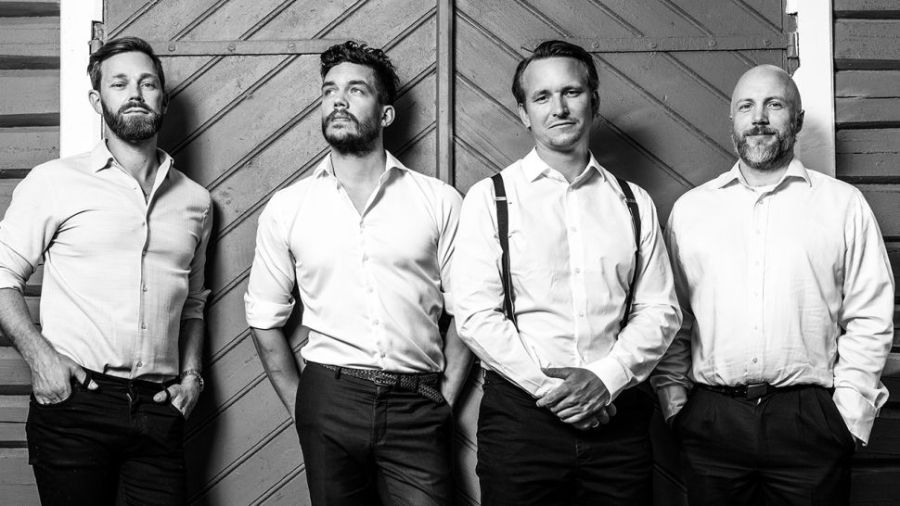
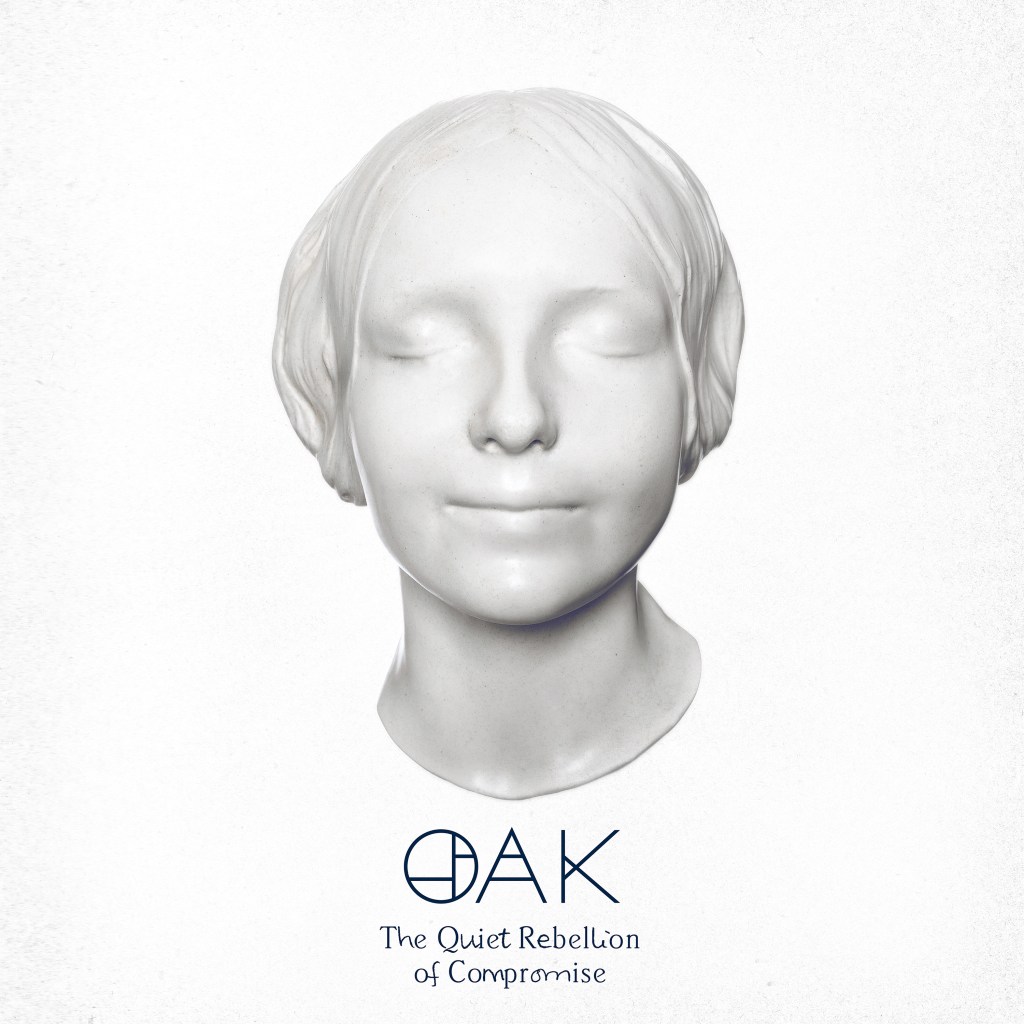
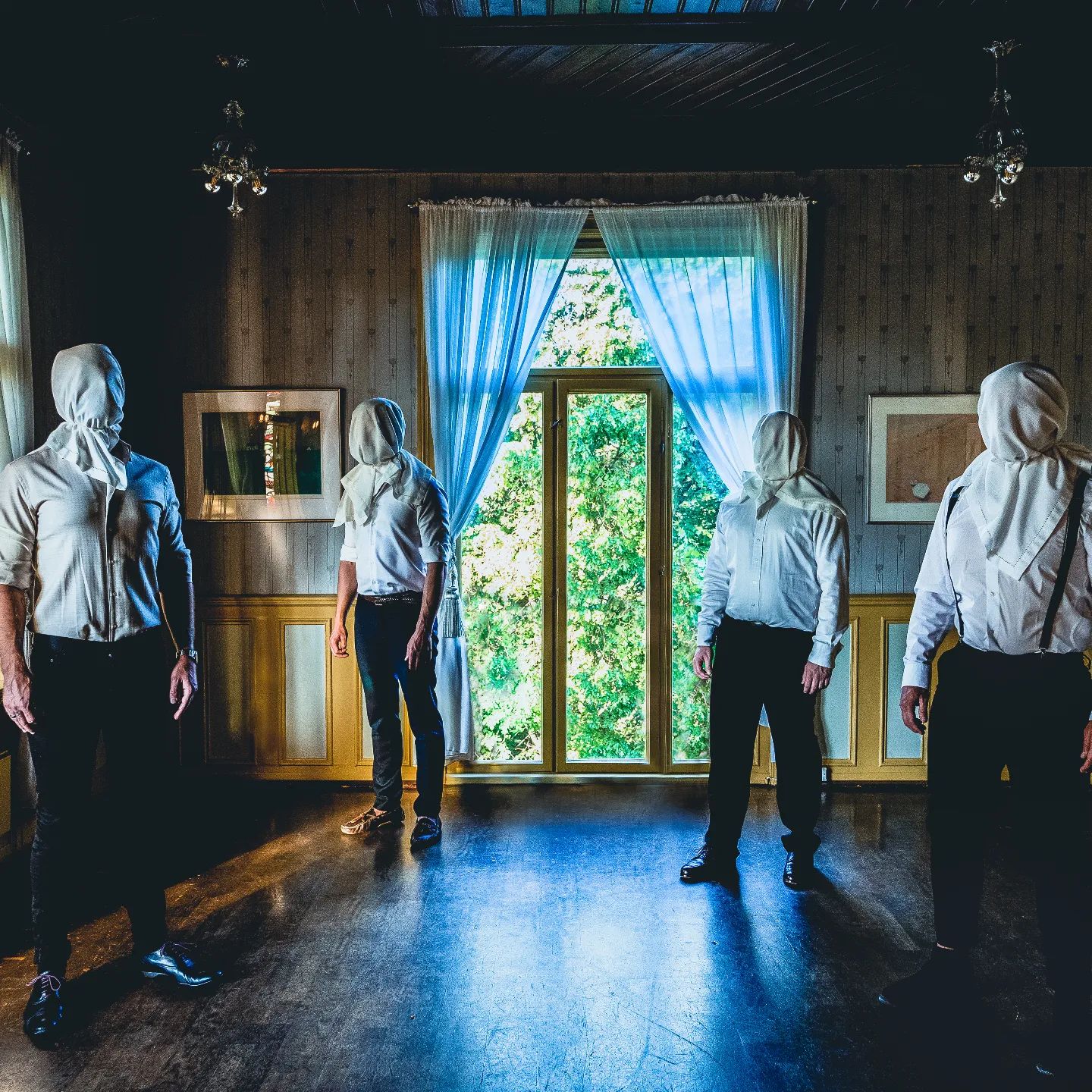
Oak, The Quiet Rebellion Of Compromise, 2022, Karisma Records, Tracks: Highest Tower, Deepest Well (5:57), Quiet Rebellion (4:51), Dreamless Sleep (5:37), Sunday 8 AM (5:54), Demagogue Communion (6:16), Paperwings (13:52), Guest of Honour (7:03)
Oslo’s Oak have been my favorite “new” band since I discovered them in 2016 when they released their 2013 album, Lighthouse, on CD. The album blew me away. I had never before heard rock, classical, and atmospheric music synthesized with such precision and in such a beautiful way. I was equally if not more stunned with their 2018 follow-up, False Memory Archive. It continued their sound, and it saw the band mature as they developed their wall of sound, their compositions, and their arrangements.
In November the band released The Quiet Rebellion of Compromise, a masterpiece standing toe-to-toe with both their previous releases and any release from the giants of the genre (I’m looking at you Marillion, Porcupine Tree/Steven Wilson, Big Big Train). Upon first listen I thought perhaps this record didn’t live up to its predecessor, but that was based upon my mild shock at some of the new elements the band added to their sound. After a few listens, their brilliance convinced me. I don’t typically rate albums for my Progarchy reviews, but in this case I give it a 10 out of 10.
This record includes the atmospheric overtones, the piano, the swelling rock sounds, singer Simen Valldal Johannessen’s deep brooding vocals and his evocative lyrics – everything the previous albums contained. But they’ve included more of the electronic influence to their sound on this record. While always there, it is more pronounced, especially on “Paperwings.” Typically not a genre I listen to, I wasn’t sure how to respond to the electronic elements at first, but after careful listens, I came to appreciate how it fit into the music and into the band’s sound.
Another element I did not expect was the introduction of black metal-style distorted vocals. I don’t listen to black metal, but I’m familiar with the unique form of distortion those vocalists use. It’s different from the type of metal I typically listen to, which tends to use either a grittier distortion (Meshuggah) or a higher-end distortion (Devin Townsend). Black metal vocals are low and smooth, befitting Johannessen’s natural singing voice. To be clear, he uses it on four lines on “Paperwings,” and considering the lyrical content of the album, it fits perfectly. The album covers intense themes of mental health and suicide, with the font used on the album cover based upon handwriting from actual suicide notes. Chilling, to say the least. But the band did their research, consulting scholars and mental health professionals. All that to say, the distorted vocals, while new to Oak’s sound, are used sparingly and to great effect when you consider these lyrics in the light of suicidal thoughts:
One thought takes hold Seeps out rules all Lights fade, time bends One step so it ends
Oak – “Paperwings”
It took me over ten listens before I picked up on distorted growls deep in the mix on other tracks, not singing any particular lyrics – just adding to the band’s wall of sound. I think it appears in two places, and it’s very subtle. I’ll let you listen for it.
I appreciate how the band reach back into their previous work and pull in brief lyrical and musical excerpts, tying this record to those others and creating a sense of continuation. In doing so, Oak create their own mystique – a musical world you can fall into and feel like you’re somewhere else. Interestingly, it makes me feel connected to potential future albums as well.
Musically Oak blows me away. Whether its Johannessen’s soothing piano, Sigbjørn Reiakvam’s intricate drumming, Stephan Hvinden’s atmospheric guitars, or Øystein Sootholtet’s basswork (as well as acoustic and electric guitar and keyboards) – this band stands out. Steinar Refsdal adds some wonderful saxophone, which dances nicely atop the wall of sound created in the swelling instrumental passages that have become a signature part of Oak’s sound.
One of my favorite parts on the album is the bassline in the second half of “Sunday 8 AM.” The first half of the song is a bit of slow burn for me, but when it hits the instrumental part halfway through, I’m in musical heaven. The drums sing, the piano and keyboards build gently, and then that deep bassline comes in – wow. The musical highlight of the year for me. Even when the saxophone comes in on top of that, it’s the bass that steals the show with a memorable line that makes you want to skip back to the beginning of the instrumental passage once the song ends. I can’t even imagine how amazing this would be live.
I’ve mentioned the “wall of sound” a couple of times. What I mean by that is the way the band layer and gradually add (or subtract) musical elements to create a sound more majestic and powerful than any of the parts taken in isolation. Devin Townsend and Steven Wilson are masters of this sound, and I would place Oak up with them in terms of quality and its prominence on their records. It also helps that the album is mixed very well. There is a lot of dynamic range, with the record sounding very clear. They’ve also played a bit with the stereo mix, with some of the programmed sounds or percussion dancing around the mix.
The band use a variety of sounds, some of which have become staples in their music – percussion sounds I haven’t heard other bands use, thus making Oak’s music instantly identifiable for me. By including them on this record, I feel a sense of nostalgia to when I first started listening to Oak five years ago, even if the band have begun to include other elements in their sound. It still sounds unmistakably like them. They also include spoken tracks, probably from other sources like movies, which help add to the mystique. “Paperwings” has a passage with a hypnotist speaking to a patient over a calm musical section, which immediately proceeds a heavier and more chaotic section that eventually includes the distorted vocals. Musically we are drawn into the hypnosis with the subject.
Oak know how to end an album like few bands. “Psalm 51” off False Memory Archive may be one of the best album closers I’ve ever heard. The musical build-up to end the song is absolutely perfect. You’re left completely satisfied. I don’t think “Guest of Honour” is quite that good, but it was a high bar to match. Nevertheless, it’s a great song. The lyrics, “Walking blind through damp corridors / Piercing sounds, of footsteps or guns / Racing heart – I’m wearing you out” have particularly stuck with me, especially that last line.
The physical CD comes in a digipack, making it the nicest of their physical releases thus far. I’m sure the vinyl is even more stunning. I liked the album art from their first two albums a lot more than this, because I felt those fit the band’s aesthetic better. With that said, there’s something very unsettling about the expression on the face of the female bust on the cover, which given the subject matter on the album seems entirely the point. Suicide and mental health concerns are inherently unsettling.
It didn’t take long for The Quiet Rebellion of Compromise to blow everything else out of the way at the top of my best albums of the year list. It’s an album I can listen to over and over again, finding new bits to enjoy and investigate after many listens. That’s one of the things I’ve loved about their previous records. I can keep listening and never grow tired of them, and it appears this record has that same quality. Oak are a criminally under-appreciated band that deserve widespread attention. They’re one of the most imaginative bands in the genre right now, and they aren’t to be missed. Everything they have done is worth paying attention to. It isn’t often that a band like this comes around. Don’t let the close of the year pass without diving into this record.
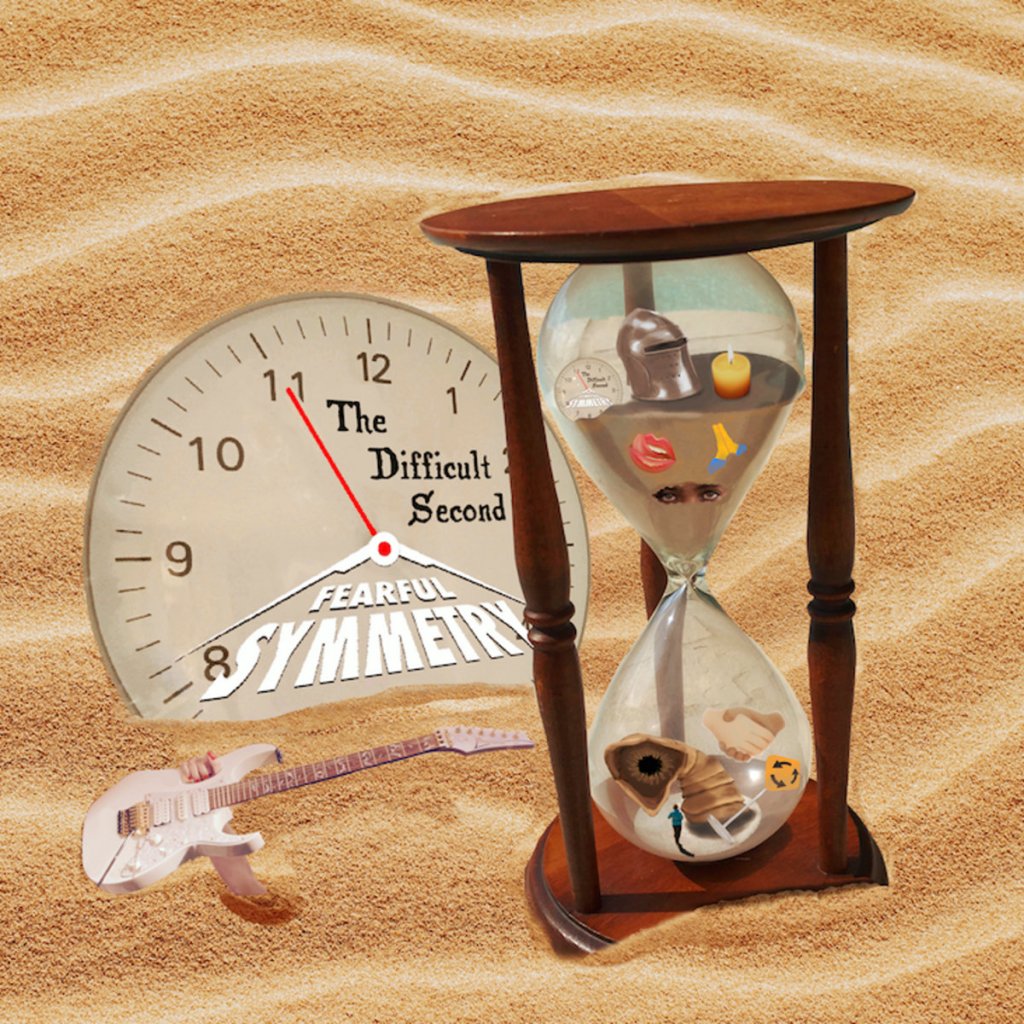
Fearful Symmetry, The Difficult Second, 2022 Tracks: Mood Swings and Roundabouts (6:00), The Difficult Second (3:56), Light Of My Life (5:39), Shifting Sands (4:07), Eastern Eyes (5:15), The Song Of The Siren (4:57), Hope (5:35), Sandworm (6:37), Shukraan Jazilaan (3:23), Warlords (14:45)
Fearful Symmetry is the brainchild of Suzi James, a UK-based multi-instrumentalist. working with Yael Shotts (vocals) and Sharon Petrover (drums, arrangements), along with Jeremy Shotts, who helped write the album’s epic, “Warlords.” James plays guitars, bass, all manner of keyed instruments, and various other stringed instruments… and based on the emojis used in the booklet to indicate what instruments she plays, she also plays a camel. Prog has always been about pushing boundaries, I suppose. Ha.
The opening track is clearly an intentional nod to Yes, and I have to say it’s done very well. Yael Shotts’ vocals are close enough to Jon Anderson’s to make it work, and the instrumentation is classic 70s prog. A strong bass line, a clear and prominent electric guitar, keyboards and organs galore – it’s a fun throwback. “Time and a Word” even gets a nod in the lyrics.
Catchy melodies abound on the record, such as the chorus on “Light Of My Life.” “Sandworm” has another catchy melody, with a vintage organ sound to match. In addition to the classic prog takes, jazz has a strong influence on the record, particularly on “The Song of The Siren.” The drums especially take on a jazz edge.
There are Middle Eastern influences on the record, like “Shifting Sands,” an instrumental with Middle Eastern vocalization done in a more traditional western style of singing. There’s a moment when the melody is played with violin, and it reminded me a bit of Kansas, despite the different style of music being played. The Middle Eastern themes are repeated in “Eastern Eyes,” although they aren’t quite as pronounced, and they remain rooted in rock music with shredding guitars and bass. I’m usually wary of artists pulling the Middle Eastern influences into progressive rock because it can quickly become corny, but it feels very natural on this record, perhaps because it was done through a more western interpretation rather than simply plugging a sitar into the mix.
“Warlords” is the epic on the album, at just under fifteen minutes in length. The intro overture has a swelling sound with guitars and bass working together to create an epic feel. It narrows in with a more gently keyboard driven section before expanding back out into a guitar solo. The song, divided up into five parts, is a story about a grand battle – very proggy indeed. As the song moves along, the Yes influence remains the most prominent, although thematically I’m also reminded of Genesis. But even so, the variety of instruments that Suzi plays keeps the track sounding particularly modern. Despite the song being about a battle, the music remains very bright.
“The Difficult Second” is an enjoyable throwback album that doesn’t feel oppressively tied to the past. The album is upbeat, with good melodies, solid instrumentation and vocals, and clever lyrics. The guitar solos are especially worth checking out.
Big Big Train have released a live video of the current lineup performing deep cut, “Snowfalls,” at De Boerderij in the Netherlands a few months ago. The song was the B-side for the band’s Christmas song, “Merry Christmas,” released in 2017. It’s a great track, and the band did a great job with it at this show. It’s nice to see new singer Alberto Bravin in action.
Babal, Who Will I Be When I Leave?, 2022 Tracks: 3 Minutes (7:12), Sitting Pretty (6:54), Corkscrew Rider (8:22), Dead End Friends (4:35), The Wolf Slips Up Quickly (6:17), Made Without Instructions (5:00), Baby Wants Freedom (7:59), Doors (12:10), Who Will I Be When I Leave? (3:52)
On the inside cover of the digipack for UK band Babal’s “Who Will I Be When I Leave?”, vocalist, composer, and lyricist Karen Langley describes this record as “a fluid, living train of music” that she and guitarist Rob Williams got on together. Well, this album is certainly a “trip.” The album is overbearingly quirky, which sometimes works and other times doesn’t.
At points the songs offer glimpses of enjoyable melody and interesting guitar tones. “Sitting Pretty” opens in such a way, along with interesting synth motifs throughout, but Langley’s vocals and vocal delivery really leave a lot to be desired. So much of her singing sounds more like talking, with often grating vocal melodies. This unsurprisingly distracts from the music itself. The vocals could perhaps be tolerated if it weren’t for various repeated vocal lines that get rather grating. On “Baby Wants Freedom,” the line, “Baby wants freedom, baby wants a ride” gets really old really quickly.
And yet, at other points, Langley’s voice reminds me of Adrian Belew, with a passionate talk-singing of hearfelt lyrics. There’s a passage in the last two minutes of “Sitting Pretty” that features this, and it almost works, but then a disjointed vocal line follows that’s out of sync with the music, leaving me more annoyed than interested. Langley’s voice reminds me a lot of Tim Bowness – very similar tone. If you’re a fan of Bowness’ voice, then you’ll probably not have the same opinion of this as I do. Personally, I’ve struggled to enjoy Bowness’ voice, to the point that I usually don’t give his albums more than a passing listen. The way he sings, the tone – it just doesn’t work for me. I have a ton of respect for him, and I spend more money than I care to admit at his store, Burning Shed. But his voice is still a barrier to entry for me to his music.
Babal’s music walks a fine line between traditional rock and avant-garde, and taken by itself, the music is rather pleasant. The opening 45 seconds of “Corkscrew Rider” has a smooth jazz vibe with swirling guitars and synths. Even if the vocals distract from it for me, I find a lot to enjoy in the guitar work throughout the rest of the song, much of it reminding me of Robert Fripp and King Crimson at their more sedate. I do find the vocals on “Doors” to be smoother and less irritating, the the Frippiness in the guitars is amped up even more, making this a fun listen. And at over 12 minutes in length, it’s the proggiest song on the record.
The lyrics are a big part of this record, and while I don’t particularly enjoy their delivery (and I think there’s too much repetition at points), they are well thought out. Apart from “The Wolf Slips Up Quickly” (written Lee Henderson), Langley wrote all of the lyrics. There’s a lot to digest in them, but they remind me a lot of modernist imagist poetry, with various short scenes created in words that work together to tell a bigger picture. Sure, this isn’t Eliot, but I appreciate the approach.
The album is long, and being heavy on vocals that don’t do much for me, I found it dragged on a bit. Perhaps if the instrumental passages had been longer, it would have given me more of an opening to really get into the record. With that said, Langley’s vocals might not bother you as much. If you like Tim Bowness, I’d say definitely check Babal out because his vocal and musical work and this record share a lot of similarities.
Listening past what I disliked into the music itself, I found much to appreciate in the guitar soundscapes, the bass, the synths, and the drums. They work together to create a spacey and experimental landscape, including elements of heavier rock and jazz when needed. The few brief instrumental passages and guitar solos piqued my interest, demonstrating the promise found in this record. Because of the vocals, however, I don’t think this will be one I return to frequently.
Welcome Back My Friends: The Return of Emerson, Lake and Palmer 50th Anniversary Tour Penn’s Peak, Jim Thorpe, Pennsylvania November 20, 2022 Concert Review By Bob Turri
Having never seen Emerson, Lake and Palmer during their peak of popularity in the 70s, I jumped at an opportunity to see Carl Palmer billed with Emerson and Lake holographically on a special tour. Carl Palmer is one of the greatest rock drummers still playing today. At 72 years of age my mouth dropped for most of the concert watching his polyrhythmic attacks take place. The show I witnessed was at Penn’s Peak, a really nice venue in Jim Thorpe, Pennsylvania. For those of you who have never been there or maybe never been to PA, Jim Thorpe is a mountainous northeast Pennsylvania town, known today for numerous shops and tourists from New York and elsewhere coming to enjoy a small-town vibe in an idyllic setting. There are nature trails and mountains everywhere. The town has an extensive history like a lot of northeastern Pennsylvania towns but now mostly relies on the tourist trade and small business owners.
Penn’s Peak, the concert venue, sits high on a mountaintop, hence its name, and has an interior wooden structure that reminds one of being in huge log cabin. The show was scheduled for 8 pm and looking around the crowd was mostly male, not surprising, but a fair number of women were in attendance as well, hopefully not against their will. The show started pretty much on time, with some interesting and funny video clips of the Simpsons, Cheers, and one other. A little humor is a good thing.
The images of Keith Emerson and Greg Lake were projected onto the screens, not holographically, but real video images, and “ELP” broke into their first song. The guitarist and bass player in Carl Palmer’s band also joined the stage and the night began. Carl Palmer played the MC as well as in my estimation one of rock’s all-time great drummers, and they played a handful of ELP songs, some quirky some consistently challenging, such as a rousing rendition of “Tarkus” for most of the evening.
Early on Carl explained as he left the drum throne after every song to address the audience, that the idea of representing Keith Emerson and Greg Lake holographically really didn’t work and instead they had decided to use live concert footage of the two performers from a Royal Albert Hall concert performance. You could tell as he reiterated a few times that this tour was very near to his heart, and he was able to evoke the memory of his bandmates in a touching way. One couldn’t help feeling at various times during the show though a feeling of being frozen in time with only one third of these three musical giants still with us.
My original interest in ELP was developed listening to the Pictures at an Exhibition album about a thousand times during my high school days. I was struck by Keith Emerson’s excellent arrangement of the Mussorgsky classic, which more than likely having never have heard the original, I was spellbound. The band didn’t play anything from that album. I was expecting this, but the rendition of “Tarkus” was stunning. Palmer’s drumming was frenetic but controlled, and he never broke a sweat! Not sure how he does it, but it might have something to do with his English blood. The two musicians who accompanied him were also excellent, and each got a chance to step out and play a solo tune on their own.
Simon Fitzpatrick was on bass and the Chapman stick. I had never seen anyone play the Chapman stick before, and I didn’t realize the range of tones and beautiful sounds that could come out of it. He played “Take a Pebble,” and it was majestic. The guitar player and vocalist, Paul Bielatowicz, also shined, and he also contributed an Emerson Lake and Palmer song on solo guitar. He displayed a very cool smile for most of the show which made you realize how much fun these guys were having. The bass player also had a unique style and some of his facial expressions were hilarious.
When it came down to it, the interplay between live onstage Carl Palmer and via video Keith Emerson and Greg Lake was uncanny, leaving you wondering what was this like when the three of them played together. Palmer had his moment to shine with a very interesting drum solo that utilized his entire kit, different shapes and sizes of cymbals and even at one point played his sticks, which I had never seen before! All in all, it was a master class on drums. No dry ice, no smoke, very little or no smell of pot anywhere, an incredible night for all.
Nemo – Les Nouveaux Mondes – 2022 Tracks: Abysses (10:03), Dr Fergusson Et Les Caprices Du Vent Vol. 1: Au dessus des toits (6:39), Danse du diable (2:48), Tempête (7:18), Dans la lune encore (6:23), Dr. Fergusson Et Les Caprices Du Vent Vol. 2: Au dessus des pyramides (5:58), Phileas (20:41): a. Départ/Europe (4:57), b. Les fleuves sacrés (3:16), c. Luna (5:54), d. Nouveau monde (6:34) Bonus Tracks (CD/LP only): Africa (5:51), Bataille Navale (11:05)
A few months ago I favorably reviewed the third album in a trilogy by French guitarist and singer Jean Pierre Louveton (JPL). JPL is better-known for his work with Nemo, one of the bigger names in French progressive rock. The band has been around for twenty years now, and although they have essentially been on hiatus since 2015, they decided to re-record and re-release their first album (2002), Les Nouveaux Mondes, a couple months ago. I haven’t heard the original recording, but I can say this new version certainly sounds fresh.
This new version features the band’s classic lineup of Jean Pierre Louveton (guitar, lead vocals, bass, virtual instruments), Guillaume Fontaine (keyboards, vocals), Lionel B. Guichard (bass), Jean Baptiste Itier (drums), along with Benoît Gaignon (bass) and Pascal Bertrand (drums) on the final bonus track.
The guitars really stand out to me on this record, with intricate riffing and shredding backed by detailed layers of drums, piano, and bass. I’m reminded a bit of Rush with the guitar-work. JPL’s rhythm playing really drives the album. His style borders on both jazz and metal, with a little middle-eastern flair on “Au dessus des pyramides.” The bass seems to shine most during the guitar solos, oddly enough. Perhaps because some of the synths are pulled back during the solos, allowing the bass to be heard more clearly.
The 20-minute final track, “Phileas,” is divided into four parts, and it grabs you from the get-go with its fast pace, driving drums, and riffing guitar. The organ gives it a retro vibe without making it sound lost in time. The second and third parts move into more unique territory, with “Luna” featuring what I think is a xylophone. This is balanced by heavier guitars that definitely have a bit of early 2000s prog metal influence.
The album’s story (sung in French) relates to history, exploration, and travel. The album leans on the instrumental side, however. The new album artwork also features the “Nautilus” – Captain Nemo’s ship from “20,000 Leagues Under the Sea,” which gives a bit of a hint to the lyrical content.
The CD/LP-only bonus tracks are worth picking up the CD or vinyl. The guitar riffing on “Africa” makes for an enjoyable listen, and the mellotron in the second half was an unexpected but welcome surprise. The percussion in this part of the song also has some unique flavor to it. “Bataille Navale” is a live track with a very 70s retro vibe. Heavy hard rock guitars, bass, and drums with prominent organ dripping with Deep Purple and Focus influence. JPL’s guitar solo has a very bluesy feel, which is rather different than his playing on this album. It shows the range of his playing and how he excels in various styles.
This re-recorded record was my intro to Nemo, and I have to say I’m impressed. I don’t know if it means the band plans on making more music together in the future, but this fresh take on the band’s first album definitely piqued my interest in them. The French prog scene clearly has much to offer, both in the present and past. Les Nouveaux Mondes offers a little bit of both.




 Glass Hammer – At The Gate
 The Tangent – Songs From The Hard Shoulder
 Lobate Scarp – You Have It All
 Dave Brons – Return to Arda
 Gabriel Keller – Clair Obscur
 Inhalo – Sever
 Big Big Train – Welcome To The Planet
 Big Big Train – Summer Shall Not Fade
 Bjørn Riis – Everything To Everyone
 Devin Townsend – Lightwork/Nightwork
 Meshuggah – Immutable
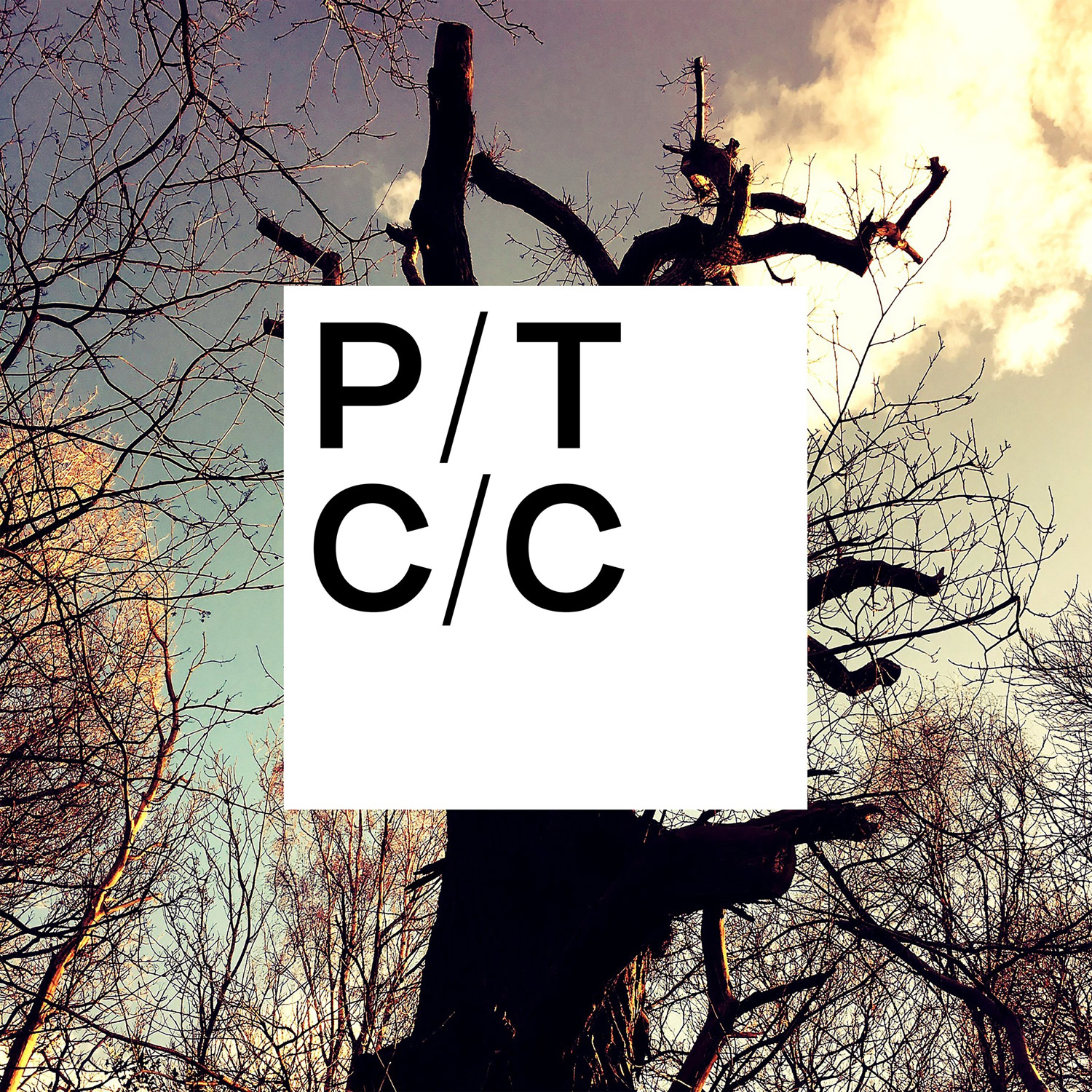 Porcupine Tree – Closure Continuation
 Marillion – An Hour Before It’s Dark
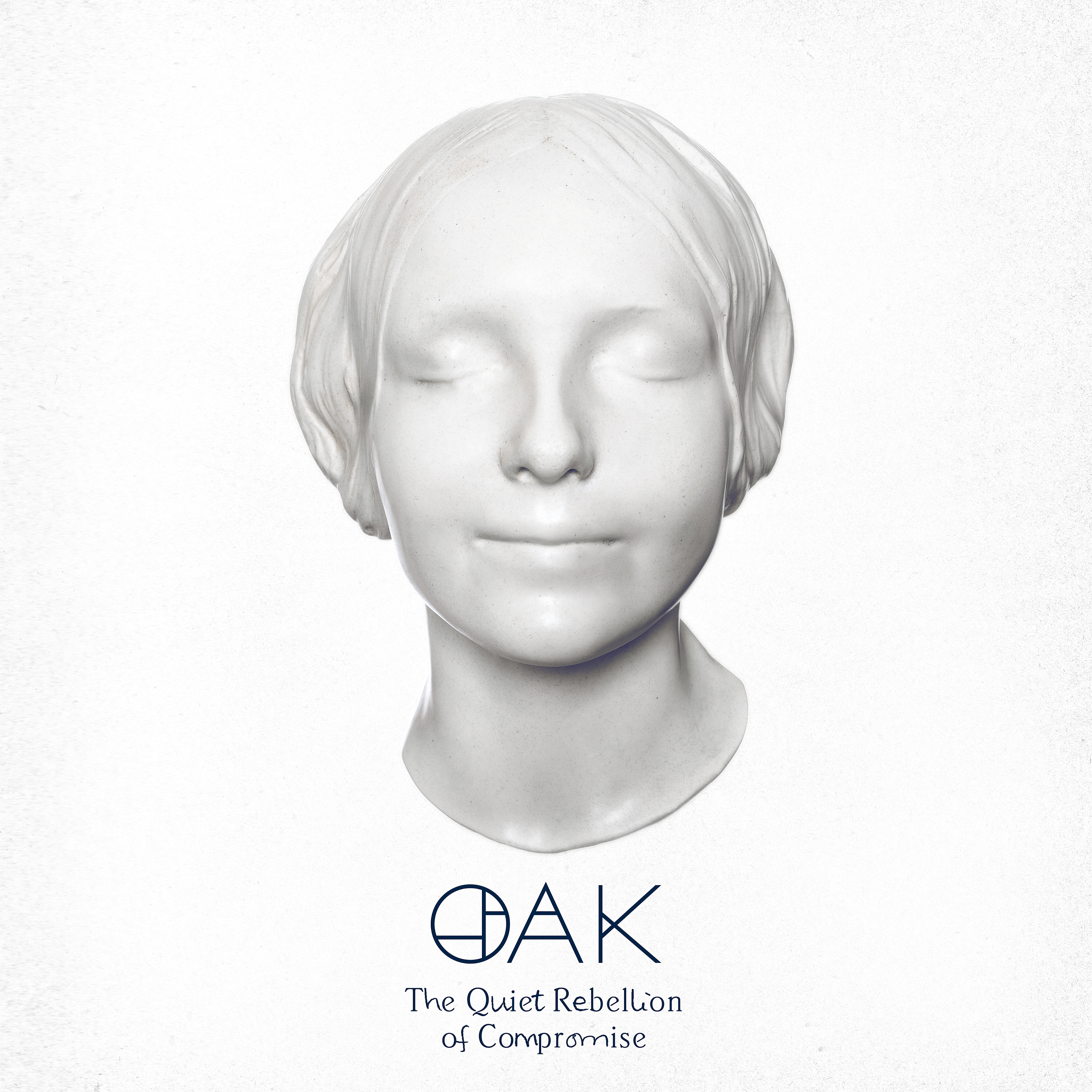 1. Oak – The Quiet Rebellion Of Compromise
 My favorite prog book of the year was Steven Wilson’s Limited Edition of One. Breaking the mold of rock artist memoirs, Wilson (and Mick Wall, who helped him in the writing process) created a post-modern masterpiece. I typically dislike anything deconstructive (in an academic sense), but Wilson turned it into an art form. He combines memories with lists of his favorite music, books, and movies along with more philosophical commentary on his career and on music in general. Check out my full review of the book:



 Progarchy