V: Hävitetty

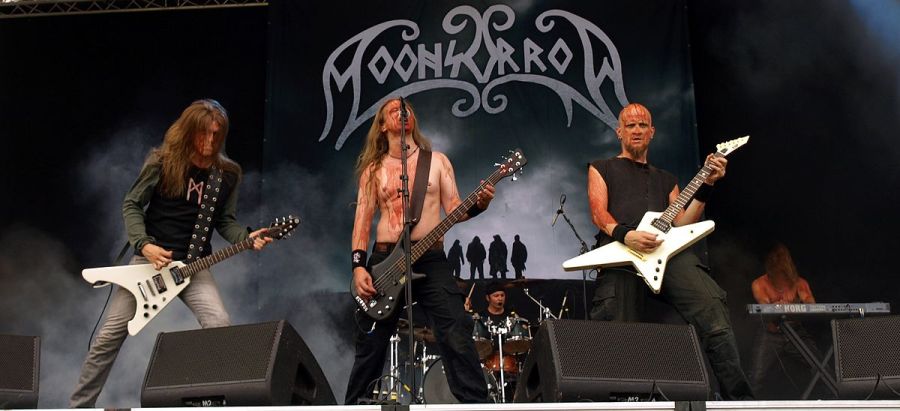
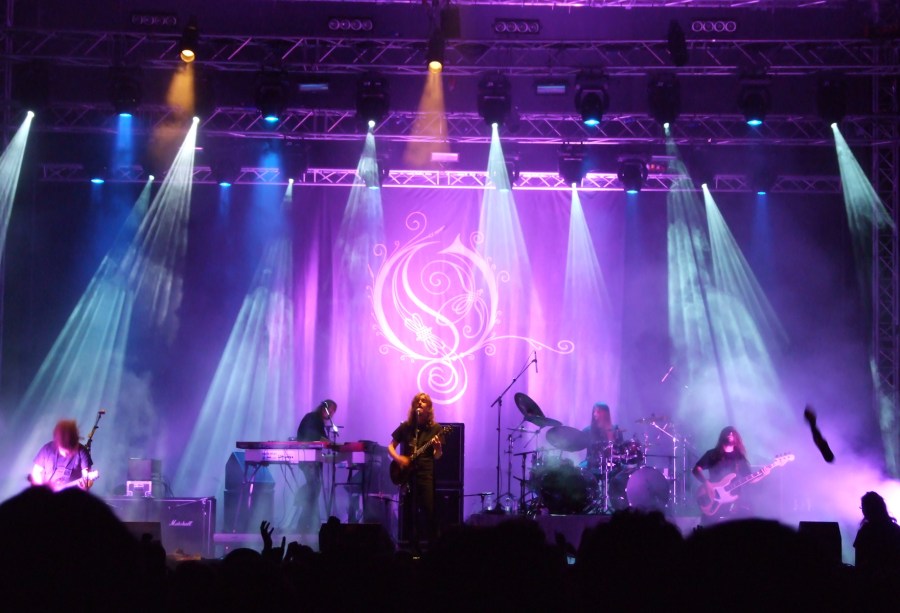
V: Hävitetty bridges folk metal with an intense dose of symphonic black sound. With songs clocking close to thirty minutes, it’s progressive. Moonsorrow elegantly layers their folk compositions with some rich symphonic keyboards. Songs do take the frequent detours down the rabid blast beat-tremolo picking passages, but consistently maintains that mythological theme.  In short, listener should be ready to get teleported to the land of legends and poetry – of ancient Finnish folklores.

“Jaasta Syntynyt , Varjojen Virta” starts with the sound of scorching wood and progresses headlong into an absolute death like aggression — peaking right around the 7 minute mark. Sound of that crackling fire simply exemplifies the lull Scandinavian winter ambiance. Song leads to more folk instrumentation, but it’s always interleaved with some biting sound. Mid-paced riffs, screeching black metal vocals and that restrained sonic onslaught — all makes for a captivating thirty minutes.

“Tuleen Ajettu Maa” starts with two minutes of eerie chants and guitar strumming, but rather quickly explodes into riffs. Even here the pattern of composition remains the same – folk instrumentation building up to some aggressive passages — but finally receding back into mellow sophistication.

Scorching firewood, whistling northern winds and pagan chants — all tend to conjure up vivid mystical imagery — almost like we are reading high fantasy. Finnish lyrics, mandolin, accordion and mouth harp – all essential folk elements layered with an Emperor like symphonic artistry. A mandatory listen.

Image Attribution:

By Cecil (Own work) [<a href=”http://creativecommons.org/licenses/by-sa/3.0″>CC BY-SA 3.0</a>], <a href=”https://commons.wikimedia.org/wiki/File%3AMoonsorrow_MTR_20110617_23.jpg”>via Wikimedia Commons</a>
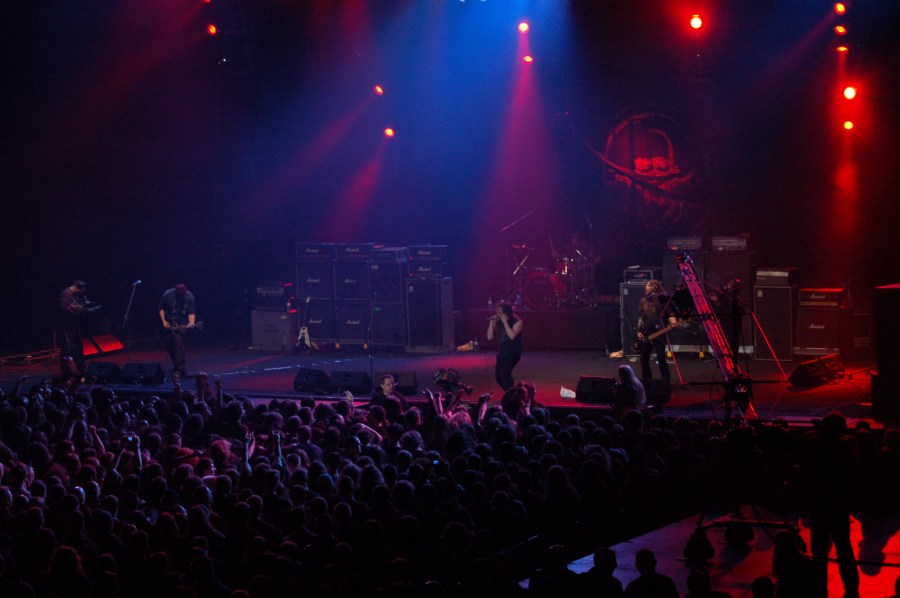
Crowbar’s Dream Weaver

With dragged out progressions and downtuned guitars, Crowbar effectively filters out the sober trance like attributes of the original Dream Weaver. Now add Kirk Windstein’s grating vocals, and this brew of molten sludge metal blend is complete. With this newer darker context, even the lyrics  – “Driver take away my worries of today And leave tomorrow behind…” – seemed depressing.

Crowbar’s atmospheric doom and sludge metal texture effectively leveled those vibrant emotions exhibited by Gary Wright’s work. This transformation sort of spanned the full spectrum – all the way from rainbows to gunmetal gray. Adapting a synth-pop ballad into a grungy wall of sound might be a creative leap, but Crowbar did spearhead sludge metal.

Orchid

Opeth’s debut is a rare blend, it’s good old British metal melody, but decked with prog, folk, black and death metal textures. It’s the most accessible elements of metal combined with the least. Songs effortlessly transition from murky black metal to deathly blast beats, and then frequently into melodic folk passages — and they are also interestingly devoid of that punk dissonance integral to extreme metal. In short, it’s a unique cross-over. Guttural riffs, acoustic melody, and Akerfeldt growls with clean vocals – all stitched together into 10 minute epics.

Not surprising that Dan Swanö is the producer, Edge of Sanity is reflected all over the long and meandering eclectic passages. That infamous ‘Thomas Gabriel Fischer’ like curt grunts is also frequent and numerous. Opeth weaves that Celtic Frost like textures into the more accessible 70s and 80s metal progressions. Orchid is composed of those two divergent heavy metal strands, but spun seamlessly into one prog symphony. Examine long enough and we can discover Black Sabbath to Bathory to jazz elements – even for early 90s metal this is avant-garde. With drawn out extreme metal sound, but still illustrating that melodic classic metal roots, Opeth comfortably slingshots a casual metal listener — straight into the abyss of 90s Scandinavian scene.

MrPanyGoff [CC BY-SA 3.0], via Wikimedia Commons

Left Hand Path

“This is so hardcore”, responded one of my colleagues at work. At that time, ‘Left Hand Path’ CD was running in my Jeep stereo. So, along with the engine, ignition turned on some Swedish death metal. My usual reflex is to adeptly switch the channel, but he insisted on listening. Perception is really an evolutionary product; going headlong into the margins of a genre might just inspire bewilderment, not fascination. So, without that musical context, he was quite puzzled about the incoherent riffs and that defiant buzzsaw guitar sound.

Early death metal is a blend of punk like structures with melodic guitar. But, 90s Swedish scene exhibits significantly more punk influences. Someone evolving from hardcore punk to metal would certainly find Entombed and Dismember more familiar than Obituary. One of the main hurdles to grasping Entombed is also that punk like dissonance. It’s that same dissonance which separates Slayer from Metallica, and also Motörhead from Judas Priest.

Pitch and tempo progressions will sound chaotic; it often contradicts our mental conception of melody. These compositions will simply not progress in those familiar comforting directions. 80s crossover thrash also seems to be a part of this whole cross-pollination. They illustrate similar blast beat and riff patterns, but with significantly less speed and distortion. In fact, last month D.R.I played at SF, and it was difficult to ignore the striking similarity across these seemingly different genres.

Entombed’s first two records are absolute death metal classics. Especially ‘Left Hand Path’, an unrelenting train of melodic guitar hooks, heavy down tuned riffs, exploding drums and deep growls. Even the leads are down tuned and always layered with grinding riffs. But, in between endless growls and distant echoing screams — almost like an accident – we have a full total of two seconds of desperate clean vocals. Undoubtedly, lyrics are even more morbidly tailored, and intended to finish off anyone who manages to survive this buzzsaw assault.

Entombed

Within this broad genre, Entombed is an icon. Once I had weathered 60 miles of rain storm and flu on a weekday night to see them live. A relatively small venue, crowd was sparse and probably not more than a few dozen. Set list dominated by songs from their first two records – it was an absolute head-banging feast. Swedish death metal legends, tiny venue, and tickets priced at an affordable $19 — perks of listening to sounds not many care about.

IMAGE Attribution:

By commons: Lilly Mpl.wiki: Lilly Mreal name: Małgorzata Miłaszewska (Own work) [CC BY-SA 2.5], via Wikimedia Commons

Symphonic Prog Meets Black Metal

“As Fire Swept Clean the Earth” blends multiple and in a way polarizing influences. Old 70s Genesis is pervasive, but layered with that most infamous variant of Norwegian artistic intensity. Quite like an elegant time warp, the delicate 70s prog intro launches headlong into 360 beats per minute drums and inhumane screams. Transition from the high of symphonic prog into this turbulent abyss cannot be starker.

Lead guitar and keyboards are textbook 70s prog. Enslaved blends that melancholic overtones of ‘The Lamb Lies Down on Broadway’ with the ferocity of Viking metal. Subtle use of electronica is a wonderful prelude to more relentless drums. But this frenetic pace does eventually get reined in by that towering proggy lead guitar. Even the album artwork mirrors this aesthetic — calmness set atop absolute mayhem.

Unusual that the lyrics do contribute to the grim atmosphere, because it’s actually decipherable — “I close my eyes. As Fire Swept Clean the Earth. Nothing left to strangle. As the cords were torn from our hearts”.

Enslaved is arguably among the most accomplished metal bands, but even for them, the aesthetics of this track is an unmatched creative act. We can safely state; abstraction of the quirky melodic aspects of a ‘Selling England by the Pound’ and placing it within the context of 90s extreme metal has now been accomplished – with captivating surgical precision.

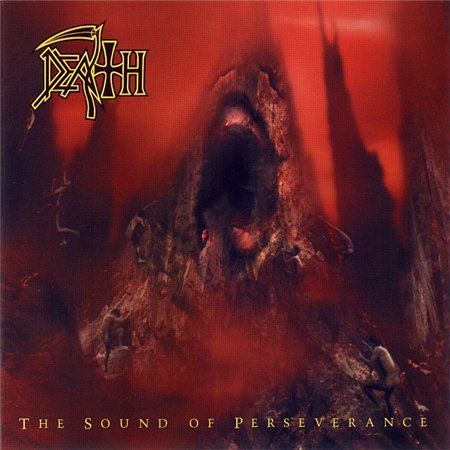
Death – The Sound of Perseverance

Whether it’s songs like “Cosmic Sea” or “Trapped In A Corner”, Death manages to capture a unique musical terrain. Deriving from primal thrash structures, they took that Celtic Frost like blueprint to a threatening, bleak, and a more refined direction. Instead of the more gruesome death metal attributes like blast beats, atonality and deeper growls — this album emphasizes coherent structural progression and melody.

‘The Sound of Perseverance’ (1998) is a genuinely dazzling confluence of these early influences and more. It’s tailored to quickly envelop a progressive metal disciple or a death metal-head. The record straddles this complex ground between progressive musical sensibilities and sheer sonic savagery. At the margins of these two demanding genres, Death crafts an exquisite bridge from a Dream Theater to a Morbid Angel. This overall immersive experience can be elegantly summarized in Chuck Schuldiner’s own lyrics: “touch, taste, breathe, consumed”.

DeathSOP-1998.jpg

Widely varying transitions are graceful and numerous. Baffling how an At The Gates like guitar imprint runs into a razor steel Priestly guitars, finally exploding into an Obituary like mid-paced chugging. The good old signature riff-drum pattern of Death is also omnipresent. ‘The Sound of Perseverance’ acknowledges the progressive side to Death, and does that without deviations from their death metal roots. Essentially the same old harsh melodic guitar tones, screaming vocals and scathing leads interleaved with intricate passages — but now restructured into a progressive death symphony.

While firmly grounded in thrash roots, over the years, Death pursued a guided musical trajectory of progressive refinement. Emphasizing that crucial New Wave of British Heavy Metal artistry and sophistication – it’s essentially Iron Maiden’s melody reconciled with Hellhammer like brutal force. This constant duality in Death’s composition was always shifting in a progressive direction. So, for the longtime fans, ‘The Sound of Perseverance’ must have been a lot like the very last song from the record – “Open my eyes wide to see a moment of clarity”.

By A Sniper (Own work) [CC BY-SA 3.0 or GFDL], via Wikimedia Commons