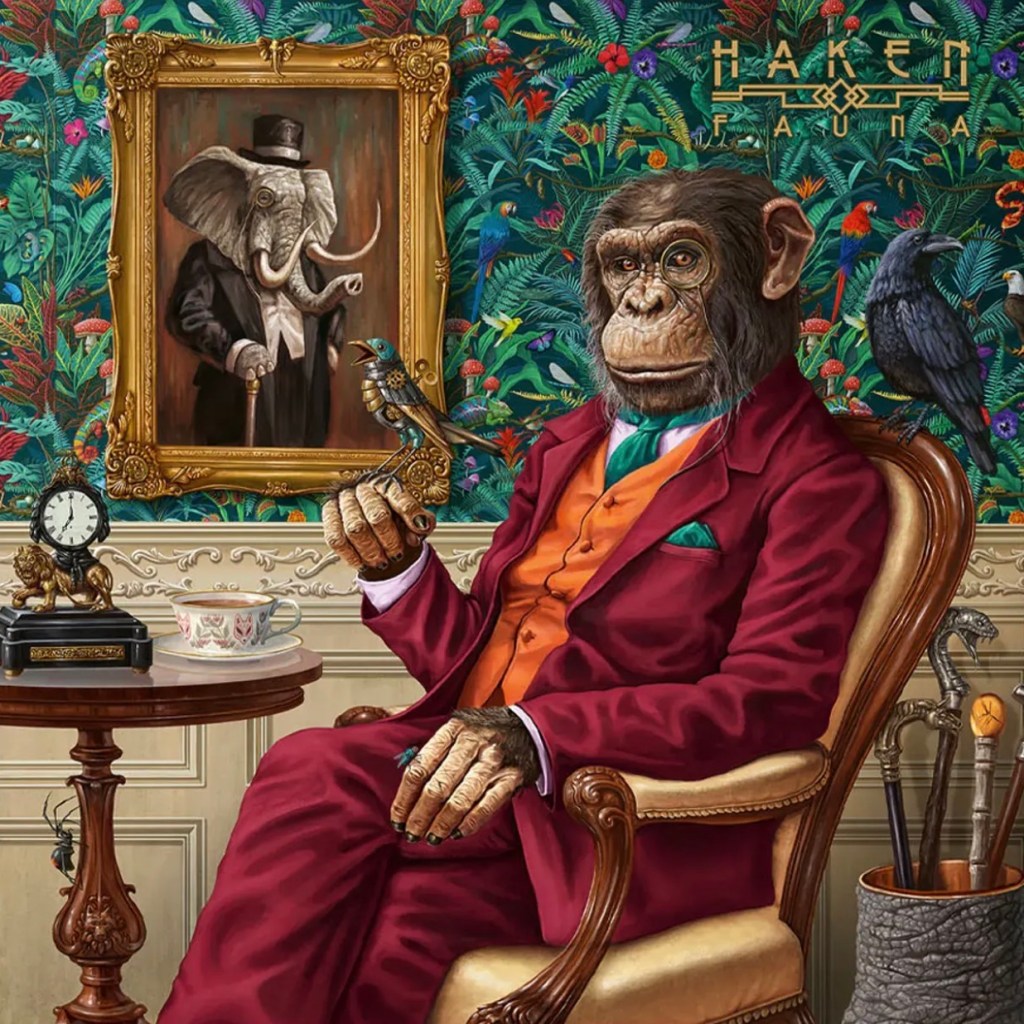
Haken, Fauna, Inside Out Music, 2023 Tracks: Taurus (4:49), Nightingale (7:25), The Alphabet of Me (5:34), Sempiternal Beings (8:24), Beneath the White Rainbow (6:45), Island in the Clouds (5:46), Lovebite (3:50), Elephants Never Forget (11:07), Eyes of Ebony (8:32)
Haken have never been a band to shy away from experimentation, yet no matter what musical pond they dip their toes into, their albums always sounds distinct. There’s no mistaking their music for someone else’s. Maybe it’s the syncopation and the speedy jazz-influenced guitar riffing. Or Ross Jennings’ signature voice. Or the band’s ability to make quiet music remarkably complex while still being able to lay down intensely heavy riffs that hold their own amongst the heaviest prog metal powerhouses of the day. And they can go back and forth between the two seamlessly.
Fauna is in many ways a typical Haken album, then, in the sense that is features the band’s playfulness and willingness to experiment. “The Alphabet of Me” has both rapped lines (before you get mad, even Dream Theater has tried that) and trumpet. “Sempiternal Beings” (sempiternal is a fancy word for eternal) has a masterful balance between the dark and light sides of Haken’s music. “Island in the Clouds” even has cowbell.
The ocean between us is where we find inner peace.
“Sempiternal Beings”
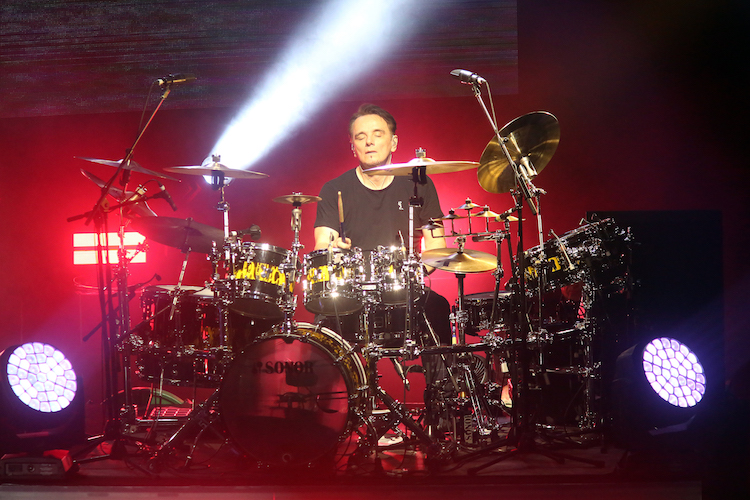
“Beneath the White Rainbow” is magnificently chaotic. The bizarre filter on the vocals make it seem a bit cloudy, and the heaviness of the music give it a djent edge. “Lovebite” has a pop edge with a catchy melody in the chorus, but the chorus remains heavy enough to make it palatable to my prog snob ears. Keyboardist Peter Jones’ (original Haken keyboardist who rejoined the band; not the Tiger Moth Tales PJ) swirling key acrobatics adds a layer of interest here as well, as does the brief guitar solo in the final third. The drum blast beats to open the song are anything but pop.
“Elephants Never Forget” is the prog star of the record and the best song here, in my opinion. This is the kind of song that made me fall in love with Haken a decade ago. It has the playfulness of “The Cockroach King” with the epic grandeur of “Crystallised.” The vocal harmonies return, although they probably could have been used to even greater effect. But they are there. The song’s length gives it space to breathe and move, which is generally what holds my interest in music. And it doesn’t get more prog than singing about the “leviathan of Doggerland.”
I think the album would have been better served by ending on this track rather than “Eyes of Ebony.” It has a sort of swell to it that feels complete. “Eyes of Ebony” is still a great track, especially once it gets rolling, but I don’t think it’s the best choice for an album closer. It kind of just tapers off, leaving the record on a bit of an uncertain note. “Elephants Never Forget” has a satisfying ending.
Truth be told, I’d be perfectly happy if Haken made an entire album of songs like “Elephants Never Forget,” rather than the rabbit trails they often go down into other musical genres. A lot of the electronic, rap, etc. does very little for me, but I appreciate how they are able to fold those elements into their sound without compromising their style of music. I generally prefer the softer elements in Riverside’s and TesseracT’s music over Haken’s softer side, but that may be because both of those bands have a spacier Floydy edge that Haken doesn’t really have. It all comes down to preference. All in all this is another solid record from one of the foremost names in the prog metal scene today. It’s one of the best records released thus far this year, second only to Riverside’s ID.Entity.
Transatlantic’s The Final Flight: Live at L’Olympia is a worthy souvenir of the latest — and last? — tour by our favorite “more never is enough” classic-prog supergroup. Over three hours, Neal Morse, Roine Stolt, Pete Trewavas, Mike Portnoy and sidekick Ted Leonard play every possible note of their ultra-epic The Absolute Universe, plus generous chunks of the band’s first three albums (sorry, Kaleidoscope fans). You might notice some rough edges in Morse’s singing despite a few preemptive downward key shifts, but Transatlantic still delivers the goods without fail — the jaw-dropping ensemble work, knockout solos, choral counterpoint, head-spinning transitions and heart-stopping climaxes just keep coming. And if this is their swan song, thanks for 20+ years of over-the-top thrills and spills are well past due!
Rick Wakeman’s latest album, A Gallery of the Imagination, is less a conceptual effort (like The Six Wives of Henry VIII or even the recent The Red Planet) than an impressionist suite based on a overall musical approach (as on his Piano Portraits releases). As such, Wakeman’s strong suit — spacious melodies decorated with arpeggios aplenty, then rocked up via finger-busting solo work — is here in abundance, with appropriately sturdy backing by The English Rock Ensemble. But be prepared — the line between prog and middle-of-the-road pop is remarkably thin at times, especially when sentimental lyrics like “A Day Spent on the Pier” are declaimed with stagey brio by vocalist Hayley Sanderson. If you can deal with that, there’s plenty to enjoy here.
Simon Collins and Kelly Nordstrom (best known in the prog world for the Sound of Contact album Dimensionaut with Dave Kerzner and Matt Dorsey) veer in a heavier direction with their new project, eMolecule’s The Architect. The initial blasts of electronica-laced prog-metal, amped up with gusto by Nordstrom, slot in beautifully with the dystopian sci-fi narrative, but it takes a while for Collins’ trademark vocal inflections to peek through the robotic audio processing. Ultimately, the light and shade of “Beyond Belief” and “Awaken” (a ballad in the Phil-to-Simon family tradition) and a building sense of Floydian atmospherics provide the contrast needed for eMolecule’s well-executed sound and fury to fully connect.
I stumbled across the British post-rockers Plank via 2014’s excellent Hivemind. After tackling animals and insects as their previous subjects, the trio widen their horizons here, returning after 9 years for their new concept opus The Future of the Sea. This is a stunning set of limpid, gorgeous instrumentals, weaving elements of psychedelia, prog and math-rock into textures of massive breadth and heft (whether the big guns are being held in reserve or out on parade at any given moment). The closing 6-part suite “Breaking Waves” is a full-on, monolithic delight that mounts to a shattering, satisfying climax. Give this one a try!
The ongoing passing of rock legends tends to direct me toward their most recent releases, especially if I’d dismissed them on initial notice. Thus, when David Crosby died in January, I bit the bullet and picked up his Lighthouse Band’s CD/DVD Live at the Capitol Theatre. Ignoring this beauty, released late last year, was a mistake; it’s a thoroughly enjoyable, even moving document of Crosby’s late career renaissance, here shown in collaboration with Snarky Puppy bassist Michael League and singer/songwriters Becca Stevens and Michelle Willis. Yes, the man’s voice is a shadow of its former self here — but so is his legendary ego; this lovely set may be more of a team effort than Crosby, Stills and Nash (& Young) ever was. The jazz-inflected songwriting, the hushed vocal blend, the lovely sense of understatement and space all make this delicate music blossom and take root in the heart. This tour came to West Michigan on Thanksgiving weekend of 2018; hearing this set, I’m sorry I missed the show! Yes, it’s that good.
I wish I could say the same about 18, the collaboration with Johnny Depp that turned out to be guitar legend Jeff Beck’s swan song; even putting aside Depp’s recent notoriety, there’s a mismatch of tone that makes the album a puzzling listen. Though Beck’s rich melodicism is as compelling as ever, his soaring aesthetic keeps bouncing off the consistently lugubrious song selection and morose vocals from Depp. Usually I’d be all over an album that ricochets from Motown and the Everly Brothers to Killing Joke and The Velvet Underground, but the eclectic selection simply refuses to cohere. Some glorious moments (instrumental takes on the Beach Boys’ “Don’t Talk” and “Caroline, No”, the John Lennon cover “Isolation” that closes the album on a solid footing), but Beck’s light and Depp’s dark cancel each other out far too often for the music to take wing.
In the meantime, the past month has seen multiple first-rate releases in the jazz (and jazz-related) world:
From out of left field, Lake Street Dive singer Rachael Price teams with guitarist/songwriter Vilray Blair Bolles for I Love A Love Song! This second duo effort pairs Price’s well-honed jazz and pop sensibilities with whimsical Vilray originals in the Great American Songbook tradition. Well-upholstered arrangements from a finely tuned large combo and a boxy yet lush recorded sound set up the retro feel; but ultimately it’s Price’s subtle, in-the-pocket sense of swing that sells the music, often breezy and melancholy at the same time.
Piano legend Brad Mehldau has never hesitated to incorporate rock songs into the jazz canon; with Your Mother Should Know, he makes a program of Beatles tunes (plus David Bowie’s “Life on Mars” — it originally featured Rick Wakeman on piano!) sound not just obvious, but inevitable in the idiom. Above all, this is fun, albeit often of a serious stripe; from the headlong boogie woogie of “I Saw Her Standing There” through the thickened harmonies of “I Am the Walrus” and hovering balladry of “Here There and Everywhere” to the stretched-out gospel of “Baby’s in Black” and the ecstatic extended solo of “Golden Slumbers”, Mehldau’s instincts for where to take these songs by Lennon, McCartney and Harrison are unerring, his invention refreshing and often astonishing, his technique impeccable. Absolutely worth a listen, whether you’re a Fabs fan or not.
Are improvisational Australian trio The Necks “jazz”? Hard to say; but while their music resists categorization (or even description), their latest release Travelis as attractive a summation of what they do as anything. Four pieces of music, each one made from scratch at the start of a day in the studio, building from a minimal idea that gains momentum, complexity and impact through repetition and variation of ideas, dynamics and sounds. “Signal” rambles, “Forming” smolders, “Imprinting” shimmers and “Bloodstream” flares up for a riveting double-album journey. Is it world-inflected rock? Ambient jazz? Something else? I frankly don’t care; I just know that after an online listen, I had to buy it. (And kudos to Vertigo Music of Grand Rapids for having it in stock!)
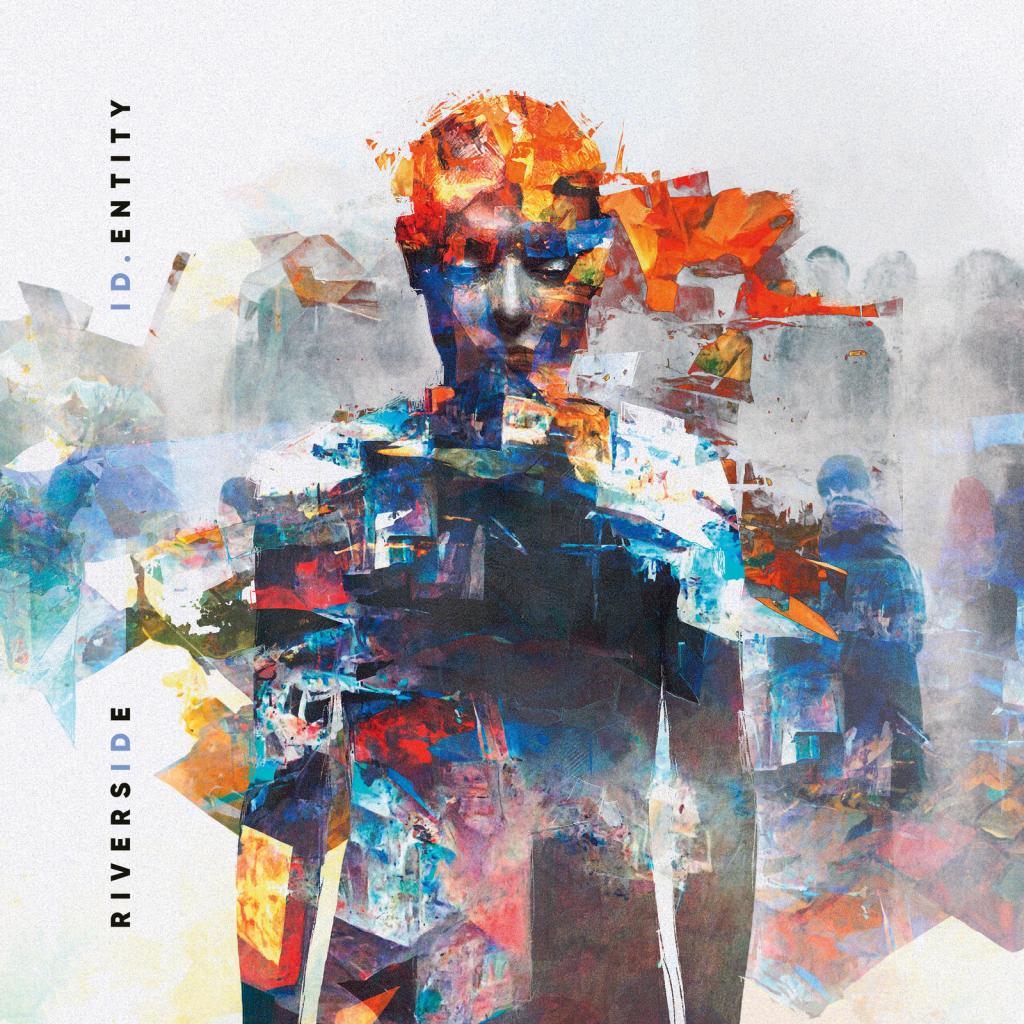
Riverside, ID.Entity, InsideOut Music, January 20, 2023 Tracks: Friend or Foe? (7:29), Landmine Blast (4:50), Big Tech Brother (7:24), Post-Truth (5:37), The Place Where I Belong (13:16), I’m Done With you (5:52), Self-Aware (8:43)
It’s been a long four and a half years since Riverside gave us their brilliant Wasteland, an album we seem to have been living in the years since its release. In 2019 I saw the band live for the first time, and I was blown away. It may have been the best concert I’ve ever attended. I was a fan before, but after that I became a FAN. I’m even a member of their fan club, Shelter of Mine, and I rank them up with Big Big Train as one of the finest bands in the progressive rock scene.
Perhaps you’re thinking there goes all objectivity in this review, and perhaps you’re right. Or perhaps Riverside really can do no wrong. I can think of very few bands that have never put out a bad album, especially over two decades of writing and touring. And yet here we are – their eighth album, multiple EPs, a few live albums (including one only available to fan club members), and they’re still putting out winners. Whether they’re heavy, quiet and atmospheric, or somewhere in the middle, Riverside have mastered all aspects of their sound.
Upon first listen, ID.Entity struck me as being a slightly new direction. I thought I remembered the band saying a couple years ago that their next album would be heavier, which made me think it might be more like Anno Domini High Definition, arguably their heaviest album to date. ID.Entity isn’t that heavy, but it’s heavier than Wasteland, which was, to be sure, a different album for Riverside. An excellent album, but different. Their first record without Piotr Grudziński on guitar, after his tragic passing in 2016, but before Maciej Meller joined them as a full member (he toured with them from 2017-2020, joining them as a full member in 2020). This album sounds like a more traditional Riverside album, with guitars taking a more prominent role again.
The more I listen to it, the heavier it sounds. The guitar riffing towards the end of “Big Tech Brother” is brilliantly headbangable. Michał Łapaj’s keyboards come in on top of that at the end, but it doesn’t lighten the sound at all. Łapaj’s touch on Riverside’s sound may be more recognizable than any other keyboardist in progressive metal, besides Jordan Rudess, of course. Łapaj’s signature Hammond along with his other synth sounds have long set Riverside apart from more generic progressive metal crunchers. I was especially impressed when I saw them live. He brings a real tube-powered Leslie speaker (or some similar speaker) to get an authentic Hammond sound out of his modern keyboard.
As usual, Mariusz Duda demonstrates why he’s one of the best bassists in the business. His crunchy bassline to open “I’m Done With You” is extremely satisfying, and it sets the stage for some grittier vocals in the chorus. Much of the song is stripped back a little, with pretty basic drums and a relatively simple bassline, but the guitar and keyboard lines are distinctly Riverside with a very catchy melody. Taken together, the song is actually pretty heavy.
You are not my judge You are not my God You are not my own CEO Why don’t you simply shut your mouth And take your poison from my soul Far away
I’m Done With You
Some of the vocal lines on “The Place Where I Belong” are a bit crowded in the quieter parts of the song – a lot of words condensed into a smaller musical space. But it’s a long song – their longest since “Second Life Syndrome,” in fact. And yet the song delights in the final third with this heartfelt lyrical passage:
I don’t have to be the best Feel pressure all the time The ‘winner takes it all’ is not my thing Stop comparing me to someone else’s dreams Let me stay in the place where I belong For your bar is set to high I’m sorry, I’m getting out of this race Don’t want to take my part For your bar is set to high I’m sorry ,I’m checking out of this race Don’t want to share my part For your bar is set to high I’m sorry, I’m getting out of this race Don’t want to take my part…
The Place Where I Belong
I suppose the ironic thing here is Riverside really are the best.
Lyrically this album touches on themes of disconnection from others via social media and the associated polarization, as well as themes of big tech and government overreach. Considering the band members grew up in the waning days of communism in Poland, their words of warning on “Big Tech Brother” should wake all of us up.
So what’s it like To stick your head in the sand To choose ignorance “I’ve nothing to hide,” you say “It’s all okay and fine” Being tracked Being parsed Being mined Modified Being used Being searched Being lied to Monetised All that we’ve got Is not for free at all
When this life for everyone becomes too hard What we must give in return is a bit too much Mass control
Big Tech Brother
“Post-Truth” deals with the frustrations of the constant news barrage designed to keep us all perpetually enraged. How do we go on living in a world like this?
In a constant lie In a constant lie I live Can no longer tell Days from nights
Post-Truth
All these ideas, along with the other songs on the album, share common themes related to how we interact with and through the digital world. How we relate to each other, how media entities influence us, how companies and governments spy on and control us. Extremely relevant lyrics that aren’t pushy but remain a call to wake up to what’s happening. It’s a message pleasantly packaged in Riverside’s signature style of hard progressive rock. Lyrics have been an integral part of Riverside’s appeal to me since I first began listening to them. Thankfully that streak continues on ID.Entity.
This album contains everything I love about Riverside. Duda’s stunning vocals, his intricate bass, Floydian drums, synthy soundscapes and driving organ, and the Floydy guitars. Riffs abound, making it a very enjoyable listening experience to rock out to. With all that, is it too early to declare ID.Entity THE album of 2023? Maybe it is, but other bands are going to have to work awfully hard to top this.
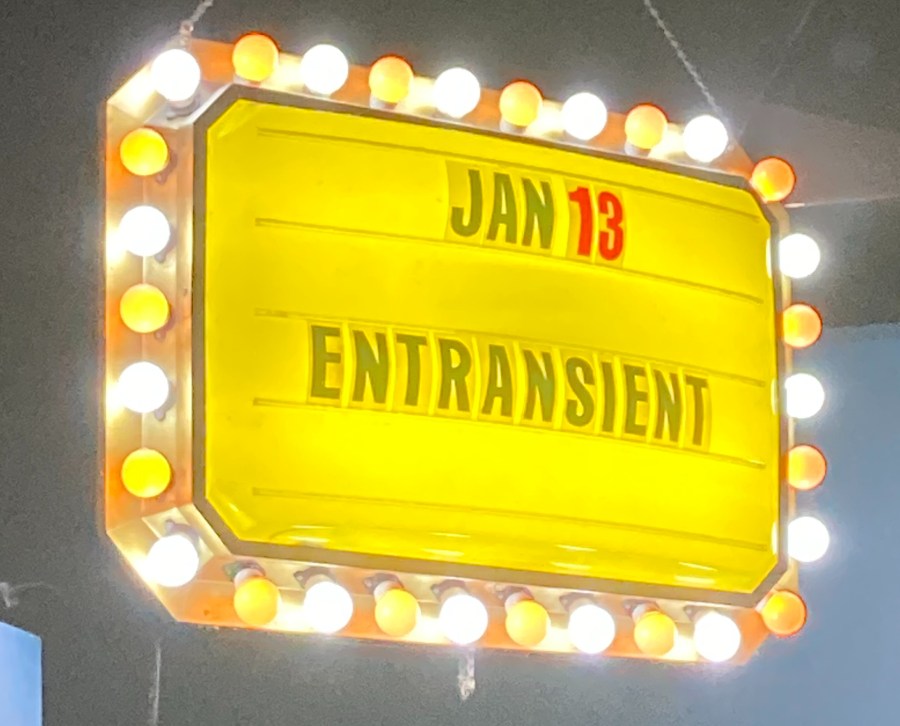
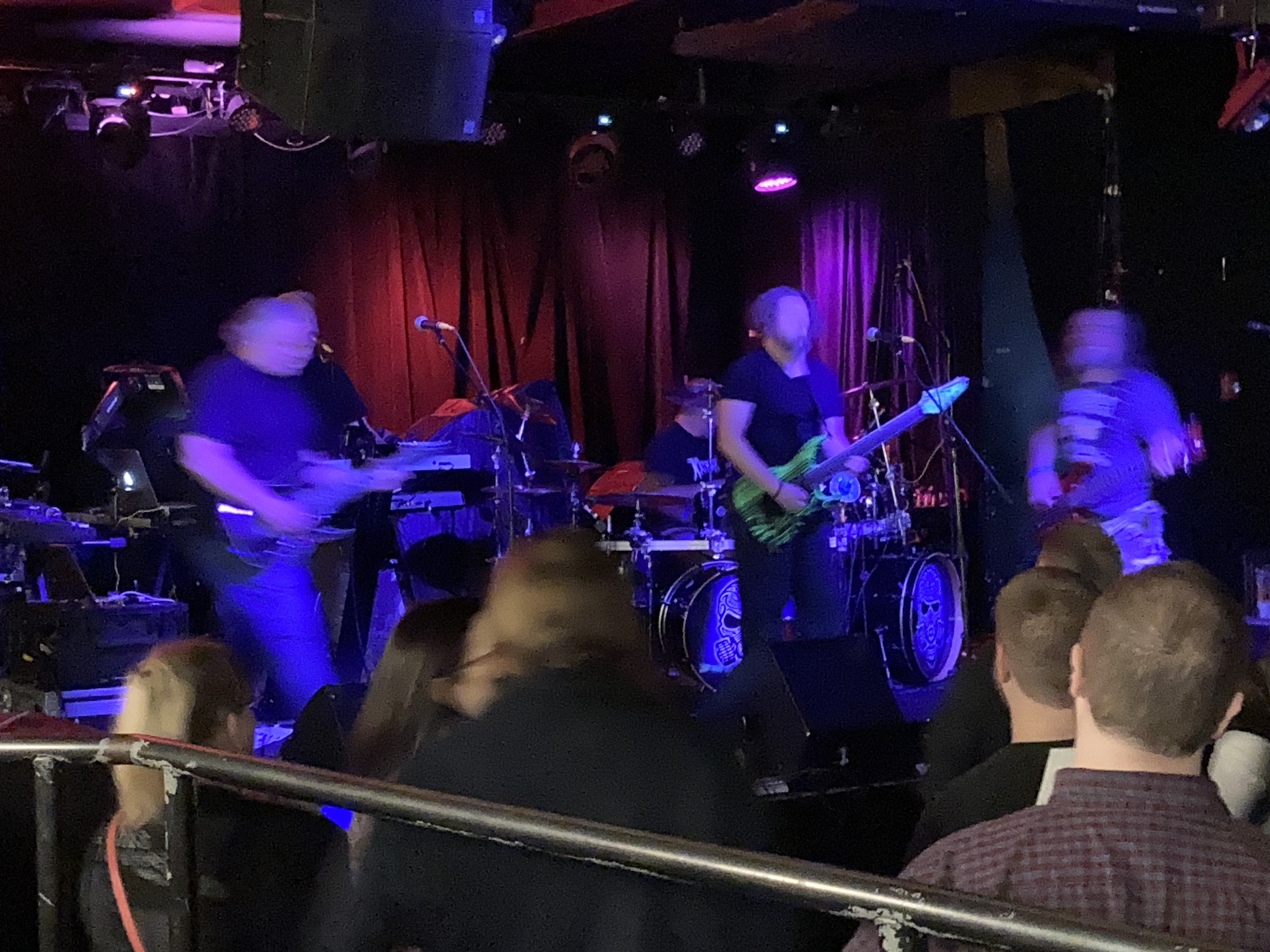
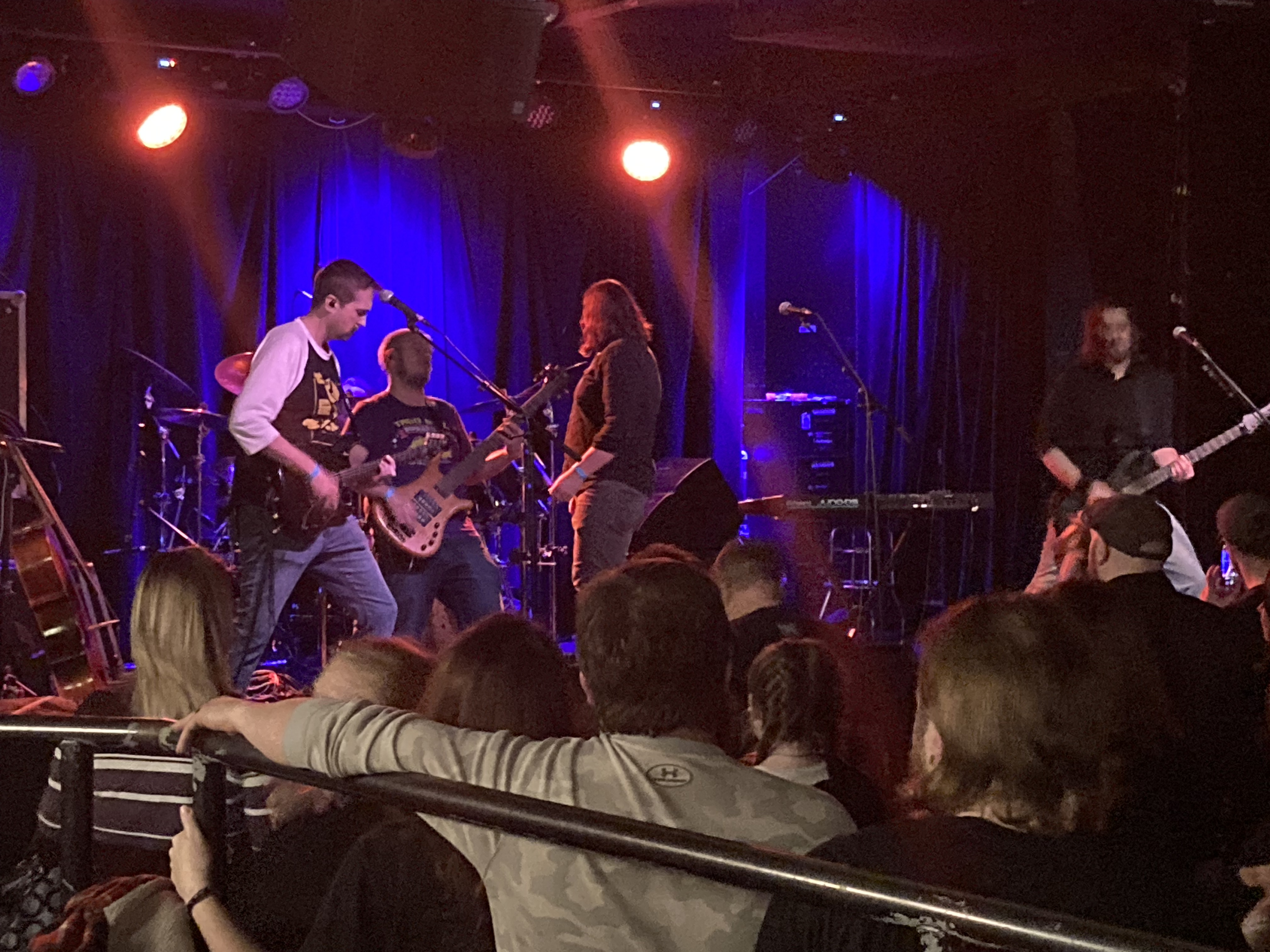
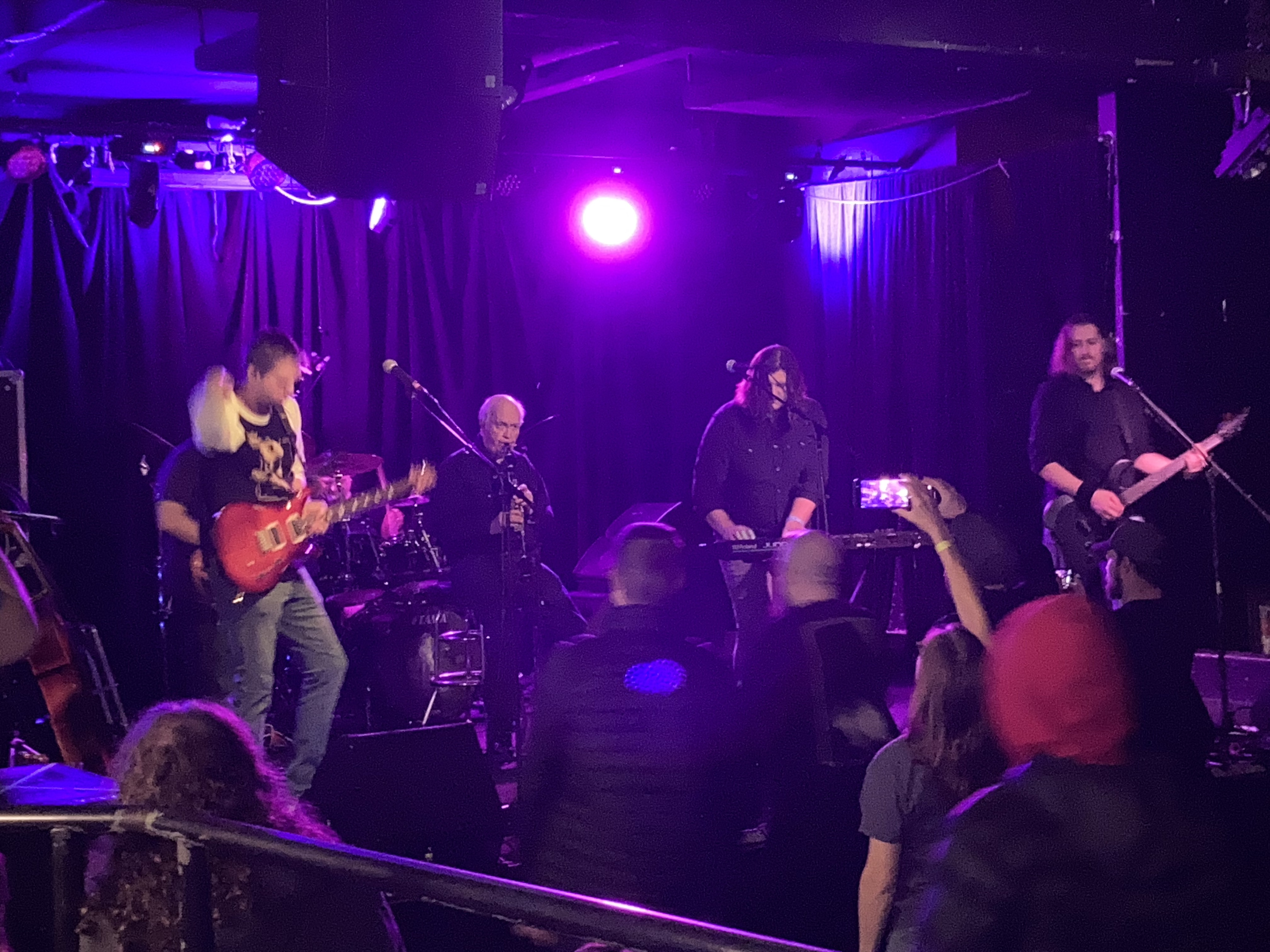
Entransient Album Release Party with Imminent Sonic Destruction and Paradigm Shifter, The Pyramid Scheme, Grand Rapids Michigan, January 14, 2023
I gotta admit, it was first-class fun to reconnect with fellow members of the (extremely informal) West Michigan Prog Posse, checking out three homegrown bands at this local 400-capacity venue.
First up was the Grand Rapids-based Paradigm Shifter, self-described as “an instrumental Metal band taking influences from Hardcore and Progressive metal.” This young trio had chops galore and plenty of decent ideas packed into titles like “Hammer Down” and “Primal Fear”. To this old-codger-in-training, it reminded me (in a good way!) of surf music like “Wipe Out” and “Pipeline” — though played with droptuned, heavily distorted 7-string guitars. The band’s current limitations (computerized drums, extended re-tuning covered by pre-recorded interludes) certainly aren’t impossible to overcome, and if they took their guitar hero posing a trifle too seriously — well, haven’t we all at one time or another? Changing pace for “Leap of Faith”, a rap-rock finale with guest vocalists that sounded like a Linkin Park comeback, Paradigm Shifter was a solid opener, offering something for everyone in a remarkably youthful crowd.
Imminent Sonic Destruction, a Detroit progressive metal band of 15 years vintage, was up next, with the melodramatic oratory of British sci-fi author Michael Moorcock ringing in our ears. Gleefully self-aware as they took the stage, ISD quickly cued us in that their music is completely over the top, and that they’re in on any potential silliness right along with us. Ping-ponging between extravagant, multi-part headbangers, complete with cookie monster vocals (“With Death This Story Ends”, “The Fog”) and tightly harmonized, symphonic power ballads (“Solitude” and the title track from their latest album The Sun Will Always Set) guitarists Tony Piccoli (also a game lead vocalist) and Scott David Thompson (a key harmonizer), bassist Bryan Paxton (doing the growls), keyboardist Pete Hopersberger (pleasingly prominent in the mix vocally and instrumentally) and drummer Pat DeLeon (also of Motor City proggers Tiles) provided one pile driving good time!
And then there was the evening’s hosts Entransient, who I’ve written about previously, both live (opening for Thank You Scientist and Bent Knee at the Pyramid Scheme) and on record (their fine new album Ghosts in the Halls) Tonight, they opted for a slow build, starting with an acoustic mini-set — complete with cello — before firing the big guns. Their consistently sharp songwriting had the broadest range of the night’s bands, as guitarists Nick Hagen and Doug Murray, bassist Matt Schrauben and drummer Jeremy Hyde whipped up a compelling blend of light & shade. And while it took vocalist Scott Martin a few tunes to get the measure of the room, he swiftly hit peak form, belting out new tracks like “Parasite” and “Synergize” along with setlist standbys like “The Weight of Things”. Plus, in the night’s coolest moment, the band played “Take What’s Left” from their debut album — featuring Hagen’s dad Tom, on the most metal clarinet solo I am ever likely to hear.
In between bands, the talk at our table turned to that evergreen topic, the future of progressive music in general and progressive rock in particular. One of my friends made two points: 1) the genre has to take root amongst younger generations for it to prosper, and; 2) the heavier edge that Fate’s Warning and Dream Theater brought into the mix is probably a core component in that future prosperity. Based on the strong performances by all three of the night’s bands and the demographics of the 150-175 people at the show, I have to agree; the heavy is here to stay!
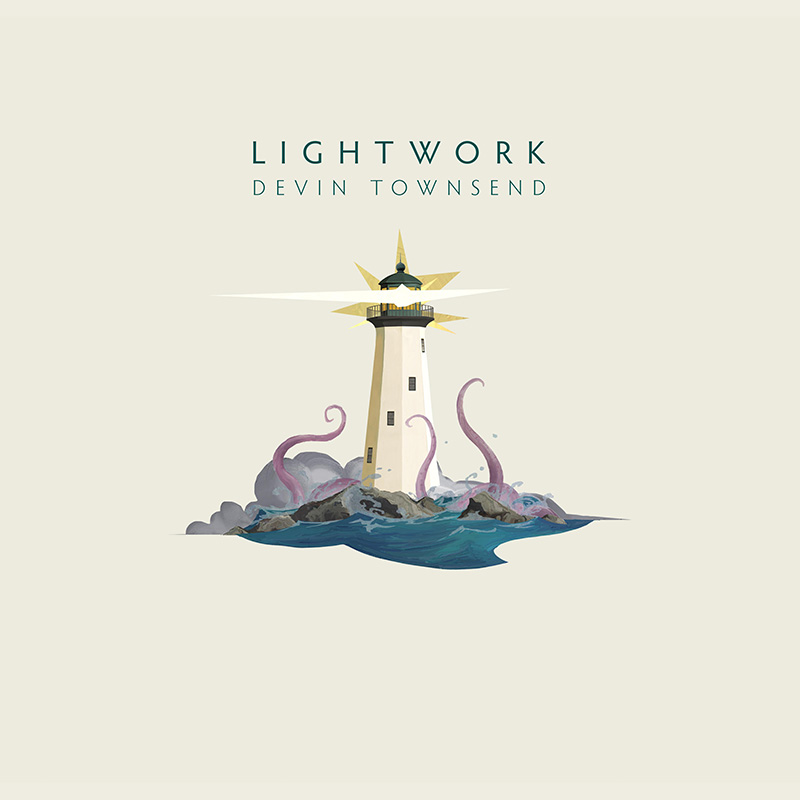
Devin Townsend, Lightwork, 2022, Inside Out Music/Hevy Devy Records
Lightwork Tracks: Moonpeople (4:44), Lightworker (5:29), Equinox (4:39), Call of the Void (5:53), Heartbreaker (7:00), Dimensions (5:23), Celestial Signals (5:12), Heavy Burden (4:23), Vacation (3:10), Children of God (10:06)
Nightwork Tracks: Starchasm, Pt. 2 (4:34), Stampys Blaster (0:38), Factions (5:13), Yogi (3:57), Precious Sardine (10:14), Hope is in the World (4:16), Children of Dog (6:45), Sober (4:37), Boogus (3:33), Carry Me Home (4:04)
Devin Townsend seems to be the most eclectic artist operating in what could broadly be called the progressive music scene. He’s most well known for his work as a metal artist, having some of the finest clean and distorted vocals in the business. He’s also a stellar guitarist and an even better producer. Beyond the metal, he’s long dabbled in ambient music, and as of late he’s been blending the two together to marvelous effect. 2019’s Empath was a masterpiece demonstrating that extreme metal, musical theater, opera, and ambient music can blend into a powerful and moving epic.
Last year he released The Puzzle, a minor release that is primarily ambient with vocals serving more of an instrumental role, meaning it was more about the sound than the actual lyrics. That record reflected Devin’s mind as he processed the Covid-19 pandemic, especially the early phases of it. At the same time he released Snuggles, a shorter ambient album whose goal was to calm and soothe the listener. I can state from personal experience that it does just that. It’s a great antidote to anxiety and depression.
Last month found Devin releasing his latest “major” release, Lightwork, along with its slightly heavier companion album, Nightwork. His intention was to go lighter on this record, although the metal elements still pop up now and again, especially in the vocals, which vary from clean to distorted depending on what the songs need. It’s a very different record than Empath. I hesitate to call it “pop,” as that might conjure up images of Steven Wilson’s The Future Bites. I think there are some interesting parallels between Townsend and Wilson that are worth exploring in a future article, but Townsend’s approach to pop (for lack of a better word) is far more introspective than Wilson’s. Wilson often wears his influences on his sleeve, while still creating a signature sound. Townsend creates his own sound, incorporating elements from myriad genres to make music that sounds like no one else. If Lightwork can be called pop, it is because it is more accessible than some of Townsend’s other work. It still remains complex in its layering, lyrical themes, and overall sound.
Lightwork has less of a flow to it, with the focus being more on the actual songs. With the wall of sound approach Devin is known for, there is some blending together between tracks, so it never feels disjointed. There is a loose overall theme to the record of love and light – a port in the storm, as it were. Musically it ebbs and flows. “Lightworker” has some epic soaring vocal moments with orchestral layers and backing vocals, not dissimilar from bits of Empath. Devin holds nothing back vocally.
“Equinox” sees Devin delving into his more atmospheric rock side while incorporating memorable melodies. The use of distorted vocals in parts of the song is a contrast to the spacier elements of the music, but since Devin’s distorted vocals are easy to understand (one of the reasons he’s my favorite metal vocalist), it works really at conveying the emotion of the lyrics.
The world is gonna turn without you baby Don’t worry about a thing it’s all a game
Just as it’s falling apart, I’ve fallen for you Just as I tear it apart, I’ve fallen for you
Though we try to pretend that it’s not the end It keeps us calm now babe
“Equinox”
This is easily my favorite song on the record. It’s relatively simple, but the intricate layers and vocal work draw me in every time. I feel like I’m standing in a giant open space surrounded by stars and a dancing aurora as the music swells over my head. Perhaps that’s a testament to Devin’s unmatched skill on the mixing board.
From the very beginning going back to his Strapping Young Lad days, Townsend has always been blisteringly brutal and honest in his lyrics. Those lyrics reflected his emotional state at the time. His lyrics today are equally emotional and honest, but they’re so much more uplifting and hopeful. “Call of the Void” calls the listener to maintain composure in the face of the world’s insanity. Devin’s voice leads the charge with soulful grit.
Cause whеn you see the world’s insane reaction
To follow your hеart, the worst reaction is to freak out
So don’t you freak out
Cause when you feel the urge to feign reaction
Just follow your heart, the worst reaction is to freak out
So don’t you freak out
You want them to see the world the same as you and
To feel the pain the same as you
But everybody in the world’s different point of view
Can never see the world the same
“Call of the Void”
“Dimensions” is a heavier track with an industrial sound. The bass, courtesy of Jonas Hellborg, dominates. The song is metal, but not in a traditional sense. It’s closer to a band like Rammstein than Iron Maiden. The screamed section is sung over a quieter section of music, and when his vocals step into the background, the music gets louder. An interesting back and forth. The song also features a guitar solo from Mike Keneally.
“Celestial Signals” follows it with a much larger and more open sound, flinging us back amongst the stars in swirling guitars and swelling vocals from both Devin, the choir and Ché Aimee Dorval and/or Anneke van Giersbergen (both sing on both records, and usually it’s easy to tell the difference, but the backing vocals on this track are set pretty deep into the mix).
The final track, “Children of God,” is the longest at just over ten minutes. It also has a large and open sound with lyrics dancing on a cliff of blended sounds, with drums being the most distinct.
Lightwork is hard to nail down as any one “thing.” There’s so much going on. “Vacation” is in direct opposition to “Heavy Burden,” and yet somehow it works. Devin’s quirkiness keeps you on your toes.
While Nightwork may be a companion album, it’s every bit as good, or maybe better. As the name may imply, the album is heavier than Lightwork. It opens with a more straightforward “Devin” metal track. Blasting drums (thanks Morgan Ågren), crunching guitars, and both Devin and Anneke on vocals. Steve Vai also contributes “additional instrumentation” to “Starchasm, Pt. 2.” For those curious about “Pt. 2,” “Starchasm” is a track on last year’s The Puzzle. “Stampys Blaster” picks right up with a 38 second bit of uplifting heavy metal bordering on extreme metal with intense blast beats, all while Devin sings “I love you all.”
“Factions” is another blistering metal track with brilliantly complex drumming and Devin’s signature crunchy guitars and vocals. It’s lightyears away from Lightwork, yet it’s right at home in the Devin universe. The atmospheric screams of “Sorry… I’m sorry…” over a wall of drums is eminently relatable. The song has two neoclasslical style shredding guitar solos that sound different from Devin’s playing, but the album notes don’t say they were played by anyone else, so…
Nightwork does bounce around in style, though, with “Yogi” being a different animal entirely. Quirky, bouncy, not metal at all, but still definitely Devin. “Precious Sardine” reminds me of The Puzzle, with various musical styles and vocals acting more like background instruments. “Hope is in the World” and “Children of Dog” (a reworking of “Children of God”) are more upbeat tracks like Lightwork. They retain metal elements, but they’re brighter songs.
“Sober” is my favorite track off both albums. It is atmospheric, spacey, and intensely emotional. The backing sound of waves add to the ebb and flow of the song. The lyrics are profoundly moving, reflecting the confusion and desperation of addiction as it relates to relationships:
How can you want me, if I can’t stay sober? And how could you leave me in this state?
I can’t help these feelings that have come into my life I can’t seem to be the one I used to want to fight
How can you want me, if I can’t stay over? And how could you leave me in this place?
Time is falling into silence I’m already tired All the dreams we had are dying You’re not even trying
It’s alright
How can you want me, if I can’t stay sober? And how could you leave me in this state?
How could you leave me?
“Sober”
It’s a very reflective song, which is slightly disturbed by the next song, “Boogus.” “Boogus” is a very fun song made in a distinctly 1960s style reminding me of The Munsters sound track. It’s very fun, and not a style you hear much anymore. But, I think it should have been placed somewhere else on the album, with “Carry Me Home” following “Sober” to close the record. “Carry Me Home” is a peaceful track reflecting the realities of a couple’s love after many years into a relationship:
But oh, I hope you understand I still love you now the way I did back then
“Carry Me Home”
Mental health has been a prominent theme in Devin’s lyrics in the past, especially in more recent years with his positivity seemingly meant to uplift his listener’s spirits.
‘Cause it’s so hard to give when it’s hard enough to live And you wanna die, defeat flat on the floor Well, the nights go by, and still we try to keep some sense of this Give me hope Home, on the way home And I wonder why I ever left at all Carry me home, all the way home Let’s simplify and get right back to it all Carry me home…
“Carry Me Home”
Sometimes life is just hard, and we need someone to carry us home.
In many ways, Nightwork is my favorite of the two records, despite it being a companion. Perhaps the heaviness of the first few tracks is more my speed, or the atmospheric brilliance and honesty of “Sober” and “Carry Me Home” keep running through my head. I find it hard to separate the two albums. I bought the fancy special edition in a vinyl gatefold-sized package (2 CDs, 1 blu-ray) with colorful artwork for days, and my iTunes automatically put Nightwork as disc two of the deluxe edition of Lightwork, rather than a separate album.
The variety of musical sounds on these albums might not be for everyone, but I appreciate the art Townsend is making. He’s making the music he feels like making, even if he knows (and worries) that it may upset some people. His sensitivity shines through, and if you keep an open mind, you’ll find a lot to enjoy while broadening your musical horizons. For those turned off in the past to Devin’s heavier side, Lightwork is a must-listen. I think you’ll find it much more accessible, and perhaps you too can come to more fully appreciate the brilliance of Devin Townsend. He is, after all, one of the most interesting artists in music. Everything he makes is worth paying attention to. As such, I recommend you get one of the editions that includes both albums, rather than just Lightwork.
My gun metal grey MESHUGGAH t-shirt invokes two types of responses – one is an awe-inspiring nod of approval and the other a curious grin. First reaction is from musicians and the second from older gentlemen who knows Hebrew. One is aware of the crazy genius of the band and the other knows meshuggah pretty much means crazy in Yiddish. Along with crossing genre boundaries, seems like even the typical demographic boundaries are blurred with this band.
The new album Immutable is pretty much signature MESHUGGAH, but mutating their unique mold in slightly new directions. Instead of the usual assault of mathematical precision riffs and polyrhythms, constantly slicing and exploding, we get blunt hammering of industrial tones, they are bordering on atmospheric. Even though these elements were always present, now they are shaping whole compositions. In short, while not completely immutable, they sound more or less settled in their ways. The band which discovered alien lifeforms like djent is now comfortable with their marginal revolutions.
Mark of a great genre or band is that ability to constantly chisel at the margins, and continuously evolve in surprising ways. Often illustrating layers and polycentric qualities. From that perspective MESHUGGAH has left their influence, obviously visible from their fanatic following. Then the question might be, can the world truly comprehend their crazy genius, can their disciples match and evolve the framework, even beyond the already dizzying benchmark set by the band.
I’ve kept a spiral-bound notebook titled “Core Discs: The Honor Roll” since the mid-1990s, when I was deeply into a classical music binge at the height of that genre’s last recording boom. Over the years, as I migrated through jazz (courtesy of the Ken Burns documentary) and country/folk (blame Johnny Cash & Leonard Cohen) back into my earlier love of rock, I find it intriguing that my picks started shifting in tandem with the prog revival of the 21st century, long before I started writing for this site in 2017. But unlike Bryan’s methodology for finalizing his excellent list, when I sat down to pick my ten favorite albums of the last ten years, I looked at my top favorite for each year and said, “yeah, those are all still up there.” Which is why I also decided to just list them by the year of their release (not always the year I first heard them) instead of ranking them from 10 to 1. (Oh, and links to my original reviews are embedded in the artist/album listing from 2017 onward.)
It’s true that, in more recent years, my picks have been busting out of genre boundaries — but, if you’ve been generous enough to sample my wares before, you’ve probably figured that out. And hey, if such a tendency isn’t progressive, then what is? Whether the following list confirms or challenges your preconceptions of “what’s prog”, I fervently believe that every one of these albums is worth checking out — but be warned, your mileage may vary!
So, without further adieu:
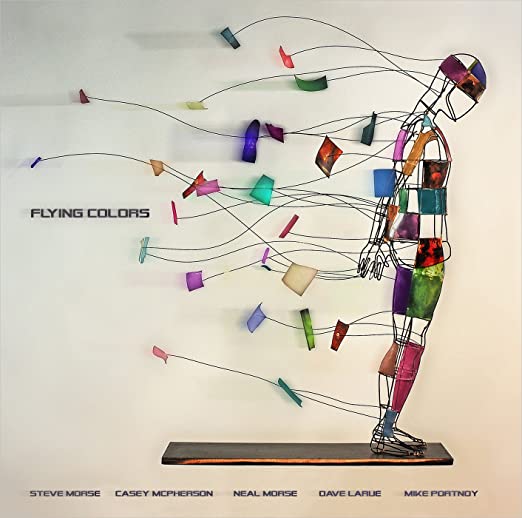
2012 – Flying Colors:gotta agree with Time Lord here — this one’s a total winner from start to finish. Neal Morse and Mike Portnoy had captivated me long before this with the first three Transatlantic releases and Morse’s two Testimony albums, but Flying Colors showcased an even broader stylistic range, from the Beatlesque “Fool In My Heart” through the retro-80s prog-pop vibe of “Blue Ocean” and “Kayla” to the cutting-edge Museings of “Shoulda Coulda Woulda” and “All Fall Down”. The album also proved that Morse and Portnoy know how to pick collaborators! Guitarist Steve Morse applied his unique mix of Southern-fried chicken pickin’, fusion a la Mahavishnu John McLaughlin and Purpleish power riffs to winning effect (solidly supported by his longtime bassist Dave LaRue), and vocalist Casey McPherson proved he could run with the big boys, stirring fresh melodic and lyrical flavors into every track, including more familiar constructions like the inspirational “The Storm” and the epic finale “Infinite Fire”. This one also gets nostalgia points for being available at Best Buy stores back in the day (remember when you could get CDs there?).
2013 – Big Big Train, English Electric Full Power: OK, I actually didn’t discover this one until 2016, when the BBT bug finally bit me — more on this in a future post. And while I sort of wish I had done so earlier, maybe hearing EEFP on the British trip my wife and I took the year it was released would have been too much of a good thing! Steeped in a love of their native land and affectionate empathy for its people, Greg Spawton and David Longdon doubled down on the longform approach of 2009’s The Underfall Yard to probe forgotten milestones of British history (“The First Rebreather”, the heart-stopping “East Coast Racer”) and portray unforgettable characters (“Uncle Jack”, “Curator of Butterflies”) against a bucolic landscape (“Upton Heath”, “The Permanent Way”), along with the perennial challenges of the heart (“The Lovers”) and the soul (“A Boy in Darkness”, “Judas Unrepentant”). All in a style that recalled original prog touchstones (looking at you, Gabriel-era Genesis) but blended in the dizzying guitar of Dave Gregory and the wicked drum grooves of Nick D’Virgilio to awesome effect. The two separate volumes of English Electric and the Make Some Noise EP certainly have their charms, but in the scope and sequence of this complete package, Spawton, Longdon and company touched on perfection.
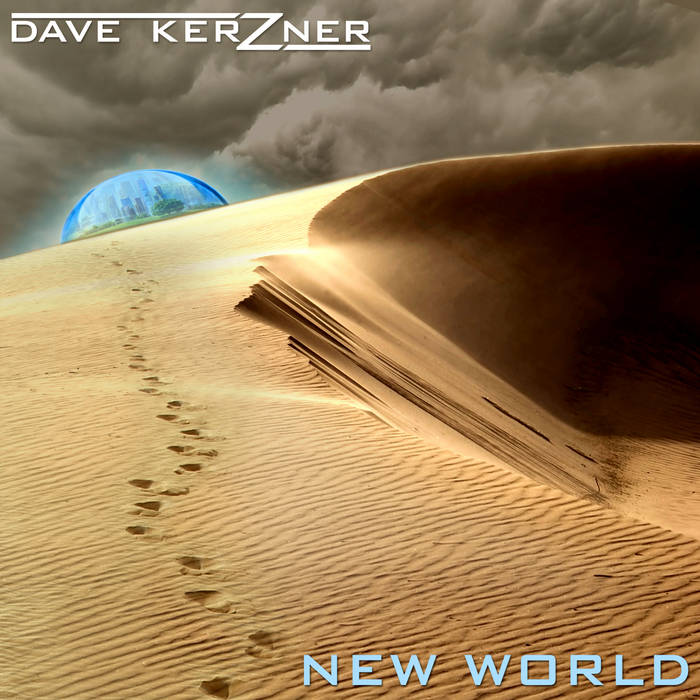
2014 – Dave Kerzner, New World: another late arrival in my collection, this is the album that convinced me a genuine prog-rock revival was afoot beyond the continuing efforts of Morse/Portnoy and Steven Wilson. Kerzner’s mastery of cinematic soundscapes was evident from the first Floydian flourish of “Stranded” to the closing upward spiral of “Redemption”; his ability to involve guest stars like Steve Hackett and Keith Emerson, as well as quality players like guitarist Fernando Perdomo and Nick D’Virgilio (him again!), bore impressive results; and his intuitive grasp of pop hooks proved a solid foundation for irresistible shorter songs like “The Lie” and “Nothing”. Stir in longer, brooding tracks “Into the Sun”, “Under Control” and “My Old Friend” (in memory of performer/producer/polymath Kevin Gilbert), and you had a consistently gripping effort. Whether in its single-disc or deluxe double-disc format, New World aimed high and hit every target that a latter-day concept album could — thoroughly immersive, richly compelling and a breakthrough kick-off for Kerzner’s ongoing solo career.
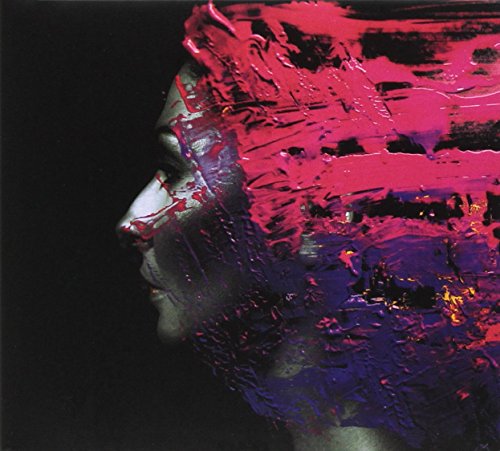
2015 – Steven Wilson, Hand. Cannot. Erase: speaking of latter-day concept albums . . . Seems like *everyone*, especially the ex-SW fans who think he lost the plot with To The Bone and The Future Bites now cite this as his best effort; me, I remember the online ruckus when “Perfect Life” became the pre-release single. (“IT’S! TOO! POP!” As I’ve said before, if only they had known . . .) But as Bryan mentions in his article, Wilson struck conceptual paydirt with the true story of Joyce Carol Vincent’s lonely death, unearthing both the bleakness and the beauty inherent in a life of urban isolation. His sharp, highly committed writing met its match in the blistering playing of his band: guitarist Guthrie Govan (“Regret #9), keyboardist Adam Holzman (“Home Invasion”) and singer Ninet Tayeb (“Routine”) all have some of their best recorded moments featured here. HCE’s enduring appeal does partially stem from its similarity to Porcupine Tree in their prime — but both Wilson’s musical growth in the intervening years and his return to a humane lyrical vision after the voyeurism of Insurgentes and Grace for Drowning were what made the difference then, and now. The melancholy inherent in the final track “Happy Returns” still feels like we’re mourning a life, lived and lost, for real.
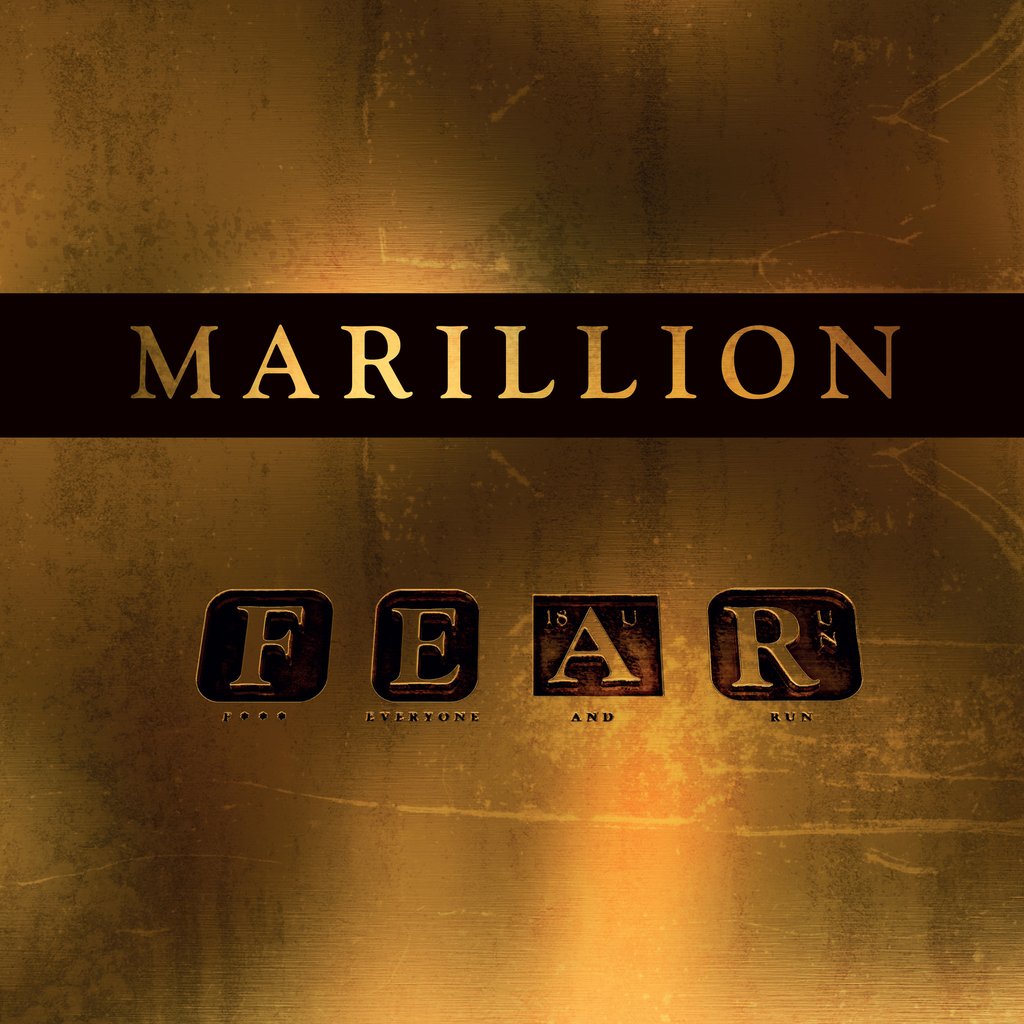
2016 – Marillion, FEAR: that rare example of a band hitting a creative and commercial peak simultaneously. Marillion as a band got even more serious about musical substance here, with lush, detailed sonic backdrops adding depth and resonance to their smash-cut collages. All of which fused seamlessly with Steve Hogarth’s lyrical concerns — for example, the opener “El Dorado” built from self-satisfied, affluent peace to twitchy paranoia, as the lyrics and music stewed in the pressure cooker of an over-connected, unsettled world. The heartfelt road narrative of “The Leavers” made a consummate live epic that captured the special relationship between the band and its fans, while ominous closer “The New Kings” (capped by H’s heartbroken refrain, “Why is nothing ever true?”) still seems way too spooky — and way too relevant six years later. Since its release, FEAR’s success has enabled Marillion to go from strength to strength both live (as I witnessed in 2018) and with their equally powerful follow-up, this year’s superb An Hour Before It’s Dark. Which testifies to its ongoing impact, then and now.
As we here at Progarchy continue to celebrate our tenth anniversary, we’re moving from talking about our favorite artists of the decade to our favorite albums. Since 2014 I’ve compiled a “best of” list highlighting my favorite music of the year. Looking back, I still stand behind my lists because they represent where I was with music at the time. But now as I look back and try to compile a top ten for 2012-2022, my list looks a little bit different. The following list reflects my views and tastes regarding the last ten years as they sit right now. It’s all very fluid and subjective.
But enough blathering. On with my top ten. The only limit I put on myself was I didn’t want to repeat artists, because otherwise it would all be Big Big Train or Neal Morse and Mike Portnoy. Limiting myself to one album from each of those artists was difficult, but I’ll steer you back to my yearly best of lists at the end of the article, for those artists abound in those lists.
[Headline links, for those that have them, link to Progarchy reviews, articles, or interviews associated with the album.]
10. Pain of Salvation – In The Passing Light Of Day (2017)I missed this album when it came out, although I remember reading about it in Prog magazine. I came to appreciate Pain of Salvation with their 2020 album, Panther, which was my top album of the year. I finally started to dig into their back catalog this summer, and I’ve been blown away. In The Passing Light Of Day is a brilliant tour-de-force of emotions. Some of the lyrics I think are too sexually explicit, which is primarily why I rank it at number 10 and why I almost kicked it off my top ten. But the music and melodies are so good, and most of the lyrics are incredibly profound. I also think Ragnar Zolberg brought a lot to the table and was a great balance to Daniel Gildenlöw.
9. The Neal Morse Band – Innocence and Danger(2021) It was hard to pick one of the MANY albums made by Neal Morse and Mike Portnoy over the past decade. They’re all just so good, so I took the easy way out and picked the most recent. I think this is the most well put-together of all the Neal Morse Band albums. “Beyond the Years” is one of the finest pieces of music to come out of the last several years.
8. TesseracT – Portals(2021) Portals is a brilliant album. It is unique on this list for being a live release, but it is also unique for being a live-in-studio release – a product of the pandemic. I suppose that’s why I don’t rank it higher on this list, but I’ve been listening to it a ton since it came out. I even broke down recently and bought the fancy deluxe CD/DVD/Blu-ray edition. I think most of the tracks on here sound better than they do on the original albums. The album also introduced me to the band, as well as to the world of djent. The way the band blends djent riffs with Floydian spacey motifs is just perfect. One of the finest bands in the world right now.
7. Haken – The Mountain(2013) I go in spurts when listening to Haken (like I do with many bands). The Mountain has a magnificent blend of metal with splashes of 70s golden age prog. Songs like “Atlas Stone,” “The Cockroach King,” “Falling Back to Earth,” and “Pareidolia” have become prog metal classics, in my book. I’ve come to think Haken isn’t as compelling in their quiet tracks as bands like Riverside of TesseracT, but this entire album is still very listenable nine years later.
6. Marillion – F.E.A.R.(2016) Marillion’s F.E.A.R. was my introduction to the band, and I’ve thoroughly enjoyed diving back into their catalog. I’d have to say I think this is one of their best with Hogarth. Their latest album, “An Hour Before It’s Dark,” comes very close to it, but “Reprogram the Gene” knocks it down a peg for me. F.E.A.R. combines musical prowess with cultural critique to wonderful effect, even if I may disagree with Hogarth at points.
5. Riverside – Shrine of New Generation Slaves(2013) I had a hard time deciding which of Riverside’s three studio albums from the past decade to choose. Love, Fear and the Time Machine and Wasteland are both brilliant, and if I had allowed myself to choose multiple albums from the same artist in a top ten, Wasteland would probably be here too, but I think Shrine edges both of them out. It’s heavy, both musically and lyrically. Several of the songs turn into real earworms for me, and I’m never disappointed when I return to this record. And it’s another one on this list that I discovered several years after its release.
4. Oak – False Memory Archive (2018) Oak is my favorite new band of the last decade. Both their 2013 (2016 release on CD) album Lighthouse and 2018’s False Memory Archive are brilliant albums, if not perfect. This record was my top album of 2018, and Lighthouse was my top album of 2016 (I didn’t realize at the time it had been released digitally earlier). The Norwegian melancholic aesthetic is dripping from both albums. It was hard to pick one of the two, but the closing track on False Memory Archive, “Psalm 51,” is one of the finest album closers I’ve ever heard. I think that gives this record the edge.
3. Devin Townsend – Empath (2019) I was blown away by Devin Townsend’s Empath when it came out – so much so that I bought the 2CD deluxe version that year and the super deluxe version when Inside Out funded that project the next year. The record masterfully blends all the aspects of Devin’s career into a truly unique and truly Devin experience. It has the heavy bombast of Strapping Young Lad at points, yet it’ll soar into orchestral and even operatic highs elsewhere – or even at the same time. Pure musical theater in the best way. Devin’s vocal performance on “Why?” is stunning, and the message of hope on “Spirits Will Collide” is always a pleasant reminder that life is worth living. The production side of things, with Devin’s famed “wall of sound,” is unmatched in his career, or anyone else’s for that matter.
Here we come to one of the truly great albums of our time. I would certainly rank this in a top 10 best albums of all time. Back in 2015, this album was my number 3 pick, with The Tangent’s “A Spark in the Aether” coming in at number 1. Now I still think that’s a great record, and I wrestled with whether or not to include it in my top 10, but I think over time Wilson’s masterpiece has proven to be a generational album. Both the music and the story sound fresh, even seven years and many listens later. The themes of isolation and loneliness in city life (or life in general) will always be relatable. Someone 100 years from now could listen to this record, and while they may miss some of the references (even I still miss some of them), the underlying theme will still connect. That’s what places this record up there with the likes of Pink Floyd’s The Wall.
1. Big Big Train – English Electric: Full Power(2013) The defining band and defining album for the last decade of prog. Looking back, this record was the one that got me into the contemporary progressive rock scene. Returning to it today is a special treat, as I hope it always will be. It contains everything you might want out of a quintessentially “English” progressive rock band. It has the rock, the folk elements, the complex musicality, the well-told stories. And then there’s David Longdon’s voice, showing us his command of the material and his command of the upcoming several years in the prog scene. When I traveled to England in 2015 (which to me felt like a longer distance between its release than it feels between now and that visit – it’s weird how your perception of time changes as you grow older) I really wanted to listen to this album while being out in the hedgerows and fields. I can still remember sitting on a bus traveling between towns listening to English Electric (I wrote more about this in a piece back in 2016). There are a lot of good emotions connected to this record for me. But beyond that, Big Big Train showed us all that they were THE powerhouse in the new generation of prog bands. They were who all the younger bands were going to look up to for the next decade, and they did it all themselves. Sure, the journey began when Longdon boarded back in 2009 for The Underfall Yard, but English Electric was where they really picked up steam. Every album since has been magnificent, with many topping my best of lists in the ensuing years, but this one will always be the quintessential Big Big Train album for me.
As a coda to this review of the past decade in the best of prog, I want to give you the albums I picked as my favorites for the years 2014-2021 (I didn’t start my best of lists until ’14). I’ll include links to those lists as well. I find it interesting how I’ve “discovered” albums and bands even within the last year that have soared up my list, even if I missed them when they came out. Better late than never.
2014 – Flying Colors – Second Nature – I saw them live right after this was released. It’s a great record and a great band, but the poppier edge doesn’t stick with me as much as the records on my list above do.
2015 – The Tangent – A Spark in the Aether – I shared above how Wilson’s Hand. Cannot. Erase. has grown in my estimation. I still think this is one of The Tangent’s finest records.
2016 – Oak – Lighthouse – Even if its original release was 2013, this record still dominated my listening in 2016 and was my album of that year.
2017 – Big Big Train – Grimspound, The Second Brightest Star, London Song, Merry Christmas EP – Enough said. Brilliant band. Brilliant music. Brilliant year for them.
2020 – Pain of Salvation – Panther – I still think this is a great album. I listened to it yesterday at work, in fact. It was my intro to the band, and maybe I was shocked by how different it was from everything else I had been listened to in the genre. I’d still rank this record extremely highly, but I don’t know if I would put it at the top of the list if I were making a 2020 list today.
2021 – Big Big Train – Common Ground – What can I say? I like Big Big Train.
Thanks for reading through all this. If you’ve been a prog fan throughout this past decade, I hope this brought back some good memories. If you’re new to prog, consider every album mentioned in this post as your homework over the coming weeks. Prepare to be blown away.
Another month of thoroughly enjoyable releases across the progressive spectrum from quiet to loud, from controlled to anarchic — often all in the same album! As always, order links are included in the artist/album title listing, and streaming audio or samples follow the review.
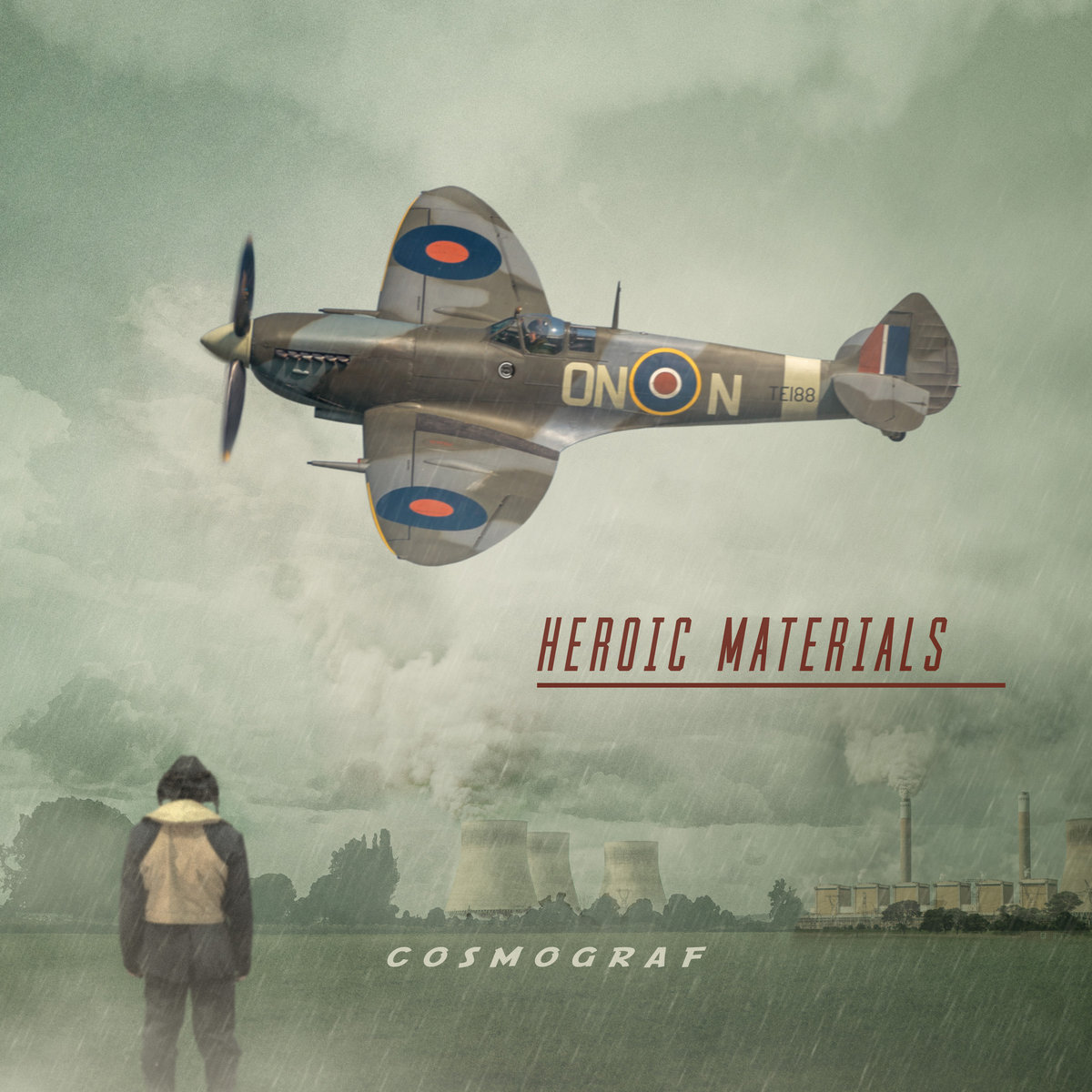
Cosmograf, Heroic Materials: Robin Armstrong’s latest concept album speaks softly and hits home hard. As a World War II fighter pilot recalls the challenge he rose to as a young man and laments the passing of his golden era, he also sounds the alarm about the challenges the generations who’ve followed have inherited. Throughout, Armstrong’s lyrics are simply stated yet deeply affecting, sung with real gravity and soul. And as the music patiently unreels, it becomes impossible to pick out a standout track; each brooding acoustic interlude, each stinging electric solo, each cinematic ebb and flow leaves its indelible mark. Elegiac in its evocation of past glories, urgent in its call to action today, breathtaking in its poised blend of fragility and strength, Heroic Materials is a riveting listen and a thing of beauty, already on my list of favorites for this year.
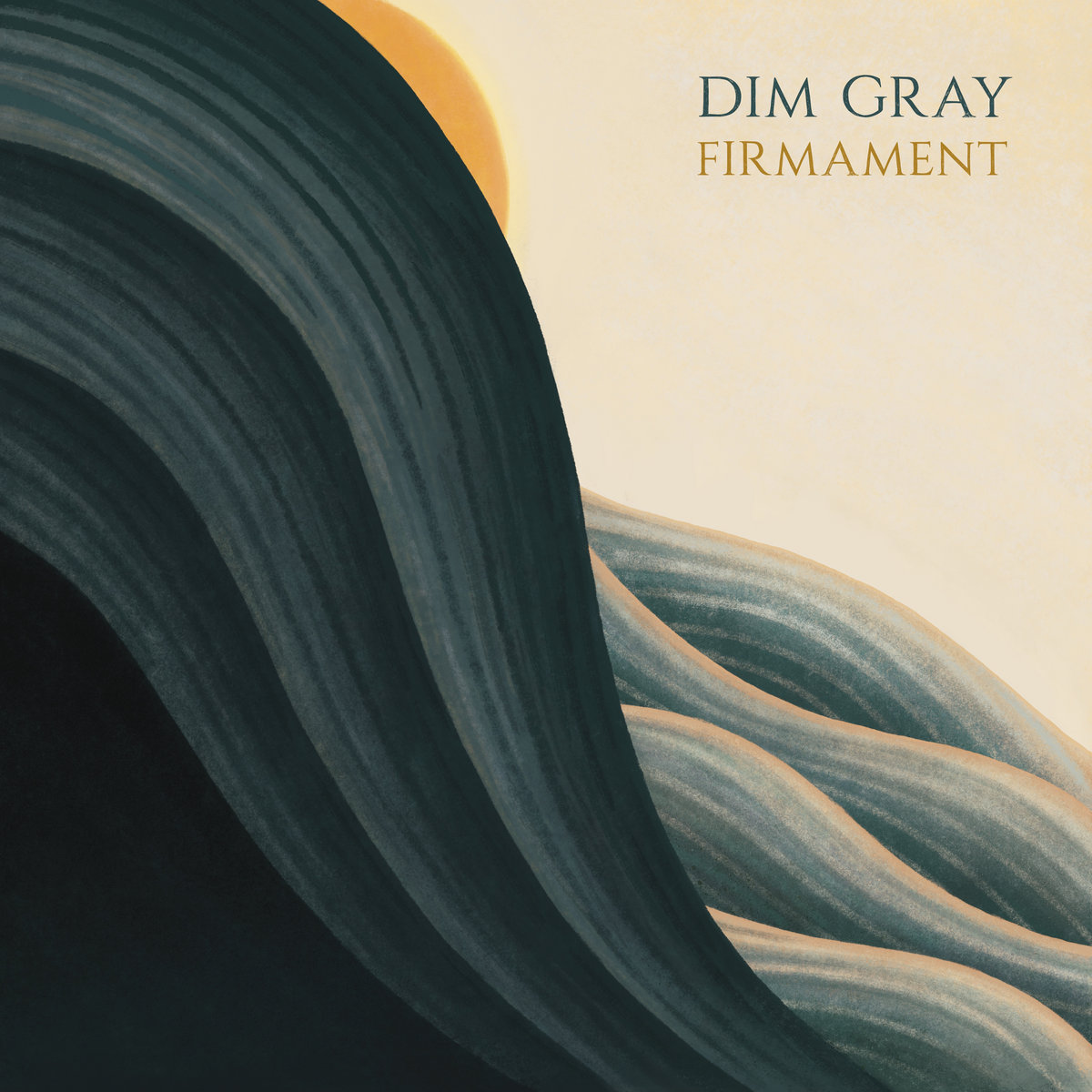
Dim Gray, Firmament: a Norwegian band that’s getting a broader push courtesy of Kingmaker Management, with an opening slot on Big Big Train’s recent tour (to say nothing of Oskar Holldorf’s filling BBT’s keyboards/backing vocals slot live) and their second effort released through the English Electric label. Kingmaker knows how to pick ’em; Holldorff, guitarist Hakon Høiberg and drummer Tom Ian Klungland whip up a mighty noise on Firmament’s 12 succinct tracks, with Holldorff and Høiberg’s ethereal, evocative singing launched above one swirling, quasi-orchestral crescendo after another. From opener “Mare” to finale “Meridian”, middle-aged farts like me might hear echoes of Phil Spector’s Wall of Sound, Brian Wilson’s pocket symphonies and Avalon-era Roxy Music, while younger listeners may catch hints of Fleet Foxes’ seamless, potent vocalises and Sigur Ros’ relentless ensemble builds. Whatever Dim Gray’s influences, the trio’s pin-sharp ensemble and pacing, thrilling sense of dynamics and undeniable gift for melody make for an arresting sound, with impressionistic lyrics that complement the sweep and yearning of the music. Here’s an album that not only dreams big, but actually delivers.
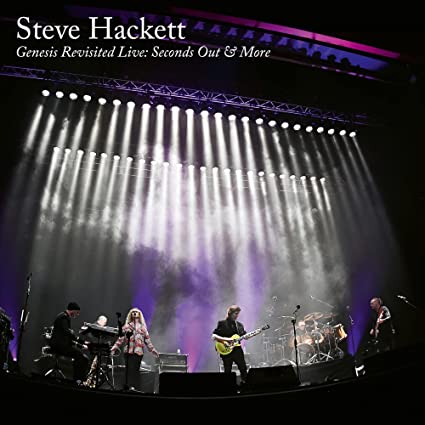
Steve Hackett, Genesis Revisited Live – Seconds Out & More: by my count, this is Hackett’s sixth live set since the Genesis Revisited concept revived his worldwide touring mojo a decade ago, beating out even Rush’s late career live output. Too much of a good thing? Arguably — but on the other hand, both Bryan Morey and I raved about this tour when it hit the Midwest this past spring, so I can also argue that more is better! With Amanda Lehmann complementing his usual merry men on second guitar, Hackett and band rip through a set of solo classics (and I wholeheartedly include Surrender of Silence tracks “Held In the Shadows” and “The Devil’s Cathedral” in that description) that climax with Lehmann’s floating vocals and Craig Blundell’s jaw-dropping drum workout on the vintage “Shadow Of The Hierophant”. Then it’s nirvana for Hackett-era Genesis fans, with the entirety of their 1977 live masterwork reprised (and sometimes gently, sometimes deliriously reimagined) in one go. Gorgeous sound whatever the format, and nicely hi-def visuals on the BluRay; it all does what it says on the cover, with Hackett’s usual flair and panache. See you next year for the Foxtrot At Fifty set?
King’s X, Three Sides of One: “Calling all saviors/And I’m shouting at God/Oh won’t you come and save us/Don’t you think we need you now/So let it rain, to wash the fear away.” dUg pinnick’s vocal testifies while his bass thunders, Ty Tabor’s guitars chime and howl like lightning, Jerry Gaskill’s drums crack open the earth and sky. And the apocalyptic “Let It Rain” is only the start for a trio that’s lost none of its power. King’s X’s first album in fourteen years, Three Sides of One’s rock is thick, gnarly, punchy and unbelievably tough no matter the tempo or texture, always locked into a sweet groove that carries you along. With Pinnick’s gospel-rooted shouts complemented by Tabor and Gaskill’s spindly, psychedelic harmonies, the band prowls the waterfront of life today, calling out the hucksters of “Festival” and the digital overlords of “Swipe Up”, commiserating with “all the lonely people” of “Give It Up” and “Holidays”. Stir in the drained cynicism of “Flood Pt. 1” and the dystopian parable “All God’s Children” and you have a compelling vision of societal despair. Human love (“Take the Time”, “She Called Me Home”) offers respite, but there’s no closure in sight; as pinnick preaches on the final track, “The whole world is crying for love/Every everywhere.” Lighting candles and cursing the darkness with alternate breaths, King’s X rocks on regardless — and I consider that heartening in and of itself.
Porcupine Tree, Auditorium Theatre, Chicago, Illinois, September 20, 2022.
The kick-off of Porcupine Tree’s first Chicago show in twelve years was nothing if not dramatic: a deep drone booming out as automated stage lighting menacingly swept the 3,000+ plus audience, the house lights dimming at the point of maximum tension — then a full-on visual assault from lights and screen, tracking with the slashing hard rock riffs of In Absentia’s “Blackest Eyes”.
At stage left: Richard Barbieri, ensconced in his wraparound nest of keyboards, conjuring up fearsome sonic webs of mist, gloom and abrasive noise as required. At stage right: Gavin Harrison, similarly surrounded by an overwhelming array of drums, cymbals and percussive accessories — and somehow appearing to be able to hit them all at once. And at center stage: Steven Wilson, throwing shapes on guitar as the power chords crashed, scrambling toward the mike on bare feet to chime in with typically sunny lyrics about a serial killer making a move on his desired prey.
Left to right: Richard Barbieri, Steven Wilson and Gavin Harrison, live onstage in Chicago.
It was an impressive opening, but something seemed off, and Wilson quickly acknowledged the state of affairs — sickness had been running through the band, and tonight it was effecting his voice. Promising his best efforts on both the Tree’s back catalog and the whole of their new album Closure/Continuation, singer and band proceeded to a nimble, ominous reading of “Harridan” and a lilting take on “Of The New Day.” Here Wilson’s challenges for the evening became apparent, as congestion and pitching problems crept into passages sung with less than full power. By “Rats Return”, though, Wilson had his voice under control, excoriating the cowardice of political strongmen both at the top of his lungs and in chilling undertones, while vicious fuzzed riffs raged around him.
The rest of the first set was completely stunning, mixing new tracks with superbly chosen throwbacks like the Floydian angst of “Even Less” and the doomy drive of “Drown With Me”. A zesty “The Sound Of Muzak” had it all: a bitterly hilarious Wilson intro (“21 years ago, I wrote a song about how music was becoming commodified — something you picked up at the supermarket, or as part of a software application. Well, thank goodness that didn’t come to pass!”), one bewilderingly brilliant Harrison drum fill after another, and a spontaneous audience singalong to the choogling chorus. Then it was Barbieri’s turn to stoke the darkly atmospheric “Last Chance to Evacuate Planet Earth Before It Is Recycled”, its instrumental build eerily synced with the video suicide note of Heaven’s Gate cult founder Marshall Applewhite. And after senseless death, mourning: the new “Chimera’s Wreck” finally clicked into place for me as a survivor’s lament, Wilson diving into the depths of human experience, probing extremes in search of exorcism and catharsis. But after that emotional a ride, what do you do for the second half?


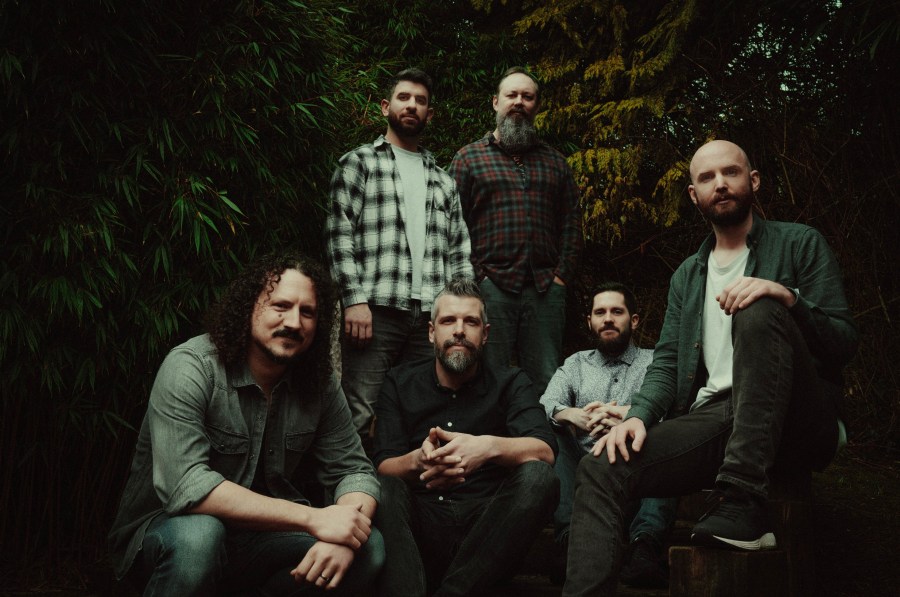








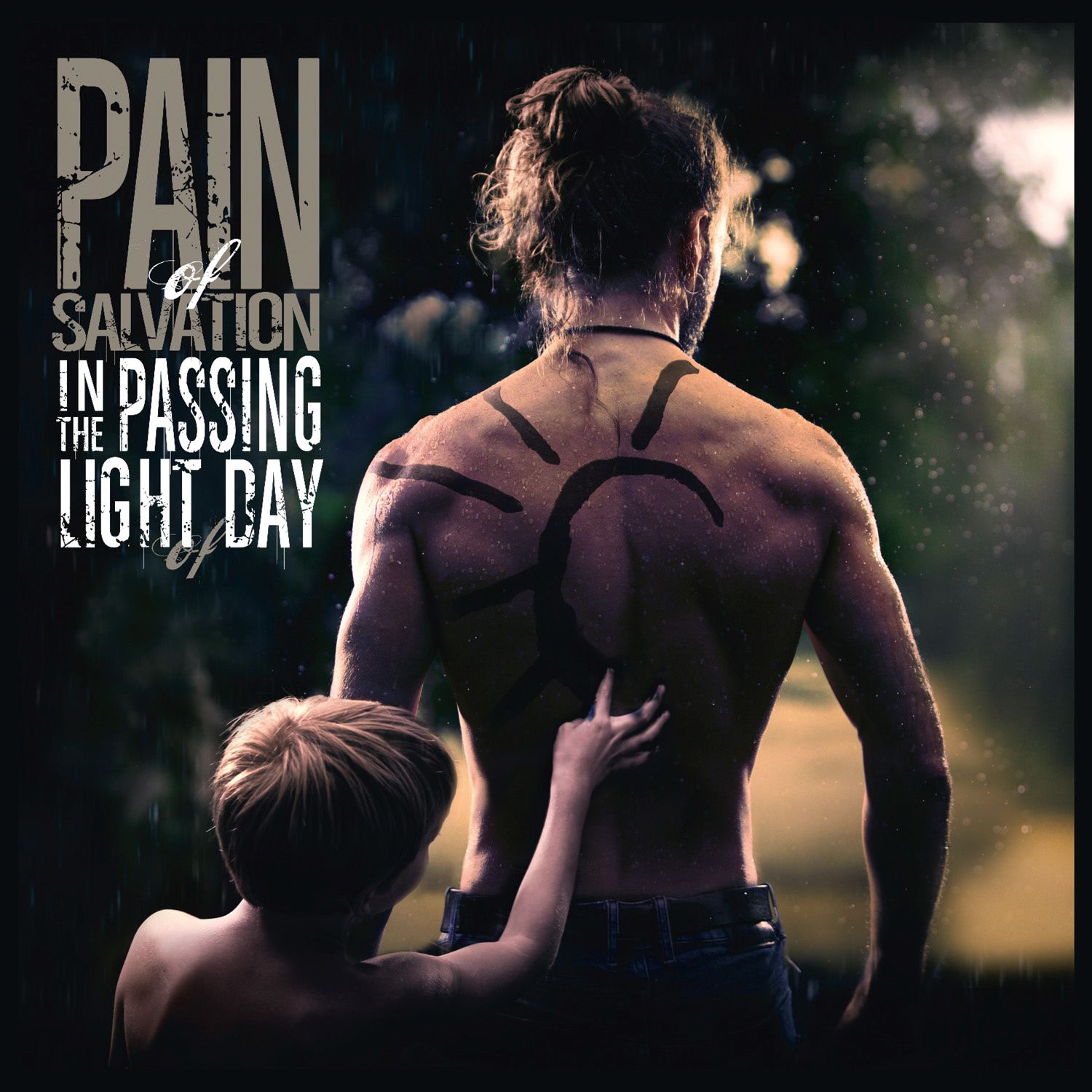 I missed this album when it came out, although I remember reading about it in Prog magazine. I came to appreciate Pain of Salvation with their 2020 album, Panther, which was my top album of the year. I finally started to dig into their back catalog this summer, and I’ve been blown away. In The Passing Light Of Day is a brilliant tour-de-force of emotions. Some of the lyrics I think are too sexually explicit, which is primarily why I rank it at number 10 and why I almost kicked it off my top ten. But the music and melodies are so good, and most of the lyrics are incredibly profound. I also think Ragnar Zolberg brought a lot to the table and was a great balance to Daniel Gildenlöw.
 It was hard to pick one of the
 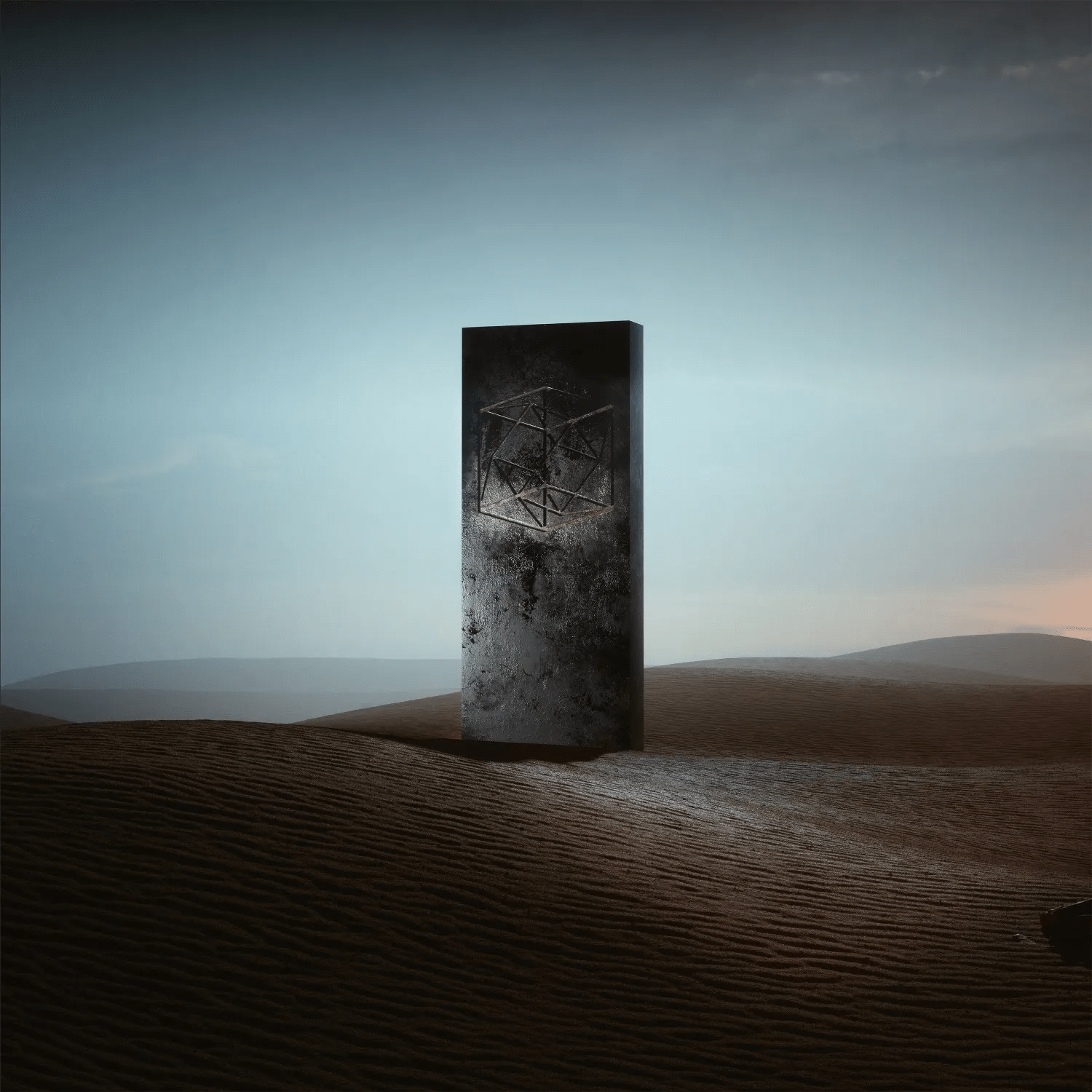 Portals is a brilliant album. It is unique on this list for being a live release, but it is also unique for being a live-in-studio release – a product of the pandemic. I suppose that’s why I don’t rank it higher on this list, but I’ve been listening to it a ton since it came out. I even broke down recently and bought the fancy deluxe CD/DVD/Blu-ray edition. I think most of the tracks on here sound better than they do on the original albums. The album also introduced me to the band, as well as to the world of djent. The way the band blends djent riffs with Floydian spacey motifs is just perfect. One of the finest bands in the world right now.
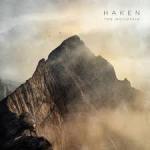 I go in spurts when listening to Haken (like I do with many bands). The Mountain has a magnificent blend of metal with splashes of 70s golden age prog. Songs like “Atlas Stone,” “The Cockroach King,” “Falling Back to Earth,” and “Pareidolia” have become prog metal classics, in my book. I’ve come to think Haken isn’t as compelling in their quiet tracks as bands like Riverside of TesseracT, but this entire album is still very listenable nine years later.
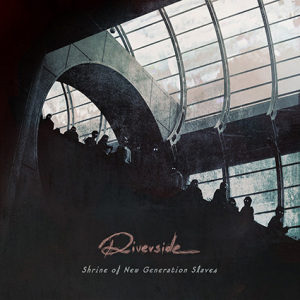 I had a hard time deciding which of Riverside’s three studio albums from the past decade to choose. Love, Fear and the Time Machine and Wasteland are both brilliant, and if I had allowed myself to choose multiple albums from the same artist in a top ten, Wasteland would probably be here too, but I think Shrine edges both of them out. It’s heavy, both musically and lyrically. Several of the songs turn into real earworms for me, and I’m never disappointed when I return to this record. And it’s another one on this list that I discovered several years after its release.
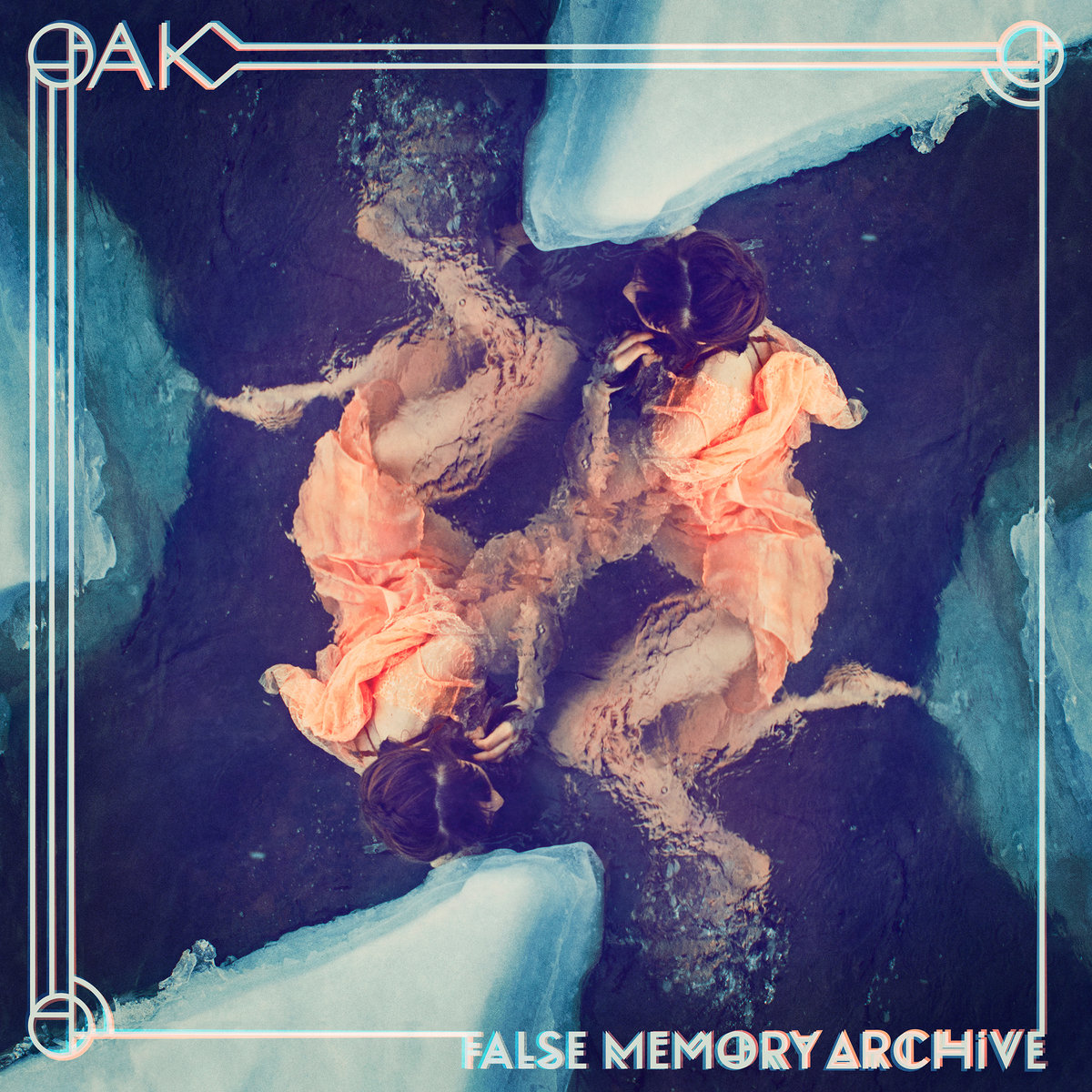 Oak is my favorite new band of the last decade. Both their 2013 (2016 release on CD) album Lighthouse and 2018’s False Memory Archive are brilliant albums, if not perfect. This record was my top album of 2018, and Lighthouse was my top album of 2016 (I didn’t realize at the time it had been released digitally earlier). The Norwegian melancholic aesthetic is dripping from both albums. It was hard to pick one of the two, but the closing track on False Memory Archive, “Psalm 51,” is one of the finest album closers I’ve ever heard. I think that gives this record the edge.
 I was blown away by Devin Townsend’s Empath when it came out – so much so that I bought the 2CD deluxe version that year and the super deluxe version when Inside Out funded that project the next year. The record masterfully blends all the aspects of Devin’s career into a truly unique and truly Devin experience. It has the heavy bombast of Strapping Young Lad at points, yet it’ll soar into orchestral and even operatic highs elsewhere – or even at the same time. Pure musical theater in the best way. Devin’s vocal performance on “Why?” is stunning, and the message of hope on “Spirits Will Collide” is always a pleasant reminder that life is worth living. The production side of things, with Devin’s famed “wall of sound,” is unmatched in his career, or anyone else’s for that matter.
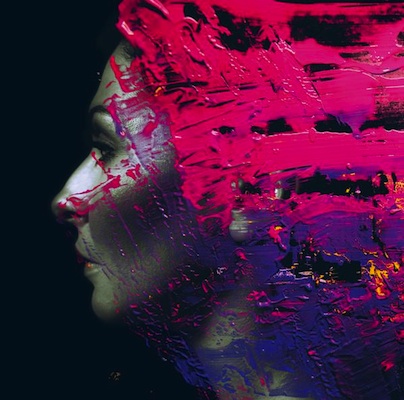 Here we come to one of the truly great albums of our time. I would certainly rank this in a top 10 best albums of all time. Back in 2015, this album was my number 3 pick, with The Tangent’s “A Spark in the Aether” coming in at number 1. Now I still think that’s a great record, and I wrestled with whether or not to include it in my top 10, but I think over time Wilson’s masterpiece has proven to be a generational album. Both the music and the story sound fresh, even seven years and many listens later. The themes of isolation and loneliness in city life (or life in general) will always be relatable. Someone 100 years from now could listen to this record, and while they may miss some of the references (even I still miss some of them), the underlying theme will still connect. That’s what places this record up there with the likes of Pink Floyd’s The Wall.
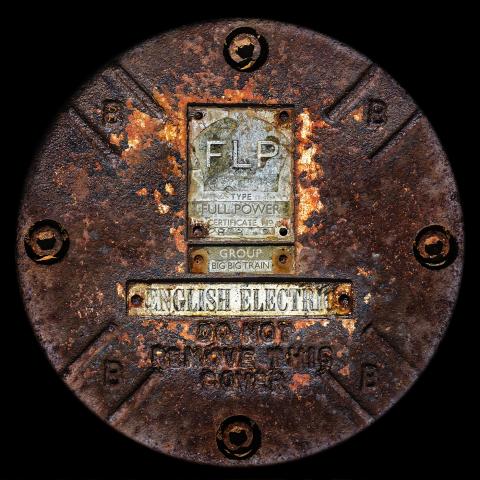 The defining band and defining album for the last decade of prog. Looking back, this record was the one that got me into the contemporary progressive rock scene. Returning to it today is a special treat, as I hope it always will be. It contains everything you might want out of a quintessentially “English” progressive rock band. It has the rock, the folk elements, the complex musicality, the well-told stories. And then there’s David Longdon’s voice, showing us his command of the material and his command of the upcoming several years in the prog scene. When I traveled to England in 2015 (which to me felt like a longer distance between its release than it feels between now and that visit – it’s weird how your perception of time changes as you grow older) I really wanted to listen to this album while being out in the hedgerows and fields. I can still remember sitting on a bus traveling between towns listening to English Electric (I wrote more about this in a