

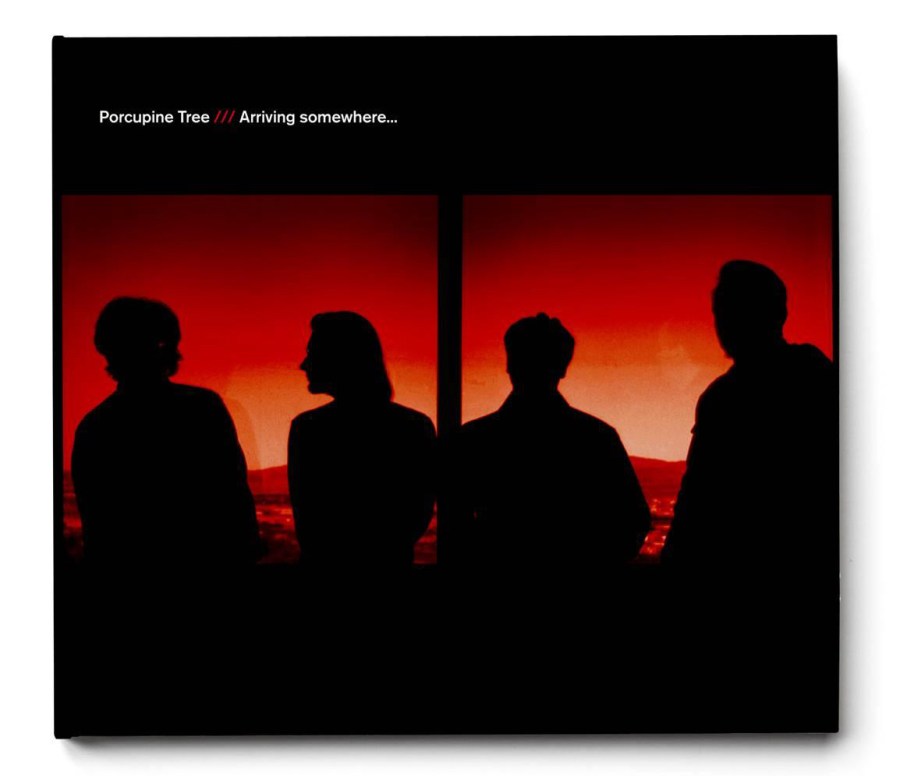
Porcupine Tree, ARRIVING SOMEWHERE. . . (Kscope, 2018). 2 CD/1 Blu-ray package. A re-release of the 2007 title on DVD.
Though it originally came out over a decade ago, Porcupine Tree’s ARRIVING SOMEWHERE . . .–its live show from Chicago, October 11-12, 2005–has just been re-released by Kscope in a very nice 2 cd/1 blu-ray book.
When it first came out on DVD in 2007, I had purchased it immediately. Of all the concerts I own on varous forms of video, ARRIVING SOMEWHERE . . . has been in constant play, rivaling only Rush’s TIME MACHINE and Talk Talk’s LIVE IN MONTREUX for most played.
Now, having it on CD and blu-ray reminds me yet again how incredible Porcupine Tree was in the first decade of this millenium. Admittedly, between 2001 and 2010, I was rather obsessed with the band. To me–all pre-2009 and, thus, pre-UNDERFALL YARD–no other band had reached as far and as perceptively as had Porcupine Tree. The band seemed the perfect fusion of prog, pop, and psychedelia–in its music as well as in its lyrics.
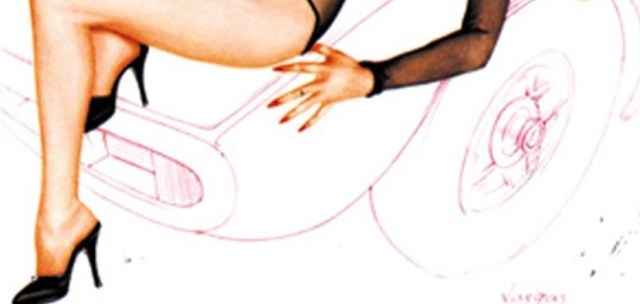 It’s been forty-ish years since their first record but it’s not difficult to remember how important the Cars were to American music. Punk really broke with the Cars and maybe also with Devo, because until these bands hit the radio, and they did so in a big way in 1978-79, punk music and its influence was just a news story for those of us not living on America’s coasts. The Cars weren’t a punk band really at all but they brought a toughness to their pop music that defined American new wave, even as they were being played, say, between the Doobies and AC/DC on the radio (as they still are today). They represented a slew of less commercially fortunate American underground bands: Big Star, NRBQ, Flamin’ Groovies, the kind of groups who extended 60s garage rock post Beatles. That is, they saw the art in what they did. They opened ears. Ric Ocasek’s and Benjamin Orr’s lyrics were smart, un-fussy, their singing had the odd effect of creating emotional distance even while containing heartbreak, and Elliott Easton’s guitar kept the band on course — they were never not a rock band. Here on “Candy-O,” the title track of their second album, the Cars throw down a power pop gauntlet elevated by this raw live peformance. Bookended by a monster debut album and outsized 1980s success, “Candy-O” is nonetheless the band’s peak as new wave game changer.
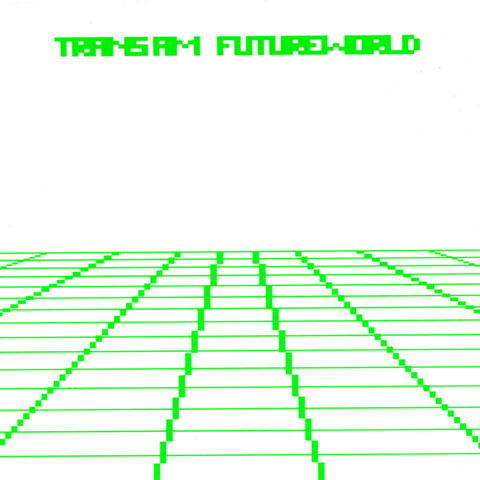 The relentlessness of TransAm’s album Futureworld is a darkly beautiful thing, a fist-waving ode to personal alienation in the late 90. Its Germanic vocoder nods to Kraftwerk, its post-rock distortion and, above all, Sebastian Thomson’s drumming, set a tone so consistently, yet energetically, brooding that it simply will not be denied. It fits neatly in the set of movies and music (thinking Fight Club, Boards of Canada…) directly pre-9/11 that captures the crumbling of 90s tech optimism, the cold distance occasioned by staring at a screen rather than reading a person’s face. This is where the digital shit hits the fan. When I listen to the song “Futureworld” I think these things and I also rock out. Its structure is all about the dynamics of momentum, its breakneck launch ending as a ship with rockets disengaged, a pulse along a motherboard, an incredible downshift punctuated by unlikely but perfect Bonham-esque pounding.
