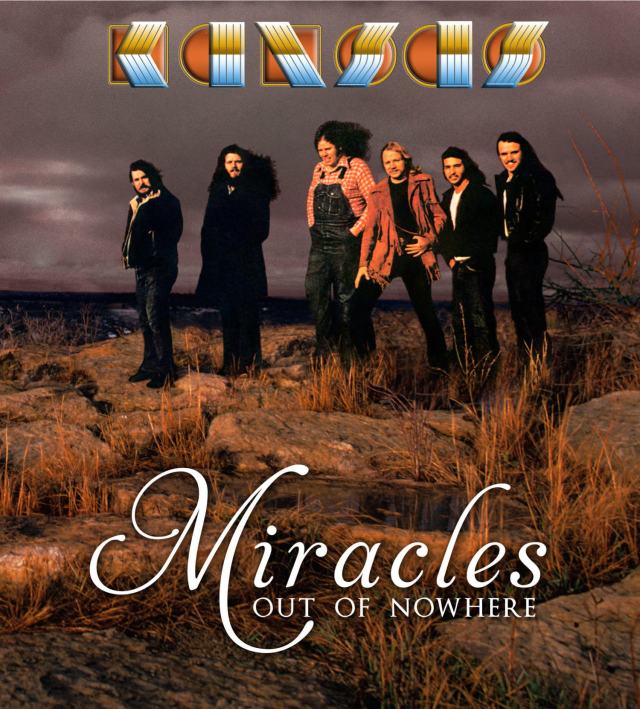
 In one of my first posts here at Progarchy.com–“A Pilgrim’s Prog-ress”–I wrote about the key role that Kansas (the band, not the state) played in opening the doors to prog for me:
Around 1985 or so, I bought a copy of “The Best of Kansas”. That opened the door to prog. There was something about the mixture of Livgren’s lead guitar, Steinhardt’s violin, and Steve Walsh’s amazing voice, along with lyrics soaked in spiritual longing and Americana, that grabbed me by the scrawny neck. Over the next three or four years, I ended up collecting everything by Kansas, Kerry Livgren (solo and with AD), and Steve Morse (solo, Dixie Dregs, etc.). My favorite Kansas albums are “Song for America” and “In the Spirit of Things”, although they weren’t the chart-toppers that “Point of Know Return” and “Leftoverture” were.
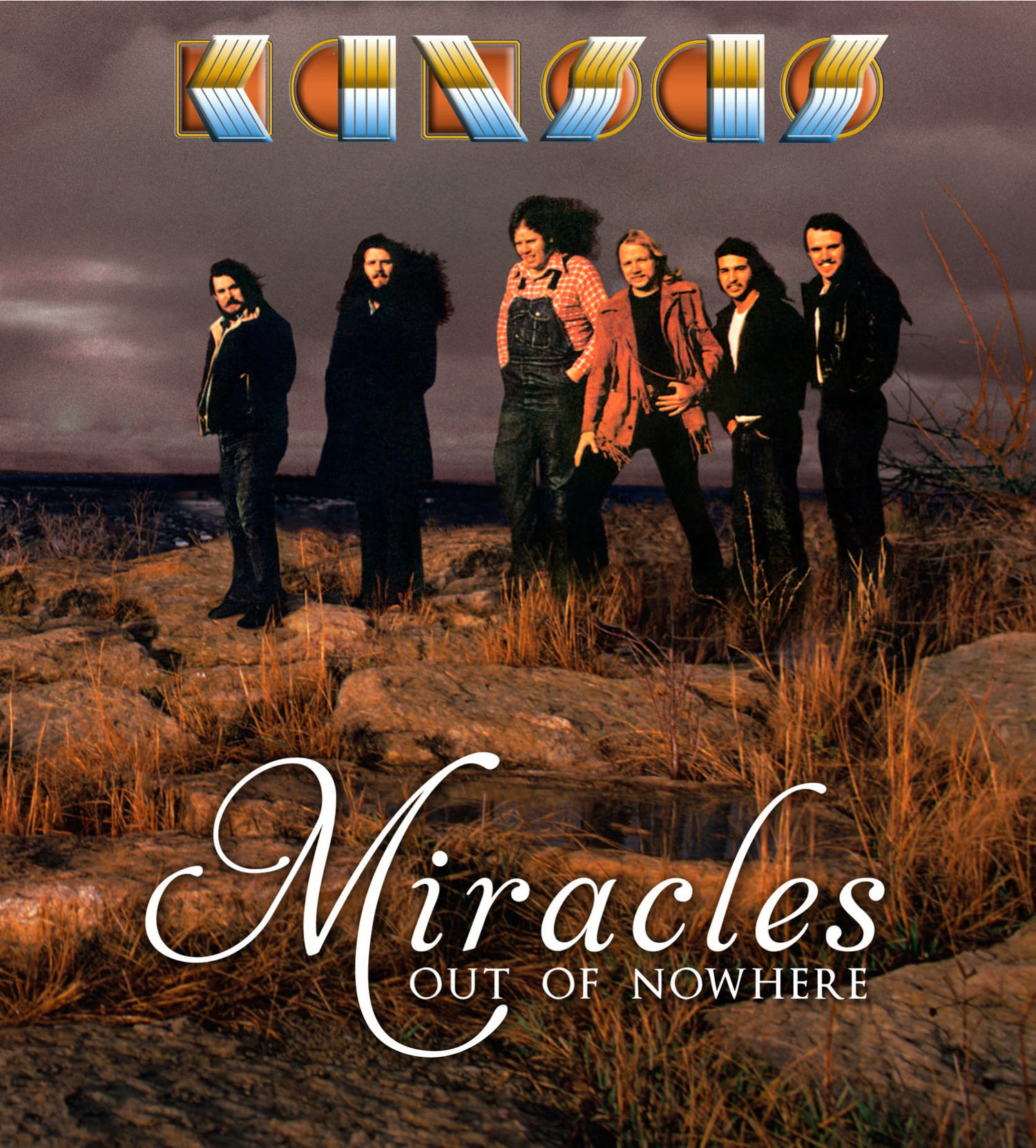
Early on in the documentary, “Miracles Out of Nowhere”, which was released in March, drummer Phil Ehart emphasizes that it was Livgren’s song writing, Steinhardt’s violin, and Walsh’s vocals that made Kansas such a distinctive-sounding band in the 1970s. He is surely correct about that, but he also, in saying so, humbly passes over another key to the band’s steady rise and eventually rather surreal success (or miraculous, a consistent theme in the documentary): he own unassuming, balanced personality and rooted, yet deeply musical, drumming. As Garth Brooks, one of several rather surprising guests, marvels in recalling his first Kansas show: “It was the first time I’d seen a drummer play actual notes!”
Miracles and music: those are the two constant themes throughout the documentary, which begins with childhood memories and concludes with 1977’s “Point of Know Return”, Kansas’ fifth album and the apex of the band’s commercial success (it hit #4 in the U.S. and featured the band’s biggest hit and best-known song, “Dust in the Wind”). That album is, arguably, a fitting conclusion to the documentary as the band would soon learn there really are points of no return; or, in the words a certain young lady, “Toto, I’ve a feeling we’re not in Kansas anymore”. It wasn’t long, in fact, before Walsh departed, then Livgren, and then the band entered into the post-classic-Kansas era (I provide some details here). Continue reading “Miracles (and Music) Out of Kansas” →






 Progarchy