

Progressive rock has always attracted virtuoso keyboard players. Parallel with Eric Clapton, Jeff Beck and Jimmy Page’s moves toward British blues and heavy music, classically trained pianists like Keith Emerson and Rick Wakeman fired up Hammond organs, Mellotrons and prototype synthesizers, mashing up genres and grabbing attention with gleeful abandon. From the maelstrom of psychedelia, jazz and modern classical, a new kind of rock emerged — and one of the unspoken standards of nascent prog was that you had to really be able to play.
That standard offered multiple paths forward for proggers: jaw-dropping shredfests by Emerson, Wakeman and disciples; seamless melds of improvisation and composition from King Crimson and Van Der Graaf Generator; long-form, ambitious suites by Yes and Genesis. It’s also spawned countless wannabe virtuosos — sometimes trying their hardest, sometimes just following trends, but frequently lacking the compositional chops to give their playing maximum impact. Even after prog’s fading from mass culture, the virtuoso standard keeps attracting musicians eager to prove themselves — especially keyboardists — to the genre, like moths to a No-Pest Strip.
The problem is this: when you have to prove yourself (especially to yourself), it may come too easily to baffle with BS rather than to dazzle with brilliance — to play more notes, not necessarily the right ones, with space and taste going out the window. And when the seemingly endless runs of 32nd notes stop, is there anything of substance behind the flash and the “oh, wows”?
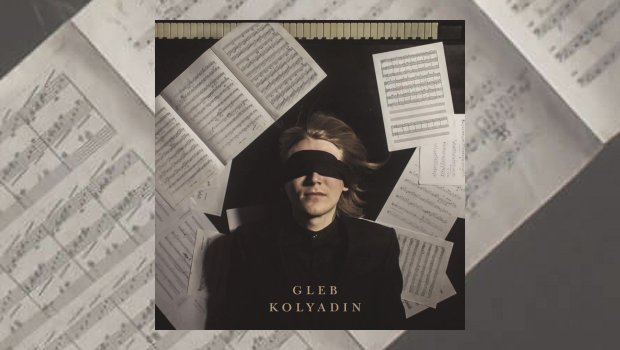
That thorny dilemma is why Gleb Kolyadin is the young virtuoso progressive rock needs.







 Progarchy