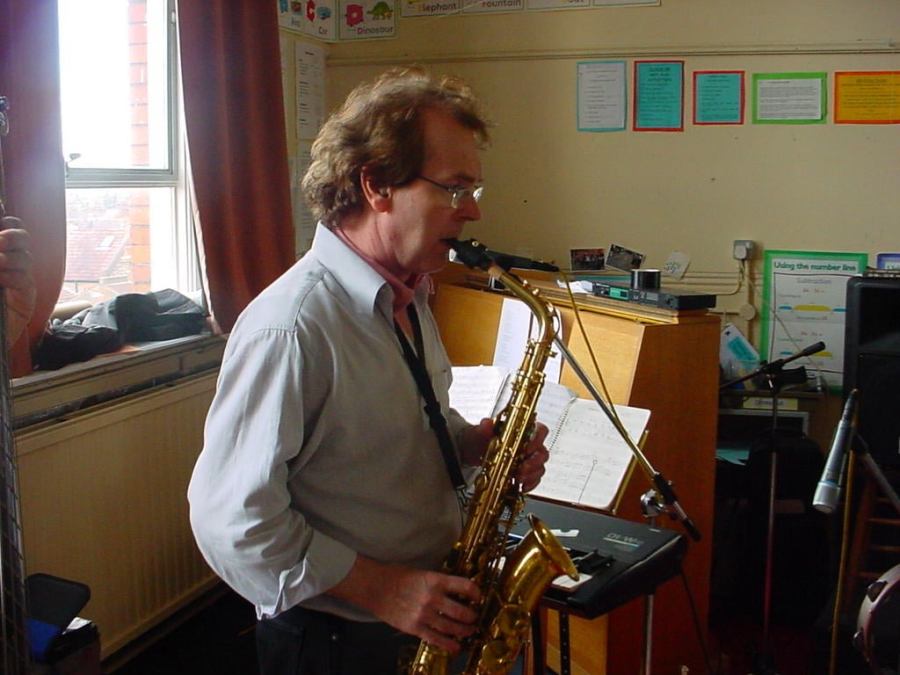
“Ian McDonald, a multi-instrumentalist and songwriter best known for his co-founding roles in both King Crimson and Foreigner, died Wednesday at the age of 75. A rep for McDonald confirmed the musician’s death, adding that McDonald “passed away peacefully on February 9, 2022 in his home in New York City, surrounded by his family.” His son reported on Facebook that the cause was cancer.
” McDonald was known as one of the key architects of progressive rock, playing both saxophone and keyboards in King Crimson and co-writing its iconic 1969 debut, In the Court of the Crimson King. The record’s opening track, “21st Century Schizoid Man,” featured McDonald’s wild double-tracked alto-sax solo, which he performed the same year at a famous concert in London’s Hyde Park. He left King Crimson before the year was over, moving on to a duo project with Crimson drummer Michael Giles. He would also appear as a session musician on King Crimson’s 1975 classic, Red.”
“Later, McDonald co-founded rock outfit Foreigner with guitarist Mick Jones, playing various instruments and singing on their first three LPs — all of which cracked the Top 10.”
Our condolences go out to McDonald’s colleagues, friends and family.
“As the promotional campaign for the Welcome To The Planet album approaches an end, we feel that the time is right to address the question of the future of Big Big Train following David Longdon’s death.
“Several years ago David expressed the clear wish that if ever he were not around, he would want Big Big Train to continue. Of course none of us foresaw the tragic situation that happened in November last year.
“After careful consideration, and with the active encouragement of David’s partner Sarah, we have decided to honour David’s wishes.
“Big Big Train will therefore seek to continue as a band and will perform live and release new music in due course. More specific details of the band’s line-up and planned activities will follow in further announcements, including an opportunity for fans to celebrate David’s life and musical legacy.”
Chances are that if you’ve seen Dave Bainbridge’s name on this website, it’s due to his role as the current guitarist in Lifesigns (both live and on their fine Altitudealbum). If you’re deeper into modern progressive rock, you may have heard his guitar on Downes Braide Association’s Halcyon Hymns. Or maybe even his keyboards on the last two Strawbs albums, The Ferryman’s Curse and Settlement. (That’s right – Bainbridge is a world-class player on both instruments!)
But Dave Bainbridge’s track record goes a lot deeper than his recent credits; from the 1990s through 2015, he was a major creative force in Iona. Fusing rock with progressive, jazz and folk elements and steeping it all in the spirituality of early Celtic Christianity, this British band captured an international audience while collaborating with prog luminaries like Nick Beggs (the band’s first bassist) and Robert Fripp (who provided ambient sounds for two of their finest albums).
After Iona wound down, Bainbridge continued making music; his solo albums feature both a sweeping range of styles and an impressive array of collaborators. His new album, To the Far Away(exclusively available in multiple formats from Gonzo Multimedia) is a genuine tour de force, based on deeply personal subject matter; it simultaneously evokes the sound of Iona and hones the power of Bainbridge’s solo work into a dramatic swirl of thrilling acoustic and electric guitar work, pounding rhythms and lush orchestral soundscapes. I haven’t heard anything quite like this in a long time; it’s gripping, heart-on-sleeve romantic stuff. But don’t worry — on epics like “Ghost Light,” (extensively featured starting at 1:50 in the promo video below) the guitars and synths still go all the way to 11!
Which meant I was delighted when Dave Bainbridge agreed to talk about To The Far Away, his recent revamp of the Iona catalog, his other band projects and much more with me; he was genial and generous with his time, willing to dive deep into every question, and obviously grateful for what he’s been able to accomplish in his career. You can hear our conversation just below; selected excerpts, as well as a link to a complete transcript, follow the jump.
If I had to pick one Rush album between 1984-1996 to be my favorite, I would pick Roll the Bones without hesitation. I grew up with the early era of Rush (through Moving Pictures), and I didn’t come to the 80s (meaning post MP, which I consider to be more like their 70s output) music until I was in college. I’m in my late 20s, to give you a little perspective on where I’m coming from. I was drawn to the hard and heavy music and the rough philosophical and fantastical lyrics of that era of the band.
After Moving Pictures, the band’s sounds changed to reflect the times, although they changed very gracefully, which is more than I’ll say for other progressive rock bands in the 80s. The keyboards were far more prominent than they had been, with Lifeson’s stunning guitar work dropping back into the mix or taking on a more synthesized tone.
Neil Peart’s lyrics also changed. They remained philosophical, but his philosophy was maturing. It was less Ayn Randian and more Aristotelian. It was also far more poetic than his 70s lyrics, making it far more difficult to absorb, in my opinion. (I’m borrowing rather heavily from Brad Birzer’s Neil Peart: Cultural RePercussions. He has spent more years than I’ve been alive absorbing this era of Rush’s music, and he understands it far better than I do.)
I believe Roll the Bones marks a big change in direction for Rush. After a decade of the keyboards dominating, and arguably softening, Rush’s sound, the band returned to a heavier sound. “Dreamline,” the opening track, brings the rock back into the forefront. The first thing you hear is a simple drum beat quickly followed by Lifeson’s guitar. The guitar has an arena sound to it with a little bit of reverb – perhaps influenced by the larger and larger shows the band was playing over the previous decade.
Peart’s drums punch throughout, and Lifeson’s guitar leads the musical way with his signature tone. Instead of the swirling keyboard sounds, the band turned back to their core of drums, bass, and guitar. It sounds more like the Rush I originally fell in love with. While I have come to appreciate every Rush album, I much prefer their heavier rock side.
We even get the band’s first instrumental since “YYZ” with “Where’s My Thing?, Pt. 4: Gangster Of Boats Trilogy.” Geddy, Alex, and Neil all slay on this. We get some great guitar shredding, we get some in-your-face basslines, and we get Neil showing us why he’s the best drummer who ever lived.
With “The Big Wheel,” we get two very distinct styles. The chorus has a very pleasant and hummable melody, but the verses, are pure prog with complex musicality and jarring arrangements. The album is full of surprises.
Roll the Bones doesn’t really have the proto-metal elements of some of their early work, but it does have some unexpected influences that at least keep the album sounding fresh. I don’t think anyone was expecting a mild rap and funk influence on the title track, yet it totally works. Sure it may not be my favorite Rush song, but it’s certainly memorable – and not in a bad way. Lifeson’s guitar really brings things together on the title track. The inclusion of acoustic guitar was also a nice touch. The keyboards add flourishes, much like they did in their 70s music, rather than leading the way.
Steven Wilson has officially opened the pre-order for his book, Limited Edition of One: How to Succeed in the Music Industry Without Being Part of the Mainstream, which is due to be released on April 7. Wilson comments,
My book, ‘Limited Edition of One’, will be published by Little, Brown on 7th April and it is now available to pre-order in several editions, including a deluxe version and a super-deluxe “artist edition” of only 125 copies.
The book was written under a “no rules” philosophy with the collaboration of legendary rock biographer Mick Wall. In addition to containing autobiographical material, it has a lot on my broader ideas about music, as well as list and discussion chapters on the kind of things I get asked about a lot (favourite films, songs, record shops…etc), and some that I don’t. Also among its pages are photos from my personal archives, and a short story (which might be my favourite part). I’ve chosen to focus on the stuff that people really don’t know about me, rather than what is well known and documented by now. The tongue-in-cheek subtitle ‘How to Succeed in the Music Industry Without Being Part of the Mainstream’ perhaps tells you more about what to expect.
The limited deluxe version features a second volume of supplementary material and photos, plus a CD with “audio illustrations” of some of the things I talk about in the book, including mercifully brief extracts of my school bands, early attempts at electronic music, and unreleased demos from the beginnings of No-Man and Porcupine Tree among others. Although some of its musical merits might be debatable, my intention is to put you there in the room when I’m talking about these early musical endeavours.
Finally the super deluxe “artist edition” comes in special packaging and also includes a sheet of handwritten lyrics.
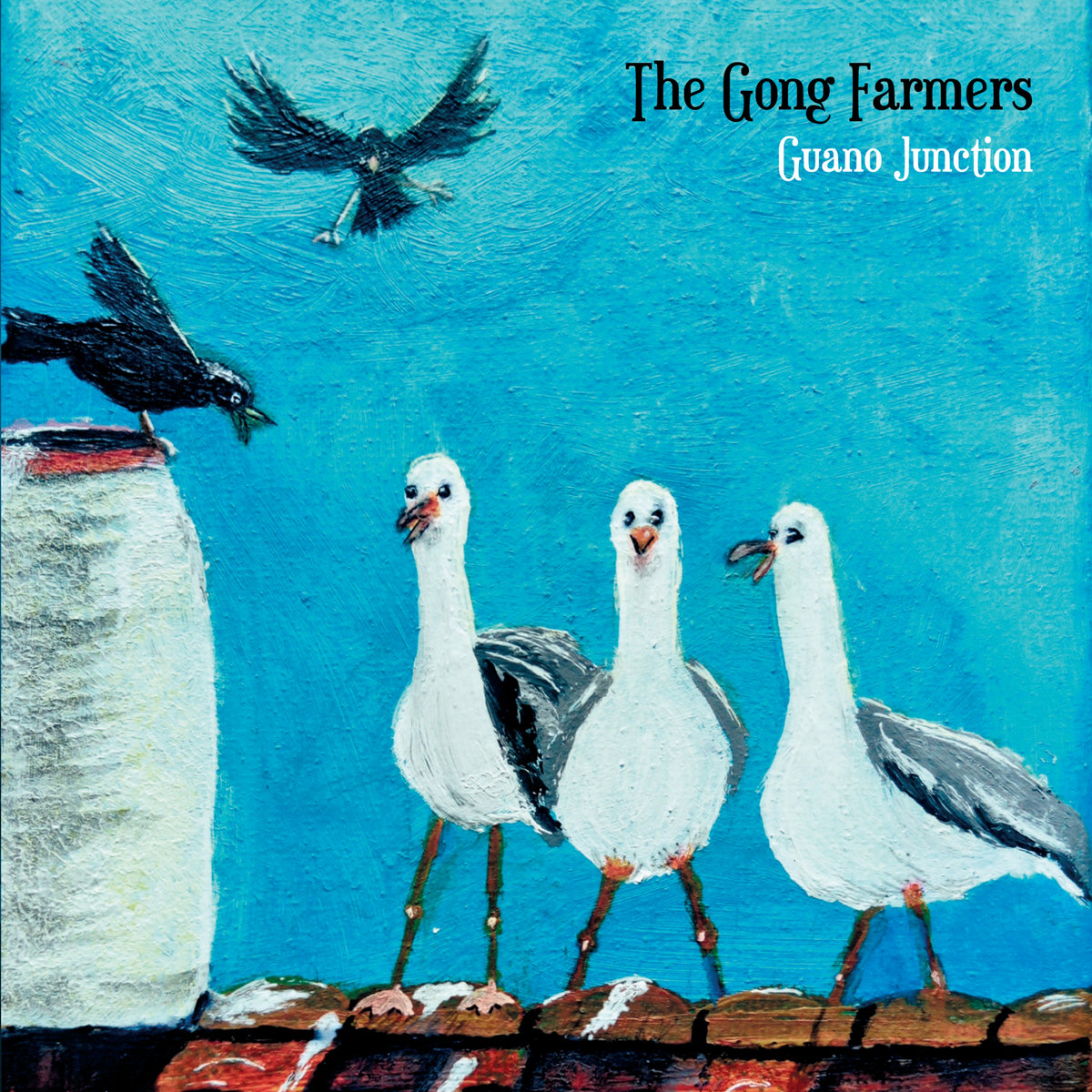
The Gong Farmers, Guano Junction, Spaceward Records, November 5, 2021 Tracks: As Sunlight Falls 1 (2:26), Drive (6:14), Pip, Squeak and Wilfred 1 (3:56), Guano Junction 3 (2:43), Evergreen (4:24), As Sunlight Falls 2 (2:42), Vista de Toledo (3:22), Guano Junction 2 (3:52), Wednesday Afternoon (4:42), SHAVE! (1:41), Winter Hill (3:32), Dark Skies (4:19), Pip, Squeak and Wilfred 2 (3:28)
I have to start off this review talking about the best band name I’ve heard in a while. Before today I was blissfully unaware of what a gong farmer was, having not heard the term before receiving this CD for review. It’s kind of funny, actually, considering one of my main focuses as a history major in undergrad was early modern Europe, but there’s always more to learn. I looked it up, and a gong farmer was someone in Tudor England tasked with cleaning excrement from outhouses. While that might lead you to believe that Guano Junction is a steaming pile of… gong, nothing could be further from the truth. The album is quite good, with a mature sound and a delightful array of influences.
The Gong Farmers are primarily Mark Graham (vocals, synthesizers) and Andrew Keeling (classical guitar, flute, piano, organ), but they are joined by a very talented cast of supporting musicians, including David Jackson, the saxophonist for Van Der Graaf Generator. Here’s a list of everyone else who played on the album:
Alex Che (vocals, synthesizers)
Cliff Hewitt (drums, percussion)
René van Commenée (drums, percussion)
Ricardo Odriozola (violins)
Ben Keeling (electric guitar)
Martin Walker (electric guitar)
Brian Taylor (electric guitar and textures)
Noko 440 (viola and string arrangements)
The array of musicians should give you a hint of the variety found in their music, which bears elements of 1960s psychedelic rock (could be why they are on a label called Spaceward Records). Their sound expands beyond that, though, incorporating electronic, symphonic, jazz, and, of course, prog elements.
“Pip, Squeak and Wilfred 1” and “Pip, Squeak and Wilfred 2” are my favorite tracks on the album. They simultaneously have a strong Moody Blues influence and a huge Muse influence. The vocal effects on the song really bring in the Muse sound, reminding me a lot of “Exogenesis,” the three part symphony that ends Muse’s brilliant 2009 album, Resistance. The lyrics on these two tracks are short and simple, but they make you think.
Today I found my father’s medals in a drawer
And I thought of all the sacrifice,
All the sufferings of war
As you can see from the tracklisting, these songs are on the shorter side. They work together to form a cohesive sound, although the songs stand by themselves. “SHAVE!” is a strange track, being more a collection of various sounds and textures, which would be the psychedelic side of things. I suppose it reminds me a bit of the beginning of “The Waiting Room” off Genesis’ The Lamb Lies Down on Broadway. Speaking of Genesis, the inclusion of flute throughout Guano Junction reminds me a bit of them, although “Guano Junction 3” also has some Jethro Tull to it.
Classical guitar plays a fairly prominent role on the album. At times it reminds me of some of Steve Hackett’s more recent solo work. “Evergreen,” for instance, has that world and classical influence, although I hear some Muse-style sounds towards the end. The gentle and melancholic Spanish-style guitar on “Vista de Toledo” has a very warm and contemplative feel. Lyrically the track is a love song reflecting on lovers apart from each other. The melancholy in the music reflects those lyrics rather well.
“Dark Skies” has a sparse Floydian guitar solo that is played over simple plucked strings with vocal effects swirling around. It’s a simple way to frame a guitar solo, but it works in the context of The Gong Farmers’ music.
For me “Pip, Squeak and Wilfred” parts 1 and 2 are worth the price of admission. They stand out on the album with a compelling symphonic melody and atmospheric vocal effects that take you to another dimension. The flute playing in the background makes it that much better. If you listen to anything off this album, make it those two tracks. But do yourself a favor and check out the rest of the record while you’re at it. It has a compelling blend of psychedelic spaciness with symphonic overtones.
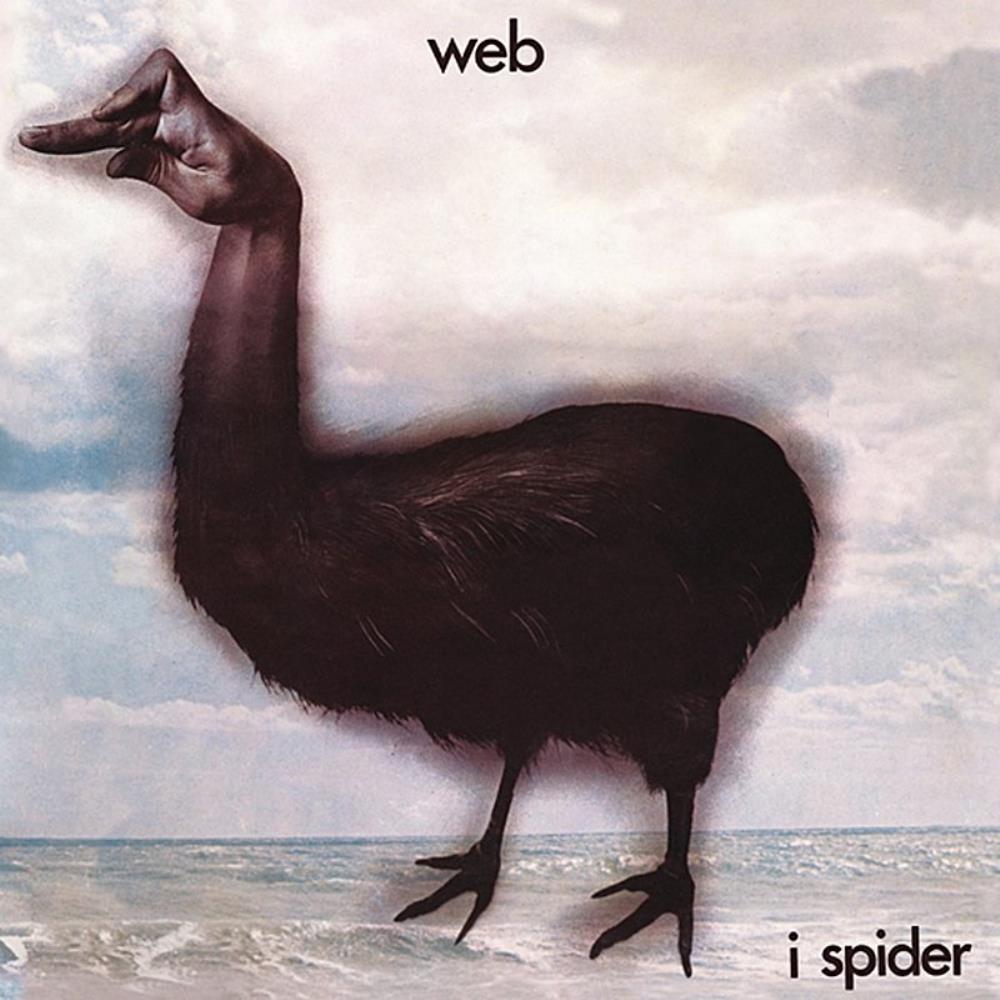
Remember Samurai? I reviewed their excellent eponymous album all the way back in June 2021. As I mentioned in that article, Samurai had previously performed under the name Web, a jazz-rock outfit that released three albums in the late 1960s/early 1970s. I Spider, Web’s last release, was also the group’s first album to feature keyboard whiz and vocalist Dave Lawson, later of Greenslade fame. Although Lawson’s talent on keys, organ, and piano, could not ultimately salvage the band, he did settle in nicely to a lead role, brief as it may have been. The combination of his keys and Tom Harris’s saxes gives the album a Canterbury/fusion feel that many prog lovers would appreciate. Here are some of the highlights:
“Concerto for Bedsprings” is a curious opening number about a chap’s struggles with insomnia. The organ dominates for a moment before sax and piano lead us into a jazz-lounge like interlude. We then transition from the dark, smoky ambience of the lounge for the sweat and funk of the dance floor when the bass guitar breaks in. A smooth sax solo follows shortly thereafter. I can’t imagine this musical odyssey cured this fellow’s sleep deprivation, but it would certainly keep him from remaining bored while awake at odd hours of the night.
The only instrumental track on the album, “Ymphasomniac” features an eclectic mix of mellotron, bongo drums (a fun interlude about two minutes in), drums, piano, and finally sax and organ to cap it off at the end. Harris again shines with his sax work here.
Distorted guitar and organ introduce the final track, “Always I Wait,” which is without question the most brooding and ominous piece on the album. Those with a slightly twisted sense of humor should listen closely to the lyrics….
Lawson’s vocals will not be everyone’s cup of tea, but his work on the keys, organ, and piano more than make up for what he lacks in singing ability. Fans of The Nice, Atomic Rooster, Greenslade, or jazz fusion in general will appreciate the musicianship on this obscure gem.
Drifting Sun, Forsaken Innocence, 2021 Tracks: King of the Country (11:37), Insidious (8:08), Dementium (9:11), New Dawn (6:49), Forsaken Innocence Part 1 (10:52), Forsaken Innocence Part 2 (14:53), Time to Go (2:29), Hand on Heart [Bonus Track] (4:49)
I’ve been following Drifting Sun for a while now, having reviewed two of their albums in the past rather favorably. I have to say that their latest, Forsaken Innocence, is their best record to date. The album is sprinkled with neoprog overtones, but there’s also a touch of baroque classical influence right from the get go.
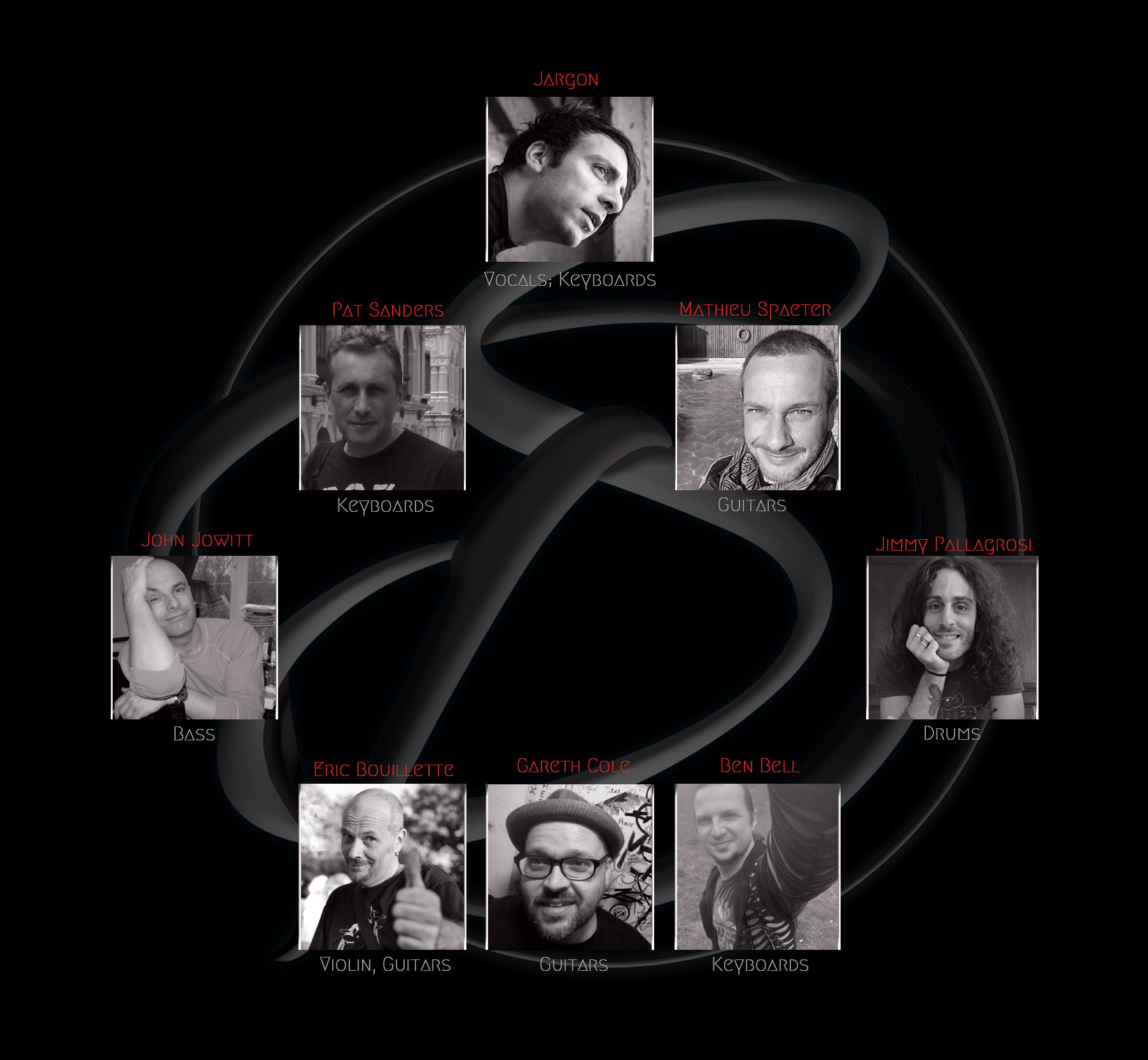
One of my favorite aspects of Drifting Sun is the keyboards and piano, which shouldn’t be a surprise considering the band is the brain child of keyboardist Pat Sanders. His use of synth sounds and clean piano brightens up the album, giving it both prog flair and a depth of sound. John Jowitt’s bass adds a subtle low end that nicely complements the keyboards. Mathieu Spaeter’s guitar adds a baroque element along with the synths at times, as well as the heavier rock side when needed. He reminds me a bit of Martin Barre. The wonderful Gareth Cole also plays guitar on “Time to Go,” along with Eric Bouillette, who also plays the violin on “King of the Country” and “Forsaken Innocence Part 1.” The violin adds a nice touch, which perhaps could have been used even more throughout. Even so the album sounds great as is. Jimmy Pallagrosi’s drums pull everything together in gentle crashes of snare and cymbal.
The vocals are courtesy of someone named only as Jargon on the band’s website. His voice matches this style of prog very well, and it is rather versatile. He sings in a few different styles throughout the album, adding a layer of theatricality to the record. He helps bring the story to life, as well as makes the album a real treat on repeated listens.
As you can see from the track listing, most of these songs are on the longer side. The music has the chance to grow and build. I love the way the album opens with a bit of a classical and fantasy overtone, which is carried throughout the album in various ways.
When played together, “Forsaken Innocence” Parts 1 and 2 create and almost 26-minute-long epic, with part 2 being a 15-minute-long instrumental track. These songs are the high point of the album. The instrumental portion is particularly excellent. The band really jam well together, and the length gives the song space to develop, grow, and move through different themes. Everything about it works so well, to the point that you get lost in the prog madness. The swirling synths, the corresponding guitars, the solid bass shining through, the drums keeping everything together. This song rocks hard. I love the moment when they move back into the main musical theme for the album with about two minutes to go. The melody repeats over and over, and it’s just so good.
The album closes rather quietly with the brief “Time to Go,” which is a nice little debrief after the 15 minute instrumental epic. The bonus track, “Hand on Heart,” doesn’t follow naturally from that [duh, it’s a bonus track], but it’s one of my favorite songs on the album. It has a heavy back and forth between chorus and verses with that great interplay between the keyboards, guitars, and bass.
The album’s lyrics have a dreamwork quality to them. They’re very poetic, which supports the baroque fantasy elements in their music.
I used to hope that life could bring me peace
Could lull asleep my deeply gnawing mind
I was a fool: the senses clear with time
I used to love to cure my old disease
Lovе led me to a thick of enmitiеs
I used to hope that life could bring me peace
I was a fool: the senses clear with time
A church bell grieves, a log in the fireplace smokes
And hums falsetto to the clock’s catarrh
My head on my hands, I watch from my lofty home
Spring, Summer, Autumn, and then, with Winter’s monotone of snow
I close my shutters – a time to be alone
Summer days gone, taking stock of the misty dawn
(fall in the well of dreams – wander through aimlessly)
I dream my way into treacherous labyrinths
Nothing can draw me away from this neverland
(a world of kisses sweet – birds singing merrily)
Sun rises in my heart, warming my aching soul
– “King of the Country”
Forsaken Innocence sees Drifting Sun at their very best. The album is thoroughly enjoyable with every listen. It’s heavy on the rock, the synths, and the story. Highly recommended.
Big Big Train, Welcome to the Planet:Yet another stellar addition to BBT’s discography, their latest effort consolidates the widened horizons of Grand Tour and the intimate subjects of Common Ground, casting an epic light on the everyday glory of family, community, love and loss. With Nick D’Virgilio, Rikard Sjöblom, new guitarist Dave Foster and new keyboardist Carly Bryant all involved in the writing, rockers like “Made of Sunshine” and “The Connection Plan” hit with maximum impact; ballads like “Capitoline Venus” and “Oak and Stone” are masterfully expressive; instrumentals like “A Room with No Ceiling” and “Bats in the Belfry” unleash the requisite nifty twists and turns — not forgetting less easily classified delights like the multi-sectioned “Lanterna” and the woozy dreamland wash of the title track. Throughout, Greg Spawton’s firm hand on the tiller and the late David Longdon’s vocal authority are rock solid, their partnership the beating heart of this music. In the wake of Longdon’s untimely passing, we can’t know if Welcome to the Planet is the last stop on Big Big Train’s journey or a way station before what might come next. But such considerations pale in the face of what we’ve been given; this one — easily my favorite BBT effort since the English Electric days — is a real thing of beauty, an album to be treasured and listened to again and again. (Check out Bryan Morey’s detailed review here.)
Big Big Train – Welcome to the Planet, January 28, 2022
Tracks: Made From Sunshine (4:05), The Connection Plan (3:55), Lanterna (6:29), Capitoline Venus (2:27), A Room With No Ceiling (4:52), Proper Jack Froster (6:38), Bats in the Belfry (4:54), Oak and Stone (7:12), Welcome to the Planet (6:41)
Perhaps it’s a strange quirk of fate that the album Big Big Train releases after the tragic death of David Longdon is one of their most upbeat albums to date. It’s a very positive album, much like 2021’s Common Ground. Welcome to the Planet sounds even more hopeful, more full of life, and more accessible than ever. It’s a more than welcome antidote to the insanity of the world today – insanity amplified by David’s death.
“Made From Sunshine” is a beautiful opening to the album, giving us a jolt of energy to start us off. It isn’t a Big Big Train anthem like past album openers, but it has a similar upbeat feel. Come to think of it, none of the tracks on this album fall into the anthem category. “Made From Sunshine” is about the joy of parents as they look at their newborn child and enjoy that child’s early years. The name of the song and the accompanying lyric was inspired by guitarist Dave Foster. In a track-by-track overview of the album made in October, David Longdon commented that when he first met Foster in studio in November 2020, he commented to him that he was a ball of energy. Foster told him that his parents told him when he was a child that he was “made from sunshine.” The song features a vocal duet with Longdon and new member Carly Bryant, pointing to new developments in the band as they grow with new musicians in the fold.
Fans of Nick D’Virgilio’s vocals will love “The Connection Plan,” which features him singing both backing vocals and lead on the bridge. I think I can hear Rikard singing on the bridge too, as well as what I assume is Rikard’s Hammond organ swirling around.
“Lanterna” sounds like it could have been on any of the band’s albums with Longdon, or at least any after The Underfall Yard. This song was originally supposed to be part of “Atlantic Cable” on Common Ground, but Greg Spawton decided to split it into a separate track. The song is about an historic lighthouse, with the lyrics about the idea of lighthouses shining light into the dark. It brings in the history element Big Big Train is known for, but it’s more subtle this time around. Rikard has some stellar guitar licks, which really pump the song up starting about two minutes in. Greg’s bass brings a booming deep end over Nick’s drums, with piano and violin periodically popping up. Carly’s piano matches the theme of the song really well.
By now you’ve probably heard “Proper Jack Froster,” which the band released several months ago in advance of Christmas. It has everything Big Big Train is known for. It’s pastoral and nostalgic with a warm feel throughout. Longdon’s vocals are emotional, with his delivery really stealing the spotlight. The vocal harmonies add to the overall mood, but David is the star here. We also get a solo vocal from new band member Carly Bryant, whose warm and bluesy voice fits the song rather well. The guitar work and of course Greg’s bass also get their opportunity to shine. While this might be considered a Christmas song, it isn’t overtly connected to the holiday, meaning it can be listened to all year.
Some might call this album pop, but calling something “pop” has the same problems with calling something “prog.” People never seem to define the word. For a progressive rock band or artist to “go pop,” they have to give up the soul of their sound. Becoming more accessible doesn’t necessarily mean a band is going pop. In that regard, I don’t think Welcome to the Planet is pop at all. It’s pure Big Big Train, with the only track that sounds drastically different being the title track.
By accessible, I mean the songs are all on the shorter side, and they take on a more traditional song format. For the most part, the lyrics depart from the band’s storytelling, but that isn’t new for the band. They’ve written these kinds of songs before, although they’ve never really made a whole album of them. The storytelling is still there, but as I mentioned about “Lanterna,” it is more subtle. I expect Welcome to the Planet will reach a wider audience because in many ways the record sounds more traditional. I don’t think that makes it pop, though.
Just listen to an instrumental like “Bats in the Belfry” and try to tell me that’s pop. D’Virgilio pulled out all the stops in writing this track. It may be short at under five minutes, but it has both slow and quick sections. Greg’s bass is front and center in the mix, as well it should be. Close listeners will pick up on elements that Nick used in his drum solo tracks in their last tour. The album actually features multiple instrumental tracks, so while there may not be any long epics, there’s still a healthy sprinkling of Big Big Train’s proggiest moments.
The album has its more sedate moments, such as “Capitoline Venus” and “A Room With No Ceiling.” The former is a love song Greg wrote for his wife. It originally appeared as a demo in the Passengers Club with Greg on vocals. I remember thinking when they first released it how good of a track it was, and I’m very happy to hear a completed version of it with David on vocals. It’s a smooth, touching track that David’s voice breathes brilliant light into. I actually rather like the raw honesty that Greg’s voice has in the demo, but David had the best voice in the business. Nothing can compare to that. The song features just David on vocals and Greg on acoustic guitar and synths. I can just imagine the rest of the band leaving the stage and the two of them playing this track front and center stage. It would have been beautiful.
“Oak and Stone” is another calmer track dripping with Big Big Train nostalgia. There’s a piano moment that takes me back to “East Coast Racer.” The opening bass to the instrumental “A Room With No Ceiling” is a great reminder that in addition to being the greatest lyricist in prog today, Greg Spawton is also one of the finest bassists out there.
The biggest deviation, or progression, in the Big Big Train sound comes from the title track, placed at the end of the album. “Welcome to the Planet” is Carly Bryant’s debut song for Big Big Train. She wrote both the music and the lyrics, and it’s unlike anything the band has ever made. It’s a great song, but if you’re a longtime fan of the band, it will stand out quite a bit. I don’t know if I would have liked an entire album from Big Big Train made in this style, but it’s a pleasant change that still features the BBT flair, including the brass band. David begins the vocals, but Carly quickly takes over and sings for the rest of the track. She even brings a bit of blues grit in at one point. The smooth section with vocal harmonies singing “welcome to the planet” is a beautiful moment on the album. I think the song would have been better served ending with a fadeout of this rather than the somewhat abrupt ending it has, especially since they chose it to close the album. It’s a bit of an odd ending, with the line “Aunty Carly’s singing lullabies to all the children that she never made,” and ending with Carly sighing. Clearly a personal note, and a bit sad all the same. The lyrics are somewhat dark, but they’re honest, something Big Big Train has always been. In hindsight, with David’s passing, this song might better be served elsewhere on the album, since David takes a back seat on this one. But aside from that, it’s a bold choice for the band to mix up their sound and to end the album with this song. Overall it does work, and I find it ends up being the most memorable song on the album.
The band released this live acoustic duet version with David and Carly yesterday, although the album track has a much fuller sound. If you’d rather go into the song hearing the original first, then watch this after you’ve had a chance to listen to the album.
While overall the album sounds more accessible than Big Big Train’s past records, I find when you break it down song-by-song the tracks could each fit on any of the band’s albums from the last decade, except perhaps the title track, which brings with it the influences and tastes of a new band member. Simply put, Welcome to the Planet is another excellent album by Big Big Train. It has a very different feel from Common Ground, which I think adds to my enjoyment of it. This isn’t just an album of b-sides that didn’t make it onto that record. I like every song on the album, and I know it will make my best-of list come the end of 2022. Whatever the future may hold for Big Big Train, they can be proud of this album.


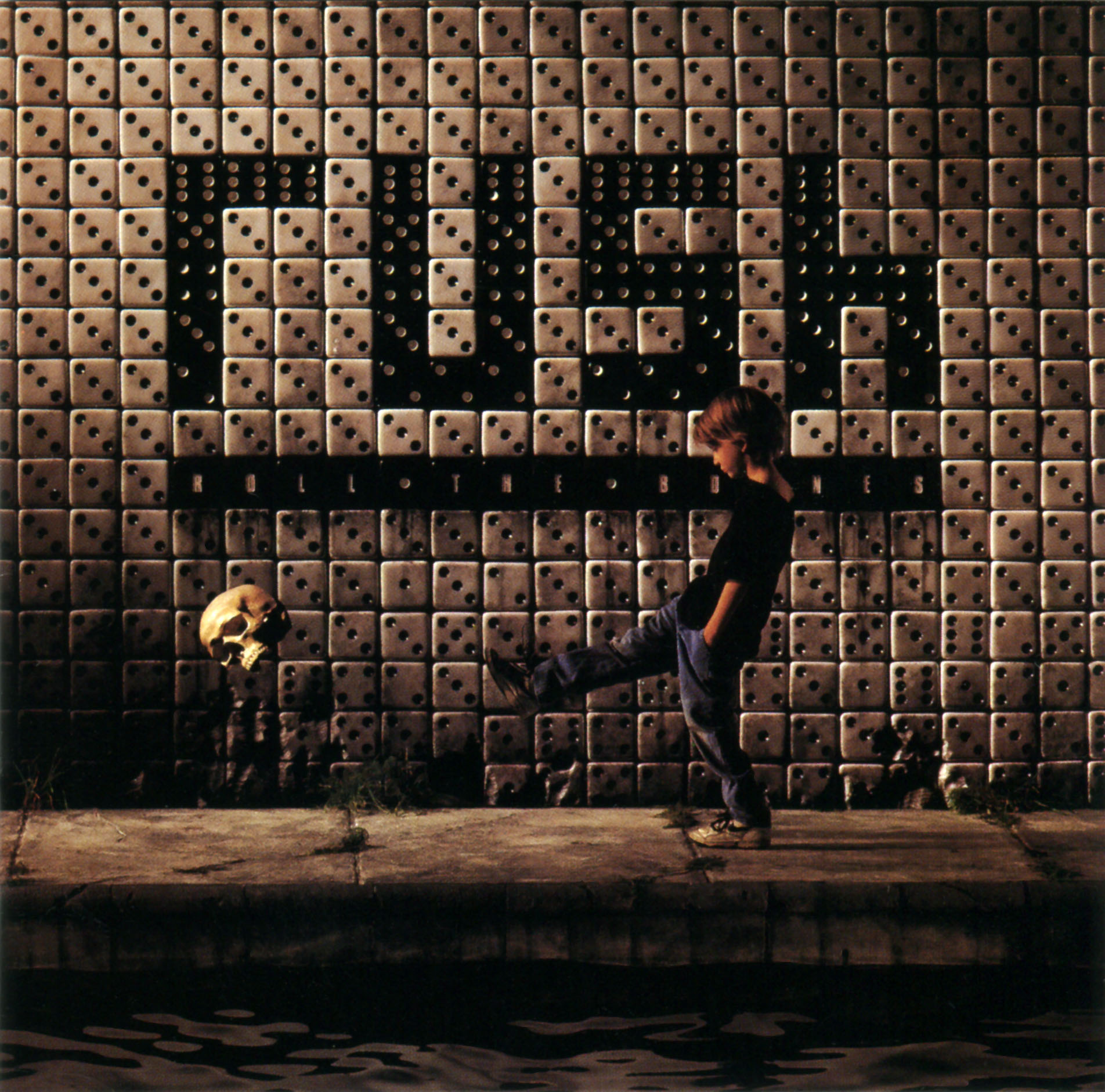 If I had to pick one Rush album between 1984-1996 to be my favorite, I would pick Roll the Bones without hesitation. I grew up with the early era of Rush (through Moving Pictures), and I didn’t come to the 80s (meaning post MP, which I consider to be more like their 70s output) music until I was in college. I’m in my late 20s, to give you a little perspective on where I’m coming from. I was drawn to the hard and heavy music and the rough philosophical and fantastical lyrics of that era of the band.
 The Gong Farmers, Guano Junction, Spaceward Records, November 5, 2021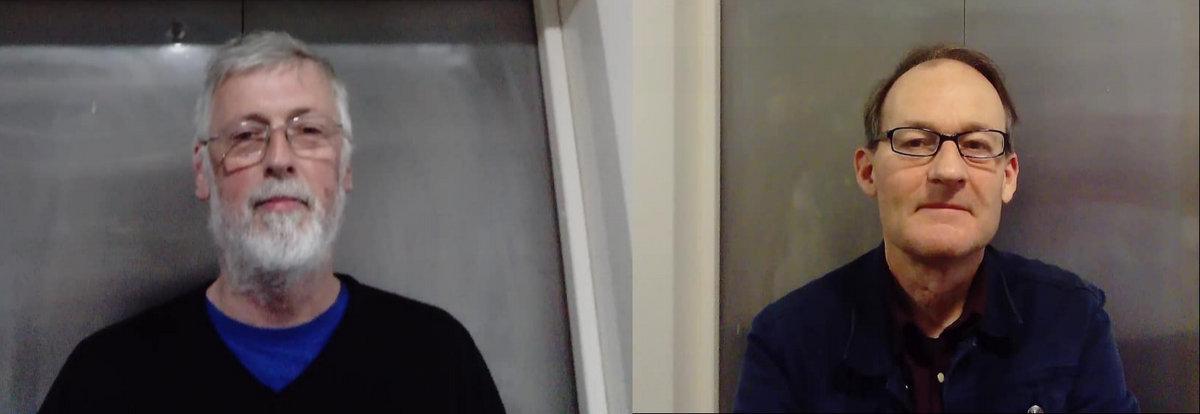
 Drifting Sun, Forsaken Innocence, 2021
 The wonderful Gareth Cole also plays guitar on “Time to Go,” along with Eric Bouillette, who also plays the violin on “King of the Country” and “Forsaken Innocence Part 1.” The violin adds a nice touch, which perhaps could have been used even more throughout. Even so the album sounds great as is. Jimmy Pallagrosi’s drums pull everything together in gentle crashes of snare and cymbal.
 Big Big Train – Welcome to the Planet, January 28, 2022
 Progarchy