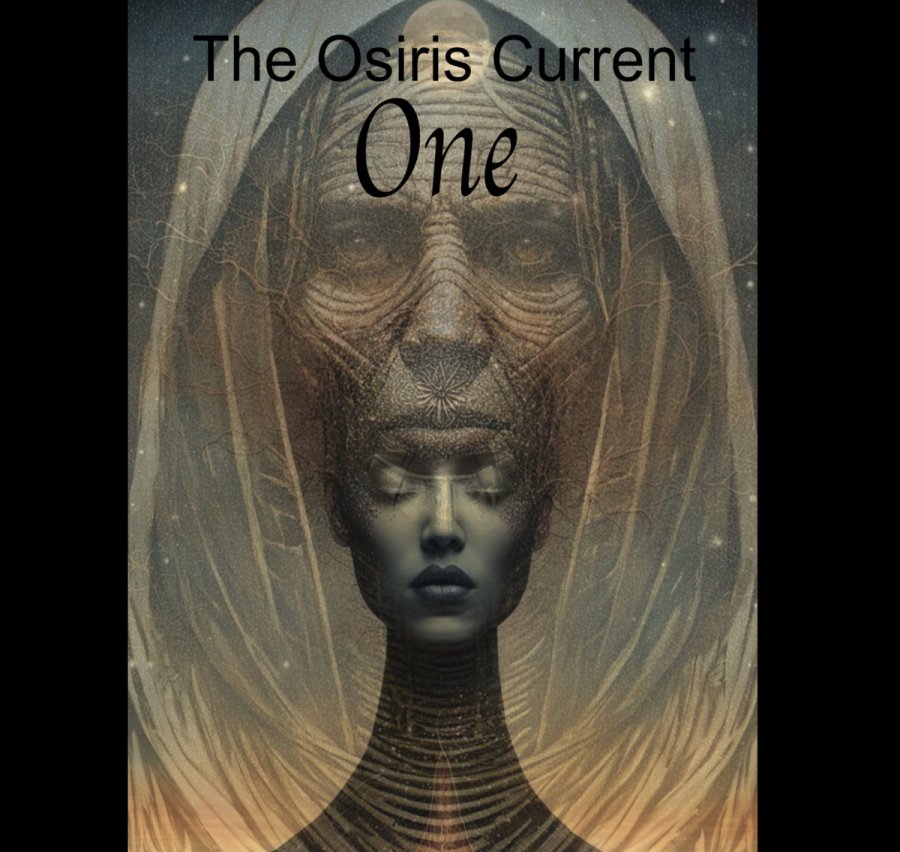
The Osiris Current’s One is a progressive rock/metal album that grabbed my attention from the first listen. The California-based band blends heavy desert rock with occasional oriental influences, creating a sound that is extremely expansive. With five tracks, each offering its own unique experience, One proves to be quite a dynamic and unpredictable journey.
The album opens with “Touching the Void,” a track that would undoubtedly shine in a live setting. The explosive vocal delivery, combined with crushing riffs and a thick desert rock atmosphere, immediately establishes The Osiris Current’s distinct sound. The energy is palpable, drawing you into a world where the heaviness of the music feels like an unstoppable force.
“The Plan” continues this intensity, with pounding drums, sharp vocals, and a relentless groove that builds into something almost cinematic in its power. The track’s blend of progressive metal elements and raw aggression is impressive, but it’s “Sanctuary” that really shows the band’s range. The song shifts effortlessly between moods, with guitar melodies flowing like water, perfectly capturing the album’s fluidity. It’s this seamless integration of heaviness and melody that makes One so engaging.
One of the most striking features of the album is the way The Osiris Current balances intensity with moments of beauty. “Mud” is a prime example, where delicate, ethereal female vocals weave through gritty, tank-like riffs. The contrast between the soaring vocals and the heavy instrumentation creates a mesmerizing effect, demonstrating the band’s ability to craft complex soundscapes that don’t sacrifice aggression.
The closing track, “Around the Bend,” is an epic 11-minute journey that encapsulates everything the band excels at: atmospheric tension, aggressive grooves, and soaring melodies. The song’s layers of vocals, riffs, and drums come together in a way that feels epic and intimate, a perfect finale to an album that’s anything but predictable.
One is a stunning debut that showcases the band’s ability to mix heaviness with beauty, intensity with subtlety. The songwriting is impeccable, the performances are top-notch, and the production is flawless. This is a progressive metal album that will likely find its way onto many year-end lists, providing it reaches right ears. If you’re a fan of forward-thinking metal with a unique sound, One is a must-listen.
Music for Broken Elevators stands out among recent experimental releases, and few bands compare to the unique vision of !GeRald!. This EP departs in a way from the guitar-heavy intensity of their previous release, The Lost Tapes, opting instead for expansive arrangements and a raw, electrifying feel. While guitar freakouts occasionally make an appearance, the focus here is on dynamic compositions that chart unconventional, mesmerizing terrain.
The songs are more structured and concise, with classic track lengths that complement eccentric titles like “The Blissful Little Fire of Frank Bigbof.” and “Glory Whole.” !GeRald! strike a balance between whimsy and complex artistry, blending playfulness with depth.
“The Blissful Little Fire of Frank Bigbof” moves through vibrant, cinematic segments, combining classical and ambient influences with flashes of jam-like intensity. “The Short Way Home” feels fragmented and unpredictable, balancing eerie spoken vocals with a trippy blend of synths, piano, and guitars, creating an atmosphere that’s surreal and captivating.
Enter “Glory Whole,” and we get !GeRald! offering variety for a fast-paced sense of mystery and menace, with instruments weaving in and out of the mix while never losing the central feel of the song. The band’s chemistry shines in “Letter to Sandrine,” a playful yet musically tight piece. After a textured intro of swirling synths and guitar effects, the track builds to a unified melody, with all members aligning to deliver a bold, uplifting rush that feels like a sonic flight.
The closing track, “Atmosphere,” centers vocals against a lush, psychedelic soundscape. There is a swamp of psychedelic effects, and moments of synths meeting with bubbling guitars and blistering explosions of rock power.
!GeRald! is a rare breed—musicians who play from the heart, unbound by genre or convention. Music for Broken Elevators is a refreshing example of their open-minded creativity and stands out for its artistic spirit in today’s music scene.
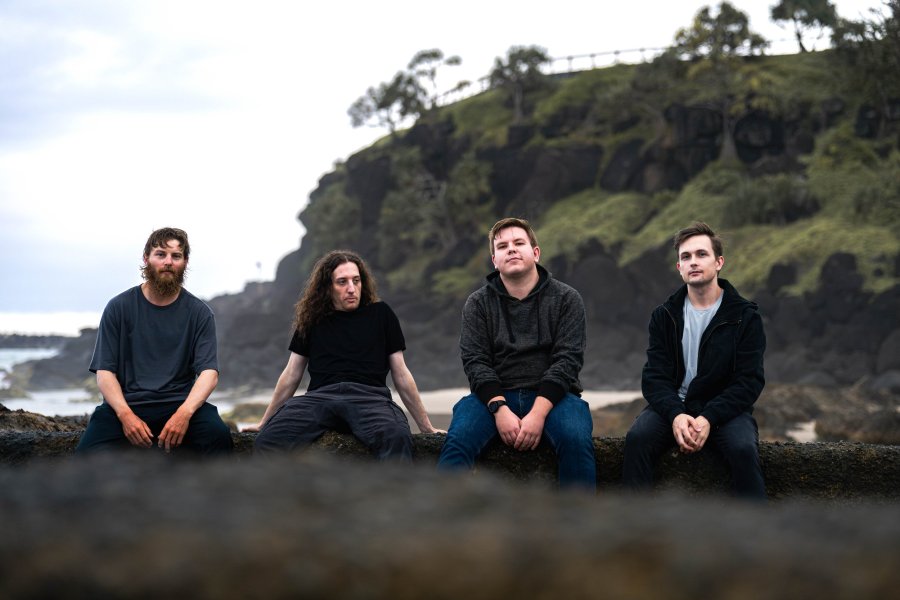
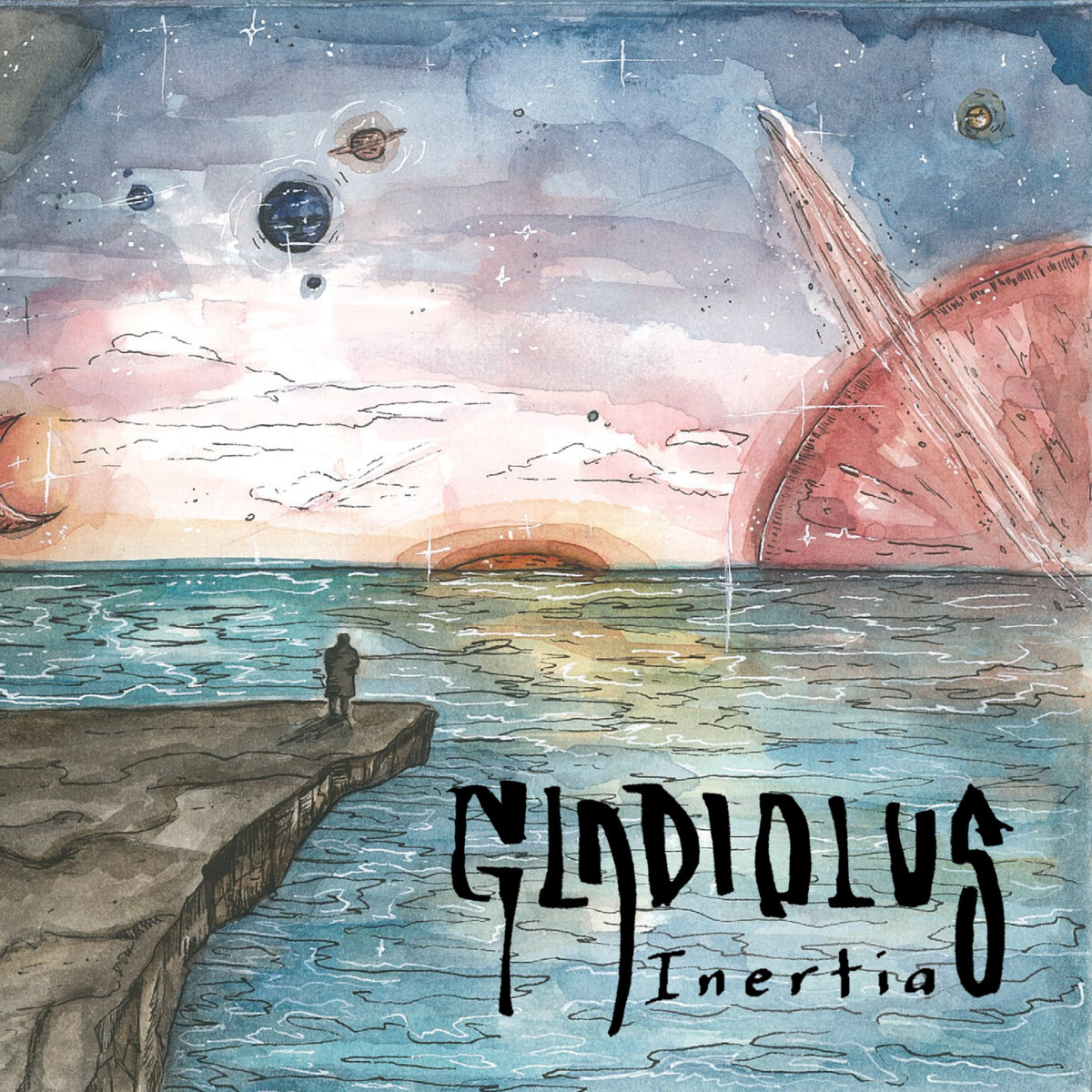
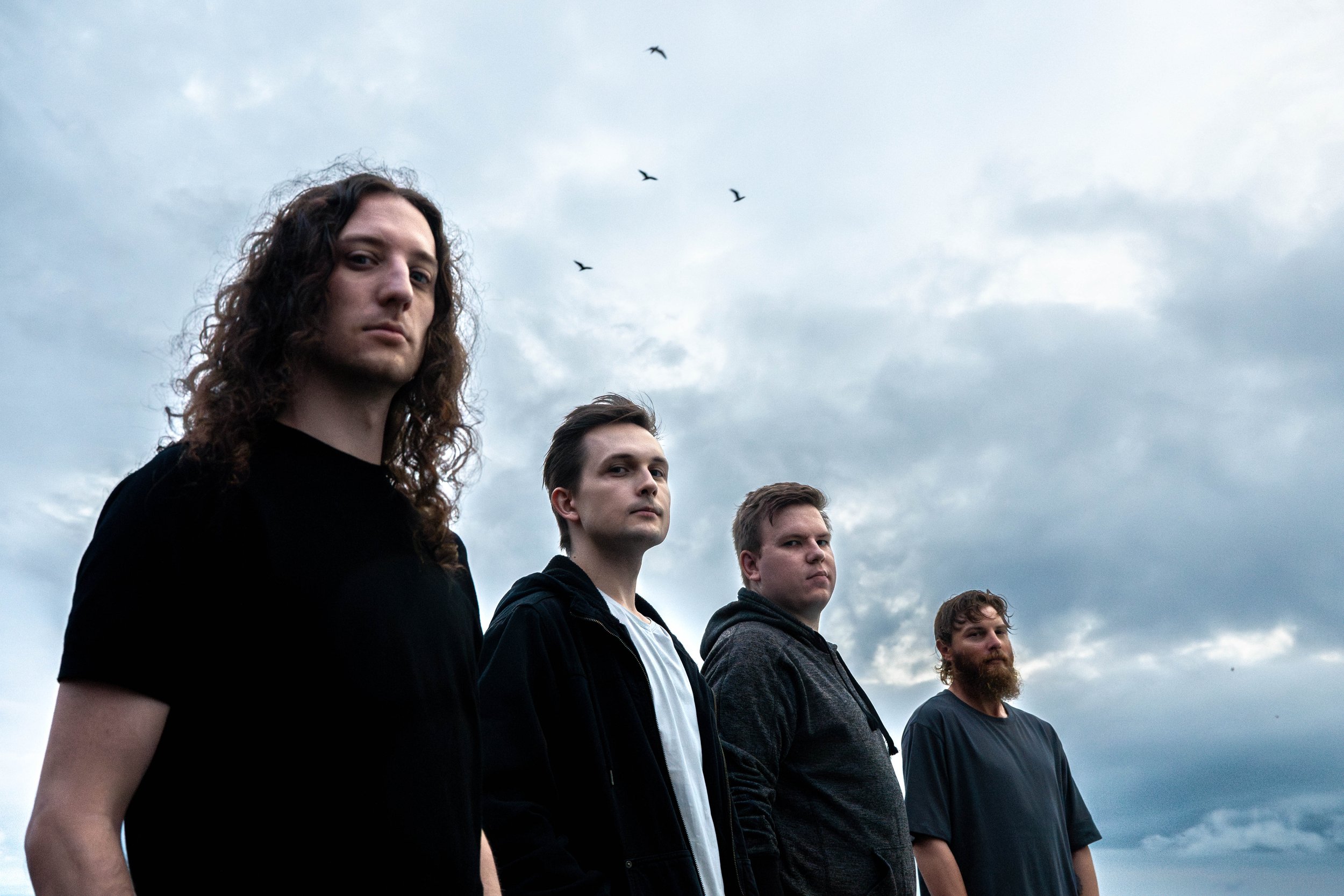
Progressive metal band Gladiolus is turning heads with their debut album, Inertia. Formed by guitarist and vocalist Dan Hendrex and multi-instrumentalist Anson Nesci, Gladiolus blends elements from classic prog influences with modern djent and atmospheric metal, creating a sound that’s at once familiar and refreshingly unique. Their music is heavily inspired by pioneering bands like Karnivool, Devin Townsend, and Opeth, yet Gladiolus forges a distinct sound through dense vocal harmonies, ambient soundscapes, and layered instrumental passages.
In this interview, Dan discusses the paths that led each member to join forces, the journey of creating Inertia—a project years in the making—and their thoughts on the evolving progressive metal scene. Dan reflects on the personal musical evolution that ignited his love for prog metal and the collaborative process with Anson and the rest of the band. Read on to discover the story behind Inertia and what makes Gladiolus a band to watch in the world of progressive metal.
Describe your personal musical journeys that led to Gladiolus.
Dan: I’ve always been a musical being – I’d listen to pretty much anything growing up, and I’d always fall asleep with the radio on. Stuff like Jet, Live, Powderfinger, Linkin Park, Alien Ant Farm, The Gorillaz and System of a Down shaped the soundtrack of my early childhood.
I picked up guitar around age 10 and kinda coasted for a while, but then a friend showed me prog metal at 16… I latched on pretty much immediately. Hearing Tool for the first time really kickstarted an actual deeper interest in guitar and music as a whole. Some other friends through the following few years put me onto bands such as Karnivool, Twelve Foot Ninja, Caligula’s Horse, Devin Townsend and Periphery, and I was hooked.
Seeing that influx of people recording music that sounded good in their bedroom around 2013-14, I figured “why not give it a shot?” I bought a shitty guitar link cable from some store and downloaded a free DAW with some trial plugins, just to mess around. At some point, I saved up enough from my job at Bunnings to pick up something a little more serious, and bought myself an AX8. The stuff I was writing at the start was pretty average, but practice, time and inspiration by seeing so many cool bands in Brisbane inspired more interesting compositions.
How did you both first connect and what made you want to work together?
Dan: Eventually, the approach turned from “hey, this is fun” to “hey, what if I actually tried to write some original music and release it? That’d be a cool story to tell at the old folks home when I’m 72” and so I put some feelers out to see if anyone wanted to collaborate.
It was a bit of a revolving door at the start, until Anson got in touch with me around 2017. He’d just moved back up to Brisbane from Melbourne, and saw a post I’d put up on a Facebook group looking for musicians with an early demo of Inertia attached. We clicked pretty much immediately, and quickly started piecing the bones of the album together as a team. It was so easy to bounce ideas off of Anson, so I knew I’d struck gold with that connection – a real camaraderie that you just know from minute one is going to be a lifelong friendship.
We met Joe through one of the earlier band members, and we shot him some demos. A week later we took our gear down to his place and auditioned him. Same deal, pretty much instant broship was formed. Dude’s just so chill, and he’s got the chops to throw around when he needs to! Tracking with him has been a breeze, and every time we ask for a little bit of Joe secret sauce on top, he delivers in spades.
Anson and I were both studying at Griffith University in the Gold Coast at the time – I studied Mechanical Engineering, and Anson was completing his Bachelor in Popular Music. We used the space to record some tracks and hone our skills, submitting some as production assignments for Anson’s courses. Zak was in Anson’s cohort at the time, and we all bonded from our love of prog metal, stopping to chat as we passed by each other roaming the halls and studios. He helped us with our first drum engineering session, and I jumped in to assist him with composing some pieces for his assessments. The slot opened up and it just made sense to us. We already connected really well and his style melded perfectly with the tracks we’d put together for Inertia, so we asked him to come aboard!
Reflect on realizing Gladiolus’ debut album Inertia.
Dan: It was a very gruelling process. I started demoing stuff around 2016 on my own, and had large swathes of the album’s tracks mostly together by the time the others had joined. Anson came in towards the tail end of the main writing sessions and helped contribute to the structures of a bunch of existing songs, as well as giving us the entire structures of what became Disintegrator and The Wanderer. We demoed out pretty much the whole album as Joe joined, and then go to tracking drums, bass and rhythm guitars.
We went through a couple of vocalists to try and find what was the right fit, and it took probably 1-2 years of trying out different angles before the boys pushed me to give it a shot myself. There was a lot of momentum loss due to people joining/leaving at critical moments. Once we had a stable lineup, the pandemic hit. We all got very busy as well… Anson got married, we all finished school and moved multiple times, and life got in the way of us completing the album.
We’d find gaps of time to get together and collaborate, but since it had been so long since we started, a lot of the momentum (or maybe you could say… Inertia?) had been lost. We’d also spent a large amount of time thinking about the intent of the album, and moulding its intricacies to convey the right emotions and progressions.
Lead guitars and vocals were the last things to be done, and didn’t fully come together until early this year. I think the main reason those took so long was fear. I’m pretty new to being a vocalist, and I was TERRIFIED of ruining the record with bad vocal delivery/melody or cringey lyrics, so it took a lot of deliberate collaboration with Anson to shape those elements. A lot of what was needed was already in my head, but because I was so new to vocals, I really needed that extra brain to bounce things off of and affirm my feelings towards what made sense harmonically and structurally.
The same can be said for lead guitars, which were very much so a collaborative effort between Zak and myself. We both worked hard to build parts that fit sonically with the established structures and provide additional dimensions to them, while also allowing space for the vocals to stand out where needed.
Describe the creative process for Inertia.
Dan: Most of the album was constructed during our time together at university. Anson would come hang out and sometimes sleep on my couch, and we’d just chill out. We’d have a session open in Reaper and just play with different ideas or noodle until something stood out as interesting, and then try and develop it further with stream-of-consciousness part creation/layering. After enough time experimenting and chopping/changing, we built the rhythmic and structural skeletons of the songs. We used synth and drum sampling plugins to lay down the foundations of those parts as well.
Lead guitars and some very vague ideas for vocal progressions were constructed along with these initial demoes. Joe took the drum parts we’d made and tried his best to learn them, while changing them if they didn’t make sense or spicing them up where some sauce was needed. A lot of the intricacies of the drums were developed in the studio whilst we were tracking them. We’d tracked drums at university, but we felt we could get a better source tone so we rented out Studio Circuit for three days, and Joe absolutely smashed through the whole album’s recording. Poor bugger thought he was done, and then we made him do it again!
Vocals and lead guitars were done ad-hoc at multiple locations… Anson and I would trade off the travel, meeting up at one anothers’ places with the vocal gear to smash out some layers when we had time. Similarly, Zak and I caught up when we could to try and shape the lead parts together. Some of it was done solo, but we’d pretty much always meet up and do the final takes with one of us engineering the other.
Tell me about the different instrumental aspects that you explore on these new songs.
Dan: Inertia is very much so a record that celebrates all the pillars of what makes prog so interesting. A lot of our sound is rooted in the vibes that you can find in progressive rock and metal from the mid-00s to early-10s, but we’re not afraid to poke our heads out of that box when it feels right.
We’ve got a lot of modern djenty-sounding tonalities that might be likened to Periphery or Tesseract in tracks like Myopic and The Precipice, but you’ll also find more atmospheric/textural soundscapey stuff ala Devin Townsend/Porcupine Tree/Karnivool in tracks like Tremors and Inertia. Disintegrator was a fun little foray into a more post-metal/desert rock sound, and we played with duelling stereo guitar solos that wrap around each other in The Wanderer. You’ll find our longer compositions evolve and shift a lot, and we love to play with textures and dynamics to move the listener where we want them to be emotionally.
The album is peppered with bucketloads of vocal layering, to really fill in the sonic space and make the high points massive. We utilise a lot of reverb on guitars and synth pads to evoke certain feelings as well, such as the dip after the second chorus in Tremors, the soaring chorus of Inertia or the ending of Downtrodden.
Inertia was very much so an journey of exploration/self-discovery, and we think that the tracks on the record reflect that in their juxtapositions with each other.
What is your opinion about the progressive metal scene today, both in Australia and worldwide?
Dan: Metal has seemingly experienced a massive resurgence in the public eye over the last few years. Maybe the pandemic brought people’s willingness to explore more intense emotions out, or maybe it’s just the fabled 20-year cycle that fashion/trends are rumoured to go through, but it’s really exciting either way. We have bands like Bring Me The Horizon and Knocked Loose leading the charge in showing the larger population just how good heavy music can be, and it’s super awesome to see those gates being pried open again. You simply wouldn’t see stuff like Megan Thee Stallion’s collab with Spiritbox or Doja Cat’s rock/metal adaption of Say So pre-pandemic!
It’s also really exciting to see the boundaries of what defines metal being challenged in ways we haven’t seen in yonks. The early 2010s gave way to a new wave of metal with djent and the accessibility of bedroom recording gear, and I think that we’re seeing a similar level of genre-shift happening before our eyes now. You have bands like Loathe and Thornhill bringing back a lot of the timbres/tonalities that we loved in the early 00s nu-metal, reminding people why we loved Deftones and Limp Bizkit so much back then, and you’ve got the resurgence of 80s synthwave, 90s electronica and 2010s EDM sliding into metal through bands like Northlane and Haken. Sleep Token are bringing RnB into the mix in a way I’ve never seen in the genre before, and Bilmuri are making f**king COUNTRY tracks with breakdowns that make me wanna scream HELL YEAH BROTHER!
There’s never been a better time to be a metal fan if you ask me. There’s such a broad range of stylistic exploration happening, and people merging genres together that seem like they should be the antithesis of each other. It’s no wonder that we’re seeing an increased interest in the scene – I love it so much and I’m all for it. It’s so f**king prog, man.
Let me know about your influences — the artists that in a way shaped and continue to shape your music.
Dan: We’ve been inspired by so much music that it can be hard to pick key influences to our sound sometimes, but there’ a few stand-outs that are definitely worth a mention.
Karnivool have always been a favourite of ours. We love the way they build their songs to tell a story and convey emotions so effectively. The push and pull of their compositions are unmatched, and a huge inspiration to our music. We also love their approach to guitars, with there often not being a clear-cut lead/rhythm separation, using stereo guitars playing equally important parts to add layers without one necessarily being more up-front than the other. Their ability to allow the rhythm section to breathe and drive songs is also something we strive to be even half as good at!
We draw inspiration from bands like Opeth, Caligula’s Horse and Porcupine Tree for similar reasons. I think a lot of the tracks we have that are through-composed or built with multiple separate parts such as Flicker, The Wanderer and Inertia are all informed in some way by how these bands navigate these challenges in their own compositions. Tracks like Ghost of Perdition, Graves and Anaesthetize come to mind when thinking about this.
Devin Townsend’s music has always been extremely inspiring to me, and his world-class vocal abilities are what I try to emulate with my own vocals. We utilise a lot of similar techniques in layering of backing tracks. I’ll record 4+ takes of each harmonic layer, and we’ll pan them to give a choir-like effect. We also love his use of reverb tails and how they feed into his music’s distinct vibe – definitely something we’ve taken to doing as well with big synth pads and massive verb tails on guitars/vocals.
We love a bit of sludge and grind every now and then, and we can’t think of better bands that capture this aesthetic than The Ocean and Cult of Luna. Both strongly influence areas of Inertia that delve into the muddier side of metal – tracks like Disintegrator and the end of Inertia really lean into this vibe. It’s something that really came into the picture with Anson’s involvement in production, and I’m so glad for it. Really keen to play with these tonalities more in the future.
What are your top 5 records of all time?
Dan: This is a cruel question. You can’t make me pick favourites! I’ll try for you though. In no particular order:
Karnivool – Sound Awake
Devin Townsend – Ki
Meshuggah – Nothing
The Ocean – Phanerozoic I
Caligula’s Horse – In Contact
Besides the release of Inertia, are there any other plans for the future?
Dan: It’s been a long road getting to the release of Inertia, so we’re keen to bask in the satisfaction of its completion for a bit. That said, I don’t think we’re gonna be able to keep ourselves away from the temptation of writing. I’m excited to get back into the chair at home and put some songs together for fun, then see where that might naturally lead us once we’ve got a few demos under our belt. Who knows what the next release will look like – I don’t wanna put a label on it just yet!
Playing some more shows definitely isn’t off the cards, either. We’ll jump at pretty much any opportunity to get up onstage and share our tunes with a live audience… hopefully we can book a few gigs interstate soon! That’d be awesome.
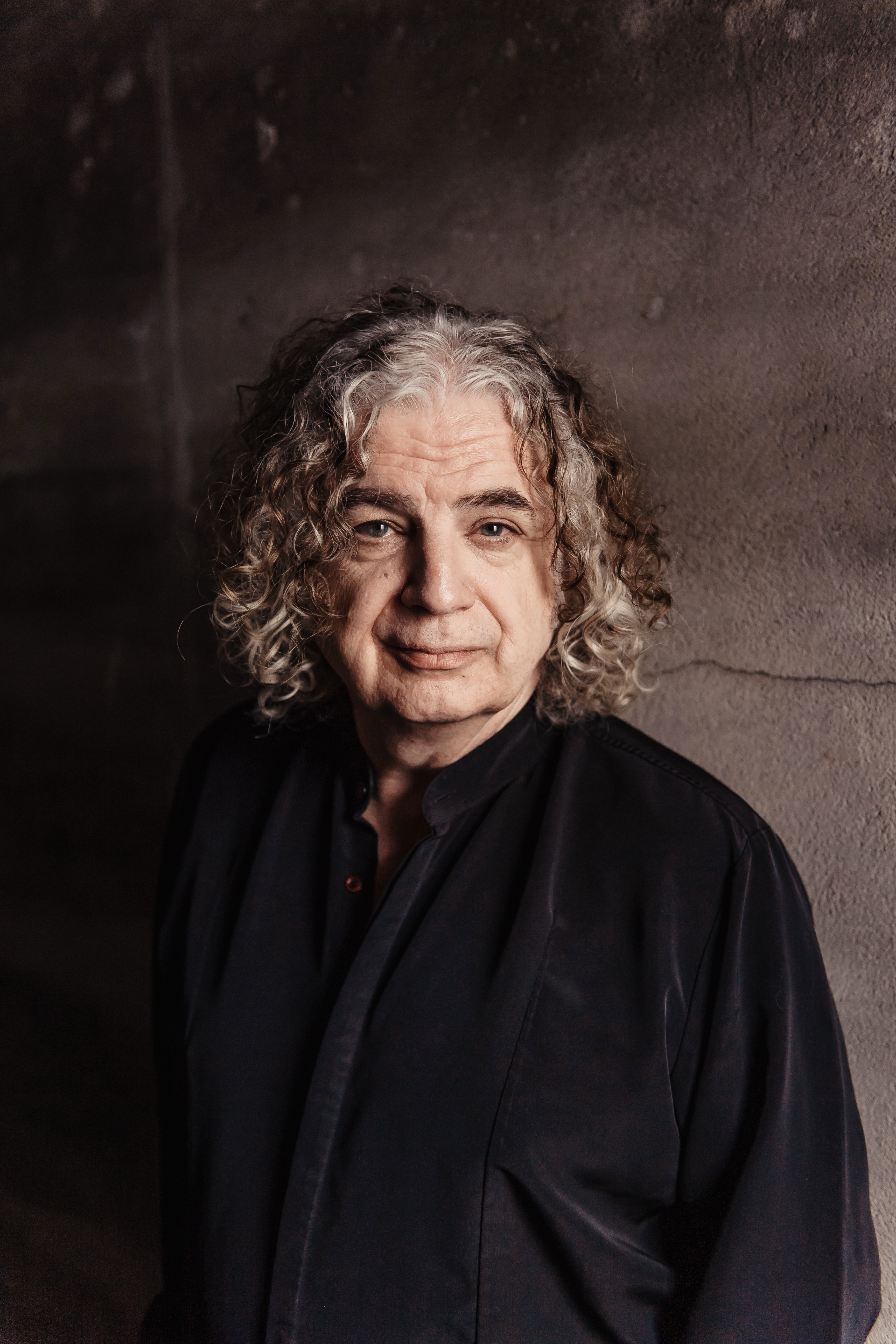
Musical memoirs embrace many styles and formats, but it’s probably fair to say there has never been a story quite like that of King Crimson alumnus, Jakko M. Jakszyk.
For starters, that’s not his birth name, a fact he is keen to point out from the very beginning and provides a key to the essence of his story.
The book’s overriding theme is his personal quest to establish his true identity against the backdrop of an extraordinary musical career, crowned by fulfilling a personal dream of becoming a member of his teenage heroes, King Crimson.
That he has been able to carve out a successful career as a musician, vocalist, songwriter, composer, documentary maker, producer and sound engineer, as well as one time actor – and once, almost a promising soccer player – is testament to his extraordinary talent, superhuman determination and unwavering tenacity. To write this story is to try and make some sense of it all.
But what is clear is that his existential journey towards finding himself has been the driver for informing a greater part of his creative life.
There are so many facets to his story, but as his “public” name would otherwise suggest, Jakko, a nickname given to him instead of his birthname Michael, of Irish/America parentage, but was adopted by a Polish/French couple when he was a babe in arms whose surname he took.
Norbert, his adopted father, came to England after World War Two. He had been spared action on the Russian front due to an accident which damaged his hand, but ended up fighting with the Allies for the Polish Free Army in Italy. However, his wartime experiences left indelible internal scars. He met his wife Camille when she came to England and worked for an American family close to where he had settled.
Royal Albert Hall
Jakko’s childhood proved difficult and oppressive. His adoptive father was a strict disciplinarian who never really appreciated what Jakko did, even when given the VIP treatment at the prestigious Royal Albert Hall in London to see him perform many years later.
Discovering bands like Henry Cow, Matching Mole and ultimately King Crimson, drew him towards the flame of music and the creative arts when he was still at school. “There was a huge hole inside me; I was just desperately trying to fill it up,” Jakko recalls.
An overheard conversation finally paved the way to him finding his birth mother, an Irish woman, Peggy Curran, a singer in a 50s band, and the reality that his father was in probability a US airman stationed in the UK in the 50s.
As he served his musical apprenticeship in various bands, he finally found his mother, calling her at her then home in Arkansas but from the outset, she would not reveal his father’s identity.
What he did discover then was that she had married again, had three sons, also a daughter Debbie who was Jakko’s full sibling. He and Debbie finally met up in New York in an attempt to put together some more pieces of the very fractured family jigsaw.
His solo career was thwarted several times, promised album releases never materialising. However, when Geffen Records showed an interest in his work, Jakko had a chance to go to LA where he met soon to be lifelong friends, the songwriter, Jon Lind and Larry Williams, sax player with the influential Seawindhorn section, that was featuring on two of his latest solo album’s tracks.
Finally, he met his mother and extended family in Little Rock, Arkansas. It proved a difficult and uncomfortable meeting because of her never-ending manipulation of the truth and her continual self-denial.
Michael Jackson
Other Stateside meetings brought him into contact, accidental or otherwise, with David Bowie, Jeff “Skunk” Baxter and Gene Simmons.
However, it was his encounter with Michael Jackson at Westlake Audio in LA which left, not surprisingly, something of a lasting bizarre impression. Laying down some of the tracks for Bad with Quincy Jones, Jackson told Jakko he liked his shoes, which led into a surreal conversation about shoe shops in London’s famous shopping area, Oxford Street.
Meanwhile, his family situation got even more complicated when he found he had another full brother, Darren, who was living in Florida but they eventually met in England.
On the musical front, Jakko’s star continued to rise when he joined the ranks of the 21st Century SchizoidBand comprised four alumni from King Crimson who made albums and toured This led to him making the highly acclaimed Scarcity of Miracles with Robert Fripp and Mel Collins release in 2011.
An invitation to sing Entangled with Amanda Lehman on Steve Hackett’s Genesis Revisited II thrust him even further in the Prog limelight. Then came the call he had been waiting for all his life – from Fripp, asking him if he would accept the challenge of being Crimson’s second guitarist and lead singer. As his friend Nick Beggs would quip: “Well that’s the longest audition in rock history!”
Joining King Crimson would be the pinnacle in Jakko’s remarkable career. However, his personal situations was far from resolution. His adopted parents both died (and provide the most heart-breaking of reasons for the naming of this book). More revelations from the USA emerged, his mother dying, taking even more secrets with her including the possibility of there being a further offspring
And finally, reaching the age of 64, Jakko learned the identity of his father, but having died in violent circumstances at a very young age, there’s no knowing if he was ever aware of Jakko’s existence after he returned to the States and married his childhood sweetheart.
Genesis
What is more, following the storming of the Capitol Building on 6th January 2021, Facebook posts showed that one of his Arkansas half-brothers is a white supremacist with views that are a total anathema to Jakko and the creative world which he has inhabited most of his life.
This summary only scratches the surface of this remarkable, heart-wrenching and utterly compelling story, which stuns, confounds, delights, astounds, amazes and horrifies in equal measures.
As well as the constant deeply affecting quest for identity, there are plenty of lighter moments too, one of them being a “lost” weekend he spent in Amsterdam with his son Django, which takes father/son bonding to a new “high”!
Who is Jakko Jakszyk? With the constant shifting sands that still underpin his life, he fears he will never ever know. Even at the end of his story, he remarks: “The answers themselves just manifest more questions. And then there are no answers anymore.”
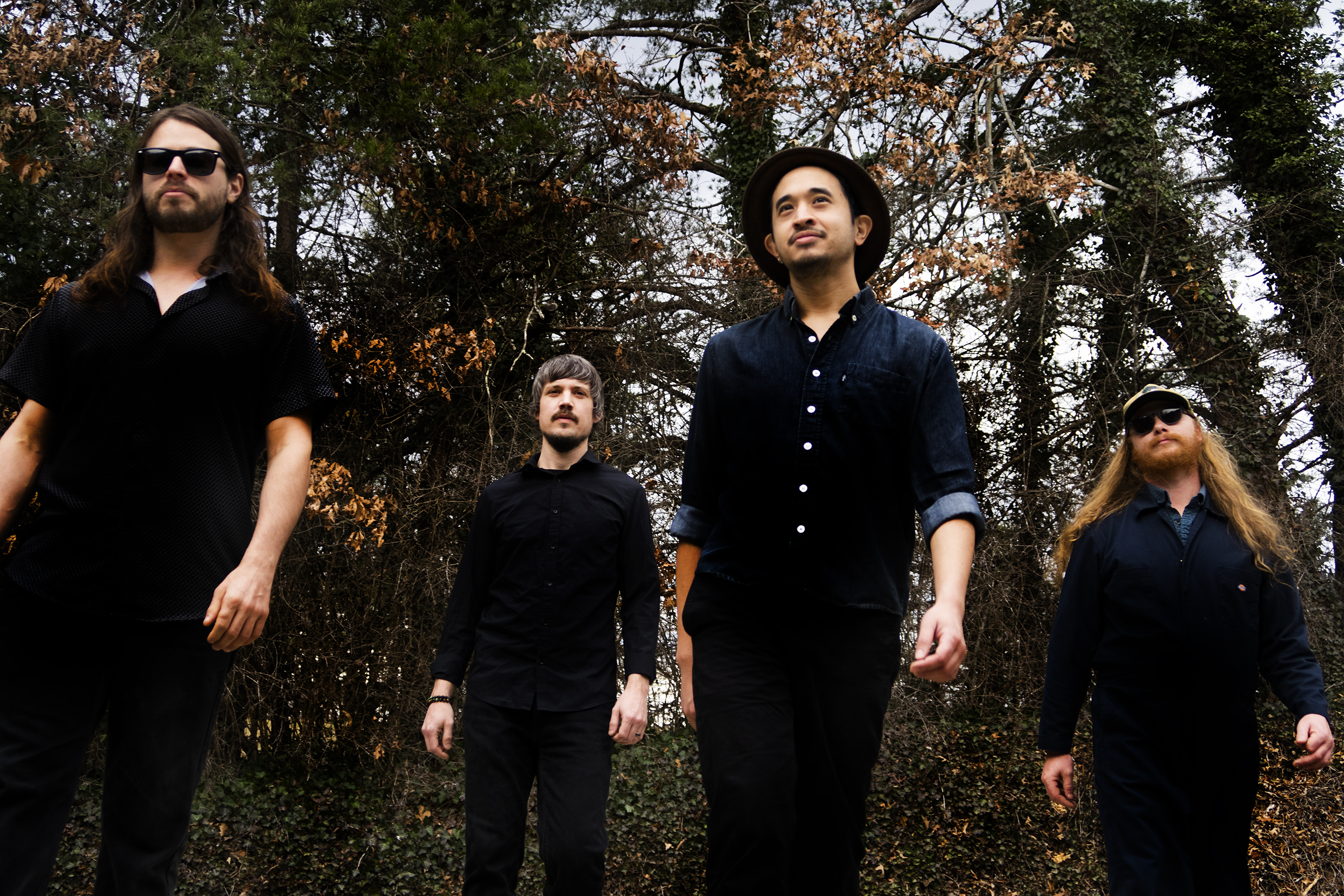
It could be said that Asheville’s THE SNOZZBERRIES is one of the rare bands on today’s scene that bring such a fruitful mixture of progressive rock, psych rock and funk. They don’t limit themselves to any confines in their music. While they are very technical people who can play with precision this doesn’t mean that the band goes and tosses around excessively long instrumental sections just to keep reminding the listener of their skill. For being the sophomore release, The Snozzberries is the upcoming album from the band, and it is a record that needs time in order to be fully comprehended. There are styles and musical circumstance that get explored on this release only.
Backing somewhat dark themes Ethan Heller’s powerful vocal delivery which provides the ideal vehicle to deliver the words. Another one of THE SNOZZBERRIES’ strengths is their ability to have complex songs that still manage to be packed in relatively short pieces. This allows choruses to become hooks, and don’t rely on uber skilled technique to impress. Like stated earlier, the experimental aspects of the music are well above par.
The energetic drumming gives the album a tribal feeling that along with the twisted psych-y melodies creates a perfect atmosphere. The music on The Snozzberries is very upbeat and catchy which helps visualising it, almost making it seem as if the listener is a protagonist. All of the melodies are completely memorable and brilliantly written. The songs vary in length, but the music still manages to be very accessible.
The Snozzberries is out on November 1st. Follow THE SNOZZBERRIES on Facebook and Instagram.
With the amount of records being released in the present era, ranging from the bedroom to high-class studio productions, it is quite a challenge to satisfy my hunger for music lately. Most of this has to do with the fact that the music being released today lacks sincerity, especially considering the avalanche of the ongoing “AI artists.”
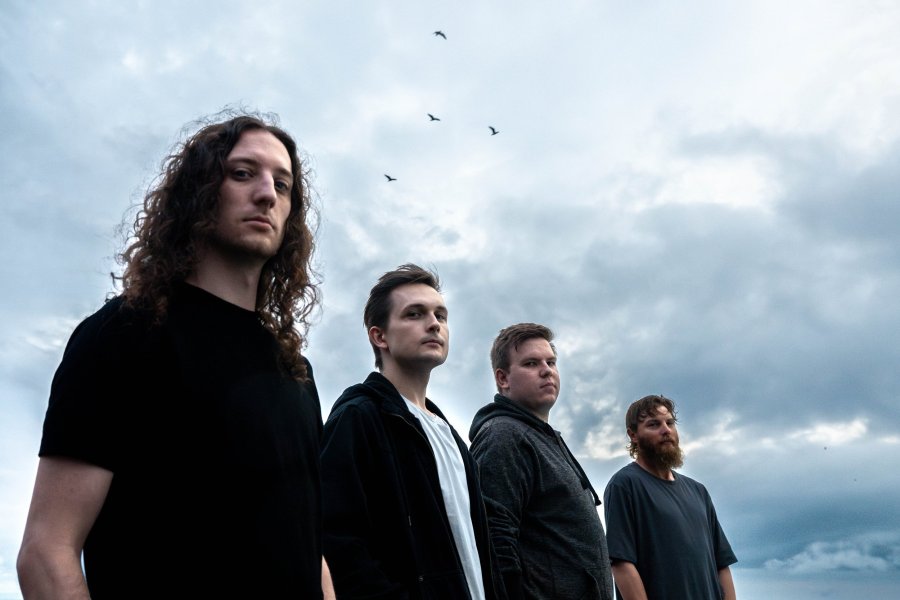
GLADIOLUS from Brisbane, Australia could be described as a true progressive rock/metal band with touches of death metal, offering well-thought melodies, interesting vocal arrangements, and passages that connect the dots that are quite enjoyable on there debut full-length release Inertia.
The album opens with “Myopic,” which after a short ambient intro shows that GLADIOLUS have a lot to offer. With often changes, the band distances themselves from delivering just a pure, lifeless showcase of technical proficiency, something that these guys definitely have, but rather present the work that is alive, dynamic and above all, interesting.
References to various stylistically different artists can be heard in GLADIOLUS’ music. Their explorations within OPETH’s or PORCUPINE TREE’s melancholia speak of that, but the band is not afraid to delve deeper and expand their horizons. As Inertia flows by, a listener is taken to a sound-trip that gets more metal-esque. Each of the songs on the album has its own personality, and labelling this record under a single genre would do this band a lot of injustice. As an example, “Disintegrator” is a hard-on prog number with sound that lies somewhere between HAKEN and BETWEEN THE BURIED AND ME.
The craftsmanship and musicianship are top-notch that it ultimately makes me think how is it possible that these young guys deliver such a mature material? And that is a great thing. Starting from two center-pieces “Flicker” and the title track (both exceeding the 10-minute mark), as Inertia flows by, GLADIOLUS are even more prolific; they are like a gladiolus flower that opens up slowly.
To summarise, Inertia is a record largely based on the progressive rock/metal channelling many different elements. This is a true epic, both in length and amount of quality material, which requires quite a few listens to get into it. How far GLADIOLUS are ready to go? Time will tell. But for now they are on the right path.
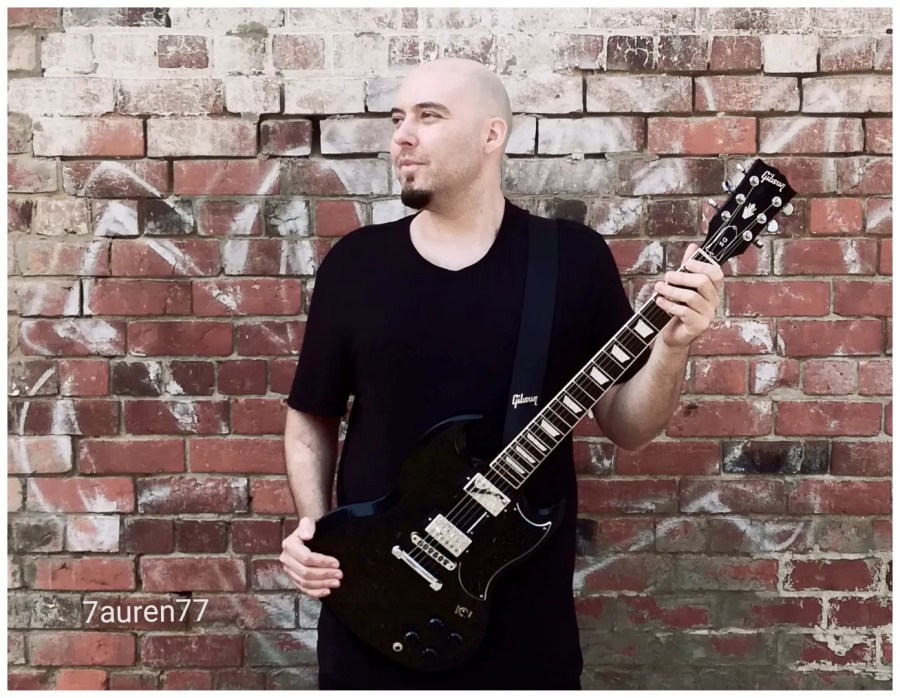
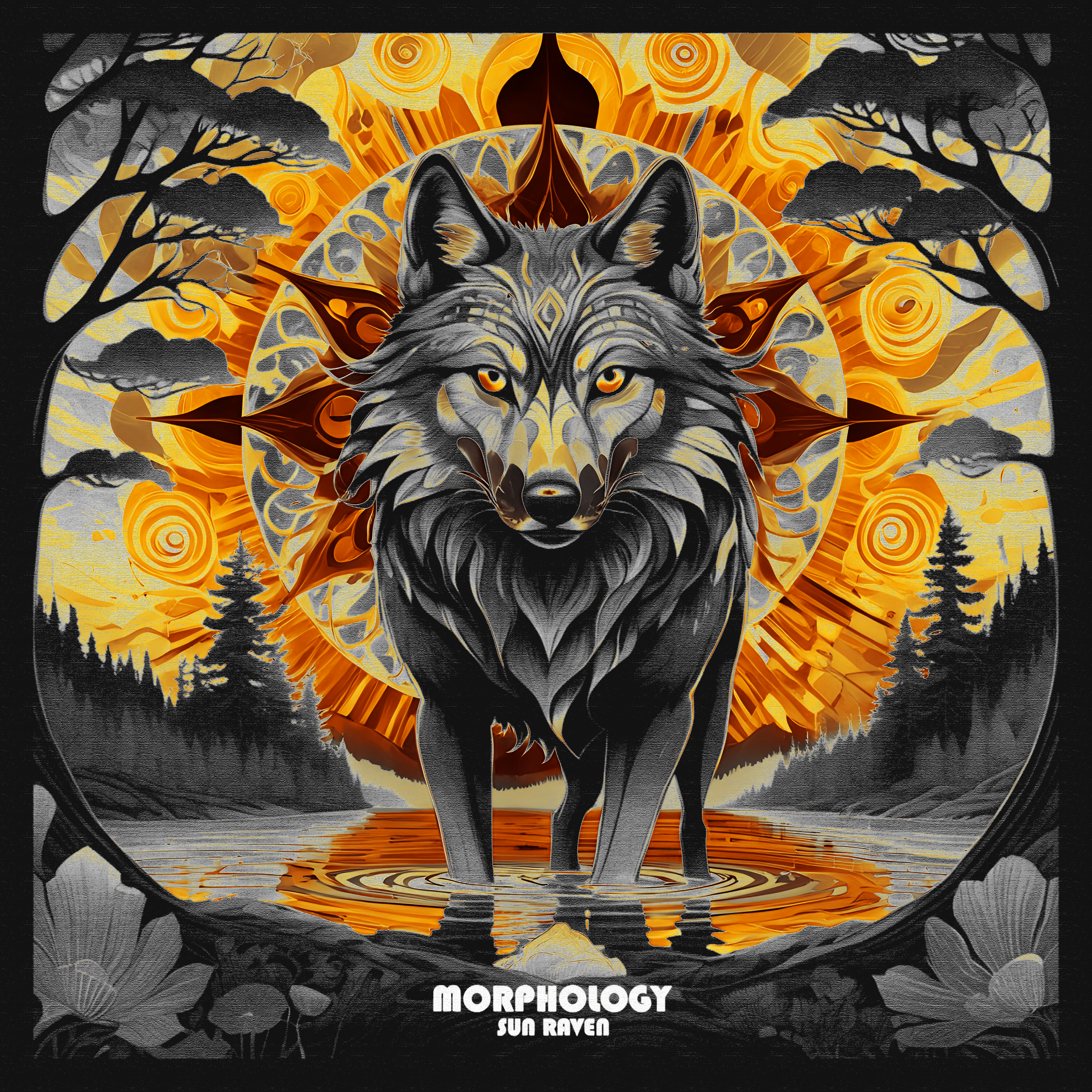
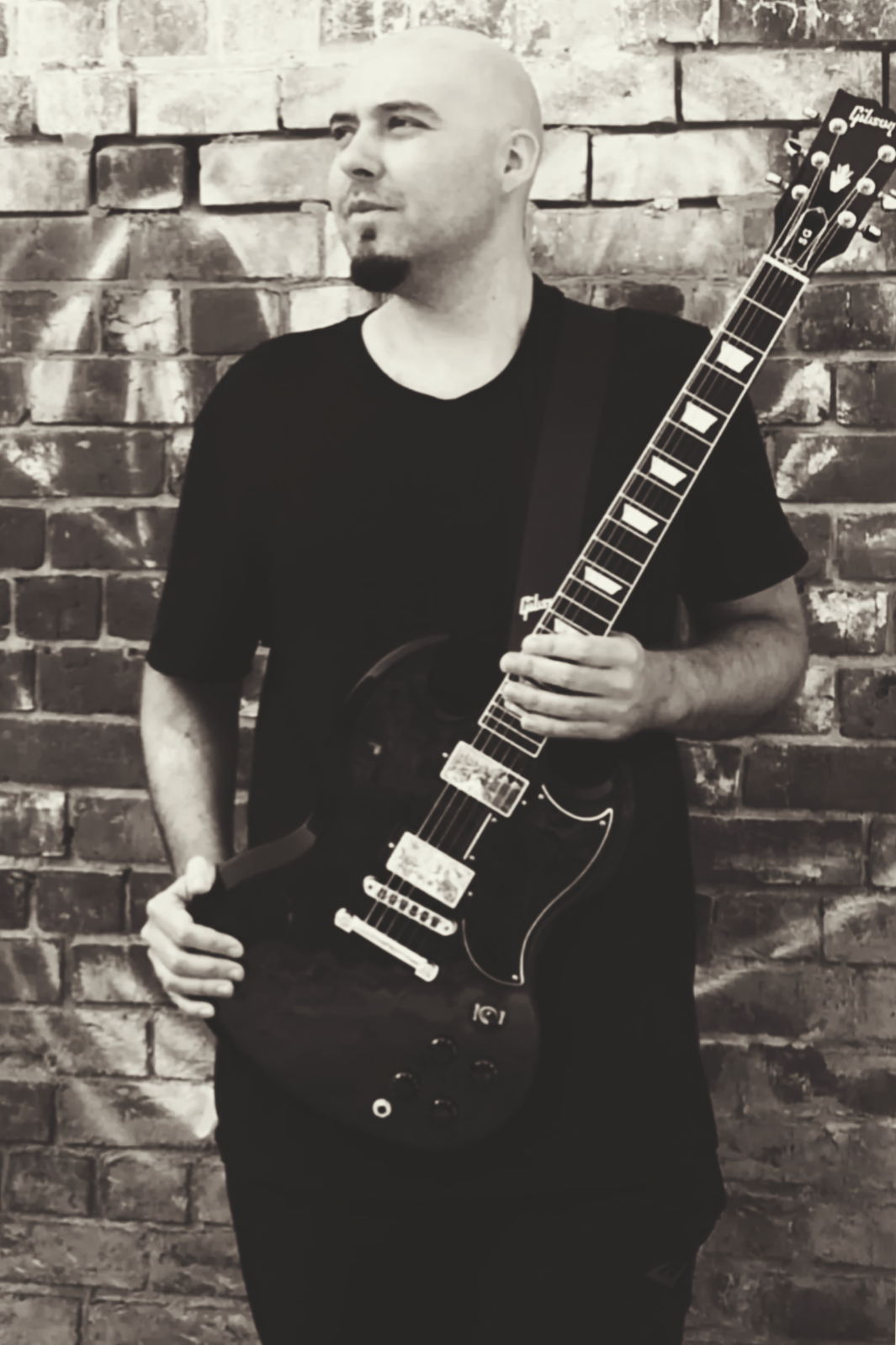
Sun Raven, the brainchild of Australian musician Stephen Murray, is a one-man project that has quietly been making waves in the instrumental music scene. With the release of Morphology, Sun Raven’s sophomore album, Murray has crafted an experimentation that showcases excellent musicianship channeled through multilayered compositions.
Morphology spans ten tracks and is a fully instrumental endeavor, which can often be a challenge for artists aiming to maintain engagement without the anchor of vocals. Yet Murray, whose primary instrument is the guitar, effortlessly sidesteps this pitfall by creating a rich work of sounds that combines both virtual and real instruments. The result is an album that feels dynamic and full-bodied, where the guitar plays a central role but never overshadows the broader musical palette.
From the opening moments, it’s clear that Morphology is an album that requires and deserves full immersion. This is not background music or something to be played passively. Murray’s compositions are filled with intricate twists and turns, but they never feel convoluted or complex for the sake of complexity. There is a natural flow to the music, a melodic clarity that invites the listener to follow along as the album unfolds its story. Tracks transition seamlessly from one to the next, with each song offering new layers of discovery upon repeated listens.
One of the standout aspects of Morphology is how well Murray balances technical skill with emotional depth. It’s easy for instrumental music, particularly guitar-driven albums, to veer into territory where technical prowess takes precedence over musicality. Yet Murray shows a masterful sense of restraint. The focus is on crafting cohesive, thoughtful compositions that serve the music as a whole. The guitar is prominent, but it’s part of a larger, interconnected web of sounds that include subtle textures, carefully layered rhythms, and moments of atmospheric stillness.
The album’s highlights are scattered throughout, but tracks like opening “Insurgence” and “Sanctuary” stand out for their ability to transport the listener. Murray has an intuitive grasp of how to build tension and release it at just the right moments, ensuring that the listener is constantly engaged.
In conclusion, fans of instrumental music, particularly those with an appreciation for progressive and experimental sounds, will find much to admire here.
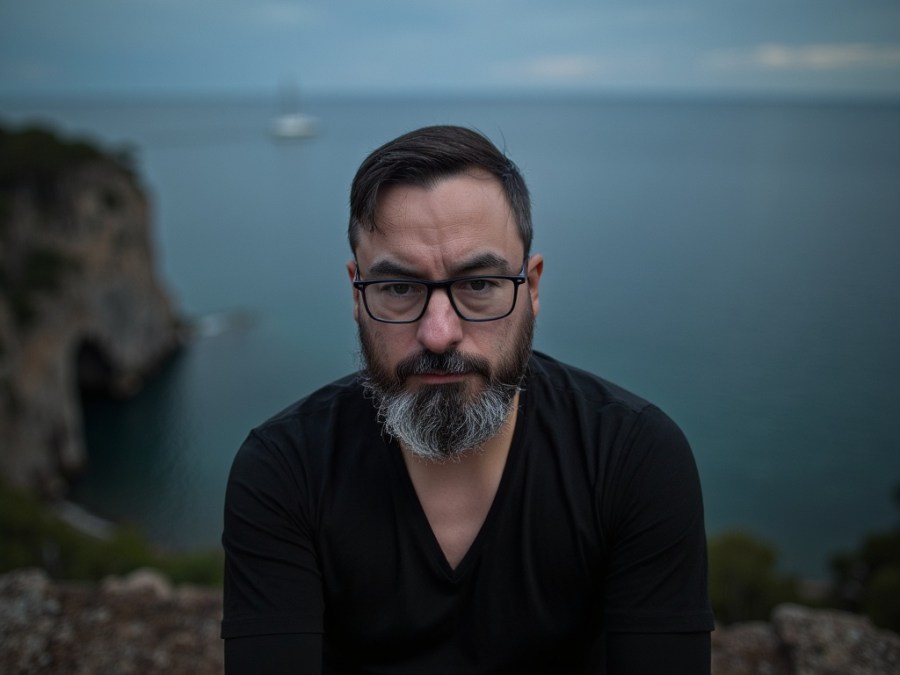
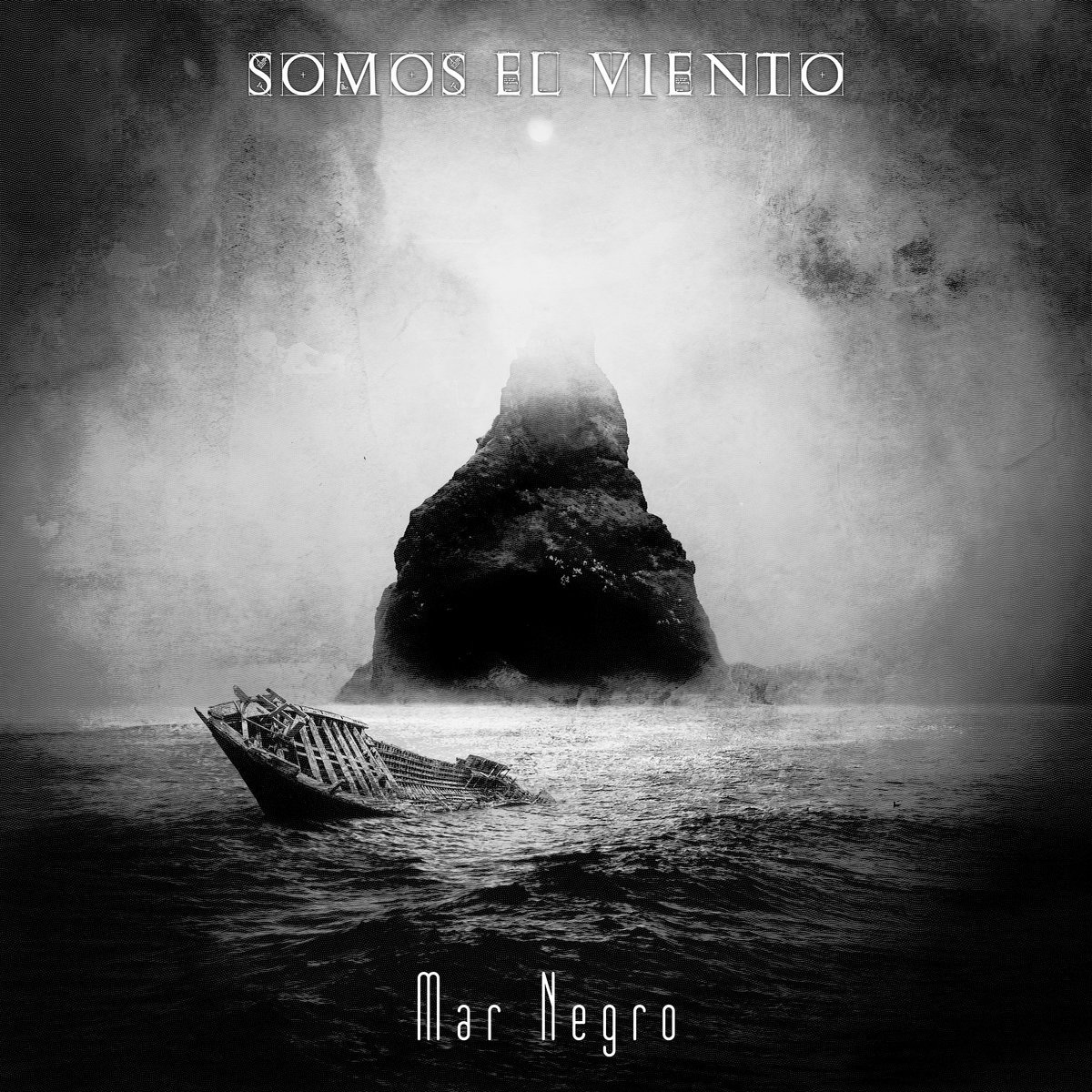
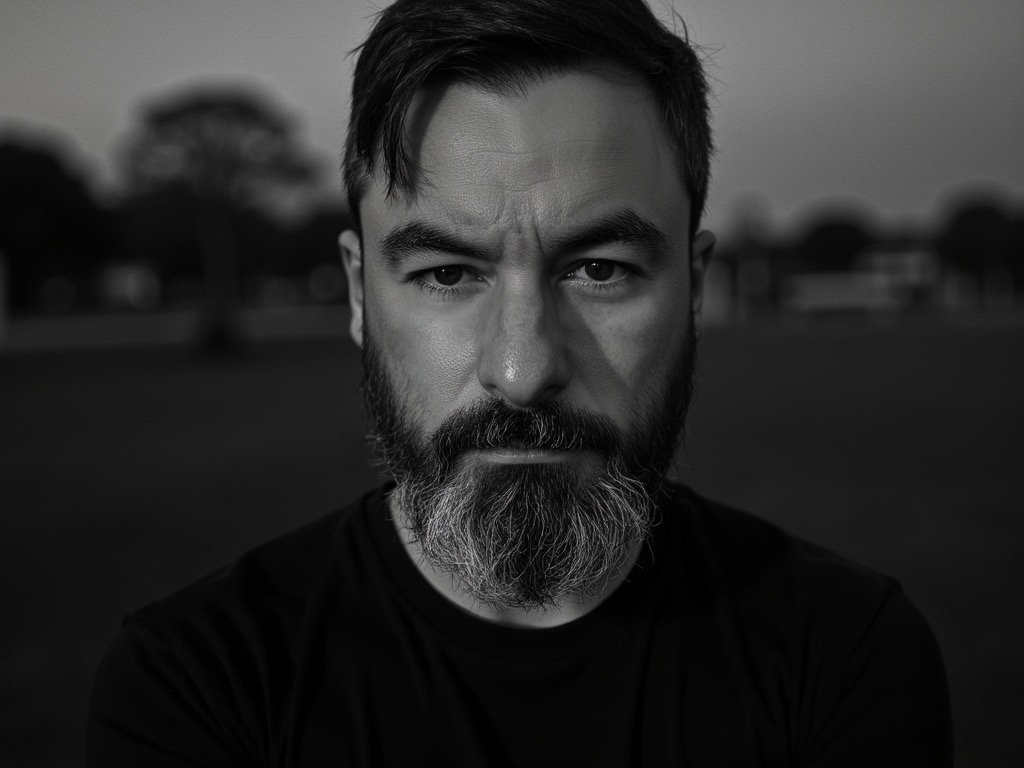
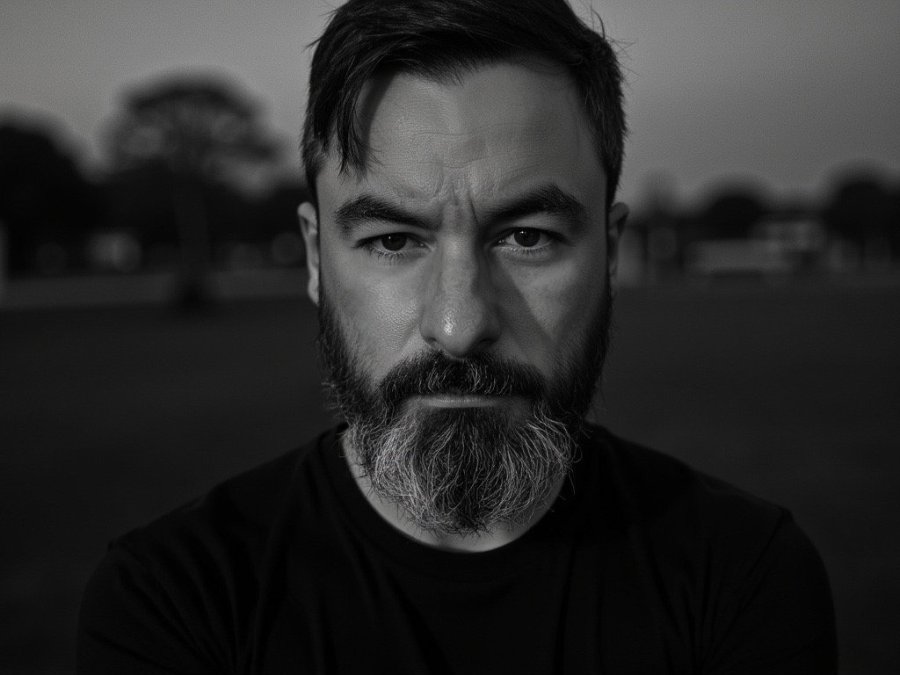
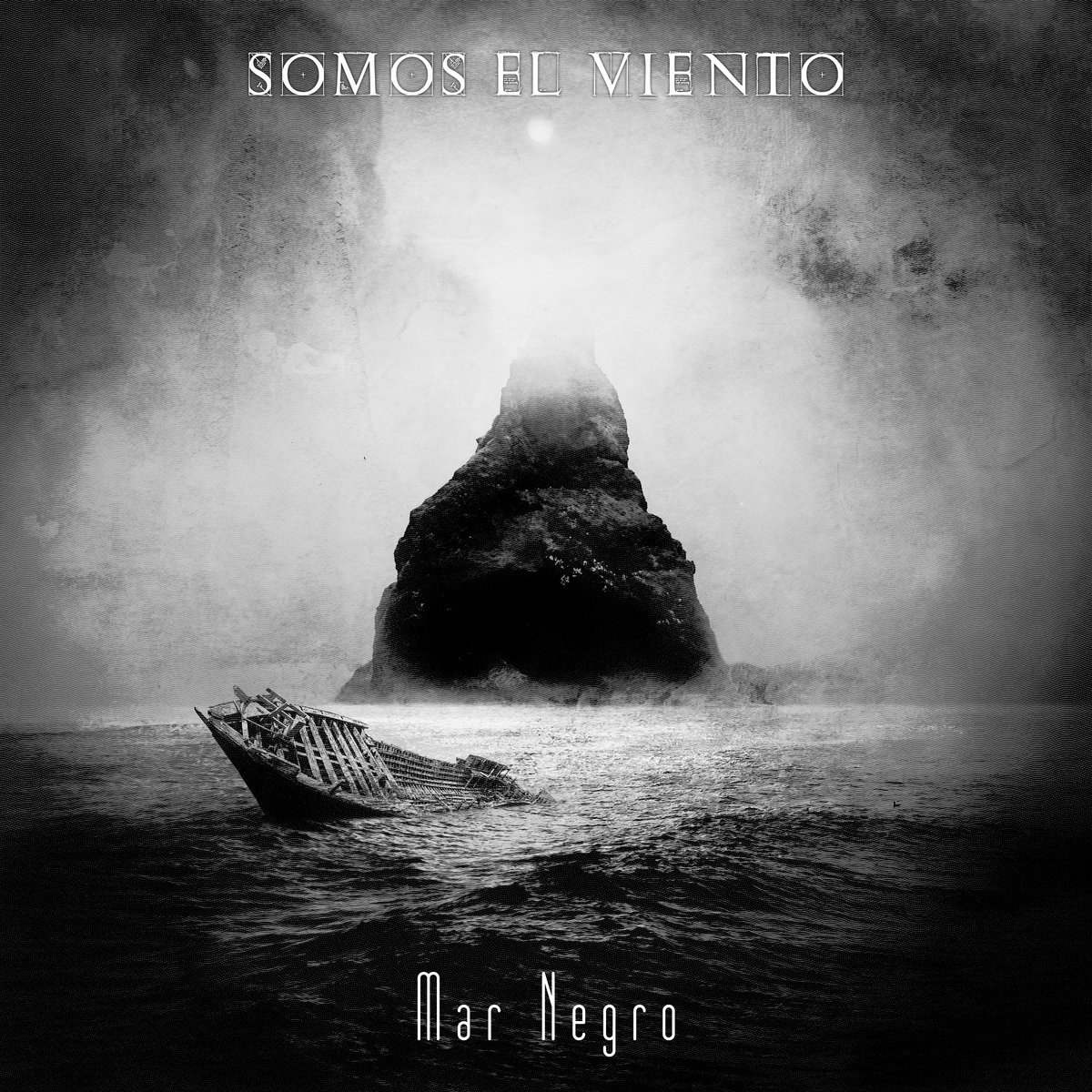
Spanish post-rock one-man project Somos El Viento is gearing up for the release of their new album Mar Negro on October 25th. Filled to the brim with immersive instrumental landscapes, the album promises to deliver a deeply personal and introspective exploration. In this interview, Somos El Viento shares his thoughts on the making of Mar Negro, the challenges faced during the creative process, his influences, and his take on the ever-evolving post-rock scene.
You are scheduled to release an album with your project Somos El Viento entitled Mar Negro on October 25th. How do you feel about the release?
I’m excited but also calm. It’s been a long journey to get to this point, and it feels like a personal milestone. Mar Negrois an album that was created over time, through reflection, and sometimes challenging moments. Now that it’s ready, I feel at peace knowing that it’s out there for others to experience.
How much of a challenge was it to work on the album?
It was a significant challenge, not only from a musical standpoint but also emotionally. There were moments of doubt, but ultimately, those were the moments that shaped the album. One of the main sources of inspiration throughout the process was my two children. The birth of my second child was a key moment, adding a new layer of perspective and creativity, but balancing that with the demands of creating music was sometimes difficult. These personal experiences added depth to the music and gave me a new emotional lens through which to view the project.
Speaking of challenges, have you set any in the early phase of what has become the final result?
Yes, early on, I wanted to create an album that felt immersive and cinematic. I set the challenge for myself to express landscapes and emotions without relying on lyrics. This pushed me to explore different textures and moods within instrumental music. I wanted to create something that would resonate with the listener emotionally without being overtly narrative.
Tell me about the different instrumental aspects that you explore on these new songs.
The instrumental side of Mar Negro is very layered. I use guitars as the main driving force, but there are also synthesizers, ambient soundscapes, and subtle percussion elements. There’s a lot of experimentation with reverb, delay, and dynamics to create a feeling of space and depth. I was very conscious of creating tracks that evolve and breathe, mirroring the movements of the ocean, which was a key inspiration.
What is your opinion about the post-rock scene today?
The post-rock scene continues to evolve. There are bands pushing boundaries, but the genre is also welcoming a broader range of influences. What excites me most is seeing how the lines between post-rock and other genres are increasingly blurred. It feels like the community of listeners and musicians is more open to experimentation than ever before, which aligns perfectly with the kind of music I want to create.
Let me know about your influences — the artists that, in a way, shaped and continue to shape your music.
For Mar Negro, some of my main influences have been bands like Alcest, God Is An Astronaut, and Long Distance Calling. Their ability to create vast, atmospheric soundscapes with a balance of emotional intensity has deeply inspired me. These bands have a way of conveying powerful emotions through instrumental storytelling, something I strive for in my music. Their approach to blending genres and creating immersive experiences has left a lasting impact on me.
What are your top 5 records of all time?
This is always a tough question because it can change over time, but if I had to choose right now:
The Fragile – Nine Inch Nails
Ænima – Tool
Ghost Reveries – Opeth
Fear of a Blank Planet – Porcupine Tree
Lullabies to Paralyze – Queens of the Stone Age
Besides the release of Mar Negro, are there any other plans for the future?
Right now, I’m focusing on the release of Mar Negro. I’ve thought about bringing these songs to a live setting, but that’s still far off. It’s more of a consideration than a plan at this point. For now, I want to see how the album resonates with listeners before thinking about the next steps.
Pre-order Mar Negro from Bandcamp, and follow Somos El Viento on Instagram.
Stephen Murray, the creative force behind the Sun Raven project, has carved his own path in progressive metal by fusing a wide range of genres into immersive, complex instrumental works. Known for his ability to effortlessly weave together distinct musical influences, Murray continues to push boundaries with his interesting sound. With his second album Morphology, Murray takes listeners on a journey that stretches beyond progressive metal, weaving together elements of classic prog rock, ambient soundscapes, and modern heavy riffs. In this interview, Murray dives deep into the creative process behind Morphology, discussing everything from his musical influences and nature-inspired compositions to the evolution of his sound. He also shares insights on working as a one-man band, balancing technical proficiency with emotional depth, and how he stays true to his artistic vision.
Morphology takes listeners on a genre-spanning journey with elements from progressive metal and beyond. What was the driving force behind your vision for this album, and how did you go about blending such diverse musical styles?
I didn’t have a specific concept in mind when I began writing Morphology. I wanted it to follow a similar style to my first album Liberation, but with more classic prog rock elements. I also aimed for a grungier, less polished sound, while still maintaining a solid technical playing level. To achieve this, I used different guitars, amps, and effects, and kept takes that might not be perfect but have a certain vibe, playing slightly ahead or behind the beat, rather than always being perfectly in time.
You’ve mentioned you’re fascinated by the idea of one style of music morphing into another. How did you balance these transitions in Morphology without losing cohesiveness?
I’ve always listened to a wide variety of music. I used to make playlists where one track would be metal, followed by classical or jazz. Similarly, when I’m jamming on guitar or drums, I might go from a metal riff to something ambient, and then to something funky. When I write, I experiment with different styles and see what works. The real challenge is to ensure the transitions between genres are smooth and cohesive—unless the song calls for something intentionally jarring.
On Morphology, you’ve integrated classic prog rock elements with a modern sound. What challenges did you face in modernizing these traditional influences while staying true to your heavier, groove-driven metal roots?
I used Drop C and D standard tuning across the entire album. It’s low enough to sound heavy and modern, yet versatile enough to evoke that classic prog rock vibe. This tuning naturally guided the riffs and ideas, allowing them to develop in a way that lent itself to both classic and modern styles.
As an instrumental project, Sun Raven relies heavily on intricate guitar work and composition. How do you balance showcasing lead guitar parts while ensuring the overall composition remains the focal point of each track?
Though I consider myself a lead guitarist, I’ve reached a point where I don’t feel the need to constantly play fast, technical solos just for the sake of it. The riff, chord progression, harmony, melody, and groove always come first. If the song benefits from a technical solo, I’ll go for it, but more often than not, I opt for melodic leads and solos.
You’ve spoken about how your understanding of music theory has evolved over the years. How did this influence the writing and arrangement process for Morphology?
A deeper understanding of music theory definitely made the recording process faster and more efficient. I know the time signature of a riff and which scales fit over certain chord progressions. While you can rely entirely on your ear, knowing theory helps me get the sound I’m looking for much quicker.
A common theme in your music is avoiding predictability. How did you challenge yourself to create fresh and original riffs, melodies, and solos in a genre with so many established conventions?
For Morphology, I recorded most of the lead guitar parts on a Fender Strat with a fuzz pedal and various delay and modulation effects. This setup inspired a psychedelic rock tone for the leads, which I combined with heavier modern riffs. It helped me come up with different sounding melodies and solos that didn’t follow the typical formula.
Nature plays a key role in your creative process. Can you share how specific environments or moments in nature influenced particular tracks on Morphology?
I live near the Australian bush, and I often jam outside with acoustic guitar. There’s a bird here that makes a sixteenth-note triplet sound, and I jammed along to that rhythm. This led to the creation of the heavy riff in “Wolf.” It’s funny to think that such an intense riff came from a small bird!
Although Morphology is instrumental, it carries a deep emotional resonance. How do your life experiences and relationships influence the mood and energy of the music, even without lyrics?
Most of the music I listen to has lyrics, especially rock and metal. So, even when I write instrumental songs, I often have a lyrical melody in mind. Some tracks are inspired by fantasy stories I create, while others, like “Starr,” are about real people in my life who evoke certain moods or vibes in the music.
The progressive metal genre often embraces technical complexity. How do you strike a balance between technical proficiency and emotional resonance in Morphology?
When writing, I’m not focused on creating “progressive metal” per se. I’m more interested in writing a heavy, melodic song with cool riffs. If a time signature or tempo change feels right, I’ll include it to keep things interesting, but I don’t aim to impress anyone with speed or technique. I see myself more as a rock/metal artist with prog influences, rather than a pure prog metal artist.
For aspiring musicians, you’ve emphasized creating music for yourself rather than seeking external approval. How do you maintain that mindset in an industry where success often hinges on public reception?
In my early 20s, I studied jazz and tried hard to fit into that world, but it drained my passion for music. I took a break, and when I returned, I decided to focus on creating music for myself. Now, I only care about whether I’m happy with what I’ve created. The joy of making something new is the ultimate reward for me.
What was your creative process like when developing the album’s overall theme and structure? Did you have a specific narrative in mind, or did the songs come together organically through experimentation?
The songs came together organically. I wrote them in the order they appear on the album, which is something I hadn’t done before. Only the first two songs had names initially; the rest came after I finished writing and recording.
You’ve now released two albums under Sun Raven. How do you feel your sound has evolved between your debut and Morphology, and what key lessons did you carry from the first album into this one?
The first album had more progressive death metal influences. Morphology is more accessible to a broader audience, but still maintains those heavier elements. I’ve also learned more about the engineering side, and I think I did a better job with the production on the second album.
As a one-man band, you’re responsible for every aspect of the creative process. How do you stay motivated and focused when working solo, and what do you find most rewarding about having complete creative control?
When I started working on my first album, I was collaborating with a singer and bassist, but I ultimately felt the music worked better without vocals. Struggling to find like-minded musicians led me to take on everything myself, which I didn’t think I could do. Learning to program and play drums was the biggest challenge, but the freedom to explore any musical direction is the most rewarding part.
Are there any non-musical influences—books, films, or personal experiences—that played a significant role in shaping the themes or atmosphere of Morphology?
I’m a fan of thriller movies, and that suspenseful atmosphere likely influenced some tracks. Nature, both its beauty and danger, as well as societal and political issues, also inspire me. Standing up for what you believe in and challenging things that aren’t right are themes that resonate throughout my music.
Looking ahead, what are your aspirations for Sun Raven? Are there any new musical directions or projects you’re excited to explore in the future?
Since I don’t tour, I have plenty of time to create, and I’ve already started writing Sun Raven’s third album. I’m excited to keep pushing boundaries and exploring new musical directions.
Somos el Viento is a relatively new project coming Spain, set to release its debut album titled Mar Negro on October 25th, 2024.
As is the case with most instrumental albums, Mar Negro requires careful listening in order to be fully appreciated. It is definitely not the kind of stuff you can put on as a soundtrack for other activities – complex music, full of twists and turns, yet not unnecessarily complicated, or weird for weirdness’ sake. In fact, the music has a beautiful, natural flow, a clarity and melodic quality. Even though guitars make up a prominent part of the sound, they never get to the point of overwhelming the other instruments. As in most experimental music, however, the foundation of Somos el Viento’s sound lies in the rhythm section.
Head-spinningly complex without being cold and sterile as other efforts in a similar vein, Mar Negro can easily be listed as one of the top releases of the year. In fact, the sterling musicianship, coupled with an admirable sense of restraint, focuses on creating cohesive, highly listenable tracks rather than pointless displays of technical skill. However, it is also an album that will definitely not be everyone’s cup of tea. It may come across as daunting to those fans who prefer a higher measure of melody and accessibility, as well as a more conservative approach to post/progressive rock.







 Progarchy