Certainly one of the single best releases of 2015.
Leave it to Babb and Schendel to make a truly gorgeous album out of the ACADEMIC work of Tolkien and Lewis, not just out of their fantastic works. Amazing. From the opening note to the closing one, THE BREAKING OF THE WORLD soars. Ever since CHROMONOTREE (itself, a thing of beauty), Glass Hammer has just gotten better and better, more adventurous, and, lyrically, more interesting. Add to Schendel and Babb the others in the band, and you realize that Glass Hammer is as much a movement–a community of true artists–as it is a band. In particular, I challenge anyone in the prog world to find someone better on vocals than Susie Bogdanowicz. She has equals, but not betters. I assume she had some kind of secret voice lessons in heaven at some point in her your life. And, Aaron Raulston, though too little known, is the equal of Peart, Portnoy, and NDV when it comes to the drums. What an astounding group of musicians to come together. While I generally prefer albums that are strictly concepts–such as LEX REX and PERILOUS–THE BREAKING OF THE WORLD is a rare and precious gem in a world torn apart by commercialization, ideologies, and fundamentalisms. Babb and Schendel, as always, are quite humane and quite exceptional. Long live Glass Hammer!
One of the things that drives me a little wonky—as well as cracks me up—is seeing my students attempt to have a 1980s theme party. They always wear too much makeup, put on bizarre leg warmers, and tease their hair.
Yes, some folks in the 1980s did that, but not many. If students really want to understand what it was like to come of age in the 1980s, at least in the United States, they could do no better than watch THE BREAKFAST CLUB, the definitive artistic statement of my generation.
Even worse though, they pick just simply terrible music for their parties. Madonna, Cyndi Lauper, the Go-Gos, Culture Club, Wham, Wang Chung, and Michael Jackson. Ugh. Sorry if I offend, but I despise these bands as much now as I did then.
I grew up in central (mostly rural) Kansas, and I still knew this music was nothing but the stuff that cattle leave all over the plains. Not to be too graphic, but we referred to such cattle refuse as “prairie pizzas.”
Yet, I want to be somewhat fair as I look back on my junior high, high school, and college years (graduated college in 1990). When I think of MY 1980s (beyond straight prog, that is), I think of U2, Thomas Dolby, XTC, Echo and the Bunnymen, Ultravox, Kate Bush, Depeche Mode, Suzanne Vega, General Public, English Beat, Talk Talk, Tears for Fears, The Cure, Psychedelic Furs, Big Country, Eurythmics, New Order, Midnight Oil, REM, ABC, Modern English, Oingo Boingo, Level 42, and Icehouse.
Let me bloviate a bit about my thoughts on some of this music now, late August 2015. As I do, I’ll intentionally skip Talk Talk, XTC, The Cure, Kate Bush, Tears for Fears, The Smiths, and U2, as I still listen to their music all of the time. Constant rotation for these bands on my stereo system.
One of the most interesting and innovative albums of the 1980s. Full of intensity and whimsy.
Thomas Dolby. His first two albums are nothing short of brilliant. While most people remember Dolby for his novelty song, “She Blinded Me With Science,” the entirety of the first album is a vast exploration of soundscapes and weird rhythms. In terms of musical innovation, his second album, THE FLAT EARTH, is even better with some of the best bass work I’ve ever heard.
Don’t dismiss her because of her one pop hit. This artist knows her art and she knows art.
Suzanne Vega. Her first two albums are well worth owning. She brings a power of conviction to her alternative-folk-pop that rivals any artist of the time. Her lyrics are strange, yet meaningful, touching on the deepest things though seemingly in pedestrian ways.
For whatever reason, I just can’t stomach REM anymore. Pretension for the sake of pretension.
REM. I used to love this band. For some reason, the band means less than nothing to me now. A few notes make me want to melt all of my disks. Not rational, but to be sure, but heartfelt. For some reason, all of their songs feel as though they were written by clever juvenile pretenders.
Even the title is ideological. Blah.
Depeche Mode. Just horrible. I have no idea what once attracted me to them. Effete superficiality masquerading as legitimate angst.
Admittedly, there are worse album covers, but not many.
Icehouse. Great song writing, but the production is wretched. I could, however, easily see a remaking of Measure for Measure with a serious engineer and producer such as Rob Aubrey.
Some extraordinary guitar rock from these Scots.
Big Country. Uneven feelings on my part toward them, but, overall, I love the first two albums. Songs such as “In a Big Country” do nothing for me anymore, but others such as “The Storm” and “Steeltown” are as fresh now as they were then. The third album starts to fall apart, but few songs of the 1980s could rival “The Seer” featuring Kate Bush.
Tight production that makes it sound interesting rather than flat.
Modern English. I know little about this band beyond AFTER THE SNOW. But, this album is a fine one. Claustrophobic to be sure, but captivating and interesting.
Clever, but ultimately superficial.
Oingo Boingo. While I was never obsessed with the band as I was, say, with Talk Talk or Tears for Fears, I did really like them, despite their questionable and vulgar lyrics. Now, listening to them is just embarrassing. There are still some great moments, such as “Just Another Day,” but, overall, it’s good that Elfman quit pop and went into Hollywood soundtracks.
I worry with the title of the band that they’re fascists. Let’s hope not. Regardless, they make some fine music when they’re not pursuing the top 40.
New Order. Ok, so I never—even at the time—liked their pop/dance music. But, one album is genius: LOW LIFE. Again, claustrophobic, but so utterly earnest. As with Dolby’s THE FLAT EARTH, some truly astounding bass playing.
The single best unknown prog album of the 1980s.
Wang Chung. Ha. You weren’t expecting this one. It’s very difficult to find now, but Wang Chung, strangely enough, did the soundtrack for the nefarious TO LIVE AND DIE IN L.A. It’s probably the single best unknown prog album of the 1980s. Not a pop note to taint the thing. Intense and nerve-wracking.
Trevor Horn at his best.
ABC. Almost everyone remembers ABC for their nasty “How to be a Zillionaire.” Before this, however, ABC made two exceptional albums. Pop, but progressive pop in the line of Kate Bush and XTC. If you can, get their first two albums. Clever and catchy. The second album especially has some biting lyrics that could have come from Pink Floyd’s THE FINAL CUT.
Enticing left wing anger.
Midnight Oil. I never knew this band well, but I always loved the anger and conviction in the lyrics. Not something I could listen to often, but I do respect the band quite a bit.
Richard Butler deserves many more accolades than ever offered to him. This is rock at its best.
The Psychedelic Furs. I probably shouldn’t even be commenting on this band, as I listen to them constantly to this day. Really, they should go up in my excluded list. Still, I list them here because most Americans remember them only for their mid to late 1980s hit, “Heartbreak Beat.” Prior to this, however, the PFs produced really clever rock. The lyrics were intelligent and the music well crafted, always presented with conviction. In the 1990s, the band reformed as LOVE SPIT LOVE (and their first album is a top fifty all time album for me).
A rare album without a flaw.
Finally, The Fixx. Another mixed bag for me. The first album was mediocre. But, then, you get to REACH THE BEACH and PHANTOMS, each of which defined the very best of what was called new wave. REACH THE BEACH, in particular, is without flaw. PHANTOMS now sounds a bit dated, but not REACH THE BEACH. The fourth album, WALKABOUT, is good, but it feels like The Fixx was just trying to replicate the previous two albums.
Ok, that’s enough, Birzer. Shut up. Let the readers go enjoy some music. . . .
Just to set the record straight. This is how we looked in the 80s. Yours truly.
Sad news indeed for East Coast Proggers. 😦 I attended last year’s Homecoming Weekend and it was a fantastic event.
Folks,
It is with great regret that we inform you of the cancellation of Homecoming Weekend 2015.
Although we had some great support from many people, the ticket sales were greatly lacking, along with the visa issues encountered by Morglbl thus canceling the tour they had planned, we were forced to reach this extremely difficult decision.
Please be patient as we will need time to implement the refund procedure.
Peace, Jim Robinson and the NJProghouse Staph.
The NJProghouse has some other great shows coming up including an evening with Änglagård, on November 13 for their only USA appearance . Check out http://www.njproghouse.com/ for more info.
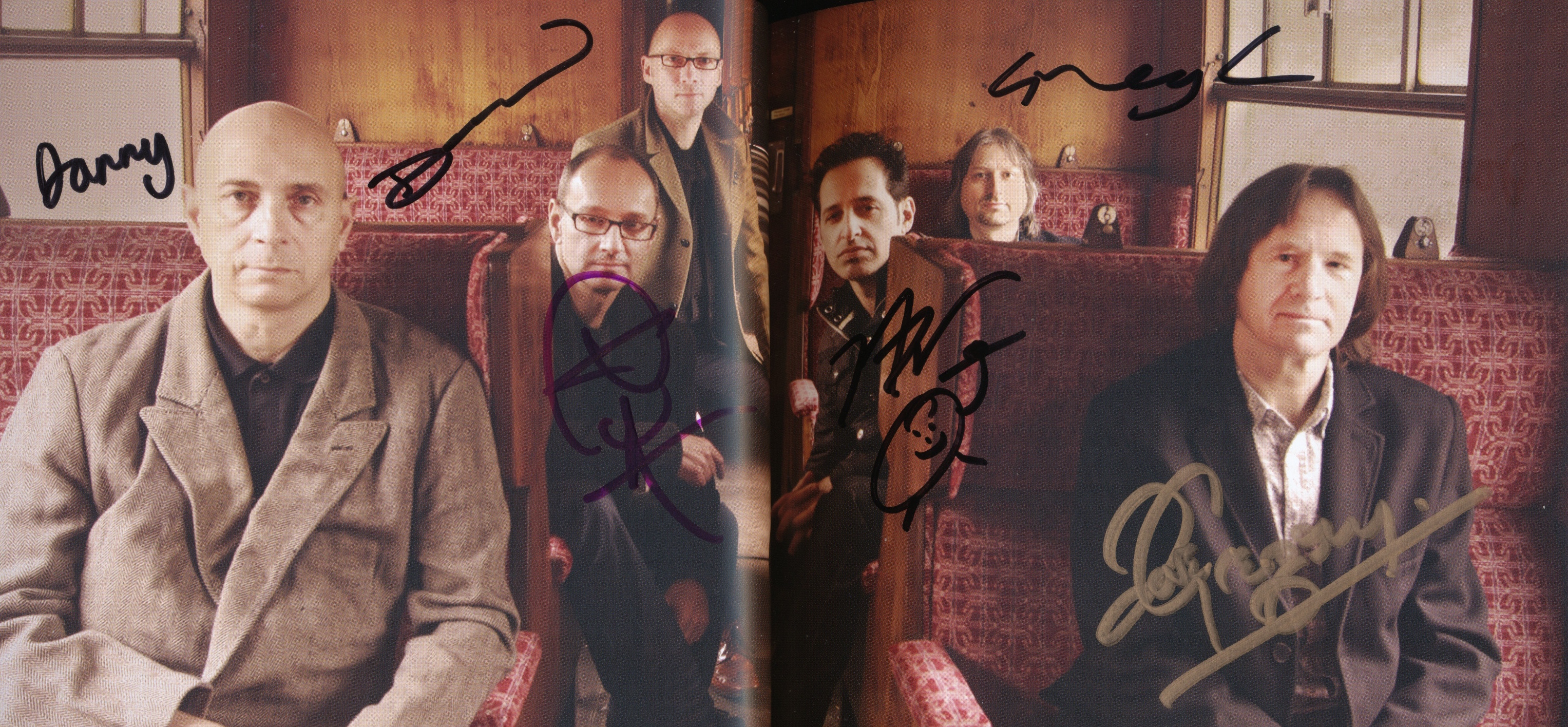
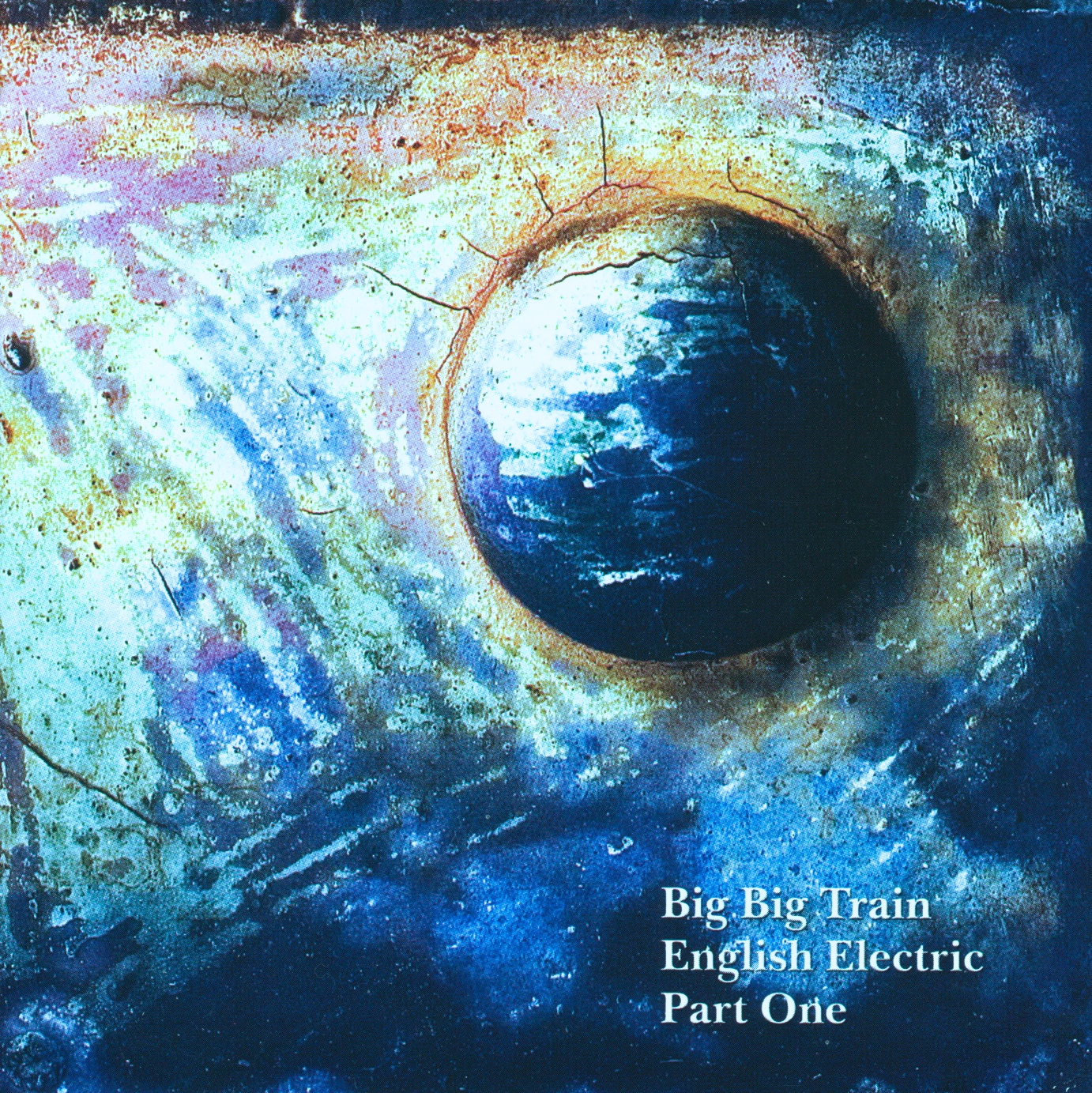
Greg Spawton needs no introduction to this audience. He is one of the founders of Big Big Train, its bass player, and, now, one of its two main songwriters and leaders in the band. He is also, not surprisingly, a true renaissance man, interested in everything imaginable and not just large railroad cars! He reads, he travels, he explores. He’s also quite “normal.” He’s a father as well as a husband. He’s, frankly, an all-around great guy.
As most of you probably also know, the five original editors founded progarchy initially as an unofficial Big Big Train fan website. Though we have grown to analyze all music, we will never forget our original purpose. And, thank the good Lord that BBT continues to earn such love and admiration.
The set (missing a few EPs).
*****
Progarchy: Greg, thanks so much for taking the time to talk with us. It’s always a pleasure. What was it like working in Peter Gabriel’s studio? Did it feel like it was a once-in-a-lifetime experience? Was it a learning experience, or was it really just recording in a large studio, bigger than your normal one?
Spawton: Real World is a unique environment: historic mill buildings converted to cutting-edge recording rooms and facilities set in a beautiful rural location. The studio is fully residential so you eat and sleep on site. The sound engineers are extremely talented and knowledgeable and all of the staff are friendly people who do all they can to make the time that musicians have on site productive and enjoyable. We have spent two weeks there now on two separate occasions and will be recording there again in November so it has become one of our main bases.
Progarchy: Since we last talked, Greg, you’ve added two new members to the BBT lineup? Can you tell us a bit about each and what they’ve brought to the band?
Spawton: Rachel and Rikard have proven to be superb recruits to the band. Initially, they were brought in to help realise the songs in the live environment, with Rachel providing string parts and Rikard guitar and keyboard. However, both are intensely musical individuals and they have added a huge amount to our musical firepower. They are also both lovely people. At this stage in my life, I don’t want to waste any time working with people I don’t get on with, or who are not on our wavelength. The fit with Rachel and Rikard is perfect.
Add Rachel and Rickard (and Rob Aubrey) and you have BBT.
Progarchy: Nice. Can you give us a run down on upcoming BBT projects—any details about content and release dates?
Spawton: There are quite a few things in the pipeline. First to be released should be STONE AND STEEL which will be a DVD / Blu-Ray featuring in-studio live performances from 2014 plus some documentary footage of the band evolving from the studio to the stage. We also hope to include some footage from our recent gigs. The aim is for a November release.
We have a new album which we are working on at the moment. This is called FOLKLORE and will feature up to an hour of new music. It will be released in early June 2016.
Alongside FOLKLORE, we are working on STATION MASTERS which is a three CD release which will serve as an overview of the band’s music up to FOLKLORE. All of the older songs featured (songs from before David became lead singer in 2009) will be re-recorded with the new line-up. This is planned for Spring 2017 and will be released at the time of our next live shows.
Progarchy: Phew. Amazing. Well, that’s a cornucopia for all Passengers! About 2 years ago, in an interview with PROGRESSION [no. 65] magazine, you’d mentioned BBT would release a concept album. Is this the same as FOLKLORE? Or, was that a different project altogether?
Spawton: It is a separate release which will be a double concept album. Much of the music is written for this and some of it has already been recorded. However, it is a big project and we knew we wouldn’t get it finished in the next year, so we decided to write a separate set of songs for FOLKLORE as we wanted to release an album in 2016. We aim to have the double album out in 2017 or 2018.
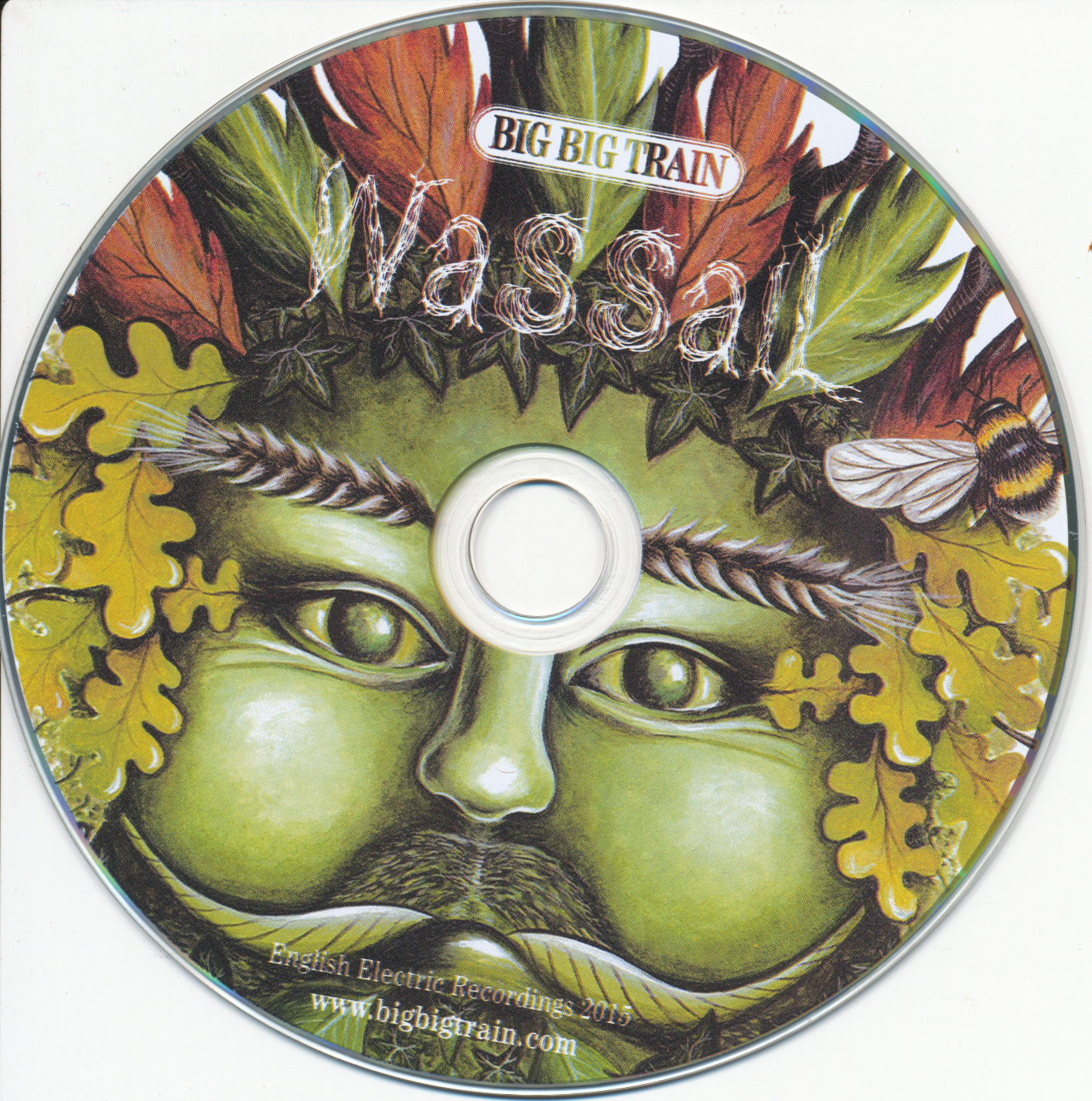
The Green Man sees all.
Progarchy: One of the things that so permeates WASSAIL—all four songs—is the deep layering of mythologies and symbols. From the Judeo-Christian to the Anglo-Saxon mythology of apples, for example, on WASSAIL. Do you intentionally set out to do this, or does this come naturally to BBT?
Spawton: It just happens, really. Themes emerge through conversation between me and David or through our own research. We are both quite ‘bookish’ when it comes to writing lyrics. We like to write about something.
Progarchy: A follow up to the previous question. Where do you see yourself in the current music scene? Would you label yourselves as anything in particular or just as prog rock or rock, broadly defined? A recent issue of PROG, of course, called you folk-prog.
Spawton: They can call us what they like as long as they are listening. We are always very happy to be defined as a prog rock band. Progressive music draws from so many different sources and enables bands to cover so much musical territory. We don’t find the label, or the genre itself, restrictive in any way. A lot of people call us pastoral and there is certainly a folk influence in some of what we do, but we listen and absorb influences from many different types of music. Anything we enjoy, really.
Progarchy: Again, another follow-up, if you don’t mind. It’s possible that the most powerful moment in all of your music is the reading by John Betjeman and the honor you give it and him. Would you do something like this again, and, if so, with what figure(s)?
Spawton: The inclusion of Betjeman’s voice was suggested by Andy Tillison [The Tangent, as almost every one of you knows—ed.]. When I heard it I just thought: ‘of course.’ Subsequently, I have been in touch with the historian Michael Wood and we have discussed using his voice in a spoken word moment. Michael Wood is a very well known English historian and has been a big influence on me. I would like to feature his voice at some stage.
Progarchy: A lot has happened to you this past month. What were your impressions of offering the three shows in London? In personal correspondence many years back now, you’d mentioned to me that you thought the last time you toured, it was a bit unpleasant. My word, not yours, Greg. But, I think I’m close in describing what you wrote to me. Were these three August shows redemption?
Rust never sleeps. It remains alive in song.
Spawton: The last gig played by Big Big Train prior to the shows this year was back in the late 1990’s and didn’t go well. It was at a festival in the Netherlands and we faced lots of technical problems. Our music didn’t fit the festival very well either, so it wasn’t a good experience. However, I don’t connect that in any way to our recent live experiences. Different era, different line-up. If there is any sense of redemption it is more in the overall trajectory of the band. We have turned things around in the last few years. Some of that is through sheer bloody-mindedness, mostly it is because we now have the right line-up for the band’s songs which has taken the music to another level.
Progarchy: During the tour, what moments worked best? Were there any moments in which you thought, “Ok, this is exactly why we wrote or recorded this.” When I lecture, for example, things I’ve always believed become somehow more real or tangible as I state them and place those ideas between me and my students. Did something similar happen with playing the music for you in London?
Spawton: Yes, I know exactly what you mean. There were many moments like that, where things felt fully realised. A few things spring to mind, for example the early instrumental sections in THE UNDERFALL YARD where things really groove now and it takes on a sort of fusion feel and WASSAIL, which is such a fun song to play as an ensemble. One particular bit at one of the gigs sticks in my mind, which was during the faster section in “East Coast Racer” starting with the electric piano solo and ending with the ‘she flies’ moment. I remember looking up at the screen which was showing some film footage and then looking up at the brass band who were in full flow and then seeing a guy in the balcony standing up and extending his arms out as if they were wings and I thought ‘we’re really flying here.’
Progarchy: A personal question, Greg, if you don’t mind. Chris Squire (RIP) just passed away. As a bass player, was he much of an influence on you?
Spawton: Chris Squire developed a particular way of playing which gave him a strong signature. Sometimes, when I become aware that I may be straying onto his territory, I step back. His was an exceptional talent and it is hard to believe he won’t be seen on a stage again.
Progarchy: Beautifully put. And, a fine tribute. On another topic, you’re an avid reader. What are you reading now? History? Fiction? Anything you’ve read recently that really struck you as meaningful?
Spawton: Mainly history at the moment. I have been reading a few books about the dawn of civilisation in recent weeks, back to the Sumerians. Ancient Worlds by Richard Miles is very good. I am trying to follow things through from there and get a good broad grasp of the timelines. Right now I am reading a book by Tom Holland on the Persian / Greek conflict, the original clash between East and West. In the next week or so I need to start some research into the stories I am writing about on FOLKLORE, so there will be some different books coming down from the shelves.
Progarchy: What music are you listening to at the moment?
Spawton: Elbow released a nice EP a couple of weeks ago. And I am still listening to the recent Mew album. The best new thing I have heard recently was by Sweet Billy Pilgrim. I suspect I will be getting all of their albums. I do have some cool gigs coming up. I am seeing King Crimson with David. I also have tickets for PFM, The Unthanks and an acoustic show by Mew.
Progarchy: Thank you so much, Greg. Not to embarrass you too much, but every progarchist is a huge fan of your work. We’re proud not only to know you, but to see the excellence you continue to pursue. Congratulations on all of your recent successes. All well deserved.
My 1957 Les Paul junior was stolen from my home in Stittsville, Ontario. I can only guess that someone came in through the back door when it was unlocked, picked it up, without a case, and walked out.
I am hoping that this post will circulate in the Ottawa area and come across the person responsible, or someone who has noticed a friend or relative with a new instrument kicking around:
Be very VERY sure, a 1957 les Paul doesn’t just get resold online, in a pawn shop, at a guitar store without gaining attention. You won’t be able to play it in front of people. It will draw attention, someone will notice. People who buy and sell valuable instruments know exactly what they are, and when they are stolen.
You will be caught if you try and sell it. I have tons of images of it, and documented serial number. So you have no chance to sell it and make money. And worse, you will be charged for a significant theft, and linked to a break and enter.
If the guitar is returned, I can accept a “no questions asked” agreement. Whether that means the guitar is returned to my business, Quitters coffee, to my home, or through a mutual acquaintance. I can accept a foolish drunken teenage lapse of judgement, a momentary hiccup in your moral being.
I can promise you that the instrument will not make you money, it will not go unnoticed and you will at some point be caught.
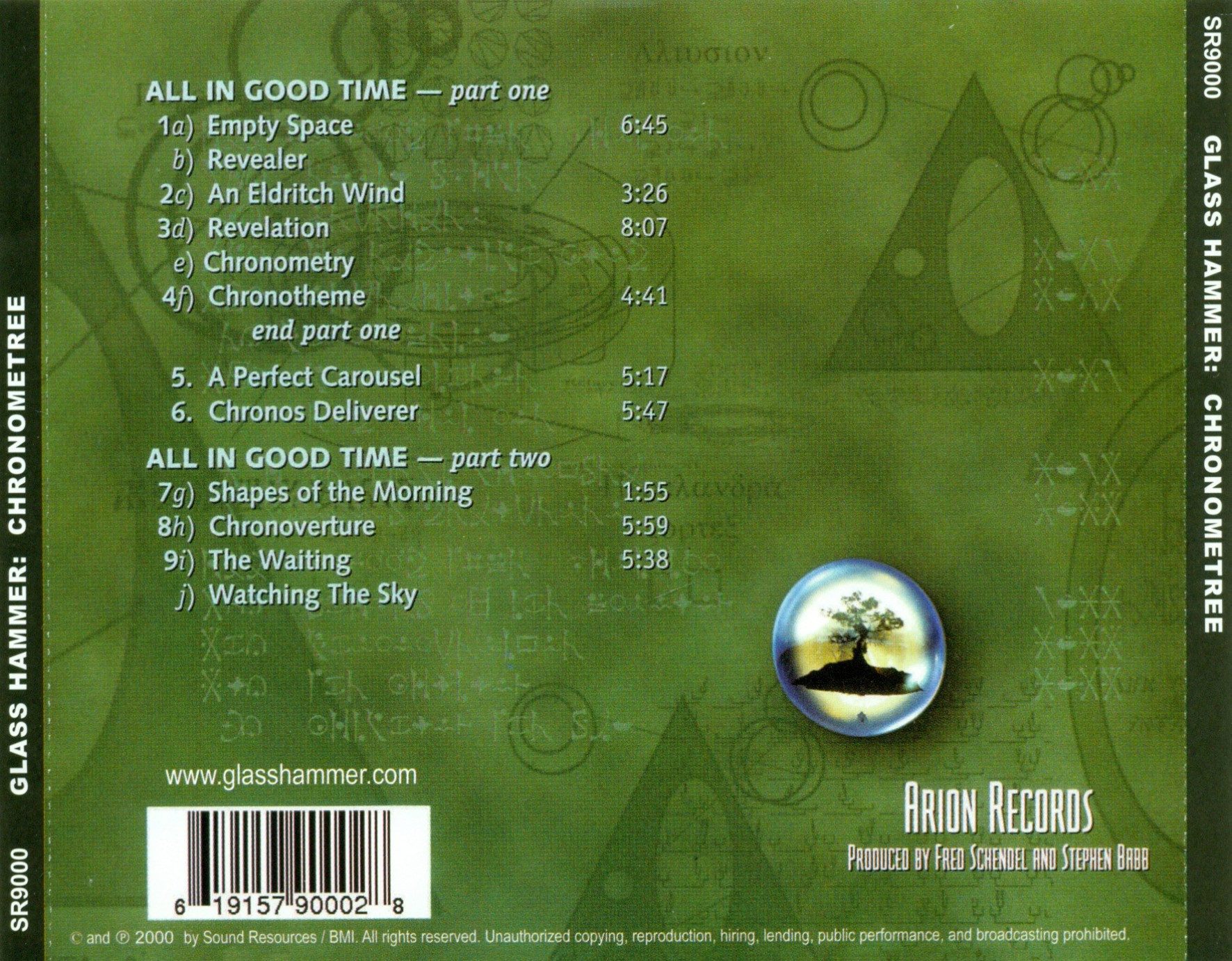
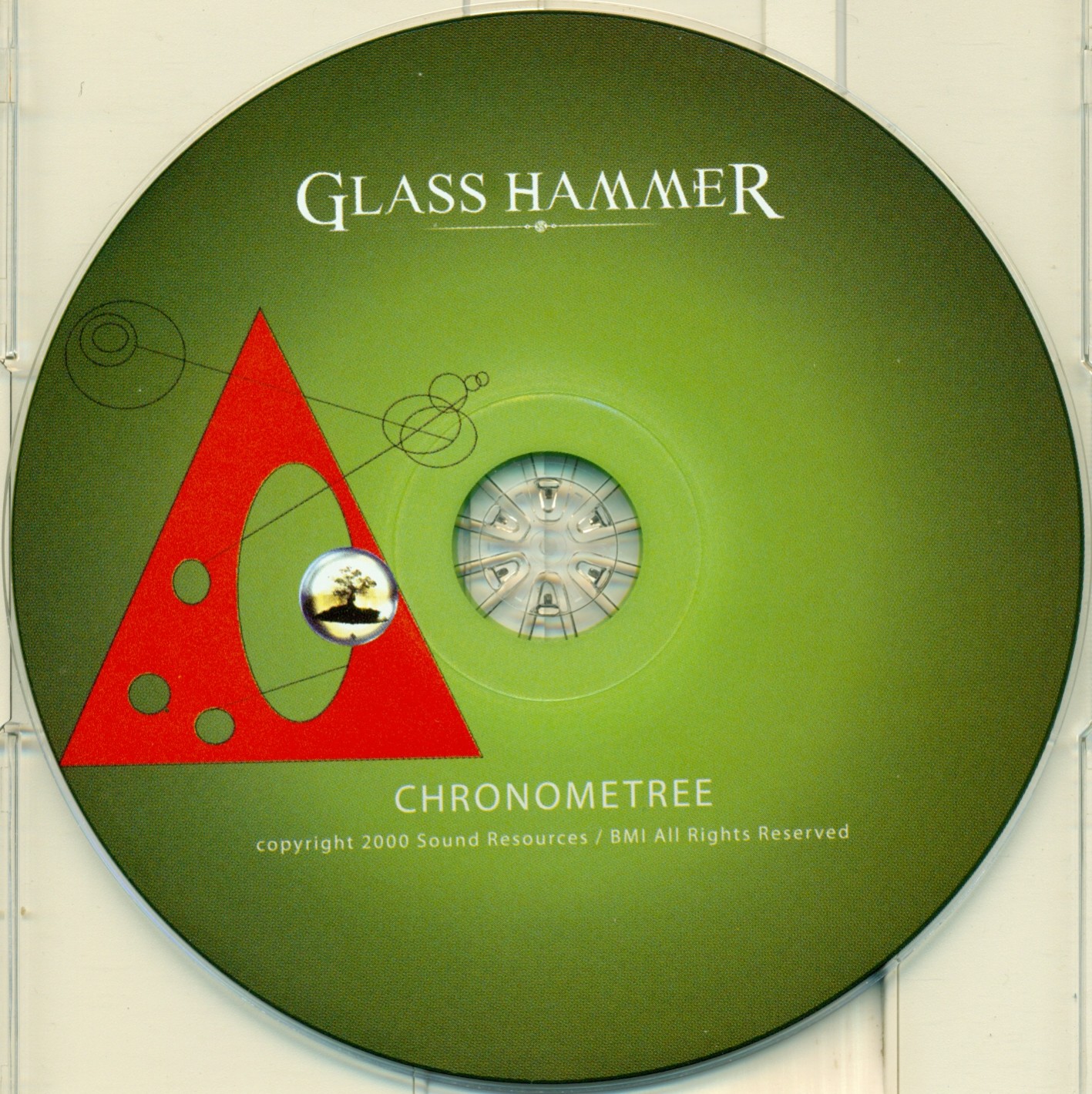
Glass Hammer, CHRONOMETREE (Sound Resources, 2000). Artists: Steve Babb and Fred Schendel with Brad Marler; Walter Moore; Arjen Lucaseen; Terry Clouse; Susie Warren Bogdanowicz; Sarah Snydor; and Jamie Watkins.
Tracks
“All in Good Time/Part One”—Empty Space & Revealer; An Eldritch Wind; Revelation/Chronometry; Chronotheme; A Perfect Carousel; Chronos Deliverer.
“All in Good Time/Part Two”—Shapes of the Morning; Chronoverture; The Waiting; Watching the Sky.
Taken when PERILOUS came out.
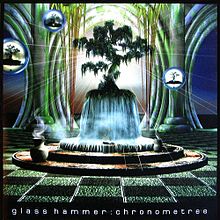
Fifteen years ago, Glass Hammer released a masterpiece: CHRONOMETREE.
I almost modified “masterpiece” with bizarre and unexpected, but masterpiece probably doesn’t need exaggerations or qualifications. All masterpieces are bizarre and unexpected. They don’t fit the norm. Neither does CHRONOMETREE.
A gorgeous cover or a gorgeous album.
Originally, Fred Schendel had written the music to be a part of a solo instrumental release. Steve Babb liked the music so much, he asked Schendel to make it a GH album, a concept about concepts. Schendel happily agreed.
I remember my wife and I left town for a week’s vacation and when we returned a lot of Chronometree’s music had already been written by Fred. He wanted it to be an instrumental solo project, but the sound of that Hammond organ and the retro style of the music was such that I insisted we make it a full blown Glass Hammer project with a storyline. We never imagined it would be such a turning point for us. That’s the moment we embraced our roots and we have never truly repented of it. Prog fans couldn’t resist the storyline, as everyone could relate to our character “Tom” and his slacker friends. Chronometree was a prog album about taking prog albums too seriously. We’re all guilty of it. Leave it to Glass Hammer to call attention to that.—Steve Babb, July 28, 2015
It’s worth remembering at this point that GH had not fully established itself as a major and globally-known progressive rock act when CHROMONETREE first appeared. While Babb and Schendel had been friends since the 1980s, they had been releasing Glass Hammer albums only since 1993. Though they loved progressive rock, they had no idea where the genre existed in the early 1990s. Many now label them—in hindsight—as “neo prog,” a part of the second wave of progressive rock. They are really, however, pioneers of 3rd-Wave Prog and have maintained their status as one of the two or three premier bands of 3rd Wave over the past fifteen years. Their music, always deep and often overblown (when necessary), really defines the American aspect of 3rd-Wave Prog. They are, to put it bluntly, quintessential to 3rd-Wave Prog. They define it, they embody it, and they progress it.
In the early 1990s, however, Babb and Schendel labeled themselves “fantasy rock,” blending the imaginary worlds of the Inklings (C.S. Lewis and J.R.R. Tolkien) with the musical talents and stylings of Kansas and Yes. To their surprise, they sold well, supported by their own successful recording studio, SOUND RESOURCES, which had recorded everything from country music to audio books. Indeed, they have never lost money on any Glass Hammer releases, and their popularity and profitability has grown at the same pace as their artistic innovation and confidence.
Let me admit a personal bias here. I know Steve Babb, and I consider him a very good friend. He is, from my perspective, a man of immense talent as well as as integrity. Every dollar he and Schendel have earned is much more than justly earned. They appeal to the soul and the mind, not the emotions or the pocketbook. Yet, they have done well where so many others have failed. Indeed, the less commercially viable and artistic their art has become, the more successful they have been. A beautiful paradox.
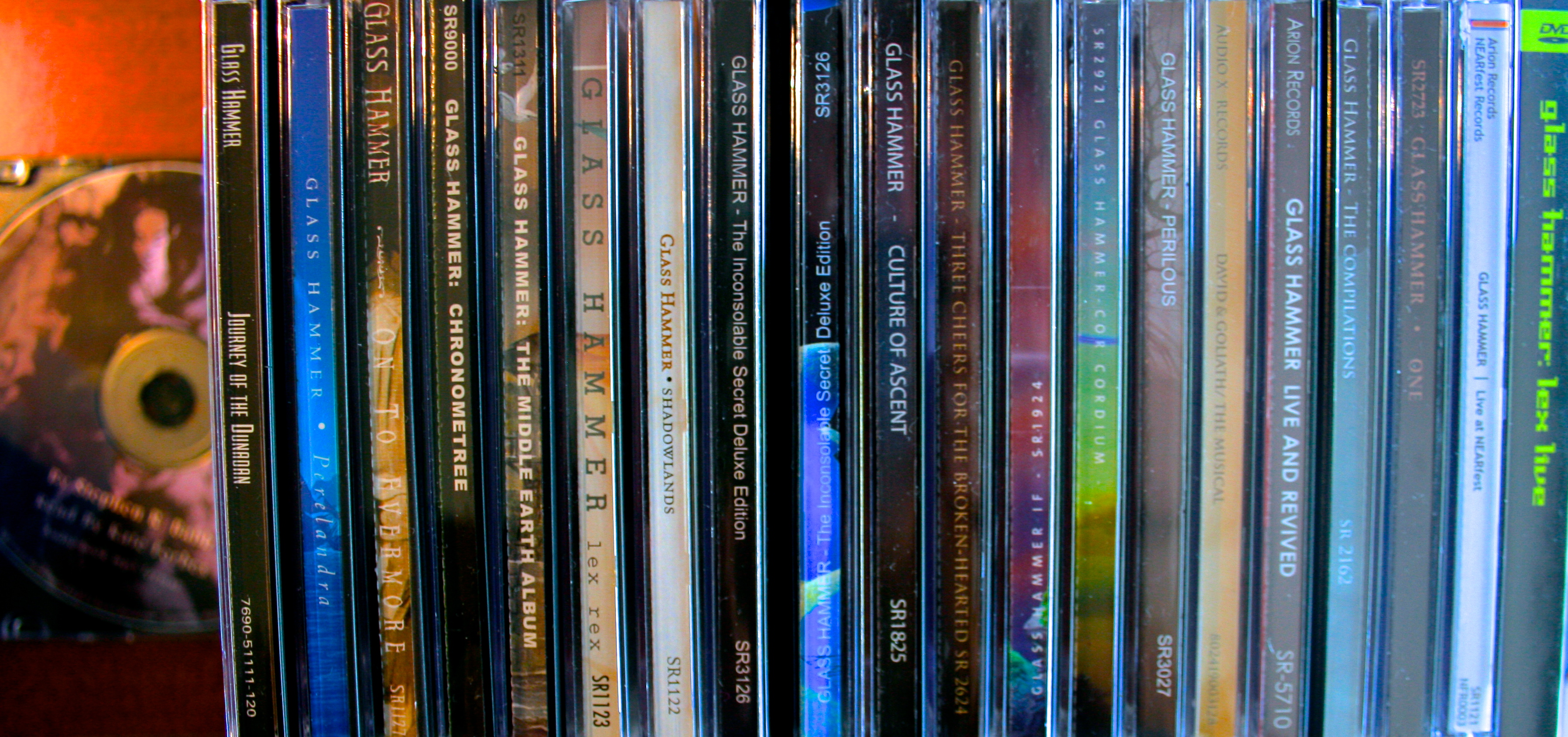
Prior to CHRONOMETREE, Glass Hammer had written and produced three of their fantasy rock albums: JOURNEY OF THE DUNADAN (1993); PERELANDRA (1995); and ON TO EVERMORE (1998). In almost every way, CHRONOMETREE signaled a new era for Glass Hammer. Though still rooted in fantasy, the story of CHRONOMETREE is as much science fiction and psychological study as it is fantasy. While it is only a notch below LEX REX in terms of artistic expression, it was a necessary precursor to LEX REX and to all of the albums that have followed.
Star voice changing feel call it out
sounding round the bright sized time
We never saw again
Forgot between the real pulse
The breath of life attain
Let play the sonic wind revealing
Not turning form loose tale
Of awesome thunder turn around the scene
To passion shall not surely fail
–From the opening of CHRONOMETREE. Tom, it seems, is getting word from 1972’s CLOSE TO THE EDGE.
As mentioned above, every single Glass Hammer album has been better than the previous one. And, yet, there’s not a dud anywhere in GH’s discography. GH really do define excellence at every level: song-writing; lyrics; production; and packaging. One consistent criticism of GH has been that they are “retro-prog.” Forgive me a pet-peeve, but this is total nonsense. There is no doubt that Babb and Schendel possess a healthy piety toward those who come before them. But, so does any great artist. Art cannot be so radical that it is not recognized by the larger community. It also is never totally derivative unless it is an obvious mockery.
Do Babb and Schendel love Yes and Kansas and Genesis? Of course. So does probably everyone reading this article. Yet, Babb and Schendel move well beyond their inspirations.
If nothing else, Glass Hammer should be praised not only for their very healthy innovation (Have you ever heard an album like LEX REX? No, it’s unique.), but especially for their never-ending pursuit of excellence. I offer the following two pieces of evidence out of a hundred such: 1) Susie Warren Bogdanowicz as singer. This woman is a goddess of song and voice. Outside of David Landon and Leah McHenry, she is the single best voice in rock right now. 2) Aaron Raulston, drummer. This guy could easily hold his own against Peart, NDV, and Portnoy.
Lesser men than Babb and Schendel might be intimidated at having such talent in their band. But, NOT Babb and Schendel. They seek the excellent and incorporate it whenever they can. They’re leaders, not cowards. And, they wisely realize, adding the extraordinary talents of a Bogdanowicz or Raulston only serves to make them all better.
CHRONOMETREE is the last of the somewhat original lineup, though it should properly be considered a nexus for the band as well as for 3rd-Wave Prog. Brad Marler provides lead vocals, and even the brilliant Dutch prog master Arjen Lucassen plays on the album.
As most describe the album, CHRONOMETREE is as a “tongue-in-check” concept album about being too obsessed with concept albums. Having spent many hours of my pre-marriage days wearing headphones and listening intently to progressive rock over and over again in the dark of my bedroom, analyzing every lyric to the point of absurdity, I very well understand the obsessive element.
And eldritch wind howls and moans
Through the space that I was shown
Can you hear their urgent call
Hidden in the sound
As this smoky room begins to fade
And eldritch wind howls and moans
Through the space that I was shown
I’ve been called to other stars
(and the heavens know my name)
I’ve been shown another world
As the vinyl turns
As the vinyl turns
–An Eldritch Wind
Perhaps by grace alone, I have turned this teenage obsession into a healthy hobby as an adult. Regardless, I can relate to the protagonist of the album, though I can also assure the reader that I have never believed that the albums or bands were sending me gnostic messages.
I have always, however, looked for the symbolism and deeper meanings in progressive rock albums. Obviously, Babb and Schendel have as well. For me, the lyrics are the biggest draw to prog. But, equally important is how artists mingle and match the word and the note.
With just the moon
To light our way
We headed back to Tom’s house
To wait for the day
The voices in his head
Had told him wrong
Science reduced to the musings of a song
All mixed up with the essence of his bong
Chronometree!
–Watching the Sky
If you know Glass Hammer, nothing in this article has been a revelation to you. You know very well that Glass Hammer should be the proper synonym for beauty, truth, goodness, and excellence. You also know that Babb and Schendel would NEVER release anything that is less than perfect. And, you know that as natural leaders and artists, Babb and Schendel readily and properly form community around them and their art.
If you don’t know Glass Hammer, I envy you. I would give so much to listen to GH for the first time. . . again.
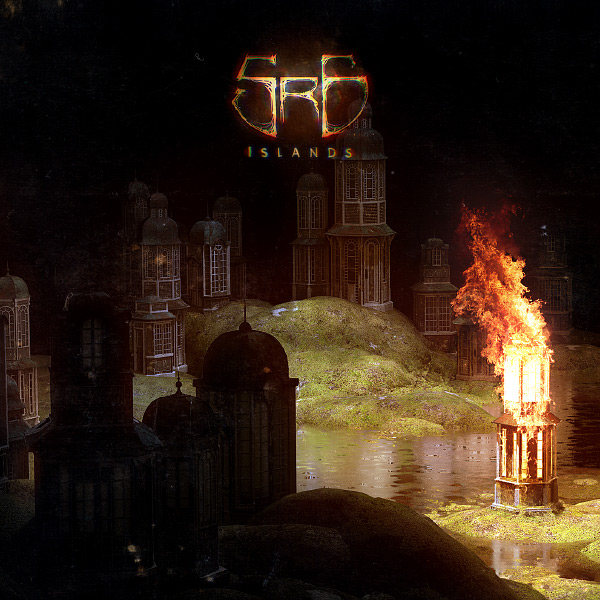
5R6 from Kharkiv in Ukraine are preparing to launch their debut full-length album “Islands” on September 25th. In an interview for Progarchy, singer and guitarist Igor Zubko talks about the upcoming release, influences, gear and more.
You are about to release a new studio album titled “Islands.” Describe the creative process that informed the album.
By the time we recorded the “+6.5 and Brighter” EP and went on tour supporting Stoned Jesus in 2012, we already had a couple of new songs in work, I had plenty of the song drafts and ideas to select from. We were very inspired after the tour. So we wanted to make an album in a year. But then, as they say, life happened. And all of the songs that eventually made it to the album were formed only by mid-2014. Which I think was for the best, because time made the selection process more effective, many ideas were dropped even before they made it to the rehearsal room. We also significantly changed some of the song structures and arrangements during that time.
At some point there were 8 songs that sounded like a good selection for an album. However, somewhere during the recording, we decided that one of the songs that was already recorded will not be on the album. The song was good, but it just didn’t belong there. We released it as a single/outtake through our Bandcamp, it is called “Vermin”.
This time we recorded everything at our friends’ studio where our drummer is working as sound engineer and technician. It’s the same studio where we rehears usually. So it felt almost like home and we had plenty of time and equipment to play with to find the right sound for each song. Which was great at first, but than became a little frustrating because it slowed down the whole process. Nevertheless, I think we reached our goal.
The album’s concept is inspired by Aldous Huxley’s famous essay “The Doors of Perception.” Can you tell me more about it?
I recommend to read the whole thing, it is short enough. Hey, a piece of writing after which The Doors named themselves worth reading. However, there is a particular part in the essay, where Huxley refers to every human group as a society of island universes. We experience both the joy and suffering on our own, we can communicate about our feelings, evoking sympathy or compassion, but we cannot communicate the feelings themselves. It struck me when I first read it, I had the similar feeling and thoughts for a long time, of course, I could not explain them as clear and exquisitely. The complete quote is beautiful and much more elaborate.
It is the normal way of things. But a though about being all alone even among your close ones appears very sad at a certain angle.
So. long story short, the lyrics on the album are about “islands”, about us – people; our connections, detachment, confusion, alienation, hopes and delusions, ignorance, aggression, apathy, will and all the fun stuff. It also touches on the so-called “meaning of life”, the most successful franchise over the last few millennia.
What were the biggest issues you experienced during the recording sessions of “Islands”?
It is about 300 km from Kharkiv to the war zone, and only 50 km to the common border with the aggressor state. So, at times it was hard not to ask ourselves what the point of this, or is this a good time for making records, for art. And the answer is – for art, it is never a good time, that’s why it is always the right time.
Regarding the process itself, It was hard to organize everyone schedule, and was frustrating when we could not continue for weeks, because of the schedule conflicts. Waiting for weeks and not making any progress, this was driving me mad. The last delay was my fault though. I just kept starting and rewriting lyrics to the title track until the day we finally recorded it.
5R6 sound is described as a mixture of metal, progressive rock, grunge and alternative music. How do you manage to channel that variety in your writing?
We do not manage it, it is just how it goes. We are influenced by very diverse bands and scenes, even with contradicting approaches towards the music. For example, Kirill and I both love Pink Floyd and Black Flag. In my playlist Beck’s album may be changed by Napalm Death, Steve Reich might be followed by Beastie Boys, John Scofield may meet Swans, etc. We’re just do not keep ourselves within a very strict limits of a sub-genre. We try to keep our own identity and this kind of “proggy/alternative” basis though. and not to wander into dream pop or IDM territory for example.
You say that the band’s purpose is staying open minded. What does it involve?
It is rather an attitude toward art, rather than a purpose. I guess I answered this question above.
Which bands or musicians influenced your works at the most?
The list would be too long to not become boring. I’ll try to name the bands that come to my mind first in no particular order. Slint, Tool, Pink Floyd, Death, Motorpsycho, Black Sabbath, Sonic Youth, Swans, King Crimson, Deftones, Massive Attack, Fugazi, Alice in Chains and many-many others.
What kind of gear do you use in studio?
I cannot name every piece of equipment involved in the recording, but here are some of what we used: Orange Rockerverb 50 amplifier, some custom-build-no-name amplifiers, Pignose “Legendary 7-100”, Mesa Boogie 4×12 and Fender Hot Rod Deluxe 3 cabinets. Most guitar parts were recorded using my Gibson Les Paul Traditional Mahogany Satin, we also used Fender Jazzmaster, some Strat, Fender Acoustic-Electric Guitar and maybe a couple of other guitars. We also used plenty of different pedals mainly overdrives, fuzzes and delays from EHX, MXR and Boss.
And it was really cool that we were able to play around with the vintage electric organ Yamaha YC-45D, We used it here and there in the record, and we were just stoked with the result.
Can you see a clear progress in your music since the band’s early days until today?
Yes, I feel that there is more individuality and less limits in our music today. By individuality I mean that we sound like 5R6, not like 5R6 playing some other band covers, in spite of the songs being considerably diverse. And I would like to think that we improved as performers (laughing).
It’s always hard to make something different, and it’s hard to make people accept the things that are not frequent and that change. 5R6 has come long way since your debut release, so where do you see the band in the future?
Well, I feel emotional exhausted right now, because of all the pre-release activities and decision making. So, it’s a bit hard for me to think about the future. A plan for the rest of the year is too release this album present it in big cities of Ukraine, work on promotion, work on new material(?), tour Europe in 2016 in support of the “Islands”, and we’ll see where it takes us.
Is there anything you want to share with our readers about your upcoming album “Islands”?
Do not forget to check our Facebook page for updates from time to time (wink). And don’t miss the release on September 25th.
Pre-order “Islands” on Bandcamp, and follow the band on Facebook.
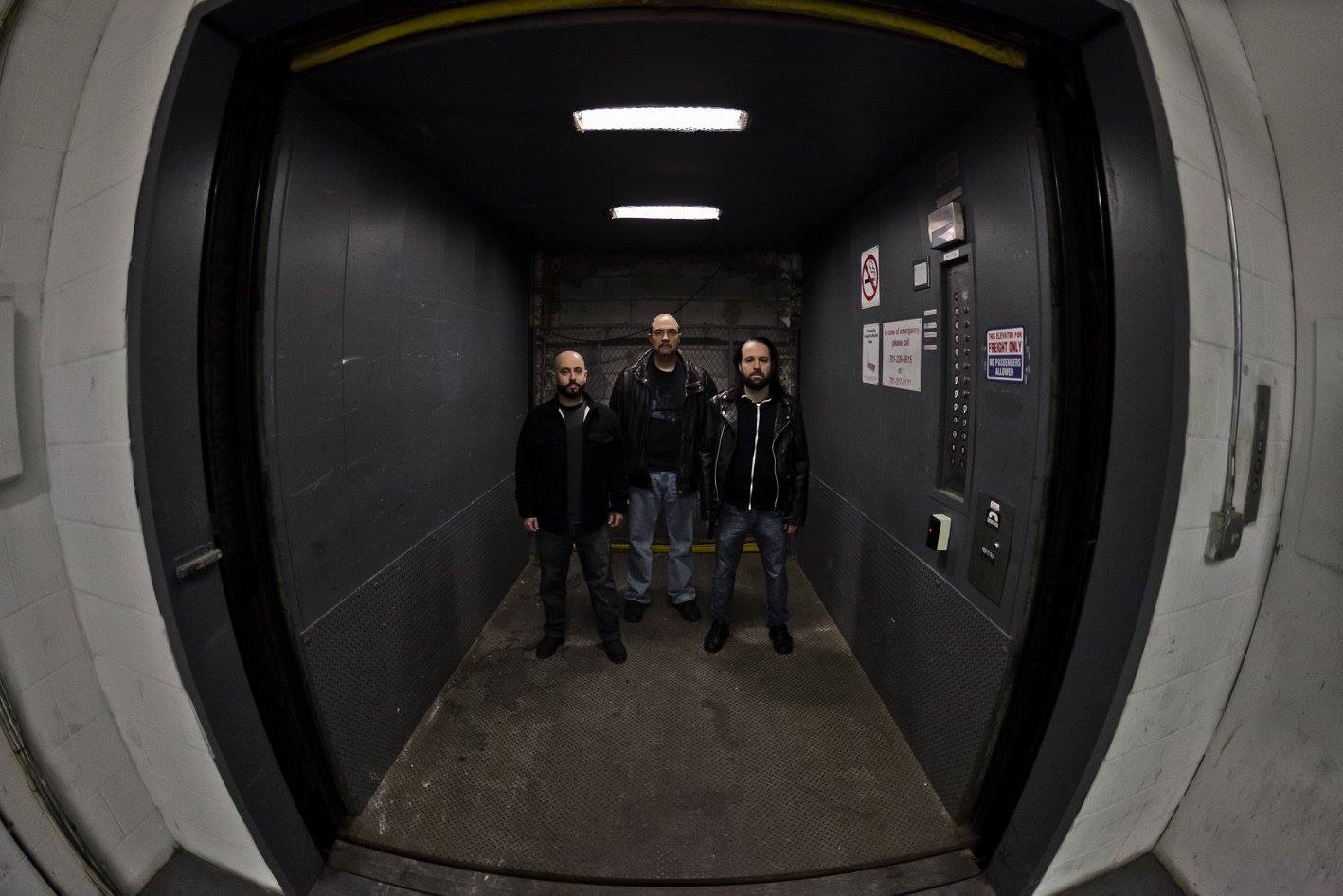
The Under is a Boston based band that really know how to mix different styles in their music. This June, Bostonians released a five-track self-titled EP, which with it’s almost 30 minutes brings organic, tasty sound.
No matter if you are more into rock, or if you enjoy it harder with metal, there is absolutely something for everyone. The EP’s structure relies mostly on the metal, but it’s prog rock, punk and alternative that make it different for The Under. The juxtaposition of vocals and guitar rhythms are appropriately contrasted: while Daniel Costa takes highs, his guitar will often help balance sound so as to not make the songs too asymmetrical.
The Under is a moving journey through the catacombs of haunting vocals, heavy riffs, and hard-hitting drums. “The Strengthening” opens the EP in a deliberately delicate style, with Costa’s vocals leading the song affectionately along. “The Fear” is less upbeat than the previous number, but its moving groove and Costa’s smooth shifting through the verses will make you nod your head during the song’s 6-odd minutes.
Throughout the first listens of the EP, the delicate and compassionate vocals of Costa seem to need many of the songs, but getting deeper into this material and nature of the harsh drumbeats and heavy yet fascinating guitar combine perfectly to provide each and every track with a real fragility. These are songs songs which work because of the multiple layers on which they are formed upon, most notably on “Insidious” where the mix of clean and brutal death metal vocals sets a fitting scene for the rest of instruments. “Apotheosis” is a chilling ode to alternative and progressive rock, and is the only instrumental piece on the EP. “The Harvest” gets the speed back with its thrash arrangements in the way of early Metallica.
2015 brought many great new releases, and although they are not newcomers on the scene, The Under will be a very pleasant surprise for many who look for something new and different. Make sure to check out this release.
Track listing:
1. The Strenghthening
2. The Fear
3. Insidious
4. Apotheosis
5. The Harvest
The Under are:
Dan Costa – vocals / guitars
Randy Odierno – drums
Ben Sternbaum – bass

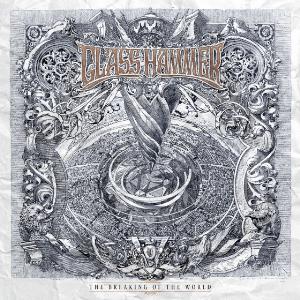
 Leave it to Babb and Schendel to make a truly gorgeous album out of the ACADEMIC work of Tolkien and Lewis, not just out of their fantastic works. Amazing. From the opening note to the closing one, THE BREAKING OF THE WORLD soars. Ever since CHROMONOTREE (itself, a thing of beauty), Glass Hammer has just gotten better and better, more adventurous, and, lyrically, more interesting. Add to Schendel and Babb the others in the band, and you realize that Glass Hammer is as much a movement–a community of true artists–as it is a band. In particular, I challenge anyone in the prog world to find someone better on vocals than Susie Bogdanowicz. She has equals, but not betters. I assume she had some kind of secret voice lessons in heaven at some point in her your life. And, Aaron Raulston, though too little known, is the equal of Peart, Portnoy, and NDV when it comes to the drums. What an astounding group of musicians to come together. While I generally prefer albums that are strictly concepts–such as LEX REX and PERILOUS–THE BREAKING OF THE WORLD is a rare and precious gem in a world torn apart by commercialization, ideologies, and fundamentalisms. Babb and Schendel, as always, are quite humane and quite exceptional. Long live Glass Hammer!







 Progarchy