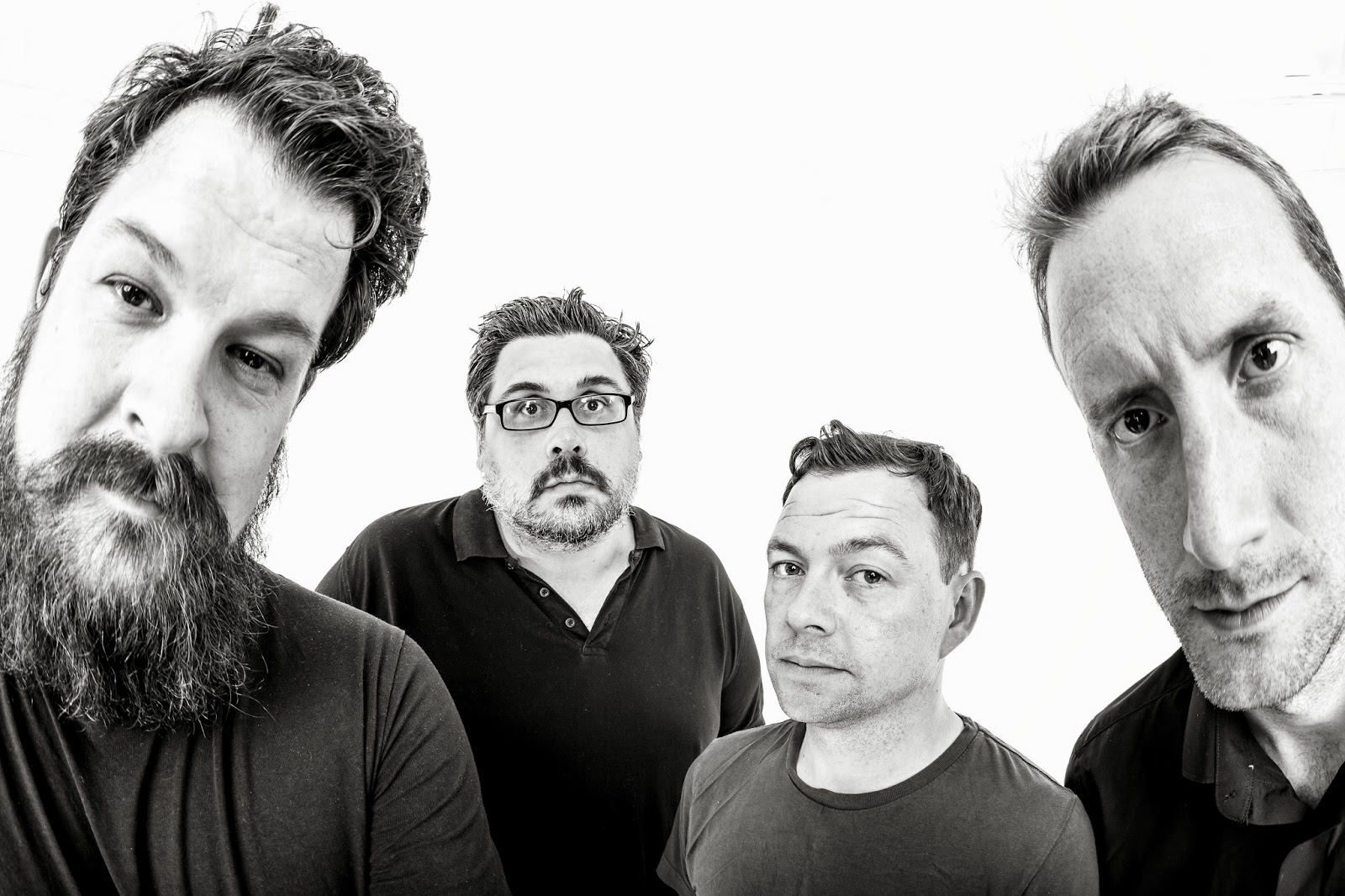
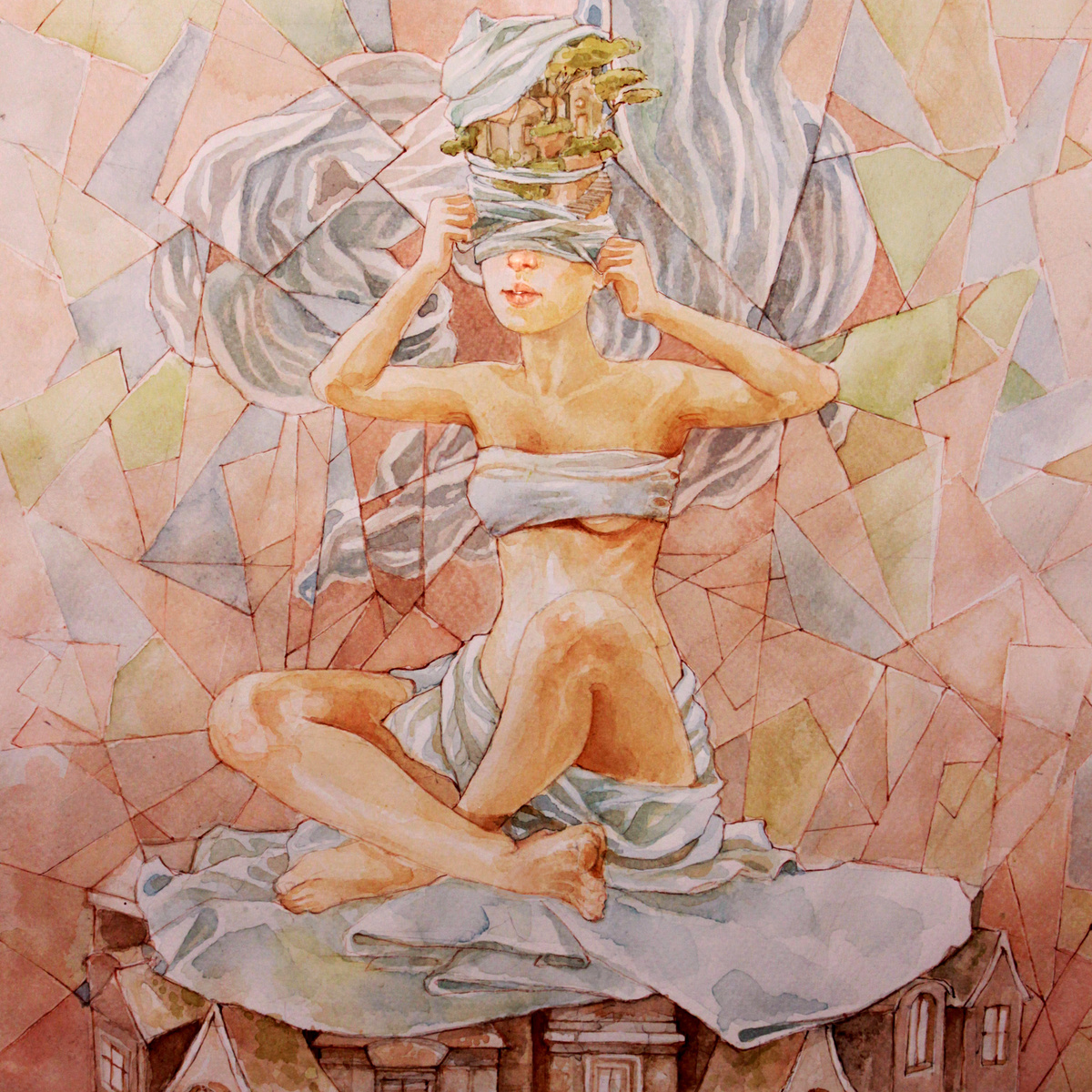
Review: DROPSHARD – Silk

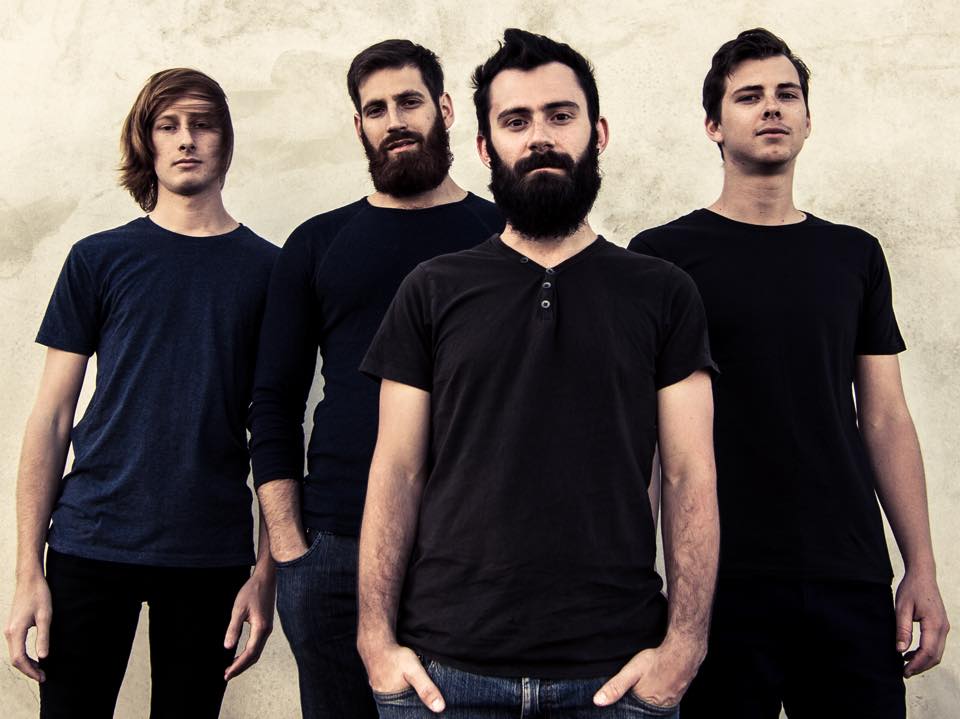
Dropshard - Silk

The last decade has brought us a rise in interesting progressive metal and rock with its roots not in the 1970s, but instead in extreme metal, alternative rock, and even punk. The musicians from this era still love classic progressive rock, but they are not producing music based only on that one foot. Instead, modern prog is a diverse, entertaining movement which has given us Haken and Leprous.

A band that gives signs of “should-be-added” to that list is Dropshard, and of that “Silk” is proof in kind. “Anywhere But Home,” which was released in 2011, was the band’s debut and it bore a striking resemblance to the work of Riverside, Anathema and/or Porcupine Tree. Despite this undeniable likeness, the record was chock full of fat grooves, great writing, beautiful vocal performances from singer Enrico Scanu and great performances from all the musicians.

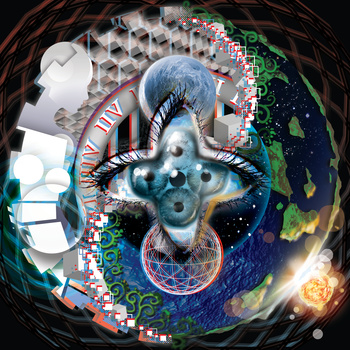
Dropshard’s sophomore offering “Silk” is a clear improvement. The record is a menagerie of the best things about “Anywhere But Home,” plus new dimensions in terms of performance and writing. Like so many of the best bands, what makes Dropshard work is the combination of an original sound – in this case, keyboards driven music and airy riffing – with effective use of dynamic songwriting that plays on all of the band’s strengths. Dropshard does both ‘heavy, syncopated and groovy’ and ‘delicate and melancholy’ with extreme ease. Songs move smoothly between these two modes, often hooking on Enrico Scanu’s vocal performances to make the transitions work. Top this off with an instinctive understanding for melody, which is displayed in soaring choruses that feel like the synthesis of the heavy and melodic, and you have a recipe for excellence.

Silk” is a more progressive record than its predecessor. Moments like the bridge in “Insight” and the verse in “Tied Together” show off a side of the band that works extremely well – syncopated rhythms, driving melodies and intuitive groove. Bursts of genius and variation are often perfectly differentiated from a bed of tom driven groove, juxtaposed with epic choruses – what comes as one of the Dropshard’s greatest strengths.

And while I love the truly heavy moments this record offers, I cannot deny that a huge part of the appeal of Dropshard is, here quite a lot mentoned, Enrico Scanu’s performance. He particularly shines when the band moves into the lighter material. For me, this is best exemplified by “Memento,” which may be the track that I come back to the most these days. Wandering firmly into Anathema territory, Scanu’s performance is heart-wrenching and the composition is the perfect music for shortening Autumn days. Scanu’s use of harmonies – a style already heard on “Anywhere But Home” – continues to be something that is very effective. These moments of delicate harmonies litter the album on so many occasions, and they add tiny moments of piercing perfection that push cerebral music to the emotional plane – and from great to excellent.

It is finally the fact that “Silk” is so artfully crafted and emotionally evocative that pushes it to the next level despite the audial limitations. As the record slopes towards its conclusion, I am struck over and over by the mastery of the melody and feel that Dropshard has. These moments of piercing beauty combined with the epic writing, the powerful performances and the next level of heaviness is sprinkled across the record makes “Silk” special.

Silk” is out now. Get it from Bandcamp. Visit Dropshard’s official website and like them on Facebook.

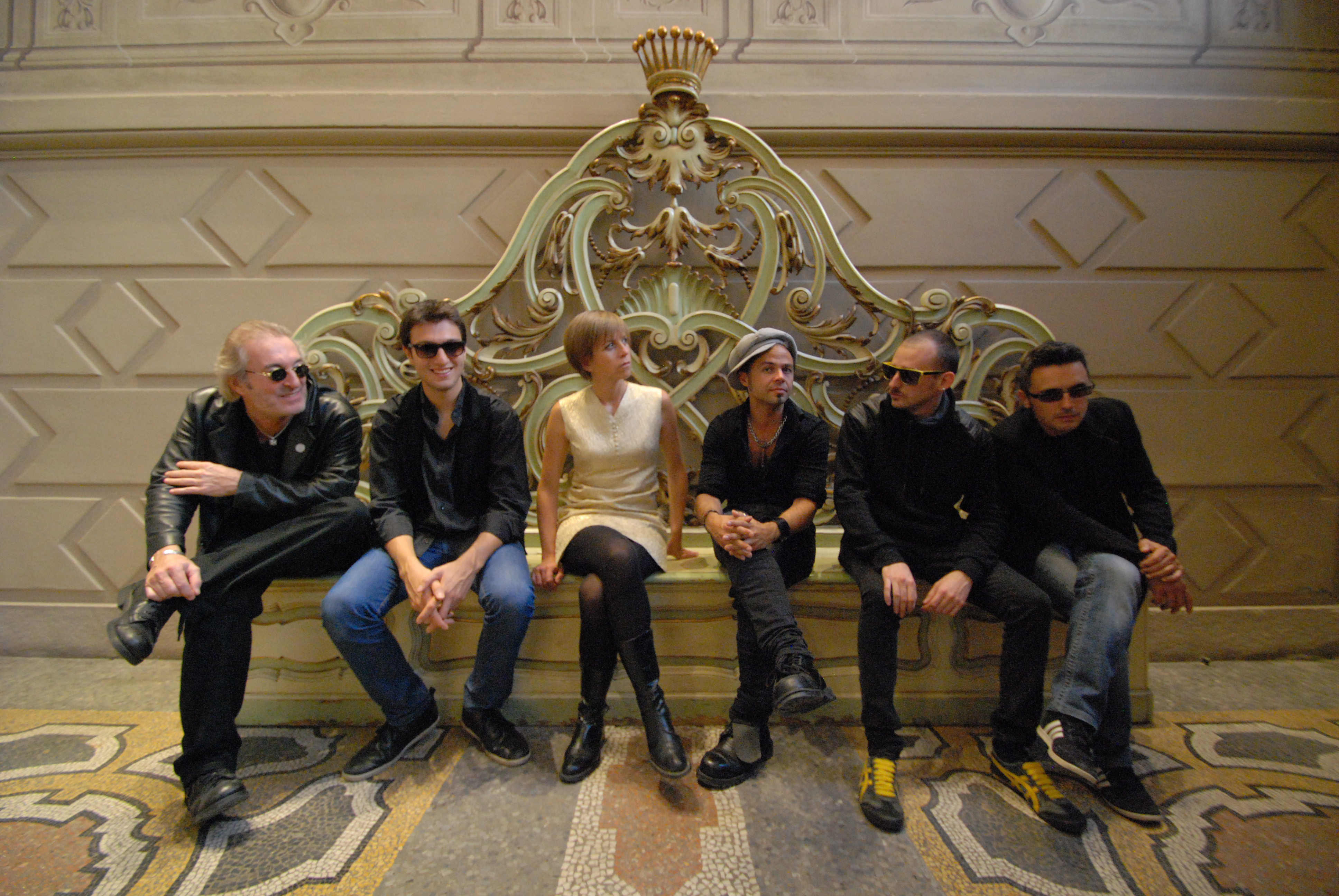
Watch: Bruce Soord performs acoustic version of “Magnolia”…

… the title track from The Pineapple Thief’s excellent new album.

On the clip Bruce Soord comments “Here’s a stripped back acoustic version of Magnolia I performed in my studio recently. All the songs on Magnolia began their life this way, on acoustic guitar and vocal, so it was really nice to go back and play this song again, in the form as it was when it was born”

Much more about the band and the album on the KScope Music site.

SYNDONE’S Odysseas, A Prog Take on Homer’s Epic

Syndone - Odysseas

It doesn’t happen quite often to me for an album to make such an impression that, barely halfway through my first listening, I felt inclined to claim that it was one of the best I had hear in a long time. Listening to the apparently endless series of releases filed under the ever-growing “progressive” umbrella tends to make one a bit jaded, so that even albums received enthusiastically rarely make it to the status of regular presences in a reviewer’s CD player. However, my first exposure to Syndone’s latest effort “Odysseas” was one of those moments in which the sheer beauty of the sounds coming out of the speakers caught me by surprise, and elicited superlatives that I normally use very sparingly.

Founded in 1989 by composer and keyboardist Nik Comoglio, it was his idea to form an ELP-style power trio. After the release of the first two studio albums “Spleen” (1991) and “Inca” (1993), the band split up. But then after 17 years, Syndone reformed with a new line-up comprised of Riccardo Ruggeri (vocals, acoustic guitar), Martino Malacrida (drums), Maurino Dellacqua (bass), Marta Caldara (vibraphone), Gigi Rivet (piano, moog), and Nik Comoglio (Hammond, piano, keyboards). They put out two more albums, “Melapesante” (2010) and “La Bella e la Bestia” (2012), and finally this year Syndone return with their fifth studio album entitled “Odysseas,” which was released on Fading Records.

Syndone

“Odysseas” features guest appearances by drummer Marco Minnemann (The Aristocrats, Joe Satriani, Mike Keneally, Steven Wilson) and flutist John Hackett, brother of legendary Genesis guitarist Steve Hackett. As the title suggests, “Odysseas” is a tribute to Homer’s epic “The Odyssey,” where “the concept of travel is seen as the goal of the man being, always tended to look to the future.”

While there is progressiveness aplenty on display on “Odysseas,” the music is also surprisingly accessible, multilayered and eclectic, yet consistently melodic in the way of the band’s fellow RPI predecessors and contemporaries. The influence of the seminal movement is openly acknowledged throughout the album, but that is not where Syndone stops. They explore far beyond the term “progressive,” employing elements from jazz, Canterbury-styled progressive rock, classical and oriental music, and even funk.

While featuring all the traditional progressive rock staples, the rich instrumentation emphasizes the violin, vibraphone, acoustic guitars, lever harp, accompanied with orchestration and vocals of Riccardo Ruggeri who sings in his native language. “Odysseas” is no stranger to theatrical – “Il Tempo Che Non Ho” (what translates to “the time I do not have”) is an example of that. Stylistic diversity rolls all over the album. “Focus,” with its funky attitude mixed with Deep Purplesque approach supports it.

“Penelope” starts with a mid-eastern, oriental theme and with vocal harmonies reminiscent of one Jeff Buckley, but it’s not so long until a classical piano comes in. Ruggeri keeps showing his inarguably big talent and potential throughout the end of the piece, with voice that proudly makes parallel with one and only Fred Mercury of Queen fame. The band pays tribute to Canterbury’s progressive rock in the mind-blowingly intricate but appealingly fluid “Circe.”

Besides the effortless complexity of the instrumental parts, much of the album’s unique charm resides in Ruggeri’s vocals. The singer’s sublime pipes will cause jaws to drop throughout the whole album – his voice glides smoothly and caresses the ear like warm honey, crystal-clear but with a haunting note of sensuality, with a hint of the stilted theatrics. Never domineering, though not submissive, Riccardo’s vocals blend with the instrumentation and set the mood: whimsical yet somewhat pensive in the multifaceted “Nemesis”; sober and wistful in the stately “La Grande Bouffe”; and oddly cinematic, closing “Daimones.”

“Odysseas” is a joy from start to finish, and one of the most rewarding listening experiences I have had in 2014. Moreover, it’s one of those rare albums that, in spite of its complexity and sky-high technical quotient, can be enjoyed by anyone with an interest in great music – regardless of labels.

For more info on Syndone visit the band’s official website.

Flying Colors “A Place in Your World” Video

Flying Colors released a music video for their song, “A Place in Your World,” a few weeks ago. Enjoy.

Math-Inspired Prog!

I recently discovered this song by Alan Stewart that the good people at Numberphile posted. It’s a prog tune based on the digits of pi and tau. Now, before you turn up your nose at the thought of combining random digits with music, give it a listen. It’s quite good and packed with mathematical puns. For example, the camera makes a complete circle as the tune unfolds.


OPUS OF A MACHINE: Following Progressive Ideologies

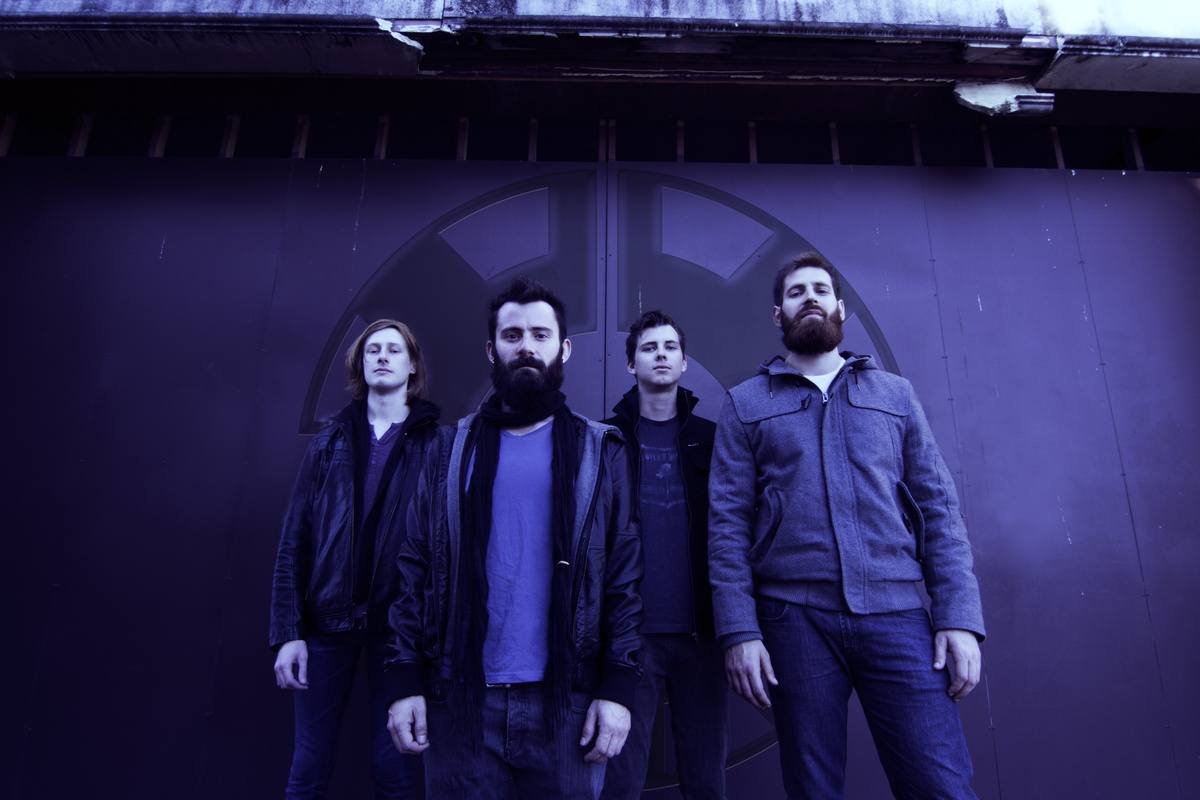
Opus of a Machine

Australian alternative prog rockers, Opus of a Machine are set to release their debut album entitled “Simulacra” on November 16th. The band has crafted a release that has full potential to top many of the year’s top lists.

We talked with guitarist Zachary Greensill about the album, songwriting, inspiration, and even dogs.

First of all, what’s behind the name, “Opus of a Machine”? Is there an interesting story behind its choosing?

Depends on what you consider interesting! Funnily enough, the name comes from a Youtube comment I noticed about a particular well-known guitarist in the progressive scene that noted that the guys phrasing sounds like “the opus of a machine”. “Opus” is Latin for “work”, but most people know of it from the phrase “magnum opus”, which translate to “great work”. The name stuck out to me for a few reasons because of what it says about music and art. What would a machine with all the knowledge in the universe consider art? And more importantly, what gives us the ability to create art? Is it intuition? Or is just a series of electrical impulses, coupled with thousands of years of genetic and cultural programming? And if it’s the later, what makes us any less than any other machine?

What first attracted you to the sound and scope of progressive rock?

I think I enjoy the idea of creating progressive and unique themes not yet explored. The focus for me personally will always be “what makes the song as good as it can be?” as with any genre of music. However, I lean more towards progressive elements because it allows me to be more exploratory in my song writing. I love how bands like Radiohead, Devin Townsend or Pink Floyd weren’t only amazing songwriters but also had this element of experimentation to their music that set them apart from everyone else. Progressive ideologies allow us to be as unique and identifiable as we don’t have to subscribe to any given genre.

Your debut album, “Simulacra” is scheduled for a November 16th release. How long did it take you to complete work on it?

Depends of where you start! Some songs are around 3 or 4 years old and were written with little idea of where they would go in the long run. Recording began around two years ago and became a little stressful with the balance of touring with Caligula’s Horse (my other band) and working/studying. During that time, I was still fleshing out song ideas for the album, so it wasn’t as structured as most albums where you’d spend time writing, than pre-production, than recording, mixing etc. Overall, it took us a good 2 and a half years to fully complete the album.

Opus of a Machine - SimulacraTell me about the process that informed the album.

I wrote most of the album with a large chunk co-written by Mitchell (Legg, vocalist/guitarist) before the band was even formed. When the band formed we immediately jumped into recording, which was already a crazy experience considering how stressful trying to record an album can be on friendships, especially new ones, but we made it work.

What was the inspiration behind “Simulacra,” any stories behind the choice of name, writing songs, planning of the album, anything that might help shed some light on it?

The album itself is a loose concept album, with a vague about a protagonist’s life. However, the “protagonist” is really just an avatar for themes such as loss, abuse, love, religion and perspective. The whole album is tied together by the title track, which is about cycles of themes that manifest themselves in different ways.

Do you have a favorite tracks from the new album or any moments that you’re particularly proud of?

For me, I’m extremely proud of the last track, Tuatara. It’s a bit of a prog cliché to end an album with a long drawn out track, but the way that song came together was without any preconceptions of length or album sequencing. I love the flow and emotional heaviness throughout the track. Plus, it has some of the best moments to perform live. That song is a treat.

Which bands in particular inspired your work on “Simulacra”?

Devin Townsend was a huge influence in the production of the album for me. I love the dense, wall of sound production and the idea of creating space and mood with layering. But so many bands inspired different aspects of the album. Karnivool, Meshuggah, Tool, Opeth, A Perfect Circle, Oceansize, Radiohead and Devin Townsend were some of the bands that stand out as key influences for the album.

Opus of a Machine

Do you plan to promote the album live?

Absolutely. We’ve got an album launch show planned in our hometown of Brisbane on the 22nd of November; a week after the album is released to celebrate the release. After a short break around December/January, we plan on getting out and playing a good amount of shows in support of the album. Nothing is set in stone yet, but we’ll hopefully get down to some of the major cities of Australia early to mid next year.

Are there any recent prog albums that you might recommend? This year’s been incredible for music so far. Australia, in particular, has produced some of the greatest records this year.

Prog albums? That’ll be a tough one as I don’t listen to too much prog myself, but album that has come out this year that have been highlights have been Slipknot’s “5: The Grey Chapter”, Closure in Moscow’s “Pink Lemonade”, Animals as Leaders’ “Joy of Motion” and Voyager’s “V”.

What does the future look like for Opus of a Machine?

Pretty great, I’m stoked to hear the reception of “Simulacra” considering it’s been so long. Whether it’s good or bad, it’s going to be interesting and I can’t wait.

Do the band members of Opus of a Machine have dogs? Do you like dogs?

Hahaha, we’re all living in tiny apartments, so we haven’t had a chance to get dogs, but my girlfriend is obsessed with dachshunds so maybe sometime in the future we’ll get a dog. I’m definitely a dog person. Cats are not my bag.

Opus of a Machine’s debut album “Simulacra” is out on November 16th. Pre-order it now from Bandcamp at a discounted price and free shipping.

Review: Lunatic Soul, Walking on a Flashlight Beam

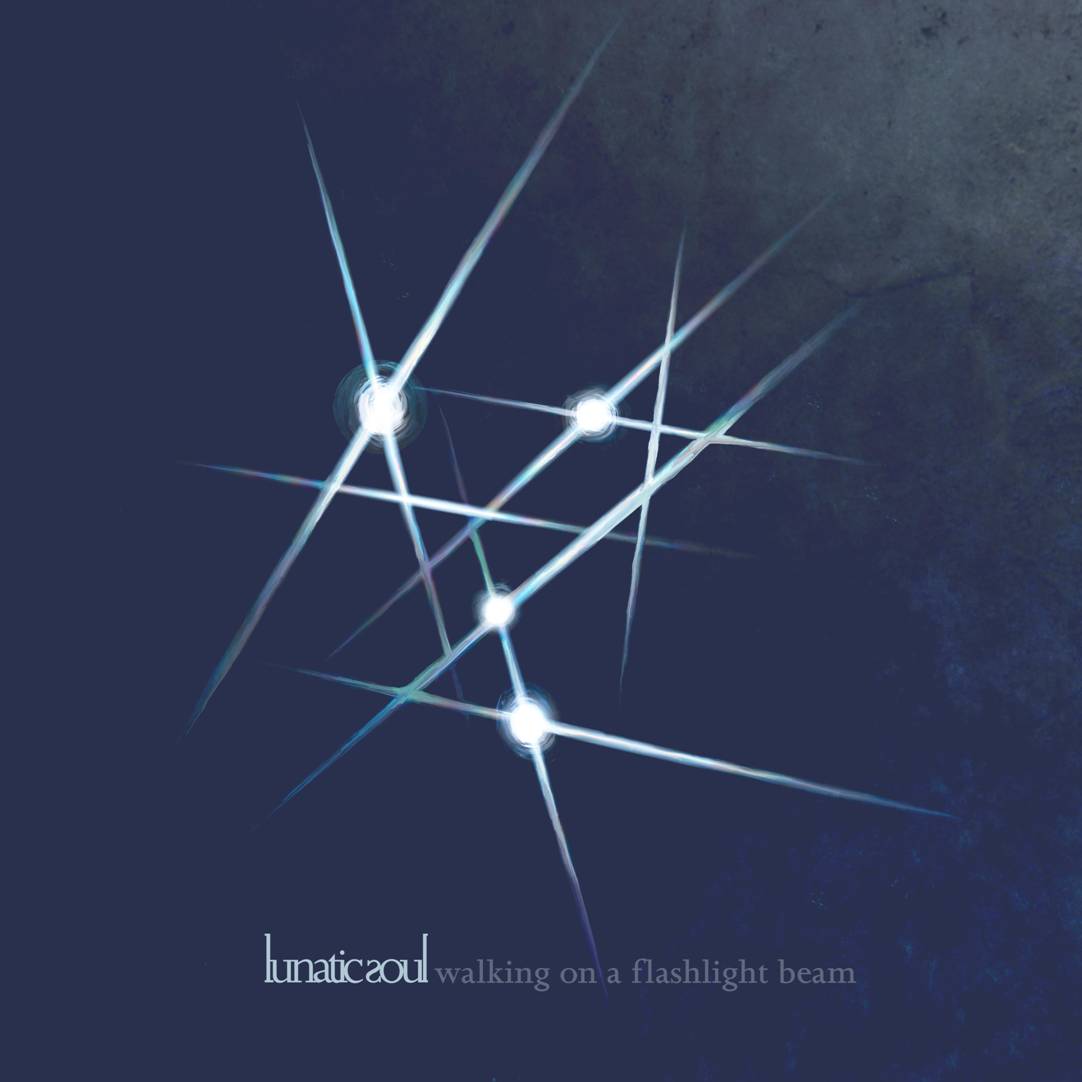
Review of Lunatic Soul, Walking on a Flashlight Beam (Kscope, 2014).

Birzer Rating: (6/10)

WOAFB-coverLet me begin by offering my Mariusz Dudas streetcred. I love Duda’s voice as well as his compositional skills. He possesses a profound sense of flow, allowing his music to move seamlessly from emotion to sentiment to feeling and back again. His voice is the kind that pulls one in, calling for full immersion. I’ve also always appreciated his lyricism, especially given that he’s not a native English speaker. He always seems to know the perfect lyric for the music and the perfect music for the lyric.

For a decade, I’ve been following his work. For a while, I thought I saw a continuity in all of his work: First Three Riverside Albums—Lunatic Soul—ADHD—Lunatic Soul.  Lunatic Soul, beautiful and gorgeous in its own way, seemed the perfect interlude to accompany the drama of Riverside. For better or worse, this scheme has broken down almost completely now, especially after Shrine (Riverside) and Impressions (Lunatic Soul).

For any of you who have heard Riverside or Lunatic Soul (and I assume it’s all of you), you know have very captivating the music is. Walking on a Flashlight Beam is a reviewer’s purgatory. It’s quite good and well worth owning—a must for any fan of Riverside and Lunatic Soul—but it doesn’t captivate in the way that the first two Lunatic Soul albums did or the first four Riverside albums. Duda’s lyrics are as good as always—despite the weird pedestrian title of the album—as is his sense of flow. But, the flaw in this album is that it attempts to make the Lunatic Soul sound fresh by adding in a bizarre mixture of sound effects, many of which sound like old, recycled Depeche Mode noises from the early 80s. It’s not as extreme as, say, U2’s Pop, but it is leaning in that direction. So, a conundrum—all the things that make a Duda album here are great, but the attempt to experiment and innovate sounds false and clunky. Admittedly, Walking on a Flashlight Beam is sounding much less clunky after several listens.

Just to experiment, however, I played the first Lunatic Soul album immediately after listening to the new one. The first made my soul soar. This one made it want to soar, but it merely hovered.

Matt Stevens News

Matt, second from the left.

Hiya

How is it November already? Here is the news:

This is a previously unreleased track from the Ghost album sessions. It’s called Blue Filter, I played it live a lot around the time when the album came out..

https://mattstevens.bandcamp.com/track/blue-filter-2

Available to download for the next week then it’ll be deleted 🙂 Buying music like this allows me to keep on making music.

New video – playing Big Sky for Auden Guitars

https://www.youtube.com/watch?v=7AVE0iSdM7w

I’m selling some of the my gear on Ebay. The Kaossilator I used on the song Lake Man on the Ghost album and delay pedal from the Stabbing A Dead Horse tour.

http://www.ebay.co.uk/usr/trinovantes1

Other than that it’s heads down writing and recording new material for new projects/Fierce And The Dead and the next solo record. One gig coming up in Milton Keynes in on the 31st January with Solstice.

Thanks for all your support.

Matt Stevens

http://www.fierceandthedead.com

http://www.mattstevensguitar.com