
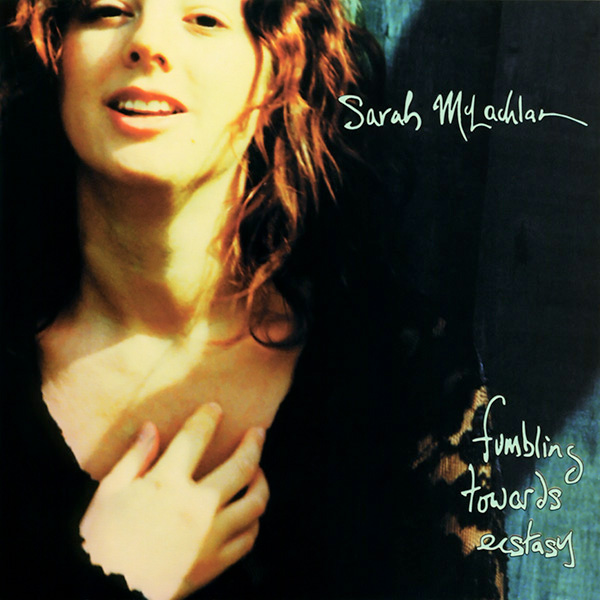
Let me throw down the mother of gauntlets as I start this piece.
Of all the bands and artists I’ve seen perform live over my fifty years of life, no one has ever exceeded Sarah McLachlan in intensity and performance. And, yes, I’m comparing her to Rush, to Yes, to Tears for Fears, to Neal Morse, to Kansas, and to a whole host of others. I’ve seen McLachlan numerous times, and I’ve yet to see anyone give as much as she does.
She gives every single thing she has, and she always has.
There. The gauntlet has been thrown down.
Sadly, too many readers—and, undoubtedly, progarchy readers—know her for her somewhat sappy and quasi-ideological songs from the late 1990s and after.
Yet, to look at her first three studio albums is to see an artist as artist, an artist before the fame, an artist who knew and loved the art, an artist who simply wanted to become one with her art. No angels, no building mysteries, and nothing fallen. Just pure intensity–an artist, her heart, her soul, her words, her bandmates, her engineer, and her producer.
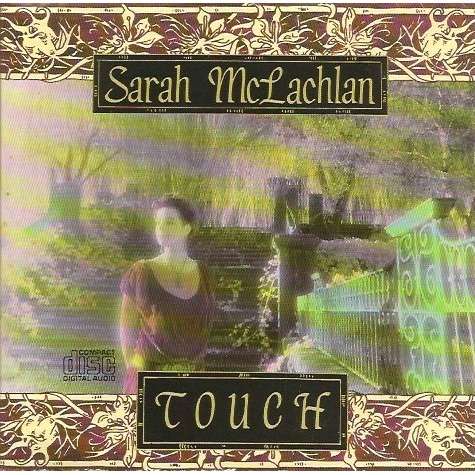
McLachlan’s first album, 1989’s TOUCH, remains a delicate masterpiece, fragile yet held together invincibly by sheer force of honesty. Just in her 20s, she already offered the Canadian equivalent of Mark Hollis on this album, full of proggy pop worthy of XTC and Tears for Fears. Indeed, TOUCH—with its piano and 12-string guitars—might very well have been the perfect mix of Hackett-era Genesis and later Talk Talk. Though each song on TOUCH is a pop song, the album as a whole is a prog album, having created the most coherent and unique of atmospheres.


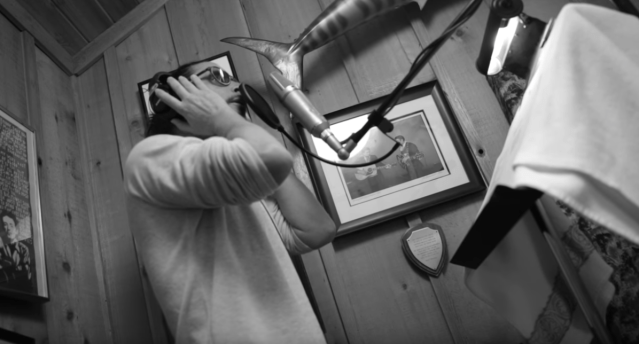
 Released in September 1979, Unleashed in the East, recorded on the Japanese leg of their Hell Bent for Leather tour, capped Judas Priest’s first long and storied decade, six months before their mainstream breakthrough British Steel. It’s a killer set, brightly produced, and enlivened some of their early material, which could tend towards studio stiffness. It was itself partly a studio effort, as singer Rob Halford had to add vocals after the fact, but anyone who loves this band or live records in general couldn’t, or shouldn’t, care less: live albums, live rock albums in particular, are by their nature a conceit of production.

