
A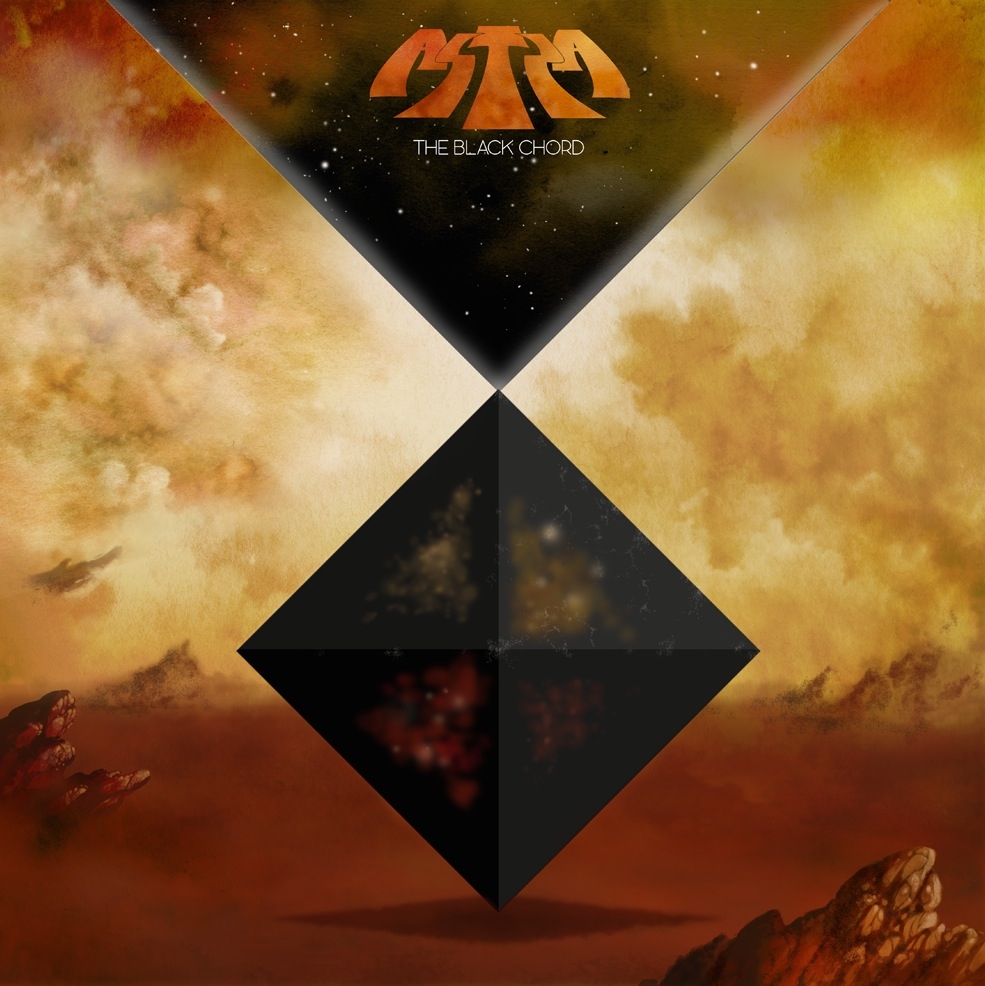 stra, “The Black Chord,” (Metal Blade Records, 2012). As my English friend Richard Thresh has stated (and I’m paraphrasing here), “There are really only two types of folks in the world. Those who love Astra and those who have yet to hear Astra.” Richard’s right. This is stunning stuff, but it’s not for the faint of heart. Astra rocks more than just about any other band I can think of in the present day. They never, however, venture into metal. At least with the guitar. The dirty organ has a metal feel at times. Still, it is seriously hard, psychedelic, progressive rock. In terms of writing and production, this album could’ve have emerged sometime around Iron Butterfly’s (also a San Diego band) 1968 “In-A-Gadda-Da-Vida” or Led Zeppelin’s first album in 1969. “The Black Chord” is intense from the opening note to the last, and it really never gets old. It also never stops moving; perpetual motion, it seems, once the Prime Mover kicks it off. The gritty organ, the dark vocal harmonies, punctuated guitar riffs, roaring bass, and pounding drums make this, frankly, a real treat, and the band is to be congratulated for so brilliantly mixing the present and the past in a way that would be and is entirely acceptable for both. My guess is that this album will become legend and this band will continue to grow, rather exponentially, in terms of its own abilities and in the audience it deserves. At the risk of sounding jingoistic (for all that, I’m an Anglophile), I’m also glad to see some domestic prog living up to current British and Scandinavian standards of brilliance and excellence.
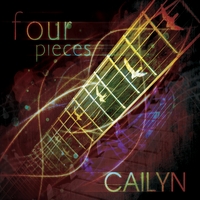 Cailyn, “Four Pieces,” (Land of Oz Music, 2012). Cailyn is another progressive act from the U.S. who is starting to garner attention, here and aboard, but her music sounds nothing like Astra’s. These two albums, if nothing else, reveal the immense variety in the current progressive music scene. Cailyn has taken three relatively well-known classical pieces–by Thomas Tallas, Antonin Dvorak, and Samuel Barber–and given them progressive rock arrangements. Unlike some bands (such as Yes) that have unsuccessfully attempted to put orchestras behind their music, Cailyn follows much more in the tradition of Emerson, Lake, and Palmer. Cailyn’s arrangements, though, are far more beautiful and tasteful than ELP’s recording, for examplel, of Pictures at an Exposition. Much like the Dutch composer and musician, Arjen Anthony Lucassen, Cailyn can seemingly play any instrument, but she also plays everything well, with precision and charm. Somewhat shockingly, the CD credits list her as guitarist (and it soars and is surprisingly bluesy; hard not to think of Stevie Ray Vaughn, though Cailyn is from Wisconsin, not Texas), bassist, keyboardist, and drummer. If you’ve been trying to get someone interested in progressive rock, this would be a perfect place to start. I give this my fullest recommendation for any lover of music. I’m eager to see what she does next, and I hope she’ll make an appearance (or many) here at Progarchy sooner rather than later.


 Progarchy