One of my top albums of 2015 was John Mitchell’s Lonely Robot: Please Come Home. In addition to my rave review, several other Progarchists recognized that album’s greatness, putting it on their Best-Of lists for 2015.
It’s two years later, and Mitchell has returned with the second installment of the Lonely Robot saga: The Big Dream. I always approach sophomore efforts with some trepidation, because an artist often uses up all of his or her best ideas in the début. No worries on that front this time! Fresh off of his work with Jem Godfrey in Frost*, Mitchell has crafted a near-perfect pop/prog collection of songs that hearken back to the glory days of Peter Gabriel’s solo work, Porcupine Tree, and others.
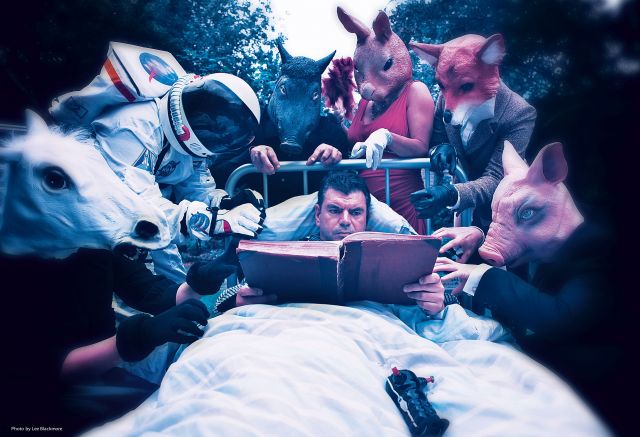
According to Mitchell, The Big Dream continues the saga of the astronaut in Please Come Home. He has awakened from a cryogenic sleep, and finds himself in a woodland inhabited by human/animal hybrids. The concept is a bit hazy, while the music itself is tight as a nut. I am hard pressed to think of any songs that pack a bigger 1-2-3 punch than “Awakenings”, “Sigma”, and “In Floral Green”. I had to put those three on Repeat for several listens before I even heard the rest of the album.
If you thought, like me, that Please Come Home was terrific, The Big Dream actually tops it in every way. Big melodies that grab your ears and won’t let go, great vocals, John’s always outstanding guitar – all combine to deliver an album that will definitely be on many Top Ten of 2017 lists.
Rather than taking my word for it, just check out the first single, “Everglow”:
The Big Dream is slated for release April 28.


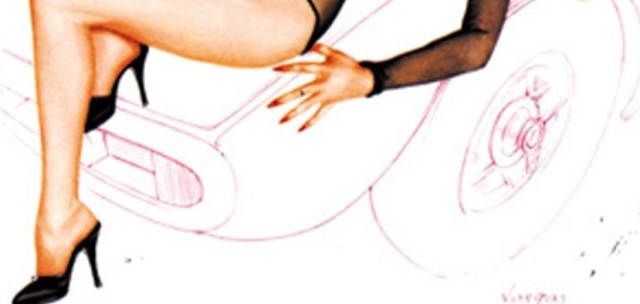 It’s been forty-ish years since their first record but it’s not difficult to remember how important the Cars were to American music. Punk really broke with the Cars and maybe also with Devo, because until these bands hit the radio, and they did so in a big way in 1978-79, punk music and its influence was just a news story for those of us not living on America’s coasts. The Cars weren’t a punk band really at all but they brought a toughness to their pop music that defined American new wave, even as they were being played, say, between the Doobies and AC/DC on the radio (as they still are today). They represented a slew of less commercially fortunate American underground bands: Big Star, NRBQ, Flamin’ Groovies, the kind of groups who extended 60s garage rock post Beatles. That is, they saw the art in what they did. They opened ears. Ric Ocasek’s and Benjamin Orr’s lyrics were smart, un-fussy, their singing had the odd effect of creating emotional distance even while containing heartbreak, and Elliott Easton’s guitar kept the band on course — they were never not a rock band. Here on “Candy-O,” the title track of their second album, the Cars throw down a power pop gauntlet elevated by this raw live peformance. Bookended by a monster debut album and outsized 1980s success, “Candy-O” is nonetheless the band’s peak as new wave game changer.