One of our media contacts sent us the debut album from prog metal duo Athemon, featuring Adriano Ribeiro (guitars and vocals) and former Haken bassist Tom MacLean (bass, production), as well as guest Gledson Gonçalves on drums. Initial thoughts – quite good. Heavy and dark. Vocals run the metal spectrum with cleans and distortion. Their overall sound is a lot larger than the number of musicians might suggest. Definitely check them out.
Here’s the press release and a Bandcamp link at the end:
Progressive metal duo Athemon debut self-titled full length will release on October 11th, 2021 and will be available on Flyathemon.bandcamp.com and Spotify.
Crossing paths online during the beginning of the Covid global lockdown, musicians Tom MacLean (bassist/producer, To-Mera, ex-Haken) based in the UK and Adriano Ribeiro (vocalist and guitarist) based in Brazil, used the digital world to their advantage to give rise to their new band Athemon. “Adriano sent me his demo and it gave me goosebumps, so I was keen to get involved,” says MacLean.
From a significant evolution between demos to their final introductory recordings, MacLean and Ribeiro created a bonding friendship over musical interests that created the perfect environment to allow them to evolve and conceive their debut album. Formed as a gateway to express their art using progressive metal music, Athemon’s first release is a concept record that is meant to be heard as one long 50-minute track divided into nine parts.
“Full of dark and enigmatic atmospheres, this is a 50-minute concept album divided into nine songs, which tells a story about self-awareness. This is a creative release that seeks to forge the perfect alloy of darkness and beauty,” adds the band.
For the album’s recording, the duo invited a special guest drummer from Brazil, Gledson Gonçalves who added his percussionist touch to compliment each one of the nine tracks.
“As nobody goes alone in this world (even being totally alone inside one’s own mind), the songwriting process had a lonely beginning, but a very collaborative end. The beginning of this project was driven by Adriano, but nothing would fit so well if it wasn’t for the amazing connection the three of us have (Adriano, Tom, and our special guest on drums, Gledson),” says MacLean.
The lyrics for the album were written by vocalist/guitarist Adrian Ribeiro and were inspired by thoughts of how confusing reality can be if you are not taking care of your emotional side. “The thin line between what’s real and what’s not is an endless world,” adds Ribeiro.
New fans of Athemon, can expect much more to come from the pair as they already have plans to launch their second album by the end of 2022, which they are currently composing with promising results. As for the live spectacle of Athemon, for now, the band will let the music flow until the duo can connect from across the Atlantic for their first in-person jam session. Recommended for fans of Nevermore, Pain of Salvation, Opeth, Gojira, and Mastodon, Athemon’s self-titled debut is available on all digital platforms.
ProgJect is The Ultimate Prog Rock Experience featuring Michael Sadler, Ryo Okumoto, Jason Bieler, Matt Dorsey, and Jonathan Mover performing the classics and epics of Genesis, Yes, ELP, and King Crimson, along with some Pink Floyd, Rush, Jethro Tull, Peter Gabriel, Gentle Giant and more.
Michael Sadler (SAGA) – Lead Vocals, Keys, Bass & Percussion Ryo Okumoto (Spock’s Beard, Asia, Chris Squire) – Keyboards & Vocals Jason Bieler (The Baron Von Bielski Orchestra, Saigon Kick) – Guitar & Vocals Matt Dorsey (Sound of Contact, Beth Hart, Hannah Montana) – Bass, Pedals, Guitar, Keys & Vocals Jonathan Mover (GTR, Marillion, Joe Satriani, The Tubes) – Drums, Percussion, Samples & Vocals
The brainchild of Jonathan Mover, ProgJect came to fruition out of his love for and childhood dream of playing the ‘Prog’ he grew up listening to. “Prog Rock is the reason I play drums,” Mover explains.
After a last-minute call to tour with the premier Genesis tribute band The Musical Box, Mover returned home waxing nostalgic:
I haven’t had that much fun onstage in a long time and was reminded of the reason I began drumming in the first place–Prog Rock. Playing songs like ‘Robbery, Assault and Battery’, ‘Dance on A Volcano’, ‘Wot Gorilla’, ‘Watcher of The Skies’ and ‘Back In NYC’ had me feeling fifteen again and relit the very same fire I felt when I first picked up sticks.
What if I put together ‘The Ultimate Prog Rock Experience’, with top players, and pay homage to our favorite Prog giants–Genesis, Yes, ELP and King Crimson, along with some Pink Floyd, Rush, Peter Gabriel, U.K., Jethro Tull, Gentle Giant and more?
With a two-plus hour set that includes Prog classics and epics such as, “Squonk”, “Cinema Show”, “Firth of Fifth’, “Karn Evil 9 – 1st Impression Pt. I & II”, “Siberian Khatru”, “Roundabout”, “Heart of the Sunrise”, “21st Century Schizoid Man”, “Lark’s Tongues In Aspic”, “Xanadu”, “La Villa Strangiato”, “Have A Cigar”, “Wish You Were Here”, “Solsbury Hill”, “Living In The Past” and more… ProgJect is going to drop your jaw and blow your mind.
From the first full-band rehearsal in late September, 2019, the chemistry was immediate. Rehearsals continued with the band shaping the songs and arrangements, and with their first tour in the works, ProgJect was set to embark on a two-dozen date run from Northeast Canada, down the East Coast and across to the Midwest… and then came Covid.
Sixteen months later, ProgJect is back in full-production rehearsals, modifying the set and preparing for their first official tour, starting April, 2022.
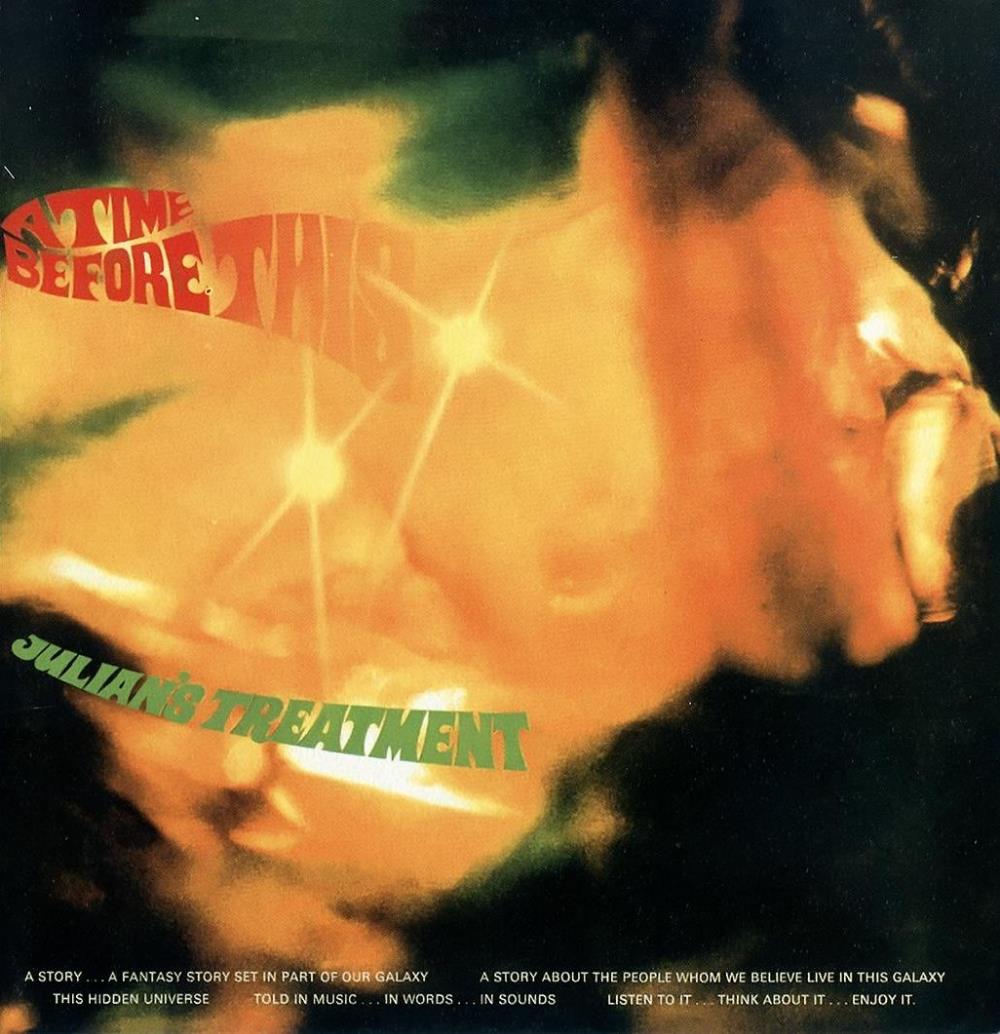
If a psychedelic concept album about interstellar travel, galactic warfare, and a kingdom of beautiful blue women sounds like the cure for your end-of-summer blues, then Julian’s Treatment may be just what the doctor ordered! Headed by budding science fiction author Julian Jay Savarin, Julian’s Treatment released only one album – A Time Before This – in 1970 before financial troubles forced them to call it a day. But their sole release truly is an obscure gem: original copies of the album have apparently sold for over $1,000.
But back to Savarin’s writing: what tale does he weave here? Here’s a helpful summary I came across on the YouTube posting of the album: A Time Before This…tells the story of the last surviving man from planet Earth, who journeys across interstellar space to the Alpha Centauri system, where a conflict is raging. On one side stands Alda, Dark Lady of the Outer Worlds, and her ally the Mule. On the other is Altarra, Princess of the Blue Women and Supreme Ruler of the planet Alkon. It is implied that the Earthman will become Altarra’s ally and lover, and will help her overthrow Alda and the Mule.
And there you have it: travel, warfare, and exotic women. Perhaps it’s not the most original story ever told, but singer Cathy Pruden’s passionate vocals make it worth at least a few listens. Her best performances come in Chapters V and VI: first as the menacing and imposing “Alda, Dark Lady of Outer Worlds,” and then as “Altarra, Princess of the Blue Women,” as graceful and mellow as Alda is fierce and powerful.
The other star on this album is Savarin himself: although not a wordsmith at the level of a Bradbury, Heinlein, or Dick, he nevertheless offers a rather engaging acid trip of a tale. Furthermore, he’s quite the talented Hammond organ player, and his instrument is the glue that holds the album together. (And I would be remiss if I did not acknowledge guitarist and flutist Del Watkins, whose skill on both instruments adds a welcome touch of both hard and folk rock – listen in particular to his work on “Phantom City.”)
Fans of psychedelia, science fiction, and Hawkwind’s Michael Moorcock-inspired albums will find especial pleasure in listening to Julian’s Treatment. Like any novel, this album must be listened straight through from beginning to end – don’t skip any of the chapters!
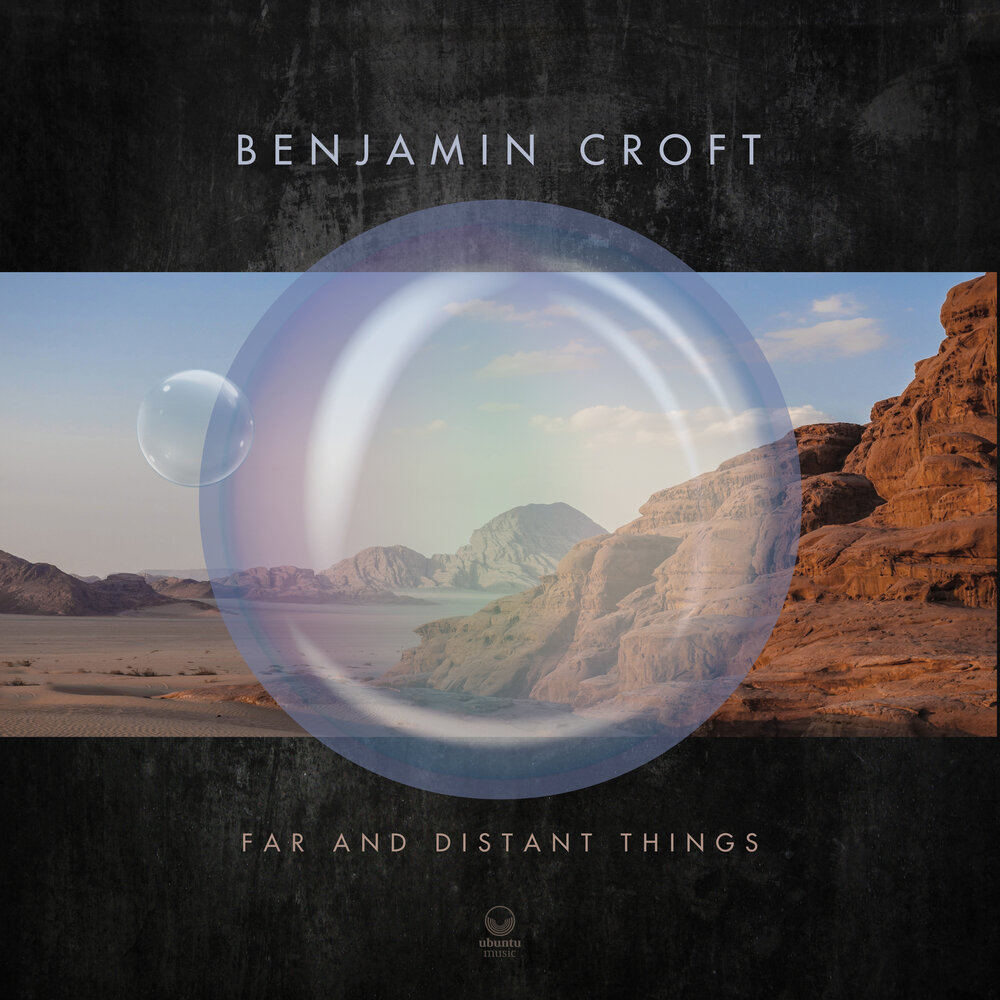
Benjamin Croft, Far and Distant Things, Ubuntu Music, 2021 Tracks: Overture (1:13), Far and Distant Things (6:13), Brock (4:47), S.A.D. (Spatial Awareness Disease) (6:21). Tudor Job Agency (6:25), S&R Video (5:07), The War Against Loudness (6:17), How Not To Win The Nobel Peace Prize (6:17), Than You, That’s What I Wanted To Know… (5:35), St Gandalf’s (1:55), The Cashectomy (6:25)
I don’t listen to as much jazz as I should, probably because it is such a diverse genre that I barely know where to begin. I’ve always enjoyed jazz music in live settings. I think the genre excels when played live because it is a highly experimental genre, allowing room for improvisation. When I was in college I loved attending the concerts put on by the faculty jazz band. They were always so much fun. I think I enjoy jazz for some of the same reasons I enjoy progressive rock, which obviously is heavily influenced by jazz. At its most basic, the technical musicality in jazz keeps me interested.
UK musician Benjamin Croft’s Far and Distant Things has been such an enjoyable CD to listen to over the past month and a half. Croft wrote and arranged all the tracks on the album, and he also played all of the keyboards. In addition to Steinway and Yamaha grand pianos, Croft plays a whole list of various synthesizers and keyboards, thus bringing in a bit of a prog texture to his jazz record. Perhaps those elements are why he sent us his CD for review, but regardless of why, this is an excellent album. At any rate, the artwork is certainly prog, featuring cover art (and other artwork on the CD and in the packaging) by Hugh Syme.
Beyond Croft on keyboards, the songs have a revolving cast of characters, with Tristan Mailliot or Laurie Lowe playing drums on most of the tracks, except for “St. Gandalf’s,” which features Chad Wackerman. Flo Moore and Henry Thomas share bass guitar duties on the record. Guitars and on the album are played by a few guests, as are the wind instruments. Garthe Lockrane’s flutes on “Overture” and “Brock” are really quite something. It brings in that element of classic progressive rock as well as a fresh classical texture.
As is typical in jazz, there’s a lot of soloing on each track – keyboards, guitar, bass, trumpets, flute. Not each one of those on every track, but you get my meaning. The playing is smooth and easy to absorb. Some jazz can be overpowering, but Far and Distant Things sets you right at ease. The drumming and bass create a smooth yet complex rhythm throughout the entire album. The interplay between piano, keyboards, and the various wind instruments is quite pleasant.
“How Not To Win The Nobel Peace Prize” is an interesting piece in the way it shifts over the course of the track. It starts off as a more typical jazz song before speeding up and morphing at the end of the song into more experimental territory before fading out. It’s a shame it fades out, because I wanted to hear where they were going. The title of the track, along with others on the album, hints at a bit of sarcasm, which I can always appreciate.
There are some rock moments on the record. “Far and Distant Things,” featuring Frank Gambale on electric guitar, is perhaps more rock than it is jazz, especially when you take the synths into account. “Tudor Job Agency” has its jazz moments, but the guitar, played by Barry Finnerty, has a Clapton-esque vibe to it. There is also a passage of some incredibly fast drum beats that add a rock element to the song.
Give Benjamin Croft’s Far and Distant Things a listen for a laid back Sunday afternoon or evening. Or for any day of the week. The music is exceptionally well-written and equally well-performed. It brings me back to simpler times when I could enjoy a live jazz show without worrying about… well all the things we seem to worry about these days. This instrumental album will take you a world away, if only for an hour.
Hailing from England, jazz-rock outfit Marsupilami released two albums in the early 1970s before calling it a day. Arena, their second and final album, is an exploration of the violence and brutality of ancient Roman culture (the album cover certainly offers a hint of said violence), with an especial focus on the bloody era of the gladiators and the persecution of the early Christians. Here are my thoughts on this obscure gem:
“I’ve come here today to rip the veil from your eyes, unhinge your heads, and pull out your BLOODY MINDS!” So begins the “Prelude to the Arena” – fitting considering the topic being explored. If Fred Hasson’s screaming vocals aren’t enough to wake you up, then perhaps the superb musicianship will. After the violent opening, the “Prelude” eventually settles down, featuring lovely interplay between sax, flute, and electric piano courtesy of Leary Hasson.
The black theme continues in the ironically-titled “Peace of Rome,” which opens with the chilling sound of wailing voices. Soon, however, the flute, bass, organ, and percussion pick up the tempo, but it is guitarist Dave Laverock’s searing performance on his instrument that makes this song particularly strong.
If Fred Hasson’s introductory lyrics didn’t make you pause, perhaps part of the opening lyrics to the title track will: “A Christian is a human torch exploding with a scream.” That line is then punctuated by the sound of a, well, screaming flute – again, fitting, but it certainly sends a chill down the spine. Overall, however, “Arena” is a flawed attempt at an epic: it loses much of its luster after an introduction that could have (and should have) been pared down. The lyrics, on the other hand, are never dull: we get references to both St. Peter’s upside-down crucifixion and Nero’s…relations with his mother, among other misfortunes.
“Time Shadows” places flutist Jessica Stanley-Clarke (whose work elsewhere on the album is worth noting) front and center, and she does not disappoint. Like the other tracks, “Time Shadows” remains somber in tone.
The opening thirty seconds of “Spring” – a gentle, pastoral combination of acoustic guitar, flute, and organ – contrast violently with the cacophony of electric guitar, keys, and percussion that follow for the next minute before the song begins to resemble a soft-rock tune out of Camel’s catalogue (as it turns out, original Camel member Peter Bardens produced Arena).
The dark, somber lyrics will recall to some listeners Aphrodite’s Child’s 666; the soft-rock and jazz-inspired riffs will remind others of Camel’s early work; and the screaming vocals will most likely bring to mind Peter Hammill’s distinctive screeches. Arena has its faults – the vocals are somewhat flat, and the random appearance of harmonica here and there disturbs the melodies (and not in a pleasant way) – but the lyrics are captivating, the musicianship top-notch, and the passion evident. It is one worth adding to your catalogue.
Collaborating as Three Colours Dark, vocalist Rachel Cohen and keyboardist/guitarist Jonathan Edwards made one of my favorite albums of last year. The Science of Goodbye remains a subtle, broodingly elegant debut, spinning a harrowing narrative of escape from both a toxic relationship and inner captivity. TCD’s welcome follow-up, Love’s Lost Property, doesn’t hesitate to ask the obvious questions: what now? How to deal with lingering pain? How to move forward? And in what direction?
The opener/title track sets up the premise. Standing with a ex-lover in the rubble of their broken relationship, Cohen wonders whether things could be different: “Versions of us/Love’s lost property is now in safer hands/Laws of motion proved/Let the light in, let the light in.” Kicking off with bittersweet lines from violinist Kate Ronconi and featuring stinging guitar solos from Tim Hammill and Dave Gregory, “Love’s Lost Property” looks back on the road taken and the damage done in a deliberate, leisurely unrolling musical arc.
“Dark Before Dawn” kicks into an uptempo, acoustic-driven shuffle, complete with countrified Gregory solo work and supple vocal harmonies, as Cohen encourages herself to move on, though the way is still uncertain. Pulled up short by the bitter memories of “Requiem” (beautifully cradled in a soundscape featuring Edwards on piano, Catherine Tanner-Williams on oboe and Andrew Coughlan on double bass), Cohen elegizes love lost in the soaring chorus of “Last Day on Earth” — then pivots to the reluctant but adamant kiss-offs “Wish I Wished You Well” (with more standout violin work) and “The Circus” (a masterclass in the art of the endless Floydian build-up).
As on The Science of Goodbye, it’s a cover that snaps Love’s Lost Property into sharp focus — in this instance, Duran Duran’s “Ordinary World.” Resplendent with Gregory’s 12-string and Ronconi’s lead work, it’s elevated by Cohen’s steely determination as she bites into the chorus (“But I won’t cry for yesterday/There’s an ordinary world somehow I have to find/And as I try to make my way to the ordinary world/I will learn to survive”) then soars into vocalese over violin licks. Then Gregory takes the whole thing even higher, and Edwards caps it off with a lyrical synth solo as the track fades. Whew!
Her journey’s path set, Cohen can move on at last in the emotional tour de force “Eye for An Eye.” Accepting herself, her former partner, the pain given and caused, and all the consequences, her vocals constantly grow in power and focus, feeding off and setting up Steve Simmons’ emotive saxophone work, Edwards’ cinematic synths backing and a wrenching Hammill solo. The whole thing builds to a shattering climax — then gracefully collapses into a “Reprise” of the title track, a perfect bookend to the album.
The shock of the new may have worn off for fans of Three Colours Dark, but the deep emotional content and musical gravity of this second effort are more than adequate compensation; Love’s Lost Property is another marvelously coherent song cycle that gets stronger as it unfolds. Cohen, Edwards and friends get full marks for their vivid, heartfelt portrayal of the comforting, wounding, uniting, dividing magnificence and terror of fallible love in a fallen world.
We were recently sent this song by Dan Hereford of the band Werke Horse, and it’s very fun and eclectic. Part prog, part pop, and it may remind some of you of a certain banana-colored submarine. Although this song is far less annoying than that particular song. It has a vintage prog sound befitting the subject matter. Heck when my Dad was a kid, his parents had a Checker for a car. Yes that’s right – the Checker Cab Company made cars that the regular public could buy. They were basically unchanged from the 1950s until the early 1980s.
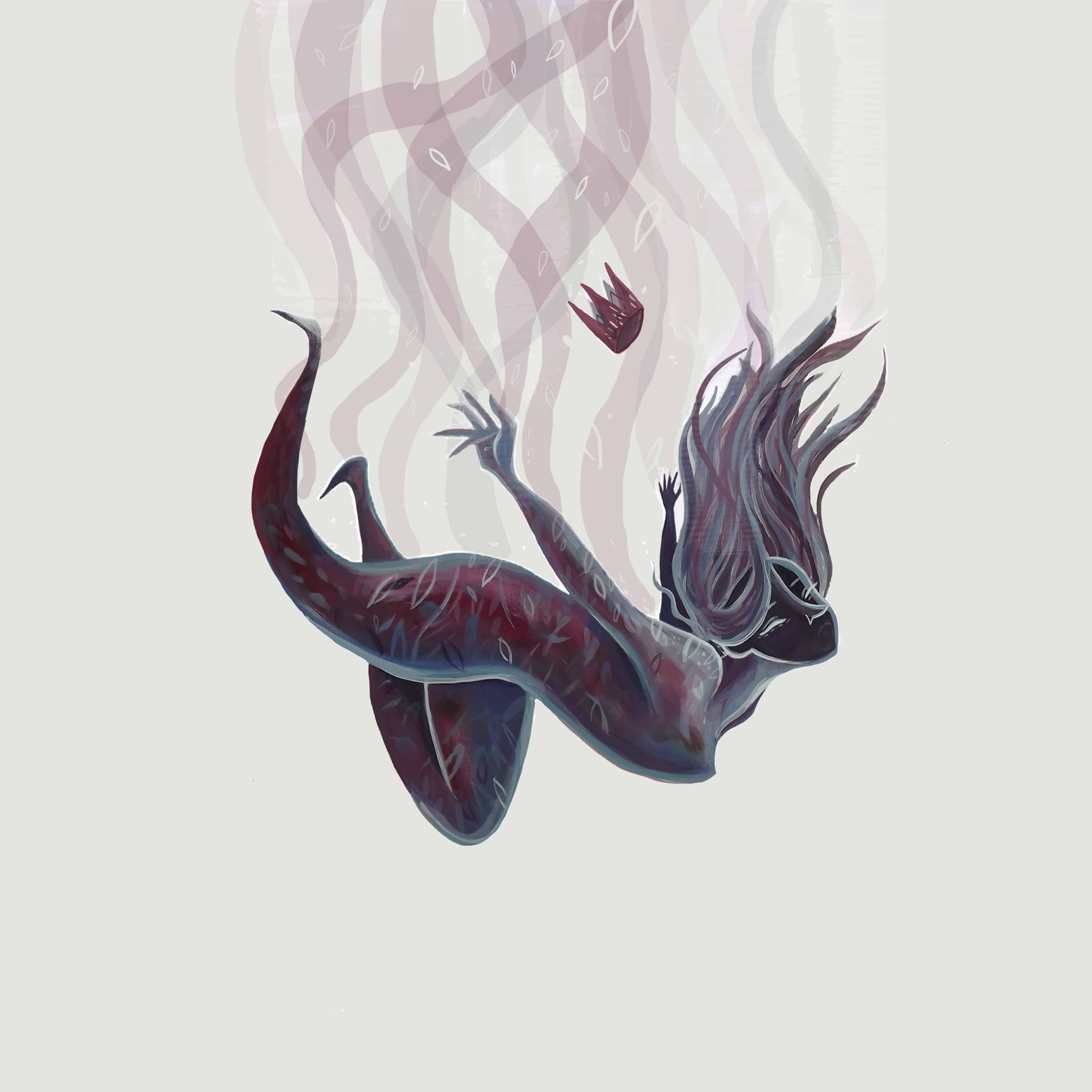
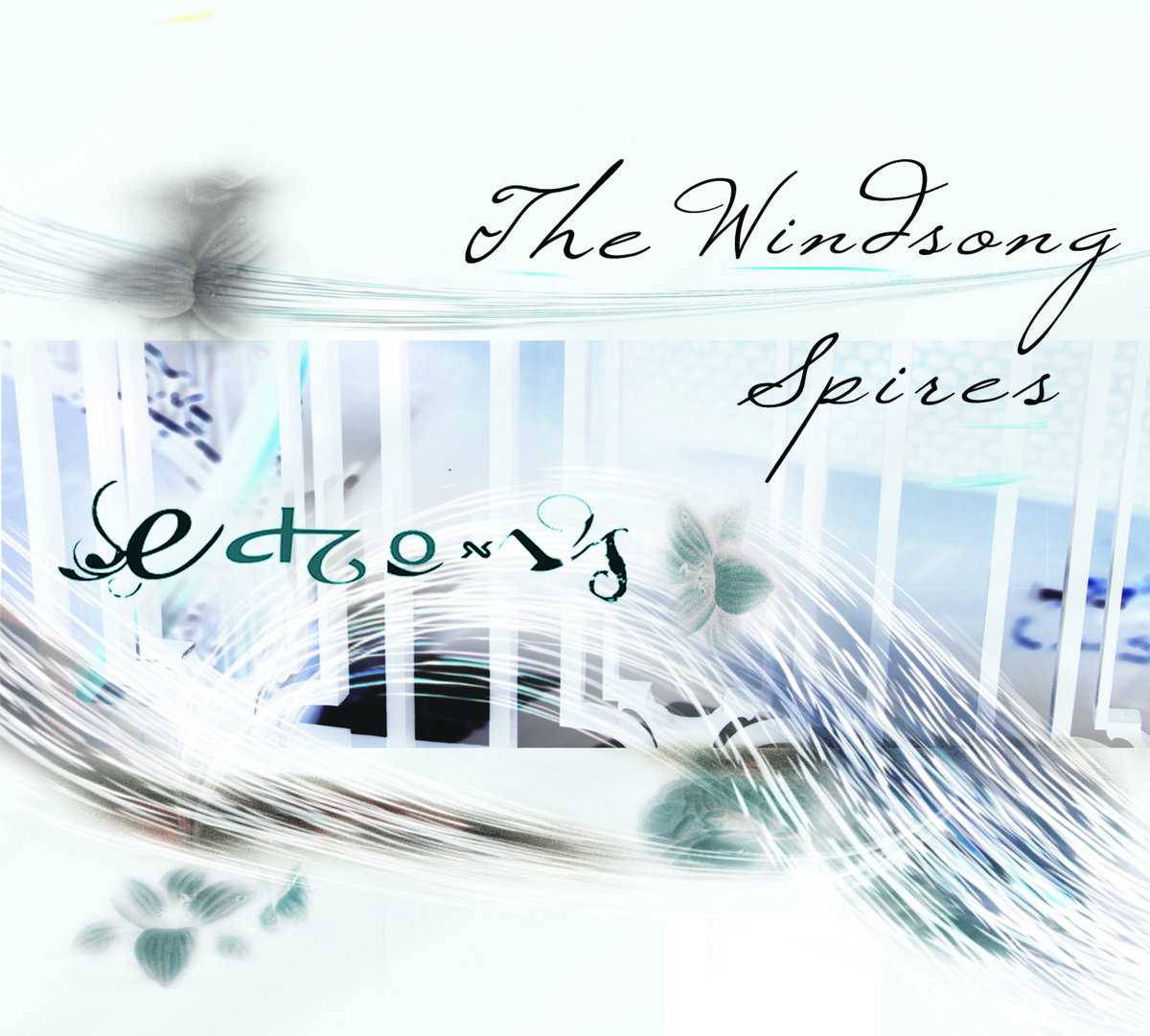
Echo Us, The Windsong Spires, June 22, 2021 Tracks: We Seek the Descending Levers, (8:06), If You Can Imagine… (5:29), The Night Sky (3:19), When the Windsong Spires, (5:49), Squals (3:53), (Fly You Home) (4:41), And When They Dance At Dusk, (4:16), I’ll Wave You In (4:54), (And Acquiesce) (5:41), If We Can Breathe Again… (3:39), Under the Smallest Sky (11:40)
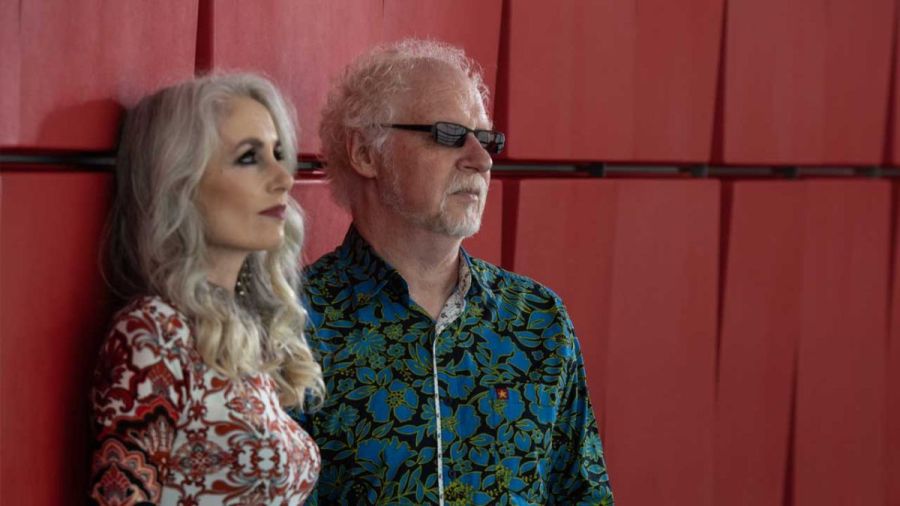
Electronic. Atmospheric. Ethereal. These are just a few of the words I could use to describe Portland, Oregon, music project Echo Us. The band was founded by composer and multi-instrumentalist Ethan J. Matthews 20 years ago. He is joined on the record by drummer Andrew Greene and vocalist Charlotte Engler. Matthews provides vocals, guitars, hammered dulcimer, glockenspiel, percussion, and synthesizers.
Just based upon the variety of instruments Matthews plays, you might guess that his music has a rather eclectic mix, and you’d be right. Their sound ranges from atmospheric to classical and folk, all within a subtle rock context. I even picked up what sounded a bit like a Pacific Northwestern Native American influence in the opening moments of the album. Piano plays a prominent role on the record, along with clean electric guitar.
The vocals contribute to the ethereal tone of much of the music, but the drums keep the music grounded here on earth without allowing the album to get too heady. In that way there’s a nice balance between the various sounds. The mix of male and female vocals also contributes to the balance of the sound on the record. Matthews’ voice reminds me of Tim Bowness, and Engler’s voice reminds me a bit of Kate Bush or Amanda Lehman.
The music helps tell a story. “The Night Sky” is primarily piano with synth sounds swirling around it and ghostly vocals at times throughout the brief track. The listener is left picturing a calm, cool night sky away from the hustle and bustle of the city.
Greene’s drums and percussion on the record might sound relatively straightforward at first notice, but when you dig in you notice there’s a lot going on. One moment it might be a simple drum part, but the next might have a military-style snare drumming, such as on a portion of “When the Windsong Spires.” This conjures up new images in the mind, adding to the musical tapestry Echo Us create.
I’m not positive that this is intentional, but I get the feeling that the names of the tracks are meant to be read together as you might read an imagist poem. Since the names of the songs include punctuation, I suspect I’m right.
We Seek the Descending Levers, If You Can Imagine… The Night Sky When the Windsong Spires, Squals (Fly You Home) And When They Dance At Dusk, I’ll Wave You In (And Acquiesce) If We Can Breathe Again… Under the Smallest Sky
This is a pretty cool way to add texture to a record. You have the poetry of the lyrics, but to use the very names of the songs to create another poem is unique.
One might classify The Windsong Spires as ambient music, but there’s a lot more going on than just ambient sounds. The drums and guitars bring in elements of rock, although I don’t know if I can call this outright rock ‘n roll. At the end of the day genres can be rather meaningless categories to which we assign music. What really matters is whether or not the music is good, and Echo Us is very good. Their music has had a calming effect on me, which has been much appreciated and needed lately. When everything else seems to be crashing and burning, it’s nice to settle back into something that slows you down and makes you think.
Considering his reputation as one of the greatest living twelve-string guitar players, Paul Brett is probably not among the more obscure names I have included in this series thus far. Having performed with the likes of Arthur Brown, Roy Harper, and the Strawbs in the late 1960s and early 1970s, Brett was by no means a stranger to the prog scene by the time he ventured forth on his own. He released several solo albums in the 1970s, Interlife being perhaps the most celebrated of the bunch. Although Brett’s acoustic and electric guitars are the stars of the show, the album also features the talents of ex-Strawbs drummer Rod Coombes and the ubiquitous Mel Collins on saxophone, who helps give the album a jazzier feel. Here are a few highlights from this hidden gem:
The opening number “Interlife” is both the longest and strongest track on the album. Although it begins as a soft folk tune with the rich sound of layered acoustic guitars, it transitions quickly and seamlessly to a unique blend of folk and jazz rock. Each member of Brett’s supporting cast is able to show off their chops, be it Coombes on drums, Collins on Sax, Derek Austin on synthesizer, or Delisle Harper on bass. Fans of Mike Oldfield’s instrumental prog masterpiece Tubular Bells – which also features several acoustic and electric guitars – will appreciate this track.
The remaining tracks, beginning with “Celebration,” are much shorter and equally enjoyable. Brett again opens with the gentle sound of acoustic guitar on “Celebration” before he’s joined by his mates. The electric guitar soars on this piece before the track finishes in a sort of jig.
“Segregation” also begins gently, but transitions suddenly to a jazzy guitar riff and a thumping bass line courtesy of Harper, who does a superb job on this piece. “Isolation,” another acoustically-driven work, follows “Segregation” before we arrive…
“Into Life,” the heaviest piece on the album. Unlike the other tracks, the closer opens with electric guitar, bass, and drums. Perhaps this is meant to represent the (somewhat) chaotic transition into life itself, but it does feel somewhat out of place on what is otherwise a rather subdued album.
Fans of the Strawbs, Mike Oldfield, and Roy Harper will not want to miss Interlife. For those less inclined toward the prog folk scene, I would still recommend this as an excellent album for a rainy or slow-paced day. Brett’s work on both acoustic and electric guitar (but especially the former) is simply superb and would be appreciated by any prog enthusiast.
As previously promised, a look at the big reissues landing in the next few months — especially those available in one or more box set formats. Ordering links are embedded in the artist/title listings below.
Out Now:
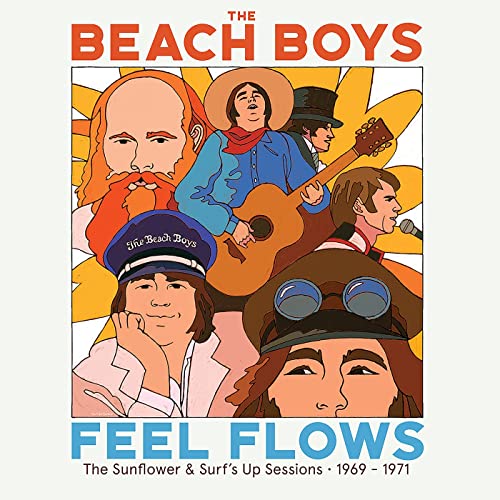
The Beach Boys, Feel Flows – TheSunflower and Surf’s Up Sessions, 1969-1971: between their initial impact and their imperial phase as timeless purveyors of fun fun fun, Brian Wilson and his family pursued heaviness and relevance in a market that thought it had outgrown them — at least for the moment. This slice of the Boys’ catalog features less slick, more homespun takes on their timeless concerns (the same amount of girls, less cars, more daily life), with Wilson brothers Dennis (on Sunflower) and Carl (on Surf’s Up) taking the lead. The brilliant moments — “This Whole World,” “Forever,” “Long Promised Road,” “Til I Die” for starters — outweigh the embarrassingly dated ones, and music to make you smile is never too long in coming. Available from The Beach Boys’ webstore as 2 CDs, 5 CDs, 2 LPs or 4 LPs (colored vinyl).
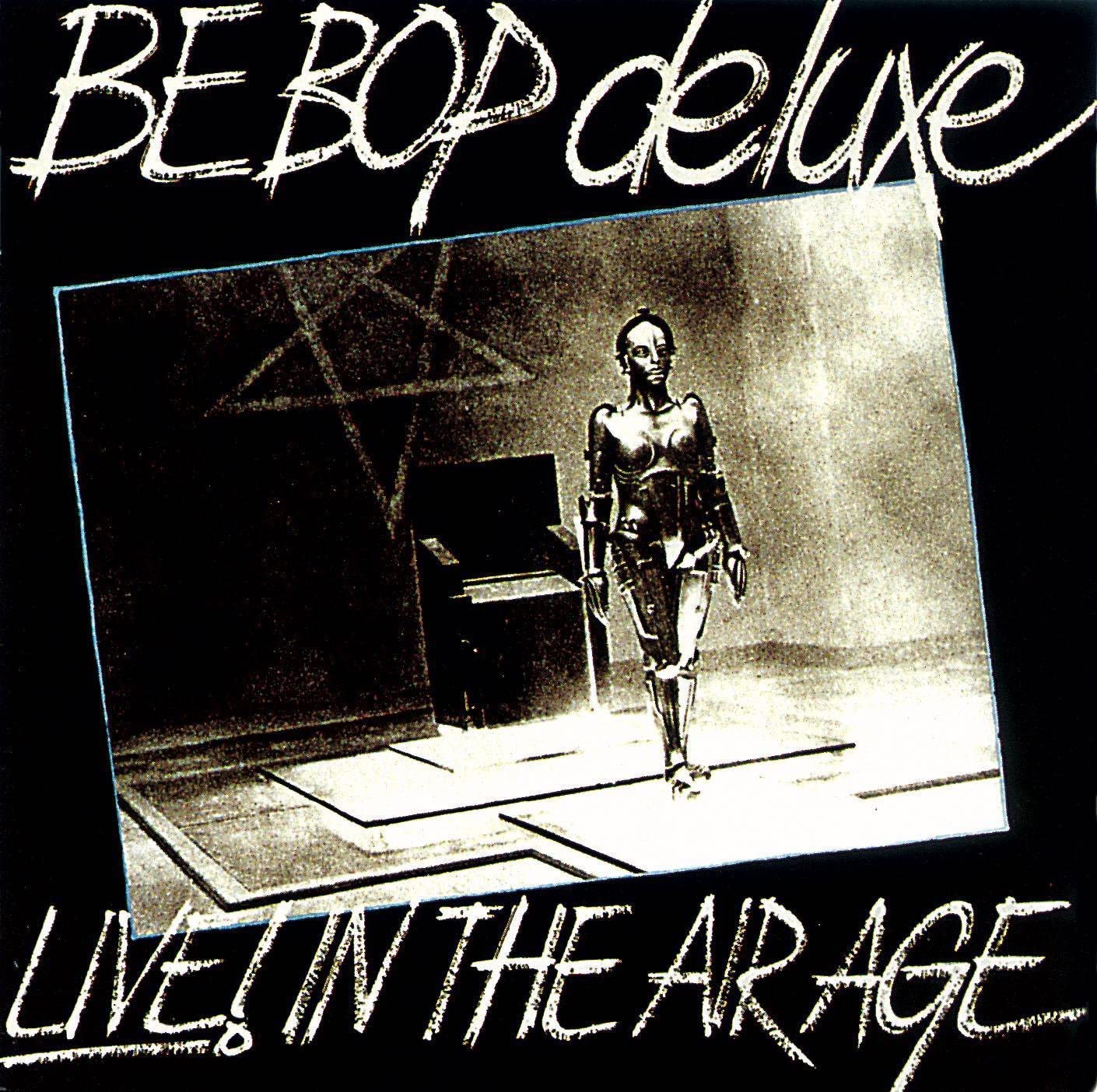
BeBop Deluxe, Live in the Air Age:when Bill Nelson’s avant-glam guitar heroics didn’t generate bigger record sales, a live album was the next obvious move for this sterling British quartet. Better chart positions weren’t forthcoming, but 1977’s Live in the Air Age is an exquisite slab of BBD at work — Chuck Berry updated for the Apollo era, with a bit of Bowie/Mercury panache in Nelson’s vocals and blazing solos aplenty. Available from Esoteric Recordings as 3 CDs (adding the complete 1977 London concert) or 15 CDs/1 DVD (adding all surviving recordings from the 1977 British tour and a live television special).
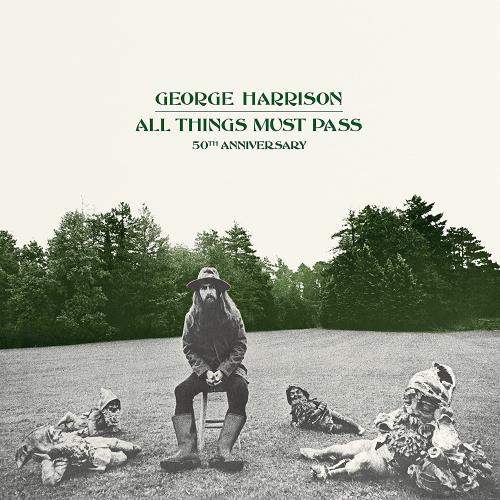
George Harrison, All Things Must Pass: the quiet Beatle exploded on his first album after the Fabs’ breakup, immersing his radiant devotional compositions in Phil Spector’s patented Wall of Sound and drafting Ringo, Badfinger and the embryonic Derek and the Dominoes as his rock orchestra. The new remix scales back the symphonic swirl, brings forward George’s vocals, and gives the rhythm section a kick in the pants; just right to these ears. A serious contender for the single best solo Beatle album, well worth an immersion course. Available from the Harrison webstore in Standard (2 CDs or 3 LPs — limited colored vinyl available as well), Deluxe (3 CDs or 5 LPs), Super Deluxe (5 CDs/BluRay or 8 LPs) and Uber Deluxe (5 CDs/BluRay/8 LPs/various bespoke gimcracks/”artisan wooden crate” — you don’t wanna know what it costs) editions.
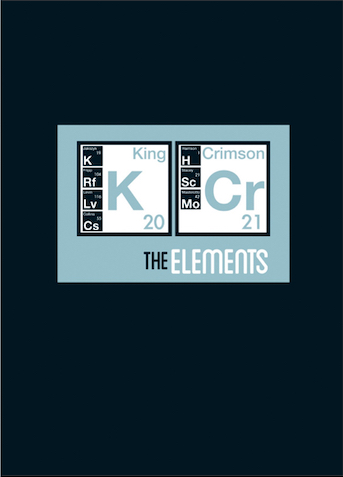
The Elements of King Crimson – 2021 Tour Box: the 7th annual compilation of tidbits from the Discipline Global Mobile archives, doubling as a concert program. This year’s selection of rarities focuses on the nine drummers that have called King Crimson their musical home (sometimes two or three of them at once). Studio snippets – like the one with Fripp, John Wetton on bass and Phil Collins on drums – live tracks, oddities, previews of coming attractions, and more. Available from Burning Shed or on Crimson’s current USA tour.
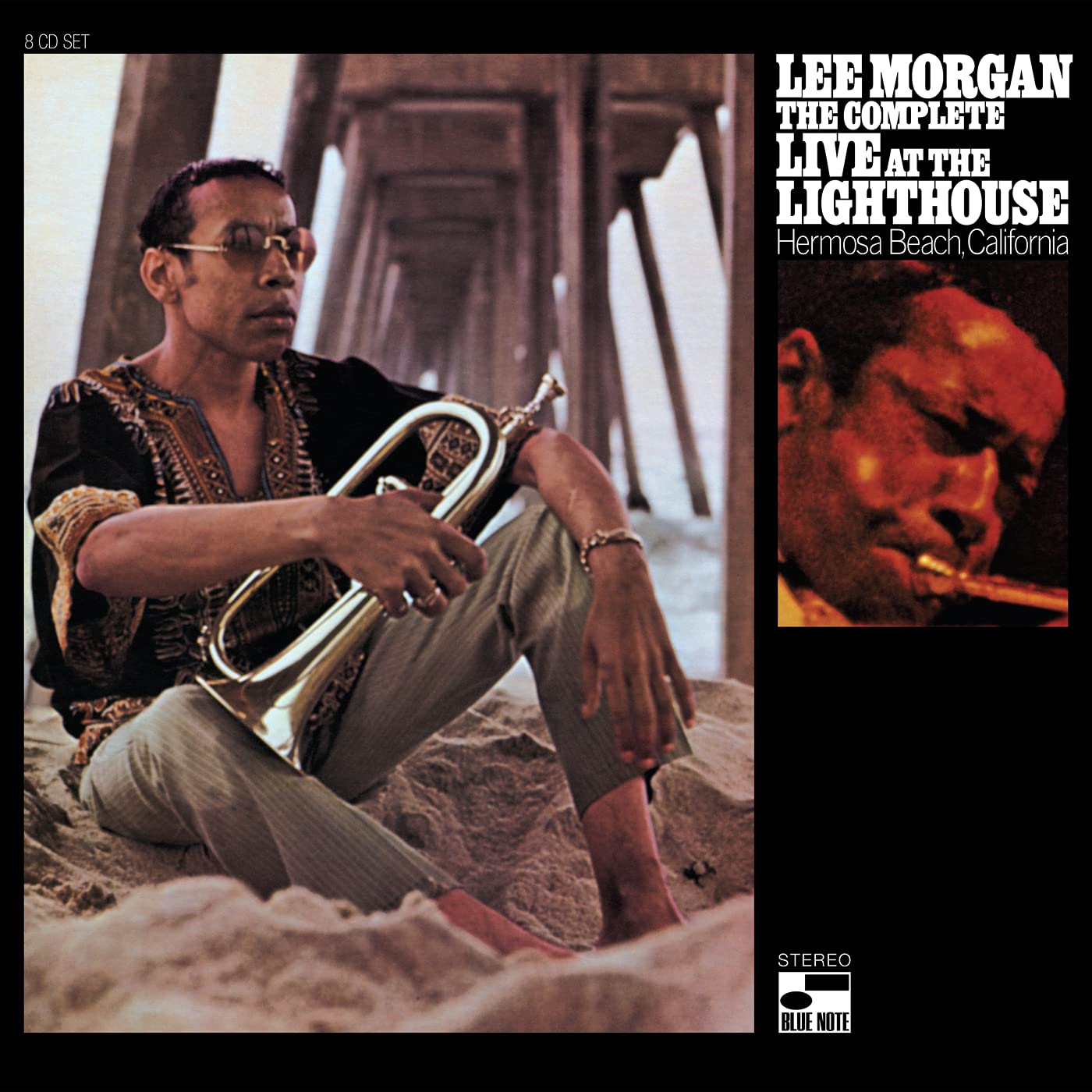
Lee Morgan, The Complete Live at the Lighthouse: never a mass media superstar, Morgan was nonetheless a jazz icon — one of the finest trumpeters of his day who played with heroes of the music like Art Blakey and John Coltrane, recorded more than 20 albums as a leader for Blue Note Records, and even managed to score a Top 25 pop hit with his funky “The Sidewinder.” This box (another product of jazz archivist Zev Feldman’s boundless energy) sets forth an entire weekend’s worth of recordings by Morgan and his dedicated, powerful 1970 band. Bennie Maupin on reeds, Harold Mabern on piano, Jymie Merritt on bass and Mickey Roker on drums bring the sophisticated, challenging compositions and spirited solos and backing; Morgan takes it from there, lyrical and fiery in turn. This is a great potential entry point if you want to explore jazz as a newbie, and a serious desert island possiblility for those already into the music. Available from Blue Note’s webstore as 8 CDs or 12 LPs.
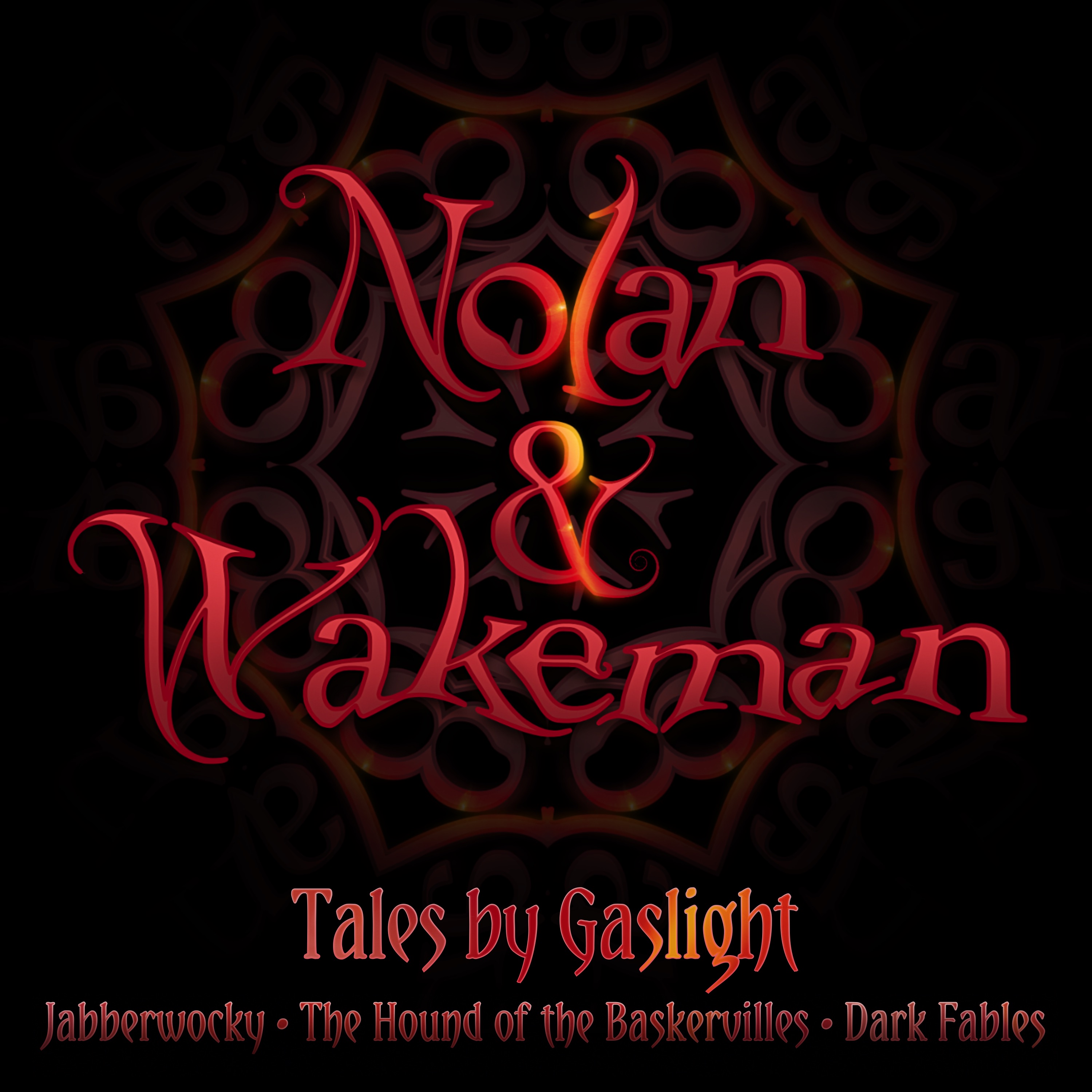
Clive Nolan and Rick Wakeman, Tales by Gaslight: keyboardists Nolan (Pendragon, Arena) and Wakeman (Yes, Strawbs) box up their out-of-print concept albums Jabberwocky (with dad Rick W. reciting Lewis Carroll’s nonsense verse) and The Hound of the Baskervilles, adding a bonus disc collecting rough drafts of a 3rd album based on Frankenstein. Separate booklets and art prints for each of the 3 CDs included. Theatrical as all get out, and surprisingly good fun if you’re in the mood for Victorian-flavored melodrama. Available from Burning Shed.
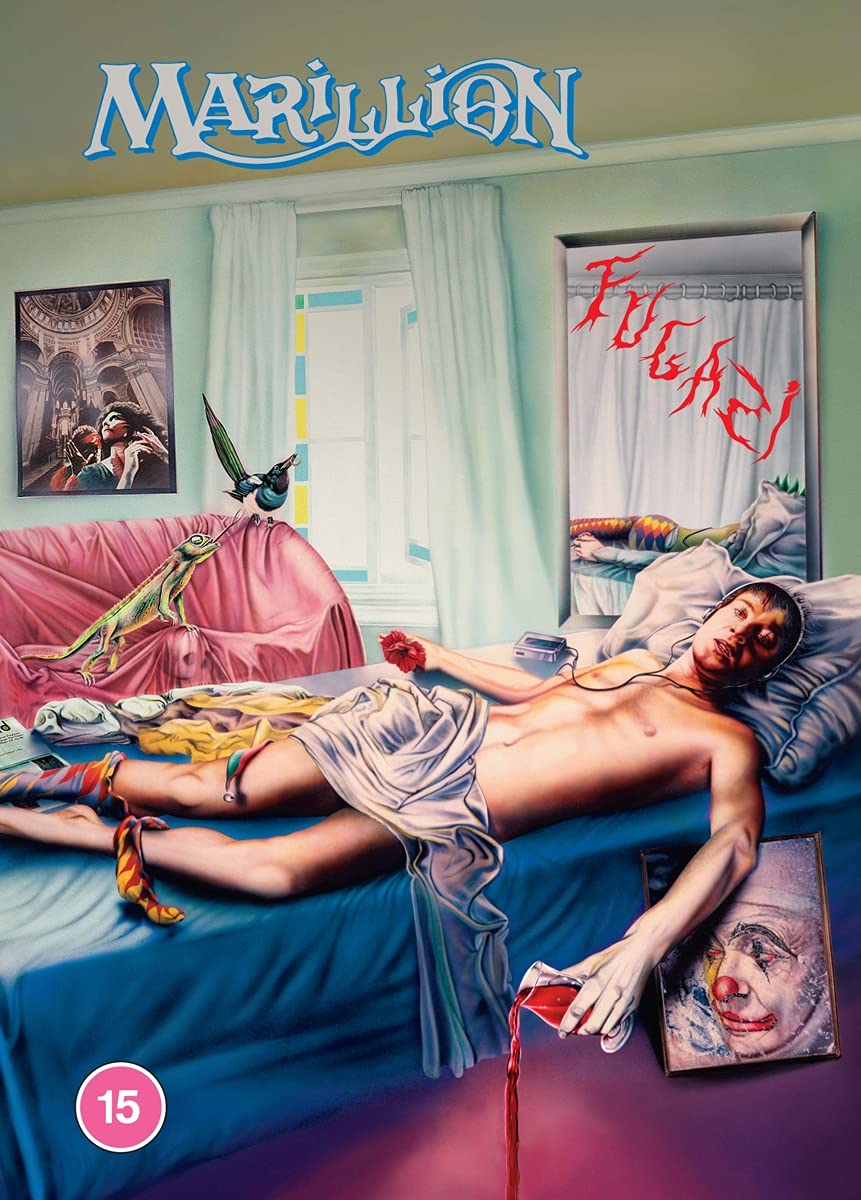
Marillion, Fugazi: the band’s 1984 album, perceived as a “sophomore slump” at the time, is much more than a bridge between the feral debut Script for A Jester’s Tear and the early masterwork Misplaced Childhood, with plenty of gripping moments to recommend it. A new remix by Andy Bradfield and Avril Mackintosh compensates handily for the production nightmares recounted in this deluxe edition’s copious notes. Also includes a complete live set from Montreal; the CD/BluRay version adds bonus tracks, documentaries, and a Swiss television concert. Out September 10; pre-order from Marillion’s webstore as 4 CDs/BluRay or 4 LPs.
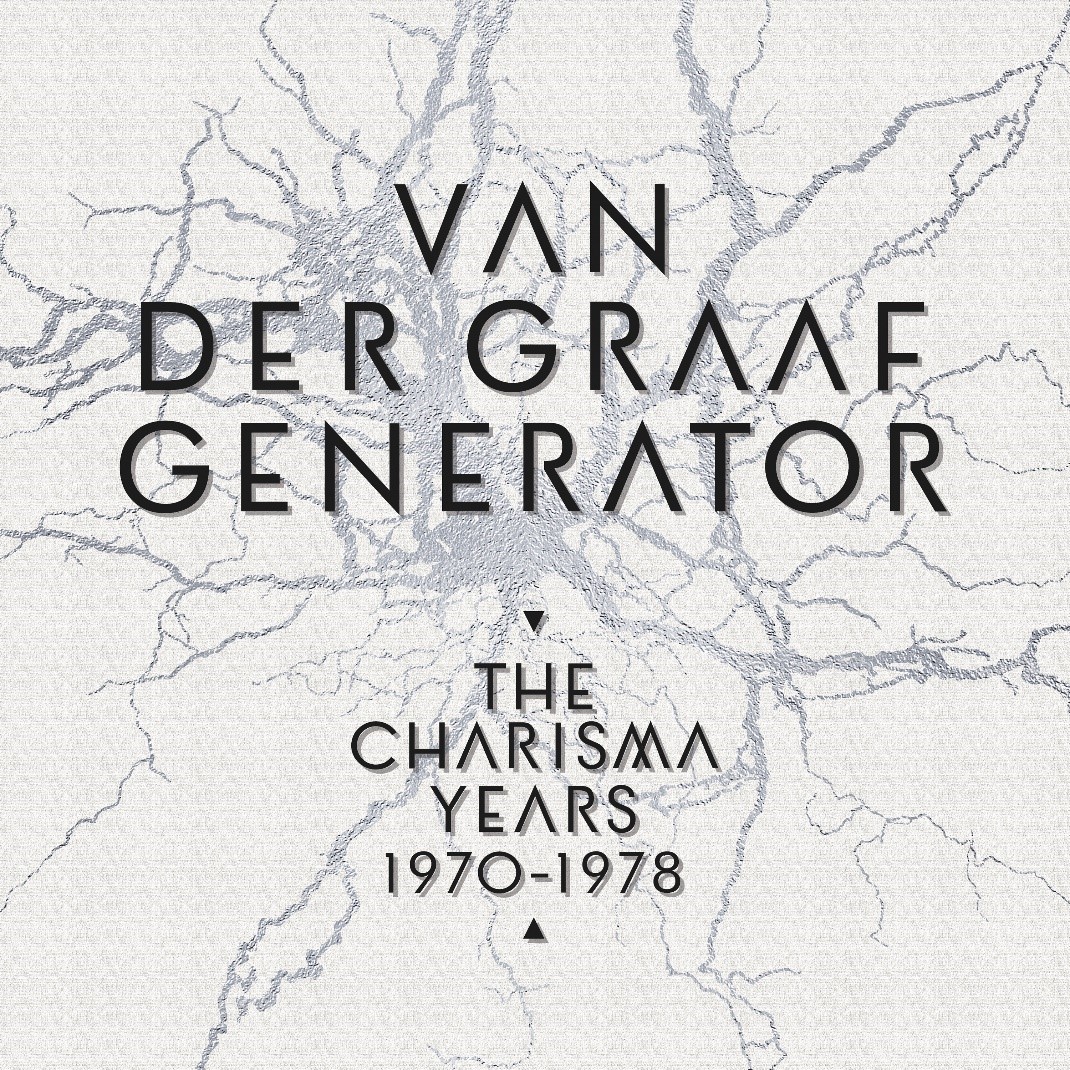
Van der Graaf Generator, The Charisma Years, 1970-1978: VDGG may have shared the stage with Genesis in each band’s formative years, but they were a thoroughly different beast. Peter Hammill’s desperate existential narratives and the wigged out instrumental web woven by David Jackson, Hugh Banton and Guy Evans made for a unique, highly combustible chemistry — bonkers dystopian sci-fi narrative over free jazz one moment, raggedly soaring hymns to human potential the next. This 17 CD/3 BluRay set collects the band’s 8 studio albums from the Seventies, adding extensive BBC sessions, a live show from Paris, all surviving television appearances “and more.” Now available from Burning Shed; the four newly remastered albums in this box (H to He Who Am the Only One, Pawn Hearts, Godbluffand Still Life) are available as separate CD/DVD sets for those wanting a lower priced introduction to this underrated band’s indescribably stirring music.
October:
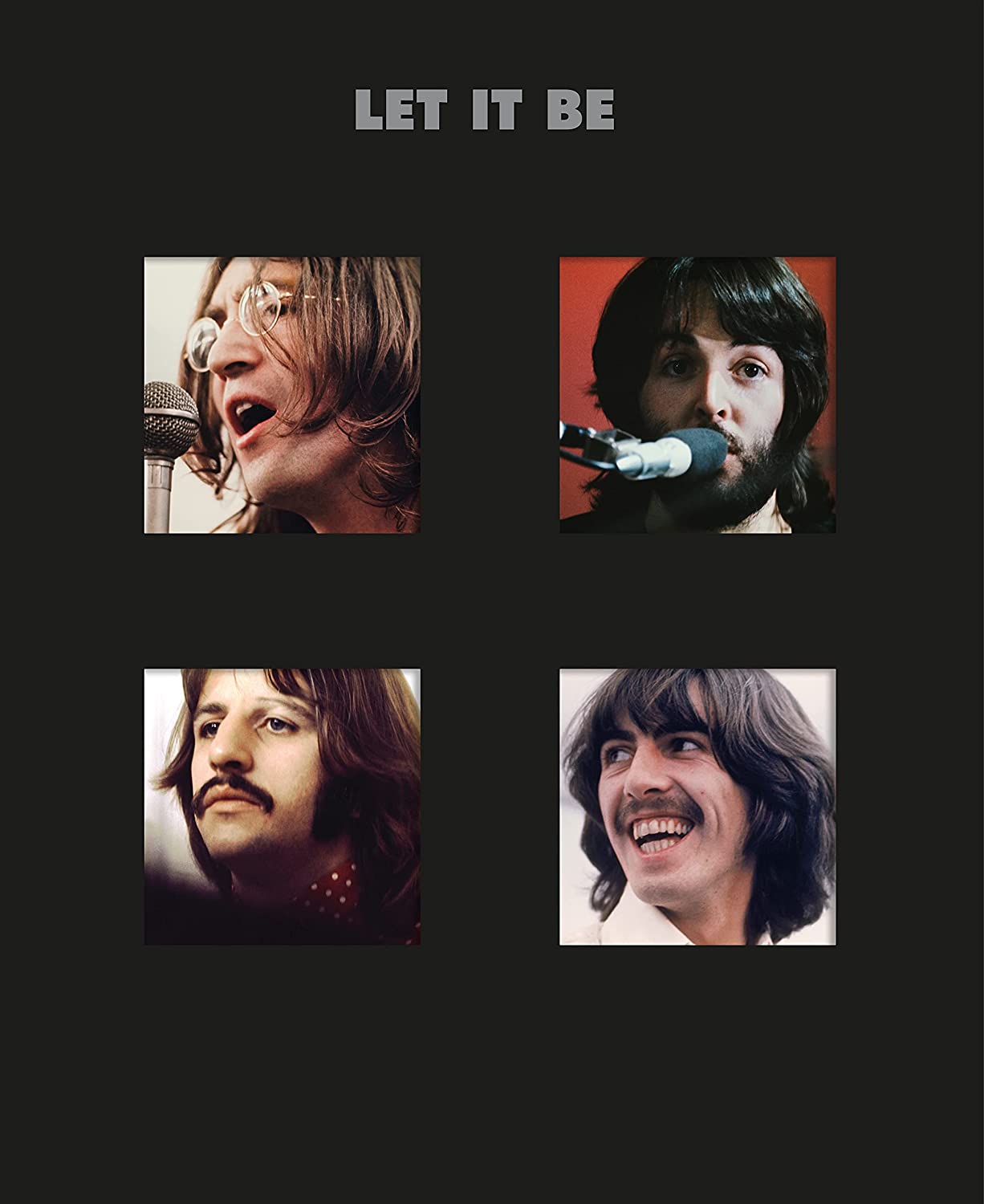
The Beatles, Let It Be: the Fab Four’s star-crossed attempt to return to their roots – recording live in front of movie cameras – ultimately became their first post-break-up release, drenched with Phil Spector’s orchestral overdubs to cover the rough spots. With a new 6-hour Peter Jackson documentary on the sessions hitting Disney Plus Thanksgiving weekend, Apple unleashes a fresh stereo remix (the 4th in the series that kicked off with Sgt. Pepper’s 50th anniversary). Super Deluxe versions also include 27 sessions tracks, a 4-track EP and a test mix of Get Back, the proposed original version of the album. Out October 15th; pre-order from the Fabs’ webstore in Standard (1 CD or 1 LP), Deluxe (2 CDs with selected bonus tracks) and Super Deluxe (4 CDs/1 BluRay or 4 LP/1 EP) editions. (The companion book of photos and transcribed conversations from the sessions, Get Back, is released on October 12.)
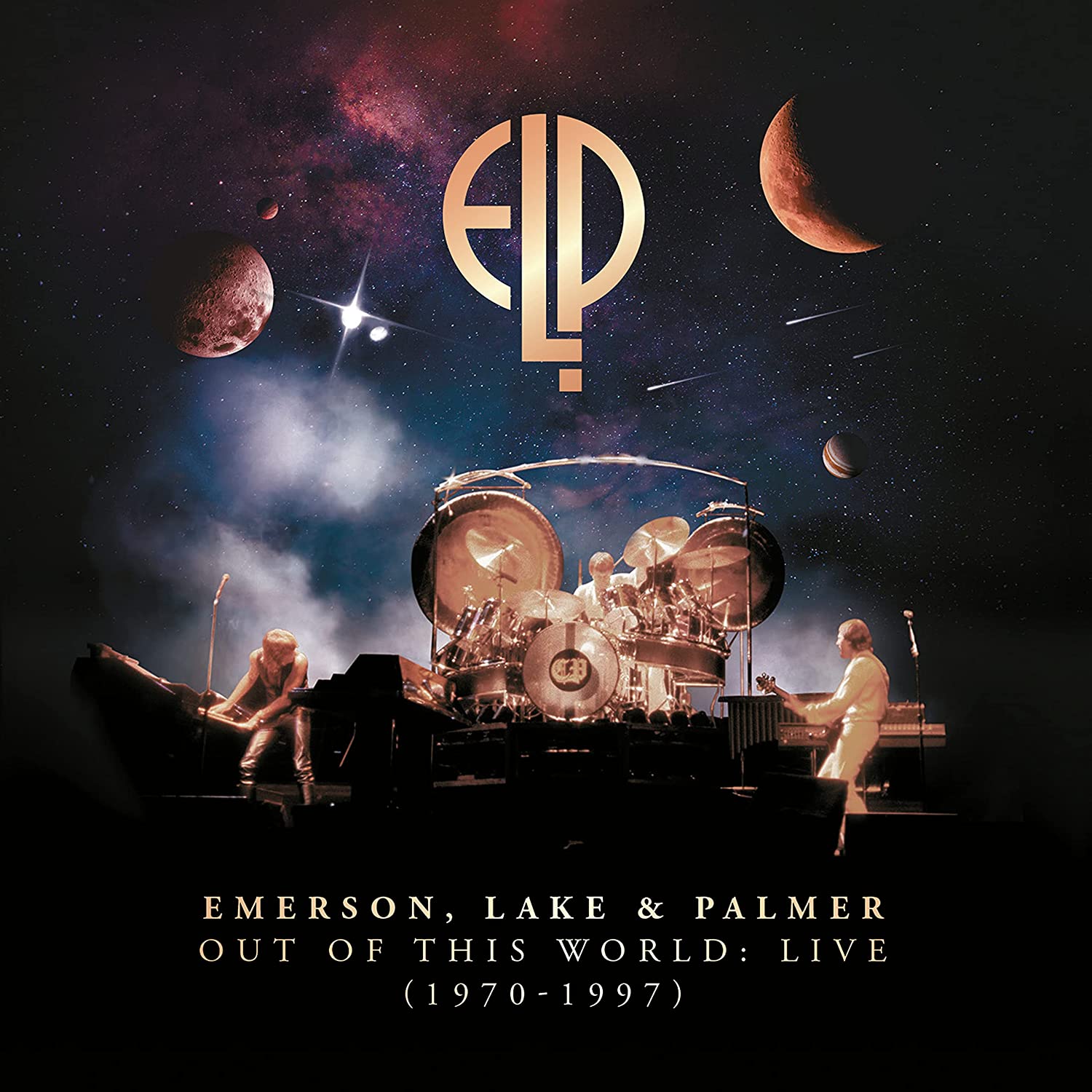
Emerson Lake and Palmer, Out of This World – Live (1970-1997): a compilation of key live shows in ELP’s history: their 1970 debut at the Isle of Wight Festival; a career peak show at the 1974 California Jam; the 1977 full-orchestra extravaganza at Montreal’s Olympic Stadium; 1992’s comeback concert at London’s Royal Albert Hall; and a previously unreleased 1997 show from Phoenix, Arizona. Out October 29; pre-order from ImportCDs as 7 CDs or 10 LPs.
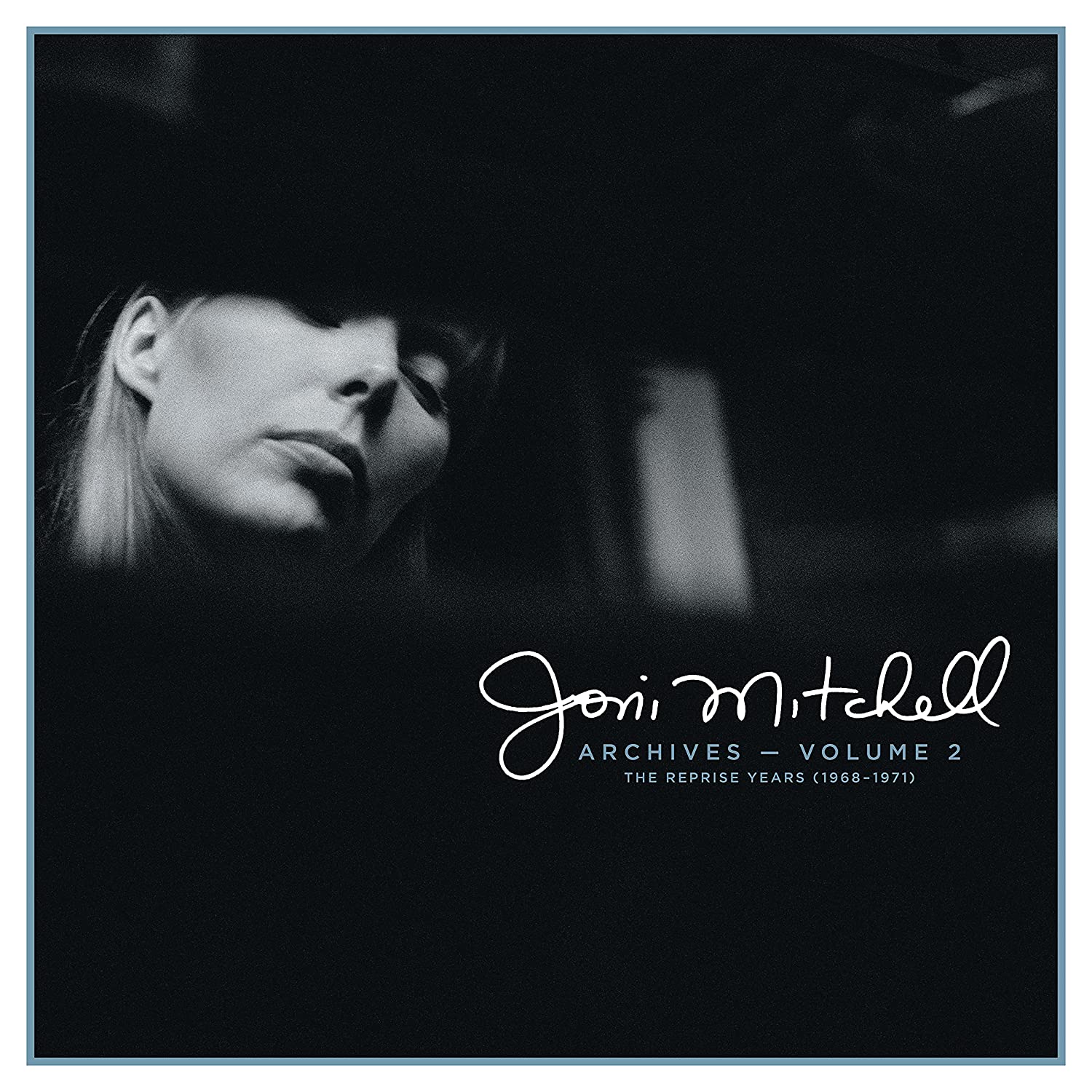
Joni Mitchell, Archives , Volume 2 – The Reprise Years (1968-1971): more archival recordings from the early days of Mitchell’s recording career. Home and studio demos, outtakes, unreleased songs, her Carnegie Hall debut and much more — a complete acoustic set recorded by a enraptured Jimi Hendrix, anyone? Out October 29; pre-order from Mitchell’s webstore on 5 CDs or 10 LPs (4000 copies only), The Carnegie Hall concert is available separately on 3 LPs (black or white vinyl).
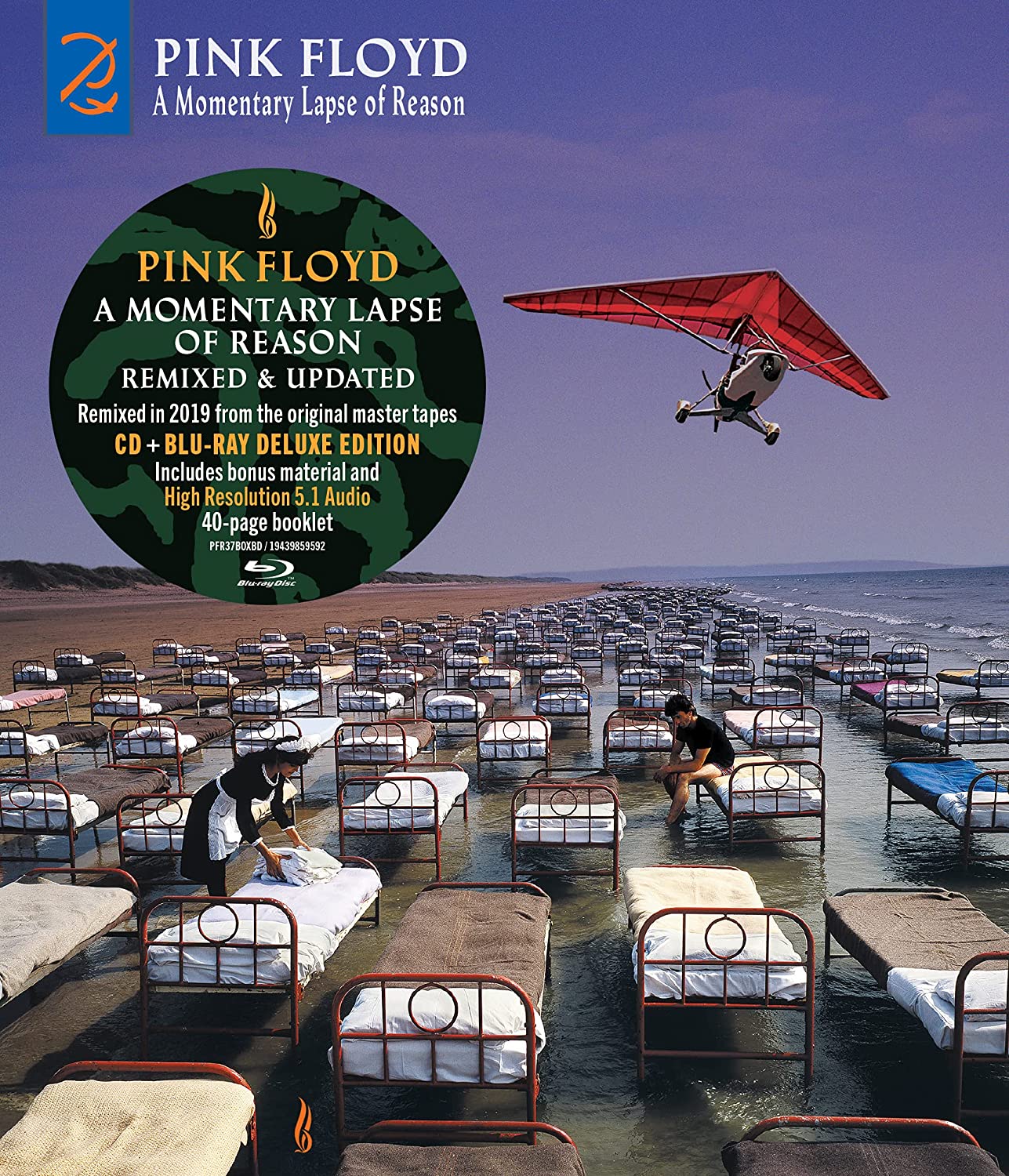
Pink Floyd, A Momentary Lapse of Reason (Remixed and Updated): the 2019 remix of Floyd’s post-Roger Waters comeback from the opulent The Later Years box, now available on its own. “Sounds less like the 1980s, more like classic Floyd” is the party line here. Out October 29; pre-order from Floyd’s webstore in 1 CD, CD/DVD, CD/BluRay or 2 LP formats.
November:
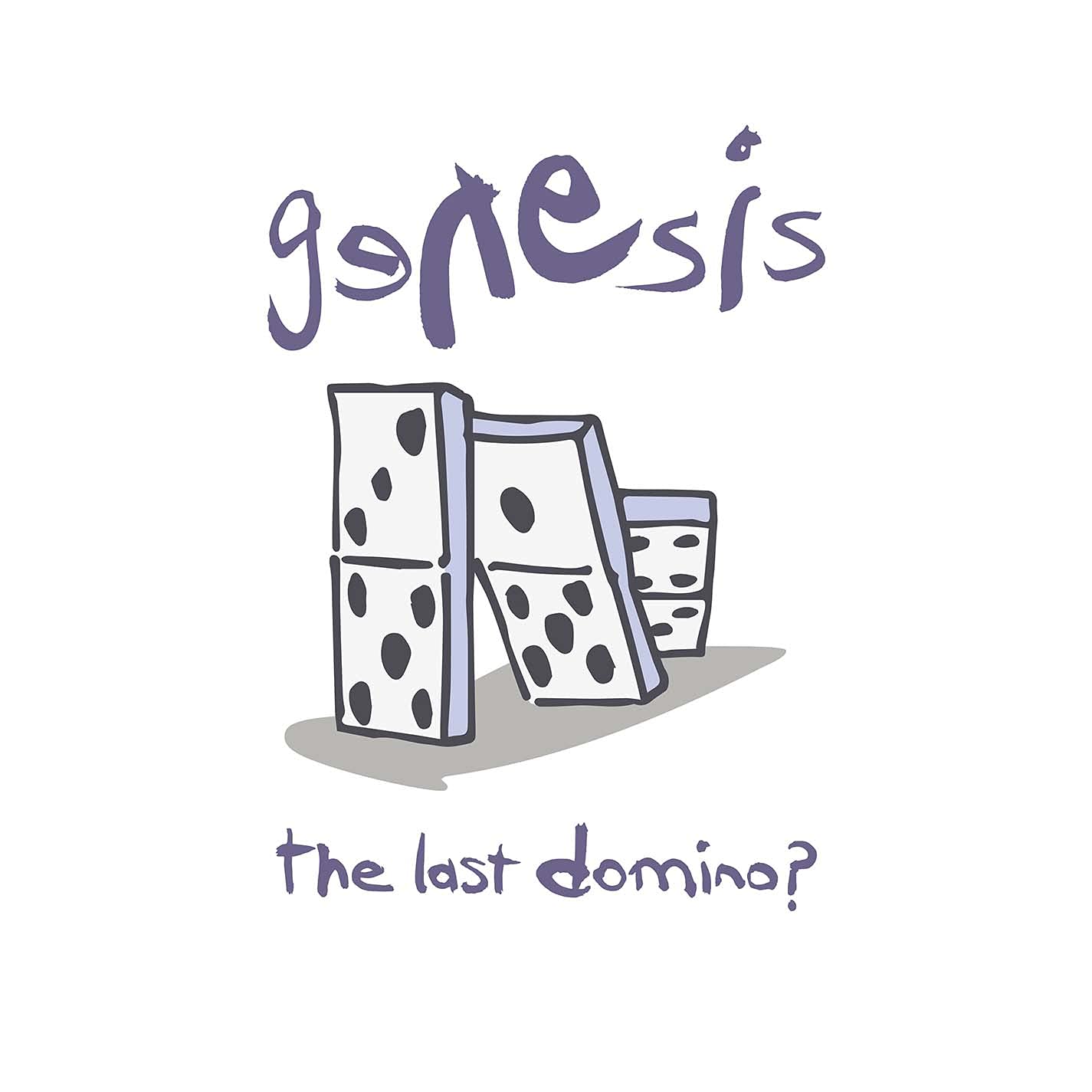
Genesis, The Last Domino? Yet another compilation of Genesis’ greatest hits, fan favorites and core album cuts, released just in time for their first US tour in 14 years. No real surprises in the track selection, but the blurbed promise of “new stereo mixes” of four Gabriel-era classics is intriguing. Out November 19; pre-order from Genesis’ webstore on 2 CDs or 4 LPs. (The UK version of this compilation, out September 17, sports a slightly different track list.)
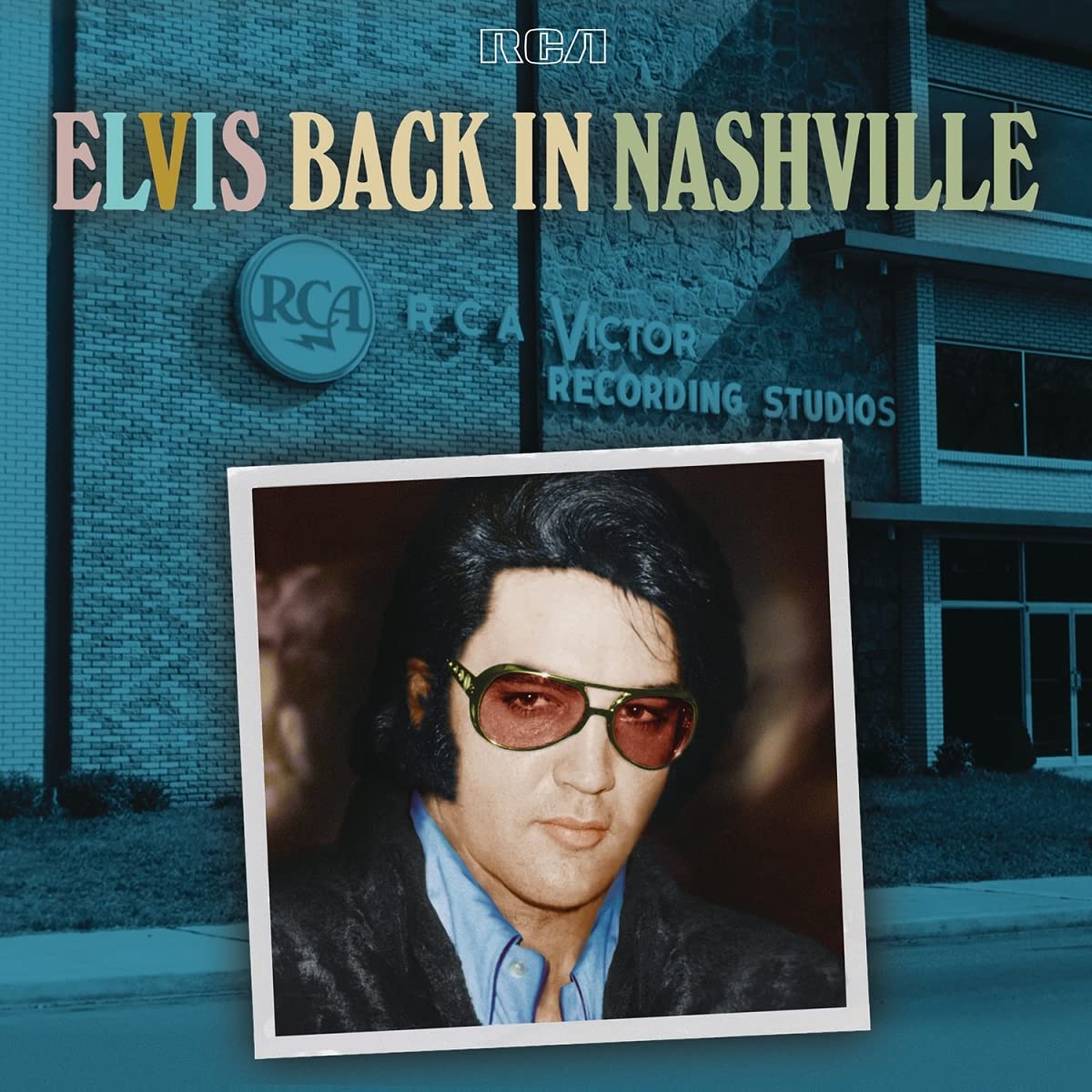
Elvis Presley, Back in Nashville:the King’s final sessions in Music City, stripped of overdubs a la last year’s From Elvis in Nashville box, that yielded material for three years worth of albums. 82 tracks encompassing country/folk, pop, religious music and Christmas music. Out November 12; pre-order from the Presley webstore on 4 CDs or 2 LPs.
In the Works (release date forthcoming):
Robert Fripp, Exposures: another exhaustive (and potentially exhausting) set from Discipline Global Mobile. This one promises to cover Fripp’s “Drive to 1981,” including his guest-star-heavy solo debut Exposure, the ambient Frippertronics of God Save the Queen and Let the Power Fall, and the egghead dance music of Under Heavy Manners and The League of Gentlemen. Tons of live gigs promised to supplement rarities and studio outtakes.
Marillion, Holidays in Eden: the new Marillion album (now officially titled An Hour Before It’sDark) may push this further back on the release schedule, but Steve Hogarth’s second effort with the boys (an intriguing effort that tried and failed to go commercial) is next up for the deluxe reissue treatment.
Porcupine Tree, Deadwing:a promised deluxe set in the vein of 2020’s In Absentia. Internet gossip flared up when Steven Wilson, Steve Barbieri and Gavin Harrison were rumored to have reset the band’s legal partnership earlier this year; who knows how or when the Tree may blossom again?
Renaissance, Scheherezade and Other Stories: coming from Esoteric Recordings, the folk-prog quintet’s finest hour in the studio, melding orchestral grace with an Arabian Nights theme for the half-hour title track. If this is in the vein of other recent Renaissance issues, hope for a multi-disc set with a bonus live set and a surround remix.


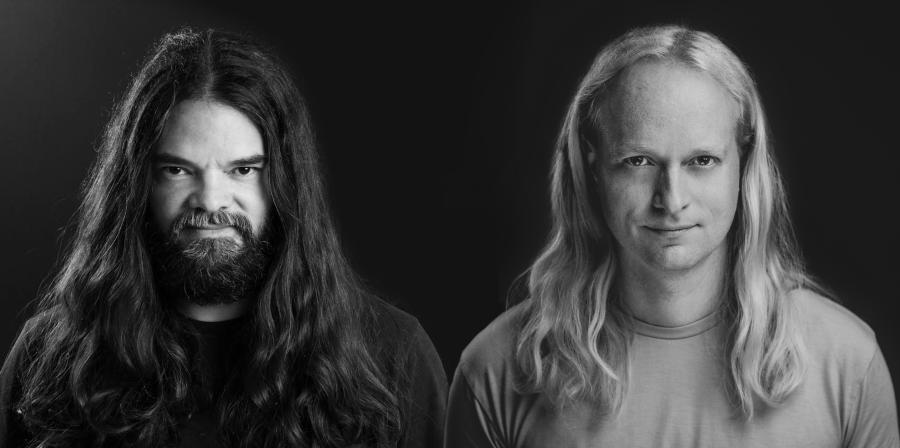
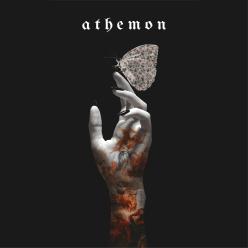 One of our media contacts sent us the debut album from prog metal duo Athemon, featuring Adriano Ribeiro (guitars and vocals) and former Haken bassist Tom MacLean (bass, production), as well as guest Gledson Gonçalves on drums. Initial thoughts – quite good. Heavy and dark. Vocals run the metal spectrum with cleans and distortion. Their overall sound is a lot larger than the number of musicians might suggest. Definitely check them out.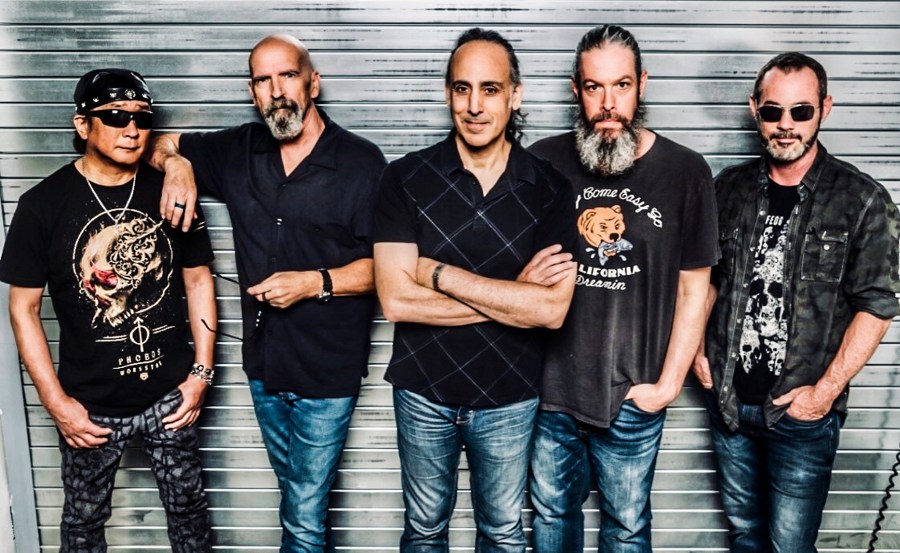

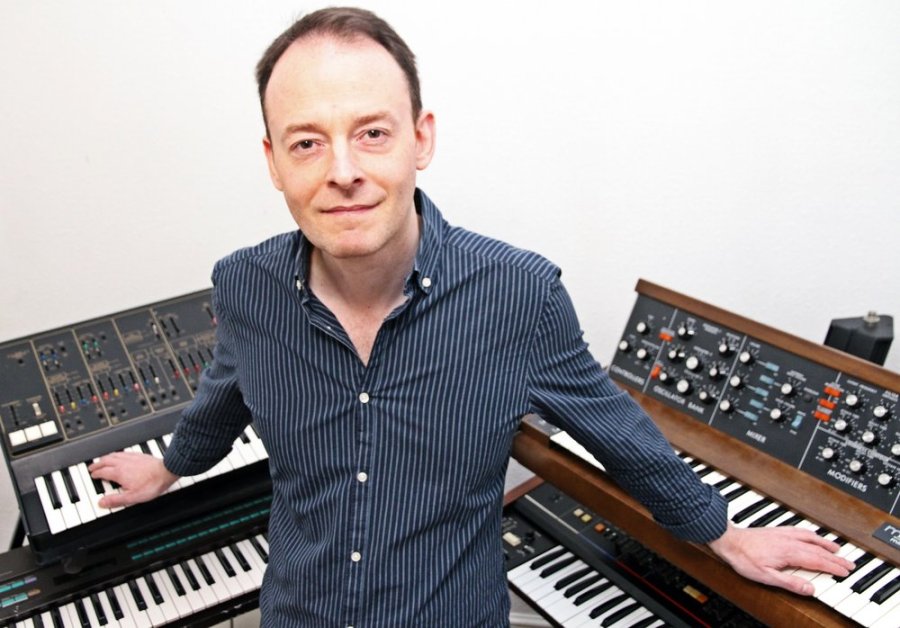
 Benjamin Croft, Far and Distant Things, Ubuntu Music, 2021
 Echo Us, The Windsong Spires, June 22, 2021