Rick’s Quick Takes: Box Set Report, Q1

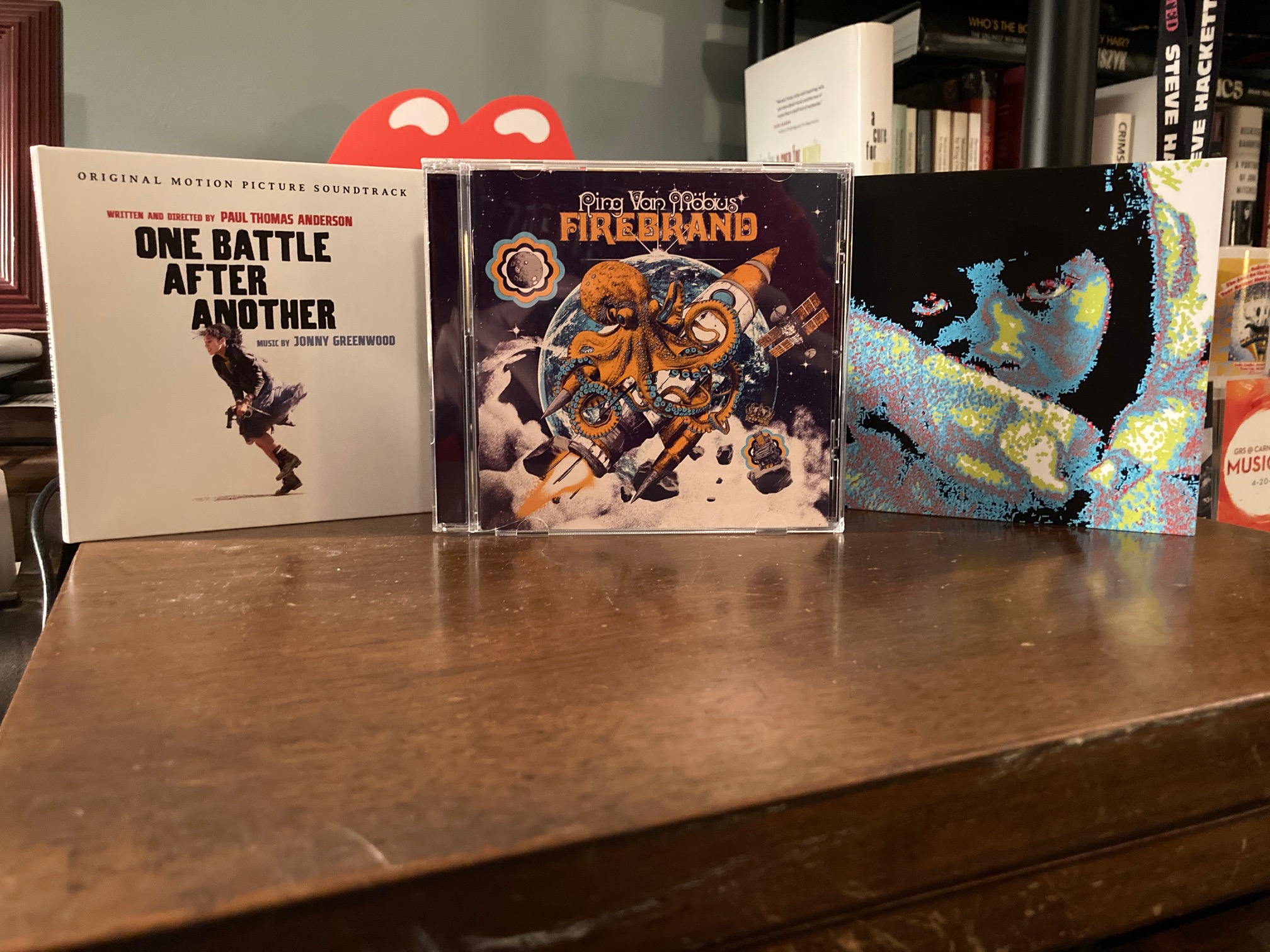
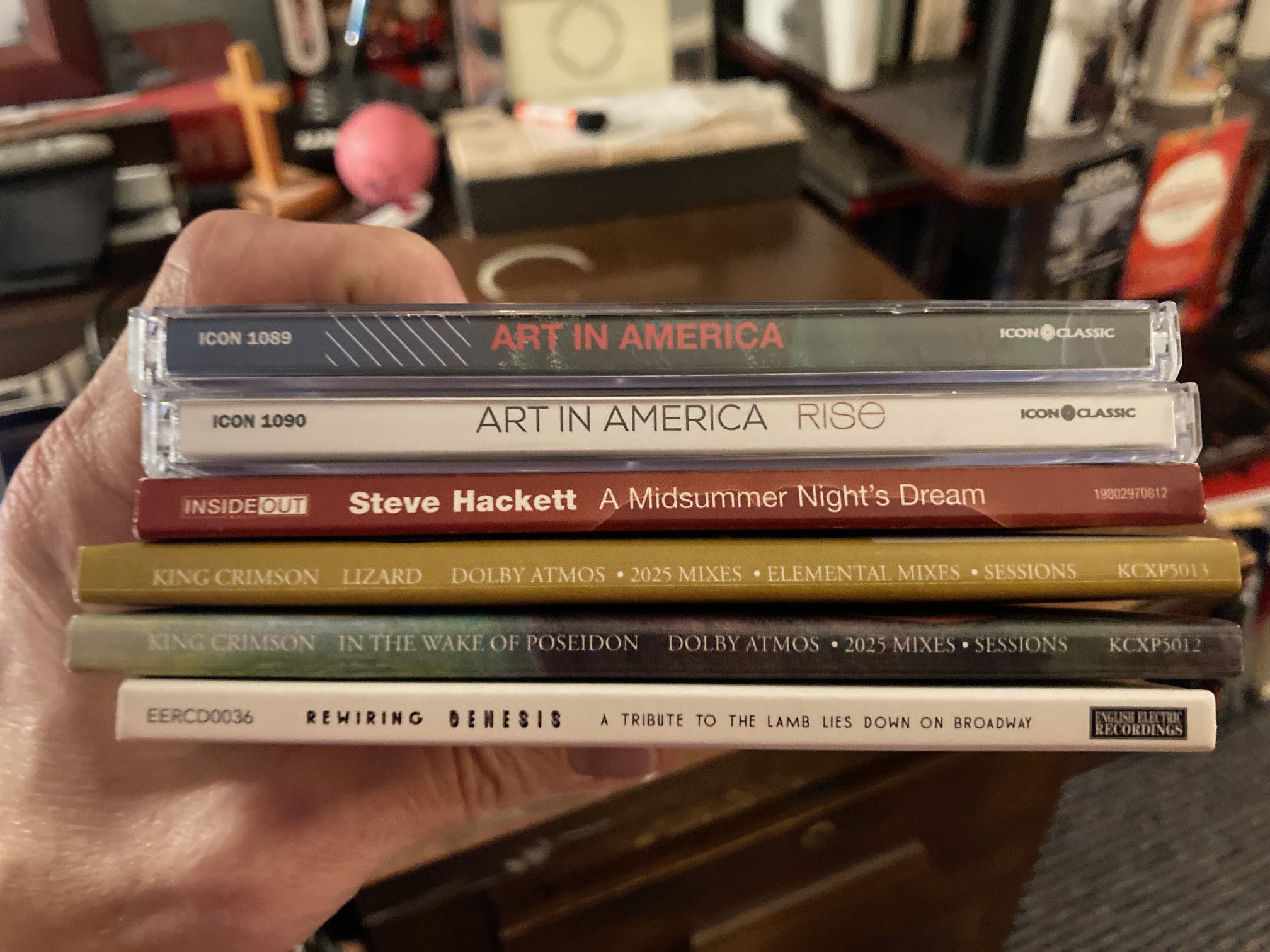
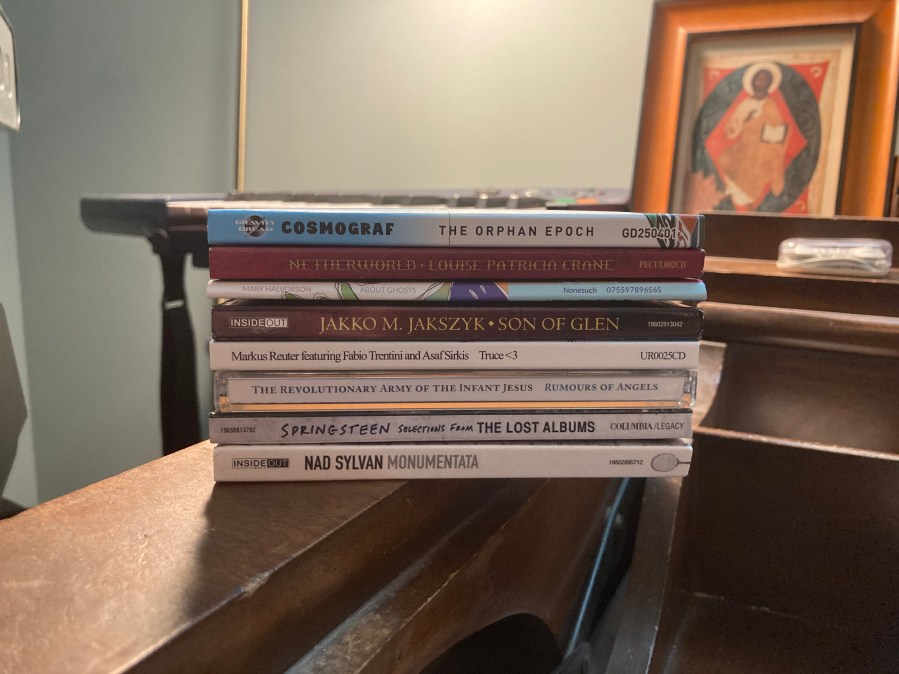
By January 31st of this year, I had already ordered a ridiculous number of multiple-CD box sets since Christmas. With three delayed in the production process, five have already landed on my doorstep (OK, one was small enough to fit in the mailbox). Reviews follow in the order that I tripped over them on the porch coming home from work. As usual, order links are embedded in the Artist/Title listing and streaming options follow whenever available.

Wilco, A Ghost Is Born Deluxe Edition: springing from entangled hardcore and Americana roots, Jeff Tweedy had steered Wilco through band tumult and record company rejection to plant a left-field cultural marker with 2001’s freak-folk classic Yankee Hotel Foxtrot. The band’s 2004 follow-up A Ghost Is Born went to further extremes, a sputtering tornado of punky guitar thrash, electronic noise, avant-garde improvisational systems and lyrical grapplings with personal vulnerability, mental dysfunction and substance abuse. Heavy? Yep. But never offputting or boring; Glenn Kotche and John Stirratt lay down lateral yet accessible beats that float (“Muzzle of Bees”, “Wishful Thinking”) crackle (the hypnotic “Spiders (Kidsmoke)”) shuffle (“Handshake Drugs”, “Theologians”, “I’m A Wheel”) and stomp (“At Least That’s What You Said”, “The Late Greats”) while Leroy Bach and Mikael Jorgenson add spicy, soulful accents and colors. All the while Tweedy waxes deadpan yet primal, ripping holes in the fabric of his personal time and space, searching out both tender and torturous byways to catharsis and healing. If that kind of quest sounds up your alley, this reissue gives it up in excelsis: the finished album plus 4 discs of jammed “Fundamentals”, 2 discs of outtakes and alternates, and a double-disc live show with then-new members Pat Sansone and Nels Cline fleshing out Tweedy’s unique, unlikely Hero’s Journey. Great, extensive liner notes by Replacements biographer Bob Mehr as well. Already on my Favorites list for the year.

Yes, Close to the Edge Super Deluxe Edition: Well, I did ask for this — and Rhino delivered! The third in the series of SD Yes reissues, this captures what might be the quintessential prog band’s quintessential album in pristine, high-impact sound (both the original mix remastered and Steven Wilson’s latest remixes). It all comes down to the three original tunes from 1972 — the side-long title track, the majestic “And You and I” and the remarkably funky “Siberian Khatru” — with Jon Anderson’s wailing word games, Steve Howe’s lacerating guitar licks, Rick Wakeman’s extravagantly classical keys, and the simmering, bubbling rhythm work of Chris Squire and Bill Bruford all battling for space yet somehow fusing into a triumphant whole. Bonuses include plenty of rarities and alternates (including both versions of Yes’ classic take on Paul Simon’s “America”) and a complete live show from the tour that followed, with Alan White’s beefy thwack on drums replacing Bruford’s loose, limber dance. Well worth hearing and picking up, even if you have previous reissues; another instant Favorite.

Steven Wilson, The Overview: If Wilson has never realized his dream of broad pop stardom, he’s entranced the mainstream rock press this time around — both usual (Prog Magazine) and unusual (MOJO named it album of the month) suspects have hailed The Overview as a return to prog that doubles as a conceptual tour de force. For once, though, I’m underwhelmed; while intermittently galvanizing, the two-track album stubbornly refuses to coalesce in my ears. Is Wilson’s musical material stretched too thin? (Side One’s 23-minute suite “Objects Outlive Us” is ultimately a set of variations on one six-chord sequence.) Are his influences, for once, undigested? (The Dark Side of the Moon, Tangerine Dream and “Space Oddity” are practically italicized and bracketed on Side Two’s title suite.) Or is it more likely that I’m bouncing off Wilson’s main conceit (admittedly snarky paraphrase: “the universe is big, cold, and dead, so loosen up in your petty day-to-day lives and find your own existential purpose in the face of meaninglessness”)? As stunning as its high points can be, for me The Overview feels like Wilson’s chilliest, least empathetic effort since his 2008 solo debut Insurgentes. Still, I wouldn’t be surprised if hearing SW live this fall, backed by the players responsible for the instrumental highlights here (Randy McStine and Adam Holzman absolutely bring the goods) shifts my perspective. After all, I wound up advocating for The Future Bites . . . Bonuses of the sold-out deluxe edition include an orchestrated version of Side One and the complete take of album closer “Permanence”, with saxophonist Theo Travis lighting up Wilson’s ambient aural nebulas.

Sonic Elements, IT – A 50th Anniversary Celebration of The Lamb Lies Down on Broadway by Genesis: Genesis’ first entry into the superdeluxe marketplace, a 50th-anniversary remaster of their 1974 rock opera, wound up being delayed until June. In meantime, we have to content ourselves with this remake, masterminded by keyboardist/conceptualist extraordinaire Dave Kerzner. But never fear; there’s contentment — indeed, satisfaction — aplenty to be found! An all-star team of contemporary American giants (Kerzner, Fernando Perdomo on guitar, Billy Sherwood on bass) have the time of their lives rewiring The Lamb as a lushly upholstered, dynamic film score, complete with Nick D’Virgilio’s drums and orchestrations repurposed from a similar 2009 project. But the secret sauce here is vocalist Francis Dunnery (whose credits range from original lead singer for Brit neo-proggers It Bites to guitarist for Robert Plant); his magnificent, dramatic singing echoes Peter Gabriel’s originals while avoiding the safety of imitation. Dunnery absolutely inhabits Genesis’ Puerto Rican punk pilgrim Rael on his journey from the streets of New York through realms of embodied myth to absorption into Jung’s collective unconscious (I think). It’s all done with love, gusto and plenty of polish, and it’s absolutely thrilling. Available as a basic double-disc set, a Deluxe triple set with alternate versions of multiple tracks, or a hi-res download with even more alternate takes. Well worth every penny, whichever version you opt for, and in the running for the Favorites list.

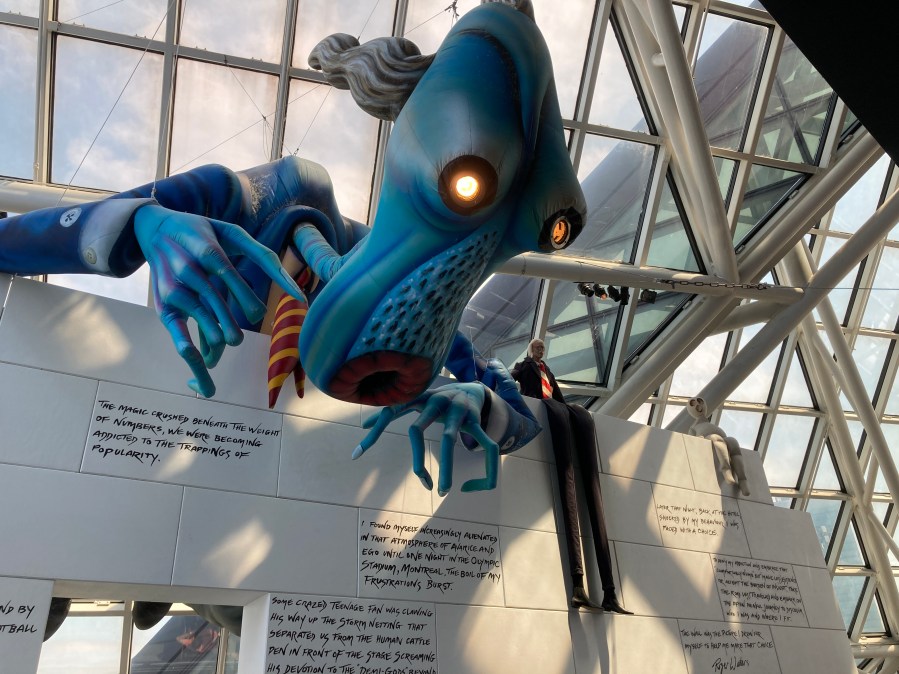
Rush 50, Deluxe Edition: So how do you put together yet another Rush anniversary compilation — especially the first since the passing of Neil Peart? Rush 50 turns out to be a pretty ingenious solution to the problem — not just one of marketing, but of producing genuine value. Yes, it’s organized around the career arc of everyone’s favorite Canadian hard-prog power trio as usual; yes, there’s at least one song from every album, with career high points from Fly By Night to Clockwork Angels given extra representation. But more than half the 50 tracks are live versions — spanning the decades from an early TV appearance recorded at an Ontario secondary school to the encore from the final gig of the R40 tour, taken from the canonical All the World’s A Stage, the bonus concerts on recent 40th-anniversary reissues, later live video/audio packages, and the vaults. If some of the fledgling band’s material seems woefully unfashionable now — the Beatles’ “Bad Boy” spun into a psychedelic workout a la Cream, for example — we still get the privilege of eavesdropping as Alex Lifeson, Geddy Lee and Peart grow in muscularity, depth and confidence, building an audience with their audacity and prowess, while time stands still before our ears. The mouthwatering physical package, with sympathetic, well-reported overviews of the band’s first and final decades plus mouthwatering new art by the stalwart Hugh Syme, is the icing on the cake here. Even if most of this material is familiar to longtime fans, having it all in one box turns out to be a genuine pleasure.

— Rick Krueger
FARO

An Interview with ROCCO DE SIMONE of FARO

Progressive rock has always been a genre that thrives on innovation, pushing boundaries both musically and thematically. Italian progressive rock band FARO is no exception. With their latest album, Nu-Man, released in September 2024, the band delves into the complex themes of transhumanism and the evolving relationship between humanity and technology. The album presents a deeply cinematic and immersive experience, blending organic instrumentation with modern electronic elements to create a soundscape that is both evocative and thought-provoking. At the heart of FARO’s music is frontman Rocco de Simone, whose introspective lyrics and dynamic vocal delivery bring these themes to life. In this interview, Rocco discusses the conceptual depth of Nu-Man, his approach to songwriting, and the broader philosophical implications of living in an increasingly digital world.

NU-MAN by FARO prog band

Nu-Man delves into transhumanism and the evolving relationship between humans and technology. Do you think this theme resonates differently with listeners depending on their personal experiences?

I believe that our relationship with technology is deeply personal, shaped by our experiences and by how much we allow it to influence our lives.

In our album, we address the theme of transhumanism in a clear way, though through metaphors rather than explicit statements. I started reflecting on these ideas because I strongly felt that, especially after the pandemic, the world was heading in a direction where technology is becoming increasingly central to our existence.

How this theme resonates with listeners largely depends on their individual perspective: those who have personally experienced the weight of digitalization, isolation, or automation might perceive its more unsettling aspects, while others may see it as an inevitable evolution—perhaps even a positive one.

Whether this is good or bad, only time will tell. The real issue, however, is the evident process of dehumanization we are witnessing: the loss of empathy, the growing inability to experience deep emotions, and the diminishing capacity for critical reflection. This leads to a flattening of sensitivity, making it increasingly difficult to appreciate beauty in its most authentic forms, including the most profound and thought-provoking artistic expressions, while the superficial and the mediocre gain more and more space.

Nu-Man embodies this concept perfectly: a flawless being, yet incapable of truly experiencing emotions. No matter how much technology and artificial intelligence evolve, they will never be able to replace what only human beings can express—that spark that makes us truly unique.

The album has a cinematic and immersive quality. If Nu-Man were to be adapted into a film, what kind of story or aesthetic would you envision?

I enjoy auteur films set in small-town America, where the focus is on the characters’ lives and personal dramas. However, I believe Nu-Man would be better suited to a more dystopian and modern story, with a touch of madness and futurism. I envision a narrative that contrasts characters facing existential struggles in a society where feeling emotions or asking questions has become outdated. These characters could be the last remaining humans, on the brink of extinction, while everything around them spins at an unstoppable pace of technological modernity.

The setting would be decadent and dystopian—a world where everything from the past has been abandoned, rusting away, replaced by a present that leaves no room for reflection or genuine beauty. The tension between old and new, between the human and the technological, would create the perfect contrast to depict the growing dehumanization.

I have partially represented my visual vision, albeit metaphorically, in the Isaac music video, created together with my friend and photographer Pino Giannini. It’s dark, dystopian, and deeply dramatic, reflecting the atmosphere I envision for Nu-Man.

Progressive rock often challenges traditional songwriting structures. How do you approach crafting a song—do you prioritize melody, atmosphere, or storytelling first?

Unconventional structures or compositional complexities—though sometimes present—are not the main focus of FARO. What truly matters to us is the emotional authenticity of the music. Every track must resonate sincerely and convey something profound. We strive for a balance between atmosphere, melody, and storytelling, but in the end, it’s always the emotional impact that prevails. For us, every song is a journey meant to evoke a genuine reaction in the listener.

We always compose with a strong visual component in mind; our music unfolds as a sensory experience that goes beyond sound. The ambient and cinematic element is fundamental in our writing because it helps create that immersive dimension we consider essential. We want the listener to be able to imagine a scene, a place, an emotion—as if they were experiencing a film through music.

The balance between organic instrumentation and electronic elements is crucial in your sound. How do you decide when to let technology take the lead and when to keep things raw and human?

The sound component is fundamental for us because it is through sound that our compositions take on a unique identity. We are very attentive to sound research and prefer modern tones because they perfectly align with our emotional vision. At first listen, the use of cutting-edge sounds may give the impression of a shift towards digitalization, but in reality, it is the presence of organic sounds, like guitars, that prevails. Synthesizers and keyboards act more as a backdrop, creating an atmosphere that enriches and supports the sonic narrative.

Sometimes, we like to push the boundaries with layered sounds, combining guitars with highly expanded synthetic effects, creating a blend of raw rock and futuristic soundscapes. Our way of layering and orchestrating sounds inflates the overall texture in an original way, and the harmonic interplay gives life to an avant-garde effect. We aim to balance the electronic elements with more traditional instruments, creating a fusion that not only stimulates the listener but also enhances the emotions we want to convey. In this sense, technology provides us with opportunities that would otherwise be difficult to achieve, becoming a means to express complexity and deeper emotions.

You’ve mentioned feeling a sense of disconnection from the world post-pandemic. Do you think music can help bridge that gap, or is it also being affected by the same digitalization and detachment?

Yes, the world as I once knew it no longer exists, but as I mentioned, this isn’t necessarily a bad thing. It becomes a problem when we forget where we come from. Music and art, in general, are among the few truly powerful tools that remind us we are beings capable of deep emotions and a connection to something greater. Artistic expression is one of the most noble aspects of humanity—it allows us to rise above mere existence.

It doesn’t matter if music is influenced by digitalization; as I said, we ourselves use all the available technologies to express our vision. But what truly makes the difference is the soul behind the sounds. Even the most synthetic instruments can convey powerful emotions if used with intention and sensitivity. In the end, there is no gap to bridge as long as technology remains a means rather than the ultimate goal. The key is ensuring that the human element remains at the heart of everything.

Some of the lyrics on Nu-Man evoke existential and philosophical themes. Do you draw inspiration from specific philosophers, writers, or personal introspections?

The lyrics I write are often inspired by personal experiences or stories of people close to us. I love portraying the human soul as the central focus around which all our concepts revolve. My narrative style is often poetic and dramatic, centered on introspection, metaphors, and the unspoken. I draw inspiration from modern literature, but also from the cursed poets of the late 19th-century Decadent movement and classical philosophy. However, what stimulates me the most are film dialogues, which I consider an important source of inspiration.

I am particularly drawn to stories of people facing deep inner conflicts, often in difficult or dehumanized environments, where the struggle for survival intertwines with the search for meaning. Themes such as solitude, redemption, and the resilience of the human spirit are at the core of our compositions. The drama and pursuit of authentic emotions in these stories are what I strive to convey through music, with a vision that places the human being at the center—grappling with their vulnerabilities, yet also with their ability to endure and hope.

Given that you have a strong visual approach to music, how do you see the role of album artwork, photography, and music videos in complementing Nu-Man’s themes?

The album cover is actually a frame taken from the Isaac video, which I created almost entirely using the stop-motion technique. Initially, that image wasn’t meant to be the cover, but when we realized its visual and evocative power, we had no doubts—it was perfect.

The image shows the shadow of a mannequin falling backward, spinning into the void. A void that represents the absence of soul, of emotions. The mannequin is a symbol of all of us—manipulated, exploited, emptied until it dissolves, making way for the rebirth of a new being: perfect, yet devoid of humanity. This transformation embodies the core of our concept—the transition from man to a transhuman entity.

The Paradox video also fits into this reflection, but from a completely opposite perspective. I deliberately created it using Kaiber AI as a provocation, in contrast to Isaac, which is deeply artisanal and artistic. Isaac took me months of work, pouring in my passion for visual art, photography, and filmmaking. In Paradox, on the other hand, I let artificial intelligence generate the images, questioning how technology can be both a resource and a threat to artistic expression. Two opposing visions, yet both part of the same discourse: what remains of art and human identity in the era of extreme digitalization?

How do you feel about the current state of progressive rock and metal? Are there any new bands or artists that excite you?

Fortunately, progressive rock and metal continue to be vibrant and constantly evolving genres, even though today’s musical landscape is increasingly challenging for more complex and thought-provoking music. There’s also a recurring issue that often hinders this evolution: many listeners and critics approach music with blinders, clinging to stereotypes about what “prog” should be, forgetting that, by its very nature, it is a genre meant to be free from rigid structures and predefined formulas.

In past decades, bands like Rush, Queensrÿche, Tool, and later Dream Theater revolutionized the scene by blending diverse sounds and genres, allowing prog to evolve. Today, this process continues—perhaps in a less radical way—but it often goes unnoticed or is underestimated by parts of the audience.

Incredible bands like Leprous and the younger Sleep Token—whom I consider among the most innovative—are changing the rules of the game. I could also mention Tesseract or Periphery, groups that have successfully carried forward this evolution. A special mention goes to Sleep Token: I find them extraordinary. Their vocalist is outstanding, and they’ve managed—through great maturity and skill—to merge seemingly opposite genres like ambient, pop, hip-hop, R&B, prog, and djent. Not everyone can pull off such a feat, and the fact that they are dividing audiences between traditionalists and more open-minded listeners proves just how groundbreaking they are.

Before them, bands like Porcupine Tree, Katatonia, and A Perfect Circle took the sound to new dimensions, and we, in our own way, strive to follow that example—keeping the drive for experimentation and sonic exploration alive.

Italian progressive rock has a rich history with bands like PFM and Banco del Mutuo Soccorso. Do you feel a connection to that legacy, or do you see FARO as carving a completely separate path?

I am proud to be a part of a genre that, in the ’70s and early ‘80s, made Italy an innovative reference point on a global scale. It’s a shame, though, that for various reasons, it was born and died in that very period, leaving room for a music scene that, with few exceptions, has been a source of great embarrassment for me. Italy went from being a beacon of musical experimentation to a country dominated by trivial pop songs, often devoid of any artistic value and unable to compete with international realities.

As for Faro, I can say that no, we don’t feel at all like the heirs of PFM, Area, or Balletto di Bronzo. Our background is more closely tied to modern progressive rock in the British and American styles, which we still find more innovative and inspiring.”

You’ve spoken about your love for cinema and literature. Are there any particular films or books that directly influenced Nu-Man’s concept?

Cinema is a world that has always fascinated me for its ability to explore emotions, symbolism, and the human condition. If I had to choose one film that struck me, it would be difficult to narrow it down to just one, given the vastness of the works that have influenced me. Directors like the Coens, Tarantino, Lynch, and Coppola have an extraordinary ability to tackle complex themes, creating multi-faceted characters and stories that stay in your memory. These films, with their capacity to explore humanity through chaos, beauty, and mystery, are among the main sources of inspiration for Nu-Man. The search for truth, ambiguity, and unease that I find in their works are reflected in our album, which seeks to explore the human condition in a profound and challenging way, blending elements of introspection, evolution, and distortion. Although it is impossible to reduce all of this to a single film or book, I believe that the concept of Nu-Man emerges precisely from the confrontation with these complex worlds, where the individual confronts their own contradictions and the challenges of a transforming era.

The song Isaac presents a haunting metaphor of sacrifice. How do you approach writing lyrics that are both symbolic and emotionally immediate?

The lyrics of Isaac are deliberately metaphorical and unsettling, and as you rightly pointed out, the music and video complement the theme, creating a total work of art. My intention is to engage all the senses through art, creating an experience that goes beyond mere listening, embracing emotionality and visual vision. In this album, I was looking for a theme tied to change and transformation because every transformation, every evolution, inevitably involves the loss or death of something that we cannot take with us. Isaac, therefore, tells exactly this: sacrifice as a moment of necessary loss for a new birth, a new beginning.

My approach to writing lyrics is very spontaneous and natural. I don’t write from a pre-established plan, but try to be guided by the authenticity of the theme I choose. Even if the theme may seem fantastical or surreal, what matters to me is that it is authentic, that it reflects a deep human concept. I am not interested in stories that don’t center around the complexity of the human soul, even if they deal with themes like science or science fiction. The humanistic component must always be present, because it is what makes the story and emotions universal.

In the end, every lyric I write must belong to my most intimate emotions, the ones I feel deeply, on a marrow level. I never write anything that I don’t truly feel is mine, that doesn’t resonate with my experience and my deepest reflections. That’s why the themes I explore, even when sometimes fantastical, are always rooted in emotional reality and human experience.”

With streaming dominating music consumption, how do you feel about the way listeners engage with albums today? Do you think Nu-Man is best experienced as a whole, or does each track stand on its own?

Today we are living through one of the worst moments for music with true artistic value. Music, unlike 20 or 30 years ago, is often reduced to a simple pastime, a fast and superficial consumer product. In the past, however, it was deeply rooted in people’s lives: it represented a social message, it was the soundtrack of existences, memories, and human experiences. It was a means of cultural and political expression, capable of influencing fashion, thoughts, lifestyles, and entire generations. Today, it is increasingly rare to find listeners who experience it with that intensity, but there is still a small niche of true music lovers, people who seek authentic emotions and explore various genres with passion and expertise.

Nu-Man is an album that cannot be listened to casually or superficially. It is a sonic journey that requires attention and immersion, to be savored track by track or in one go for those who have the patience and sensitivity to let themselves be carried away. Each song tells a story of its own, but all are connected by a red thread that grows and evolves from the first to the last note. It is an album designed for those who seek a deep musical experience, for those who want something more than just background music.

FARO’s sound has evolved dramatically since Gemini. Do you think you’ve found your definitive sound, or do you expect more transformations in the future?

To think that we have arrived or found the definitive sound would, for us, be like declaring the end of everything. Each album is a journey in itself, an exploration of sounds and approaches that are always new and unknown. Our music thrives on evolution and experimentation, and the idea of crystallizing into a fixed style would go against our artistic nature. Each record is the reflection of a specific moment, but our path is in constant transformation, and it is this search that always pushes us forward.

What was the most challenging track to write or record on Nu-Man, and why? 

The making of this album challenged us on many fronts, with some tracks being particularly complex to develop. Paradox, for example, was one of those songs we almost gave up on because it seemed like it couldn’t find a clear direction. But the perseverance of Angelo and I pushed us to rework it several times, turning it into one of the album’s most successful tracks, so much so that we chose it as a single. Nothing in Nu-Man was easy, but challenges are part of our journey, and we’re always ready to face new ones.

Looking ahead, do you have any new creative directions or collaborations in mind for the next phase of FARO?

The Faro are aware that the journey is not over yet, and the next album will bring with it new elements and surprises. We’re at a turning point, feeling the need for a new change. We are not capable of repeating ourselves. Of course, the things that define us have shaped our personality and uniqueness, which in turn define our sound, but research and experimentation are always at the core of our creative process. We can’t help but explore new ways of expressing ourselves, and this can only open up new possibilities. As for collaborations, we are wide open to them: there could be big surprises on the next album. The emotion machine is always in motion, and all we can do is fuel it, every time and with more intensity!

Nu-Man is out now; stream/download from Bandcamp.

The MC2 project

Album Review: The MC2 Project – A Day at the Slopes

Denver-based instrumental progressive rock duo The MC2 Project invites listeners to experience the thrill of a perfect ski day with their latest release, A Day at the Slopes. Guitarist Anthony A-man and pianist Larisa Gorodinski have crafted an album that blends rock’s raw energy, classical’s precision, and jazz’s free-flowing spontaneity into a cinematic and immersive sonic exploration.

Concept is a driving force behind The MC2 Project’s music, and as Anthony explains, A Day at the Slopes is a love letter to skiing and snowboarding in Colorado—specifically in Vail. “The anticipation and enjoyment of the ski trips, driving from Denver to the mountains, and then coming back home satisfied and tired—it’s a special feeling,” he shares. That sentiment is woven throughout the album, with each track representing different moments of an adventure on the slopes.

The album kicks off with “One Day Morning,” setting a peaceful, expectant tone. The interplay between A-man’s guitar work and Gorodinski’s expressive piano evokes the crisp morning air and quiet anticipation before the action begins. “Hello Mountains” follows, building excitement with ascending melodies and layered harmonies that reflect the grandeur of arriving at the peaks.

As the album progresses, the duo captures the full range of a skier’s experience. “Mountain Top” delivers a sweeping, majestic atmosphere, while “Skiing Down” translates the rush of carving through fresh powder into a flurry of cascading keyboard arpeggios and rapid-fire guitar runs. The exhilarating “Race on the Slopes” mirrors the intensity of high-speed downhill racing, brimming with complex time signatures and fast-paced interplay.

But it’s not all smooth sailing. “Tough Terrain (Hairbag Alley)” throws listeners into a technical, almost chaotic landscape, mirroring the challenge of navigating treacherous slopes. Anthony explains how The MC2 Project approaches composition through vivid imagery: “We have a track called ‘Cloud 9’ on the new album. Some of you might know the Cloud 9 run in Blue Sky Basin at Vail. It’s my favorite place to snowboard. We had no demos for that tune, but after reviewing photos and videos from the place, the track came together naturally.” That organic approach to composition is a testament to the duo’s ability to translate experience into sound.

The album begins to wind down with “Last Run of the Day,” a reflective, almost wistful piece that captures the final moments before packing up, followed by “Driving Home” and “What a Day!”, which bring a sense of satisfaction and closure to the journey.

Beyond their impressive musicianship, The MC2 Project’s ability to work with collaborators adds another dimension to their music. Anthony speaks highly of drummer Alex Bituckih, who has become an essential part of their recordings, and bassist Matt Skellenger, whose versatility helped shape the final sound of A Day at the Slopes. Their approach to production is equally meticulous, as Anthony details: “Sometimes it takes 20 takes to get things right. I listen to what I record again and again, even as a separated guitar part, before sending it to our sound engineer, Alex JaJa. He’ll tell me if something doesn’t sound right, so I’ve learned to be extra critical from the start.

With A Day at the Slopes, The MC2 Project proves that instrumental progressive rock can be both technical and highly evocative. By drawing from personal experiences and translating them into complex musical landscapes, the duo delivers an album that not only breaks confines but also resonates on an emotional level. Whether you’re a fan of prog, jazz, or simply enjoy adventurous, concept-driven music, this is a ride worth taking.

For more information about The MC2 Project visit their website.

Rick’s Quick Takes: Gotta Lotta Live If You Want It

With apologies to The Rolling Stones and Neil Young (and of course, Nicolette Larson) . . .

A good chunk of early 2025’s prog action has been concentrated “in the arena”: new releases and reissues of concert recordings, whether of decades-old vintage or just yesteryear, unplugged or fully electrified. Purchase and streaming links are provided below where available. (One relatively new challenge: physical media is selling out faster than ever these days; some of what’s below ran out of stock even before the official release! Bookmark the appropriate page and hope for restocks, I guess?)

Anderson Bruford Wakeman Howe, An Evening of Yes Music Plus: One of the odder detours in Yes history, as Jon Anderson left the more commercial mothership of the 1980s and gathered 3/5th of the band’s breakthrough line-up for an album/tour cycle that proved equal parts throwback and reboot. As on ABWH’s 1989 studio album, the freshest moments of this 2 CD/2 DVD concert set occur when Howe’s plangent guitar and Wakeman’s graceful piano vault over Bruford’s syndrum clatter on new tracks “Birthright”, “Brother of Mine” and “Order of the Universe”. (Meanwhile, Anderson’s melodic volleys of New Age word salad remain consistent. Never change, Jon!) Potent, precise takes on classics like “Close to the Edge” and “Heart of the Sunrise”, along with plenty of solo space, make for an enjoyable show that proved there was life in these middle-aged dogs yet — even if Trevor Rabin and Chris Squire wouldn’t share the original group’s name. Thanks to Action Records of Preston, UK for their prompt service when preorders sold out!

District 97, Live for the Ending: Chicago’s finest proggers play the entirety of their latest album live, at home and overseas. D97’s reading of the complete Stay for the Ending is a straight-up recital with few variations from the recording; what impresses here is the consistent commitment and energy on display. It’s evident how fiendishly difficult this stuff is, how the now-long-time lineup of Andrew Lawrence, Jim Tashjian, Tim Seisser and Jonathan Schang sink their teeth into the harmonic and melodic extremes of each track — and how consistently Leslie Hunt rises to the occasion, riding every chunky guitar/bass lick, synth blast and time-warping drum fill with her expressive, acrobatic singing. Given the constant hairpin turns and switchbacks of this music, the occasional rough edges slot right in; this is a band playing right up to the limits of their considerable skills, then going above and beyond! Longtime fans like me won’t be disappointed, and newbies will get a solid sense of how gutsy and thrilling District 97 are in concert.

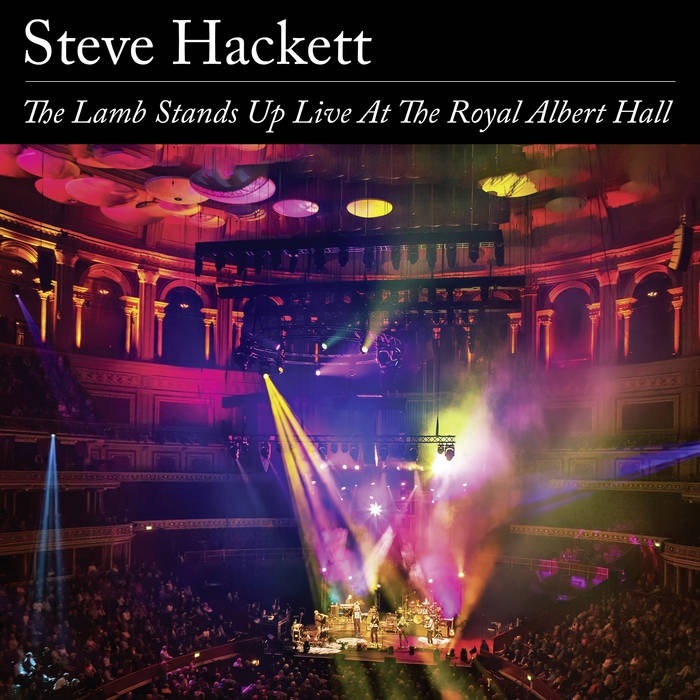
Steve Hackett, Live Magic at Trading Boundaries: The ninth live album of Hackett’s Genesis Revisited era, this unplugged set compiled from multiple year-end performances at an art gallery/performance space/boutique hotel in the British countryside, is genuine surprise and a refreshing change of pace. With Hackett focusing on nylon-string acoustic guitar, there’s plenty of old-school Genesis (the medley of an excerpt from “Supper’s Ready” and “After the Ordeal” is a masterstroke), an eclectic range of solo material (with Hackett’s brother John and Rob Townsend on woodwinds), lovely original songs from sidekick Amanda Lehmann (with Steve on harmonica!) — even a blast of digital keys from Roger King, waking everyone up with a bit of Francis Poulenc’s organ concerto! Delicate, luscious and immediately appealing , Live Magic also proves a worthwhile appetizer for recently reissued “special editions” of Hackett’s acoustic back catalog (1983’s Bay of Kings, 1988’s Momentum, 2005’s Metamorpheus and 2008’s Tribute) — which seem to be selling out even as I type . . .

King Crimson at nugs.net: Partnering with the premiere online concert specialists (whose clientele range from superstars Bruce Springsteen and Jack White to up-and-coming jammers Billy Strings and Goose), Robert Fripp’s Discipline Global Mobile has already made 44 Crimson shows (26 from 1996’s Double Trio outings, 18 from the 2014 Elements of KC tour) available for streaming with paid subscription, or for purchase as downloads or CDs. I picked up the CD of the night I attended the 2014 tour in Chicago (September 25th at the Vic Theater); after six years away from the concert stage, this edition of The Mighty Crim blew away the audience with its triple-drummer frontline, Mel Collins’ visceral attack on multiple saxes, Jakko Jakszyk’s mellifluous vocals, and a wide-ranging setlist stretching from 1969 psychedelia to the wide-open soundscapes of 2011’s A Scarcity of Miracles. With more tour bundles from across the decades promised for the future, nugs.net now seems the go-to source for archival Crimson concertizing. Bring on the 2019 and 2021 tours, please!

Riverside, Live.ID: The Polish quartet comes out smoking hot for the final gig of their 2023 ID.Entity tour on this 2 CD/BluRay set. Michal Lapaj’s ebullient keyboards grab hold with sizzling synth and organ hooks; Maciej Miller’s gruff power chords and earthy leads anchor the driving hard-rock sound; Piotr Dozieradzki’s pounding drums push the music forward. And at center stage, Mariusz Duda holds down one busy bass groove after another, all the while launching compelling, dystopian narratives of isolation in an overconnected age. With a setlist split evenly between their last album and their back catalog, these guys prove looser, yet more ferocious than on their fine studio albums, never letting up on the intensity. And the audience respond in kind, matching Duda’s request for them to be “the fifth member of Riverside” with enthusiasm to spare. More than a concert, this feels like an event — a great intro for neophytes, a rewarding summary of Riverside’s career to date for longtime fans. (Note that the CD/BluRay version is already hard to find!)

Soft Machine, Drop & Floating World: Only four years separate these two sets from the pioneering British jazz-rockers, freshly remastered by guitarist Mark Wingfield — but what a difference those years make! Recorded live on a 1971 German tour, Drop unveiled a quartet speeding headlong for the outer limits of music itself; riding cascading waves of Phil Howard’s manic, loose-limbed drumming, saxophonist Elton Dean screams and howls into the ether, while bassist Hugh Hopper and keyboardist Mike Ratledge hang on for dear life. It’s a breathtaking whirlwind of sound, shaped more by free rhythm than discernible melody — exhilarating, but not for the squeamish.

By 1975, Dean, Hopper and Howard were out; in their place, Karl Jenkins (later to earn a knighthood for his classical crossover project Adiemus), Roy Babbington and John Marshall were laying down a more fusion-oriented, arguably more sedate vibe. Enter fledgling guitar hero Allan Holdsworth to fire things up on another German tour; his lightning-quick runs and ear-catching chord work energize Floating World Live, inspiring his bandmates to fresh heights of invention and interplay on pieces from the first-rate studio effort Bundles. Awash with echoes of Mahavishnu Orchestra and Return to Forever filtered through a genial, sardonic English sensibility, this is required listening for fans of the genre and Holdsworth heads. (A manufacturing error has held up the release of the Floating World Live CD, but MoonJune Records mainman Leonardo Pavkovic is on the case!)

— Rick Krueger
Glass Hammer Goes Rogue With April 11 Release

Press Release

Glass Hammer’s “Rogue” spins the tale of one man’s fateful, final journey. “He leaves everything he knows behind,” explains composer Steve Babb. “And thinks he’s returning to a place where he once knew happiness, but in reality, his odyssey will sweep him away to somewhere completely unexpected.” 

Babb explains that the ten-song album explores themes of regret, heartache, and the mortal salience that comes with age. “Life is fleeting,” he continues. “It’s a heavy topic for an album, but the music isn’t as heavy as our last few releases. Rogue is much more like the Glass Hammer albums our fans refer to as “classic.”    

And who’s in the lineup? “It’s no secret that Glass Hammer reinvents itself every few albums,” says Babb. “It’s happened again! This time with a lot of new faces.”

Rogue features performances by Fred Schendel, Reese Boyd, and David Wallimann (GH guitarist 2006-2010). Vocalists Thomas Jakob (Netherlands) and Olivia Tharpe (USA) are new to the band. They’re joined by guitarist Oliver Day (UK), keyboardist Ariel Perchuck (Argentina), drummer Evgeni Obruchkov (Poland), and others. “It’s an international cast of characters,” Babb points out. “A super-talented group that our fans are sure to love.”

The hour-long Rogue is Glass Hammer’s twenty-second studio album. Fans can pre-order autographed copies, t-shirts and downloads on the band’s website. www.glasshammer.com

Track list:

  1. What If
  2. The Road South 
  3. Tomorrow
  4. Pretty Ghost 
  5. Sunshine
  6. I Will Follow
  7. The Wonder Of It All
  8. One Last Sunrise 
  9. Terminal Lucidity
  10. All Good Things

Echolyn’s TimeSilentRadio II and VII Hits Bandcamp Pre-Order For March 7 Release

I was very fortunate to pre-purchase Echolyn’s magnum opuses (opi?), TimeSilentRadio II and VII, back in December just before the deadline for early release came down.

Us pre-purchasers received a sneak peek just before Christmas day, and we received both albums in digital form since the new year, but under omertà – no share!

So I haven’t said anything about them, though I have really wanted to.

Echolyn has just announced them for pre-order on Bandcamp, so it’s probably now ok to sing like a boid.

Suffice to say, they are superb recordings – the longer tracks on II appeal to my brain a little bit more than VII, but they are both amazing records.

The ultimate accolade I can offer is that I listen to II and VII on my daily walk – they are worth the investment of my time and thought, and emotion.

Pre-orders are open. Release is March 7th.

Go! Order! You won’t be disappointed!

https://echolyn.bandcamp.com/album/timesilentradio-ii

https://echolyn.bandcamp.com/album/timesilentradio-vii

Steven Wilson North American Tour Announced

Steven Wilson has announced dates and other details for a fall North American tour, focusing on his upcoming concept record The Overview and his 2023 album The Harmony Codex.

Beginning September 9th and running through October 11th, the tour will include 15 shows at large theaters (2,000+ seats), covering the USA’s West Coast, Midwest, East Coast and South, as well as 3 Canadian shows in Toronto and Quebec. On his first full-band tour in 7 years, Wilson will be backed by longtime stalwarts Adam Holzman on keyboards, Nick Beggs on bass/Stick & vocals, and Craig Blundell on drums, along with Porcupine Tree sideman Randy McStine on guitar & vocals.

Tickets go on public sale Friday, January 31st at 10 am local time through Ticketmaster/Live Nation. In addition, there will be a fan presale TODAY beginning at 10 am local time. Tour dates (and yes, the fan presale password) follow the jump!

Continue reading “Steven Wilson North American Tour Announced”

THE PROG WILL LIVE ON

If you have heard any of the progressive rock albums released in the last 25 years, chances are there are several of them that were engineered or mixed by Rich Mouser. He has several hundred credits to his name including Spock’s Beard, Transatlantic, Neal Morse Band, District 97, Magic Pie, Flying Colors, Tears for Fears, Pattern Seeking Animals, Liquid Tension Experiment, Moon Safari, and Lobate Scarp. His latest mixes include “No Hill for a Climber” for Neal Morse & The Resonance and Joe Deninzon & Stratospheerius’ “Impostor!”.

Two weeks ago, the Los Angeles wildfires decimated Rich’s Mouse House Studio. Not only was it his studio but, with his wife Bouchra, they remodeled it over the last couple years to make it their home, as well. Fortunately, the couple was able to evacuate themselves in time, but most of their belongings, including a vast collection of vintage musical equipment (some aged over 60 years) and containing the studio’s centerpiece of a rare 56-input Calrec UA8000 mixing console, were taken in the Eaton fire, located in Altadena, California.


Ask anyone who has recorded there and they will tell you it was a magical place. 

Rich’s daughter Nicole has started a GoFundMe page to help him with the costs of replacing some of his instruments and supplement the cost of the sound equipment that was destroyed. She said this in a recent post on Facebook:

“To say we are broken by this loss would be an understatement; It’s honestly surreal. Losing a home is devastating, so losing your life’s work as well is insurmountable… Dad has a wonderful fascination with music that has consumed him since he was 15 years old, and it’s with that dedication he created The Mouse House Studios. Over the decades he has channeled his passion for making music towards helping, and collaborating with musicians to achieve their artistic vision. The heart that was in this place was palpable; so many talented people stepped-foot through the doors; so much creativity…This place was not just for making music, but a place for friends and family. Birthdays, graduation celebrations, family get to together’s and holiday’s. I can not stress enough how much hard work was put into this place; year by year, the house and studio blossomed – it’s honestly hard to grasp it’s gone…The outpouring of love that has reached my dad is overwhelming. It’s amazing how you can go through tragedy, and still experience the beauty of life at the same time; the beauty of love and friendship. If you are in the position to do so, please donate what you can. Every bit helps. If you can’t, at your convenience please share this fundraiser around.”

The Prog community has already showed so much support with Neal Morse and Mike Portnoy ,among some of Prog’s biggest names, taking time to help get the word out.

My personal connection with Rich started when I was looking for someone to mix Lobate Scarp’s debut album in 2012. Being a huge fan of Spock’s Beard and Transatlantic, I was well acquainted with his phenomenal mixes. In a million years did I never thought he’d agree to work on “Time and Space”, (I was a nobody and a recent transplant to California) but we met, hit it off, and he loved the project.  Since then, I must have spent over 3000 hours at The Mouse House, much of it creating our most recent album, “You Have It All”, which Rich co-produced, mixed, mastered, and played several additional instruments.  The finished album became my proudest accomplishment, and it wouldn’t have been possible without Rich. We spoke the same musical language. Rich and his wonderful wife Bouchra always welcomed me and my musical cohorts with open arms and open hearts and many times Bouchra would welcome us with delicious omelettes when we arrived for morning sessions.   We were getting ready to go back into the studio to record our next album there, but obviously that will have to be postponed because not only is the studio gone, I can’t picture working on this with anyone but Rich. Hopefully, with help from the Prog community, Rich and Bouchra can build another studio/ home, and we can all start making music again soon.

Thanks to the generosity of Prog fans and musicians all over the world, Nicole’s Gofundme is more than halfway to its $75K goal. https://www.gofundme.com/f/help-my-dad-rebuild-his-musical-legacy

Rich, in good spirits, posted last week before heading to the UK for MorseFest: “Thank you all for the tremendous support and love through these uncertain times. It’s like Big Hugs from all over the world!!” https://www.facebook.com/rich.mouser/videos/1795775040827089/?ref=embed_video

So many amazing memories were made at The Mouse House and while we are grateful that Rich and Bouchra and their families are safe, we are looking forward to making even more in the Mouse House 2.0.

Rick’s Quick Takes: “Clean-up on Aisle ’24!”

File under “unfinished business”, I guess. Below, albums from last year I hadn’t gotten around to reviewing, or hadn’t heard yet, or didn’t even know existed until I stumbled across them. (That last category, by the way, turned up a couple of real winners!) Purchase links are included in each artist/title listing; streaming options follow each review.

Mike Campbell and The Dirty Knobs, Vagabonds, Virgins & Misfits: On their third album as a band, the late Tom Petty’s right-hand man Campbell and compadres hit the motherlode. It takes a few tracks for the Dirty Knobs to loosen up, but once the desperate slowburn “Hands Are Tied” achieves rave-up velocity, it’s all gold — Byrdsy stomp “Shake These Bones”, harrowing border narrative “An Innocent Man”, honky-tonk single “Don’t Wait Up” (with country-soul heavyweight/summer tour partner Chris Stapleton kicking in a verse) and trashy addiction kiss-off “My Old Friends” are just the highlights! Guest stars galore, including former Heartbreakers, prove worthy foils for Campbell’s tales of big trouble and occasional triumph, spun out by his sinewy baritone and tasty, twangy guitar. If you’re looking for an album that puts the classic back in classic rock, look no further! I’m calling this a Delayed Favorite.

George Harrison, Living in the Material World (50th Anniversary Edition): While Harrison’s 1973 sophomore solo effort did chart-topping business and garnered positive reviews back in the day, it never quite lodged in public consciousness like his monumental debut All Things Must Pass. Songs that ricocheted between rapt religious devotion (“Give Me Love”, “Don’t Let Me Wait Too Long”), pressurized street-corner sermons (the title track, “The Lord Loves the One”) and sour reflections on post-Fab Four wrangling (“Sue Me, Sue You Blues”, “Try Some, Buy Some”) had a part in this, along with muddy production obscuring inspired, rootsy playing by George, Gary Wright & Nicky Hopkins on keyboards, and – rock solid as ever – Ringo as primary drummer. Paul Hicks’ fresh mix opens up things considerably: George’s breathy vocals are now more passionate than harsh, his acoustic playing shimmers, his slide work bites hard and sweet, and the band chugs along in high style. Now much more approachable, this vivid new version is well worth hearing (available in single, double and super-deluxe configurations).

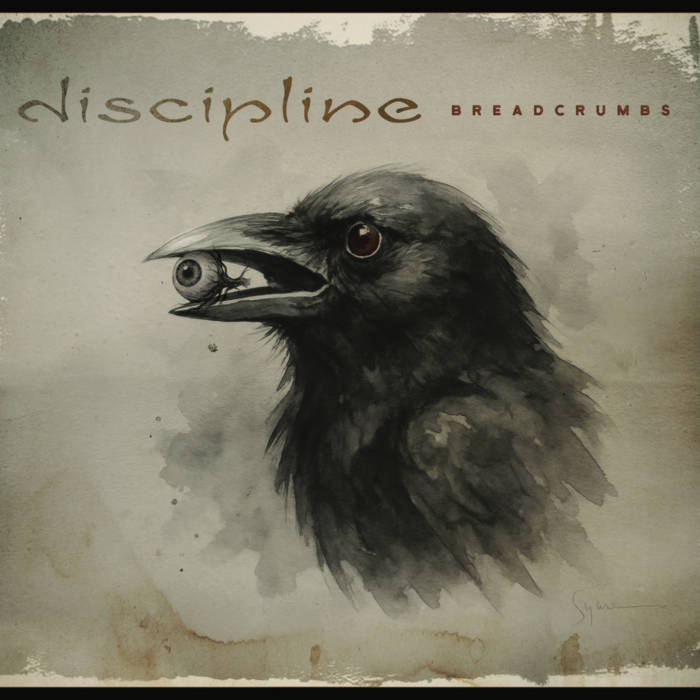
Herin, Hiding in Plain Sight: Detroit guitarist/songwriter Chris Herin is best known as the mainspring of hard-proggers Tiles (rooted in the music of Rush, with producer Terry Brown and artist Hugh Syme frequently on hand to play up the similarities) for 25 years. Here he goes solo with a deeply personal concept record, chronicling his beloved father’s 10-year struggle with Alzheimer’s disease. Grounding the music in accessible yet expansive AOR, Herin constantly shifts lyrical perspective — now observing dementia’s progress from the outside, now imagining how it played out inside his dad’s head. With Herin’s unswerving rhythm guitar at the center, an starry cast of players and vocalists bring his song cycle to life: highlights include subtle guitar textures from Jethro Tull’s Martin Barre (“The Darkest Hour”) and Alex Lifeson (“Second Ending”), a searing lead playout by Peter Frampton (“The Heart of You”), heart-piercing vocal turns from Porcupine Tree/Steven Wilson sideman Randy McStine (especially “Secret Adversary”) and a trio of dramatic soliloquies by Discipline’s Matthew Parmenter set to chamber music backdrops. Somber yet uplifting in its evocation of loss, pain and undying love, this is a special album.

King Crimson, Red (50th Anniversary Edition): Limping home from the endless highways of America in 1974, Robert Fripp had had it with everything about King Crimson — even the unbeatable rhythm section of John Wetton (who wanted to go for mass appeal a la Dark Side of the Moon) and Bill Bruford (who wanted to hit as many things as possible loud, hard and often). Recorded in a last gasp before Fripp declared the band finished forever (oops), Red somehow gave all three players, plus guests from throughout Crimson’s first run, a unparalleled chance to shine. The uber-heavy title track, the wistful elegy “Fallen Angel”, the stinging clatter of “One More Red Nightmare” unleashed a power trio equally apt at dark romanticism and modernist brutality. And then there was “Starless” – a 13-minute swansong kicked off by Wetton’s most funereal vocal, collapsing in on itself, mounting to peak tension as Bruford slowly rebuilt the beat over a bass/guitar duel worthy of a Shostakovich string quartet, finally exploding into a double-time frenzy of wailing saxes and Fripp’s frantic, fuzzed-up speed-strums. This new 2 CD/2 BluRay version includes multiple fresh and original mixes, six complete concerts from the era, and all the surviving session reels. Overkill at its finest, capturing one of prog’s most ambitious bands going over the top just before Fripp called retreat and abandoned the genre label for good. (As mentioned last month, a Favorite for 45 years.)

The War On Drugs, Live Drugs Again: A second sampling of Adam Granduciel and his live septet making super-sized music to wallow in. Leaning heavily on 2021’s first-rate I Don’t Live Here Anymore, the WoD set one towering, hypnotic groove after another in motion; meanwhile Granduciel’s vocals skip atop the glistering surfaces, burrow between the chiming, interweaving riffs, howl burning desires above his choruses’ climactic maelstroms (pushed even farther by chewy, white-hot guitar tags). Part of the fun for rock history buffs like me is the kaleidoscope of callbacks that flit by, then fade into the aural soup: a Who-like synth cycle, high-impact four-on-the-floor drumming, distortion ramped up to touch the sublime, vocal yelps that channel Dylan, Springsteen, Bono. But the elation, the emotional release of these performances prove Granduciel and The War on Drugs are more than the sum of their wide-eyed, eclectic influences; this album is the closest thing to Elton John’s “solid walls of sound” that I’ve encountered in a long time. (Note that the CD version includes two extra tracks.)

Wilco, Hot Sun Cool Shroud: A EP I missed from the Kings of Indie Dad-Rock, with the impact of an album twice its length; Jeff Tweedy and his long-time partners in chaos hit quick and dirty on six short, sharp tracks. Opener “Hot Sun” is driving yet ambiguous thrash underpinned with regally queasy synth/string pads; “Ice Cream” is a loose soul ballad with distant angel choirs and percussive rumbles; “Annihilation” goes from mumbly to lucid to arrhythmic, while closer “Say You Love Me” is a trademark Wilco eulogy, harnessing stately Beatleisms to preach connection and community. Stir in two instrumentals (the jabbering “Livid” and the bitonal acoustic gallop “Inside the Bell Bones”) and you have another Delayed Favorite. (One, I might add, very reminiscent of the band’s 2004 tour de force A Ghost Is Born, which is reissued in multiple deluxe formats next month.)

— Rick Krueger
Steven Wilson, “The Overview”

From Steven Wilson HQ:

I’m thrilled to be able to officially share with you that my new album, The Overview will be released on 14th March. The album is based on the recognised phenomenon of the “overview effect’’, whereby astronauts seeing the Earth from space undergo a transformative cognitive shift; some experience an overwhelming appreciation and perception of the planet’s beauty, but others see the Earth truly for what it is – insignificant and lost in the vastness of space.

Prior to the album’s release date, The Overview will have its world exclusive premiere at the BFI IMAX in London on Tuesday 25th February. The music will be played back in immersive audio accompanied by a specially commissioned film by Miles Skarin that presents a constantly evolving series of visually stunning animated sequences documenting the vastness of space and the almost imperceptibly tiny part of it that the human race occupies. Screened on what is the UK’s largest cinema screen I’m confident this is going to be a pretty mind blowing experience.

The Overview will be released on Fiction Records in standard CD, blu-ray, half speed mastered (at Abbey Road) gatefold vinyl editions and limited deluxe art book. The blu-ray features high res stereo, 5.1 and Dolby Atmos mixes, all in both vocal and instrumental versions, for a total of 6 different audio streams. The deluxe art-book edition (in the same style and dimensions as previous SW deluxe books) features an additional 60 minute CD of music not included on the final album and an especially commissioned orchestral version of the 23 minute long Objects Outlive Us. The third disc is a blu-ray which expands on the standalone version by also including all of the bonus material in high res stereo, and 5.1 / Dolby Atmos mixes of the orchestral Objects Outlive Us.

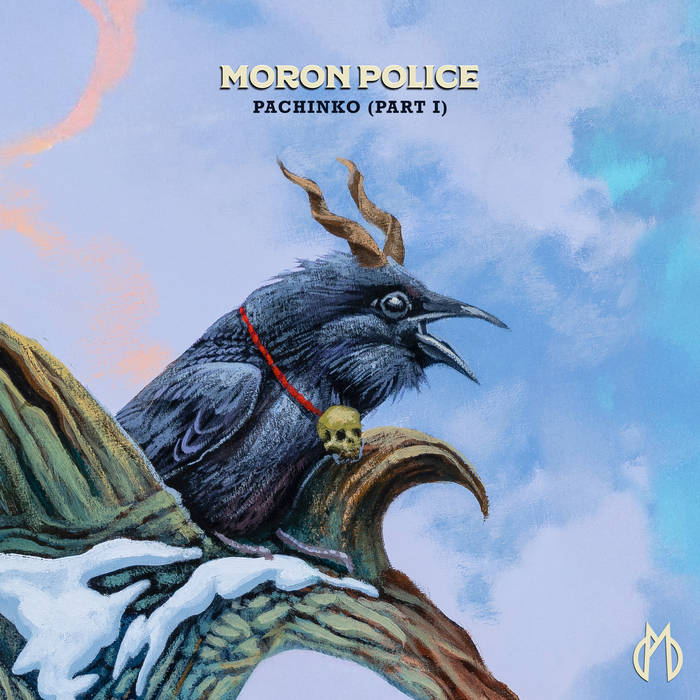
The artwork for The Overview was illustrated/photographed by Hajo Muller and designed by Carl Glover, their combined efforts creating a visually stunning companion to the music, perfectly encapsulating the album’s themes of space and perspective. Notably in the art-book edition there are several fold out multi-panel illustrations. In the past these deluxe editions have sold out very fast, so if you’d like a copy (and you won’t be disappointed, it’s pretty stunning), I would recommend not hanging around!

Preorders for The Overview are now live at Steven Wilson’s official store and Burning Shed (the latter of which is – no surprise! – less expensive in the case of the deluxe editions).

— Rick Krueger