
Don’t. Miss. This. From rollingstone.com:

Don’t. Miss. This. From rollingstone.com:

2020 was a hell of year, wasn’t it?
I don’t think I need to go into great detail here; we’ve all lived through it: the closing of restaurants, schools, and places of worship; the Orwellian slogans (“Together Apart,” “Alone Together,” etc.); a tumultuous presidential election here in the U. S.; racial unrest; etc. A hell of a year indeed.
During these last ten months I have often found myself confused, frustrated, and upset. I am a pessimist by nature, but I never would have expected a year like the one we just left behind. I find satisfaction in teaching my students face to face: but I had to settle for Zoom and Google Meet classes. I find solace in attending church: but for months I was prohibited from doing so. I find joy in conversing with friends face to face: but we stared at screens, instead.
So I turned to books and music, as I usually do, to give me perspective. One of my greatest faults, I am willing to admit, is my inability (at times) to recognize the goodness in the world—I suppose that’s primarily a result of my pessimistic nature. But as a high school history teacher, I also understand that humanity has endured far worse. For the past few months I have delved deeply into Wiesel, Solzhenitsyn, Orwell, and a variety of firsthand accounts from the survivors of the concentration camps and the Gulags. I understand this sounds a bit dramatic: I’m blessed to have been born in the USA, and in order to gain perspective on the current state of the world I’m reading stories of men and women who survived hell. But “suffering” is very much a relative term, isn’t it? And, for better or worse, I needed to be reminded of just how comparatively benign this pandemic has been compared to what others have endured in the past.
But it was music, and one song in particular, that provided me with the message I needed to hear above all others. This past fall I discovered U2’s second album, October. According to Bono, the effort to complete October nearly broke up the band: three of the four members are Christian, and they were concerned that the rock n’ roll lifestyle was incompatible with their faith. And yet they chose to make this album—what Bono called “the difficult second album”—about God. Talk about a risk.
There are several superb songs on this underrated album—“Gloria,” “Tomorrow,” and “Stranger in a Strange Land” are just three that come to mind—but the one that inspired my recent change of attitude was “Rejoice.” These lyrics in particular come to mind:
And what am I to do?
Just tell me what am I supposed to say?
I can’t change the world
But I can change the world in me
If I rejoice
That was what I needed to hear (repeatedly) in 2020: “I can’t change the world / But I can change the world in me / If I rejoice.” The pandemic is out of my hands. So are the lockdowns. So is any election. What matters most is changing who I am first—getting my own house in order, so to speak.
So I choose to rejoice in 2021. I know I’ll have my moments in the dark, but at the end of the day, things could always be worse.
I wish everyone here in our Progarchy community a joyful new year. Stay healthy, stay sane, and stay hopeful.
Here are my picks for the best of the year. I started with a list of thirty, and then cut it down to twenty by creating a list of ten pairs. Then I brutally cut that list of twenty down to ten, by jettisoning the member of the pair that had the lesser number of listens (according to my music playback software, Apple Music). Therefore, here are the ten best, ranked by my highest number of listens for 2020:
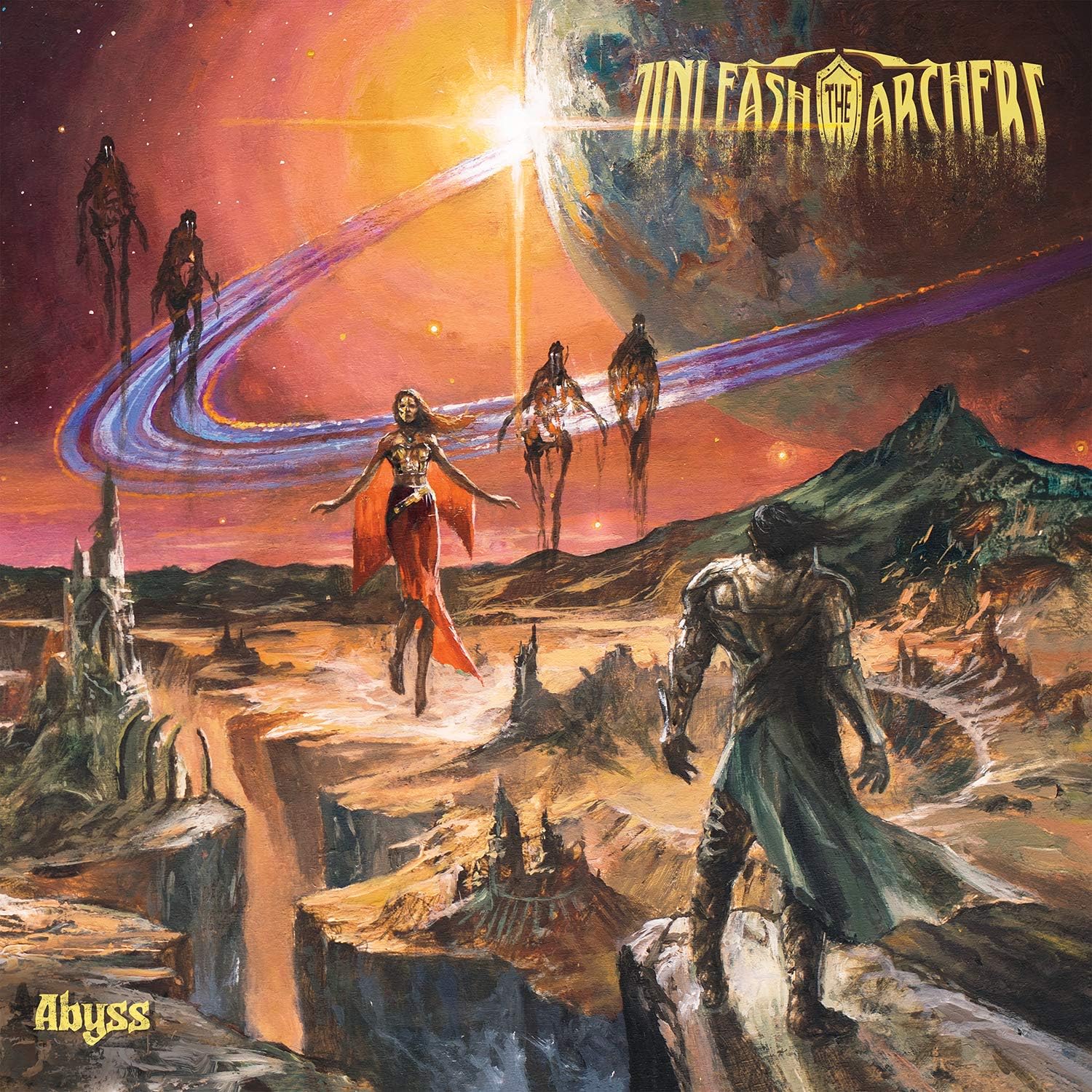
#1 — Unleash the Archers, Abyss
This long-form storytelling concept album is the sci-fi sequel to 2017’s Apex and it is unquestionably the most awesomely epic release unleashed this year. Unleash the Archers also gave the best pandemic live-stream performance of the year. If you missed it, then you can at least play this album on repeat. Favorite tracks include “Through Stars” (all the way back to the 80s), “The Wind That Shapes the Land” (a sprawling prog-metal masterpiece), and “Carry the Flame” (a killer duet).
#2 — Pallbearer, Forgotten Days
It’s hard to believe they could top their 2017 masterwork, Heartless, but all the same Pallbearer totally delivered the doom metal goods this year with this slow-growing, richly-textured slab of excellence. It will take multiple listens for you to appreciate all the complex nuances of this underappreciated release. Those who haven’t given it due honor have simply failed to invest the requisite time of listens required for this album to show itself fully. “Stasis” is the shortest track, so you may find access through it first, but “Silver Wings” is the longest track and sheer sonic proof of Pallbearer’s upper-echelon prog status.

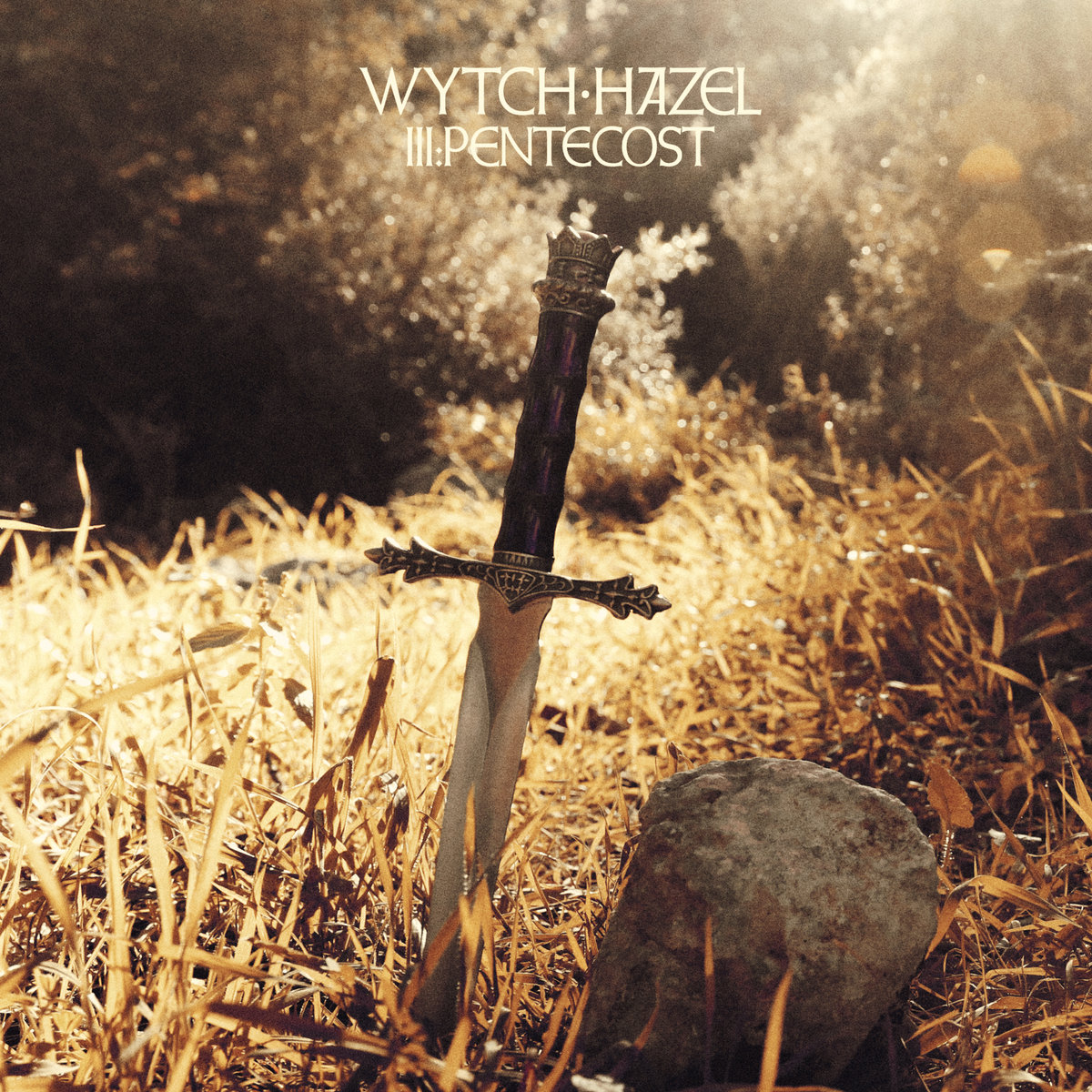
#3 — Wytch Hazel, III: Pentecost
The noble tradition of classic metal is alive and well. Wytch Hazel rode atop our top ten list this year with their unstoppable momentum on III: Pentecost. Grab your sword and mount your horse as Wytch Hazel leads you into battle by setting scripture to music. They conquer all, galloping out of the gate with killer tracks like “Spirit and Fire”, “Archangel”, and “Dry Bones”.
#4 — The Night Flight Orchestra, Aeromantic
Climb aboard and get ready for a voyage in an aerial time machine, flying back to the time when radio actually played good music. These cats have mastered all the pop and rock idioms of Planet Earth’s golden age. On this disc, they perform the virtuoso trick of writing all the best songs of an era that they never actually existed in. Until now, by flying back to it this year. Start charting your own course with “Transmissions” (as you taxi a groove down the runway), “Aeromantic” (a totally exhilarating liftoff), and “Golden Swansdown” (a heavenly-perfect audio icon of falling in love).

#5 — Kelsy Karter, Missing Person
Rock and roll will never die as long as each new generation keeps producing truly talented and suitably demented offspring like Kelsy. “God Knows I’ve Tried” to be good, she sings. And she’s certainly achieved it on this debut disc. This is proof positive why artists should follow the maxim, “Stick to Your Guns”. Kelsy accordingly took her time to produce this fine album, and it’s a total blast from start to finish, all the way to the “Liquor Store On Mars” and beyond.
![Missing Person [Explicit]](https://m.media-amazon.com/images/I/81W+KTKeYIL._SS500_.jpg)
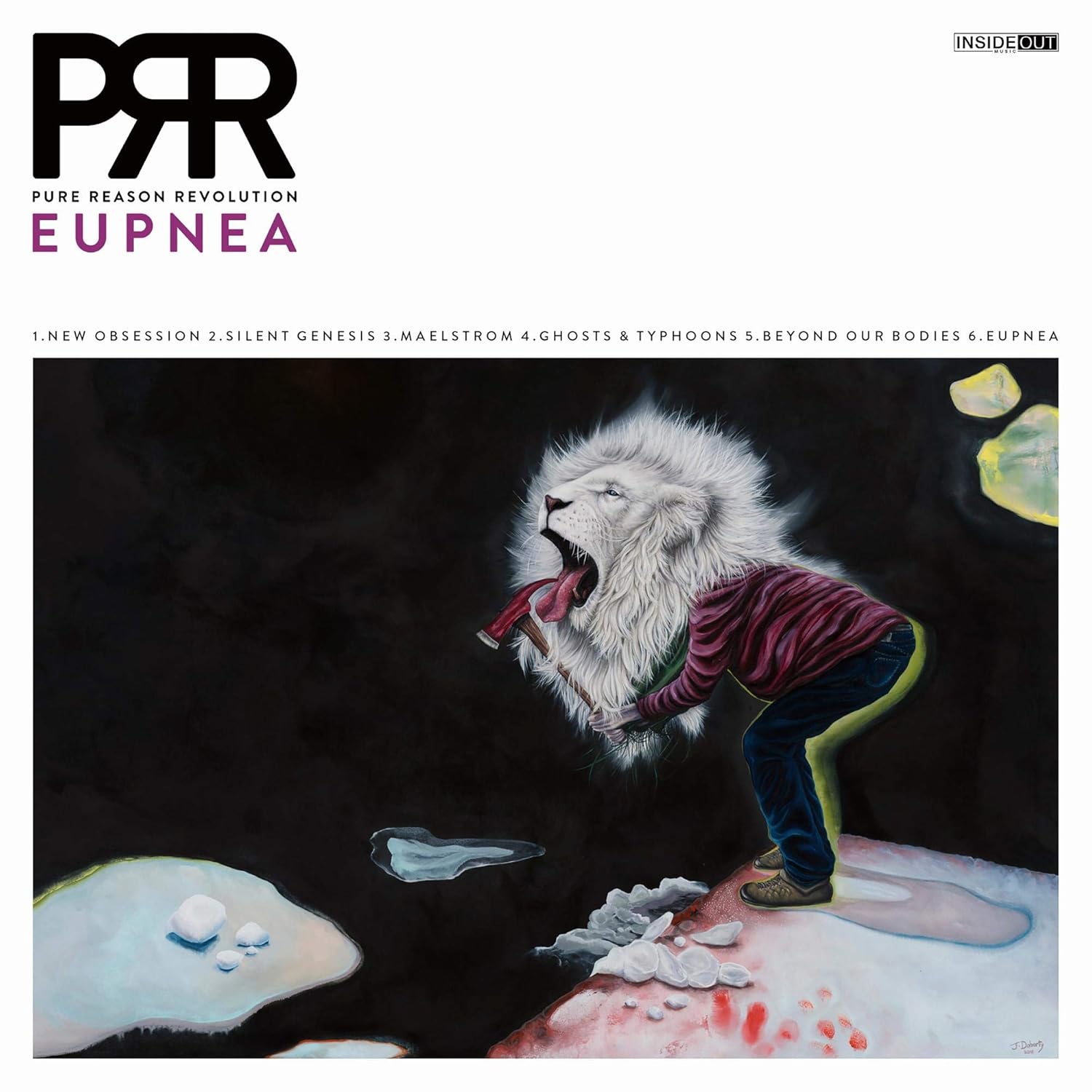
#6 — Pure Reason Revolution, Eupnea
Returning to their prog roots, Pure Reason Revolution pull off their best album since their stunning debut, The Dark Third. This album will become your “New Obsession”, because it was carefully crafted during a “Silent Genesis”, in order to give us a musical guide through the “Maelstrom” of 2020. Absolutely brilliant, this disc is a shining star in the prog firmament. Welcome back, PRR.
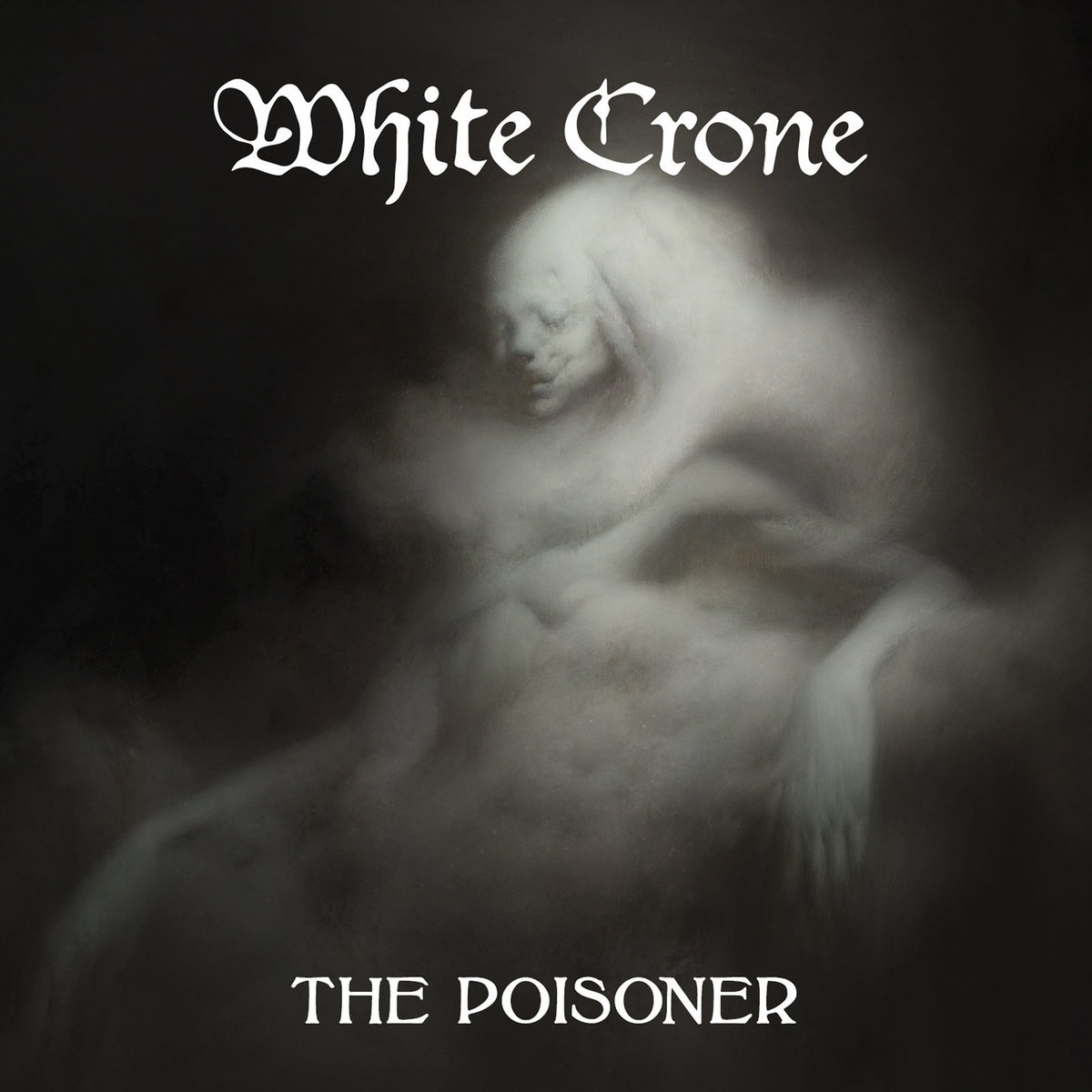
#7 — White Crone, The Poisoner
Here’s metal in the traditional style to make you stand up and take notice. If you need a prog awakening, check out the nifty musical intricacies on “Interment”, and then as it morphs into “Edge of Gone”. Every track rocks hard, but my favorite is “The Seven Gates of Hell”, which sports haunting vocals showing what Dio would have sounded like if he were a woman.
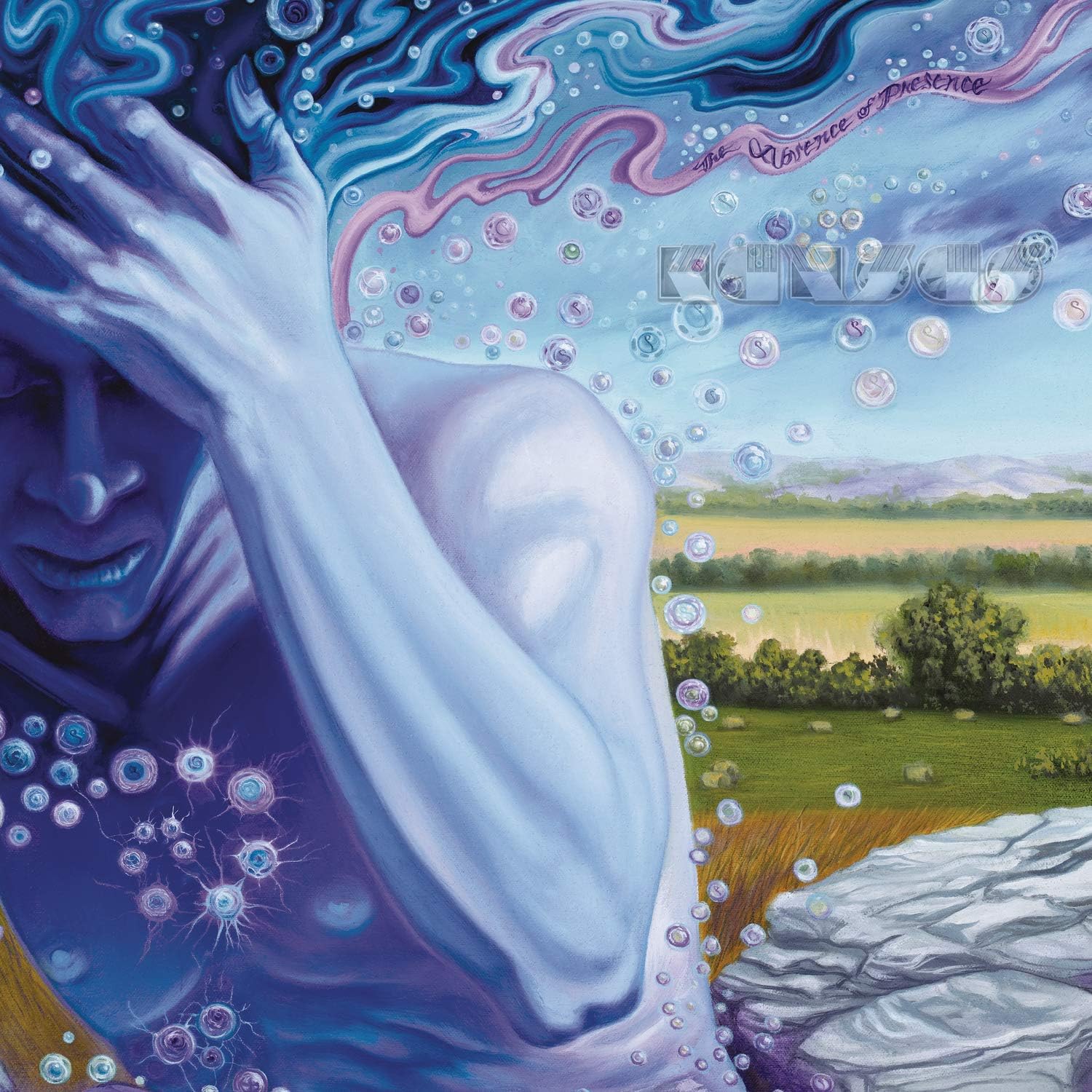
#8 — Kansas, The Absence of Presence
Kansas showed up in 2020 with a prog achievement beyond all expectation. This wonderful album proves that the greatest bands never go on past their prime. They just keep showing in new ways: why they are so remarkable, with no need to recycle their glory days. There’s maturity, vigor, and wisdom all here, with stunning tracks like “Memories Down the Line”, “The Absence of Presence”, and “Animals on the Roof”. Carry on, Kansas; carry on…
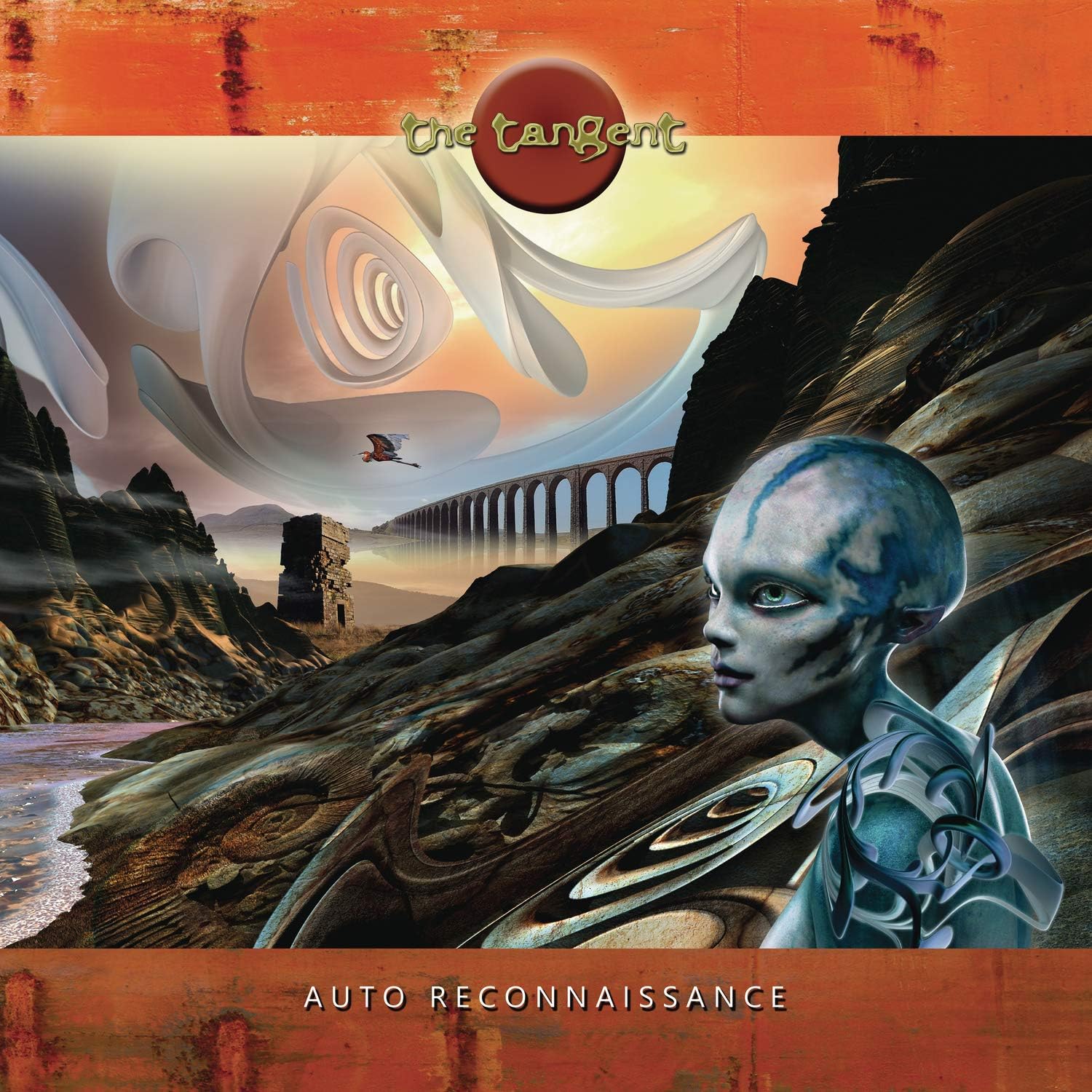
#9 — The Tangent, Auto Reconnaissance
The Tangent demonstrate yet again why they cannot be vanquished by any critics, because they simply cannot be reduced to any musical category and critiqued in a box. Instead they transcend all attempts to comprehend, and simply dazzle you with musical excellence. “Jinxed in Jersey” is jazzy storytelling that will have you laughing your head off. But the track of the year may very well be the amazing “Lie Back and Think of England” which is definitive proof that if you have ever objected to The Tangent’s “politics” on any release, you are foolishly missing the point. The Tangent’s vision is nothing but the finest humanism.
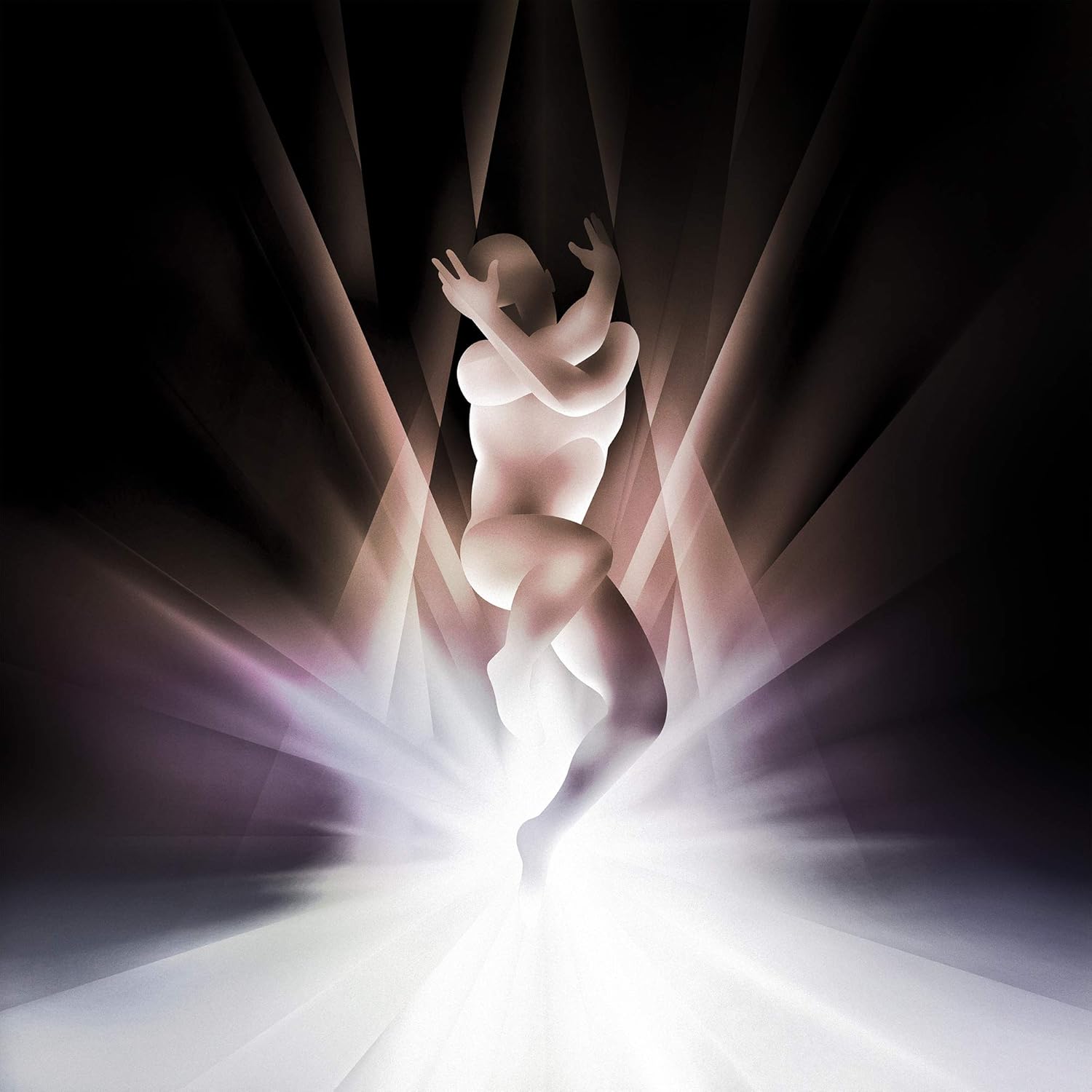
#10 — Smashing Pumpkins, Cyr
This surprise late entry stormed our top ten list with its unexpected synth rock unfolding atop a full flower of brilliant songwriting. Repeated listens are richly repaid, but you may hold onto early favorites, as I did, that also stand up over time: “Dulcet in E”, “Wyttch”, “Black Forest, Black Hills”, and “Haunted”. Billy Corgan’s immense talent for songcraft is on full display, but perhaps the most wonderful surprise is the radiant female background vocalists, Katie Cole and Sierra Swan, who stand out and shine as if they were fronting the band, making the Smashing Pumpkins now sound like an ideal Platonic form of pop/rock: a Pumpkin mashup with Metric.
Unfortunately, 2020 has more terrible news for us before the end of the year. America’s longest running prog-rock festival, RoSfest, has closed its doors. Over the last 16 years, RoSfest has included prog headliners from all over the world, such as Spock’s Beard, Glass Hammer, Brand X, PFM, The Flower Kings, Moon Safari, as well as wonderful less well-known bands and up-and-comers like Traverser, Perfect Beings, District 97, Kyros, and The Aaron Clift Experiment (to name a few). The festival moved to the 1000-seat Sarasota Opera House in Florida in 2019 from its original Gettysburg PA location and was forced to cancel its 2nd year at the opera house due to Covid-19 lockdowns. The 2020 line-up was supposed to include Big Big Train’s first show in the States, and CAST and Thank You Scientist as the other two headliners. Other acts on board were Dilemma, Pattern Seeking Animals, United Progressive Fraternity, The Tea Club, Lobate Scarp, Moon Letters, and Arc Iris.

George Roldan, organizer of RoSfest, put out a statement yesterday:
The Rites of Spring Festival says “Goodbye, for now”. RoSfest has been a treasure in the progressive rock world for the last 17 years and it has been my privilege to produce and host one of the best progressive rock music festivals in the world, but RoSfest will officially end its 16-year run in 2020. Dedicated to delivering the highest level of talent, production, and timing is central to what RoSfest represented; an outlet for a niche genre called Progressive Rock that provided a venue for new up and coming artists from around the globe. Running a music festival can be breathtakingly rewarding, but also quite expensive due to production, insurance, venue rental, hotel rental, staff accommodations, band expenses, vehicle rentals, etc. Additionally, the US government has made it harder and harder to acquire permits for working artists from around the world to perform in the US. Increasing artist permit requirements and fees makes it almost impossible for young bands to travel abroad. RoSfest has been a labor of love but has been struggling financially for years and can’t survive another “Covid” crisis. Unfortunately, we are not able to keep operating the festival at a loss. On a personal note, I feel so lucky to have been part of this organization. To work with such an incredible staff and dedicated volunteers and to interact with the best Progressive audiophiles in the world. RoSfest has been magical and could not have existed without YOU…. the best and most supportive audience anyone could hope for. Without such an incredible community, RoSfest would not have been possible. I am so thankful for all of your support and dedication throughout our festival years.RoSfest will continue its core mission to support the art of Progressive Rock and may surprise you (at some point) with a special concert in the future. But for now, with tearful heartfelt thanks from all of us at RoSfest, it’s been an honor to interact with such accomplished and inspiring musicians and music lovers in the progressive rock community. In the words of RoSfest’s production manager, Kevin Madrishin, “We did it right!”– George Roldan
Hopefully the emphasis is on “for now”, and perhaps within a few years we will see a resurgence of RoSfest either in its glorious festival form or maybe in the form of an occasional one-night special event.
Looking back at 2020, it’s hard to believe that we lost Neil Peart at the beginning of the year. That loss hit me pretty hard, since Rush’s music has been central to my life from an early age. I talk more about that in my tribute to Peart: https://progarchy.com/2020/01/12/neil-peart-a-misfits-hero/. I start off my year-end review list with a reminder of the loss of Neil because it seems like a fitting way to remember 2020. Peart’s loss represents what so many people have lost this year, whether it be family members and friends due to the virus or jobs lost due to draconian forced business closures that haven’t actually accomplished anything in slowing the viral spread. Not to mention the emotional distress that physical separation is causing many people.
Another thing we lost this year was live music from our favorite bands. Big Big Train had their first North American tour planned for late spring this year. Canceled. Devin Townsend was in the middle of a glorious North American tour with Haken when everything blew up. Canceled. Obviously this list could be expanded to every band that tours. Losing live music makes it even more difficult for bands in a niche genre to spread their music to more people.
But enough lamenting. We still got a lot of great music this year. The following list is in no particular order apart from my number one album at the end. I include both new albums and live records.
 Haken – Virus
I was a little surprised that I was the only person over at the Dutch Progressive Rock Page to include this one in my top ten list for their annual list. Maybe people were really sensitive about the name of the album, but it was clear that the album was written and completed before the novel coronavirus was a known entity. The music is fantastic. It’s probably their heaviest album to date, but it still has some of their calmer moments. It’s Haken through-and-through, and it makes a wonderful companion to 2018’s Vector. We also get to hear some more about our old nemesis, the cockroach king. It’s pretty cool how they worked in some of those themes. Fantastic album that should’ve received more attention than it did. Check out my review: https://progarchy.com/2020/07/23/haken-goes-viral-virus-album-review-haken_official/
I’d like to strike the next person who says “Christmas this year will look a bit different.” Well it doesn’t have to sound different. If you find yourself alone this Christmas Eve/Christmas (like me), there’s plenty of Christmas-related prog to keep you entertained.
Devin Townsend’s Christmas livestream
A couple hours ago Devin Townsend released a Christmas-themed live stream. If you’ve ever wanted to see the mad genius imitate a crooner, you’re in luck. Mostly he plays his own music spanning his career, and his whole demeanor is incredibly calming. It’s an acoustic set and a one-man show, so if you’re not as big a fan of the extreme side of his career, then this is the show for you. Ok it’s Devin so there are a few screams, which are almost comical considering he’s playing an acoustic guitar. The acoustic version of Strapping Young Lad’s “Love” is pure gold in that regard. The man has a golden voice no matter how he’s using it.
Dream Theater’s “The Holiday Spirit Carries On”
The mighty Dream Theater released a Christmas medley track a couple weeks ago to raise money for their live crew. It’s $2.99, and all the proceeds go to their crew. If you’ve ever wanted to hear James LaBrie sing “Fa-la-la-la-la la la-la la, then you had better buy the track soon because it’s only available during the month of December: https://dreamtheaterofficial.bandcamp.com. Here’s a brief sample:
Neal Morse’s “Last Minute Christmas Album”
Neal Morse decided to write a Christmas album over the last couple weeks, and it is available for download over at his label, Radiant Records. It’s his singer-songwriter side of things rather than his prog side, but it’s still Neal Morse. https://www.nealmorse.com/2020/12/19/download-now-neal-morse-last-minute-christmas-album/
Big Big Train’s “Merry Christmas” and “Snowfalls”
Big Big Train released the single “Merry Christmas” along with the even-better B-side “Snowfalls” back in 2017. They’ve become two of my favorite tracks of the season, and I would love to hear a whole album of original Christmas music from them, along with their take on some classic Christmas carols.
Jethro Tull’s Christmas Album
“The Jethro Tull Christmas Album” has been a favorite of mine for several years now. I listen to it every Christmas season.
LEAH’s “Ancient Winter”
It’s been a while since we’ve heaped praises upon the head of Canadian Leah McHenry. Last year she released “Ancient Winter,” a wonderful album celebrating the winter season. This album leans more into her Celtic influences than her metal influences, which fits the season. Definitely worth a listen or two.
There’s other Christmas prog out there, but I don’t want to overwhelm you. May you have a blessed holiday in spite of everything going on in the world. Christmas is a time when we remember that God humbled Himself to be born as one of us so that He could live like us before sacrificing His very life so that we might live forever if we follow Him. His burden is light when compared to the weight of our sin, and if 2020 has taught us anything, it is that we’d all be better off bearing that burden than the weight of the world. There’s always hope in the world, no matter what’s going on. This music is just a little glimpse of the goodness available to us even in the darkest moments.
Merry Christmas.
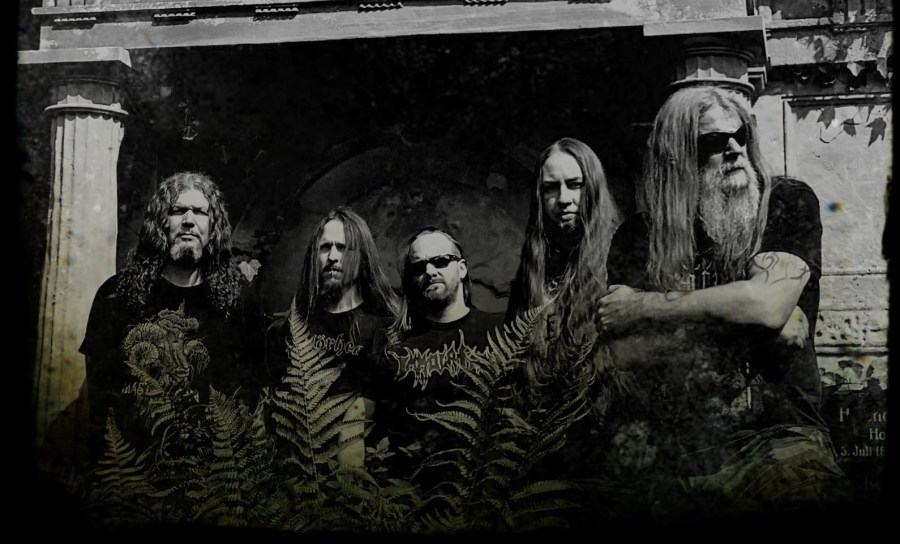
Sludge and death metal, both evolved from hardcore/punk and electric blues, but a sludge-death cross-over is so much more than their shared roots. Fifty years of metal evolution, hundreds of sub-genres and here Disbelief simply continues that very captivating trend of mutations. In this case – strands of hardcore, New Orleans sludge and death metal crafts an unusual atmospheric blend. The Ground Collapses is quintessential extreme metal – in other words it encodes those long running lineage of influences, but still manages to sound novel.
It’s that familiar doom like aesthetics, that essential low, but uniquely fueled by deathly compositions rooted somewhere in late 80s Florida or Sweden. A hardcore wall-of-sound, often severed by meandering leads, and layered with cross-over vocals, creating an atmosphere so dank, deathly and gloomy. In metal, cross-genre sound is not uncommon, but this elegant cross-over aesthetic is. This subtle blend of aggression and grief makes for an essential listen, ironically one of those pockets of bliss in a rather morbid year.
 Dimitri Toonen, Leave My Mind Sometimes, November 20, 2020
Tracks: 1. Shameless (6:41), 2. Not Home Today (4:01), 3. Ganges Story Part I: Tragedy (9:49), 4. The Destruction of You (2:27), 5. Leave My Mind Sometimes (5:43), 6. Us (4:16), 7. Ganges Story Part II: The Other Place (2:23), 8. The Day I Stopped (9:56), 9. Desolation Suite I: Early Days (2:12), 10. Desolation Suite II: Choices (7:45), 11. Desolation Suite III: A Dark Chapter (9:27)
Dutch artist Dimitri Toonen’s new album Leave My Mind Sometimes was a pleasant surprise as we start to wrap up the year in music here at Progarchy. It ended up being one of the best releases of 2020. Toonen’s main instrument is guitar, but this isn’t a “guitar album.” Rather the music supports the stories the songs tell. The album is structured in a way similar to Steven Wilson’s The Raven that Refused to Sing. The music also happens to be in that vein of progressive rock.
Apart from the drums, Toonen plays all the instruments on the record, and he wrote all the lyrics. Acoustic and electric guitar are prominent, but synths, bass, and drums play an important role as well. Toonen is an excellent guitarist with a fantastic electric tone. His acoustic work is also exceptional, adding a warmness and richness to the overall sound. Toonen’s vocal delivery provides an emotional touch to his lyrics, and the frequent vocal harmonies add depth.
The biggest musical influence I notice is Porcupine Tree/Steven Wilson, although his music isn’t quite as dark as Wilson’s can be. There are also similarities to the work of someone like Bjørn Riis and Bruce Soord (The Pineapple Thief). Despite those similarities, Toonen clearly makes his music his own. He isn’t copying anyone. Rather he’s expressing his stories in a way that bears the influence of the music he finds moving.
Toonen’s lyrical content can be pretty heavy, but I don’t find that Leave My Mind Sometimes leaves me emotionally drained after listening to it. I love Porcupine Tree and Steven Wilson’s solo work, but a close listen to those albums requires a lot from the listener. Nevertheless Toonen brings passion to the album both through the lyrics and the music. In particular, that punch into the soaring “home” in the lyrics “why didn’t you come home?” brings a powerful emotional impact to “Not Home Today.” The feelings of loss, loneliness, and rejection build over the course of that track to a beautiful crescendo.
A longer track like “Ganges Story Part I: Tragedy” has the chance to grow and mature with various musical movements. The music effortlessly moves in and out of heavy and calm moments in a way mastered by Porcupine Tree. Toonen has similarly mastered that effect, and it makes Leave My Mind Sometimes an interesting album on repeated listens. The final track, “Desolation Suite III: A Dark Chapter,” is a prime example of it. There’s a wonderful build-up to a really heavy moment that brings the album to completion before a brief calm ending. Over the entire album I find that Toonen inserts instrumental sections, often with a soulful electric or acoustic guitar solo, right when the listener needs a moment to reflect.
The album has a cohesive flow, making the shorter tracks blend into the whole. “Ganges Story Part II: The Other Place” acts as a sort of brief reprise to “Ganges Story Part I: Tragedy,” thus helping to knit the album together. The similar musical themes helps move the listener along on a journey through these stories.
Overall Leave My Mind Sometimes is a mature and full-sounding album. The fact Toonen did everything but the drums himself on the record is a testament to his talent. There’s a wonderful balance to the music and the vocals that can often be lost in purely solo endeavors. Toonen avoided that pitfall and created a beautiful album filled with excellent music and compelling stories. I highly recommend you give this record a listen. I found it to be the best release of the final months of the year, and I’ll definitely keep it on frequent rotation.
The album is available now on streaming sites and Bandcamp, and you can pre-order a CD or vinyl directly from Toonen: https://www.dimitritoonen.com/shop/
https://www.dimitritoonen.com
https://www.facebook.com/dimitritoonenmusic
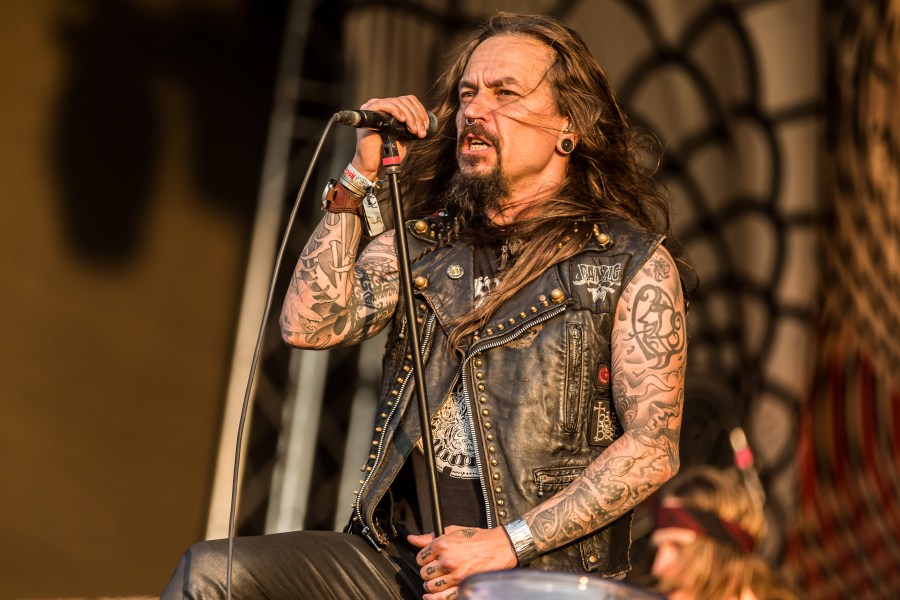
Folk and some epic poetry can make for more than a few exquisite moments. And even with all that doom undertones, melody seems omnipresent. That’s not it – Finnish mythology, picturesque choruses, and deathly bass-lines – all layered in harmony. In other words, it’s rich, unmistakable, and Amorphis.

Music often complements that romanticism in lyrics — “Louhi spoke in riddled tones of three things to achieve, find and catch the devil’s moose and bring it there to me” – elegantly transitions to segments more appropriate for melodic-death. But, this is just one of those many instances of stunning coherence, on how their compositions accommodate hues, vibrant and diverse.
Elegant and melancholic, album does justice to the literature it adapts. “Pulled under the raging waters, my child, sank in the drowning currents, my son” — Amorphis unmistakably recreates Lemminkäinen’s tale. But now with compositions as sorrowful and gallant as his mythology, and with a “River of Death” Artwork as that fitting cover. Needless to say, exquisite and epic Silent Waters.
Stefan Bollmann, Attribution, via Wikimedia Commons
Here are the albums of new music from 2020 that grabbed me on first listen, then compelled repeated plays. I’m not gonna rank them except for my Top Favorite status, which I’ll save for the very end. The others are listed alphabetically by artist. (Old school style, that is — last names first where necessary!) Links to previous reviews or listening/purchase sites like Bandcamp are embedded in the album titles.

Nick D’Virgilio, Invisible: No echoes of Big Big Train or even Spock’s Beard to be heard here. D’Virgilio’s long-awaited latest focuses on classy, soulful rock and pop with R&B undercurrents, reminiscent of nothing so much as the pre-Nirvana mainstream; the progginess is in the extended structures, the virtuoso playing and the overall concept. The down to earth storyline, a redemption narrative with some nifty twists, definitely helps make Invisible appealing and relatable. But it’s the musical means D’Virgilio uses to build out the story — emotive singing, consistently powerful drum work, polished electric piano, loops, bass, bass synth and guitars — that seal the deal. As a result, every single track grabs on tight from the start — not just revealing more depth and emotional resonance with every repeat, but also relentlessly propelling the album forward.
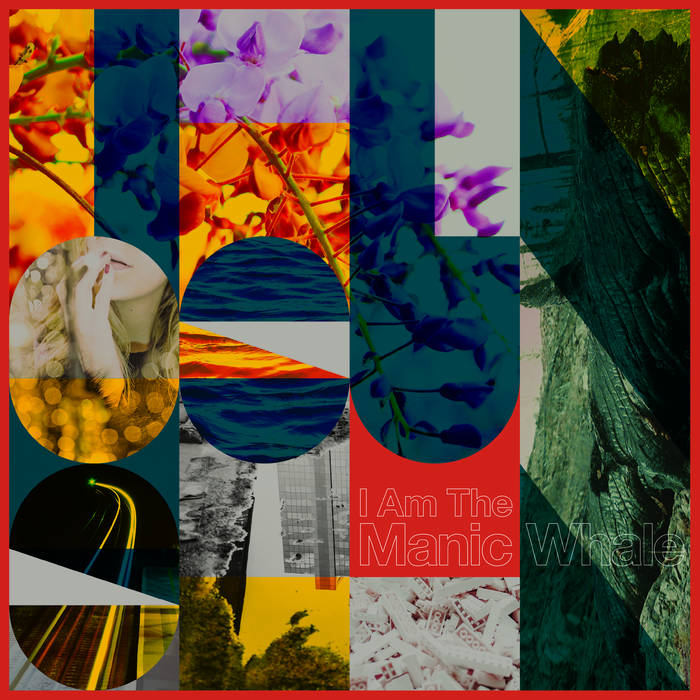
I Am the Manic Whale, Things Unseen: I remain blown away by the energy, humor and sheer delight these young British proggers bring to their story-songs; this third album sounds like their best yet, with crystal clear production by Rob Aubrey. There’s wickedly cheery satire in “Billionaire” and “Celebrity”, a brooding, atmospheric trip to Narnia in “The Deplorable Word” and unbounded delight in the gift of children in “Smile” and “Halcyon Days”. Not to mention IAtMW’s very own train song, “Valenta Scream”, laying down a challenge to Big Big Train with (in my opinion) the best lyrical simile of 2020: “Making it look so very easy/Eating up the distance like a cheese sandwich.” Really. (Check out their free compilation of covers and live-in-studio tracks, Christmas Selection Box on Bandcamp, too.)
Kansas, The Absence of Presence: A real leap forward for a revitalized band; appealing melodies, heady complexity and breathtaking power unite for maximum impact, and it’s a joy to hear all the way through. Each band member has upped his game multiple notches — David Ragsdale, Zak Rivzi and Rich Williams peel off one ear-catching riff and solo after another, Ronnie Platt sings with smooth, soaring power and commitment (evoking Steve Walsh while being utterly himself), and I could listen to Billy Greer and Phil Ehart’s rolling, tumbling thunder all day. New keyboardist Tom Brislin is the perfect match for this line-up, dishing up just the right lick no matter what’s required — pensive piano intros, crushing organ and synth riffs, lush textures, wigged-out solos, you name it. Stir in a new level of collaboration in the writing, and you get Kansas unlocking a new level of achievement, making excellent new music more than 40 years after their initial breakthrough. Recommended without hesitation.
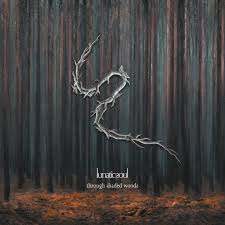
Lunatic Soul, Through Shaded Woods: The perfect Hero’s Journey for this frustrating year. Mariusz Duda’s latest holiday from Riverside’s post-prog heads straight for Mirkwood — ominous, lowering music, echoing the colors and contours of Slavic and Scandinavian folk. Playing all the instruments (frenetic acoustic strums; decorative baroque keys; tasty metallic riffs and electronica accents; unstoppable primal percussion) Duda penetrates the heart of his melancholy, only to discover his greatest obstacle: himself. At which point “Summoning Dance” pivots, echoing Dante lyrically as it turns toward the soul-easing finale of “The Fountain.” Imagine Bela Bartok and Jethro Tull collaborating on a sequel to Kate Bush’s “The Ninth Wave,” and you’ll have some idea of how unique and special this album is. (The bonus disc — currently only available as a Bandcamp download link above and as a Polish import — is essential listening too, especially the hypnotic minimalist epic “Transition II.”)
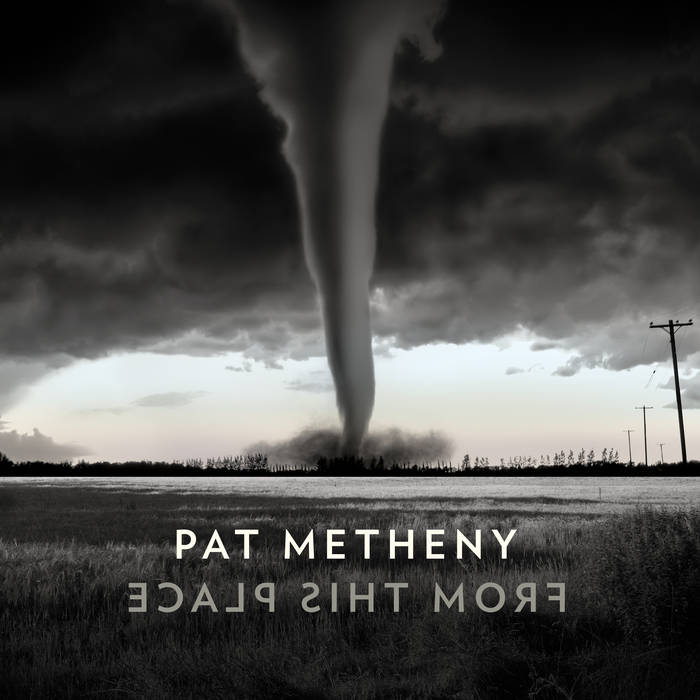
Pat Metheny, From This Place: State of the art jazz composed and performed at the highest level, this is a unified work of formidable emotional range and intelligence: instantly accessible, inescapably substantial — and above all, incredibly moving. Metheny, pianist Gwilym Simcock, bassist Linda May Han Oh and drummer Antonio Sanchez ride the exhilarating ebb and flow of ten new tunes, their rich interplay locking together with sumptuous orchestral overdubs for awe-inspiring, high-intensity results. From This Place communicates like mad; confronting knotty, pensive questions of culture, identity and hope, it’s also a deeply satisfying culmination to Metheny’s career-long pursuit of transcendence — music both of its time and potentially timeless, gripping at first acquaintance, deepening its impact with every further listen.
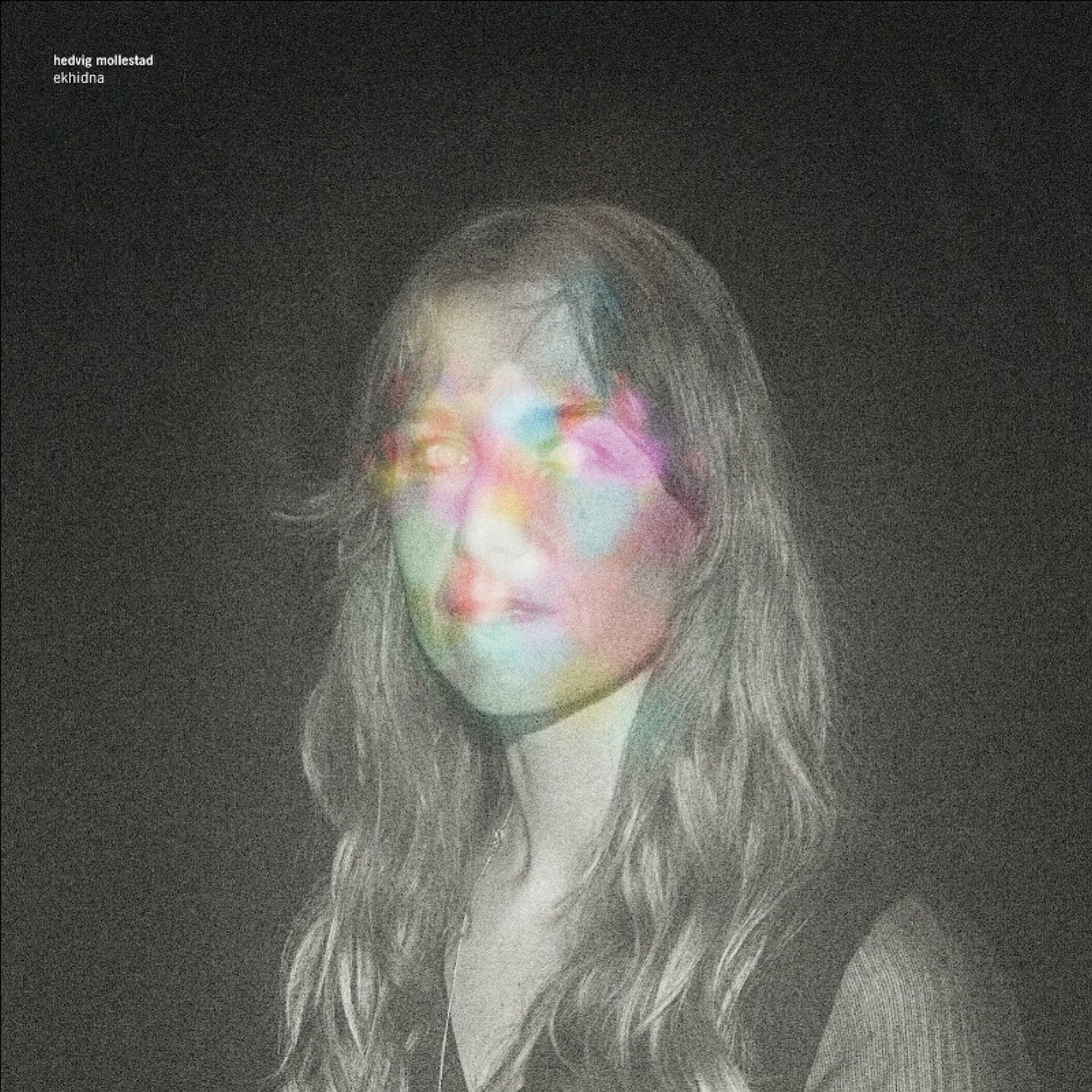
Hedvig Mollestad, Ekhidna: The Norwegian guitarist takes her incandescent blend of heavy rock and avant-garde jazz to the next level, triumphantly meeting the challenges inherent in writing for a bigger band and a broader sonic palette. Ekhidna is a bracing blend of tumbling rhythms, killer riffs and brain-bending improv that goes down remarkably smooth, but leaves a fiery aftertaste. Writing for an accomplished sextet of players, Mollestad’s new music doesn’t avoid the expectations raised by its evocation of Miles Davis’ Bitches Brew, sometimes confronting classic genre strategies head-on, sometimes blithely subverting them. Named for the she-dragon of Greek mythology (also called “the mother of all monsters”), this album is monstrous in the best sense — a musical rollercoaster ride suffused with heat, light and heart, recombining the raw materials of jazz-rock and extending its reach into realms of vast new potential. A real breakthrough, and Mollestad’s best effort to date.
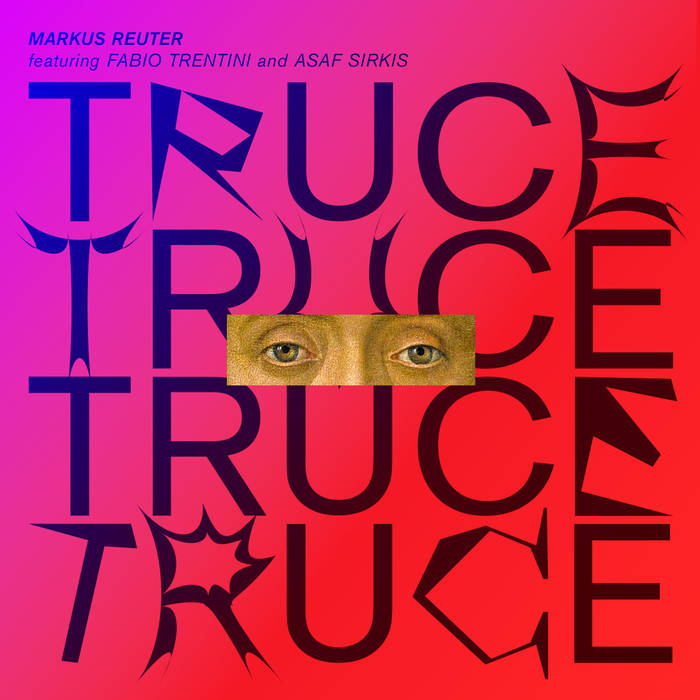
Markus Reuter, Fabio Trentini and Asaf Sirkis, Truce: Utterly bracing, a cold slap in the face that kicked off 2020 in the best way possible. Recorded live in the studio on a single day by touch guitarist Reuter, bassist Trentini and drummer Sirkis, this is the unfiltered, mind-boggling sound of three virtuosos throwing caution to the winds and just going for it. From start to stop, the music they make is unbeatably heavy, head-snappingly varied, and vividly compelling — whether on the searing stomp of a title track, the brutal mid-tempo funk of “Bogeyman”, the abstract balladry of “Be Still My Brazen Heart”, or the Police-ified dub freak-out of “Let Me Touch Your Batman”. Listening to Truce is an hour-long thrill ride with tons of substance to chew on — one you need to experience for yourself, more than once.
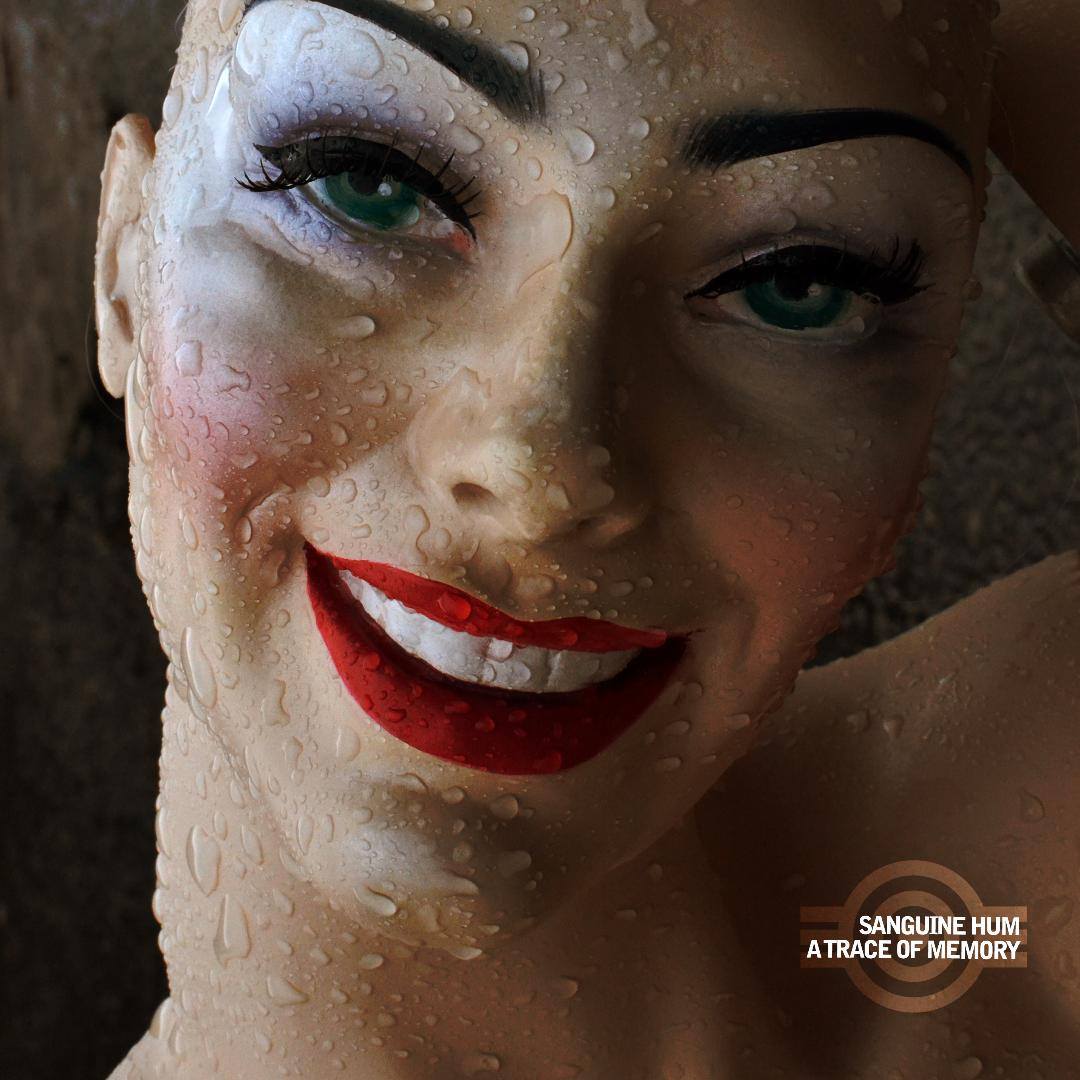
Sanguine Hum, A Trace of Memory: Rarely does eccentricity sound so graceful as in the hands of Joff Binks, Matt Baber and Andrew Waismann. Sequenced as a seamless whole, the seven tracks on A Trace of Memory trace a playful trajectory; no matter the giddy succession of off-kilter riffs, the complex counterpoint of Binks’ guitar and Baber’s keys, or the intensity of the musical climaxes, the ebb and flow is consistently welcoming, yet always subtly stimulating. Freed from the broadly goofy, conceptual conceit of Now We Have Light and Now We Have Power, Binks can explore a more allusive lyrical style and spare melodic lines that soar instead of patter; less is definitely more in this context. Sanguine Hum has hit new heights here; listening to this album is like watching clouds travel unhurriedly across a clear sky, and it makes me smile every time. In 2020, this may be the closest you can come to hearing the harmony of the spheres.
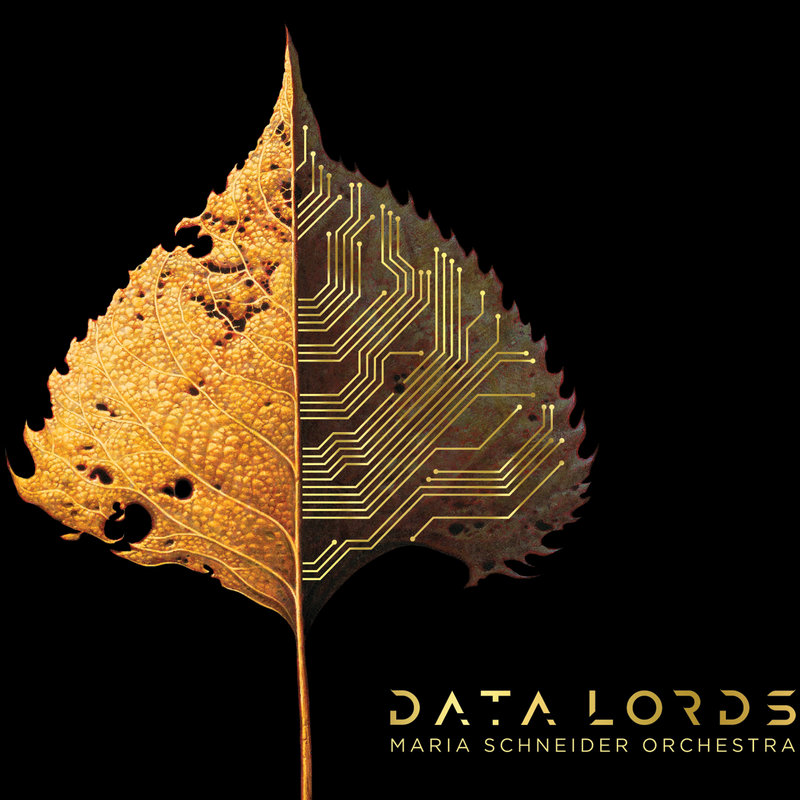
Maria Schneider Orchestra, Data Lords: There’s no question in my mind that composer Maria Schneider (based in jazz but embracing musical terrain beyond category) and her orchestra have reached a new artistic pinnacle on this album. Conveying both the bleak potential of online life blindly lived and the bounteous beauty of the life around us we take for granted, Schneider conjures up slow-burning tone poems that, as they catch fire, blaze with fear and dread — but also with hope and joy. Throughout there’s a symphonic sweep, a supple rhythmic foundation and a seamless flow of inexhaustible melody; Schneider’s compatriots inhabit and animate her music with dedicated unity and thrilling improvisational daring; and the high-definition sound lovingly unfolds all of the music’s sophisticated, profoundly moving beauty with breathtaking clarity.

Secret Machines, Awake in the Brain Chamber: Way back in 2004, Secret Machines’ Now Here Is Nowhere was one of that year’s most compelling albums, a ferocious collage of droning space-rock riffs, rampaging Zeppelinesque grooves and unsettling, dystopian lyrics. A stalled major-label career and a revolving door of personnel dissolved the band’s momentum, capped by guitarist Benjamin Curtis’ passing in 2013 — but somehow, this magnificent beast is back. On Awake in the Brain Chamber, brother Brandon Curtis writes the songs and supplies keys, guitar and bass (as well as his patented, heartbroken vocal sneer) while drummer Josh Garza fills all available frequencies with his customary thunder. Whether they’re uptempo sprints (“Dreaming Is Alright, “Everything’s Under”), widescreen ballad-paced crawls (“3, 4, 5 Let’s Stay Alive,” “So Far Down”), or determined drives into the middle distance (“Talos’ Corpse,” “Everything Starts”), these eight taut, sharp tracks hit the sweet spot between hard rock and modern-day psychedelia — tight, mesmerizing, absolutely exhilarating. This one will get your blood flowing.
Bruce Springsteen, Letter to You: As his career trajectory flared, climbed, peaked, then settled into the long tail of legacy-rock stardom, Springsteen never really stopped exploring his core concerns: the ins and outs of freedom and community, their costs and their consolations. The good news here is that Letter to You digs deeper, pondering the price of escape, love, friendship, loss, grief and jubilation, remembering friends now dead, reviving songs once abandoned. When Bruce has something big to write about, he can cut straight to your heart, even from a secluded home studio in deepest New Jersey, and he’s done it again here. With the E Street Band on fire behind him, Letter to You could be the basis of a tour to top them all for Springsteen; but even if that never comes to pass, this album is something special, a hard-rocking reminder that yes, our days on this earth are numbered — but also that love is strong as death.
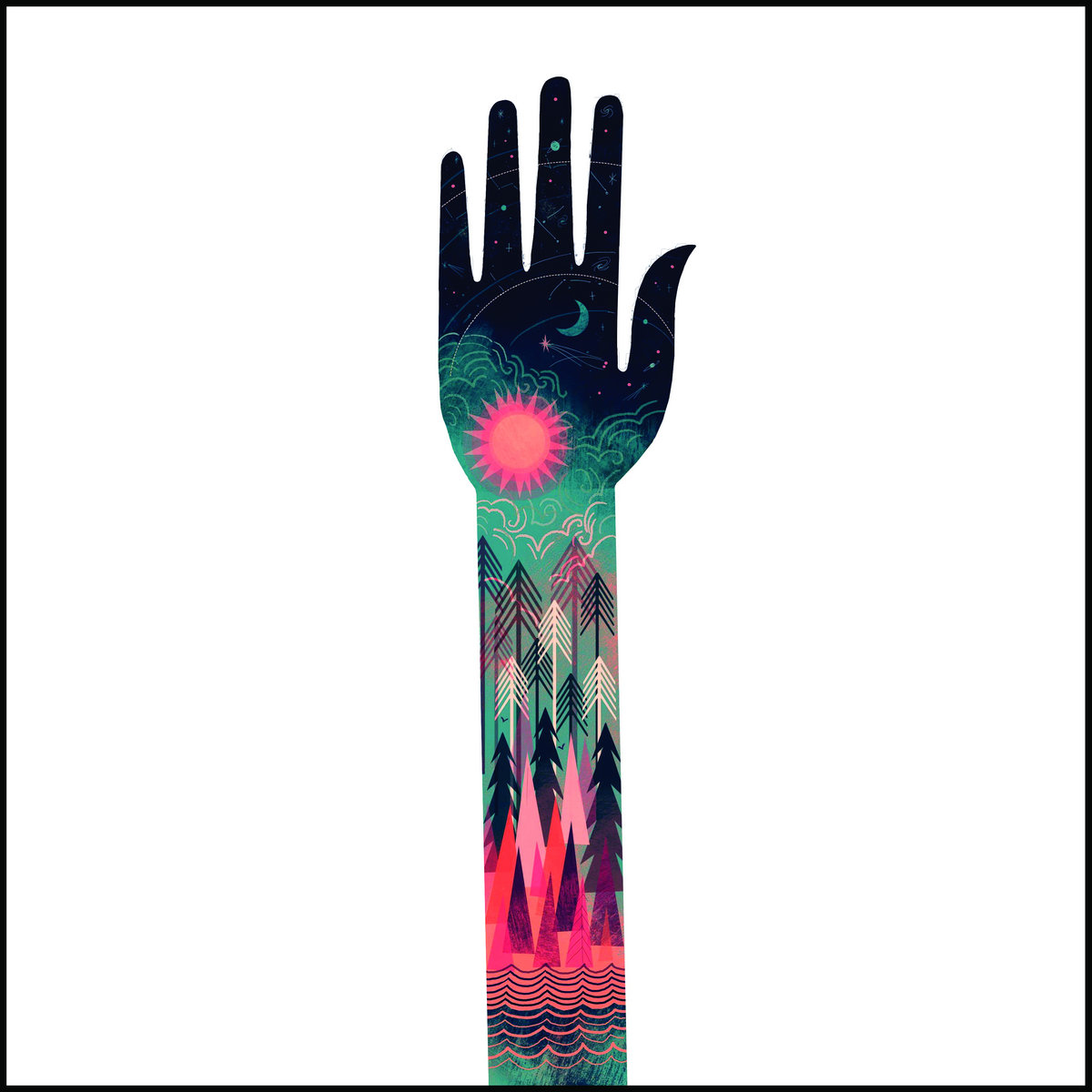
Three Colours Dark, The Science of Goodbye: This new collaboration between vocalist Rachel Cohen (Karnataka, The Reasoning) and keyboardist/guitarist Jonathan Edwards (Karnataka, Panic Room) proves elegant, introspective and strangely irresistible; there’s brooding power to the music and a darkly compelling lyrical vision to match. Lured by Edwards’ lush, disconcerting settings into Cohen’s brave, quietly harrowing narratives of pain, bewilderment, and self-doubt, you wonder how you’ll make it out — which makes the album’s cathartic finale even more delicious. From claustrophobic onset to the inspiring end, The Science of Goodbye rings true as both testimony and art, as Three Colours Dark follow the light that seeps through the cracks in everything to a new day.
and my favorite new album of 2020 . . .
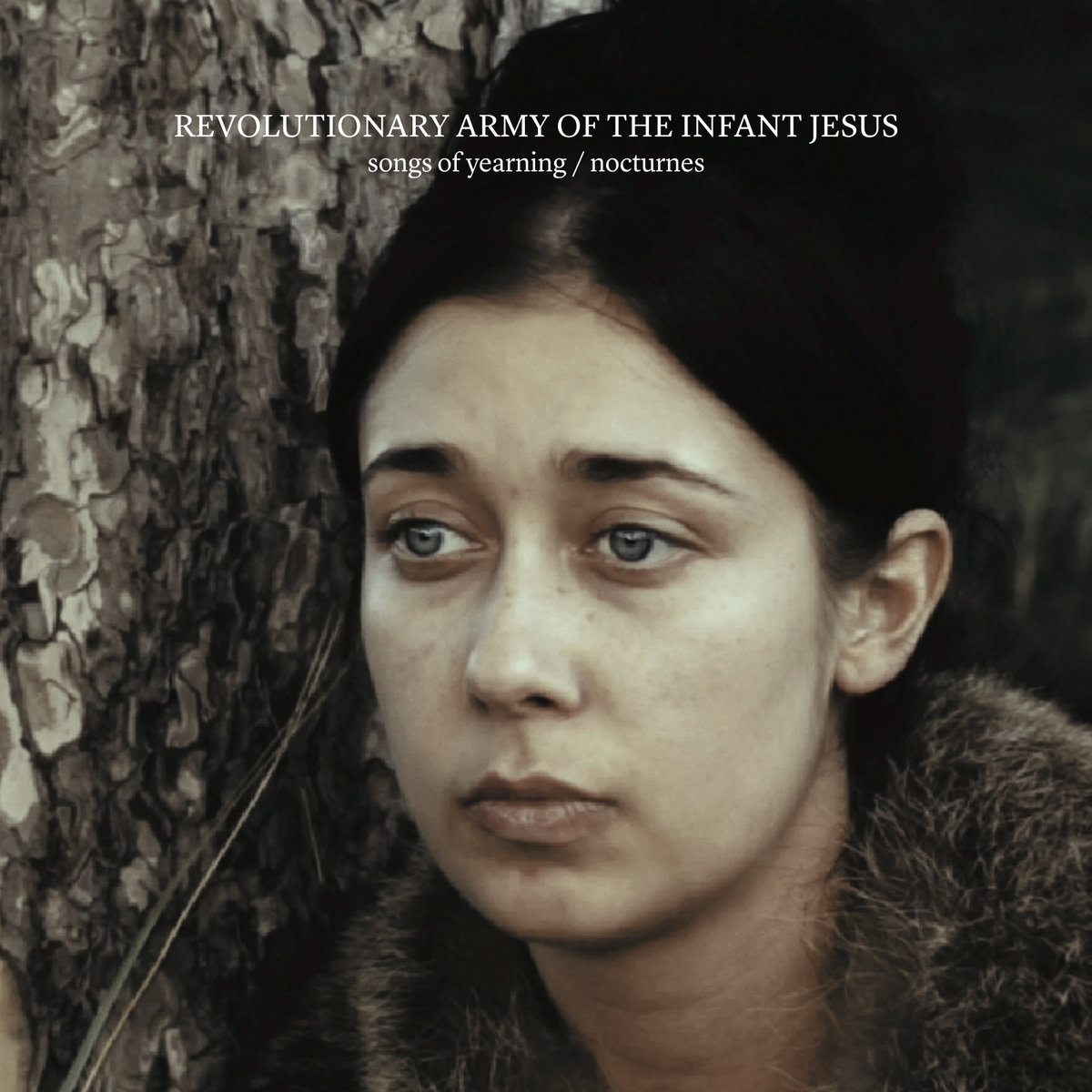
Revolutionary Army of the Infant Jesus, Songs of Yearning/Nocturnes: I have never before heard anything quite like this album, and found myself returning to it all year. This loose creative collective from Liverpool has pursued “echoes of the sacred” across three decades, striving to access sonic space where transcendence can invade a stiflingly measured-out world. Songs of Yearning and the limited bonus album Nocturnes (still available as a pair at Bandcamp) both stake out new territory where rumors of glory can run; brimming with rough-hewn beauty and deep mystery, pairing audacious scope with quiet, insistent appeal, this music is primal and postmodern in the same eternal instant. As the idols of prosperity and progress continue to totter around us, RAIJ’s latest feels like genuinely good news — a sacramental transmission from, then back to, the heart of creation.
— Rick Krueger
 Progarchy
