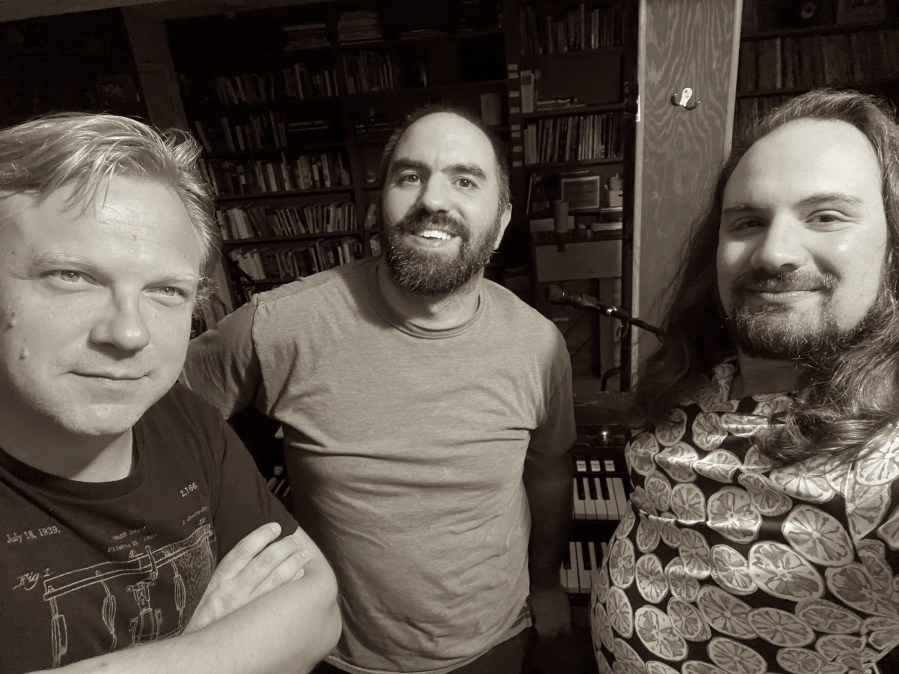
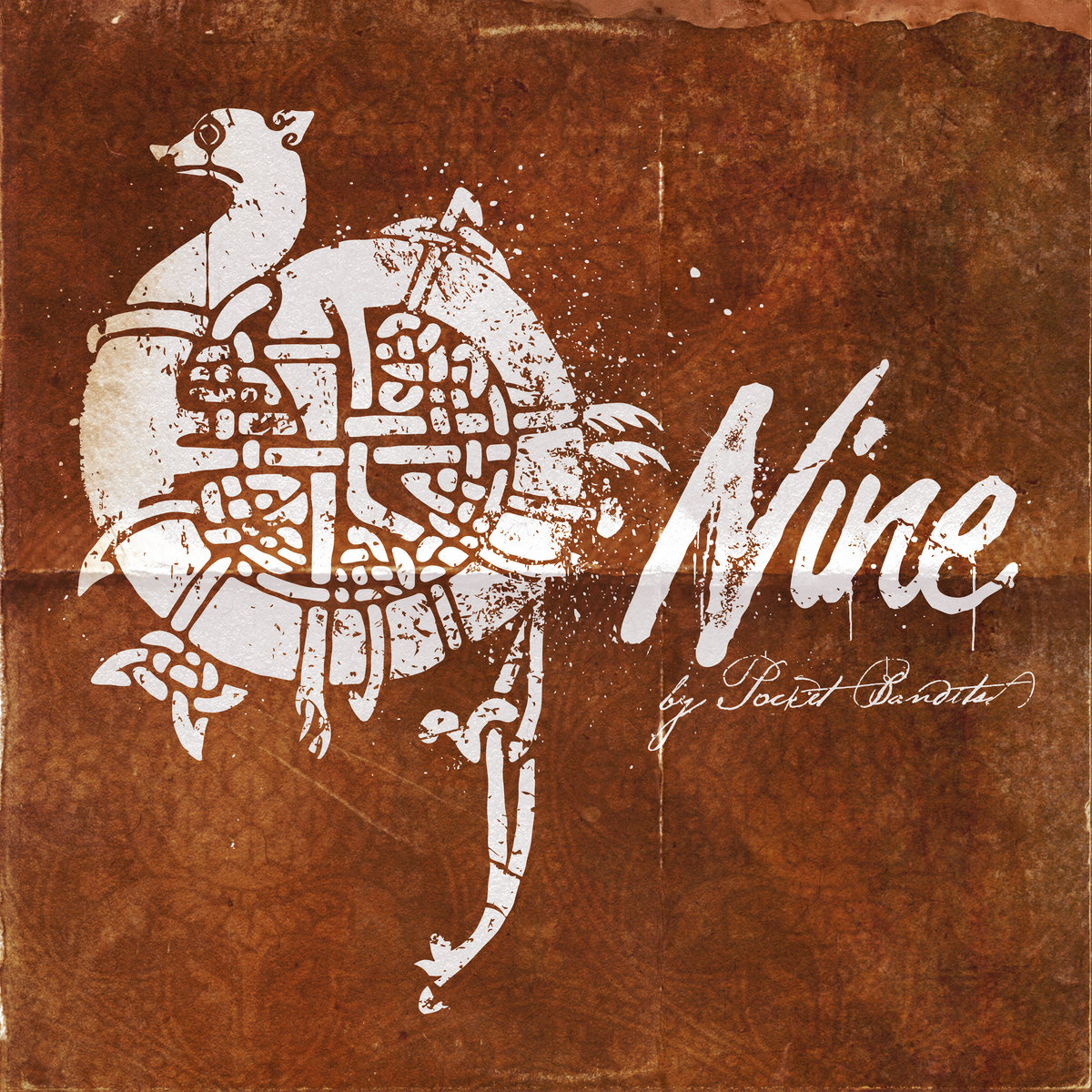
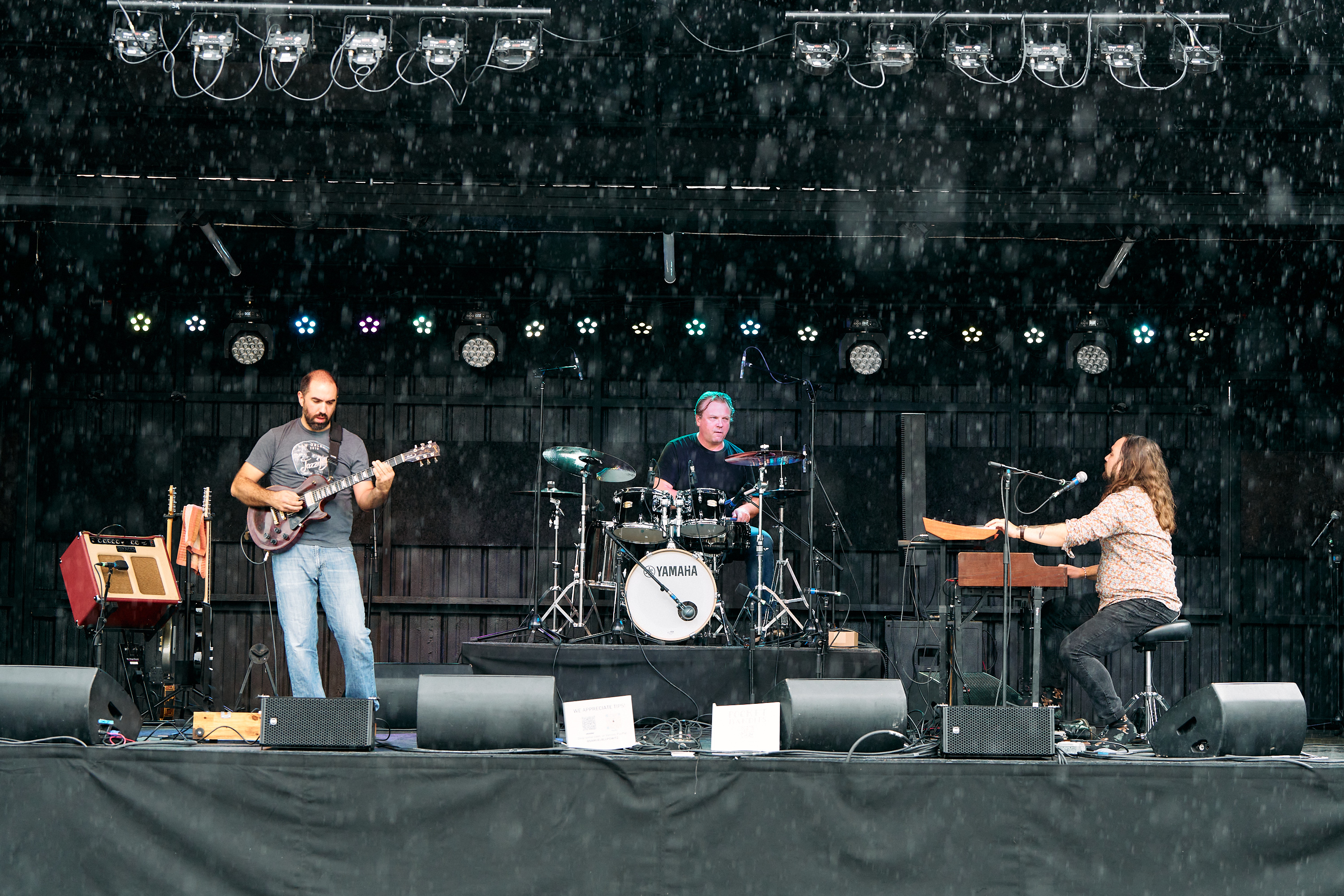
New York-based progressive fusion trio Pocket Bandits are on the verge of launching their full-length debut album titled Nine. The nine-tracker is full of adventurous, improvised, but also calculated musical elements that as a whole work splendidly well. The members of the band—Simon Bjarning (drums), Samuel B. Lupowitz (organ), and Joe Massa (guitars)—speak for Progarchy about the upcoming release, inspiration, influences, and more.
“Nine” is your debut album—what’s the story behind its creation, and why did you choose the title “Nine”?
SAM: We were into the idea of doing a retro-sounding, not-quite-self-titled debut, something like With the Beatles or Ladies and Gentlemen: The Rolling Stones. I think Simon suggested By Pocket Bandits, and when we thought about what was by Pocket Bandits — an album? A bunch of songs? Nine songs! — we wound up with Nine by Pocket Bandits.
SIMON: We all have a love for the Beatles and since there are nine tracks on the album, we also decided to make a reference to “Revolution 9” from the White Album.
Your sound is described as a modern twist on the old-school organ trio. What inspired you to explore this format, and how do you make it your own?
SAM: One of my musical heroes, John Paul Jones from Led Zeppelin, once said he learned to cover bass parts while playing keyboards so he could switch instruments without having to worry about “some bass player” messing him up. I work as a keyboard player 90% of the time these days, but I love playing bass, and I was really inspired by the challenge and the liberation of covering both. Joe was the one who had the initial idea to put an organ trio together; he’s a big fan of Eric Krasno and Soulive, and Simon came into the fold with a real love of three-piece bands of any instrumentation. But I think early on any attempts to play “traditional” jazz organ trio music went by the wayside; we just kind of play and write what we like and make it work with this instrumentation, which winds up sounding pretty far from, say, Jimmy Smith or Delvon Lamarr.
Each of you brings a distinct musical background to Pocket Bandits. How do your individual experiences shape the band’s sound?
SAM: I think spending the majority of my musical life accompanying vocalists and writing lyrics has been a huge influence on how I approach playing in an instrumental ensemble. As much as we like to write complex, unexpected, intricate music, we also prioritize melody and arrangement. We want you to be able to sing and dance to our music as much as if there were vocals.
SIMON: We are very open to how each member plays, and we immediately explore our own sounds to be a good fit.
Can you walk us through the creative process for a song like “The Pocket Bandit” or “Second Drink”? Where do you start, and how do the tracks evolve?
SIMON: “The Pocket Bandit” was actually quite simple. I wrote a bass line – almost making the riff the melody. It’s a funny little tune and I had no idea what to call it so the working title became “The Pocket Bandit” and it stuck 🙂
SAM: As collaborative as the end results wind up being, all three of us are pretty self-sufficient as composers. Generally one of us will bring in a demo with the tune and arrangement (with at least rough examples of the full instrumentation). Once we get in a room together, our natural personalities tend to color in the black-and-white outline of the demo, even if the tune is mostly written already. Often one of us will start filling in melodies or extra hooks that become a crucial part of the song, but if you listened to Joe’s pandemic-era demo of Second Drink, most of what’s on the record is there, at least in an embryonic state. You’d miss a couple of things though — like, imagine “Come Together” without Paul McCartney’s bass part. It’s not the same tune, even though, technically, it is.
Simon, you’ve performed with everyone from Evanescence to symphony orchestras. How does your background in classical and rock influence your approach to drums in Pocket Bandits?
SIMON: Yeah, it’s been a fun and diverse ride for sure. Those gigs were Livenation gigs, and I performed with bands like Evanescence and others as a percussionist. The thing (one of many) I love about Pocket Bandits is that I’m kind of leaving the idea of genre behind. Of course, we’ll have approaches as we work on tunes, but most of the time, I’m just letting my ears guide my hands and feet.
I guess my background spoke louder years back, but as I’m getting older – in my case anyway – I’m becoming more my own player and actually liking what I do, haha. I grew up in Copenhagen, Denmark, and as it is over there as well as here, there’s a bit of pigeon holing going on in regards to being a jazzer or a rocker or a classical player. I’ve always been a little bothered by that, so maybe unintentionally I’ve never thought I was one type of player. I do, however, try to stay inspired, listen to my own sound, develop that, and discover new recordings or check out videos on YouTube, etc. I’m sure that there’s a pattern somewhere that reveals the true nature of my background, hahaha. Some days I listen more to heavier styles, some days it’s more jazz, and I have my classical periods as well.
Sam, as the Hammond organist and multi-tasker juggling basslines, melodies, and harmonies, how do you balance the demands of your role in the trio?
SAM: it’s been an exercise in balancing what comes naturally to me with how far I can push my chops. As an organist and as a bass player, I have strong opinions about what I would want each instrument to do on its own, and I will hit the woodshed until I’m able to execute those independent parts together. That said, the most important thing is that the music FEELS good. As much as I want my left hand (and foot) to be James Jamerson, and as much as I want my right hand to sound like Billy Preston or Cory Henry, it’s also been educational to learn that sometimes less is more. Being crafty and finding ways to play the two roles in a way that locks together rhythmically, rather than trying to integrate two independent parts, has made for some slicker arrangement choices that sit in the pocket better than when I’m trying to force it too much.
Joe, your electric guitar work on the album is described as vibrant and intense. Who are your biggest influences, and how do you approach your tone and phrasing?
JOE: Influences include but are certainly not limited to: Larry Carlton, George Harrison, John Frusciante, Eric Krasno, John Scofield, Andy Summers.
The biggest factor in approach is not having to account for a vocalist so it’s important to keep a balance between creating interesting and captivating melodies and making sure all the chord changes/harmonies are covered. Being an instrumental group also opens up some more options when it comes to composition as well, both from a structural and melodic standpoint and it’s a fun challenge to walk the balance of pushing the envelope while still trying to be as accessible as possible.
You’ve mentioned being inspired by bands like Soulive and Snarky Puppy. What elements of their music do you admire, and how do you incorporate those influences into your own compositions?
SIMON: Those guys are so good! The inspiration no 1:-). As a drummer, I use the energy and the jazzy and gospel-like elements to stay inspired. I pay attention to where Sam and Joe are going and I structure my parts around what they’re doing, leaving room for improv, in the same fashion as SP and Soulive.
SAM: We love complex music that makes you dance! These bands have chops and progressive ideas for days, but it’s always the groove that grabs your attention first.
The album closes with “The Sidler,” a jazzy and bombastic track. What was the inspiration for that piece, and how do you approach the challenge of ending an album with such a bold statement?
JOE: I honestly wrote this song with the intention of using it as an album closer. I had written the outro separately from the first part of the song and once I put the two sections together, it came out pretty seamlessly.
SAM: This was definitely the song we put the most extra studio production into — more layers of guitars, keyboards, and percussion than we have access to live as a three piece. Playing “Sidler” live has forced us to be really thoughtful about dynamics and textures, making sure we really let it build gradually and not peak too early. We certainly kept that concept in mind for the studio, but being able to build in extra parts and utilize some different instruments to expand the orchestral palette really helped us intensify the build.
Beyond your original compositions, you’re known for unique covers of artists ranging from The Beatles, Steely Dan to Super Mario Brothers. How do you choose which songs to reimagine, and what do you hope to bring to those renditions?
SIMON: My approach is usually “Hey, I like this tune. Should we cover it?” Nothing deeper than that on my end. We cover Life On Mars as well as Kid Charlemagne. Those are very far apart stylistically, but they have in common that they are really great tunes. That’s a big draw for us.
SAM: We just want to have fun! We love to choose songs that get a little “aha” from the audience, especially songs that land in an interesting way without lyrics or vocals. I think music from video games or movies or TV would be harder to integrate into a band with a singer, but the themes from Succession or Super Mario 64 are familiar in a different way than what might come up on a Spotify playlist. And I don’t think people generally expect three white guys around middle age to bust out contemporary pop tunes, and while our audiences have been very receptive to our more challenging music, I love to feel the lift from the audience when we hit the chorus of a Chappell Roan or Billie Eilish song. And sometimes our song choices are just about a power move. We can cover Kid Charlemagne because Joe can crush the guitar solo. We can bust out Kashmir because we can give it the weight and grandeur that it requires without it feeling like an underwhelming bar band version (and I don’t have to try to sing or dress like Robert Plant). We like to flex those muscles! We’re in a weird, challenging time for live music, and I think we all want to make sure we deliver freshness and surprise while still being inviting, rather than alienating.
How has the Central New York music scene shaped your journey as a band, and how do you see your music reaching audiences beyond the region?
SAM: Joe is born and raised in this area, his father is also a musician, so he knows this scene well. Simon and I both moved to this area from other parts of the world in the last decade or two, and I think we both love the opportunity and diversity of musicians and styles we’ve connected with. Pocket Bandits seems to fill a musical niche that’s different than a lot of other things going on in our area, but it’s also engaging and (to my surprise and delight) accessible to people stumbling across us at a bar. But part of the appeal of this project has been that it’s a little easier to pack up and go — we’ve all got families and extramusical commitments, but we all want to get out there and play for as many people as possible, and I’m hoping some jazz and progressive rock festivals, along with breweries and other small indie venues, will take to us too, as we begin to book gigs in support of Nine by Pocket Bandits.
Your live performances are clearly a big part of your identity. What do you think makes a Pocket Bandits show special and memorable for your audience?
SAM: I think it’s our chemistry, that we’re having a great time seeing where the music is going to take us. I think that joy is infectious. These guys make me play better, and I’m always as excited as anyone to see what’s going to happen when we get going!
SIMON: I think our focus on musical diversity and our striving towards virtuosity. And to put smiles on people’s faces. Positive energy is important to us.
The pandemic played a role in forming Pocket Bandits. How did that period of reflection and limitation influence the band’s vision and music?
SAM: Joe and I had been playing together in multiple bands nonstop for so many years, and I think the two of us were just dying to get back to playing together after this sudden, unplanned hard stop. With all the challenges around lockdown and people taking care of their families and the other life changes that came with Covid, something small and low maintenance (with no vocals, you don’t even need a PA system) made sense. It just felt more manageable to try for something more intimate than the seven-to-ten-piece bands with horns and a bunch of vocalists we’d been working in. And the downtime meant Simon was available, and we’d been admiring his playing in the region and hoping for a chance to work more closely with him.
But all that said, the stress and anxiety of that time did make it challenging for me to rise to the occasion of covering organ and bass on this very complex music. It was a couple of years of casually working on music as a trio before I felt I could get it together to really commit. After those first few variant waves were past us, we really hit the ground running with writing and gigging.
Funk, jazz, progressive rock—your music spans multiple genres. How do you strike a balance between these influences while staying true to your sound?
SAM: Honestly, I think it’s just what comes out when we play! We’re all heavily inspired by those genres in different ways, and it all becomes part of the stew. It feels authentic because it is authentic — not a lot of thought about “is this too jazzy, is this too aggressive.” It’s just what we like and what we do!
What’s next for Pocket Bandits after the release of “Nine”? Are there plans for touring, new music, or other projects in the works?
SAM: We’re not looking to hit the road for months at a time, but we’re trying to travel around the northeast US and beyond as much as we can, anywhere that will have us. It’s always a challenge getting a new ensemble off the ground, but with this album out in the world, we’re really looking forward to playing for as many people in as many places as possible. And we’re always writing, so I don’t think it will be very long until the next record is underway!
Pocket Bandits’ Nine is out on January 24, and is available for pre-order on Bandcamp. For more about Pocket Bandits, visit their website. Follow the band on Facebook and Instagram.
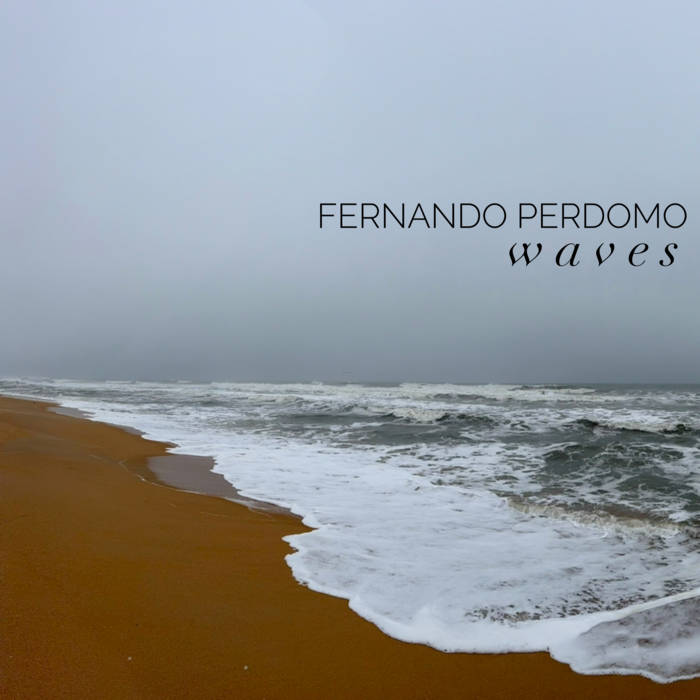
HAPPY NEW YEAR! HAPPY NEW ALBUM! This is ‘Waves’- the beginning of my Waves 1-12 series which is the successor of my critically acclaimed ‘Out to Sea’ 1-4 series.
I will be doing something unheard of … 12 Waves albums in 2025! One out on the first of every month. Each with a gorgeous cover by Former Crosby Stills and Nash, Robert Palmer, and Foxy drummer Joe Galdo.
Each album will be available digital or a limited to 50 copies cd autographed by me.
Collect em all … This is the best instrumental prog music I have made since Out to Sea.
All records will be 10 songs long and mastered by Zach Ziskin.
Happy New Year and let’s make Waves in 2025.
On first hearing, Waves 1 is a beautiful, subtly thrilling album, great fun to listen to whether you actively enjoy it or bliss out in its delectable aural atmosphere! Order it from Bandcamp here, or sample it below first:
No big hoo-hah this year: just a down and dirty list of my favorite releases and reissues of the year, covered in previous Quick Takes or elsewhere on the Web (links are to my original articles)!
Bruce Hornsby, The Way It Is; Scenes from the Southside; Harbor Lights; Here Come the Noisemakers (live); Intersections 1985-2005 (box set); Solo Concerts (live). See my appreciation of Bruce’s career here!
Thanks for your ongoing attention and steadfast support. We at the Rockin’ Republic of Prog appreciate it! Best wishes as we all turn the corner and head into the New Year!
The end of the year is a great time to look back at all the best new music we have discovered in the preceding months. But December’s homestretch is a particularly exciting time. The whirlwind of solstice celebrations presents us with many additional opportunities to discover overlooked albums.
One of my favorite finds during the past few weeks has been Richie Kotzen’s fantastic Nomad album, which I somehow missed earlier in 2024 (despite being a big fan). I’ve been playing it repeatedly as the year closes out. It’s rocketed onto my top ten list, but more on that later.
For the moment, I wanted to mention a cool album from a couple of years ago that I’ve just now gotten into. Clear your headspace and get ready to discover strange new worlds with this little gem from Mi’ens (pronounced “mittens,” but of course with the requisite accent):
Mi’ens is a mathy noise rock duo from Vancouver, Canada, founded in 2012. Experimental, with a side of sparklepop. Mi’ens is the female-fronted shredding of Kim Glennie on guitar/loops/Moog, backed by the polyrhythmic blastbeats of Evan Heggen on drums. Their unique brand of math noise consists of live loops, layered textural guitar and effects, the warm, analog drone of the Moog, coupled with well-placed vocalizations, all atop breakneck beats. Mi’ens veers into the territory of art rock/post rock on their latest, Future Child, a follow up to 2017’s Challenger, their 2014 LP experimentalsparklenoisepop and the 2013 demo EP Mi’ens. Mi’ens has toured the US, UK and Canada, and has opened for Tera Melos, Elephant Gym, LITE and Drug Apts.
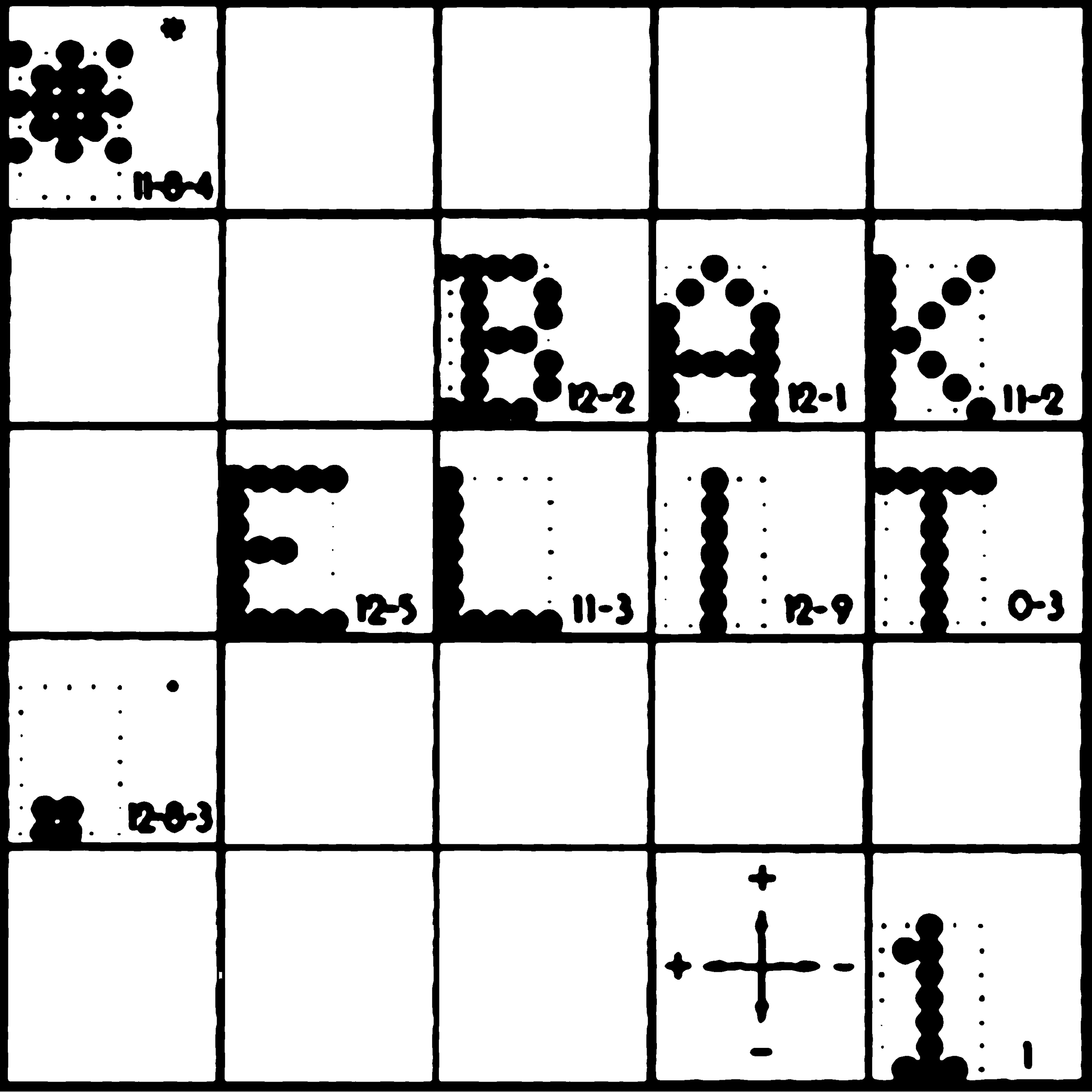
Swedish keyboard maestro Carl Westholm, known for his work with Carptree, Candlemass, and Avatarium, has launched his latest venture, Bakelit, with the release of their debut album, Asleep or Insane. This project merges the atmospheric depth of progressive rock with the experimental edge of electronic art rock.
In this exclusive interview, Carl shares insights into the creative process behind Bakelit, the challenges of going solo, the inspiration behind their music, and what fans can expect next from this new project.
Carl, you’ve been involved in many iconic projects like Carptree, Candlemass, and Avatarium. What inspired you to create Bakelit, and how does it differ from your previous work?
This project actually started with an ambition to create something entirely on my own, without involving anyone else. Over the years, I’ve had a folder on my computer filled with songs that didn’t fit into my other projects. It’s not that I don’t enjoy collaborating with other musicians—I do—but sometimes, it’s refreshing to try something different.
At first, I wasn’t sure where this would lead, but as the project evolved, I realized some songs needed input from others—like drums, guitar, and lead vocals. That’s when I reached out to some trusted friends and collaborators from my past projects. Although the songs were already written, their contributions elevated the music to a whole new level.
The songs for Asleep or Insane have had a long journey. Could you share more about how they evolved into their final versions?
The earliest versions were purely instrumental, featuring only synthesizers, drum machines, and my organ or Fender Rhodes. Occasionally, I’d add bass. Over time, melodies emerged, and I began experimenting with vocal arrangements, but I wasn’t satisfied with the results.
I eventually brought in my friends. Lars played drums while listening to the original drum machine tracks, which gave his playing a unique groove. We decided to keep both layers, and it worked better than I’d expected. Similarly, Öivin and Cia added their personal touch to the lead and background vocals, creating something I could never have done alone.
Bakelit blends progressive rock with electronic art rock. What influenced this fusion, and how do you balance these two styles?
It’s always difficult to pinpoint influences, especially with this project. I’d say the process itself shaped the sound more than anything else. There wasn’t a conscious decision about the final style—it emerged naturally as the songs developed.
You brought collaborators from earlier projects into Bakelit. How did these relationships shape the album?
I gave everyone a lot of freedom. The songs and melodies were already written, but I left the interpretation and attitude up to them. For example, Lars and Ulf approached the drums and guitars entirely in their own way, which added a unique character to the album.
The singles “Coolest Place on Earth” and “Remember Who You Are” introduced Asleep or Insane. Why were these tracks chosen, and what do they represent?
“Coolest Place on Earth” was the first single because we all felt it was the most accessible track, with a catchy chorus while still being a progressive rock song. It’s a bit of a departure for me, but I was happy with the result.
“Remember Who You Are” came next. It’s a heavier song that showcases all the band members’ talents. Honestly, I don’t remember exactly why we picked it as the second single, but it felt like a natural follow-up.
The music videos have received praise for their dreamy, surreal aesthetic. How important is the visual aspect to Bakelit?
Thank you! I wanted the videos to feel dreamy and slightly unreal, but still introduce the band without resorting to the typical “five people playing on stage” setup. It’s another mix of two worlds—visual and musical.
You released Asleep or Insane under your revived label, FOSFOR Creation. Why this choice, and what does it signify?
FOSFOR Creation has been my own label for over 20 years. I started it with Nicas (from Carptree) to release our music independently. It feels good to have control over the process, even though working with a major label might have offered more resources. At this point in my career, it’s easier to rely on my own efforts rather than reaching out to labels for help.
The album title, Asleep or Insane, suggests duality. What themes or ideas run through the album, and how did you choose the title?
I love the duality in the title—it reflects how I often see the world. Sometimes, you’re not sure if you’re dreaming or just going insane. While the album doesn’t follow a specific concept, the songs are connected by this sense of uncertainty and introspection.
Are there specific tracks on the album that hold special significance to you?
“Coolest Place on Earth” stands out for me because I dared to take a different direction, and it worked. It’s a song I’m particularly proud of.
What has the reception been like for Asleep or Insane, and how does it feel to see this project come to life?
I’m thrilled with the reception, especially in the past few days as the number of listeners has grown significantly. Of course, I’d love for more people to discover it, but the positive reviews we’ve received so far are very encouraging.
What’s next for Bakelit? Can fans look forward to live performances or new projects?
Absolutely! Everyone in the band is excited about the idea of performing live, so we’re working on putting together a live act. I also hope to explore more creative projects in the future.
As a seasoned musician, how do you see the evolution of progressive rock, and where does Bakelit fit into it?
Since the album is so new, I still can’t listen to it objectively or place it within the genre’s evolution. Ask me again in a year!
What do you hope listeners take away from Bakelit’s music, especially this debut album?
I hope listeners give the album time to grow on them and experience its blend of progressive rock and electronic music. It’s a fusion of two styles that I think offers something unique.
Asleep or Insane by Bakelit is out now, offering a fresh and innovative take on progressive music. Check it out on Bandcamp here. Follow Bakelit on Facebook and Instagram, and visit their website.
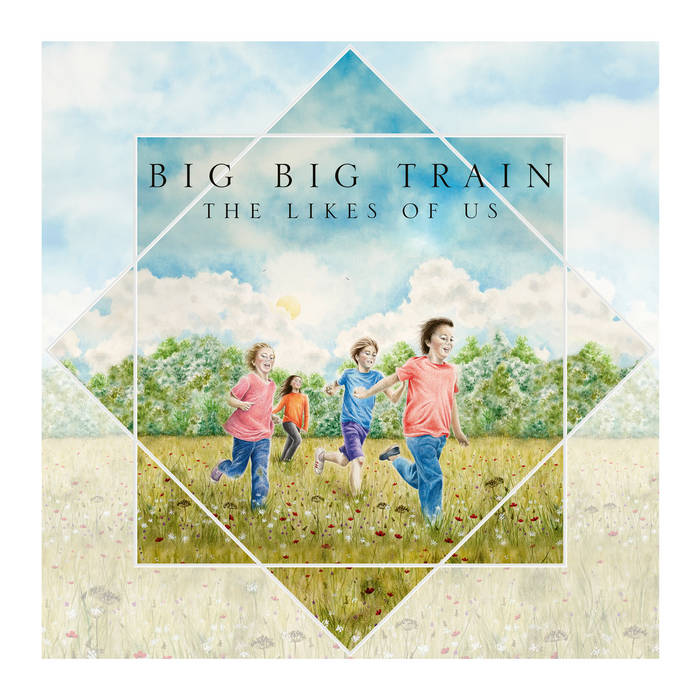
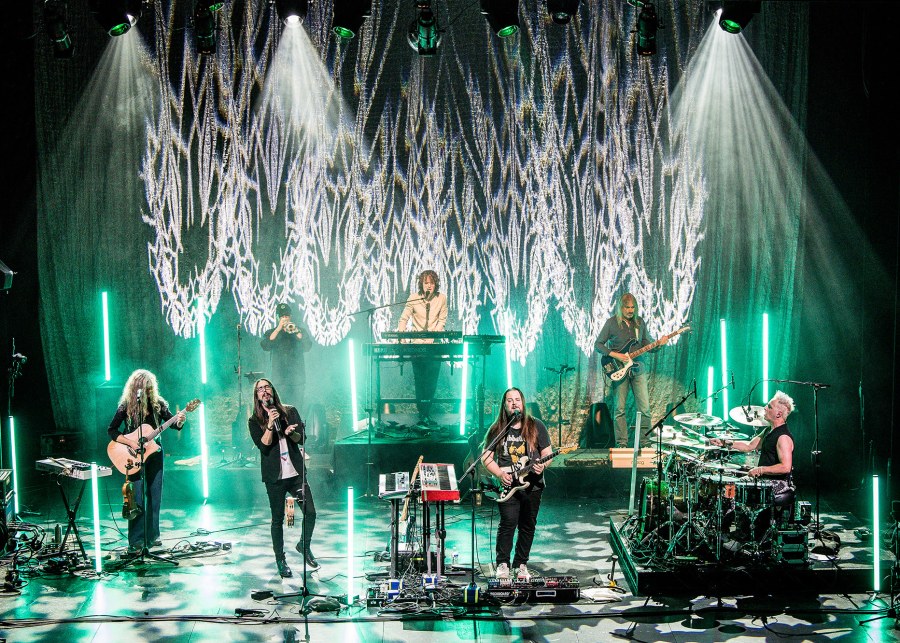
“Big Big Train’s sound is as tight and lush as ever, but it’s also very much a rock show… There’s an edge to their rich textures. An urgency that keeps even the gentlest moments interesting. Almost everyone has a lead-ready voice… Attributes of a band quietly rewriting the rules for what a rock group ‘should’ be. It’s prog rock in excelsis… but always with a song in its heart, even without words. How cool it is that a group like this exists today.” (Prog Magazine live review, November 2024)
From Inside Out/Sony and our good friend Roie Avin:
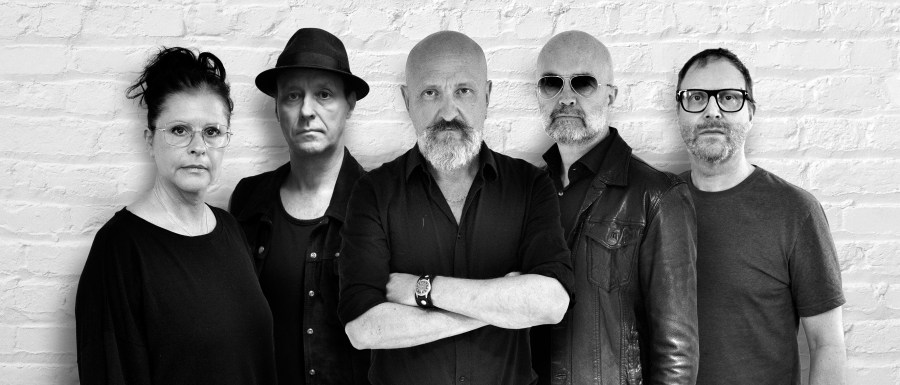
Big Big Train are delighted to announce seven further shows to take place in April 2025 in North America. In addition to returning to the United States (following a successful short run of shows in March this year), the band will also make its debut in Canada, with details of two Canadian shows expected to be announced shortly. The majority of these shows will take place following the band’s co-headlining appearance on board Cruise To The Edge. In addition, Big Big Train will play for the first time in Portugal at the beginning of May at the Gouveia Art Rock festival.
At these performances the seven piece band will be promoting their recent studio and live albums The Likes Of Us and A Flare On The Lens, which were released by InsideOut/Sony in March and September respectively this year to great critical acclaim.
Lead vocalist Alberto Bravin says: “We really enjoyed bringing Big Big Train to the United States for the first time earlier this year and playing to such enthusiastic audiences. We’re excited about returning and playing a mixture of recent and older material. As well as visiting some venues and locations that we played in March this year, we’re also bringing the band to some new areas as we seek to build our profile further. With two nights again in New Jersey, we’ll be varying the set list to some extent as well. Roll on April!”
Drummer Nick D’Virgilio comments: “We had an absolute blast last year playing in the States and on board the Cruise, so we were keen to do a longer run of shows this time around, including venturing north of the border into Canada. We’re taking a step by step approach to North America – if we can make this second run of shows successful, then the next step would be to get further west and south.”
Violinist Clare Lindley continues: “I’m looking forward not only to Big Big Train’s return to North America but also to the band playing for the first time ever in Portugal at Gouveia Art Rock. The festival has a great reputation and we relish the opportunity to add to the list of great bands that have played there over the years.”
Bassist Gregory Spawton says: “Over the last couple of years Big Big Train has really matured as a live band. Since September 2022 we’ve played almost 50 live shows and I think audiences have been able to see and hear how strongly we’ve gelled. This line-up works so well together, both musically and socially, and we’re keen to build on our current momentum.”
Keyboardist Oskar Holldorff adds: “On tour in September and October this year it felt as if we grew as a band every night. Alberto, NDV, Greg, Rikard, Clare and I simply love playing together and we feel we’ve found a real gem in Paul Mitchell, who joined us on trumpet in September and October and will be with us again next year.”
For the balance of 2025, Big Big Train will focus on recording their next studio album, expected to be released by InsideOut/Sony in the first half of 2026.
“We’ve got some great material in progress already for the next Big Big Train studio album,” comments guitarist Rikard Sjöblom. “Everyone has been contributing to the writing process to varying degrees and we’re confident about building on the foundations that we laid with The Likes Of Us.”
The band’s shows in North America and Portugal are likely to be their only appearances in 2025.
BIG BIG TRAIN – LIVE IN ‘25 – THE LIKES OF US IN NORTH AMERICA TOUR
Wednesday 2nd April – Sweetwater, Fort Wayne, Indiana, USA Friday 4th April – Wednesday 9th April – Cruise To The Edge Thursday 10th April – Arcada Theatre, St. Charles, Illinois, USA Friday 11th April – The Token Lounge, Westland, Michigan, USA Sunday 13th April – Electric City, Buffalo, New York, USA Thursday 17th April – Regent Theatre, Arlington, Massachusetts, USA Friday 18th April – Rivoli Theater at The Williams Center, Rutherford, New Jersey, USA Saturday 19th April – Rivoli Theater at The Williams Center, Rutherford, New Jersey, USA
Tickets for all shows go on sale at 10am Eastern time on Friday 13th December. A pre-sale open to the band’s 2025 tour patrons and members of the Passengers Club for all shows (except Cruise To The Edge and the Gouveia Art Rock festival) opens at 10am Eastern time on Wednesday 11th December. Ticket links and Tour Patron information are available at www.bigbigtrain.com.
See you in Illinois or Michigan, fellow Passengers?
Where have the last two months gone? And how many new releases have I enjoyed in the interim? Enough that I’ll be shooting to summarize each one included below in two to four sentences, max! (Though I can’t guarantee they’ll be short sentences.) Purchase/streaming links embedded as usual, so here we gooo . . .
New Music
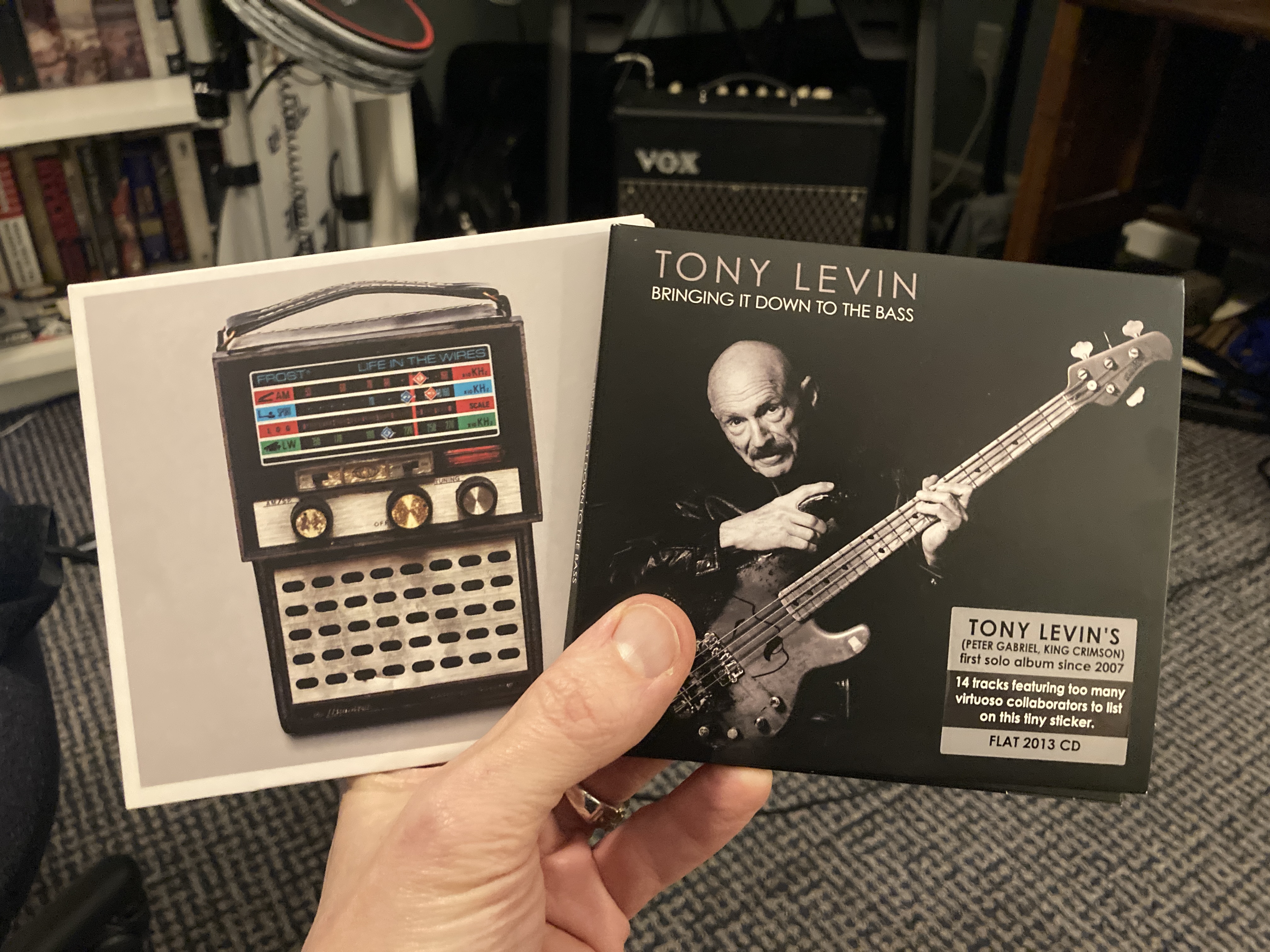
As teased in our October interview with mainman Jem Godfrey, Frost*’s Life in the Wires(listen here) is the conceptual album of a prog fan’s fondest dreams; the storyline is vintage dystopia (1984 meets Who’s Next), the music a full-on sonic assault from the get-go (replete with widdly synthesizer solos). Pitted against the required cybernetic supervillain, in search of freedom out there in the fields, can Godfrey’s protagonist Naio escape permanent lockdown in teenage wasteland? The ultimate answer is well worth the winding journey; powered by the heady backing of John Mitchell, Nathan King and Craig Blundell, Godfrey easily conjures up the equal of previous band high points Milliontown and Falling Satellites.
On his fresh solo album Bringing It Down to the Bass, Tony Levin launches 14 low-end odysseys with (to quote the hype sticker) “too many virtuoso collaborators to list.” But whether proving that “Boston Rocks” with Bowie guitarist Earl Slick and Dream Theater drummer Mike Portnoy, “Floating in Dark Waves” below Robert Fripp’s soundscapes, or reuniting with fellow Peter Gabriel bandmembers on multiple jams, Levin always grabs the ear with his supremely melodic bass, Stick and cello work. And his low-key, half-spoken vocals prove surprisingly effective, especially on dry barbershop throwbacks “Side B/Turn It Over” and “On the Drums” and the moving John Lennon tribute “Fire Cross the Sky.”
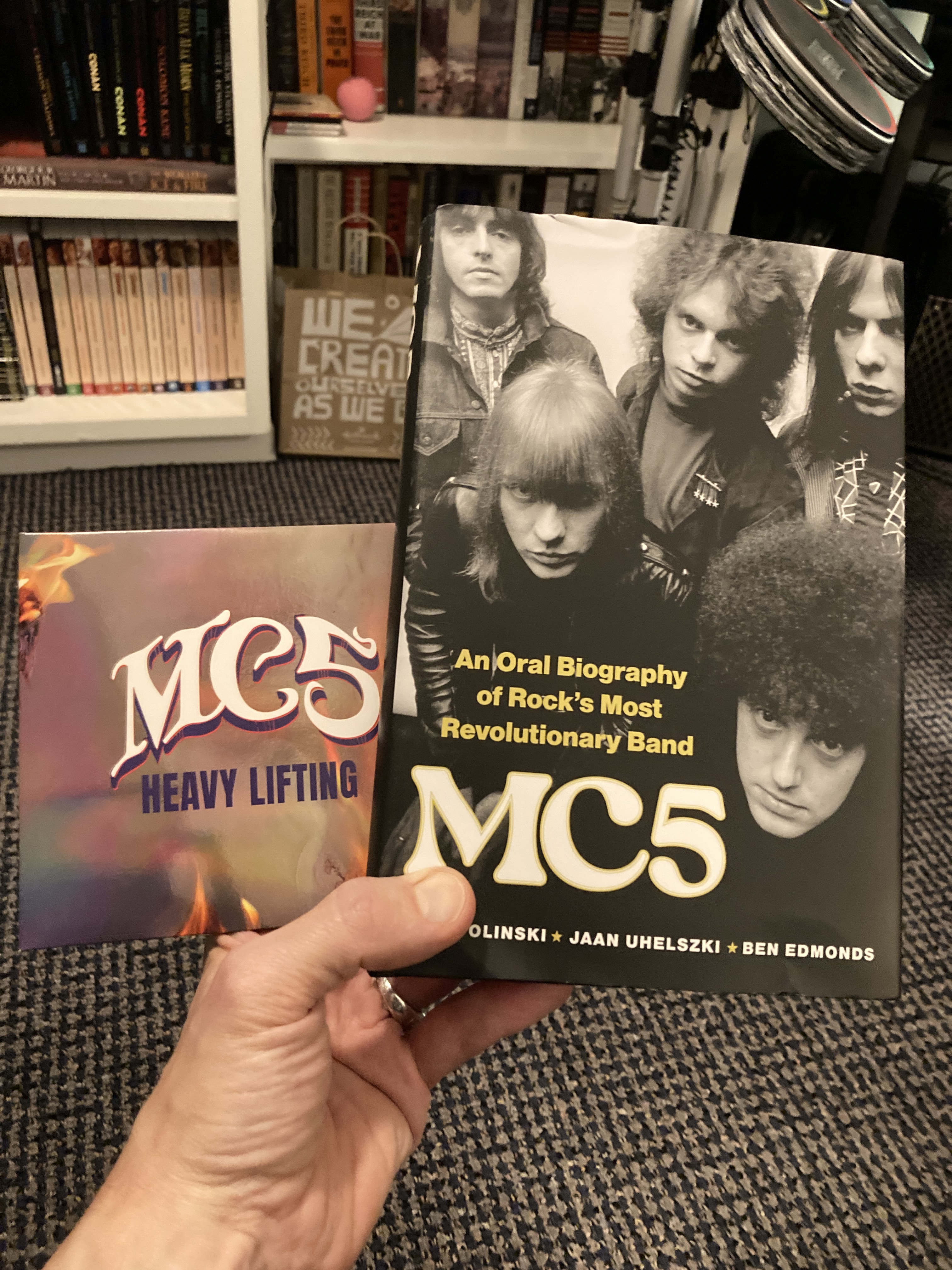
Pioneer garage rock guitarist Wayne Kramer had one more winner in him before his passing earlier this year. Credited in tribute to Kramer’s seminal Detroit collective MC5, Heavy Lifting(listen here) rages against the political and cultural machines still standing since the band’s original heyday, agitating for a better deal with 13 brash, irresistible helpings of punk (“Barbarians at the Gate”), rock (“Edge of the Switchblade”) and soul (Edwin Starr cover “Twenty-Five Miles”). For the full skinny on why Kramer & company finally snuck into the Rock & Roll Hall of Fame through the back door this year, the newMC5: A Oral Biography of Rock’s Most Revolutionary Band is essential reading.
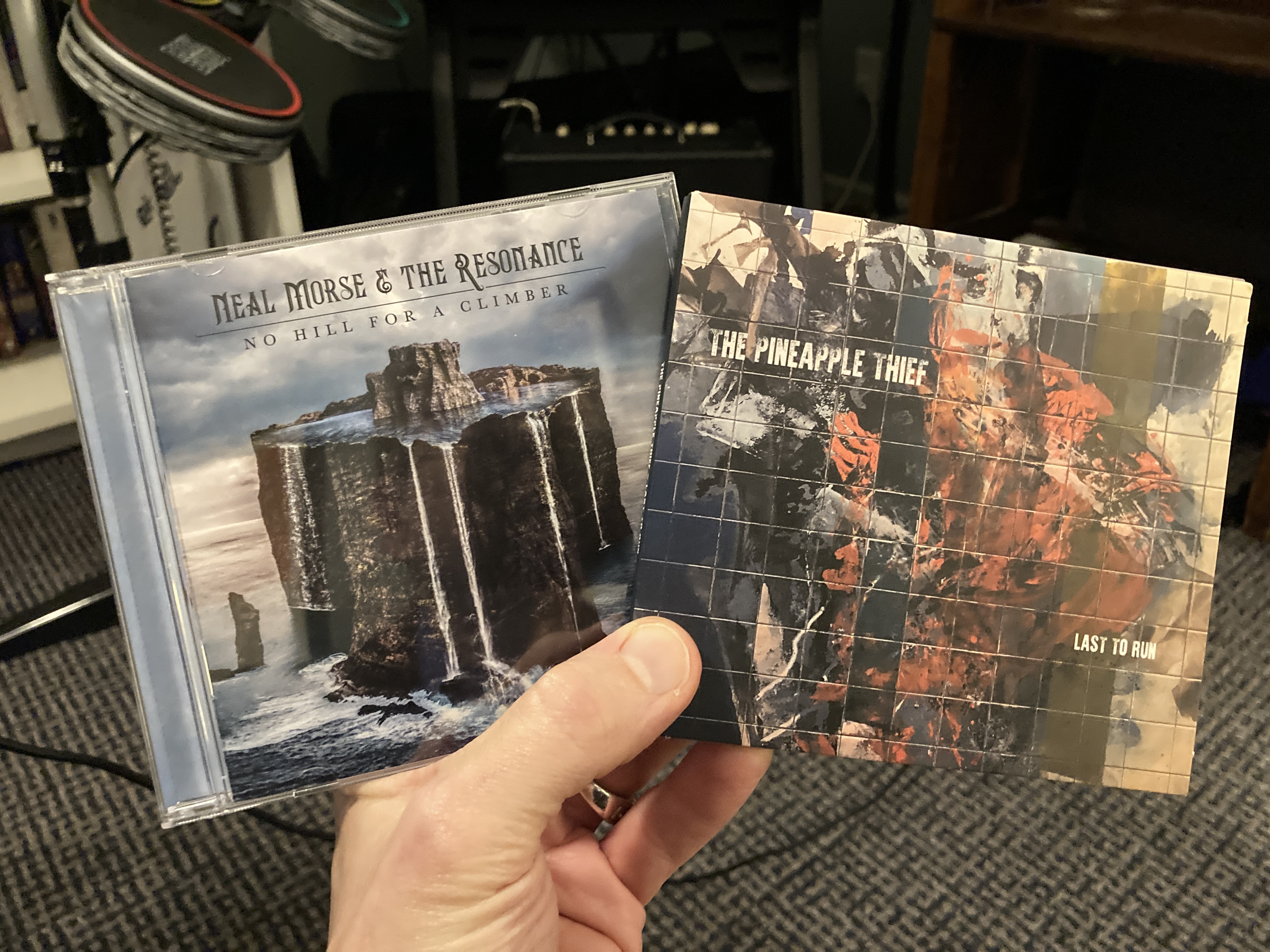
As his long-time collaborators spin off in other directions, Neal Morse just keeps on keeping on! Teaming with The Resonance, a purpose-built quartet of young Nashville hotshots, Morse’s latest No Hill for a Climber(listen here) is a bit of a throwback; instead of full-blown rock opera, Morse builds a multi-faceted album, sandwiching creepy swinger “Thief”, head-down rocker “All the Rage” and melting ballad “Ever Interceding” between twin epics (opener “Eternity in Your Eyes” and the closing title suite). The more straight-on vibe Morse embraced on his Joseph duology predominates here, but with enough detours to keep long-time listeners coming back and intrigue new hearers.
Straight-on is a pretty good description of the new The Pineapple Thief EP Last to Run(listen here) as well; far more than leftovers from the fine It Leads to This, the five songs included here strike hard and deep. As Gavin Harrison weaves enticing rhythmic illusions on drums, Bruce Soord spins up dark, pensive vignettes of personalities in crisis (“All Because of Me”), relationships snarled by dysfunction (“No Friend of Mine”) and societies on the brink (“Election Day”). Another band that mines a familiar vein repeatedly, yet consistently leaves listeners craving more.
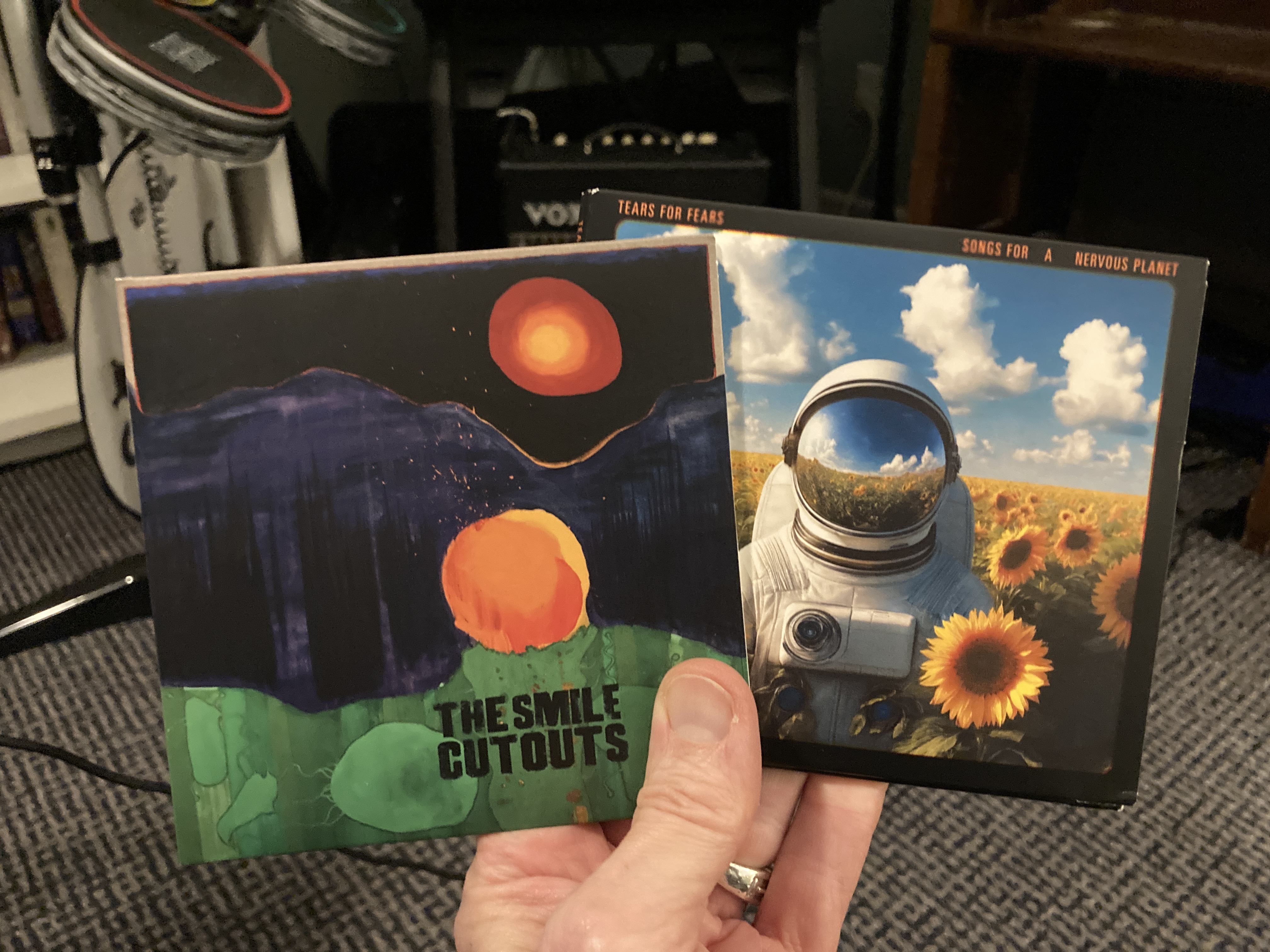
Speaking of dysfunction, The Smile’s Cutouts(listen here) resembles nothing so much as a numbed comedown, trailing the apocalypses unflinchingly depicted earlier this year on their Wall of Eyes. Thom Yorke’s nonsense lyrics and bleached-out vocal affect sound light-years away from the redemption Radiohead intimated even at their most jaundiced; Jonny Greenwood spins up orchestral/electronics, evoking distant, forgotten nightmares; Tom Skinner holds down the spare, spacey beat, blithely driving into nothingness. If not as gripping as this trio’s first two albums, Cutouts can still compel with its chill.
But where The Smile chills, Tears for Fears seeks warmth; the four fresh tracks on TfF’s mostly-live Songs for a Nervous Planet(listen here) home in on healing (“Say Goodbye to Mom and Dad”), lasting love (the lush “The Girl that I Call Home” and the psychedelic “Emily Says”) and self-actualization (the quirkily glib “Astronaut”). And there’s plenty more catharsis in concert, as Roland Orzbaal, Curt Smith and backing band blast out the hits of yesteryear and revisit the highlights of their fine 2022 comeback The Tipping Point, all with plenty of enthusiasm and aplomb.
(Live albums and archival releases – box set time! – follow the jump.)
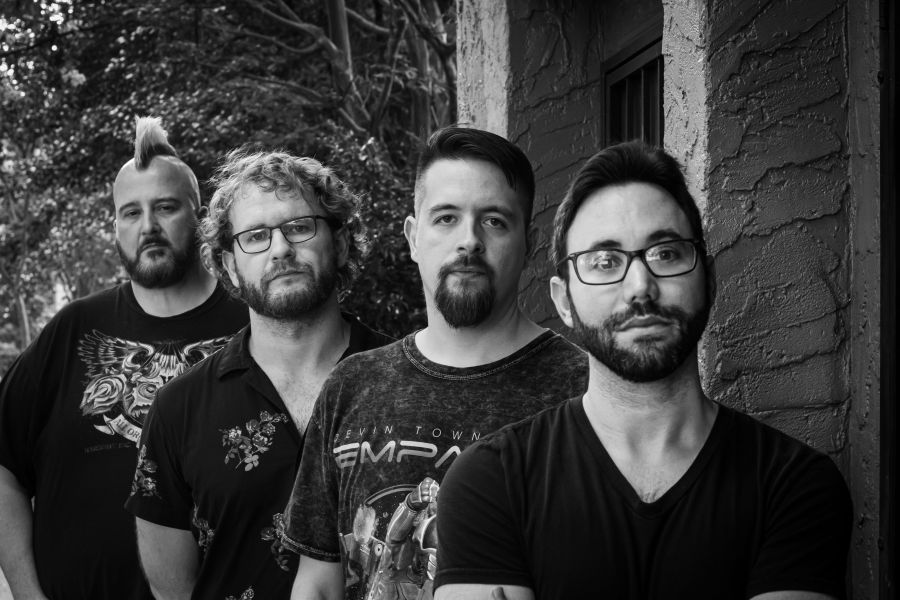
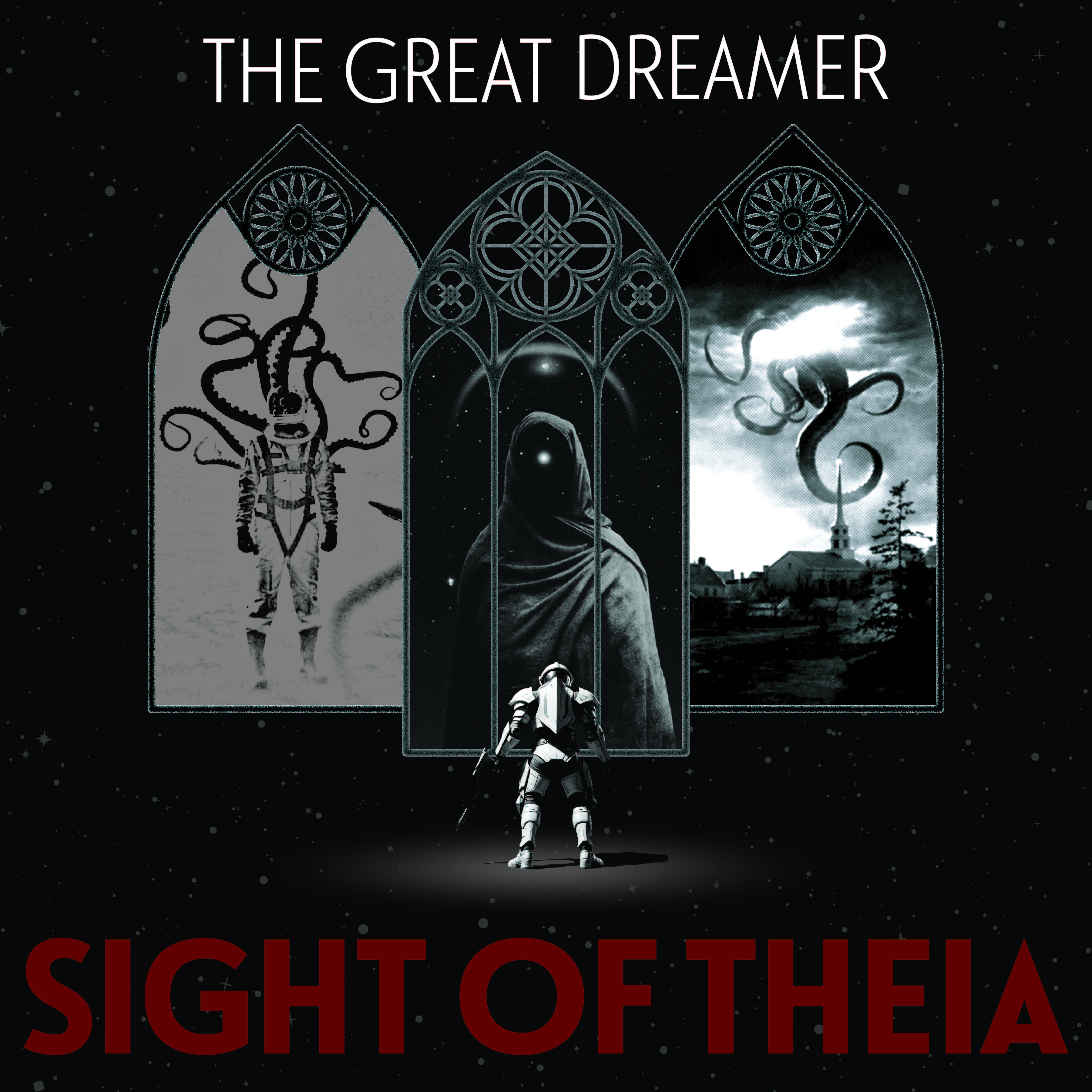
Progressive metal quartet from Atlanta, Sight of Theia are launching their first full-length album entitled The Great Dreamer on January 11, 2025. Bringing together influences from Meshuggah and Mastodon, and packing it all together with a touch of southern stoner metal, the band are determined to continue experimenting with different musical elements in the future.
In this interview Alex Buhlig (guitars, synths) tells us about the band’s work on The Great Dreamer, experimenting, influences, and more.
The Great Dreamer is your first full-length album, following your 2021 EP Lighthouse. How does this album represent the evolution of Sight of Theia’s sound?
When “Lighthouse” came out we noticed that the EP’s closer, “Black Magic” really got the crowds going at our shows. So we tried to explore the rhythmic and meditative nature of that track more. That song also featured us tuning lower, so we ditched the 6 strings for seven string tuned to Drop A.
The album’s title track is described as a “séance for Cthulhu.” Can you dive deeper into how H.P. Lovecraft’s themes influenced the song and the album as a whole?
Before we had named the track the ominous and psychedelic nature of the track was apparent. Before we played it live, we asked the crowd if they were ready to summon a demon. Once we started to collaborate with Mezzianna on Vagabond and the general outline of the narrative took shape, summoning a demon turned into summoning space Cthulhu.
You’ve mentioned the album combines progressive metal with Southern stoner metal influences. How did you find the balance between technicality and raw, earthy riffs?
For us it’s all about creating tension and release. If everything is always at a ten out of ten technically there is no release and the song doesn’t ‘go’ anywhere. Adding moments of simpler but more ethereal riffs creates movement, crescendos, peaks and valleys. We really want to create music that takes the listener on a journey.
Tracks like “Children of the Uplift” and “Alea Iacta Est” showcase a range of moods. How did you approach crafting such contrasting soundscapes within the album?
I am a big Steven Wilson fan and have always loved how he tackles a wide variety of genres in his work so I try to take the same approach while arranging. When starting an arrangement I generally have a direction I want to go in, whether it’s more technical and progressive or rhythmic and vibey. Regardless of the approach we like trying to introduce dynamics to our songs with different techniques, effects or influence from genres outside our beaten path.
“Vagabond” stands out with Mezzianna’s vocal contribution. What inspired you to include a vocal track on an otherwise instrumental album?
The arrangement of “Vagabond” feels like it lends itself to vocals, when writing it we were all admittedly going through a bit of a Sleep Token phase and it made sense to try to incorporate vocals. Mezzianna had been a friend/fan of the band for a while and wanted to try his hand at the vocals. So we cooked up some lyrics and some melodies for him to try out and he knocked it out of the park in our opinion.
Mezzianna’s lyrics on “Vagabond” set the stage for the album’s story. Can you share more about that narrative and how the music reflects it?
Children of the Uplift starts our narrative out with trying to capture the excitement and wonder that would be felt by a crew of space explorers setting out from earth to settle amongst the stars. Gravity Well captures the chaotic nature of their journey and the rigorous nature of their journey. Vagabond is the realization that the ship they’ve been given for their journey is faulty and they were set up to fail essentially. The Great Dreamer is the entrance of Cthulhu offering to save their souls from dying alone in space. Mad Hatter is the manic energy of someone desperate enough to take Cthulhu up on their offer. Parhelion is the ritual and awakening of Cthulhu. Alea Iacta Est is the realization, and remorse of our explorers. Followed by the destruction of the universe.
You worked with John Douglass, Alexa Parra, and Christoffer Borg during the recording, editing, and mastering process. How did their expertise shape the final product?
John Douglass brought his expertise to our drum tracks and got a fantastic drum performance out of Ricky. Editing is always a tricky, time consuming process and we’re thankful that Alex Parra was able to use his years of experience to discern what needed to be edited and what didn’t. As for the mixing, I appreciate having an objective ear when it comes to the mix. It’s pretty easy to think that your parts should be louder because they are your parts while completely ignoring the bigger picture of the song. I think Chris did a great job seeing the bigger picture of what the songs were going for.
Recording in Atlanta must bring a certain vibe to your work. How did the city’s music culture influence The Great Dreamer?
Atlanta has such an incredible music scene filled with many diverse genres. When you have access to such a wide variety of shows to check out it’s easy to let it work its way into your work. The stoner metal influence in our music definitely comes from the regional metal scene here in Atlanta. I’ve spent some time at warehouse raves in Atlanta which inspired me to work synths and more electric elements into our music.
With influences like Meshuggah and Mastodon, what aspects of their styles inspired you the most when crafting this album?
We find the rhythmic phrasing of bands like Meshuggah to be really compelling and wanted to try to blend that with rich harmonies that bands like Mastodon incorporate into their work.
Stoner metal isn’t often combined with progressive metal’s technical elements. What challenges did you face blending these genres, and how did you overcome them?
Combining more technical moments with some of the more laid back sensibilities that stoner metal bands have creates a sense of dynamics in our music we think creates more of a journey for the listener to go on. It’s all about creating a sense of tension and release. You can absolutely sometimes try to cram too much into one song and need to cut it down. Certain musical ideas can be so much more impactful if they only occur once in a piece though.
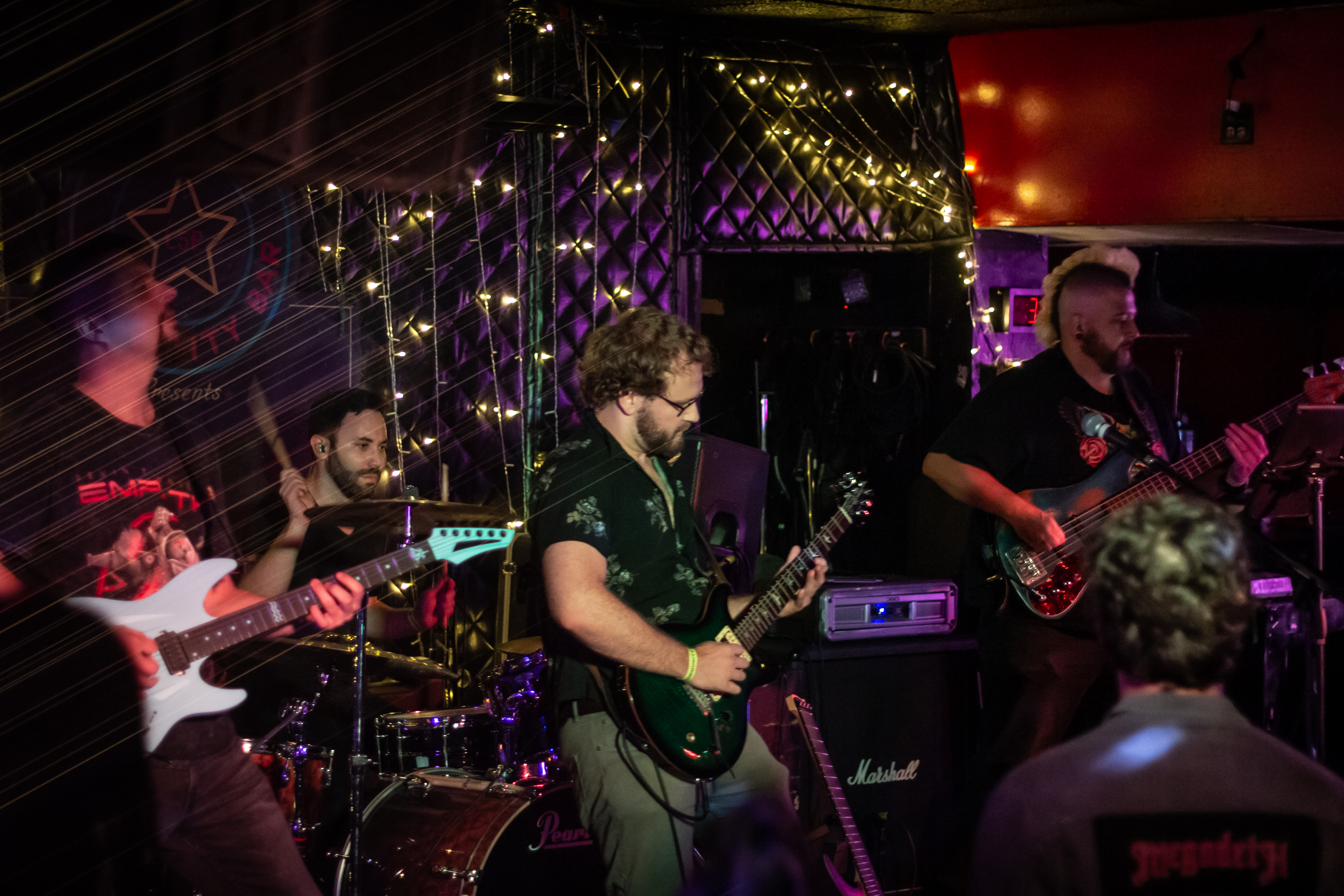
You’re celebrating the release of The Great Dreamer with a performance at Smith’s Olde Bar. What can fans expect from the live show? Any surprises planned?
Our show at Smith’s Olde Bar has a line up absolutely stacked with some of the best underground prog that Atlanta and the South East has to offer. We’ve got something special in the works for that show but it wouldn’t be much of a surprise if I gave it away now. Come to the show and find out!
How do you approach translating the album’s complexity into a live setting, especially for instrumental tracks?
We make use of backing tracks to make our live shows as seamless as possible. We try to invoke a mood or vibe that doesn’t stop between songs. Whatever is happening between songs might be minimal but it’s there and makes everything feel more immersive. We’ve included some of the transitional pieces on the album as palate cleansers so to speak.
The album will be available on major platforms and Bandcamp. Why is Bandcamp still an important platform for a progressive metal band like yours?
I think Bandcamp still offers the most direct way for fans to connect with bands. Bandcamp Fridays are a great way to put money in the pockets of musicians you are a fan of.
Looking back at the journey from Lighthouse to The Great Dreamer, what lessons have you learned as a band?
I think we’ve learned how to better communicate with each other, which creative battles are worth fighting and how to creatively problem solve during the songwriting/recording process.
Where do you see Sight of Theia’s music heading in the future? Are there new directions or ideas you’re excited to explore?
I kind of hope we get to go further in all directions. I’d love to write heavier songs, more complicated songs, more straight-forward and accessible stuff. I did really enjoy collaborating with a vocalist and we are talking to some more vocalists about other guest spots to release later as singles to hopefully flesh out the story of the album a bit more.
If you could collaborate with any other progressive or stoner metal band, who would it be and why?
I’d say Night Verses, I feel like the ethos of the bands are similar, primarily instrumental progressive metal with the occasional guest vocalists.
How do you hope The Great Dreamer resonates with listeners? What do you want fans to take away from the album?
Hopefully, fans can get a sense of the narrative even if the music is primarily instrumental. If someone listens to the songs and just thinks, “dang these are some sick riffs,” that’s great too!
Instrumental music relies heavily on listener interpretation. Have fans ever shared interpretations of your music that surprised or inspired you?
I had a friend come out to one of our shows who told me that seeing us play made him feel closer to his late father who was a musician. Which might be one of the most sincere and meaningful compliments I’ve gotten for our music.
BEAT, Copernicus Center, Chicago, Illinois, Friday, November 1st, 2024
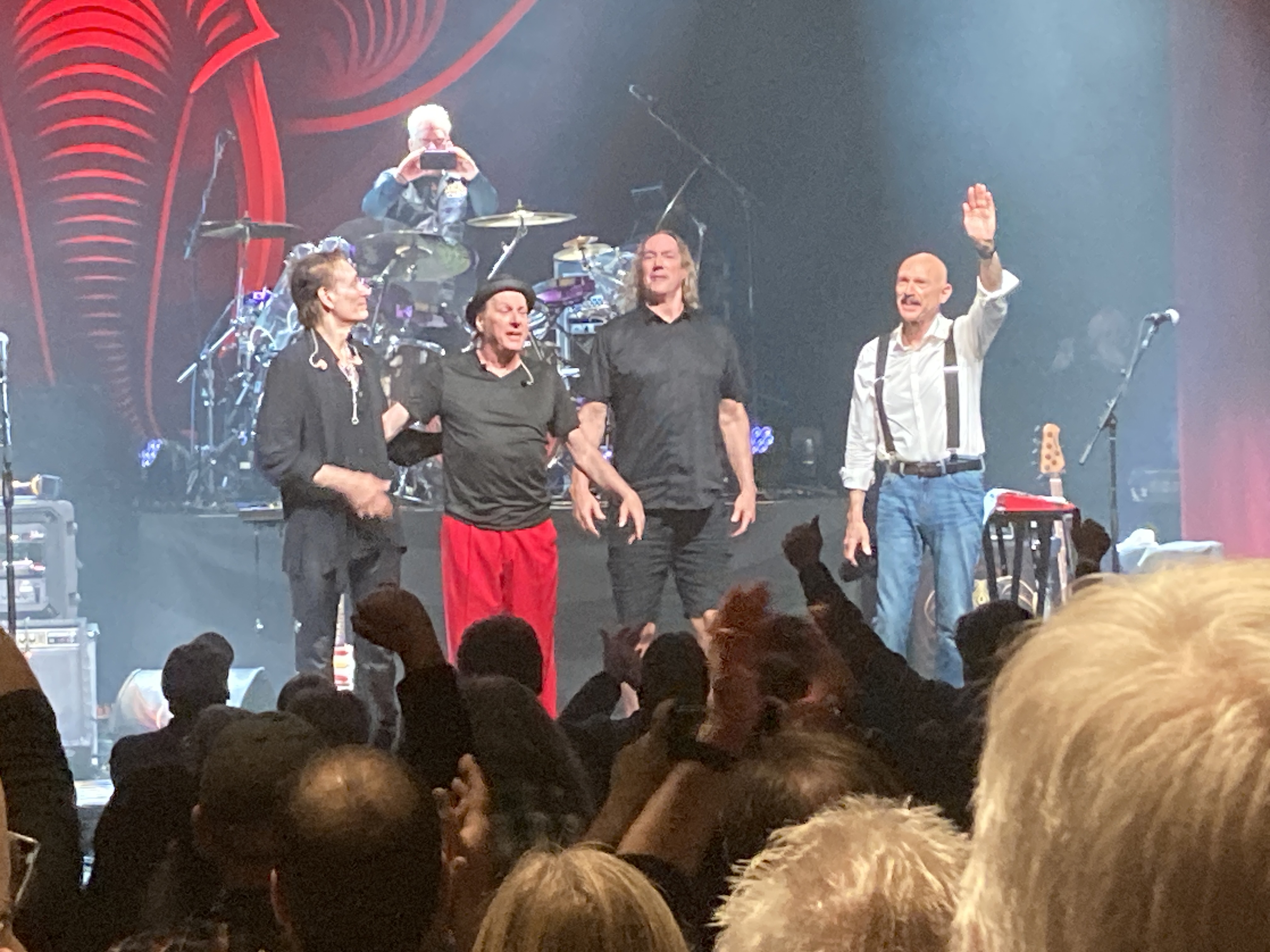
Halfway through a three-month North American tour, Adrian Belew and Tony Levin’s 40th anniversary remount of 1980s King Crimson readily commanded the stage of this vintage Art Deco theater, slamming into the ecstatic audience like a truckful of bricks spontaneously rearranged as abstract sculpture. BEAT’s reinvention of this cutting-edge music offers much more than fresh trim on a classic chassis; with virtuosi Steve Vai and Danny Carey at the stations originally manned by Robert Fripp and Bill Bruford, there was power to spare under the hood, and the edgy thrill of exploration that Belew and Levin’s previous celebration (first known as Two of a Perfect Trio, then as the Crimson ProjeKct) only mustered intermittently back in the early 2010s.
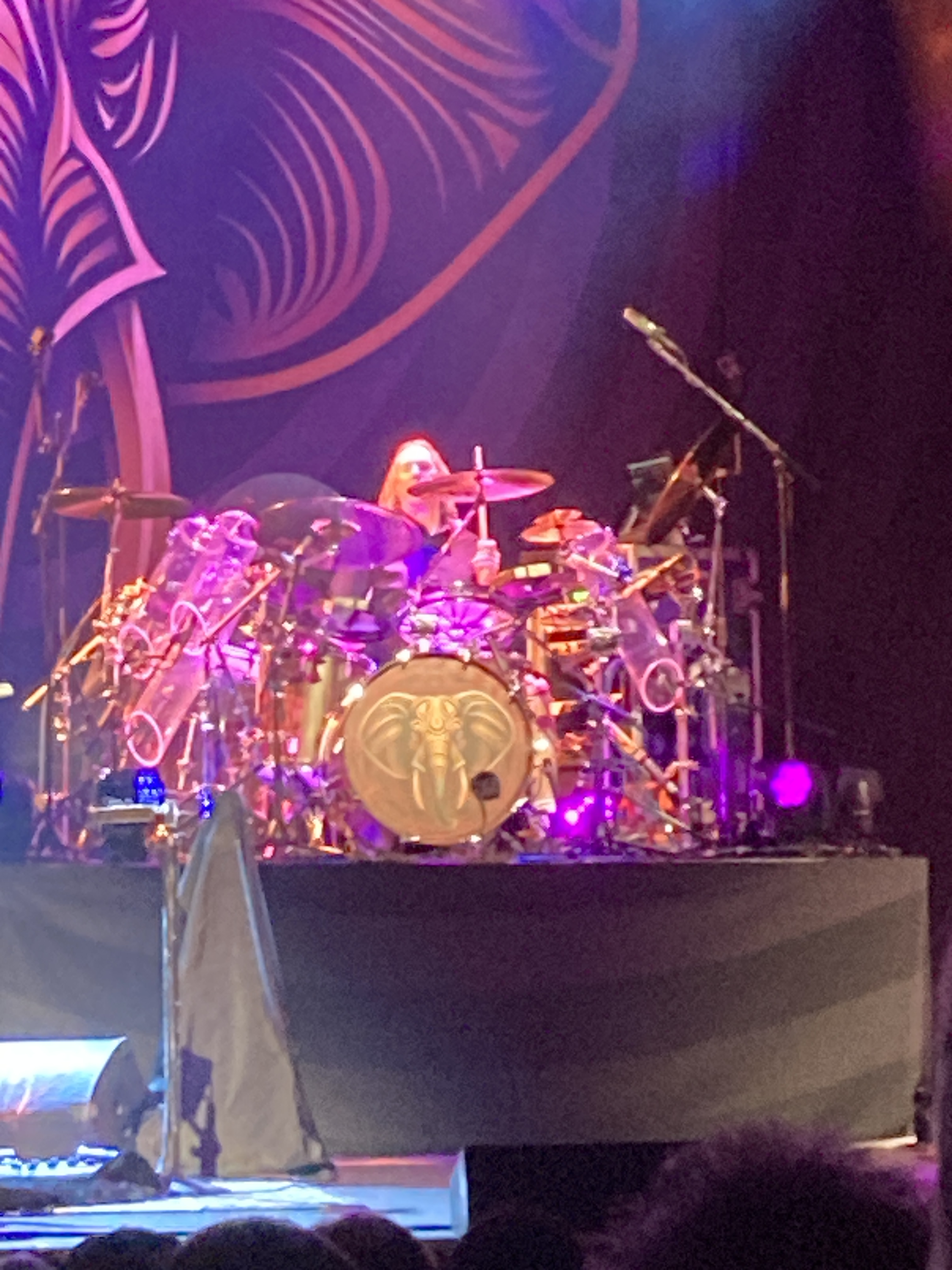
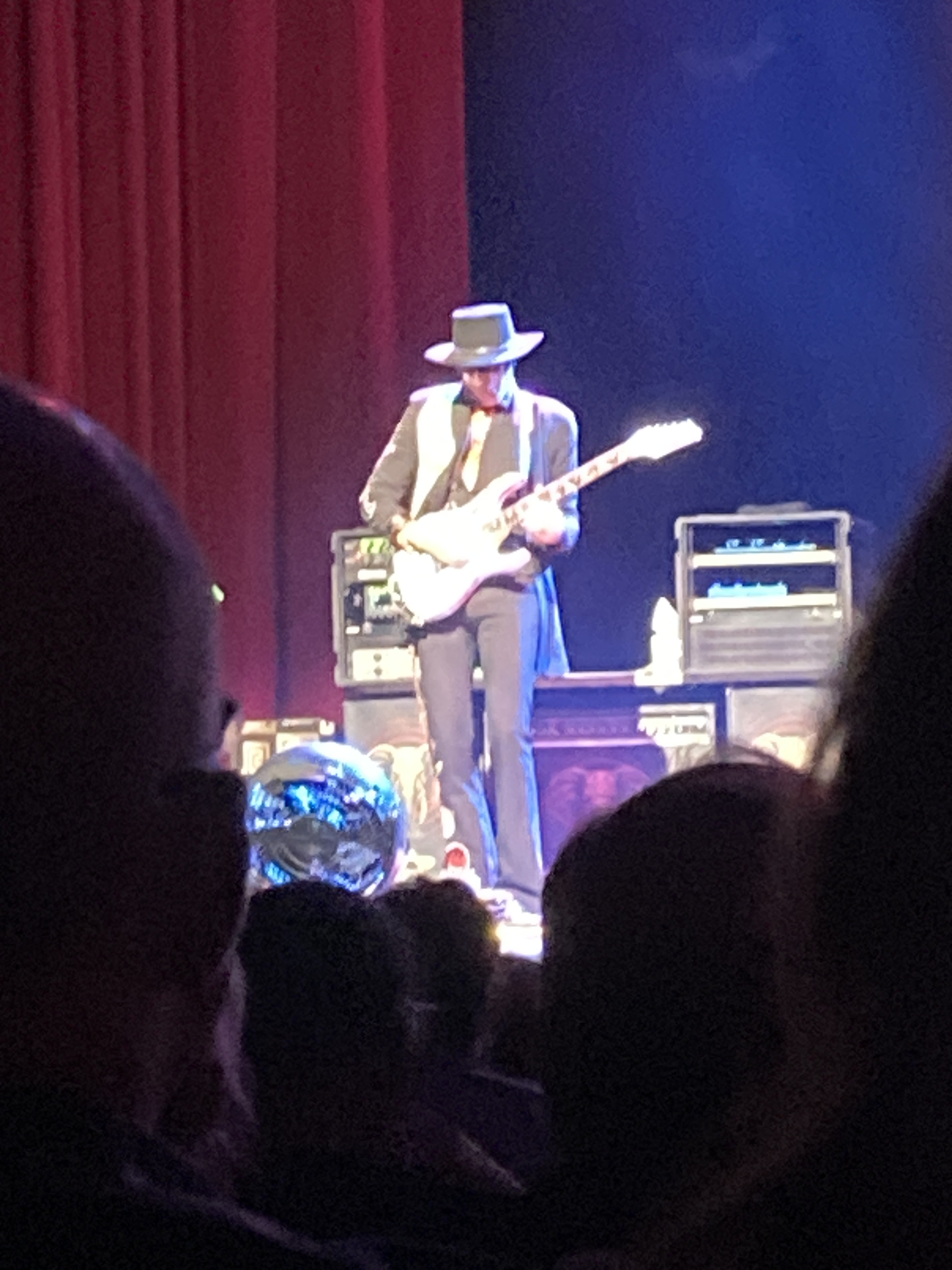
With both Fripp and Bruford retired from Crimson (and publicly supporting this venture), the new recruits leapt into their roles with gleeful abandon. At stage left, Carey straddled his monolithic drum set, cutting loose with both the confident drive he brings to Tool and the innovative riot of percussive colors Bruford brought to bear. The overall effect was devastating: electronic drums, boo-bams, rototoms, and more danced in head-spinning polyrhythmic patterns above rock-solid odd-time grooves. To Carey’s right, Vai’s stage presence couldn’t have been more different than Fripp’s buttoned up demeanor — leaning into the riffs with an easygoing strut, taking the original finger-busting licks to the next level, topping ferocious solos with distinctive, showy flourishes beloved by fans since his days with Frank Zappa. For all its fearsome complexity, the music was remarkably free and exceptionally fiery — to the extent that the newbies even accelerated a bit ahead of Belew and Levin on a few occasions!
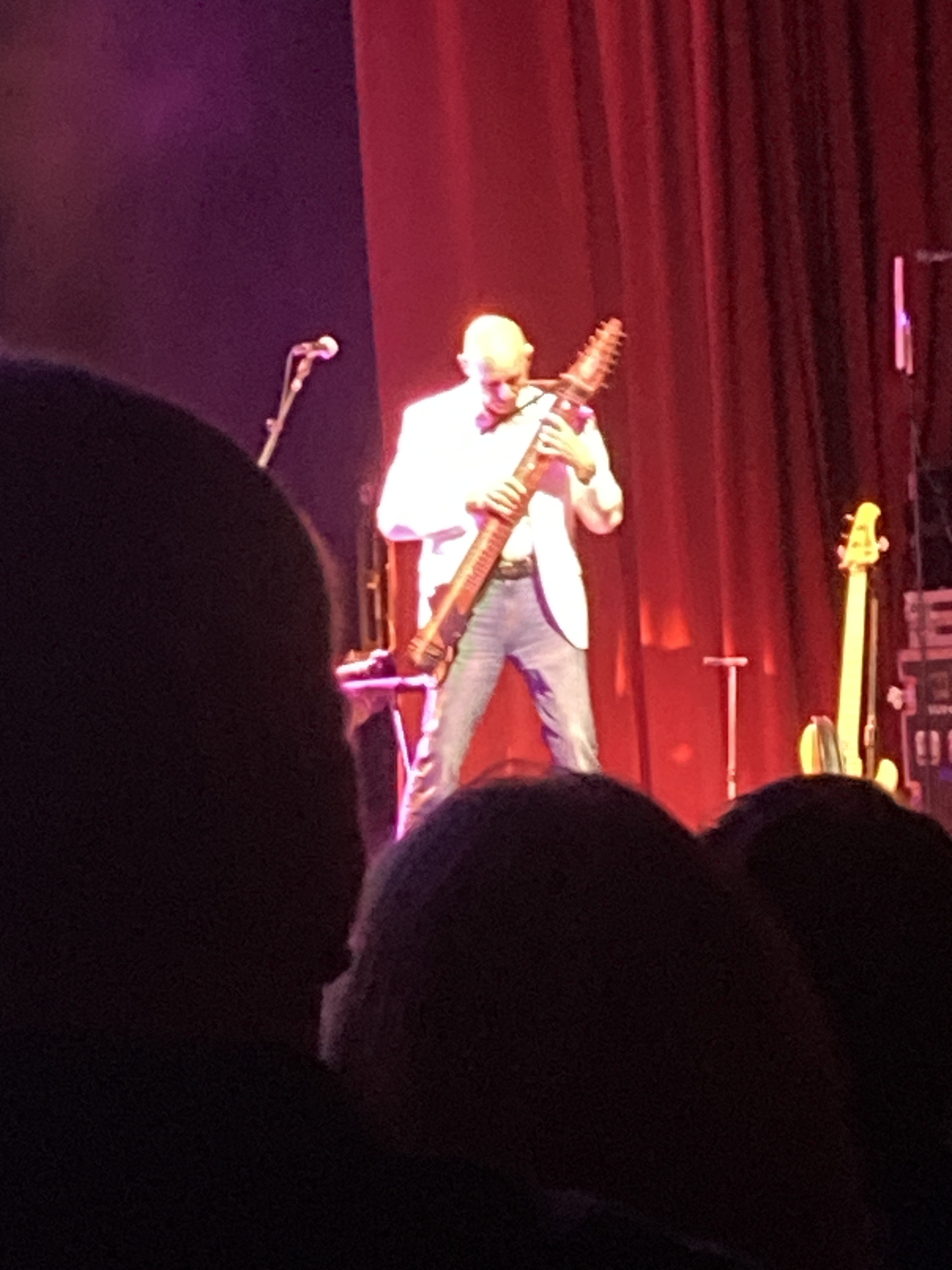
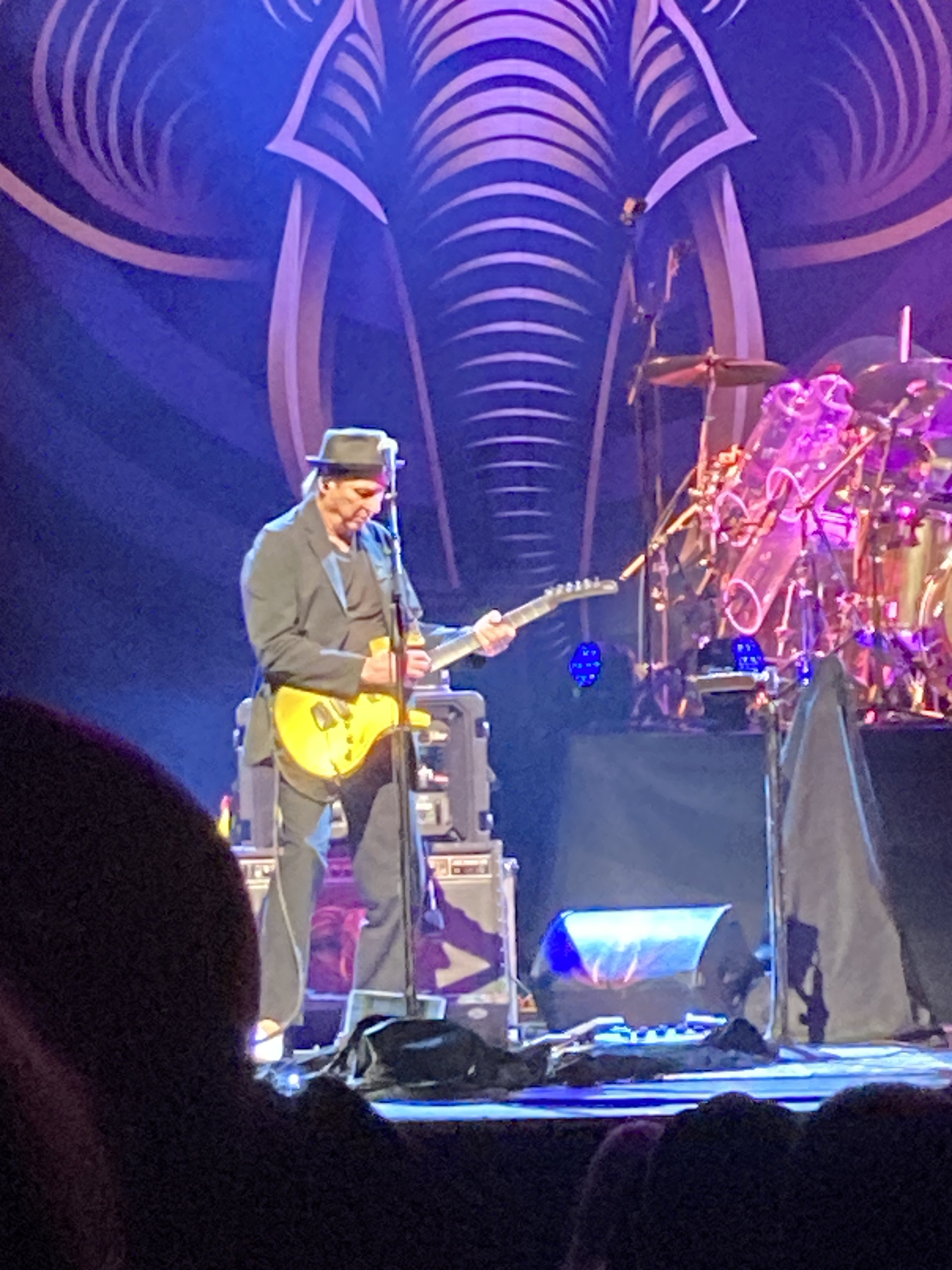
But if the Crimson veterans were surprised by occasional mess-ups, they really didn’t seem to mind, grinning and bopping away as they caught up, Carey and Vai decelerated, and everyone locked in to the mesmerizing weave once again. I’d argue that Levin’s role in 80s Crimson was both essential and underrated, and this show offered fresh evidence for my case; alternating between Chapman Stick and bass, he simultaneously dished up both the low-end foundation and the hypnotic rhythm figures that give these pieces shape and harmonic direction. And with the beautiful noise of the other three players to carry him along, Belew was in his element. Duetting with Vai on fiendish bursts of counterpoint, wrestling every possible noise made by animal or power tool from his cubist array of guitars, yelping out proto-rap or firing off riveting arcs of vocal melody, the man was eager and energetic throughout the night, obviously delighted to do his thing, committed to keep the fun going.
When I saw King Crimson live for the first time back in 1984, “fun” would not necessarily have been the descriptor that sprang to mind; Fripp and Bruford were publicly feuding in the music press, Levin had programmed a click track to keep everyone in sync onstage, and Belew was doing tour publicity pretty much on his own. It was no surprise when Fripp declared that innovative incarnation finished at the end of the run, so I’ve always considered the subsequent regroupings across the decades unpredictable bonuses. And in the same way that the “chamber ensemble plus drum corps” Crimson of the 2010s gave Fripp a final run at the band’s entire history with a simpatico crew of colleagues (including Levin), I’d argue that BEAT gives Adrian Belew the version of Crimson that suits him best, focused on the slice of repertoire he values most. Belew, Levin, Vai and Carey are far from uptight or perfectionist, yet they’re unquestionably up to the demands this mighty music presents them, and absolutely dedicated to giving its fans their due. The results in Chicago were every bit as satisfying to me (now a 12-timer in catching KC’s various versions) as they were for long-time fans who’d never got to see the 1980s team in action (like my eloquent concert buddy Cedric Hendrix – check out his take here). If you’re ready to have your face melted, mind blown and heart stirred, catch BEAT while you can!





 Progarchy