Review: Sun Raven’s “Morphology”

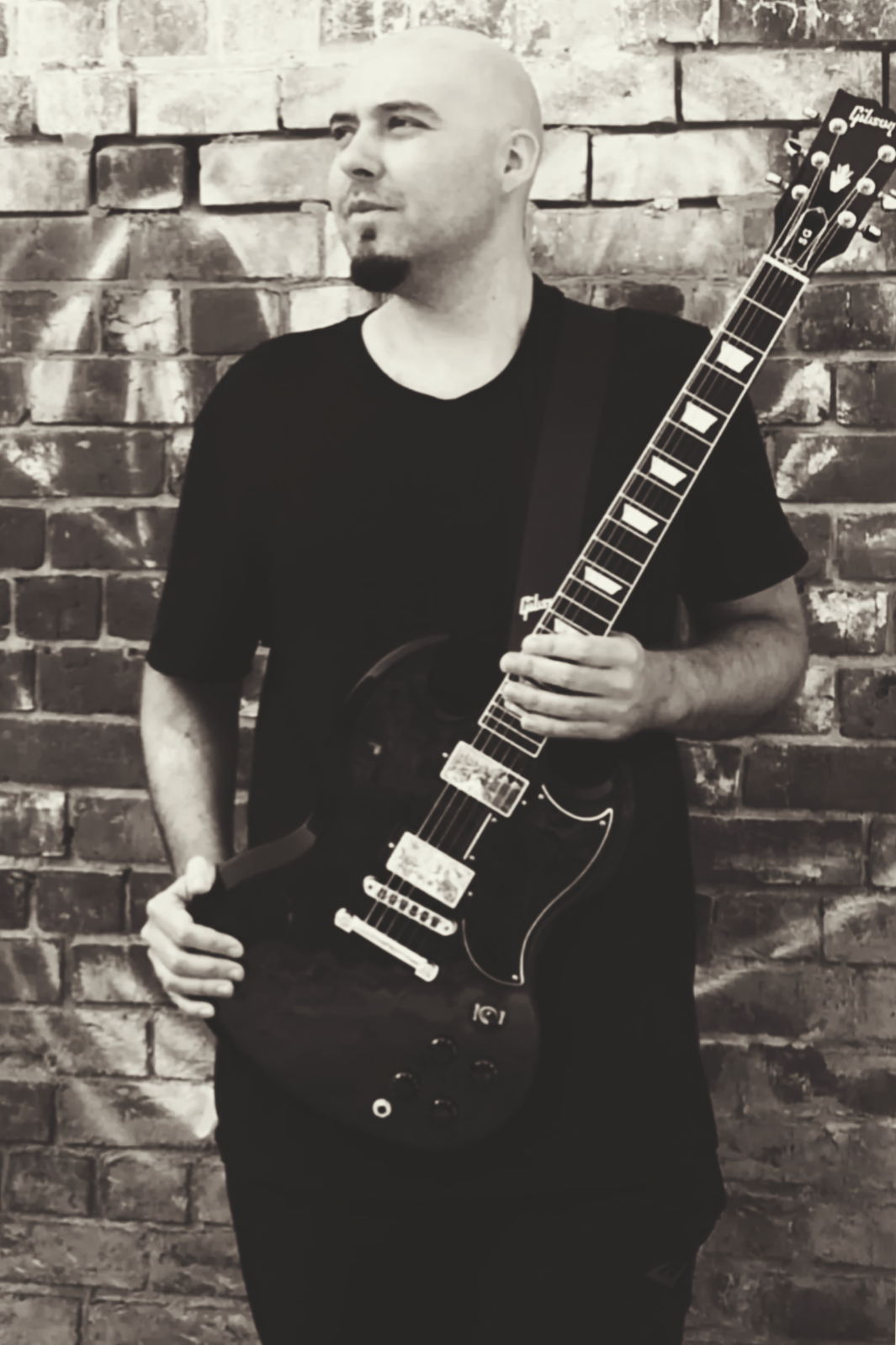
Sun Raven, the brainchild of Australian musician Stephen Murray, is a one-man project that has quietly been making waves in the instrumental music scene. With the release of Morphology, Sun Raven’s sophomore album, Murray has crafted an experimentation that showcases excellent musicianship channeled through multilayered compositions.

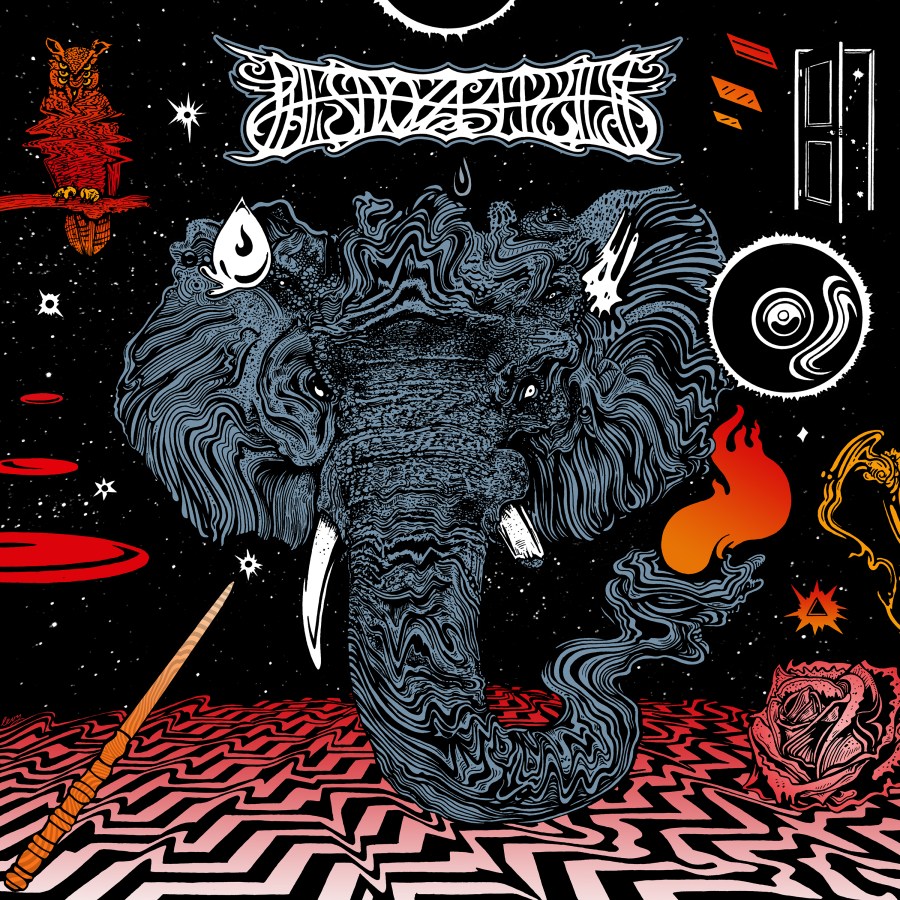
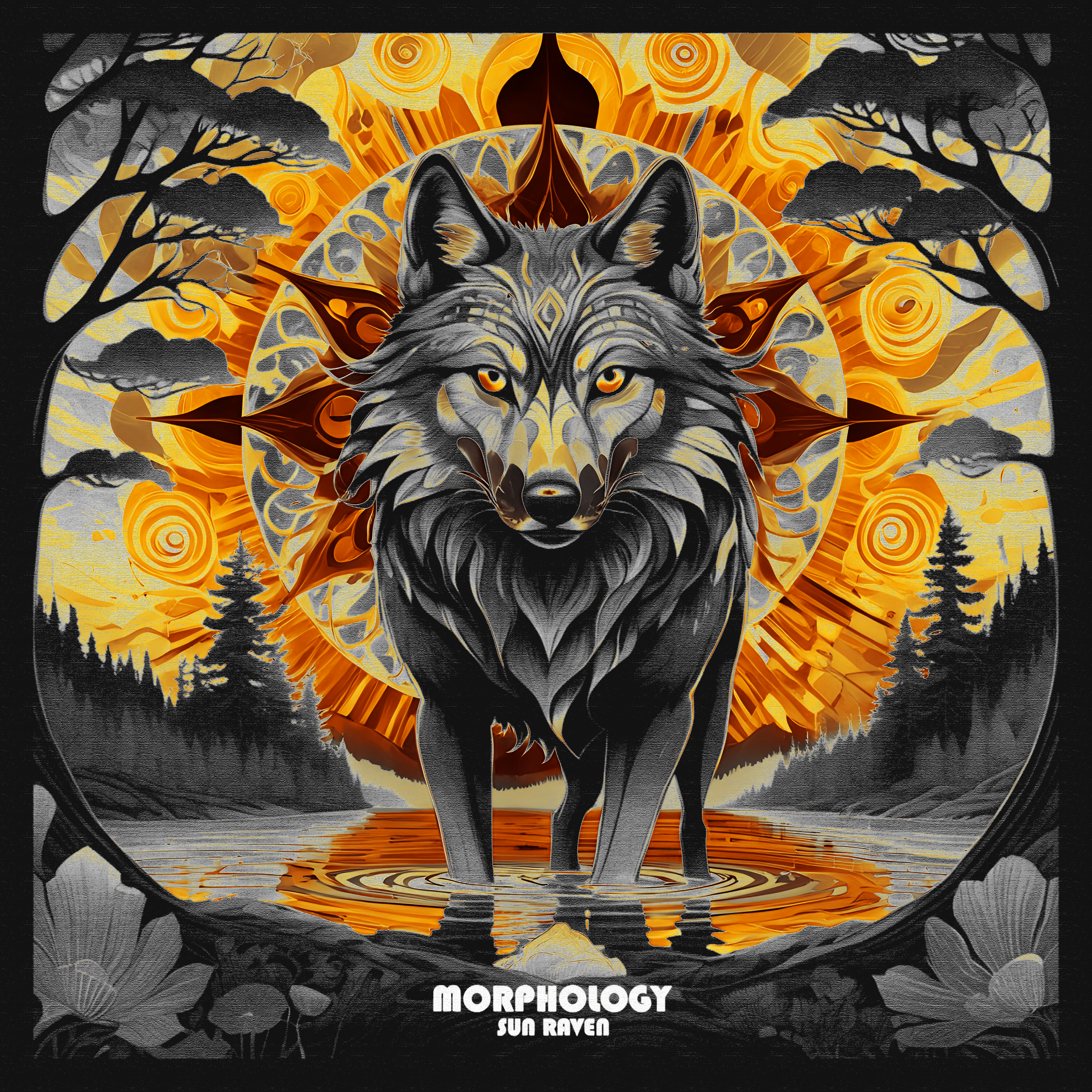
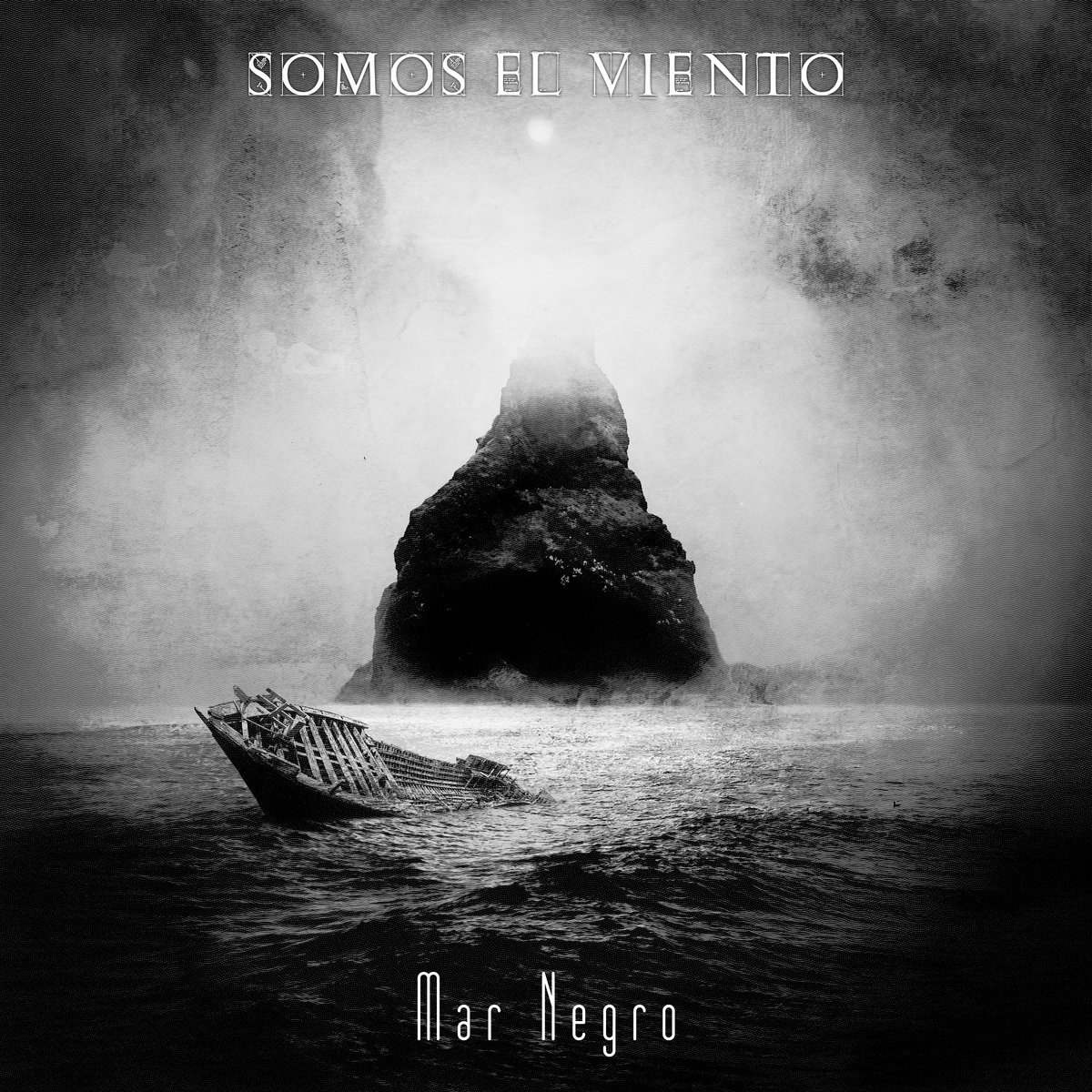
Morphology by Sun Raven

Morphology spans ten tracks and is a fully instrumental endeavor, which can often be a challenge for artists aiming to maintain engagement without the anchor of vocals. Yet Murray, whose primary instrument is the guitar, effortlessly sidesteps this pitfall by creating a rich work of sounds that combines both virtual and real instruments. The result is an album that feels dynamic and full-bodied, where the guitar plays a central role but never overshadows the broader musical palette.

From the opening moments, it’s clear that Morphology is an album that requires and deserves full immersion. This is not background music or something to be played passively. Murray’s compositions are filled with intricate twists and turns, but they never feel convoluted or complex for the sake of complexity. There is a natural flow to the music, a melodic clarity that invites the listener to follow along as the album unfolds its story. Tracks transition seamlessly from one to the next, with each song offering new layers of discovery upon repeated listens.

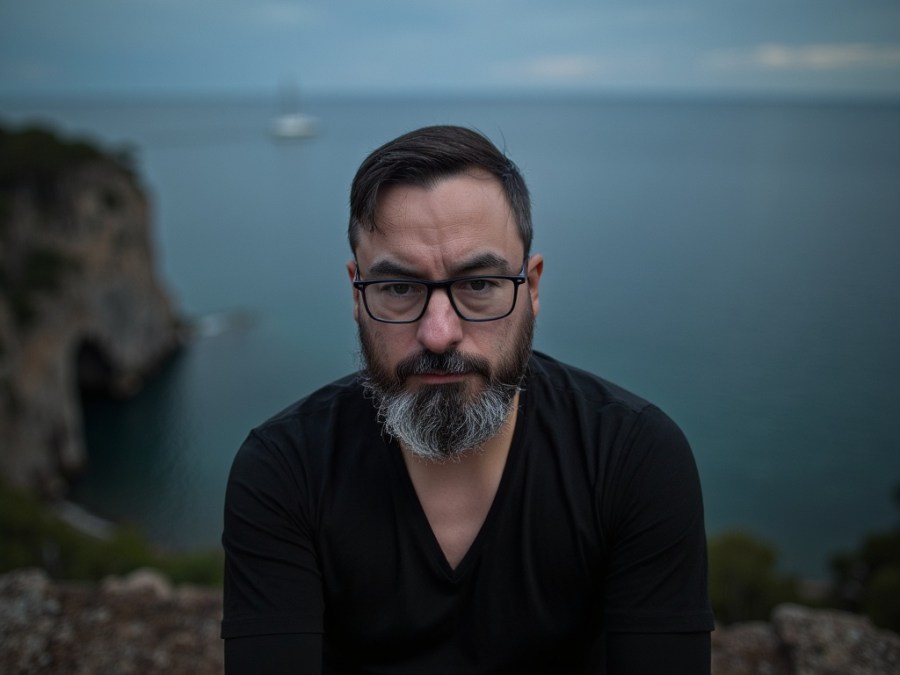
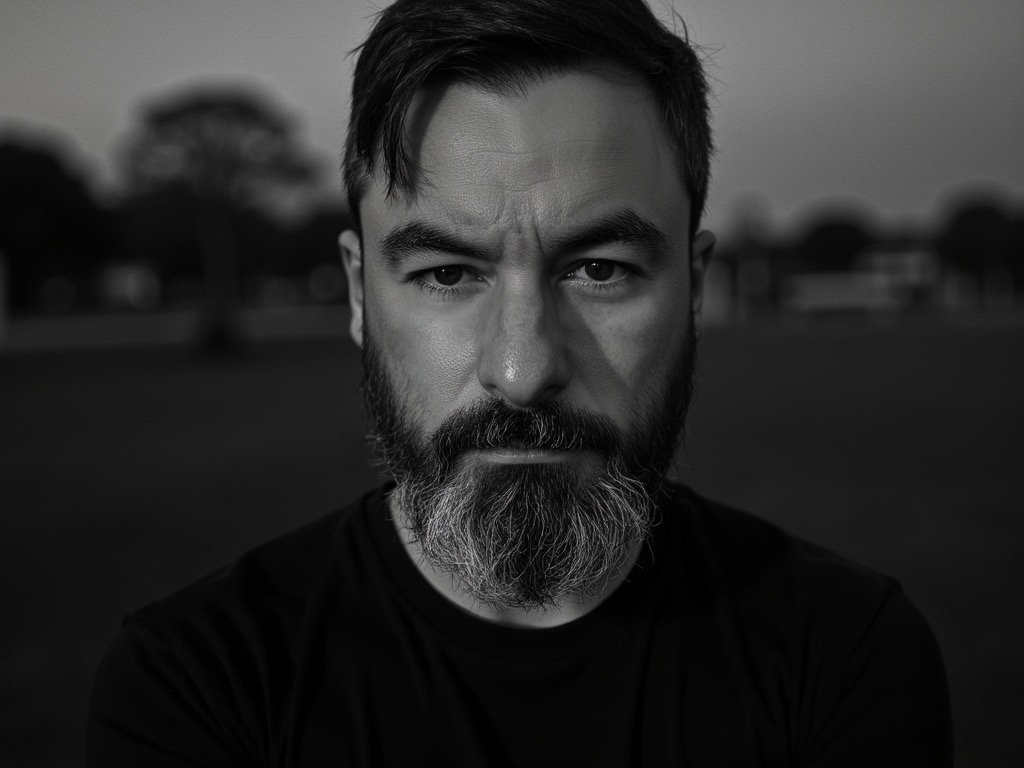
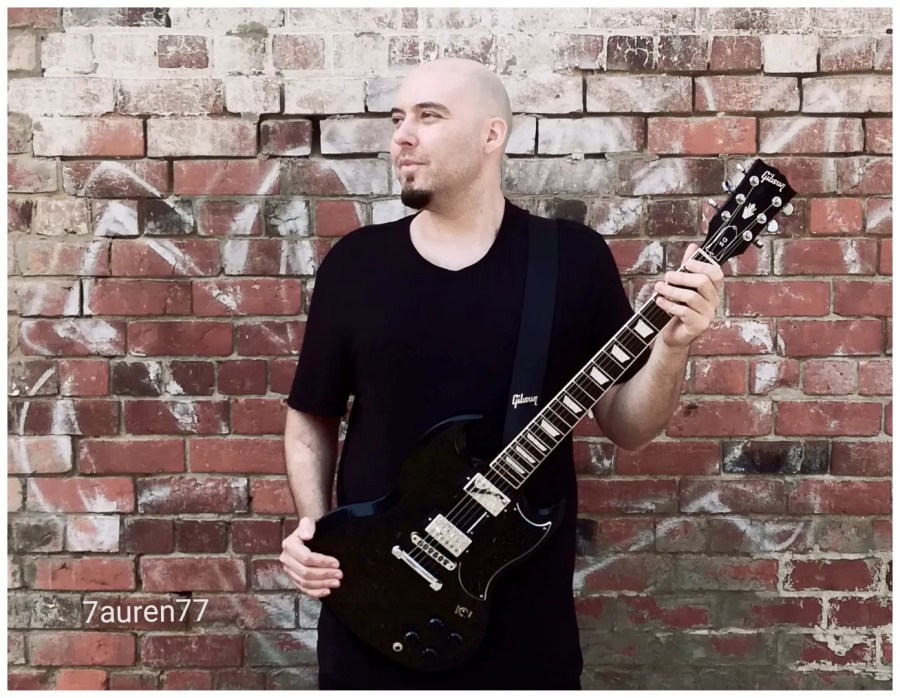
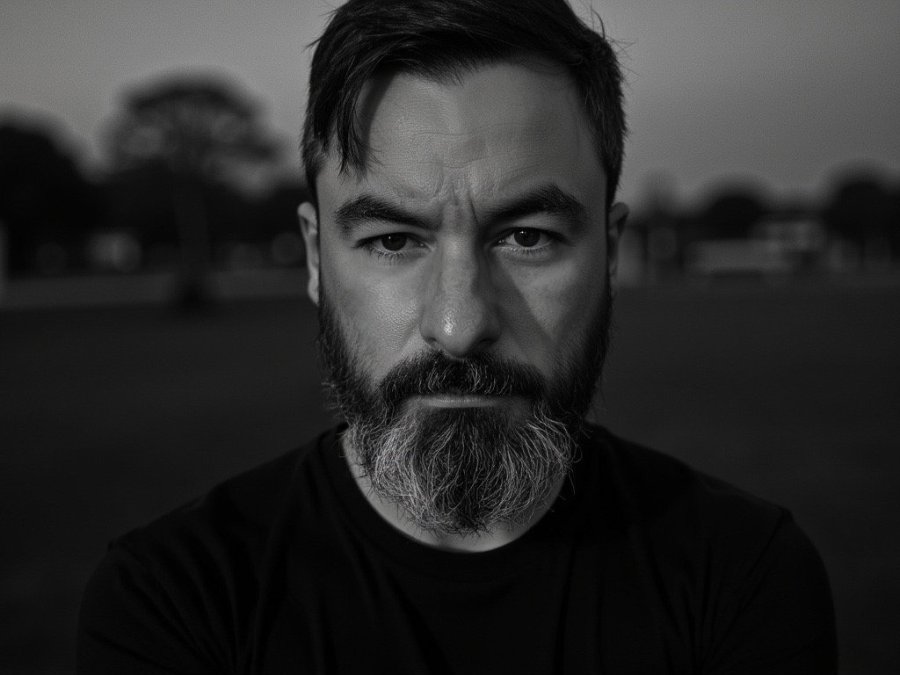
Stephen Murray of Sun Raven

One of the standout aspects of Morphology is how well Murray balances technical skill with emotional depth. It’s easy for instrumental music, particularly guitar-driven albums, to veer into territory where technical prowess takes precedence over musicality. Yet Murray shows a masterful sense of restraint. The focus is on crafting cohesive, thoughtful compositions that serve the music as a whole. The guitar is prominent, but it’s part of a larger, interconnected web of sounds that include subtle textures, carefully layered rhythms, and moments of atmospheric stillness.

The album’s highlights are scattered throughout, but tracks like opening “Insurgence” and “Sanctuary” stand out for their ability to transport the listener. Murray has an intuitive grasp of how to build tension and release it at just the right moments, ensuring that the listener is constantly engaged.

In conclusion, fans of instrumental music, particularly those with an appreciation for progressive and experimental sounds, will find much to admire here.

Grab a listen of Morphology here.

Stephen Murray of Sun Raven

Exploring Morphology: Sun Raven’s Stephen Murray Discusses Genre Fusion and Progressive Metal Innovation

Stephen Murray, the creative force behind the Sun Raven project, has carved his own path in progressive metal by fusing a wide range of genres into immersive, complex instrumental works. Known for his ability to effortlessly weave together distinct musical influences, Murray continues to push boundaries with his interesting sound. With his second album Morphology, Murray takes listeners on a journey that stretches beyond progressive metal, weaving together elements of classic prog rock, ambient soundscapes, and modern heavy riffs. In this interview, Murray dives deep into the creative process behind Morphology, discussing everything from his musical influences and nature-inspired compositions to the evolution of his sound. He also shares insights on working as a one-man band, balancing technical proficiency with emotional depth, and how he stays true to his artistic vision.

Morphology takes listeners on a genre-spanning journey with elements from progressive metal and beyond. What was the driving force behind your vision for this album, and how did you go about blending such diverse musical styles?

I didn’t have a specific concept in mind when I began writing Morphology. I wanted it to follow a similar style to my first album Liberation, but with more classic prog rock elements. I also aimed for a grungier, less polished sound, while still maintaining a solid technical playing level. To achieve this, I used different guitars, amps, and effects, and kept takes that might not be perfect but have a certain vibe, playing slightly ahead or behind the beat, rather than always being perfectly in time.

You’ve mentioned you’re fascinated by the idea of one style of music morphing into another. How did you balance these transitions in Morphology without losing cohesiveness?

I’ve always listened to a wide variety of music. I used to make playlists where one track would be metal, followed by classical or jazz. Similarly, when I’m jamming on guitar or drums, I might go from a metal riff to something ambient, and then to something funky. When I write, I experiment with different styles and see what works. The real challenge is to ensure the transitions between genres are smooth and cohesive—unless the song calls for something intentionally jarring.

On Morphology, you’ve integrated classic prog rock elements with a modern sound. What challenges did you face in modernizing these traditional influences while staying true to your heavier, groove-driven metal roots?

I used Drop C and D standard tuning across the entire album. It’s low enough to sound heavy and modern, yet versatile enough to evoke that classic prog rock vibe. This tuning naturally guided the riffs and ideas, allowing them to develop in a way that lent itself to both classic and modern styles.

As an instrumental project, Sun Raven relies heavily on intricate guitar work and composition. How do you balance showcasing lead guitar parts while ensuring the overall composition remains the focal point of each track?

Though I consider myself a lead guitarist, I’ve reached a point where I don’t feel the need to constantly play fast, technical solos just for the sake of it. The riff, chord progression, harmony, melody, and groove always come first. If the song benefits from a technical solo, I’ll go for it, but more often than not, I opt for melodic leads and solos.

You’ve spoken about how your understanding of music theory has evolved over the years. How did this influence the writing and arrangement process for Morphology?

A deeper understanding of music theory definitely made the recording process faster and more efficient. I know the time signature of a riff and which scales fit over certain chord progressions. While you can rely entirely on your ear, knowing theory helps me get the sound I’m looking for much quicker.

A common theme in your music is avoiding predictability. How did you challenge yourself to create fresh and original riffs, melodies, and solos in a genre with so many established conventions?

For Morphology, I recorded most of the lead guitar parts on a Fender Strat with a fuzz pedal and various delay and modulation effects. This setup inspired a psychedelic rock tone for the leads, which I combined with heavier modern riffs. It helped me come up with different sounding melodies and solos that didn’t follow the typical formula.

Nature plays a key role in your creative process. Can you share how specific environments or moments in nature influenced particular tracks on Morphology?

I live near the Australian bush, and I often jam outside with acoustic guitar. There’s a bird here that makes a sixteenth-note triplet sound, and I jammed along to that rhythm. This led to the creation of the heavy riff in “Wolf.” It’s funny to think that such an intense riff came from a small bird!

Although Morphology is instrumental, it carries a deep emotional resonance. How do your life experiences and relationships influence the mood and energy of the music, even without lyrics?

Most of the music I listen to has lyrics, especially rock and metal. So, even when I write instrumental songs, I often have a lyrical melody in mind. Some tracks are inspired by fantasy stories I create, while others, like “Starr,” are about real people in my life who evoke certain moods or vibes in the music.

The progressive metal genre often embraces technical complexity. How do you strike a balance between technical proficiency and emotional resonance in Morphology?

When writing, I’m not focused on creating “progressive metal” per se. I’m more interested in writing a heavy, melodic song with cool riffs. If a time signature or tempo change feels right, I’ll include it to keep things interesting, but I don’t aim to impress anyone with speed or technique. I see myself more as a rock/metal artist with prog influences, rather than a pure prog metal artist.

For aspiring musicians, you’ve emphasized creating music for yourself rather than seeking external approval. How do you maintain that mindset in an industry where success often hinges on public reception?

In my early 20s, I studied jazz and tried hard to fit into that world, but it drained my passion for music. I took a break, and when I returned, I decided to focus on creating music for myself. Now, I only care about whether I’m happy with what I’ve created. The joy of making something new is the ultimate reward for me.

What was your creative process like when developing the album’s overall theme and structure? Did you have a specific narrative in mind, or did the songs come together organically through experimentation?

The songs came together organically. I wrote them in the order they appear on the album, which is something I hadn’t done before. Only the first two songs had names initially; the rest came after I finished writing and recording.

You’ve now released two albums under Sun Raven. How do you feel your sound has evolved between your debut and Morphology, and what key lessons did you carry from the first album into this one?

The first album had more progressive death metal influences. Morphology is more accessible to a broader audience, but still maintains those heavier elements. I’ve also learned more about the engineering side, and I think I did a better job with the production on the second album.

As a one-man band, you’re responsible for every aspect of the creative process. How do you stay motivated and focused when working solo, and what do you find most rewarding about having complete creative control?

When I started working on my first album, I was collaborating with a singer and bassist, but I ultimately felt the music worked better without vocals. Struggling to find like-minded musicians led me to take on everything myself, which I didn’t think I could do. Learning to program and play drums was the biggest challenge, but the freedom to explore any musical direction is the most rewarding part.

Are there any non-musical influences—books, films, or personal experiences—that played a significant role in shaping the themes or atmosphere of Morphology?

I’m a fan of thriller movies, and that suspenseful atmosphere likely influenced some tracks. Nature, both its beauty and danger, as well as societal and political issues, also inspire me. Standing up for what you believe in and challenging things that aren’t right are themes that resonate throughout my music.

Looking ahead, what are your aspirations for Sun Raven? Are there any new musical directions or projects you’re excited to explore in the future?

Since I don’t tour, I have plenty of time to create, and I’ve already started writing Sun Raven’s third album. I’m excited to keep pushing boundaries and exploring new musical directions.

Stream/download Morphology on Bandcamp. Sun Raven is on Facebook and Instagram.

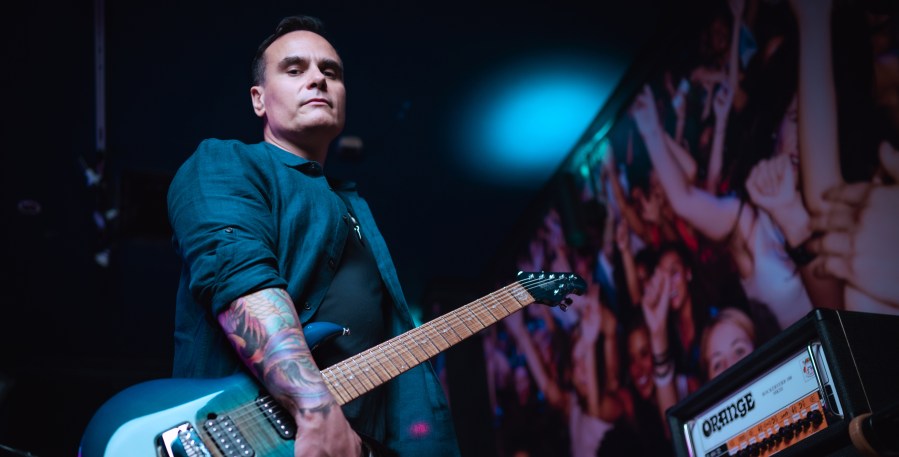
Rod Rodrigues

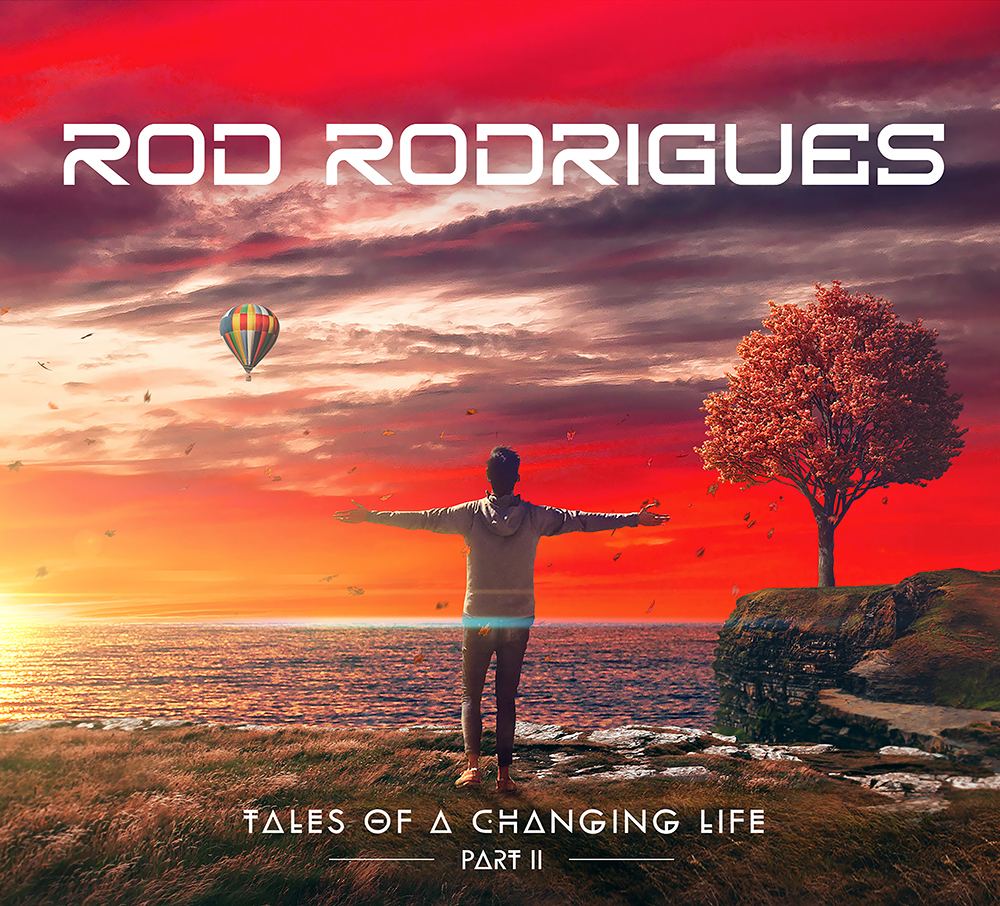
Album Review: Rod Rodrigues – Tales of a Changing Life Part 2

Brazilian guitarist and songwriter Rod Rodrigues returns with Tales of a Changing Life Part 2, the follow-up to his 2022 EP. Now based in Canada, Rodrigues explores the experimental realms of jazz fusion and progressive rock/metal, delivering a collection of seven tracks that showcase his musical evolution.

Rodrigues is a master of his craft, and this album is a testament to his exceptional musicianship. His guitar work is intricate and precise, while the drums, played with precision, often take the lead in guiding the songs through complex instrumental passages. One of the standout qualities of Tales of a Changing Life Part 2 is Rodrigues’ ability to maintain a strong melodic core amidst the experimental nature of the music, a challenge that he meets with ease.

A notable highlight of the album is the single “Inukshuk,” which features an all-star lineup including guitar virtuoso Angel Vivaldi, bassist Heitor Tenorio, keyboardist Orlan Charles, and renowned drummer John Macaluso, who has worked with ARK, Symphony X, and Yngwie Malmsteen. Speaking about this collaboration, Rodrigues shared his excitement: “It’s an immense pleasure and honor to work with such extraordinary talents. Collaborating with John Macaluso, one of my all-time favorite drummers, and Angel Vivaldi, an exceptional guitarist and individual, has been an incredible experience.”

The track “Inukshuk” stands out for its deep sense of dynamics and sonic depth. Macaluso’s snare hits with metallic precision, while Rodrigues’ guitar stretches across the stereo field, each note defined and clear. The keyboards, layered beneath the stratospheric guitar solos, add further dimension to the sound, while the bass grinds into the mix, grounding the composition. This track exemplifies the tight interplay between the musicians, all brought together under Rodrigues’ unique compositional vision.

The third track, “East Coast Memories,” exemplifies the album’s richness in high-resolution sound, offering an openness and lifelike transparency. The balance in this recording is striking, and while the album could be classified as fusion, its progressive elements extend far beyond that genre label. Rodrigues’ compositions tell stories, with each track taking the listener on a journey beyond the confines of typical instrumental music. His guitar voice is modern, melodic, and emotionally charged, making for a captivating listening experience.

Rodrigues reflects on Tales of a Changing Life Part 2, saying, “With this album, I feel I’ve reached a new pinnacle as a musician and composer. This album allows me to convey the profound personal transformation I’ve experienced over the last decade through my music. Additionally, I had the privilege of working with a stellar group of musicians who each brought their unique flair to the project.”

The album was produced by Rodrigues, mixed by Renato Osório, and mastered by Kris Crummett, known for his work with artists like Nick Johnston and Sleeping With Sirens. This high-caliber production enhances the listening experience, giving the album a polished yet dynamic feel.

Another standout track, “On the Road,” holds a special place in Rodrigues’ heart. Written in honor of his father, a taxi driver, the song exudes positive energy and is designed to accompany a high-speed journey. Featuring Heitor Tenorio on bass, Rodrigo Abelha on drums, and Orlan Charles on keys and piano, the track incorporates a Brazilian cultural element through the country guitar stylings of Rodrigo Sperandio. “In addition to the strong influences of Rush and Van Halen, I wanted to add something special from our culture with the Brazilian country guitar,” Rodrigues shares.

Rod Rodrigues’ career has been marked by collaborations with notable musicians, including Kiko Loureiro (Megadeth), Edu Ardanuy (Sinistra), and Rafael Bittencourt (Angra). A graduate of IG&T and Claretiano University, he has also been a prominent figure in music education since 1997, launching his successful online training program, Extreme Guitar Workout, in 2018. His discography includes his debut solo EP The First Step: Introduction (2010), which received acclaim from major guitar publications, and Tales of a Changing Life Part 1 (2022), the beginning of this conceptual series exploring stages of personal transformation.

In Tales of a Changing Life Part 2, Rodrigues not only showcases his technical virtuosity but also his ability to convey deep emotion and narrative through his compositions. His work stands as a shining example of how diverse musical influences can be melded into something both experimental and accessible. This is an album that takes listeners on a transformative journey, and in doing so, solidifies Rod Rodrigues as a unique voice in contemporary progressive music.

Stream, download and purchase Tales of a Changing Life Part 2 from Bandcamp here. Follow Rod on Instagram or Facebook.

Neal Morse: The Progarchy Interview

Justifiably one of our Artists of the Decade, Neal Morse has been prolific as ever in the past few years: a two-album rock opera on the Biblical tale of Joseph, made with an all-star cast [The Dreamer and The Restoration]; solo albums like 2020’s Sola Gratia and the new Late Bloomer; album/tour cycles with Transatlantic [The Absolute Universe] and the NMB [Innocence and Danger]; plus the new semi-acoustic trio with Nick D’Virgilio and Ross Jennings, as heard on the albums Troika and Sophomore.   When I connected with him recently, the focus was on his new band The Resonance, their new album No Hill for a Climber (out November 8th) and his upcoming cycle of Morsefest weekends in the US, EU and UK.  Due to audio glitches beyond our control, we can’t post the whole conversation, but the excerpts below capture Neal’s excitement about the new release and his upcoming shows, his candor about the challenges of putting an album together, and his enthusiasm for delving deep into the creative process.

How the new album project came together:

‘I was looking out at 2024, and I didn’t know what I would be doing aside from the Late Bloomer album; I’d already written all the songs.  And then I had Morsefest London and we had Cruise to the Edge with Flying Colors.  But aside from that, I didn’t have anything else booked for the whole year.

And I was talking about it with my wife.  And she said, there are all these really great local guys that I’ve played with at different events – Christmas concerts, church gigs, things like that.  It was her idea that I’d try to make a prog album with those guys.  At first, I was like, “well, maybe we could do a few writing sessions and see how it feels.” 

But the thing that really attracted me to it was the fact that everybody’s local.  I read about The Beatles in the old days; they were all living around London, some of them only ten minutes from the studio.  So, if somebody was inspired with a song, they could just get on the phone and meet at the studio very often, while the fire is hot, so to speak.  There’s something really inspiring about that for somebody that’s creative.  If you get inspired by an idea, it can be a bummer if it takes a really long time to work on it or come to fruition. 

I really enjoyed this; there was a lot more freshness happening on No Hill for a Climber for me.  Some of those things I just had the idea right before we got together to work on it.  And I actually wrote quite a bit of the stuff in the room, and I also wrote some of the stuff by myself.

There’s great players of all shapes and sizes [in Nashville].  And really, those musicians: they might be playing country cause that’s what pays, but secretly they love Mahavishnu Orchestra or something! I’ve found that to be very common.  Same in Christian music.  These guys really love prog, actually!  And it was great to get together with some young people with different ideas.  There were ideas they had that would never occur to me!’

About the members of The Resonance

‘Chris Riley I’ve known for about ten years.  I first met him at Morsefest, actually.  I can’t remember when I met him next, but over time we became friends; he began to play bass at City On A Hill Church in downtown Nashville, the church where I was pastoring at the time.  And he’s come to all the Radiant Schools, these week-long schools that I have here.  And so I started to hear his progressive rock music, which was really amazing!  At the Radiant School, when we’d listen to each other’s music that the students were all writing during the week and also had brought in stuff they’d written.  When Chris’ music would be playing, everybody would come running like, “What is that?”  And he’s a multi-instrumentalist, a really interesting artist, I think.  Kind of a left-field guy.  He’s the guy that helped me do the soundscapes on the Joseph albums, some of the really weird ones.  He’s really out there.  Expect the unexpected with Chris Riley!

Philip Martin is a young guy that I’ve known most of his life, because we’re friends with his parents.  And I got to watch him develop as a musician, as a person.  He was getting better and better at the drums, and so I asked him to start playing percussion; he’s been the percussionist at Morsefest for many years now.  So, Philip’s been percussionist at Morsefest and also playing with me – you might recognize him in some of the videos I’ve done; he’s been in other things.  He’s really blossomed as you can hear on the album.  The drumming’s pretty great, I think!

Andre Madatian is a music teacher and a guitar player that I’ve known for about 10 years also.  And he played a guitar solo on the Joseph album that I really, really liked.  Anyway, he’s a really pleasant guy to be around, and when I was talking about who might I make a record with – whenever he comes to play, he just brings so much to the table.  And so I thought, “Well, let’s have preparatory writing sessions,” and the rest is history, you might say.

[The vocalist] was the wild card.  When we were writing this music, we were hearing, I was hearing particularly these high vocals in certain sections.  In fact [ballad] “Ever Interceding”, when I wrote it, I wrote it in D, knowing that I can’t sing it!  The bridge starts on an A and I can’t get anywhere near that, really.  But I didn’t want to change the key and lower it for me; it didn’t feel right.

So, there we had all these songs, but we didn’t have a singer.  And we were delivering the album in May and it was mid-April!  And I was talking to the singer that was a friend of Andre’s that he said was just awesome and came highly recommended.  Well, I talked to him for a week; he said he was going to come over the next week.  And around the end of April, he says “Hey, I’m busy; can we talk about June?”  And I said, “No; I’ve already got a time line on this!”  And Rich [Mouser] is set up to mix.  We’ve gotta deliver this thing!

So I started making some more calls, and a mutual friend said, “Oh, I’ve got the guy, this Johnny Bisaha.  He’s gonna be amazing!”  What’s so incredible to me, I think we met right at the end of April; he came over the first week of May, I believe, and did all his vocals on the album in two days.  In the eleventh hour he came and just hit it right out of the park.  And he’s also just another pleasant, great guy to be around, and that’s important too.’

Where the album title came from:

‘Well, it’s not a concept album, so it’s not telling a story; it would be like Close to the Edge.  “No hill for a climber” – I was reading a book called Demon Copperhead [by Barbara Kingsolver], and that was in February.  We were flying to see my daughter and her husband in Colorado, and I was reading that.  And I said, “What a phrase!”  I don’t know if you ever do that, if you’re reading and a phrase will jump out at you.  “That’s a cool saying!  I’ve never heard that – no hill for a climber.”

So I was just sitting there on this airplane flight, and I started singing it to myself.  I got up and I started walking up and down, cause I didn’t want to wake up the person sitting next to me!  So, I’m walking up and down the aisle singing into my phone real close, hoping it’ll come out with all the noise.  Quite a bit of the sketch of that chorus came right out on the airplane.

And then I sat down and started reading the book again.  And a little while later, I started hearing the thing that comes afterward.  So I get up and I’m walking around the airplane again!  I got up a few times on that one flight.  My wife finally said to me, cause she was sitting with the baby elsewhere, and she said “Man, what’s with you?  What’s going on?  Have you gone crazy?”  I said, “I don’t know, man; God’s giving me a lot of stuff – I want to make sure I don’t lose it!”  I knew it was good.’

About the opening suite, “Eternity in Your Eyes”:

‘Some of what I wrote, I would say that’s got some of the most Spock’s Beard-type stuff in it.  Some of it’s quite reminiscent of Spock’s Beard – even the sounds.  The bass sound – we actually ran four tracks of bass to achieve the sound that we got!  I’m really happy with it.

There’s so much to say about it.  It originally was not a particularly long piece.  I had written the verse and the chorus for “Eternity in Your Eyes” on piano.  Part of my job as producer was to listen to the other music that the other guys had written and figure out where to place it or how to use it.  And so I had the idea to start off that piece – as it grew; after we added Chris Riley’s demos, the “Northern Lights” part and the “Hammer and Nails” section.  Cause I listened to his demos, and he had this really long piece; I don’t remember how long it is, it’s like 40 minutes long.  And I asked if we could take those parts out and put them in “Eternity in Your Eyes”.  And he was just like, “Oh, yeah, sure, yeah.”  And I was like, “Oh, great!”  Cause I loved those sections.

So then the challenge was to figure out how to get into there from “Eternity in Your Eyes”, and then how to get out!  And once we did that, I listened down to the whole thing and went, “You know, we need something between those two parts!” [Laughs} I was in the mountains in Gatlinburg, Tennessee for a few days, and I had the idea to put in a jam in the middle.  I was like, “man, there isn’t enough stretching out and soloing!”  One thing I really liked that Transatlantic did was that they would stretch out parts and really get into a long solo section that starts off small and builds up.  I’ve always really liked that, but I don’t always remember to put those into the things I’m working on.

Anyway, I had the idea to put in the jam thing, but then going from the jam into “Hammer and Nails” didn’t really work.  So then the idea to put in a little bit of the chorus.  And now that it’s becoming this longer piece, it makes a lot of sense to put in a little bit of the chorus in there, to tie it all in.  And then it was one of the other guys that had the idea to have Johnny sing it!  Then once Johnny came in, it was, oh!  We need him to sing on more than “Ever Interceding” and “No Hill”.  So let’s have him sing a verse of “All the Rage”, and let’s put him in the bridge of “Eternity in Your Eyes” – you see what I’m saying?  As it was developing, all of these things were changing.  Right up until the last minute, actually.

Everything you put in changes the perspective of the whole piece.  Cause when you listen down, you want to feel the flow.  And that’s the greatest challenge of the long pieces is getting the flow right.  It’s not easy! [Laughs]  It doesn’t usually just happen perfectly out of the gate.  There’s a lot of consideration and cutting and pasting and putting in.  But as long as you step back from the canvass and go, “Yeah!  Yeah!  It’s working; I think we’ve got it, [British accent] by Jove!”’

About “Thief”, the second track and second single:

‘Yeah!  I don’t know where these things come from.  I was just taking a nap one afternoon; and I woke up with this strange “Thi-e-e-e-f” [Demonstrates words and bass line].  So I had this idea for the beginning.  And this is one of these times where collaborations really kick in.  I had the beginning, which was weird and kinda spooky, and it was like, “Where do I go from here?”  I tried a bunch of things; I finally went into a 6/8 thing.  [Demonstrates} “Everything you touch turns into lies”.  I was very happy with that; it sounded kind of like Queen.  And then I had the idea [demonstrates], “My Lord’s gonna fight” and I wanted to go into something big – but I everything I tried, I tried a lot of different things and nothing was working for me.

So I called up Chris Riley; that’s the great thing about having everybody local.  Chris just came over that night and he listened to it.  “Oh, yeah, cool!  What about this thing?”  That middle part of “Thief” is actually something that Chris Riley brought in to the Radiant School about 3 years ago [demonstrates] with the ascending bass and the organ.  He actually laid that into the computer, when we were just sort of getting it out.  Cause I didn’t really remember how that went.

And I knew I wanted to peak it out and have it stop, wait and go “Thief!”  Cause that’s the way my mind works.  My original idea was that we’d do some blistering fiddly bit and then stop.  But I thought, “I don’t know; it seems like I’ve done that a lot.”  Then I had the idea, “What if we all just freak out?  We’re just going along and all of a sudden, everybody just starts going out, playing random, crazy stuff?  And then stopping all together!”  And of course, obviously, that’s what we wound up doing.  That’s actually one of my favorite moments on the album. [Laughs] It’s so crazy!  When we first tracked that, it was Philip Martin and me playing bass.  It started out with just bass and drums and everything else was layered on on top of it.’

About “All the Rage”, the first single:

‘I was looking for a chorus; I wrote that one by myself, so I had the opening that I thought was good, proggy but yet a little rock riff.  It’s in 4/4, you know? [Chuckles]  I had the whole thing up to the chorus, and I kept trying different choruses.

And when I came up with that “all the rage” thing, that was what fed the whole lyric. “You’re all the rage, but you won’t turn the page.” The whole lyric sort of fell out of that.  It’s a challenge to write stuff that’s progressive yet short yet accessible.  And we tracked that together in the room, just rockin’.  And I think you can feel that; that has a good fresh feel about it.  And the tempo’s changing; if you notice, the last chorus is quite a bit faster than the other choruses.  But I think that’s what gives it life.  I think it has a lot of good feel to it.’

Continue reading “Neal Morse: The Progarchy Interview”

Ascending New Heights: An Interview with Phillip Mann of Diveradiant

Phillip Mann, the mastermind behind the alternative metal project Diveradiant, hails from Belgrade, Serbia, and has been crafting a unique blend of heavy and atmospheric music for over a decade. Blurring the lines between post-metal, ambient, and experimental metal, Diveradiant’s sound is an intricate mix of atmospheric depth and crushing heaviness. Last month, Phillip released Ascension, an EP that showcases his genre-blending approach and unconventional songwriting. In this interview, we discuss the challenges of creating Ascension, the inspirations behind its sound, and Phillip’s thoughts on the state of the alternative music scene today.

You launched an EP with your project Diveradiant entitled “Ascension” last month. How do you feel about the release? 

I feel a bit of excitment, I wonder how I will pass the test from the audience, with awareness that is not the convencional release in the metal world I think.

How much of a challenge was it to work on the release?

Quite reasonable, in the matter of struggle with everyday activities. I am satisfied with the deadline of production, It took me around a few months for this EP to record. The most challenging thing is primarily the unconventional approach to the settings and concept of the blending genres I did. Also it will be a challenge to make people try to hear maybe something new in this hyper trending world. I will give it a try.

Speaking of challenges, have you set any in the early phase of what has become the final result?

Main challenging focus was and still is focus on genre blend and the experience that will produce on the listener on first and multiple listens. As a final result I see that my ideas become clearer to me and to the others.

Tell me about the different instrumental and lyrical aspects that you explore on these new songs.

At first, always experimentation on guitar layers and atmosphere. At some point I explored my vocal potential to make an even deeper atmosphere through lyrics and manner of singing. I am far from some professional singer, but the main goal is the atmosphere that voice creates. And then again, new instrumental soundscapes through different guitar tunings to synth volumes that massively rises upon heavy and low guitar riffs and drums. Main lyrical themes are psychological behaviors compared to modern society as the things we need to take more care of.

What is your opinion about the alternative scene today? 

Alternative scene definitely went deep underground. Today it is harder to catch a wider audience, because of the super fast and hyper production lifestyle we live. And also I need to mention differences between mainstream now and in the past, how it was. I think that in the past mainstream was way better and that took influence in the alternatives also. It was way better back then.

Let me know about your influences — the artists that in a way shaped and continue to shape your music.

There are many artists and bands like Justin K.Broadrick ( various of his projects like JESU and GODFLESH), Roger Waters (early Pink Floyd), Thierry Arnal ( Fragment.), Misha Mansoor (BULB, PERIPHERY), Vildhjarta, Cult Of Luna, Meshuggah and many more. All of these bands and artists have similarities, like heavy guitar riffs and atmospheres. I think that I seek roots from these bands in some manner.

What are your top 5 records of all time?

Oh, difficult one. It will be at first:

JESU – Jesu
PINK FLOYD – Ummagumma
FRAGMENT – Is Your Truth Carved in Sand?
PERIPHERY – Periphery (instrumental)
VILDHJARTA – Måsstaden under vatten

Besides the release of “Ascension” are there any other plans for the future?

I will continue to explore soundscapes of metal and ambient music through new songs and collaborations I am planning, probably I will consider maybe live appearance in future.

Check out Ascension on Bandcamp.

PATRICK BROGUIÈRE Talks New Album “Destinations”

Patrick Broguière, a seasoned French progressive rock composer and multi-instrumentalist, continues to captivate listeners with his ability to blend diverse musical styles into cohesive, cinematic narratives. Following the success of his previous album A Secret World, Broguière has just released Destinations, a concept album that takes listeners on a journey through imaginary lands, each with its own distinct soundscape. Known for his meticulous attention to detail and innovative use of technology, Patrick pushes his compositional boundaries on Destinations, emphasizing vocals and exploring themes that transport audiences to fantastical realms.

In this interview, Patrick discusses his creative process behind Destinations, his musical evolution over the years, and the influences that continue to shape his distinctive sound. From the album’s use of relative keys and vocal elements to its captivating artwork, Broguière reveals the intricacies of his latest project and what listeners can expect from this imaginative and immersive musical voyage.

Destinations by Patrick Broguière

Congratulations on the release of Destinations! Can you tell us how this album represents your evolution as a composer since your last release, A Secret World?

With each album, I try to come up with something new compared to the previous ones. In Mont Saint Michel there was a real drummer, in Châteaux de la Loire there was the influence of Renaissance music, in A Secret World it was a bit of a patchwork of my influences, but I tried to unify it all by staying around the B minor tonality for all the tracks. For Destinations, the main change was the emphasis on vocals.

You mentioned that the concept for Destinations emerged gradually. How did the idea of exploring different imaginary lands through music develop as you composed the album?

At first, I thought of calling the album Voices, given all the voices I’ve introduced. But as the first tracks on the album were The Land of Elves and The Land of Rock (Rockland), the idea of journeys into imaginary lands eventually took hold. From there, the choice of the word Destinations eventually emerged, as it seemed to be unused by other musicians.

The decision to use relative keys of D minor and F throughout the album creates a sense of unity. How did you settle on this approach, and how did it influence the album’s sound?

Single tonality is an approach that comes from classical music and is often used in dance suites and symphonies, for example. That said, there are many other ways of achieving unity in classical music. Getting back to the album, the fact that all the tracks are in D minor or F major means that you have to be more inventive to ensure that the pieces don’t sound the same despite their common tonalities. In fact, it’s just an arbitrary constraint that stimulates creativity.

Destinations features an impressive lineup of vocalists. What was the process of working with voices from commercial sound banks, and how did you create such natural-sounding melodies from these elements?

First of all, it has to be said that today’s sound banks are really amazing. For example, I’ve also used some very successful symphonic string banks to imitate string staccatos. After that, realism is achieved by working carefully on the choice of different sounds and their sequencing. The album also includes two spoken voices produced by AI. As I don’t perform live, I make full use of all the technological marvels of the moment. At the moment, there are a lot of problems in the world, but I have to admit that technological progress is exciting.

Could you walk us through your creative process for one of the album’s tracks? For instance, how did “The Land of Elves” come together, both musically and conceptually?

The composition of this piece began when I found a simple guitar arpeggio on the three rock chords C F G, which I modified a little by playing C F.add9 G. Then the rest of the music followed in a somewhat mysterious way. After that I transposed the piece to F with a capodastro to give the theme F Bb.add9 C. After the music, the melody and the elf theme came when I bought my sound bank on the elf language. Finally, a friend of mine, the musician Jean Philippe Brénot, really encouraged me to stretch this piece. So I found other themes, other instruments and a guitar solo to flesh out the composition to the 10-minute mark.

The album blends progressive rock with cinematic and atmospheric elements. How do you balance these influences while maintaining your signature compositional style?

I admit I’m not sure how it all fits together. All musicians have different influences and as far as I’m concerned I use a lot of different sounds to compensate for the fact that I’m not a band like the progressive giants Genesis or Pink Floyd.

The album artwork, created by Hervé Thibon, complements the music beautifully. What was your collaboration like, and how does the artwork reflect the themes of Destinations?

This time, Hervé worked from the finished album. So he quickly came up with the idea of drawing a circle with 7 sections representing the 7 songs on the album. So in order there’s a queen of the elves, a land of boulders (rockland), a view of Hyperion and Saturn, a Pierrot for Dreamland, a nod to my Brocéliande album, a desert and a character heading towards dawn/sunset for The Last Destination. Also the decorations and illuminations are inspired by the famous Book of Kells from the year 800. After the design on paper, it took Hervé a month of work to finely engrave the painting on glass.

You’ve drawn inspiration from mythology, history, and visual art throughout your career. Were there any particular stories or artistic influences that shaped Destinations?

On Destinations, I didn’t have any specific influences like the Renaissance for Châteaux de la Loire. But I do know that I thought a lot about Pink Floyd, particularly Meddle, which encouraged me to write long songs and use sound effects. I also remember that the organ on Hyperion with the bird sounds was of course inspired by More. As for the rest of the album, I don’t have any particular memories: most of the influences are unconscious.

Rockland and The Land of Elves have radio edits on the album. What led you to create shorter versions of these tracks, and how did you decide which parts to highlight in these edits?

These short versions were made with the idea of making videos with these two songs, which I thought were catchy enough to reach a wide audience. The video for Rockland by Jean Philippe Brénot is already online. The video for The Land of Elves will be released in November. After that, the choice of shortening was made by keeping the main themes as much as possible.

Your use of both guitar and keyboards drives much of the album’s narrative. How do you approach blending these two instruments to tell a cohesive musical story?

In fact, I think it was Mike Oldfield’s Tubular Bells that made the biggest impression on me because of the way the guitarist does everything himself. Back then it was with a multitrack tape recorder and now it’s with a computer. After that, the coherence of the compositions is obtained by choosing a theme for the album, by taking care of the arrangements and also, for example, by choosing a main tonality.

Having started your career at 15 and been influenced by Ritchie Blackmore, how have your early influences shaped your current approach to progressive rock composition?

At first, like many teenagers, I wanted to be a guitar hero. Then I quickly went from a taste for the virtuoso guitar/keyboard of Deep Purple to a taste for the more epic guitar/keyboard of Genesis and Pink Floyd. That’s also when I got a taste for concept albums. So, as I wasn’t really a guitar hero, I gradually got interested in keyboards, then home studio, then composition, while studying harmony and counterpoint at the conservatoire. From Blackmore and Gilmour I’ve also retained a strong taste for the Fender Stratocaster.

You’ve had a long and varied career, from releasing music in the 90s to publishing books and now returning to music. How has your creative journey outside of music influenced your recent works like Destinations?

In fact there was an indirect influence because after I’d done two books I studied magic and close-up for 2 years. I did some tricks to music that one really enjoyed. And at the end I unfortunately failed the school’s final exam. It upset me so much that I decided I absolutely had to go back to music only and it was this challenge that led to the composition of A Secret World. Destinations is a continuation of that project but with new sounds.

Can you talk about your love for blending genres like classical, medieval, and Celtic with progressive rock? How do these influences manifest on Destinations?

We talked a bit about this in the previous questions. There was the influence of the blending of styles by Mike Oldfield, Pink Floyd or Genesis, the folk guitar, the electric guitar plus the study of classical harmony.

You’ve described Destinations as a musical journey meant to take listeners to different worlds. What do you hope listeners experience when they listen to the album from start to finish?

Above all, I hope that listeners will enjoy listening to the album in its entirety, unlike the current fashion for mp3 playlists of singles. I also hope that this music will make them dream!

What’s next for you after Destinations? Are there any other projects or musical ideas you’re currently exploring?

Right now I’m feeling a bit drained after two albums that were released quite close together! So I’m just jotting down a few ideas with no clear direction at the moment. I’m also doing some promotional work and I’ve been filmed playing guitar for the forthcoming The Land of Elves video. 

Destinations is out now; stream/download/purchase it from Bandcamp here.

The David Cross Band in Concert: Larks’ Tongues Ascending

It hadn’t been an auspicious beginning for The David Cross Band’s stateside tour; their opening night in Asheville, North Carolina was scuttled by Hurricane Helene’s brutal landfall, blowing a hole in their plans (and their finances) and stranding them in the disaster zone for a couple of fateful days, until they could source a full tank of gas and find an open road north. As they took the stage at Grand Rapids’ Pyramid Scheme, you could tell they felt for the devastated community they’d left behind — but also that they were also grateful to be back on track and playing for an enthusiastic (if compact and shall we say, mostly of a certain vintage) audience.

Electric violinist Cross, best known for his early-1970s stint in King Crimson, wasn’t messing around. As guitarist/vocalist John Mitchell — yep, fellow Progarchists, that genial jack of all trades from The John Wetton Band/Frost*/Lonely Robot’/Kino/Arena/It Bites/etc. — hit a chord, Cross took off on the kind of free improvisation that awed Crimson fans back in the day (including the drummer two seats over from me, who raved about a stop at GR’s Aquinas College 50 years ago). Cross, Mitchell, bassist/vocalist Mick Paul, keyboardist Sheila Maloney and drummer Jack Summerfield quickly locked in, building the folky core material to a simmering peak with classical flourishes and just the right amount of rock muscle. The epic Cross original “Calamity” shared a similar brooding feel, while “Tonk” and “Starfall” (the latter written with Crimson lyricist Richard Palmer-James) proved convincing slabs of the hard-hitting odd-time prog-metal the crowd had come to hear.

But as cool as Cross’ original work is, this North American stint isn’t called the “Larks Tongues’ 50+” tour for nothing; there was plenty of classic King Crimson on tap. “The Great Deceiver” was a high-octane update of the “flying brick wall” groove with which Bill Bruford and Wetton had terrorized Robert Fripp and Cross back in the day, as Paul, Mitchell and Maloney belted out Palmer-James’ sardonic lyrics; “Red” remains every inch the monstrous instrumental stomp it was in 1974. And after an apropos announcement in the vein of the Who’s Keith Moon from Mitchell (“Silence for rock history, please – especially up there in the jazz club”), the band launched into the entire Larks’ Tongues in Aspic album — complete with the extended thumb-piano intro that opens Part 1 of the title track.

Not on their cell phones: the Larks’ Tongues in Aspic Thumb Piano Ensemble in action

Throughout the night, Summerfield and Paul drove the band forward with propulsive power and a wicked edge, while Maloney served up lush keyboard colors, the occasional synth solo, and a nifty electronica backbone to freshen the mournful ballad “Exiles”. Paul’s rough-hewn voice soared on that tune, and Mitchell’s singing spanned the tender ardor of “Book of Saturday” and the vicious kiss-off of “Easy Money”, channeling Fripp’s monolithic power chords and tritone-laced solo style all the while. At center stage, Cross covered all bases with aplomb; buzzing like a hornet’s nest, shrieking like a banshee or launching sustained flights of aching, soaring melody, he moved with the music in the moment, no matter its direction or destination. Eschewing the precision tooling of recent King Crimson tours for a freer flow, the band built the tribal funk of “The Talking Drum” to a fever pitch, then pumped up the crushing Hendrix-plays-Stravinsky riffs of “Larks’ Tongues Part Two” to a shattering climax.

The final touch could only be “Starless”, one of the last pieces Cross played live with Crimson in those early salad days. Mitchell rose to the occasion, singing Wetton & Palmer-James’ melancholy words with fervor and grace. Then Summerfield and Paul cranked the tension of the instrumental build to a tipping point. From that height, Cross dove into the breakneck double-time coda, blazing the trail for Maloney and Mitchell to follow. As the quintet stuck the landing, the audience hit their feet (with only minimal prompting from Mitchell), glad to be in the moment with a band that, on this night, had ascended to a sweet spot where memory and spontaneity combine.

The David Cross Larks’ Tongues Band’s North American tour continues through October; check out currently scheduled tour dates here.

— Rick Krueger

Setlist:

  • The Pyramid Scheme (improvisation)
  • Tonk
  • The Great Deceiver
  • Red
  • Starfall
  • Calamity
  • Larks’ Tongues in Aspic, Part 1
  • Book of Saturday
  • Exiles
  • Easy Money
  • The Talking Drum
  • Larks’ Tongues in Aspic, Part 2
  • Starless

Premiere: The Snozzberries Unveil New Single “Grundle”

Today, we are thrilled to premiere “Grundle,” the third and final single from The Snozzberries’ highly anticipated self-titled album, set to release on October 11, 2024. Known for their explosive blend of psychedelic rock, funk, and progressive influences, The Snozzberries have spent years cultivating a sound that transcends traditional genre boundaries.

Stream “Grundle” below.

The forthcoming album promises to be a sonic journey, exploring dark psych rock, thrash metal, funk, and soul, while delving into themes of love, loss, and personal growth. Each track serves as a testament to the band’s evolving artistry and commitment to pushing the limits of their musical expression.

Our main goal with this album was to focus on writing interesting, well-crafted songs,” the band shared. “The fun thing about The Snozzberries is that we don’t just stick to one style. Each of us brings our own influences to different tracks on the album.

Despite being an underground act, The Snozzberries have garnered critical acclaim and a dedicated following. Renowned music publication Rolling Stone hailed them as “an explosion of vibrant tones and textures,” while Live For Live Musicpraised their “hard-hitting set” that leaves audiences in awe. MusicFestNews.com even likened their electrifying performances to rising stars like Spafford and Goose.

While The Snozzberries may not yet be a household name, their dynamic live shows have gained them recognition at festivals such as Hulaween and Summer Camp, sharing stages with notable acts like Papadosio and Big Something.

With the release of their self-titled album, The Snozzberries aim to deliver the genre-blending energy that has come to define their sound, solidifying their position as one of the most exciting acts in the underground psychedelic and progressive rock scene.

The new single, “Grundle,” showcases the band’s psychedelic prog influences, with bassist and vocalist Josh Clark delivering his signature bass style.

The Snozzberries Track Listing:

  1. Darkness
  2. Return
  3. Grundle
  4. Living Without You
  5. Circling the Drain
  6. Guepardo Morado
  7. Hide
  8. The Storm
  9. Biting Through

For more information, visit TheSnozzberriesMusic.com. Follow them on social media @TheSnozzberriesAvl.