

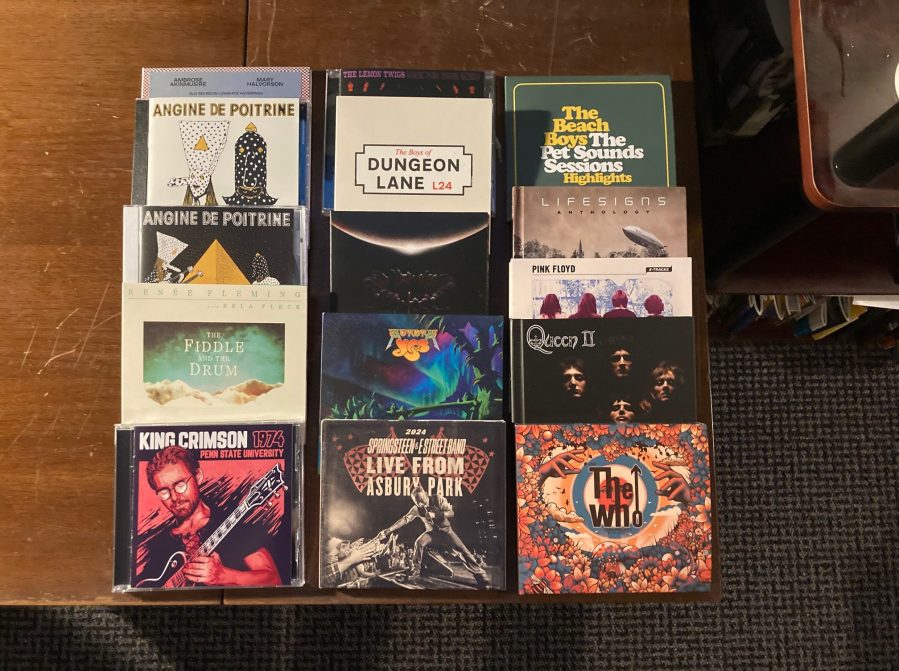
“What is so rare as a day in June?” Certainly not good music! There’s much fine listening on many fronts this month – hence, the elongated article. Listening links are embedded in album titles; where necessary, purchase links are included (in parentheses) at the end of reviews.
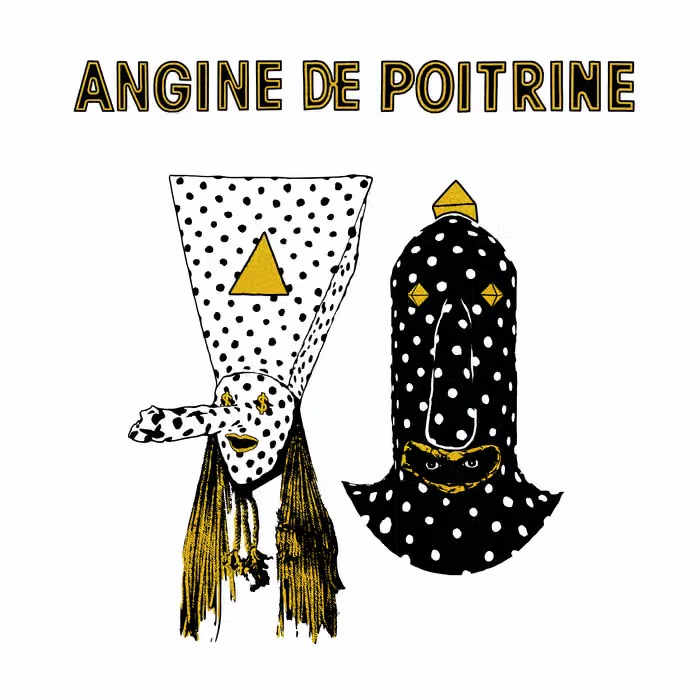
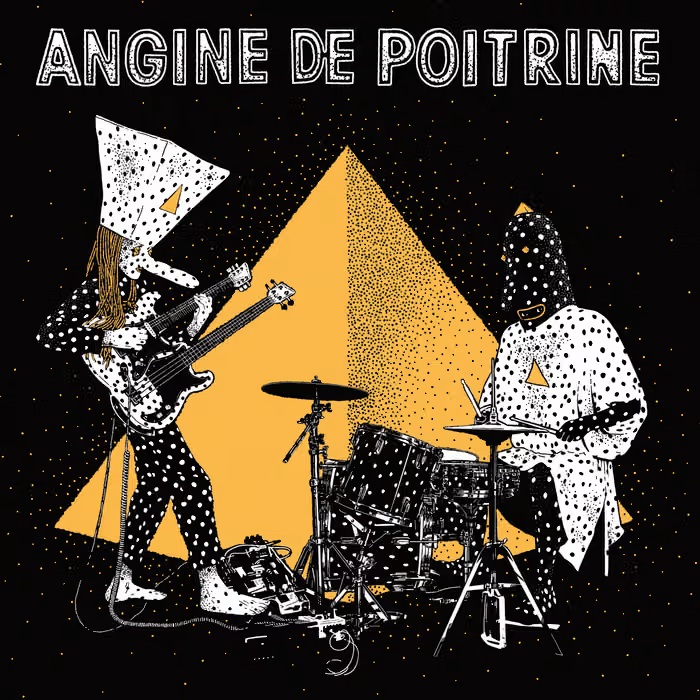
The buzz of 2026’s experimental scene has unmistakably been Angine de Poitrine. After all, when was the last time you saw and heard a duo of self-proclaimed alien beings (hailing from Quebec) burning up social media with microtonal minimalist surf prog? Kudos to AdP for packaging challenging if familiar ideas with striking if freaky visuals (papier-mache heads? Pyramids and suspicious dice? Pickled herrings and a hot dog?). The proof’s in the tuneage, though: on 2024’s Vol. I and the new Vol. II guitarist Khn and drummer Klek generate one tightly controlled, surprisingly addictive perpetual motion frenzy after another. Fans of Steve Reich, 1980s King Crimson and math-rock in general will resonate with it all. Whether AdP have staying power beyond this initial splash remains to be seen, but they’ve made a good fist of a start.

Also on the out-there end: two of my favorite avant-jazzers, trumpeter Ambrose Akinmusere and guitarist Mary Halvorson took advantage of a common record label to stage a welcome summit meeting. Slo-Mo Neon Luminate Hoverings is a pretty solid description of what the result sounds like; from the conventional beauty of Akinmusere’s “Prelude in the Ash” through the loop-based drone dialogue of the joint “Soundcheck” to Halvorson’s polytonality-meets-power-chords “Blood & Sand”, you rarely know what’s coming next, but there’s plenty of sonic space to navigate without a map. Akinmusere shouts, twists, flurries and floats, singing as much as playing through his instrument; Halvorson brings her pointed tone, scribbly runs, wiry chords, and mastery of effects to bear; their ongoing dialogue is sombre, witty, affecting, completely simpatico. An attentive collaboration that leaves the listener engrossed, hanging on every cryptic gesture.
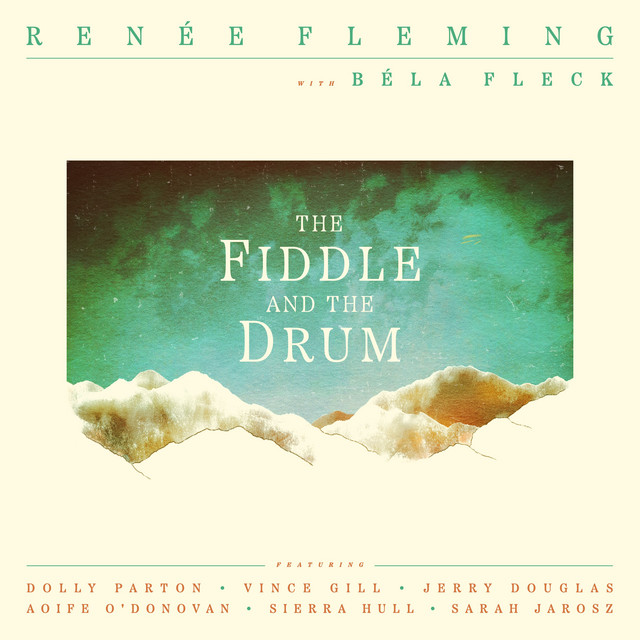
Opera/art song diva Renee Fleming has occasionally detoured into crossover territory, with mixed results. (Excursions into jazz: usually solid. An album of indie rock tunes from Muse, Arcade Fire, The Mars Volta, etc: not great.) Her latest, co-billed with progressive bluegrass heavyweight Bela Fleck, is a self-released passion project — and it’s quite good! The Fiddle and the Drum focuses on songs of love and war, ranging from Carter Family classics through Joni Mitchell’s Vietnam-era title track to Elvis Costello’s cinematic period piece “The Scarlet Tide”. If Fleming is sometimes overly reverent toward the material, she’s also thoroughly committed; her duets with dobro master Jerry Douglas are the most intense moments here, though the closing a cappella trio “Pretty Bird” (with Americana sirens Sierra Hull & Sarah Jarosz) comes close. Add guest vocals by country titans Dolly Parton and Vince Gill, Fleck’s steady hand in the studio and a tasty backing band, and you have a luxuriously upholstered yet idiomatic homage to the Appalachian folk tradition. (Buy from Bela Fleck’s webstore.)
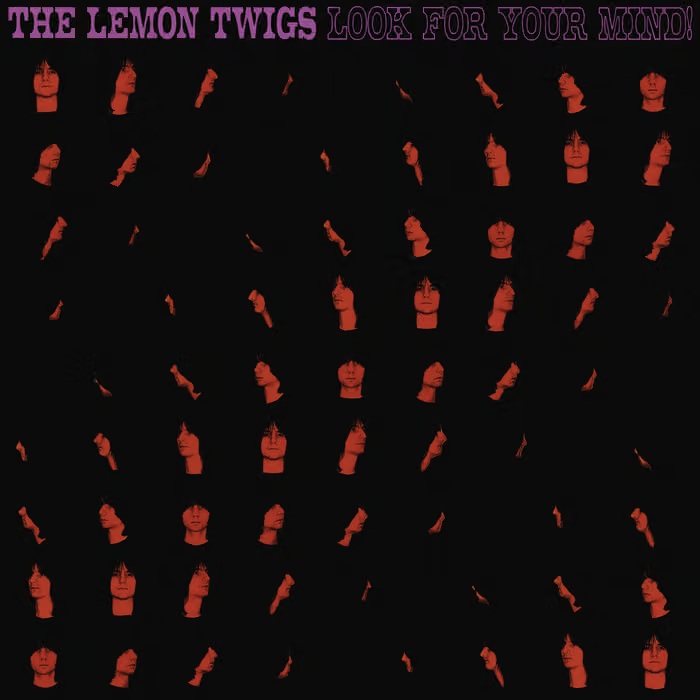
Suddenly everything old in rock and roll seems new yet again: witness The Lemon Twigs, brothers from New York City who write, sing and play multiple instruments like angels heralding the resurgence of power pop. Their sixth album Look For Your Mind! is much more than an exercise in retro pastiche, even though the guitars jangle and ring, the vocal harmonies swoon and swoop, and a wall of orchestral sound ebbs and flows. Brian D’Addario’s soaring, melodic balladry and brother Michael’s chunky, adenoidal rock chops meld into one overarching style like never before, with the Twigs’ road band and female fellow-travelers Tchotchke contributing to a warm new “live in the studio” feel. And the songs! Sweet odd-couple romance “2 Or 3”, stomping protest rocker “Bring You Down”, break-up chamber-pop “Joy” (with the solo taken by a French horn section!) are just the tip of the iceberg; every single tune is a near-perfect blend of craft and sincere sentiment, bursting with riffs and melodies that stick like chewing gum through every surprise bridge and delightfully inevitable key change. This is the album where the Twigs have made their influences (Beatles, Byrds, Beach Boys, Big Star – and that’s just the Bs) their own, and a record that stands up marvelously in such august company. Already a hands-down 2026 Favorite, and the album I recommend most highly from this batch.
Of course, it’s not like all the grizzled veterans are sitting home, twiddling their thumbs. Paul McCartney has been striking nostalgic chords by summoning up his past for at least thirty years, and his new The Boys of Dungeon Lane delves further into lyrical and musical reminiscence. “Days We Left Behind” meditates on history and change, spotlightling a newly fragile cragginess in Macca’s voice; “Down South” mates a memory of hitchiking with George Harrison to gentle acoustic busking. Plus, there’s “Home to Us” – a duet with Ringo! (On vocals and drums!) Not to mention the “When I’m 64” shuffle of “Life Can Be Hard”, a callback to “And I Love Her” on “First Star of the Night”, plenty of energetic rock guitar, fuzz bass, and even Paul playing trumpet (on “Salesman Saint”, a tribute to his parents that’s the album’s most moving love song). McCartney’s melodic gift and textural instincts are at a peak, and Andrew Watt’s widescreen production cannily matches the enticing, confiding tone of his voice. Lovely overall, thoroughly charming and frequently stirring, slotting easily into the upper reaches of Macca’s more adventurous solo efforts. (Buy from his webstore.)
And then there’s Muse – as over the top and bonkers as ever for their latest return to action, The Wow! Signal. You know what you’re in for when opener “The Dark Forest” contains both a direct steal from the soundtrack to Lawrence of Arabia and quasi-liturgical Latin chanting; the willful genre-hopping never stops, both between songs (EDM/Taylor Swift-wannabe single “Night Shift Superstar”, synthprog/rifferama medley “Hexagons/The Sickness in You and I/Unraveling”) and within them (“Be With You” is a hymn! No, it’s dubstep! No, it’s metal! With a choir!) Credit to Matt Bellamy, Chris Wolstenholme and Dominic Howard for pulling together yet another smorgasboard of sensory overload into a surprisingly coherent concept album – and for injecting unexpected emotional depth, as melancholic coda “Space Debris” casts down-to-earth shadows over what had seemed just another grandiose conspiracy/UFO narrative. After a couple of enjoyable but not particularly memorable releases, this one feels like a real step forward. (Buy from their webstore.)
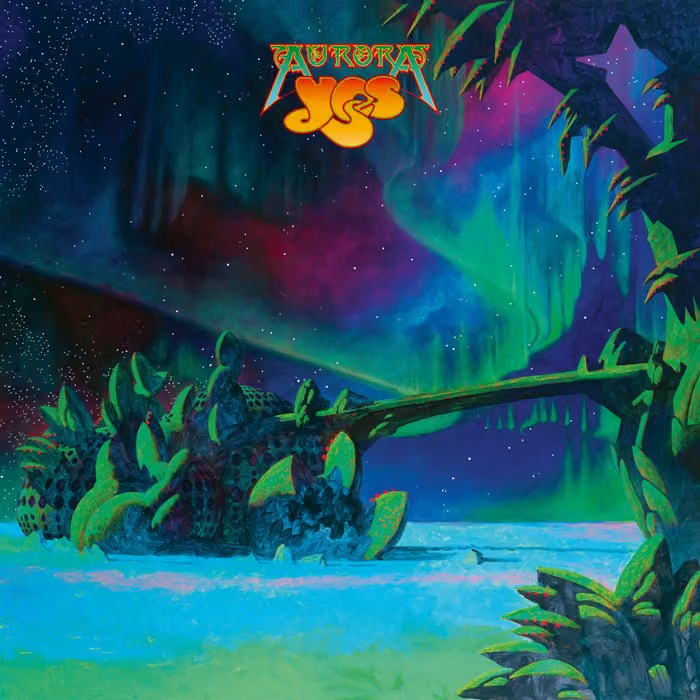
As does Yes‘ latest, Aurora – though the Steve Howe-led version of this band has been gaining momentum for a couple of albums now. There’s plenty of newfound ambition in the tunesmithing, and the band plays with commitment and animation. Howe’s style and sound on electric, acoustic and steel guitars is unmistakable, while Geoff Downes’ synth and organ work is straightforward and appropriate; Billy Sherwood and Jay Schellen lay down nicely propulsive grooves; and orchestral flourishes on the title track and “Ariadne” complement the group sound instead of distracting from it. Jon Davison’s found his way forward as well; whether on the harmonious “Turnaround Situtation”, the four-part suite “Countermovement”, or the anthemic closer “Emotional Intelligence” his singing slots in confidently, with a pleasant amount of grit seasoning his usual sunny vibe. Don’t expect the adrenaline rush or angularity of Yes’ most innovative era; these are mostly distance runs instead of sprints or marathons, paced as such, but the restraint works, even on riff-rocker “All Hands On Deck”. Take Aurora on its own terms, and there’s genuine satisfaction to be found. (Buy from Inside Out.)
Reissues and live releases follow the jump . . .
Continue reading “Rick’s Quick Takes: A Season of Plenty”
