

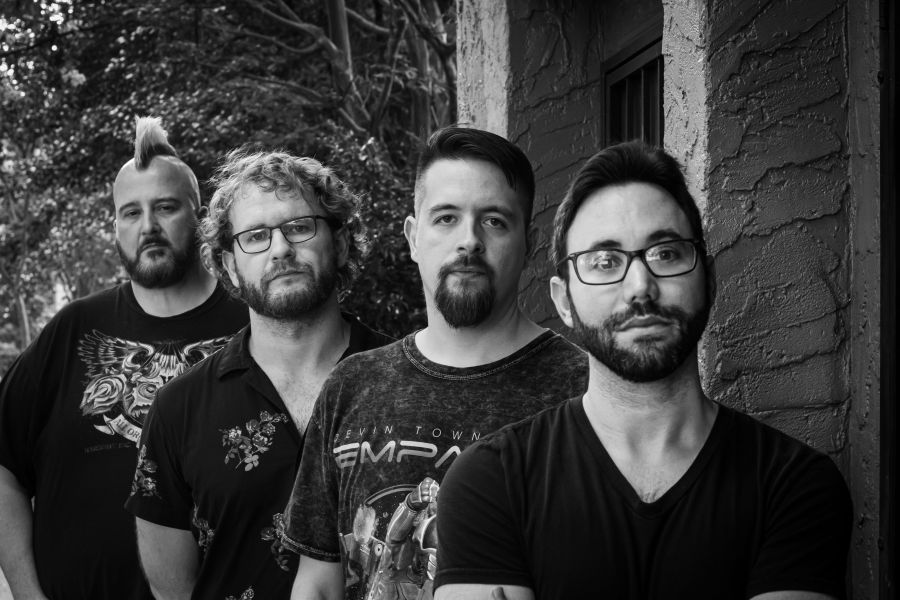
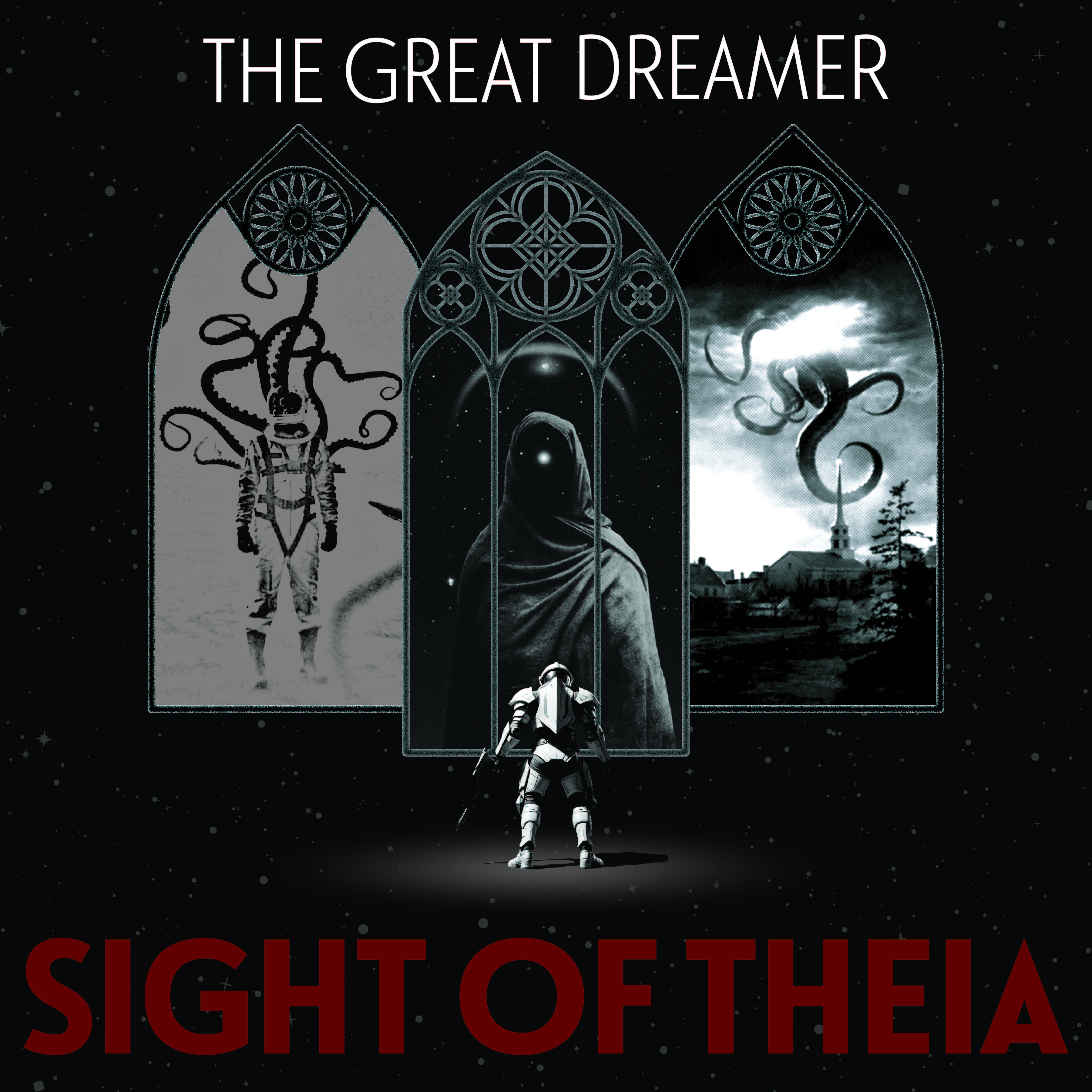
Progressive metal quartet from Atlanta, Sight of Theia are launching their first full-length album entitled The Great Dreamer on January 11, 2025. Bringing together influences from Meshuggah and Mastodon, and packing it all together with a touch of southern stoner metal, the band are determined to continue experimenting with different musical elements in the future.
In this interview Alex Buhlig (guitars, synths) tells us about the band’s work on The Great Dreamer, experimenting, influences, and more.
The Great Dreamer is your first full-length album, following your 2021 EP Lighthouse. How does this album represent the evolution of Sight of Theia’s sound?
When “Lighthouse” came out we noticed that the EP’s closer, “Black Magic” really got the crowds going at our shows. So we tried to explore the rhythmic and meditative nature of that track more. That song also featured us tuning lower, so we ditched the 6 strings for seven string tuned to Drop A.
The album’s title track is described as a “séance for Cthulhu.” Can you dive deeper into how H.P. Lovecraft’s themes influenced the song and the album as a whole?
Before we had named the track the ominous and psychedelic nature of the track was apparent. Before we played it live, we asked the crowd if they were ready to summon a demon. Once we started to collaborate with Mezzianna on Vagabond and the general outline of the narrative took shape, summoning a demon turned into summoning space Cthulhu.
You’ve mentioned the album combines progressive metal with Southern stoner metal influences. How did you find the balance between technicality and raw, earthy riffs?
For us it’s all about creating tension and release. If everything is always at a ten out of ten technically there is no release and the song doesn’t ‘go’ anywhere. Adding moments of simpler but more ethereal riffs creates movement, crescendos, peaks and valleys. We really want to create music that takes the listener on a journey.
Tracks like “Children of the Uplift” and “Alea Iacta Est” showcase a range of moods. How did you approach crafting such contrasting soundscapes within the album?
I am a big Steven Wilson fan and have always loved how he tackles a wide variety of genres in his work so I try to take the same approach while arranging. When starting an arrangement I generally have a direction I want to go in, whether it’s more technical and progressive or rhythmic and vibey. Regardless of the approach we like trying to introduce dynamics to our songs with different techniques, effects or influence from genres outside our beaten path.
“Vagabond” stands out with Mezzianna’s vocal contribution. What inspired you to include a vocal track on an otherwise instrumental album?
The arrangement of “Vagabond” feels like it lends itself to vocals, when writing it we were all admittedly going through a bit of a Sleep Token phase and it made sense to try to incorporate vocals. Mezzianna had been a friend/fan of the band for a while and wanted to try his hand at the vocals. So we cooked up some lyrics and some melodies for him to try out and he knocked it out of the park in our opinion.
Vagabond (with Mezzianna) by Sight of TheiaMezzianna’s lyrics on “Vagabond” set the stage for the album’s story. Can you share more about that narrative and how the music reflects it?
Children of the Uplift starts our narrative out with trying to capture the excitement and wonder that would be felt by a crew of space explorers setting out from earth to settle amongst the stars. Gravity Well captures the chaotic nature of their journey and the rigorous nature of their journey. Vagabond is the realization that the ship they’ve been given for their journey is faulty and they were set up to fail essentially. The Great Dreamer is the entrance of Cthulhu offering to save their souls from dying alone in space. Mad Hatter is the manic energy of someone desperate enough to take Cthulhu up on their offer. Parhelion is the ritual and awakening of Cthulhu. Alea Iacta Est is the realization, and remorse of our explorers. Followed by the destruction of the universe.
You worked with John Douglass, Alexa Parra, and Christoffer Borg during the recording, editing, and mastering process. How did their expertise shape the final product?
John Douglass brought his expertise to our drum tracks and got a fantastic drum performance out of Ricky. Editing is always a tricky, time consuming process and we’re thankful that Alex Parra was able to use his years of experience to discern what needed to be edited and what didn’t. As for the mixing, I appreciate having an objective ear when it comes to the mix. It’s pretty easy to think that your parts should be louder because they are your parts while completely ignoring the bigger picture of the song. I think Chris did a great job seeing the bigger picture of what the songs were going for.
Recording in Atlanta must bring a certain vibe to your work. How did the city’s music culture influence The Great Dreamer?
Atlanta has such an incredible music scene filled with many diverse genres. When you have access to such a wide variety of shows to check out it’s easy to let it work its way into your work. The stoner metal influence in our music definitely comes from the regional metal scene here in Atlanta. I’ve spent some time at warehouse raves in Atlanta which inspired me to work synths and more electric elements into our music.
With influences like Meshuggah and Mastodon, what aspects of their styles inspired you the most when crafting this album?
We find the rhythmic phrasing of bands like Meshuggah to be really compelling and wanted to try to blend that with rich harmonies that bands like Mastodon incorporate into their work.
Stoner metal isn’t often combined with progressive metal’s technical elements. What challenges did you face blending these genres, and how did you overcome them?
Combining more technical moments with some of the more laid back sensibilities that stoner metal bands have creates a sense of dynamics in our music we think creates more of a journey for the listener to go on. It’s all about creating a sense of tension and release. You can absolutely sometimes try to cram too much into one song and need to cut it down. Certain musical ideas can be so much more impactful if they only occur once in a piece though.
You’re celebrating the release of The Great Dreamer with a performance at Smith’s Olde Bar. What can fans expect from the live show? Any surprises planned?
Our show at Smith’s Olde Bar has a line up absolutely stacked with some of the best underground prog that Atlanta and the South East has to offer. We’ve got something special in the works for that show but it wouldn’t be much of a surprise if I gave it away now. Come to the show and find out!
How do you approach translating the album’s complexity into a live setting, especially for instrumental tracks?
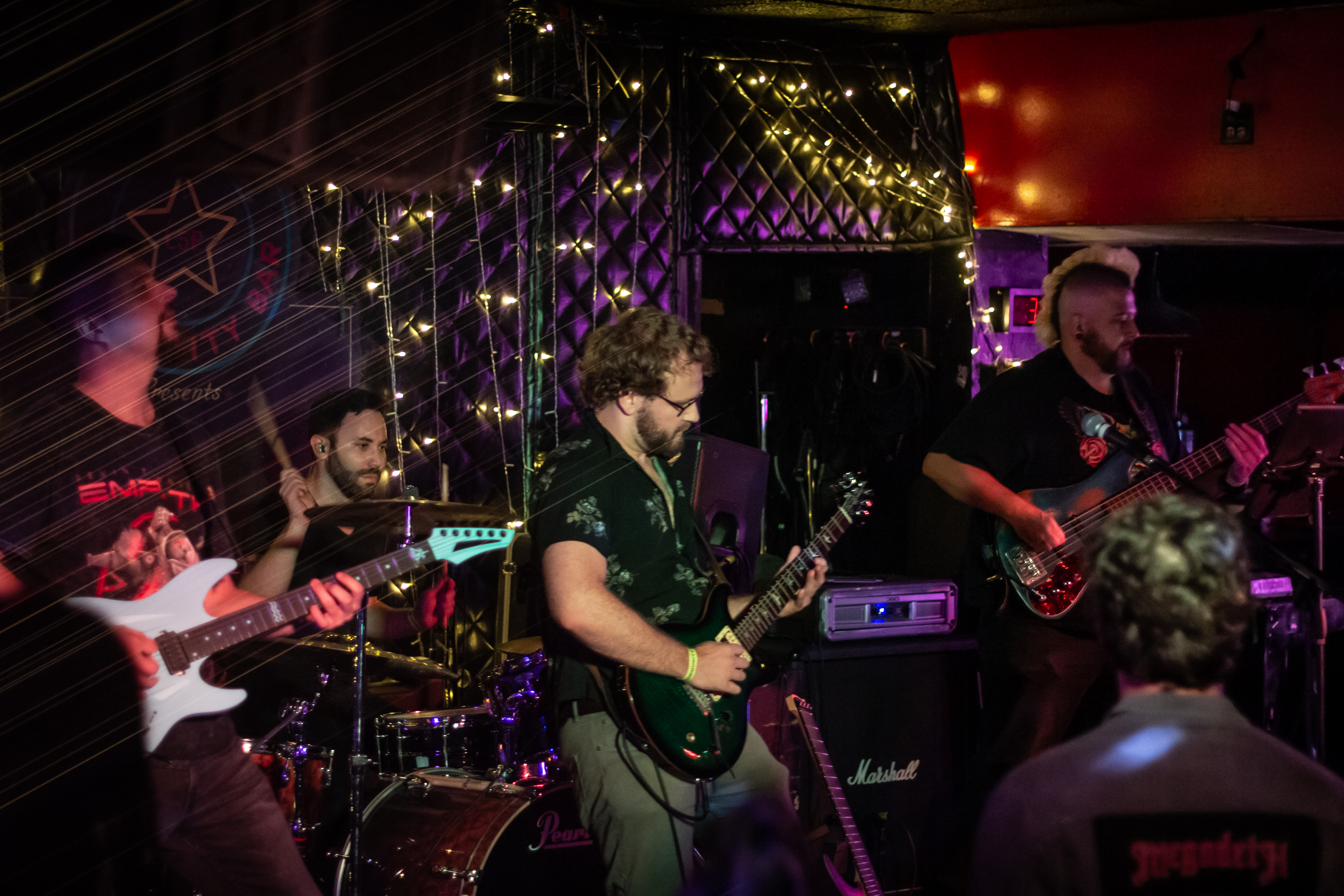
We make use of backing tracks to make our live shows as seamless as possible. We try to invoke a mood or vibe that doesn’t stop between songs. Whatever is happening between songs might be minimal but it’s there and makes everything feel more immersive. We’ve included some of the transitional pieces on the album as palate cleansers so to speak.
The album will be available on major platforms and Bandcamp. Why is Bandcamp still an important platform for a progressive metal band like yours?
I think Bandcamp still offers the most direct way for fans to connect with bands. Bandcamp Fridays are a great way to put money in the pockets of musicians you are a fan of.
Looking back at the journey from Lighthouse to The Great Dreamer, what lessons have you learned as a band?
I think we’ve learned how to better communicate with each other, which creative battles are worth fighting and how to creatively problem solve during the songwriting/recording process.
Where do you see Sight of Theia’s music heading in the future? Are there new directions or ideas you’re excited to explore?
I kind of hope we get to go further in all directions. I’d love to write heavier songs, more complicated songs, more straight-forward and accessible stuff. I did really enjoy collaborating with a vocalist and we are talking to some more vocalists about other guest spots to release later as singles to hopefully flesh out the story of the album a bit more.
If you could collaborate with any other progressive or stoner metal band, who would it be and why?
I’d say Night Verses, I feel like the ethos of the bands are similar, primarily instrumental progressive metal with the occasional guest vocalists.
How do you hope The Great Dreamer resonates with listeners? What do you want fans to take away from the album?
Hopefully, fans can get a sense of the narrative even if the music is primarily instrumental. If someone listens to the songs and just thinks, “dang these are some sick riffs,” that’s great too!
Instrumental music relies heavily on listener interpretation. Have fans ever shared interpretations of your music that surprised or inspired you?
I had a friend come out to one of our shows who told me that seeing us play made him feel closer to his late father who was a musician. Which might be one of the most sincere and meaningful compliments I’ve gotten for our music.
Sight of Theia online:

 Progarchy