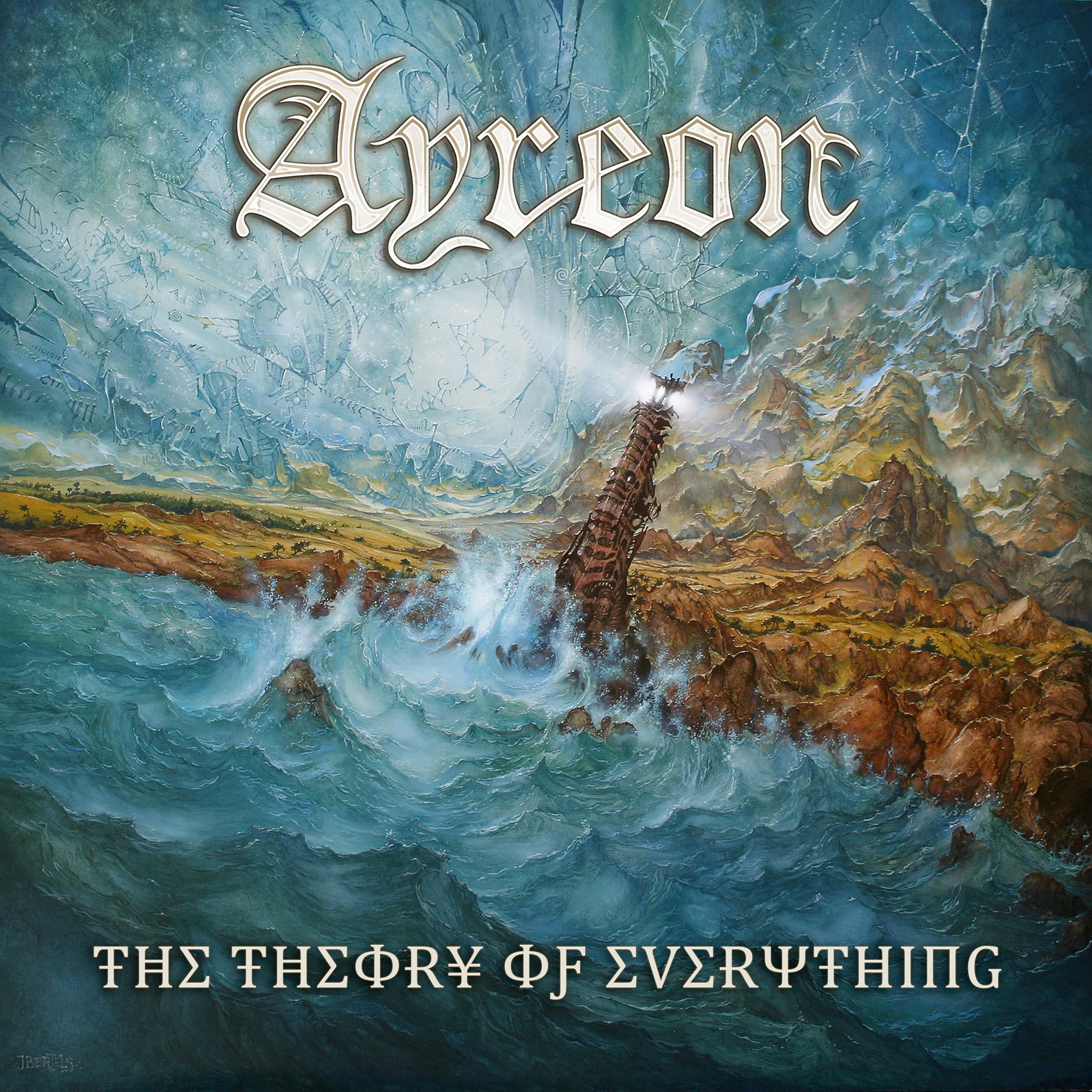
Yesterday, Arjen released a new Ayreon album, The Theory of Everything. I’ve not received my physical copy yet, but I was able to download the mp3s from amazon.
Stunning, stunning, stunning.
Here’s my quick and dirty video assessment. See above inserted video.
Ayreon fans can rejoice: even though the official release date for the compact disc of The Theory of Everything is November 2, the digital version is available today (October 29). You can purchase it at iTunes, but the best deal is at Amazon. For $16.99, you can order the 2-disc album and get all 42 tracks in mp3 format to listen to now. If you prefer to go digital only, the price is a mere $6.99!
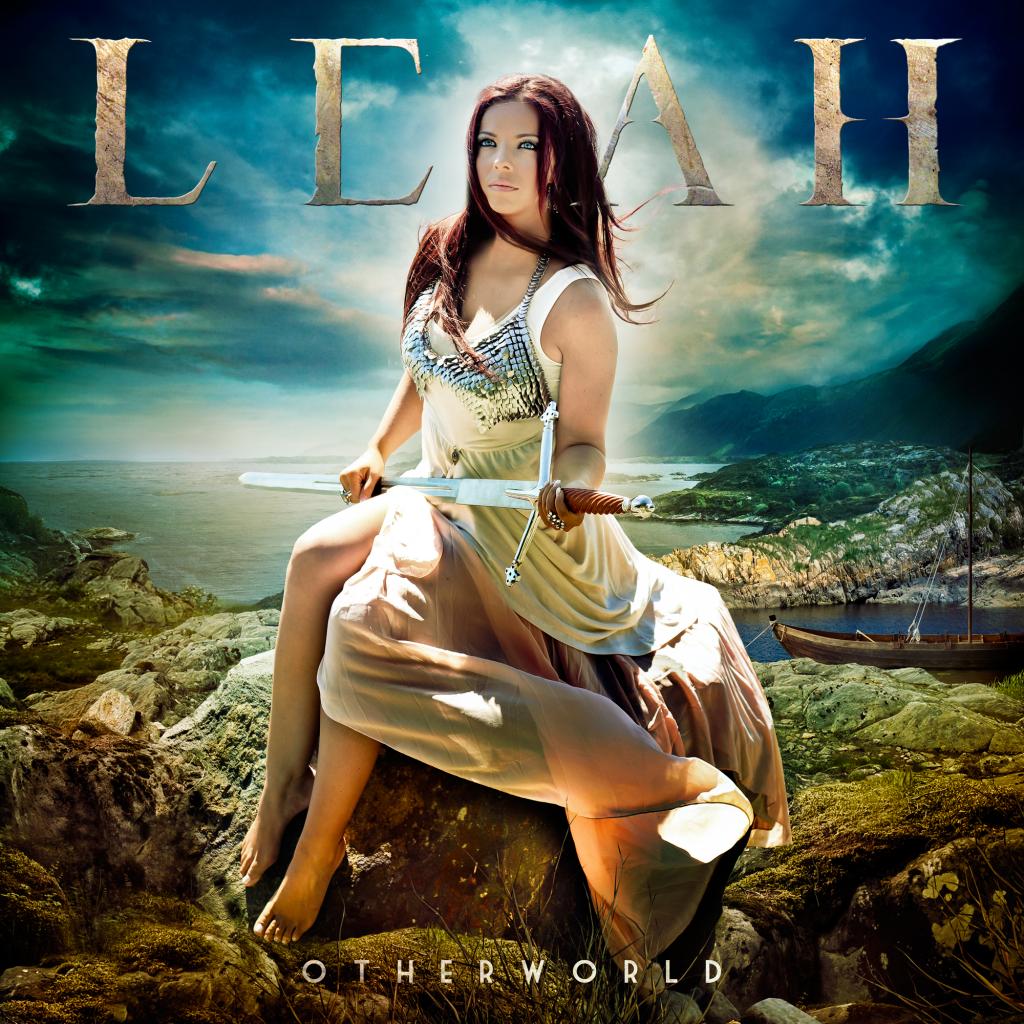
The Canadian Celtic Metal Maiden, Leah McHenry, a brilliant (and rather gorgeous) young musician, has a nice, new website.
Visit it here. Leah will be releasing her new EP, Otherworld, on October 31. Leah has been a very good friend to Progarchy, and we’re honored to be associated with her. She’s very much her own person. If, however, I had to categorize her for our progarchy readership, I would say it would be best to imagine Sarah McLachlan and Arjen Lucassen getting together for a project.
Leah’s voice is rather stunning, as is her sense of drama. Here’s a teaser for Otherworld. And, it really does sound as if she’s singing from Avalon.
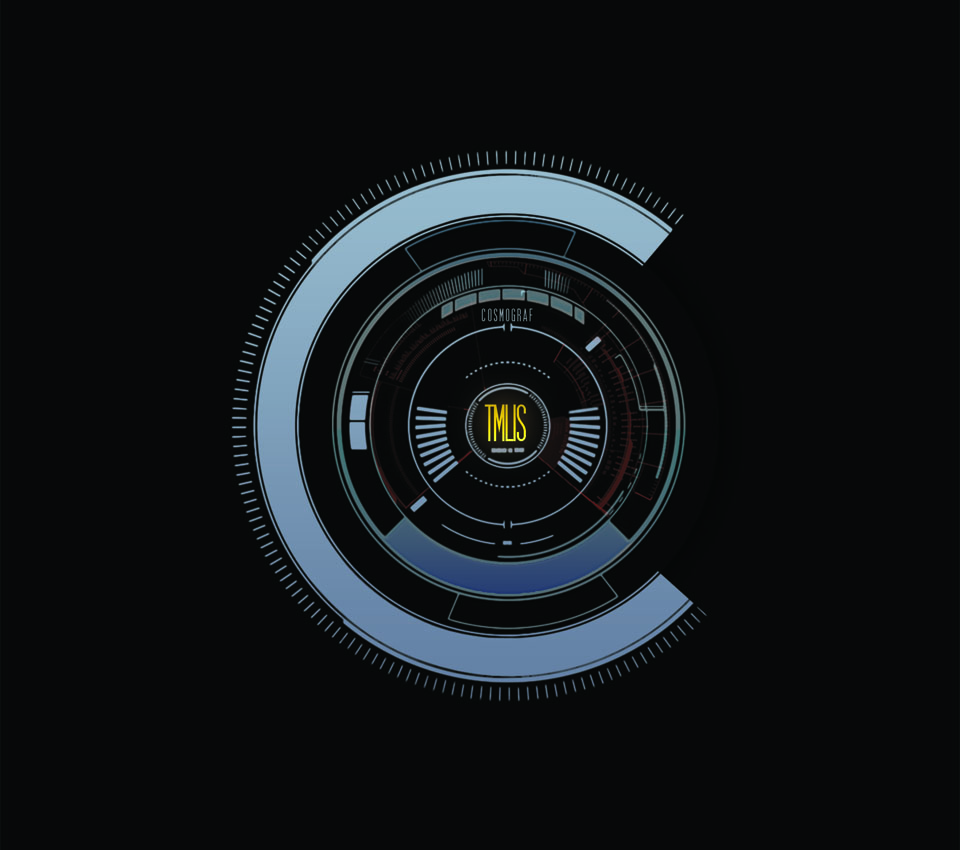
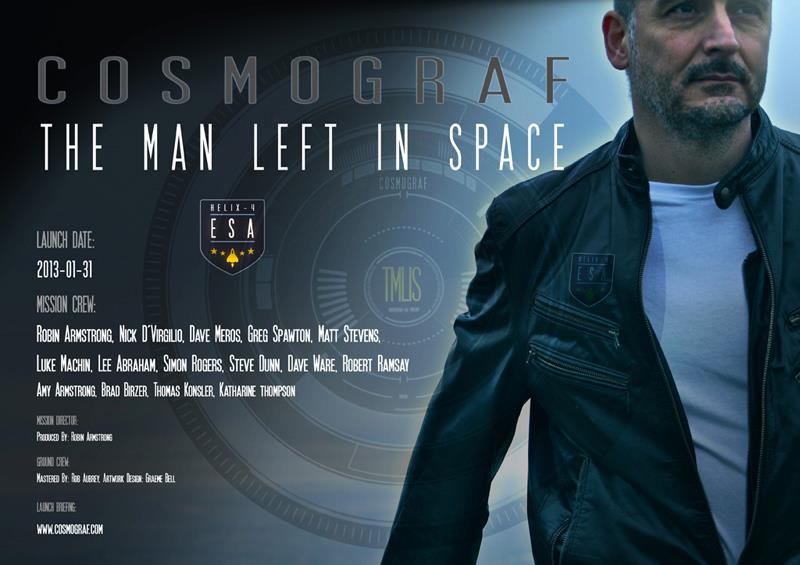
From its cover image reminiscent of the all-seeing camera eye of 2001: A Space Odyssey‘s HAL computer, to the final track “When the Air Runs Out”, Cosmograf’s new album, The Man Left inSpace, is a profound meditation on the tragedy of modern man’s surrender to ambition and technology, and the ensuing isolation that results.
Beginning with a bewildered astronaut, Sam, asking, “How did I get here?”, the listener is transported to the near-future, where Sam is questioning his motives for agreeing to a mission to “change the human race”. Can over-achievement bring satisfaction and happiness?
Ambition brought me here.
A winner in my field.
Dare to be a dreamer.
Find your fate is sealed.
Hidden truths revealed.
Through memory flashbacks, snippets of dialog with the ship’s android, and sampled audio of actual NASA space missions, we share Sam’s growing sense of melancholic disconnection with reality.
I take these pills. They help me numb the pain.
They stop me from feeling blue.
I feel the days getting longer now.
I’d like to dream, but I’ve forgotten how.
He’s even reduced to crooning a love song to his “beautiful treadmill” that will “keep my soul in grace”. Throughout, the ship’s android is monitoring Sam and vainly attempting to create a normal environment. Earth’s Mission Control tries to contact him, but they cannot get through. Sam realizes that without human contact, he will eventually slide into madness. No simulation, no matter how realistic, can replace the touch of another person.
Eventually, the “man left in space” is forced to face his own mortality:
10 minutes more and the air will run out.
This craft will fall into the sun.
My chance of returning is none. None. None.
As the last chords of the final song fade away, the ship’s android repeatedly asks, “Please respond, Sam?”
Robin Armstrong, who is Cosmograf, has constructed a beautiful, allegorical warning for those of us who would replace face-to-face communication with all the technological means at our fingertips: emailing, texting, Tweeting, “liking” on Facebook, etc. Right on cue, Google is coming out with “Google Glass“, which will add even more distractions to our interactions with others. We must resist the temptation to withdraw into self-imposed isolation and foster real relationships, regardless of the risks.
The Man Left In Space would not be the success it is without having superb music to complement its message. Every track is extraordinary, and the album really must be listened to in its entirety. Highlights include “Aspire, Achieve”, which begins with a delicate acoustic guitar melody and vocal harmonies that shift into crunching metal worthy of Ayreon’s best work. “Beautiful Treadmill” has an indelible hook that will have you singing along in no time. The instrumental, “The Vacuum That I Fly Through”, featuring the marvelous Matt Stevens on guitar and Big Big Train’s Nick D’Virgilio and Greg Spawton on drums and bass respectively, rivals anything Pink Floyd ever committed to tape. Trust me, it’s that good.
Finally, some praise for the artwork. In this age of digital downloads, it’s worth it to get the physical CD. The booklet that comes with the album is essential to fully appreciating the album. The illustrations remind me of the incredibly realistic sci-fi artwork Shusei Nagaoka did for Electric Light Orchestra’s Out of the Blue album from the late ’70s. The attention to detail is amazing: every page features readouts of various gauges, creating the feeling that you are involved in monitoring Sam throughout his doomed journey. The ship’s android is named ESA-1410-4MY, which pops up in several places and adds to the sense of technological surveillance and control of Sam.
Even though we have yet to finish the first quarter of 2013, Cosmograf’s The Man Left In Space is certain to be in many Top Ten Albums of the Year lists.
As you’ve probably noticed, we’ve been having a Big Big Train-love fest for the past several days at Progarchy. Even our criticisms (well, not mine; but I won’t point fingers) have been written out of love and respect.
Another recent release that deserves a massive amount of attention is the fourth cd by Robin Armstrong, writing under the name, Cosmograf. Yes, it deserves a MASSIVE (Ok, I’m yelling at you, fair reader; it’s not personal, I promise!) amount of attention. Massive.
Following Cosmograf’s history, it comes across far more as a project than a band. I’m not sure Robin would put it this way, but this is how it strikes me. Each album has been a concept with a variety of guest musicians. For this current album, The Man Left in Space, Robin has chosen the best of the best: Greg Spawton (who wouldn’t love this guy), Nick d’Virgilio (giving Peart a run for his money since 1990!), Matt Stevens (a young guy already inducted in the Anglo-Saxon pantheon of guitar gods), and other brilliant folks such as Dave Meros (ye, of the Beard!), Luke Machin, and Steve Dunn. Robin knows how to get the absolute best, and he knows how to bring the best out of his guests. Then, add the additional production of the ultimate audiophile of our time, Rob Aubrey. Can it really get much better than this? Not really.
By profession, Robin is a master of all things time-related. He’s a watch dealer and a watch repairman. I find this so very appropriate. What better thing for a musician and composer to be than to be a master Chronometer (I have no idea if this is the proper term, but I like the sound of it). Chronometrician? Ok, I’m floundering here, but I assume you get the point. Precision, mystery, time, eternity, space, place, humanity. . . Robin Armstrong. Continue reading “Chronometry, Cosmograf, and Perfection: The Man Left in Space”→
I often joke with my students that I can still remember the days when listening to progressive rock and watching Dr. Who could get a kid beaten up. Yes, 1981. I remember it well. Seventh grade at Liberty Junior High in Hutchinson, Kansas. Yet, it’s now 2013, and I’m still listening to Rush and watching Dr. Who. Obviously, I survived the bullies
But, I can get even nerdier. Much nerdier. I was also a huge Dungeons and Dragons guy. Yes, 1981. I remember it well. Yet, it’s now 2013, and I’m still playing DnD. Now, with my kids.
My love of all things progressive (music; not politics!), science fiction, and fantasy have come together quite nicely in a number of direct ways: Rush, Roswell Six, Rush again, Ayreon, more Rush, Cosmograf, Glass Hammer, The Tangent, Rush, Kansas, Star One, Spock’s Beard, and even more Rush.
Surprisingly, though, only a few rock bands have really explored the Arthurian legends. Those artists that have–such as Rick Wakeman and Gary Hughes–have gone all out, making nothing less than elaborate rock operas. While Wakeman’s Arthur seems rather French, Hughes’s remains very Celtic.
The French legends, generally centering on the love affair of Lancelot and Gwenivere, usually reflect the medieval notions of courtship as inherited from the Moors. The Celtic legends are almost always more mystical, suggesting strong relations between the Celtic gods (a twilight) and the Christian God. Famously, one Celtic god, Bran the Blessed, even went so far as to sacrifice himself so that the Christian God could reign supreme. How often does this happen in pagan myth?
One of my greatest pleasures of 2012–and there have been many–has been listening to massive quantities of progressive rock, mostly for pleasure.
Being a literary and humanities guy, I’d contemplated rejecting the entire numerical ranking scheme. Rather, I thought about labeling each of my best albums with various qualities of myth. These albums achieved the level of Virgil; these of Dante; these of Tolkien, etc. But, I finally decided this was way too pretentious . . . even for me.
Below are my rankings for the year. Anyone who knows me will not be surprised by any of these choices. I’m not exactly subtle in what I like and dislike. Before listing them, though, I must state three things.
First, I loved all of these albums, or I wouldn’t be listing them here. That is, once you’ve made it to Valhalla or Olympus, why bother with too many distinctions. The differences between my appreciation of number 8 and number 2, for example, are marginal at best.
Second, I am intentionally leaving a couple of releases out of the rankings: releases from Echolyn, The Enid, Minstrel’s Ghost, Galahad, and Kompendium, in particular, as I simply did not have time to digest them. Though, from what I’ve heard, I like each very much.
Third, I think that 2012 has proven to be the single greatest year in prog history. DPRP’s Brian Watson has argued that we’re in the “third wave of prog.” He might very well be right. But, I don’t think we’ve ever surpassed the sheer quality of albums released this year. This is not to belittle anything that has come before. Quite the contrary. I am, after all, a historian by profession and training. The past is always prologue. Close to the Edge,Selling England by the Pound, and Spirit of Eden will always be the great markers of the past.





 Progarchy
