With new releases from the first third of 2025 piling up, a desperate attempt to answer the question “Can album reviews convey the essential info listeners need in haiku form?” For example, about the format used below:
Streams linked in titles; Brief poetic impressions; Shopping links follow.
Spawton’s young heartache Sparked this grandiose concept – Well-wrought remaster. (CDs sold out; vinyl available at Burning Shed and The Band Wagon USA)
For more than 50 years, guitarist/singer/songwriter Phil Keaggy has pursued his singular muse. Cruising under the radar of the general public and fashionable tastemakers, Keaggy’s reputation among fellow musicians and knowledgeable fans is deservedly stellar; his formidable skills in acoustic fingerpicking, stinging electric solo work, and free-flowing improv are complemented by a tasty melodic sense, a impressively broad spectrum of influences, and a singing voice that can’t help but remind you of Paul McCartney at his most yearning and wistful. His lengthly discography of first-rate albums under his own name speaks for itself.
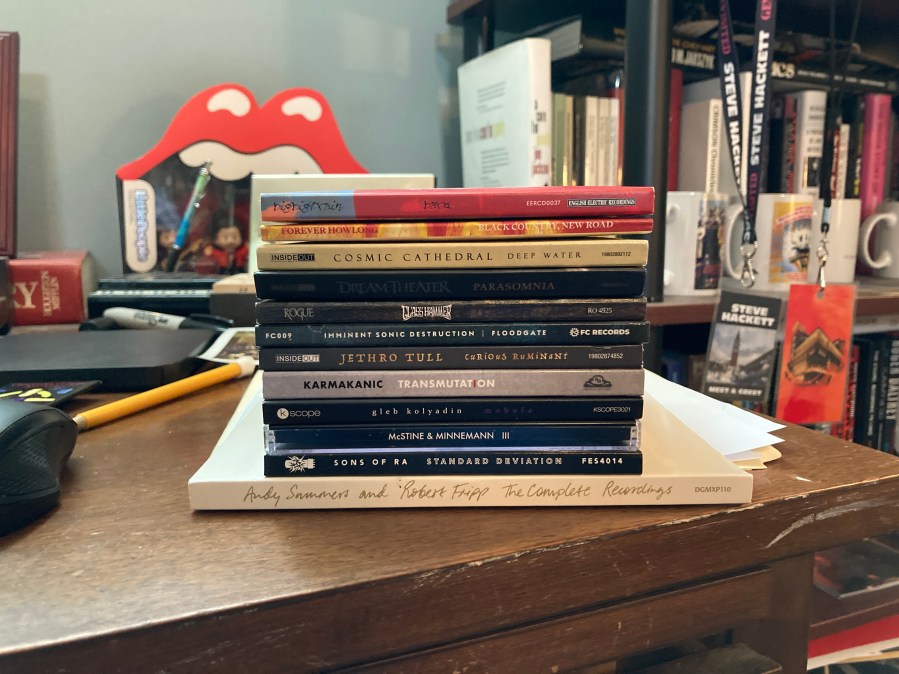
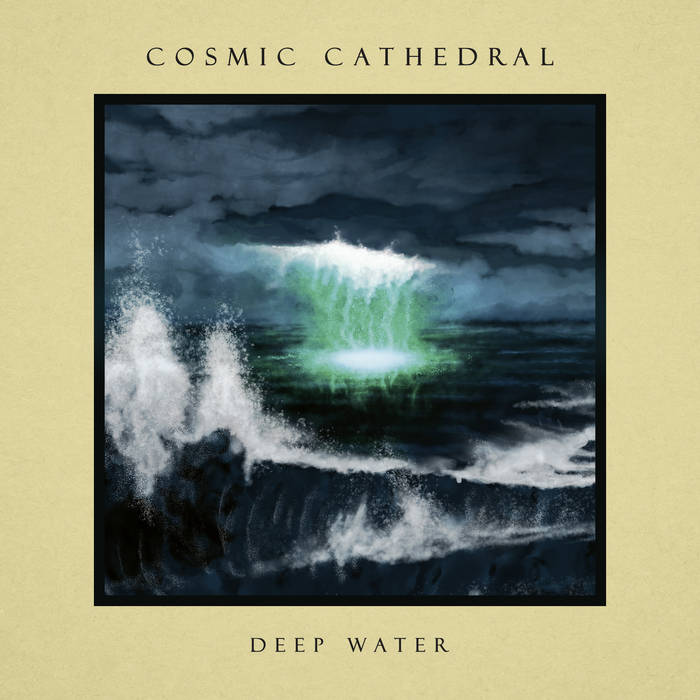
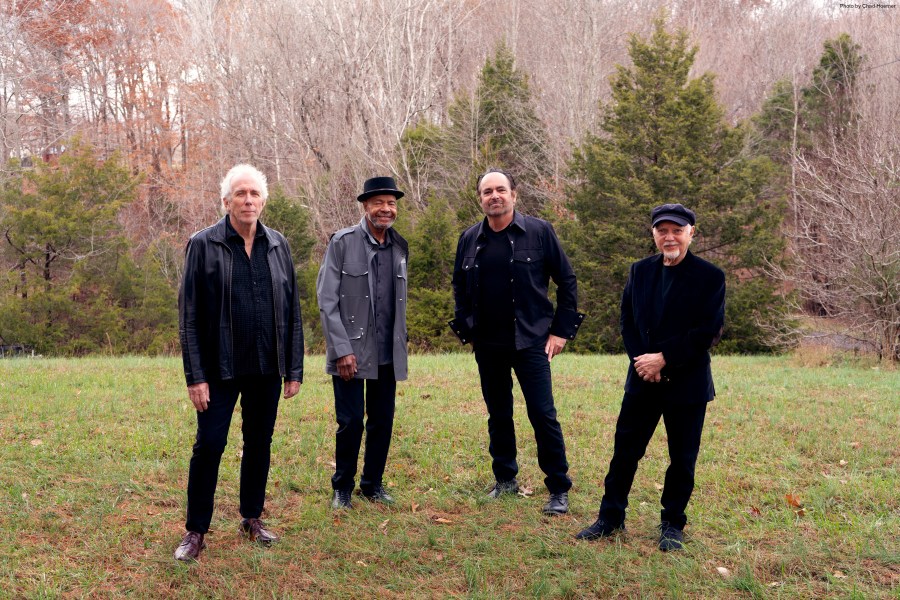
But Phil Keaggy truly loves nothing more than collaborations – with other singers, full bands, duets, trios, ambient players, jazzers, jammers, proggers and even poets, well-known and unknown – and his latest project testifies to that. Recruited by the ever-prolific Neal Morse to join forces with ace bassist Byron House and live Genesis drummer Chester Thompson, Keaggy’s playing and singing is all over Deep Water, Cosmic Cathedral’s “prog meets yacht rock” debut on Inside Out. In advance of that album’s release this week, I had the privilege of connecting with Phil in his Nashville studio to talk about both this latest project and his eclectic career. A transcript of our interview follows the video.
So congratulations on Cosmic Cathedral’s first album!
Yeah, maybe there’ll be another album after this, yeah.
That would be really great.
So have you had a chance to listen to it, Rick?
I have, and I really did enjoy it. And we will certainly have some conversations about that as we go on. But the first question I kind of wanted to set up, because as I mentioned, I’ve known your work for a number of years, and you’ve had this amazingly prolific and varied career. But just on the off chance that there’s someone who picks up this album and someone says, who’s this Phil Keaggy guy? How would you describe your life in music to somebody who hasn’t necessarily heard much of what you’ve done?
Well, I started out making records when I was just in eighth, ninth grade. And then I formed a band eventually, called Glass Harp, in 1968. And we recorded for Decca Records. We did three records and one live album. None of them did that well, but we were popular in the northeastern Ohio area – Cleveland, Akron, Columbus, Pittsburgh, especially. We did a West Coast tour in ‘71. We used to go up to Detroit a lot and play. We opened up for a lot of big bands like Humble Pie and Yes, Chicago, Grand Funk, etc.
But then I left the band and I started making albums that centered upon my faith and communicating my faith in Jesus. And so to the world, I became kind of lost to the world of music. And then when I got signed to Christian record labels, they really didn’t know exactly what to do with me because I wasn’t in the center of what CCM music was, contemporary Christian music. I was a bit more adventurous. I was a bit more guitar oriented and not so much songwriting oriented, even though I wrote songs. And so I was too religious for the world and too worldly for the religious.
So that’s why 99 percent of the world has no idea who I am. And so, it doesn’t offend me, doesn’t bother me. It’s just the path that I’ve been on all my life. But I’ve met up with some great players. I’ve had a chance to play with giants like Neal Morse, Tony Levin, Jerry Marotta, Byron House, Chester Thompson, and even jammed with Paul McCartney one time. So, I’ve had great highlights in my life.
But the greatest highlight is knowing God through his Son, Jesus, and also being married to a wonderful woman for almost 52 years. And we’ve got kids that have grown up and who love us. Yeah, I don’t think I feel like I suffer from any lack of anything, especially because of the love that I’ve known in my life, love of family, friends, and the love of music.
I hear that testimony, and that’s a wonderful thing to hear. In your life in music, as you’ve noted, you seem to be kind of a musician’s musician. You collaborate with a lot of people who maybe have a higher profile. And as you say, Neal Morse is one of those talents. How did the two of you hook up originally? And what’s your history together been like?
Well, our history has been very sparse, in fact. But we did meet back at the time he did this album called One. And he invited me because he knew of my albums, like Sunday’s Child, which is a very British rock kind of sounding album, Crimson and Blue, which was a real fun jam album with really good players on it. In fact, John Sferra from Glass Harp played drums on that album. And also I’ve had a life of acoustic music with Beyond Nature and various albums like that.
But I think he liked the idea of the two of us singing on something together. And so I sang a little bit, “Cradle to the Grave”, “What is Life”, that George Harrison song with him. I played guitar solo on the tune called “Creation”. And then we kind of got out of touch for many a year.
And then all of a sudden about a year and a half ago, he contacts me about the possibility of getting together with Chester Thompson and Byron House, who I’ve been in the studio with. Chester played on my All at Once album. And I did an album with Byron House and another friend of ours, Kyle Jones, who’s a percussionist/drummer on an album called Catz’n’Jammuz; it’s basically an improv album. So in the past, I’ve worked with all three of these good men, these good musicians, great musicians.
And so when he invited us all to join him at his studio in White House, I’d say it was about January 2024. We just jammed and his co-producer/engineer Jerry [Guidroz], recorded everything. And some of those songs that ended up on Deep Water, the album [by] Cosmic Cathedral, were inspired by some of those jams. And then they further developed, Neal primarily arranging and developing the songs.
I helped out with the lyrics of “Walking in Daylight”, and I sang it. Actually, I proposed a vocal to it as an idea. But I was surprised he left my vocal on the album, as a lead vocal. And that was pretty cool.
But they gave me a lot of space to play on the album. I had ample opportunity to express myself on my electric guitar. At that time, last fall, I did a lot of the guitar work in my own studio, because when they tracked this album in July last summer, I had just been through hand surgery. I had trigger thumb and finger, and they cut open my hand, and I was in a cast for three weeks. And so there was just no way.
But by the end of September and early October, I started getting on the guitar. And they sent me the files. They said, “hey, want to try playing on something?” And I played on a section of the “Deep Water Suite” I played a little bit of acoustic on it, and I sang. He asked me to sing on that.
That’s the first thing Neal invited me to do. I did it in my studio here. And then at the end, [sings the line] And then I did this electric thing, and that was the very first time I played on a recording for Neal.
And then they sent me “The Heart of Life”, the opening track. I spent a lot of time just learning the licks and the riffs and the changes, and then they had these beautiful open spaces for me to solo. There are two major solos in that song, and that was when I thought, even though it’s painful to play, I really dug in. And the second solo, which is after the part when he sings about, “I thought of God as Captain Bligh”.
That’s my favorite line on that album.
I know, it stands out, doesn’t it, Rick?
It’s just so off the wall, and yet it fits perfectly.
And it’s so ominous. It’s so ominous in this section. And then when I heard that, and then there’s this big space, and I opened up my solo with this note that I reversed. So it kind of creaks in, and then all of a sudden, I go into this Allan Holdsworth kind of mode on the tone, even though I can’t play all those licks that Allan does. But I’ve always honored his guitar playing, always thought he was a genius and a great inspiration to that feeling you get when it doesn’t sound like a typical guitar solo, and that’s what I wanted to do.
And I love also the different modes, because I’ve been influenced by various music from other cultures. It doesn’t matter, anywhere on the earth, if it’s good, I love it. Bulgarian, Indian, Chinese, Middle Eastern, South American, Irish. I love the gifts that God gives to people all around the world musically.
So that kind of comes out here and there. And so when I did the five albums with Jeff Johnson, we’ve got one called Ravenna, which is inspired by the art in Italy, and Cappadocia, which is inspired by perhaps the region of Turkey; the Frio Suitealbum, which was inspired by the Frio River in Texas, and so on and so forth.
This newest one called Spinning on a Cosmic Dime, I mentioned to Neal, I said, you know, my last album out with Jeff Johnson has the word “cosmic” in it. He never mentioned anything about it. So everybody’s getting into a cosmic kind of mood, aren’t they? Cosmic dime, Cosmic cathedral. Maybe somebody ought to come up with an album called Cosmic Capers. That would be kind of interesting.
Who knows, that one might be next. So I’m hearing you say that you get a lot of your vocabulary on guitar from folk, from modal cultures. What are some of the other sources of your style? It’s very unique, and yet you can tell there’s a lot behind it.
Yeah, a lot of years, a lot of playing, a lot of listening, a lot of appreciation. And of course, with the level of artistic giftings that Neal Morse has and the other fellas, Chester and Byron, elevates my desire to play well, really something that must really fit and belong to the essence of this creativity.
So yeah, I just feel that because of all the years we’ve all listened to music, we just want it to be done really, really well. Not just a quick building that was erected, but as beautiful as a cathedral. And it’s ominous, you know what I’m saying?
Yes, yes, that sort of over-towering feel. It’s like when Jacob wakes up from the dream at Bethel, and he says, how awesome or how terrible is this place, depending on what translation you use.
Oh yeah, yeah, yeah. You know, it’s interesting because I was not sure I was even going to be on the album because of my hand situation. I didn’t know how long it was going to set me back. I always look at those three guys as they are the cathedral, and I’m this little chapel over to the right.
Oh, okay.
You know, a little chap. Yes. “Hello, you’re just a little chap, aren’t you?” I’m a chapel.
But because they are the foundation, you know, they are truly the foundation of this, all three of them in sync, you know, as strong as Cream was or as strong as Emerson Lake and Palmer, a threesome. And I feel like I’m on this album by invitation, for sure.
Okay. Chester and Byron’s groove. It’s very different than most people would think of when they think of prog rock.
Exactly.
It does seem like there’s so much, like you say, not just space for solos, but there’s space in the beat they generate. What’s it like playing over that groove?
Well, that’s what got me excited. I didn’t know what to expect when they first sent me the files, you know. The first file was “Fires of the Sunrise” and then “The Heart of Life”. And I was able to just sit back and listen to it. And first of all, I was blown away by the fidelity, blown away by the expertise of these guys on their instruments. And I thought, man, this is a dream to be able to play on something like this.
Yeah, the intensity, the quality, like you mentioned, there’s a different groove going on from what people would consider prog rock, which I oftentimes think of prog rock as kind of mechanical sometimes. It’s just kind of intellectual, cerebral, you know, right brain to the nth. But the thing is, what Chester brings into with Byron is this sense of soul.
So I think they influenced Neal and how Neal played himself. I mean, on “Time to Fly”, for instance, it just sounds like a Steely Dan thing, Great horn. He knew what he was going for and he got it with the horn player, the sax player, the BGVs [background vocals], which has that what Donald Fagen would do.
And just the fact that there’s a nice amount of space. It’s not just constant noise; it’s not just music that just kind of like can get irritating after a while. I mean, there’s a couple of places where it does sound a little bit like a video game to me. But that’s tongue in cheek almost, isn’t it? Yeah.
It’s deliberately over the top.
Yes. But then it gets into some fantastic grooves, you know, the kind of stuff you want to play over. You just have to play over, you know. And so they gave me a lot of nice space to play. In fact, one of the sections, “New Revelation”, I think it was, I played a solo and then Jerry said, “we’re going to extend the solo a number of measures longer. Would you mind playing some more?” [Both laugh] I go, “Yeah, yeah, yeah. Twist my arm. You know, sure. I’d be happy to.” And then we went back and forth and they actually, toward the end of it — because I liked one solo and Jerry liked this other one. So what he ended up doing was he put toward the end of the solo, both of my guitar solos going on. OK. And you know what I’m talking about?
Yeah, I do. That was like “And now, in stereo!”
Yeah. Yeah. Yeah, that’s right. And that was that was great. It’s like, why not? You know, it’s like — what was that McCartney song? “Rockshow”.
Yeah. You know, it’s kind of like let everybody join in, you know, but it was just primarily the four of us, you know. They had tasty percussion on it, too. And as I mentioned, the BGVs and the horns well, added a really nice touch to everything.
Neal has so many ideas. He is so prolific. You and he are a really good match instrumentally, certainly. Are there any other moments we’ve talked about like “Time to Fly”? We’ve talked about the opening track. We’ve talked about those two spots in the “Deep Water” suite. Is there anything else that you recollect as being a special favorite of yours from the process?
I love the closing. “Heaven is opened.”
Yeah.
Opening “The Door to Heaven”. What is it called?
I do not recollect. But yes, that’s the gist of it.
You know, the piece starts beautifully. And I was influenced by Anthony Phillips.
Oh, OK. The Genesis guy.
The Genesis guy. And when I did my album, The Master and the Musician in 1978, he was, [his] album was on my turntable a lot, you know.
Oh, OK.
He and [British guitarist] John Renbourn were real influences to me. [That part of the suite is] just so pretty.
And the way it develops, you know. “You’re the water, the deepest place I know”. Neal has me singing that latter part of it because he said, “I can’t reach those notes. I thought you could”. And it pushed me. It modulates to another higher key before the very ending.
And then you got that “big life” which sounds like a chorus of voices. That’s the payoff. That whole ending is just so powerful to the the epic piece. I think the ending is epic and powerful. It’s spiritual. It’s musical. It’s fulfilling. But but I love every song. I mean, every song holds its own, even the ballad. “I Won’t Make It” that Neal wrote with the strings in it. And yeah, it’s just an honest — it’s like Emerson Lake and Palmer’s “Oh, what a lucky man he was”. For a prog guy into to create such an honest and beautiful melodic piece like that. That’s a really sweet place where it sits in the album, too. So, yeah, what a great album.
[After the jump: Phil Keaggy tells how his wildest dream came true, muses on Cosmic Cathedral playing live, and reflects on his power trio improv album with Tony Levin & Jerry Marotta.]
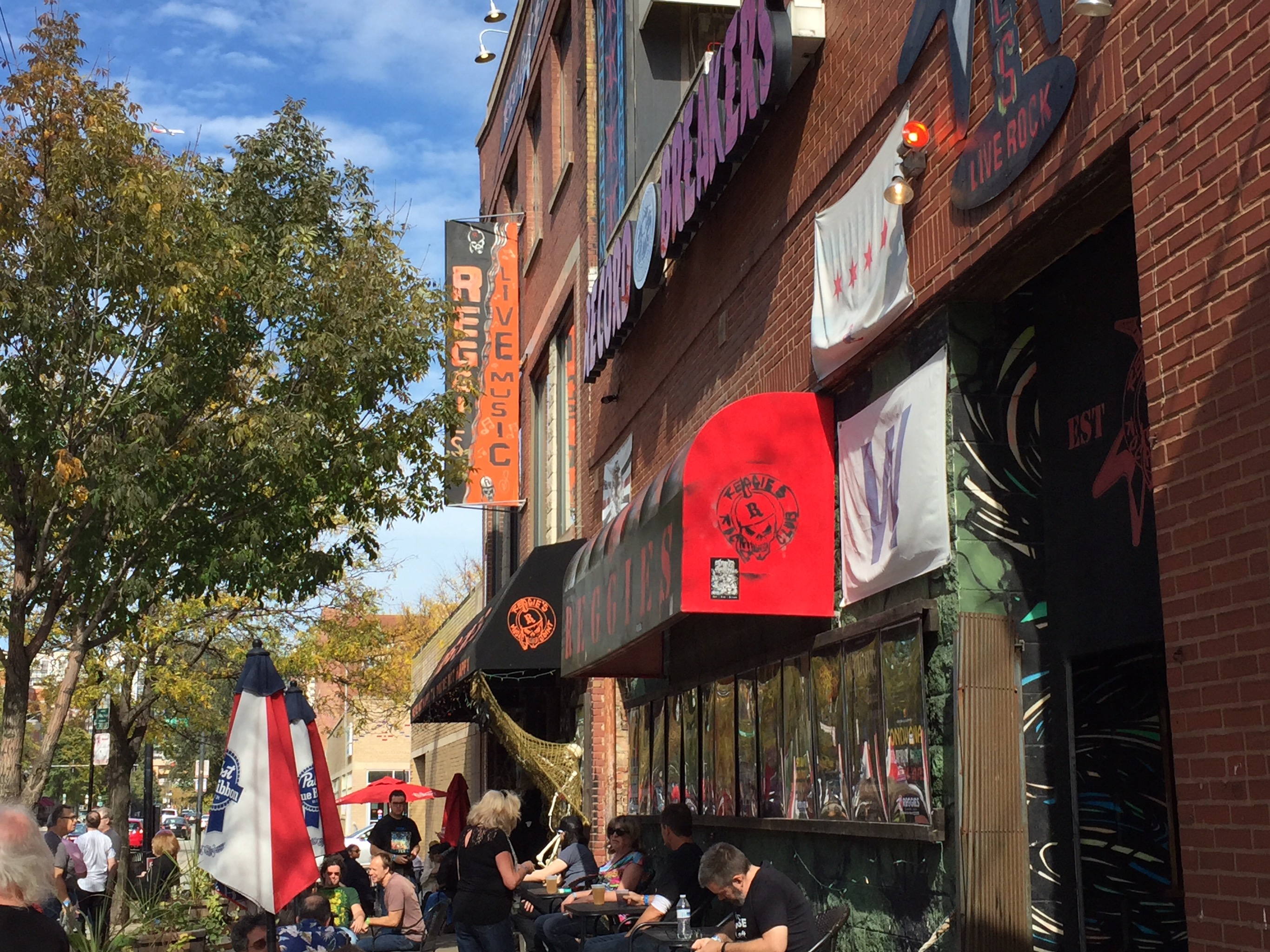
On Friday, October 20, hundreds of dedicated proggers converged on Chicago from around the country — and even from across the globe. The location: Reggie’s Rock Club & Music Joint on the Near South Side, only two blocks away from the former Chess Records, the birthplace of great discs by Muddy Waters, Chuck Berry, The Rolling Stones and countless others.
Reggie’s has two main rooms, both dedicated to Progtoberfest this weekend. The Rock Club is designed for concerts, with a raised stage, a main floor, an upper level mezzanine —and a wire fence decor motif throughout. The Music Joint has a tinier stage tucked into the back of a narrow bar and grill. This weekend, merch tables were crammed into every inch remaining on the main floor, and patrons less interested in the music (or needing a break from the density of the sound) took advantage of Friday and Saturday’s warm weather to eat and drink at sidewalk tables. An upstairs space that held a record store until recently was turned into the VIP/Meet and Greet lounge for the duration.
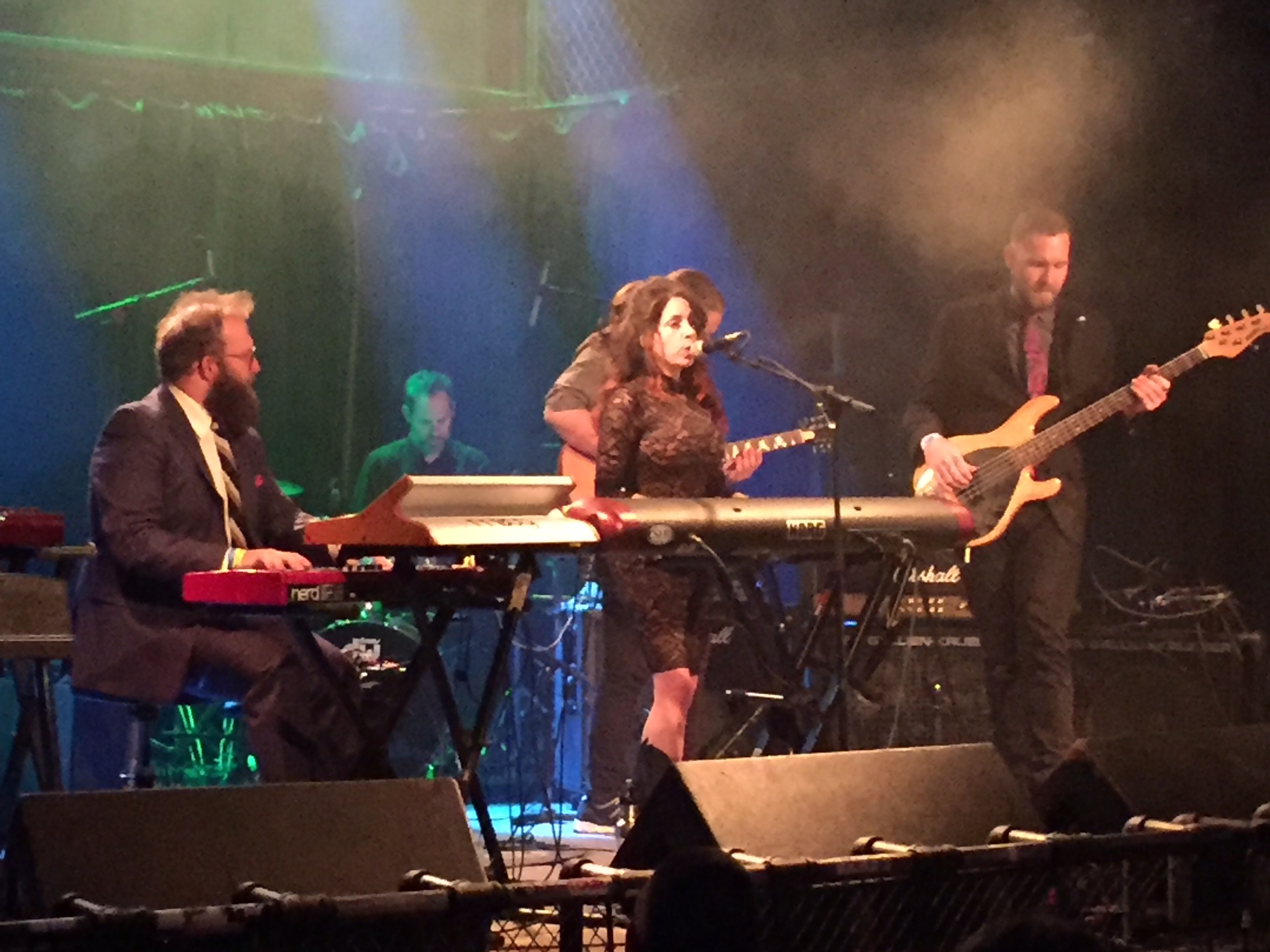
Due to the usual complications of traveling to and around Chicago as the weekend starts, I got to my spot in the Rock Club just as Schooltree was taking the stage. With only an hour on the schedule, they powered through highlights of their Heterotopia album, condensing the narrative to zoom in on its main character Suzi. The set left no doubt that Lainey Schooltree is a major talent; her songwriting chops, keyboard skills and vocal versatility all came through loud and clear, grabbing and holding the audience’s attention. The rest of the band bopped along brilliantly too, with the ebullient energy of Peter Danilchuk on organ and synth leading the way.
The crowd for Schooltree was solid, but hometown heroes District 97 were the first group to pack the place, filling both seats and standing room on the main floor. The band took no prisoners, blasting right into riff-heavy highlights from their three albums that showed off every player’s monster chops. Soaring above the din, Leslie Hunt pulled in the crowd with her astonishing vocal power and range. New songs were mixed in that sent the audience head-banging and prog-pogoing with abandon.




 Progarchy