Rick’s Quick Takes for June

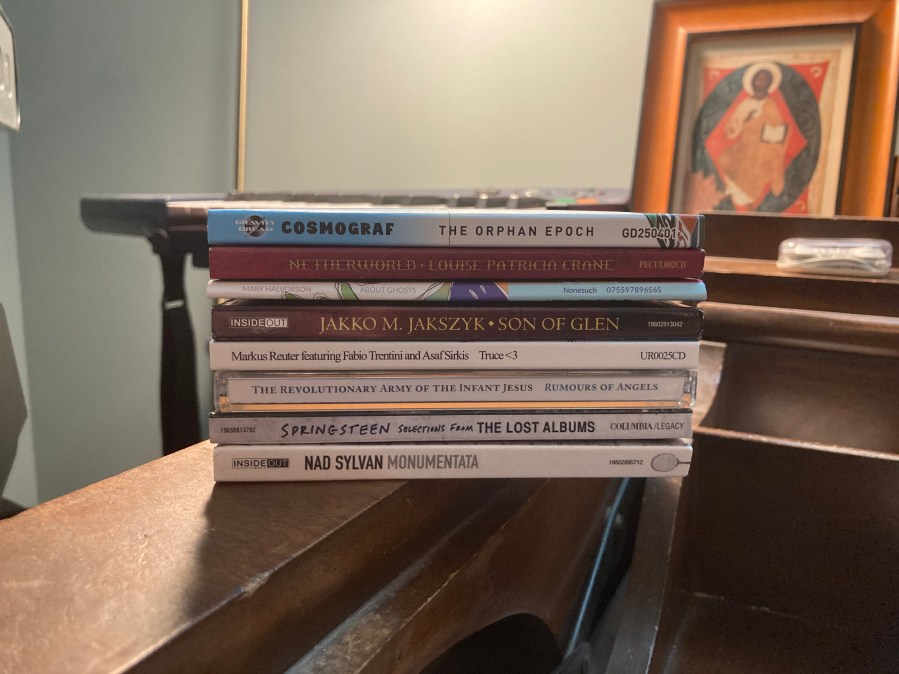
It’s been an hugely enjoyable month for out-of-the-box music! Along with the alluring, elegant wallop of Nad Sylvan’s Monumentata (listen here) and the mesmeric slow burn of Jakko Jakszyk’s ruminative Son of Glen (listen here), three impressive new releases, a compilation taken from one of this year’s most-anticipated box sets, an utterly unexpected reissue — plus one from last year that got away — have crossed my desk. As usual, purchasing links are embedded in the artist/title listing, with streaming options after the review.
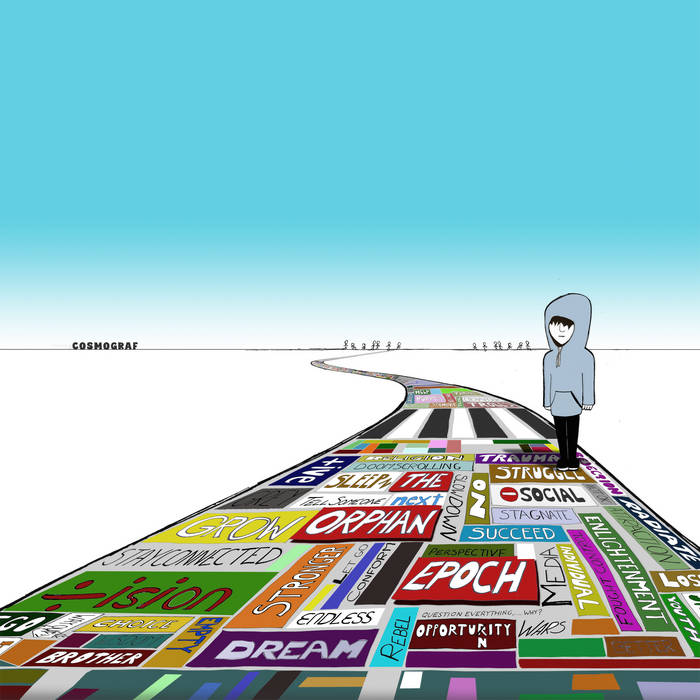
Cosmograf, The Orphan Epoch: Another winning set from Robin Armstrong! More thematic than conceptual this time around, The Orphan Epoch focuses on today’s younger generation and their search for a valid path, confronted by conformity and control like never before. “Division Warning” unfurls from fetching piano filigree to steamroller guitar supporting a dramatic, emotionally ripe chorus; elegance and savagery bob and weave, then fly in formation for “We Are the Young.” There’s gorgeous sax commentary from Peter Jones on the foreboding “Seraphim Reels”; big riffs, gang chanting and blustery organ workouts on “Kings and Lords”; a quiet, menacing synth pulse that, with Kyle Fenton’s skittering drums, propels the encroaching darkness of “You Didn’t See the Thief”; the loose yet inevitable build of “Empty Box.” It all coalesces along “The Road of Endless Miles,” as strong, hard power chording pushes Armstrong’s overdriven vocals to a striking crest, then ebbs away into dead silence. Impeccable, punchy, dynamic sound throughout brings out so much fine-grained detail, all in the service of Armstrong’s bleak yet beautiful, thoroughly humanistic vision. Moving and gutsy, this impressive record deserves the widest possible audience.
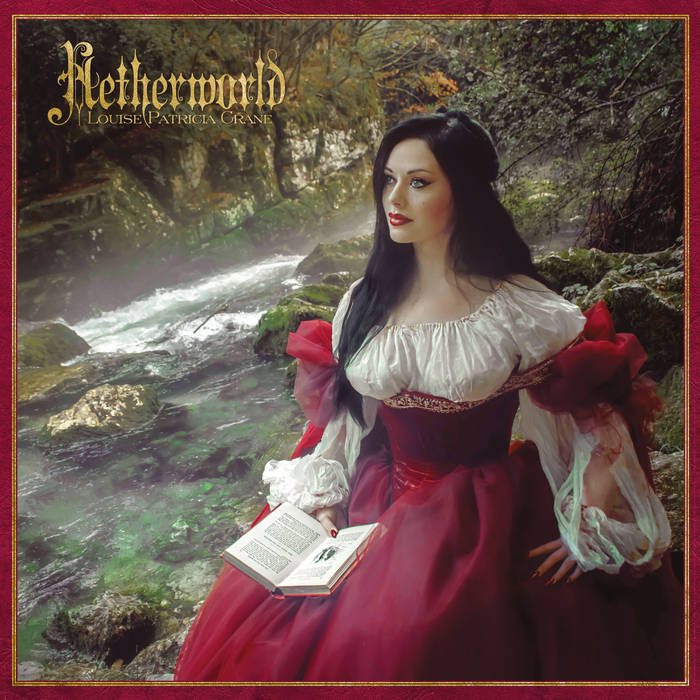
Louise Patricia Crane, Netherworld: Both in his recent Progarchy interview and in the liner notes for his latest, Son of Glen, Jakko M. Jakszyk has been beating the drums for this 2024 album – and he’s right to do it! Crane brings vaulting artistic ambition, assured worldbuilding and mad skills at singing, playing and production to bear on Netherworld; the result is an utterly absorbing song-cycle that pulls you in with the initial “Dance with the Devil” and refuses to let go until the last strains of “Japanese Doll” have died away. Wisps of early Genesis and Tull give “Tiny Bard” and “The Lady Peregrine’s Falcon” a folk-prog tinge, while a trace of vintage Kate Bush lingers in Crane’s resonant vocals, but the sweep of her archetypal lyrics and the variety of settings (from subtly psychedelic “The Red Room” to the overcast jazz of “Bete Noire”) dispel any hint of tired pastiche. Rather, Jakszyk joins an imposing crew of modern prog titans (hailing from King Crimson, Marillion, and points beyond), all dedicated to bringing Crane’s singular point of view to life. These classic ingredients come together in a heady, winningly original brew on an atmospheric soundstage that breathes; Nick Drake’s catalog and the rumbling calm of Talk Talk’s post-rock years are the closest parallels I can call to mind. Netherworld is a brilliant album, thoroughly deserving of your time, attention — and even love. It went on my Belated Favorites list like a shot!

Mary Halvorson, About Ghosts: More kaleidoscopic ensemble jazz from Halvorson’s Amaryllis sextet plus guests (including youthful sax giant Immanuel Wilkins). The warm, glittering sound of opener “Full of Neon” is typical here; launching a pointillistic riff, the ensemble builds through brass smears and a convoluted unison head to perfectly judged solos from trombonist Jacob Garchik and guest tenor Brian Settles. Trumpeter Adam O’Farrill, vibist Patricia Brennan and Wilkins get their licks in as well, while the rhythm section of Nick Dunston and Tomas Fujiwara kick up plenty of dust and swing like mad. And while Halvorson generally lays back as a soloist here (“Carved From”, also a spotlight moment for Wilkins, is an enjoyable exception), her pointed guitar tone laced with congenial digital wobbles consistently pokes through at just the right moments. From “Absinthian’s” uptempo tick-tock through the graceful Ellingtonia of the title track to the sleek glide of “Polyhedral” and “Endmost’s” smooth, richly chorded bossa, Halvorson and her players are always inventive and inviting, conjuring sunny textures from the knottiest material. A great way to either discover this fine composer/performer’s unique voice, or to check out her continuing growth.
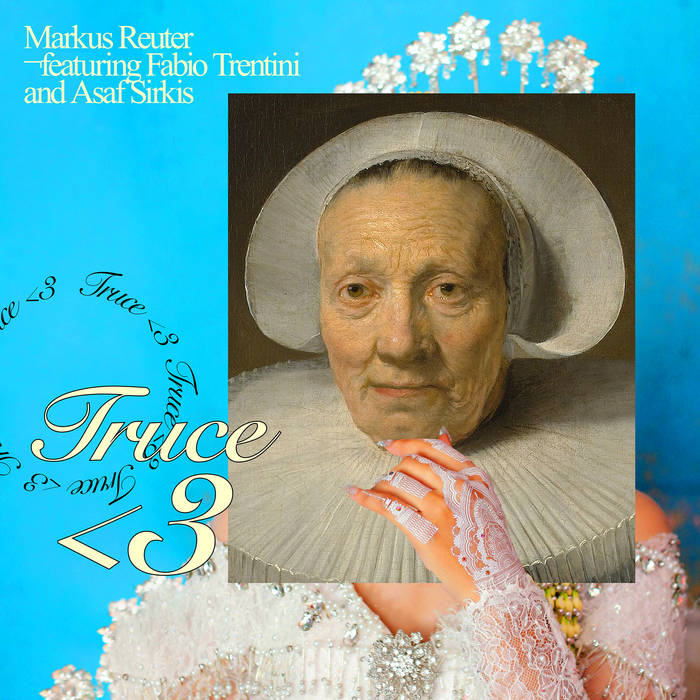
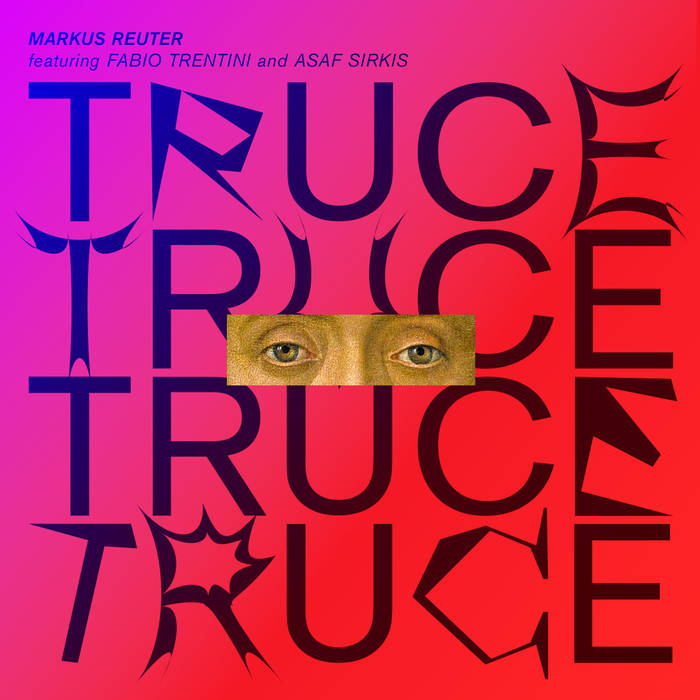
Markus Reuter – featuring Fabio Trentini and Asaf Sirkis, Truce <3: Full-on instrumental rock from three undersung players who know their stuff — including the magic that can happen when the red light comes on with nothing prepared! Reuter’s touch guitar conjures up hanging sonic clouds, cycling loops, piledriving licks and rich melodic spirals; Trentini’s bass lines ground the evolving excursions with a tasty mix of repetition and variation, plus fat, enticing tone; on drums, Sirkis is endlessly, subtly inventive within rock-solid grooves. Slinky kickoff “Not Alone,” the driven, stuttering funk of “It’s Not in the Cards,” the bubbling, smoldering interplay of “Crooked” and “Guardian Shadow,” with its stinging elegiac lament that morphs into a total wig-out, are just the highlights; every improvisatory leap here is inspired. Completely whipped up from scratch like the first two entries in this stunning series, Truce<3 catches music as it’s made on the fly, irresistibly setting body, mind and heart in motion. Already on the Favorites list for this year.
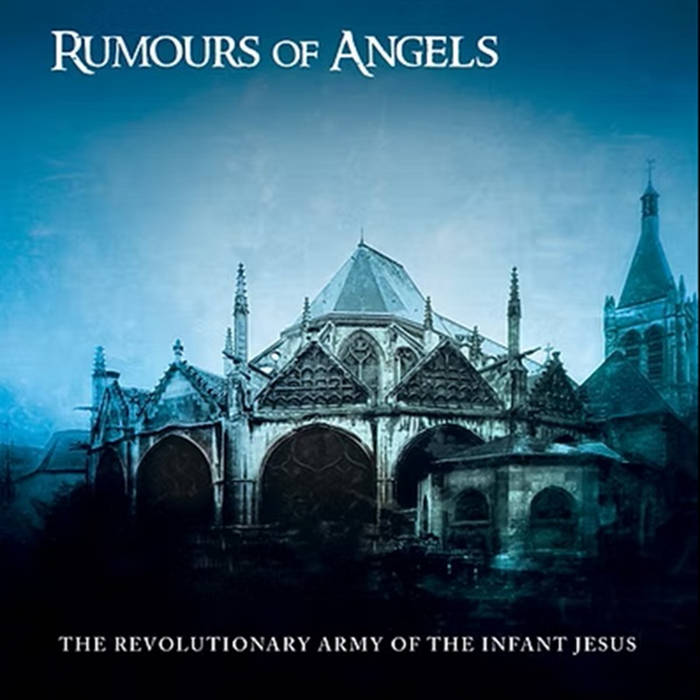
The Revolutionary Army of the Infant Jesus, Rumours of Angels: Originally part of 2013 French boxset After the End, this set compiles two EPs from the end of RAIJ’s 20th-century run and two previously uncollected tracks. As such, you can hear the gleeful clash of opposites — floating folk melodies, chant and spoken word colliding with low drones, tribal rhythms and bruising industrial noise, all drenched in thick, wet echo — that marked the Liverpool collective’s initial, headlong assault on modernity. If tracks like “Cantata Sacra” and “Dies Irae” feel like desperate attempts to call down the Holy Spirit through sheer, strenuous force, moments in “The Parable (of the Singing Ringing Tree)” and “Suspended on a Cross” point toward the mix of ambient stillness and randomized sound collage that permeate later, more considered classics Beauty Will Save the World and Songs of Yearning (my album of 2020). For those who’ve already taken the plunge, Rumours of Angels is an unexpected gift, a vital signpost on RAIJ’s road toward their current, more meditative (yet still earthy) incarnation. If you’re new to it all, don’t let me dissuade you from trying this one out — but be sure to buckle up!

Bruce Springsteen, Lost and Found – Selections from the Lost Albums: I’d argue there are at least three facets to Springsteen’s artistic persona: the unstoppable Boss, barnstorming the globe with the E Street Band; the compulsive singer/songwriter, forever panning his psyche for creative gold; and most evident here, the obsessional auteur, agonizing time after time over the content of his next release. This sampler from Tracks II, an expansive (and exorbitantly priced) box of 7 unreleased albums, startles with the scope of Springsteen’s musical inspirations — though your mileage may vary as to how convincing the various genre exercises are. Chilled-out trip-hop Bruce (“Blind Spot”), spiritual-but-not-religious Bruce (“Faithless”) and country/rockabilly Bruce (“Repo Man”) click best for me; and even tejano Bruce (“Adelita”) and saloon crooner Bruce (“Sunday Love”) have their arresting moments. If anything, the straight-up rockers might be the weakest element here; “You Lifted Me Up” reminds me of nothing so much as a third-string praise and worship chorus. Still, it’s hard to beat Lost and Found’s value — 1/4th of the box set’s tracks for 1/20th of the price, and it certainly lets you know what you’re in for from Springsteen’s latest raid on his vaults. If you’re intrigued like I am, check out the sampler, maybe listen to the complete set online — then hope for a Black Friday price drop.

— Rick Krueger

Kruekutt’s 2020 Favorites: New Albums

Here are the albums of new music from 2020 that grabbed me on first listen, then compelled repeated plays. I’m not gonna rank them except for my Top Favorite status, which I’ll save for the very end. The others are listed alphabetically by artist. (Old school style, that is — last names first where necessary!) Links to previous reviews or listening/purchase sites like Bandcamp are embedded in the album titles. 

Nick D’Virgilio, Invisible: No echoes of Big Big Train or even Spock’s Beard to be heard here. D’Virgilio’s long-awaited latest focuses on classy, soulful rock and pop with R&B undercurrents, reminiscent of nothing so much as the pre-Nirvana mainstream; the progginess is in the extended structures, the virtuoso playing and the overall concept. The down to earth storyline, a redemption narrative with some nifty twists, definitely helps make Invisible appealing and relatable.  But it’s the musical means D’Virgilio uses to build out the story — emotive singing, consistently powerful drum work, polished electric piano, loops, bass, bass synth and guitars — that seal the deal. As a result, every single track grabs on tight from the start — not just revealing more depth and emotional resonance with every repeat, but also relentlessly propelling the album forward.

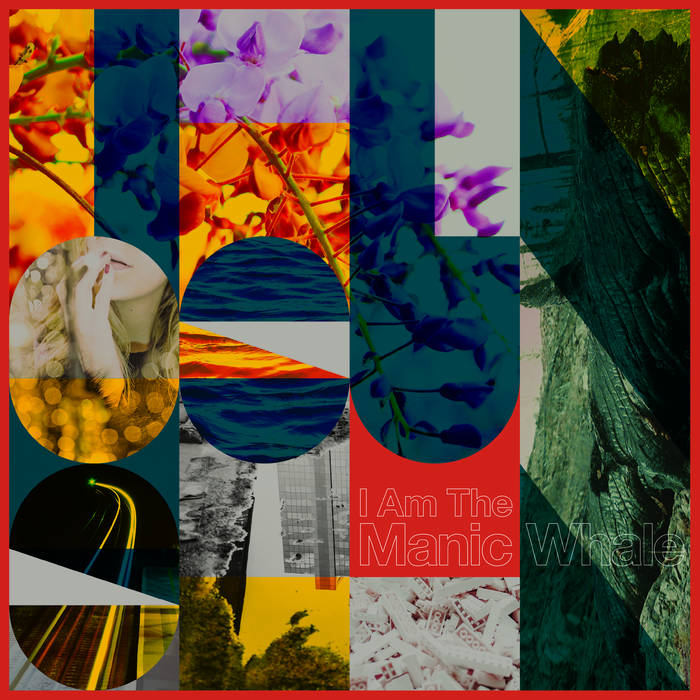
I Am the Manic Whale, Things Unseen: I remain blown away by the energy, humor and sheer delight these young British proggers bring to their story-songs; this third album sounds like their best yet, with crystal clear production by Rob Aubrey.  There’s wickedly cheery satire in “Billionaire” and “Celebrity”, a brooding, atmospheric trip to Narnia in “The Deplorable Word” and unbounded delight in the gift of children in “Smile” and “Halcyon Days”.  Not to mention IAtMW’s very own train song, “Valenta Scream”, laying down a challenge to Big Big Train with (in my opinion) the best lyrical simile of 2020: “Making it look so very easy/Eating up the distance like a cheese sandwich.”  Really. (Check out their free compilation of covers and live-in-studio tracks, Christmas Selection Box on Bandcamp, too.)

Kansas, The Absence of Presence: A real leap forward for a revitalized band; appealing melodies, heady complexity and breathtaking power unite for maximum impact, and it’s a joy to hear all the way through.  Each band member has upped his game multiple notches — David Ragsdale, Zak Rivzi and Rich Williams peel off one ear-catching riff and solo after another, Ronnie Platt sings with smooth, soaring power and commitment (evoking Steve Walsh while being utterly himself), and I could listen to Billy Greer and Phil Ehart’s rolling, tumbling thunder all day.  New keyboardist Tom Brislin is the perfect match for this line-up, dishing up just the right lick no matter what’s required — pensive piano intros, crushing organ and synth riffs, lush textures, wigged-out solos, you name it. Stir in a new level of collaboration in the writing, and you get Kansas unlocking a new level of achievement, making excellent new music more than 40 years after their initial breakthrough.  Recommended without hesitation.

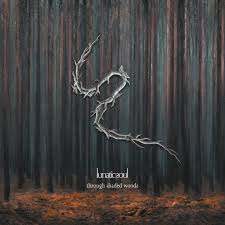
Lunatic Soul, Through Shaded Woods: The perfect Hero’s Journey for this frustrating year. Mariusz Duda’s latest holiday from Riverside’s post-prog heads straight for Mirkwood — ominous, lowering music, echoing the colors and contours of Slavic and Scandinavian folk. Playing all the instruments (frenetic acoustic strums; decorative baroque keys; tasty metallic riffs and electronica accents; unstoppable primal percussion) Duda penetrates the heart of his melancholy, only to discover his greatest obstacle: himself. At which point “Summoning Dance” pivots, echoing Dante lyrically as it turns toward the soul-easing finale of “The Fountain.” Imagine Bela Bartok and Jethro Tull collaborating on a sequel to Kate Bush’s “The Ninth Wave,” and you’ll have some idea of how unique and special this album is. (The bonus disc — currently only available as a Bandcamp download link above and as a Polish import — is essential listening too, especially the hypnotic minimalist epic “Transition II.”)

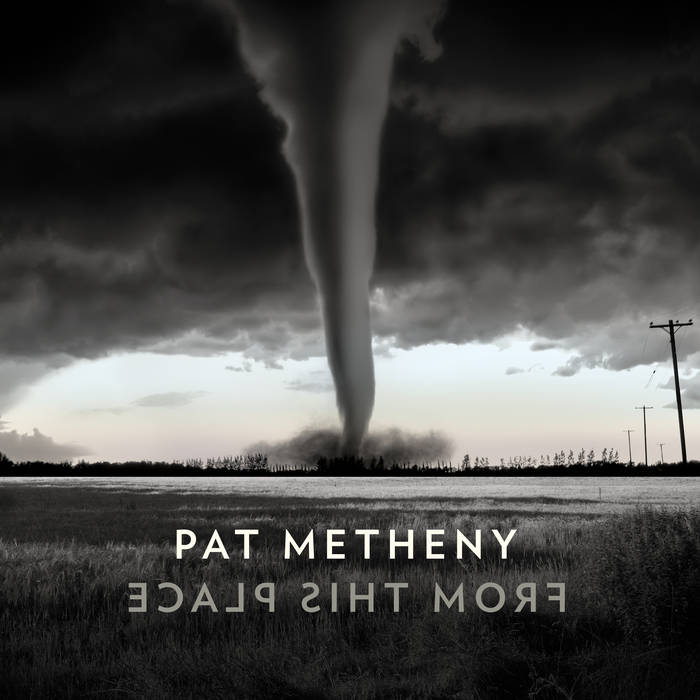
Pat Metheny, From This Place: State of the art jazz composed and performed at the highest level, this is a unified work of formidable emotional range and intelligence: instantly accessible, inescapably substantial — and above all, incredibly moving. Metheny, pianist Gwilym Simcock, bassist Linda May Han Oh and drummer Antonio Sanchez ride the exhilarating ebb and flow of ten new tunes, their rich interplay locking together with sumptuous orchestral overdubs for awe-inspiring, high-intensity results.  From This Place communicates like mad; confronting knotty, pensive questions of culture, identity and hope, it’s also a deeply satisfying culmination to Metheny’s career-long pursuit of transcendence — music both of its time and potentially timeless, gripping at first acquaintance, deepening its impact with every further listen. 

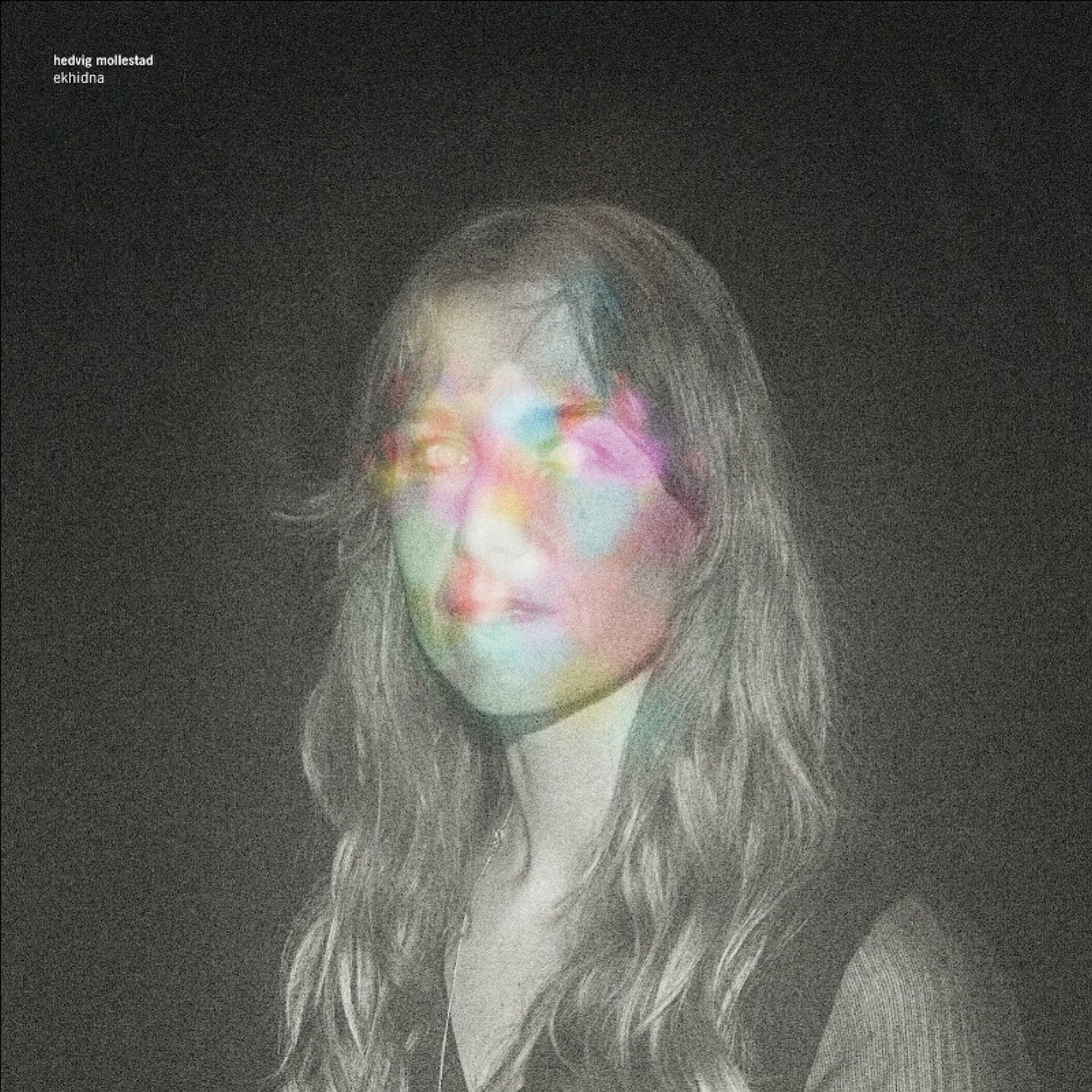
Hedvig Mollestad, Ekhidna: The Norwegian guitarist takes her incandescent blend of heavy rock and avant-garde jazz to the next level, triumphantly meeting the challenges inherent in writing for a bigger band and a broader sonic palette. Ekhidna is a bracing blend of tumbling rhythms, killer riffs and brain-bending improv that goes down remarkably smooth, but leaves a fiery aftertaste. Writing for an accomplished sextet of players, Mollestad’s new music doesn’t avoid the expectations raised by its evocation of Miles Davis’ Bitches Brew, sometimes confronting classic genre strategies head-on, sometimes blithely subverting them. Named for the she-dragon of Greek mythology (also called “the mother of all monsters”), this album is monstrous in the best sense — a musical rollercoaster ride suffused with heat, light and heart, recombining the raw materials of jazz-rock and extending its reach into realms of vast new potential. A real breakthrough, and Mollestad’s best effort to date.

Markus Reuter, Fabio Trentini and Asaf Sirkis, Truce: Utterly bracing, a cold slap in the face that kicked off 2020 in the best way possible.  Recorded live in the studio on a single day by touch guitarist Reuter, bassist Trentini and drummer Sirkis,  this is the unfiltered, mind-boggling sound of three virtuosos throwing caution to the winds and just going for it. From start to stop, the music they make is unbeatably heavy, head-snappingly varied, and vividly compelling — whether on the searing stomp of a title track, the brutal mid-tempo funk of “Bogeyman”,  the abstract balladry of “Be Still My Brazen Heart”, or the Police-ified dub freak-out of “Let Me Touch Your Batman”.  Listening to Truce is an hour-long thrill ride with tons of substance to chew on — one you need to experience for yourself, more than once.

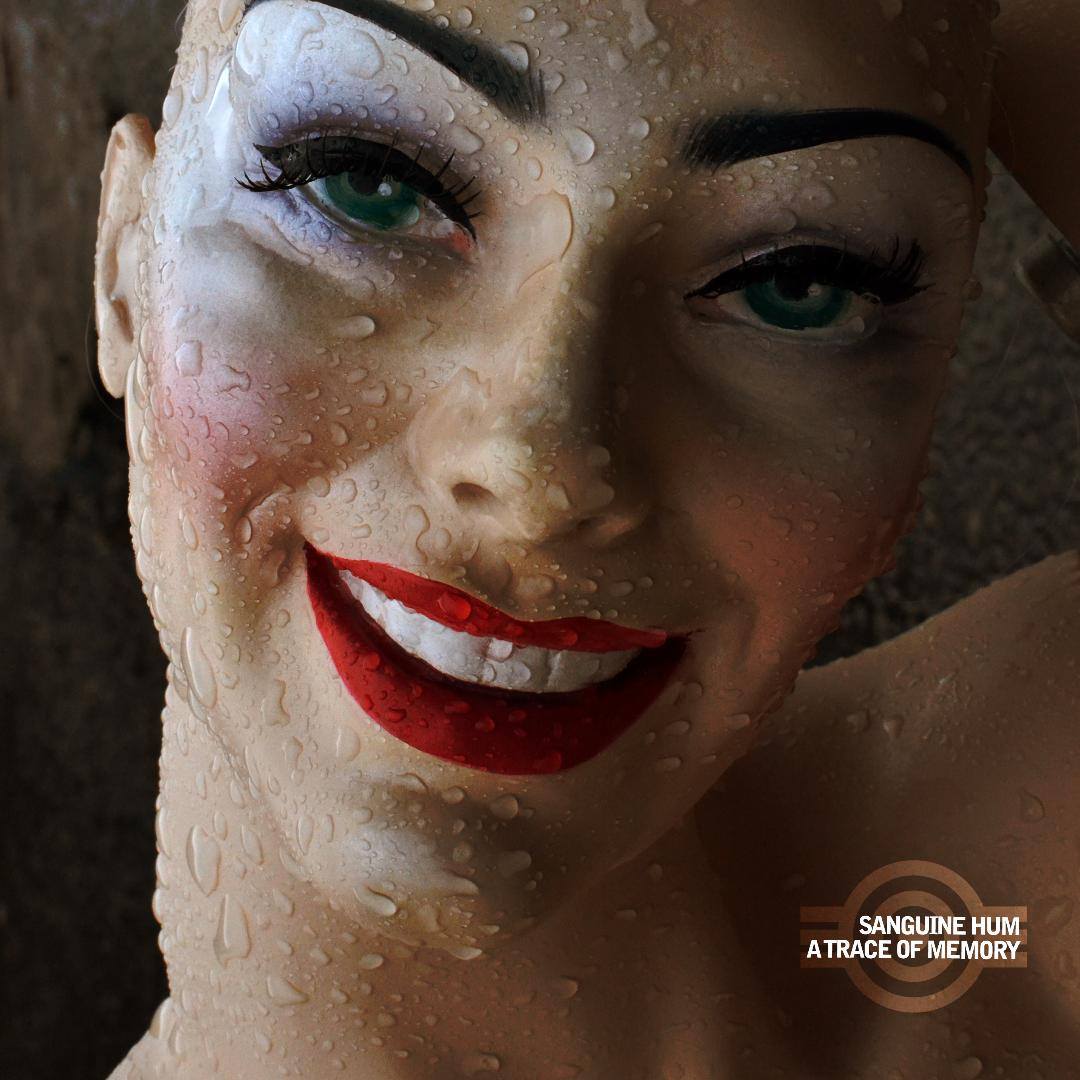
Sanguine Hum, A Trace of Memory: Rarely does eccentricity sound so graceful as in the hands of Joff Binks, Matt Baber and Andrew Waismann. Sequenced as a seamless whole, the seven tracks on A Trace of Memory trace a playful trajectory; no matter the giddy succession of off-kilter riffs, the complex counterpoint of Binks’ guitar and Baber’s keys, or the intensity of the musical climaxes, the ebb and flow is consistently welcoming, yet always subtly stimulating. Freed from the broadly goofy, conceptual conceit of Now We Have Light and Now We Have Power, Binks can explore a more allusive lyrical style and spare melodic lines that soar instead of patter; less is definitely more in this context. Sanguine Hum has hit new heights here; listening to this album is like watching clouds travel unhurriedly across a clear sky, and it makes me smile every time. In 2020, this may be the closest you can come to hearing the harmony of the spheres.

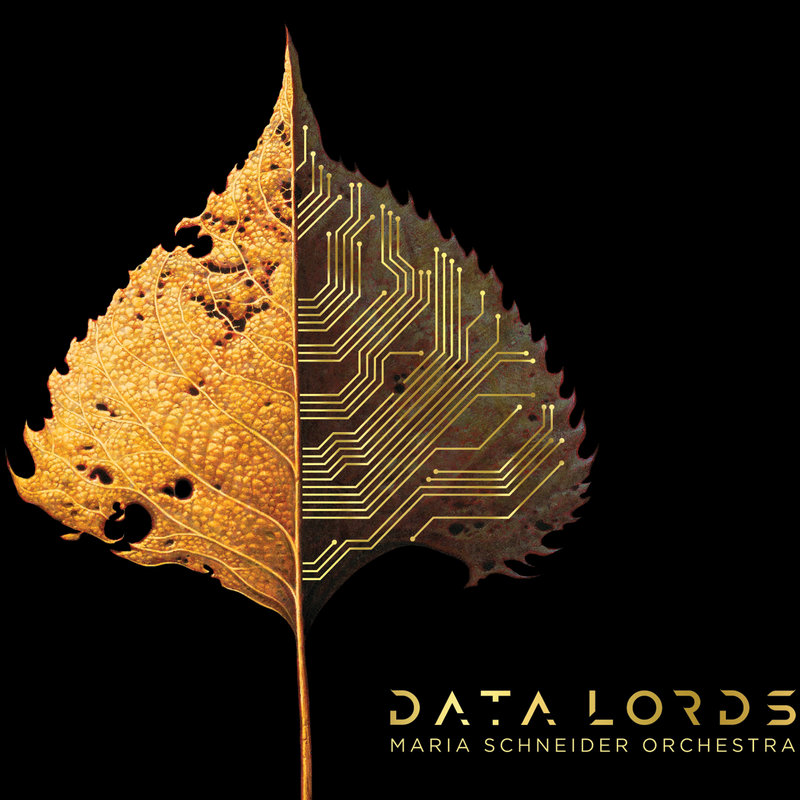
Maria Schneider Orchestra, Data Lords: There’s no question in my mind that composer Maria Schneider (based in jazz but embracing musical terrain beyond category) and her orchestra have reached a new artistic pinnacle on this album. Conveying both the bleak potential of online life blindly lived and the bounteous beauty of the life around us we take for granted, Schneider conjures up slow-burning tone poems that, as they catch fire, blaze with fear and dread — but also with hope and joy. Throughout there’s a symphonic sweep, a supple rhythmic foundation and a seamless flow of inexhaustible melody; Schneider’s compatriots inhabit and animate her music with dedicated unity and thrilling improvisational daring; and the high-definition sound lovingly unfolds all of the music’s sophisticated, profoundly moving beauty with breathtaking clarity.

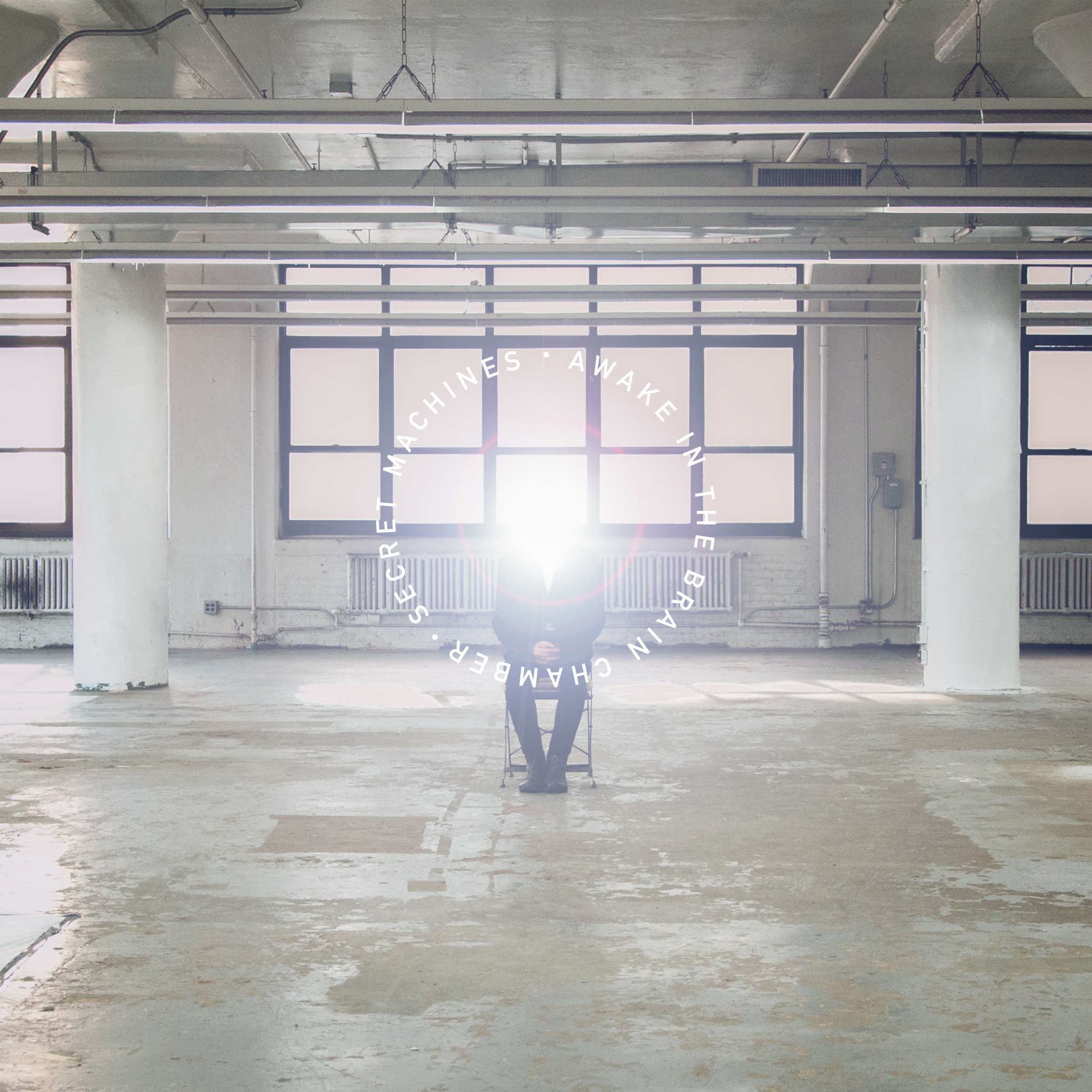
Secret Machines, Awake in the Brain Chamber: Way back in 2004, Secret Machines’ Now Here Is Nowhere was one of that year’s most compelling albums, a ferocious collage of droning space-rock riffs, rampaging Zeppelinesque grooves and unsettling, dystopian lyrics. A stalled major-label career and a revolving door of personnel dissolved the band’s momentum, capped by guitarist Benjamin Curtis’ passing in 2013 — but somehow, this magnificent beast is back. On Awake in the Brain Chamber, brother Brandon Curtis writes the songs and supplies keys, guitar and bass (as well as his patented, heartbroken vocal sneer) while drummer Josh Garza fills all available frequencies with his customary thunder. Whether they’re uptempo sprints (“Dreaming Is Alright, “Everything’s Under”), widescreen ballad-paced crawls (“3, 4, 5 Let’s Stay Alive,” “So Far Down”), or determined drives into the middle distance (“Talos’ Corpse,” “Everything Starts”), these eight taut, sharp tracks hit the sweet spot between hard rock and modern-day psychedelia — tight, mesmerizing, absolutely exhilarating. This one will get your blood flowing.

Bruce Springsteen, Letter to You: As his career trajectory flared, climbed, peaked, then settled into the long tail of legacy-rock stardom, Springsteen never really stopped exploring his core concerns: the ins and outs of freedom and community, their costs and their consolations.  The good news here is that Letter to You digs deeper, pondering the price of escape, love, friendship, loss, grief and jubilation, remembering friends now dead, reviving songs once abandoned. When Bruce has something big to write about, he can cut straight to your heart, even from a secluded home studio in deepest New Jersey, and he’s done it again here. With the E Street Band on fire behind him, Letter to You could be the basis of a tour to top them all for Springsteen; but even if that never comes to pass, this album is something special, a hard-rocking reminder that yes, our days on this earth are numbered — but also that love is strong as death.

Three Colours Dark, The Science of Goodbye: This new collaboration between vocalist Rachel Cohen (Karnataka, The Reasoning) and keyboardist/guitarist Jonathan Edwards (Karnataka, Panic Room) proves elegant, introspective and strangely irresistible; there’s brooding power to the music and a darkly compelling lyrical vision to match.  Lured by Edwards’ lush, disconcerting settings into Cohen’s brave, quietly harrowing narratives of pain, bewilderment, and self-doubt, you wonder how you’ll make it out — which makes the album’s cathartic finale even more delicious. From claustrophobic onset to the inspiring end, The Science of Goodbye rings true as both testimony and art, as Three Colours Dark follow the light that seeps through the cracks in everything to a new day. 

and my favorite new album of 2020 . . .

Revolutionary Army of the Infant Jesus, Songs of Yearning/Nocturnes: I have never before heard anything quite like this album, and found myself returning to it all year.  This loose creative collective from Liverpool has pursued “echoes of the sacred” across three decades, striving to access sonic space where transcendence can invade a stiflingly measured-out world.   Songs of Yearning and the limited bonus album Nocturnes (still available as a pair at Bandcamp) both stake out new territory where rumors of glory can run; brimming with rough-hewn beauty and deep mystery, pairing audacious scope with quiet, insistent appeal, this music is primal and postmodern in the same eternal instant.  As the idols of prosperity and progress continue to totter around us, RAIJ’s latest feels like genuinely good news — a sacramental transmission from, then back to, the heart of creation.

— Rick Krueger