Unless otherwise noted, title links are typically to Bandcamp for streaming and purchasing, or to Spotify/YouTube for streaming with a additional purchase link following the review.
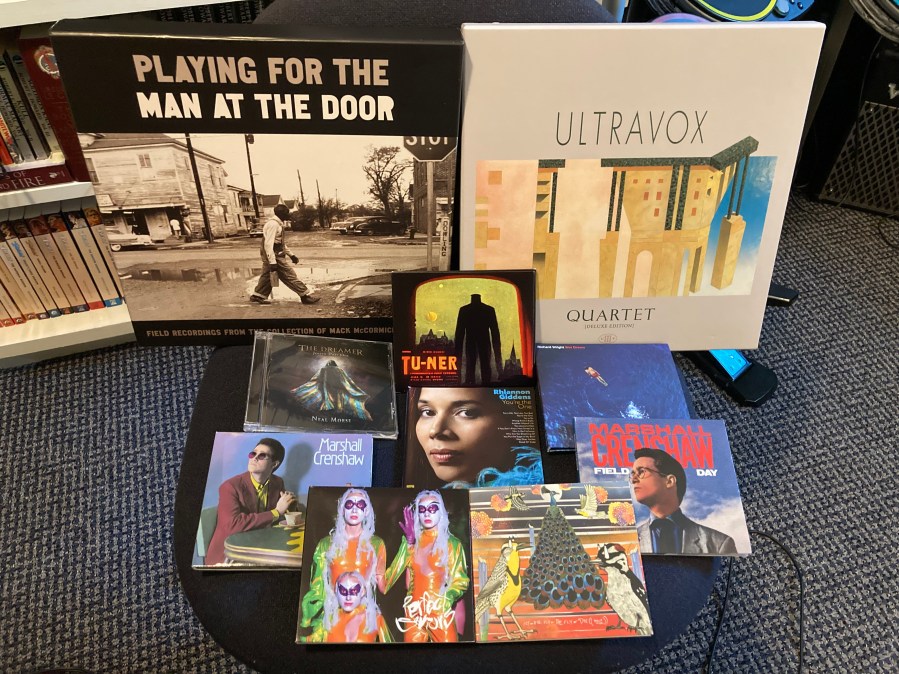
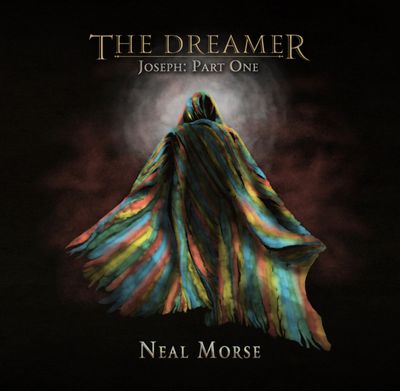
Neal Morse, The Dreamer – Joseph, Part One: For his latest rock opera a la 2019’s Jesus Christ the Exorcist, Morse and his studio sidekicks swerve toward hard-hitting blues-rock; the usual “Overture” and the narrative tracks “Burns Like A Wheel” and “Gold Dust City” are stuffed to the brim with chunky organ and grunged-up wah-wah guitar work. Wailing vocals from the cast of Christian Progressive Rock stalwarts who play Jacob, Joseph’s brothers and his Egyptian captors slot right in; even the power ballads (“The Pit”) have more grit this time around! And while the second half of the album is stylistically slicker (complete with classical chorale “I Will Wait on the Lord”), the hooky closer “Why Have You Forsaken Me?” pulls all the musical threads together, with Morse’s emotive portrayal of Joseph setting up intriguing possibilities for Part 2 — which, given his extravagant productivity, shouldn’t be too long in coming. Order from Radiant Records here.
Tu-Ner, T-1 Contact Information: Power trio improvisation that takes no prisoners, from another eerily luminous satellite band orbiting the gravity well of King Crimson. Trey Gunn and Pat Mastelotto formed one of Crimson’s most ferocious rhythm sections in the early 2000s, also recording together as TU; here Mastelotto clatters away merrily on his sonic smorgasbord of drums and percussion, while Gunn unleashes the deepest, fattest bass licks known to subwoofers. Above and around the Rhythm Buddies’ brutalist bedrock, Markus Reuter (who’s worked with Mastelotto in the duo Tuner and the trio Stick Men) unleashes slashing, swooping touch guitar lines and dark, brooding soundscape clouds — and when Gunn joins him on the higher end, sparks really fly. Always arresting, intermittently galvanizing, but the track titles (or this review for that matter) can’t really give you a feel for what this sounds like. In other words, you’ve gotta hear what Tu-Ner do to believe it.
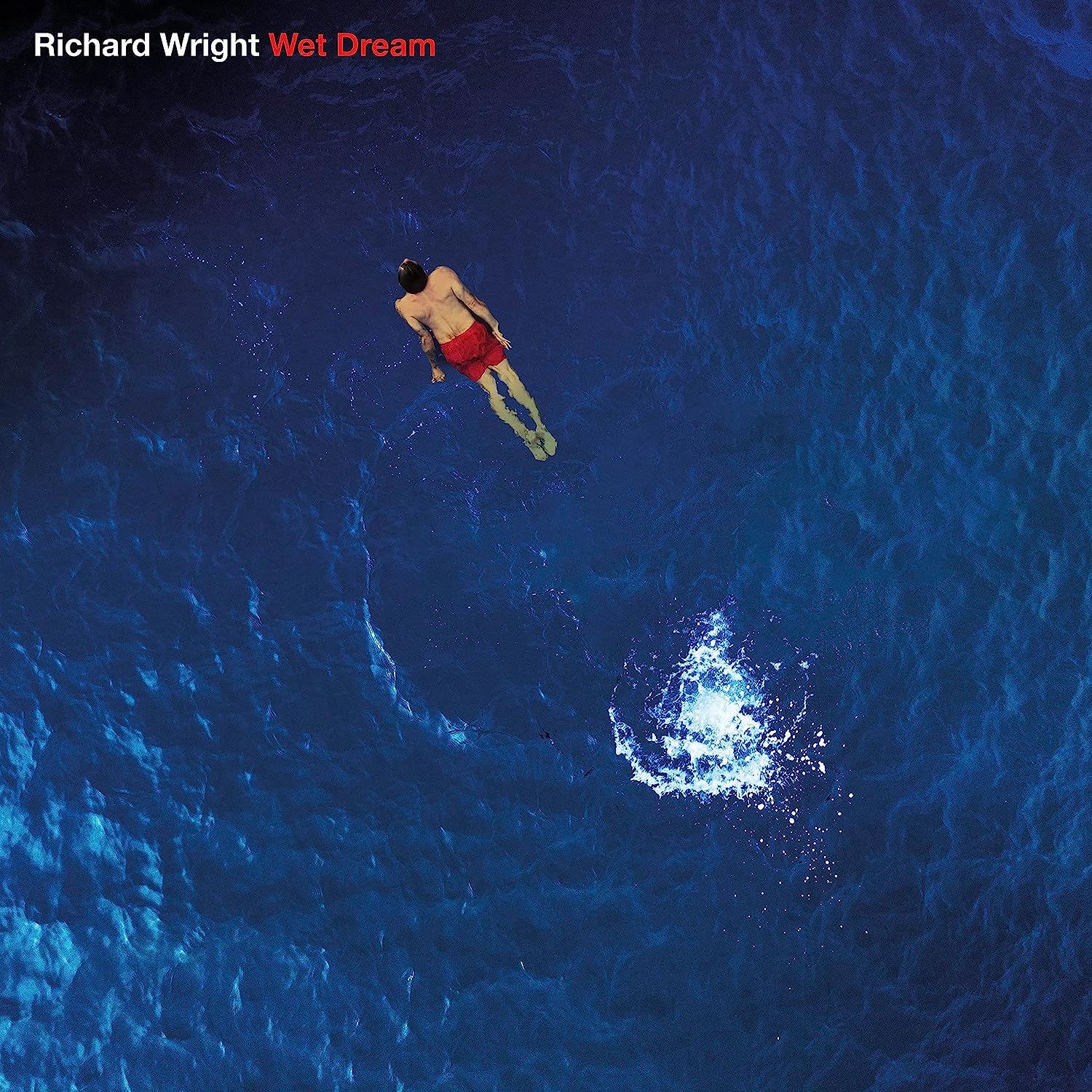
Richard Wright, Wet Dream: In case you ever wondered exactly what keyboardist Wright brought to Pink Floyd, his 1978 solo album has it in spades. On tracks like “Mediterranean C” and “Drop In from the Top” lush, floating chord progressions set up open-ended jams by guitarist Snowy White and sax legend Mel Collins; Wright’s reedy voice spins out languid vignettes of detachment and disillusion such as “Summer Elegy” and “Holiday”. All thoroughly gorgeous (especially in this immaculate new Steven Wilson remix), occasionally funky, ineffably melancholy — and not terribly urgent in isolation. Still, you can hear the breathing space that Floyd lost as Wright faded into the background and Roger Waters began repeatedly kicking his audience in the head on The Wall. Order from Rhino Records here.
Ultravox, Quartet [Deluxe Edition]: Speaking of immaculate Steven Wilson remixes: this is his third in a series for the British new wave quartet. Regrouping after early personnel changes, Ultravox struck a quirky vein of New Romantic post-punk on 1980’s Vienna, then pursued cutting-edge Krautrock on the follow-up Rage in Eden. Connecting with legendary producer/5th Beatle George Martin, frontman Midge Ure, violinist/keyboardist Billly Currie, bassist Chris Cross and drummer Warren Cann aimed straight for the charts; Quartet is as pure of a pop album as they ever achieved. The UK singles “Reap the Wild Wind,” “Hymn,” “Visions in Blue” and “We Came to Dance” have an irresistible mix of rock drive, synth-pop color and devil-may-care melody, and the album tracks slot right in; the whole thing’s overripe and melodramatic in the most appealing way. Plenty of extras in the 7-disc box too, with b-sides, rarities, rehearsal tapes, studio monitor mixes and an intense live set all included. Order from the Ultravox store here.
(As always, purchase links are included in the artist/title listing, with available online audio/video following.)
This month’s favorites:
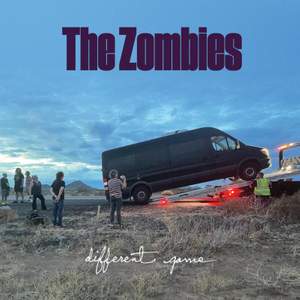
The Zombies, Different Game. Led by singer Colin Blunstone and keyboardist Rod Argent, The Zombies notched three hit singles (“She’s Not There”, “Tell Her No” & “Time of the Season”) and a noted album of psychedelia (the misspelled, wildly adored Odessey and Oracle) back in the 1960s. This fourth effort since their late-90s reunion is my unexpected album of the month: a mesmerizing mix of the Baroque, the blues, witty lyrics worthy of the Great American Songbook and pile-driving soul. Argent’s compact yet ambitious songwriting is at a peak here: check out the elegiac, Bach-meets-John Lee Hooker title track; the doo-wop harmonies of “Rediscover”; the Motown/Steely Dan workouts of “Runaway” and “Merry-Go-Round”; the forlorn, string-laden balladry of “If You Would Be My Love” and “I Want to Fly”. And Blunstone can still stir up a furious storm with his R&B-inflected shouting or calm troubled waters with his cool serenity, frequently in the same tune! Mostly cut live in the studio, this is rock classicism at its finest; don’t miss it.
Nickel Creek, Celebrants. On their first outing in nine years, the progressive bluegrass trio riffs off an unlikely source to stunning effect. Inspired by the Beach Boys’ unfinished modular masterpiece SMiLE, mandolinist Chris Thile, violinist Sara Watkins and guitarist Sean Watkins conceived this album as a suite, with songs and instrumentals interconnected by recurring melodies and lyrics. The result flows brilliantly from beginning to end, impelled by these technically formidable, yet invitingly inventive players; the music moves like a flash from supple chamber textures (“The Meadow”) to propulsive rock (“Where the Long Line Leads”), through pensive slices of life (“To the Airport”) to hard-pickin’ instrumentals (such as the widely separated bookends “Going Out . . . Despite the Weather”). And that’s to say nothing of the trio’s thrilling, acrobatic vocal work, both solo and in harmony. Nickel Creek opens my local outdoor amphitheater this summer — and I, for one, can’t wait to hear what they do with this material!
London Brew. As with so much floating in the atmosphere of early 2020, this concept (a London concert celebrating the 50th anniversary of Miles Davis’ groundbreaking fusion album Bitches Brew) mutated along with COVID-19. Instead, we got something that’s arguably better — a dozen of the hottest young British jazzers jamming for three days in the studio, inspired by Miles’ ideas but whipping up a double-length set of free playing that’s more a seething maelstrom than a reverent tribute. Saxophonists Shabaka Hutchings (Sons of Kemet, The Comet Is Coming) and Nubya Garcia are probably most familiar to American listeners. along with drummer Tom Skinner (Sons of Kemet, Radiohead side project The Smile). Their fluidly molten lines and explosive grooves are core elements of this stormy music — but so are Nick Ramm and Nikolaj Torp Larsen’s floating keyboards, Martin Terefe and Dave Okumu’s boundary-bursting guitars, Raven Bush’s arcing violin, Theon Cross’ pumping tuba, and the volatile rhythm section of Tom Herbert and Dan See. The end result spins unpredictably between open, spacious textures and unstoppable torrents of furious sound, delivering 90 minutes of inspired, spectacularly unclassifiable music that never doubles back on itself.
This month’s jazz:
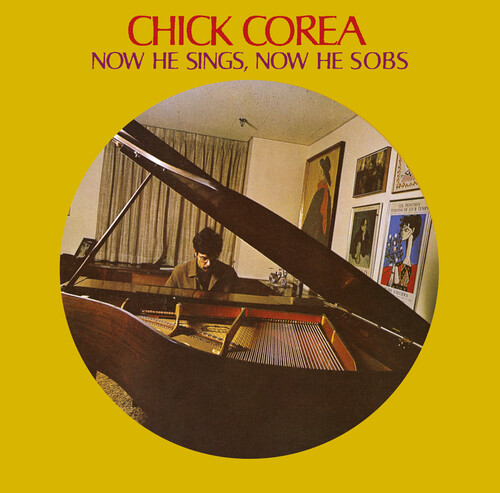
Chick Corea, Now He Sings, Now He Sobs (reissue). thanks to the no-frills Dutch reissue label Music On CD for bringing back this 1968 gem; arguably the first great album in Corea’s mind-boggling discography, it’s a near-perfect blend of lyricism and experimentation, simultaneously honoring and stretching the jazz tradition of the time. Teaming up with bassist Miroslav Vitous (later of Weather Report) and legendary drummer Roy Haynes, Corea weaves seamlessly through classic early compositions (“Matrix”, “Windows”), standards (Thelonious Monk’s “Pannonica”, “My One and Only Love”) and in-the-moment improvisations (the bulk of the original album and the additional session tracks included here). Laced with snatches of iconic Corea moments to come, this is also a solid, satisfying record in its own right.
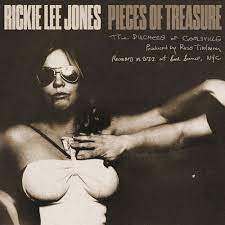
Rickie Lee Jones, Buried Treasures. You can argue that Jones was always a jazz singer, even on her folk-inflected debut smash and her cinematic follow-up Pirates. (And hey, if Bob Dylan can sing songs made famous by Frank Sinatra . . .) Reunited with her original producer Russ Titelman and fronting a wonderfully sympathetic instrumental quartet plus horns, Jones lovingly leans into ten classic pre-rock songs, her inimitable voice gently caressing the melodies, her sparky gift for bringing the words and sentiments she sings to life blissfully intact. Hushed and intimate, but with rough edges in all the right places, Buried Treasures lives up to its title – and then some.
Rob Mazurek Exploding Star Orchestra, Lightning Dreamers. The latest from Chicago’s headily progressive jazz label International Anthem. Take trumpeter/composer Mazurek’s programmatic depictions of South American landscapes married to the free-form poetry of Damon Locks; add Gerald Cleaver and Mauricio Takara’s sturdy, hip-hop inflected percussion, Jeff Parker’s liquid post-rock guitar, and the atmospheric keys of Craig Taborn and Angelica Sanchez; then run the whole thing through a mixmaster of electronic treatments. Listen to this music with open ears, and you may come out the other side looking at the world around you with new eyes, too. A celebratory, cathartic experience.
This month’s veteran (cosmic?) rockers:
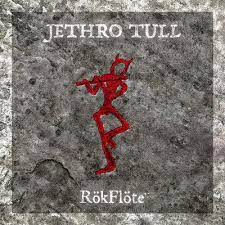
Jethro Tull, RökFlöte. After his revisionist take on the Bible on last year’s The Zealot Gene, Ian Anderson turns his gimlet eye on the old Norse gods, with 12 new songs that portray that mythology’s pantheon and flesh out present day cultural parallels — all in strict poetic meters, no less! The music is welcoming and nimble, often reminding me of classical or Celtic tunes I can’t quite place; Anderson’s flute work is wickedly sharp and his back-up band (including new guitarist Joe Parrish-James) give each tune plenty of oomph. And while Anderson can’t attack this material with the vocal gusto and range he had in Tull’s heyday, he’s learned how to cannily work with his limitations to pull the listener into each vignette. Reminiscent of the Songs from the Wood/Heavy Horses era of Tull, this will charm long-time fans while holding open possibilities for broader appeal.
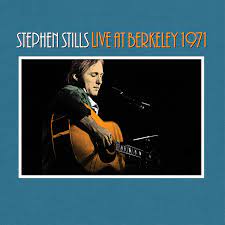
Stephen Stills, Live at Berkeley 1971. The latest fuel for my ongoing Crosby Stills Nash & Young fixation. No wonder they called Stills “Captain Many Hands”; two-thirds of this archival set feature the man holding an audience of 3,500 spellbound with just his voice, guitar, piano and banjo (oh, and David Crosby chipping in harmonies on two songs). Which makes the impact of the full band finale even stronger, as a six-piece group plus the Memphis Horns power Stills’ singing to soulful heights (while sounding remarkably proggy in the 7/4 section of the epic “Cherokee”). With impressive tunes spanning a broad spectrum of roots music and superb musicianship throughout, this set offers a valuable chance to hear a now-underrated American master at his best.
The Who with Orchestra, Live at Wembley. In 2019, I attended the first concert of Roger Daltrey and Pete Townshend’s foray into playing with a full-blown orchestra; recorded six months afterwards, this double set is now released in advance of The Who taking their symphonic show across Britain this summer. The bugs of that opening night had definitely been ironed out by the time they got to London; the orchestral backing on their “greatest hits plus a couple new tunes” set hits hard consistently, reaching majestic heights on the extended suite from Quadrophenia. And if Daltrey and Townshend’s voices are showing their age at long last, their gutsy commitment to the material triumphs over any moments that reveal the wear and tear. Still, the highlight of the show for me remains the duo’s acoustic duet on the evergreen “Won’t Get Fooled Again”, with Townshend supplying an introduction that pokes holes in any lingering political pretensions: “You provide the [expletive deleted] activism; we’ll provide the soundtrack.”
Box Set of the Month:
Blackfield, An Accident of Stars – 2004-2017. Customer service alerts first: the “limited one-time pressing” of this CD-based set, collecting Steven Wilson and Aviv Geffen’s first five albums under the Blackfield banner plus live audio and video is already sold out, though Amazon and indie stores like Michigan’s Dearborn Music are listing stray copies as available. Oh, and there’s a technical glitch with the included BluRay, which won’t play in American and Asian players. (Though purchasers can get a free replacement BluRay via press@snappermusic.co.uk) All that aside, Blackfield made a whole bunch of gorgeously doomy art pop in those 13 years, with Wilson and Geffen’s vocals adding salty, sour, spicy notes to their melancholy, string-laden soundscapes. While the debut Blackfield album is still my favorite, albums II and V really aren’t that far behind in quality – and there’s good stuff to be found on the lesser albums as well (all available individually through Burning Shed or Bandcamp). So if this piques your curiosity, go for selected highlights – or the complete set! (But be forewarned — KScope has announced a similarly limited box of early Pineapple Thief albums for June release, and a set of Wilson’s No-Man albums with Tim Bowness is rumored to be in the works. So start saving your shekels now . . .)






 Progarchy