2015: It Was The Best Of Prog…..

2015 continued the trend of the past few years of providing tremendous offerings for lovers of prog.

For starters, Best Reissue:
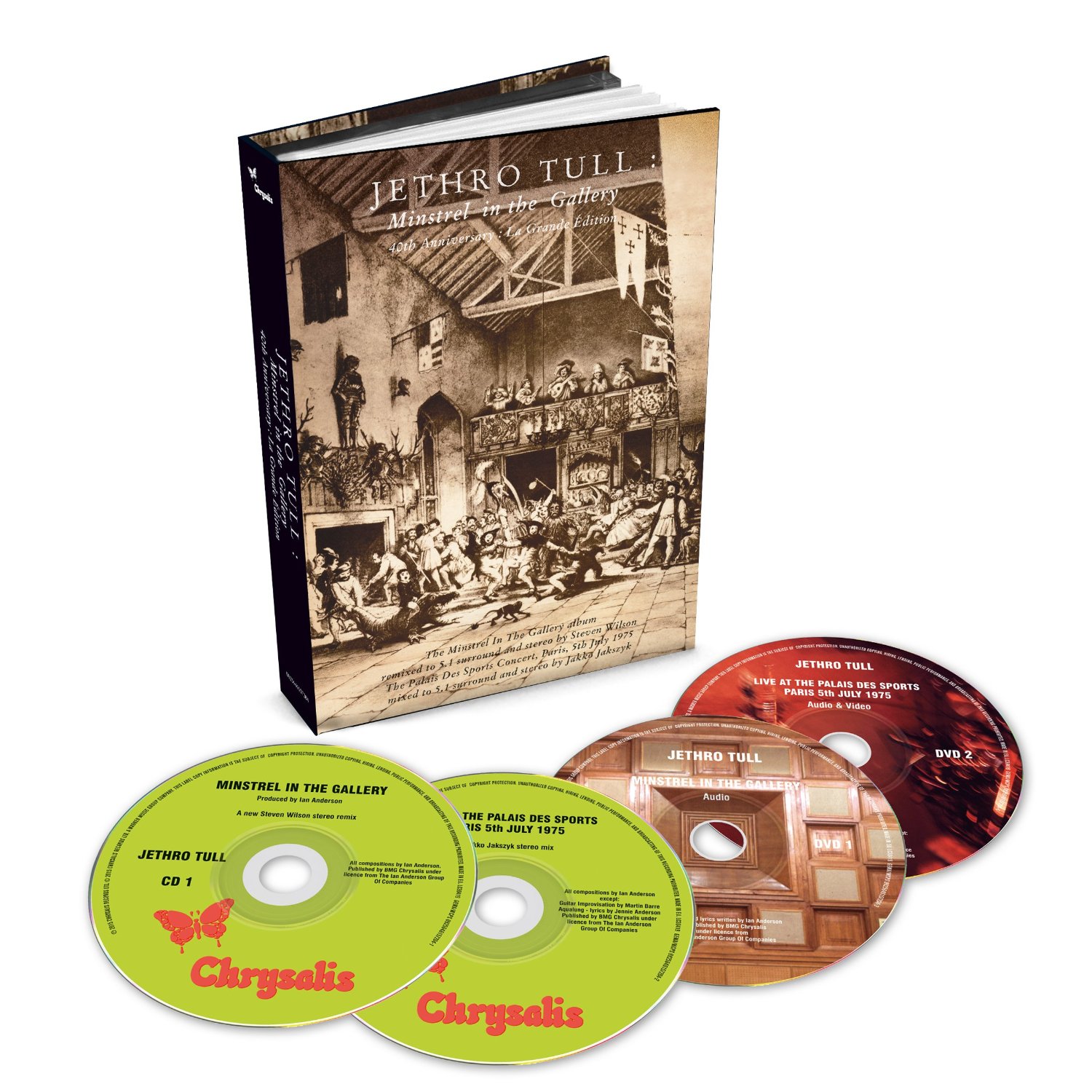
Minstrel in GalleryThe number of exciting and revelatory reissues of prog classics is growing at an exponential rate. The best one of 2015 is La Grande Edition of Jethro Tull’s Minstrel In The Gallery. Ian Anderson was at his peak, songwriting-wise, at this point in his career, and this lavish set (including a new 5.1 surround mix) does one of the band’s best albums true justice.


And now for some new music:
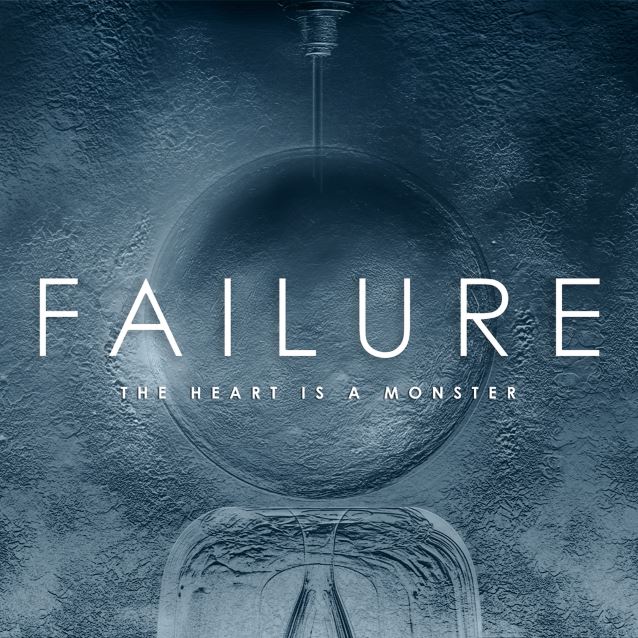
Heart Is A Monster8. Failure: The Heart Is A Monster

A great Seattle band of the ‘90s that never received the acclaim it was due. They have reunited 20 years later. They are all older and much wiser, and it shows in their music. It’s still tough, melodic, and full of energy, while exhibiting a confidence and ease that is very gratifying.
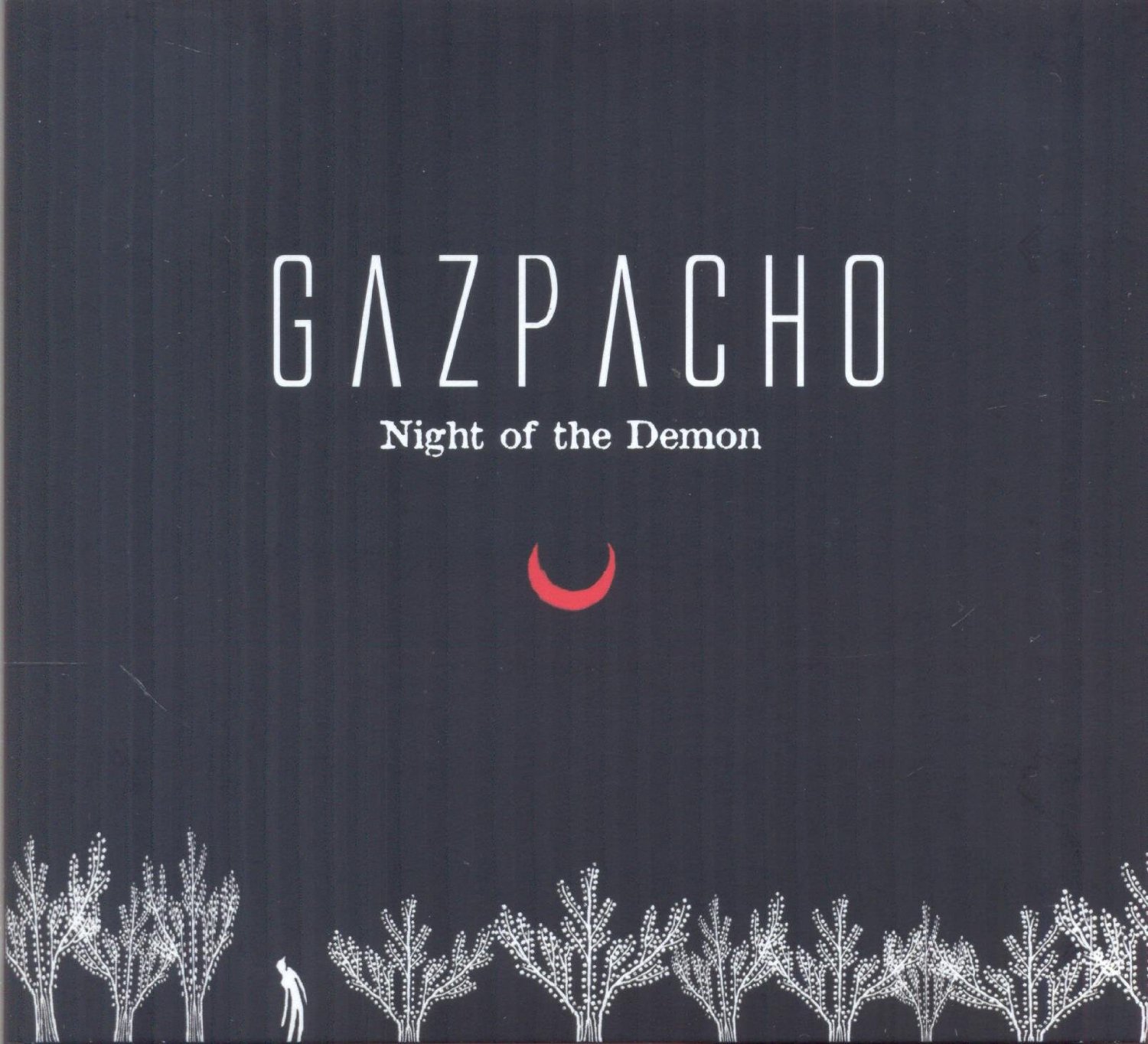


Night of Demon7.Gazpacho: Night Of The Demon

A very nice live set that provides a good sample of Gazpacho’s output. The band is incredibly tight while performing some demanding pieces. This is an excellent introduction to a band whose music is often enigmatic.


deluxen6. Dave Kerzner: New World

Technically, this is a 2014 release, but the expanded double album came out this year, so I’m including it in this list. Strong Pink Floyd/Genesis influences which Kerzner uses to springboard into new territory. This is a concept album with an intriguing storyline – a stranded astronaut has to make it back to civilization on a planet. This is the most “classically prog” rock I’ve heard in a long time, and it’s tremendously appealing.
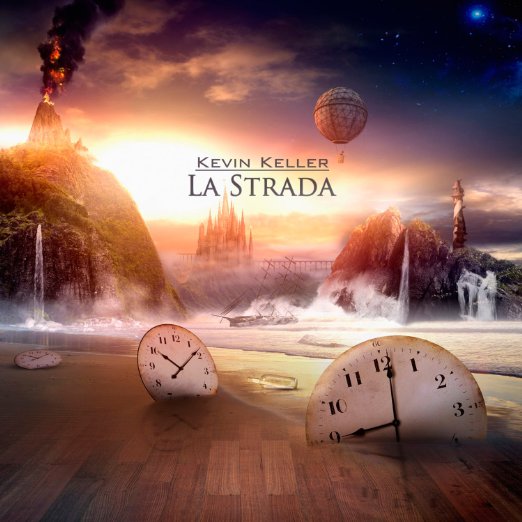
 

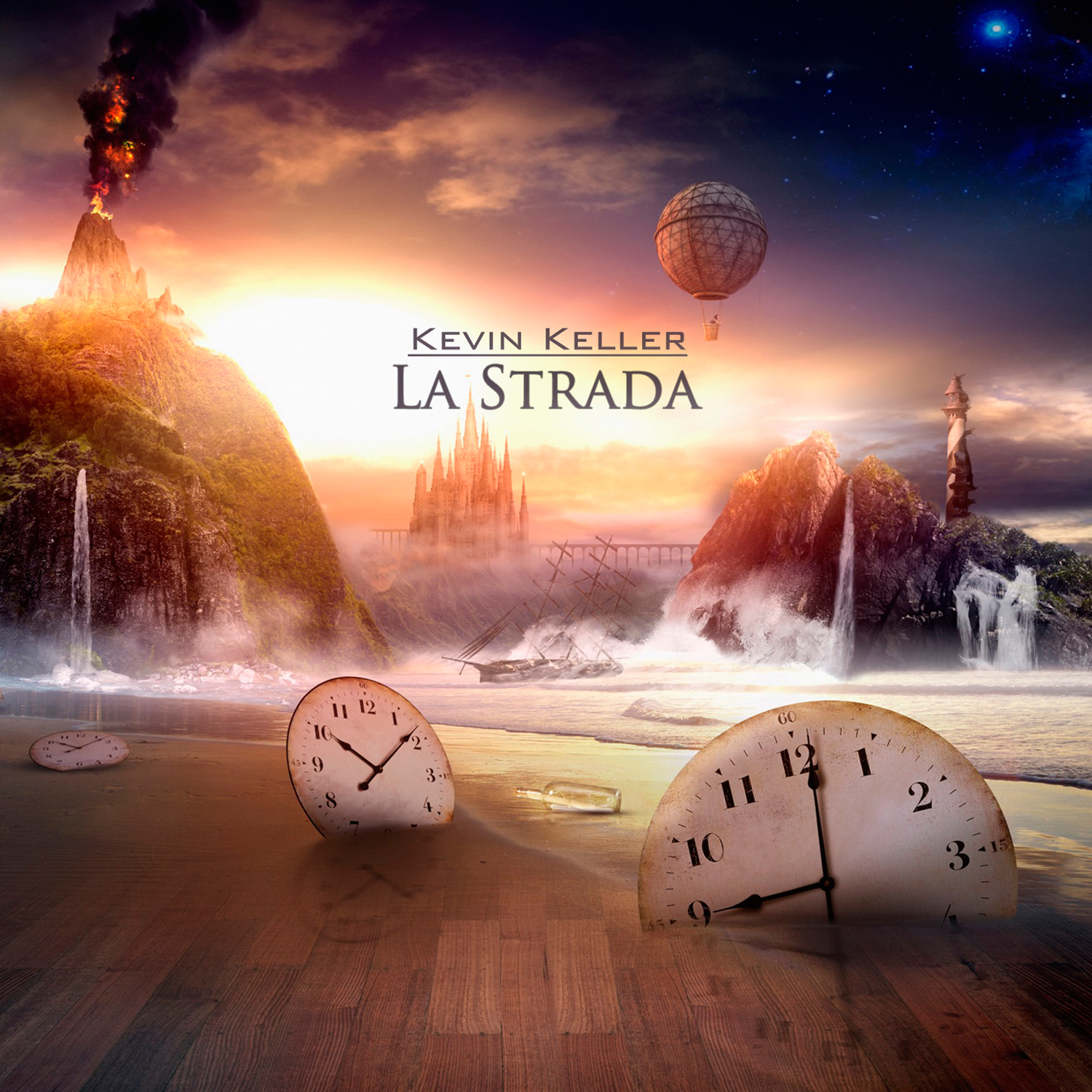
La Strada5. Kevin Keller: La Strada

Kevin Keller is a classical pianist and composer who loves Rush in general and Neil Peart in particular. His compositions are melodic yet challenging, and his production values are top-notch. His latest album is the perfect accompaniment to a relaxed Sunday afternoon.
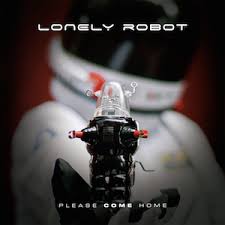


Lonely Robot4. Lonely Robot: Please Come Home

Before 2015, I knew nothing of John Mitchell; this year I immersed myself in his work, listening to Frost*, It Bites, and above all his solo project Lonely Robot. This is prog with a pop orientation that never disappoints. He is an incredibly talented guitarist and vocalist, and I hope this is the first of many Lonely Robot albums.
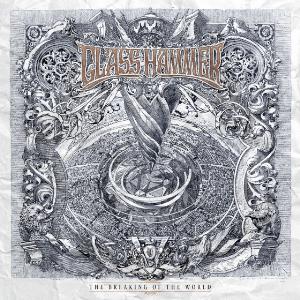
 

3. Glass Hammer: The Breaking Of The World

Wow. Ode To Echo was an amazing album, and “The Breaking Of The World” tops it. Carl Groves is the best vocalist they’ve ever had, and he’s no slouch in the lyrics department. His voice works perfectly with Susie Bogdanowicz, as you can experience on their other fine release of 2015, “Double Live”. On this album, the band is fire, powered by Steve Babb’s endlessly inventive bass and Fred Schendel’s keyboards.

Neal Morse Grand Experiment2. Neal Morse Band: The Grand Experiment

Neal Morse continues his streak as one of the most prolific artists in prog, and this time he offers up a true group effort, with all the band members sharing songwriting credit. “New Jerusalem” may be the best short-form song he’s ever been involved in, while “Alive Again” ranks up there with his finest epics. The band tore down the house when they performed these songs live; here’s hoping this is more than a one-time experiment.
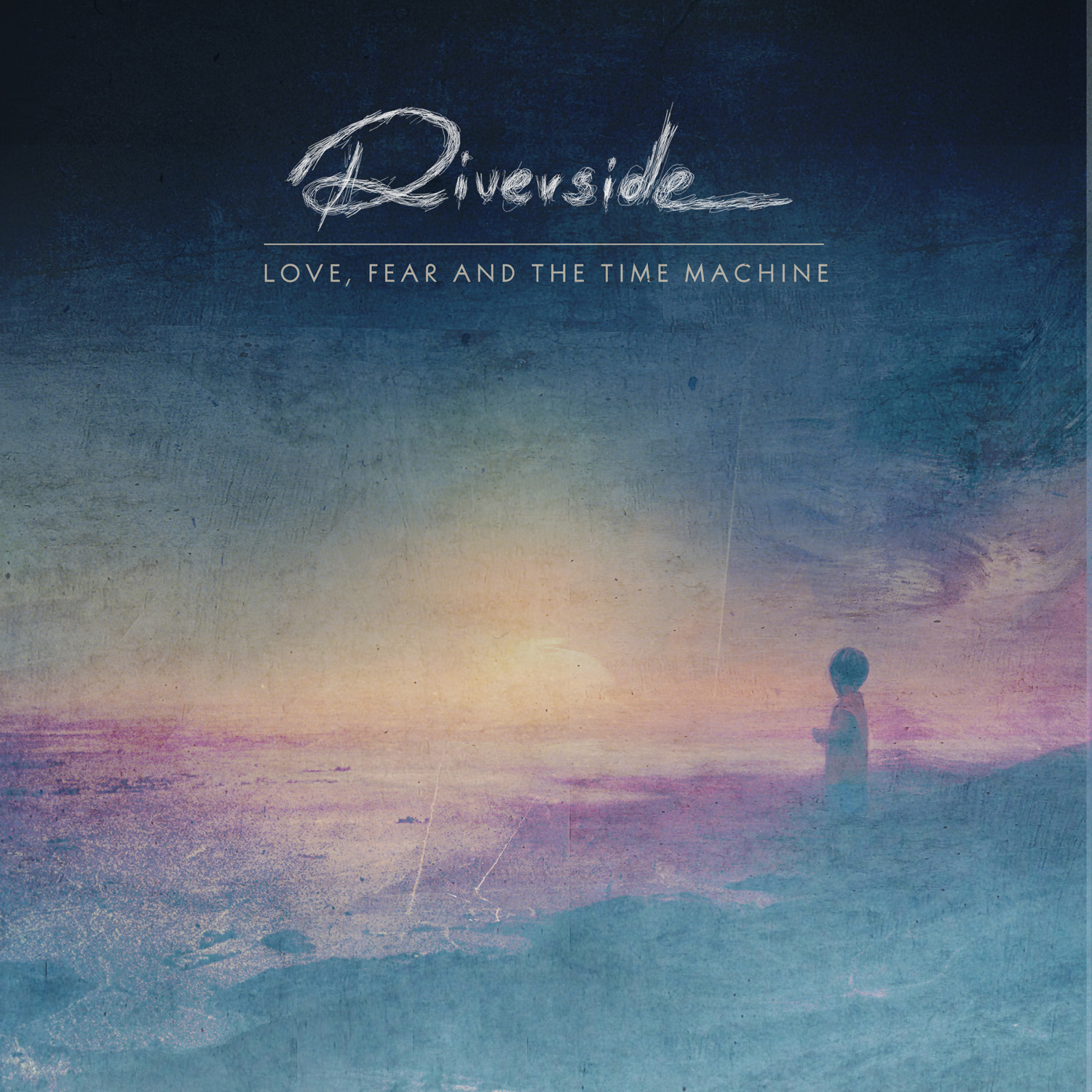
Riverside Love, Fear, etc.1.Riverside: Love, Fear, and the Time Machine

For their sixth full-length album, Riverside has tightened up their sound to deliver their best set of songs ever. Mariusz Duda marries the ambience of his Lunatic Soul project to a definite ‘80s sound – Discard Your Fear would be right at home on a Tears For Fears album, while Duda’s bass work has Peter Hook’s influence all over it – and the result is the most beautiful album I’ve heard in years. I listen to it two or three times in a row, I put it aside for a while, and I bring it back out. I have yet to tire of it. Be sure to read Erik Heter’s excellent and illuminating interview of Duda.
Kevin Keller: Prog’s Influence On My Music

I’ve already reviewed Kevin Keller’s excellent new album, La Strada, in Progarchy, and he is now posting some fascinating behind-the-scenes videos of what went into the making of it.

In this one, Keller talks about how influential Genesis, Yes, and Rush (Neil Peart in particular) are to his music. Something Progarchy readers can definitely relate to!


Kevin Keller’s “La Strada” – Is This the Future of Instrumental Prog?

CD400_out

I first became aware of Kevin Keller’s music through mere chance. Driving home from a family vacation at the beach, we were all tired (and sunburned!) and I turned to the “Chill” channel on the satellite radio. The miles went by as generic ambient music filled the car.

Then a track began playing that made me perk up my ears and listen closer. It wasn’t aimless synthesizer noodling; no, this was music with some depth, melody, and real beauty. Hitting the info button on the radio, I noted that the song was “Distanced”, by Kevin Keller. I made a mental note to investigate further when we got home.

I did, and I spent quite a bit of time enjoying the generous offerings on his Soundcloud site. Before I was done, I had purchased Pendulum (the album containing “Distanced”), Nocturnes, The Day I Met Myself, and In Absentia. Each one is unique, but they all feature Keller’s distinctive voice as a composer. His music has been labeled neoclassical, but it transcends categorization. In his official bio, he states that he was first a progressive rock guitarist before he moved to the piano, and you can hear that background in his music.

Keller is about to release a new album, La Strada, which has been crowdfunded, and it is an exceptionally fine work. It was recorded with the Salome Chamber Orchestra, with guest musician David Helpling lending his guitar talent to the title track, and vocalist Marta Karamuz contributing to the final song, “New Beginnings”.

La Strada is divided into two “sides” (are there plans for a vinyl release?), and the first one opens with “At the Start”, which is just that: a brief piano piece with understated string accompaniment that sets the mood for the rest of the album. It segues immediately into “Tunnel of Light”, which is a fascinating dialogue between Keller’s piano and the orchestra throughout, while some electronic rhythms percolate underneath. “Moments Lost In Time” begins with a delicate and somber theme on piano, but it soon morphs into an interesting mix of processed vocals, strings, and driving beats before closing with solo piano. “La Strada” features one of Keller’s most gorgeous melodies. If Rachmaninoff were alive and had access to today’s technology, he might come up with a tune as beautiful as “La Strada”. It features Keller’s piano with Eno-esque sonics that serve the melody perfectly. Side One closes with “Lightning Road”, which is another driving mix of electronic beats, piano, and strings. This song features some of Keller’s most playful and energetic keyboard work.

Side Two begins with what I consider the best track of the album, and one of Keller’s finest productions – the 9 minute, 18 second-long “Beyond The Infinite”. It begins with a rapid ostinato on piano. Layers and layers of sound are added (did Keller multitrack the piano?) as electronic percussion darts in and out from all sides. Deep, wordless vocals combine with ambient synths to provide a bed of sound that Keller uses to build controlled tension on the piano. A snatch of a spoken phrase floats by; I barely catch “The origin and purpose is to build a total…” before the disembodied voice breaks up. As piano, strings, and electronics repeat an ascending phrase, the sense of enormous energy building up is almost overwhelming. Gradually, though, the layers of sound are dropped until only piano and ghostly synths bring the track to an end.

After the sonic explosion of “Beyond The Infinite”, we definitely need some catharsis, and “All Of This Ends” provides exactly that. A stately and elegiac track featuring only strings and piano, this is the perfect response to the previous track, bringing things to a satisfying conclusion. But there is still one more song to enjoy, the beautiful “New Beginnings”. Featuring the lovely vocals of Marta Karamuz, it has hints of Philip Glass, Bach (via some pipe organ-sounding synths), and Roger Eno (not Brian). By the time it’s over, you feel as if you’ve been in a lovely dream, but it’s time to return to reality.

Since the early ‘80s, I have enjoyed the music of many gifted composers of contemporary instrumental music. While the majority of so-called “New Age” music is absolute dreck, some artists who were unjustly thrown into that genre have risen above it: Patrick O’Hearn, Harold Budd, Mark Isham, Brian Eno, Roger Eno, Robin Guthrie, and Steve Roach have all composed and produced music that will stand the test of time. Kevin Keller is also one of those special artists. He is not afraid to make music that is beautiful for beauty’s sake, and he has a deft sense of how modern electronics can enhance, not overwhelm, his compositions. He is one of the most talented composers working in music today, and he deserves the widest possible audience.

For readers of Progarchy, fans of Lunatic Soul will find a lot to love in Keller’s music. You can access it at bandcamp, itunes, and amazon. Details are at http://www.kevinkeller.com/.