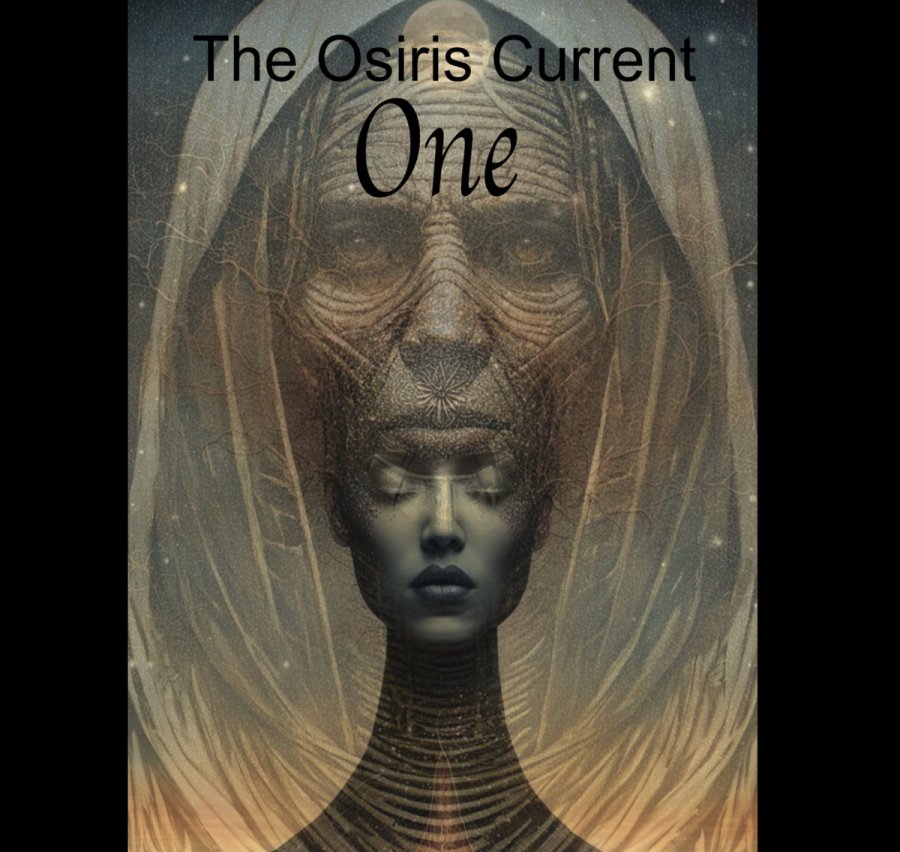
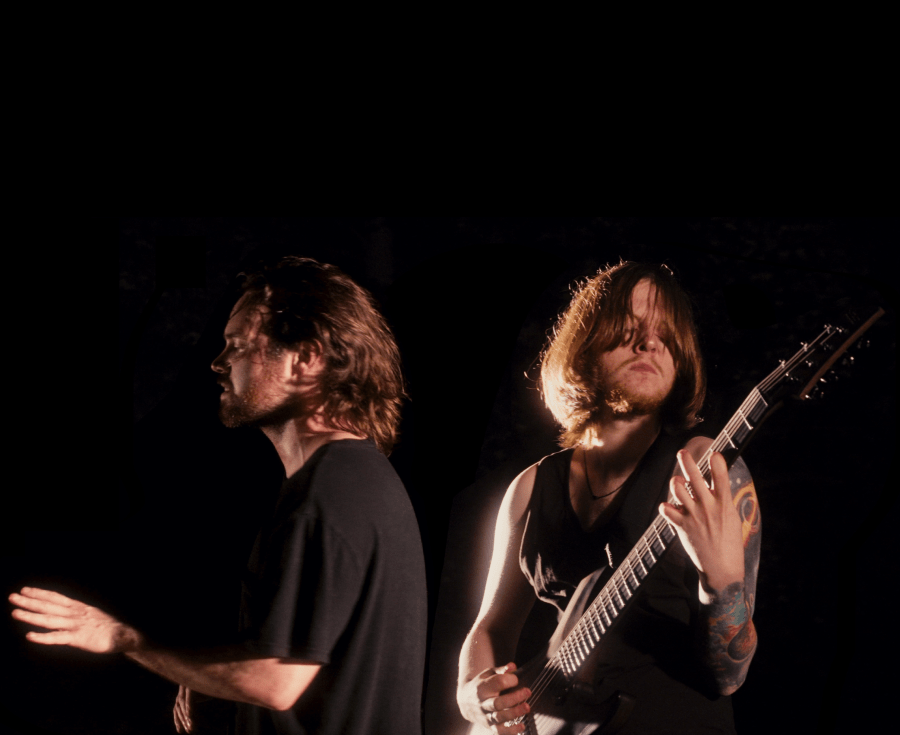
The Osiris Current’s One is a progressive rock/metal album that grabbed my attention from the first listen. The California-based band blends heavy desert rock with occasional oriental influences, creating a sound that is extremely expansive. With five tracks, each offering its own unique experience, One proves to be quite a dynamic and unpredictable journey.
The album opens with “Touching the Void,” a track that would undoubtedly shine in a live setting. The explosive vocal delivery, combined with crushing riffs and a thick desert rock atmosphere, immediately establishes The Osiris Current’s distinct sound. The energy is palpable, drawing you into a world where the heaviness of the music feels like an unstoppable force.
“The Plan” continues this intensity, with pounding drums, sharp vocals, and a relentless groove that builds into something almost cinematic in its power. The track’s blend of progressive metal elements and raw aggression is impressive, but it’s “Sanctuary” that really shows the band’s range. The song shifts effortlessly between moods, with guitar melodies flowing like water, perfectly capturing the album’s fluidity. It’s this seamless integration of heaviness and melody that makes One so engaging.
One of the most striking features of the album is the way The Osiris Current balances intensity with moments of beauty. “Mud” is a prime example, where delicate, ethereal female vocals weave through gritty, tank-like riffs. The contrast between the soaring vocals and the heavy instrumentation creates a mesmerizing effect, demonstrating the band’s ability to craft complex soundscapes that don’t sacrifice aggression.
The closing track, “Around the Bend,” is an epic 11-minute journey that encapsulates everything the band excels at: atmospheric tension, aggressive grooves, and soaring melodies. The song’s layers of vocals, riffs, and drums come together in a way that feels epic and intimate, a perfect finale to an album that’s anything but predictable.
One is a stunning debut that showcases the band’s ability to mix heaviness with beauty, intensity with subtlety. The songwriting is impeccable, the performances are top-notch, and the production is flawless. This is a progressive metal album that will likely find its way onto many year-end lists, providing it reaches right ears. If you’re a fan of forward-thinking metal with a unique sound, One is a must-listen.
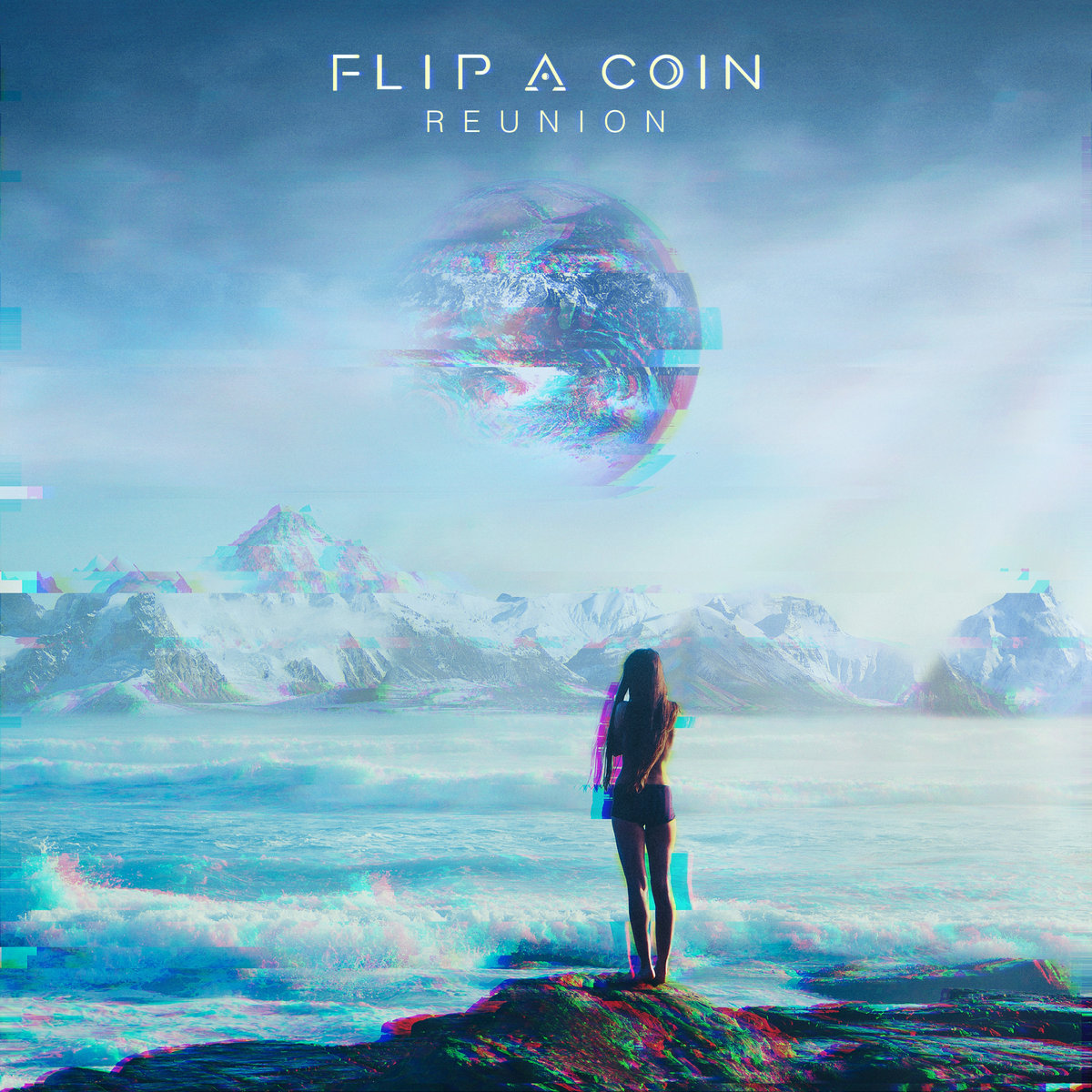
Flip a Coin is an international progressive metalcore duo, comprised of Czech guitarist and songwriter Tomáš Biza and American vocalist Heyden Smith. Despite the challenges of collaborating across a seven-hour time difference, the duo released their highly anticipated debut album Reunion in June 2024. Blending elements of melodic post-hardcore, deathcore, and progressive metal, Reunion showcases the band’s versatility and willingness to experiment with diverse sounds. In this interview, Tomáš and Heyden discuss their collaborative process, the creative evolution of Reunion, and how they navigate the unique challenges of being an international band.
How did Flip a Coin come together as an international duo, and what challenges have you faced working across a seven-hour time difference?
Tomáš: The distance between us brings forth challenges both in the creative and production side of things. Being able to sit in the same room and just vibe and bounce ideas one from each other in real-time is something I think we both long for. Production-wise, we both depend on just our own knowledge of how to actually record ourselves and use our gear in the best way possible, which can be a limiting factor sometimes.
Heyden: There’s limited amount of time in the day to talk about things in real time. Shout out Tômas for being willing to have midnight video calls in his time zone. I do feel like we’ve developed a pretty good process of collaborating over the past few years.
Your debut album “Reunion” represents four years of creative growth. How did the collaborative process evolve over those years, and what were some of the key milestones?
Tomáš: I think the most key moment came from before this album even happened, and that was the release of our first single called Haven four years ago. Once that was out, we knew like, yeah. We can actually do this. And that was super affirming. During the process of working on Reunion, though, I’d say fully finishing the longest song on that record, False Promises, felt like a real landmark.
Heyden: These songs weren’t recorded in one batch. There wasn’t really a demo process. We were kind of writing and recording them at the same time, and I think you can hear that across the different songs. “Lifestream” and “False Promises” were recorded close to a couple years apart, so I definitely think we brought some new tricks with us into that song.
The album spans multiple subgenres, from melodic post-hardcore to borderline deathcore and progressive metal. How did you decide to embrace such a diverse range of sounds on “Reunion”?
Tomáš: To be honest, that was not a completely conscious decision! My music taste leans towards albums where I feel like each song has it’s own identity, that every song does something a little bit different from the rest. And so that’s just where my songwriting takes me naturally.
Heyden: I’m a fan of bands that fall into all of those subgenres, and plenty of non-metal stuff too. I’m always excited to experiment with songs that are outside of what I’m used to performing. It’s a huge reason I joined Flip a Coin.
How do you manage to maintain a cohesive sound across the album when experimenting with so many different styles?
Tomáš: But do we really? Haha. I believe that is mostly Heyden’s work, he brings his own vocal style into each song and that sort of ties it all together and makes the differences less jarring. If it wasn’t for his singing the album would feel much more disjointed since the instrumentals are so vastly different.
While the songs are pretty different from each other, I think we both have our own style that we bring into every song. At this point I’ve jammed our demos enough to know a Tomâš riff when I hear one…and the riffs he’s cooking up are quite tasty.
“Reunion” feels like a very cinematic album. How do you approach writing music that feels as immersive and dynamic as your tracks on this record?
Tomáš: I’m so happy you used the words immersive and cinematic, because that is exactly what I was trying to achieve with the sound of this record! I did this with layering many different instruments – guitars, synth pads, strings – on top of each other; just when I thought it was enough I always tried to take it one step further. Then contrasting these parts with more raw sounding sections creates that sort of experience. Also lots of samples and special effects. I wanted each song to feel almost like a movie, sort to speak.
Heyden: That’s all Tomâš. I think this aspect of our music lent itself well to the lyrics that are more story-driven in “False Promises” and “Passengers”. My inner theatre kid definitely came out in my vocal delivery for those.
Tracks like “Lotus” and “Lifestream” have a strong melodic focus, while others like “Amaterasu” lean towards a heavier, deathcore sound. How do you balance melody and aggression in your songwriting?
Tomáš: It’s very much about where I’m at life during the time of writing, or what bands I’m currently listening to, or just the mood and feeling I’m trying to capture. I have a good image in my head of what kind of song I’m trying to write almost every time before I even pick up my guitar. Sometimes I’m going for a rather pretty and melodic sound, other times I want to write something dark and heavy. Songs like Lifestream or Passengers strike a good balance of both, I think.
Heyden: It all starts with what Tomáš brings to the table instrumentally, although I try to avoid predictability when I’m writing vocals. There’s kind of a tired trope of singing on melodic parts and screaming on heavy parts in a lot of modern metal, which I find boring. Ultimately though, I try to just embody the emotions the song makes me feel.
Heyden, as a vocalist, how do you approach matching the intensity and emotion of the different styles of music on “Reunion”?
Heyden: I think all music that makes you feel something has a good grasp on tension and release. I try to tell a story with each song where it has ups and downs and recurring themes. Bringing back certain parts in a new way kind of helps tie everything together. Other than that, it’s getting out of my head when I’m tracking my takes. Trying to worry less about hitting a note perfectly and trying to be “in the song”, for lack of a better term.
Tomáš, you not only wrote and played the music but also handled the production, mixing, and mastering. What were some of the biggest challenges of wearing so many hats on this album?
Tomáš: I’d say the biggest challenge for me is bridging the creative and production processes. Sometimes the parts I write end up sounding very different from what I heard in my head once they‘re recorded and fully fledged out. So failing to translate my ideas into the actual music can be frustrating. On the other hand, this can also make for some really cool, unexpected moments. Being in complete control over the entire process from start to finish is both a blessing and a curse.
The album features guest musicians like Michael McGinley on piano and Jake Maaka on vocals. How did these collaborations come about, and what did they bring to the project?
Tomáš: Jake was featured on a very heavy piece of music I was enjoying a lot a few years back, and when I wrote Amaterasu, I realized he’d be the perfect person to have a feature on it. The piano parts Michael wrote for Lifestream were the last piece of the puzzle that interlocked the different sections of the song. I still remember the moment when I heard what he wrote for the first time, I was honestly shocked by how well it hit the spot.
Heyden: Michael McGinley is my dear friend and bandmate in my other project Flora Nova. Check that out if you want to hear more of him shredding on the keys. I thought Jake brought a visceral kind of aggression to “Amaterasu” that fits so well, and his delivery on the chorus had similarities to Tommy from Between the Buried and Me who is one of my favorite vocalists. I liked filling in on backing vocals for that song and playing off of his melodies. I think both features brought influences to the album that we wouldn’t have otherwise.
“Amaterasu” is one of the heavier tracks on the album. Can you tell us more about how this song came together, and what inspired its powerful sound?
Tomáš: The first half of the song basically wrote itself over a span of a few days. At that time I already knew this one had to end up being a single because of the super straightforward structure and open chorus. I even think it’s the song with the earliest chorus on the album? However, then I hit a brick wall with the ending and it took me 2 years to come back to it. As far as inspiration goes, it’s a very Veil of Maya inspired song.
With “Reunion” being your debut album, how do you feel it sets the tone for Flip a Coin’s future? Are there any particular directions you’re excited to explore moving forward?
Tomáš: As you’ve mentioned, the album features a very wide sound palette, and I’m super happy about our debut album having this kind of character. That’s because it shows we can do it all, and it sort of leaves you wanting more while not knowing what to expect next at the same time!
Heyden: It’s good to have it out there! I’m excited to get more experimental with the next batch of songs and expand on the variety of sounds we were able to achieve on this album.
What are some of the major influences, both musical and non-musical, that shaped the sound and themes of “Reunion”?
Tomáš: I started writing this album right after I moved away from my family and entered college at 19. Now I’m 23, and I think I don’t have to explain how so many things happen in a person’s life during this period. It was a rollercoaster and all these experiences served as a fuel for writing and are reflected in the album. Sound-wise, I drew inspiration from many of my favorite records which came out during that time, most notably from bands like Periphery, ERRA and Counterparts.
Heyden: It probably comes as no surprise that I joined this band after seeing a post from Tomáš on the r/periphery subreddit. They’re definitely a huge influence for both of us. In the realm of prog and metal, Protest the Hero, The Contortionist, and Corelia have been pretty big influences on me. Both Tomâš and I are into sci-fi, so that’s where some of the more conceptual lyrics came from. The rest is inspired from both of our perspectives on past relationships, loss, mental health, and personal beliefs.
Given the album’s independent release, how have you approached getting your music out to the world and building a fanbase for Flip a Coin?
Tomáš: Making music is an outlet for both of us, and so that’s the most important aspect before anything else for the band. I personally really enjoy the visual aspects as well, so coming up with the artwork and music video ideas was lots of fun and I feel like it can help connect with our audience. For our guitar oriented fans, I’ve also recorded guitar playthroughs for some of our songs and tabbed them out, you can find that stuff on our YouTube and Bandcamp.
Heyden: We put out music videos for “Lifestream” and “The Algorithm” and a few more visualizers for “Lotus”, “Insomnia”, and “Amaterasu”. We’ve also pitched music to some playlist curators. It’s tough when you can’t promote by playing shows and finding a scene to be a part of. Ultimately though, we’ll write this music whether there’s a fanbase or not. It’s first and foremost a passion project and an outlet for creative expression.
Molybaron, Something Ominous, Inside Out Music, September 15, 2023 Tracks: Something Ominous (4:05), Set Alight (3:25), Billion Dollar Shakedown (3:38), Breakdown (3:16), Anyway (4:14), Daylight Dies in Darkness (4:06), Dead On Arrival (3:21), Pendulum (3:34), Reality Show (4:17), Vampires (3:45) Players: Gary Kelly (vocals/guitar), Sebastian De Saint Angel (bass), Camille Greneron (drums), Florian Soum (lead guitar)
Molybaron have become one of the most intriguing bands in prog metal over the last few years. Formed in Paris in 2015, the band is led by Dublin-based vocalist, guitarist, lyricist, and composer Gary Kelly. With a voice and vocal styling that stands apart from most others in the genre, Kelly shines on this record with his playful and aggressive performance.
Something Ominous is remarkably fresh and engaging. It’s heavy, gritty, riffy, and catchy. I loved 2021’s The Mutiny, but some of the lyrics were very political, something I’ve complained about regarding other artists in the past. Beyond the politics, Kelly’s lyrics incorporate a lot of cultural critique. Even if I may have disagreed with some (certainly not all) of his points, I found the music and his performance too good to keep me away. Something Ominous is a major step forward lyrically. The politics is still there, but it’s more of a critique about how everything sucks and how the powers that be are turning us (the people) against each other. There’s also some open and raw emotional moments, like on “Breakdown,” which looks at the struggles of emotional and mental health.
There were multiple points on the album that reminded me strongly of Muse, if Muse played heavier rock and metal (they came close on “Won’t Stand Down” off last year’s We The People). I could probably come up with other comparisons, but that might water down how unique Molybaron are. No one else sounds quite like them. Their overall sound is punctuated by a loud and driving bass and layers of guitars playing both crunchy and soaring tones. But, again, it’s Gary Kelly’s performance that truly sets the band apart. His voice is unlike any other singer I can think of, and he mixes up the way he sings on different tracks and sometimes multiple times in a single song. It keeps the album trotting along at an enjoyable pace, and at points it brings a smile of sheer musical joy to my face.
“Billion Dollar Shakedown” is scathing in its critique of the elites running/ruining society, and Kelly’s vocal acrobatics make this an absolute blast to blast. There’s a slight hip hop influence to the singing on the verses, but you can understand the lyrics just fine. The chorus is sung in a very fun up and down way that is angry yet playful at the same time. The guitar solo towards the end is heavy metal heaven (or hell).
The narrator on the verses on “Billion Dollar Shakedown” takes on the part of the ones in charge, and it’s done with a healthy dose of sarcasm. I particularly appreciate what I think is a critique of years of pointless Covid lockdowns that didn’t save anybody, as well as other more general nonsense in modern society:
Shut your eyes shut your eyes, forget what you see Control the narrative, bury the lead Gaslit, triggered, terrified You’re a danger to your neighbor get the f*** back inside.
Shoot em down shoot em down, resist temptation You’re next in line for some cancellation Big Tech, laws, manufactured consent Professional suicide for those who dissent!
Kelly writes about his lyrics overall,
In general, a lot of my lyrics tend to focus on mental health, drug and alcohol abuse, but I also write about political corruption, collusion between state and corporate media, big Pharma, big tech and systematic censorship. This new album explores aging and the acute awareness of time passing by the anticipation of losing the ones you love, lingering regrets about precious time spent on unimportant things, the fear of being old and alone.
“Breakdown” looks at mental breakdowns and how overwhelming they can be. The song opens with some simple piano chords before quickly pounding into a bombastic shout of, “Cuz it’s another f***ing breakdown!”
Maybe tomorrow I’ll find happiness An antidote for this emptiness Carry the weight of tomorrow’s fears Deep inside my belly all these years
Lying here staring at the sky above From the bottom of the hole I’ve dug Another day of solitude Alone, alone
Cuz it’s another f***ing breakdown Breakdown
I’m losing everything I’m losing everything
Doc tells me I’ll feel better if I learn to take a breath But the lunatic inside my chest, has a grip as cold as death Maybe one day I will be alright Or maybe it was all just a waste of time
It’s a refreshingly honest and deeply personal take on these issues. Having artists be open about this can help with reduce the stigma, especially for men.
“Daylight Dies in Darkness” shows off a more contemplative side of Molybaron. It starts with quiet electric guitar strumming followed by heartfelt vocals from Kelly that soon take on a sense of desperation: “Father I’ve come – do you remember I’m your son?” The song slowly swells until it takes on a heavy brooding metal riff and guitar solo in the last quarter. It’s a ballad of sorts, but not in any kind of sappy romantic way. It’s a ballad of melancholy, and it shows Molybaron excels with emotional songs as well as they do with bombastic metal.
Every song on this short (38 minutes) album is worth playing on repeat. The tracks I’ve highlighted are the ones that have jumped out at me in the early days of playing the record on repeat, but the others are just as good in their own ways. I haven’t enjoyed a new album as much as this one in a while. Molybaron may not be your typical prog metal band – if anything they could be considered accessible. Yet their music and themes remain complex, even if packaged in 3-4 minute tracks. Something Ominous is a must listen, and it’ll find its way near the top of my year-end best-of list.
Falset, a young Canadian metal band featuring James LaBrie’s son Chance on drums, recently released a music video for their track, “Give.” Their album We Follow Or Lead The Way is out in October, and it was mixed by Nolly Getgood, who some might know from his work as a member of Periphery and as a well known producer in the metal world. The recently released Haken album, Virus, was mixed by Getgood, as was Haken’s previous album, Vector.
Falset is comprised of Zach Copeland (Vocals/Guitar), Braeden Kozy (Guitar), Riley Fields (Bass) and Chance LaBrie (Drums). The production value on their single is quite good – a lot better than you might expect for an up and coming band. It pays to have good connections I suppose. This song is probably more mainstream metal than progressive, but the instrumentation is quite good, the vocals stellar (especially in the heavier parts), and the sound is altogether modern. They also do an interesting balance of heavy metal sections with quieter passages.
Tracklisting:
1. Kingdom 2. Give 3. Fire At Will 4. We Follow Or Lead The Way 5. Rock Bottom 6. Hollow Saints 7. Dear Heaven Dear Hell 8. Without A Trace 9. 9 Minute Drive 10. Smoke & Mirrors
Parliament Owls, a quintet from Canada, have quite a challenge as with any new band playing this stylistically demanding music. They either need to add something exciting and original to the genre, or be so bloody good at delivering captivating rock (that visits quite a few genres) in its conventional form that they stand head and shoulders above the oceans of ordinariness that surround them. While they will not win any awards for innovation, the debut full-length release “A Span Is All That We Can Boast” does in fact rise most convincingly from the latter category, and has enough variation in its six tracks to keep interest levels high.
Beginning with “Cocobolo,” Parliament Owls expertly marry the math rock histrionics of The Dillinger Escape Plan to the noise rock sensibilities of Melvins. The band doesn’t joke about with long intros, and like to get on with the business at hand, with only one track clocking at almost seven minutes. This makes for a more urgent and also provides a much more organic feel to the band’s playing.
In addition to The Dillinger Escape Plan and Melvins you can undoubtedly hear the massive influence of Cult of Luna, Mono, Mastodon, Between the Buried and Me, all the major names, but Parliament Owls somehow manage to put a unique stamp on this rather derivative framework.
Parliament Owls have risen far above the sum of their influences, and delivered a very fine rock album. Check it out!
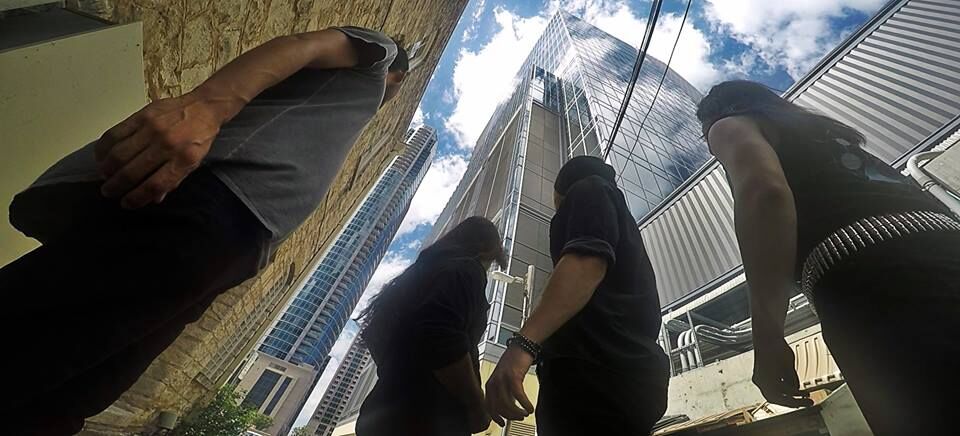
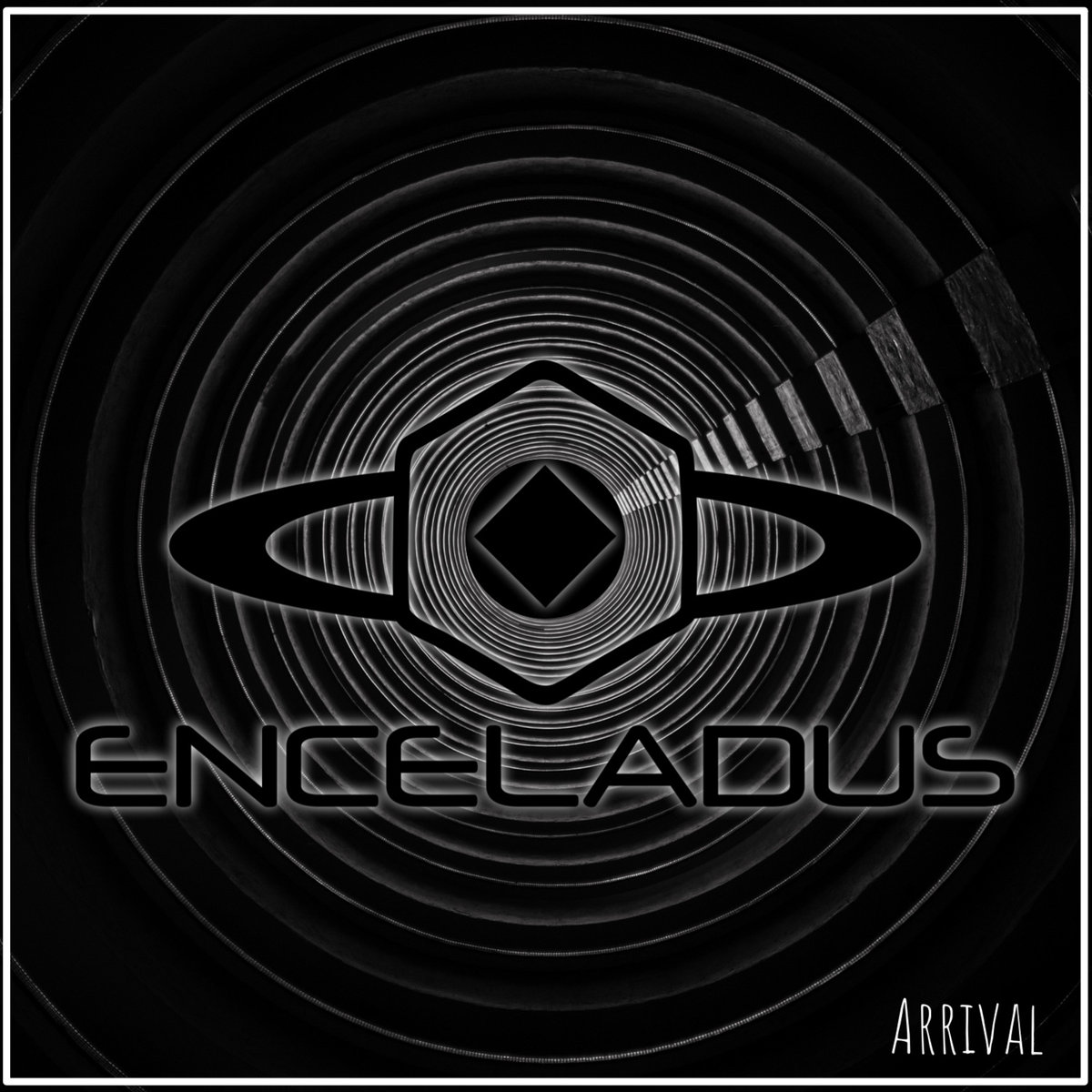
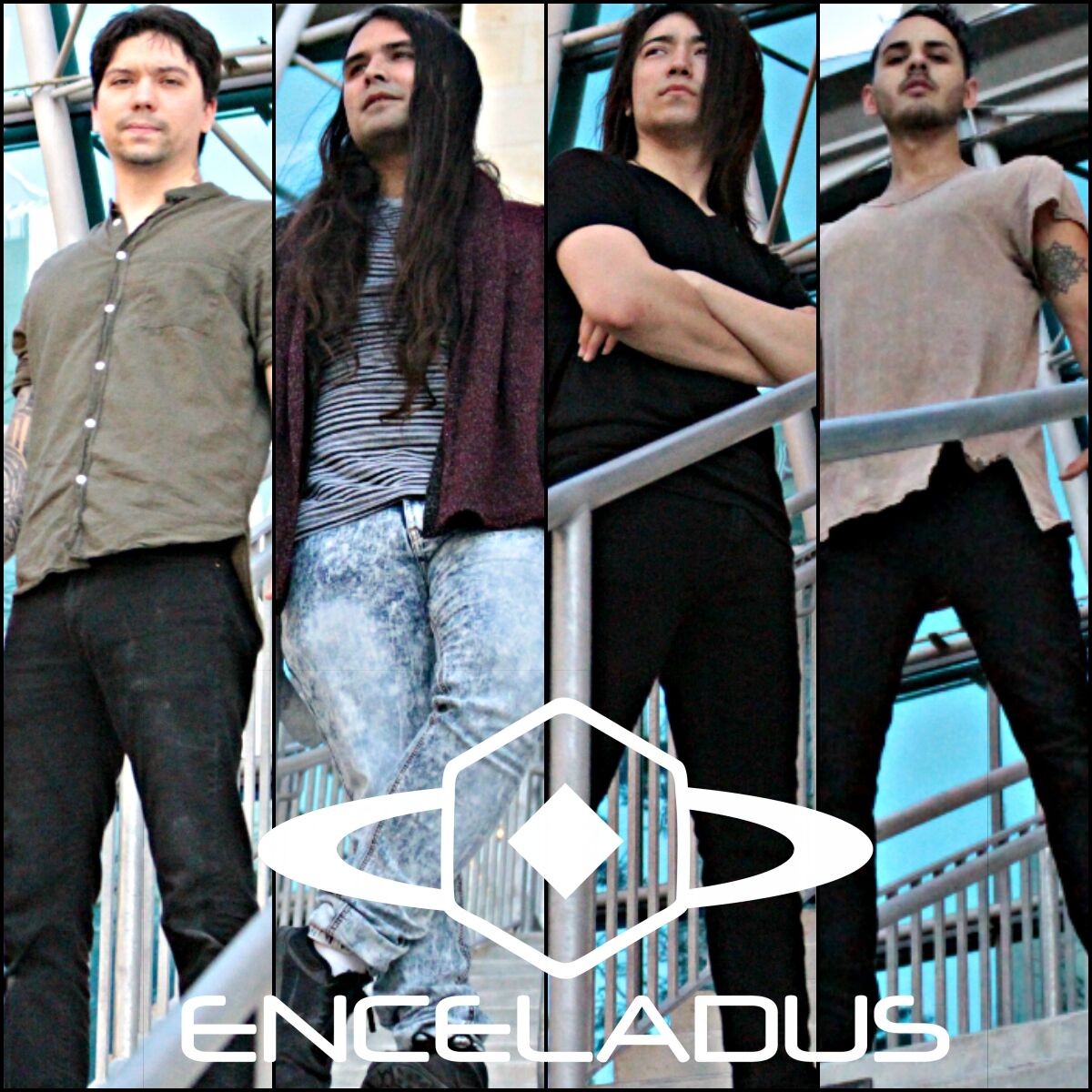
Texas-based progressive metallers Enceladus have launched their second album titled “Arrival” a few days ago. In the interview below they tell us about this new release, but also about the metal scene, favorite records, and more.
Hey guys. How are you doing?
Hey there, we’re doing fantastic, thanks for having us!
You have just launched a new album entitled “Arrival.” How do you feel about the release?
Pretty stoked! Releasing music is always fun. I think a sophomore album release is quite a milestone, showing the world that we have a lot more to offer! We added a few new elements to this album, so were excited to see how it’s received.
How much of a challenge was to put these songs together?
There wasn’t much of a challenge putting the songs together. Some come together easier than others, however. For instance, Universal Century was written in about an hour. We record the songs in our own time, so we’ve had enough time to let the songs breathe a bit before recording them.
What other artists similar to your genre that are coming from Texas are you friends with?
There are a number of good bands in a similar style coming out of Texas. We know some of the guys in Immortal Guardian, Aeternal Requiem, and Jessikill. I met them all in San Antonio actually. Its good to know there are bands getting that style of metal out there.
What is your opinion about the current metal scene?
The metal scene is great because I always feel like I’m in good company at a show or just talking about music. I feel there should be a wider audience and it should just be bigger overall though. Lets see some shows where just as many people come out for live bands as people do for computers! The more metalheads the better. [laughs] Id like to see more melodic power/prog metal bands coming out of the states as well.
Can you tell me something about your influences?
Any artist that dares to be different and step outside the box is an influence. Innovators inspire more than emulators for sure.
What are you listening to these days?
Quite a few things such as classical, Jrock, video game/cinema compositions, and prog bands. We’ve been jamming some Circus Maximus. In between that there’s some chill groovy stuff to get ‘down’ to as well. 😉
Your 5 favourite records of all the time?
Thats too hard for some of us, but here is a selection at the moment:
1) Angel of Salvation by Galneryus
2) The Divine Wings of Tragedy by Symphony X
3) Destiny by Stratovarius
4) Temple of Shadows by Angra
5) Blue Blood by X Japan
Can you tell me a little bit more about the gear you use to record “Arrival”?
Sure. Its been a pretty simple process. We use Cubase 8 for our DAW / ESP LTD Bass/ ESP LTD and PRS S2 Guitars, then Focusrite Scarlett’s as the recording interfaces.
What can we expect from Enceladus in the near future?
Definitely keep on a lookout! You can expect a style that is constantly evolving and never stagnant. We have enough ideas in the works for a third album and beyond already. Some epic stuff, some chill stuff, and most of all more METAL!
Hailing from Belarus capital Minsk, THORNYWAY is a progressive metalcore four-piece emerged in 2010 whose debut full-length album “Absolution” was launched back in 2014. Almost four years later, the band is ready to unleash their sophomore effort entitled “Awaken,” but they ask your help in achieving their goals with this ambitious project. A Kickstarter crowdfunding campaign was recently launched where THORNYWAY try to raise $5,000 for mixing the album at the Anthropocide Mixing & Mastering Studio.
Speaking about this new material, the band commented: “‘Awaken’ is expression of our attitude towards Human Nature: Striving, Faith, Love, Forgiveness. The album reflects the events taking place in the modern world. Each listener will find in it something close for themselves. ‘Awaken’ is a logical follow-up to our first album, ‘Absolution,’ which was released in 2014.”
All songs on “Awaken” are recorded, and the album is to be delivered to the mixing and mastering studio for further treatment. You can head over to THORNYWAY’s Bandcamp profile to hear their first album which also gives a small hint what can be expected from “Awaken.”
Visit the Kickstarter crowdfunding page and help the band in reaching their goal by contributing and receiving fine perks in return. A video where the band talks about the campaign can be seen below.
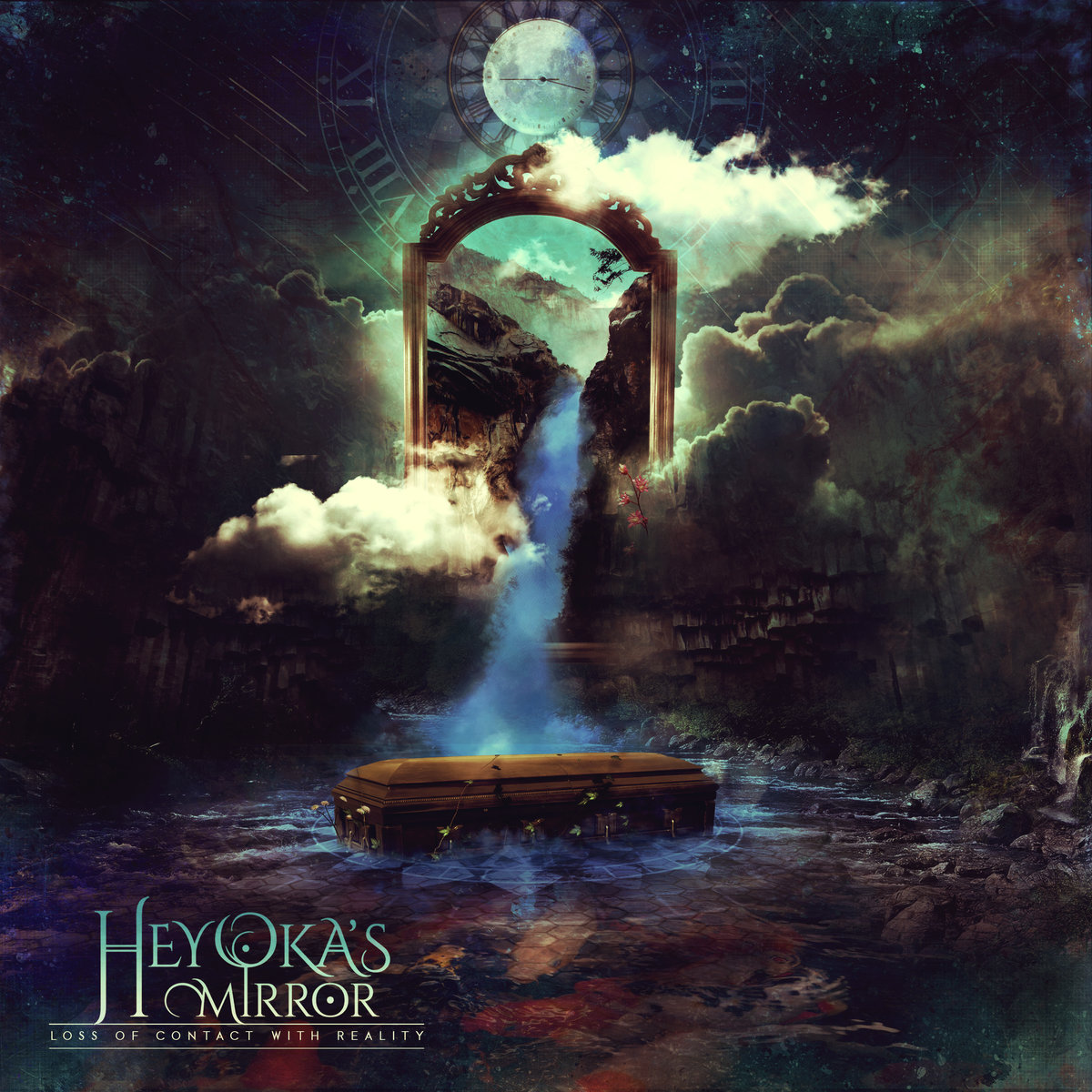
Hailing from Calgary, Alberta in Canada, a progressive metal trio Heyoka’s Mirror has earlier this month launched their debut EP “Loss of Contact with Reality,” available as a name-your-price download and CD from Bandcamp.
“Loss of Contact with Reality” places Heyoka’s Mirror to the art-metal vanguard, but the three-song EP does find the band on surer footing from which to make their next leap forward. The last track in particular, “Chronovisor,” gets surprisingly good mileage from an unlikely source: melodic metal, maybe the least reputable of metal subgenres. It’s the metal niche that has least renounced the campy excesses of new-wave Brit metal a la Iron Maiden and Judas Priest, but it’s also the most melodic, its tell signs being clean-sung harmonies and dramatic synths that tend to blast out from behind the guitars. It turns out the style makes a good segue between the sections of “Chronovisor” that are rooted in math rock and those that are rooted in thrash metal, and the effectiveness with which Heyoka’s Mirror employs those soaring melodies suggests they may yet develop their own mutant pop sensibility.The first two songs are dynamic; they’re also wildly uneven, with very cool ideas alternating, often in rapid succession.
More than anything else, Heyoka’s Mirror is dependent on their ability to generate momentum here, by virtue of which they can keep listeners engaged in these unwieldy but ultimately rewarding compositions. By that standard, “Loss of Contact with Reality” is a success, though its true significance will be determined by how the band capitalizes on that momentum when they come up with their forthcoming full-length.
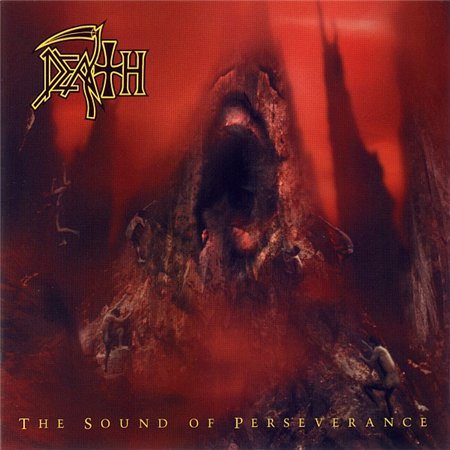
Whether it’s songs like “Cosmic Sea” or “Trapped In A Corner”, Death manages to capture a unique musical terrain. Deriving from primal thrash structures, they took that Celtic Frost like blueprint to a threatening, bleak, and a more refined direction. Instead of the more gruesome death metal attributes like blast beats, atonality and deeper growls — this album emphasizes coherent structural progression and melody.
‘The Sound of Perseverance’ (1998) is a genuinely dazzling confluence of these early influences and more. It’s tailored to quickly envelop a progressive metal disciple or a death metal-head. The record straddles this complex ground between progressive musical sensibilities and sheer sonic savagery. At the margins of these two demanding genres, Death crafts an exquisite bridge from a Dream Theater to a Morbid Angel. This overall immersive experience can be elegantly summarized in Chuck Schuldiner’s own lyrics: “touch, taste, breathe, consumed”.
Widely varying transitions are graceful and numerous. Baffling how an At The Gates like guitar imprint runs into a razor steel Priestly guitars, finally exploding into an Obituary like mid-paced chugging. The good old signature riff-drum pattern of Death is also omnipresent. ‘The Sound of Perseverance’ acknowledges the progressive side to Death, and does that without deviations from their death metal roots. Essentially the same old harsh melodic guitar tones, screaming vocals and scathing leads interleaved with intricate passages — but now restructured into a progressive death symphony.
While firmly grounded in thrash roots, over the years, Death pursued a guided musical trajectory of progressive refinement. Emphasizing that crucial New Wave of British Heavy Metal artistry and sophistication – it’s essentially Iron Maiden’s melody reconciled with Hellhammer like brutal force. This constant duality in Death’s composition was always shifting in a progressive direction. So, for the longtime fans, ‘The Sound of Perseverance’ must have been a lot like the very last song from the record – “Open my eyes wide to see a moment of clarity”.
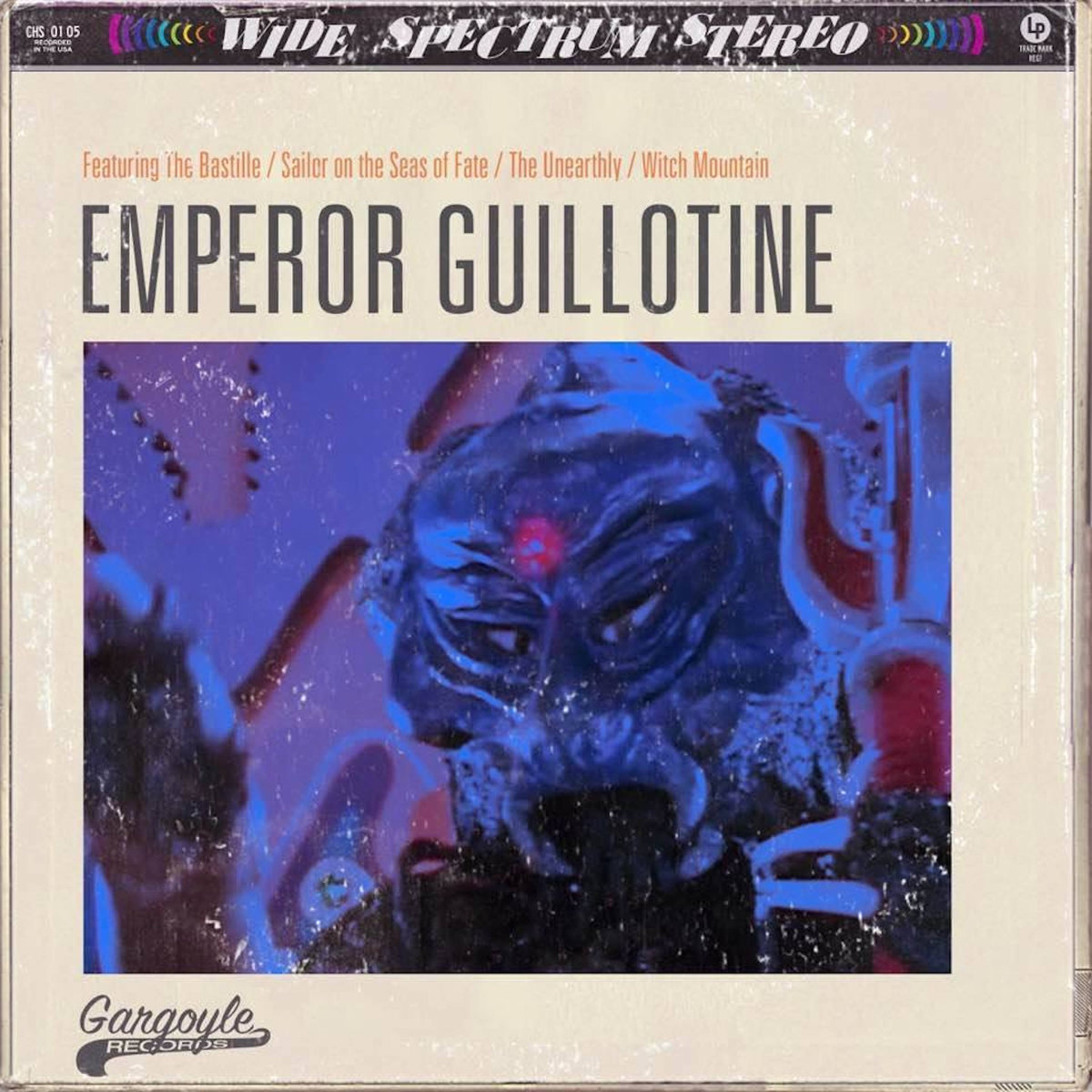
Dallas’s Doom Metal upstarts EMPEROR GUILLOTINE have landed firmly within the Metal scene as one of the “newest modern” instrumental bands carrying the torch of the blueprint that BLACK SABBATH created over 40 years ago. In particular, SABBATH‘s first three albums are all over the project’s full-length debut release. From the song structures, the occasional synth noodling and the demonic Blues you cannot mistake the influence.
The project was formed by multi-instrumentalist and sole band member, Ben Randolph. A digital only release, it wets the appetite of every doom metal fan and the excitement for what comes next.
One of the biggest highlights of the record is definitely its production. It is obvious that EMPEROR GUILLOTINE reaching for a retro feel and are heavily influenced by Rodger Bain and his early BLACK SABBATH productions. Randolph achieves it in a very good way. One of the issues with bands going for this type of sound is that usually the bass is mixed too loud and dominates the material. In this case, the bass is audible but it still gives way for the guitar and drums. The guitar has enough gain, it’s powerful and greasy—just as it should be.
The songwriting is as strong; there is plenty here to celebrate. “Sailor on the Seas of Fate,” “Sea of Dust,” “The Oak and the Ram,” “Witch Mountain,” “The Bastille,” and “The Unearthly” are heavy, pounding numbers that represent this release. “Ursa Minor” is a beautiful acoustic piece that connects the “sides.” Its melody is haunting and recalls the atmosphere of 1960s inspired acoustic, folk records.
“Emperor Guillotine” is an excellent introductory release from Randolph. My hope is that the next releases will embrace more of different styles such as folk rock and progressive rock. On their next release they need to instill the confidence that they don’t need to rely so heavily on imitating BLACK SABBATH. Do yourself a favor and check this album out out.




 Progarchy
