If you have heard any of the progressive rock albums released in the last 25 years, chances are there are several of them that were engineered or mixed by Rich Mouser. He has several hundred credits to his name including Spock’s Beard, Transatlantic, Neal Morse Band, District 97, Magic Pie, Flying Colors, Tears for Fears, Pattern Seeking Animals, Liquid Tension Experiment, Moon Safari, and Lobate Scarp. His latest mixes include “No Hill for a Climber” for Neal Morse & The Resonance and Joe Deninzon & Stratospheerius’ “Impostor!”.
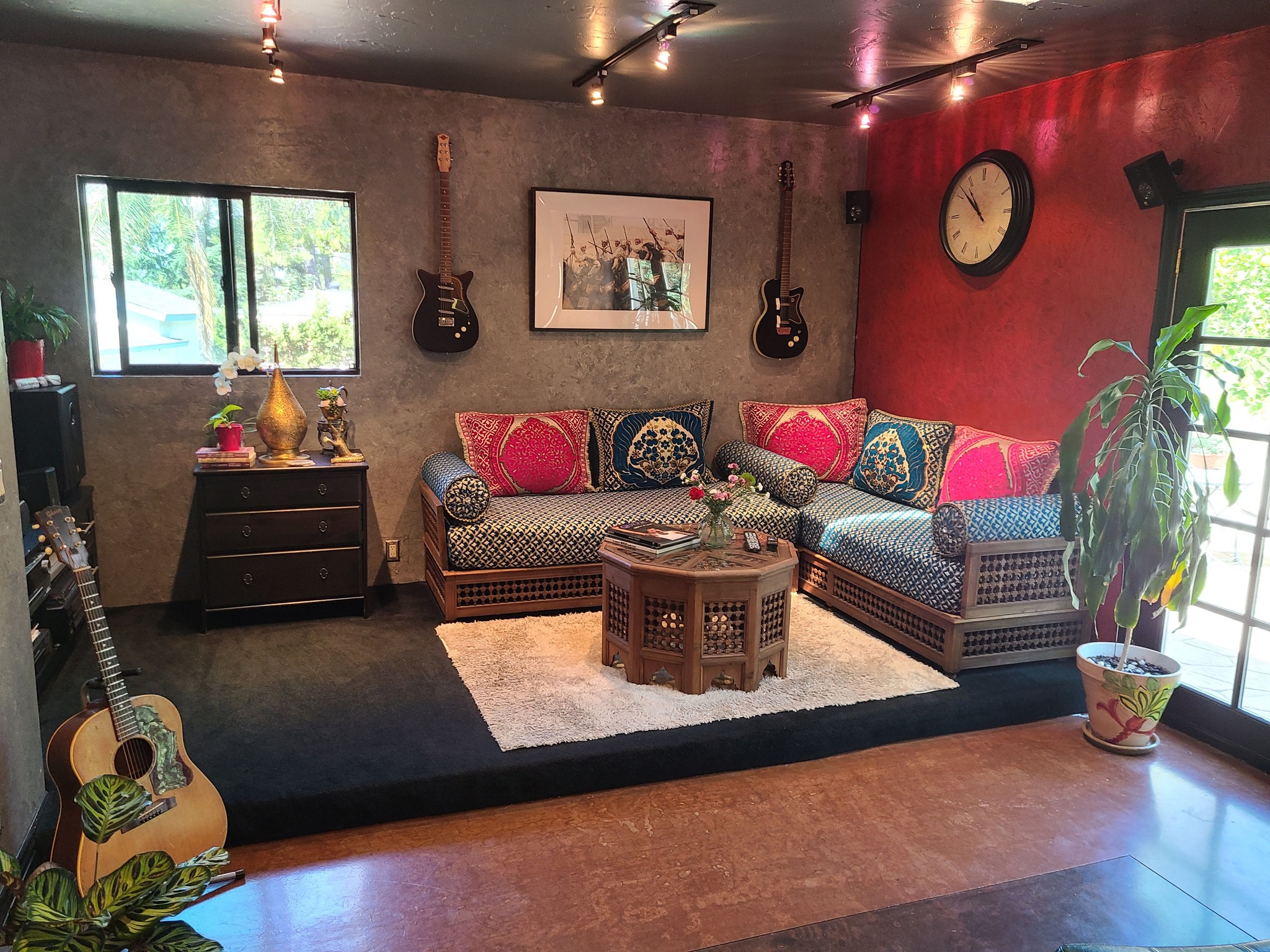
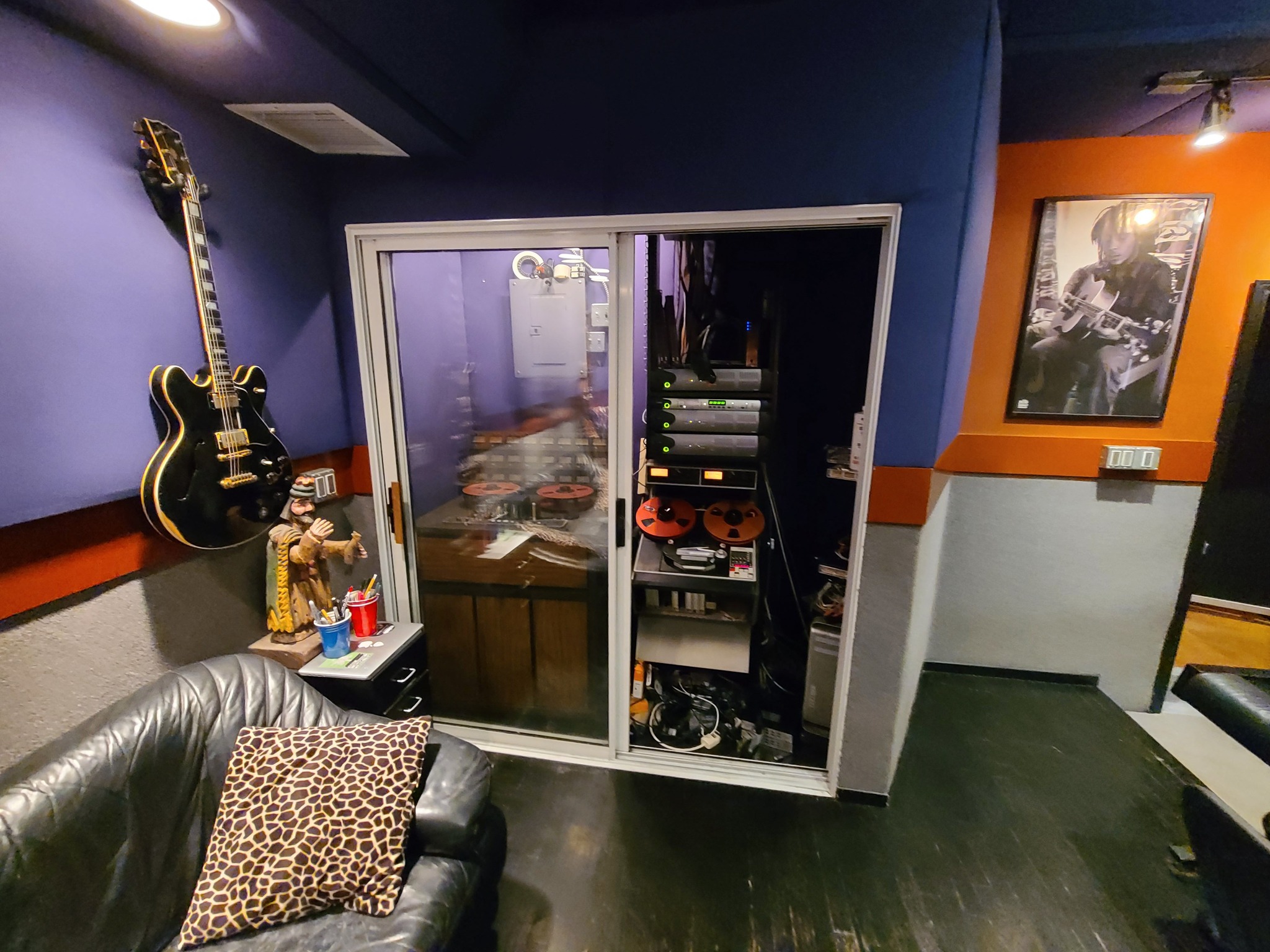
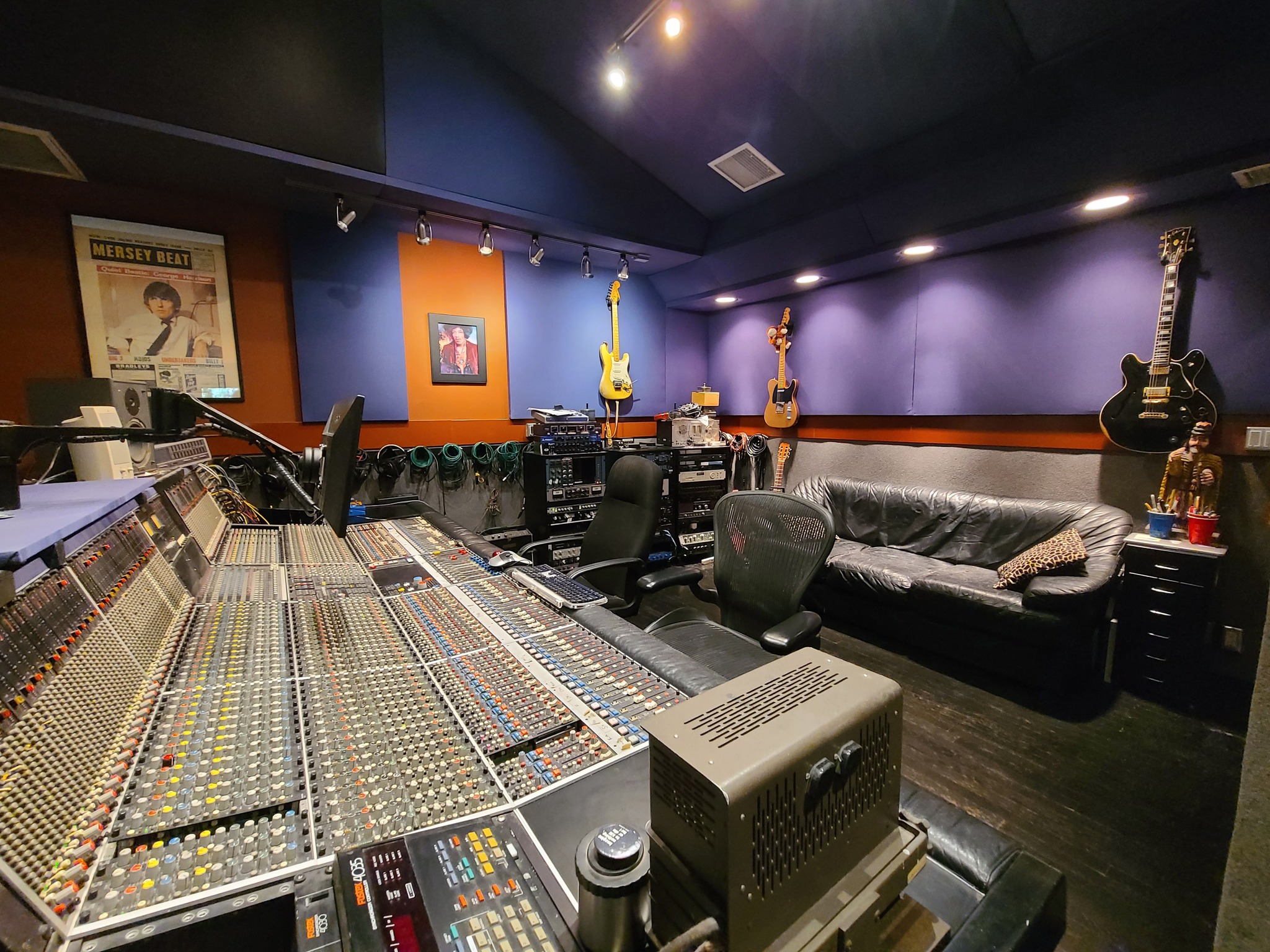
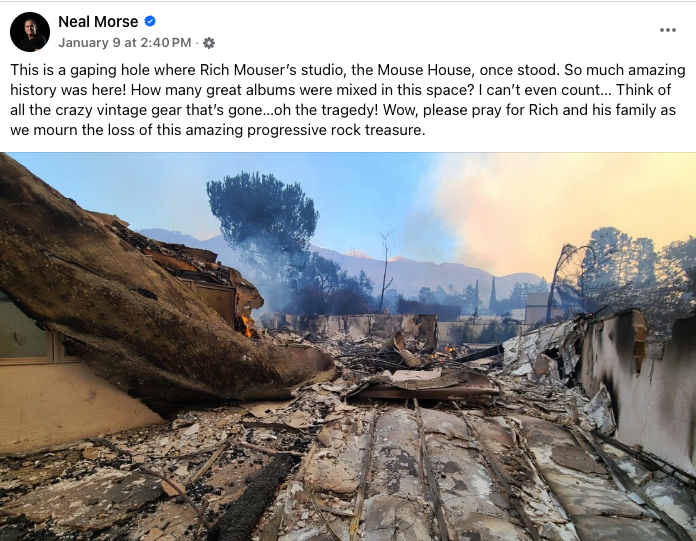
Two weeks ago, the Los Angeles wildfires decimated Rich’s Mouse House Studio. Not only was it his studio but, with his wife Bouchra, they remodeled it over the last couple years to make it their home, as well. Fortunately, the couple was able to evacuate themselves in time, but most of their belongings, including a vast collection of vintage musical equipment (some aged over 60 years) and containing the studio’s centerpiece of a rare 56-input Calrec UA8000 mixing console, were taken in the Eaton fire, located in Altadena, California.
Ask anyone who has recorded there and they will tell you it was a magical place.
Rich’s daughter Nicole has started a GoFundMe page to help him with the costs of replacing some of his instruments and supplement the cost of the sound equipment that was destroyed. She said this in a recent post on Facebook:
“To say we are broken by this loss would be an understatement; It’s honestly surreal. Losing a home is devastating, so losing your life’s work as well is insurmountable… Dad has a wonderful fascination with music that has consumed him since he was 15 years old, and it’s with that dedication he created The Mouse House Studios. Over the decades he has channeled his passion for making music towards helping, and collaborating with musicians to achieve their artistic vision. The heart that was in this place was palpable; so many talented people stepped-foot through the doors; so much creativity…This place was not just for making music, but a place for friends and family. Birthdays, graduation celebrations, family get to together’s and holiday’s. I can not stress enough how much hard work was put into this place; year by year, the house and studio blossomed – it’s honestly hard to grasp it’s gone…The outpouring of love that has reached my dad is overwhelming. It’s amazing how you can go through tragedy, and still experience the beauty of life at the same time; the beauty of love and friendship. If you are in the position to do so, please donate what you can. Every bit helps. If you can’t, at your convenience please share this fundraiser around.”
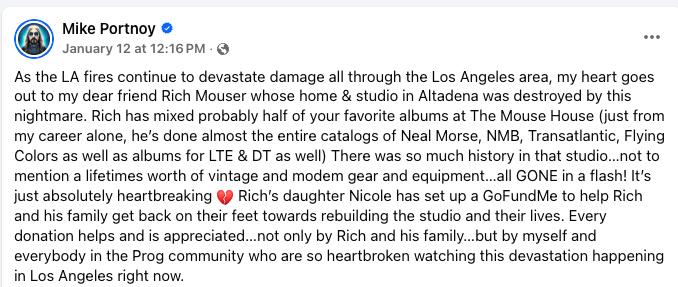
The Prog community has already showed so much support with Neal Morse and Mike Portnoy ,among some of Prog’s biggest names, taking time to help get the word out.
My personal connection with Rich started when I was looking for someone to mix Lobate Scarp’s debut album in 2012. Being a huge fan of Spock’s Beard and Transatlantic, I was well acquainted with his phenomenal mixes. In a million years did I never thought he’d agree to work on “Time and Space”, (I was a nobody and a recent transplant to California) but we met, hit it off, and he loved the project. Since then, I must have spent over 3000 hours at The Mouse House, much of it creating our most recent album, “You Have It All”, which Rich co-produced, mixed, mastered, and played several additional instruments. The finished album became my proudest accomplishment, and it wouldn’t have been possible without Rich. We spoke the same musical language. Rich and his wonderful wife Bouchra always welcomed me and my musical cohorts with open arms and open hearts and many times Bouchra would welcome us with delicious omelettes when we arrived for morning sessions. We were getting ready to go back into the studio to record our next album there, but obviously that will have to be postponed because not only is the studio gone, I can’t picture working on this with anyone but Rich. Hopefully, with help from the Prog community, Rich and Bouchra can build another studio/ home, and we can all start making music again soon.
So many amazing memories were made at The Mouse House and while we are grateful that Rich and Bouchra and their families are safe, we are looking forward to making even more in the Mouse House 2.0.
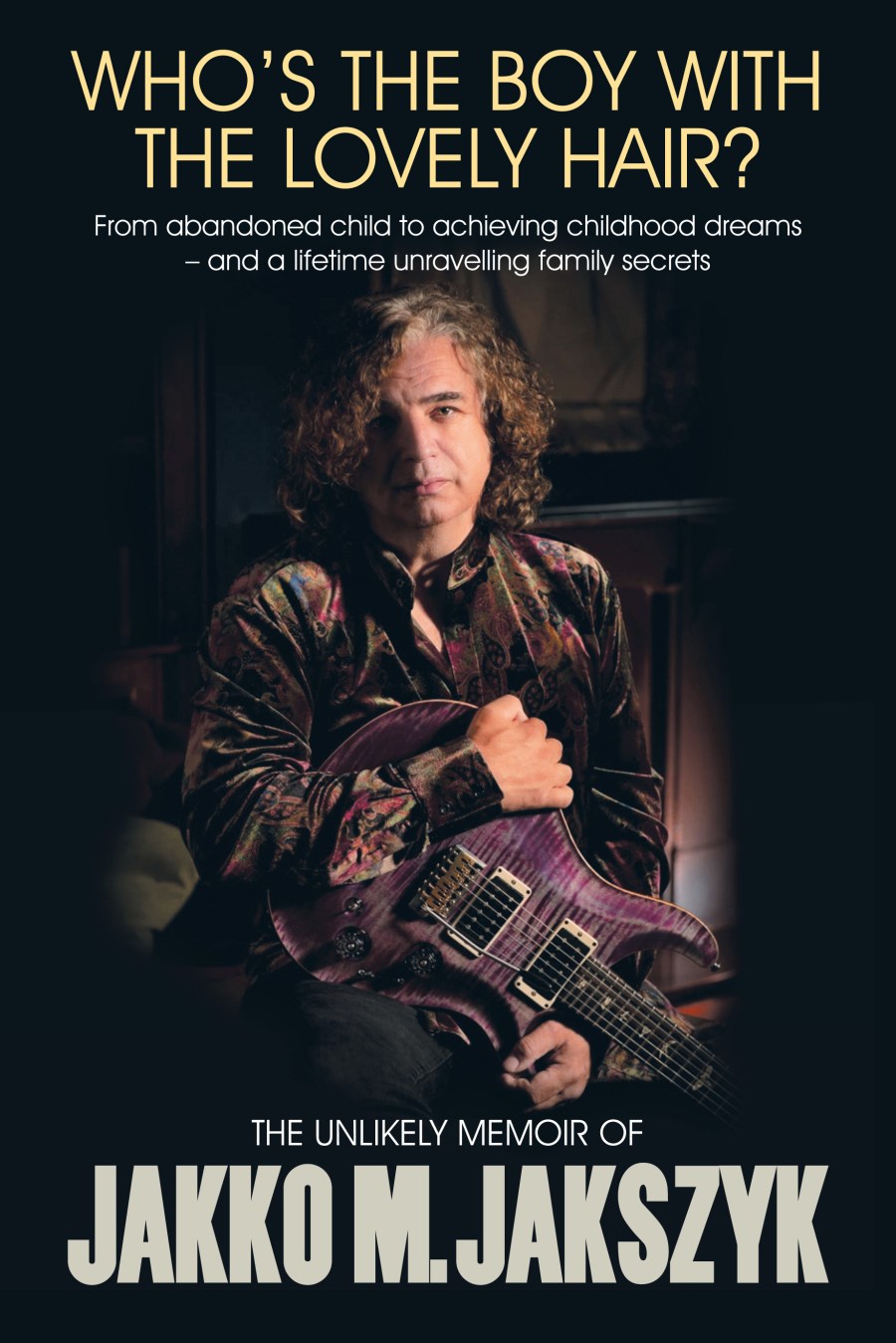
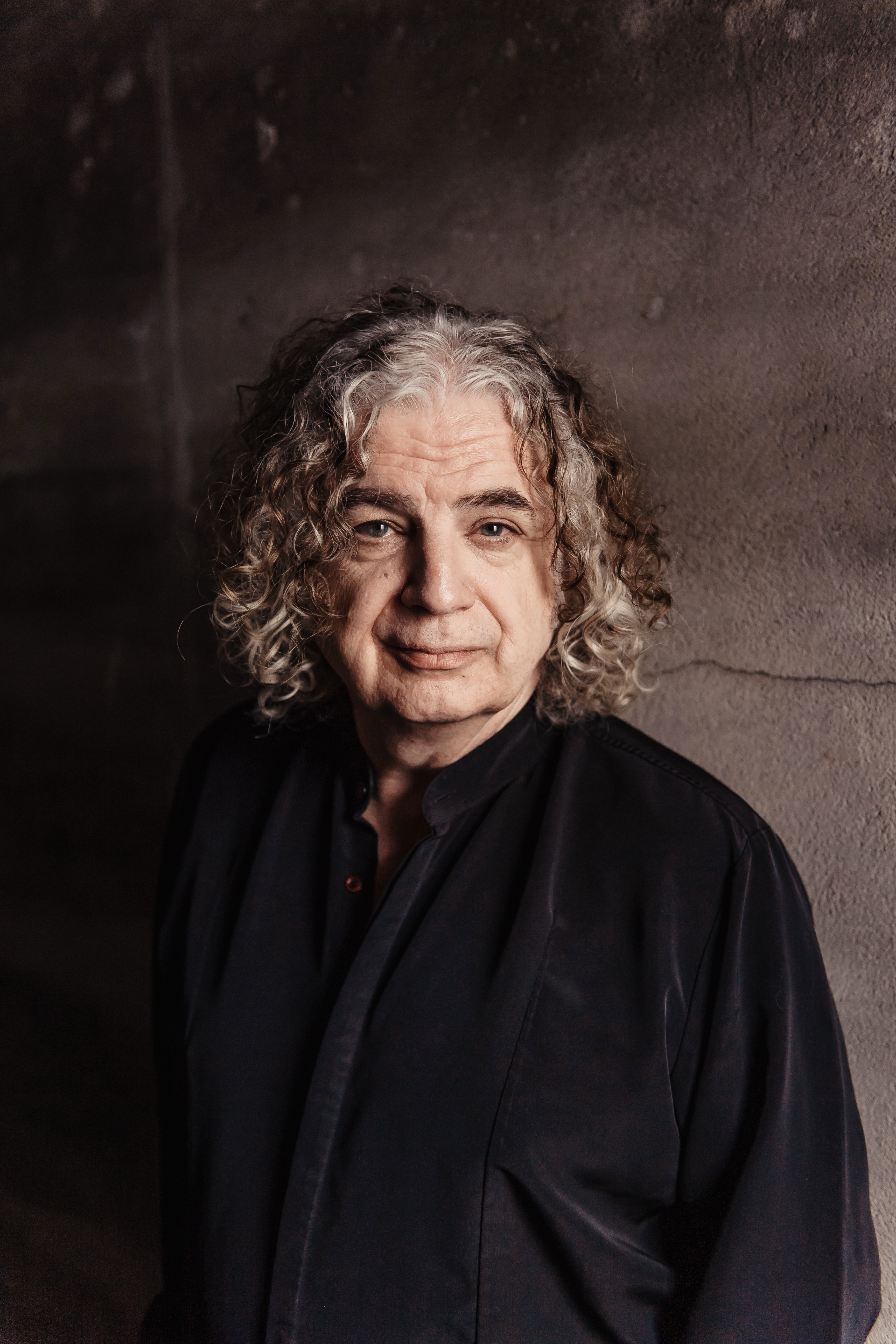
Musical memoirs embrace many styles and formats, but it’s probably fair to say there has never been a story quite like that of King Crimson alumnus, Jakko M. Jakszyk.
For starters, that’s not his birth name, a fact he is keen to point out from the very beginning and provides a key to the essence of his story.
The book’s overriding theme is his personal quest to establish his true identity against the backdrop of an extraordinary musical career, crowned by fulfilling a personal dream of becoming a member of his teenage heroes, King Crimson.
That he has been able to carve out a successful career as a musician, vocalist, songwriter, composer, documentary maker, producer and sound engineer, as well as one time actor – and once, almost a promising soccer player – is testament to his extraordinary talent, superhuman determination and unwavering tenacity. To write this story is to try and make some sense of it all.
But what is clear is that his existential journey towards finding himself has been the driver for informing a greater part of his creative life.
There are so many facets to his story, but as his “public” name would otherwise suggest, Jakko, a nickname given to him instead of his birthname Michael, of Irish/America parentage, but was adopted by a Polish/French couple when he was a babe in arms whose surname he took.
Norbert, his adopted father, came to England after World War Two. He had been spared action on the Russian front due to an accident which damaged his hand, but ended up fighting with the Allies for the Polish Free Army in Italy. However, his wartime experiences left indelible internal scars. He met his wife Camille when she came to England and worked for an American family close to where he had settled.
Royal Albert Hall
Jakko’s childhood proved difficult and oppressive. His adoptive father was a strict disciplinarian who never really appreciated what Jakko did, even when given the VIP treatment at the prestigious Royal Albert Hall in London to see him perform many years later.
Discovering bands like Henry Cow, Matching Mole and ultimately King Crimson, drew him towards the flame of music and the creative arts when he was still at school. “There was a huge hole inside me; I was just desperately trying to fill it up,” Jakko recalls.
An overheard conversation finally paved the way to him finding his birth mother, an Irish woman, Peggy Curran, a singer in a 50s band, and the reality that his father was in probability a US airman stationed in the UK in the 50s.
As he served his musical apprenticeship in various bands, he finally found his mother, calling her at her then home in Arkansas but from the outset, she would not reveal his father’s identity.
What he did discover then was that she had married again, had three sons, also a daughter Debbie who was Jakko’s full sibling. He and Debbie finally met up in New York in an attempt to put together some more pieces of the very fractured family jigsaw.
His solo career was thwarted several times, promised album releases never materialising. However, when Geffen Records showed an interest in his work, Jakko had a chance to go to LA where he met soon to be lifelong friends, the songwriter, Jon Lind and Larry Williams, sax player with the influential Seawindhorn section, that was featuring on two of his latest solo album’s tracks.
Finally, he met his mother and extended family in Little Rock, Arkansas. It proved a difficult and uncomfortable meeting because of her never-ending manipulation of the truth and her continual self-denial.
Michael Jackson
Other Stateside meetings brought him into contact, accidental or otherwise, with David Bowie, Jeff “Skunk” Baxter and Gene Simmons.
However, it was his encounter with Michael Jackson at Westlake Audio in LA which left, not surprisingly, something of a lasting bizarre impression. Laying down some of the tracks for Bad with Quincy Jones, Jackson told Jakko he liked his shoes, which led into a surreal conversation about shoe shops in London’s famous shopping area, Oxford Street.
Meanwhile, his family situation got even more complicated when he found he had another full brother, Darren, who was living in Florida but they eventually met in England.
On the musical front, Jakko’s star continued to rise when he joined the ranks of the 21st Century SchizoidBand comprised four alumni from King Crimson who made albums and toured This led to him making the highly acclaimed Scarcity of Miracles with Robert Fripp and Mel Collins release in 2011.
An invitation to sing Entangled with Amanda Lehman on Steve Hackett’s Genesis Revisited II thrust him even further in the Prog limelight. Then came the call he had been waiting for all his life – from Fripp, asking him if he would accept the challenge of being Crimson’s second guitarist and lead singer. As his friend Nick Beggs would quip: “Well that’s the longest audition in rock history!”
Joining King Crimson would be the pinnacle in Jakko’s remarkable career. However, his personal situations was far from resolution. His adopted parents both died (and provide the most heart-breaking of reasons for the naming of this book). More revelations from the USA emerged, his mother dying, taking even more secrets with her including the possibility of there being a further offspring
And finally, reaching the age of 64, Jakko learned the identity of his father, but having died in violent circumstances at a very young age, there’s no knowing if he was ever aware of Jakko’s existence after he returned to the States and married his childhood sweetheart.
Genesis
What is more, following the storming of the Capitol Building on 6th January 2021, Facebook posts showed that one of his Arkansas half-brothers is a white supremacist with views that are a total anathema to Jakko and the creative world which he has inhabited most of his life.
This summary only scratches the surface of this remarkable, heart-wrenching and utterly compelling story, which stuns, confounds, delights, astounds, amazes and horrifies in equal measures.
As well as the constant deeply affecting quest for identity, there are plenty of lighter moments too, one of them being a “lost” weekend he spent in Amsterdam with his son Django, which takes father/son bonding to a new “high”!
Who is Jakko Jakszyk? With the constant shifting sands that still underpin his life, he fears he will never ever know. Even at the end of his story, he remarks: “The answers themselves just manifest more questions. And then there are no answers anymore.”
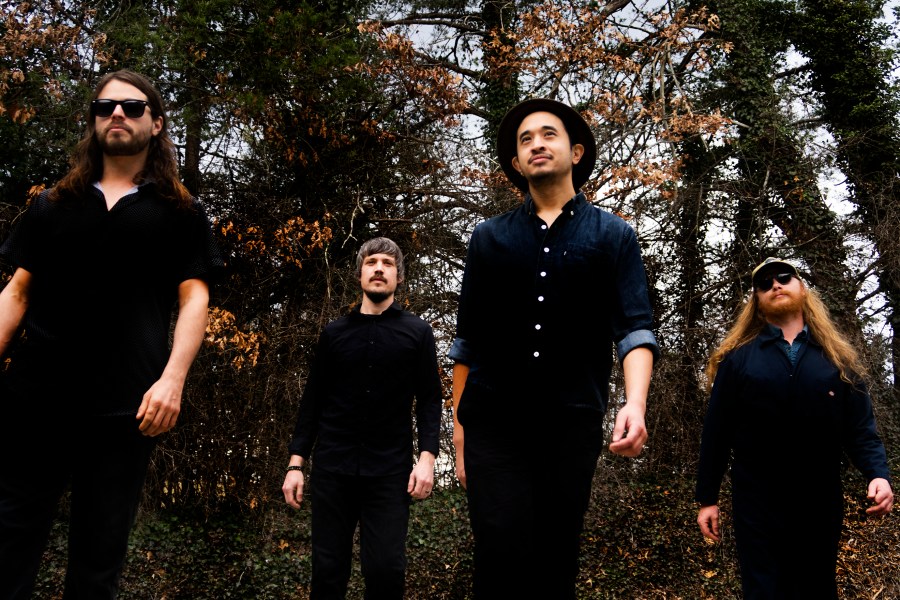
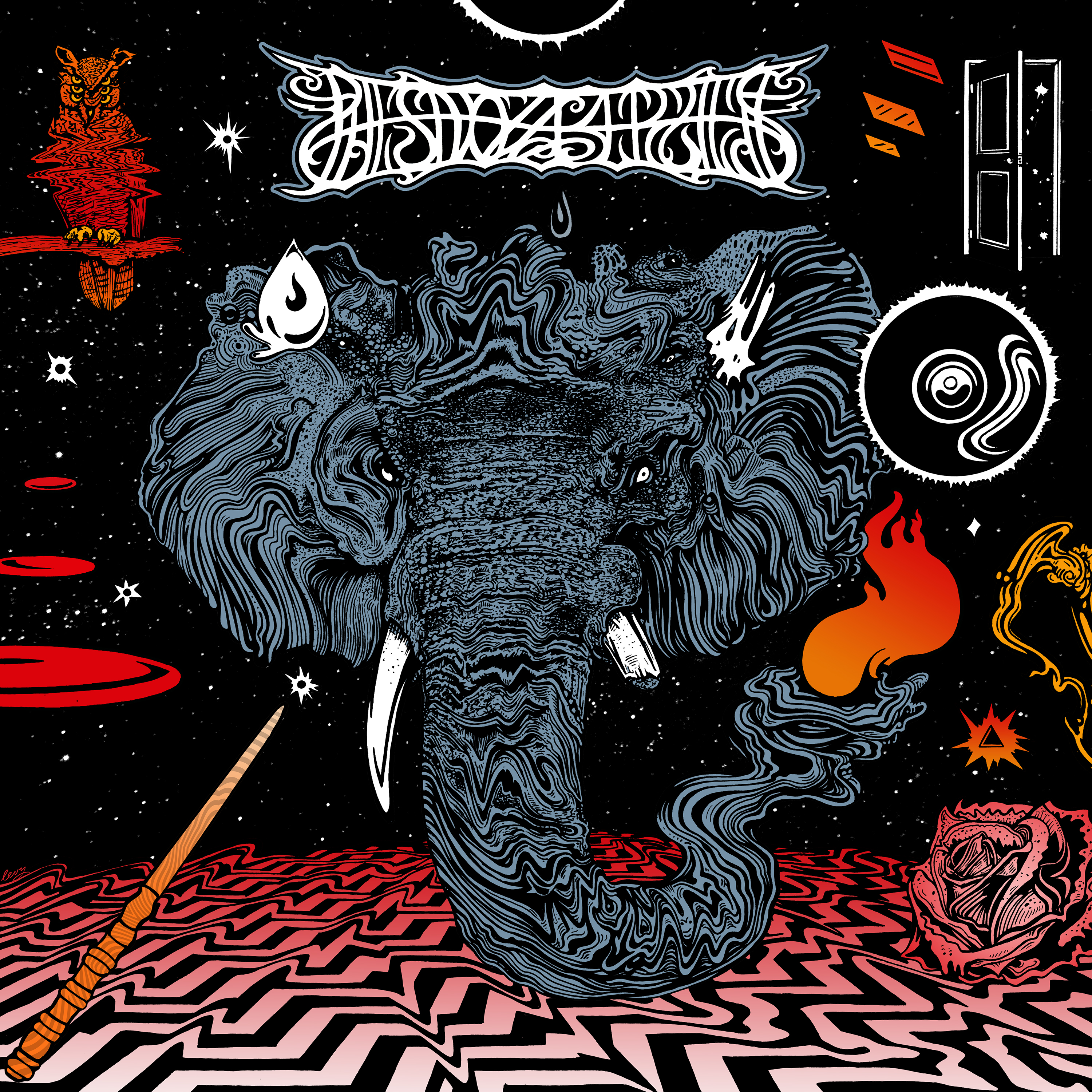
Today, we are thrilled to premiere “Grundle,” the third and final single from The Snozzberries’ highly anticipated self-titled album, set to release on October 11, 2024. Known for their explosive blend of psychedelic rock, funk, and progressive influences, The Snozzberries have spent years cultivating a sound that transcends traditional genre boundaries.
Stream “Grundle” below.
The forthcoming album promises to be a sonic journey, exploring dark psych rock, thrash metal, funk, and soul, while delving into themes of love, loss, and personal growth. Each track serves as a testament to the band’s evolving artistry and commitment to pushing the limits of their musical expression.
“Our main goal with this album was to focus on writing interesting, well-crafted songs,” the band shared. “The fun thing about The Snozzberries is that we don’t just stick to one style. Each of us brings our own influences to different tracks on the album.”
Despite being an underground act, The Snozzberries have garnered critical acclaim and a dedicated following. Renowned music publication Rolling Stone hailed them as “an explosion of vibrant tones and textures,” while Live For Live Musicpraised their “hard-hitting set” that leaves audiences in awe. MusicFestNews.com even likened their electrifying performances to rising stars like Spafford and Goose.
While The Snozzberries may not yet be a household name, their dynamic live shows have gained them recognition at festivals such as Hulaween and Summer Camp, sharing stages with notable acts like Papadosio and Big Something.
With the release of their self-titled album, The Snozzberries aim to deliver the genre-blending energy that has come to define their sound, solidifying their position as one of the most exciting acts in the underground psychedelic and progressive rock scene.
The new single, “Grundle,” showcases the band’s psychedelic prog influences, with bassist and vocalist Josh Clark delivering his signature bass style.
The Snozzberries Track Listing:
Darkness
Return
Grundle
Living Without You
Circling the Drain
Guepardo Morado
Hide
The Storm
Biting Through
For more information, visit TheSnozzberriesMusic.com. Follow them on social media @TheSnozzberriesAvl.
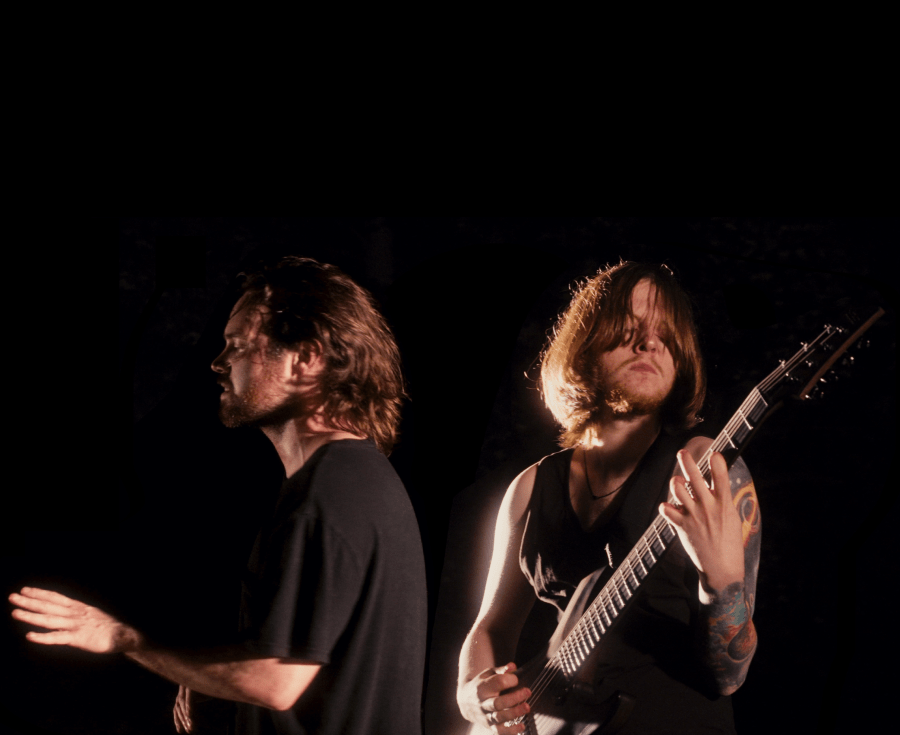
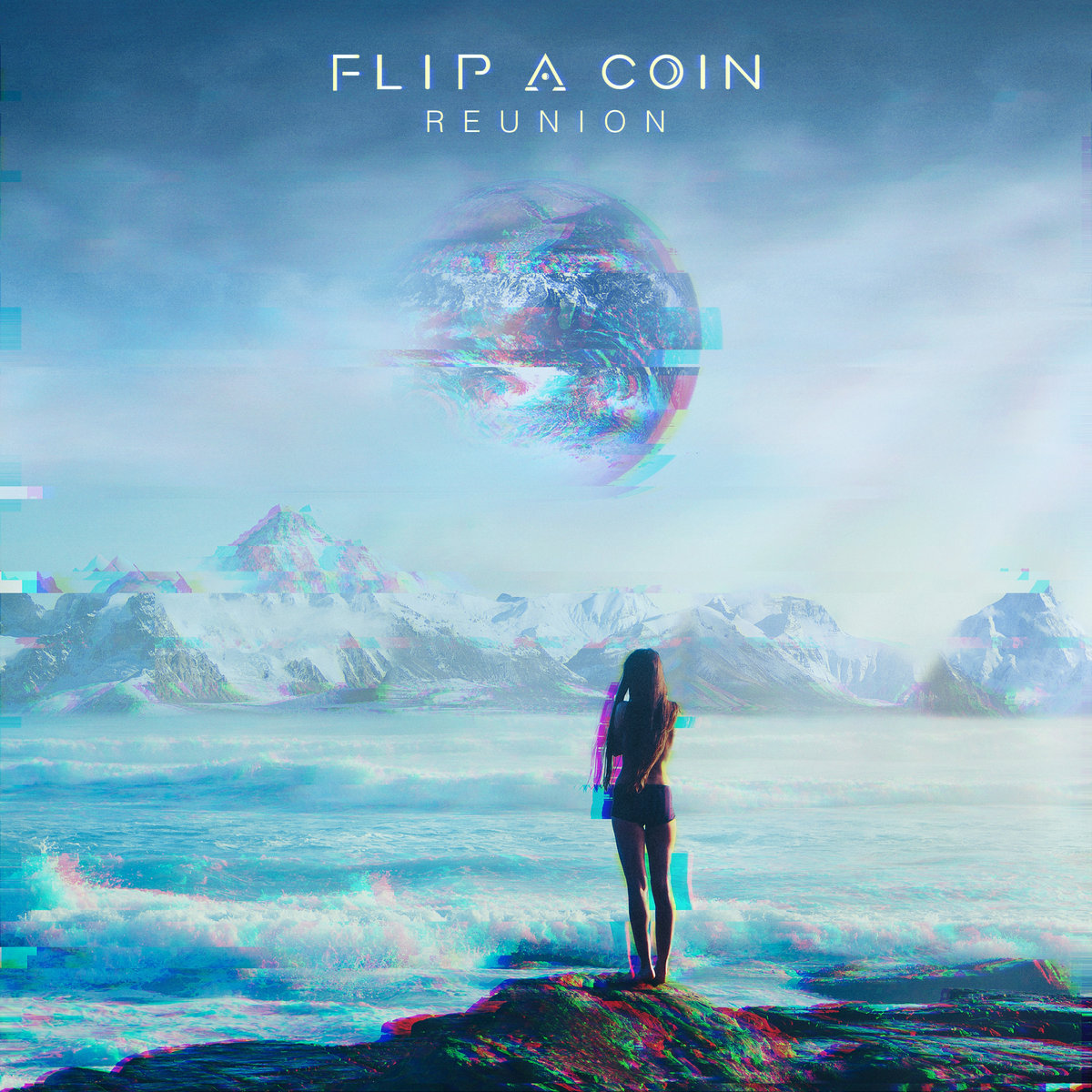
Flip a Coin is an international progressive metalcore duo, comprised of Czech guitarist and songwriter Tomáš Biza and American vocalist Heyden Smith. Despite the challenges of collaborating across a seven-hour time difference, the duo released their highly anticipated debut album Reunion in June 2024. Blending elements of melodic post-hardcore, deathcore, and progressive metal, Reunion showcases the band’s versatility and willingness to experiment with diverse sounds. In this interview, Tomáš and Heyden discuss their collaborative process, the creative evolution of Reunion, and how they navigate the unique challenges of being an international band.
How did Flip a Coin come together as an international duo, and what challenges have you faced working across a seven-hour time difference?
Tomáš: The distance between us brings forth challenges both in the creative and production side of things. Being able to sit in the same room and just vibe and bounce ideas one from each other in real-time is something I think we both long for. Production-wise, we both depend on just our own knowledge of how to actually record ourselves and use our gear in the best way possible, which can be a limiting factor sometimes.
Heyden: There’s limited amount of time in the day to talk about things in real time. Shout out Tômas for being willing to have midnight video calls in his time zone. I do feel like we’ve developed a pretty good process of collaborating over the past few years.
Your debut album “Reunion” represents four years of creative growth. How did the collaborative process evolve over those years, and what were some of the key milestones?
Tomáš: I think the most key moment came from before this album even happened, and that was the release of our first single called Haven four years ago. Once that was out, we knew like, yeah. We can actually do this. And that was super affirming. During the process of working on Reunion, though, I’d say fully finishing the longest song on that record, False Promises, felt like a real landmark.
Heyden: These songs weren’t recorded in one batch. There wasn’t really a demo process. We were kind of writing and recording them at the same time, and I think you can hear that across the different songs. “Lifestream” and “False Promises” were recorded close to a couple years apart, so I definitely think we brought some new tricks with us into that song.
The album spans multiple subgenres, from melodic post-hardcore to borderline deathcore and progressive metal. How did you decide to embrace such a diverse range of sounds on “Reunion”?
Tomáš: To be honest, that was not a completely conscious decision! My music taste leans towards albums where I feel like each song has it’s own identity, that every song does something a little bit different from the rest. And so that’s just where my songwriting takes me naturally.
Heyden: I’m a fan of bands that fall into all of those subgenres, and plenty of non-metal stuff too. I’m always excited to experiment with songs that are outside of what I’m used to performing. It’s a huge reason I joined Flip a Coin.
How do you manage to maintain a cohesive sound across the album when experimenting with so many different styles?
Tomáš: But do we really? Haha. I believe that is mostly Heyden’s work, he brings his own vocal style into each song and that sort of ties it all together and makes the differences less jarring. If it wasn’t for his singing the album would feel much more disjointed since the instrumentals are so vastly different.
While the songs are pretty different from each other, I think we both have our own style that we bring into every song. At this point I’ve jammed our demos enough to know a Tomâš riff when I hear one…and the riffs he’s cooking up are quite tasty.
“Reunion” feels like a very cinematic album. How do you approach writing music that feels as immersive and dynamic as your tracks on this record?
Tomáš: I’m so happy you used the words immersive and cinematic, because that is exactly what I was trying to achieve with the sound of this record! I did this with layering many different instruments – guitars, synth pads, strings – on top of each other; just when I thought it was enough I always tried to take it one step further. Then contrasting these parts with more raw sounding sections creates that sort of experience. Also lots of samples and special effects. I wanted each song to feel almost like a movie, sort to speak.
Heyden: That’s all Tomâš. I think this aspect of our music lent itself well to the lyrics that are more story-driven in “False Promises” and “Passengers”. My inner theatre kid definitely came out in my vocal delivery for those.
Tracks like “Lotus” and “Lifestream” have a strong melodic focus, while others like “Amaterasu” lean towards a heavier, deathcore sound. How do you balance melody and aggression in your songwriting?
Tomáš: It’s very much about where I’m at life during the time of writing, or what bands I’m currently listening to, or just the mood and feeling I’m trying to capture. I have a good image in my head of what kind of song I’m trying to write almost every time before I even pick up my guitar. Sometimes I’m going for a rather pretty and melodic sound, other times I want to write something dark and heavy. Songs like Lifestream or Passengers strike a good balance of both, I think.
Heyden: It all starts with what Tomáš brings to the table instrumentally, although I try to avoid predictability when I’m writing vocals. There’s kind of a tired trope of singing on melodic parts and screaming on heavy parts in a lot of modern metal, which I find boring. Ultimately though, I try to just embody the emotions the song makes me feel.
Heyden, as a vocalist, how do you approach matching the intensity and emotion of the different styles of music on “Reunion”?
Heyden: I think all music that makes you feel something has a good grasp on tension and release. I try to tell a story with each song where it has ups and downs and recurring themes. Bringing back certain parts in a new way kind of helps tie everything together. Other than that, it’s getting out of my head when I’m tracking my takes. Trying to worry less about hitting a note perfectly and trying to be “in the song”, for lack of a better term.
Tomáš, you not only wrote and played the music but also handled the production, mixing, and mastering. What were some of the biggest challenges of wearing so many hats on this album?
Tomáš: I’d say the biggest challenge for me is bridging the creative and production processes. Sometimes the parts I write end up sounding very different from what I heard in my head once they‘re recorded and fully fledged out. So failing to translate my ideas into the actual music can be frustrating. On the other hand, this can also make for some really cool, unexpected moments. Being in complete control over the entire process from start to finish is both a blessing and a curse.
The album features guest musicians like Michael McGinley on piano and Jake Maaka on vocals. How did these collaborations come about, and what did they bring to the project?
Tomáš: Jake was featured on a very heavy piece of music I was enjoying a lot a few years back, and when I wrote Amaterasu, I realized he’d be the perfect person to have a feature on it. The piano parts Michael wrote for Lifestream were the last piece of the puzzle that interlocked the different sections of the song. I still remember the moment when I heard what he wrote for the first time, I was honestly shocked by how well it hit the spot.
Heyden: Michael McGinley is my dear friend and bandmate in my other project Flora Nova. Check that out if you want to hear more of him shredding on the keys. I thought Jake brought a visceral kind of aggression to “Amaterasu” that fits so well, and his delivery on the chorus had similarities to Tommy from Between the Buried and Me who is one of my favorite vocalists. I liked filling in on backing vocals for that song and playing off of his melodies. I think both features brought influences to the album that we wouldn’t have otherwise.
“Amaterasu” is one of the heavier tracks on the album. Can you tell us more about how this song came together, and what inspired its powerful sound?
Tomáš: The first half of the song basically wrote itself over a span of a few days. At that time I already knew this one had to end up being a single because of the super straightforward structure and open chorus. I even think it’s the song with the earliest chorus on the album? However, then I hit a brick wall with the ending and it took me 2 years to come back to it. As far as inspiration goes, it’s a very Veil of Maya inspired song.
With “Reunion” being your debut album, how do you feel it sets the tone for Flip a Coin’s future? Are there any particular directions you’re excited to explore moving forward?
Tomáš: As you’ve mentioned, the album features a very wide sound palette, and I’m super happy about our debut album having this kind of character. That’s because it shows we can do it all, and it sort of leaves you wanting more while not knowing what to expect next at the same time!
Heyden: It’s good to have it out there! I’m excited to get more experimental with the next batch of songs and expand on the variety of sounds we were able to achieve on this album.
What are some of the major influences, both musical and non-musical, that shaped the sound and themes of “Reunion”?
Tomáš: I started writing this album right after I moved away from my family and entered college at 19. Now I’m 23, and I think I don’t have to explain how so many things happen in a person’s life during this period. It was a rollercoaster and all these experiences served as a fuel for writing and are reflected in the album. Sound-wise, I drew inspiration from many of my favorite records which came out during that time, most notably from bands like Periphery, ERRA and Counterparts.
Heyden: It probably comes as no surprise that I joined this band after seeing a post from Tomáš on the r/periphery subreddit. They’re definitely a huge influence for both of us. In the realm of prog and metal, Protest the Hero, The Contortionist, and Corelia have been pretty big influences on me. Both Tomâš and I are into sci-fi, so that’s where some of the more conceptual lyrics came from. The rest is inspired from both of our perspectives on past relationships, loss, mental health, and personal beliefs.
Given the album’s independent release, how have you approached getting your music out to the world and building a fanbase for Flip a Coin?
Tomáš: Making music is an outlet for both of us, and so that’s the most important aspect before anything else for the band. I personally really enjoy the visual aspects as well, so coming up with the artwork and music video ideas was lots of fun and I feel like it can help connect with our audience. For our guitar oriented fans, I’ve also recorded guitar playthroughs for some of our songs and tabbed them out, you can find that stuff on our YouTube and Bandcamp.
Heyden: We put out music videos for “Lifestream” and “The Algorithm” and a few more visualizers for “Lotus”, “Insomnia”, and “Amaterasu”. We’ve also pitched music to some playlist curators. It’s tough when you can’t promote by playing shows and finding a scene to be a part of. Ultimately though, we’ll write this music whether there’s a fanbase or not. It’s first and foremost a passion project and an outlet for creative expression.
We’ve come to the end of yet another fine year in prog. It has been an extremely difficult year for me personally and professionally, and that’s been reflected in my output here at Progarchy. I wish I had had the bandwidth to write many more reviews this year, but such is life. I currently find myself unemployed (my temporary job ended at the end of 2023 due to lack of funding) and many months in to a thus-far fruitless job search. This year’s musical output has been a soundtrack through some incredibly uncertain times. Here are some of my favorites, in no particular order apart from my top three albums at the end.
Soen – Memorial
While not as good as their last few albums, this record has still been in frequent rotation for me. It has more quiet and orchestral moments than they typically include, but there is still a lot of their heavier crunchy prog metal riffing and signature melodies. Soen isn’t a band to be missed.
Transatlantic – The Final Flight, Live at L’Olympia
I’ve long preferred Transatlantic’s live work to their studio albums. Their studio albums are great, but this is a band that is best experienced live. While I’ve never seen them live in person and perhaps never will as it sounds like this could be the end for them, their live albums are always a treat. They are especially good for long car rides. I remember listening to KaLIVEoscope on a long car ride home from college back in the day, and just a few weeks ago I listened to The Final Flight during a long drive to eastern Tennessee to meet a special someone in person for the first time (at least something has gone well for me this year). The complexity of the music and the skill of the musicians keep your brain occupied on the long open roads. Transatlantic create a fourth version of their epic The Absolute Universe with this live outing, adding in a final set featuring a Whirlwind Suite, “We All Need Some Light,” and a medley from their first two records. It’s a great way to get into Transatlantic’s music for the uninitiated.
Dream the Electric Sleep – American Mystic
I’ve been following Dream the Electric Sleep since 2014, and I think American Mystic is their best album. It’s more concise and more focused with subtle variety. It’s distinctly American prog, reminding me of the heavier prog of American prog bands of the 70s and 80s. Their vocal harmonies are definitely worth noting. Check out my full review at the DPRP.
Big Big Train — Ingenious Devices
While not exactly a new album, Big Big Train’s Ingenious Devices caught my attention and held onto it tightly. The band worked for years revisiting their “mankind and machine” trilogy of “East Coast Racer” (off 2013’s English Electric: Part Two), “Brooklands” (off 2016’s Folklore), and “Voyager” (off 2019’s Grand Tour). They re-recorded most of the instrumentals and added full string sections to the first two (“Voyager” was recorded with full strings). They also added a short track to bridge “East Coast Racer: with “Brooklands,” and they added a live version of “Atlantic Cable” featuring new singer Alberto Bravin. The mix is phenomenal, and it’s great to hear these songs set apart on their own. A must listen for Big Big Train fans. Check out my DPRP review.
Haken – Fauna
Haken’s Fauna is somewhat of a mixed bag for me. It’s a solid album throughout, but it leans a little too much on the softer side, but when it gets heavy and creative it slays. “Elephants Never Forget” is simply fantastic – one of Haken’s best songs. Check out my full review.
Steven Wilson – The Harmony Codex
This album grew on me slowly. At first I was mildly indifferent and then grew to like it, as opposed to my immediate and lasting distaste for The Future Bites. I think The Harmony Codex rather tactfully blends the spacey progressive elements of Wilson’s abilities with the pop edge that strongly influences his recent work. I don’t know if it was commercially successful for him, but the final product is a solid record that actually sounds more familiar. No it isn’t Hand. Cannot. Erase., but I think it’s his best solo record since then. But it isn’t for everybody, namely Progarchy’s Time Lord. Rick Krueger found more to enjoy.
Southern Empire – Another World
The Aussie band’s first record since 2018 finds them with a new vocalist – Shaun Holton. He has a great voice, but former vocalist Danny Lopresto’s voice is so unique and one of my favorite elements from their last album. As such it’s been hard for me to like Another World as much as I like Civilisation. With that said, it’s still a solid album with moving melodies and a stellar almost 20 minute-long track blending heavy with symphonic prog. Definitely worth checking out.
Moon Safari – Himlabacken Vol. 2
Finally! After wondering for ten years “whatever happened to Moon Safari,” the band returned this month with the follow up to 2013’s Himlabacken Vol. 1, an album I don’t listen to frequently but will always have a warm spot in my heart because it came out around the time I really started getting into newer progressive rock. Vol. 2 is even better than it’s predecessor, making the decade-long wait worth it. The 21-minute “Teen Angel Meets the Apocalypse” is the finest long track I’ve heard this year. I’m a sucker for intelligent writing, and this song incorporates influences (and lyrics) from T. S. Eliot’s masterpiece “The Wasteland” (a poem that also inspired Genesis’ “Cinema Show”). The subtle inclusion of the melody from “London Bridge is Falling Down” throughout the song is itself a nod to part of “The Wasteland”. The song is great and a must listen. Nobody does vocal harmonies better than Moon Safari.
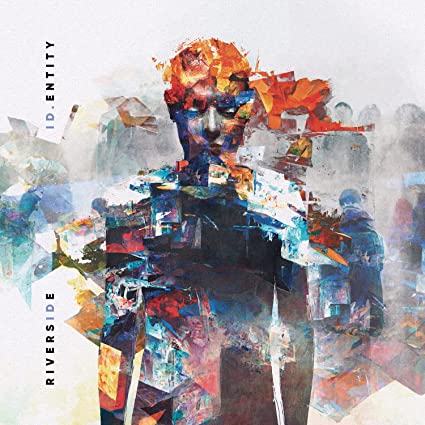
3. Riverside – ID.Entity
Riverside have yet to make a bad album. They’re all great in their own way. ID.Entity finds them taking a synthier approach to criticism of modern technosociety, and it works really well. They still get heavy when they need to, especially with Mariusz Duda’s vocals on “I’m Done With You.” It’s a solid album throughout and shouldn’t be missed. Check out my full review.
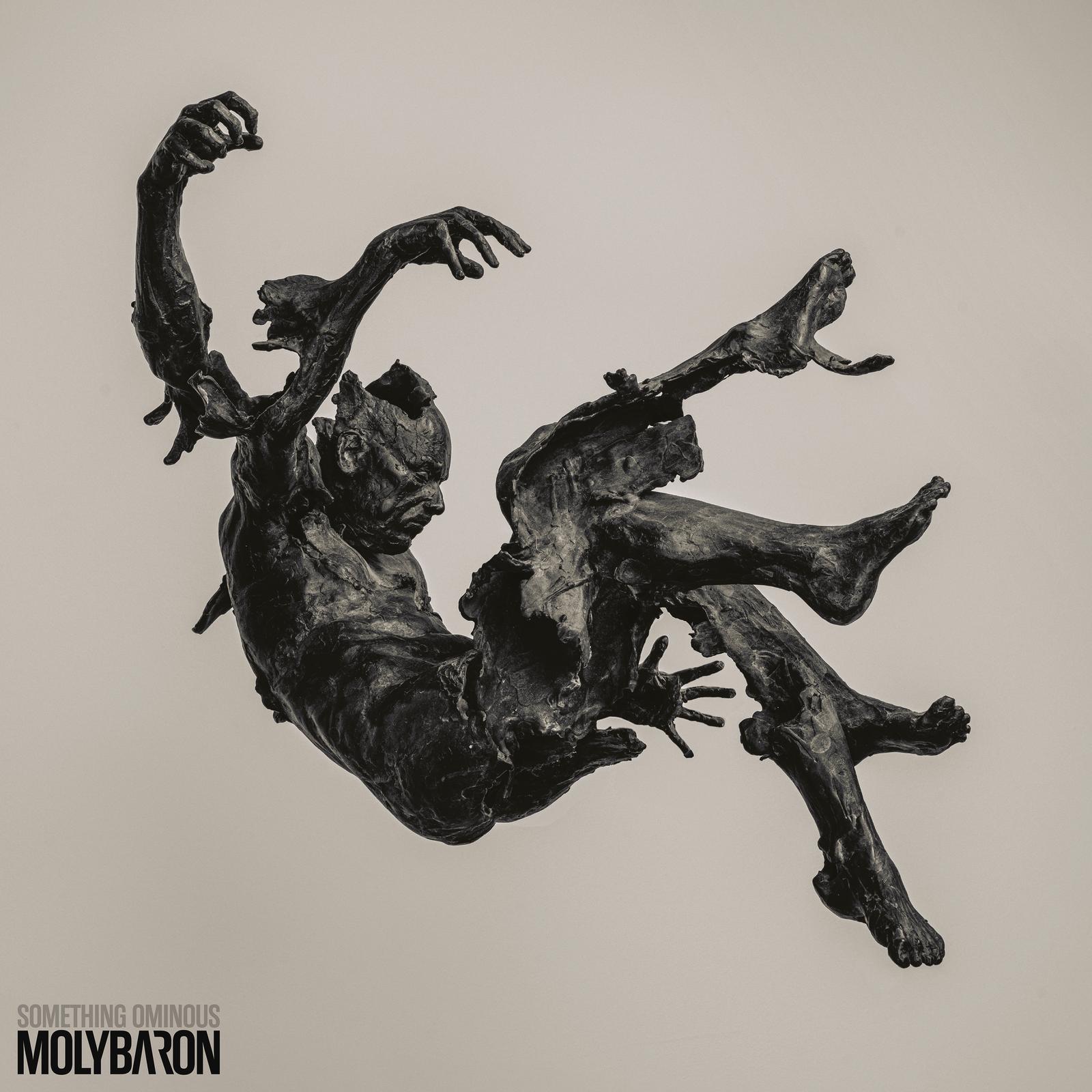
2. Molybaron – Something Ominous
This album was the unexpected musical surprise of the year for me. I liked the band’s previous album, but I wasn’t as much a fan of the lyrics. This time around, it seems western government’s tyrannical overreach during the Covid-19 debacle has made vocalist and lyricist Gary Kelly rather based. The songs are short, but that doesn’t keep this from being a prog metal funfest. Kelly’s vocal acrobatics make the album thoroughly entertaining. “Billion Dollar Shakedown” is a magnificent teardown of modern society’s incestuous elitist blend of government and big business marching in lockstep to ruin all our lives. “Breakdown” is a refreshing and real take on mental illness, and it’s been a bit of a themesong for me since it was released. The title track points out how the elites are pitting the rest of us against each other instead of against them. “Daylight Dies in Darkness” takes a spacier tone before building into heavy metal. It’s a fantastic smashmouth rock n’ roll heavy metal album. The only thing I don’t like is it’s only 38 minutes long – it’s so good I want more. Check out my review.
1. TesseracT – War Of Being
Unfortunately I never got around to reviewing this one, but I did review their concert. This is such a fantastic album – the band’s best to date. It’s also their heaviest since their debut. Singer Dan Tompkins demonstrates that he has one of the best voices in the business. One minute he can sing high like Matt Bellamy from Muse and the next he’s doing distorted vocals a la Devin Townsend. He even learned new methods of distorted vocals for this album, enabling him to create different sounds for the different characters, since this is a concept album. I’m still trying to figure out the story, but the djenty crunch is a headbangers dream. Everything about the record is great, and it easily tops my year-end list.
So there you have it. TesseracT was the only concert I went to this year, and it was a banger. I bought tickets to the upcoming Big Big Train show in March, so hopefully I’ll be able to make it to that (life is pretty crazy right now being between jobs). I didn’t read any prog books this year, but I plan on starting Geddy Lee’s “My Effin’ Life” tonight. Hopefully the new year will suck less for me, and I hope it’s a good one for you all.
Thanks so much for reading and sticking with us here at Progarchy this year, even though our output was rather thin compared to last year. Hopefully we’ll get things rolling again in 2024.
Back on March 20, Bandcamp waived its share of all sales, in order to support artists whose livelihoods were effected by the COVID-19 pandemic (especially because of cancelled live shows and tours). The results were astonishing: $4,300,000 in sales of downloads, CDs, LPs and merch, 15 times a normal Friday’s take.
On May 1, June 5, and July 3 (the first Friday of each month), we’re waiving our revenue share for all sales on Bandcamp, from midnight to midnight PDT on each day.
(Over 150 artists and labels are offering discounts, exclusive items, merch bundles, and more this Friday.)
It may sound simple, but the best way to help artists is with your direct financial support, and we hope you’ll join us through the coming months as we work to support artists in this challenging time.
And, in case you’re wondering, there’s tons of recorded goodness available at Bandcamp from these Progarchy-favored artists:
From its formation in the heady days of the 1960s to its final dissolution about 15 years later, Soft Machine rarely stayed in one place for long. The British band’s journey through technicolor psychedelia, meaty jazz-rock and idiosyncratic jazz fusion (equal parts Mahavishnu Orchestra, Terry Riley and Jimmy Webb) took shape on the fly, in a blur of live gigs and album sessions — along with multiple personnel changes following founding drummer Robert Wyatt’s departure. At the end, changes came so fast that the final album of the original discography, 1981’s Land of Cockayne, was Soft Machine in name only — effectively the first solo effort by composer/keyboardist Karl Jenkins, foreshadowing his eventual emergence as a classical crossover star (and a knight of the British Empire).
But starting in 2002, the persistence, dedication and improvisational spirit of MoonJune Records impresario Leonardo Pavkovic accomplished the extraordinary — bringing together Soft Machine alumni from across multiple incarnations, first as Soft Works, then in a long-running series of tours and albums as Soft Machine Legacy. 2015 brought about the resumption of the original band name, with the group consisting of 1970s Softs John Etheridge (guitar), Roy Babbington (bass) and John Marshall (drums), joined since 2006 by prolific saxist/flutist/keyboardist Theo Travis. Hidden Detailsis their sterling new album, released to coincide with a worldwide 50th anniversary tour. It’s an impressive addition to the Soft Machine canon; there’s fresh, exploratory depth throughout, coupled with the immediate appeal of fine players enjoying both each other’s company and the exquisite music they’re making.
The tracks on Hidden Details span a broad range of genre and style: there’s driving slowburn riff rock (Travis’ title track), thick chunky funk (Etheridge’s “One Glove”), even a sprightly pop groove with a psychedelic lilt (Travis’ “Fourteen Hour Dream,” complete with 1968 title reference). True to previous Legacy efforts, the band revisits vintage Softs classics, too; Mike Ratledge’s “Out-Bloody-Rageous” from Third features exuberant soloing by Travis, one-man horn section licks from Etheridge and plenty of steam in the engine room courtesy of Babbington and Marshall. Also present and correct: Ratledge’s “The Man Who Waved at Trains” from Bundles, updating original elements like Babbington’s hypnotic, cyclical bass and Travis’ reimagined take on Ratledge’s electric piano ‘cosmic tinkles’.
Even more exciting than the great tunes is the way the band works together throughout this album; tight but loose, the Softs listen to and play off each other in unexpected, delightful ways. Travis is equally at ease trading thick piano stabs with snarling Etheridge guitar on “Broken Hill,” saxing it up over a stutterstep Babbington riff during “Ground Lift,” and weaving flute-based loops punctuated by Marshall for the closing duet “Breathe.” Etheridge runs a gamut of sounds and styles as well, from the lyrical semi-acoustic arpeggios on “Heart Off Guard” and “Drifting White” to the full-on electrified power of “Flight of the Jett” and “Hidden Details” (complemented by Babbington’s nods to Hugh Hopper’s ground-shaking fuzz bass). And when the quartet builds music from silence — joining in one at a time on “Ground Lift” or engaging each other simultaneously on the epic free blow “Life on Bridges” — the results are extraordinary.
So the 2018 incarnation of Soft Machine has nothing to prove; for all with ears to hear, they bring their experience, confidence and musicality to bear on Hidden Details, and the results really are superb. It’s a winning album, great material for these Softs to bring to North American and British audiences this fall — in the US, for the first time in more than forty years! Check out the new album on Bandcamp for yourself, and don’t hesitate to catch them live.
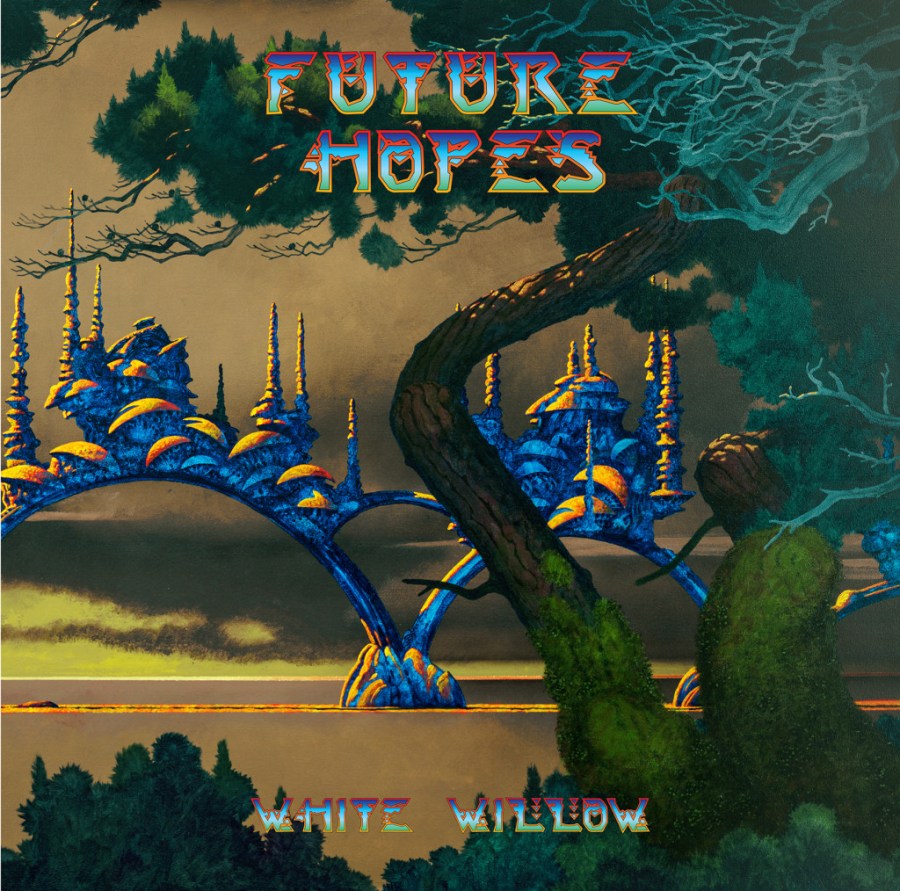
The only White Willow album I’d heard before their new effort was 2011’s doomy Terminal Twilight. Gorgeous, Gothic stuff, but it didn’t leap out at me as anything special. Future Hopes, however, is a gripping album, unpretentious in presentation (Roger Dean cover notwithstanding) but wonderfully ambitious in scope and sonics. It starts in darkness, then doggedly journeys toward the light — and it carried me along from beginning to end. Continue reading “White Willow, Future Hopes”→
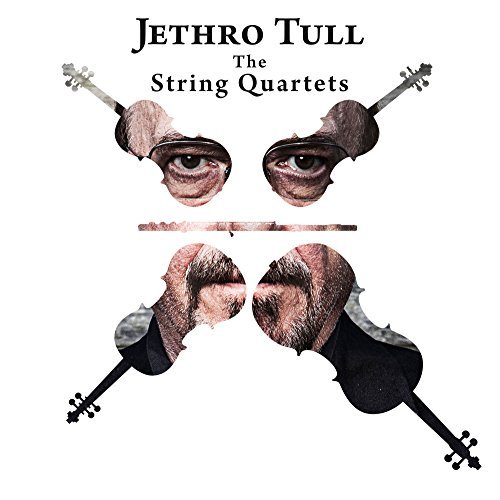
No stranger to classical arrangements and the fuller sound that an orchestra or string quartet can bring to his music, former Jethro Tull frontman Ian Anderson and long term collaborator John O’Hara having seen the Carducci Quartet decided to get together with them and rearrange a selection of classic Tull songs for string quartet, with Ian Andersons instantly recognisable flute weaving through some of the tracks, and John O’Hara playing piano on a couple of them, Ian even adds his distinctive vocals to a few of the tracks as well.
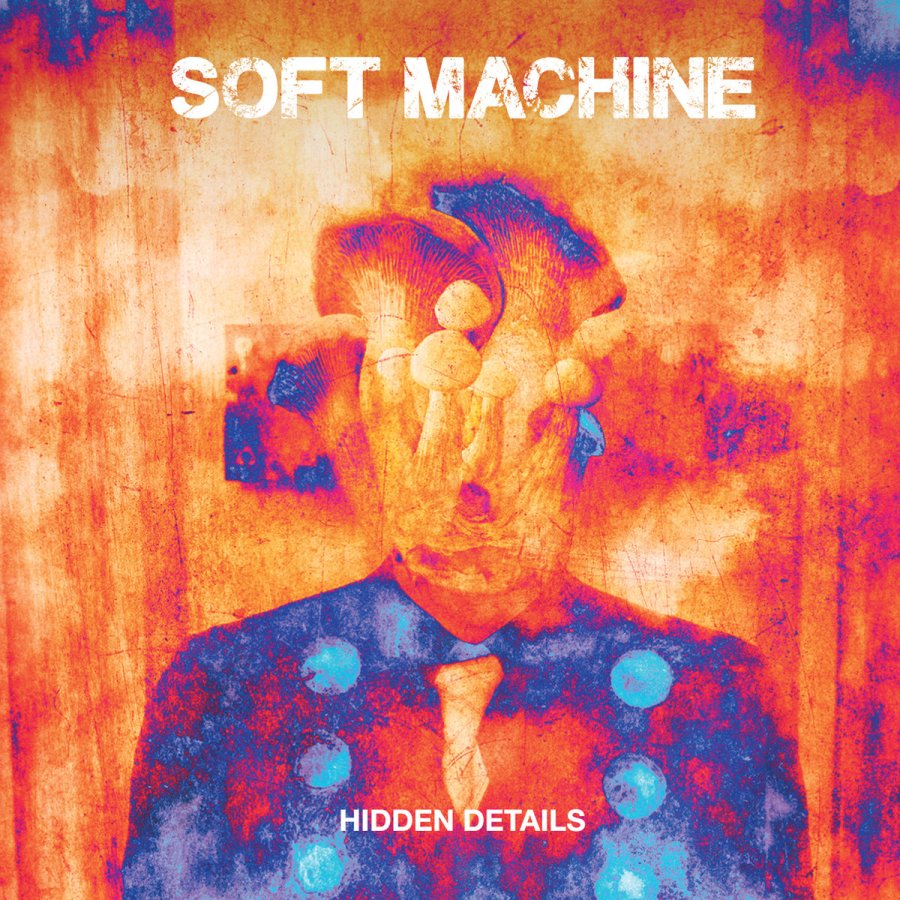
With the striking artwork this splendid addition to the canon is released on 24th March.
Some of you out there might think that releasing an album of old material slightly rearranged is a holding exercise (or a cynical exploitation exercise), after all Ian’s last album Homo Erraticus was released in 2014, and whilst he’s taken his Ian Anderson/ Jethro Tull live show on the road, there’s been no new material since then.
There’s some really good stuff in here, particularly on the idea of ‘small but sustainable’, on the economic pressures favouring “solo projects with computers and acoustic guitars”, and on the role played by fortunate personal circumstances (the “Mumford & Sons route to success”), but I was particularly taken by the following amusing quote, from Tommy Shotton, former drummer of Do Me Bad:
We were among the last crop of bands who took advantage of an industry that had money to throw around… The label seemed to think that it validated their investment if we agreed to travel around in a funny taxi with flowers and magazines in the back. There was a lot of ‘Oh, give the artists space to be artists’ – but all we were doing was sitting about, arguing about the sound of a cowbell while eating free doughnuts.




 Soen – Memorial
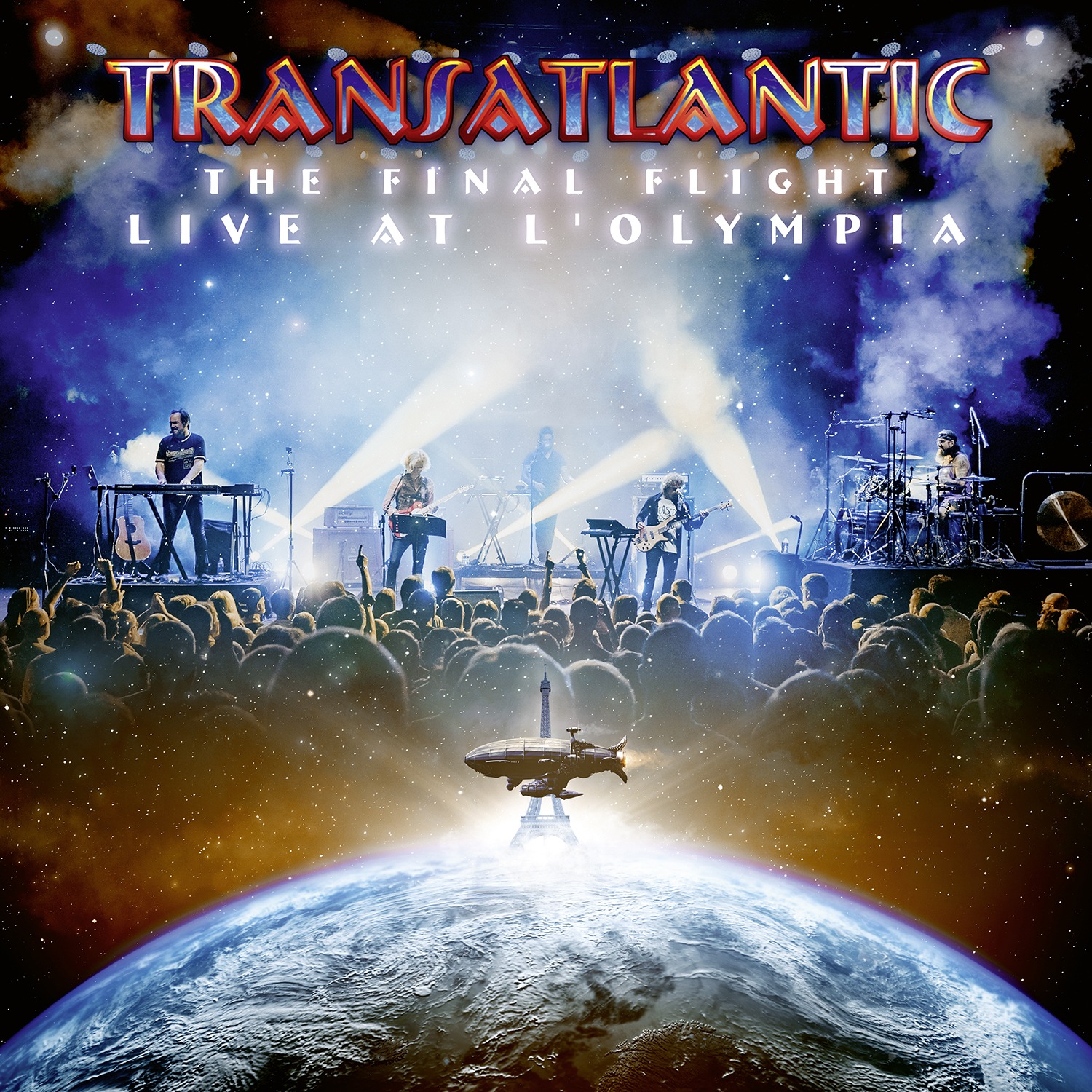 Transatlantic – The Final Flight, Live at L’Olympia
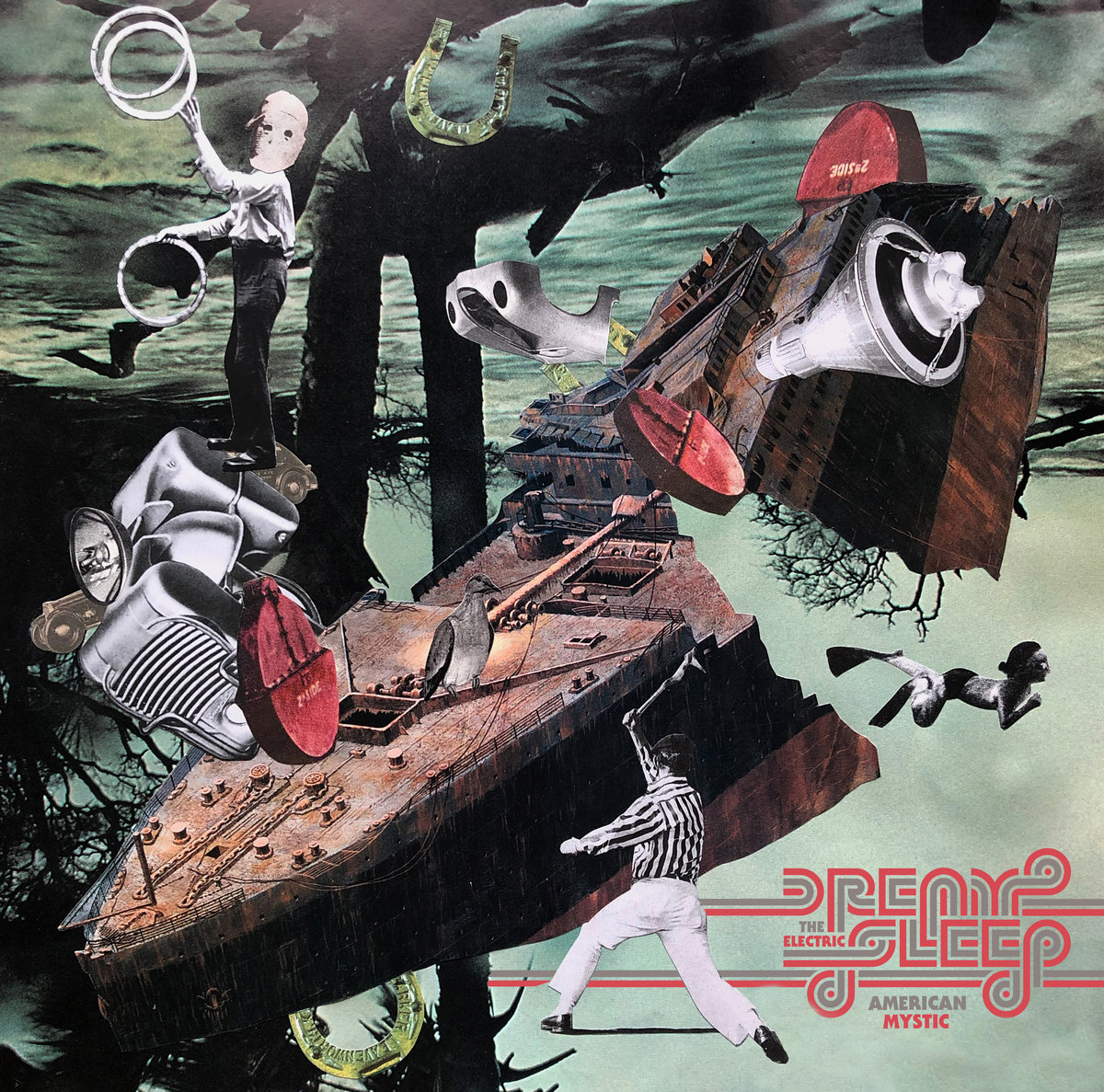 Dream the Electric Sleep – American Mystic
 Big Big Train — Ingenious Devices
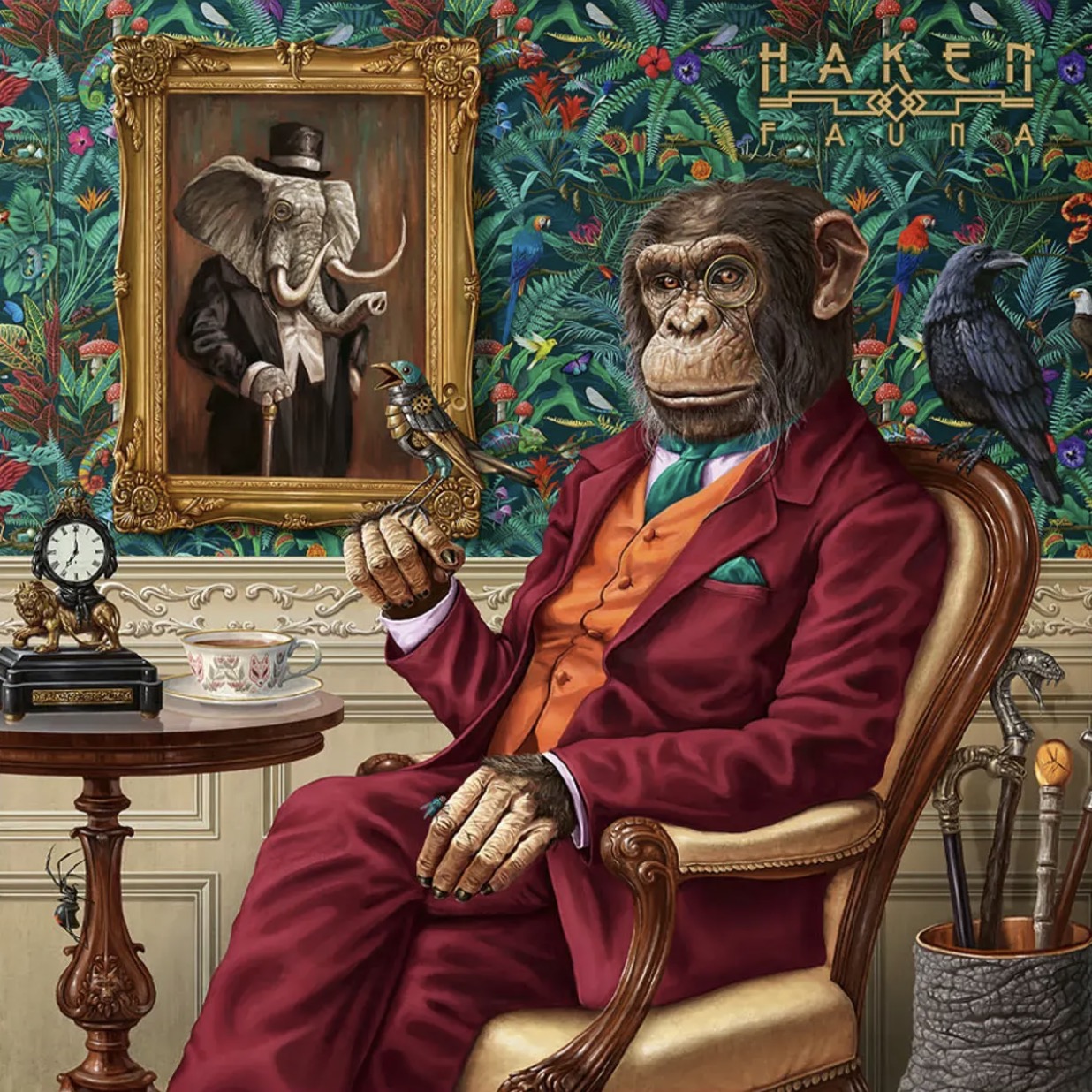 Haken – Fauna
 Steven Wilson – The Harmony Codex
 Southern Empire – Another World
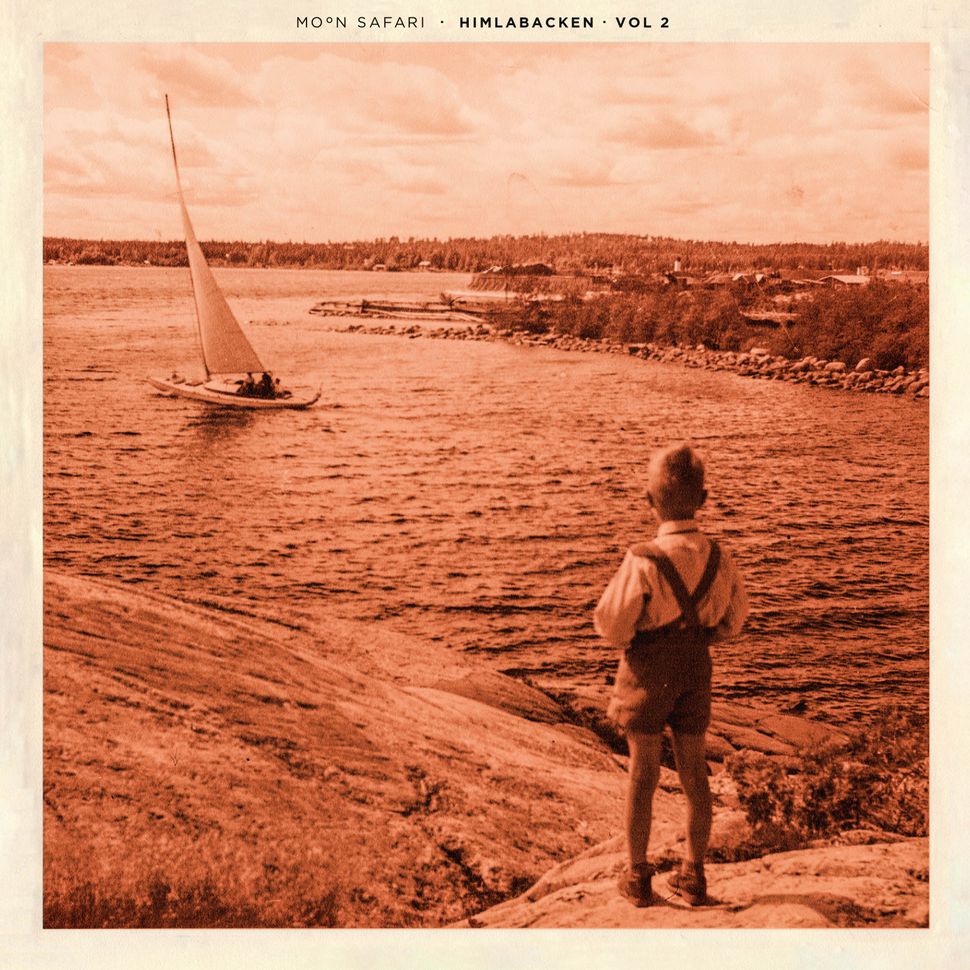 Moon Safari – Himlabacken Vol. 2
 3. Riverside – ID.Entity
 2. Molybaron – Something Ominous
 1. TesseracT – War Of Being
 With the striking artwork this splendid addition to the canon is released on 24th March.
 Progarchy