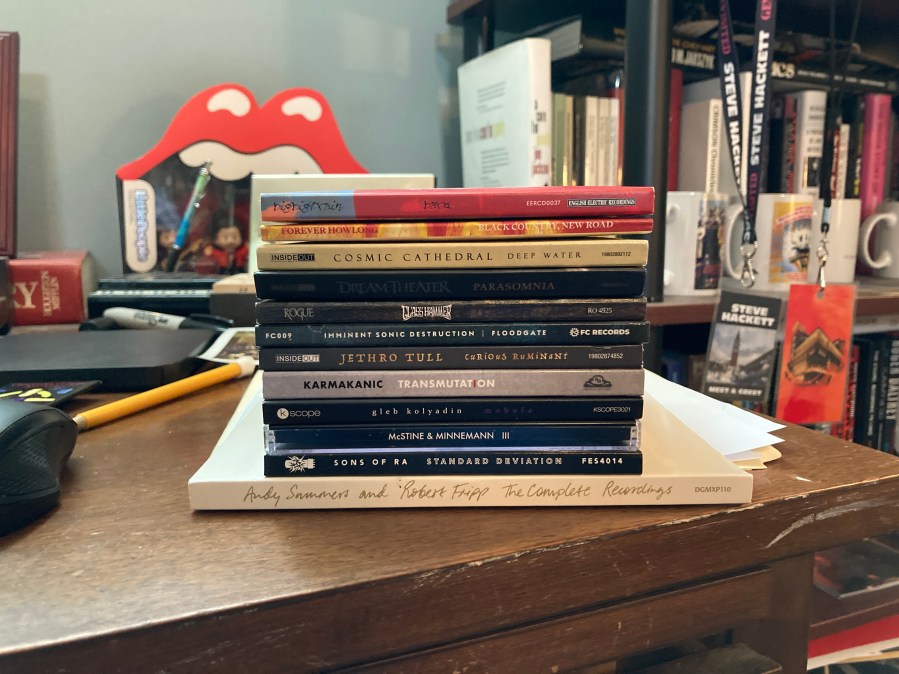
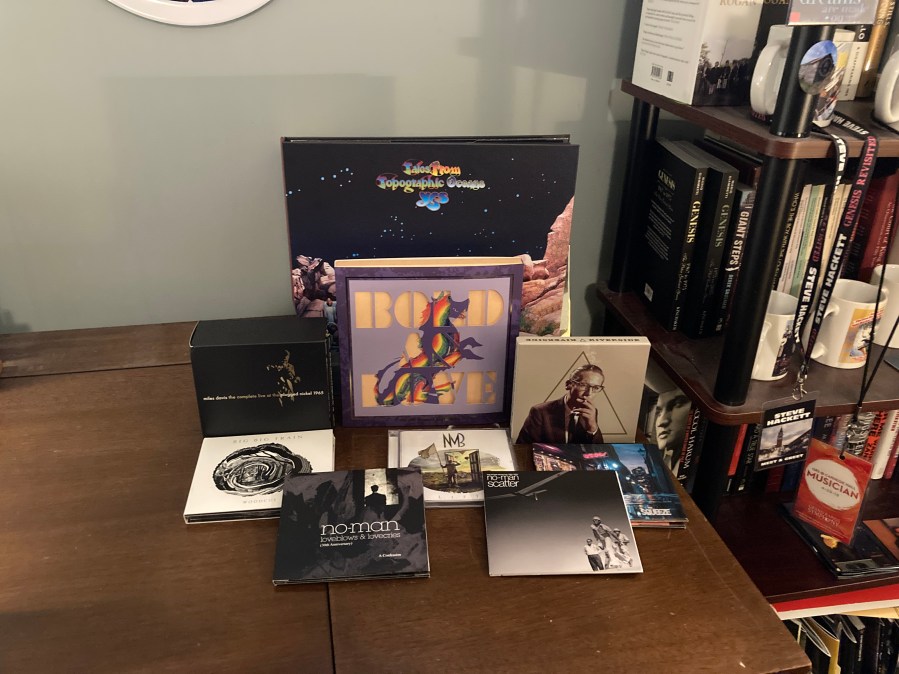
kruekutt’s Lightning Round Reviews!

With new releases from the first third of 2025 piling up, a desperate attempt to answer the question “Can album reviews convey the essential info listeners need in haiku form?” For example, about the format used below:

Streams linked in titles;
Brief poetic impressions;
Shopping links follow.

FROM PROGGY FOUNDERS . . .

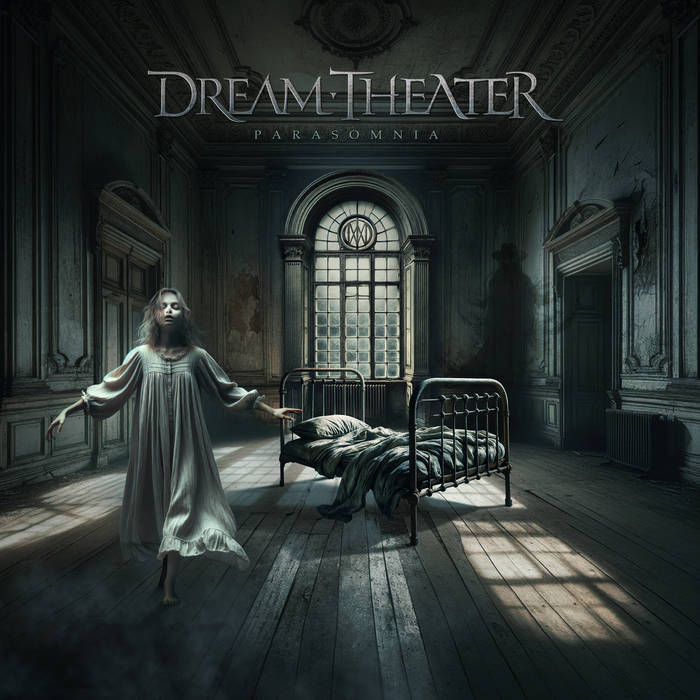
Dream Theater, Parasomnia:

Amps set to full shred;
Portnoy destroys his poor drums.
No band more metal. (Available at InsideOut)

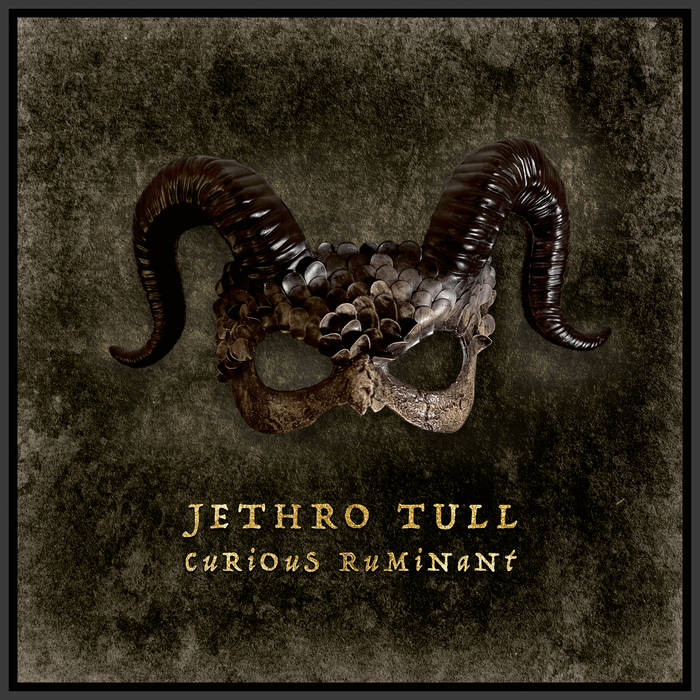
Jethro Tull, Curious Ruminant:

Sardonic legend
Wittily skewers us fools.
Elegant farewell? (Available at InsideOut)

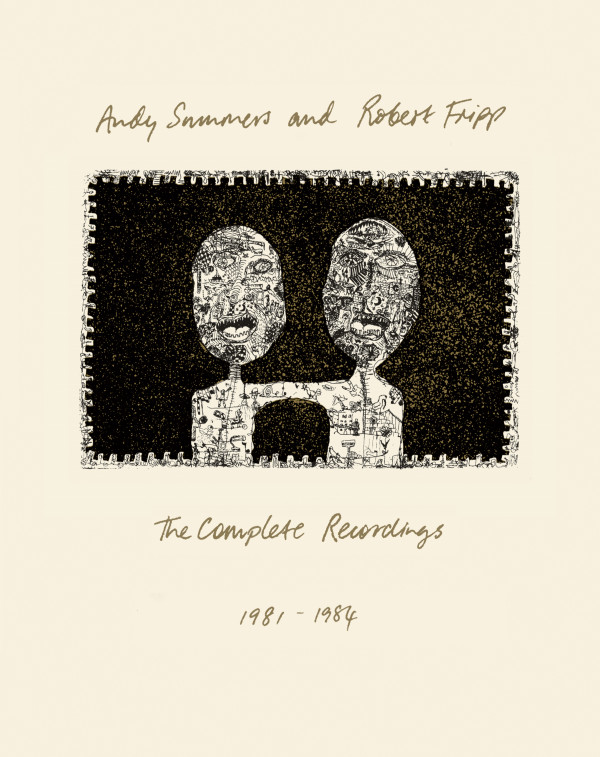
Andy Summers and Robert Fripp, The Complete Recordings 1981-1984:

Oddball guitarists
Tease out eccentric duets.
Fav’rite reissue! (Available at Burning Shed)

. . . FROM PLAYERS WHO FOLLOWED . . .

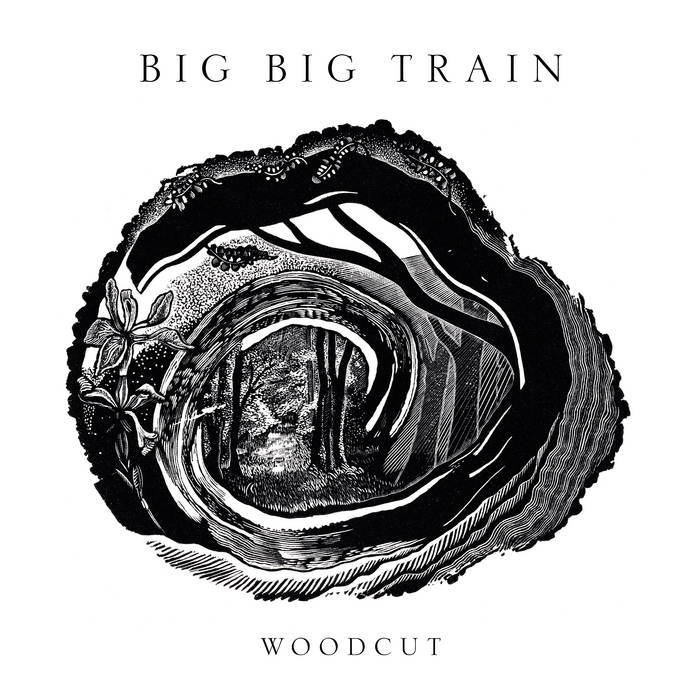
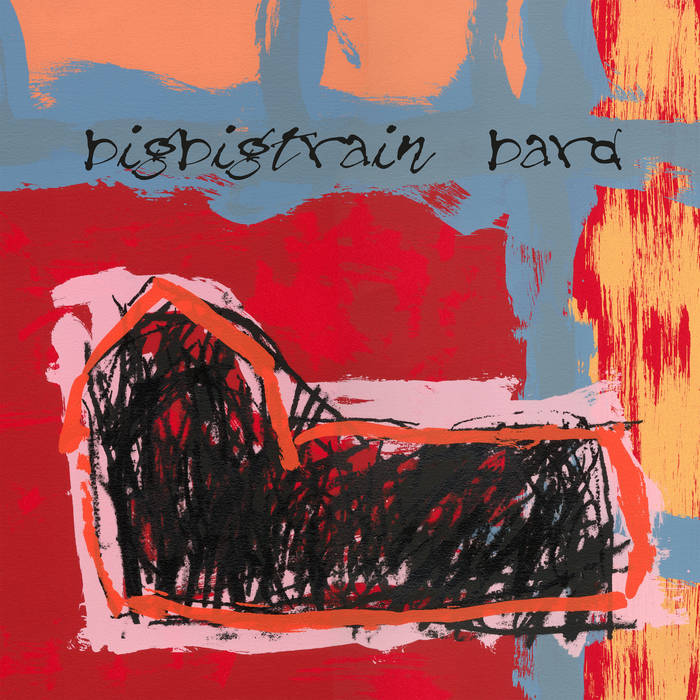
Big Big Train, Bard:

Spawton’s young heartache
Sparked this grandiose concept –
Well-wrought remaster. (CDs sold out; vinyl available at Burning Shed and The Band Wagon USA)

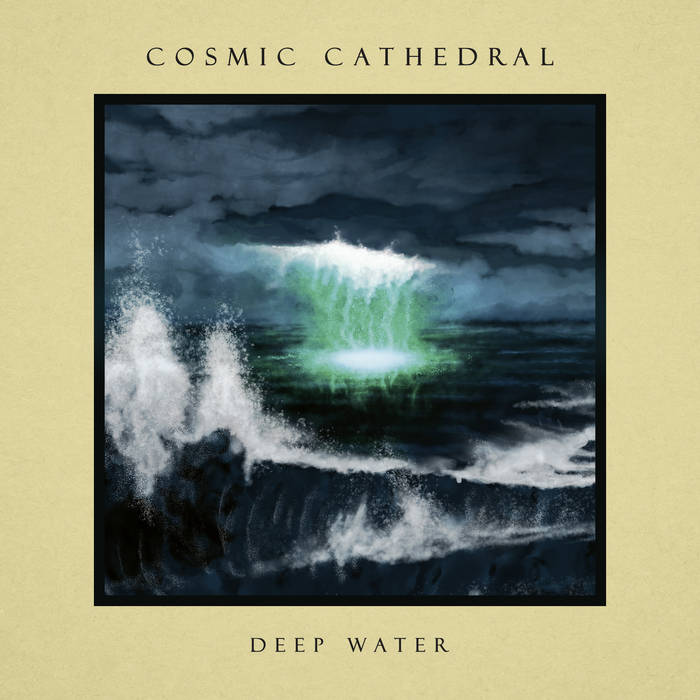
Cosmic Cathedral, Deep Water:

Thompson and House swing;
Keaggy’s guitars bite and dance;
And Morse – he cuts loose! (Available at InsideOut)

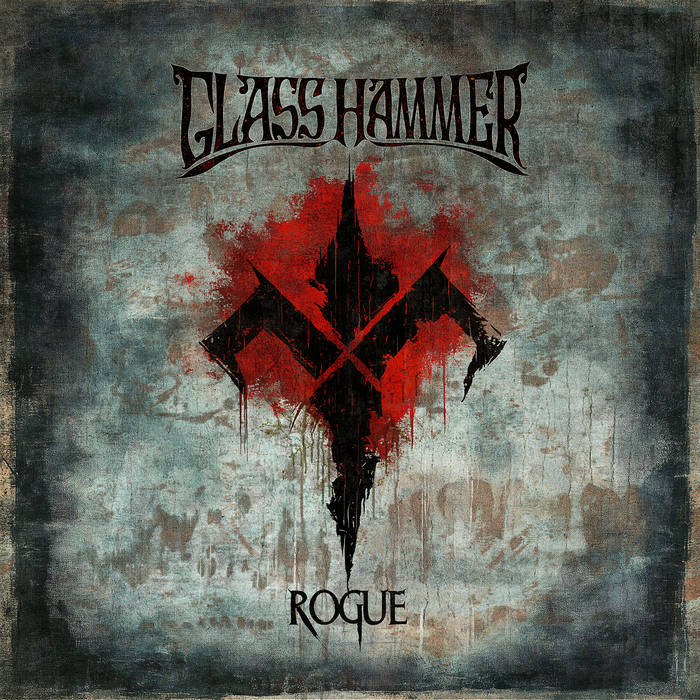
Glass Hammer, Rogue:

Life’s-end confession
Soundtracked by gripping synthpop.
Lush, welcome throwback. (Available from the artist)

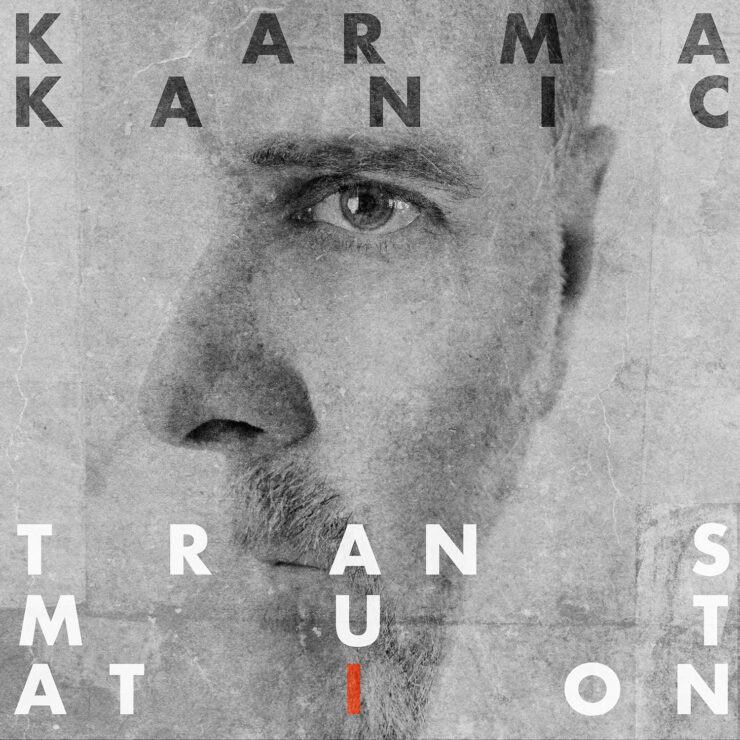
Karmakanic, Transmutation:
Stellar bassist’s new
Tunes; great John Mitchell vocals.
(Plus, there’s an epic.) (Available from Jonas Reingold)

. . . FROM FRESH HOT TALENT!

Black Country, New Road, Forever Howlong:

Year’s first new Fav’rite!
Chamber rock right in yer face!
Hey nonny nonny! (Available at Bandcamp)

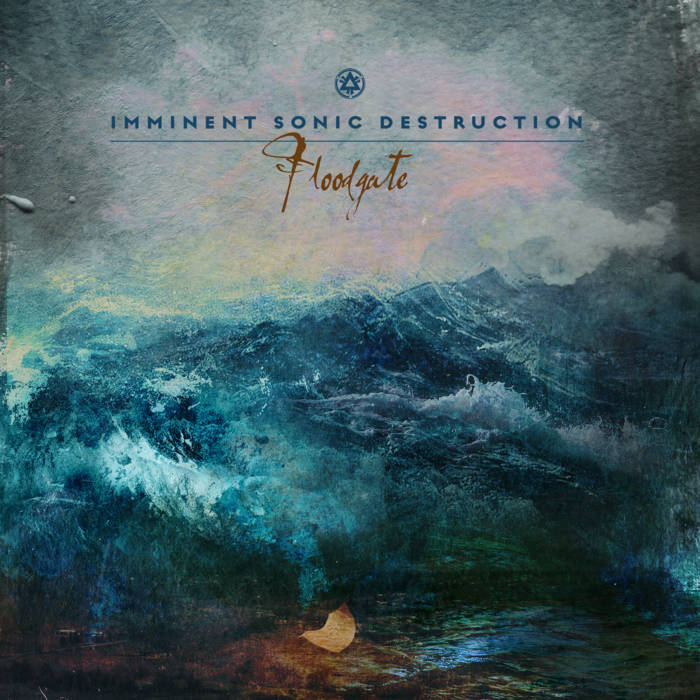
Imminent Sonic Destruction, Floodgate:

Metal from Motown?
Served with a wink and a growl.
Unlikely Fa’vrite! (Available at Bandcamp)

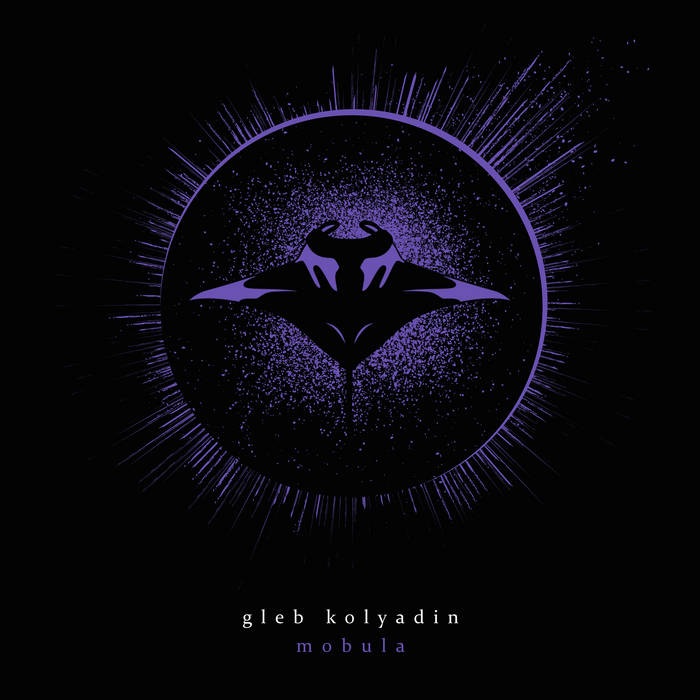
Gleb Kolyadin, Mobula

Aperitifs from
Russian post-prog pianist;
Subtle, hypnotic. (Available at Burning Shed)

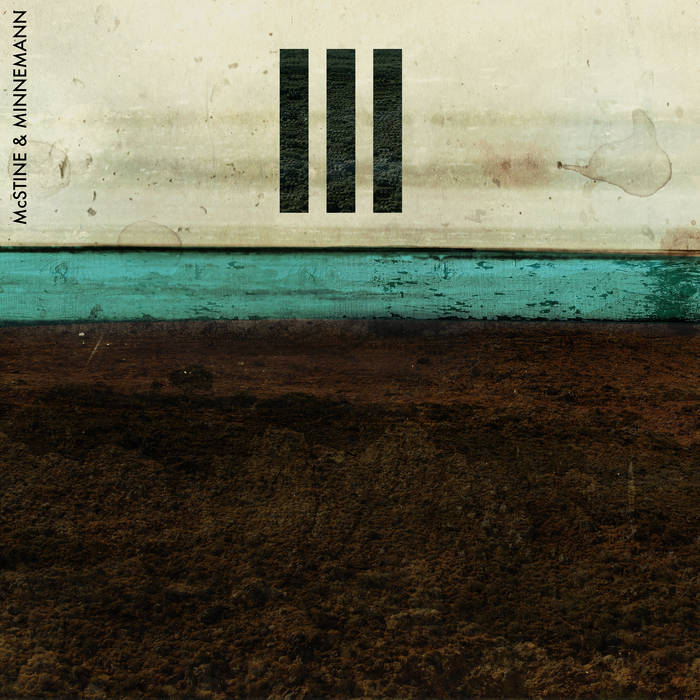
McStine & Minnemann, III

Randy and Marco –
Hooks, chops, thrash in excelsis
Their best yet rawks out. (Available at Bandcamp)

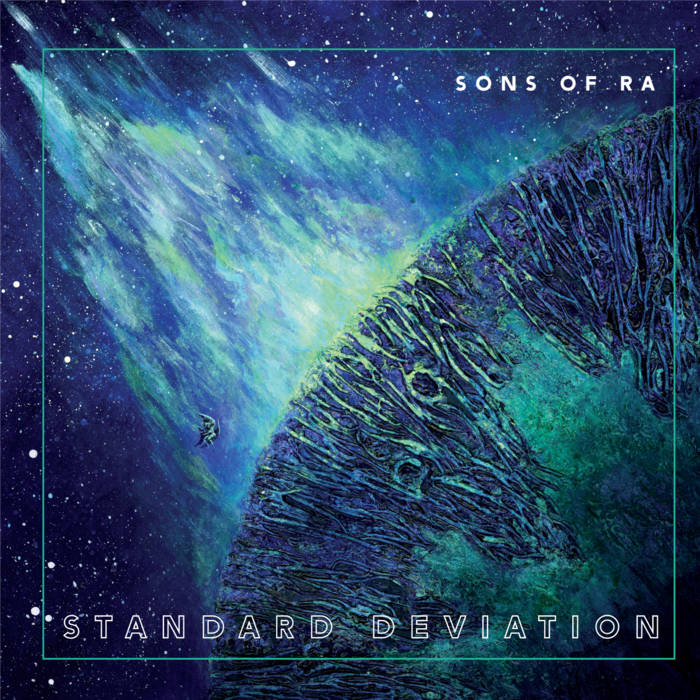
Sons of Ra, Standard Deviation:

Free jazz plus hardcore!
Late Coltrane pumped through fuzztone:
A deranged fav’rite! (Available at Bandcamp)

— Rick Krueger
Cosmic Cathedral’s Phil Keaggy: The Progarchy Interview

For more than 50 years, guitarist/singer/songwriter Phil Keaggy has pursued his singular muse. Cruising under the radar of the general public and fashionable tastemakers, Keaggy’s reputation among fellow musicians and knowledgeable fans is deservedly stellar; his formidable skills in acoustic fingerpicking, stinging electric solo work, and free-flowing improv are complemented by a tasty melodic sense, a impressively broad spectrum of influences, and a singing voice that can’t help but remind you of Paul McCartney at his most yearning and wistful. His lengthly discography of first-rate albums under his own name speaks for itself.

But Phil Keaggy truly loves nothing more than collaborations – with other singers, full bands, duets, trios, ambient players, jazzers, jammers, proggers and even poets, well-known and unknown – and his latest project testifies to that. Recruited by the ever-prolific Neal Morse to join forces with ace bassist Byron House and live Genesis drummer Chester Thompson, Keaggy’s playing and singing is all over Deep Water, Cosmic Cathedral’s “prog meets yacht rock” debut on Inside Out. In advance of that album’s release this week, I had the privilege of connecting with Phil in his Nashville studio to talk about both this latest project and his eclectic career. A transcript of our interview follows the video.

So congratulations on Cosmic Cathedral’s first album!

Yeah, maybe there’ll be another album after this, yeah. 

That would be really great.

So have you had a chance to listen to it, Rick?

I have, and I really did enjoy it. And we will certainly have some conversations about that as we go on.  But the first question I kind of wanted to set up, because as I mentioned, I’ve known your work for a number of years, and you’ve had this amazingly prolific and varied career. But just on the off chance that there’s someone who picks up this album and someone says, who’s this Phil Keaggy guy? How would you describe your life in music to somebody who hasn’t necessarily heard much of what you’ve done?

Well, I started out making records when I was just in eighth, ninth grade. And then I formed a band eventually, called Glass Harp, in 1968.  And we recorded for Decca Records. We did three records and one live album. None of them did that well, but we were popular in the northeastern Ohio area – Cleveland, Akron, Columbus, Pittsburgh, especially.  We did a West Coast tour in ‘71. We used to go up to Detroit a lot and play. We opened up for a lot of big bands like Humble Pie and Yes, Chicago, Grand Funk, etc.

But then I left the band and I started making albums that centered upon my faith and communicating my faith in Jesus. And so to the world, I became kind of lost to the world of music. And then when I got signed to Christian record labels, they really didn’t know exactly what to do with me because I wasn’t in the center of what CCM music was, contemporary Christian music.  I was a bit more adventurous. I was a bit more guitar oriented and not so much songwriting oriented, even though I wrote songs. And so I was too religious for the world and too worldly for the religious.

So that’s why 99 percent of the world has no idea who I am. And so, it doesn’t offend me, doesn’t bother me. It’s just the path that I’ve been on all my life.  But I’ve met up with some great players. I’ve had a chance to play with giants like Neal Morse, Tony Levin, Jerry Marotta, Byron House, Chester Thompson, and even jammed with Paul McCartney one time. So, I’ve had great highlights in my life.

But the greatest highlight is knowing God through his Son, Jesus, and also being married to a wonderful woman for almost 52 years. And we’ve got kids that have grown up and who love us. Yeah, I don’t think I feel like I suffer from any lack of anything, especially because of the love that I’ve known in my life, love of family, friends, and the love of music.

I hear that testimony, and that’s a wonderful thing to hear. In your life in music, as you’ve noted, you seem to be kind of a musician’s musician. You collaborate with a lot of people who maybe have a higher profile.  And as you say, Neal Morse is one of those talents. How did the two of you hook up originally? And what’s your history together been like?

Well, our history has been very sparse, in fact. But we did meet back at the time he did this album called One.  And he invited me because he knew of my albums, like Sunday’s Child, which is a very British rock kind of sounding album, Crimson and Blue, which was a real fun jam album with really good players on it.  In fact, John Sferra from Glass Harp played drums on that album. And also I’ve had a life of acoustic music with Beyond Nature and various albums like that.

But I think he liked the idea of the two of us singing on something together. And so I sang a little bit, “Cradle to the Grave”, “What is Life”, that George Harrison song with him. I played guitar solo on the tune called “Creation”.  And then we kind of got out of touch for many a year.

And then all of a sudden about a year and a half ago, he contacts me about the possibility of getting together with Chester Thompson and Byron House, who I’ve been in the studio with.   Chester played on my All at Once album.  And I did an album with Byron House and another friend of ours, Kyle Jones, who’s a percussionist/drummer on an album called Catz’n’Jammuz; it’s basically an improv album. So in the past, I’ve worked with all three of these good men, these good musicians, great musicians.

And so when he invited us all to join him at his studio in White House, I’d say it was about January 2024.  We just jammed and his co-producer/engineer Jerry [Guidroz], recorded everything. And some of those songs that ended up on Deep Water, the album [by] Cosmic Cathedral, were inspired by some of those jams. And then they further developed, Neal primarily arranging and developing the songs.

I helped out with the lyrics of “Walking in Daylight”, and I sang it. Actually, I proposed a vocal to it as an idea.  But I was surprised he left my vocal on the album, as a lead vocal. And that was pretty cool.

But they gave me a lot of space to play on the album.  I had ample opportunity to express myself on my electric guitar.  At that time, last fall, I did a lot of the guitar work in my own studio, because when they tracked this album in July last summer, I had just been through hand surgery. I had trigger thumb and finger, and they cut open my hand, and I was in a cast for three weeks. And so there was just no way.

But by the end of September and early October, I started getting on the guitar. And they sent me the files. They said, “hey, want to try playing on something?” And I played on a section of the “Deep Water Suite” I played a little bit of acoustic on it, and I sang. He asked me to sing on that.

That’s the first thing Neal invited me to do. I did it in my studio here. And then at the end, [sings the line] And then I did this electric thing, and that was the very first time I played on a recording for Neal.

And then they sent me “The Heart of Life”, the opening track. I spent a lot of time just learning the licks and the riffs and the changes, and then they had these beautiful open spaces for me to solo. There are two major solos in that song, and that was when I thought, even though it’s painful to play, I really dug in.  And the second solo, which is after the part when he sings about, “I thought of God as Captain Bligh”.

That’s my favorite line on that album.

I know, it stands out, doesn’t it, Rick?

It’s just so off the wall, and yet it fits perfectly.

And it’s so ominous. It’s so ominous in this section. And then when I heard that, and then there’s this big space, and I opened up my solo with this note that I reversed.  So it kind of creaks in, and then all of a sudden, I go into this Allan Holdsworth kind of mode on the tone, even though I can’t play all those licks that Allan does. But I’ve always honored his guitar playing, always thought he was a genius and a great inspiration to that feeling you get when it doesn’t sound like a typical guitar solo, and that’s what I wanted to do.

And I love also the different modes, because I’ve been influenced by various music from other cultures.  It doesn’t matter, anywhere on the earth, if it’s good, I love it. Bulgarian, Indian, Chinese, Middle Eastern, South American, Irish. I love the gifts that God gives to people all around the world musically.

So that kind of comes out here and there. And so when I did the five albums with Jeff Johnson, we’ve got one called Ravenna, which is inspired by the art in Italy, and Cappadocia, which is inspired by perhaps the region of Turkey; the Frio Suite album, which was inspired by the Frio River in Texas, and so on and so forth.

This newest one called Spinning on a Cosmic Dime, I mentioned to Neal, I said, you know, my last album out with Jeff Johnson has the word “cosmic” in it. He never mentioned anything about it. So everybody’s getting into a cosmic kind of mood, aren’t they? Cosmic dime, Cosmic cathedral.  Maybe somebody ought to come up with an album called Cosmic Capers.  That would be kind of interesting.

Who knows, that one might be next. So I’m hearing you say that you get a lot of your vocabulary on guitar from folk, from modal cultures.  What are some of the other sources of your style? It’s very unique, and yet you can tell there’s a lot behind it.

Yeah, a lot of years, a lot of playing, a lot of listening, a lot of appreciation. And of course, with the level of artistic giftings that Neal Morse has and the other fellas, Chester and Byron, elevates my desire to play well, really something that must really fit and belong to the essence of this creativity.

So yeah, I just feel that because of all the years we’ve all listened to music, we just want it to be done really, really well. Not just a quick building that was erected, but as beautiful as a cathedral. And it’s ominous, you know what I’m saying?

Yes, yes, that sort of over-towering feel.  It’s like when Jacob wakes up from the dream at Bethel, and he says, how awesome or how terrible is this place, depending on what translation you use.

Oh yeah, yeah, yeah. You know, it’s interesting because I was not sure I was even going to be on the album because of my hand situation.  I didn’t know how long it was going to set me back. I always look at those three guys as they are the cathedral, and I’m this little chapel over to the right.

Oh, okay.

You know, a little chap. Yes. “Hello, you’re just a little chap, aren’t you?” I’m a chapel.

But because they are the foundation, you know, they are truly the foundation of this, all three of them in sync, you know, as strong as Cream was or as strong as Emerson Lake and Palmer, a threesome. And I feel like I’m on this album by invitation, for sure.

Okay.  Chester and Byron’s groove. It’s very different than most people would think of when they think of prog rock.   

Exactly. 

It does seem like there’s so much, like you say, not just space for solos, but there’s space in the beat they generate. What’s it like playing over that groove?

Well, that’s what got me excited. I didn’t know what to expect when they first sent me the files, you know.  The first file was “Fires of the Sunrise” and then “The Heart of Life”. And I was able to just sit back and listen to it. And first of all, I was blown away by the fidelity, blown away by the expertise of these guys on their instruments.  And I thought, man, this is a dream to be able to play on something like this.

Yeah, the intensity, the quality, like you mentioned, there’s a different groove going on from what people would consider prog rock, which I oftentimes think of prog rock as kind of mechanical sometimes.  It’s just kind of intellectual, cerebral, you know, right brain to the nth. But the thing is, what Chester brings into with Byron is this sense of soul.

So I think they influenced Neal and how Neal played himself.  I mean, on “Time to Fly”, for instance, it just sounds like a Steely Dan thing, Great horn. He knew what he was going for and he got it with the horn player, the sax player, the BGVs [background vocals], which has that what Donald Fagen would do.

And just the fact that there’s a nice amount of space.  It’s not just constant noise; it’s not just music that just kind of like can get irritating after a while. I mean, there’s a couple of places where it does sound a little bit like a video game to me. But that’s tongue in cheek almost, isn’t it? Yeah.

It’s deliberately over the top.

Yes. But then it gets into some fantastic grooves, you know, the kind of stuff you want to play over.  You just have to play over, you know. And so they gave me a lot of nice space to play. In fact, one of the sections, “New Revelation”, I think it was, I played a solo and then Jerry said, “we’re going to extend the solo a number of measures longer.  Would you mind playing some more?” [Both laugh] I go, “Yeah, yeah, yeah. Twist my arm. You know, sure.  I’d be happy to.”  And then we went back and forth and they actually, toward the end of it — because I liked one solo and Jerry liked this other one. So what he ended up doing was he put toward the end of the solo, both of my guitar solos going on.  OK. And you know what I’m talking about?

Yeah, I do. That was like “And now, in stereo!”

Yeah. Yeah.  Yeah, that’s right. And that was that was great. It’s like, why not? You know, it’s like — what was that McCartney song? “Rockshow”.

Yeah. You know, it’s kind of like let everybody join in, you know, but it was just primarily the four of us, you know.  They had tasty percussion on it, too. And as I mentioned, the BGVs and the horns well, added a really nice touch to everything.

Neal has so many ideas. He is so prolific.  You and he are a really good match instrumentally, certainly. Are there any other moments we’ve talked about like “Time to Fly”?  We’ve talked about the opening track. We’ve talked about those two spots in the “Deep Water” suite.  Is there anything else that you recollect as being a special favorite of yours from the process?

I love the closing. “Heaven is opened.”

Yeah.

Opening “The Door to Heaven”. What is it called?

I do not recollect. But yes, that’s the gist of it.

You know, the piece starts beautifully. And I was influenced by Anthony Phillips.

Oh, OK.  The Genesis guy.

The Genesis guy. And when I did my album, The Master and the Musician in 1978, he was, [his] album was on my turntable a lot, you know.

Oh, OK.

He and [British guitarist] John Renbourn were real influences to me.  [That part of the suite is] just so pretty.

And the way it develops, you know. “You’re the water, the deepest place I know”. Neal has me singing that latter part of it because he said, “I can’t reach those notes.  I thought you could”. And it pushed me. It modulates to another higher key before the very ending.

And then you got that “big life” which sounds like a chorus of voices. That’s the payoff. That whole ending is just so powerful to the the epic piece.  I think the ending is epic and powerful. It’s spiritual. It’s musical.  It’s fulfilling. But but I love every song. I mean, every song holds its own, even the ballad.  “I Won’t Make It” that Neal wrote with the strings in it. And yeah, it’s just an honest — it’s like Emerson Lake and Palmer’s “Oh, what a lucky man he was”. For a prog guy into to create such an honest and beautiful melodic piece like that. That’s a really sweet place where it sits in the album, too. So, yeah, what a great album.

[After the jump: Phil Keaggy tells how his wildest dream came true, muses on Cosmic Cathedral playing live, and reflects on his power trio improv album with Tony Levin & Jerry Marotta.]

Continue reading “Cosmic Cathedral’s Phil Keaggy: The Progarchy Interview”

2024 In Review: kruekutt’s Final Favorites!

No big hoo-hah this year: just a down and dirty list of my favorite releases and reissues of the year, covered in previous Quick Takes or elsewhere on the Web (links are to my original articles)!

New Releases

Reissues

(Re)Discoveries

Thanks for your ongoing attention and steadfast support. We at the Rockin’ Republic of Prog appreciate it! Best wishes as we all turn the corner and head into the New Year!

— Rick Krueger

Rick’s Quick Takes for January (In the Bleak Midwinter)

Note: Artist/title links go to purchase options; streaming previews follow reviews.

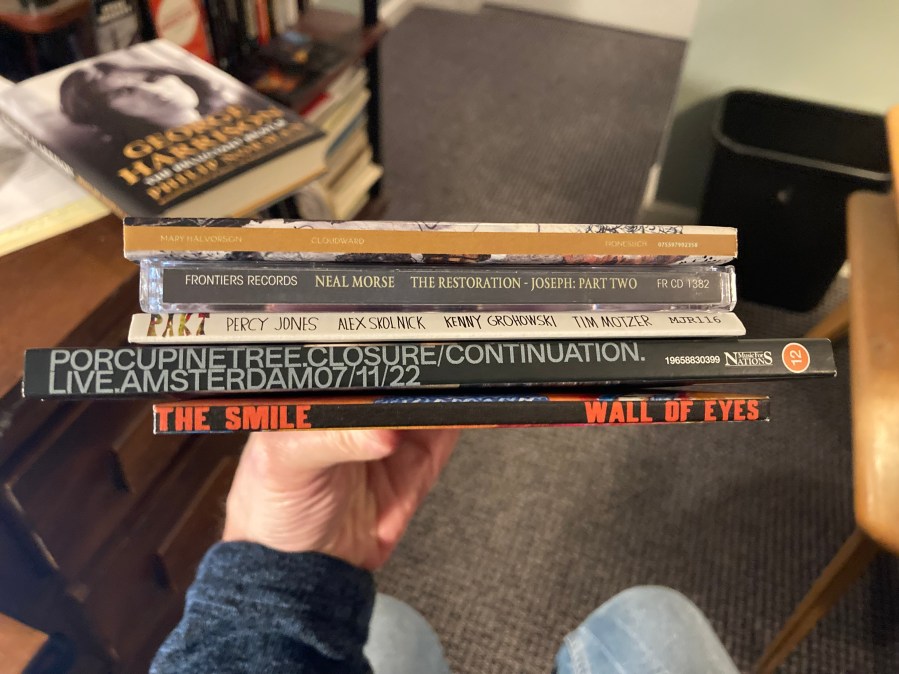
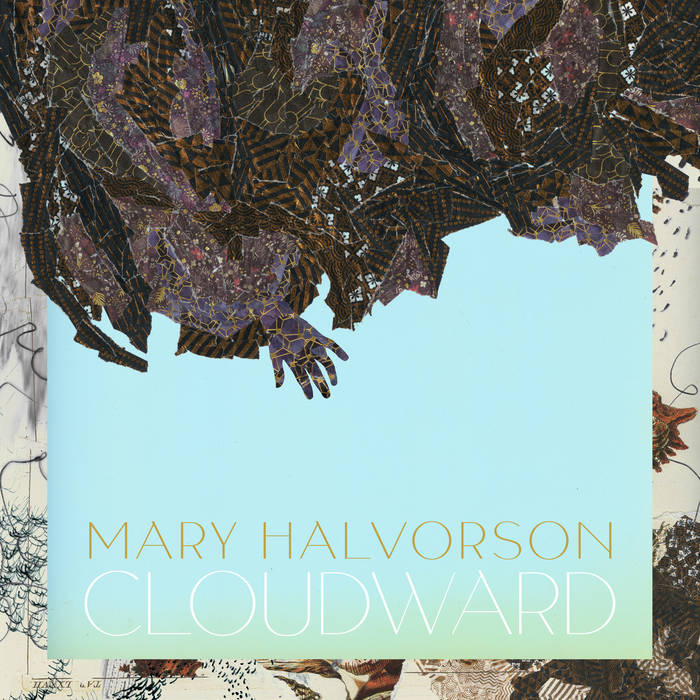
Mary Halvorson, Cloudward: Trailblazing guitarist Halvorson gathers the sextet from her 2022 classic Amaryllis around eight new avant-jazz compositions. Trumpeter Adam O’Farrill and trombonist Jacob Garchik sizzle on opener “The Gate”; Patricia Brennan’s vibraphone lends a rich shimmer to “The Tower”; Nick Dunston launches an epic bass solo to kick off the closing “Ultramarine”. And Tomas Fujiwara? He’s everything you could imagine in one drummer — meditatively punctuating “Unscrolling”, driving the riff-fest “Tailhead” and covering all points in-between. Set these folks loose on their leader’s sinewy, elegant concoctions of yearning and abstraction, and you never know what will happen next. All the while, Halvorson sets the pace on her instrument, with a woody, delay-laced sound and a skittering, percussive style all her own. Whether Halvorson’s and company are swinging like mad on “Collapsing Mouth” or coalescing like electrical static around Laurie Anderson’s guest violin on “Incarnadine”, Cloudward is another head-spinning, laugh-out-loud delight.

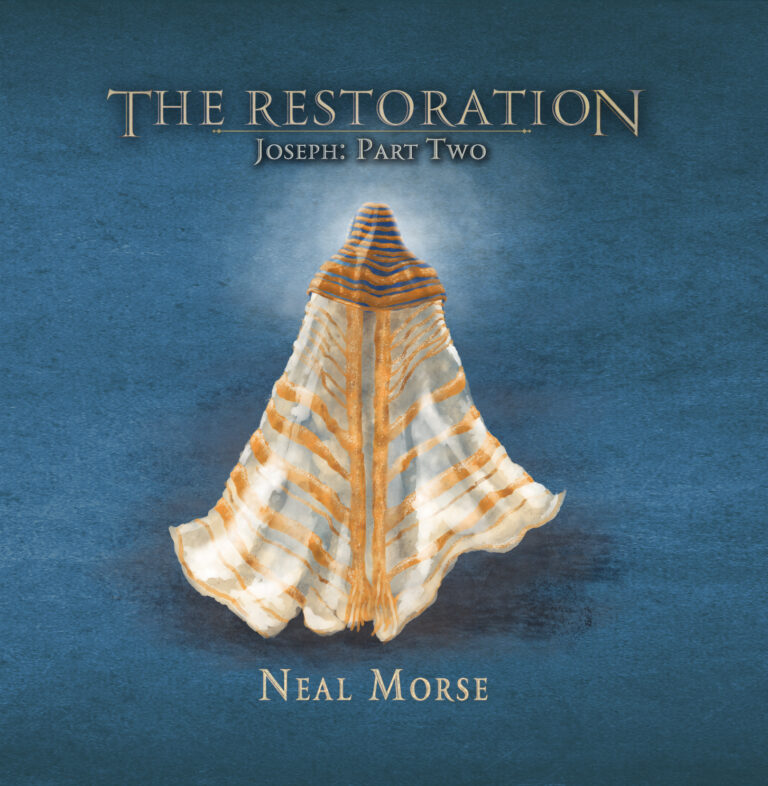
Neal Morse, The Restoration — Joseph, Part Two: The conclusion of Morse’s latest rock opera takes Part One’s rough and ready swagger and turns it up to 11, with grit even in the proggiest moments (Jacob’s sons’ vocal fugue a la Gentle Giant on “The Argument”) and fresh muscle propelling the Latin groove “Everlasting”. There’s heft to the lyrics too, as the showdown between a newly-powerful Joseph and his off-balance brothers displaces Neal’s usual conversion narrative. (Don’t worry, though; reconciliation and revival are just a title track away.) With tight melodic/thematic connections to The Dreamer and a beefy sound recalling George Harrison’s All Things Must Pass and Joe Cocker’s Mad Dogs and Englishmen, The Restoration is also a spectacular vocal showcase; ensemble highlights include Ted Leonard’s emotive Judah and the Nick D’Virgilio/Ross Jennings cameos as Pharaoh’s butler and baker, and Morse puts his newly darkened tone to thrilling use at dramatic highpoints like “I Hate My Brothers”. Together, the Joseph albums are easily my favorite Morse-related releases since The Similitude of a Dream and The Great Adventure, and The Restoration goes straight to my Official Faves List for the new year.

PAKT, No Steps Left to Trace: Another year, another heaping helping of cutting-edge free improvisation from MoonJune Records, courtesy of indefatigable impresario Leonardo Pavkovic! Now in their third year as a collective, bassist Percy Jones, guitarist Alex Skolnick, drummer Kenny Grohowski and guitarist/electronicist Tim Motzer unleash their first double album, created entirely from scratch both in the studio and live. It’s a genuinely explosive set, especially when Jones (best known from Phil Collins’ 1970s fusion band Brand X) ramps up the double-time grooves and his compatriots lock on! But the intensity doesn’t slacken when the music spaces out, either; listening hard and leaning into their deep, uncanny sense of interplay, PAKT also conjures some of the most arresting ambient jams I’ve come across recently. Bursting every genre boundary you can think of, No Steps Left to Trace isn’t for the musically faint of heart — but, for those with ears to hear, it’s a trip well worth taking.

Porcupine Tree, Closure/Continuation. Live Amsterdam 7/11/22: The show I saw in Chicago a couple of months before but bigger, scaled up for packed European arenas instead of partially-filled Stateside auditoriums and rush-released on video before Christmas. The sum of all the prog-metal parts here is flat-out engaging: Gavin Harrison’s percussive impossibilities and Richard Barbieri’s synth squelches ground Steven Wilson’s driven singing and sardonic patter, while utility players supreme Randy McStine and Nate Navarro slam the songs home. Newer material stacks up well against PT’s classics, with pensive slowburns “Dignity”, “Chimera’s Wreck” and “Buying New Soul” nicely offsetting thrashy frequency-eaters “Blackest Eyes”, “Herd Culling” and “Anesthetize”. A solid introduction for anyone who missed the Tree’s initial, spiky flowering, this one will probably resonate deeper with longtime fans (like me) who took Wilson’s long-term “never again” PR onslaught at face value – until we no longer had to.

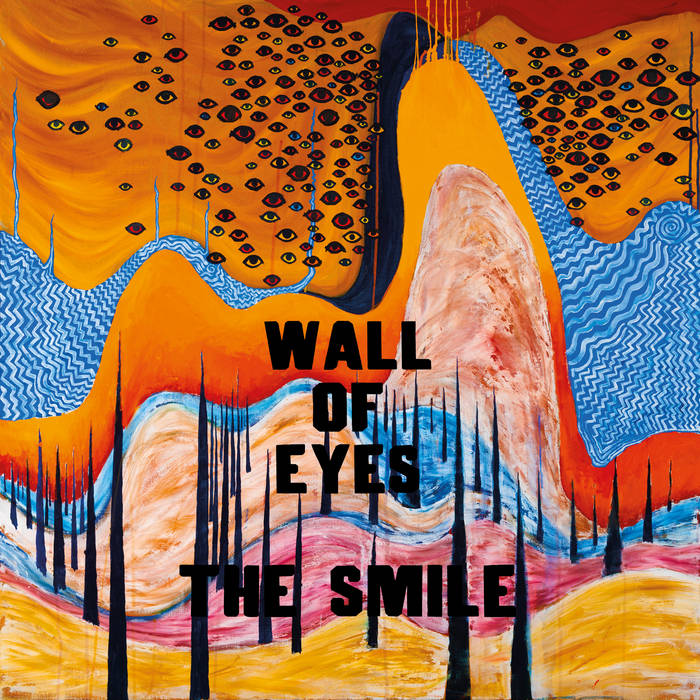
The Smile, Wall of Eyes: Admit it: does Stanley Donwood’s latest album cover look like a psychedelic Lord of the Rings paperback cover from the 1960s or what? And the title track kick-off of this Radiohead-facing project is every bit as disorienting: a understated bossa nova from Tom Skinner to which a balefully depressive Thom Yorke lyric, tightly wound orchestral smears and Jonny Greenwood’s arhythmic guitar plinks attach themselves like disfiguring barnacles. No forthright kicks to the head in the style of A Light for Attracting Attention here; The Smile beckon us toward dystopia ever so gently — odd-time licks over the ominous vamp “Read the Room”, Greenwood and Skinner gouging a trench below Yorke’s mewling protests on “Under Our Pillows”; the Beatlesque ballad “Friend of a Friend” delicately dissolving the boundary between courage and despair in less than five minutes. In the face of lives ever more trapped onscreen, are the only options self-destruction (as “Bending Hectic’s” dissonant strings erupting into unmistakable Greenwood power chords) or resignation to Technopoly’s embrace (the closing “You Know Me!”)? Whatever our take, Yorke, Greenwood and Skinner once again prove brutally honest guides to the expanse of beauty and abyss of horrors lying before us. 

— Rick Krueger 
Rick’s Quick Takes: Summer, Part 3

Unless otherwise noted, title links are typically to Bandcamp for streaming and purchasing, or to Spotify/YouTube for streaming with a additional purchase link following the review.

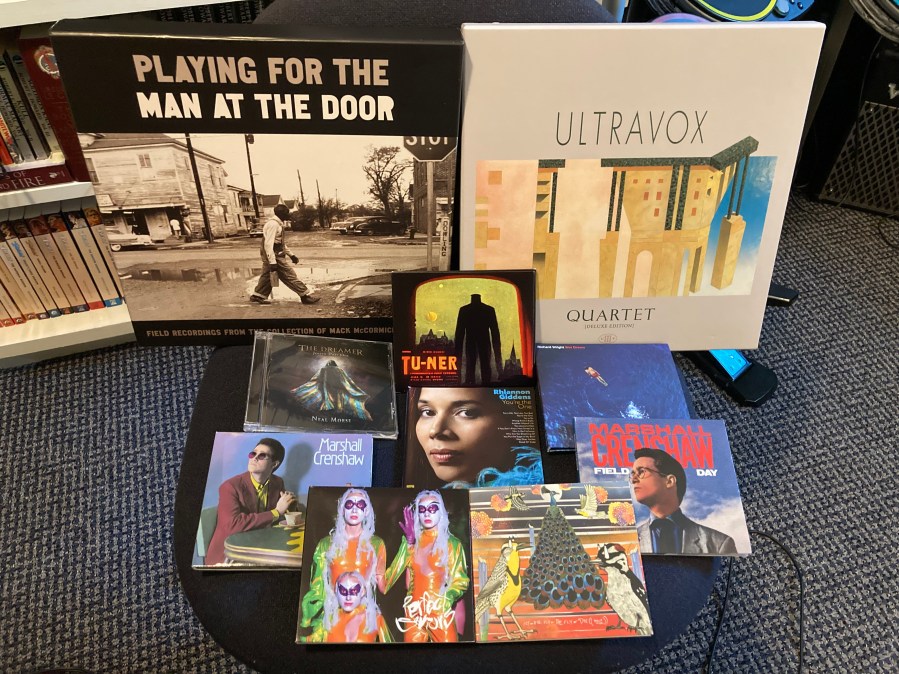
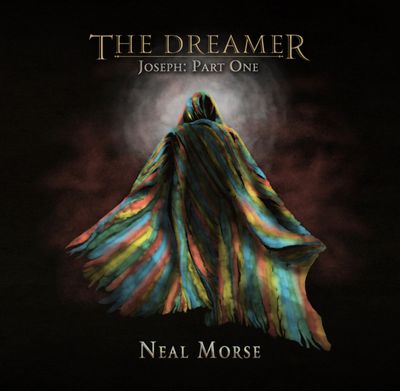
Neal Morse, The Dreamer – Joseph, Part One: For his latest rock opera a la 2019’s Jesus Christ the Exorcist, Morse and his studio sidekicks swerve toward hard-hitting blues-rock; the usual “Overture” and the narrative tracks “Burns Like A Wheel” and “Gold Dust City” are stuffed to the brim with chunky organ and grunged-up wah-wah guitar work. Wailing vocals from the cast of Christian Progressive Rock stalwarts who play Jacob, Joseph’s brothers and his Egyptian captors slot right in; even the power ballads (“The Pit”) have more grit this time around! And while the second half of the album is stylistically slicker (complete with classical chorale “I Will Wait on the Lord”), the hooky closer “Why Have You Forsaken Me?” pulls all the musical threads together, with Morse’s emotive portrayal of Joseph setting up intriguing possibilities for Part 2 — which, given his extravagant productivity, shouldn’t be too long in coming. Order from Radiant Records here.

Tu-Ner, T-1 Contact Information: Power trio improvisation that takes no prisoners, from another eerily luminous satellite band orbiting the gravity well of King Crimson. Trey Gunn and Pat Mastelotto formed one of Crimson’s most ferocious rhythm sections in the early 2000s, also recording together as TU; here Mastelotto clatters away merrily on his sonic smorgasbord of drums and percussion, while Gunn unleashes the deepest, fattest bass licks known to subwoofers. Above and around the Rhythm Buddies’ brutalist bedrock, Markus Reuter (who’s worked with Mastelotto in the duo Tuner and the trio Stick Men) unleashes slashing, swooping touch guitar lines and dark, brooding soundscape clouds — and when Gunn joins him on the higher end, sparks really fly. Always arresting, intermittently galvanizing, but the track titles (or this review for that matter) can’t really give you a feel for what this sounds like. In other words, you’ve gotta hear what Tu-Ner do to believe it.

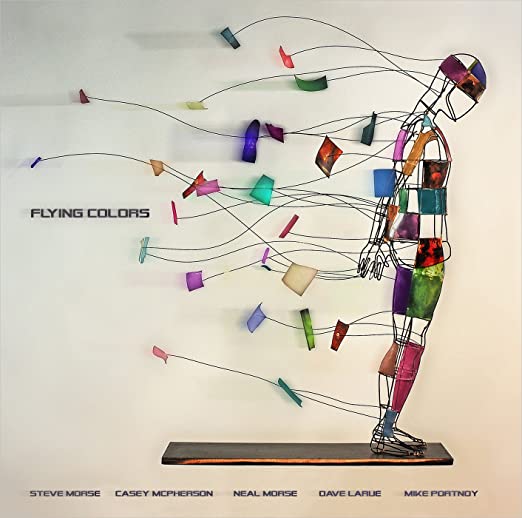
Richard Wright, Wet Dream: In case you ever wondered exactly what keyboardist Wright brought to Pink Floyd, his 1978 solo album has it in spades. On tracks like “Mediterranean C” and “Drop In from the Top” lush, floating chord progressions set up open-ended jams by guitarist Snowy White and sax legend Mel Collins; Wright’s reedy voice spins out languid vignettes of detachment and disillusion such as “Summer Elegy” and “Holiday”. All thoroughly gorgeous (especially in this immaculate new Steven Wilson remix), occasionally funky, ineffably melancholy — and not terribly urgent in isolation. Still, you can hear the breathing space that Floyd lost as Wright faded into the background and Roger Waters began repeatedly kicking his audience in the head on The Wall. Order from Rhino Records here.

Ultravox, Quartet [Deluxe Edition]: Speaking of immaculate Steven Wilson remixes: this is his third in a series for the British new wave quartet. Regrouping after early personnel changes, Ultravox struck a quirky vein of New Romantic post-punk on 1980’s Vienna, then pursued cutting-edge Krautrock on the follow-up Rage in Eden. Connecting with legendary producer/5th Beatle George Martin, frontman Midge Ure, violinist/keyboardist Billly Currie, bassist Chris Cross and drummer Warren Cann aimed straight for the charts; Quartet is as pure of a pop album as they ever achieved. The UK singles “Reap the Wild Wind,” “Hymn,” “Visions in Blue” and “We Came to Dance” have an irresistible mix of rock drive, synth-pop color and devil-may-care melody, and the album tracks slot right in; the whole thing’s overripe and melodramatic in the most appealing way. Plenty of extras in the 7-disc box too, with b-sides, rarities, rehearsal tapes, studio monitor mixes and an intense live set all included. Order from the Ultravox store here.

Continue reading “Rick’s Quick Takes: Summer, Part 3”

Rick’s Best of the Decade

I’ve kept a spiral-bound notebook titled “Core Discs: The Honor Roll” since the mid-1990s, when I was deeply into a classical music binge at the height of that genre’s last recording boom. Over the years, as I migrated through jazz (courtesy of the Ken Burns documentary) and country/folk (blame Johnny Cash & Leonard Cohen) back into my earlier love of rock, I find it intriguing that my picks started shifting in tandem with the prog revival of the 21st century, long before I started writing for this site in 2017. But unlike Bryan’s methodology for finalizing his excellent list, when I sat down to pick my ten favorite albums of the last ten years, I looked at my top favorite for each year and said, “yeah, those are all still up there.” Which is why I also decided to just list them by the year of their release (not always the year I first heard them) instead of ranking them from 10 to 1. (Oh, and links to my original reviews are embedded in the artist/album listing from 2017 onward.)

It’s true that, in more recent years, my picks have been busting out of genre boundaries — but, if you’ve been generous enough to sample my wares before, you’ve probably figured that out. And hey, if such a tendency isn’t progressive, then what is? Whether the following list confirms or challenges your preconceptions of “what’s prog”, I fervently believe that every one of these albums is worth checking out — but be warned, your mileage may vary!

So, without further adieu:

2012 – Flying Colors: gotta agree with Time Lord here — this one’s a total winner from start to finish. Neal Morse and Mike Portnoy had captivated me long before this with the first three Transatlantic releases and Morse’s two Testimony albums, but Flying Colors showcased an even broader stylistic range, from the Beatlesque “Fool In My Heart” through the retro-80s prog-pop vibe of “Blue Ocean” and “Kayla” to the cutting-edge Museings of “Shoulda Coulda Woulda” and “All Fall Down”. The album also proved that Morse and Portnoy know how to pick collaborators! Guitarist Steve Morse applied his unique mix of Southern-fried chicken pickin’, fusion a la Mahavishnu John McLaughlin and Purpleish power riffs to winning effect (solidly supported by his longtime bassist Dave LaRue), and vocalist Casey McPherson proved he could run with the big boys, stirring fresh melodic and lyrical flavors into every track, including more familiar constructions like the inspirational “The Storm” and the epic finale “Infinite Fire”. This one also gets nostalgia points for being available at Best Buy stores back in the day (remember when you could get CDs there?).

2013 – Big Big Train, English Electric Full Power: OK, I actually didn’t discover this one until 2016, when the BBT bug finally bit me — more on this in a future post. And while I sort of wish I had done so earlier, maybe hearing EEFP on the British trip my wife and I took the year it was released would have been too much of a good thing! Steeped in a love of their native land and affectionate empathy for its people, Greg Spawton and David Longdon doubled down on the longform approach of 2009’s The Underfall Yard to probe forgotten milestones of British history (“The First Rebreather”, the heart-stopping “East Coast Racer”) and portray unforgettable characters (“Uncle Jack”, “Curator of Butterflies”) against a bucolic landscape (“Upton Heath”, “The Permanent Way”), along with the perennial challenges of the heart (“The Lovers”) and the soul (“A Boy in Darkness”, “Judas Unrepentant”). All in a style that recalled original prog touchstones (looking at you, Gabriel-era Genesis) but blended in the dizzying guitar of Dave Gregory and the wicked drum grooves of Nick D’Virgilio to awesome effect. The two separate volumes of English Electric and the Make Some Noise EP certainly have their charms, but in the scope and sequence of this complete package, Spawton, Longdon and company touched on perfection.

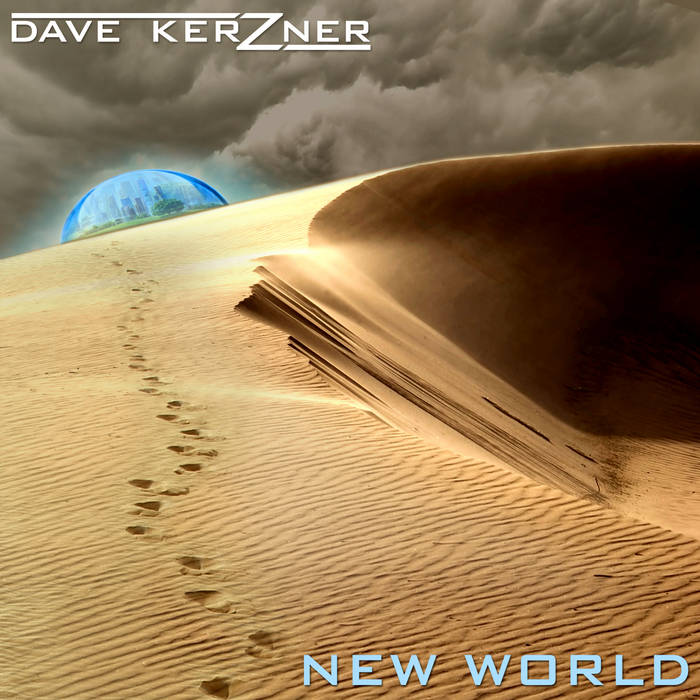
2014 – Dave Kerzner, New World: another late arrival in my collection, this is the album that convinced me a genuine prog-rock revival was afoot beyond the continuing efforts of Morse/Portnoy and Steven Wilson. Kerzner’s mastery of cinematic soundscapes was evident from the first Floydian flourish of “Stranded” to the closing upward spiral of “Redemption”; his ability to involve guest stars like Steve Hackett and Keith Emerson, as well as quality players like guitarist Fernando Perdomo and Nick D’Virgilio (him again!), bore impressive results; and his intuitive grasp of pop hooks proved a solid foundation for irresistible shorter songs like “The Lie” and “Nothing”. Stir in longer, brooding tracks “Into the Sun”, “Under Control” and “My Old Friend” (in memory of performer/producer/polymath Kevin Gilbert), and you had a consistently gripping effort. Whether in its single-disc or deluxe double-disc format, New World aimed high and hit every target that a latter-day concept album could — thoroughly immersive, richly compelling and a breakthrough kick-off for Kerzner’s ongoing solo career.

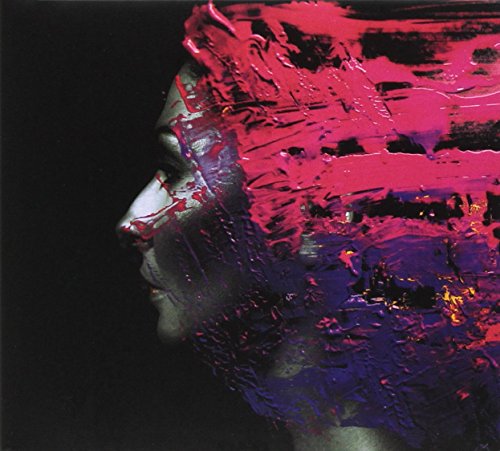
2015 – Steven Wilson, Hand. Cannot. Erase: speaking of latter-day concept albums . . . Seems like *everyone*, especially the ex-SW fans who think he lost the plot with To The Bone and The Future Bites now cite this as his best effort; me, I remember the online ruckus when “Perfect Life” became the pre-release single. (“IT’S! TOO! POP!” As I’ve said before, if only they had known . . .) But as Bryan mentions in his article, Wilson struck conceptual paydirt with the true story of Joyce Carol Vincent’s lonely death, unearthing both the bleakness and the beauty inherent in a life of urban isolation. His sharp, highly committed writing met its match in the blistering playing of his band: guitarist Guthrie Govan (“Regret #9), keyboardist Adam Holzman (“Home Invasion”) and singer Ninet Tayeb (“Routine”) all have some of their best recorded moments featured here. HCE’s enduring appeal does partially stem from its similarity to Porcupine Tree in their prime — but both Wilson’s musical growth in the intervening years and his return to a humane lyrical vision after the voyeurism of Insurgentes and Grace for Drowning were what made the difference then, and now. The melancholy inherent in the final track “Happy Returns” still feels like we’re mourning a life, lived and lost, for real.

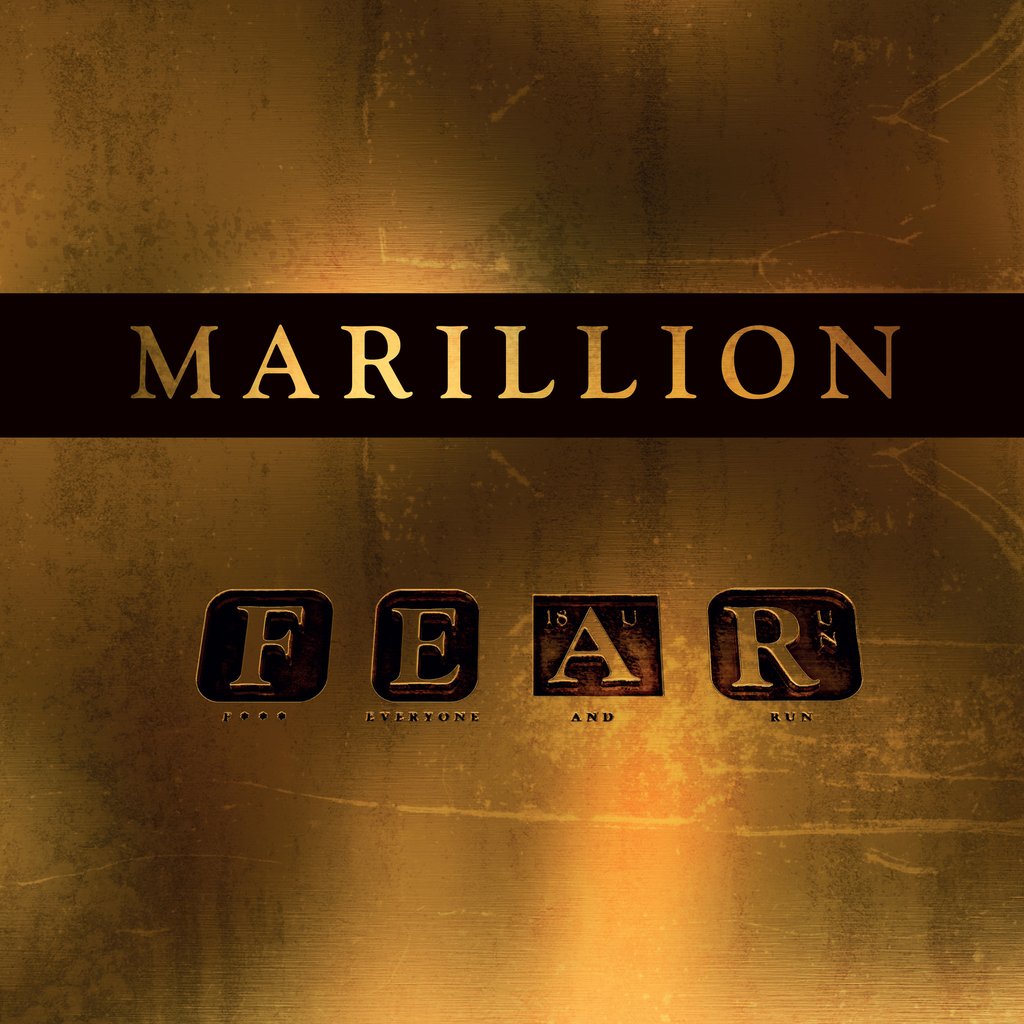
2016 – Marillion, FEAR: that rare example of a band hitting a creative and commercial peak simultaneously. Marillion as a band got even more serious about musical substance here, with lush, detailed sonic backdrops adding depth and resonance to their smash-cut collages. All of which fused seamlessly with Steve Hogarth’s lyrical concerns — for example, the opener “El Dorado” built from self-satisfied, affluent peace to twitchy paranoia, as the lyrics and music stewed in the pressure cooker of an over-connected, unsettled world. The heartfelt road narrative of “The Leavers” made a consummate live epic that captured the special relationship between the band and its fans, while ominous closer “The New Kings” (capped by H’s heartbroken refrain, “Why is nothing ever true?”) still seems way too spooky — and way too relevant six years later. Since its release, FEAR’s success has enabled Marillion to go from strength to strength both live (as I witnessed in 2018) and with their equally powerful follow-up, this year’s superb An Hour Before It’s Dark. Which testifies to its ongoing impact, then and now.

Continue reading “Rick’s Best of the Decade”

Progarchy’s Artists of the Decade: Neal Morse and Mike Portnoy

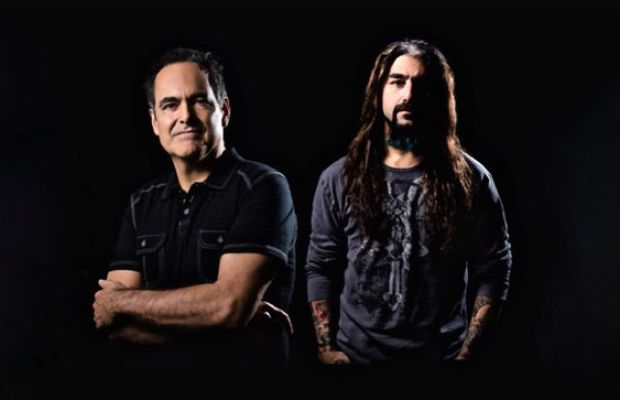
Neal Morse & Mike Portnoy: Prog Artists of the Decade (2012-2022)

Progarchy has been here for a decade now. So, we’re celebrating in this October anniversary month by looking back at the past ten years.

Already in this series, “Progarchy’s Artists of the Decade,” we’ve had two strong cases made for Steve Hackett and Steven Wilson. Undeniably, two guys named Steve loom large over the past ten years of prog.

Indeed, those are two eminent artists. Hackett looks back to the golden age of prog’s birth. He draws upon the best of Genesis to make new music and also to keep the Genesis legacy alive. Wilson is a next generation prog polymath whose creativity has exploded over the last decade and given us all many hours of ecstatic listening.

All the same, I am going to have vote for the dynamic duo of Neal Morse and Mike Portnoy as the team whose energy has been unmatched in productivity and prog excellence. The two Steves, prolific as they are, are still no match for the dazzling output from the two men who, ever since they respectively left Spock’s Beard and Dream Theater, have delivered an astonishing stream of recordings for our enjoyment.

I myself have spent more hours over the past decade listening to the many albums that Morse and Portnoy have been involved in—more hours of albums than the two Steves combined. And I have no hesitation in ranking them together as my ten-year pick, despite the mighty works (both concerts and albums) of the Steves of prog.

Two decades ago, Morse left Spock’s Beard. But it was with Momentum (2012), a decade ago, that his output began to dominate my playlists. It was a decade ago that Progarchy started up, as we founders rallied around a shared love of Big Big Train in order to get the word out online about the new birth of prog happening with a new generation after Pink Floyd, Genesis, Yes, King Crimson, Rush, and all the other greats who shaped our formative years.

That Morse solo album included Portnoy on drums. I couldn’t get enough of it, and the solo section on the powerful title track will be forever burned into my mind with its dazzling keyboards by Morse—and Paul Gilbert’s mind-blowing guitar solo. For me, it definitely announced the dawn of a new interstellar age of prog glory, with Portnoy’s kick drums propelling us forward at warp speed overdrive.

But that Morse and Portnoy dominance of my playlists was foreshadowed by the release in that same year, just a couple months earlier than Momentum, of the stunning supergroup debut of Flying Colors’ Flying Colors (2012). That entire album is a masterpiece. My two favorite tracks are “The Storm” and “Infinite Fire,” the latter of which ranked right up there for me with the greatest of Yes. Yes, “Infinite Fire” was reminiscent of Yes because it induced the same ecstatic prog experience when listening to it. And with the Steve power of another Morse adding his guitar into the music, the cathartic axe-work on “The Storm” delivered prog positivity to the max, with a song capable of turning any bad day around on a dime.

Morse and Portnoy went on to apply their indispensable talents to powering Transatlantic’s Kaleidoscope (2014) and The Absolute Universe (2021) into new galaxies of prog. What’s truly amazing is that these two albums could stand on their own to rule the past decade. But sandwiched between them we have an incredible series of albums exhibiting unmatched creativity.

Indeed, Flying Colors itself gave us two more stunning albums, with Second Nature (2014) and Third Degree (2019). But the Neal Morse Band, under another dynamic duo pseudonym, gave Morse and Portnoy another pretext to record albums together. And these NMB albums arguably overshadow the two Transatlantic and the three Flying Colors albums, because Morse and Portnoy shine even brighter, as they step to the forefront even more than they would otherwise do within the supergroup dynamics of the Transatlantic and Flying Colors.

The NMB albums are four in number: The Grand Experiment (2015), The Similitude of a Dream (2016), The Great Adventure (2019), and Innocence & Danger (2021). Stepping back and looking at the sweeping ambition of these four albums, it is unbelievable how much they draw upon the epic prog heritage of epic-length tracks, while still further taking that classical genre to new levels of excellence. Again, just these four lengthy albums could lay claim to dominance of the prog achievement of the past decade of music. But placed alongside Transatlantic and Flying Colors, I think they supply definitive proof that Morse and Portnoy deserve the title of Prog Artists of the Decade (2012-2021).

Morse and Portnoy have a shared love and mastery of the greatest music of decades past. Proof positive may be found on their Cover to Cover albums. Check out their Cov3r to Cov3r Anthology (vols. 1-3), which includes the exuberantly playful discs Cover 2 Cover (2012) and Cov3r to Cov3r (2020) added to the joyous original.

Once upon a time, I would argue for Neal Peart as the GOAT. But listen to all of the above albums, and then you will realize how Portnoy extends that noble heritage of the savvy prog group drummer into an unmatched variety of ensemble collaborations.

Over the past decade, Portnoy is apparently the hardest working drummer in show business. Of course, he always has time for working with Neal, as when the two of them snuck in their work on Sola Gratia (2020). This shows us again, Portnoy’s humility is pretty much the archetype of the drummer’s Platonic form. He seemingly has no ego, always willing to play on what is officially called a Neal Morse solo album or a Neal Morse Band collaboration. But Portnoy is clearly the indispenable other half of Morse’s past decade of output. What’s amazing is that Portnoy is happy just to play drums and let his playing speak for itself.

Let Portnoy’s discography of collaborations conclude the case I am making in this post. Consider his unmistakable sound as part of Adrenaline Mob (three albums: 2011, 2012, and 2013); as part of Metal Allegiance (three albums: 2015, 2016, and 2018); as part of Sons of Apollo (two albums: 2017 and 2020); as part of BPMD, American Made (2020); with John Petrucci, Terminal Velocity (2020); with Liquid Tension Experiment 3 (2021); and as part of The Winery Dogs (three albums: 2013, 2015, 2017).

That’s fourteen more albums of Portnoy added to the fourteen I already mentioned above! 28 albums over a decade? Sounds like we have a winner here, an equal partner with Morse who more than carries his weight in every collaboration.

Morse and Portnoy have been the dominant artists in my past ten years of listening. The stats from my Apple Music app tell me so. So here’s my Progarchy salute to congratulate them both. Other bands and other artists come and go. But these two have left a permanent mark of excellence. And I get the feeling that they are working away together on even more new music. Excelsior!

Nick D’Virgilio, Neal Morse, and Ross Jennings Release Song From Upcoming Album

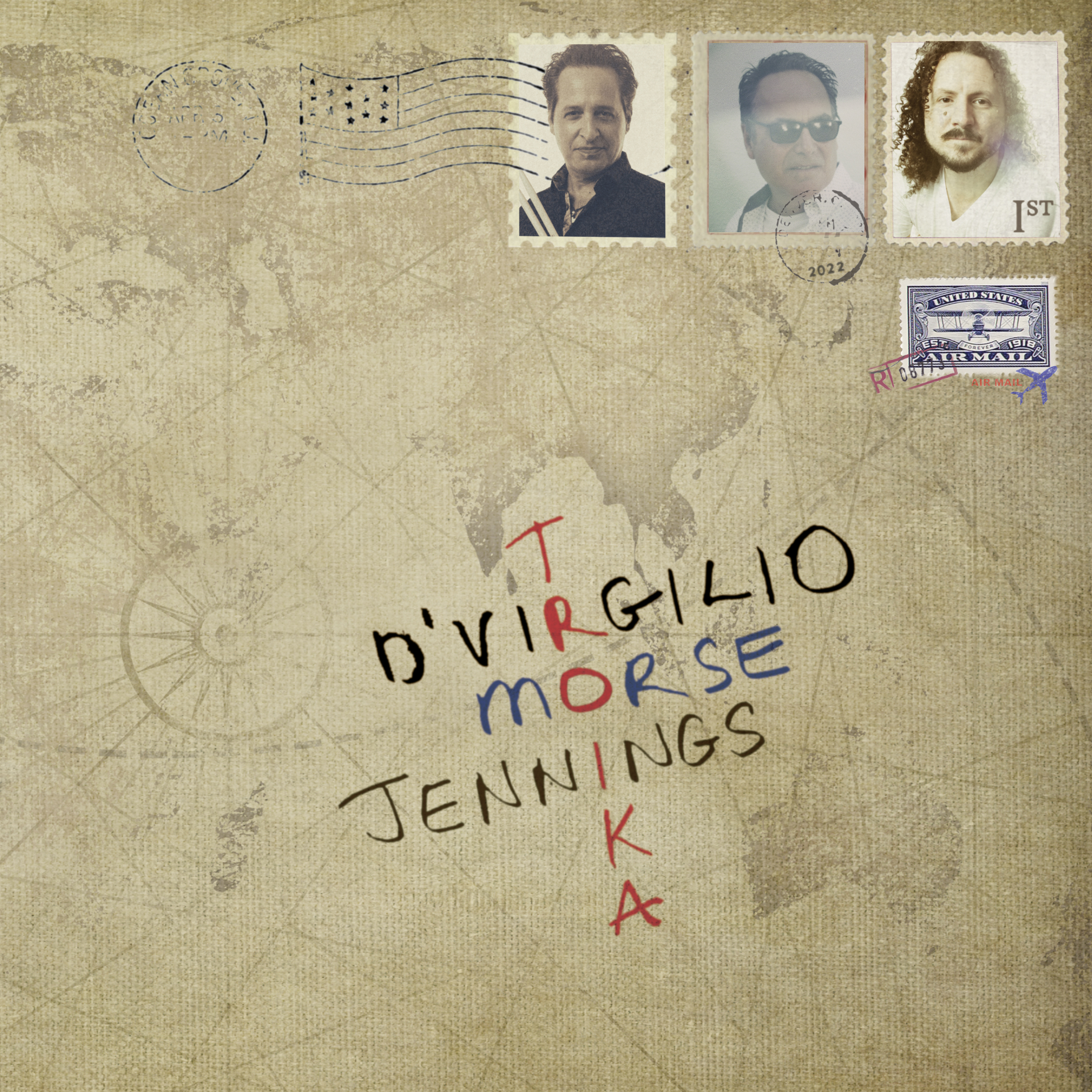
D'Virgilio, Morse & JenningsA few days ago Nick D’Virgilio, Neal Morse, and Ross Jennings released a single, “Julia,” off their upcoming record, Troika. Based off this single and the personnel involved, I’m guessing the album is going to focus heavily on the vocals and feature many vocal harmonies.
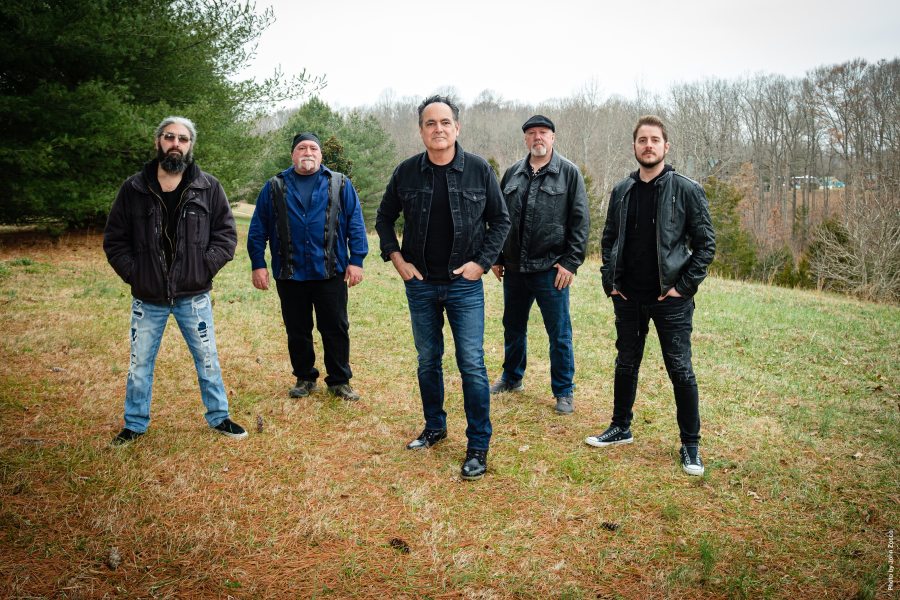
Ross Jennings comments on the track,

With my original demo clocking in at around the 8-minute mark and possibly leaning too close to ‘prog epic’ than the singer/songwriter vibe we were attempting to present on this record, Neal arranged my lengthy ballad into something more concise, in-keeping with the album’s essence and writing in a powerful new chorus in the process!

“This one was all about the 3-part vocal harmony interplay and ‘pull-at-the-heartstring’ lyrics which deals with themes of regret and forgiveness in the context of a broken father-daughter relationship.

Album available for preorder here: https://dvirgiliomorsejennings.lnk.to/Troika

From the Inside Out press release:

Recorded during lockdown, the process began with Neal Morse writing some acoustic songs that he thought would be enhanced by strong vocal harmonies. He already knew how well his voice blended with former Spock’s Beard band-mate and Big Big Train drummer/ vocalist, Nick D’Virgilio who came on board and, considering a third man, the Americans sought out Haken’s Ross Jennings from the UK to complete the trio. All three found they had songs that would benefit from the three part harmonic blend, and so they pooled their resources, inputting creatively into each others compositions.
 
Neal comments: “What a great pleasure it’s been to work on this album with these amazing artists! It was kind of funny… We had been working on the songs remotely for several months before I finally heard all of us singing together at the same time. The first time I brought the faders up, I knew we had the magic!“
 
Nick adds: “I’ve known and worked with Neal for over 30 years and I’ve been a big fan of Ross and the music he makes for a long time. I felt confident right away that this would be a fun project to be a part of. I was so right.”
 
Ross comments: “Receiving ‘The Call’ from Neal to participate in this project was somewhat of a prayer answered… As a long time fan of their work, I’ve been singing along to Neal’s & Nick’s records for years, so it felt really natural for my voice to slot right in.”
 
The tracks took shape with the musicians recording all of the music and vocals separately, yet the eclectic performances burst with the energy and excitement of the collaboration. Acoustic anthems, charged rockers and sensitive ballads are all part of the mix, and the unique blend of Ross, Neal and Nick’s voices and styles have created an album in which you will encounter these musicians in a way you’ve never heard before.

The Neal Morse Band’s Randy George: The Progarchy Interview

The Neal Morse Band, Innocence & DangerInside Out Music, August 27, 2021
Tracks: 
CD 1: 1. Do It All Again (08:55) 2. Bird On A Wire (07:22) 3. Your Place In The Sun (04:12) 4. Another Story To Tell (04:50) 5. The Way It Had To Be (07:14) 6. Emergence (03:12) 7. Not Afraid Pt 1 (04:53) 8. Bridge Over Troubled Water (08:08)
CD2: 9. Not Afraid Pt 2 (19:32) 10.Beyond The Years (31:22)

Last week I had the wonderful opportunity to interview Randy George from the Neal Morse Band about their upcoming album, Innocence & Danger. What an album! After back-to-back double concept albums, the band decided to make an album of independent songs. It’s still a double album, but it’s very digestible.

Innocence & Danger has quickly risen to one of my favorite albums of the year, and Randy George’s brilliant bass playing has a lot to do with that. His bass is more prominent in the mix, and it really shines opposite Mike Portnoy’s drums in the rhythm section. I think Neal Morse’s vocals also deserve a mention as they are the best they have sounded in years. Maybe that’s due to a lack of touring over the past year+, but he (and everyone else) sound great. The vocal harmonies are turned up to the max, and the prog is in full force. But don’t be surprised if you hear a few other surprise elements in the music – something we talk a bit about in the interview below. Oh, and “Beyond the Years,” the album’s 31-minute epic, may be the best long song I’ve heard from Neal Morse and company.

This interview was conducted on July 21, 2021 via Zoom. There was quite a bit of scratchiness in the Zoom audio, so I’ve decided to spare you that and just give you the transcript, which was edited lightly for readability. The interview is pretty wide ranging. We start with an update on the last year and a half for Randy before we go into a deep dive of the album. Then we discuss some of Randy’s influences as a musician before we talk a bit about the history of prog, it’s place in the music world, and how the future will look back on their music. 

NealMorseBand_2

Bryan: Thanks for joining me here for Progarchy. I really appreciate you taking the time.

Randy: Yeah! Happy to do it.

Bryan: It’s been tough career-wise for musicians without being able to tour. How’ve you been in that regard?

Randy: Well, you know, I guess we’re all feeling it to some degree. I guess as a function of where I live it hasn’t really been that bad. We had done that Cover to Cover 3 CD, and it was wrapped and delivered to the label before the pandemic hit. There were some videos that needed to be [made]. We wanted to do videos, so there were a few videos, and I did a couple of those. And then Neal [Morse] did Sola Gratia. I recorded that and then we did videos for that. Then we did Morsefest in September, and my wife and I have been playing locally since September, pretty much twice a month or three times a month ever since last September.

In a lot of ways, yeah we had to wear masks a little more during the time, but for the most part we kept busy. We felt it most right at the beginning. Everybody was sort of freaked out, got shut down March through July or whatever. Then people started to open up a bit. So initially everyone was a little bit like, wow, there’s nowhere to go. But we both work from home. We really didn’t travel outside very much. We’re here on our own little plot. Plenty to keep us busy here. But yeah I watched it from a distance. I’m sure for some people it was really hard, and it sucks that it had to happen like that. I look forward to the end.

Bryan: Yeah I think everybody does. Morsefest was one of the first – definitely one of the biggest in the prog world of concerts that came back in person. That was kind of exciting because it was a glimmer of hope after so many months of nothing at all live-wise.

Randy: People will always find a way.

Bryan: Yeah exactly. I’ve had a chance to listen to Innocence and Danger a little bit over the last couple of days. It’s a fantastic album. It feels like a little bit of a different direction, especially after the last two concept albums. Can you tell me about how the album came together?

Randy: Well, the whole thing – we were going to start working on Innocence & Danger way back in the beginning of 2020. We initially signed a record deal with Inside Out. Then the pandemic hit. Mike [Portnoy] was really busy with Sons of Apollo, and we didn’t really have any clear cut date in mind that we could get together and do this. So quite honestly between signing the deal and getting in the studio to do this, it was more than a year. We did in January come together at Neal’s house and wrote the whole thing in about twelve days and tracked the drums and took it home and developed it over the next couple months, and Rich [Mouser] mixed it.

We went into it not having a lot of pre-written material. Neal didn’t have anything. Bill [Hubauer] and I both brought recorded ideas that were predominantly raw ideas that could be developed rather than finished demos that already had a lot of development to them. The Neal Morse Band tends to – no matter what you bring in, they want to redo it. So we kind of, it’s easier to bring in ideas that they can all sort of get their head into and write with. Some of it is much easier to do that, between Bill and I and Eric [Gillette], we have plenty of musical stuff. Neal, of course, he may not have come in with anything, but he gets up early in the morning and he’ll start writing and work on ideas then we end up working on them the same day or the next day. So Neal does actually write a fair amount of stuff. He just doesn’t always go into the session with all of it prepared, unless it’s a concept thing were he has an idea. We knew this wasn’t going to be another concept album. We just wanted to do an album of songs. We felt it was the right time for that.

Continue reading “The Neal Morse Band’s Randy George: The Progarchy Interview”

Neal Morse Band Announce New Album for August Release

From Radiant Records:


image

Hey, everyone!

We’re delighted to announce details of the eagerly-anticipated new NMB album! Some incredible new music is coming your way. We will be starting pre-orders at www.radiantrecords.com on Friday, June 18th. Watch for our updates as we reveal some amazing exclusives relating to this release, plus another release only available from our website!

** OFFICIAL PRESS RELEASE **

NMB are pleased to announce the release of their much-anticipated fourth studio album Innocence & Danger on August 27th, 2021.

With NMB’s previous two releases being concept albums, it’s perhaps remarkable that Innocence & Danger is a series of unrelated songs, but drummer Mike Portnoy says “After two sprawling back to back double concept albums in a row, it was refreshing to get back to writing a collection of unrelated individual songs in the vein of our first album.”

Indeed, making this album came easy to the band; while the initial inspiration came particularly from Bill Hubauer (keyboards) and Randy George (bass), the ideas flowed from everybody from there on, as George recalls: “I am excited about the level of collaboration that we achieved on this one. We even went in with a lot of ideas that weren’t necessarily developed, and I think in the end we have something that represents the best of everybody in the band.”

In fact – like its two acclaimed predecessors – Innocence & Danger is a double-album by inspiration, rather than design, as Portnoy explains: “As much as we wanted to try and keep it to a single album after having just done two double albums, we wrote so much material that we found ourselves with our third double album in a row! That’s pretty prog!”

There is also plenty: “There’s one half hour epic and another that’s about 20 minutes long. I really didn’t realise that they were that long when we were recording them, which I guess is great because if a movie is really good, you don’t realise that it’s three hours long! But there are also some shorter songs: some have poppier elements, some are heavier and some have three part acoustic sections. I’m excited about all of it, really.”

The album will be released as a Limited 2CD+DVD Digipak (featuring a Making Of documentary), 3LP+2CD Boxset, Standard 2CD Jewelcase & Digital Album, featuring artwork by Thomas Ewerhard (Transatlantic). Pre-orders start on the 18th June, and the full track-listing is below:

CD 1 (Innocence):

1. Do It All Again 08:55

2. Bird On A Wire 07:22

3. Your Place In The Sun 04:12

4. Another Story To Tell 04:50

5. The Way It Had To Be 07:14

6. Emergence 03:12

7. Not Afraid Pt. 1 04:53

8. Bridge Over Troubled Water 08:08

CD 2 (Danger):

1. Not Afraid Pt. 2 19:32

2. Beyond The Years 31:22

The Neal Morse Band (now NMB) was formed in 2012, featuring long-time collaborators Neal Morse (vocals, keyboards and guitars), Mike Portnoy (drums, vocals) and Randy George (bass), as well as Bill Hubauer (keyboards, vocals) and Eric Gillette (guitars, vocals). The band’s first album, The Grand Experiment, showed both a freshness and maturity that was further developed in 2016’s The Similitude Of A Dream, 2019’s The Great Adventure and 2021’s Innocence & Danger.

Look for NMB on tour in North America in October 2021 and in Europe throughout May/June 2022. Tour dates coming soon!

Blessings,

The Radiant Records Team