
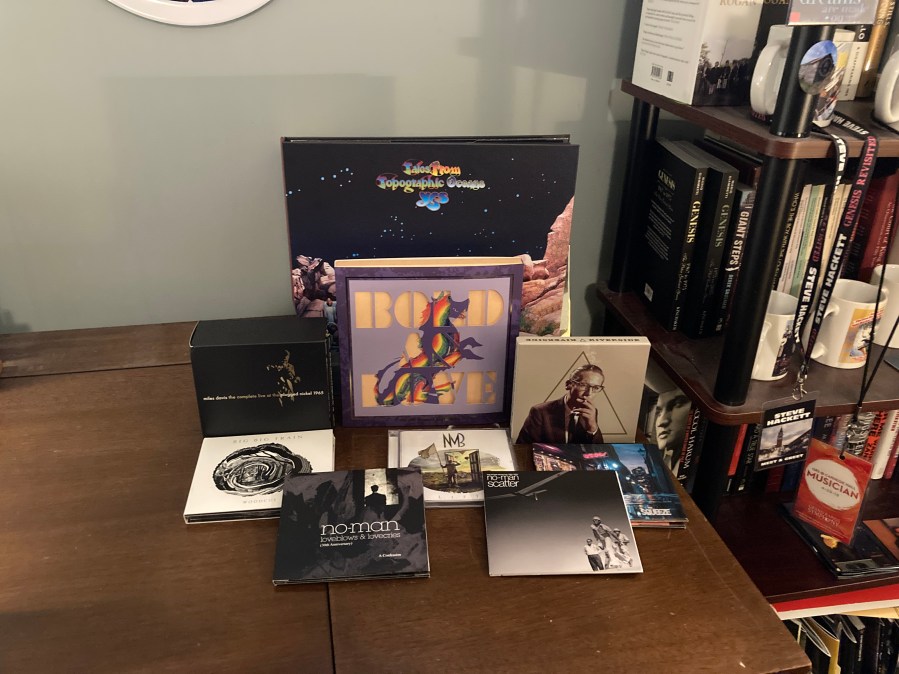
I might be stretching this a bit, but I’d say that, whether it’s an album that tells a story or a collection that marks an anniversary or achievement (or maybe some do both), every one of the releases below has a concept behind it. Your mileage may vary, but keep that thought in mind as you read on. (Note: listening links are included in each album’s title listing; purchase links are included at the end of each review.)
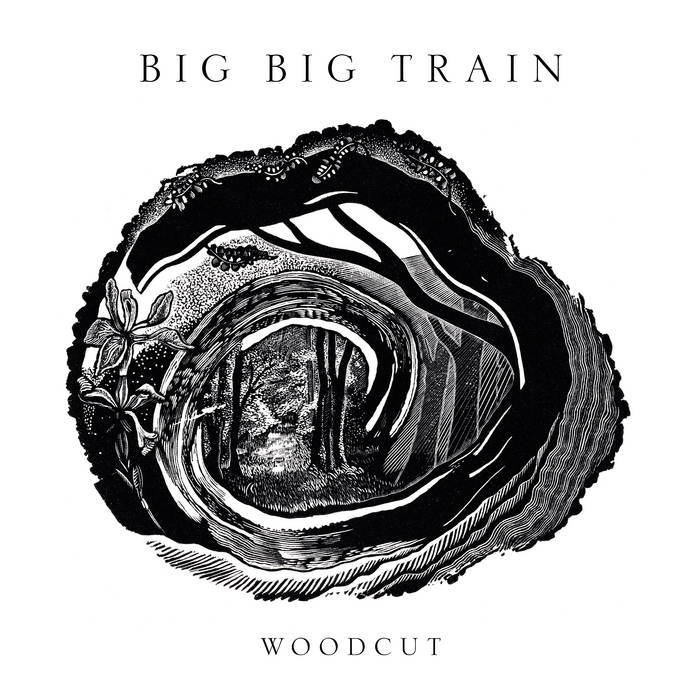
Big Big Train, Woodcut: Nothing but kudos for BBT’s first rock opera from this corner! As I’ve said elsewhere, this band’s chemistry is a big part of why Woodcut is so strong, engrossing in a way that feels natural and organic. So many highlights here: The precise, tough group riffs of “The Artist” and “Albion Press,” accented with Greg Spawton’s distinctive bass licks and chiming 12-string guitar; “The Sharpest Blade’s”folk/metal mash-up, with Clare Lindley and Alberto Bravin working as lyrical and vocal foils to explore darker mental states; Nick D’Virgilio’s tour de force “Warp and Weft”, featuring herky-jerky guitar licks, spot-on a cappella backup vocals, and a soulful NDV lead. The entire album flows – especially from “Light Without Heat” through “Last Stand”, a finale that holds its own alongside any genre classic you could name. It’s all there: expansive musical themes, inspired solo work (especially from Oskar Holldorff and Rikard Sjoblom), gripping instrumental development in “Cut and Run” to set up the cathartic final anthem “Counting Stars”, with Bravin’s vocals soaring above it all. To sum up my reaction to Woodcut, the first time I heard it, I was definitely impressed; now, on repeat listens, it genuinely moves me. In other words, it does for me what Big Big Train’s music has consistently done for nearly ten years now. (Buy from The Band Wagon USA – and definitely pick up Andy Stuart’s book on the making and meaning of the album; it’s the closest you’ll get to the super-deluxe liner notes Passengers like me crave!)
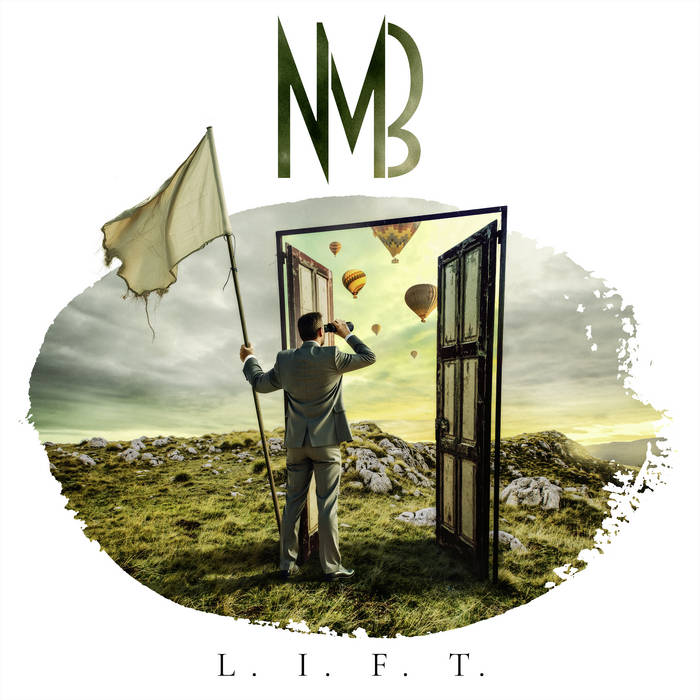
Neal Morse Band (NMB), L.I.F.T: Whatever your take on the title acronym, Neal Morse and his compatriots (complete with Mike Portnoy parachuting in from Dream Theater’s drum throne) know how to whip up an epic. The structure may not be much different from previous efforts (though the first track is titled “Beginning” instead of “Overture”for a change) but there are plenty of musical twists and turns as L.I.F.T.’s everyman protagonist journeys from despair to delight via divine intervention. We get the heartland rock thrust of “Fully Alive”; the hard and heavy “Hurt People” with Eric Gillette contributing monstrous guitar and vocals; the multi-part altar call “Reaching”, featuring fabulous harmonizing and a collective shred over Bill Hubauer’s braying synth fanfares; the U2ish echofest “Carry You Again” propelled by Morse’s voice of God and Randy George’s fleet bass work. And wonders of wonders, “Love All Along” is a climactic conversion power ballad with a spine, effortlessly weaving in core lyrics and themes as Morse, Gillette and Hubauer take the whole thing higher multiple times! Great material, great playing; immediately qualifying for my year-end Favorites list, this is the best NMB has sounded since The Similitude of a Dream. (Buy from Radiant Records.)
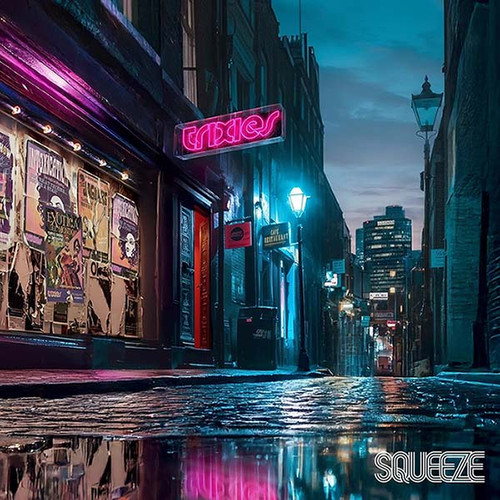
Squeeze, Trixies: Fifty years on, Chris Difford and Glenn Tilbrook recover a lost past. Imagine a pair of working-class teenage Brit musicians, fallen head over heels for slice-of-life vignettes in the throes of the glam/prog/pub rock scrum of 1974. What else could they come up with but an concept album about the habitues of a sleazy, mobbed up members-only nightclub? Fleshed out from recently recovered original demos, this is vintage Squeeze in every sense; Difford’s clever yet plainspoken lyrics and Tillbrook’s sinuous, conversational melodies were already in place, even on influence-heavy tunes like the Bowie-adjacent “The Place We Call Mars”. These evocative sketches of characters (sympathetic or otherwise) whose lives revolve around Trixies (a stage, a haven, a gas, the place to be, ” Hell on Earth”, depending on who’s talking) pre-echo future classics like “Tempted” and “Hourglass”; the pin sharp current lineup of Squeeze, led by producer/bassist Owen Biddle, expertly weave convincing cabaret (“What More Can I Say”, “Good Riddance”) and stomping rock (“Why Don’t You”, “The Jaguars”) around their leaders’ smooth and salty vocals to craft a seamless whole. With this plus another entire album of new songs already in the can, the Lennon & McCartney of the 1980s seem primed to wow both waiting fans and unsuspecting listeners once again. (Buy from Rough Trade.)
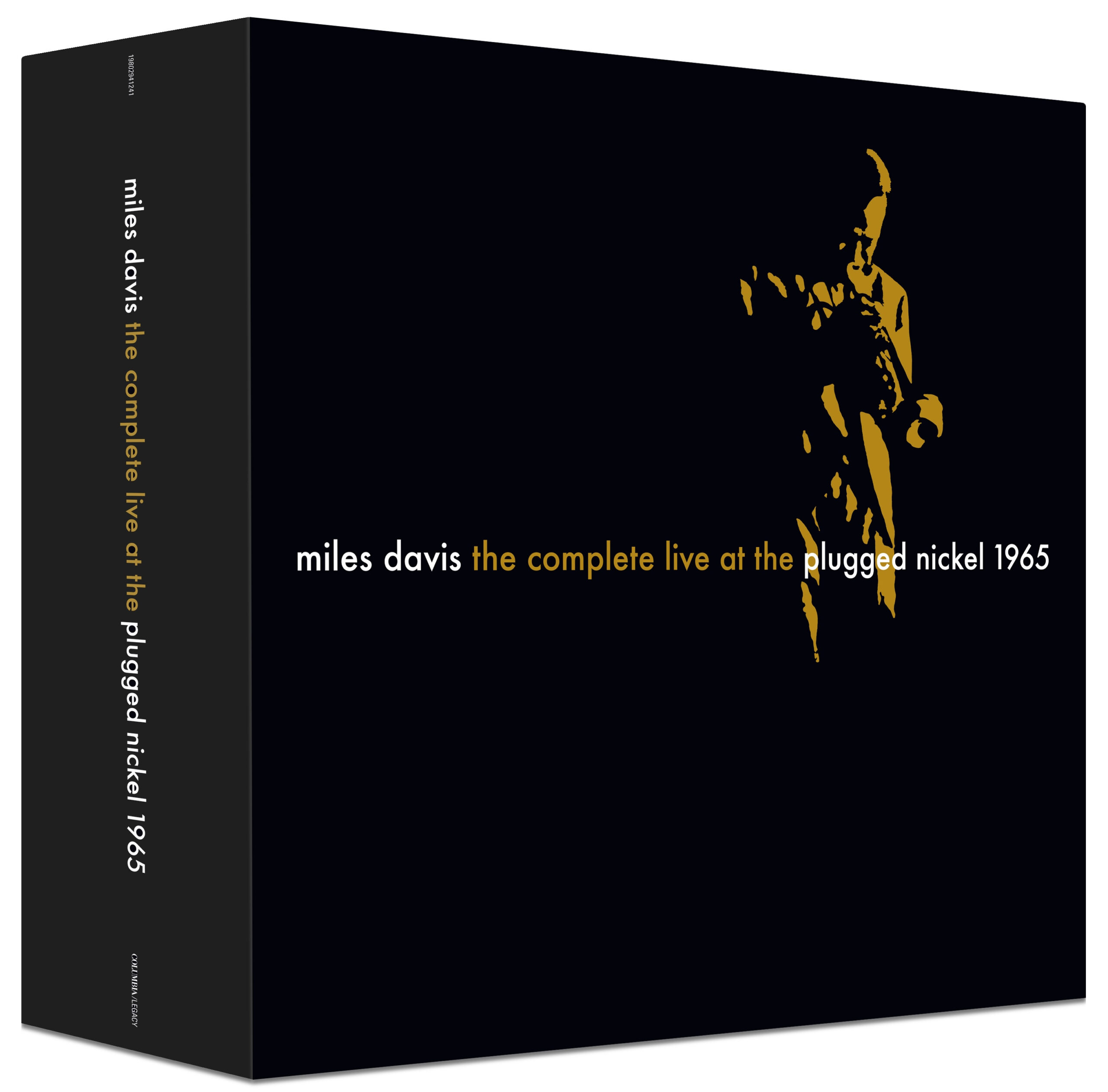
Miles Davis, The Complete Live at the Plugged Nickel 1965: When Columbia recorded seven sets of Miles and his “Second Great Quintet” over two nights in a Chicago club, then tossed the tapes in a vault for twentysome years, did they realize they were sitting on a Rosetta Stone of modern jazz? That’s how these shockingly creative performances were greeted when they finally emerged, and it’s why this fresh reissue (an instant Favorite) is so welcome. Recovering from illness, Davis started the stand playing spaces as much as notes, then coming alive as he realized bassist Ron Carter and drummer Tony Williams’ commitment to new heights of rhythmic gamesmanship, stretching the beat to the breaking point and swinging all the while. Taking their cues, Herbie Hancock switched between single note bop lines and elliptical chording that clouded the harmony instead of clarifying it; all this proved catnip for Miles (constantly drilling through to the abstract essence of the melody) and saxophonist Wayne Shorter (getting gone from the start, launching fragments suggesting multiple keys and rhythms that coalesced into something strange yet true). It’s safe to say that the Plugged Nickel crowd had never heard blues (“Walkin'”), jazz standards (“Round Midnight”), ballads (“My Funny Valentine”, “Autumn Leaves”) and Davis’ signature tunes (“Milestones”, So What”) rendered in this fashion: floating and furious, following the multitonal trails blazed by Ornette Coleman and John Coltrane to break open fresh facets of already classic material. The third time (of at least five) Davis changed jazz, a key to so much great music that followed in his footsteps. (Buy from the Miles Davis 100 webstore.)
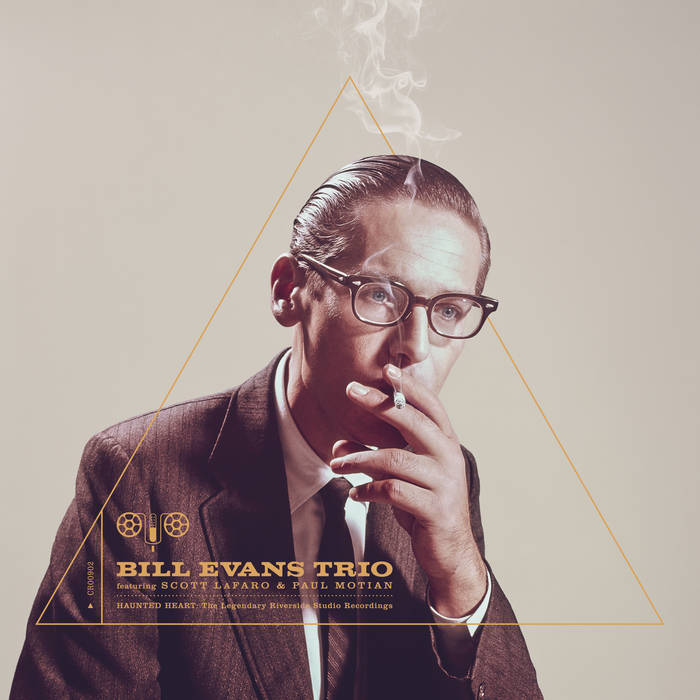
Bill Evans Trio, Haunted Heart: The Legendary Riverside Studio Recordings: If 1960s Miles was about freer, rougher expressionism, Evans (previously the pianist on Davis’ essential Kind of Blue) pursued the opposite affect – a harmonically refined, classically-tinged impressionism – throughout his painfully self-sabotaging career. But in the end, these proved diametric approaches in pursuit of the same goal: near-telepathic sensitivity within the small jazz group, leading to a unity founded in diversity of utterance. Evans’ first trio (with the phenomenally gifted Scott LaFaro on bass and the delicately grooving Paul Motian on drums) took this “conversation of equals” approach to astonishing heights before LaFaro’s tragic accidental death, mere days after their definitive recording live at New York City’s Village Vanguard; but the trio’s two studio albums Portrait in Jazz and Explorations are only micromillimeters below that exalted benchmark. Haunted Heart collects every take from those studio sessions, an embarrassment of musical riches. Through numerous, remarkably varied runthroughs and masters, Evans, LaFaro and Motian lovingly probe the essence of each tune; the quiet fire of ballads “When I Fall in Love” and “How Deep Is the Ocean” proves as engrossing as the restrained yet unmistakable drive of Evans’ “Peri’s Scope” and Miles’ “Nardis”, giving the lie to later critics who equated Evans’ ethos with shallow, unswinging lounge music. Evans has probably been the single most influential pianist in jazz from his heyday right up to the present, and this delectable collection shows why. (Buy from Craft Recordings.)
The Jimi Hendrix Experience, Bold As Love: This new 4-CD/BluRay set prompted a my first deep dive into Hendrix’s music in a long time. I came away unable to pick a clear favorite of the Experience studio albums; they’re all equally mind blowing in the best sense, as Jimi, bassist Noel Redding and drummer Mitch Mitchell melded the blues, psychedelia and soul into something utterly primal, yet progressive in every sense of the word. So bringing 1967’s Axis: Bold As Love’s mono and stereo mixes together with an Atmos version, session outtakes, live tracks and the occasional media promo appearance is as good a way as any to get a handle on Hendrix’s unique, eclectic genius. What the wild stereo panning and goofy humor of intro “EXP”, the breathtaking funk groove of “Wait Till Tomorrow”, the aching warmth of “Little Wing” and “One Rainy Wish” and the trippy fuzz of “If 6 Was 9” have in common is mind and heart in communion, longing and exultation running side by side, each informing and nourishing the other. And as with all of Hendrix’s work, this album proves yet again how utterly essential the man was in the development of the electric guitar; almost every track features an innovative lick that David Gilmour, Steve Howe or Robert Fripp took, ran with and made their own on some of my (and probably your) favorite albums. Rock lovers simply cannot go wrong listening to this. (Buy from the Hendrix webstore.)
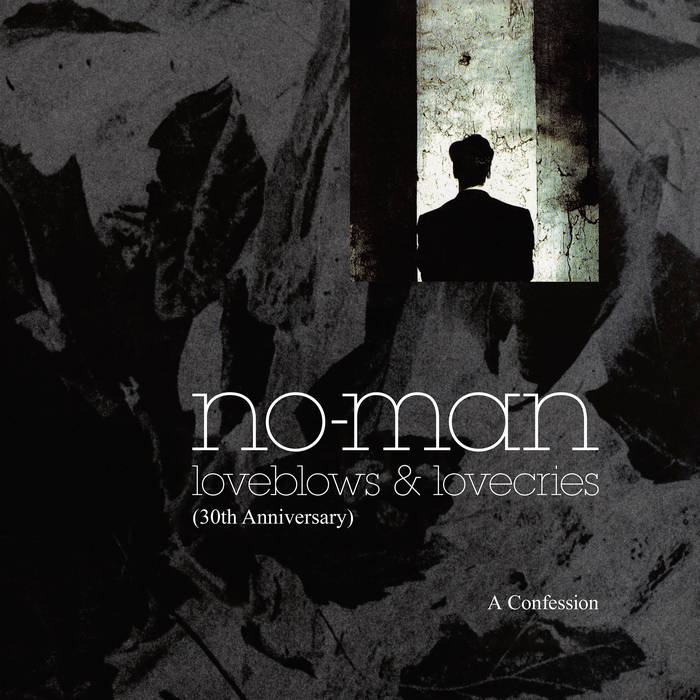
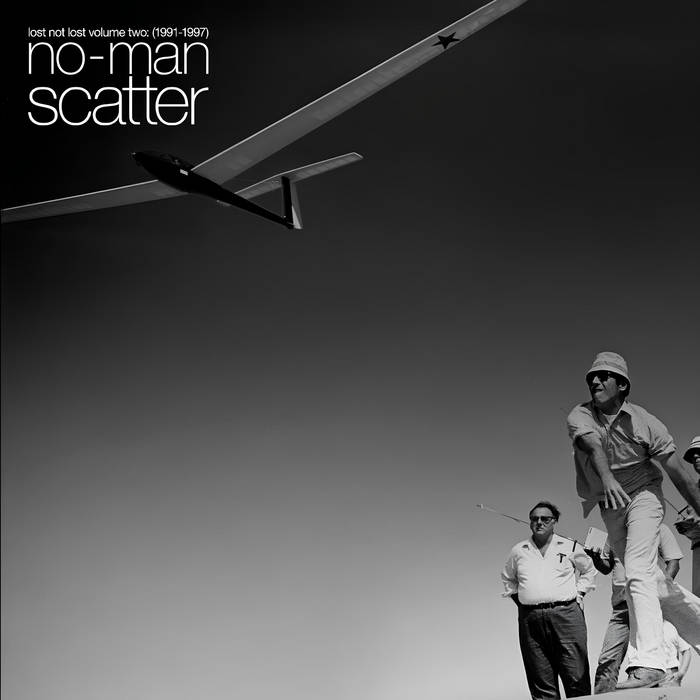
No-Man, Loveblows & Lovecries (30th Anniversary); Scatter (Lost Not Lost Volume 2, 1991-1997): All the material on this double-disc Loveblows & Lovecries was also on 2024’s Housekeeping box, but for those who missed it (as well as hardcore fans of Tim Bowness and Steven Wilson – guilty!), it’s good to have No-Man’s debut album and its offshoots in one compact edition. With violinist Ben Coleman as equal contributor, Bowness and Wilson faced the challenge of balancing their muse’s promptings with the market-focused demands of label One Little Indian; the result is a seductive blend of artistic ambition (whether channeled into wicked dance grooves or lush, demonstrative ballads) and stoically-sung emotional torment. But Scatter is the fresh revelation here! These offcuts often go against the grain of the album projects they hail from; the gorgeous melancholy of “All the Reasons” proved as unsuitable to the extravagant mayhem of Wild Opera as the warped industrial jazz of “Gothgirl Killer” and “Samaritan Snare” to Returning Jesus‘ minimalist calm. Then there are the Flowermouth outtakes”Hard Shoulder” and “Coming Through Slaughter”, with King Crimson mainmen Robert Fripp and Mel Collins providing the necessary instrumental wigouts. Scatter is a surprisingly unified collection, a year-end Favorite in waiting, and perhaps the perfect introduction to No-Man’s special blend of quiet and chaos. (Buy from Burning Shed.)
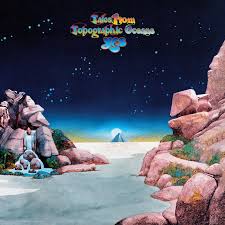
Yes, Tales from Topographic Oceans (Super Deluxe Edition): Decades after the backlash surrounding its release, Topographic Oceans remains a double album easily vilified, but not lightly dismissed. Yes was committed to going over the top here; the journey from the extended song-form of “The Revealing Science of God” through the primal skronk of “The Remembering” and the multidirectional meanderings of “The Ancient” to the focused finale “Ritual” made few concessions to immediate comprehensibility and none to commerciality. In retrospect, it was a genuinely brave move, with Jon Anderson and Steve Howe leading the charge to the outer limits, Chris Squire and Alan White following gamely in their wake, and Rick Wakeman wondering what to do with himself as Yes’ tight arrangements gave way to spacious improvisation. In some ways, the three live concerts contained in this 15-disc LP/CD/BluRay box are the best showcase of Topographic’s full potential; even Wakeman rips it up on the Moog during Manchester’s version of “The Remembering”, while Howe consistently goes wild, his daring guitar arabesques setting off Anderson’s mystical hippie word salad to perfection. As always, Steven Wilson’s fresh remixes buff up every musical destination and detour to maximum clarity; plus there are instrumental-only versions, freshly discovered working tracks, and the usual plethora of extras. Probably the ultimate version of what remains Yes’ proggiest, grandest gesture. (Buy from Rhino.)
— Rick Krueger
 Progarchy