Rick’s November Quick Takes: For All We Have Received …

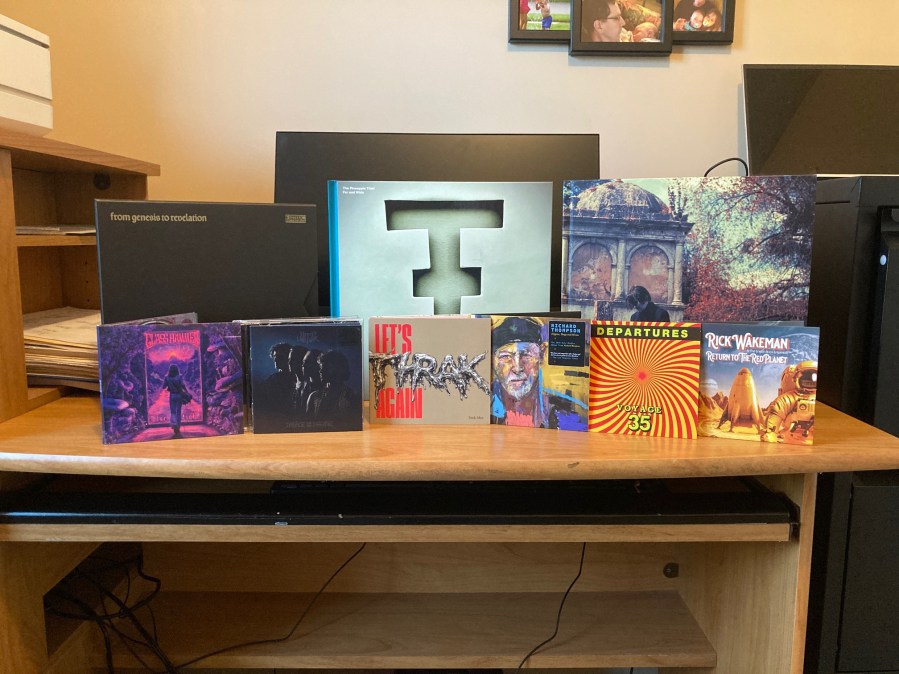
As always, Q4 brings a bumper harvest of new albums and reissues. With the latest releases from long-time proggers (as well as smash-hit hard rockers and a folk-rock legend) to the fore, there’s lots to be thankful for! Listening links are embedded in the album title, with additional purchase links at the end.
From Genesis to Revelation: A 1969 album by a fledgling quintet of British schoolboys under the tutelage of a hotshot producer, this faded away like so many others on release. Until Peter Gabriel, Tony Banks, Mike Rutherford and Anthony Phillips (augmented here by passing drummers) heard King Crimson, bought a Hammond organ and 12-string guitars, and turned into – you know, Genesis. Pre-Phil Collins and pre-Steve Hackett, Gabriel’s edgy, soulful singing and Banks’ limpidly pivoting piano chords are distinctive from the start, even squashed into pop tune forms like “Where the Sour Turns to Sweet” and “The Silent Sun” that evoke pre-disco Bee Gees. Stephen Tayler’s remix serves the music well, trimming back thick dollops of orchestral sound to front Phillips’ acoustic strumming and Rutherford’s spindly bass work. The deluxe edition adds freshly discovered demos plus the cream of outtakes from the vintage Archive 1967-75 box set; all versions feature a delicious, previously unreleased “Visions of Angels”, later electrified on follow-up record Trespass. Despite its vague concept (recounting all of human history in thirteen pop songs), Genesis’ debut record reveals neither the lavish tale-spinners of the 1970s nor the dogged hit-makers of the 1980s, but Genesis & Gabriel fans of all eras will find plenty to enjoy. (Order from Cherry Red Records or Burning Shed.)
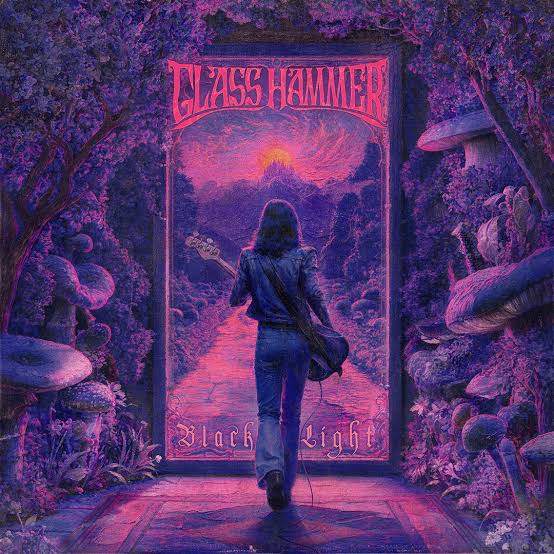
Glass Hammer – Black Light: If the last Glass Hammer album Rogue felt like mainman Steve Babb was taking stock of his works and days – well, confronted with a life-threatening brain tumor, he was! Thankfully restored to full health after major surgery, Babb has channeled the drifty psychedelia he heard in his mind, both pre-and-post-op, into a dream-quest narrative where his wandering protagonist connects with the characters and scenarios of almost every previous GH opus. We’re talking full-on meta-concept here: the self-referential subtitles and influences tagged in “Evermore” dovetail into guitar workout “Return to the Shadowlands”; echoes of Lex Rex and the Skallagrim trilogy haunt “Neon-Wizard – The Battle”, while the dark electronica of Rogue envelops “The Forest of Forgetting”. And when the dad-joke conceit of “It Falls Upside Down” sets up closer “Kaleidoscope Skies”, it’s (as the subtitle says) “Not the Usual Glass Hammer Finale”; all of Babb’s yearning for resolution and rightness in this life and beyond hit home full force. Babb’s work has always occupied a unique niche in this most niche-filled genre, and for all its conscious evocation of days, times and music gone by, Black Light is no exception. Which is one reason it’s exceptional as always. (Order from GH’s webstore.)
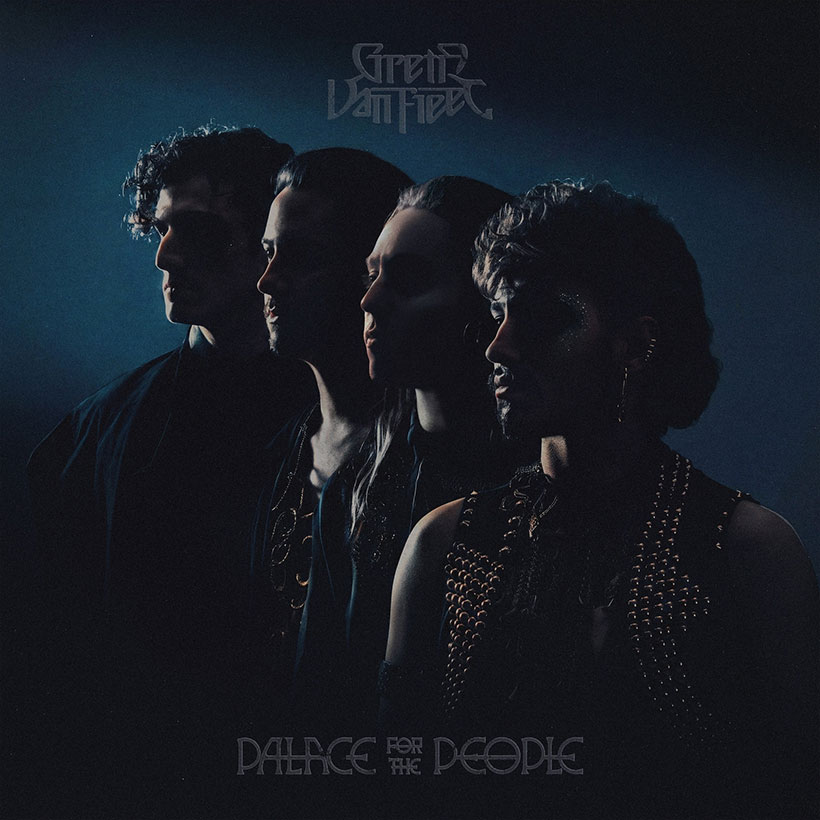
Greta Van Fleet – Palace for the People: On which Frankenmuth, Michigan’s hard-rock hobbits mount a roaring comeback. Apparently I was in the minority in preferring the heads-down, more rough-edged approach of 2023’s Starcatcher; this one returns to piling on the polish and brickwall compression. True, there are tons of sweet Jake Kishka guitar riffs and solid Sam Kishka/Danny Wagner grooves. Which would be fine – except for when Josh Kishka’s yammering nasal wail splatters all over glossy rawk tunes like “Tear It Down” and “Heart of the Beat” or the dentist’s drill-falsetto ballad “Boughten Bliss”. When GvF calms down a bit, listens to each other and layers standout tracks like “Play Your Games”, “Touch Again” and “Hey”, they’re really onto something; I can’t help preferring the unforced growth of these songs to the overripe barrage of toss-offs that pads out a record with much more potential. As it is, Palace for the People aims straight at an audience primed for Greta van Fleet at their most gargantuan – and hits the bullseye.
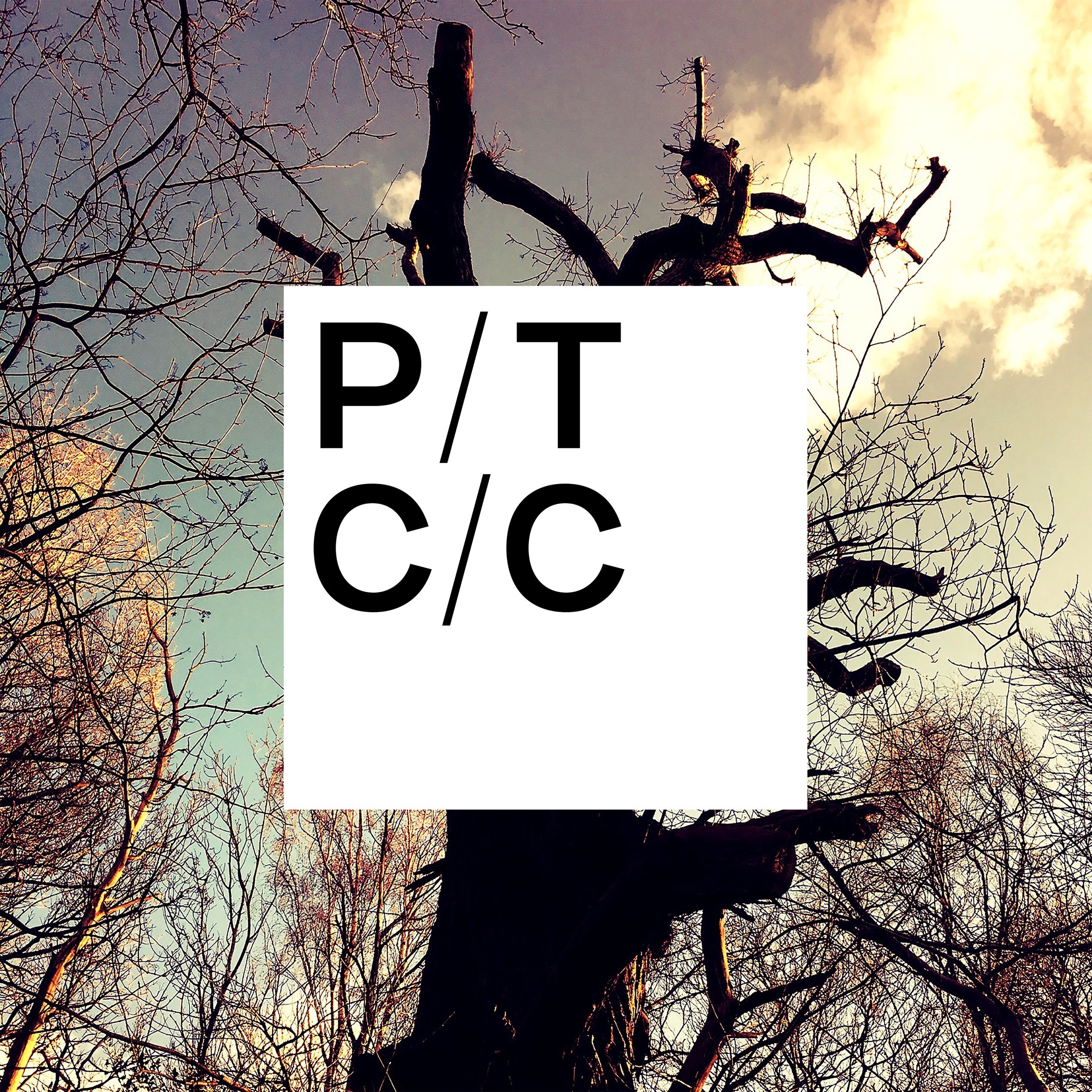
The Pineapple Thief – Far and Wide: On the opposite end from Greta, I do sometimes wonder: will The Pineapple Thief ever really cut loose? Their first album on Inside Out, Far and Wide doesn’t sound much different than TPT’s KScope catalog, especially since Gavin Harrison came onboard; with most songs under five minutes and plenty of mounting tension but little obvious release, it initially comes off monchromatic. But where the music’s ambition and drama surfaces first on repeated listens is in Bruce Soord’s elliptical yet personal lyrics, as cultural chaos, desperation, fear and conflict color his always plaintive vocals. Meanwhile, with Harrison setting the pace, the band interplay is stylish and slinky as always, whether on singles “New World Order”, “Hold the Ashes” and “God Knows” or stretch-outs “Scattering Like Flies” and “No Exceptions”. Plus, there’s a new note of aggression amid the spareness, with Soord dropping his trademark acoustic guitar weave in favor of freer, wilder electric solos. Ultimately, Far and Wide’s words and music give off a determination to persist – in relationships that matter, in the ongoing scrum of life, in the work of a band that plows its own furrow to reap its own harvest. This music never overtly signals that it’s progressive — but when you dig in with ears to hear, it can’t be anything else. (Order from Inside Out or Burning Shed.)
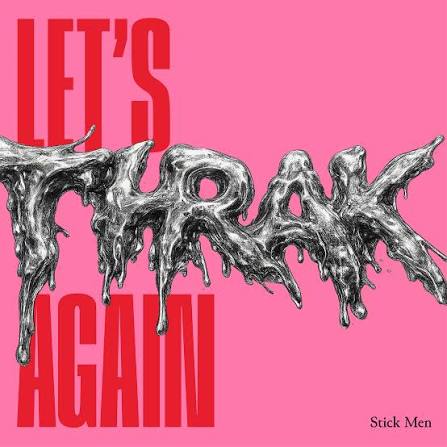
Stick Men – Let’s THRAK Again: Even more welcome to Crimheads than Tu-Ner’s Rendezvous Rodeo, this triumphantly asks and answers the musical question: what if the various King Crimson ProjeKcts had kept going after the Double Trio and Double Duo of the Nineties and Oughties dissolved? Make no mistake, Stick Men have always been their own three-headed Beast. In particular, Markus Reuter assimilated the Robert Fripp/Guitar Craft idiom and forged a unique take on it long ago; here, he makes that idiom more his own than ever here, hitting new peaks of angularity, invention and atmospherics. Meanwhile Tony Levin pumps out a low end as filthily fabulous as always on bass and Stick, while Pat Mastelotto’s percussives push and pull, fill and spill, smash and crash mightily throughout. Whether they’re slamming through the asymmetrically clashing riffs of the title track and its coda “Like We Did Last Summer”, launching one gliding arc of counterpoint after another on “Swimming in Tea”, dancing across the polymetrics of “Bash Machine”, or getting right in your face with “Fandango” and “Brutal”, Stick Men are at a fierce, fiery peak here. Their finest album by a big margin and an instant Favorite of mine, it’s available with two different track orders and mixes – each its own enthralling experience. (Order from Bandcamp.)
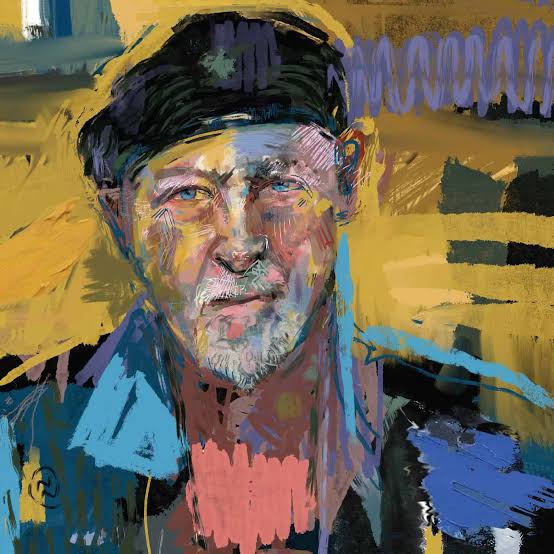
Richard Thompson – Hippies, Thugs and Heroes: Ho hum, another album of superior Richard Thompson songs – artful, melancholy, laced with dry, mordant wit, occasionally flashing feral teeth. It’s arguable that Thompson’s never moved on from that late-Sixties British intersection of Beatleish tunesmithing and trad-folk, but maybe he doesn’t have to; every song conjures up a scene, a cast of characters, an emotion all its own. A charming rogue takes one risk too many on “Cocaine Talking, Booze Walking”; “Pauper’s Grave” is a spare, riveting Highland lament; “Make Believe” and “The Soul of Love” lay bare secret, forlorn romance. By the time Scottish border ballads meet the Easybeats on “She Burns It All”, your resistance to Thompson’s grim yet grinning POV may be gone – just in time for the bitterly jolly “Everybody’s Stealing”, the Everlys-style duet “Pipe Dreams” and closer “Siren” (complete with nods to Homer). Oh, and on top of Thompson’s alluringly dark voice, there are his coolly stunning guitar playouts on “Unsung Hero” and “Stringer” to bring you back for yet another listen. An old master in all senses of the phrase, still at the top of his game. (Order from Bandcamp at the listening link.)
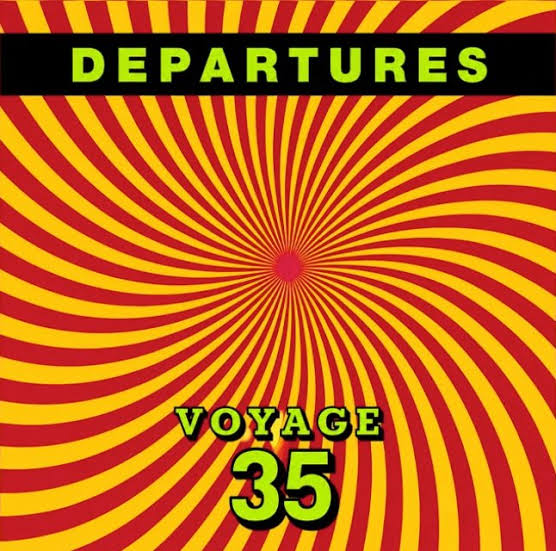
Voyage 35 – Departures: A simple enough rationale for this release: two Porcupine Tree alumni – namely bassist Colin Edwin and guitarist/backup singer John Wesley – and supporting players from their current gigs whip up a sampler of founding-era PT tracks in advance of touring the music live. If you wish that Steven Wilson (who’s given his blessing to the endeavor) had never signed a major-label deal or discovered progressive metal, this will probably be your jam. But for every freak-out sound effect involved, Tree fans of all eras will enjoy these committed performances, from Edwin’s low-end heartbeat to Wesley’s pungent guitar and Lorenzo Esposito Fornasari’s impassioned vocals – as well as the solid songwriting that still make “The Nostalgia Factory” (in two mixes), “Dark Matter”, “Even Less” and “Signify” a blast to hear after all these years. (Order from Burning Shed).
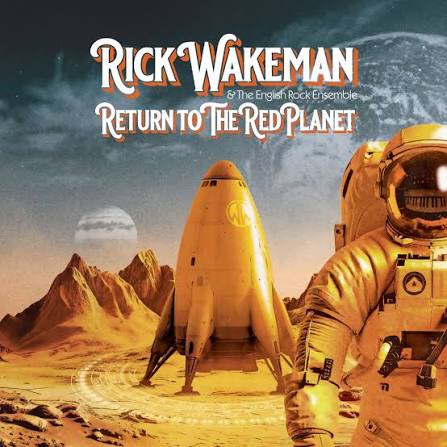
Rick Wakeman – Return to the Red Planet: Given that Wakeman has sequeled or remade most of his classic albums – some multiple times – why quibble that he’s done a follow-up to his most recent prog opus? Assembling his English Rock Ensemble and powering up his bank of synths once again, Rick serves up another genial suite of tone poems on Martian geography. If you wonder how much more can be milked from this arguably daft concept, the proof is in the pudding: the classical vibe of “The Jezero Crater”. the dreamy lament of “Noachis Terra” and the demented waltz of “Martian Dust Devils” all give ample pleasure. And if you find yourself shaking your head at the sheer number of extended keyboard solos Wakeman crams in, or sympathize with Mollie Marriott’s thankless task – singing reams of quasi-scientific, expository lyrics with a straight face – well, going over the top is inherent in the concept, isn’t it? More has always been better for Wakeman; once you grasp that, the overt sentiment behind his tribute track “Bowie’s Vision” and his obvious delight in unfurling the multi-part closer “Epochs of Mars” reveal his gratitude for the ride he’s had, and his delight in sharing so much melodic plenty with his loyal audience. (Order from Burning Shed.)
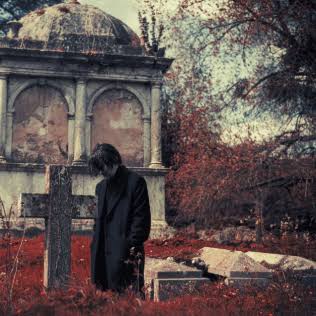
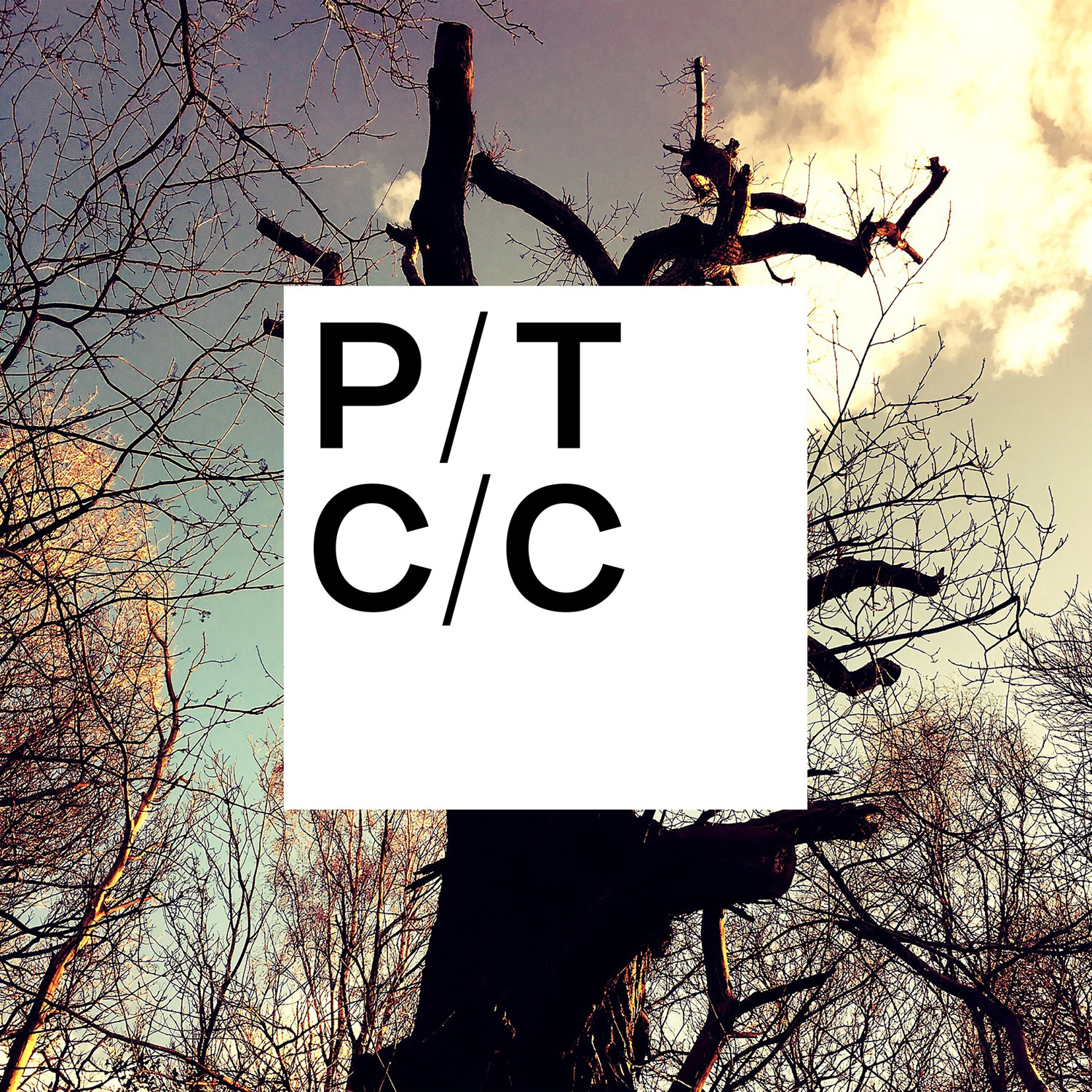
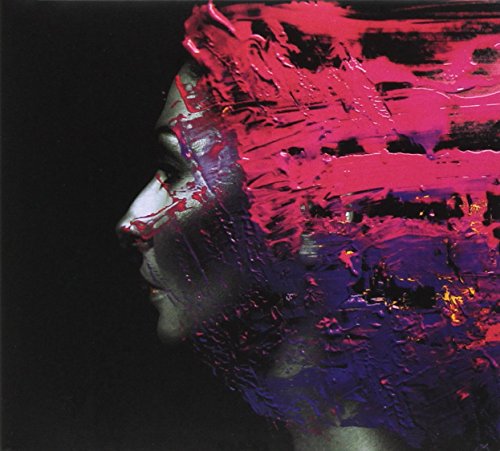
Steven Wilson – Requiem for a Village: Yes, I’ve stuck up for the merits of every Steven Wilson album since the consensus prog-fanatic pick Hand.Cannot.Erase and personal favorite To The Bone. (Yes, even The Future Bites.) But it’s a genuine, unalloyed pleasure to recommend Requiem for a Village; Wilson’s most spookily beguiling vision in ages, an audio-only ghost story that grabbed me on first listen and hasn’t let go yet. Mining the vein that yielded Porcupine Tree’s Darkwing and his solo breakout Grace for Drowning, SW spins the tale of an isolated, decaying town that no one leaves; but as the metal/trip-hop dysfunction of the title track and “Now Departing” yield to unsettled ambience on “The Same River Twice” and “Hiraeth”, an invisible menace more chilling than his usual serial killer takes shape. Both musically and lyrically, Wilson (in collaboration with Randy McStine on the music and Andy Partridge on the words) gives little away; you piece it together for yourself as immersively creeply vignette “On Chapel Slope” sinister suite “Murmuration” conjure up quiet, uncanny terror with spare, well-placed licks and soft, disquieting noises. And when Partridge’s ambiguous poetry (masterfully read by David Tennant) and the sheer beauty of “Great Green Map” collapse into flat-out dread on “Wheel” and “The Old God Is Buried”, there’s no escape. Its musical material completely in sync with its conceptual framework, both fully developed rather than hastily sketched, this album is utterly engrossing from top to bottom. An instant personal Favorite, and SW’s most serious candidate for my Album of the Year in ages. (Order from The Band Wagon USA or Burning Shed.)

— Rick Krueger
2024 In Review: kruekutt’s Final Favorites!

No big hoo-hah this year: just a down and dirty list of my favorite releases and reissues of the year, covered in previous Quick Takes or elsewhere on the Web (links are to my original articles)!

New Releases

Reissues

(Re)Discoveries

Thanks for your ongoing attention and steadfast support. We at the Rockin’ Republic of Prog appreciate it! Best wishes as we all turn the corner and head into the New Year!

— Rick Krueger

Rick’s Quick Takes: 4th-Quarter ’24 Lightning Round!

Where have the last two months gone? And how many new releases have I enjoyed in the interim? Enough that I’ll be shooting to summarize each one included below in two to four sentences, max! (Though I can’t guarantee they’ll be short sentences.) Purchase/streaming links embedded as usual, so here we gooo . . .

New Music

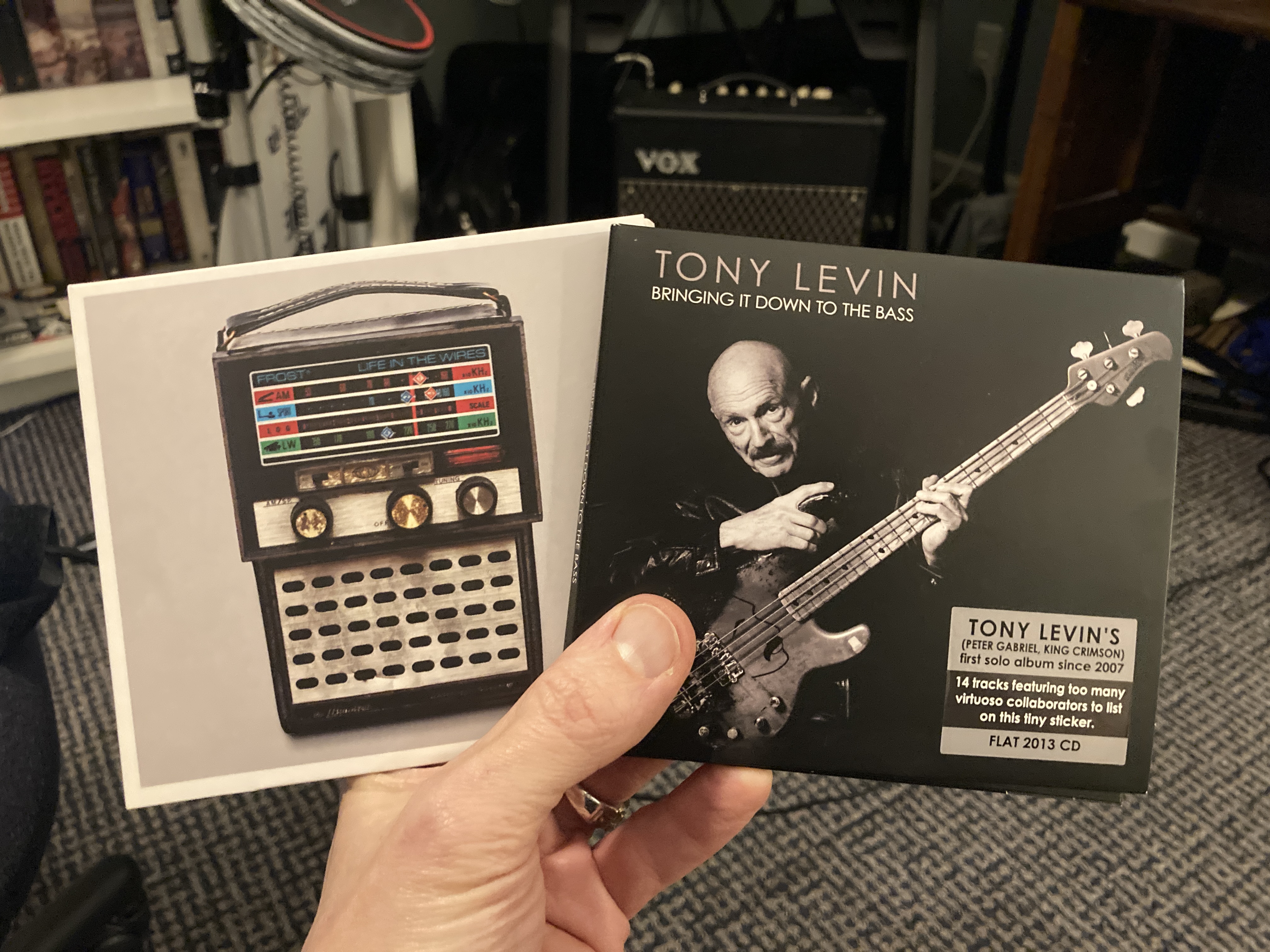
As teased in our October interview with mainman Jem Godfrey, Frost*’s Life in the Wires (listen here) is the conceptual album of a prog fan’s fondest dreams; the storyline is vintage dystopia (1984 meets Who’s Next), the music a full-on sonic assault from the get-go (replete with widdly synthesizer solos). Pitted against the required cybernetic supervillain, in search of freedom out there in the fields, can Godfrey’s protagonist Naio escape permanent lockdown in teenage wasteland? The ultimate answer is well worth the winding journey; powered by the heady backing of John Mitchell, Nathan King and Craig Blundell, Godfrey easily conjures up the equal of previous band high points Milliontown and Falling Satellites.

On his fresh solo album Bringing It Down to the Bass, Tony Levin launches 14 low-end odysseys with (to quote the hype sticker) “too many virtuoso collaborators to list.” But whether proving that “Boston Rocks” with Bowie guitarist Earl Slick and Dream Theater drummer Mike Portnoy, “Floating in Dark Waves” below Robert Fripp’s soundscapes, or reuniting with fellow Peter Gabriel bandmembers on multiple jams, Levin always grabs the ear with his supremely melodic bass, Stick and cello work. And his low-key, half-spoken vocals prove surprisingly effective, especially on dry barbershop throwbacks “Side B/Turn It Over” and “On the Drums” and the moving John Lennon tribute “Fire Cross the Sky.”

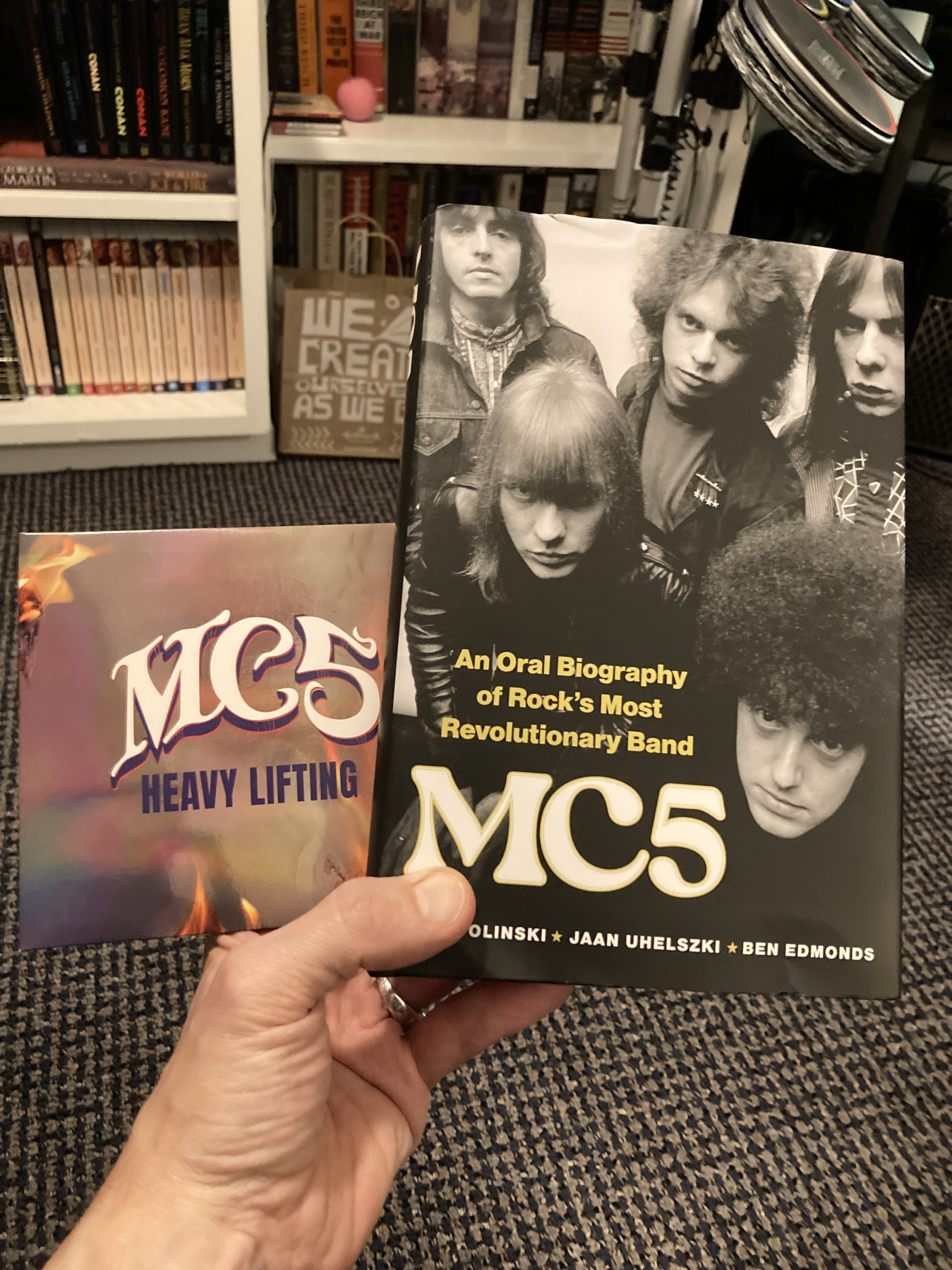
Pioneer garage rock guitarist Wayne Kramer had one more winner in him before his passing earlier this year. Credited in tribute to Kramer’s seminal Detroit collective MC5, Heavy Lifting (listen here) rages against the political and cultural machines still standing since the band’s original heyday, agitating for a better deal with 13 brash, irresistible helpings of punk (“Barbarians at the Gate”), rock (“Edge of the Switchblade”) and soul (Edwin Starr cover “Twenty-Five Miles”). For the full skinny on why Kramer & company finally snuck into the Rock & Roll Hall of Fame through the back door this year, the new MC5: A Oral Biography of Rock’s Most Revolutionary Band is essential reading.

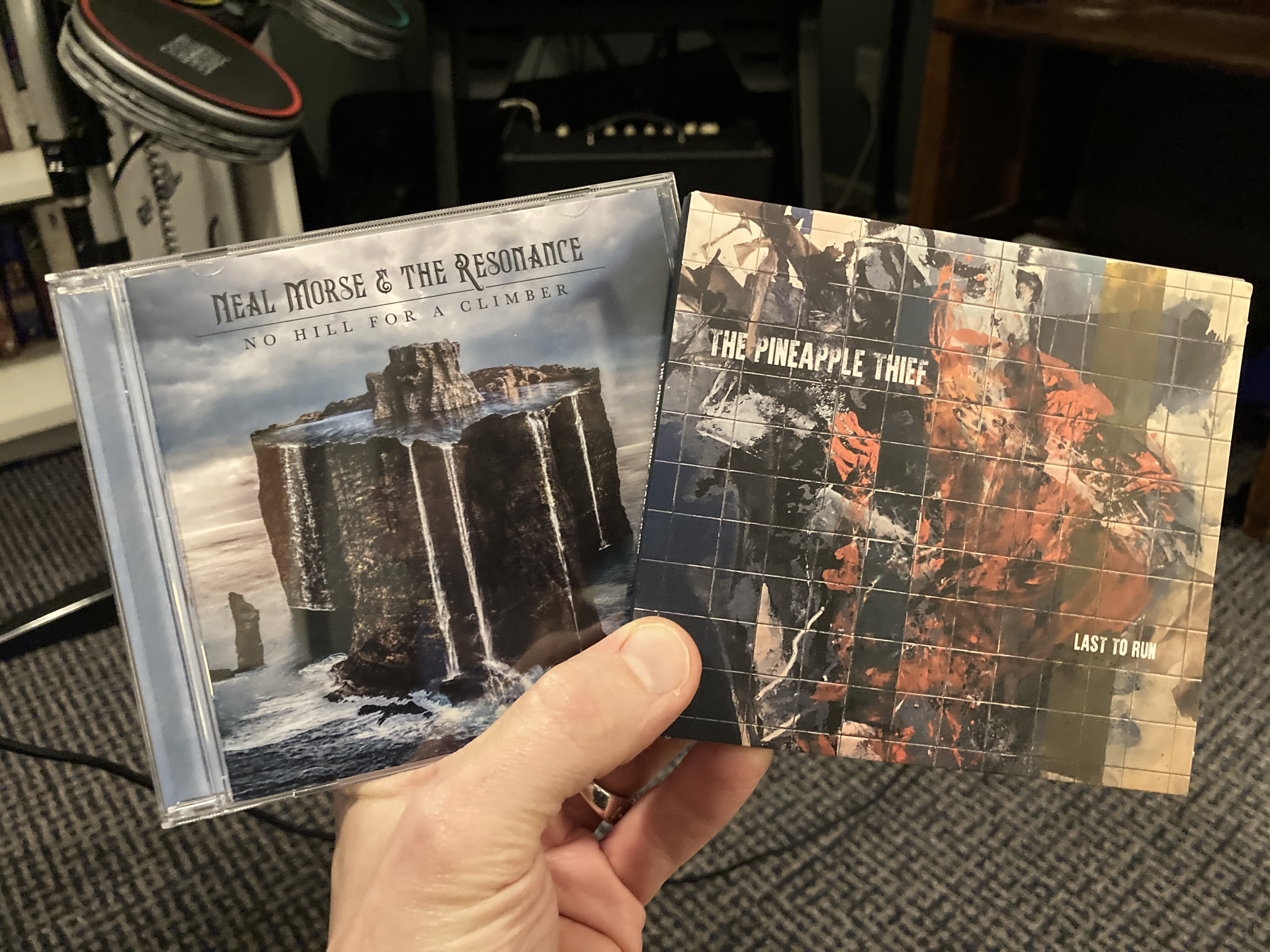
As his long-time collaborators spin off in other directions, Neal Morse just keeps on keeping on! Teaming with The Resonance, a purpose-built quartet of young Nashville hotshots, Morse’s latest No Hill for a Climber (listen here) is a bit of a throwback; instead of full-blown rock opera, Morse builds a multi-faceted album, sandwiching creepy swinger “Thief”, head-down rocker “All the Rage” and melting ballad “Ever Interceding” between twin epics (opener “Eternity in Your Eyes” and the closing title suite). The more straight-on vibe Morse embraced on his Joseph duology predominates here, but with enough detours to keep long-time listeners coming back and intrigue new hearers.

Straight-on is a pretty good description of the new The Pineapple Thief EP Last to Run (listen here) as well; far more than leftovers from the fine It Leads to This, the five songs included here strike hard and deep. As Gavin Harrison weaves enticing rhythmic illusions on drums, Bruce Soord spins up dark, pensive vignettes of personalities in crisis (“All Because of Me”), relationships snarled by dysfunction (“No Friend of Mine”) and societies on the brink (“Election Day”). Another band that mines a familiar vein repeatedly, yet consistently leaves listeners craving more.

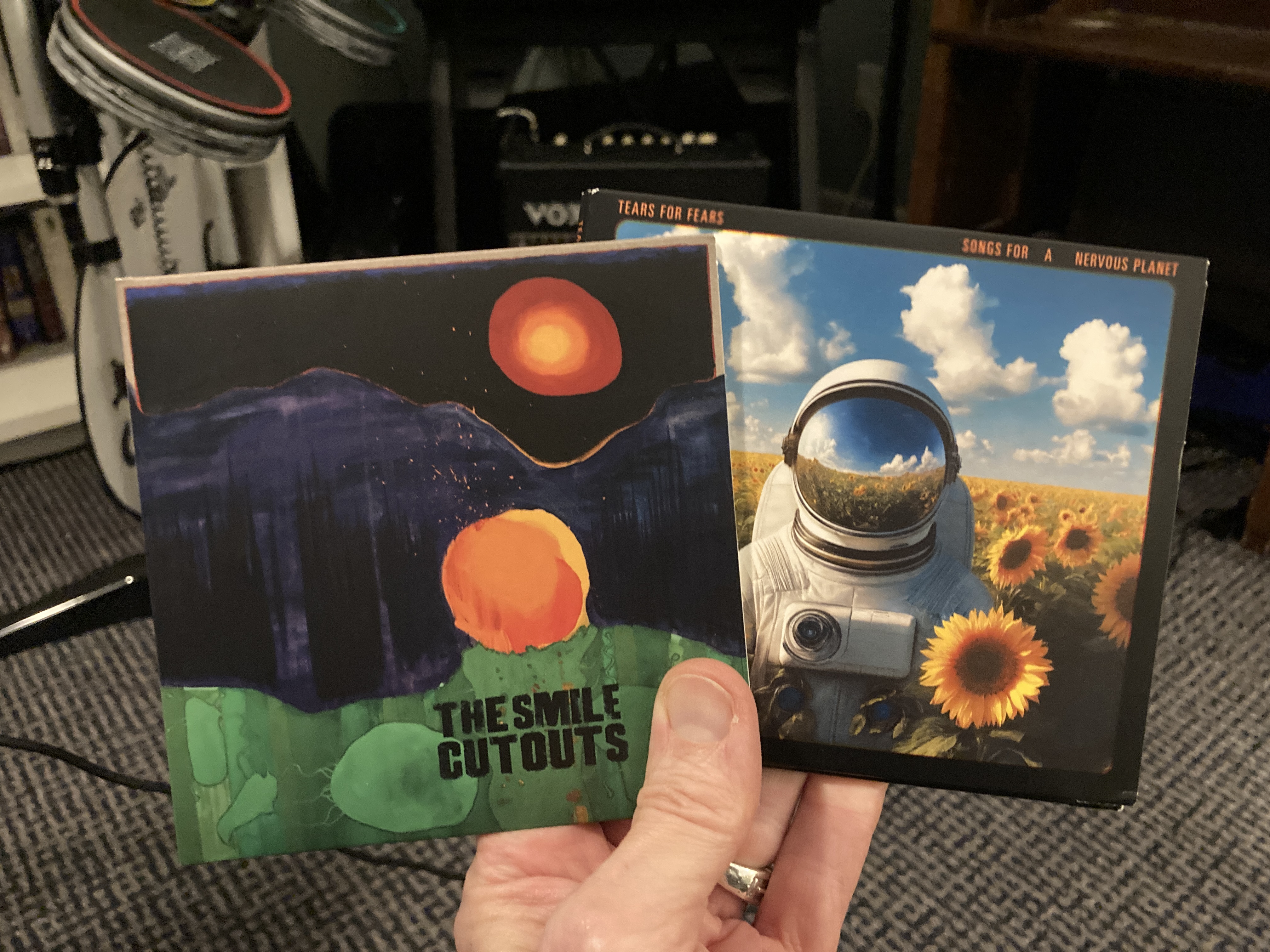
Speaking of dysfunction, The Smile’s Cutouts (listen here) resembles nothing so much as a numbed comedown, trailing the apocalypses unflinchingly depicted earlier this year on their Wall of Eyes. Thom Yorke’s nonsense lyrics and bleached-out vocal affect sound light-years away from the redemption Radiohead intimated even at their most jaundiced; Jonny Greenwood spins up orchestral/electronics, evoking distant, forgotten nightmares; Tom Skinner holds down the spare, spacey beat, blithely driving into nothingness. If not as gripping as this trio’s first two albums, Cutouts can still compel with its chill.

But where The Smile chills, Tears for Fears seeks warmth; the four fresh tracks on TfF’s mostly-live Songs for a Nervous Planet (listen here) home in on healing (“Say Goodbye to Mom and Dad”), lasting love (the lush “The Girl that I Call Home” and the psychedelic “Emily Says”) and self-actualization (the quirkily glib “Astronaut”). And there’s plenty more catharsis in concert, as Roland Orzbaal, Curt Smith and backing band blast out the hits of yesteryear and revisit the highlights of their fine 2022 comeback The Tipping Point, all with plenty of enthusiasm and aplomb.

(Live albums and archival releases – box set time! – follow the jump.)

Continue reading “Rick’s Quick Takes: 4th-Quarter ’24 Lightning Round!” →

Rick’s Quick Takes for January (In the Bleak Midwinter)

Note: Artist/title links go to purchase options; streaming previews follow reviews.

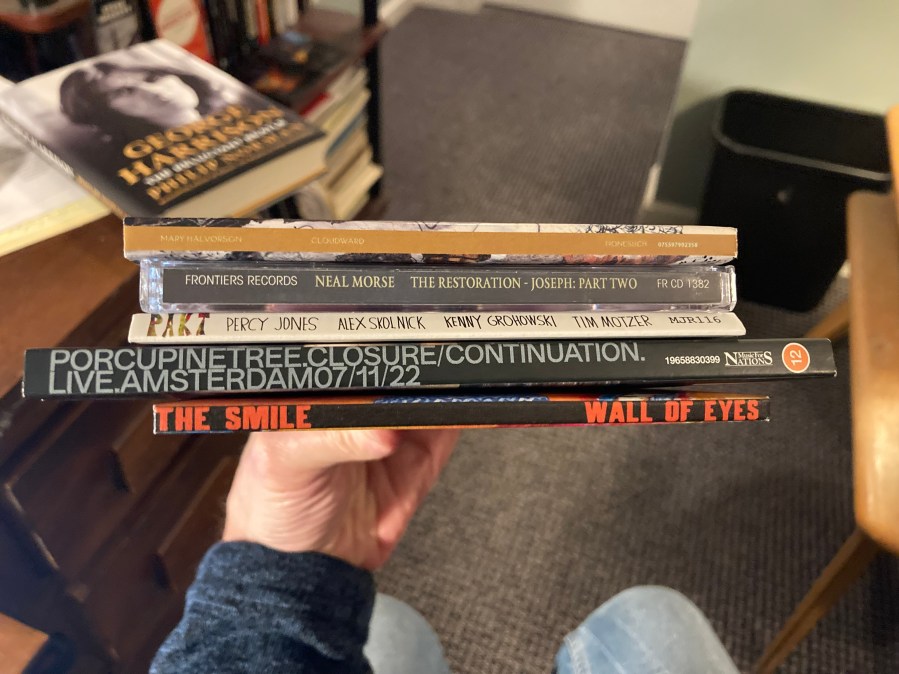
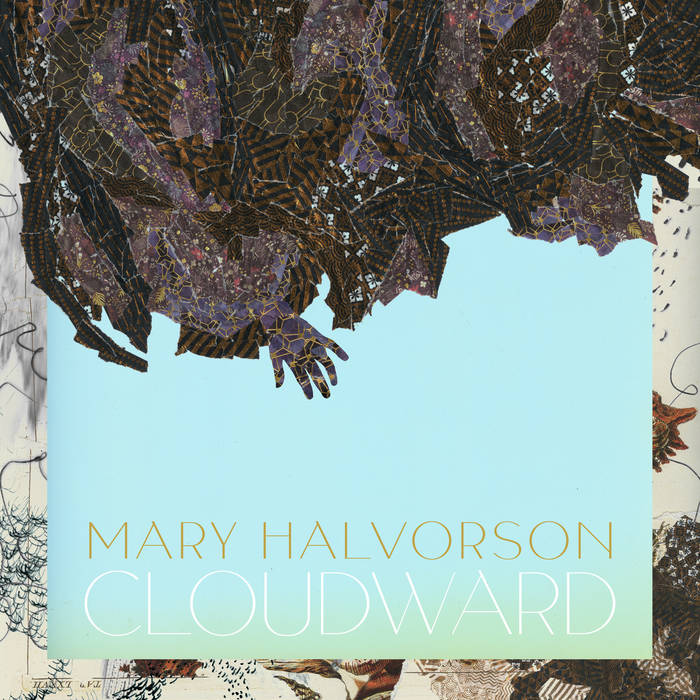
Mary Halvorson, Cloudward: Trailblazing guitarist Halvorson gathers the sextet from her 2022 classic Amaryllis around eight new avant-jazz compositions. Trumpeter Adam O’Farrill and trombonist Jacob Garchik sizzle on opener “The Gate”; Patricia Brennan’s vibraphone lends a rich shimmer to “The Tower”; Nick Dunston launches an epic bass solo to kick off the closing “Ultramarine”. And Tomas Fujiwara? He’s everything you could imagine in one drummer — meditatively punctuating “Unscrolling”, driving the riff-fest “Tailhead” and covering all points in-between. Set these folks loose on their leader’s sinewy, elegant concoctions of yearning and abstraction, and you never know what will happen next. All the while, Halvorson sets the pace on her instrument, with a woody, delay-laced sound and a skittering, percussive style all her own. Whether Halvorson’s and company are swinging like mad on “Collapsing Mouth” or coalescing like electrical static around Laurie Anderson’s guest violin on “Incarnadine”, Cloudward is another head-spinning, laugh-out-loud delight.

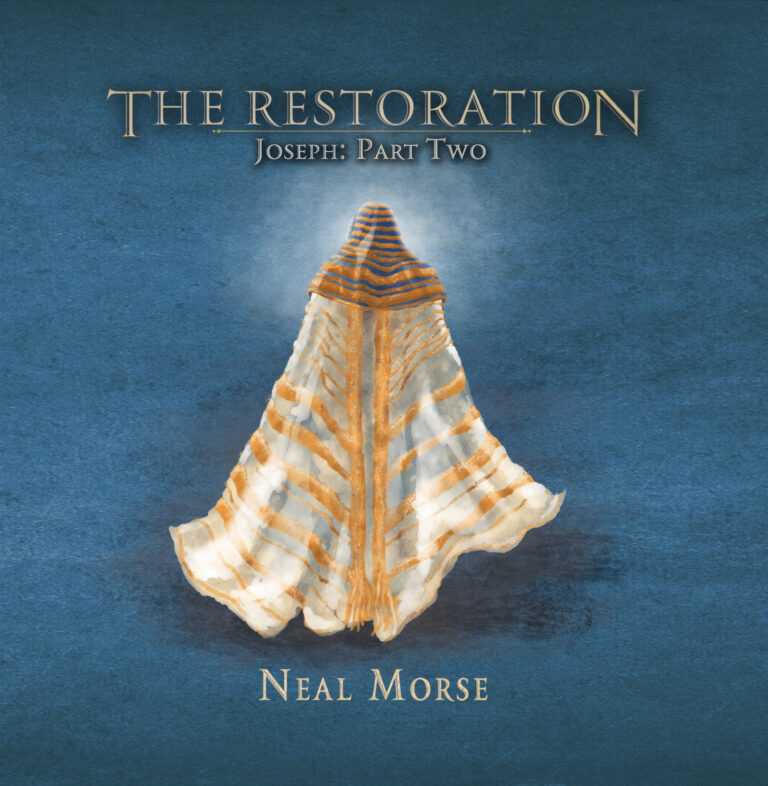
Neal Morse, The Restoration — Joseph, Part Two: The conclusion of Morse’s latest rock opera takes Part One’s rough and ready swagger and turns it up to 11, with grit even in the proggiest moments (Jacob’s sons’ vocal fugue a la Gentle Giant on “The Argument”) and fresh muscle propelling the Latin groove “Everlasting”. There’s heft to the lyrics too, as the showdown between a newly-powerful Joseph and his off-balance brothers displaces Neal’s usual conversion narrative. (Don’t worry, though; reconciliation and revival are just a title track away.) With tight melodic/thematic connections to The Dreamer and a beefy sound recalling George Harrison’s All Things Must Pass and Joe Cocker’s Mad Dogs and Englishmen, The Restoration is also a spectacular vocal showcase; ensemble highlights include Ted Leonard’s emotive Judah and the Nick D’Virgilio/Ross Jennings cameos as Pharaoh’s butler and baker, and Morse puts his newly darkened tone to thrilling use at dramatic highpoints like “I Hate My Brothers”. Together, the Joseph albums are easily my favorite Morse-related releases since The Similitude of a Dream and The Great Adventure, and The Restoration goes straight to my Official Faves List for the new year.

PAKT, No Steps Left to Trace: Another year, another heaping helping of cutting-edge free improvisation from MoonJune Records, courtesy of indefatigable impresario Leonardo Pavkovic! Now in their third year as a collective, bassist Percy Jones, guitarist Alex Skolnick, drummer Kenny Grohowski and guitarist/electronicist Tim Motzer unleash their first double album, created entirely from scratch both in the studio and live. It’s a genuinely explosive set, especially when Jones (best known from Phil Collins’ 1970s fusion band Brand X) ramps up the double-time grooves and his compatriots lock on! But the intensity doesn’t slacken when the music spaces out, either; listening hard and leaning into their deep, uncanny sense of interplay, PAKT also conjures some of the most arresting ambient jams I’ve come across recently. Bursting every genre boundary you can think of, No Steps Left to Trace isn’t for the musically faint of heart — but, for those with ears to hear, it’s a trip well worth taking.

Porcupine Tree, Closure/Continuation. Live Amsterdam 7/11/22: The show I saw in Chicago a couple of months before but bigger, scaled up for packed European arenas instead of partially-filled Stateside auditoriums and rush-released on video before Christmas. The sum of all the prog-metal parts here is flat-out engaging: Gavin Harrison’s percussive impossibilities and Richard Barbieri’s synth squelches ground Steven Wilson’s driven singing and sardonic patter, while utility players supreme Randy McStine and Nate Navarro slam the songs home. Newer material stacks up well against PT’s classics, with pensive slowburns “Dignity”, “Chimera’s Wreck” and “Buying New Soul” nicely offsetting thrashy frequency-eaters “Blackest Eyes”, “Herd Culling” and “Anesthetize”. A solid introduction for anyone who missed the Tree’s initial, spiky flowering, this one will probably resonate deeper with longtime fans (like me) who took Wilson’s long-term “never again” PR onslaught at face value – until we no longer had to.

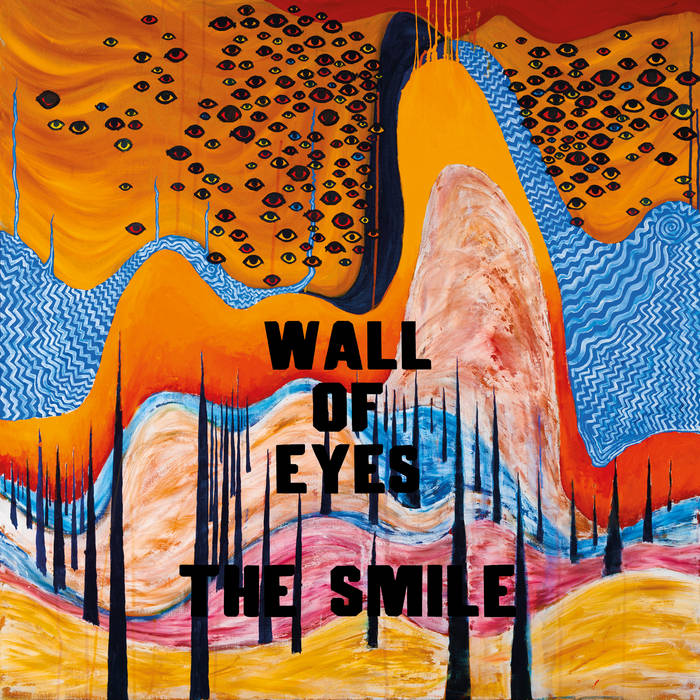
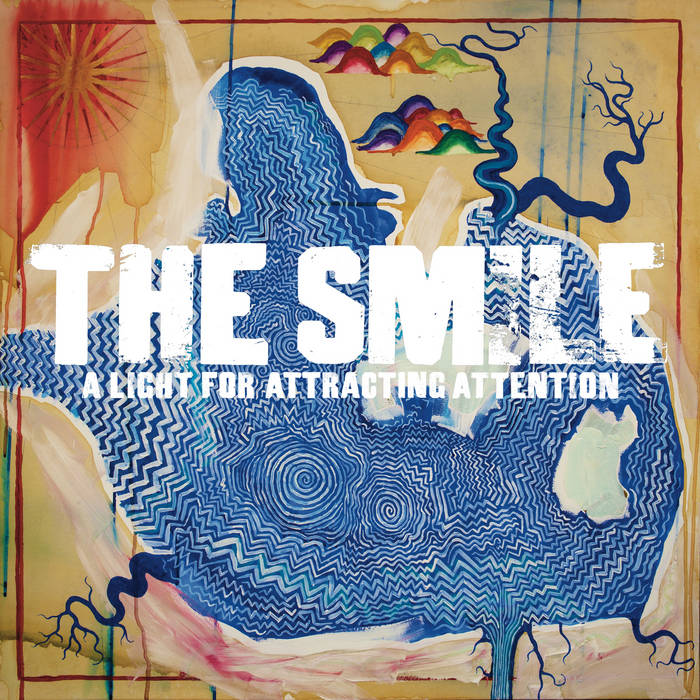
The Smile, Wall of Eyes: Admit it: does Stanley Donwood’s latest album cover look like a psychedelic Lord of the Rings paperback cover from the 1960s or what? And the title track kick-off of this Radiohead-facing project is every bit as disorienting: a understated bossa nova from Tom Skinner to which a balefully depressive Thom Yorke lyric, tightly wound orchestral smears and Jonny Greenwood’s arhythmic guitar plinks attach themselves like disfiguring barnacles. No forthright kicks to the head in the style of A Light for Attracting Attention here; The Smile beckon us toward dystopia ever so gently — odd-time licks over the ominous vamp “Read the Room”, Greenwood and Skinner gouging a trench below Yorke’s mewling protests on “Under Our Pillows”; the Beatlesque ballad “Friend of a Friend” delicately dissolving the boundary between courage and despair in less than five minutes. In the face of lives ever more trapped onscreen, are the only options self-destruction (as “Bending Hectic’s” dissonant strings erupting into unmistakable Greenwood power chords) or resignation to Technopoly’s embrace (the closing “You Know Me!”)? Whatever our take, Yorke, Greenwood and Skinner once again prove brutally honest guides to the expanse of beauty and abyss of horrors lying before us. 

— Rick Krueger 

Rick’s Quick Takes from March

“Delays, delays!”

Marvin the Martian, “Hare-Way to the Stars”

(A quick note: for new releases, order links are embedded in album titles; online playlists/previews/etc. follow reviews when available. For catalog albums, playlists are linked with titles.)

Once again, I get to second a positive review from Bryan — this time of Fauna, the new release from prog-metallers Haken. Wildly creative, I found this to be the British sextet’s most appealing effort since 2016’s Affinity, stirring in flavors of fusion, postmodern pop, funk, reggae, electronica and even opera alongside one heavy yet tuneful chorus after another. Whether on the short, sharp shocks of “Taurus” and “Lovebite” or the extended journeys of “Sempiternal Beings” and “Elephants Never Forget”, Ross Jennings’ vocals soar, Charlie Griffiths and Richard Henshall’s guitars crunch, Peter Jones’ keys fill what few sonic crevices remain, and rhythm section Conner Green and Raymond Hearne thunder. Play it loud — but look out for multiple, exciting curveballs on every track!

Last month also saw the release of two live albums from veteran bands who’ve made it through the pandemic back to the stage:

Van der Graaf Generator’s The Bath Forum Concert (a CD/DVD/BluRay set) documents the venerable trio’s 2022 return to action; tackling an ambitious setlist that spans their entire career, guitarist/pianist/singer Peter Hammill is as declamatory and vehement as ever, organist Hugh Banton covers the aural spectrum between cathedral and crypt, and drummer Guy Evans locks into or disrupts the grinding soundscapes as the spirit moves him. The beautifully filmed video shows VDGG working hard and watching each other, opting for the flow as they feel it rather than relying on clinical precision; warts and all, this is refreshingly in the moment, a strong show that captures the band’s existential angst and humanistic idealism in full.

Two years after their 2020 Far Eastern tour collapsed around them, King Crimson satellite band Stick Men returned to Japan and blew away any cobwebs that might have accumulated at Osaka’s BB Live venue. The resulting album Umeda showcases avant guitarist Markus Reuter, multi-bassist Tony Levin and percussionist Pat Mastelotto at their aggressive, angular best; whether on long-standing improvisational frameworks “Cusp”, “Schattenhaft” and “Swimming in Tea”, newer compositions “Ringtone”, “Tentacles” and “Danger in the Workplace” or Crimson classics “Red”, “Larks’ Tongues in Aspic Pt. II” or “The Sheltering Sky”, these guys are frighteningly good, whether working up a hair-raising din or backing off for spacey, unexpectedly lush interludes. A great introduction for newbies and a must for fans.

Plus, in February and March the recorded music industry resumed cranking out deluxe box set reissues and compilations — apparently the market of Boomers (like me) with more money than sense isn’t tapped out yet:

Continue reading “Rick’s Quick Takes from March” →

Bryan’s Best of 2022

This year has been an interesting one for me musically. For much of the middle of the year I was absorbed by older progressive metal music, primarily diving into back catalogs for Meshuggah, Pain of Salvation, TesseracT, and Caligula’s Horse. I found that I wasn’t as compelled by more traditional “prog rock,” at least not in its shorter forms. I did find myself enjoying some of the longer form tracks, like Lobate Scarp’s “Flowing Through The Change” and Ryo Okumoto’s “The Myth Of The Mostrophus.” Much of my favorite new music leaned towards post-progressive music, with a few more traditional picks thrown in as well. I’ve reviewed a lot of music this year and listened to far more, some of which would have made a best-of list in years past where I listened to less music. Alas.

The following order is relatively arbitrary apart from my top album at the end.

GH-2022-cover-1080px-PREVIEWGlass Hammer – At The Gate
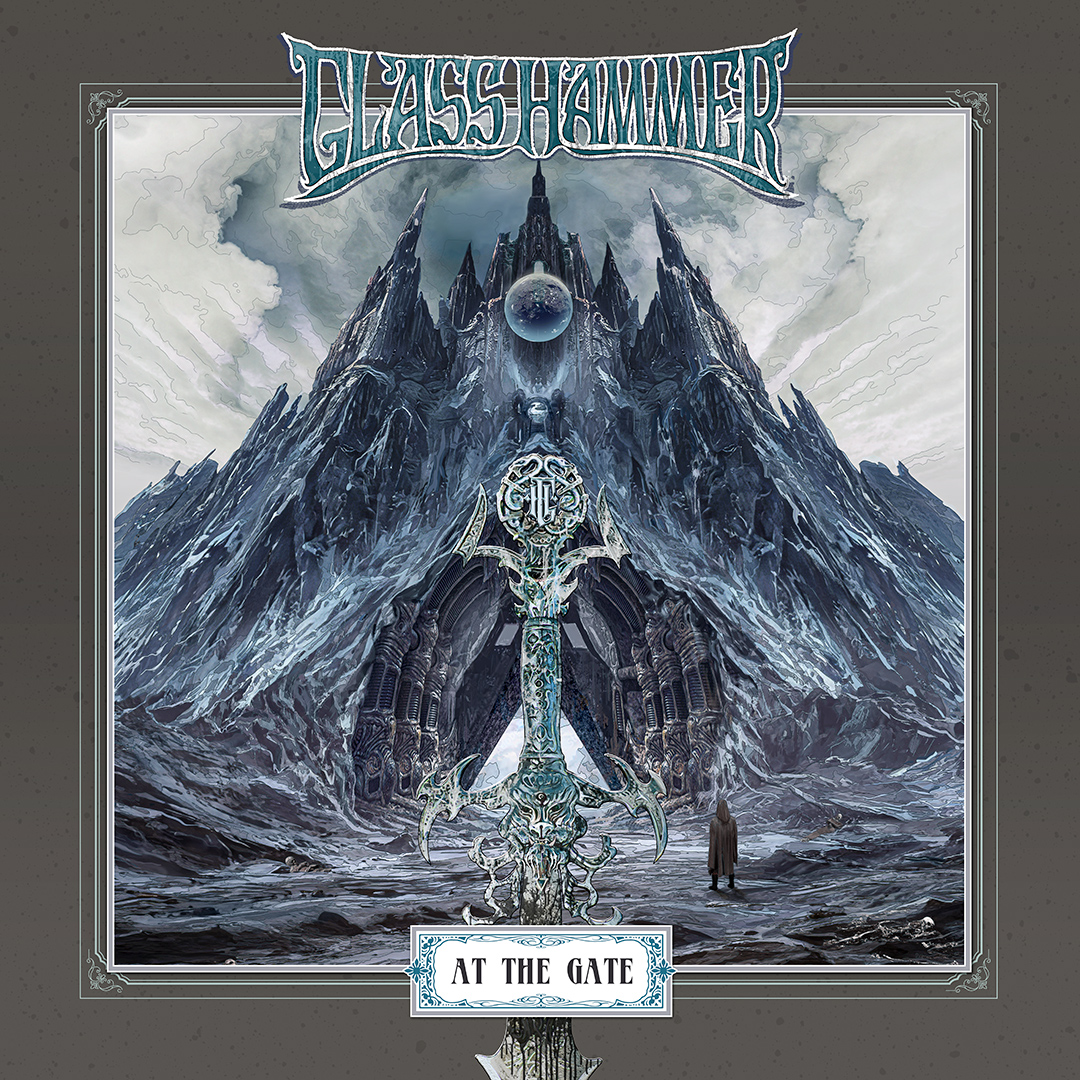
The third record in Glass Hammer’s Skallagrim trilogy of fantasy albums doesn’t disappoint. In fact in may be the best of the trilogy. Equal parts heavy and proggy, I think my favorite parts are when the band goes full Rush. You don’t hear many bands really showing a mature Rush influence (as opposed to hearing elements of a Rush sound), and it was great to hear it on this album.

tangent-hard-shoulderThe Tangent – Songs From The Hard Shoulder

The Tangent returned this year with a collection of prog epics (and one R&B, disco, funk track), sure to thrill longstanding fans and possibly scare away the uninitiated. Check out my review of the album: https://progarchy.com/2022/06/28/album-review-the-tangent-songs-from-the-hard-shoulder/. Check out Rick Krueger’s interview with Andy Tillison, as well: https://progarchy.com/2022/05/27/andy-tillison-the-progarchy-interview/.

Lobate Scarp - You Have It AllLobate Scarp – You Have It All
This record was a long time in the making for Lobate Scarp and it’s mastermind, Adam Sears. The record masterfully blends prog with pop sensibility, all while bearing a strong Spock’s Beard influence. My favorite song is the 17-minute “Flowing Through The Change.” Beyond that, I’ve found many of the uplifting lyrics from other tracks running through my mind over the course of the year. Check out Time Lord’s review: https://progarchy.com/2022/05/06/album-review-you-have-it-all-by-lobate-scarp/.

a0006828710_10Dave Brons – Return to Arda
Dave Brons recently released a follow-up to his 2020 Tolkien-influenced record, Not All Those Who Wander Are Lost. Return to Arda looks at nature within Tolkien’s “Middle-Earth” through a celtic progressive rock lens. Featuring vocals from Sally Minnear, and mixing by Dave Bainbridge. Check out the album on Bandcamp: https://davebrons.bandcamp.com/album/return-to-arda.

Gabriel Keller - Clair ObscurGabriel Keller – Clair Obscur
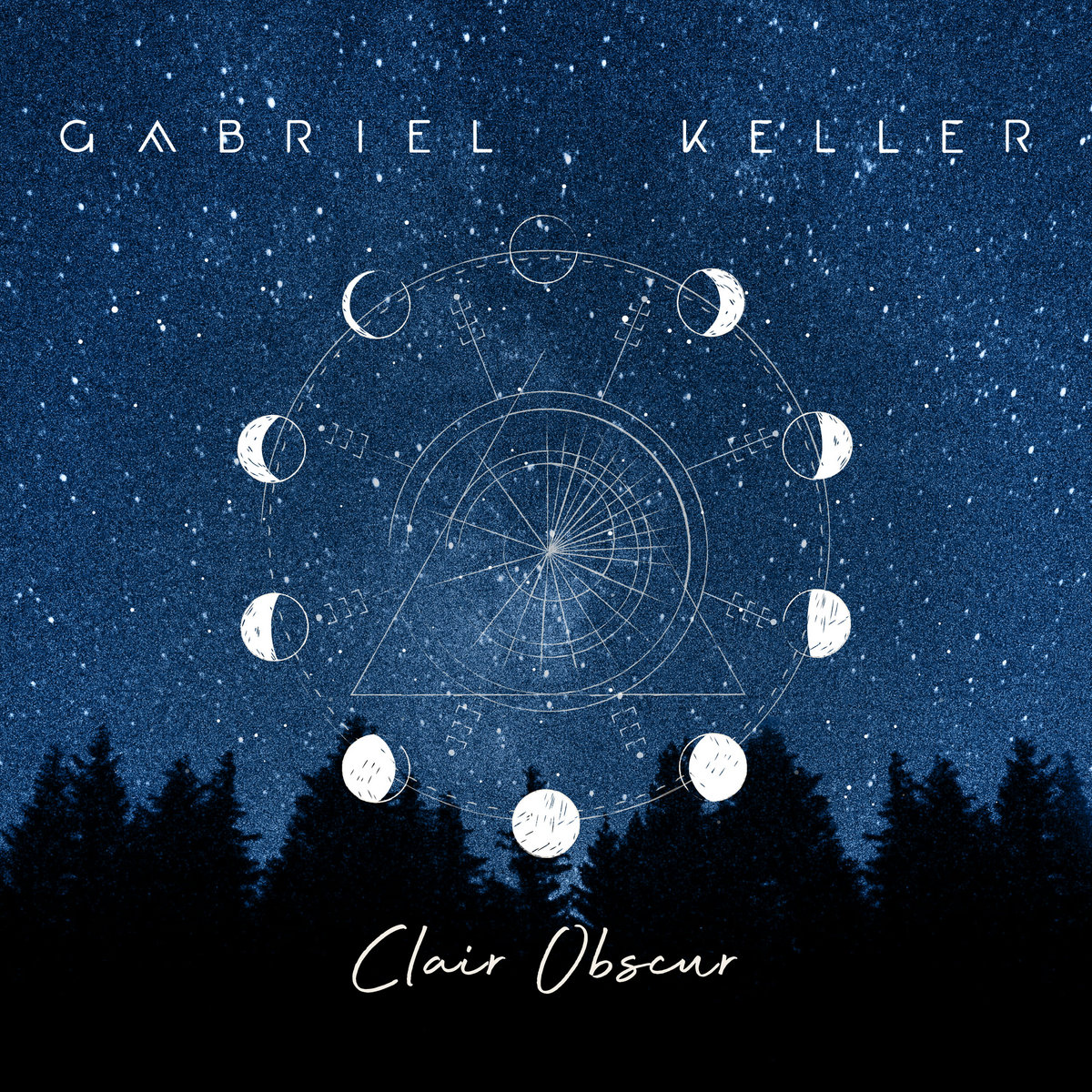
I reviewed quite a few albums from France this year, and this record was my favorite of those. It contains a blend of English and French lyrics with multiple vocalists. The album has a variety of styles, gradually getting darker and heavier as it goes along. Check out my review: https://progarchy.com/2022/11/13/gabriel-kellers-stunning-musical-journey-clair-obscur/.

8716059014463-cover-zoomInhalo – Sever
I reviewed this debut album from the Dutch proggers for the Dutch Progressive Rock Page earlier this year, and it was a very pleasant surprise for me. It reminded me of TesseracT if they were playing just hard rock and not metal. Very atmospheric with a mature sound. I love their wall-of-sound approach. It’s a solid record, and I look forward to more music from the band. Check out my DPRP review: https://www.dprp.net/reviews/2022/071.

Big Big Train - Welcome to the PlanetBig Big Train – Welcome To The Planet
This record was bittersweet, being the final Big Big Train record to feature David Longdon on lead vocals. It was also an album of change for the band, with new member Carly Bryant taking a more prominent role on the record compared to Common Ground released a mere six months earlier. The record contains a pleasant blend of the band’s more accessible bits as well as their proggy moments. “Capitoline Venus” is a touching love song, while “Oak and Stone” fits in a long tradition of Big Big Train’s pastoral contemplative tracks. The title track is a bit unlike anything we’ve heard from the band, at least during Longdon’s tenure, reflecting Bryant’s new influence. It took me a few listens, as it took me by surprise at first. But once I “got” it, I really came to enjoy it. Check out my review: https://progarchy.com/2022/01/19/album-review-big-big-trains-welcome-to-the-planet/; and check out Rick’s review too: https://progarchy.com/2022/01/21/ricks-quick-takes-for-january/.

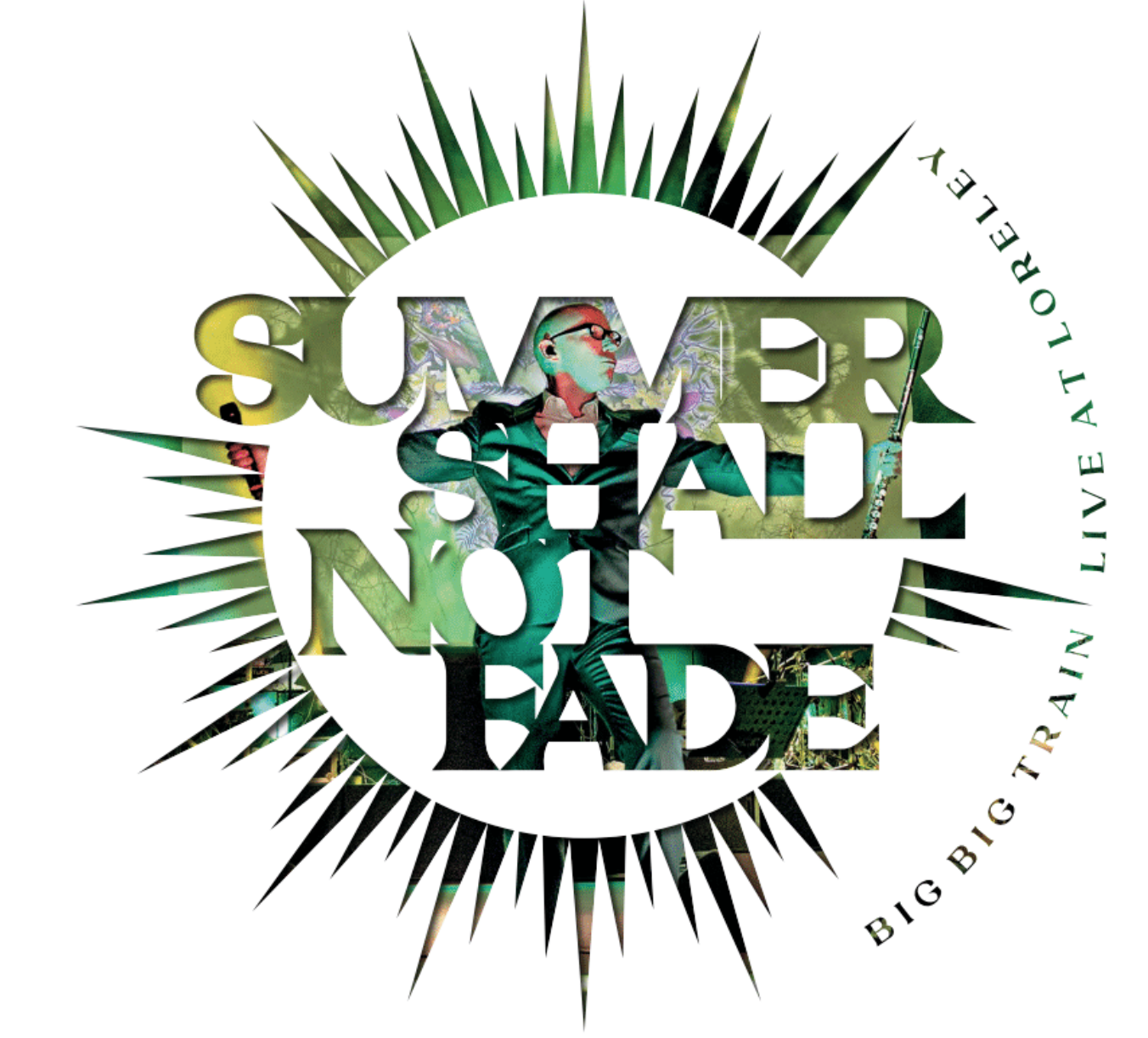
Big Big Train Summer Shall Not FadeBig Big Train – Summer Shall Not Fade
The band’s 2018 performance at the Night of the Prog in Loreley, Germany, has been a bit legendary amongst the band’s fans for years, and I suspect the band decided to release it this year due to Longdon’s tragic passing last year. The concert finds the “classic” lineup of the band playing at or near their best in front of a very large crowd. We’re reminded of how great a frontman Longdon really was. It’s a pleasant way to remember this part of the band’s history. Check out my review: https://progarchy.com/2022/11/05/big-big-train-summer-shall-not-fade/.

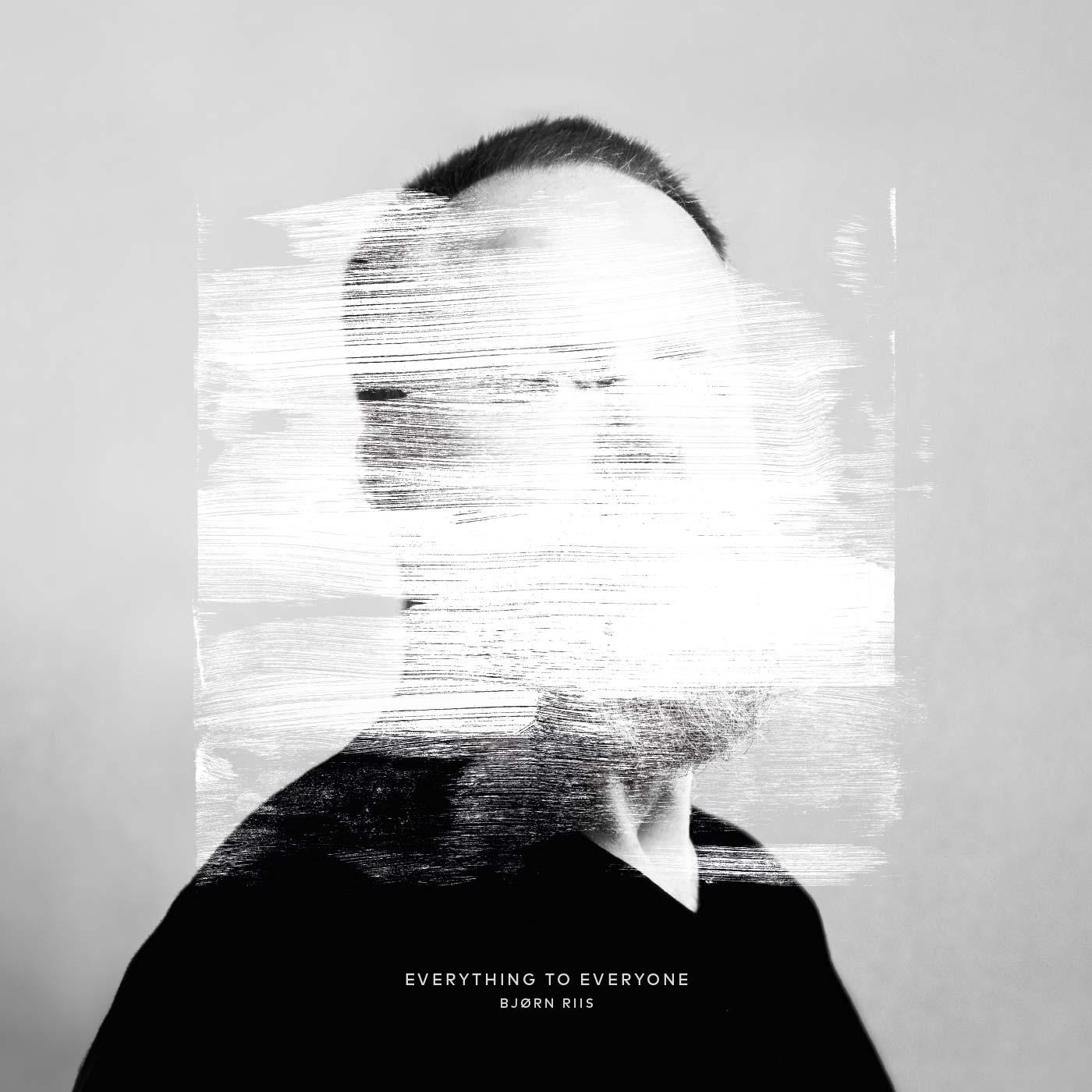
Bjørn Riis Everything to EveryoneBjørn Riis – Everything To Everyone
This record dominated my listening early in the year. Riis is an excellent guitarist, and his atmospheric rock is always compelling. Every one of his solo albums is worth listening to for his music, vocals, and lyrics. His albums are melancholic, like most of the progressive rock I’ve heard from Norway. Check out my review: https://progarchy.com/2022/05/09/album-review-bjorn-riis-everything-to-everyone/.

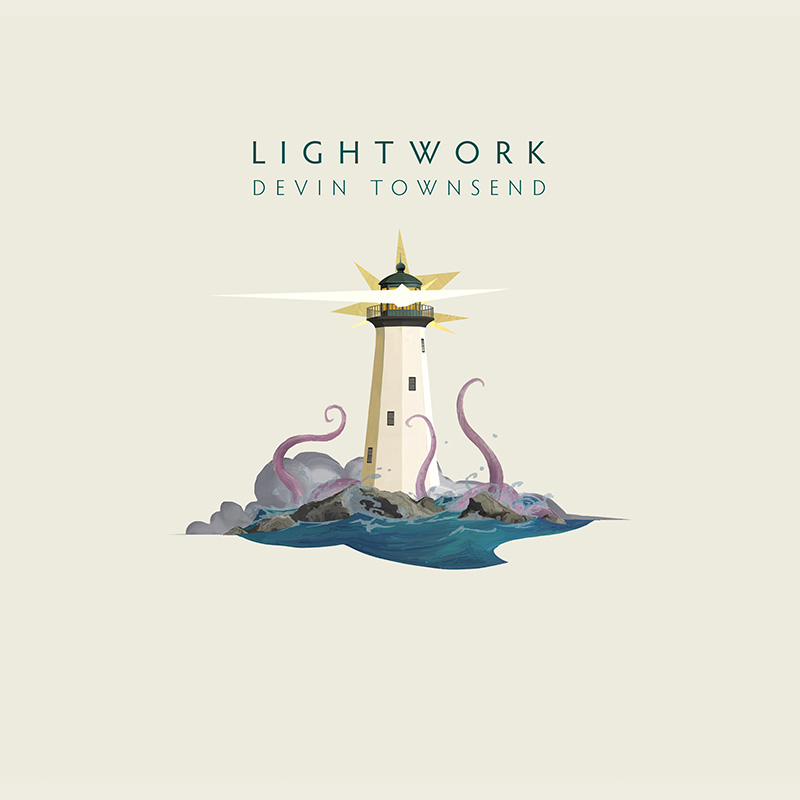
dt-lightwork-front-coverDevin Townsend – Lightwork/Nightwork
Devin may have gone quieter on Lightwork, but the album displays his talent as well as any of his records. His skills as a mixer, writer, composer, guitarist, and singer are on full display. The companion album, Nightwork, has some heavier moments, perhaps to soothe parts of his fan base. Either way, both records are great. Check out my review: https://progarchy.com/2022/12/22/devin-townsend-lights-the-night-lightwork-and-nightwork/.

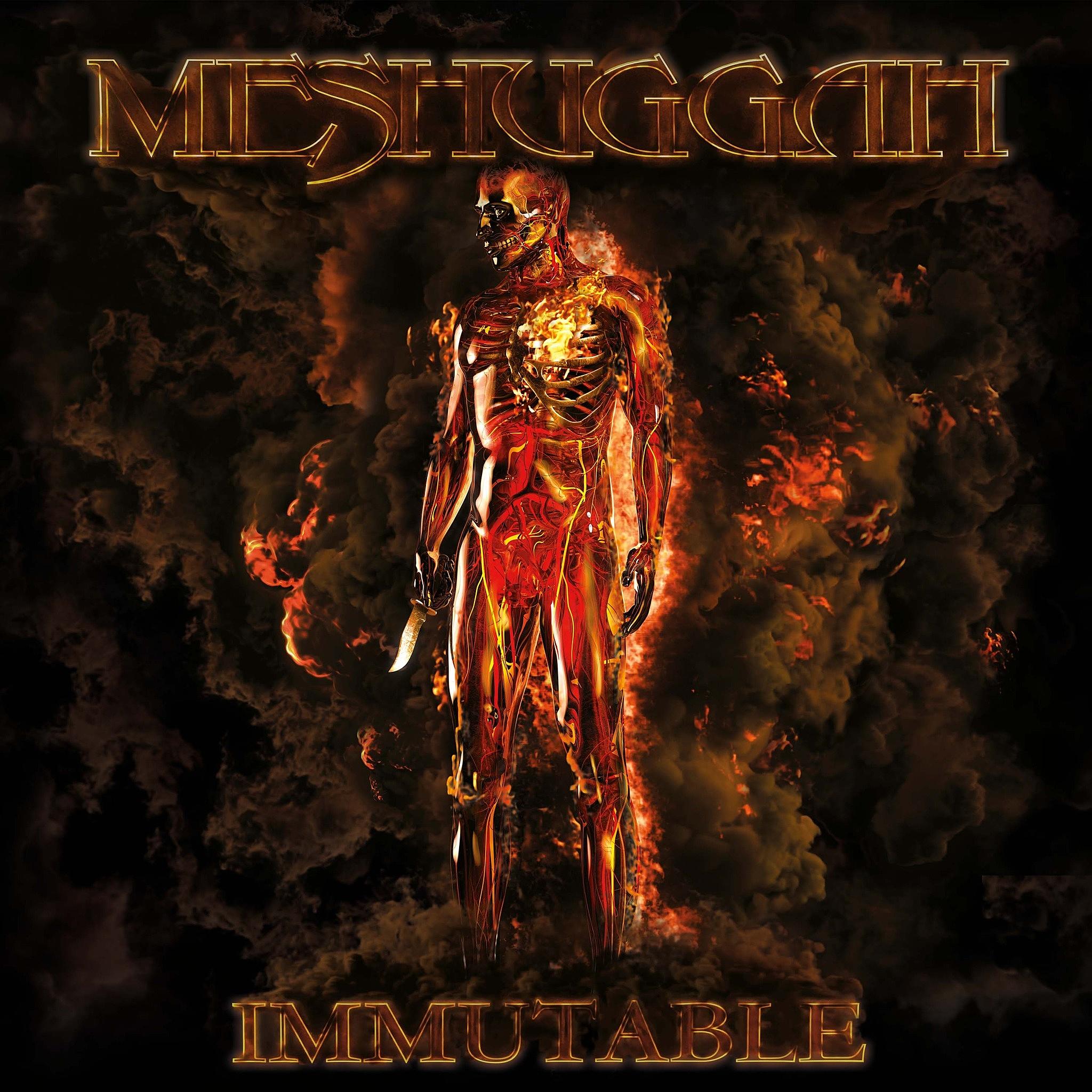
meshuggah-immutableMeshuggah – Immutable
It has taken me close to a decade of listening to progressive metal before I was able to finally get into Meshuggah, and it happened this year! I’ve long known about them and respected them, but I just couldn’t get it. Maybe me getting into Devin Townsend’s more extreme side over the past couple years helped open that door, but I’m now a big Meshuggah fan. I could even hear a Meshuggah riff (from “Demiurge”) coming from my knife and cutting board when I was chopping celery last week. “Immutable” is a fantastic record, finding the band tweaking their sound a bit without changing their substance at all. “Broken Cog” is heavy, brooding, and atmospheric. The scream of “broken cog” close to the end is absolutely epic. Check out Mahesh Sreekandath’s review: https://progarchy.com/2022/11/25/immutable/.

Porcupine-Tree-–-Closure-ContinuationPorcupine Tree – Closure Continuation
I didn’t get into Porcupine Tree until after their hiatus following 2009’s “The Incident” and subsequent tours. I had no real expectations for this record, since Porcupine Tree has played a lot of different styles over the course of their long career. I kept an open mind, and I was highly rewarded. This album is pure Porcupine Tree without feeling like it’s trying to create a certain sound. It’s just what came about from the members writing and playing together on occasion over the past decade. Upon reflection, I think my dislike for some of Steven Wilson’s poppier solo work might be tempered if he continues to make music like this in other outlets. Check out Rick Krueger’s review of the band’s live show in Chicago: https://progarchy.com/2022/09/23/porcupine-tree-in-concert/.

marillion-ahbitd-1Marillion – An Hour Before It’s Dark
Another record that dominated my listening early in the year. This record is almost as good as 2016’s F.E.A.R. Perhaps not quite, but it is close. It’s one I’ll likely enjoy for years to come. Well written music and lyrics (for the most part – I have my beefs with one track) that ponder the turmoil of the last few years. It’s a hopeful album that has some calls to reflect and change our ways. In the end, it makes you think, as all good art should. Check out my review: https://progarchy.com/2022/03/27/we-still-have-time-marillions-message-of-hope-an-hour-before-its-dark/.

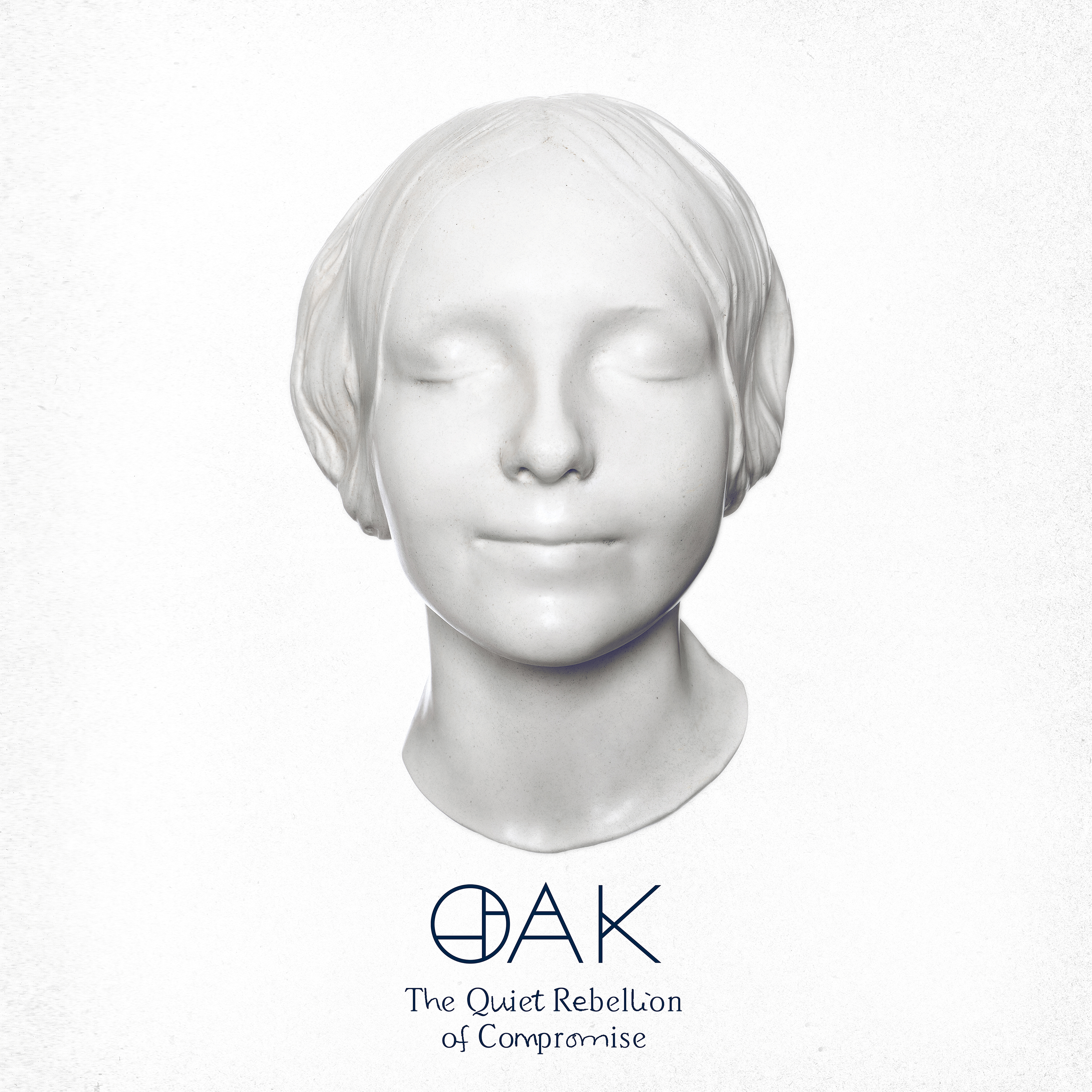
Oak - The Quiet Rebellion of Compromise1. Oak – The Quiet Rebellion Of Compromise
Oak never disappoint me. Their latest record finds them evolving their sound a little bit, but it is still definitively Oak. Their layered soundscapes, haunting vocals, and thoughtful lyrics have kept them at the top of my list of favorite newer bands since I first heard them in 2016, and they’ve only confirmed that for me with this record. They’re a band that deserves far more recognition from the prog world. Check out my review: https://progarchy.com/2022/12/14/oaks-third-masterpiece-the-quiet-rebellion-of-compromise/.


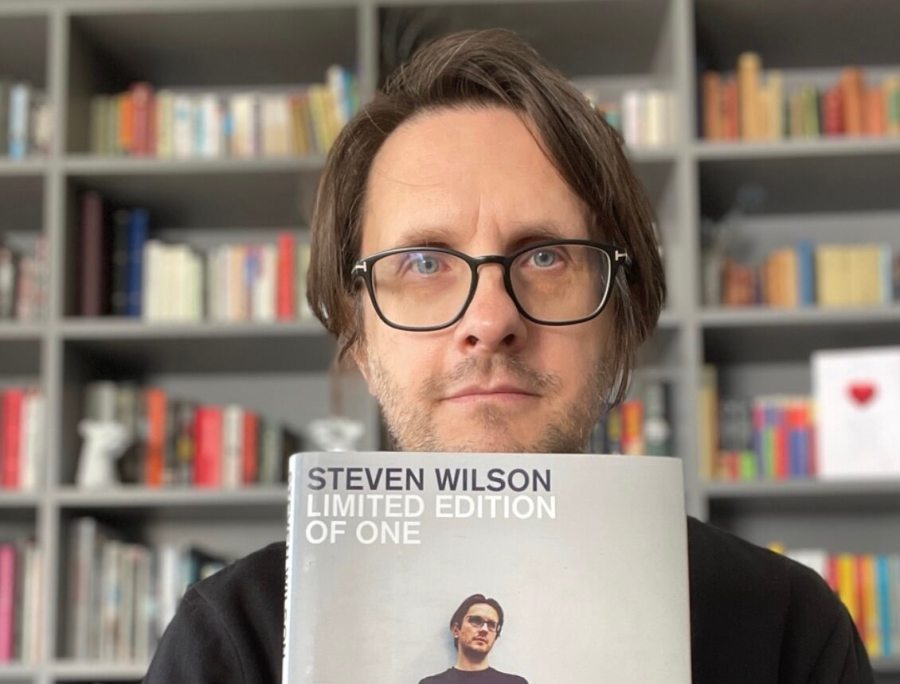
steven-wilson_limited-edition-of-one_bookMy favorite prog book of the year was Steven Wilson’s Limited Edition of One. Breaking the mold of rock artist memoirs, Wilson (and Mick Wall, who helped him in the writing process) created a post-modern masterpiece. I typically dislike anything deconstructive (in an academic sense), but Wilson turned it into an art form. He combines memories with lists of his favorite music, books, and movies along with more philosophical commentary on his career and on music in general. Check out my full review of the book: https://progarchy.com/2022/05/08/more-than-a-memoir-steven-wilsons-limited-edition-of-one/.
I only went to one concert this year: Steve Hackett. Interestingly, Hackett was the last concert I saw before governments shut everything down for Covid. The band played the Seconds Out setlist, along with some of his solo tracks. It was a brilliant show, with Hackett clearly demonstrating that his band is the best thing touring right now. He even released a live album from the tour that is well worth checking out. Check out my concert review: https://progarchy.com/2022/04/27/live-again-steve-hackett-plays-st-louis-4-26-22/. And check out Rick’s concert review too: https://progarchy.com/2022/05/06/steve-hackett-in-concert-from-spectral-surrender-to-seconds-out/.

This best-of list feels woefully incomplete considering how much excellent music was released this year… Muse, The Flower Kings, Six by Six, Ryo Okumoto, The Bardic Depths, Cosmograf – all great records, but the above list really captured my attention for one reason or another.

Hopefully 2023 will be another great year for prog. As usual for me, music has been an escape, a sedative, a lighthouse in the storm. With 2022 being one of the most difficult years of my life, music provided much needed comfort and direction over the course of the year. I suspect that will continue in the new year.

Merry Christmas and Happy New Year, everyone. Thanks so much for reading.

Progarchy’s Artists of the Decade: Steven Wilson

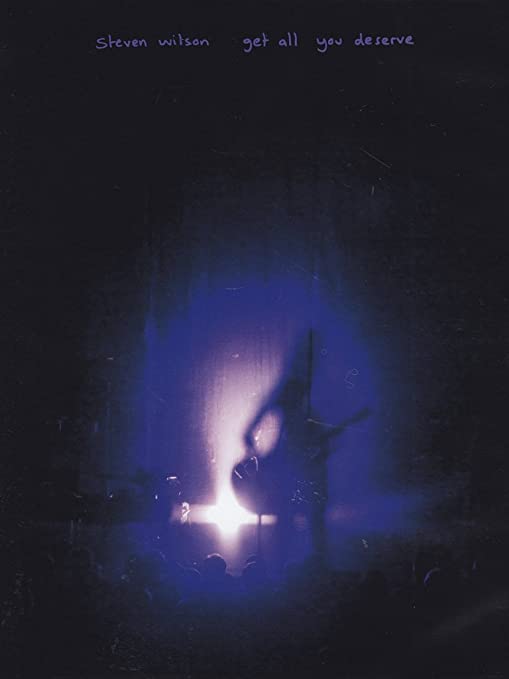
Back at the end of 2012, when I was compiling my year’s-end list of favorites (then a solitary pursuit, mostly for personal reflection), Steven Wilson’s Get All You Deserve was the only concert video that made the cut. Recorded in Mexico City at the end of Wilson’s initial solo tour, it’s still a ferociously intense — though oddly chilly — set, with tracks from Insurgentes and Grace for Drowning snarled by the glowering artist and meticulously brought to life by an all-star band of players. I had begun following Porcupine Tree when they hit Grand Rapids on 2005’s Deadwing tour, glomming onto them as The Great Progressive Hope and seeing them twice more that decade. So the video struck me as Wilson’s declaration of intent; the Tree was no longer bearing fruit for him, and it was time to make a name and a way for himself.

My thesis here is that, in the last ten years, Steven Wilson has done exactly that. And from the birthday of Progarchy through its tenth anniversary, Wilson’s next moves have consistently captured the attention of the subculture this website serves. As reflected in the frequent coverage of his projects here — whether we loved ’em, loathed ’em, or wound up somewhere in between! That’s why when the Progarchy editoral braintrust bantered about who to consider as our Artists of the Decade, I claimed SW.

Look at the man’s track record these last ten years, kicking off with 2013’s The Raven That Refused to Sing. So many genre boxes ticked here: a thematic album of ghost stories (!) cut live in the studio with Alan Parsons as engineer (!!), its jazz-rock leanings unmistakably influenced by Wilson’s remastering/surround mixing work for historic giants like King Crimson, Jethro Tull, Marillion, Gentle Giant and two or three et ceteras. Impressive writing, great playing, immaculate sound. When I caught that tour at Chicago’s Park West, though, it gave me an uneasy feeling; all too often, it felt like the onstage Wilson was peering into the lives of the damaged (“Harmony Korine,” “Luminol”) and disturbed (“Index,” “Raider II”) with no purpose beyond voyeuristic giggles and lurid thrills.

But then came 2015’s Hand. Cannot. Erase., Wilson’s rock opera portraying a young woman’s inexorable disappearance into the maw of the big city. Not only was this his most fully integrated album musically (reminiscent of his conceptual work with PT, with plenty of intense instrumental fireworks), but his latent empathy came forward again in his treatment of the “based on a true story” subject matter and his lyrics, to the benefit of both the album and the ensuing tour. Live again at Park West, an obviously proud Wilson played the whole thing, engaging with the audience instead of hiding behind transparent scrims and long hair, and even indulged in multiple Porcupine Tree tunes. If a bus had hit SW that year, at least a slice of retro-prog fandom might still be clamoring for him to join Rush and Genesis in the Rock and Roll Hall of Fame.

Continue reading “Progarchy’s Artists of the Decade: Steven Wilson” →

Porcupine Tree In Concert: Not Closed, Continuing

Porcupine Tree, Auditorium Theatre, Chicago, Illinois, September 20, 2022.

The kick-off of Porcupine Tree’s first Chicago show in twelve years was nothing if not dramatic: a deep drone booming out as automated stage lighting menacingly swept the 3,000+ plus audience, the house lights dimming at the point of maximum tension — then a full-on visual assault from lights and screen, tracking with the slashing hard rock riffs of In Absentia’s “Blackest Eyes”.

At stage left: Richard Barbieri, ensconced in his wraparound nest of keyboards, conjuring up fearsome sonic webs of mist, gloom and abrasive noise as required. At stage right: Gavin Harrison, similarly surrounded by an overwhelming array of drums, cymbals and percussive accessories — and somehow appearing to be able to hit them all at once. And at center stage: Steven Wilson, throwing shapes on guitar as the power chords crashed, scrambling toward the mike on bare feet to chime in with typically sunny lyrics about a serial killer making a move on his desired prey.

It was an impressive opening, but something seemed off, and Wilson quickly acknowledged the state of affairs — sickness had been running through the band, and tonight it was effecting his voice. Promising his best efforts on both the Tree’s back catalog and the whole of their new album Closure/Continuation, singer and band proceeded to a nimble, ominous reading of “Harridan” and a lilting take on “Of The New Day.” Here Wilson’s challenges for the evening became apparent, as congestion and pitching problems crept into passages sung with less than full power. By “Rats Return”, though, Wilson had his voice under control, excoriating the cowardice of political strongmen both at the top of his lungs and in chilling undertones, while vicious fuzzed riffs raged around him.

The rest of the first set was completely stunning, mixing new tracks with superbly chosen throwbacks like the Floydian angst of “Even Less” and the doomy drive of “Drown With Me”. A zesty “The Sound Of Muzak” had it all: a bitterly hilarious Wilson intro (“21 years ago, I wrote a song about how music was becoming commodified — something you picked up at the supermarket, or as part of a software application. Well, thank goodness that didn’t come to pass!”), one bewilderingly brilliant Harrison drum fill after another, and a spontaneous audience singalong to the choogling chorus. Then it was Barbieri’s turn to stoke the darkly atmospheric “Last Chance to Evacuate Planet Earth Before It Is Recycled”, its instrumental build eerily synced with the video suicide note of Heaven’s Gate cult founder Marshall Applewhite. And after senseless death, mourning: the new “Chimera’s Wreck” finally clicked into place for me as a survivor’s lament, Wilson diving into the depths of human experience, probing extremes in search of exorcism and catharsis. But after that emotional a ride, what do you do for the second half?

Continue reading “Porcupine Tree In Concert: Not Closed, Continuing” →

Rick’s Quick Takes for June

Six months in, 2022 is already shaping up as a banner year for new music. My own positive bias prevents me from objectively reviewing The Bardic Depths’ brand new album (though modesty doesn’t seem to prevent me mentioning it; I’m still stoked that I got to participate) — but there are still plenty of fresh releases to cover this time around! As usual, purchasing links are embedded in each artist/title listing; where available, album playlists or samples follow each review. But first, the latest installment in what’s becoming Progarchy’s Book of the Month Club . . .

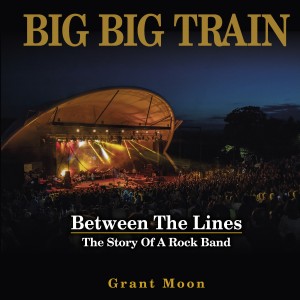
Big Big Train – Between The Lines: The Story Of A Rock Band: when Greg Spawton and Andy Poole started a band, it didn’t stand out at first; one early concert promoter called the nascent Big Big Train “fairly mediocre” in retrospect. How BBT became a prog powerhouse — through sheer bloody-mindedness, growth in their craft and a keen ear for what world class musicians like Nick D’Virgilio, David Longdon and so many others could contribute — is the tale at the core of this passionately detailed band bio/coffee table book. Standout features include lavish design, with a overflow of revelatory photos; fully rounded portraits of major and minor participants, mostly unfolded through Grant Moon’s thorough interview work; and remarkable candor, especially in a self-published effort, about the human costs of BBT’s rise to genre prominence and mainstream media attention. (Moon’s portrayal of Spawton and Poole’s gradual estrangement, even as their joint project finally gathers speed, is both sensitive and haunting.) Between The Lines covers all of Big Big Train’s great leaps forward and forced backtracks through Longdon’s untimely death, leaving the reader with Spawton and his fellow survivors determined as ever to continue. Not shy about celebrating the beauty and ambition of the music the group has made, on record and in person, it also doesn’t flinch from portraying the price paid to scale those heights.

The Pineapple Thief, Give It Back: on which Gavin Harrison gives his new band’s vintage repertoire a kick up the backside with his stylish stick work, and Bruce Soord willingly “rewires” his own songs with new sections, verses and narrative closures. The results probe further into the moody motherlode that new-era TPT mines and refines: dramatic vignettes simmering with emotional turmoil; lean, mean guitar riffs arching over roiling keyboard textures; and always, those simultaneously airy and propulsive grooves. But while Soord and Harrison take the creative lead, this is a marvelously tight unit at work; Steve Kitch (keys) and Jon Sykes (bass and backing vocals) are indispensable contributors throughout. All of which makes Give It Back another enticing entry in the Thief’s discography — deceptively low-key on first impression, it blossoms into a compelling combination of tenderness and grit. (With plenty of headroom in the mastering to pump up the volume!)

Porcupine Tree, Closure/Continuation: The big news is that this is recognizably a Porcupine Tree album — that’s why, over repeated listens, it works so well. Steven Wilson is as happy and carefree as ever, cutting loose about fraught relationships (“Harridan”), nihilism in high places (“Rats Return”, “Walk the Plank”) and, of course, the inevitability of death (“Chimera Wreck”); plus there’s a spooky take on a Lovecraftian invasion (“Herd Culling”), a compassionate portrait of a man with nothing (“Dignity”) and a drop-dead gorgeous ballad that looks forward in hope and back in regret at the same time (“Of the New Day”). Still, it’s the reconstituted band, mostly writing the music in team formation, that gives the record its core integrity and guts. Wilson’s angular guitar and bass work, seemingly effortless songcraft and vocals that often climb to a wordless falsetto (a legacy of The Future Bites?) are perfectly swaddled in Richard Barbieri’s squelchy sound design and ineffably eerie synth solos, then hurtled forward by Gavin Harrison’s consummate percussive drive — whether he’s cruising the straightaways or leaning into jaw-dropping polyrhythmic curves. Of a piece if not conceptual, Closure/Continuation is never less than well-wrought and frequently awesome, worthy to stand alongside Porcupine Tree’s catalog as either a next or a final chapter in their saga. Now floating like a butterfly, now stinging like a bee, with commitment evident in every note, it may well knock you out.

Continue reading “Rick’s Quick Takes for June” →

Rick’s Quick Takes for April

Short, sharp shocks this month: all albums and EPs reviewed below come in under the old school LP limit of 45 minutes! Purchasing links are embedded in each artist/title listing; album playlists or samples follow each review.

Entransient, Ghosts in the Halls: My hometown’s very own prog-metal band lays out the cards for all to see on their Facebook page: “Melodic neo/post-prog rock from Michigan. Influenced by Anathema, Alcest, and Porcupine Tree.” The good news is that guitarists Matt Schrauben & Doug Murray, bassist Nick Hagen, drummer Jeremy Hyde and vocalist/keyboardist Scott Murray refine those influences into a distinctive blend, marked by rich atmosphere and a towering core sound. The opening epic “Parasite” grabs hold immediately with its games of acoustic/electric musical chairs; “Synergize” and “Last Strawman” drive forward without mercy, as Murray testifies fiercely over bare grooves and fuzzed chords alike. More reflective moments like the title track, “Misplaced” and “Where the Shadows Lie” dial down the tempos and the lyrical angst while keeping the edge intact as the band prowls lush, more aerated soundscapes. (Kudos for Hagen’s mixing and engineering, as well as for the mastering work of The Pineapple Thief’s Steve Kitch; the band’s dynamic and textural range is captured with crystalline clarity throughout.) Entransient has an open, readily appealing touch to their music; as they blaze a fresh trail in a style that easily collapses into cliché, they’re well worth a listen.

Envy of None: No, this sounds nothing like Rush, even with Alex Lifeson’s guitar work in the mix. (If that’s what you want, the new anniversary edition of Moving Pictures is now available — and getting glowing reviews from unlikely sources like Pitchfork, for pete’s sake.) Lifeson does provide satisfying crunch, acoustic contrast, and creative lead work in spades, bedding in seamlessly with fellow core players Andy Curran (bass & guitar) and Alfio Annibalini (guitar and keys). They weave a darkly enticing aural mesh that cradles the understated, seductive singing of Maiah Wynne; her breathily fragile volleys, playing off the sticky minimalist hooks embedded in EoN’s web, are what might really ensnare you. Musically, this is all about basic song forms deployed in ambient/industrial/goth/post-rock styles; the seasoned instrumental interplay and Wynne’s preternaturally mature vocal work are what elevate the album above the obvious genre markers. So it’s old-fashioned chemistry and star quality, from veterans and newcomer alike, that turn out to be key to Envy of None’s appeal. Try it on that basis and see if it grabs you.

Continue reading “Rick’s Quick Takes for April” →