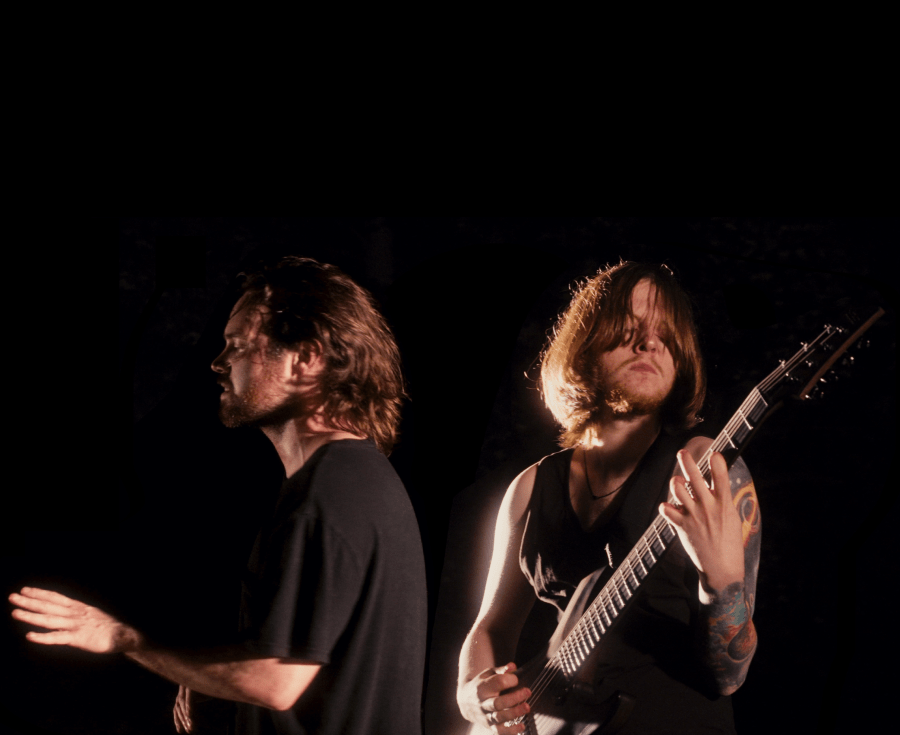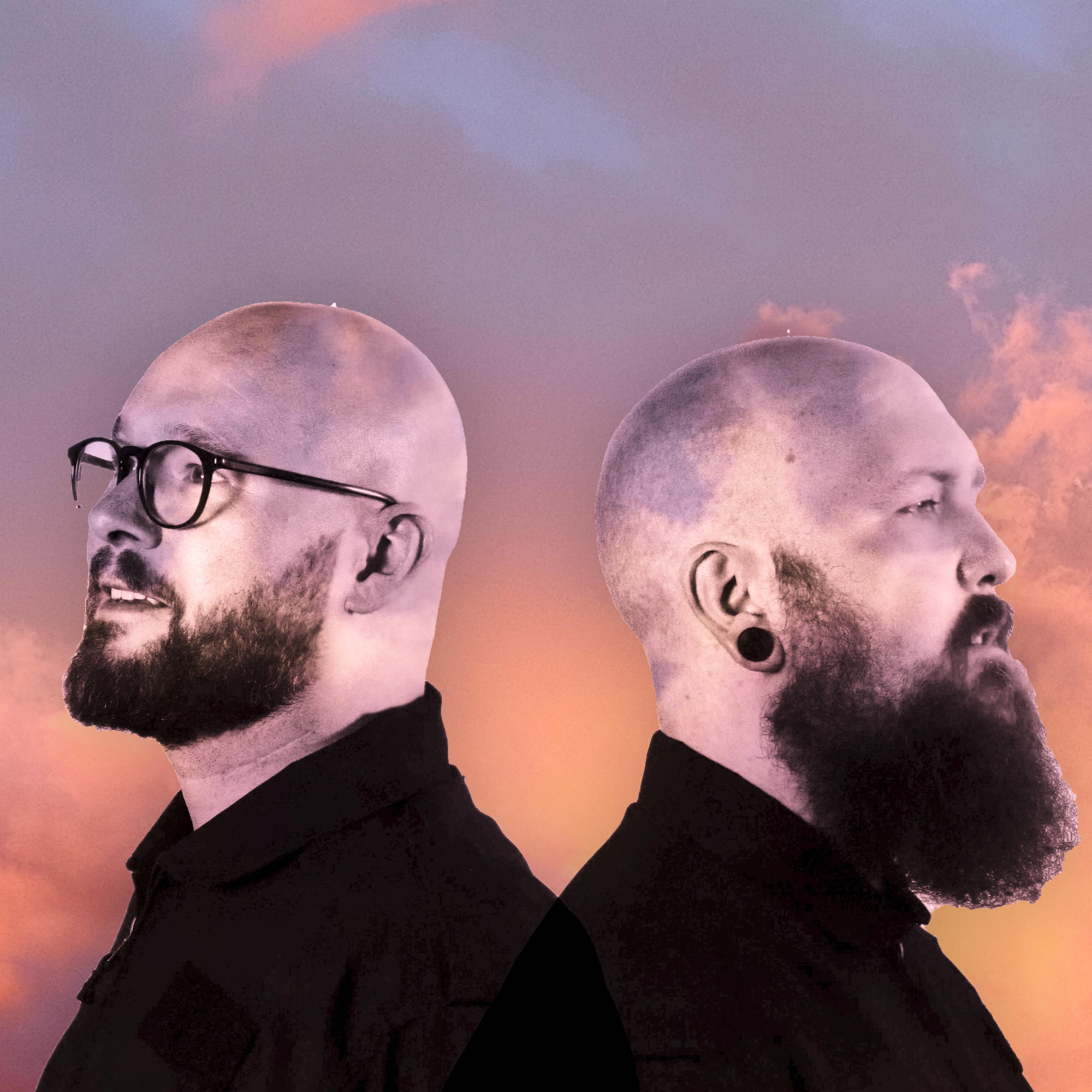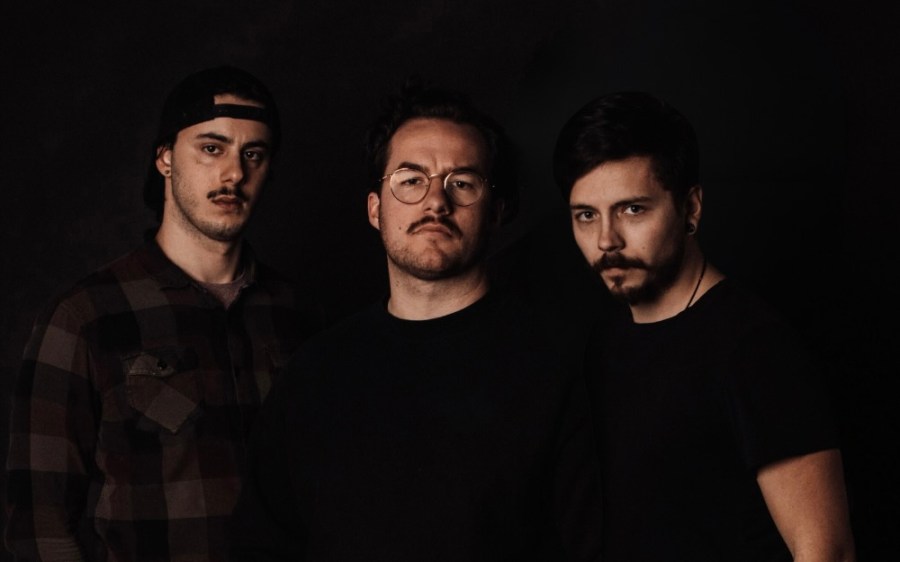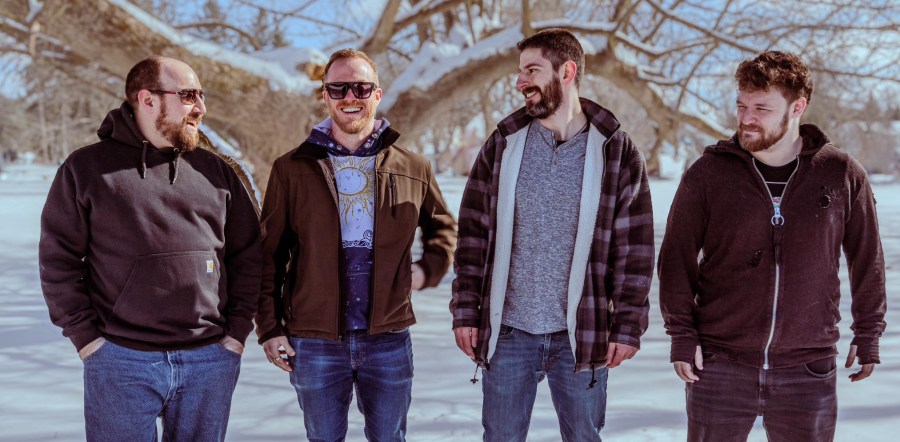
Sight of Theia

Experimental Sound of SIGHT OF THEIA

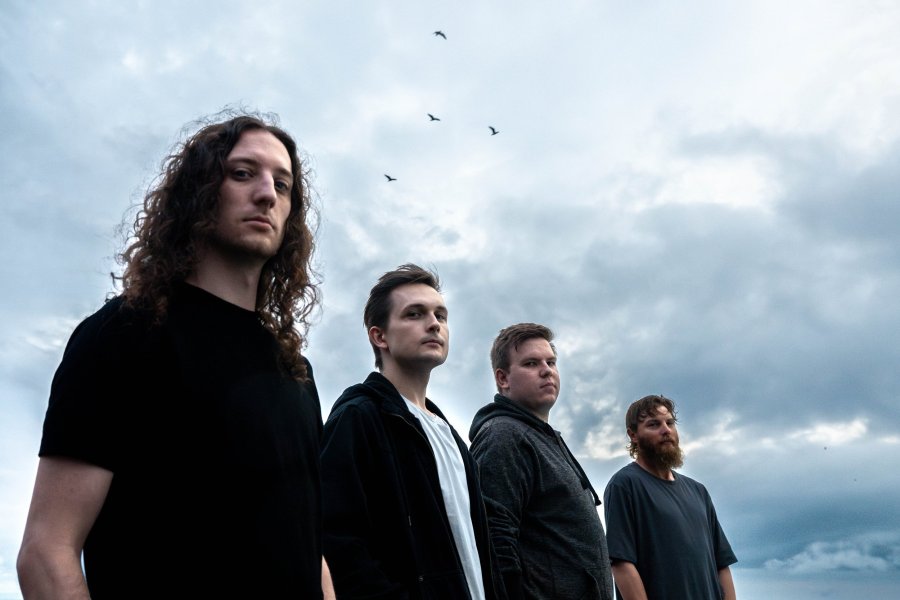
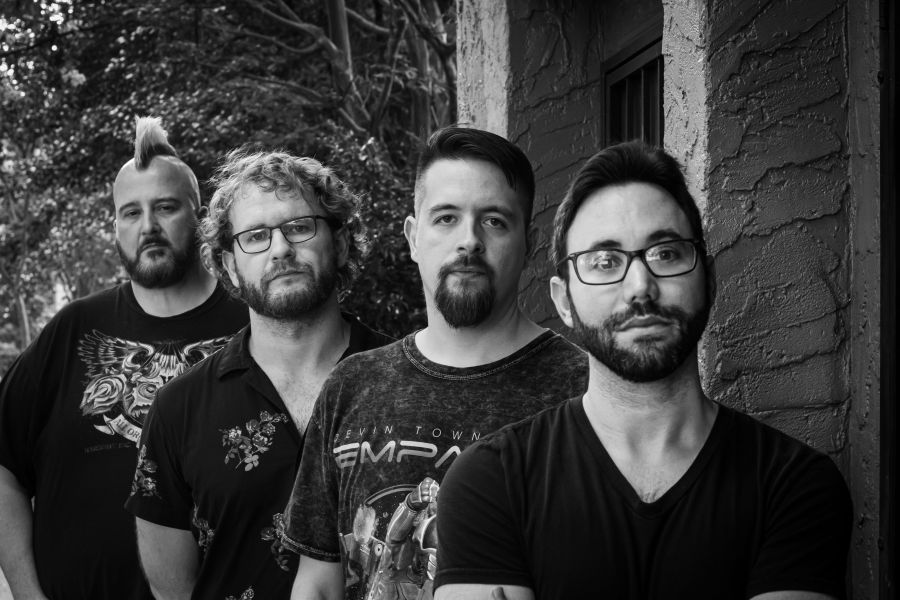
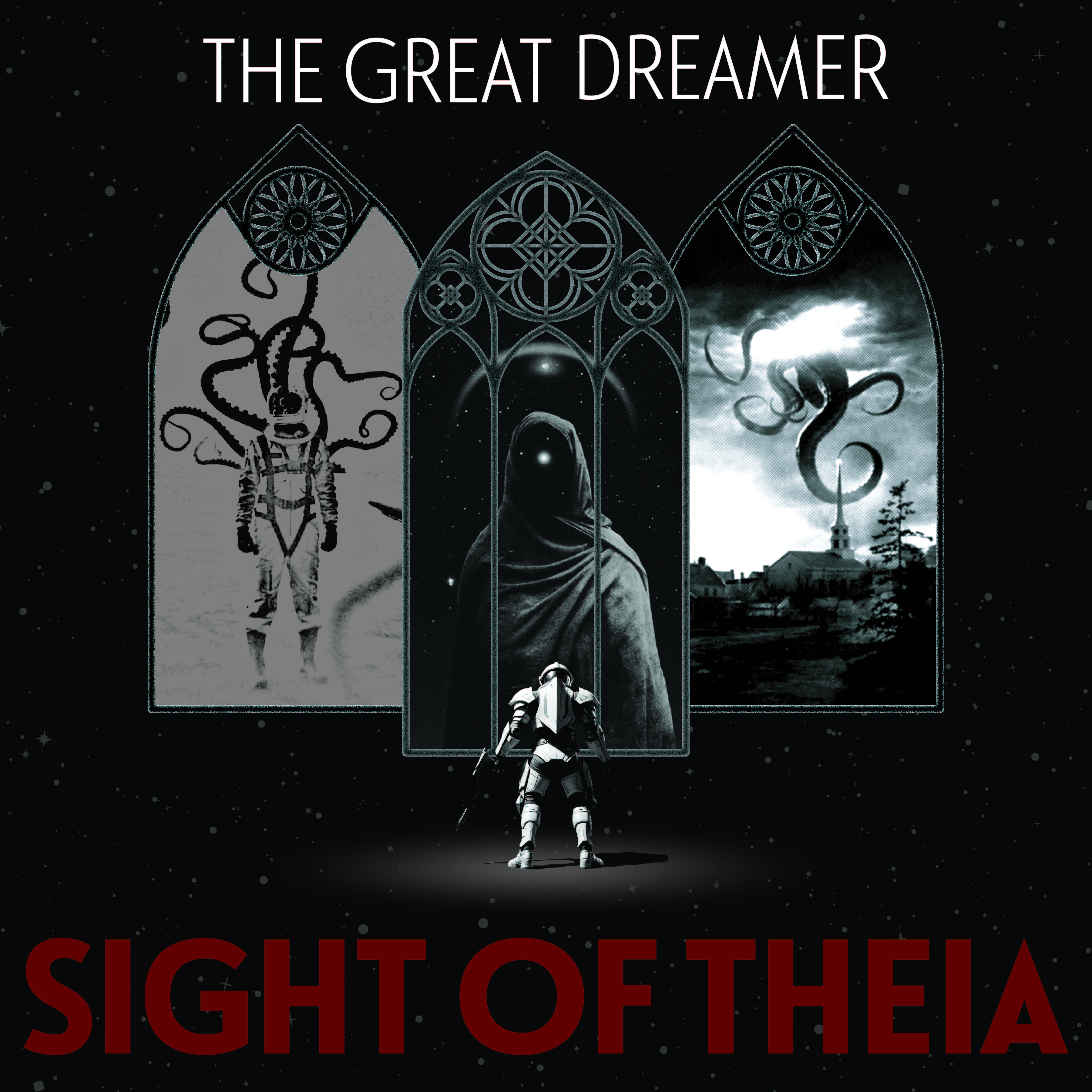
Progressive metal quartet from Atlanta, Sight of Theia are launching their first full-length album entitled The Great Dreamer on January 11, 2025. Bringing together influences from Meshuggah and Mastodon, and packing it all together with a touch of southern stoner metal, the band are determined to continue experimenting with different musical elements in the future.

In this interview Alex Buhlig (guitars, synths) tells us about the band’s work on The Great Dreamer, experimenting, influences, and more.

The Great Dreamer is your first full-length album, following your 2021 EP Lighthouse. How does this album represent the evolution of Sight of Theia’s sound?

When “Lighthouse” came out we noticed that the EP’s closer, “Black Magic” really got the crowds going at our shows. So we tried to explore the rhythmic and meditative nature of that track more. That song also featured us tuning lower, so we ditched the 6 strings for seven string tuned to Drop A.  

The album’s title track is described as a “séance for Cthulhu.” Can you dive deeper into how H.P. Lovecraft’s themes influenced the song and the album as a whole?

Before we had named the track the ominous and psychedelic nature of the track was apparent.  Before we played it live, we asked the crowd if they were ready to summon a demon. Once we started to collaborate with Mezzianna on Vagabond and the general outline of the narrative took shape, summoning a demon turned into summoning space Cthulhu. 
You’ve mentioned the album combines progressive metal with Southern stoner metal influences. How did you find the balance between technicality and raw, earthy riffs?

For us it’s all about creating tension and release. If everything is always at a ten out of ten technically there is no release and the song doesn’t ‘go’ anywhere. Adding moments of simpler but more ethereal  riffs creates movement,  crescendos, peaks and valleys. We really want to create music that takes the listener on a journey.

Tracks like “Children of the Uplift” and “Alea Iacta Est” showcase a range of moods. How did you approach crafting such contrasting soundscapes within the album?

I am a big Steven Wilson fan and have always loved how he tackles a wide variety of genres in his work so I try to take the same approach while arranging. When starting an arrangement I generally have a direction I want to go in, whether it’s more technical and progressive or rhythmic and vibey. Regardless of the approach we like trying to introduce dynamics to our songs with different techniques, effects or influence from genres outside our beaten path.  

“Vagabond” stands out with Mezzianna’s vocal contribution. What inspired you to include a vocal track on an otherwise instrumental album?

The arrangement of “Vagabond” feels like it lends itself to vocals, when writing it we were all admittedly going through a bit of a Sleep Token phase and it made sense to try to incorporate vocals. Mezzianna had been a friend/fan of the band for a while and wanted to try his hand at the vocals. So we cooked up some lyrics and some melodies for him to try out and he knocked it out of the park in our opinion.  

Vagabond (with Mezzianna) by Sight of Theia

Mezzianna’s lyrics on “Vagabond” set the stage for the album’s story. Can you share more about that narrative and how the music reflects it?

Children of the Uplift starts our narrative out with trying to capture the excitement and wonder that would be felt by a crew of space explorers setting out from earth to settle amongst the stars. Gravity Well captures the chaotic nature of  their journey and the rigorous nature of their journey. Vagabond is the realization that the ship they’ve been given for their journey is faulty and they were set up to fail essentially.  The Great Dreamer is the entrance of Cthulhu offering to save their souls from dying alone in space. Mad Hatter is the manic energy of someone desperate enough to take Cthulhu up on their offer. Parhelion is the ritual and awakening of Cthulhu. Alea Iacta Est is the realization, and remorse of our explorers. Followed by the destruction of the universe.  

You worked with John Douglass, Alexa Parra, and Christoffer Borg during the recording, editing, and mastering process. How did their expertise shape the final product? 

John Douglass brought his expertise to our drum tracks and got a fantastic drum performance out of Ricky. Editing is always a tricky, time consuming process and we’re thankful that Alex Parra was able to use his years of experience to discern what needed to be edited and what didn’t. As for the mixing, I appreciate having an objective ear when it comes to the mix. It’s pretty easy to think that your parts should be louder because they are your parts while completely ignoring the bigger picture of the song. I think Chris did a great job seeing the bigger picture of what the songs were going for.  

Recording in Atlanta must bring a certain vibe to your work. How did the city’s music culture influence The Great Dreamer?

Atlanta has such an incredible music scene filled with many diverse genres. When you have access to such a wide variety of shows to check out it’s easy to let it work its way into your work. The stoner metal influence in our music definitely comes from the regional metal scene here in Atlanta. I’ve spent some time at warehouse raves in Atlanta which inspired me to work synths and more electric elements into our music.  

With influences like Meshuggah and Mastodon, what aspects of their styles inspired you the most when crafting this album?

We find the rhythmic phrasing of bands like Meshuggah to be really compelling and wanted to try to blend that with rich harmonies that bands like Mastodon incorporate into their work. 

Stoner metal isn’t often combined with progressive metal’s technical elements. What challenges did you face blending these genres, and how did you overcome them?

Combining more technical moments with some of the more laid back sensibilities that stoner metal bands have creates a sense of dynamics in our music we think creates more of a journey for the listener to go on.  It’s all about creating a sense of tension and release. You can absolutely sometimes try to cram too much into one song and need to cut it down.  Certain musical ideas can be so much more impactful if they only occur once in a piece though.  

You’re celebrating the release of The Great Dreamer with a performance at Smith’s Olde Bar. What can fans expect from the live show? Any surprises planned?

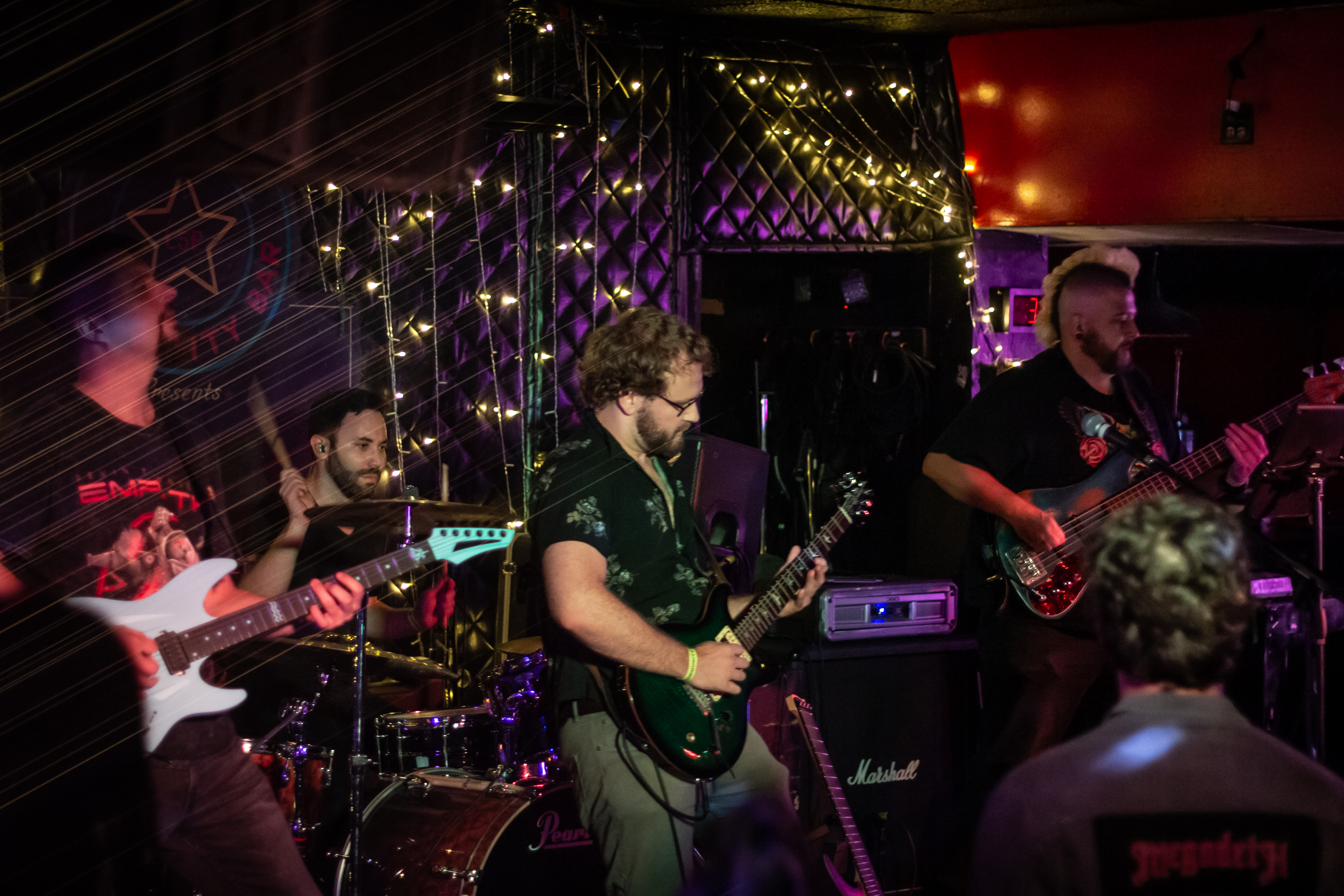
Our show at Smith’s Olde Bar has a line up absolutely stacked with some of the best underground prog that Atlanta and the South East has to offer. We’ve got something special in the works for that show but it wouldn’t be much of a surprise if I gave it away now. Come to the show and find out!  
How do you approach translating the album’s complexity into a live setting, especially for instrumental tracks?

We make use of backing tracks to make our live shows as seamless as possible.  We try to invoke a mood or vibe that doesn’t stop between songs. Whatever is happening between songs might be minimal but it’s there and makes everything feel more immersive. We’ve included some of the transitional pieces on the album as palate cleansers so to speak. 

The album will be available on major platforms and Bandcamp. Why is Bandcamp still an important platform for a progressive metal band like yours?

I think Bandcamp still offers the most direct way for fans to connect with bands.  Bandcamp Fridays are a great way to put money in the pockets of musicians you are a fan of. 

Looking back at the journey from Lighthouse to The Great Dreamer, what lessons have you learned as a band?

I think we’ve learned how to better communicate with each other, which creative battles are worth fighting and how to creatively problem solve during the songwriting/recording process. 

Where do you see Sight of Theia’s music heading in the future? Are there new directions or ideas you’re excited to explore?

I kind of hope we get to go further in all directions. I’d love to write heavier songs, more complicated songs, more straight-forward and accessible  stuff. I did really enjoy collaborating with a vocalist and we are talking to some more vocalists about other guest spots to release later as singles to hopefully flesh out the story of the album a bit more. 

If you could collaborate with any other progressive or stoner metal band, who would it be and why?

I’d say Night Verses, I feel like the ethos of the bands are similar, primarily instrumental progressive metal with the occasional guest vocalists.  

How do you hope The Great Dreamer resonates with listeners? What do you want fans to take away from the album?

Hopefully, fans can get a sense of the narrative even if the music is primarily instrumental. If someone listens to the songs and just thinks, “dang these are some sick riffs,” that’s great too! 

Instrumental music relies heavily on listener interpretation. Have fans ever shared interpretations of your music that surprised or inspired you?

I had a friend come out to one of our shows who told me that seeing us play made him feel closer to his late father who was a musician. Which might be one of the most sincere and meaningful compliments I’ve gotten for our music.

Sight of Theia online:
Bandcamp

Facebook

Celebrating the Essence of Prog with GLADIOLUS

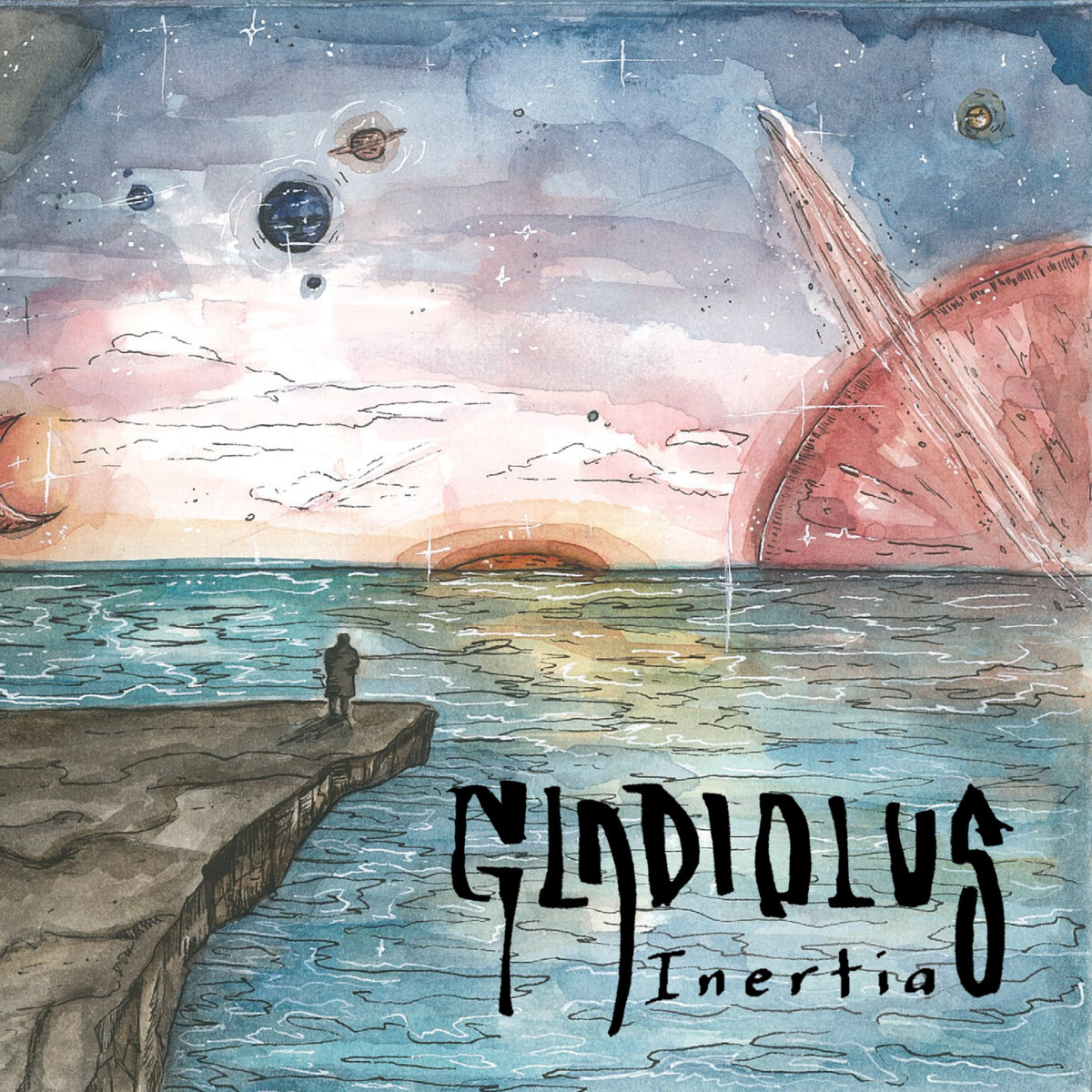
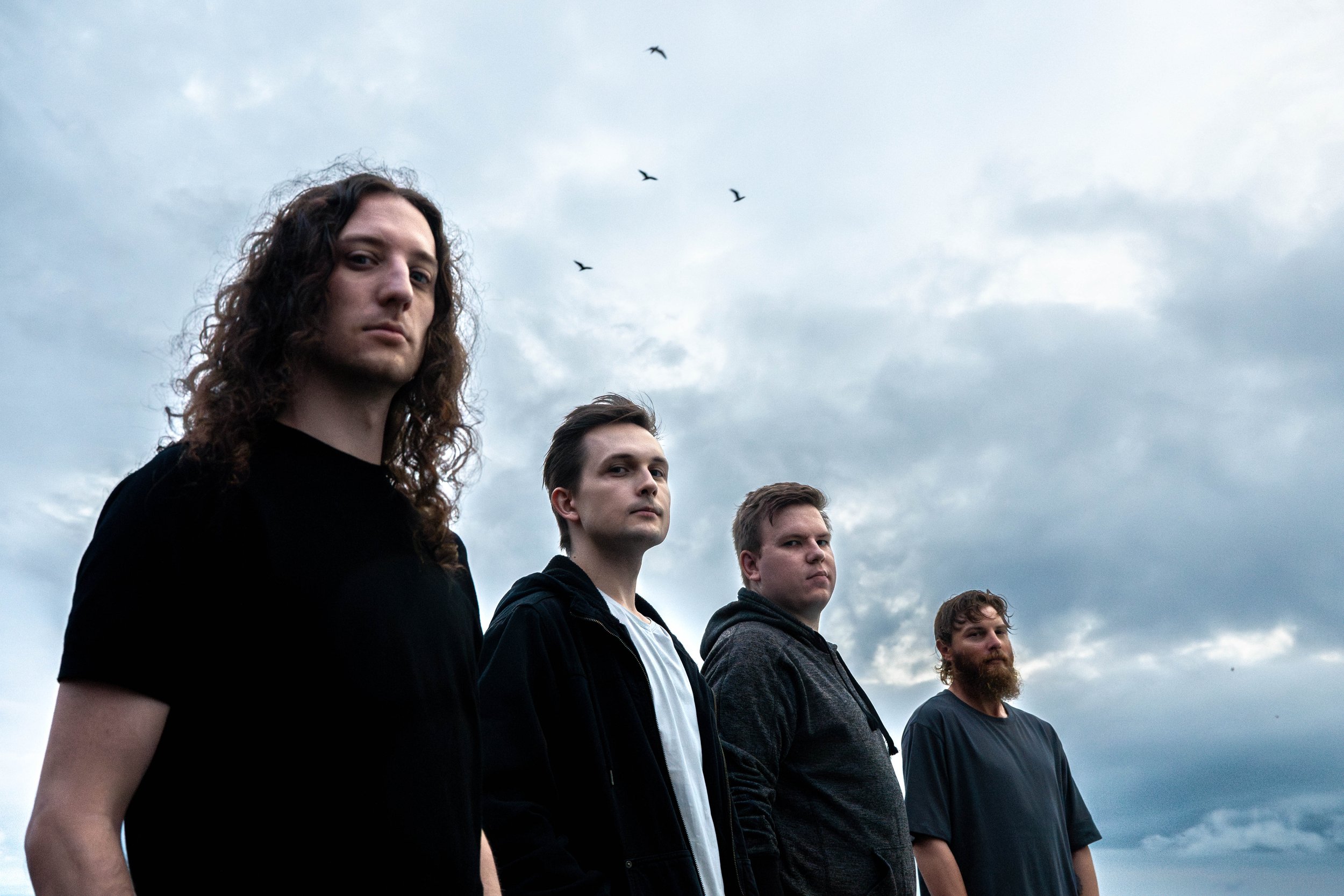
Progressive metal band Gladiolus is turning heads with their debut album, Inertia. Formed by guitarist and vocalist Dan Hendrex and multi-instrumentalist Anson Nesci, Gladiolus blends elements from classic prog influences with modern djent and atmospheric metal, creating a sound that’s at once familiar and refreshingly unique. Their music is heavily inspired by pioneering bands like Karnivool, Devin Townsend, and Opeth, yet Gladiolus forges a distinct sound through dense vocal harmonies, ambient soundscapes, and layered instrumental passages.

In this interview, Dan discusses the paths that led each member to join forces, the journey of creating Inertia—a project years in the making—and their thoughts on the evolving progressive metal scene. Dan reflects on the personal musical evolution that ignited his love for prog metal and the collaborative process with Anson and the rest of the band. Read on to discover the story behind Inertia and what makes Gladiolus a band to watch in the world of progressive metal.

Describe your personal musical journeys that led to Gladiolus.

Dan: I’ve always been a musical being – I’d listen to pretty much anything growing up, and I’d always fall asleep with the radio on. Stuff like Jet, Live, Powderfinger, Linkin Park, Alien Ant Farm, The Gorillaz and System of a Down shaped the soundtrack of my early childhood.

I picked up guitar around age 10 and kinda coasted for a while, but then a friend showed me prog metal at 16… I latched on pretty much immediately. Hearing Tool for the first time really kickstarted an actual deeper interest in guitar and music as a whole. Some other friends through the following few years put me onto bands such as Karnivool, Twelve Foot Ninja, Caligula’s Horse, Devin Townsend and Periphery, and I was hooked. 

Seeing that influx of people recording music that sounded good in their bedroom around 2013-14, I figured “why not give it a shot?” I bought a shitty guitar link cable from some store and downloaded a free DAW with some trial plugins, just to mess around. At some point, I saved up enough from my job at Bunnings to pick up something a little more serious, and bought myself an AX8. The stuff I was writing at the start was pretty average, but practice, time and inspiration by seeing so many cool bands in Brisbane inspired more interesting compositions.

How did you both first connect and what made you want to work together?

Dan: Eventually, the approach turned from “hey, this is fun” to “hey, what if I actually tried to write some original music and release it? That’d be a cool story to tell at the old folks home when I’m 72” and so I put some feelers out to see if anyone wanted to collaborate.

It was a bit of a revolving door at the start, until Anson got in touch with me around 2017. He’d just moved back up to Brisbane from Melbourne, and saw a post I’d put up on a Facebook group looking for musicians with an early demo of Inertia attached. We clicked pretty much immediately, and quickly started piecing the bones of the album together as a team. It was so easy to bounce ideas off of Anson, so I knew I’d struck gold with that connection – a real camaraderie that you just know from minute one is going to be a lifelong friendship.

We met Joe through one of the earlier band members, and we shot him some demos. A week later we took our gear down to his place and auditioned him. Same deal, pretty much instant broship was formed. Dude’s just so chill, and he’s got the chops to throw around when he needs to! Tracking with him has been a breeze, and every time we ask for a little bit of Joe secret sauce on top, he delivers in spades.

Anson and I were both studying at Griffith University in the Gold Coast at the time – I studied Mechanical Engineering, and Anson was completing his Bachelor in Popular Music. We used the space to record some tracks and hone our skills, submitting some as production assignments for Anson’s courses. Zak was in Anson’s cohort at the time, and we all bonded from our love of prog metal, stopping to chat as we passed by each other roaming the halls and studios. He helped us with our first drum engineering session, and I jumped in to assist him with composing some pieces for his assessments. The slot opened up and it just made sense to us. We already connected really well and his style melded perfectly with the tracks we’d put together for Inertia, so we asked him to come aboard!

Reflect on realizing Gladiolus’ debut album Inertia.

Dan: It was a very gruelling process. I started demoing stuff around 2016 on my own, and had large swathes of the album’s tracks mostly together by the time the others had joined. Anson came in towards the tail end of the main writing sessions and helped contribute to the structures of a bunch of existing songs, as well as giving us the entire structures of what became Disintegrator and The Wanderer. We demoed out pretty much the whole album as Joe joined, and then go to tracking drums, bass and rhythm guitars.

We went through a couple of vocalists to try and find what was the right fit, and it took probably 1-2 years of trying out different angles before the boys pushed me to give it a shot myself. There was a lot of momentum loss due to people joining/leaving at critical moments. Once we had a stable lineup, the pandemic hit. We all got very busy as well… Anson got married, we all finished school and moved multiple times, and life got in the way of us completing the album. 

We’d find gaps of time to get together and collaborate, but since it had been so long since we started, a lot of the momentum (or maybe you could say… Inertia?) had been lost. We’d also spent a large amount of time thinking about the intent of the album, and moulding its intricacies to convey the right emotions and progressions. 

Lead guitars and vocals were the last things to be done, and didn’t fully come together until early this year. I think the main reason those took so long was fear. I’m pretty new to being a vocalist, and I was TERRIFIED of ruining the record with bad vocal delivery/melody or cringey lyrics, so it took a lot of deliberate collaboration with Anson to shape those elements. A lot of what was needed was already in my head, but because I was so new to vocals, I really needed that extra brain to bounce things off of and affirm my feelings towards what made sense harmonically and structurally. 

The same can be said for lead guitars, which were very much so a collaborative effort between Zak and myself. We both worked hard to build parts that fit sonically with the established structures and provide additional dimensions to them, while also allowing space for the vocals to stand out where needed.

Describe the creative process for Inertia.

Dan: Most of the album was constructed during our time together at university. Anson would come hang out and sometimes sleep on my couch, and we’d just chill out. We’d have a session open in Reaper and just play with different ideas or noodle until something stood out as interesting, and then try and develop it further with stream-of-consciousness part creation/layering. After enough time experimenting and chopping/changing, we built the rhythmic and structural skeletons of the songs. We used synth and drum sampling plugins to lay down the foundations of those parts as well.

Lead guitars and some very vague ideas for vocal progressions were constructed along with these initial demoes. Joe took the drum parts we’d made and tried his best to learn them, while changing them if they didn’t make sense or spicing them up where some sauce was needed. A lot of the intricacies of the drums were developed in the studio whilst we were tracking them. We’d tracked drums at university, but we felt we could get a better source tone so we rented out Studio Circuit for three days, and Joe absolutely smashed through the whole album’s recording. Poor bugger thought he was done, and then we made him do it again!

Vocals and lead guitars were done ad-hoc at multiple locations… Anson and I would trade off the travel, meeting up at one anothers’ places with the vocal gear to smash out some layers when we had time. Similarly, Zak and I caught up when we could to try and shape the lead parts together. Some of it was done solo, but we’d pretty much always meet up and do the final takes with one of us engineering the other.

Tell me about the different instrumental aspects that you explore on these new songs.

Dan: Inertia is very much so a record that celebrates all the pillars of what makes prog so interesting. A lot of our sound is rooted in the vibes that you can find in progressive rock and metal from the mid-00s to early-10s, but we’re not afraid to poke our heads out of that box when it feels right.

We’ve got a lot of modern djenty-sounding tonalities that might be likened to Periphery or Tesseract in tracks like Myopic and The Precipice, but you’ll also find more atmospheric/textural soundscapey stuff ala Devin Townsend/Porcupine Tree/Karnivool in tracks like Tremors and Inertia. Disintegrator was a fun little foray into a more post-metal/desert rock sound, and we played with duelling stereo guitar solos that wrap around each other in The Wanderer. You’ll find our longer compositions evolve and shift a lot, and we love to play with textures and dynamics to move the listener where we want them to be emotionally.

The album is peppered with bucketloads of vocal layering, to really fill in the sonic space and make the high points massive. We utilise a lot of reverb on guitars and synth pads to evoke certain feelings as well, such as the dip after the second chorus in Tremors, the soaring chorus of Inertia or the ending of Downtrodden.

Inertia was very much so an journey of exploration/self-discovery, and we think that the tracks on the record reflect that in their juxtapositions with each other.

What is your opinion about the progressive metal scene today, both in Australia and worldwide? 

Dan:  Metal has seemingly experienced a massive resurgence in the public eye over the last few years. Maybe the pandemic brought people’s willingness to explore more intense emotions out, or maybe it’s just the fabled 20-year cycle that fashion/trends are rumoured to go through, but it’s really exciting either way. We have bands like Bring Me The Horizon and Knocked Loose leading the charge in showing the larger population just how good heavy music can be, and it’s super awesome to see those gates being pried open again. You simply wouldn’t see stuff like Megan Thee Stallion’s collab with Spiritbox or Doja Cat’s rock/metal adaption of Say So pre-pandemic!

It’s also really exciting to see the boundaries of what defines metal being challenged in ways we haven’t seen in yonks. The early 2010s gave way to a new wave of metal with djent and the accessibility of bedroom recording gear, and I think that we’re seeing a similar level of genre-shift happening before our eyes now. You have bands like Loathe and Thornhill bringing back a lot of the timbres/tonalities that we loved in the early 00s nu-metal, reminding people why we loved Deftones and Limp Bizkit so much back then, and you’ve got the resurgence of 80s synthwave, 90s electronica and 2010s EDM sliding into metal through bands like Northlane and Haken. Sleep Token are bringing RnB into the mix in a way I’ve never seen in the genre before, and Bilmuri are making f**king COUNTRY tracks with breakdowns that make me wanna scream HELL YEAH BROTHER!

There’s never been a better time to be a metal fan if you ask me. There’s such a broad range of stylistic exploration happening, and people merging genres together that seem like they should be the antithesis of each other. It’s no wonder that we’re seeing an increased interest in the scene – I love it so much and I’m all for it. It’s so f**king prog, man.

Gladiolus

Let me know about your influences — the artists that in a way shaped and continue to shape your music.

Dan: We’ve been inspired by so much music that it can be hard to pick key influences to our sound sometimes, but there’ a few stand-outs that are definitely worth a mention. 

Karnivool have always been a favourite of ours. We love the way they build their songs to tell a story and convey emotions so effectively. The push and pull of their compositions are unmatched, and a huge inspiration to our music. We also love their approach to guitars, with there often not being a clear-cut lead/rhythm separation, using stereo guitars playing equally important parts to add layers without one necessarily being more up-front than the other. Their ability to allow the rhythm section to breathe and drive songs is also something we strive to be even half as good at!

We draw inspiration from bands like Opeth, Caligula’s Horse and Porcupine Tree for similar reasons. I think a lot of the tracks we have that are through-composed or built with multiple separate parts such as Flicker, The Wanderer and Inertia are all informed in some way by how these bands navigate these challenges in their own compositions. Tracks like Ghost of Perdition, Graves and Anaesthetize come to mind when thinking about this.

Devin Townsend’s music has always been extremely inspiring to me, and his world-class vocal abilities are what I try to emulate with my own vocals. We utilise a lot of similar techniques in layering of backing tracks. I’ll record 4+ takes of each harmonic layer, and we’ll pan them to give a choir-like effect. We also love his use of reverb tails and how they feed into his music’s distinct vibe – definitely something we’ve taken to doing as well with big synth pads and massive verb tails on guitars/vocals.

We love a bit of sludge and grind every now and then, and we can’t think of better bands that capture this aesthetic than The Ocean and Cult of Luna. Both strongly influence areas of Inertia that delve into the muddier side of metal – tracks like Disintegrator and the end of Inertia really lean into this vibe. It’s something that really came into the picture with Anson’s involvement in production, and I’m so glad for it. Really keen to play with these tonalities more in the future.

What are your top 5 records of all time?

Dan: This is a cruel question. You can’t make me pick favourites! I’ll try for you though. In no particular order:

  • KarnivoolSound Awake
  • Devin TownsendKi
  • MeshuggahNothing
  • The OceanPhanerozoic I
  • Caligula’s HorseIn Contact

Besides the release of Inertia, are there any other plans for the future?

Dan: It’s been a long road getting to the release of Inertia, so we’re keen to bask in the satisfaction of its completion for a bit. That said, I don’t think we’re gonna be able to keep ourselves away from the temptation of writing. I’m excited to get back into the chair at home and put some songs together for fun, then see where that might naturally lead us once we’ve got a few demos under our belt. Who knows what the next release will look like – I don’t wanna put a label on it just yet!

Playing some more shows definitely isn’t off the cards, either. We’ll jump at pretty much any opportunity to get up onstage and share our tunes with a live audience… hopefully we can book a few gigs interstate soon! That’d be awesome.

Check out Inertia on Bandcamp. Gladiolus are on Instagram and Facebook.

Gladiolus

Review: Gladiolus – Inertia

With the amount of records being released in the present era, ranging from the bedroom to high-class studio productions, it is quite a challenge to satisfy my hunger for music lately. Most of this has to do with the fact that the music being released today lacks sincerity, especially considering the avalanche of the ongoing “AI artists.”

GLADIOLUS from Brisbane, Australia could be described as a true progressive rock/metal band with touches of death metal, offering well-thought melodies, interesting vocal arrangements, and passages that connect the dots that are quite enjoyable on there debut full-length release Inertia

The album opens with “Myopic,” which after a short ambient intro shows that GLADIOLUS have a lot to offer. With often changes, the band distances themselves from delivering just a pure, lifeless showcase of technical proficiency, something that these guys definitely have, but rather present the work that is alive, dynamic and above all, interesting.

References to various stylistically different artists can be heard in GLADIOLUS’ music. Their explorations within OPETH’s or PORCUPINE TREE’s melancholia speak of that, but the band is not afraid to delve deeper and expand their horizons. As Inertia flows by, a listener is taken to a sound-trip that gets more metal-esque. Each of the songs on the album has its own personality, and labelling this record under a single genre would do this band a lot of injustice. As an example, “Disintegrator” is a hard-on prog number with sound that lies somewhere between HAKEN and BETWEEN THE BURIED AND ME.

The craftsmanship and musicianship are top-notch that it ultimately makes me think how is it possible that these young guys deliver such a mature material? And that is a great thing. Starting from two center-pieces “Flicker” and the title track (both exceeding the 10-minute mark), as Inertia flows by, GLADIOLUS are even more prolific; they are like a gladiolus flower that opens up slowly.

To summarise, Inertia is a record largely based on the progressive rock/metal channelling many different elements. This is a true epic, both in length and amount of quality material, which requires quite a few listens to get into it. How far GLADIOLUS are ready to go? Time will tell. But for now they are on the right path.

Take a listen of Inertia on Bandcamp. Like GLADIOLUS on Facebook and follow them on Instagram.

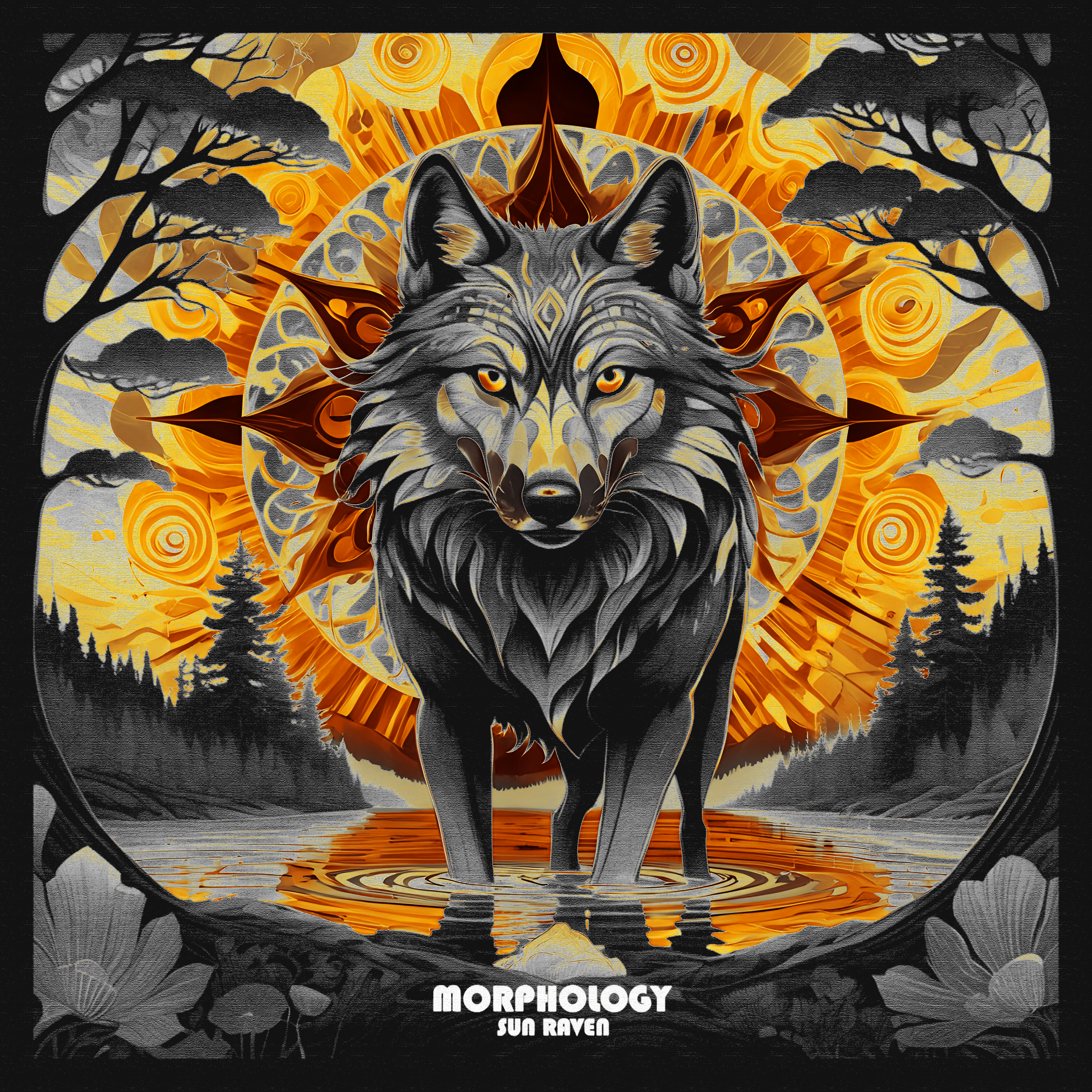
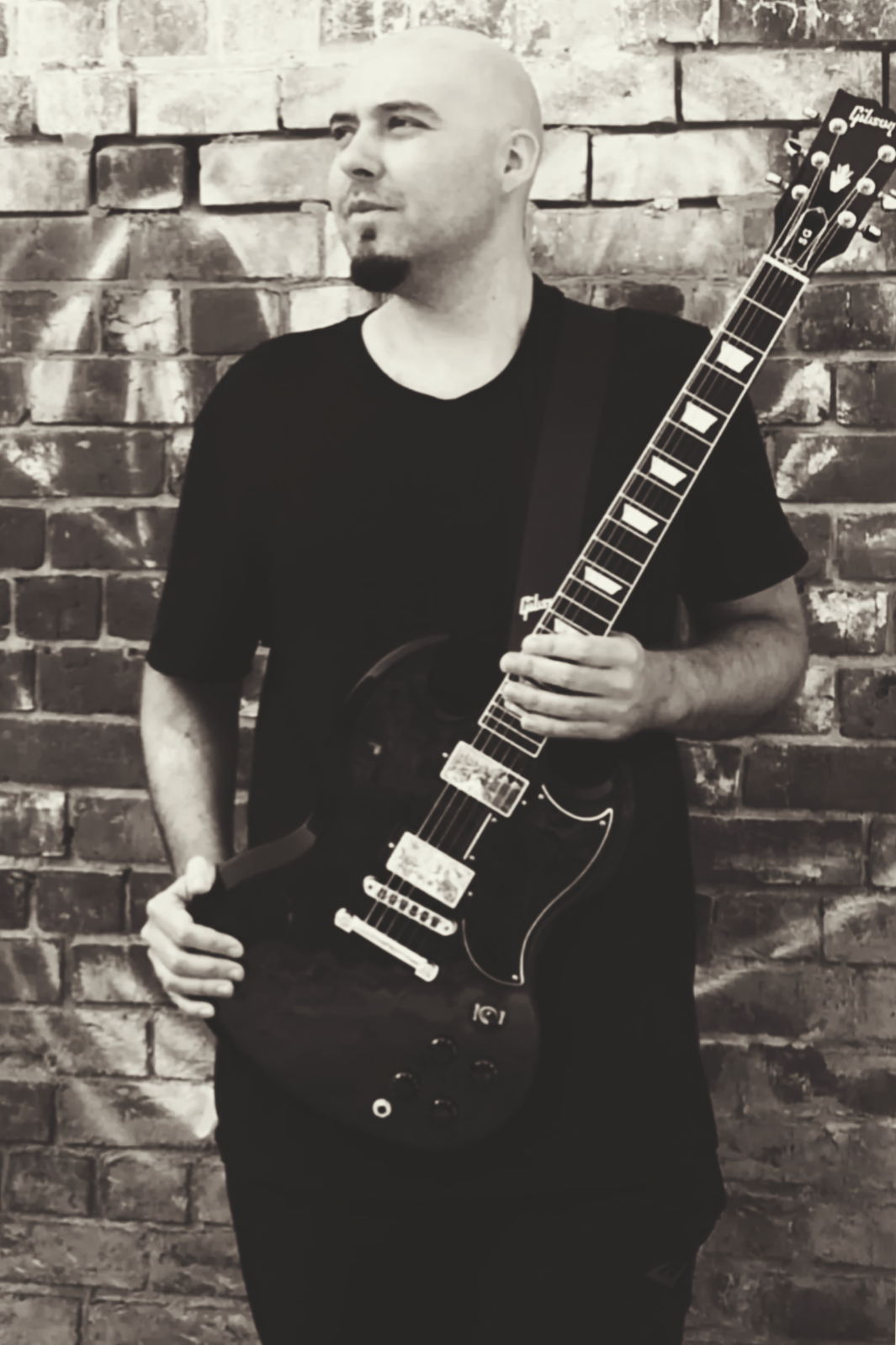
Stephen Murray of Sun Raven

Exploring Morphology: Sun Raven’s Stephen Murray Discusses Genre Fusion and Progressive Metal Innovation

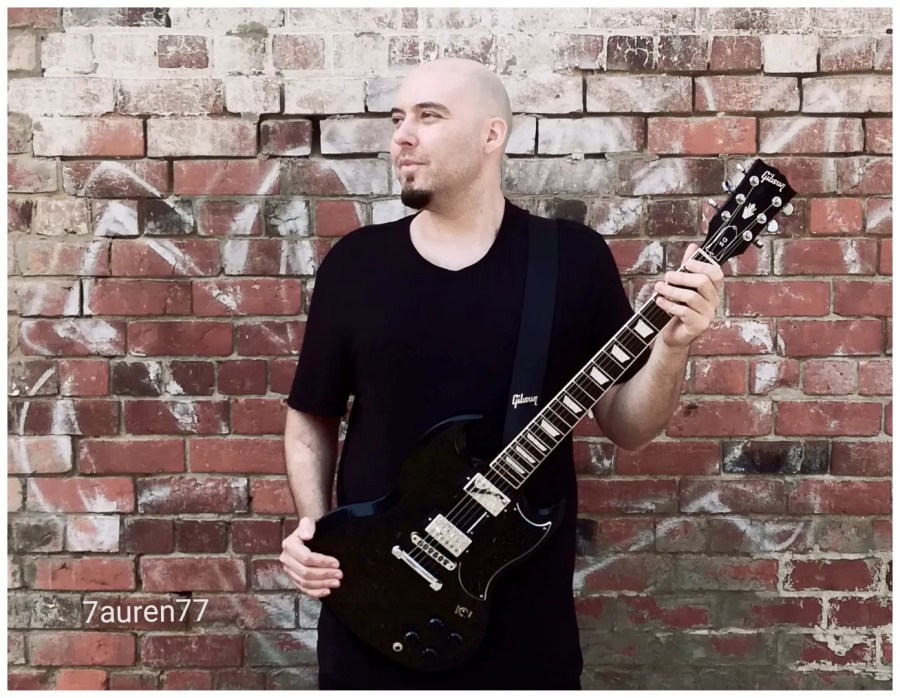
Stephen Murray, the creative force behind the Sun Raven project, has carved his own path in progressive metal by fusing a wide range of genres into immersive, complex instrumental works. Known for his ability to effortlessly weave together distinct musical influences, Murray continues to push boundaries with his interesting sound. With his second album Morphology, Murray takes listeners on a journey that stretches beyond progressive metal, weaving together elements of classic prog rock, ambient soundscapes, and modern heavy riffs. In this interview, Murray dives deep into the creative process behind Morphology, discussing everything from his musical influences and nature-inspired compositions to the evolution of his sound. He also shares insights on working as a one-man band, balancing technical proficiency with emotional depth, and how he stays true to his artistic vision.

Morphology takes listeners on a genre-spanning journey with elements from progressive metal and beyond. What was the driving force behind your vision for this album, and how did you go about blending such diverse musical styles?

I didn’t have a specific concept in mind when I began writing Morphology. I wanted it to follow a similar style to my first album Liberation, but with more classic prog rock elements. I also aimed for a grungier, less polished sound, while still maintaining a solid technical playing level. To achieve this, I used different guitars, amps, and effects, and kept takes that might not be perfect but have a certain vibe, playing slightly ahead or behind the beat, rather than always being perfectly in time.

You’ve mentioned you’re fascinated by the idea of one style of music morphing into another. How did you balance these transitions in Morphology without losing cohesiveness?

I’ve always listened to a wide variety of music. I used to make playlists where one track would be metal, followed by classical or jazz. Similarly, when I’m jamming on guitar or drums, I might go from a metal riff to something ambient, and then to something funky. When I write, I experiment with different styles and see what works. The real challenge is to ensure the transitions between genres are smooth and cohesive—unless the song calls for something intentionally jarring.

On Morphology, you’ve integrated classic prog rock elements with a modern sound. What challenges did you face in modernizing these traditional influences while staying true to your heavier, groove-driven metal roots?

I used Drop C and D standard tuning across the entire album. It’s low enough to sound heavy and modern, yet versatile enough to evoke that classic prog rock vibe. This tuning naturally guided the riffs and ideas, allowing them to develop in a way that lent itself to both classic and modern styles.

As an instrumental project, Sun Raven relies heavily on intricate guitar work and composition. How do you balance showcasing lead guitar parts while ensuring the overall composition remains the focal point of each track?

Though I consider myself a lead guitarist, I’ve reached a point where I don’t feel the need to constantly play fast, technical solos just for the sake of it. The riff, chord progression, harmony, melody, and groove always come first. If the song benefits from a technical solo, I’ll go for it, but more often than not, I opt for melodic leads and solos.

You’ve spoken about how your understanding of music theory has evolved over the years. How did this influence the writing and arrangement process for Morphology?

A deeper understanding of music theory definitely made the recording process faster and more efficient. I know the time signature of a riff and which scales fit over certain chord progressions. While you can rely entirely on your ear, knowing theory helps me get the sound I’m looking for much quicker.

A common theme in your music is avoiding predictability. How did you challenge yourself to create fresh and original riffs, melodies, and solos in a genre with so many established conventions?

For Morphology, I recorded most of the lead guitar parts on a Fender Strat with a fuzz pedal and various delay and modulation effects. This setup inspired a psychedelic rock tone for the leads, which I combined with heavier modern riffs. It helped me come up with different sounding melodies and solos that didn’t follow the typical formula.

Nature plays a key role in your creative process. Can you share how specific environments or moments in nature influenced particular tracks on Morphology?

I live near the Australian bush, and I often jam outside with acoustic guitar. There’s a bird here that makes a sixteenth-note triplet sound, and I jammed along to that rhythm. This led to the creation of the heavy riff in “Wolf.” It’s funny to think that such an intense riff came from a small bird!

Although Morphology is instrumental, it carries a deep emotional resonance. How do your life experiences and relationships influence the mood and energy of the music, even without lyrics?

Most of the music I listen to has lyrics, especially rock and metal. So, even when I write instrumental songs, I often have a lyrical melody in mind. Some tracks are inspired by fantasy stories I create, while others, like “Starr,” are about real people in my life who evoke certain moods or vibes in the music.

The progressive metal genre often embraces technical complexity. How do you strike a balance between technical proficiency and emotional resonance in Morphology?

When writing, I’m not focused on creating “progressive metal” per se. I’m more interested in writing a heavy, melodic song with cool riffs. If a time signature or tempo change feels right, I’ll include it to keep things interesting, but I don’t aim to impress anyone with speed or technique. I see myself more as a rock/metal artist with prog influences, rather than a pure prog metal artist.

For aspiring musicians, you’ve emphasized creating music for yourself rather than seeking external approval. How do you maintain that mindset in an industry where success often hinges on public reception?

In my early 20s, I studied jazz and tried hard to fit into that world, but it drained my passion for music. I took a break, and when I returned, I decided to focus on creating music for myself. Now, I only care about whether I’m happy with what I’ve created. The joy of making something new is the ultimate reward for me.

What was your creative process like when developing the album’s overall theme and structure? Did you have a specific narrative in mind, or did the songs come together organically through experimentation?

The songs came together organically. I wrote them in the order they appear on the album, which is something I hadn’t done before. Only the first two songs had names initially; the rest came after I finished writing and recording.

You’ve now released two albums under Sun Raven. How do you feel your sound has evolved between your debut and Morphology, and what key lessons did you carry from the first album into this one?

The first album had more progressive death metal influences. Morphology is more accessible to a broader audience, but still maintains those heavier elements. I’ve also learned more about the engineering side, and I think I did a better job with the production on the second album.

As a one-man band, you’re responsible for every aspect of the creative process. How do you stay motivated and focused when working solo, and what do you find most rewarding about having complete creative control?

When I started working on my first album, I was collaborating with a singer and bassist, but I ultimately felt the music worked better without vocals. Struggling to find like-minded musicians led me to take on everything myself, which I didn’t think I could do. Learning to program and play drums was the biggest challenge, but the freedom to explore any musical direction is the most rewarding part.

Are there any non-musical influences—books, films, or personal experiences—that played a significant role in shaping the themes or atmosphere of Morphology?

I’m a fan of thriller movies, and that suspenseful atmosphere likely influenced some tracks. Nature, both its beauty and danger, as well as societal and political issues, also inspire me. Standing up for what you believe in and challenging things that aren’t right are themes that resonate throughout my music.

Looking ahead, what are your aspirations for Sun Raven? Are there any new musical directions or projects you’re excited to explore in the future?

Since I don’t tour, I have plenty of time to create, and I’ve already started writing Sun Raven’s third album. I’m excited to keep pushing boundaries and exploring new musical directions.

Stream/download Morphology on Bandcamp. Sun Raven is on Facebook and Instagram.

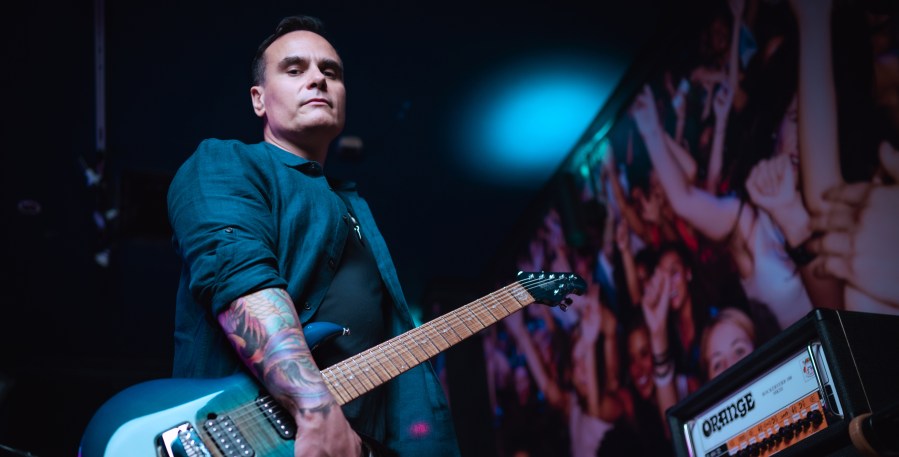
Rod Rodrigues

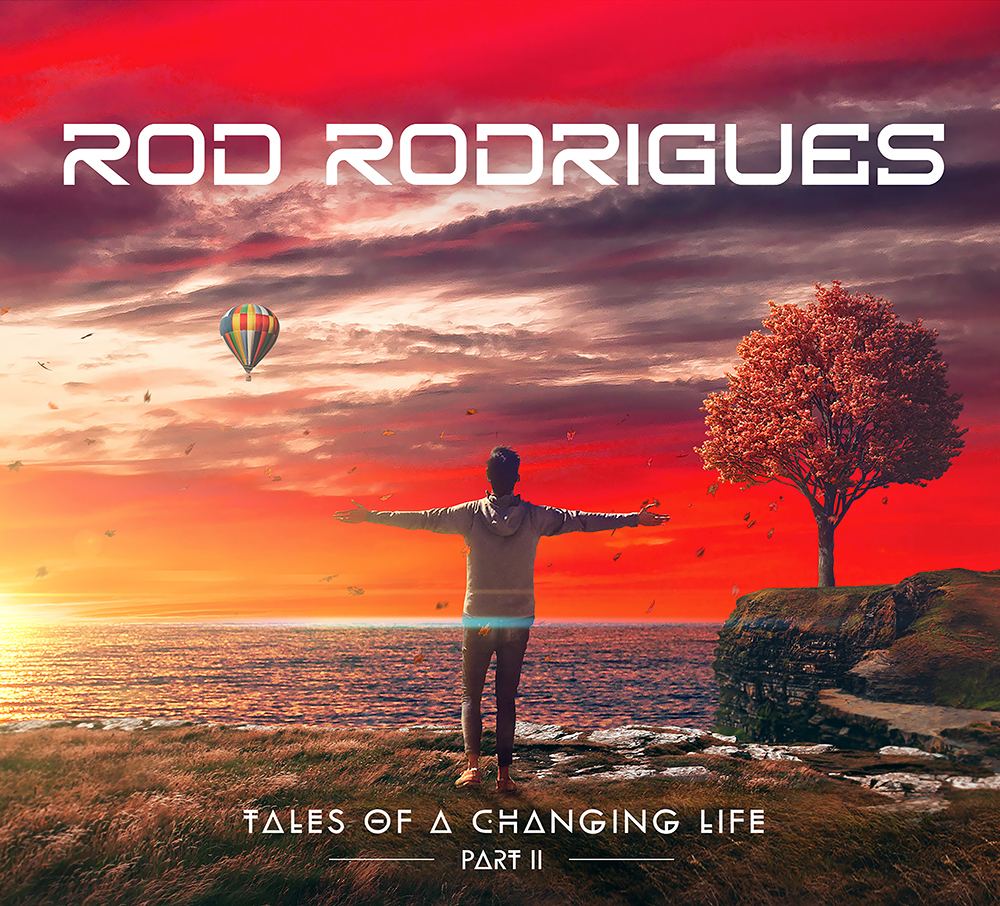
Album Review: Rod Rodrigues – Tales of a Changing Life Part 2

Brazilian guitarist and songwriter Rod Rodrigues returns with Tales of a Changing Life Part 2, the follow-up to his 2022 EP. Now based in Canada, Rodrigues explores the experimental realms of jazz fusion and progressive rock/metal, delivering a collection of seven tracks that showcase his musical evolution.

Rodrigues is a master of his craft, and this album is a testament to his exceptional musicianship. His guitar work is intricate and precise, while the drums, played with precision, often take the lead in guiding the songs through complex instrumental passages. One of the standout qualities of Tales of a Changing Life Part 2 is Rodrigues’ ability to maintain a strong melodic core amidst the experimental nature of the music, a challenge that he meets with ease.

A notable highlight of the album is the single “Inukshuk,” which features an all-star lineup including guitar virtuoso Angel Vivaldi, bassist Heitor Tenorio, keyboardist Orlan Charles, and renowned drummer John Macaluso, who has worked with ARK, Symphony X, and Yngwie Malmsteen. Speaking about this collaboration, Rodrigues shared his excitement: “It’s an immense pleasure and honor to work with such extraordinary talents. Collaborating with John Macaluso, one of my all-time favorite drummers, and Angel Vivaldi, an exceptional guitarist and individual, has been an incredible experience.”

The track “Inukshuk” stands out for its deep sense of dynamics and sonic depth. Macaluso’s snare hits with metallic precision, while Rodrigues’ guitar stretches across the stereo field, each note defined and clear. The keyboards, layered beneath the stratospheric guitar solos, add further dimension to the sound, while the bass grinds into the mix, grounding the composition. This track exemplifies the tight interplay between the musicians, all brought together under Rodrigues’ unique compositional vision.

The third track, “East Coast Memories,” exemplifies the album’s richness in high-resolution sound, offering an openness and lifelike transparency. The balance in this recording is striking, and while the album could be classified as fusion, its progressive elements extend far beyond that genre label. Rodrigues’ compositions tell stories, with each track taking the listener on a journey beyond the confines of typical instrumental music. His guitar voice is modern, melodic, and emotionally charged, making for a captivating listening experience.

Rodrigues reflects on Tales of a Changing Life Part 2, saying, “With this album, I feel I’ve reached a new pinnacle as a musician and composer. This album allows me to convey the profound personal transformation I’ve experienced over the last decade through my music. Additionally, I had the privilege of working with a stellar group of musicians who each brought their unique flair to the project.”

The album was produced by Rodrigues, mixed by Renato Osório, and mastered by Kris Crummett, known for his work with artists like Nick Johnston and Sleeping With Sirens. This high-caliber production enhances the listening experience, giving the album a polished yet dynamic feel.

Another standout track, “On the Road,” holds a special place in Rodrigues’ heart. Written in honor of his father, a taxi driver, the song exudes positive energy and is designed to accompany a high-speed journey. Featuring Heitor Tenorio on bass, Rodrigo Abelha on drums, and Orlan Charles on keys and piano, the track incorporates a Brazilian cultural element through the country guitar stylings of Rodrigo Sperandio. “In addition to the strong influences of Rush and Van Halen, I wanted to add something special from our culture with the Brazilian country guitar,” Rodrigues shares.

Rod Rodrigues’ career has been marked by collaborations with notable musicians, including Kiko Loureiro (Megadeth), Edu Ardanuy (Sinistra), and Rafael Bittencourt (Angra). A graduate of IG&T and Claretiano University, he has also been a prominent figure in music education since 1997, launching his successful online training program, Extreme Guitar Workout, in 2018. His discography includes his debut solo EP The First Step: Introduction (2010), which received acclaim from major guitar publications, and Tales of a Changing Life Part 1 (2022), the beginning of this conceptual series exploring stages of personal transformation.

In Tales of a Changing Life Part 2, Rodrigues not only showcases his technical virtuosity but also his ability to convey deep emotion and narrative through his compositions. His work stands as a shining example of how diverse musical influences can be melded into something both experimental and accessible. This is an album that takes listeners on a transformative journey, and in doing so, solidifies Rod Rodrigues as a unique voice in contemporary progressive music.

Stream, download and purchase Tales of a Changing Life Part 2 from Bandcamp here. Follow Rod on Instagram or Facebook.

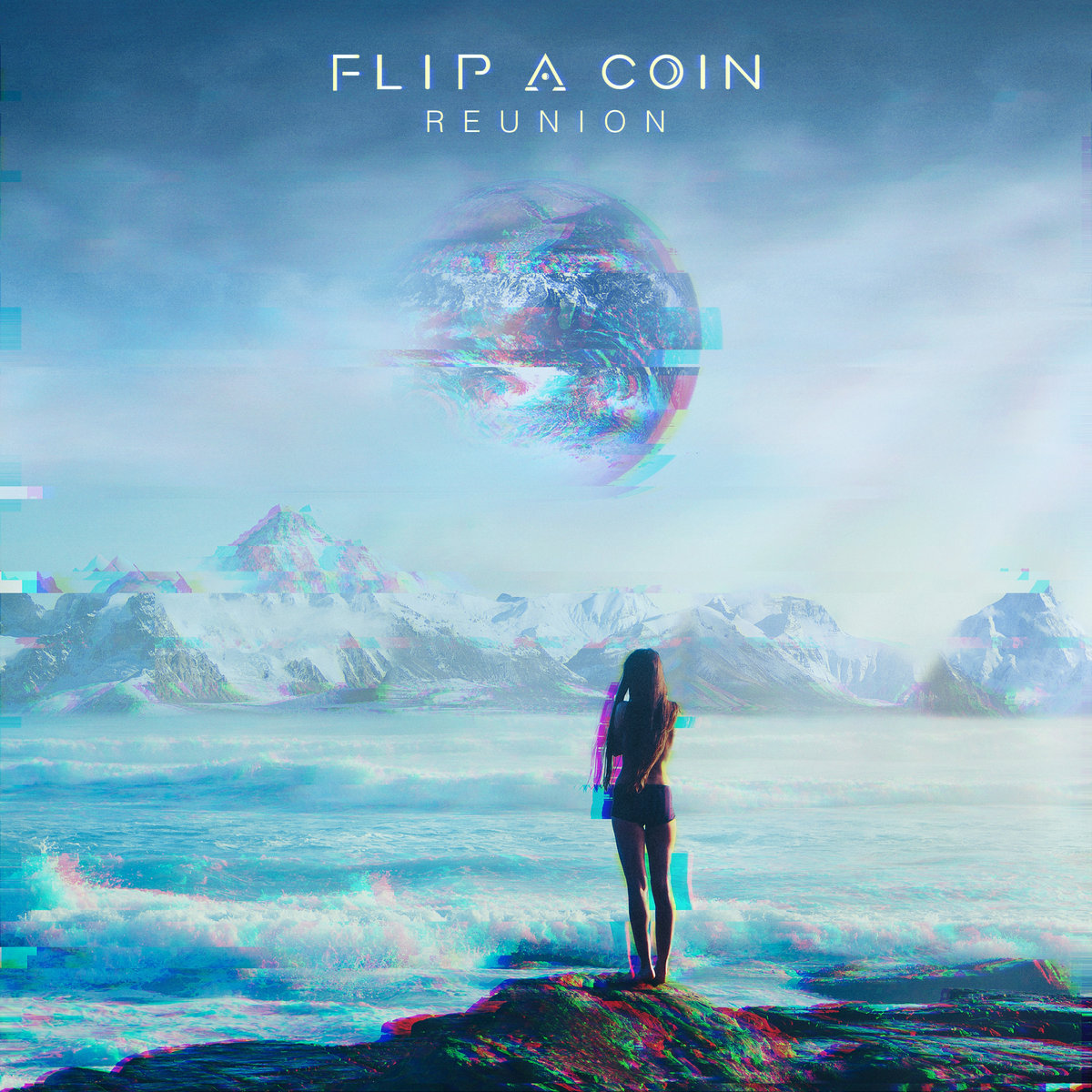
Bridging Distance and Defying Genres: An Interview with Flip a Coin on Their Debut Album Reunion

Flip a Coin is an international progressive metalcore duo, comprised of Czech guitarist and songwriter Tomáš Biza and American vocalist Heyden Smith. Despite the challenges of collaborating across a seven-hour time difference, the duo released their highly anticipated debut album Reunion in June 2024. Blending elements of melodic post-hardcore, deathcore, and progressive metal, Reunion showcases the band’s versatility and willingness to experiment with diverse sounds. In this interview, Tomáš and Heyden discuss their collaborative process, the creative evolution of Reunion, and how they navigate the unique challenges of being an international band.

How did Flip a Coin come together as an international duo, and what challenges have you faced working across a seven-hour time difference?

Tomáš: The distance between us brings forth challenges both in the creative and production side of things. Being able to sit in the same room and just vibe and bounce ideas one from each other in real-time is something I think we both long for. Production-wise, we both depend on just our own knowledge of how to actually record ourselves and use our gear in the best way possible, which can be a limiting factor sometimes.

Heyden: There’s limited amount of time in the day to talk about things in real time. Shout out Tômas for being willing to have midnight video calls in his time zone. I do feel like we’ve developed a pretty good process of collaborating over the past few years.

Your debut album “Reunion” represents four years of creative growth. How did the collaborative process evolve over those years, and what were some of the key milestones?

Tomáš: I think the most key moment came from before this album even happened, and that was the release of our first single called Haven four years ago.  Once that was out, we knew like, yeah. We can actually do this. And that was super affirming. During the process of working on Reunion, though, I’d say fully finishing the longest song on that record, False Promises, felt like a real landmark.

Heyden: These songs weren’t recorded in one batch. There wasn’t really a demo process. We were kind of writing and recording them at the same time, and I think you can hear that across the different songs. “Lifestream” and “False Promises” were recorded close to a couple years apart, so I definitely think we brought some new tricks with us into that song.


The album spans multiple subgenres, from melodic post-hardcore to borderline deathcore and progressive metal. How did you decide to embrace such a diverse range of sounds on “Reunion”?

Tomáš: To be honest, that was not a completely conscious decision! My music taste leans towards albums where I feel like each song has it’s own identity, that every song does something a little bit different from the rest. And so that’s just where my songwriting takes me naturally.

Heyden: I’m a fan of bands that fall into all of those subgenres, and plenty of non-metal stuff too. I’m always excited to experiment with songs that are outside of what I’m used to performing. It’s a huge reason I joined Flip a Coin.

How do you manage to maintain a cohesive sound across the album when experimenting with so many different styles?

Tomáš: But do we really? Haha. I believe that is mostly Heyden’s work, he brings his own vocal style into each song and that sort of ties it all together and makes the differences less jarring. If it wasn’t for his singing the album would feel much more disjointed since the instrumentals are so vastly different.

While the songs are pretty different from each other, I think we both have our own style that we bring into every song. At this point I’ve jammed our demos enough to know a Tomâš riff when I hear one…and the riffs he’s cooking up are quite tasty. 

“Reunion” feels like a very cinematic album. How do you approach writing music that feels as immersive and dynamic as your tracks on this record?

Tomáš: I’m so happy you used the words immersive and cinematic, because that is exactly what I was trying to achieve with the sound of this record! I did this with layering many different instruments – guitars, synth pads, strings – on top of each other; just when I thought it was enough I always tried to take it one step further. Then contrasting these parts with more raw sounding sections creates that sort of experience. Also lots of samples and special effects. I wanted each song to feel almost like a movie, sort to speak.

Heyden: That’s all Tomâš. I think this aspect of our music lent itself well to the lyrics that are more story-driven in “False Promises” and “Passengers”. My inner theatre kid definitely came out in my vocal delivery for those. 

Tracks like “Lotus” and “Lifestream” have a strong melodic focus, while others like “Amaterasu” lean towards a heavier, deathcore sound. How do you balance melody and aggression in your songwriting?

Tomáš: It’s very much about where I’m at life during the time of writing, or what bands I’m currently listening to, or just the mood and feeling I’m trying to capture. I have a good image in my head of what kind of song I’m trying to write almost every time before I even pick up my guitar.  Sometimes I’m going for a rather pretty and melodic sound, other times I want to write something dark and heavy. Songs like Lifestream or Passengers strike a good balance of both, I think.

Heyden: It all starts with what Tomáš brings to the table instrumentally, although I try to avoid predictability when I’m writing vocals. There’s kind of a tired trope of singing on melodic parts and screaming on heavy parts in a lot of modern metal, which I find boring. Ultimately though, I try to just embody the emotions the song makes me feel. 

Heyden, as a vocalist, how do you approach matching the intensity and emotion of the different styles of music on “Reunion”?

Heyden: I think all music that makes you feel something has a good grasp on tension and release. I try to tell a story with each song where it has ups and downs and recurring themes. Bringing back certain parts in a new way kind of helps tie everything together. Other than that, it’s getting out of my head when I’m tracking my takes. Trying to worry less about hitting a note perfectly and trying to be “in the song”, for lack of a better term. 

Tomáš, you not only wrote and played the music but also handled the production, mixing, and mastering. What were some of the biggest challenges of wearing so many hats on this album?

Tomáš: I’d say the biggest challenge for me is bridging the creative and production processes. Sometimes the parts I write end up sounding very different from what I heard in my head once they‘re recorded and fully fledged out. So failing to translate my ideas into the actual music can be frustrating. On the other hand, this can also make for some really cool, unexpected moments. Being in complete control over the entire process from start to finish is both a blessing and a curse.

The album features guest musicians like Michael McGinley on piano and Jake Maaka on vocals. How did these collaborations come about, and what did they bring to the project?

Tomáš: Jake was featured on a very heavy piece of music I was enjoying a lot a few years back, and when I wrote Amaterasu, I realized he’d be the perfect person to have a feature on it. The piano parts Michael wrote for Lifestream were the last piece of the puzzle that interlocked the different sections of the song. I still remember the moment when I heard what he wrote for the first time, I was honestly shocked by how well it hit the spot. 

Heyden: Michael McGinley is my dear friend and bandmate in my other project Flora Nova. Check that out if you want to hear more of him shredding on the keys. I thought Jake brought a visceral kind of aggression to “Amaterasu” that fits so well, and his delivery on the chorus had similarities to Tommy from Between the Buried and Me who is one of my favorite vocalists. I liked filling in on backing vocals for that song and playing off of his melodies. I think both features brought influences to the album that we wouldn’t have otherwise. 

“Amaterasu” is one of the heavier tracks on the album. Can you tell us more about how this song came together, and what inspired its powerful sound?

Tomáš: The first half of the song basically wrote itself over a span of a few days. At that time I already knew this one had to end up being a single because of the super straightforward structure and open chorus. I even think it’s the song with the earliest chorus on the album? However, then I hit a brick wall with the ending and it took me 2 years to come back to it. As far as inspiration goes, it’s a very Veil of Maya inspired song.

With “Reunion” being your debut album, how do you feel it sets the tone for Flip a Coin’s future? Are there any particular directions you’re excited to explore moving forward?

Tomáš: As you’ve mentioned, the album features a very wide sound palette, and I’m super happy about our debut album having this kind of character. That’s because it shows we can do it all, and it sort of leaves you wanting more while not knowing what to expect next at the same time!

Heyden: It’s good to have it out there! I’m excited to get more experimental with the next batch of songs and expand on the variety of sounds we were able to achieve on this album. 

What are some of the major influences, both musical and non-musical, that shaped the sound and themes of “Reunion”?

Tomáš: I started writing this album right after I moved away from my family and entered college at 19. Now I’m 23, and I think I don’t have to explain how so many things happen in a person’s life during this period. It was a rollercoaster and all these experiences served as a fuel for writing and are reflected in the album. Sound-wise, I drew inspiration from many of my favorite records which came out during that time, most notably from bands like Periphery, ERRA and Counterparts. 

Heyden: It probably comes as no surprise that I joined this band after seeing a post from Tomáš on the r/periphery subreddit. They’re definitely a huge influence for both of us. In the realm of prog and metal, Protest the Hero, The Contortionist, and Corelia have been pretty big influences on me. Both Tomâš and I are into sci-fi, so that’s where some of the more conceptual lyrics came from. The rest is inspired from both of our perspectives on past relationships, loss, mental health, and personal beliefs. 

Given the album’s independent release, how have you approached getting your music out to the world and building a fanbase for Flip a Coin?

Tomáš: Making music is an outlet for both of us, and so that’s the most important aspect before anything else for the band. I personally really enjoy the visual aspects as well, so coming up with the artwork and music video ideas was lots of fun and I feel like it can help connect with our audience. For our guitar oriented fans, I’ve also recorded guitar playthroughs for some of our songs and tabbed them out, you can find that stuff on our YouTube and Bandcamp.

Heyden: We put out music videos for “Lifestream” and “The Algorithm” and a few more visualizers for “Lotus”, “Insomnia”, and “Amaterasu”. We’ve also pitched music to some playlist curators. It’s tough when you can’t promote by playing shows and finding a scene to be a part of. Ultimately though, we’ll write this music whether there’s a fanbase or not. It’s first and foremost a passion project and an outlet for creative expression. 

Reunion is out now and is available from Bandcamp, Spotify and Apple Music. Follow Flip a Coin on Instagram, and like them on Facebook.

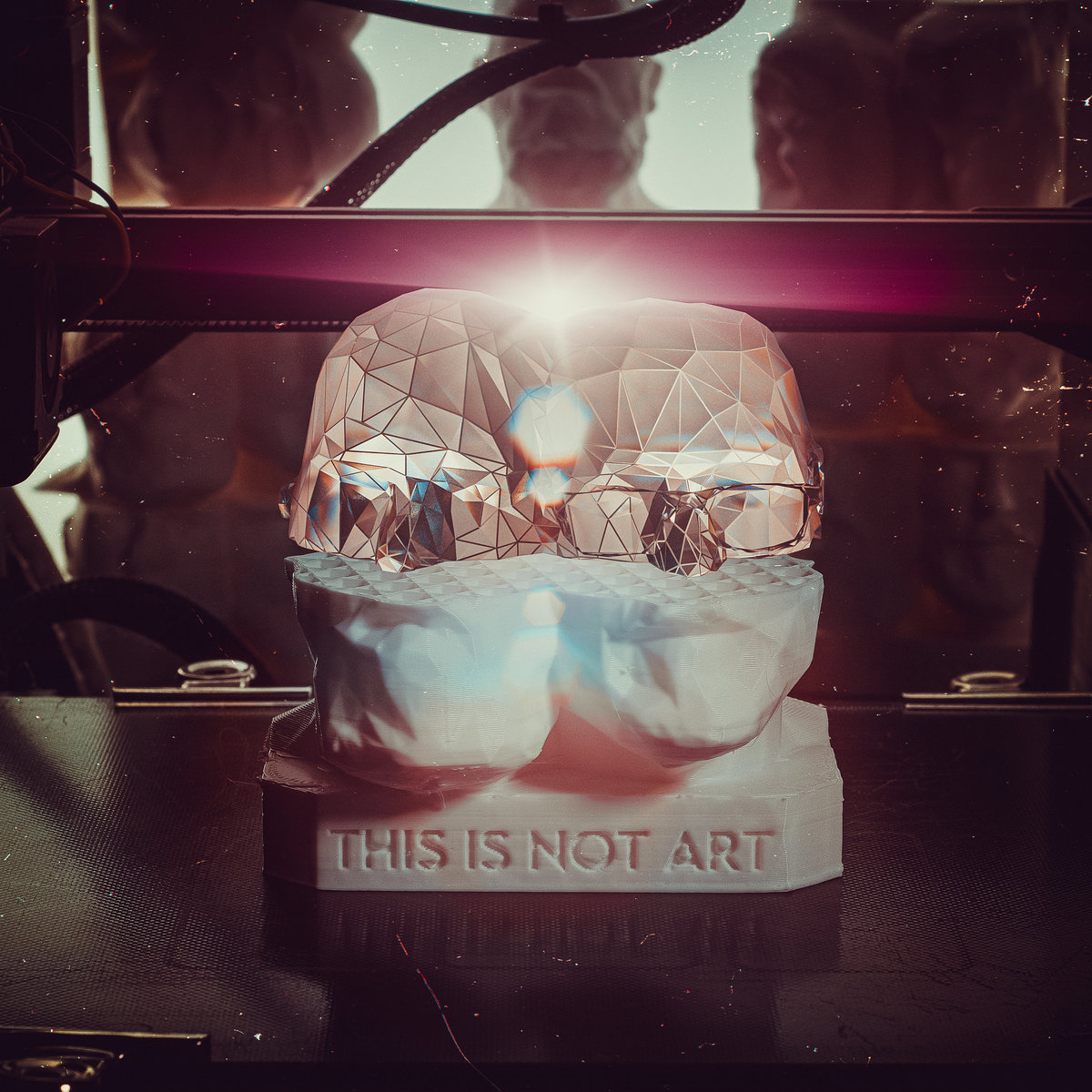
SVYNX: Inside “This is Not Art”

As SVYNX prepares to unveil their debut full-length album This is Not Art on September 14th, we sat down with the progressive/alternative metal duo from Cologne, Germany, to discuss the album’s themes, the influence of the pandemic, and their creative process. Tackling heavy topics like societal disillusionment, corporate greed, and political unrest, the album pushes boundaries both musically and lyrically. With their unique blend of progressive rock, pop, and alternative music, SVYNX has crafted an album that reflects the uncertain times we live in. Below, the band shares insights into the creation of This is Not Art and how their personal experiences shaped its message.


Your upcoming album, This is Not Art, explores themes of societal change and disillusionment. How did the pandemic influence the creation of this album, and how do you think these themes resonate with listeners today?

Disillusionment fits the record’s concept well. The very beginning of the pandemic felt like a time for all of us to come together as equals and awakened hope for change. When that change fell flat, we had to write about our disappointment. Post-pandemic, the world seems even colder than it did before, and the political climate keeps evolving in a troubling fashion. All of these developments are still relevant and probably always have been. But it was the pandemic that revealed my own naivety, which is a recurring theme throughout the album. These emotions resonate with all of us when dealing with disappointment, be it in a grander societal context or in our interpersonal relations.


The track “Art Won’t Save Me Now” sets a poignant tone for the album. Can you elaborate on the message behind this track and how it reflects the overall message of This is Not Art?

“Art Won’t Save Me Now” serves as somewhat of an antithesis to the record’s title. It references Ton Steine Scherben’s “Musik ist eine Waffe” but focuses much more on my own shortcomings as a socially mindful person. Making music will not likely remedy that fact, but maybe it doesn’t have to.


You mentioned that many songs started as short ideas recorded on your computer. Can you walk us through your creative process? How did the studio become an instrument in shaping the album?

Tobi: All of the songs on the album were written collaboratively, but often we were not even in the same room, just elaborating on what the other had done. I honestly don’t know which guitar or vocal lines I came up with on my own and which Wolle has edited and twisted beyond recognition. Our workflows are very compatible that way. I usually take a quick and dirty approach, while Wolle is very detail-oriented.


Tracks like “Follow Me” and “Feed Me” tackle modern conveniences and their impact on our lives. How do you approach writing lyrics that are both thought-provoking and accessible to a broad audience?

Tobi: Lyrics are always difficult. I don’t know if they are thought-provoking or accessible. I try to stay away from absolute truths and write about my interpretations and intuitions—the writing itself is a way for me to understand myself, if that makes sense. [laughs]


“Harvest Season” and “Europa” delve into issues of corporate greed and Europe’s historical role. What inspired you to address these specific issues, and how do you hope your music will influence discussions around them?

Wolle: We are very privileged here in Germany. We feel like the right thing to do is to share our resources and build a more diverse society. Populists are weaponizing migration and turning the poor against each other, while big companies—and sometimes politicians—are stuffing their pockets with more money than anyone would ever need in their lifetime. What used to be common sense now needs to be said out loud: f*ck fascism, f*ck racism.


In “Never at Ease,” you highlight privilege and its influence on choices. What personal experiences or observations led to the creation of this track, and what message do you hope to convey through it?

Tobi: “Never At Ease” is one of the few tracks that was inspired by very specific situations. As a teacher, I’d love to believe that everyone has the power to shape their own lives. But many values I hold in high regard and might subconsciously use to judge someone’s character can’t be taken for granted by everyone. It’s much harder to be punctual, well-dressed, rested, or motivated if you’re responsible for preparing your siblings for school and cooking dinner. I failed to realize this until a 13-year-old pupil of mine shared their story with me. It really makes you uneasy when you hear things like this.


The album was self-recorded but mixed and mastered by professionals at RRenimArts. How did this collaboration impact the final sound of the album, and what was the experience like working with them?

Wolle: We worked for a long time on the album and initially tried mixing and mastering it ourselves, but we were never quite satisfied with the results. By the time we decided to let someone else handle the final touches, we were already very attached to how it sounded. Luckily, Gabri and Konny at RRenimArts knew exactly how to preserve our vision while improving the mix, especially considering we had songs that utilized both bass guitar and synths.


The album ends with “Alexandria,” which addresses rising right-wing forces in Europe. How do you view the role of music in responding to and influencing political and social issues?

Tobi: Tough question! Personally, I want artists to position themselves clearly, so it was important for us to do so. I don’t really know how effective music is in shaping the political landscape, and I don’t want to pretend to have all the answers. That’s part of the inspiration behind the album title. I don’t know who cares about what we’re singing, but we have to sing it.


You’re set to perform at the Euroblast festival this October. What does it mean to you to return to this festival, and how does it feel to perform alongside other bands that have inspired you?

Wolle: Last time we played Euroblast, our music was vastly different—more funky, less modern. After working on this music for over two years, we’re especially proud to return. Euroblast is the best time of the year for us. You meet a lot of open-minded people, and the music ranges from nasty riffs and blast beats to grand-sounding ballads. We really feel like our music fits right in, and we’re thankful for the opportunity to perform again this year.


As a duo, how do you manage the balance between your DIY ethos and the need for professional production? How has this balance evolved over time, especially with this album?

Wolle: Over the years, we’ve acquired a lot of equipment and now have our own little studio. It’s nowhere near professional-grade, but I think the sound we managed to capture speaks for itself. We were motivated by the saying, “If it sounds good, it’s good,” and a video of Devin Townsend recording vocals in a hotel room with mattresses for sound isolation. For the next record, I think we’ll be less obsessed with perfection—imperfection has its own value.


Svynx

How has your approach to blending progressive rock, pop, and alternative music evolved with this album? Are there any new influences or techniques you experimented with on This is Not Art?

Tobi: Our previous releases were written and fine-tuned while jamming in the rehearsal room, and we limited ourselves to the sounds typically associated with a rock band. After listening to How I’m Feeling Now, I was super inspired. Incorporating synths and heavily effected vocals was our way of achieving a more modern sound. That said, no one wants to hear me play guitar in 4/4, so it had to be proggy. [laughs]


Looking ahead, what are your plans following the release of this album? Are there any upcoming projects or performances that fans should be excited about?

Wolle: Right now, we’re focused on playing shows and festivals and getting reviews out for this record. We both work full-time (Tobi is a teacher, and I’m a nurse), and since we’re only a duo, we can’t do everything at once. There are a few song ideas we’ve started working on, but with our limited time, we’re focusing on making this release as big as possible.


This is Not Art is out on September 14th, and is available as a digital download from Bandcamp, with the vinyl version coming later this Fall. For more about SVYNX visit their website, or follow them on Facebook and Instagram.

Voidchaser

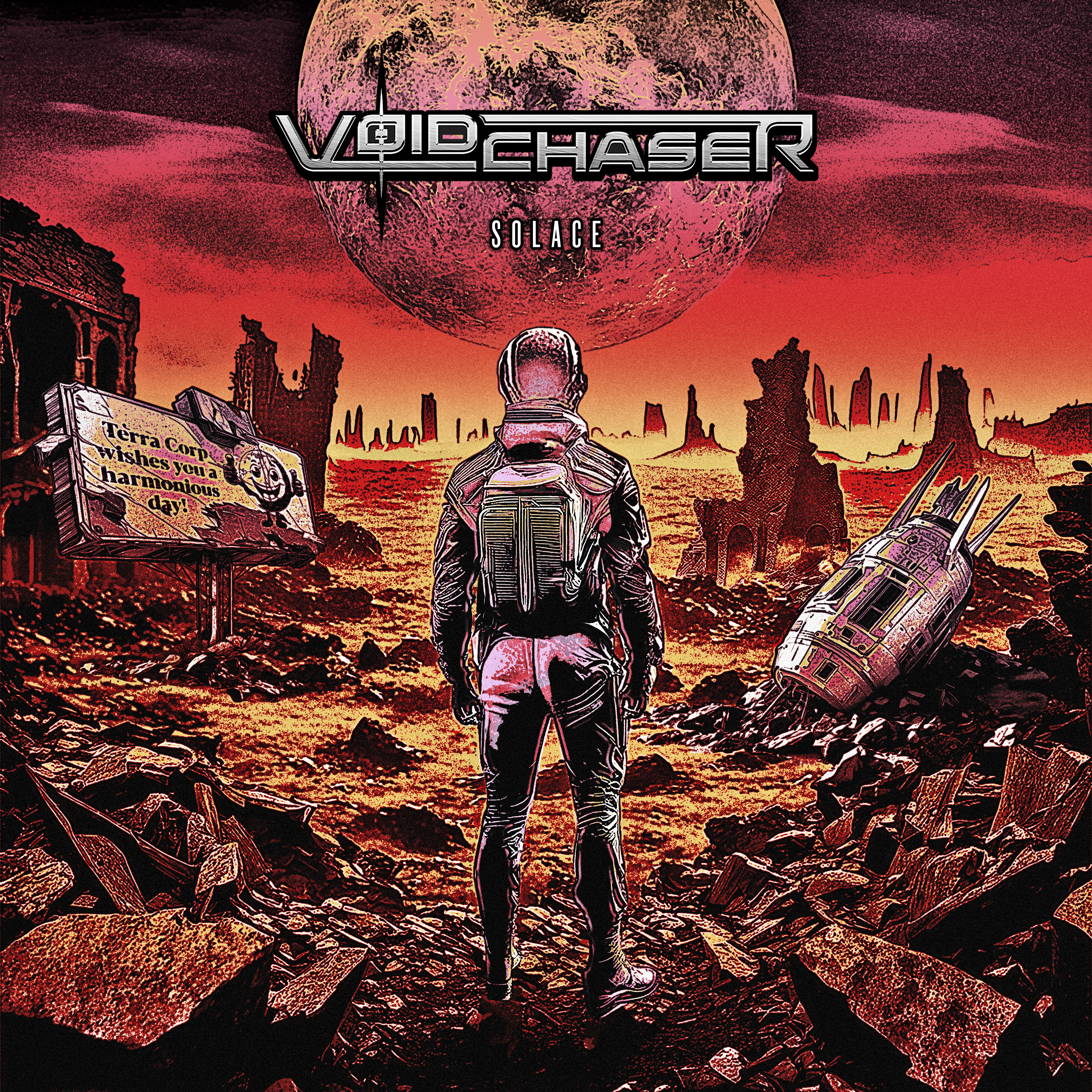
VOIDCHASER Talk Debut Album “Solace” & Band’s Journey

Formed just last year, Stockholm-Montreal-based progressive metal band Voidchaser has wasted no time making their mark. Following the release of their well-received EP Odyssey earlier this year, they have returned with their full-length debut album Solace, launched on September 6th. The album, a concept-driven masterpiece structured as a continuous piece of music, showcases Voidchaser’s distinct blend of technical precision, emotional depth, and theatrical flair. In this interview, we delve into the creative process behind Solace, the band’s rapid rise, and their ambitious plans for the future.

Progarchy talked with Voidchaser’s singer and rhythm guitarist Chad Bernatchez and bassist Jici LG.

Voidchaser formed just last year, yet you’ve already released an EP and are now gearing up for your debut album Solace. How has the journey been for the band so far?

The journey has been incredible. The band is really operating like a train without breaks. It feels like we are tighter and more creative than we’ve ever been.

Solace is a concept album structured as a continuous piece of music divided into movements. Can you talk about the creative process behind designing the album this way?

One of the things I love the most about music is the journey you take when listening and I always appreciate when an artist/composer recalls certain themes or melodies and uses them as identifiers, whether it be for characters, or emotions, etc. It’s story telling through songwriting. 

The two tracks, “Solace Part II: Only Human” and “Solace Part IV: Alien,” are vastly different in tone and style. How do these contrasting pieces fit within the larger concept of the album?

The two songs are very much tied together narratively by the experience of our protagonist but are very much opposing each other in terms of emotion. In Solace Part II: Only Human”, our protagonist is dealing with surviving in a new environment. They are coming to terms with their isolation and are trying to embrace it. In Solace Part IV: Alien” it is very much the opposite. Our protagonist is feeling an embrace that they have longed for and is blindly following it with little regard for anything else. All of a sudden, the desire to survive and push forward disappear and the only thing they care about is love.

Your sound draws from progressive death metal, but also includes elements of melodic and theatrical music. How do you strike a balance between technical precision and emotional depth in your songs?

I love feeling things when I listen to music. I love hearing something and it makes me cry. I’m a very big fan of musical theater because of this. When I write the heavy riffs, I really try to find something that can serve as a “home base” and I think it becomes a little “pop-y” as a result. Once I have that I just let my imagination run wild and go crazy with time signatures and all the other fun stuff. And it’s the same thing with the emotional stuff. I think that part of the balance is giving a space for these things to exist but also offering more to the song than just a standard song structure. It makes it so that when we land on those parts they shine more because we’ve been building towards it or around it.

Chad, you’ve described Solace as Voidchaser’s most ambitious project yet. What were some of the challenges and triumphs in creating such an intricate and cohesive record?

I think the biggest challenge for me personally was to let go of it. I kept thinking “it’s not perfect yet” or “oh this person will probably hate this part” and with the rest of Voidchaser’s support I was able to overcome that self-doubt and just say “fuck it, I like it, we like it, let’s go” After that it was a breeze, recording and producing it ourselves was smooth, the collabs were easy, the mix and mastering was like a glove. I think the stars really aligned for us after that.

Guest performances by Ashbreather on “Only Human” add another layer to the track. How did that collaboration come about, and what do you feel it brings to the album?

Ashbreather have always been our friends, we recorded our very first single at their studio. They have been there since the beginning really. After that we did the “Ashes of the Void Tour” and that made really strengthened our friendship, so we just asked, and they were super into it. I think it adds a great layer of chaos and emotion to that section. They killed it!

Your debut EP Odyssey made a significant impact earlier this year, and tracks like “Tyrant” and “Star-Crossed Lovers” have garnered tens of thousands of streams. How did that early success influence the making of Solace?

We were planning on doing Solace before Odyssey was even released so it never derailed the plan but I think it just made us want to go all in with it. We felt like something was happening and we needed to give it everything we had and do it justice.

Solace explores themes of survival, resilience, and toxic relationships. Can you share how these themes developed and how they resonate with the band on a personal level?

These are just all experiences that I have had and I’m trying to write them in a way that more people can resonate with. I use the narrative as a way to relate a feeling that detaches itself from me, myself and I. Solace covers a very important chapter in my life. Years ago I found myself in a situation where the rug was swept from underneath my feet and all of a sudden it felt like my entire world was collapsing. Then I left and I moved to Montreal. I had no point of reference anymore, I felt alone and wanted to use that as a strength. Then I met someone, and we were together for a few years, but it was unhealthy. We were both filing a void through each other. Finally once that break up happened I had a lot of cathartic moments with myself and I started feeling inner peace.

Voidchaser has roots in both Montreal and Stockholm. How do these two cities’ distinct metal scenes influence your sound and the way you approach music?

I would say that we’ve been more involved with the scene in Montreal and its had an influence that you’ve already heard and will continue to hear. You go see a gig, have a good time, get inspired and go home and jam something out. Stockholm is still a mystery to us, but being in a new environment has supercharged my creativity. I have been writing a lot of new stuff. Stuff you won’t hear for a while but you will hear it eventually.

You’ve shared the stage with Ashbreather and The Aphelion on the Ashes of the Void Tour, and you’re about to embark on the Terra Corp Presents: The Only Human Tour. How does performing live shape the evolution of Voidchaser’s music?

It’s just a constant flow of inspiration really. You make music that makes you wanna go out and play it in front of people. Then you go on tour with your friends, have a blast, grow closer and by the time you get home you’re just inspired to make more music. I think feeling the audience’s reaction to our music also helps inform some of the song writing. I’ll be making music and say things like “oh this is gonna make people jump around” or “I think we might lose the audience in this section.” Plus it’s just fun. Performing is the pay off for me.

Jici, you mentioned that Voidchaser feels like an unstoppable force since releasing Odyssey. What is it about the band’s chemistry that has allowed you to move so quickly and decisively in the past year?

At some point, we realized that this band could be the vehicle to help us achieve our dreams as musicians and artists, as long as we put in the effort strategically. I believe everyone in the band has a deep and existential drive to fulfill their own personal goals, which creates a powerful force behind everything we do as a band. We strive to break through our self-limiting beliefs and give everything we’ve got. Honestly, we’ve already accomplished so many of our goals so far, and it’s just the beginning. It’s overwhelming, but it’s one of the best feelings we’ve ever experienced.

Chat Bernatchez (Voidchaser)

Progressive death metal often demands a high level of musicianship. How do you as a band continue to challenge yourselves technically while still staying true to the emotional core of your music?

I think we stopped limiting ourselves to what we can play. The philosophy now is very much write what sounds good and if you can’t play it, learn how and if it’s hard, practice.

The remixed version of “Tyrant” was critically acclaimed. What made you decide to revisit that track, and how did the remix alter its impact?

What made us revisit that track was our current sound engineer, Jason Poulin, who just liked the band and asked us if he could do a remix of Tyrant for us.

We liked it so much that we just decided to release it. We’ve been working with him ever since and he became a ghost member of Voidchaser a very good friend of ours.

Voidchaser has a theatrical element in both your recordings and live shows. How do you incorporate that theatricality into your stage performances, and what can fans expect from your upcoming tours?

Matching costumes for one. I believe a live performance needs to transcend beyond just the music. So there will be as much visuals as we can get for now, as well as some light choreography stuff. We are also gonna be playing with backing tracks for the first time to really give a FULL sonic experience.

The progressive death metal genre is known for its innovation, but also for pushing boundaries. What do you feel sets Voidchaser apart from other bands in the scene?

I think that it is our roots. We have a lot of variety in the kind of music we listen to individually, as well as the music we were around while growing up. But I would say the most important thing for us is that we embrace some traditional songwriting elements that are more pop oriented. We allow ourselves to fluctuate between being very heavy and technical to being light and breasy.

Looking back on the making of Solace, is there a particular moment in the process that stands out as a defining moment for the band?

I would say we all really stepped up our game and we knew that this had to be big so that was something we collectively established early on. I think the defining moment, for me anyway was when we heard Jason’s first crack at the mix. We just sat there in complete awe and said, this is huge, there’s something going on here.”

Finally, as you gear up for the release of Solace and your next tour, what are your hopes for the future of Voidchaser? What’s next after this album?

Oh man, we have so much more plans we want to do. We have 1 more EP that we are hoping to put out this year. 2025 will have 2 albums and one tour at least, then 2026 will have something that I think is even more ambitious. We are going full force with Voidchaser until it dies or I do.

Solace is available now; check it out on Bandcamp. For all things Voidchaser check out this location.

Forever in Transit, a Buffalo progressive metal band

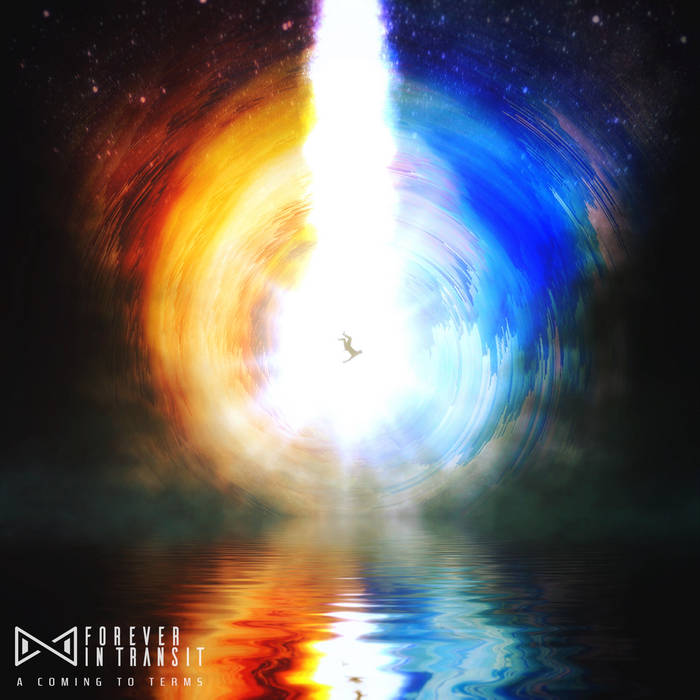
Coming to Terms with DAN SCIOLINO of FOREVER IN TRANSIT

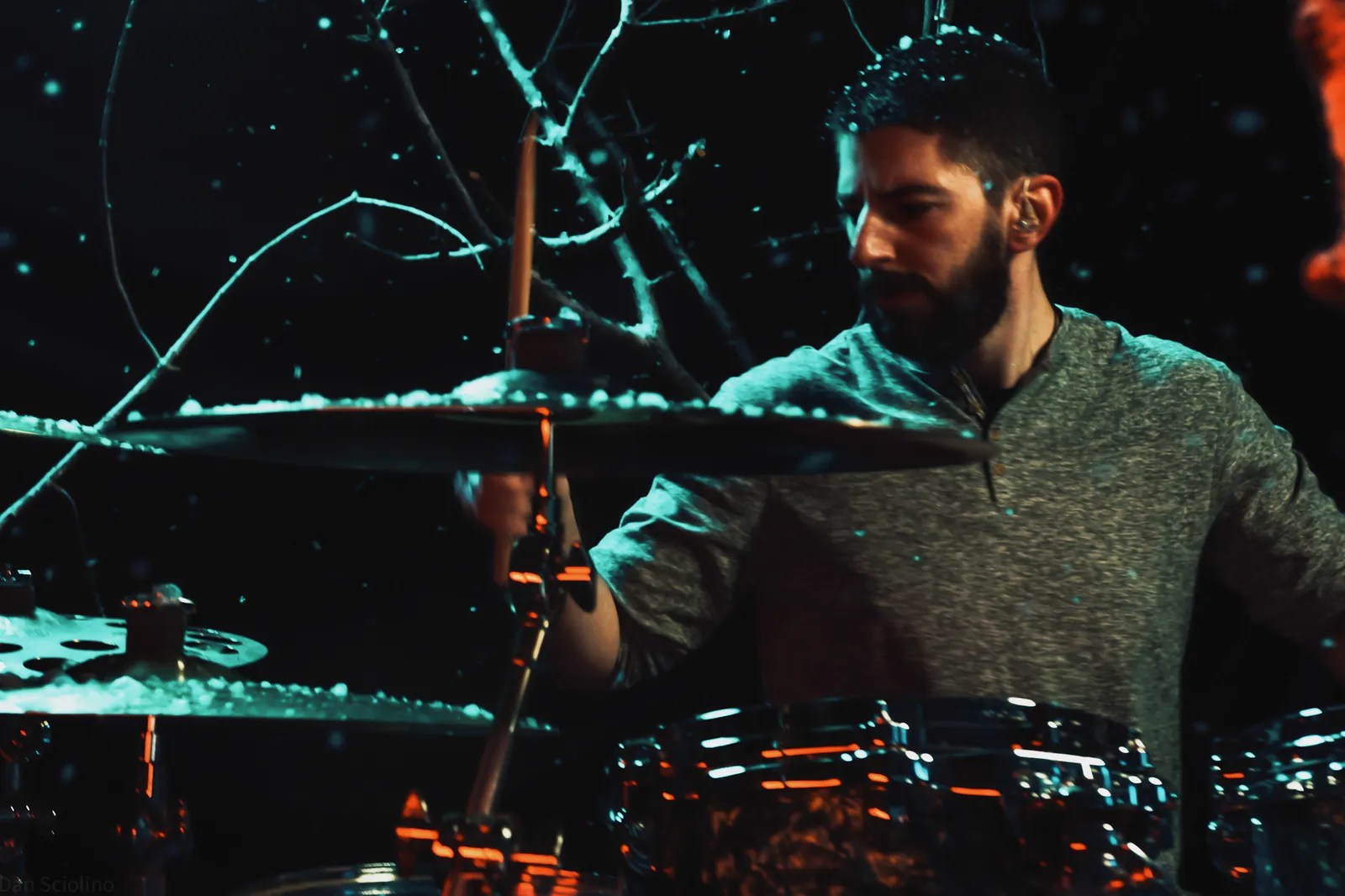
Forever in Transit, the Buffalo, NY-based progressive metal project led by songwriter, keyboardist and drummer Dan Sciolino, is set to release their brand new album, A Coming to Terms, on September 13th, 2024. The album marks the band’s return with a dynamic blend of high-energy metal and atmospheric soundscapes, exploring themes of identity, self-acceptance, and personal transformation. In this interview, Sciolino dives deep into the creative process behind the album, the evolution of the band’s sound, and the powerful philosophical ideas that shaped A Coming to Terms. Join us as we explore the journey behind this new release.

“A Coming to Terms” marks your return with a full-length album after several years. How does it differ from your previous releases, like “States of Disconnection” and “Re:Connection”?

One of the biggest differences between A Coming to Terms and our previous releases is that I wanted the writing to be more focused and intentional, while still preserving the longer song forms. For example, if you listen to some of the tracks on States of Disconnection, they have these really long, tangential bridges with lots of different ideas and unexpected changes. The songs on A Coming to Terms are still long, but I feel there is a stronger, more unified purpose informing the structure! I also spent a lot of time incorporating different motifs that pop up all over the album! 

Another big difference is the lineup on A Coming to Terms. Jeremy Schroeder returns as the guitarist – he also played on States and Re:Connection, and is the only musician besides me to play on every Forever in Transit release. Our vocalist for this album is Chris Lamendola, and his voice really suits the direction I took this album, between his clean vocals and screams.  We had a lot of fun arranging the vocals on this album!  Finally, Daniel Ross joined us on bass guitar for this release, and he even played fretless bass on two songs – “What Lies Beneath” and “A Coming to Terms”! 

Can you delve into the themes of identity, self-acceptance, and personal transformation that you explore on this album? What inspired you to focus on these concepts?

Following the release of States of Disconnection, many of the lyrics I had written explored these concepts, and they seemed to match well with the new music I had been working on at the time! The follow-up to States was originally intended to be an instrumental EP with three tracks forming a suite – “Tether”, “Void”, and “Empty” which were inspired by a character from the Avatar:The Last Airbender series. That character’s arc in the show revolves around letting go of attachment to attain greater freedom and power, and that served as a jumping-off point for me to explore it as a concept for the album! I eventually decided to expand to the seven songs that are on the album, laid out more like a journey exploring these themes, starting from initial questioning ultimately to acceptance. What I love about these themes is that I think they are universal – everyone has to come to grips with them at some point in their life! Who am I? How am I defined by the things that I attach myself to, and how does that shape my trajectory as a person?” 

The album features a mix of high-energy progressive metal and ambient soundscapes. How did you approach blending these elements to create the dynamic sonic journey on “A Coming to Terms”?

What really helps in that balance is that I am both a drummer and a keyboardist, so playing with interpretations of rhythm and contrasting those different rhythmic ideas with immersive soundscapes has been a defining aspect of Forever in Transit’s sound. I think of Forever in Transit’s music as having this push-pull balance between inertia and weightlessness. The inertia comes from our more “metal” aspect, as well as the way that the songs are structured, and this gets contrasted with more open and ambient passages, which adds a layer of intimacy and emotional depth. I have always loved music – progressive and beyond – that takes me on a journey, and I strive to incorporate that into each Forever in Transit release. 

“Enter the Void” features a guest performance by Diego Tejeida and his work on keyboards. How did this collaboration come about, and what was it like working with him?

I first met Diego when he was offering tour lessons, I think on Haken’s 10-year anniversary tour in 2017. I wanted to learn how to design sounds for Roli’s Seaboard, which is essentially a keyboard with a continuous silicone surface, so you can slide between notes, play vibrato right on each key, and control sounds in a really natural and intuitive way. I used all over the Re:Connection EP as well as the intro of our new song “Let Go Your Earthly Tether”. Fast-forward to 2020 when bands could no longer tour, and Diego, like many other touring musicians in that time, offered online lessons! After taking lessons from him, I had eventually asked him whether he would contribute a guest keyboard solo on “Enter the Void”, which he agreed to! He is very easy to work with – deeply knowledgeable, but always down to earth wanting to serve the best interest of the song! 

You’ve mentioned that Diego Tejeida also mixed the album. How did his involvement influence the overall sound and atmosphere of “A Coming to Terms”?

One of the biggest areas that Diego influenced on the album was the sense of movement through each song. He is extremely detail-oriented, and the placement of all of the different elements change subtly in interesting ways. He also spent a lot of time maximizing the impact of each song, from a narrative standpoint. A great example of this is his mix for “Empty and Become Wind”. He maintained a very delicate balance of how much low end was present throughout the song, gradually incorporating more as the song unfolds, until you get to the very last section when everything reaches its peak! He also spends a lot of time working with music that is heavily layered with lots of sound design elements, so he was a perfect fit to mix the album!

Nick Borgosz recorded the album, and Andy VanDette handled the mastering. How did their expertise contribute to the final product?

If there is a word to describe Nick, it is meticulous! He recorded the drums, vocals, guitars, and some of the bass for the album, and when I record with him, I know that I am always going to capture the best takes I am capable of. He has a great ear for nuance, and will usually push and give feedback to get that extra 10% in a take! He also mixed our previous releases, States of Disconnection and Re:Connection.

Working with Andy was a great experience! He mastered many of my favorite artists, including Porcupine Tree, Devin Townsend, and VOLA, so I knew he was the perfect guy for the job! I was very satisfied with Diego’s mixes, but Andy’s masters just took the songs to another level! He is originally from the Buffalo, New York area where Forever in Transit is based. He also mastered another Buffalo based prog band called Turning Virtue, including their newest album He Held the Sun Captive, which I played keyboards on!

Dan Sciolino

The album opens with “Let Go Your Earthly Tether,” which sets the stage for the overarching narrative. Can you talk about the significance of this track in relation to the album’s themes?

“Tether” introduces many of the themes of the album by posing them as questions. Our narrator is at a place where they are frustrated, unsure of who they are or the direction they should take. “Who am I in relation to everything else? Where do I end, and the world begins?” Their attachments are perceived as tethers holding them back from their goal of inner peace. They wonder what would happen if they were to let go, but are afraid of the outcome. Emotionally, to me, Tether balances rage, fear, and desperation with an uplifting sense of hope! From more of a musical standpoint, I think Tether is a good representation of what to expect from the rest of the album – contrast between atmosphere and more driving sections, and lots of layering! There are also many motifs presented in “Tether” that pop up in other songs – keep an ear out!

Each track on the album represents a chapter in the journey of self-identity. How did you structure the album to reflect this narrative arc?

The album starts at a place where the narrator is questioning where they are in life and asking fundamental questions about who they are, especially when you strip away external attachment. From there, each track unveils a different step in the journey, until we arrive at a place where the narrator is at a place where they can fully accept the person they are, as they are, realizing that integrity to self is what will allow them to reach the goal they are after. Along the way, they have to navigate the pitfalls of their own biases and attachments, fears and insecurities, and emerge on the other side a better person.

It begins with the track “Let Go Your Earthly Tether”, which explores the challenge of unraveling the different biases and attachments that make it difficult to identify yourself, and the urge to discard those ties in a desperate effort to find inner peace. “What Lies Beneath” navigates the relationship between ourselves and the self-rationalizing narrative that we spin that compromises our identity. “Streams of Thought” is about the frustrations that we encounter when we try to find meaning or inner peace – it can take countless attempts or approaches and sometimes we arrive more lost than we began. “I Cling to Threads” represents the difficulty of letting go of our wants and expectations, even if they actually are the root cause of our suffering. “Enter the Void” deals with actuality and impermanence, and the idea that once we set aside all of the things we are supposed to “do” or “be”, then we are actually free to become anyone or anything that we can imagine. “Empty and Become Wind” deals with self-actualization, building on the themes presented in earlier songs as a culmination of becoming the person you were always meant to be. “A Coming to Terms” is the final step in the journey – learning to love and accept the person that you are, and to wield your identity with honesty and integrity. 

“Empty and Become Wind” is described as the emotional climax of the album. What does this track represent in the context of the album’s story?

“Empty” is the fallout from the chaos of “Enter the Void”. It represents weathering a lot of hurt and pain, and emerging on the other side changed. Not necessarily in a good or bad way, but accepting the change, leaning into it fully, and making the most of it – turning it into a source of inner strength. The narrator is finally at a place where they can let go of things that no longer serve them. If the worst that can happen is that we lose everything, we are then free to act with limitless potential! “Empty” was the song I enjoyed working on the most!

Lyrically, you’ve explored various philosophical and spiritual perspectives on the album. Which philosophies or teachings influenced you the most during the writing process?

I had to spend a lot of time researching and studying different sources while working on the lyrics for A Coming to Terms. I’d say that lyrically, there are perspectives informed by bits and pieces of Existentialism, Taoism, Stoicism, Buddhism, psychology, cognitive science, and modern physics. I find it incredibly fascinating how each area can offer different insight or shed new light on a problem especially in the context of the main themes of the album, so I wanted to treat each source as a different lens! I am by no means an expert in any of these areas, but in general, I love learning and trying to see things from as many different perspectives as I can!  I think the biggest challenge was to create a cohesive and unique tone lyrically for the album while incorporating all of these different influences, without getting too repetitive or too derivative.

You’ve mentioned that the album is deeply personal and reflects your own experiences in self-discovery. How did you balance this personal journey with making the album relatable to listeners?

I wanted to focus much more on the emotional processing rather than specific situations, which I think helps to make the songs more generalizable. I didn’t want the album to be about “me” specifically – I always hope my music can resonate with people in a way that is relevant to their life at that moment. I especially hope that my work can help people, or at the very least, help them to find some insight in what they are going through. 

I have always considered Forever in Transit to be a vehicle to document my growth both as a musician and as a person. With each release, I want to progress in some dimension – songwriting, technical proficiency, or ability to create a more moving emotional experience! Forever in Transit’s music is intended to be an honest portrayal of where I am at a moment in time – lyrically, what moves me, what am I working through in my own life, and what I have experienced. That sentiment is where the project name came from – Forever in Transit – I am always a work in progress. 

Progressive metal is known for pushing boundaries. How do you feel “A Coming to Terms” pushes the boundaries of modern progressive metal?

I don’t know at this time whether A Coming to Terms truly pushes the boundaries of modern prog metal in terms of doing things that have never been done before – I think I wear a lot of my influences on my sleeve in that regard. However, I do feel that the album presents modern prog in a very dynamic way, and that the push-pull approach between inertia and ambience I had mentioned earlier is uniquely implemented. At the end of the day, I’ll leave it up to fans of the genre to decide if this work pushes any boundaries! 

With this album, what message or feeling do you hope listeners take away from their experience?

I hope listeners feel unburdened after listening to this album.  Music has always been an incredible source of catharsis for me, so I hope I can offer this album so others can feel that same emotional release! I also hope that the concepts I explored resonate with people, and that it can help others to view themselves through a more positive and accepting lens. 

The title track, “A Coming to Terms,” closes the album with a sense of acceptance and self-love. Can you share more about how this track encapsulates the album’s themes?

The underlying message of “A Coming to Terms” is acceptance for the person you are in spite of circumstance, your perceived flaws, or the challenges you have faced. Like a stone being worn smooth by the waves, our narrator arrives at a place of calmness and inner peace, living with integrity and newfound purpose. I decided to represent this by losing some of the metal edge from the previous tracks, leaning more into prog rock territory. The album both opens and closes with a stack of vocals singing “Let go…”, bringing the listener back to the start of the journey on “Let Go Your Earthly Tether”

As the release date approaches, how are you preparing to share “A Coming to Terms” with the world? Are there any plans for live shows or special events?

I’m already working on a follow-up album to A Coming to Terms, so that will be taking much more of a focus following this release, as well as continuing to promote A Coming to Terms. I am also working on developing Forever in Transit into a live act as well, most likely initially limited to the Western New York area! That is particularly exciting to me because until this point Forever in Transit has existed exclusively as a studio project!

Forever in Transit’s A Coming to Terms is out on September 13. The album is available on Bandcamp. Follow the band Facebook and Instagram.

Bryan’s Best of 2023

We’ve come to the end of yet another fine year in prog. It has been an extremely difficult year for me personally and professionally, and that’s been reflected in my output here at Progarchy. I wish I had had the bandwidth to write many more reviews this year, but such is life. I currently find myself unemployed (my temporary job ended at the end of 2023 due to lack of funding) and many months in to a thus-far fruitless job search. This year’s musical output has been a soundtrack through some incredibly uncertain times. Here are some of my favorites, in no particular order apart from my top three albums at the end.

soen-album-1300x1300Soen – Memorial

While not as good as their last few albums, this record has still been in frequent rotation for me. It has more quiet and orchestral moments than they typically include, but there is still a lot of their heavier crunchy prog metal riffing and signature melodies. Soen isn’t a band to be missed.

The-Final-Flight-Live-at-LOlympia-TransatlanticTransatlantic – The Final Flight, Live at L’Olympia
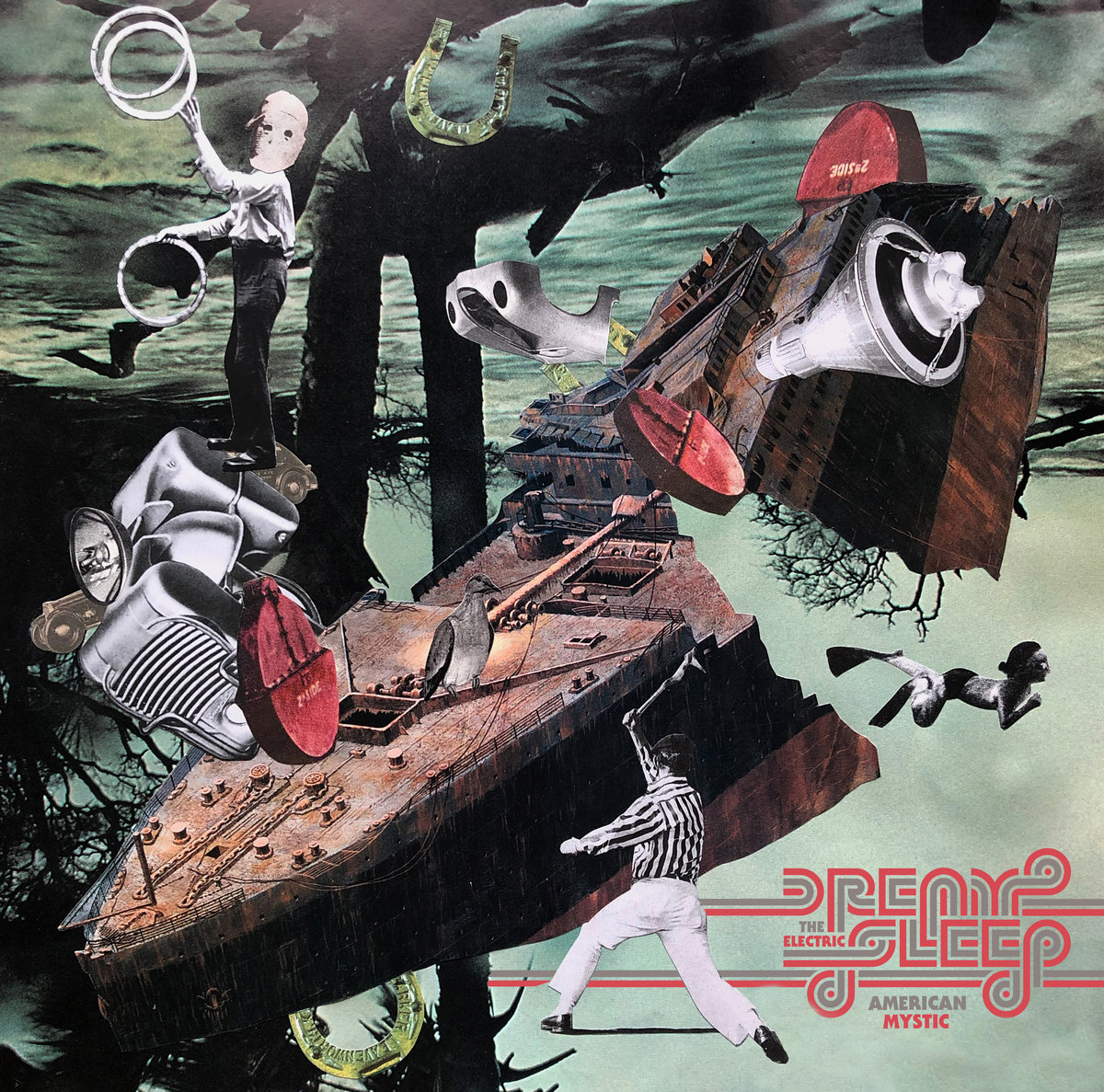
I’ve long preferred Transatlantic’s live work to their studio albums. Their studio albums are great, but this is a band that is best experienced live. While I’ve never seen them live in person and perhaps never will as it sounds like this could be the end for them, their live albums are always a treat. They are especially good for long car rides. I remember listening to KaLIVEoscope on a long car ride home from college back in the day, and just a few weeks ago I listened to The Final Flight during a long drive to eastern Tennessee to meet a special someone in person for the first time (at least something has gone well for me this year). The complexity of the music and the skill of the musicians keep your brain occupied on the long open roads. Transatlantic create a fourth version of their epic The Absolute Universe with this live outing, adding in a final set featuring a Whirlwind Suite, “We All Need Some Light,” and a medley from their first two records. It’s a great way to get into Transatlantic’s music for the uninitiated.

a3333831894_10Dream the Electric Sleep – American Mystic

I’ve been following Dream the Electric Sleep since 2014, and I think American Mystic is their best album. It’s more concise and more focused with subtle variety. It’s distinctly American prog, reminding me of the heavier prog of American prog bands of the 70s and 80s. Their vocal harmonies are definitely worth noting. Check out my full review at the DPRP.

bbt-ingenious-devicesBig Big Train — Ingenious Devices

While not exactly a new album, Big Big Train’s Ingenious Devices caught my attention and held onto it tightly. The band worked for years revisiting their “mankind and machine” trilogy of “East Coast Racer” (off 2013’s English Electric: Part Two), “Brooklands” (off 2016’s Folklore), and “Voyager” (off 2019’s Grand Tour). They re-recorded most of the instrumentals and added full string sections to the first two (“Voyager” was recorded with full strings). They also added a short track to bridge “East Coast Racer: with “Brooklands,” and they added a live version of “Atlantic Cable” featuring new singer Alberto Bravin. The mix is phenomenal, and it’s great to hear these songs set apart on their own. A must listen for Big Big Train fans. Check out my DPRP review.

haken-faunaHaken – Fauna

Haken’s Fauna is somewhat of a mixed bag for me. It’s a solid album throughout, but it leans a little too much on the softer side, but when it gets heavy and creative it slays. “Elephants Never Forget” is simply fantastic – one of Haken’s best songs. Check out my full review.

harmony-codexSteven Wilson – The Harmony Codex

This album grew on me slowly. At first I was mildly indifferent and then grew to like it, as opposed to my immediate and lasting distaste for The Future Bites. I think The Harmony Codex rather tactfully blends the spacey progressive elements of Wilson’s abilities with the pop edge that strongly influences his recent work. I don’t know if it was commercially successful for him, but the final product is a solid record that actually sounds more familiar. No it isn’t Hand. Cannot. Erase., but I think it’s his best solo record since then. But it isn’t for everybody, namely Progarchy’s Time Lord. Rick Krueger found more to enjoy.

Southern Empire Another World-CoverSouthern Empire – Another World

The Aussie band’s first record since 2018 finds them with a new vocalist – Shaun Holton. He has a great voice, but former vocalist Danny Lopresto’s voice is so unique and one of my favorite elements from their last album. As such it’s been hard for me to like Another World as much as I like Civilisation. With that said, it’s still a solid album with moving melodies and a stellar almost 20 minute-long track blending heavy with symphonic prog. Definitely worth checking out.

Moon Safari Himlabacken Vol. 2Moon Safari – Himlabacken Vol. 2

Finally! After wondering for ten years “whatever happened to Moon Safari,” the band returned this month with the follow up to 2013’s Himlabacken Vol. 1, an album I don’t listen to frequently but will always have a warm spot in my heart because it came out around the time I really started getting into newer progressive rock. Vol. 2 is even better than it’s predecessor, making the decade-long wait worth it. The 21-minute “Teen Angel Meets the Apocalypse” is the finest long track I’ve heard this year. I’m a sucker for intelligent writing, and this song incorporates influences (and lyrics) from T. S. Eliot’s masterpiece “The Wasteland” (a poem that also inspired Genesis’ “Cinema Show”). The subtle inclusion of the melody from “London Bridge is Falling Down” throughout the song is itself a nod to part of “The Wasteland”. The song is great and a must listen. Nobody does vocal harmonies better than Moon Safari.

riverside IDE3. Riverside – ID.Entity

Riverside have yet to make a bad album. They’re all great in their own way. ID.Entity finds them taking a synthier approach to criticism of modern technosociety, and it works really well. They still get heavy when they need to, especially with Mariusz Duda’s vocals on “I’m Done With You.” It’s a solid album throughout and shouldn’t be missed. Check out my full review.

molybaron_somethingominous2. Molybaron – Something Ominous

This album was the unexpected musical surprise of the year for me. I liked the band’s previous album, but I wasn’t as much a fan of the lyrics. This time around, it seems western government’s tyrannical overreach during the Covid-19 debacle has made vocalist and lyricist Gary Kelly rather based. The songs are short, but that doesn’t keep this from being a prog metal funfest. Kelly’s vocal acrobatics make the album thoroughly entertaining. “Billion Dollar Shakedown” is a magnificent teardown of modern society’s incestuous elitist blend of government and big business marching in lockstep to ruin all our lives. “Breakdown” is a refreshing and real take on mental illness, and it’s been a bit of a themesong for me since it was released. The title track points out how the elites are pitting the rest of us against each other instead of against them. “Daylight Dies in Darkness” takes a spacier tone before building into heavy metal. It’s a fantastic smashmouth rock n’ roll heavy metal album. The only thing I don’t like is it’s only 38 minutes long – it’s so good I want more. Check out my review.

tesseract-war-of-being-album1. TesseracT – War Of Being

Unfortunately I never got around to reviewing this one, but I did review their concert. This is such a fantastic album – the band’s best to date. It’s also their heaviest since their debut. Singer Dan Tompkins demonstrates that he has one of the best voices in the business. One minute he can sing high like Matt Bellamy from Muse and the next he’s doing distorted vocals a la Devin Townsend. He even learned new methods of distorted vocals for this album, enabling him to create different sounds for the different characters, since this is a concept album. I’m still trying to figure out the story, but the djenty crunch is a headbangers dream. Everything about the record is great, and it easily tops my year-end list.


So there you have it. TesseracT was the only concert I went to this year, and it was a banger. I bought tickets to the upcoming Big Big Train show in March, so hopefully I’ll be able to make it to that (life is pretty crazy right now being between jobs). I didn’t read any prog books this year, but I plan on starting Geddy Lee’s “My Effin’ Life” tonight. Hopefully the new year will suck less for me, and I hope it’s a good one for you all.

Thanks so much for reading and sticking with us here at Progarchy this year, even though our output was rather thin compared to last year. Hopefully we’ll get things rolling again in 2024.

Happy New Year, and prog on!.