
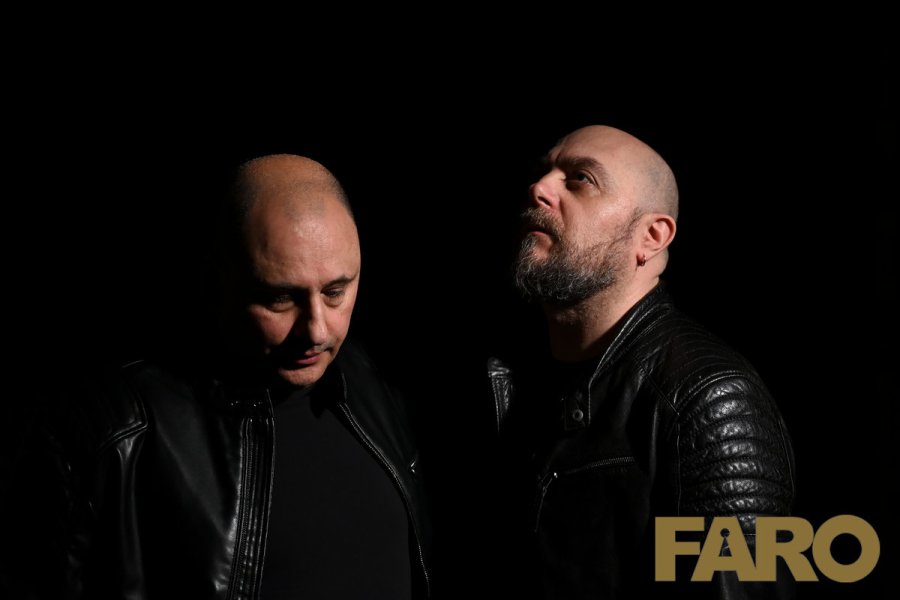
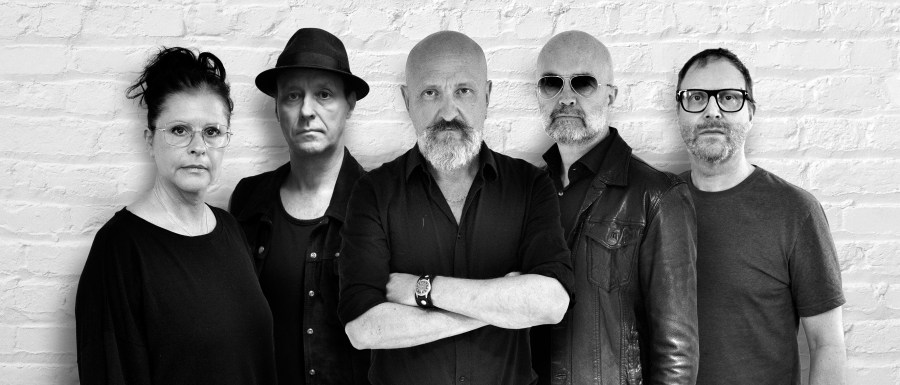
Progressive rock has always been a genre that thrives on innovation, pushing boundaries both musically and thematically. Italian progressive rock band FARO is no exception. With their latest album, Nu-Man, released in September 2024, the band delves into the complex themes of transhumanism and the evolving relationship between humanity and technology. The album presents a deeply cinematic and immersive experience, blending organic instrumentation with modern electronic elements to create a soundscape that is both evocative and thought-provoking. At the heart of FARO’s music is frontman Rocco de Simone, whose introspective lyrics and dynamic vocal delivery bring these themes to life. In this interview, Rocco discusses the conceptual depth of Nu-Man, his approach to songwriting, and the broader philosophical implications of living in an increasingly digital world.
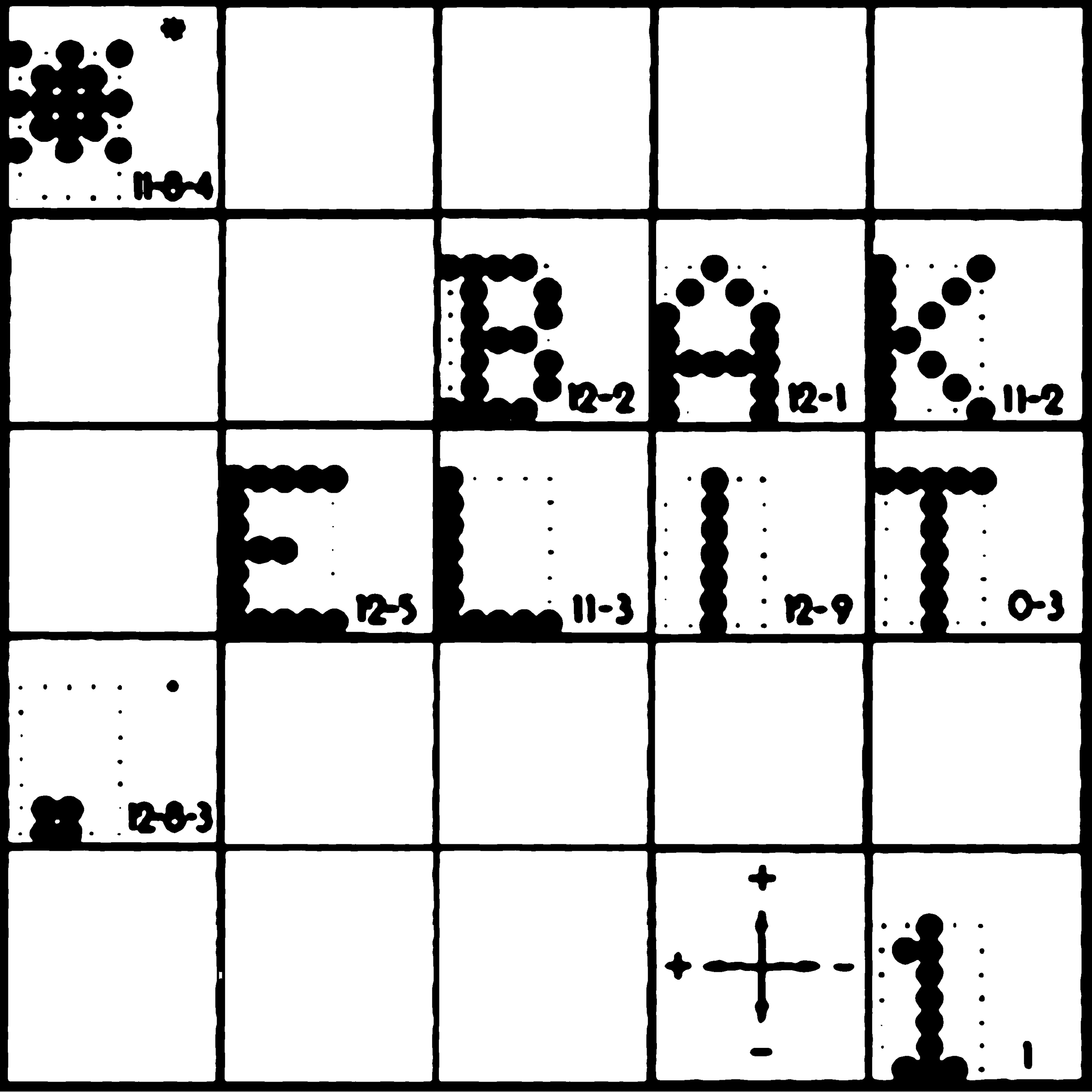
NU-MAN by FARO prog bandNu-Man delves into transhumanism and the evolving relationship between humans and technology. Do you think this theme resonates differently with listeners depending on their personal experiences?
I believe that our relationship with technology is deeply personal, shaped by our experiences and by how much we allow it to influence our lives.
In our album, we address the theme of transhumanism in a clear way, though through metaphors rather than explicit statements. I started reflecting on these ideas because I strongly felt that, especially after the pandemic, the world was heading in a direction where technology is becoming increasingly central to our existence.
How this theme resonates with listeners largely depends on their individual perspective: those who have personally experienced the weight of digitalization, isolation, or automation might perceive its more unsettling aspects, while others may see it as an inevitable evolution—perhaps even a positive one.
Whether this is good or bad, only time will tell. The real issue, however, is the evident process of dehumanization we are witnessing: the loss of empathy, the growing inability to experience deep emotions, and the diminishing capacity for critical reflection. This leads to a flattening of sensitivity, making it increasingly difficult to appreciate beauty in its most authentic forms, including the most profound and thought-provoking artistic expressions, while the superficial and the mediocre gain more and more space.
Nu-Man embodies this concept perfectly: a flawless being, yet incapable of truly experiencing emotions. No matter how much technology and artificial intelligence evolve, they will never be able to replace what only human beings can express—that spark that makes us truly unique.
The album has a cinematic and immersive quality. If Nu-Man were to be adapted into a film, what kind of story or aesthetic would you envision?
I enjoy auteur films set in small-town America, where the focus is on the characters’ lives and personal dramas. However, I believe Nu-Man would be better suited to a more dystopian and modern story, with a touch of madness and futurism. I envision a narrative that contrasts characters facing existential struggles in a society where feeling emotions or asking questions has become outdated. These characters could be the last remaining humans, on the brink of extinction, while everything around them spins at an unstoppable pace of technological modernity.
The setting would be decadent and dystopian—a world where everything from the past has been abandoned, rusting away, replaced by a present that leaves no room for reflection or genuine beauty. The tension between old and new, between the human and the technological, would create the perfect contrast to depict the growing dehumanization.
I have partially represented my visual vision, albeit metaphorically, in the Isaac music video, created together with my friend and photographer Pino Giannini. It’s dark, dystopian, and deeply dramatic, reflecting the atmosphere I envision for Nu-Man.
Progressive rock often challenges traditional songwriting structures. How do you approach crafting a song—do you prioritize melody, atmosphere, or storytelling first?
Unconventional structures or compositional complexities—though sometimes present—are not the main focus of FARO. What truly matters to us is the emotional authenticity of the music. Every track must resonate sincerely and convey something profound. We strive for a balance between atmosphere, melody, and storytelling, but in the end, it’s always the emotional impact that prevails. For us, every song is a journey meant to evoke a genuine reaction in the listener.
We always compose with a strong visual component in mind; our music unfolds as a sensory experience that goes beyond sound. The ambient and cinematic element is fundamental in our writing because it helps create that immersive dimension we consider essential. We want the listener to be able to imagine a scene, a place, an emotion—as if they were experiencing a film through music.
The balance between organic instrumentation and electronic elements is crucial in your sound. How do you decide when to let technology take the lead and when to keep things raw and human?
The sound component is fundamental for us because it is through sound that our compositions take on a unique identity. We are very attentive to sound research and prefer modern tones because they perfectly align with our emotional vision. At first listen, the use of cutting-edge sounds may give the impression of a shift towards digitalization, but in reality, it is the presence of organic sounds, like guitars, that prevails. Synthesizers and keyboards act more as a backdrop, creating an atmosphere that enriches and supports the sonic narrative.
Sometimes, we like to push the boundaries with layered sounds, combining guitars with highly expanded synthetic effects, creating a blend of raw rock and futuristic soundscapes. Our way of layering and orchestrating sounds inflates the overall texture in an original way, and the harmonic interplay gives life to an avant-garde effect. We aim to balance the electronic elements with more traditional instruments, creating a fusion that not only stimulates the listener but also enhances the emotions we want to convey. In this sense, technology provides us with opportunities that would otherwise be difficult to achieve, becoming a means to express complexity and deeper emotions.
You’ve mentioned feeling a sense of disconnection from the world post-pandemic. Do you think music can help bridge that gap, or is it also being affected by the same digitalization and detachment?
Yes, the world as I once knew it no longer exists, but as I mentioned, this isn’t necessarily a bad thing. It becomes a problem when we forget where we come from. Music and art, in general, are among the few truly powerful tools that remind us we are beings capable of deep emotions and a connection to something greater. Artistic expression is one of the most noble aspects of humanity—it allows us to rise above mere existence.
It doesn’t matter if music is influenced by digitalization; as I said, we ourselves use all the available technologies to express our vision. But what truly makes the difference is the soul behind the sounds. Even the most synthetic instruments can convey powerful emotions if used with intention and sensitivity. In the end, there is no gap to bridge as long as technology remains a means rather than the ultimate goal. The key is ensuring that the human element remains at the heart of everything.
Some of the lyrics on Nu-Man evoke existential and philosophical themes. Do you draw inspiration from specific philosophers, writers, or personal introspections?
The lyrics I write are often inspired by personal experiences or stories of people close to us. I love portraying the human soul as the central focus around which all our concepts revolve. My narrative style is often poetic and dramatic, centered on introspection, metaphors, and the unspoken. I draw inspiration from modern literature, but also from the cursed poets of the late 19th-century Decadent movement and classical philosophy. However, what stimulates me the most are film dialogues, which I consider an important source of inspiration.
I am particularly drawn to stories of people facing deep inner conflicts, often in difficult or dehumanized environments, where the struggle for survival intertwines with the search for meaning. Themes such as solitude, redemption, and the resilience of the human spirit are at the core of our compositions. The drama and pursuit of authentic emotions in these stories are what I strive to convey through music, with a vision that places the human being at the center—grappling with their vulnerabilities, yet also with their ability to endure and hope.
Given that you have a strong visual approach to music, how do you see the role of album artwork, photography, and music videos in complementing Nu-Man’s themes?
The album cover is actually a frame taken from the Isaac video, which I created almost entirely using the stop-motion technique. Initially, that image wasn’t meant to be the cover, but when we realized its visual and evocative power, we had no doubts—it was perfect.
The image shows the shadow of a mannequin falling backward, spinning into the void. A void that represents the absence of soul, of emotions. The mannequin is a symbol of all of us—manipulated, exploited, emptied until it dissolves, making way for the rebirth of a new being: perfect, yet devoid of humanity. This transformation embodies the core of our concept—the transition from man to a transhuman entity.
The Paradox video also fits into this reflection, but from a completely opposite perspective. I deliberately created it using Kaiber AI as a provocation, in contrast to Isaac, which is deeply artisanal and artistic. Isaac took me months of work, pouring in my passion for visual art, photography, and filmmaking. In Paradox, on the other hand, I let artificial intelligence generate the images, questioning how technology can be both a resource and a threat to artistic expression. Two opposing visions, yet both part of the same discourse: what remains of art and human identity in the era of extreme digitalization?
How do you feel about the current state of progressive rock and metal? Are there any new bands or artists that excite you?
Fortunately, progressive rock and metal continue to be vibrant and constantly evolving genres, even though today’s musical landscape is increasingly challenging for more complex and thought-provoking music. There’s also a recurring issue that often hinders this evolution: many listeners and critics approach music with blinders, clinging to stereotypes about what “prog” should be, forgetting that, by its very nature, it is a genre meant to be free from rigid structures and predefined formulas.
In past decades, bands like Rush, Queensrÿche, Tool, and later Dream Theater revolutionized the scene by blending diverse sounds and genres, allowing prog to evolve. Today, this process continues—perhaps in a less radical way—but it often goes unnoticed or is underestimated by parts of the audience.
Incredible bands like Leprous and the younger Sleep Token—whom I consider among the most innovative—are changing the rules of the game. I could also mention Tesseract or Periphery, groups that have successfully carried forward this evolution. A special mention goes to Sleep Token: I find them extraordinary. Their vocalist is outstanding, and they’ve managed—through great maturity and skill—to merge seemingly opposite genres like ambient, pop, hip-hop, R&B, prog, and djent. Not everyone can pull off such a feat, and the fact that they are dividing audiences between traditionalists and more open-minded listeners proves just how groundbreaking they are.
Before them, bands like Porcupine Tree, Katatonia, and A Perfect Circle took the sound to new dimensions, and we, in our own way, strive to follow that example—keeping the drive for experimentation and sonic exploration alive.
Italian progressive rock has a rich history with bands like PFM and Banco del Mutuo Soccorso. Do you feel a connection to that legacy, or do you see FARO as carving a completely separate path?
I am proud to be a part of a genre that, in the ’70s and early ‘80s, made Italy an innovative reference point on a global scale. It’s a shame, though, that for various reasons, it was born and died in that very period, leaving room for a music scene that, with few exceptions, has been a source of great embarrassment for me. Italy went from being a beacon of musical experimentation to a country dominated by trivial pop songs, often devoid of any artistic value and unable to compete with international realities.
As for Faro, I can say that no, we don’t feel at all like the heirs of PFM, Area, or Balletto di Bronzo. Our background is more closely tied to modern progressive rock in the British and American styles, which we still find more innovative and inspiring.”

You’ve spoken about your love for cinema and literature. Are there any particular films or books that directly influenced Nu-Man’s concept?
Cinema is a world that has always fascinated me for its ability to explore emotions, symbolism, and the human condition. If I had to choose one film that struck me, it would be difficult to narrow it down to just one, given the vastness of the works that have influenced me. Directors like the Coens, Tarantino, Lynch, and Coppola have an extraordinary ability to tackle complex themes, creating multi-faceted characters and stories that stay in your memory. These films, with their capacity to explore humanity through chaos, beauty, and mystery, are among the main sources of inspiration for Nu-Man. The search for truth, ambiguity, and unease that I find in their works are reflected in our album, which seeks to explore the human condition in a profound and challenging way, blending elements of introspection, evolution, and distortion. Although it is impossible to reduce all of this to a single film or book, I believe that the concept of Nu-Man emerges precisely from the confrontation with these complex worlds, where the individual confronts their own contradictions and the challenges of a transforming era.
The song Isaac presents a haunting metaphor of sacrifice. How do you approach writing lyrics that are both symbolic and emotionally immediate?
The lyrics of Isaac are deliberately metaphorical and unsettling, and as you rightly pointed out, the music and video complement the theme, creating a total work of art. My intention is to engage all the senses through art, creating an experience that goes beyond mere listening, embracing emotionality and visual vision. In this album, I was looking for a theme tied to change and transformation because every transformation, every evolution, inevitably involves the loss or death of something that we cannot take with us. Isaac, therefore, tells exactly this: sacrifice as a moment of necessary loss for a new birth, a new beginning.
My approach to writing lyrics is very spontaneous and natural. I don’t write from a pre-established plan, but try to be guided by the authenticity of the theme I choose. Even if the theme may seem fantastical or surreal, what matters to me is that it is authentic, that it reflects a deep human concept. I am not interested in stories that don’t center around the complexity of the human soul, even if they deal with themes like science or science fiction. The humanistic component must always be present, because it is what makes the story and emotions universal.
In the end, every lyric I write must belong to my most intimate emotions, the ones I feel deeply, on a marrow level. I never write anything that I don’t truly feel is mine, that doesn’t resonate with my experience and my deepest reflections. That’s why the themes I explore, even when sometimes fantastical, are always rooted in emotional reality and human experience.”
With streaming dominating music consumption, how do you feel about the way listeners engage with albums today? Do you think Nu-Man is best experienced as a whole, or does each track stand on its own?
Today we are living through one of the worst moments for music with true artistic value. Music, unlike 20 or 30 years ago, is often reduced to a simple pastime, a fast and superficial consumer product. In the past, however, it was deeply rooted in people’s lives: it represented a social message, it was the soundtrack of existences, memories, and human experiences. It was a means of cultural and political expression, capable of influencing fashion, thoughts, lifestyles, and entire generations. Today, it is increasingly rare to find listeners who experience it with that intensity, but there is still a small niche of true music lovers, people who seek authentic emotions and explore various genres with passion and expertise.
Nu-Man is an album that cannot be listened to casually or superficially. It is a sonic journey that requires attention and immersion, to be savored track by track or in one go for those who have the patience and sensitivity to let themselves be carried away. Each song tells a story of its own, but all are connected by a red thread that grows and evolves from the first to the last note. It is an album designed for those who seek a deep musical experience, for those who want something more than just background music.
FARO’s sound has evolved dramatically since Gemini. Do you think you’ve found your definitive sound, or do you expect more transformations in the future?
To think that we have arrived or found the definitive sound would, for us, be like declaring the end of everything. Each album is a journey in itself, an exploration of sounds and approaches that are always new and unknown. Our music thrives on evolution and experimentation, and the idea of crystallizing into a fixed style would go against our artistic nature. Each record is the reflection of a specific moment, but our path is in constant transformation, and it is this search that always pushes us forward.
What was the most challenging track to write or record on Nu-Man, and why?
The making of this album challenged us on many fronts, with some tracks being particularly complex to develop. Paradox, for example, was one of those songs we almost gave up on because it seemed like it couldn’t find a clear direction. But the perseverance of Angelo and I pushed us to rework it several times, turning it into one of the album’s most successful tracks, so much so that we chose it as a single. Nothing in Nu-Man was easy, but challenges are part of our journey, and we’re always ready to face new ones.
Looking ahead, do you have any new creative directions or collaborations in mind for the next phase of FARO?
The Faro are aware that the journey is not over yet, and the next album will bring with it new elements and surprises. We’re at a turning point, feeling the need for a new change. We are not capable of repeating ourselves. Of course, the things that define us have shaped our personality and uniqueness, which in turn define our sound, but research and experimentation are always at the core of our creative process. We can’t help but explore new ways of expressing ourselves, and this can only open up new possibilities. As for collaborations, we are wide open to them: there could be big surprises on the next album. The emotion machine is always in motion, and all we can do is fuel it, every time and with more intensity!
Nu-Man is out now; stream/download from Bandcamp.




 Progarchy