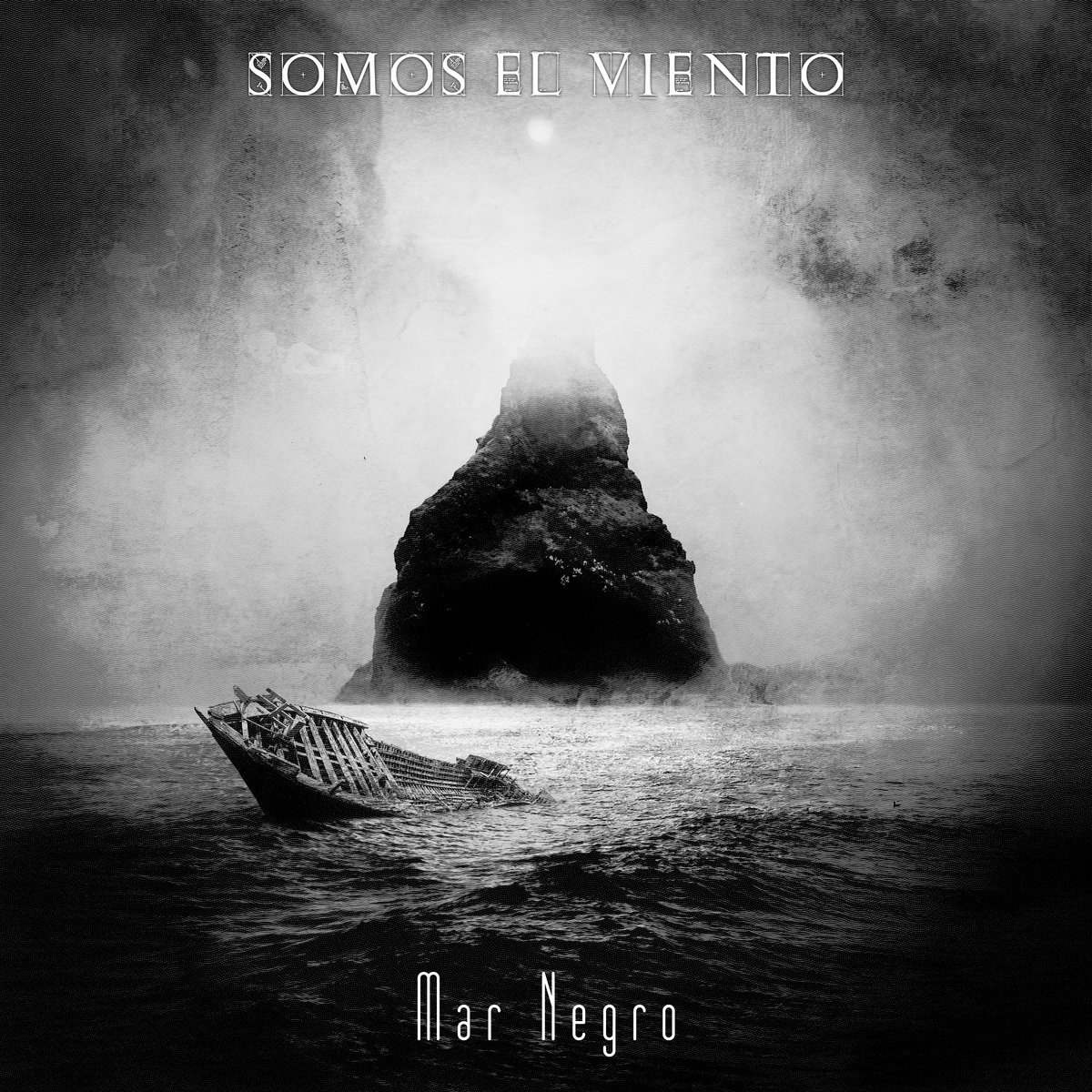
Somos el Viento is a relatively new project coming Spain, set to release its debut album titled Mar Negro on October 25th, 2024.
As is the case with most instrumental albums, Mar Negro requires careful listening in order to be fully appreciated. It is definitely not the kind of stuff you can put on as a soundtrack for other activities – complex music, full of twists and turns, yet not unnecessarily complicated, or weird for weirdness’ sake. In fact, the music has a beautiful, natural flow, a clarity and melodic quality. Even though guitars make up a prominent part of the sound, they never get to the point of overwhelming the other instruments. As in most experimental music, however, the foundation of Somos el Viento’s sound lies in the rhythm section.
Head-spinningly complex without being cold and sterile as other efforts in a similar vein, Mar Negro can easily be listed as one of the top releases of the year. In fact, the sterling musicianship, coupled with an admirable sense of restraint, focuses on creating cohesive, highly listenable tracks rather than pointless displays of technical skill. However, it is also an album that will definitely not be everyone’s cup of tea. It may come across as daunting to those fans who prefer a higher measure of melody and accessibility, as well as a more conservative approach to post/progressive rock.
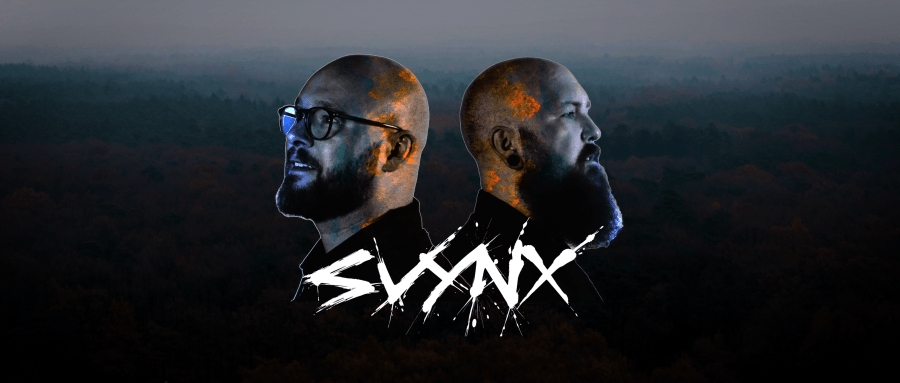
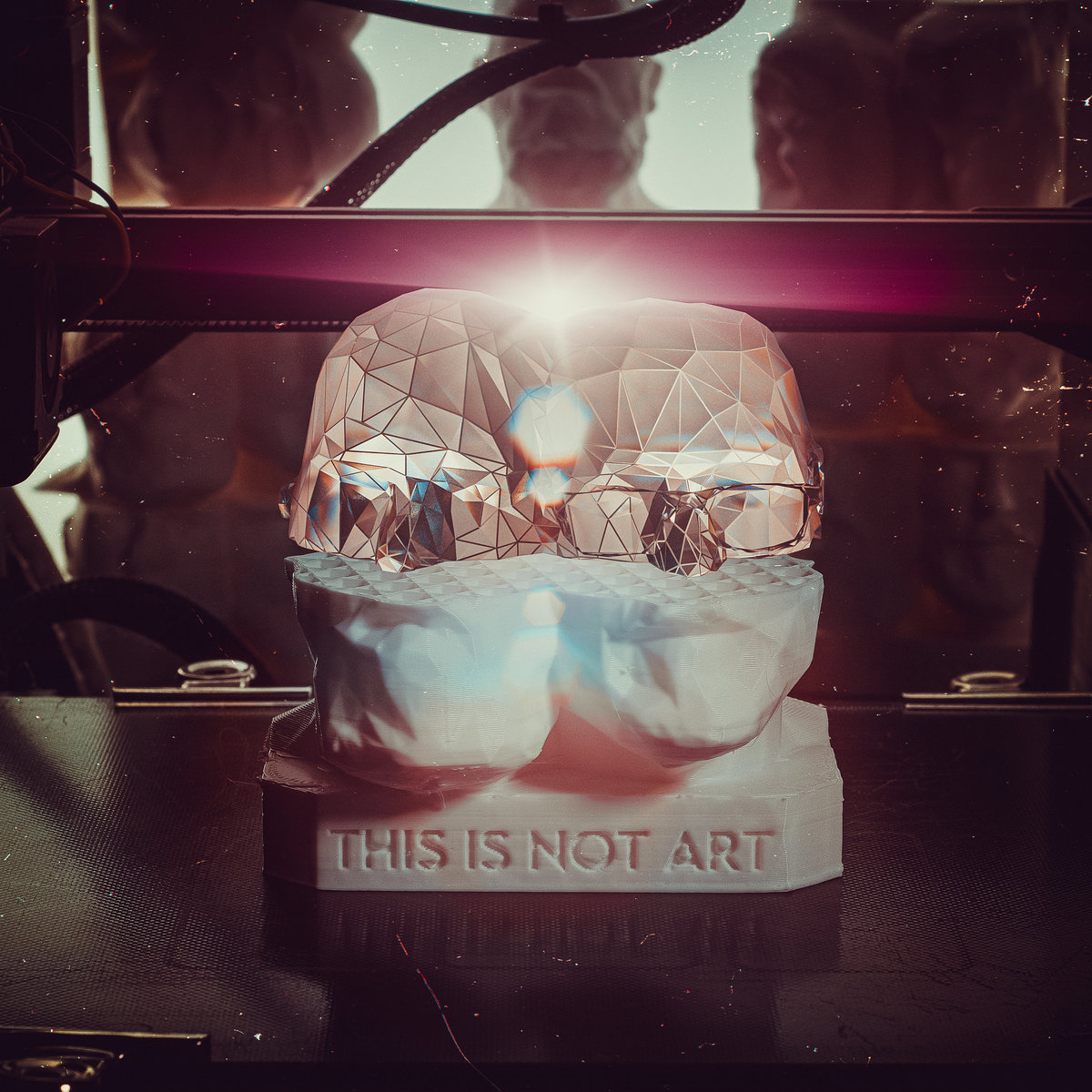
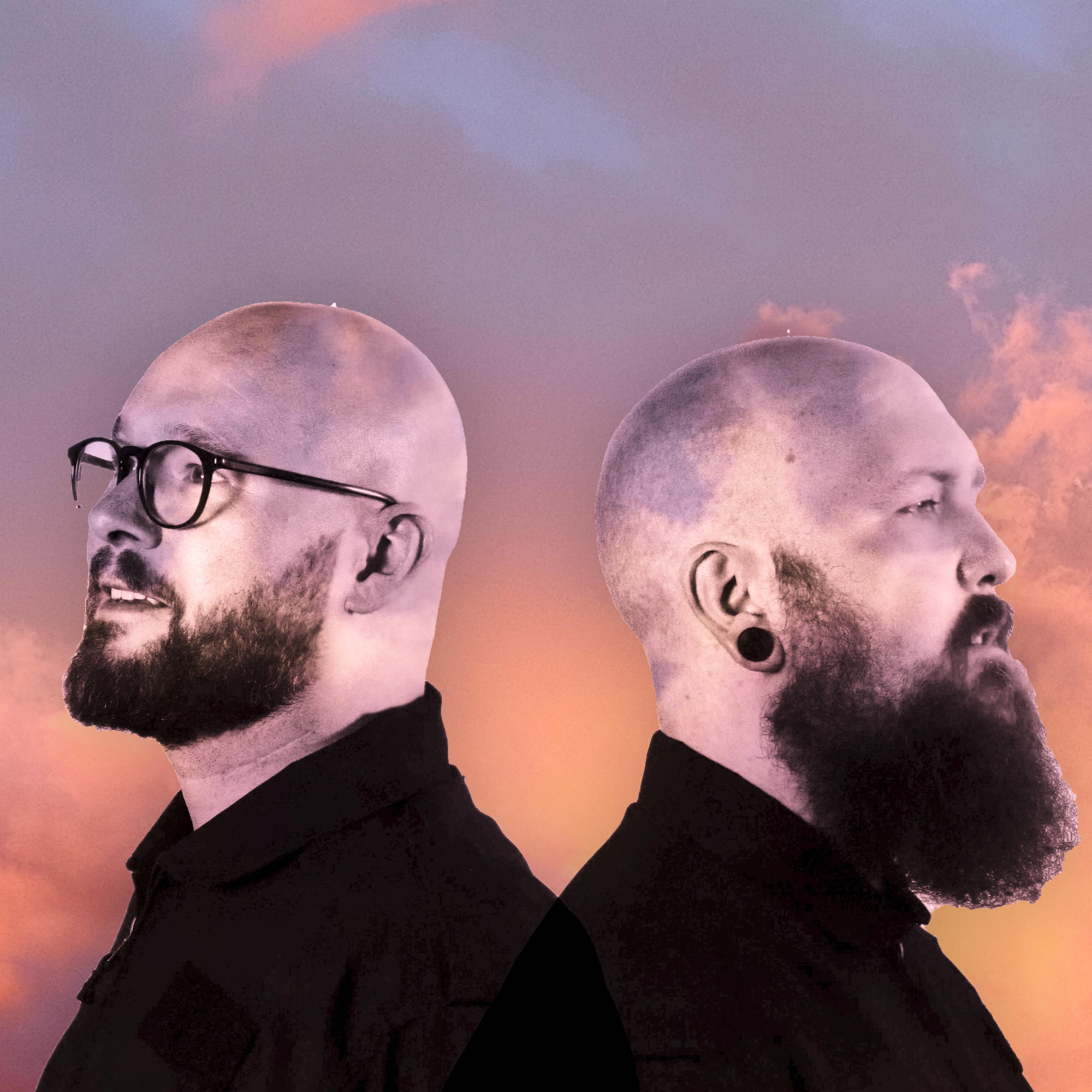
As SVYNX prepares to unveil their debut full-length album This is Not Art on September 14th, we sat down with the progressive/alternative metal duo from Cologne, Germany, to discuss the album’s themes, the influence of the pandemic, and their creative process. Tackling heavy topics like societal disillusionment, corporate greed, and political unrest, the album pushes boundaries both musically and lyrically. With their unique blend of progressive rock, pop, and alternative music, SVYNX has crafted an album that reflects the uncertain times we live in. Below, the band shares insights into the creation of This is Not Art and how their personal experiences shaped its message.
Your upcoming album, This is Not Art, explores themes of societal change and disillusionment. How did the pandemic influence the creation of this album, and how do you think these themes resonate with listeners today?
Disillusionment fits the record’s concept well. The very beginning of the pandemic felt like a time for all of us to come together as equals and awakened hope for change. When that change fell flat, we had to write about our disappointment. Post-pandemic, the world seems even colder than it did before, and the political climate keeps evolving in a troubling fashion. All of these developments are still relevant and probably always have been. But it was the pandemic that revealed my own naivety, which is a recurring theme throughout the album. These emotions resonate with all of us when dealing with disappointment, be it in a grander societal context or in our interpersonal relations.
The track “Art Won’t Save Me Now” sets a poignant tone for the album. Can you elaborate on the message behind this track and how it reflects the overall message of This is Not Art?
“Art Won’t Save Me Now” serves as somewhat of an antithesis to the record’s title. It references Ton Steine Scherben’s “Musik ist eine Waffe” but focuses much more on my own shortcomings as a socially mindful person. Making music will not likely remedy that fact, but maybe it doesn’t have to.
You mentioned that many songs started as short ideas recorded on your computer. Can you walk us through your creative process? How did the studio become an instrument in shaping the album?
Tobi: All of the songs on the album were written collaboratively, but often we were not even in the same room, just elaborating on what the other had done. I honestly don’t know which guitar or vocal lines I came up with on my own and which Wolle has edited and twisted beyond recognition. Our workflows are very compatible that way. I usually take a quick and dirty approach, while Wolle is very detail-oriented.
Tracks like “Follow Me” and “Feed Me” tackle modern conveniences and their impact on our lives. How do you approach writing lyrics that are both thought-provoking and accessible to a broad audience?
Tobi: Lyrics are always difficult. I don’t know if they are thought-provoking or accessible. I try to stay away from absolute truths and write about my interpretations and intuitions—the writing itself is a way for me to understand myself, if that makes sense. [laughs]
“Harvest Season” and “Europa” delve into issues of corporate greed and Europe’s historical role. What inspired you to address these specific issues, and how do you hope your music will influence discussions around them?
Wolle: We are very privileged here in Germany. We feel like the right thing to do is to share our resources and build a more diverse society. Populists are weaponizing migration and turning the poor against each other, while big companies—and sometimes politicians—are stuffing their pockets with more money than anyone would ever need in their lifetime. What used to be common sense now needs to be said out loud: f*ck fascism, f*ck racism.
In “Never at Ease,” you highlight privilege and its influence on choices. What personal experiences or observations led to the creation of this track, and what message do you hope to convey through it?
Tobi: “Never At Ease” is one of the few tracks that was inspired by very specific situations. As a teacher, I’d love to believe that everyone has the power to shape their own lives. But many values I hold in high regard and might subconsciously use to judge someone’s character can’t be taken for granted by everyone. It’s much harder to be punctual, well-dressed, rested, or motivated if you’re responsible for preparing your siblings for school and cooking dinner. I failed to realize this until a 13-year-old pupil of mine shared their story with me. It really makes you uneasy when you hear things like this.
The album was self-recorded but mixed and mastered by professionals at RRenimArts. How did this collaboration impact the final sound of the album, and what was the experience like working with them?
Wolle: We worked for a long time on the album and initially tried mixing and mastering it ourselves, but we were never quite satisfied with the results. By the time we decided to let someone else handle the final touches, we were already very attached to how it sounded. Luckily, Gabri and Konny at RRenimArts knew exactly how to preserve our vision while improving the mix, especially considering we had songs that utilized both bass guitar and synths.
The album ends with “Alexandria,” which addresses rising right-wing forces in Europe. How do you view the role of music in responding to and influencing political and social issues?
Tobi: Tough question! Personally, I want artists to position themselves clearly, so it was important for us to do so. I don’t really know how effective music is in shaping the political landscape, and I don’t want to pretend to have all the answers. That’s part of the inspiration behind the album title. I don’t know who cares about what we’re singing, but we have to sing it.
You’re set to perform at the Euroblast festival this October. What does it mean to you to return to this festival, and how does it feel to perform alongside other bands that have inspired you?
Wolle: Last time we played Euroblast, our music was vastly different—more funky, less modern. After working on this music for over two years, we’re especially proud to return. Euroblast is the best time of the year for us. You meet a lot of open-minded people, and the music ranges from nasty riffs and blast beats to grand-sounding ballads. We really feel like our music fits right in, and we’re thankful for the opportunity to perform again this year.
As a duo, how do you manage the balance between your DIY ethos and the need for professional production? How has this balance evolved over time, especially with this album?
Wolle: Over the years, we’ve acquired a lot of equipment and now have our own little studio. It’s nowhere near professional-grade, but I think the sound we managed to capture speaks for itself. We were motivated by the saying, “If it sounds good, it’s good,” and a video of Devin Townsend recording vocals in a hotel room with mattresses for sound isolation. For the next record, I think we’ll be less obsessed with perfection—imperfection has its own value.
How has your approach to blending progressive rock, pop, and alternative music evolved with this album? Are there any new influences or techniques you experimented with on This is Not Art?
Tobi: Our previous releases were written and fine-tuned while jamming in the rehearsal room, and we limited ourselves to the sounds typically associated with a rock band. After listening to How I’m Feeling Now, I was super inspired. Incorporating synths and heavily effected vocals was our way of achieving a more modern sound. That said, no one wants to hear me play guitar in 4/4, so it had to be proggy. [laughs]
Looking ahead, what are your plans following the release of this album? Are there any upcoming projects or performances that fans should be excited about?
Wolle: Right now, we’re focused on playing shows and festivals and getting reviews out for this record. We both work full-time (Tobi is a teacher, and I’m a nurse), and since we’re only a duo, we can’t do everything at once. There are a few song ideas we’ve started working on, but with our limited time, we’re focusing on making this release as big as possible.
This is Not Art is out on September 14th, and is available as a digital download from Bandcamp, with the vinyl version coming later this Fall. For more about SVYNX visit their website, or follow them on Facebook and Instagram.
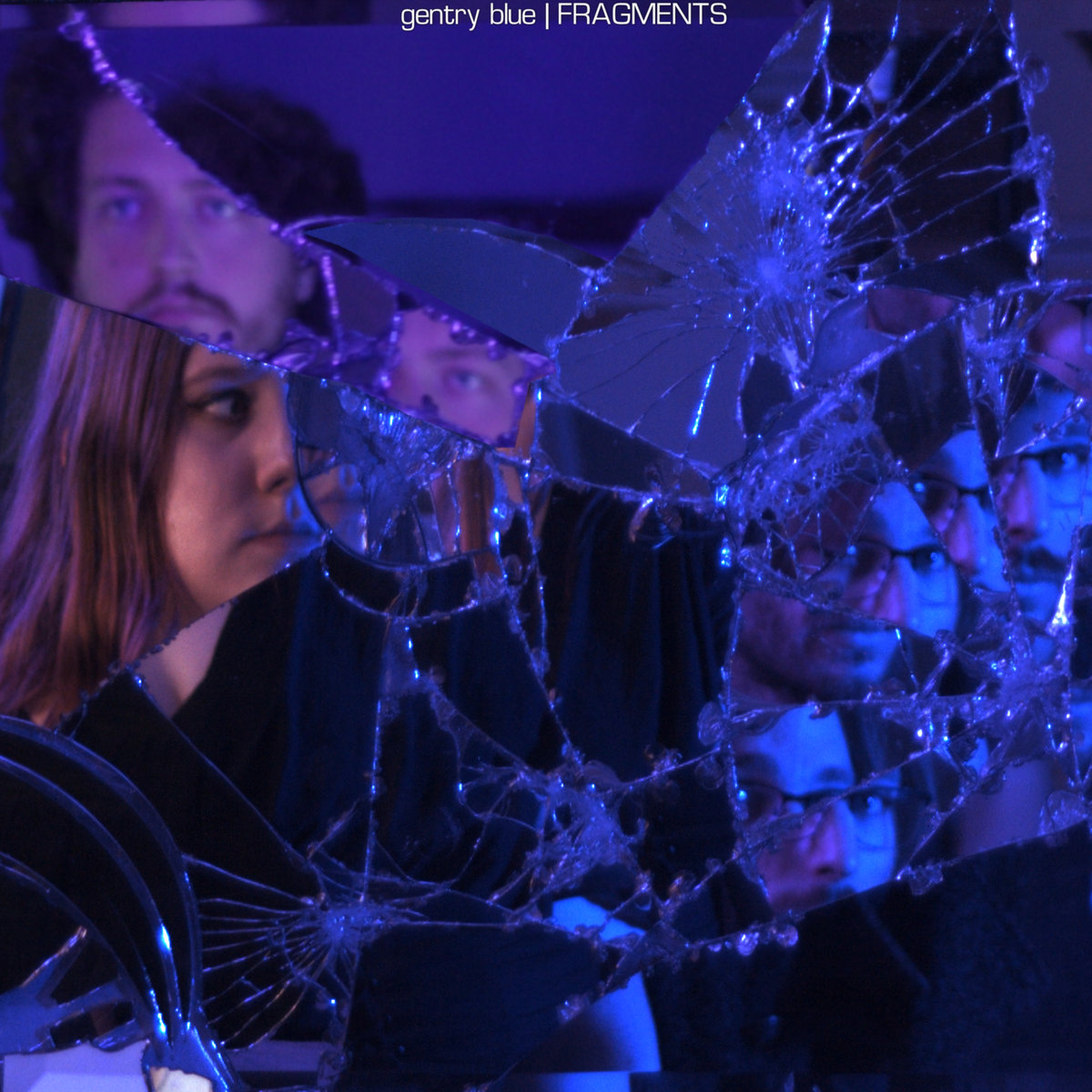
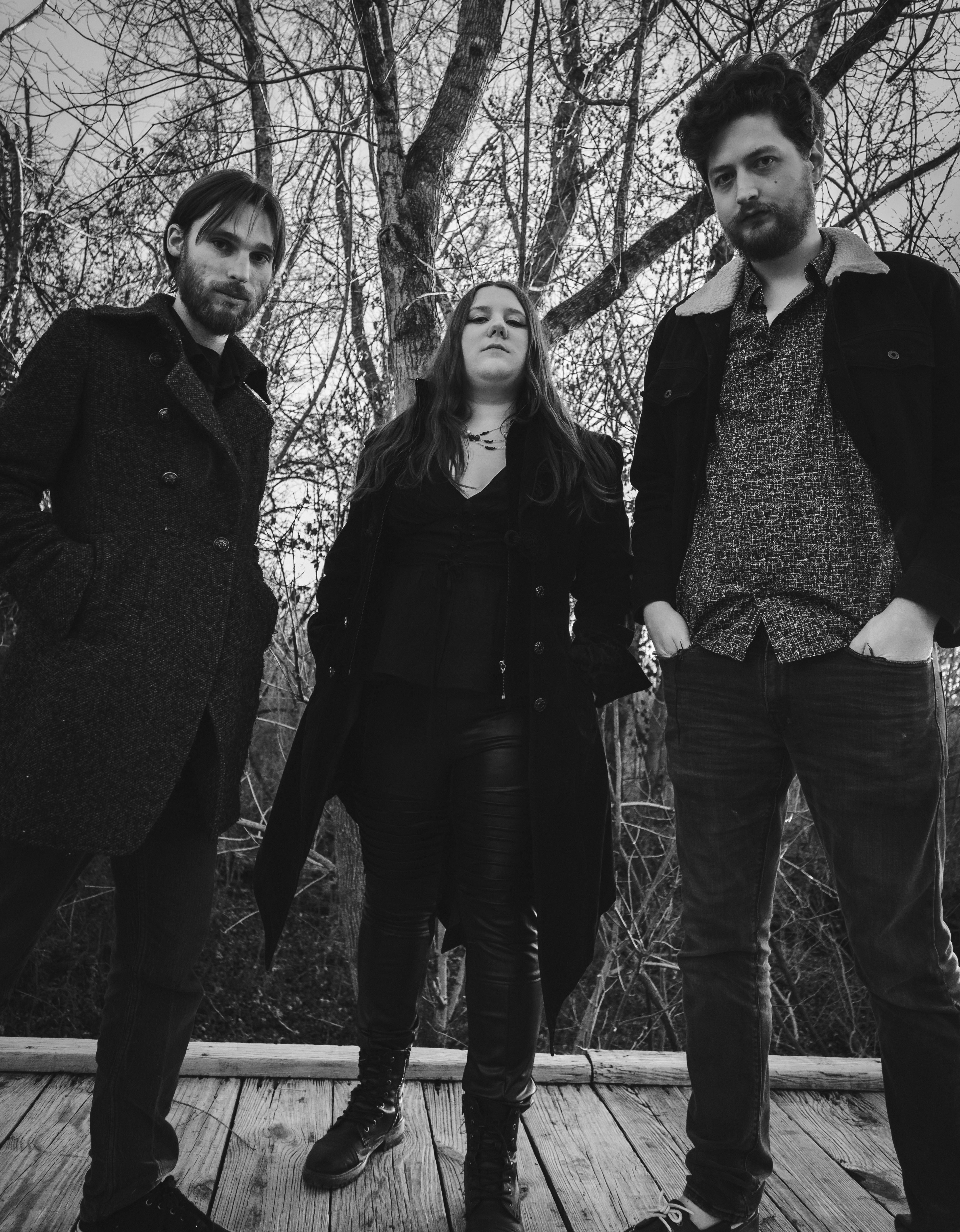
Nashville’s progressive/classic rock trio Gentry Blue have launched their debut album, Fragments. This record marks a significant milestone for the band, blending cosmic and emotional themes. We sat down with Sean Jannay and Lydia Gentry-DeBonis to discuss their journey, the creative process behind Fragments, and their plans for the future.
Congratulations on the release of Fragments! How does it feel to finally be sharing your debut album with the world?
Sean: Exciting, certainly. I’m nervous about how it will be received – this is the first band I’ve been in that actually seems to have some fans – but the few people that have heard it so far say they like it, so I’m hopeful.
Lydia: It feels intimidating. We’ve been working on Fragments for at least a year and a half and to finally have it out in the world in just a couple of days is wild, to say the least! I genuinely hope it brings a lot of joy into people’s lives.
The album explores cosmic and emotional themes. Can you talk about the inspiration behind some of the key tracks, like “Collide” and the title track “Fragments”?
Sean: Fragments is a song about identity crisis. I’m a guy who does a lot of stuff. A lot of it I do pretty well, and it takes all of my time and energy to make sure that’s the case; but I know that by choosing not to specialize, I sacrifice a level of greatness in all the things I do. I’ve spent a lot of nights looking in the mirror and asking myself what I actually want to be, and I always go to bed the same as I woke up – if I make it to bed. Of course, the chorus was inspired by the Bilbo Baggins line about feeling “thin, sort of stretched, like butter scraped over too much bread.” It’s a bit of dialogue I’ve always resonated with, since I was a kid.
Lydia: Collide is about the Andromeda and Milky Way galaxy collision that will occur in about five billion years. A couple years ago I was scrolling on social media and found this fascinating video about the subject; I had no idea about it. The thought of this made me so incredibly anxious, even though I won’t live to see it. Heck, all of humanity won’t either! Earth won’t be inhabitable in that time. All of these thoughts were swirling in my head and I needed to write a song about it. It’s almost about accepting our collective fate to be doomed. Brendan wrote the instrumental arrangement of it and I top-lined the lyrics and melody over it. Even though Collide is literally about a giant cosmic event that won’t happen for billions of years, at its core, it’s more about existential anxiety.
Your music blends progressive rock, gothic violin, and pop hooks. How did you develop such a distinctive sound, and what influences helped shape it?
Sean: Like with most artists, it’s an amalgamation of all the music we’ve ever listened to – for me, that spans from Zeppelin and Hendrix, through Nirvana and Alice In Chains, Porcupine Tree and Jeff Buckley, to Dave Brubeck and Coltrane, Bach, Becca Stevens, Jacob Collier, Sheryl Crow, Louis Cole… you get the point. There’s not a lot of conscious effort that went into it; we’ve all been making music for a long time, and this stuff is just what happened when we got together.
Lydia: I’m with Sean here–we make what we love! We have a variety of influences all over the place. If you pressed shuffle on my massive Spotify playlist, you would get a Rush deep cut, then a Taylor Swift song, then a song from a movie soundtrack, then Sierra Ferrell, Steven Wilson, Grateful Dead, Ghost, Muse, Janis Joplin, etc. We’re all a very eclectic bunch. At least for me, the love of music has left such a mark on me, that I feel like I have to return the favor and keep it going. As long as we keep it honest to ourselves and enjoy ourselves along the way, that’s what truly matters.
Lydia, as a violinist and vocalist, your role is quite unique in the rock world. How does the electric violin contribute to the overall sound and dynamic of Gentry Blue?
Lydia: I feel like I’m in a unique place among a lot of violinists in the non-classical world– the electric violin isn’t really a focal piece in a lot of our songs. I used to consider myself more of a violinist first, then a singer, but that was years ago. Right before COVID hit, I was a violin performance major and switched it to music business instead. Our college stopped private lessons if you weren’t a music major, and my level of playing really fell off the cliff in the time since. This past year I’ve been trying to regain what skills I’ve lost but also relearn how to unlock my creative side besides just simply performing live. I’ve been struggling with a lot of writer’s block; the last song I wrote was two years ago! Lately I’ve been learning a lot of fiddling songs since I occasionally gig in Downtown Nashville on Broadway and that’s been rewarding. My next goal is to become a sort-of ‘rhythm violinist’ in Gentry Blue since we don’t have two guitarists, just to fill up the space in live settings.
The album includes songs that were written years ago, alongside newer tracks written during the recording process. How does Fragments reflect the evolution of Gentry Blue’s songwriting over the years?
Lydia: Fragments is such a cool title to use for our debut album, because it truly contains ‘fragments’ from when we first started as a band and includes ‘fragments’ from just a few months ago! For example, What Lies on the Other Side was the first song that Brendan and I wrote together in 2019… we weren’t even dating by this point! Blackberry Bitter was written at a midpoint in our evolution as a band a couple of lineups ago when we had Aidan Cunningham on drums. We played that song a couple times live and then scrapped it from our setlist for a reason I don’t remember. We picked it back up earlier this year and made a few adjustments in the song to make it feel tighter. Songs like Become Invisible and Think I Might Be Crazy were written by Sean only a few months ago. This album is so special to me for all these reasons.
Sean, you’ve mentioned that producing Fragments taught the band a lot about your identity as musicians. What were some of the most important lessons learned during the album’s creation?
Sean: If I may deviate immediately from the central point here, the biggest change from this record to the next will be recording consistency. The drums on Fragments were recorded by 3 different drummers, across 3 different spaces; the vocals were recorded on a few different mics, all in less-than-ideal spaces; and it was all done over a very extended period of time, as about half the album was written during the recording process. You can hear some of this variation in the sound of the record, as hard as Colby and I worked to minimize it. The next record will be entirely written before we track it, and it’ll be recorded efficiently and consistently in the home studio space we built while making Fragments.
To add to your question, I think we’ve all grown immensely as musicians. Lydia’s voice is a whole different animal now from when I joined the band, and I’ve become much more confident when it comes to writing for her range. Working with Colby has also made me a way better mix engineer than I was before. It’s been a great experience.
Gentry Blue has been together since 2019, but the pandemic and lineup changes delayed your debut. How did those challenges affect the creative process for Fragments?
Sean: I managed to scare away the whole previous rhythm section within a couple months of joining. From that point, the process was pretty straightforward.
Lydia: Nashville is an interesting place to have an original band– a lot of musicians come and go for a variety of reasons like getting better gigs, and you have to be alright with that lack of permanence in your band. Although I had been dreaming of releasing an album as Gentry Blue even two to three years ago, we still were getting our feet planted in the scene and figuring out our identity as a band. The work on the album finally started right after Brendan and I got married in May 2023, and afterwards it was fairly simple. I remember getting the initial mix for Collide while Brendan and I were on our honeymoon and being blown away. It was absolutely surreal to be hiking for miles in the hills of southern France and receiving that text from Sean!
Your 2022 single “Tell Them I’m Insane” was produced by Grammy-winner Mitch Dane. How did that experience influence the way you approached recording Fragments?
Lydia: It was wild how that connection was made; a family friend messaged me about someone that she had in her church youth group that she directed years ago who now produces in town. I emailed him and he wanted to get coffee. I met Will Gibson, our bassist at the time, at Sputnik Sound, a studio that was just down the road from our college. Mitch was so hospitable! He made us a cup of coffee and we talked a lot about our hobbies and music. We already had Tell Them I’m Insane tracked but were waiting on the first mix. I remember being so nervous watching him listen to the stems! After the song was finished, he said that he wanted to hop on it and mix it for us, as a way to get our feet wet working together. We took him up on it and that’s history! We would love to work with him again later down the road. I think a great teaching moment for me was how important getting the mix right is, as well as working with professionals when we were still novice college students. Attention to detail is key.
The album touches on mental health, relationships, and personal introspection, all tied together by the theme of space. How do you balance these deeply personal and universal themes in your songwriting?
Sean: We don’t. We just made up the space thing after the album was done to make it sound cooler. We write about what we want; if it’s good, we use it. We’ve got a song about me getting a speeding ticket, for christsake.
Lydia: I’m going to disagree with Sean here; it was in the back of my head when we were working on the album… 😉
I feel like every topic can be epic enough if you make it. Especially when you’re in the thick of it, mental health issues can be detrimental and can feel like the world is ending.
Lydia, you and Brendan got married during the band’s formation. How does that personal connection influence the band’s chemistry and the collaborative process?
Lydia: It’s an awesome and rare connection to have for sure! He initially joined the band as our first drummer in February 2019 and we started dating later in that October. We just got married last May! It can be wonderful but sometimes difficult– we have to be in ‘business/band mode’ occasionally when we’re gigging or on the road together. But we work great together and there’s no other feeling like having your best friend on the road with you. He’s the only person I don’t feel self-conscious around when I show him my music, and he’s helped me grow a lot as a person. We’re each other’s number one cheerleader. 🙂
Your influences include legendary bands like Rush, Jefferson Airplane, and Fleetwood Mac. What elements from these bands do you feel resonate most in Gentry Blue’s music?
Lydia: This is insanely difficult to answer… a lot of our influences are simply bands that we look up to significantly. I think a huge element from Rush that resonates with me is their passion and being true to themselves; it’s inspired me a great deal.
How do you approach songwriting as a trio? Do you have a specific process for writing together, or does it differ from song to song?
Sean: Very few of our recent songs are true co-writes; generally, one of us will come up with something at home and bring it to the band just about fully-formed. I’ve top-lined a couple of Debo’s instrumentals; that’s about the extent of it since I’ve been in the group.
Lydia: Most of the time we’ll bring a fully formed song to the table, or occasionally top-line each other’s songs.
Fragments features a rich sonic landscape, thanks to the multi-instrumental talents of Brendan and Sean. How do you decide which instruments and sounds to bring into each song?
Sean: We rassle to see who plays what instrument on each song. You may think he’d win every time because of his size (he’s 6’3″), but I’ve got a lower center of gravity and I’m real wiry, so it’s actually a pretty fair fight.
You’re known for your captivating live performances. How does the energy of performing live influence the way you write and record your music?
Sean: We try to preserve some of the raw, blemished quality of a live performance in our recordings – just enough to remind the listener this thing was made by humans, with an actual instrument in a real space.
What do you hope fans take away from Fragments? Are there any specific messages or emotions you want listeners to connect with?
Lydia: I hope people resonate with the last song on the album, which is Cutthroat. Even though we live in a dark and depressing world and we will be knocked down time after time, we have to keep rising up after the fall. I think kindness and optimism can be hard to find in this time we live in, as cheesy as it sounds, and it’s up to us to keep that lantern of hope lit.
Nashville is known for its vibrant music scene, but Gentry Blue’s sound is quite different from the city’s mainstream genres. How has Nashville influenced your journey as a progressive rock band?
Sean: Nashville is where I’ve met one hundred percent of the musicians I know, and pretty much all the friends I have. Most of those people are not native to the city, and none of them are exclusively country-heads. The beauty of Nashville, regardless of what is popular in the scene here, is the mixing-pot element. Everywhere you go, you’re gonna run into somebody who’s a hundred times better than you at what you do, and they’re gonna introduce you to some crazy new idea or lick or artist, and you’re gonna go home wanting to practice. It is tough being a progressive rock band here – but I don’t think I’d want to be a musician anywhere else.
Lydia: Nashville is an awesome place to be a musician. There are so many opportunities to grow and learn, and despite what people may think, a lot of fellow musicians genuinely want to help each other out. There’s an amazing rock and metal scene here and so many live for the art.
Finally, what advice would you give to young or emerging bands looking to carve their own path in the music industry, especially in a genre like progressive rock?
Sean: Tune. Write. Write all the time. Write enough that you stop being precious about your songs. Practice your instrument. With a metronome. Learn how to record yourself. Tune. When you have a rehearsal, learn the songs before you get to the rehearsal. Unless you’re the last band at a show, tear your shit down fast. Tune. Post on social media regularly. Try not to be stressful to be around. Make sure your instrument is intonated reasonably well at all times. Learn to sing. I don’t care if you’re actually going to do vocals in the band. All together now – Tune!
Looking forward, what are Gentry Blue’s plans after the release of Fragments? Can fans expect a tour or any special live performances to celebrate the album?
Lydia: We’re back to work on our second album!
Fragments is out now; order it from Bandcamp here.
We’ve come to the end of yet another fine year in prog. It has been an extremely difficult year for me personally and professionally, and that’s been reflected in my output here at Progarchy. I wish I had had the bandwidth to write many more reviews this year, but such is life. I currently find myself unemployed (my temporary job ended at the end of 2023 due to lack of funding) and many months in to a thus-far fruitless job search. This year’s musical output has been a soundtrack through some incredibly uncertain times. Here are some of my favorites, in no particular order apart from my top three albums at the end.
Soen – Memorial
While not as good as their last few albums, this record has still been in frequent rotation for me. It has more quiet and orchestral moments than they typically include, but there is still a lot of their heavier crunchy prog metal riffing and signature melodies. Soen isn’t a band to be missed.
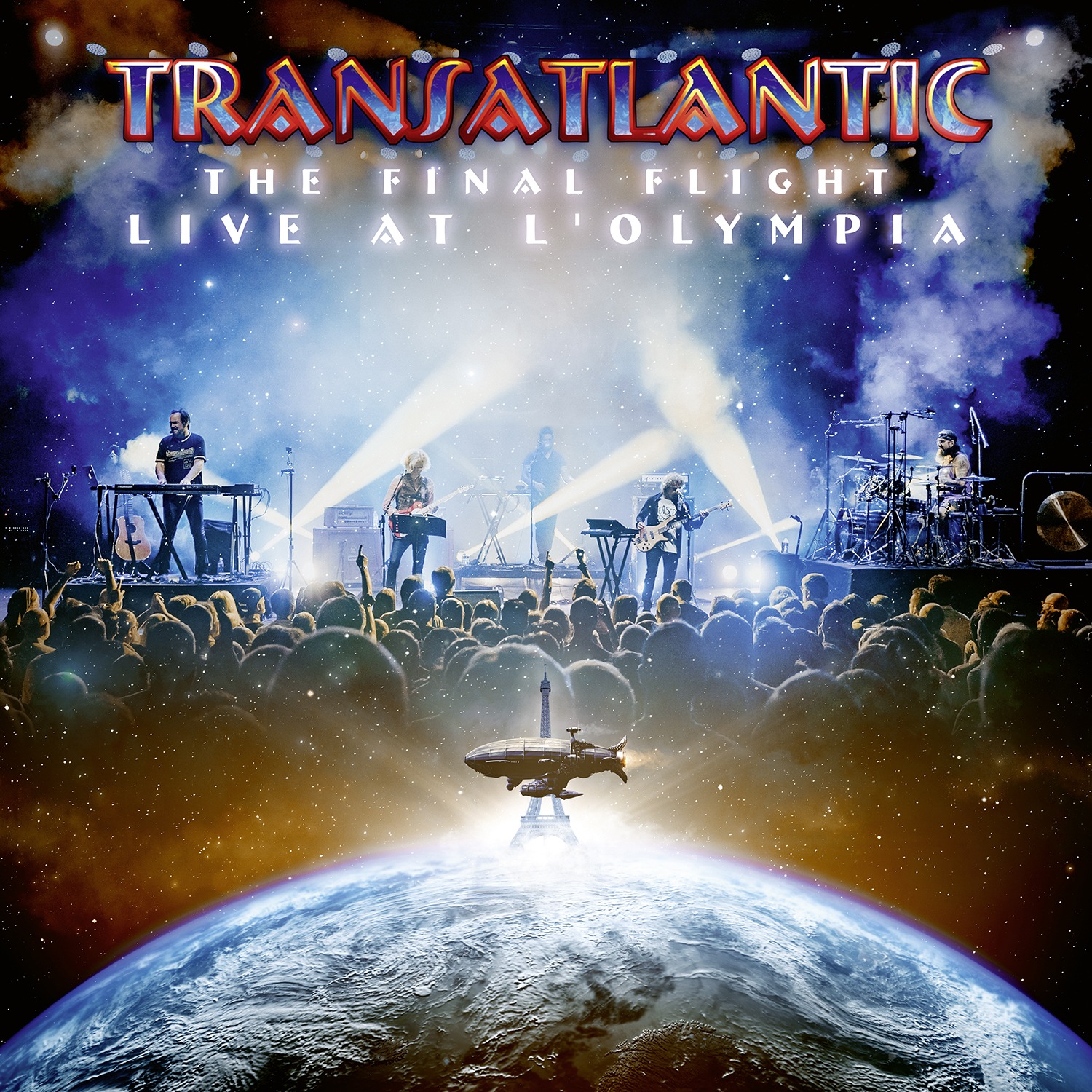
Transatlantic – The Final Flight, Live at L’Olympia
I’ve long preferred Transatlantic’s live work to their studio albums. Their studio albums are great, but this is a band that is best experienced live. While I’ve never seen them live in person and perhaps never will as it sounds like this could be the end for them, their live albums are always a treat. They are especially good for long car rides. I remember listening to KaLIVEoscope on a long car ride home from college back in the day, and just a few weeks ago I listened to The Final Flight during a long drive to eastern Tennessee to meet a special someone in person for the first time (at least something has gone well for me this year). The complexity of the music and the skill of the musicians keep your brain occupied on the long open roads. Transatlantic create a fourth version of their epic The Absolute Universe with this live outing, adding in a final set featuring a Whirlwind Suite, “We All Need Some Light,” and a medley from their first two records. It’s a great way to get into Transatlantic’s music for the uninitiated.
Dream the Electric Sleep – American Mystic
I’ve been following Dream the Electric Sleep since 2014, and I think American Mystic is their best album. It’s more concise and more focused with subtle variety. It’s distinctly American prog, reminding me of the heavier prog of American prog bands of the 70s and 80s. Their vocal harmonies are definitely worth noting. Check out my full review at the DPRP.
Big Big Train — Ingenious Devices
While not exactly a new album, Big Big Train’s Ingenious Devices caught my attention and held onto it tightly. The band worked for years revisiting their “mankind and machine” trilogy of “East Coast Racer” (off 2013’s English Electric: Part Two), “Brooklands” (off 2016’s Folklore), and “Voyager” (off 2019’s Grand Tour). They re-recorded most of the instrumentals and added full string sections to the first two (“Voyager” was recorded with full strings). They also added a short track to bridge “East Coast Racer: with “Brooklands,” and they added a live version of “Atlantic Cable” featuring new singer Alberto Bravin. The mix is phenomenal, and it’s great to hear these songs set apart on their own. A must listen for Big Big Train fans. Check out my DPRP review.
Haken – Fauna
Haken’s Fauna is somewhat of a mixed bag for me. It’s a solid album throughout, but it leans a little too much on the softer side, but when it gets heavy and creative it slays. “Elephants Never Forget” is simply fantastic – one of Haken’s best songs. Check out my full review.
Steven Wilson – The Harmony Codex
This album grew on me slowly. At first I was mildly indifferent and then grew to like it, as opposed to my immediate and lasting distaste for The Future Bites. I think The Harmony Codex rather tactfully blends the spacey progressive elements of Wilson’s abilities with the pop edge that strongly influences his recent work. I don’t know if it was commercially successful for him, but the final product is a solid record that actually sounds more familiar. No it isn’t Hand. Cannot. Erase., but I think it’s his best solo record since then. But it isn’t for everybody, namely Progarchy’s Time Lord. Rick Krueger found more to enjoy.
Southern Empire – Another World
The Aussie band’s first record since 2018 finds them with a new vocalist – Shaun Holton. He has a great voice, but former vocalist Danny Lopresto’s voice is so unique and one of my favorite elements from their last album. As such it’s been hard for me to like Another World as much as I like Civilisation. With that said, it’s still a solid album with moving melodies and a stellar almost 20 minute-long track blending heavy with symphonic prog. Definitely worth checking out.
Moon Safari – Himlabacken Vol. 2
Finally! After wondering for ten years “whatever happened to Moon Safari,” the band returned this month with the follow up to 2013’s Himlabacken Vol. 1, an album I don’t listen to frequently but will always have a warm spot in my heart because it came out around the time I really started getting into newer progressive rock. Vol. 2 is even better than it’s predecessor, making the decade-long wait worth it. The 21-minute “Teen Angel Meets the Apocalypse” is the finest long track I’ve heard this year. I’m a sucker for intelligent writing, and this song incorporates influences (and lyrics) from T. S. Eliot’s masterpiece “The Wasteland” (a poem that also inspired Genesis’ “Cinema Show”). The subtle inclusion of the melody from “London Bridge is Falling Down” throughout the song is itself a nod to part of “The Wasteland”. The song is great and a must listen. Nobody does vocal harmonies better than Moon Safari.
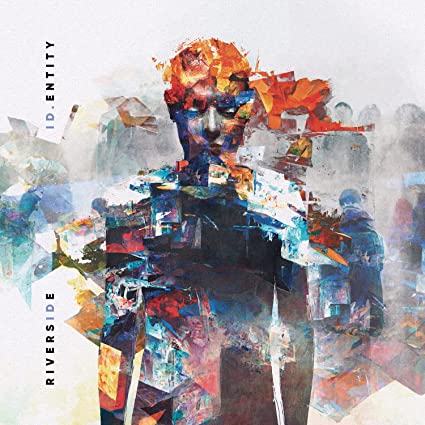
3. Riverside – ID.Entity
Riverside have yet to make a bad album. They’re all great in their own way. ID.Entity finds them taking a synthier approach to criticism of modern technosociety, and it works really well. They still get heavy when they need to, especially with Mariusz Duda’s vocals on “I’m Done With You.” It’s a solid album throughout and shouldn’t be missed. Check out my full review.
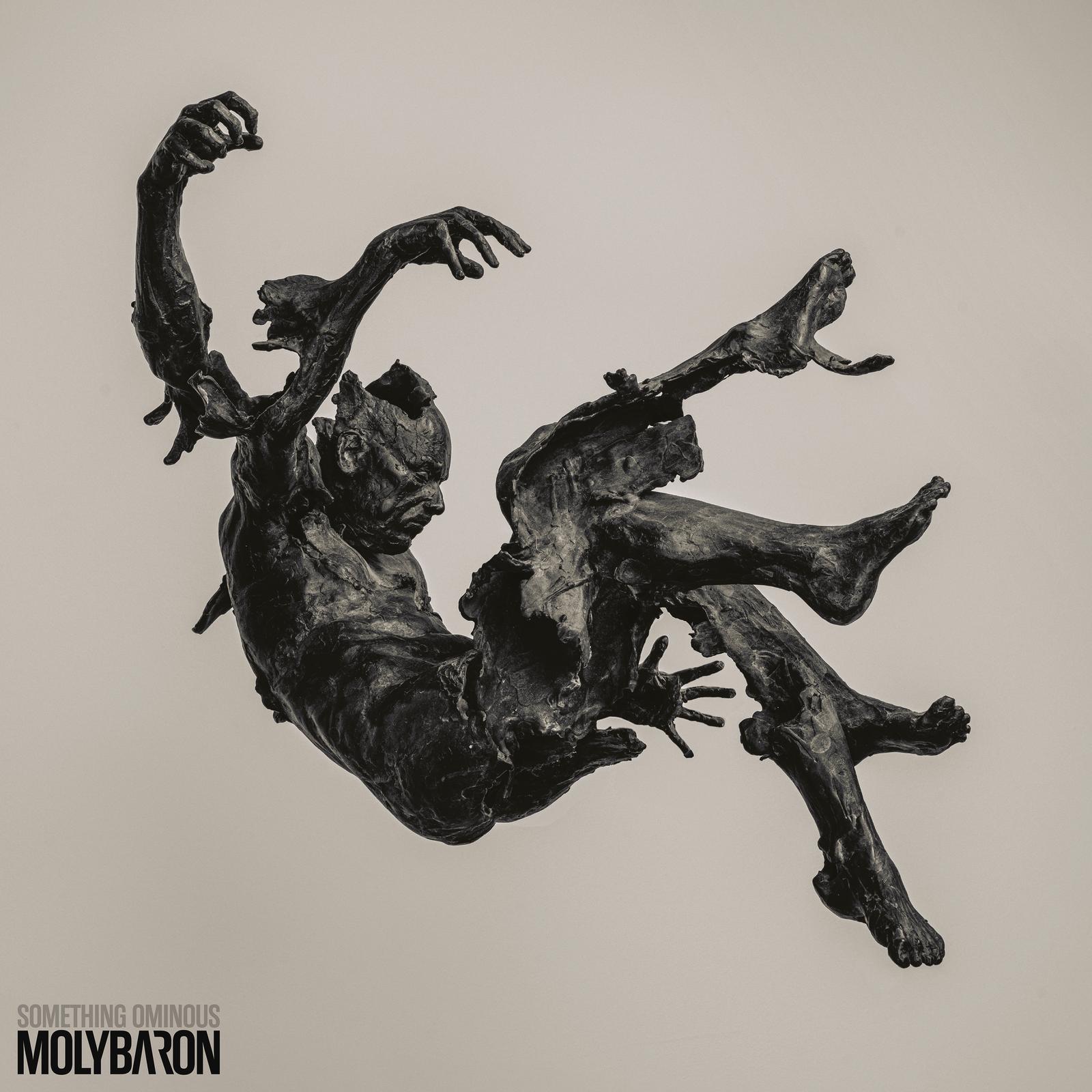
2. Molybaron – Something Ominous
This album was the unexpected musical surprise of the year for me. I liked the band’s previous album, but I wasn’t as much a fan of the lyrics. This time around, it seems western government’s tyrannical overreach during the Covid-19 debacle has made vocalist and lyricist Gary Kelly rather based. The songs are short, but that doesn’t keep this from being a prog metal funfest. Kelly’s vocal acrobatics make the album thoroughly entertaining. “Billion Dollar Shakedown” is a magnificent teardown of modern society’s incestuous elitist blend of government and big business marching in lockstep to ruin all our lives. “Breakdown” is a refreshing and real take on mental illness, and it’s been a bit of a themesong for me since it was released. The title track points out how the elites are pitting the rest of us against each other instead of against them. “Daylight Dies in Darkness” takes a spacier tone before building into heavy metal. It’s a fantastic smashmouth rock n’ roll heavy metal album. The only thing I don’t like is it’s only 38 minutes long – it’s so good I want more. Check out my review.
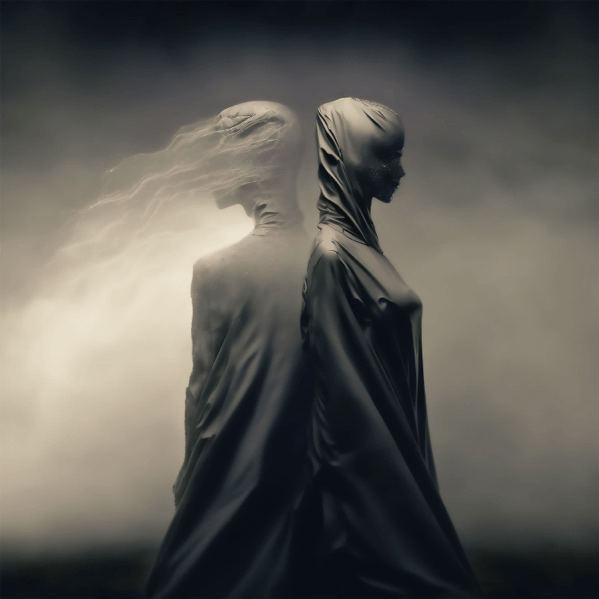
1. TesseracT – War Of Being
Unfortunately I never got around to reviewing this one, but I did review their concert. This is such a fantastic album – the band’s best to date. It’s also their heaviest since their debut. Singer Dan Tompkins demonstrates that he has one of the best voices in the business. One minute he can sing high like Matt Bellamy from Muse and the next he’s doing distorted vocals a la Devin Townsend. He even learned new methods of distorted vocals for this album, enabling him to create different sounds for the different characters, since this is a concept album. I’m still trying to figure out the story, but the djenty crunch is a headbangers dream. Everything about the record is great, and it easily tops my year-end list.
So there you have it. TesseracT was the only concert I went to this year, and it was a banger. I bought tickets to the upcoming Big Big Train show in March, so hopefully I’ll be able to make it to that (life is pretty crazy right now being between jobs). I didn’t read any prog books this year, but I plan on starting Geddy Lee’s “My Effin’ Life” tonight. Hopefully the new year will suck less for me, and I hope it’s a good one for you all.
Thanks so much for reading and sticking with us here at Progarchy this year, even though our output was rather thin compared to last year. Hopefully we’ll get things rolling again in 2024.
If I may be so bold, I am The Manic Whale‘s new long player “Bumper Book Of Mystery Stories” is the best album I have heard since Big Big Train’s 2009 “The Underfall Yard”.
IATMW create witty, intelligent, energetic, quirky, and extremely English prog rock. They are just my cup of (proper English) tea. Since their inception they’ve made consistently Good Albums and I have been happy to recommend them to others on that basis – but I consider BBOMS to be their first Great Album, and one about which I must rave.
It’s prog, so is it a concept album…? Not so much – but then again it depends on your definition, so maybe, because it’s totally about everything good I remember about my 70s/80s childhood (how did they know?), and probably about yours too. It’s about the geeky and spooky stories we heard, read, watched – sometimes quite macabre, sometimes nostalgic – a bit of sci-fi here and there, some weird folk tales too – all the things we though were a bit odd at the time, but which made our youth pretty damned interesting.
A blow-by-blow track listing is beyond my powers right now – but in my opinion there is not a single average track on the album – each tells a different story, and ecletically so. The musicianship is top notch, and, coming out of Rob Aubrey’s Aubitt Studios, the production values are also absolutely splendid.
I will call out 2 standout tracks – Nautilus (you can surely guess what that’s about?) and Ernő’s Magic Cube (again, if you were awake in the 80s you’ll know).
Back in December, you launched an album entitled “Voices from the Past.” How do you feel about the release?
I feel like I have reached a certain milestone. This is my debut album of my own music. I have been a video game composer and sound designer for many years, and it was hard to find time for my stuff. Finally, I was able to do it. I feel satisfied. And I hope people like the result. In many ways, it depends on this whether I will actively continue such musical activities. On the other hand, I am a little cunning, because I’m already preparing material for the next album. However, I wanted to add some drama.
How much of a challenge was it to work on the album?
It was difficult to find time for one music while writing other music. For several years, while bit by bit preparing this album, I was engaged in the recording of the orchestra for video game projects (Cinderella: New Story and Modern Warships to name a few) and the sound design of many projects, including Mobile Legends franchise. Without even a primary musical education, I was engaged in creating arrangements and even creating scores for the orchestra, recording with wonderful people from the Budapest Scoring Orchestra (by the way, in my plans for the future there is an item “record an album with a live orchestra”). In addition, I am the father of two children. And I hope you can imagine how difficult it is to fit into this schedule the creation of deeply personal music, and what a challenge it was for me.
Speaking of challenges, have you set any in the early phase of what has become the final result?
The main challenge for a guitarist (and I am a solo guitarist primarily) is maintaining the skill. If you do not practice the guitar professionally and constantly, then the skill will undoubtedly fall. I practice every day for several hours, so as not to waste it. The writing of this album allowed not only to leave the skill at the same level, but also to strengthen it, what should be reflected in the next album, which will be devoted mainly to guitar music.
Otherwise, I tried not to set myself any tasks initially. The album began spontaneously with a few unrelated singles, but soon grew into something more, which has now taken shape and is available for everyone to listen to. And it’s wonderful!
Tell me about the different instrumental aspects that you explore on these songs.
As I already said, I have no musical education and I had a very little experience of working with musicians. On this album, I worked with a saxophonist on two tracks, and it was interesting and instructive. First, I did a mini-casting. It turned out that choosing a saxophonist who understands your music is quite difficult. I went through four musicians before I found the right sound. Then I realized how diverse the approach to music could be, depending on the personality of the musician, his taste and style of playing. It may sound trite to many, but live music is called “live” because it breathes and has a billion nuances. In future releases, I plan to use as many live musicians as possible. At this stage, I play almost all the instruments myself. It was extremely interesting to explore and apply them in the process.
What is your opinion about the progressive rock scene today?
I learn about many progressive rock bands by accident. For example, I found out about “The Dear Hunter” by stumbling upon their vinyl cover on the web, I liked it, after which I began to listen to their album, and only then I thought “damn, why didn’t I know about them before?” My opinion is that progressive rock has too few listeners these days. Critically few! And this needs to be corrected. It is hard to say how to do it, but we, as musicians, will try to do our best. Do you notice how various prog rock, fusion and city pop albums from the 70s and 80s are now popping up on YouTube and gaining new life? It is kind of a renaissance, the music is finally finding its audience after decades, and it is sad and beautiful at the same time. Accordingly, there is a chance that our albums will find their audience over the years. Or will it happen now? You decide.
Let me know about your influences—the artists that in a way shaped and continue to shape your music.
As a guitarist, I have to say that my main influence was naturally guitarists. Since childhood I admired Yngwie Malmsteen, Steve Vai, Joe Satriani. Now, if you suddenly ask “who is the best guitar player in the world?” without hesitation I will answer “Guthrie Govan”. These are the people who shaped my approach to guitar solos. As for the music in general, I like a wide range of genres, from pop to heavy metal. I am also fond of video games and movie soundtracks. Surprisingly, with all of the above, in recent years I just fly away from Tatsuro Yamashita. This is, perhaps, my main musical ideologist and a person who needs to be equal musically.
If we talk about my favorite progressive rock, jazz and fusion bands, then these are The Dear Hunter, Snarky Puppy, Casiopea, Kansas, Tropea, Kingo Hamada, Jeff Lorber Fusion to name a few.
What are your top 5 records of all time?
The Dear Hunter – Act IV: Rebirth in Reprise (2015)
Snarky Puppy – We Like It Here (2014)
Guthrie Govan – Erotic Cakes (2011)
Tatsuro Yamashita – For You (1982)
Casiopea – Casiopea (1979)
Besides the release of “Voices from the Past” are there any other plans for the future?
Working more with live symphony orchestras and video game soundtracks is my passion. Record the next album with a focus on virtuoso guitar solos (work in progress). Record my own album with an orchestra. To work more with different musicians, to participate in collaborations if possible. To travel more and gain emotions, then to express them with the help of music. To live and enjoy life itself.
“Voices from the Past” is out now, and is available from Bandcamp.
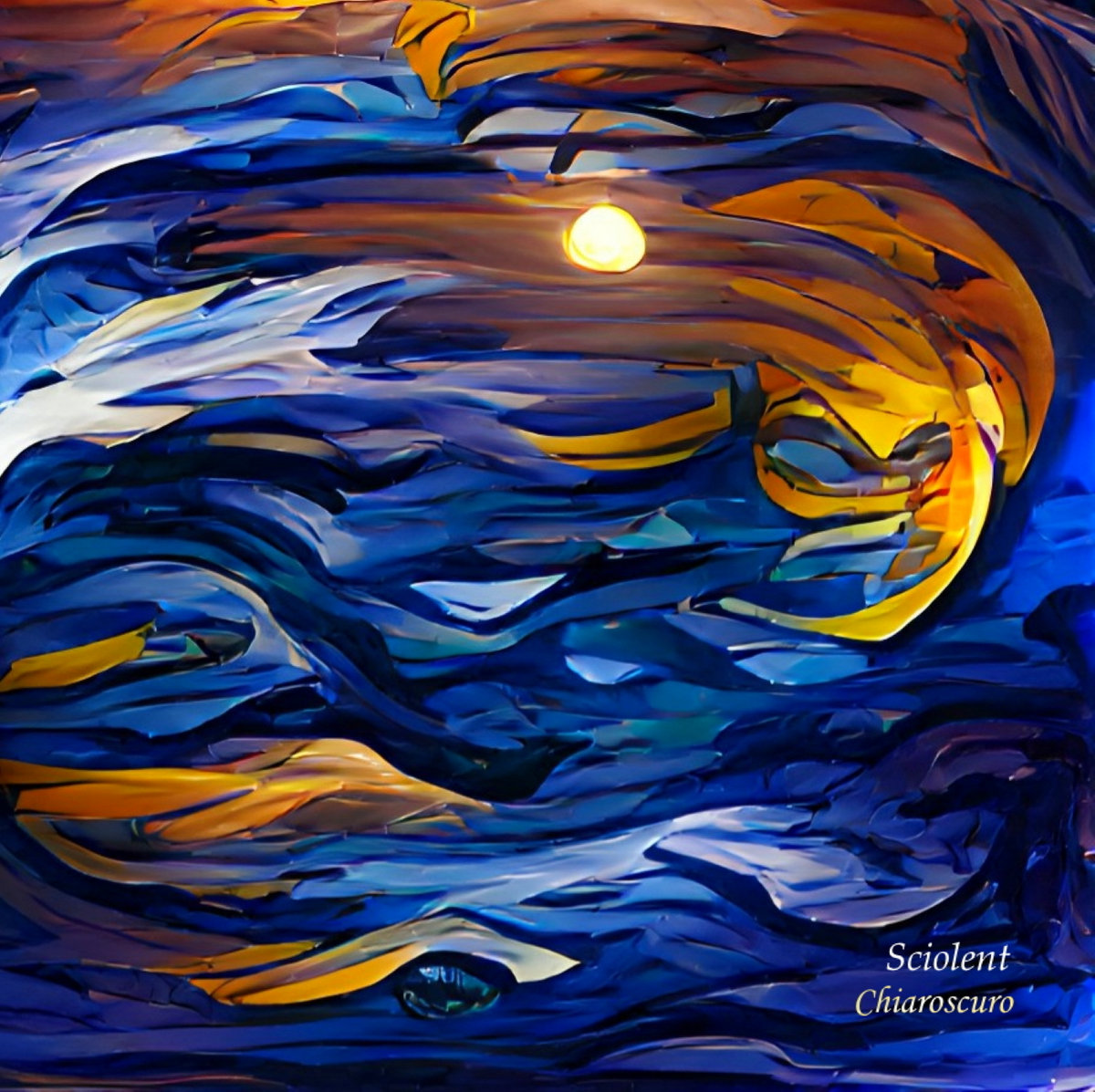
Sciolent is a one-man art rock band based in Germany who recently launched a new album entitled “Chiaroscuro.” The 11-track release sees the young musician delving deep into a unique blend of alternative music, progressive rock, and even shoegaze.
Speaking for Progarchy, Sciolent talks about what it took for him to come up with the release. Find out more below.
You launched an album with Sciolent entitled “Chiaroscuro” back in December. How do you feel about the release?
I was and still am very proud of it. It’s been in the making for a long time and finally releasing it into the world was a strange but rewarding feeling. I received some lovely positive feedback for it and that makes me happy of course. What’s great as well is that I’m still really content with it myself – it’s already my fifth album, but it might be the first one that I still enjoy listening to even after it’s put out. I spent a lot of attention to the compositions and arrangements down to the details and it seems to pay off.
How much of a challenge was it to work on the album?
Quite a big one, to be honest. I started teaching myself how to play guitar and bass during the making so that I could record all instruments except the drums on my own. Doing that, writing and recording the songs, producing, mixing and mastering it all would have already been a challenge, but to do it all while going to university and working on my Bachelor’s thesis and other projects was a wild ride as you can probably imagine. I don’t regret any of it though, it was a lot of fun and especially during lockdown it helped me cope with what was going on and find some meaning and inspiration.
Speaking of challenges, have you set any in the early phase of what has become the final result?
I simply wanted to reach my current potential in composing and arranging and I think I managed to do that. The advantage of taking your time with such a project instead of racing towards a deadline is that by the end you have a much bigger collection of songs to choose from, so you can pick the very best out of them and don’t have to include fillers.
Tell me about the different instrumental aspects that you explore on these new songs.
Well, a lot of it is centered around the interplay of neo-romantic piano figures and spacey guitars. You can hear that combination on songs like Balliamo Sott’Acqua, Our Worst Fears Realized or Slowing Down Time for example. From time to time there are also heavier passages where everything sort of erupts to counteract that melancholic dreamy vibe of the softer parts of the album. With the basslines underneath I tried to play quite melodically (without being too flashy) and weaved in some counterpoints here and there. And for the drums I wanted to find a good compromise between compelling groove and creative drumming – I’m not a drummer so I had to play that on my MIDI keyboard and I don’t know how playable these rhythms would actually be, but I think they feel good in context with the other instruments.
What is your opinion about the progressive rock scene today?
That’s a tough question for me because I haven’t been too invested in that scene over the last couple of years. I love that Porcupine Tree got back together, Closure / Continuation was a great album and seeing them live was a huge highlight and bucket list experience for me. It’s also great to see what some of the young British bands like Black Country, New Road or black midi are doing. I think there’s a lot of progressive or avantgarde spirit in there, even if some people see them more in the post-punk field. Those genre boundaries seem to become obsolete anyway though, it’s just good to know that exciting new music is being made and – even better – people are actually listening to it!
Let me know about your influences—the artists that in a way shaped and continue to shape your music.
Some of my longstanding influences include bands like Muse, Radiohead, Oceansize, Porcupine Tree, Pink Floyd, King Crimson and Talk Talk. Muse for example were the band that became my introduction to the world of ambitious rock music when I was a kid so they will always have a special place in my heart. For this new album, I think especially Oceansize were a big influence – when I discovered them three years ago, I couldn’t stop listening to them for months. Effloresce and Frames are two of my favourite albums of all time, they just click with me on so many levels and some passages on “Chiaroscuro” are referencing them a little bit.
As of lately, I’ve also been listening to a lot of shoegaze which found its way into “Chiaroscuro” in terms of sound design and dream-like atmosphere. My favourites in that genre are Slowdive and Curve, but there has been and still is loads of talent across so many bands and artists.
Other bands I’ve been digging recently are Wolf Alice, the aforementioned Black Country, New Road, Jockstrap and Just Mustard.
And then there’s also bands and artists that belong more to the pop spectrum like Depeche Mode or Lana Del Rey that I admire. Developing a sensibility for a really good pop song is an extremely important skill to have as a songwriter in my opinion.
What are your top 5 records of all time?
The list changes from time to time, but at the moment it probably looks like that:
Oceansize – Effloresce
Steven Wilson – Hand. Cannot. Erase.
Muse – Origin of Symmetry
Radiohead – OK Computer
Oceansize – Frames or Pink Floyd – Dark Side of the Moon (can’t decide, both deserve a top 5 spot!)
Besides the release of “Chiaroscuro” are there any other plans for the future?
I’m looking forward to potentially play some of my music live, although solid plans about that have yet to be made. Also I’m pretty much constantly coming up with new music, so maybe there will be more of that as well. I don’t think there will be another full album this year, but an EP or some singles are possible. Stay tuned!
“Chronic Town” by Brattleboro, Vermont-based Ventifacts is an experimental rock album that explores the world of microtonal music. The band’s use of unconventional tunings and scales creates a sound that is both familiar and alien, with each track taking the listener on a journey through a variety of musical landscapes.
The record opens with “Wolves, Lower,” a track that sets the tone for the rest of the album with its blend of pounding drumwork, courtesy of Connor Reilly, and intricate microtonal melodies by guitarists (and also singers) Damon Waitkus and Been Spees, as well as bassist Oliver Campbell. The band’s use of unconventional tunings and scales is particularly noteworthy, with each track featuring a unique and distinct sound.
One of the standout tracks on the album is “1,000,000,” which showcases the band’s ability to create complex and dynamic compositions that incorporate elements of microtonal music. Ventifacts’ use of unconventional chord progressions and dissonant intervals adds a layer of tension and unease that is truly unique.
The production on “Chronic Town” is excellent, with each instrument and vocals given a clear and distinct place in the mix. The use of unconventional tunings and scales is also well-executed, with each track featuring a unique and distinct sound which works extraordinarily well in the song format.
Overall, “Chronic Town” is an outstanding album that showcases Ventifacts’ mastery of the experimental rock genre and their approach to microtonal music. It is a must-listen for fans of “non-regular” and experimental music, and anyone looking for an intellectually stimulating and musically challenging listening experience. The band’s ability to blend elements of microtonal music into a cohesive and enjoyable rock album is truly impressive.
JPL (Jean Pierre Louveton), Sapiens Chapitre 3/3: Actum, Quadrifonic Records, March 2022 Tracks: Paradis Perdu (5:53), Mon Cercueil (6:08), Alia (La Mahine) (4:50), Dansez Maintenant (5:12), Memento Mori [a. Marche Vers l’inconnu, b. Tempus Fugit, c. La Mort Du Roi, d. Paria, e. Acta Fabula Est] (23:01)
Over the last several months, Progarchy HQ has received a fair number of CDs from France for review. The first such record is the third album in a trilogy of records about the history of humanity from Jean Pierre Louveton, under the alias JPL. Louveton is perhaps most well-known for his work with NEMO, a now on hiatus French progressive rock band (sort of on hiatus – the band is releasing a re-recorded version of an earlier album later this year). Since the lyrics are in French, much of Louveton’s work is likely unknown to all but the most dedicated of English-speaking prog fans.
Sapiens Chapitre 3/3: Actum is the only album of the trilogy I have heard, but I must say it is quite good. It travels the breadth of progressive rock, with hard classic rock elements, forays into jazz and fusion, and swashes of symphonic rock, especially most prevalent in the album’s 23-minute epic, “Memento Mori,” which is split into five tracks on the CD.
As you might expect, since it is the final chapter of a trilogy of records, the album sounds like it is picking up in the middle of a story. There isn’t really a big build-up in the first song, “Paradis Perdu.” It has an instrumental opening for the first few minutes, but it doesn’t strike me as being any sort of overture. Even though I haven’t heard the other albums, I quite like that this one gets right to the point. At 46 minutes in length, the album lacks the fluff that often gets padded into many progressive rock albums today.
“Mon Cercueil” starts off pretty slowly – perhaps too slowly – but it digs into a nice bass groove in the middle of the track with a brooding layer of synths over the top and complex drumming lifting up the back end. This moves into a faster tempo section with a vocal duet between JPL and Stéphanie Vouillot, who also plays piano on “La Mort Du Roi” and “Paria.” She has a lovely voice which I wish had been used even more on the record. “Mon Cercueil” ends with a great guitar solo that foreshadows the closing of the record.
“Dansez Maintenant” has a bit of an unexpected surprise with the inclusion of a Hurdy Gurdy played by Marguerite Miallier. The Hurdy Gurdy (vielle à roue in French) is a medieval-period stringed instrument used primarily in European folk music (German metal band Saltatio Mortis also have a Hurdy Gurdy player). It is operated by turning a wheel at the lower end. It adds a very distinctive sound, somewhat similar to how a bagpipe might sound if played at a fast tempo.
“Memento Mori” travels through five different movements, and it is heavy on the instrumentation. There are large symphonic elements, along with a heavier guitar sound in parts. “Tempus Fugit” is a particularly strong track in the way it combines the heavier rock sound with the orchestral tones. JPL’s vocals on “La Mort Du Roi” are more spoken in a quick whispered fashion at the beginning of the track before they are sung in a slower fashion. The band takes its most experimental route on “Paria,” with a fast jazz fusion sound and even a saxophone solo featuring Sylvain Haon. The album closes with a stellar guitar solo from JPL that builds along with the symphonic parts to a satisfying ending to the album, and I suspect also a satisfying ending to the trilogy.
The artwork by Stan Decker is another feather in the JPL cap. Somewhat reminiscent of Roger Dean’s artwork, although distinctively different, the album cover has a lot of detail that draws you in for a closer look. Jupiter in the background, Earth in the center, rising columns of green Dean-esque shapes with alien-looking bugs and flying sea rays roaming the skies. And that isn’t even all of it. The CD booklet and packaging contain further art, which certainly adds to my enjoyment of the record.
Awaken your inner Francophile and check out JPL’s Actum. Musically it will not disappoint, and for the ear accustomed to English styles of singing, the French lyrics and style of singing might be a nice change of pace for you.
Stay tuned for more reviews featuring French artists in the near future.
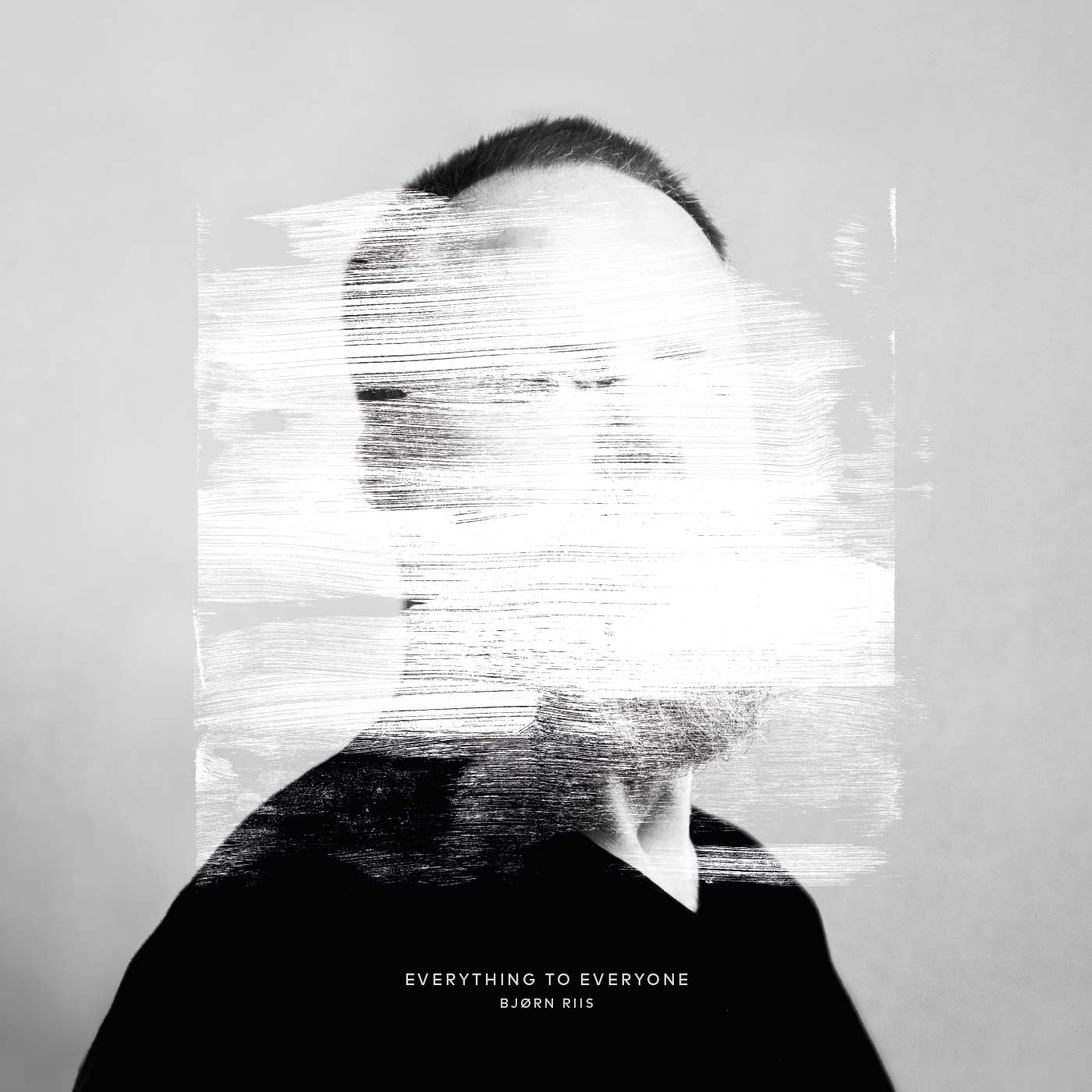
Bjørn Riis, Everything to Everyone, Karisma Records, April 8, 2022 Tracks: Run (5:56), Lay Me Down (11:40), The Siren (7:20), Every Second Every Hour (13:20), Descending (4:33), Everything to Everyone (7:28)
At the risk of throwing objectivity out the window, I’ll start this review by saying I absolutely love this album. I think it’s the best music I’ve heard in a long time. But it’s Bjørn Riis! By this time I expect no less than the best from him.
While I still haven’t quite gotten into Airbag, the band for which Riis is most well known, I love his solo albums. They’re all excellent, and they seem to get better with each record. His 2019 album, A Storm is Coming, was brilliant, and it made my year-end best-of list. I expect Everything to Everyone will be near or at the top of that list this year. To make a contemporary comparison, Riis’ style reminds me most of Steven Wilson, both his more progressive solo albums and his work with Porcupine Tree. Riis is on that same level, as well.
Rather fascinatingly, Riis says the influence for the concept behind this album came from Dante’s Inferno. He comments,
A bit pretentious perhaps, but I’ve always been fascinated by that very personal journey and the search for some kind of peace or redemption, while being both mentored and hurt along the way. Musically, I wanted to take the listener on that journey, experiencing both hope and anxiety.”
The lyrics are filled with emotion, reminding me at times of Mariusz Duda’s lyrics. Riis is clearly a very thoughtful man, and I’ve found his lyrics always resonate with me. There’s a lot of depth in them, which allows for reflection on repeated listens. The music is often melancholic, which I especially enjoy, and this is frequently reflected in the lyrics.
The opening instrumental track acts as an overture for the rest of the album. With a careful listen you’ll spot musical themes from this track throughout the album. Parts of “Run” are on the heavier side, which sets a nice stage for the record, which has both its heavier rock sides and its spacier contemplative moments. Both are equally alluring.
“Lay Me Down” may start off a bit slow, and admittedly it is a bit of a jarring transition from the heavy rock of the opening instrumental track. The song really catches its groove a minute 20 seconds in, though, when the drums kick in. A little later female vocals come in to back Riis’ soothing voice, and the result is very [don’t say Floyd, don’t say Floyd, don’t say Floyd] spacey. The song is almost 12 minutes long, so it ebbs and flows through various passages, some of which do indeed remind me of Pink Floyd. David Gilmour is obviously an influence on Riis’ guitar playing, and Riis lives up to his musical influences. The song also has its heavier parts, reflecting the opening track.
“The Siren” was one of the singles for the record, complete with its own video. It’s a haunting track on the relaxed side of Riis’ musical spectrum. The lyrics are from the perspective of someone sitting in the audience at a dance performance, where the dancer performs for both you individually and for everyone all at the same time. It’s an interesting dynamic, but the lyrics are also written in such a way that deeper meanings can be inferred. I’ve found mine own rather personal meanings in it, and as such the song has grown on me to the point where I find it very moving.
I’m not the biggest fan of the artificial vocal distortions on parts of “Every Second Every Hour,” mainly because I think Riis’ voice is great and shouldn’t be hidden, but it doesn’t take away from the song too much. Just a minor quibble. I have to keep my enthusiasm in check somehow. Overall this song is epically wonderful. It’s over 13 minutes long, and like the other similarly long song on the album, it ebbs and flows along the range of Riis’ styles. The acoustic guitar and piano passages with simple singing abound, but these also give way to soaring guitar solos and walls of drums. The synth soundscapes help create a wall of sound that isn’t particularly dense, but it lays a beautiful background to the song.
“Descending” is another instrumental track that has an interesting name because the music actually appears to ascend rather than descend. It starts out quiet and gradually gets louder and heavier as more elements are layered onto the song. If we go back to the inspiration from Dante’s Inferno, however, I think we get our answer to that question. In Inferno, Dante is given a tour of Hell by the poet Virgil. Hell is depicted as a ring of concentric circles, with each circle filled with increasingly brutal punishments for increasingly heinous sins. As such, the story gets more intense the further Dante and Virgil descend into Hell. When viewed in this light, “Descending” makes sense for this particular song on this particular album.
The title track is a quintessential Riis track, featuring the spacey electric guitar solos, walls of acoustic guitars, and emotion-filled vocals. There’s also more female backing vocals. The song gradually builds as it closes out, with a wall of sound created through guitars, drums, and piano. It’s very Porcupine Treeish in the best of ways. The lyrics talk about reaching out for help as we stumble through the dark parts of life.
Put simply, Bjørn Riis’ Everything to Everyone is a thing of beauty in very dark times. The album reflects the good and the bad we experience through our emotions, and it tells a beautiful story through music and words. Do yourself a favor and buy this record. Dwell with it. Let the music and lyrics wash over you. You won’t be disappointed.




 Soen – Memorial
 Transatlantic – The Final Flight, Live at L’Olympia
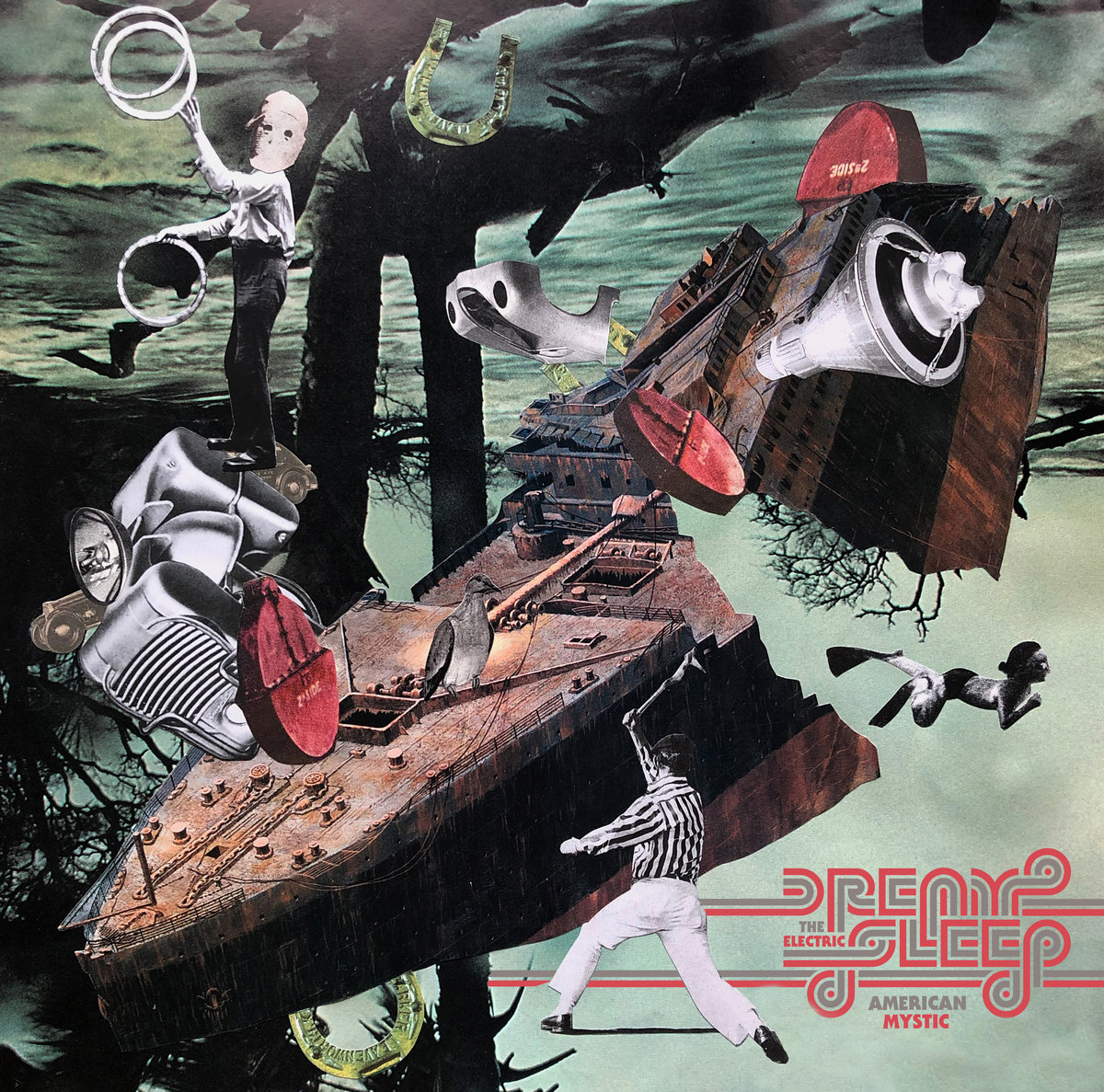 Dream the Electric Sleep – American Mystic
 Big Big Train — Ingenious Devices
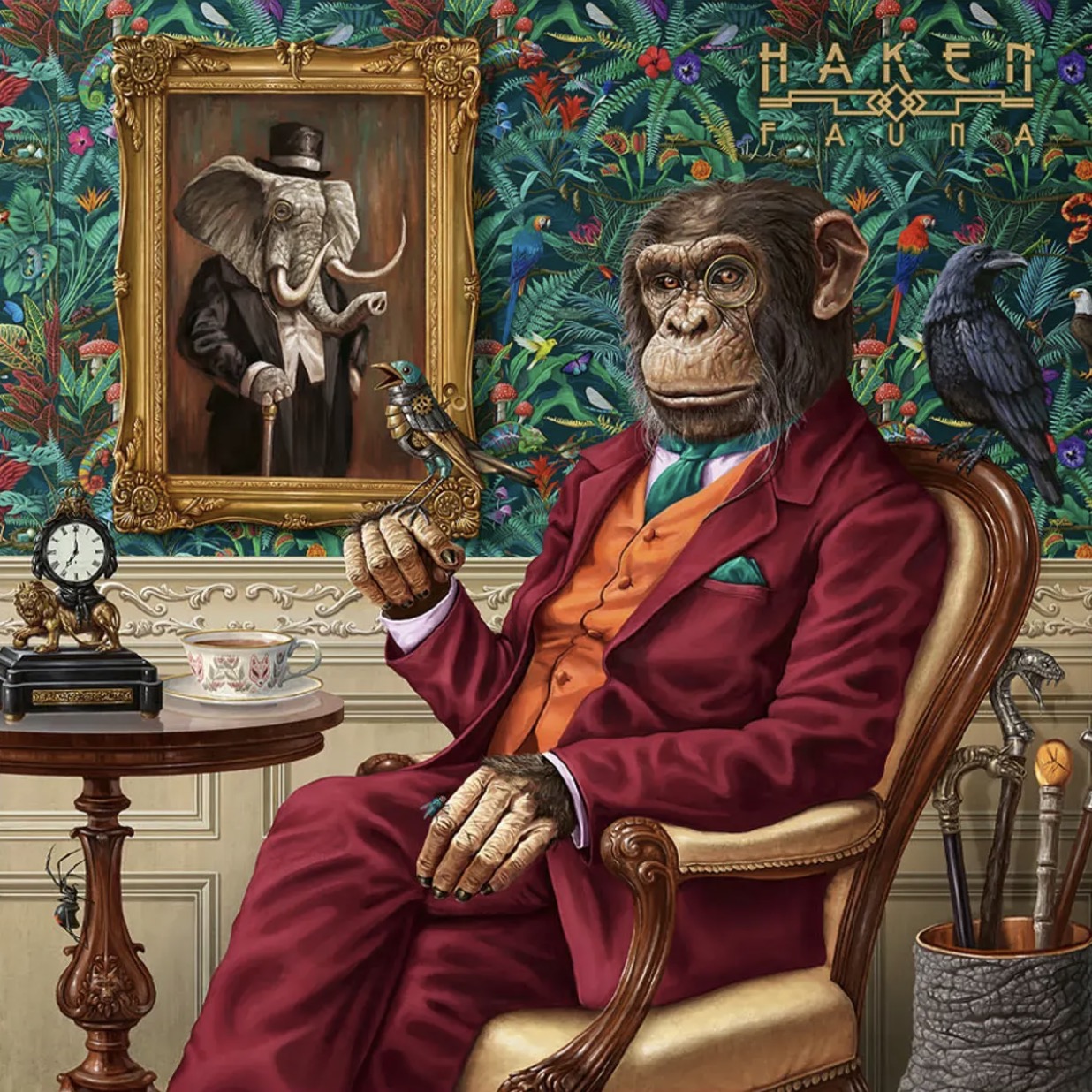 Haken – Fauna
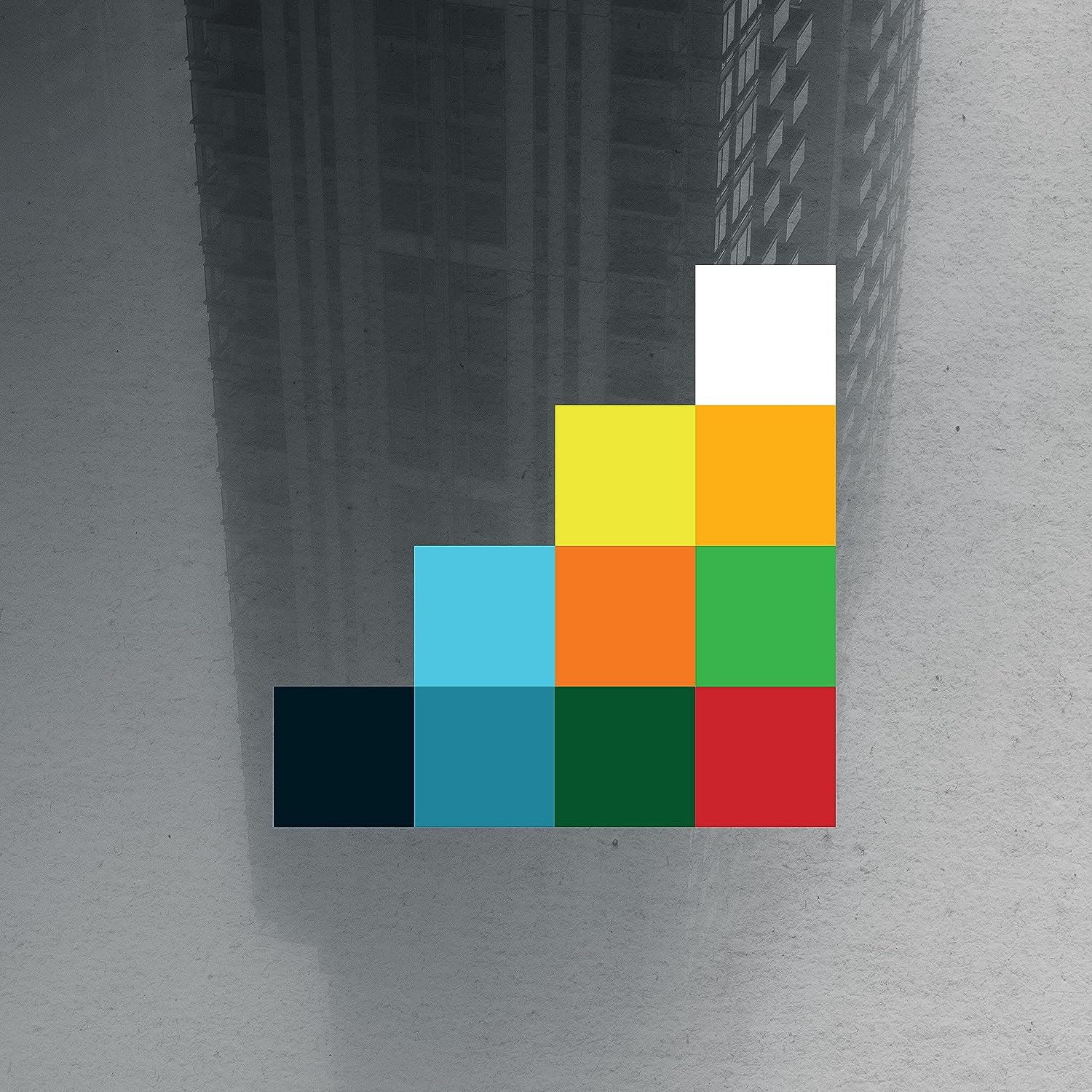 Steven Wilson – The Harmony Codex
 Southern Empire – Another World
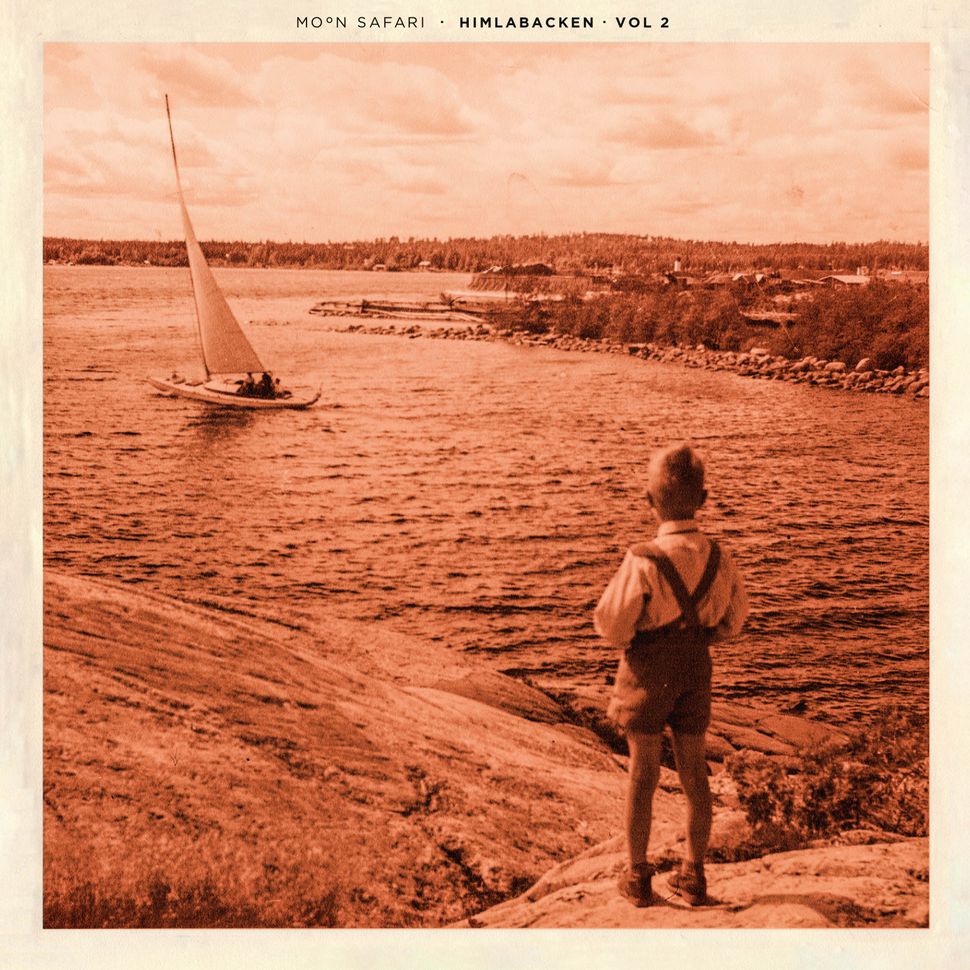 Moon Safari – Himlabacken Vol. 2
 3. Riverside – ID.Entity
 2. Molybaron – Something Ominous
 1. TesseracT – War Of Being


 JPL (Jean Pierre Louveton),
  Bjørn Riis, Everything to Everyone, Karisma Records, April 8, 2022
 Progarchy