

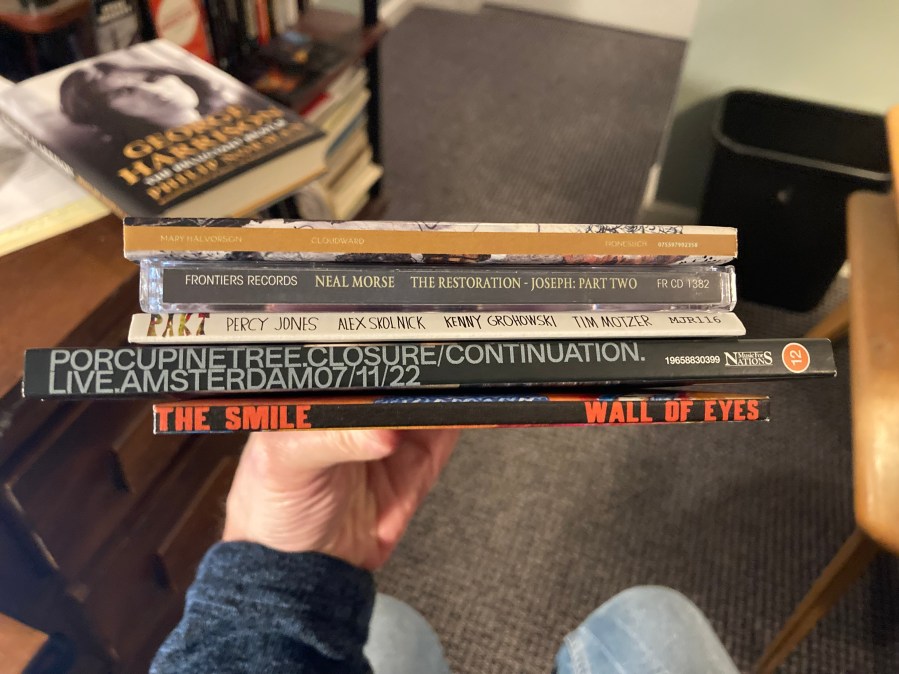
Note: Artist/title links go to purchase options; streaming previews follow reviews.
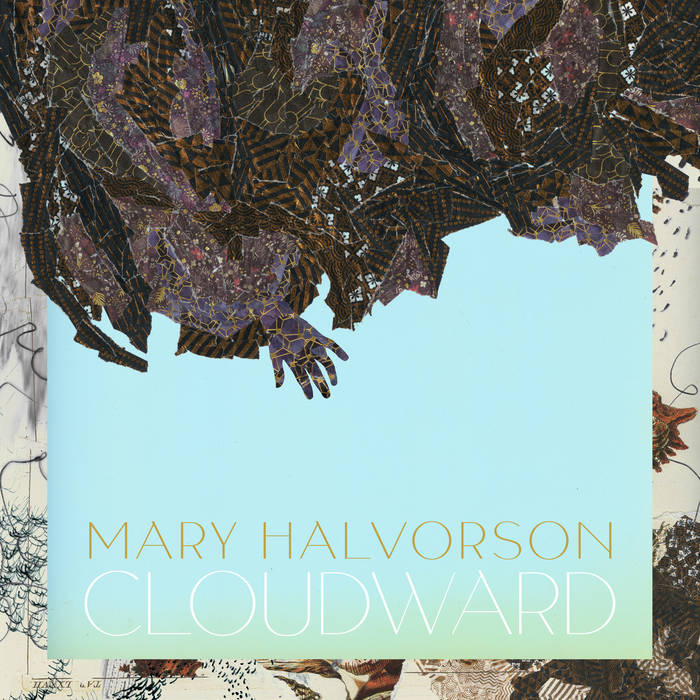
Mary Halvorson, Cloudward: Trailblazing guitarist Halvorson gathers the sextet from her 2022 classic Amaryllis around eight new avant-jazz compositions. Trumpeter Adam O’Farrill and trombonist Jacob Garchik sizzle on opener “The Gate”; Patricia Brennan’s vibraphone lends a rich shimmer to “The Tower”; Nick Dunston launches an epic bass solo to kick off the closing “Ultramarine”. And Tomas Fujiwara? He’s everything you could imagine in one drummer — meditatively punctuating “Unscrolling”, driving the riff-fest “Tailhead” and covering all points in-between. Set these folks loose on their leader’s sinewy, elegant concoctions of yearning and abstraction, and you never know what will happen next. All the while, Halvorson sets the pace on her instrument, with a woody, delay-laced sound and a skittering, percussive style all her own. Whether Halvorson’s and company are swinging like mad on “Collapsing Mouth” or coalescing like electrical static around Laurie Anderson’s guest violin on “Incarnadine”, Cloudward is another head-spinning, laugh-out-loud delight.
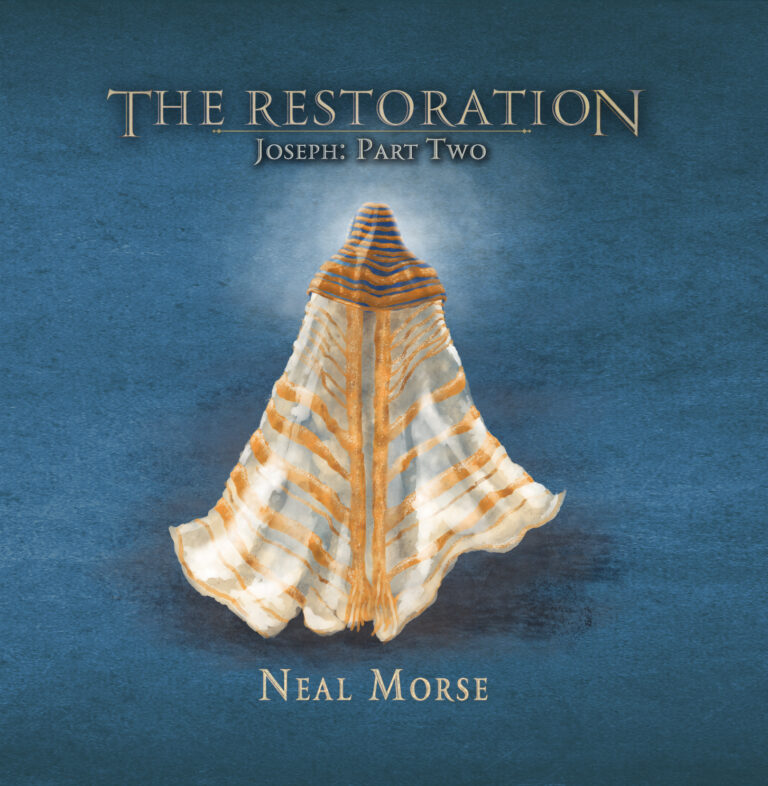
Neal Morse, The Restoration — Joseph, Part Two: The conclusion of Morse’s latest rock opera takes Part One’s rough and ready swagger and turns it up to 11, with grit even in the proggiest moments (Jacob’s sons’ vocal fugue a la Gentle Giant on “The Argument”) and fresh muscle propelling the Latin groove “Everlasting”. There’s heft to the lyrics too, as the showdown between a newly-powerful Joseph and his off-balance brothers displaces Neal’s usual conversion narrative. (Don’t worry, though; reconciliation and revival are just a title track away.) With tight melodic/thematic connections to The Dreamer and a beefy sound recalling George Harrison’s All Things Must Pass and Joe Cocker’s Mad Dogs and Englishmen, The Restoration is also a spectacular vocal showcase; ensemble highlights include Ted Leonard’s emotive Judah and the Nick D’Virgilio/Ross Jennings cameos as Pharaoh’s butler and baker, and Morse puts his newly darkened tone to thrilling use at dramatic highpoints like “I Hate My Brothers”. Together, the Joseph albums are easily my favorite Morse-related releases since The Similitude of a Dream and The Great Adventure, and The Restoration goes straight to my Official Faves List for the new year.
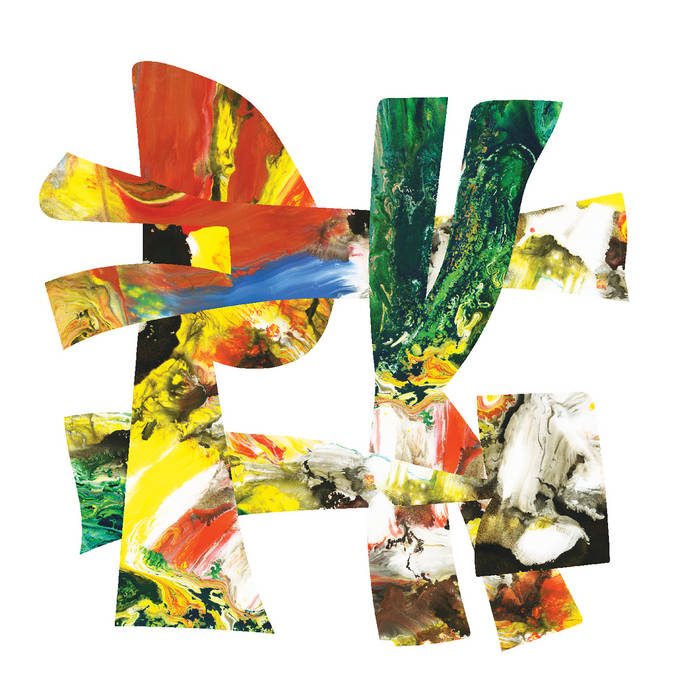
PAKT, No Steps Left to Trace: Another year, another heaping helping of cutting-edge free improvisation from MoonJune Records, courtesy of indefatigable impresario Leonardo Pavkovic! Now in their third year as a collective, bassist Percy Jones, guitarist Alex Skolnick, drummer Kenny Grohowski and guitarist/electronicist Tim Motzer unleash their first double album, created entirely from scratch both in the studio and live. It’s a genuinely explosive set, especially when Jones (best known from Phil Collins’ 1970s fusion band Brand X) ramps up the double-time grooves and his compatriots lock on! But the intensity doesn’t slacken when the music spaces out, either; listening hard and leaning into their deep, uncanny sense of interplay, PAKT also conjures some of the most arresting ambient jams I’ve come across recently. Bursting every genre boundary you can think of, No Steps Left to Trace isn’t for the musically faint of heart — but, for those with ears to hear, it’s a trip well worth taking.
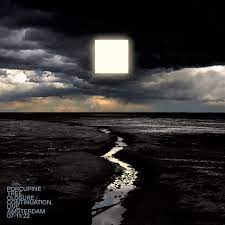
Porcupine Tree, Closure/Continuation. Live Amsterdam 7/11/22: The show I saw in Chicago a couple of months before but bigger, scaled up for packed European arenas instead of partially-filled Stateside auditoriums and rush-released on video before Christmas. The sum of all the prog-metal parts here is flat-out engaging: Gavin Harrison’s percussive impossibilities and Richard Barbieri’s synth squelches ground Steven Wilson’s driven singing and sardonic patter, while utility players supreme Randy McStine and Nate Navarro slam the songs home. Newer material stacks up well against PT’s classics, with pensive slowburns “Dignity”, “Chimera’s Wreck” and “Buying New Soul” nicely offsetting thrashy frequency-eaters “Blackest Eyes”, “Herd Culling” and “Anesthetize”. A solid introduction for anyone who missed the Tree’s initial, spiky flowering, this one will probably resonate deeper with longtime fans (like me) who took Wilson’s long-term “never again” PR onslaught at face value – until we no longer had to.
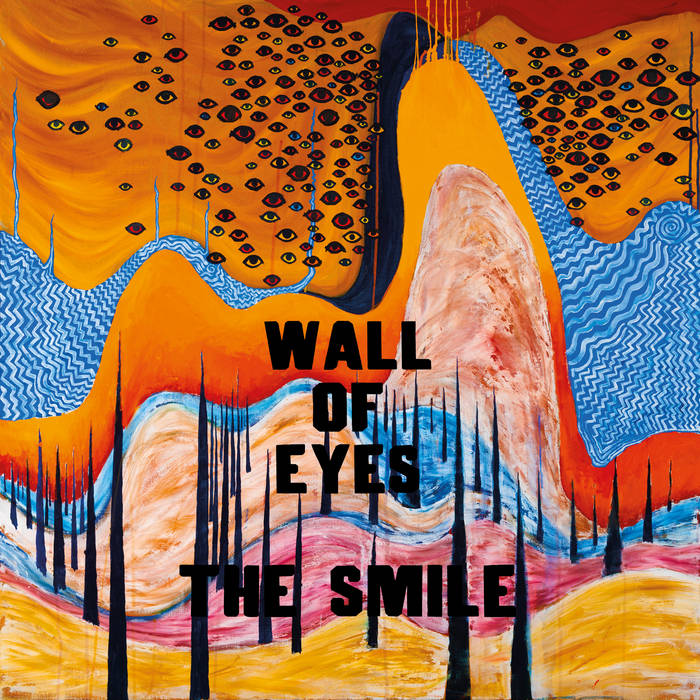
The Smile, Wall of Eyes: Admit it: does Stanley Donwood’s latest album cover look like a psychedelic Lord of the Rings paperback cover from the 1960s or what? And the title track kick-off of this Radiohead-facing project is every bit as disorienting: a understated bossa nova from Tom Skinner to which a balefully depressive Thom Yorke lyric, tightly wound orchestral smears and Jonny Greenwood’s arhythmic guitar plinks attach themselves like disfiguring barnacles. No forthright kicks to the head in the style of A Light for Attracting Attention here; The Smile beckon us toward dystopia ever so gently — odd-time licks over the ominous vamp “Read the Room”, Greenwood and Skinner gouging a trench below Yorke’s mewling protests on “Under Our Pillows”; the Beatlesque ballad “Friend of a Friend” delicately dissolving the boundary between courage and despair in less than five minutes. In the face of lives ever more trapped onscreen, are the only options self-destruction (as “Bending Hectic’s” dissonant strings erupting into unmistakable Greenwood power chords) or resignation to Technopoly’s embrace (the closing “You Know Me!”)? Whatever our take, Yorke, Greenwood and Skinner once again prove brutally honest guides to the expanse of beauty and abyss of horrors lying before us.
— Rick Krueger


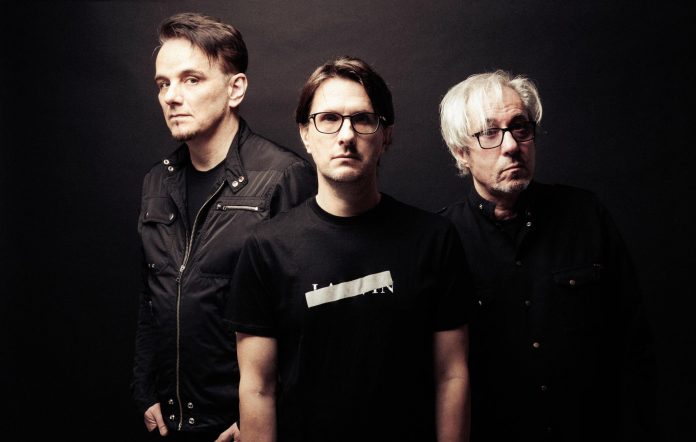
 If you’re missing King’s X, then this one will satisfy your craving. Ray Luzier (KoRn) is on drums, George Lynch (Dokken & Lynch Mob) is on guitar, and Doug Pinnock (King’s X) is on bass and vocals. This is their second album, and it is much more varied in its music styles than their debut. I never was into Dokken, but George Lynch’s guitar work is killer -especially on “Breakout”.
 I give Grimspound the edge over its sister album, The Second Brightest Star. What a great collection of tributes and vignettes of everything that is good about Great Britain. Using small details to convey big ideas is really difficult, but BBT are masters and make it look easy.
 I was first exposed to that exotic, amorphous musical genre called “electronica” in junior high by a friend who listened to what we called “weird stuff”. I’m not even sure what it was; some of it was from Japan. It made a dent in my memory banks, however, because until then my musical interests had been confined to some classical (Brahms! Mozart! Good!), Top 40 rock (Queen! Also good!), and lots of


 Progarchy