On a Roll – 2015 Prog In Review

So you’re watching a baseball game. The pitcher for one of the teams has yet to give up a hit. In fact, he’s retired every batter that he’s faced, giving up not so much as a walk. And even as the game stretches into the latter innings, he’s not getting tired. He’s struck out six batters in a row and is just completely shutting down the opposition in a manner reminiscent of the way noted Rush fan Randy Johnson used to do. You look at that guy and think “man, he’s on a roll.”

Maybe it’s a team that has won a number of games in a row. Maybe it’s a business leader who has led his company into the stratosphere with one popular product offering after another.

Or maybe you are a fan of prog rock. In fact, you probably are just that if you’re reading this. You look back a few years ago, at 2012, and realize it was a good year, producing a number of excellent albums, including Echolyn’s “Windowpane” album, Glass Hammer’s incredible Perilous, and Gazpacho’s March of Ghosts (highly underrated if you ask me). Then 2013 comes along, and you think, “what an amazing year,” as your album collection grows with releases such as Ayreon’s The Theory if Everything, The Tangent’s magnum opus Le Sacre Du Travail, and Haken’s outstanding The Mountain. There is no letup at all in 2014, more new releases, many of them are “must haves”, such as IQ’s The Road of Bones and Cosmograf’s Capacitor among them. And now, here we are in 2015, and you’ve been deluged with more incredible music in what has been yet another great year in prog. And you think, “man, prog on a roll!”

Indeed it is.

Each December for the last several years, we at Progarchy have gushed about the abundance of great prog music coming out and the health of the current prog scene. We are getting to be like a broken record. But can you blame us? And would you rather it be different, like the early 90’s or so when the prog light was a dimly flickering candle?

What else can I say? Well, I can start talking about the albums.

Album of the Year:

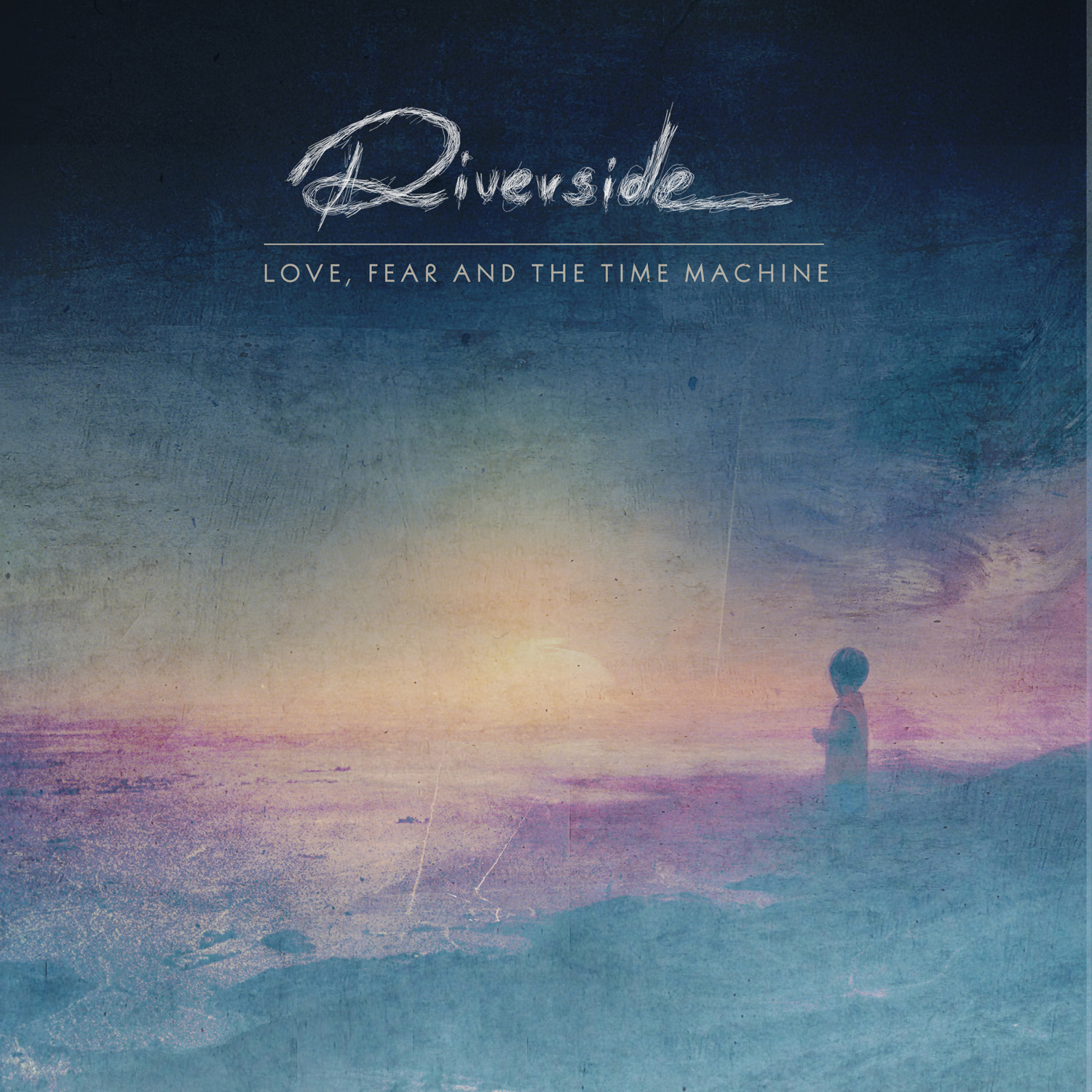
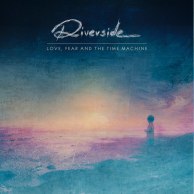
In a year of stellar releases, my hands down album of the year with a bullet is Riverside’s utterly brilliant Love, Fear, and The Time Machine. I simply cannot overstate how much I love this album, or how good it is. Riverside has tamed much of their heavy metal side, moving in more melodic direction – while still retaining the dynamism and overall sound Riverside-coverthat is unmistakably Riverside. While the album still has some of their trademark moodiness, the darkness has been replaced with a mature, tempered, and realistic optimism that grows throughout. This album was quite a leap for Riverside in terms of direction, and yet they pulled it off flawlessly.
Other Notables:

Most others have put Steven Wilson’s Hand Cannot Erase at the top of their album of the year charts. I can’t do that, and I’m probably not quite asSteven_Wilson_Hand_Cannot_Erase_cover

much of a Wilson fan as most of the hardcore proggers are today. That being said, this was a pretty good album for me, if a bit depressing in subject matter. But musically, Wilson and his band are firing on all cylinders. Home Invasion/Regret #9 stands out as my favorite track on the album, although you really have to listen to the whole thing to get the gist.

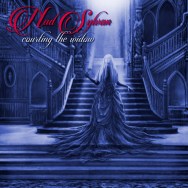
One of my new discoveries this year was Nad Sylvan, and his excellent solo album Courting the Widow. Sylvan’s album builds on the album_coverclassic/symphronic prog sound of an earlier era, and yet sounds fresh and modern. It works especially well since Sylvan’s natural singing voice seems to be a perfect mix of Peter Gabriel and Phil Collins, making it no mystery as to why Steve Hackett selected him as a touring vocalist. Standout tracks on this album include the title track, Echoes of Ekwabet, and the excellent epic, To Turn The Other Side.
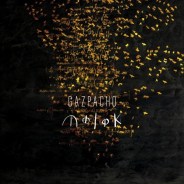
Gazpacho didn’t wait long after their release of Demon in 2014, coming back this year with an equally strange album Molok. Like its predecessor,
artworks-000129814894-5f07ie-t500x500

this album is very strange – but don’t mistake that for a lack of quality. All the Gazpacho trademarks are there, the meticulous subtlety, the unusual structures that take time to reveal themselves, and the thin veneer of simple riffs on top with a staggering complexity underneath. Conceptually, this album is not easy to explain, and it’s best to read the band’s explanation put up on their Facebook page. It’s hard to pick out a favorite track since the album has to be taken as a whole … although Molok Rising provides a strong and satisfying end to the album.

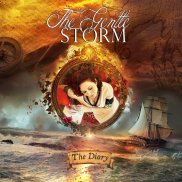
Everything Arjen Anthony Luccassen touches turns to awesome, and The Diary by his project with Anneke van Giersbergen, The Gentle Storm. This Gentle Stormwas really two albums in one, a heavy version (Storm) with all the songs “metaled up” by Arjen, and a lighter version (Gentle) which relied more heavily on acoustic instruments and folky sounds. Both are excellent and it’s tough to pick on. Shores of India seems to work best in the Gentle form, while The Storm, appropriately, seems to work best in the Storm version.
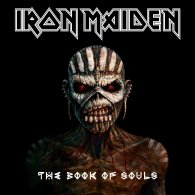
I’m going to go slightly off script here into the realms of heavy metal, because my list would not be complete without a mention of Iron Maiden’s stunning album, The Book of Souls. Why am I only slightly off script? book of soulsBecause this album is the proggiest thing Iron Maiden has ever done, even though it retains their previous heavy metal elements. While this album is excellent from start to finish, the boys of Maiden are at their strongest here when they are on their proggiest – the 10 minutes plus title, track, the 13 minutes plus The Red and the Black, and the closing, 18 minute epic, Empire of the Clouds. For the shorter, more familiar Maiden, Speed of Light is a particularly strong track. I’ve always defended the members and the music of Iron Maiden as being more intelligent and thoughtful than that of their heavy metal peers, and this album is the best evidence yet of that. This is truly a crowning achievement on an amazing career.
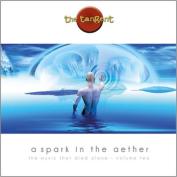
Moving back into prog-proper territory, Andy Tillison and his band The Tangent followed up 2013’s outstanding Le Sacre Du Travail with an equallytangent1 excellent release, A Spark in the Aether. One of the things that really comes through on this album (and makes it so excellent) is that is sounds like Tillison was having tongs of fun in making it. The joy really shines through on one of my favorite tracks, Codpieces and Capes, a celebration of prog’s glorious past. Even better is The Celluloid Road, Andy’s insightful look at America through the lens provided in film, i.e. movies that is. It’s the highlight of an album full of highlights. Oh, and speaking of America …
Three Cheers for the Red, White and Blue:

This year was an exceptional year for prog from this side of the Atlantic, Echolyn Coverbetter than I can remember in some time. For one, Echolyn returned with I Heard You Listening, which more or less picks up where they left off in 2012. There were no bad tracks on the album, but Messenger of All’s Right, Different Days, and All This Time We’re Given were especially strong.
District 97 returned with their eclectic and somewhat heavy brand of prog, bringing us In Vaults. The early part of this release starts out sounding similar to their previous release, Trouble With Machines, but gradually District-97-In-Vaults-e1433201699982evolves into new territory. I absolutely love the leadoff track, Snow Country, and am also partial to A Lottery and On Paper. The playing is top notch throughout. But what I like best about this album is the outstanding vocal performance of Leslie Hunt, who continues to make a strong case for the title of First Lady of Prog. Whether it’s her breathy jazz phrasing, her power vocals, or something in between, she hits it perfect every time.
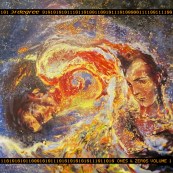
Our favorite boys from Joisey, 3rd Degree, came out Ones and Zeros: Vol. 1. 3rdegreeI’m hoping that the Vol. 1 part of the title is an implicit stating that there will be a Vol. 2, because I definitely want more of this. A concept album that explores our relationship to technology (the digital world in particular), the lyrics are both clever and insightful. This one will be interesting to come back to five or ten years hence to examine the lyrics/concept in the context of how times will change.
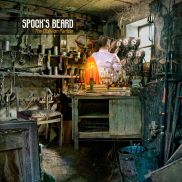
The Ted Leonard era of Spock’s Beard continued apace with The Oblivion Spocksbeard_theoblivionparticle_coverParticle. I won’t mince words here – I think Leonard is the best vocalist Spock’s Beard has ever had, and I love where they are going with him at the mike. Bennett Built a Time Machine is an excellent track, and I love Minion as well (would have liked the move Minions to have worked a little prog into their soundtrack with this one …). They musicianship is as stellar as ever, and combined with Leonard’s voice, the Beard sounds as good as ever to these ears.
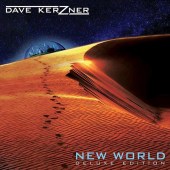
One final entry here is Dave Kerzner’s New World. Now technically, this david-kerzner-new-world-deluxealbum was initially released in 2014, but after many had already compiled their year-end best-of lists. It didn’t seem fair to me that such a fine album wouldn’t make the cut simply because of the timing of its release. So I’m going to include it here as a 2015 release and put it on my list – and on the merits it most definitely belongs.
And no, I haven’t forgot about Glass Hammer’s highly acclaimed Breaking of the World. But I must confess I haven’t gotten around to listening to this one yet. So much prog, so little time.

So another great year is almost in the books. What will 2016 bring? Well, if current trends continue, it’s going to be a pretty good year. For one, we will probably get the DVD of The Theater Equation, and I’m very much looking forward to that. Let’s just hope things stay where they’re at – on a roll.
2015: It Was The Best Of Prog…..

2015 continued the trend of the past few years of providing tremendous offerings for lovers of prog.

For starters, Best Reissue:

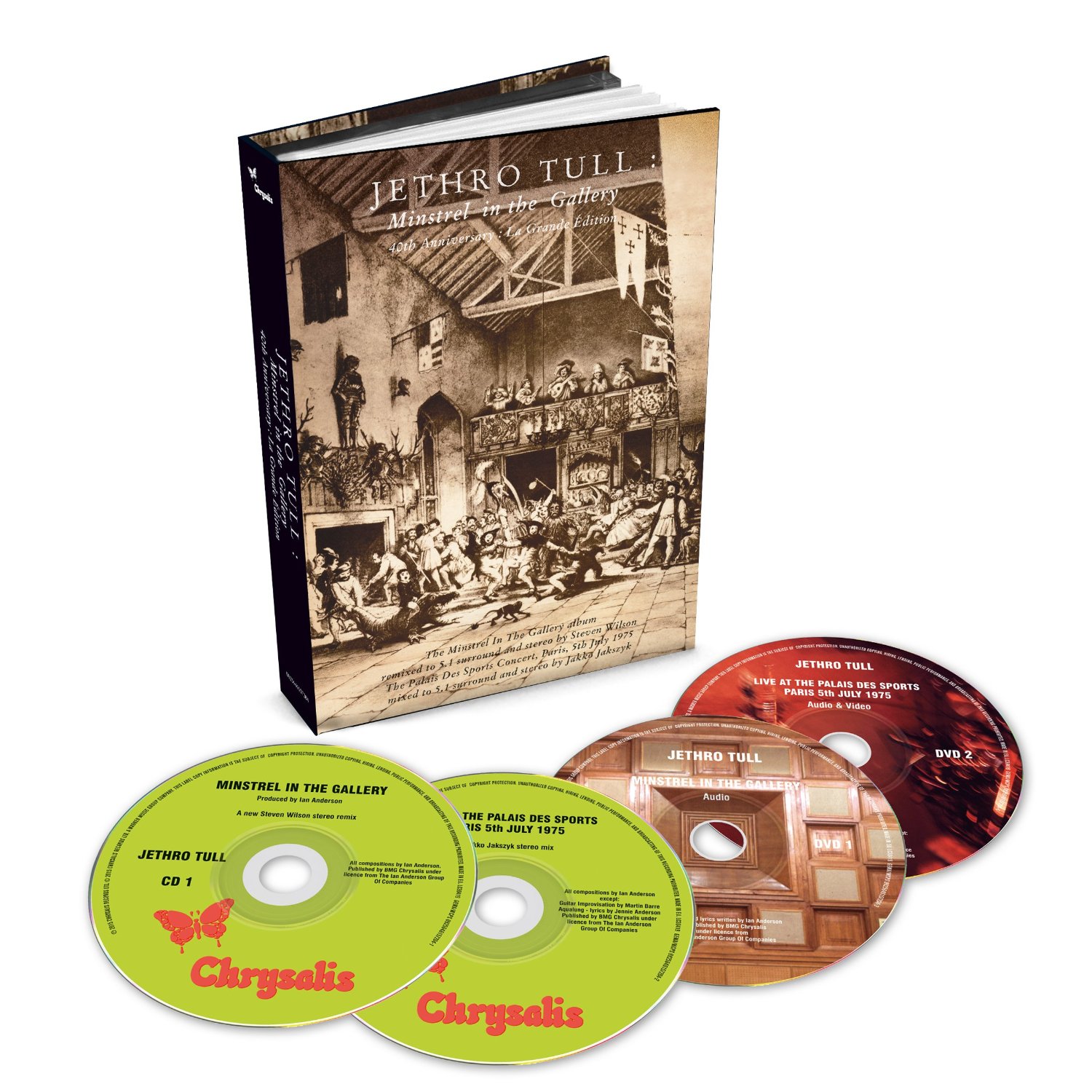
Minstrel in GalleryThe number of exciting and revelatory reissues of prog classics is growing at an exponential rate. The best one of 2015 is La Grande Edition of Jethro Tull’s Minstrel In The Gallery. Ian Anderson was at his peak, songwriting-wise, at this point in his career, and this lavish set (including a new 5.1 surround mix) does one of the band’s best albums true justice.


And now for some new music:

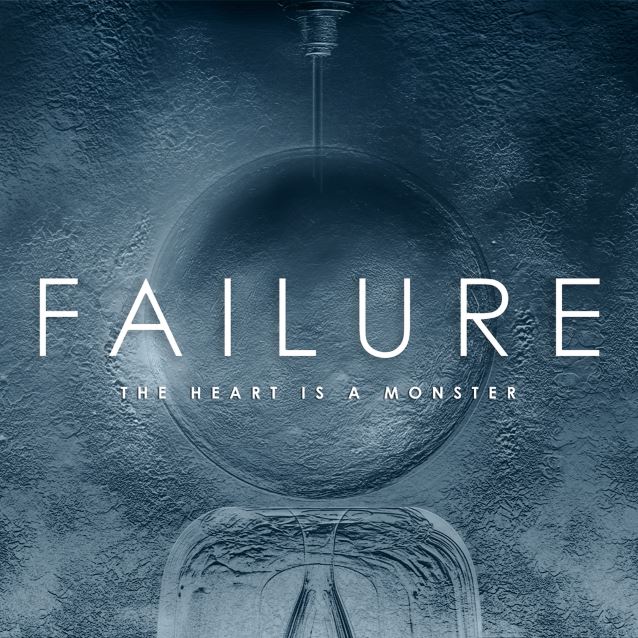
Heart Is A Monster8. Failure: The Heart Is A Monster

A great Seattle band of the ‘90s that never received the acclaim it was due. They have reunited 20 years later. They are all older and much wiser, and it shows in their music. It’s still tough, melodic, and full of energy, while exhibiting a confidence and ease that is very gratifying.


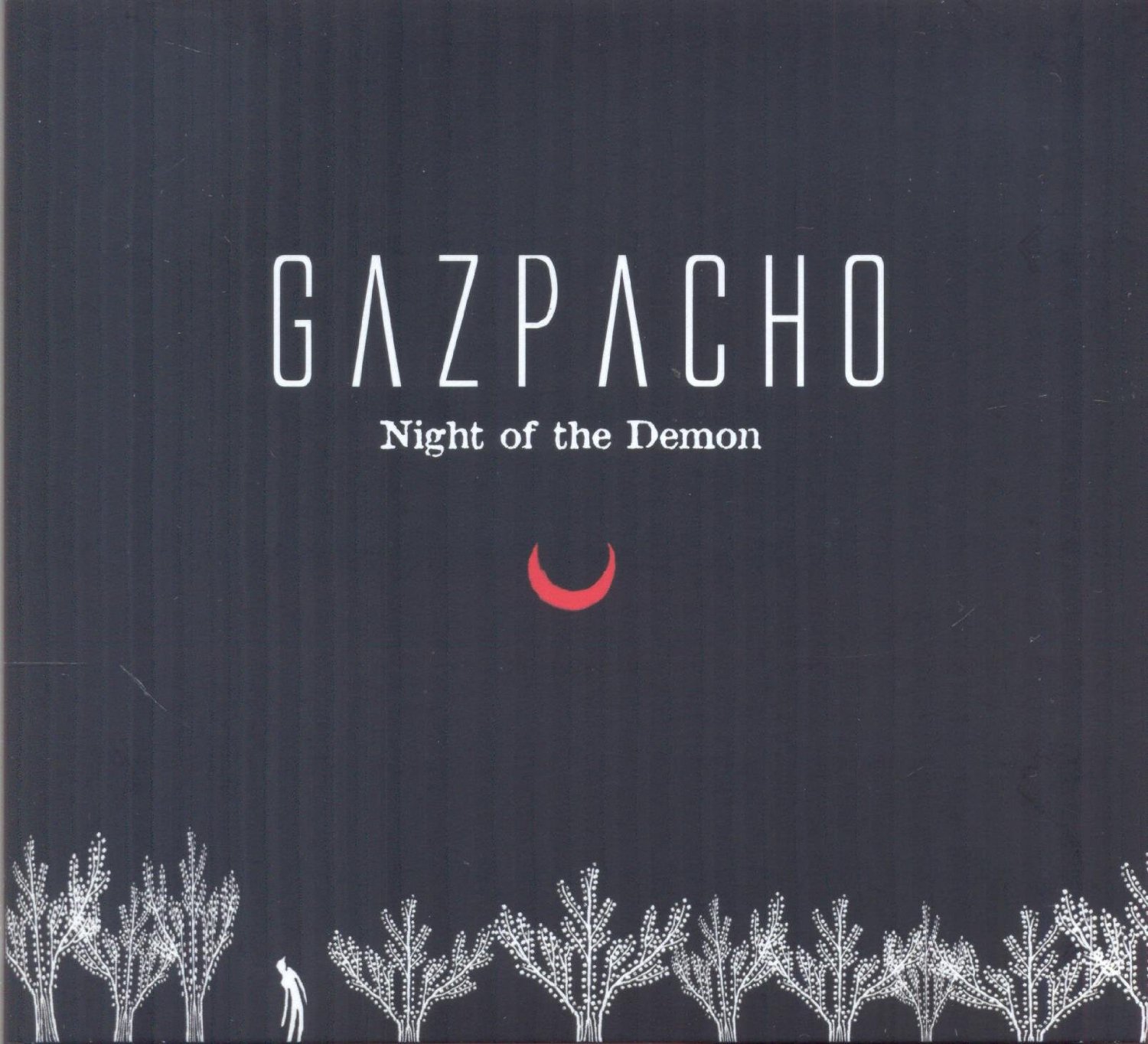
Night of Demon7.Gazpacho: Night Of The Demon

A very nice live set that provides a good sample of Gazpacho’s output. The band is incredibly tight while performing some demanding pieces. This is an excellent introduction to a band whose music is often enigmatic.


deluxen6. Dave Kerzner: New World

Technically, this is a 2014 release, but the expanded double album came out this year, so I’m including it in this list. Strong Pink Floyd/Genesis influences which Kerzner uses to springboard into new territory. This is a concept album with an intriguing storyline – a stranded astronaut has to make it back to civilization on a planet. This is the most “classically prog” rock I’ve heard in a long time, and it’s tremendously appealing.


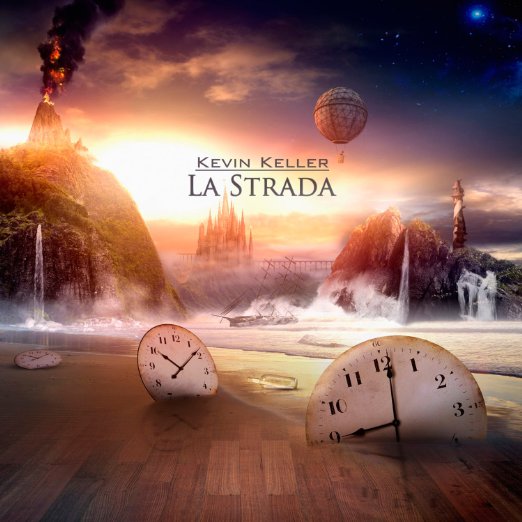
La Strada5. Kevin Keller: La Strada

Kevin Keller is a classical pianist and composer who loves Rush in general and Neil Peart in particular. His compositions are melodic yet challenging, and his production values are top-notch. His latest album is the perfect accompaniment to a relaxed Sunday afternoon.


Lonely Robot4. Lonely Robot: Please Come Home

Before 2015, I knew nothing of John Mitchell; this year I immersed myself in his work, listening to Frost*, It Bites, and above all his solo project Lonely Robot. This is prog with a pop orientation that never disappoints. He is an incredibly talented guitarist and vocalist, and I hope this is the first of many Lonely Robot albums.


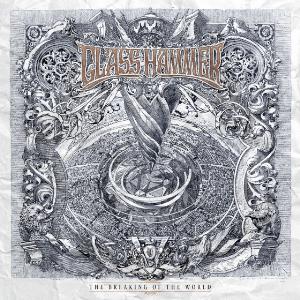
3. Glass Hammer: The Breaking Of The World

Wow. Ode To Echo was an amazing album, and “The Breaking Of The World” tops it. Carl Groves is the best vocalist they’ve ever had, and he’s no slouch in the lyrics department. His voice works perfectly with Susie Bogdanowicz, as you can experience on their other fine release of 2015, “Double Live”. On this album, the band is fire, powered by Steve Babb’s endlessly inventive bass and Fred Schendel’s keyboards.

Neal Morse Grand Experiment2. Neal Morse Band: The Grand Experiment

Neal Morse continues his streak as one of the most prolific artists in prog, and this time he offers up a true group effort, with all the band members sharing songwriting credit. “New Jerusalem” may be the best short-form song he’s ever been involved in, while “Alive Again” ranks up there with his finest epics. The band tore down the house when they performed these songs live; here’s hoping this is more than a one-time experiment.

Riverside Love, Fear, etc.1.Riverside: Love, Fear, and the Time Machine

For their sixth full-length album, Riverside has tightened up their sound to deliver their best set of songs ever. Mariusz Duda marries the ambience of his Lunatic Soul project to a definite ‘80s sound – Discard Your Fear would be right at home on a Tears For Fears album, while Duda’s bass work has Peter Hook’s influence all over it – and the result is the most beautiful album I’ve heard in years. I listen to it two or three times in a row, I put it aside for a while, and I bring it back out. I have yet to tire of it. Be sure to read Erik Heter’s excellent and illuminating interview of Duda.

Our 2001st Post: Celebrating the Book of Riverside and Mariusz Duda

Riverside's latest album, LOVE, FEAR, AND THE TIME MACHINE (InsideOut, 2015).
Riverside’s latest album, LOVE, FEAR, AND THE TIME MACHINE (InsideOut, 2015).

Erik Heter’s grand interview with Mariusz Duda this past summer, The Duda Abides, reawakened (or least reminded me of) much of my love of Riverside.  And, that love is and never has been a shy love.  I first heard Riverside sometime between 2005’s SECOND LIFE SYNDROME and 2007’s RAPID EYE MOVEMENT.  I was immediately riveted by their music.  Not only do I love the Polish people and culture, I love prog and rock—so what a perfect mix of things.

Frankly, if you measure Poland’s prog and art rock output through Riverside and Newspaperflyhunting, it’s hard not to think of Poland as one of the most important countries in the world when it comes to producing modern music.

Continue reading “Our 2001st Post: Celebrating the Book of Riverside and Mariusz Duda”

A Chat with Mariusz Duda of Riverside

I recently got to chat with my musical hero, Mariusz Duda.

http://theprogmind.com/2015/08/21/a-chat-with-mariusz-duda-of-riverside/

The Duda Abides: Progarchy’s Interview with Riverside’s Mariusz Duda

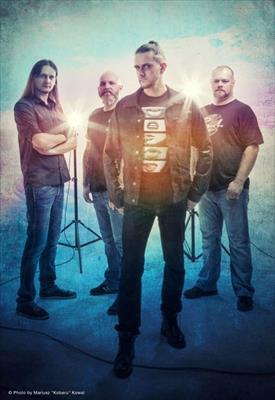
Riverside LTFM Band PhotoRecently, I had the good fortune to be able to talk to Riverside’s bass player, lead vocalist, and creative genius extraordinaire, Mariusz Duda. Despite nursing a summer cold, Mr. Duda was quite pleasant and offered some fascinating insights into Riverside’s most recent album (Love, Fear and The Time Machine), connections among albums, and a host of other topics. At the end, I tried to entice him and his Riverside band mates, with food, to play a local gig. Hope it works. Cross your fingers for me.

—————————————————————

Progarchy: First of all, thank you for taking the time for this interview. We really appreciate it. Second, congratulations on the new album. I’ve heard it a few times now and it is absolutely spectacular. Love, Fear, and the Time Machine has dispensed with the heavy metal elements and many of the hard rock elements of previous Riverside albums for a more melodic approach. What is the impetus behind the change in sound?

Mariusz Duda: Well I think that Riverside is that kind of band that [uses] melodies and emotions. We started with that kind of album, our career. Our debut album is full of emotions, full of melodies. Later I started to experiment a little bit. But I think since the previous album I went back to the main core that we have. I don’t want to repeat myself and repeat all the things that I have heard before. The thing I can do best is when I focus on the melodies and I focus the things that I am good at. So I just said to the guys that it’s time to reach into this melody mood, because this is the main idea behind Riverside’s music. Of course I would like to go even farther and focus on the melodies even more. But first of all, I wanted to change a little bit, the music, I wanted to change the mood. And I didn’t want to repeat myself. I didn’t want this time to delve into this vintage 70’s whatever. I wanted to push the boundaries and end up in a different place. I communicated this 80’s – I called it 80’s – I think that is the new path, the kind of era, in our music on the new album.

Progarchy: Yes, the third song, #Addicted took me back to my 20’s, as it had a lot of that 80’s sound.

Mariusz Duda: You know, those are my times. I’m not the generation of the 70’s, I’m 10 years later if I can say that. I grew up on tapes, I grew up in the time of the 80’s when on the radio I could hear songs. What I think is that in the 80’s we got really good songs on the radio. Now everything is, very shallow, flat, it sounds like a product made very quickly on an iPhone or iPad. In the 80’s you got really good songs that have lots of layers beneath the surface. Examples like Peter Gabriel’s stuff, or U2, or whatever. I really love that. I remember when I was 10, when I was 15, that was my era, and that’s the time machine, some memories connected with the new album. I really wanted to go back to this era. So I thought that would be great, to not maybe delve into 80’s, but to connect 70’s and 80’s with our style and come up with some kind of strange mixture. It’s not very progressive to be in the 80’s, but that’s the paradox because this [album] sounds much more progressive than other retro-vintage sounds.

Progarchy: Can you explain how each term in the album, “Love”, “Fear”, and the “Time Machine” relate to the overall concept of the new album?

Mariusz Duda: Actually, this is not an album about those terms themselves. The album is about making the important, life-changing decisions. I think in your lifetime there is a moment when you need to decide if you want to change your life or not. That kind of situation is usually when you have a midlife crisis, or you have some time where you are sick and tired of some patterns and you want to change something, what do you do? Let’s say you decide to change your life, some kind of twist, 180 degrees. Let’s say you decided to change your job, or you life, or move to another country, what’s going on then? Life changing decisions, something important, something that will have an impact on your future. From one side you feel this excitement, this freedom, maybe you said to your boss, “goodbye, I don’t like you, I’m going to start another life.” So you’ve got this good, positive feeling, and I called it “Love.”

On the other hand, there is this fear of the unknown, you didn’t know what to expect of this new life. You don’t know exactly. And there is other stuff, your experiences of the past and your imagination about the future, and I called it the “Time Machine.”

All these three elements are the most important forces that force you to make this very important, life changing decision. So that’s why it’s titled, those are the most important things when you want to change something in your life. You need to touch of love, touch of fear, and touch of your experiences from the past, your memories.

Progarchy: So what prompted you explore this theme?

Press_Cover_01 Mariusz Duda: Well, actually, there is some kind of personal background. And I think it is always connected with developing, evolving. We wanted to change something with our music too. I just felt it was kind of interesting. I wanted to do something a little bit optimistic than I do usually, a little bit more brighter, lighter. Last year, I did the solo project which is called Lunatic Soul, and it was very dark, it was about suicide. It was like a prequel about someone who died. And I just discovered, “my God, I’m delving into this darkness for so many years, maybe it’s time to do something a little bit more, you know, the light at the end of the tunnel.” So that was my first idea, to focus on the positive emotion. And focusing on the positive emotions was kind of connected with this transition into someone who is sad and was full of misery and he’s just trying to himself into someone who is more, in a better mood if I can say that. Someone who is more happy, to be happy, to feel happy. So, that was some kind of challenge to me, to go back maybe to go back to some kind of tunes that are not so dark. And I think the new album is also different.

Progarchy: Is there a connection with the last Riverside albums, since in the very last song on SoNGS, the protagonist seems to be saying “I’m going to take control of my life.” Even though that album had a pessimistic or dark tone, that piece seemed to be a little bit of optimism, he was saying “I’m not going to be a new generation slave, I’m going to be in control.” So could you say that relates to the new album, or there is a connection there?

Mariusz Duda: Well I have to tell you the last three Riverside albums are kind of connected again. I wouldn’t call it an official trilogy like the Reality Dream trilogy. I call it an unofficial new trilogy, I call it the Crowd trilogy, because all the lyrics on these albums are connected with social media, with the new modern life, those kind of elements that surround us these days. On ADHD and SoNGS, and the new album we’ve got this new modern language. I just wanted to take some features of our times, and that why we have #Addicted, that’s why we’ve got Celebrity Touch, and Under the Pillow, and ADHD we have this regular disc which is [a] Blu-Ray disc which is high definition and everything. And I think everything goes in this direction. Since the beginning of Hyperactive on ADHD until the final track on the new album, Found, I think there is this transition of the main hero who is just trying to finally feel positive. Maybe that’s not very original. But he is just in the moment when he realizes life doesn’t suck (laughs). You can deal with your life. And that is the whole truth, and it’s kind of obvious, but take a look at us and notice that so many people realize it maybe too late or when they have aged more than they would have liked to. That’s the way it is, you need to grow up and realize that, and you need to have your own experiences and to finally say “I like my life, I love my life even.”

So I think there is some kind of connection, maybe not strictly like on the Reality Dream trilogy. But I always try to create albums as movies. Yeah, Coda on the last album, that’s kind of positive too I would say, so that was like the pre-life of the life we have on the new album.

Progarchy: In general, where do you find sources of inspiration to use for a Riverside album?

Mariusz Duda: I don’t like to work an album like it’s some kind of job. I just feel that there are lots of things within my head. It’s kind of messy and kind of buzzy, and I know that I need to spit it out from time to time. It depends on how I feel and has different colors. It’s more introverted or more extroverted stuff. It doesn’t matter if it’s Lunatic Soul or Riverside or not, everything must be connected to or inspired by my personal stuff. I don’t need to be influenced by bands I am listening to now or read lots of dark books and decide “because of this, I will create that kind of mood on the albums.” Right now, since SoNGS, the last Lunatic Soul, this album, that was kind of personal. When I decided to do something about “slaves” let’s say, and I wanted to have this dark mood, then I started to connect the inspirations. Mostly I start with my personal experience, my personal needs of dealing with this subject that is just stuck in my head. I am usually trying to spit out what I have in my soul, in my heart, I don’t know, somewhere.

Progarchy: Do you think you are going to do another Lunatic Soul album before the next Riverside Album?

Mariusz Duda: I don’t know yet. If I catch a good flow with the guys we will continue this somehow. But I definitely have unfinished history with Lunatic Soul. I would like to do at least two more albums, including another prequel, because in my head I’m digging … I just see six covers and six symbols, different symbols of these albums. I will definitely need to go back to this. But I’m not sure if it will be Lunatic Soul first or another Riverside album, I have no idea. Maybe it will be something totally different to destroy this pattern somehow. I need to refresh myself from time to time too.

Progarchy: Do you ever have any internal conflict regarding an internal idea as to whether you should pursue it with Riverside or with Lunatic Soul?

Mariusz Duda: I’m one of these guys that can say “goodbye” to even the best ideas I have in my mind. Sometimes I really reject lots of good ideas for a more general cause, if you can say that. Because of this there is usually not a conflict like “ok, I don’t know if I should do this for Riverside or Lunatic Soul.” When I work on an album, I work on this album right now. So when I work on Lunatic Soul, this is this, I create this, I create that, but at times I see that this may be good for Riverside so maybe I’ll leave it, but it’s just an idea, not an entire song. I always know if it’s more for Riverside or Lunatic Soul or another future project. Riverside and Lunatic Soul are different musical worlds. Even if they sometimes sound similar in the studio, I can change instruments and change the whole mood.

But I have to tell you one thing – the track called Afloat, that was my idea that I wanted to use on the last Lunatic Soul, but it just didn’t fit, so I left it. When I started to compose the new Riverside with the guys and myself, I realized this idea could be very nice, I can use this somewhere in the middle of the album to take some rest. But actually it was something I [originally] wanted to use on Walking on a Flashlight Beam.

Progarchy: That’s an interesting bit of perspective. How would you describe the creative process in making a Riverside album, who does what?

Mariusz Duda: Well, I would say that I do just about everything (laughing). In the beginning we were trying to do lots of things together but I was this guy who was this director, editor, screenwriter, whatever. So I’m writing lyrics, I’m writing lyrics.

But to let you know one thing, when I do stuff with Riverside, I always try to use our band. I’m bringing my ideas and we are composing this together, and I am watching for reactions from the guys for these ideas. Thanks to this I know what I can follow, I can go in this direction and that direction. I need that. And sometimes there is interaction in bands, and thanks to this I can know where we should go with the music. This time I did kind of a personal thing and did a lot of things by myself, but also together with the guys. They were doing some composing.

Riverside should be a band anyway, but as the leader, the main composer and writer of lyrics, I don’t want to transform this into a one person band. No, each of us has a different musical style, a different way of playing, and that’s very necessary. Because of someone’s skills, you know what you can do and you know the limits, and that can help to find the final result.

Progarchy: And you know what the guys like to do, what their influences are and that affects the direction?

Mariusz Duda: Just imagine if you have musicians, you pay the musicians, and they can play everything, exactly everything you want them to. That’s kind of dangerous because the music could be everything and nothing at the same time. When there’s a band, and there’s guys where you know each other, you know what they like, what kind of music style, and you can write the music and you know the areas you can be in. Thanks to this you can develop the band’s style.

Progarchy: Poland is obviously a very different place now than it was at the time you and your bandmates were still growing up, having gone through a political upheaval and massive change at the end of the Cold War. It’s quite different from when you were different from when you were a kid in the 80’s right?

Mariusz Duda: I’m not from Warsaw, I grew up in a very small town in the north of Poland. It was almost a village, 18,000 people lived there. I moved to Warsaw at the new millennium when I was 25. But I remember as a kid, I did not have almost anything. We were really not rich as a family. My mother and my father, they would try to save money. I knew that we were limited, and this what I see in Time Travelers [from LTFM], that go back to the world of 30 years ago. I don’t want to go back to a times when there was nothing in shops.

I remember one thing when I was 10 I needed to wait for something, I need to respect things more, I need to deserve something. I was truly waiting for the small things, and I was really happy when I got it. Now these days you can have access to everything on each possible platform and everything at every moment in time. It’s just sometimes it’s ridiculous. People don’t know what to do with that, and they don’t feel happy these days. Where is their reason to be happy? You don’t have to wait for anything. I remember when I was a kid I was waiting for better times. I remember hen my friend got a computer, a Commodore Amiga or Atari or whatever, and I had nothing. Probably because of this, 30 years later I am a huge game lover and have this PS/4 and I can just woo woo!! And I don’t want to grow up!

I have that kind of job where I don’t have to work in the office, I can from time to time, of course, work hard in the studio. But mostly I can watch movies, play video games, and feel free!

Progarchy: My last question, but a very important one. I live in Austin, TX. Whose arm do I have to twist to get you guys to do a gig down here?

Mariusz Duda: Our manager, we’ll send you his personal contact (laughs). That would be great. This year will be our second tour in the U.S. So far we have only played single shows. Two years ago since Shrine we started to tour in America and played more shows and hopefully this year we will come back. One thing has changed in Poland, something connecting American visa. Now we have less problems with that. In the beginning we couldn’t even play [here] in 2005, but now I have 6 or 7 visas, working visas. Hopefully there will be a time when we play in your neighborhood. Mention this interview. I truly hope that will happen.

Progarchy: Ok, if that happens I’m going to contact your manager and take you guys out for barbecue after the show.

Mariusz Duda: Oh definitely. I don’t think of anything else right now! (laughs heartily).

Progarchy: Thank you very much for your time.

————————————————————

Some parting thoughts, in bullet point format:

  • What a cool guy, this Mariusz Duda. He answered my questions better than I could have possibly hoped. In general, I found him to be very easy to talk to and a very interesting conversationalist.
  • I loved the insights into the new album that he provided. In particular, I enjoyed hearing how there is a connection between the current album and the previous two, with the hero, as he called him, finally decides to take control of his life and realize he’s in control. In a sense, it reminds me of what Albert Camus once stated: “The only way to deal with an unfree world is to become so absolutely free that your very existence is an act of rebellion.”
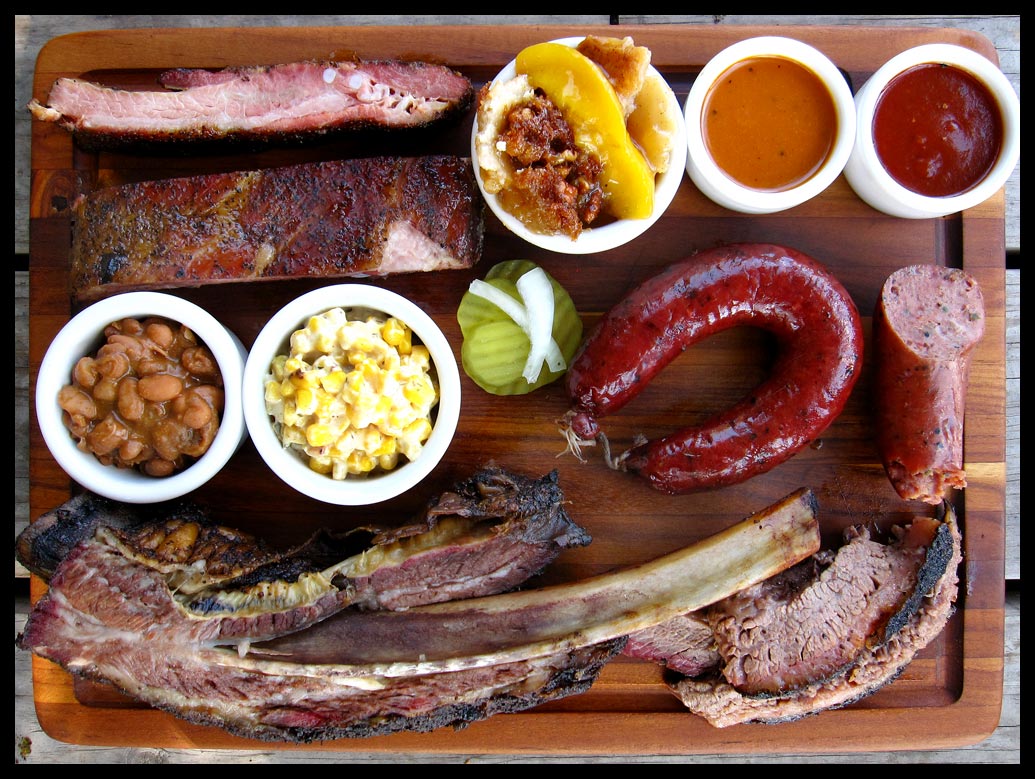
  • Mariusz and the rest of the guys, if you end up reading this piece, make sure to look at the picture below (ignore the hypnotic waves emanating there from … ):

TerryBlacksBBQ1w

That’s what’s in store for you if you play here. Oh, and don’t let those pikers in Kansas City tell you they have better barbecue. They don’t. Texas has the best. Period. And to your manager, if he makes a gig in Austin happen, I’ll buy his dinner too.  So, Mr. Riverside’s Manager, we have the Austin City Limits Music Festival in the fall, South By Southwest in the spring, and lots of great venues available year round.  Are you hungry?

😉

Riverside’s Beautiful Failure: An Editorial

I hope you’ve all had a chance to read Erik Heter’s excellent review of the new RIVERSIDE album.  From the listens I’ve had of it, LOVE, FEAR, AND THE TIME MACHINE lives up to everything any fan of the band would want and desire.

I agree with Erik’s assessment—as I almost always do!  I have to say, though, that I hope Riverside brings all of its music together.

Press_Cover_01

Let me try to explain.

One of the things I loved most about the first three albums of Riverside is how well they tied together.  By design, Riverside wrote and produced their first three albums to delve deeply into the soul and mind.  One is never sure if the protagonist of the three albums is insane or trapped in a purgatorial world.  Either way, the emotional flow is nothing short of astounding.  Everything works perfectly on these three albums, and each member of the band is truly a member of a friendship of artists, a meaningful part of a whole.

The live album, REALITY DREAM, is one of the finest concerts ever recorded.  Even the name of the show reveals how much mystery exists in the topic.  The words flow like poetry.

When ADHD came out, I fell in love with it immediately.  It has a much harder edge to it, of course.  In my mind, I saw a huge project.

  • Chapter 1: Out of Myself; Second Life Syndrome; and REM.
  • Interlude: Lunatic Soul I
  • Chapter 2: ADHD
  • Interlude: Lunatic Soul II

The problem, of course, is that the following Riverside releases, SHRINE and LFTM, don’t fit the plan! [Queue Geddy Lee’s voice]

Ok, so it’s my plan.  But, still. . . .

I think Riverside is one of the best of the best.   By simply writing great albums, though, they diminish the chances of achieving rock immortality.  They’ve traded the extraordinary for the good.  Let’s hope they come back to a grand plan and, thus, achieve something divine.

It’s not enough to pump out great albums.  A truly extraordinary band demands a vision of the whole, not merely particulars of the moment.

Books, Album Covers, and Riverside’s “Love, Fear, and The Time Machine”

It’s often said that one cannot judge a book by its cover. Of course, as someone once reminded me, short of reading the book, the cover is about all upon which it can be judged. An album is the same way – short of hearing it, the cover is one of the few things upon which you can form an opinion. If this seems a bit silly, please bear with me.

Press_Cover_01Of all the genres of music, progressive rock imparts an added importance in the cover art. If you don’t believe me, well go take a look at almost any Yes album cover. For that matter, take a look at the cover of ELP’s Brain Salad Surgery, King Crimson’s In The Court of The Crimson King, or Foxtrot by Genesis. For more recent prog, take a look at any Flower Kings cover, any album from The Tangent, or more generally just about any cover artwork by Ed Unitsky (who is rapidly becoming this generation’s Roger Dean). Of course, a bad cover doesn’t preclude an album from being good, nor does a good cover make up for lackluster music. Still, at least as often as not, in progressive rock the album cover and the music are reflections of one another.

On Riverside’s previous album, Shrine of New Generation Slaves, the music was very reflective of its cover – gray and harsh (do not mistake this for a critique, I very much liked it). Similarly, the cover of Riverside’s latest, Love, Fear and the Time Machine, also reflects the album’s music. The front artwork for Love, Fear and the Time Machine is bracketed with various shades of blue on top and bottom, gradually getting brighter as one progresses toward a band of bright color that cuts across the middle. The brightness is most intense toward the center. While not necessarily a chronological description of the album or any particular song, this is nevertheless a good description of the music as a whole.

Love, Fear and the Time Machine finds Riverside moving into what is for them musically uncharted territory. While parts of the music retain some of their trademark moodiness, if not darkness, there are also parts that convey a very comforting warmth – much like the center of the album cover. This album has a looser, more melodic feel than any previous Riverside release. Some of those who were attracted to Riverside for the metallic aspects of their sound might be disappointed that they seem to have dispensed with those here. Nevertheless, this album still rocks in many places, metal sounds or not. But most of all, it is stunningly good, quite possibly the best Riverside album yet.

Some songs draw on 80’s influences such as The Cure, others draw on 70’s prog influences. That is not to say that these songs are derivative, and in fact they are anything but.   Instead, they take those influences, mold it with their own style, and still manage to come up with something that is uniquely Riverside. And like the best progressive rock out there, this album has a sound that is very identifiable with its creators, and yet it sounds like nothing they have ever done before.

The album opens strongly with Lost, a song which encapsulates my previous comments regarding the cover and the music reflecting one another. Melancholy overtones are punctuated in the latter half of the song by some intensely emotional guitar work by Piotr Grudziński (IMO, one of the absolute best guitarists in the current prog wave). Under the Pillow seems like a three-way hybrid of 70’s and 80’s music combined with current prog.   On the other hand, Addicted has a very strong 80’s sound. Mariusz Duda mentioned The Cure as a musical influence for this album, and it certainly shows through here. Afloat exhibits the most intense and consistent sadness of any song on the album, conveying a sense of regret or remorse and reflecting the darkest blue one the cover. The influence from Duda’s more recent Lunatic Soul projects is strong on Afloat than anywhere else on the album. Meanwhile, Saturate Me is the proggiest track of the bunch, with simultaneous excellence on guitar, keyboards, bass, and drums. Without listing the others, there no bad tracks here, only good ones and great ones.

I have to apologize that his review is somewhat incomplete, as I do not have the lyrics in front of me, and probably will not until my CD copy of the album arrives in early September. Nevertheless, Duda has stated that Love, Fear and the Time Machine is about everything that pushes us to make the most important decisions in our life.” One gets that sense from the opening lyrics of Lost. Still, a full digesting of the lyrics will have to wait.

 In what is shaping up to be another incredible year of progressive rock music, Riverside has returned with one of the best, most emotional, and most satisfying releases of the year. Far from resting on the laurels of their previous accomplishments, Love, Fear, and the Time Machine shows a band evolving, stretching, and pushing their sound in new directions. Still, the basic essence of Riverside remains fully intact.   That is the mark of both a great progressive rock band and a great progressive rock album.

Now, about that Time Machine … do you mind if I borrow it so I can go forward the albuTime Machine Deloreanm’s September 4th release date so I can pick up my CD? I’ll bring it back. Pinky swear.

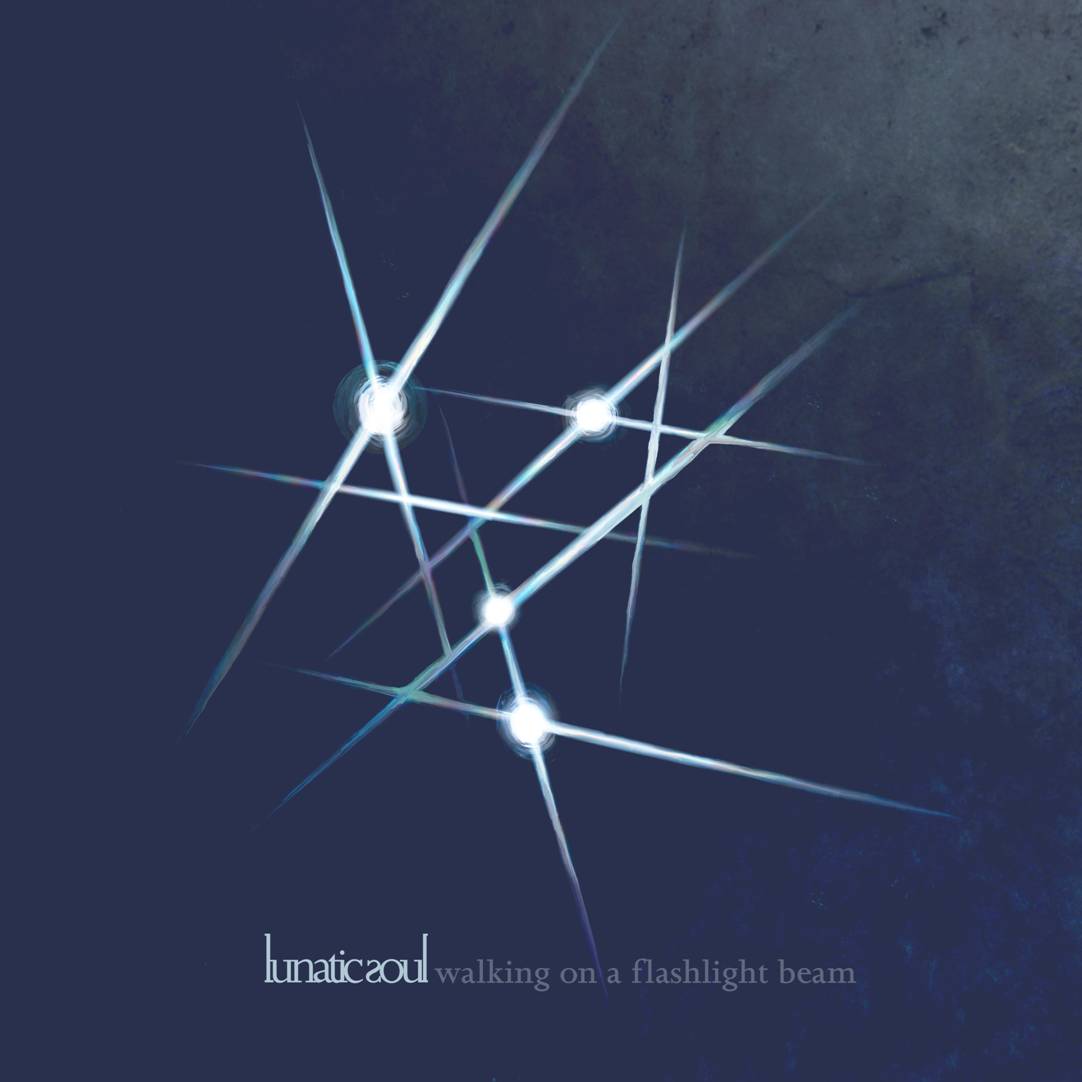
Review: Lunatic Soul, Walking on a Flashlight Beam

Review of Lunatic Soul, Walking on a Flashlight Beam (Kscope, 2014).

Birzer Rating: (6/10)

WOAFB-coverLet me begin by offering my Mariusz Dudas streetcred. I love Duda’s voice as well as his compositional skills. He possesses a profound sense of flow, allowing his music to move seamlessly from emotion to sentiment to feeling and back again. His voice is the kind that pulls one in, calling for full immersion. I’ve also always appreciated his lyricism, especially given that he’s not a native English speaker. He always seems to know the perfect lyric for the music and the perfect music for the lyric.

For a decade, I’ve been following his work. For a while, I thought I saw a continuity in all of his work: First Three Riverside Albums—Lunatic Soul—ADHD—Lunatic Soul.  Lunatic Soul, beautiful and gorgeous in its own way, seemed the perfect interlude to accompany the drama of Riverside. For better or worse, this scheme has broken down almost completely now, especially after Shrine (Riverside) and Impressions (Lunatic Soul).

For any of you who have heard Riverside or Lunatic Soul (and I assume it’s all of you), you know have very captivating the music is. Walking on a Flashlight Beam is a reviewer’s purgatory. It’s quite good and well worth owning—a must for any fan of Riverside and Lunatic Soul—but it doesn’t captivate in the way that the first two Lunatic Soul albums did or the first four Riverside albums. Duda’s lyrics are as good as always—despite the weird pedestrian title of the album—as is his sense of flow. But, the flaw in this album is that it attempts to make the Lunatic Soul sound fresh by adding in a bizarre mixture of sound effects, many of which sound like old, recycled Depeche Mode noises from the early 80s. It’s not as extreme as, say, U2’s Pop, but it is leaning in that direction. So, a conundrum—all the things that make a Duda album here are great, but the attempt to experiment and innovate sounds false and clunky. Admittedly, Walking on a Flashlight Beam is sounding much less clunky after several listens.

Just to experiment, however, I played the first Lunatic Soul album immediately after listening to the new one. The first made my soul soar. This one made it want to soar, but it merely hovered.

Madness Returns: More From Lunatic Soul

A new release from Lunatic Soul, the solo side-project of Riverside’s Mariusz Duda, is due on 13 October, according to Kscope.

Mariusz regards the 64-minute new album, entitled Walking On A Flashlight Beam, as “dark and intense”, “very melodious” and “one of the best things I’ve ever written” – all of which has my prog salivary glands working overtime.

Here’s a very brief taste of what’s to come…