My Proggy Vacation

How does a two-week vacation circling the Great Lakes wind up being this . . . proggy?

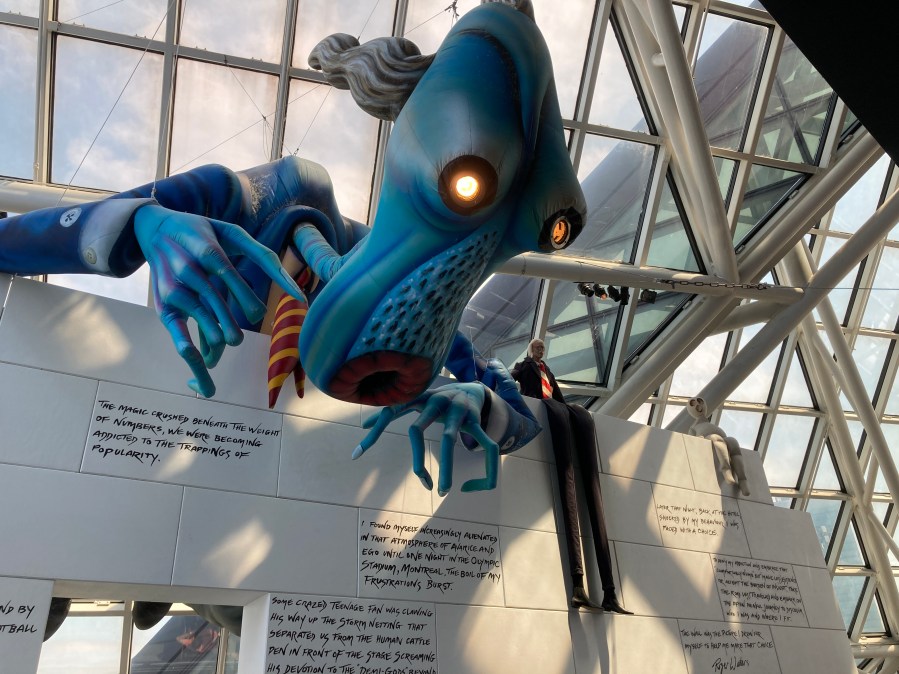
Well, starting out with a few days in Cleveland made a visit to The Rock and Roll Hall of Fame inevitable; it’s been almost thirty years since I set foot in its controversial precincts. (In fact, I’d argue that any hall of fame, no matter its subject, is about controversy — who’s in, who’s not, who should and shouldn’t be there. On such foundations are sports talk radio and the seething hatred of prog fans for Rolling Stone magazine built.) Has the R&RHoF improved in welcoming progressive rock since its fledgling days in 1997, when gigantic props from Roger Waters’ version of The Wall glowering from the top of its atrium (see above) were about the only evidence prog was even on its radar?

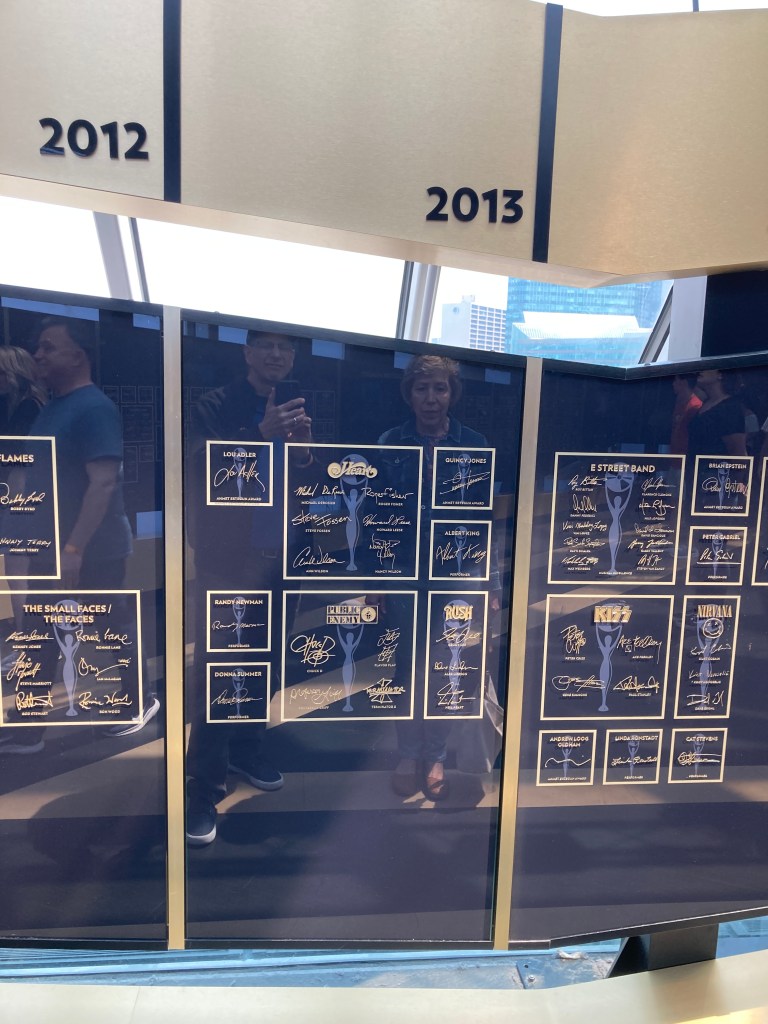
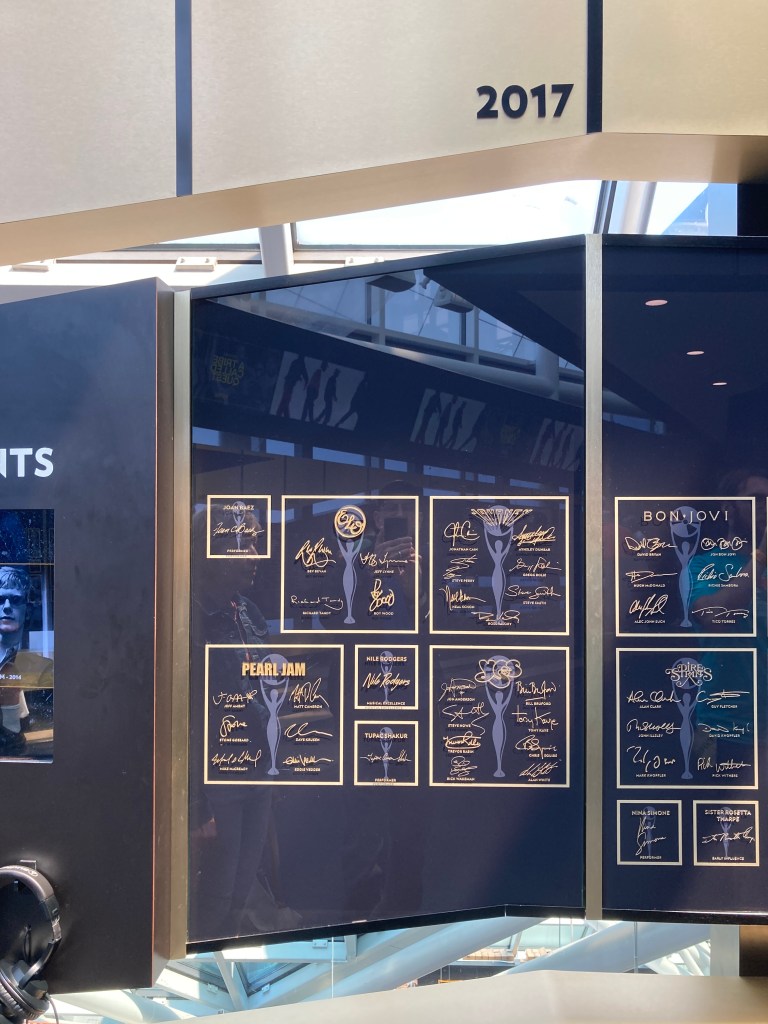
Honestly, omissions are still painfully plentiful; the otherwise comprehensive rock history displays on the first two floors blank out prog entirely, hopping from psychedelia and singer-songwriters to punk with only the barest nod to heavy metal. On the other hand, there has been movement in the last 30 years, with three of Britprog’s Big Six — Pink Floyd (1996), Genesis (2010) and Yes (2017) — plus Rush (2013) inducted into the Hall proper, currently housed on the third floor.
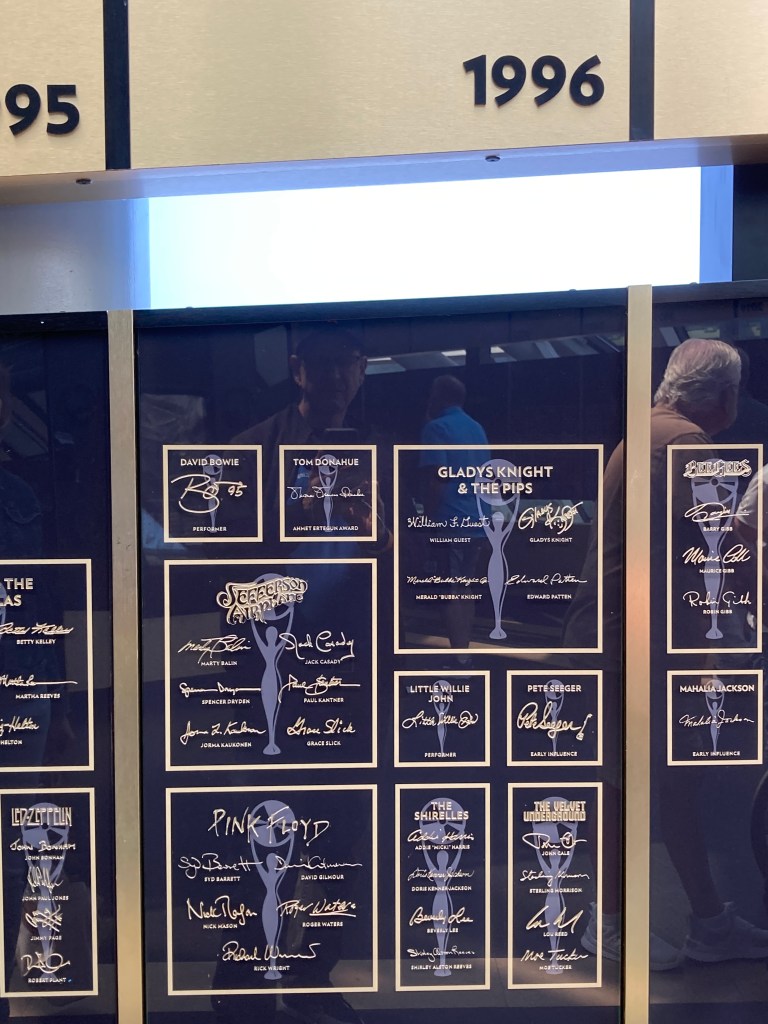
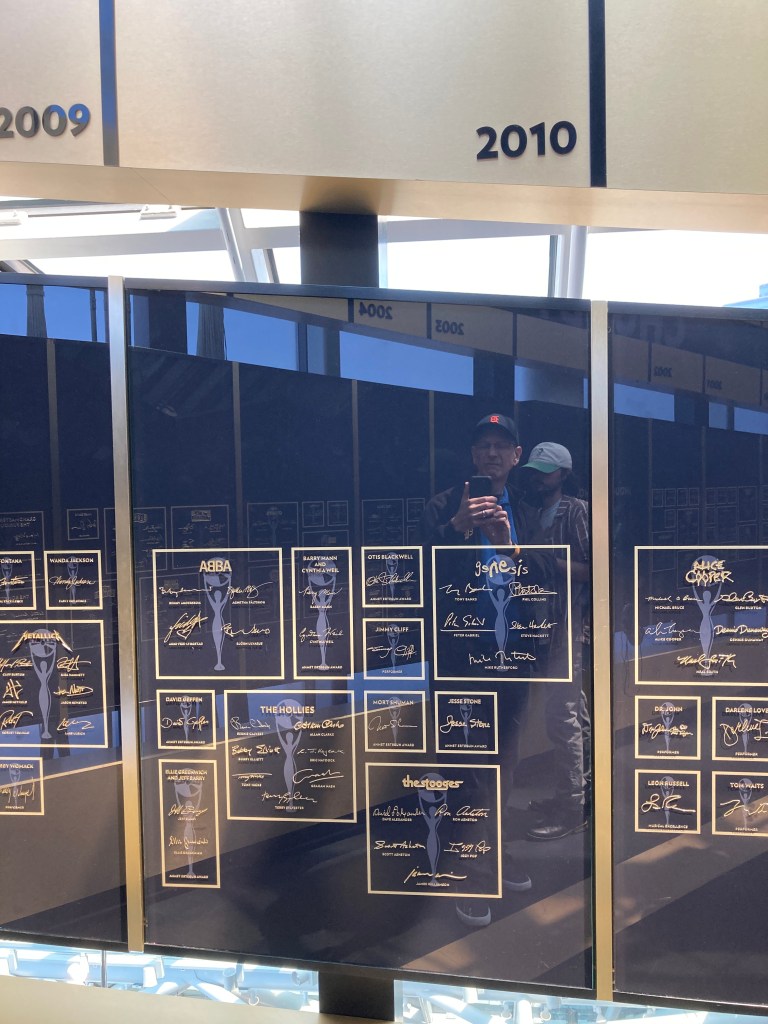
(By the way, you can watch highlights from any artist’s HoF induction on video displays stationed in the Hall. Of course I dialed up that marvelously manic night when Rush was honored — the highlight reel included a full minute of Alex Lifeson’s inspired “Blah blah blah” speech.)

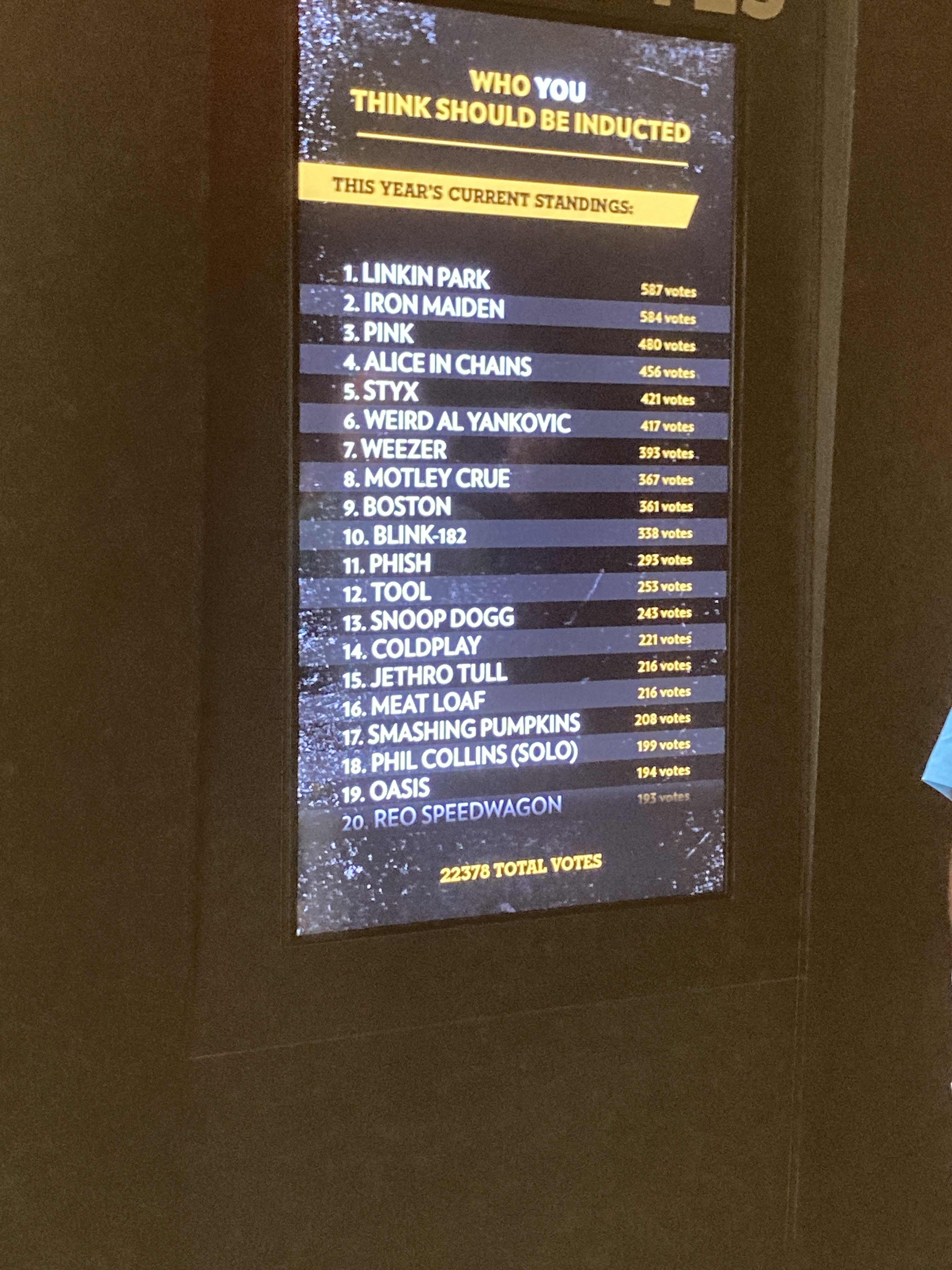
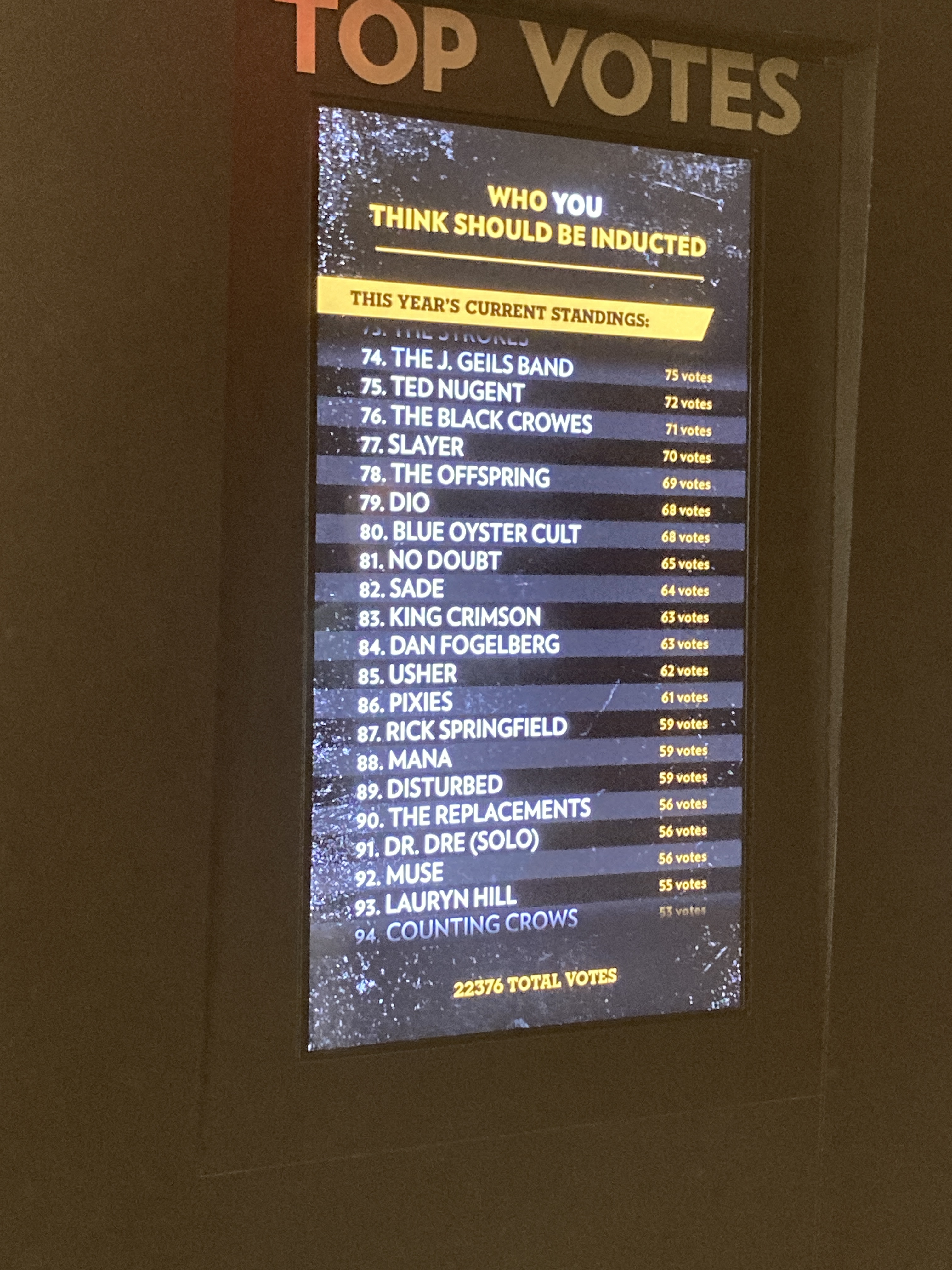
And, doubtless more to harvest email addresses than anything else, you can also vote on who you think should be in the Hall on adjacent video screens. Having done my civic duty by casting a vote for King Crimson, it was heartening to see them at #83 in the Top 100 of this year’s fan poll, though in a lower position than Styx (#5, just in front of Weird Al Yankovic), Tool (#12), Jethro Tull (#15), and Kansas (#35, not pictured). (And sad to say, Emerson Lake & Palmer were nowhere in sight.)
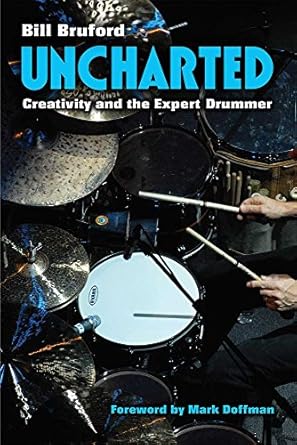
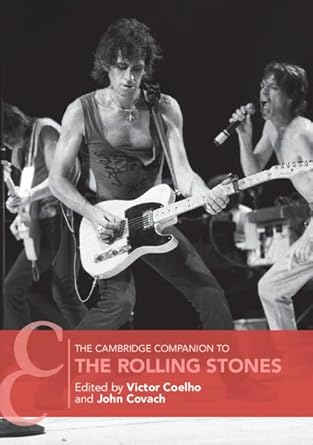
Then it was on to upstate New York, where I spent a delightful hour over coffee with noted music theory scholar and killer guitarist (and acquaintance from my grad school days) John Covach. One of the vanguard academics who pioneered rigorous analytical study of rock in general and prog in particular, John overflowed with good vibes as he waxed eloquent on the delights and challenges of shepherding books like Understanding Rock, What’s That Sound? and The Cambridge Companion to the Rolling Stones through the university press publication process; setting up a lecture tour of U.S. music schools for legendary drummer Bill Bruford (fresh from gaining his own Ph.D at the time); and getting gigs in a Yes tribute band when the post-Anderson version of the group still toured North America every summer! It was a blast to reconnect with John, who in addition to teaching and researching at the Eastman School of Music, is hard at work editing The Cambridge Companion to Progressive Rock (still in pre-publication, hopefully to be officially announced in 2026).
From there, it was a short border hop to an overnight stay in St. Catherine’s, Ontario — in a subdivision:

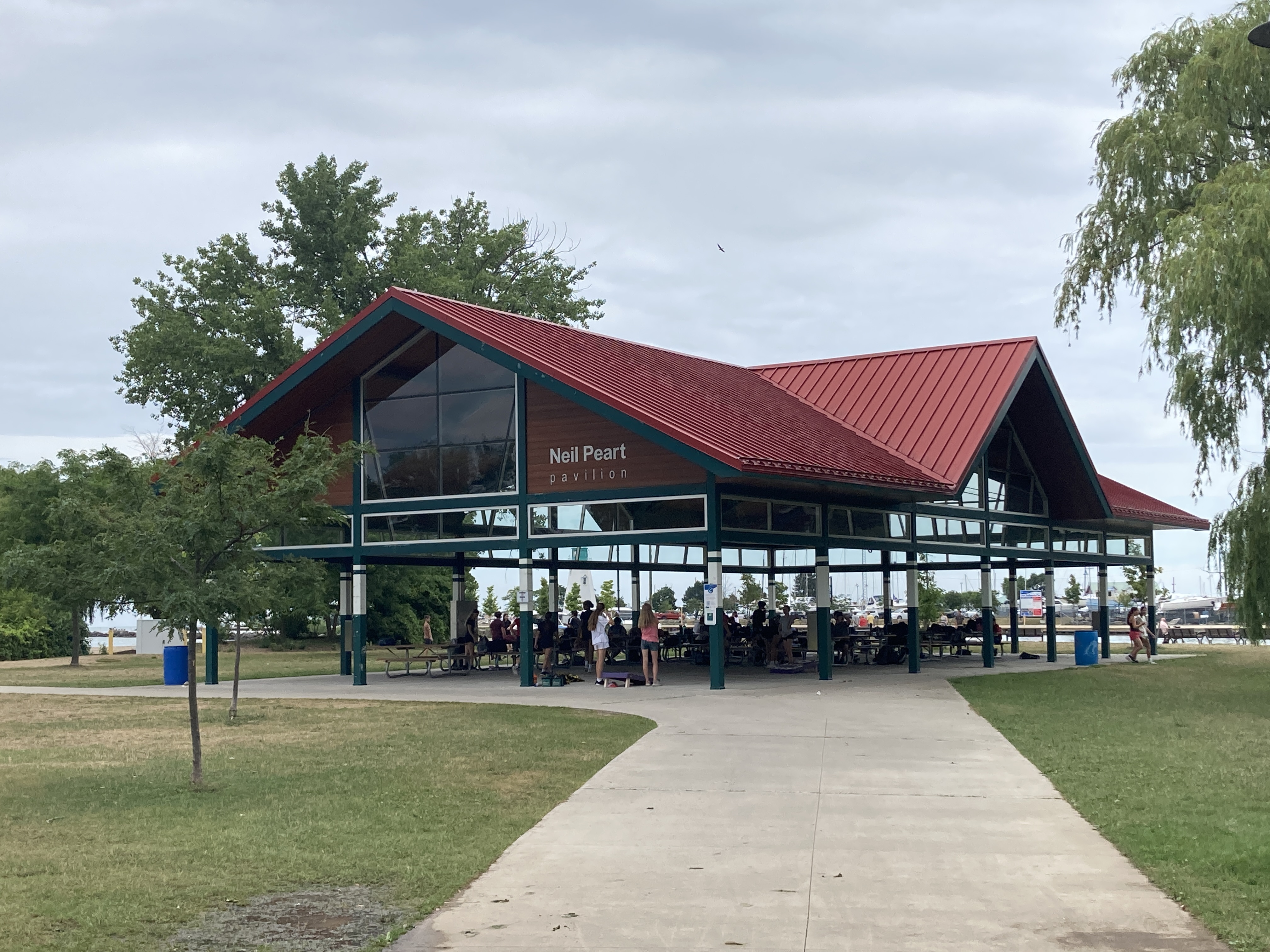
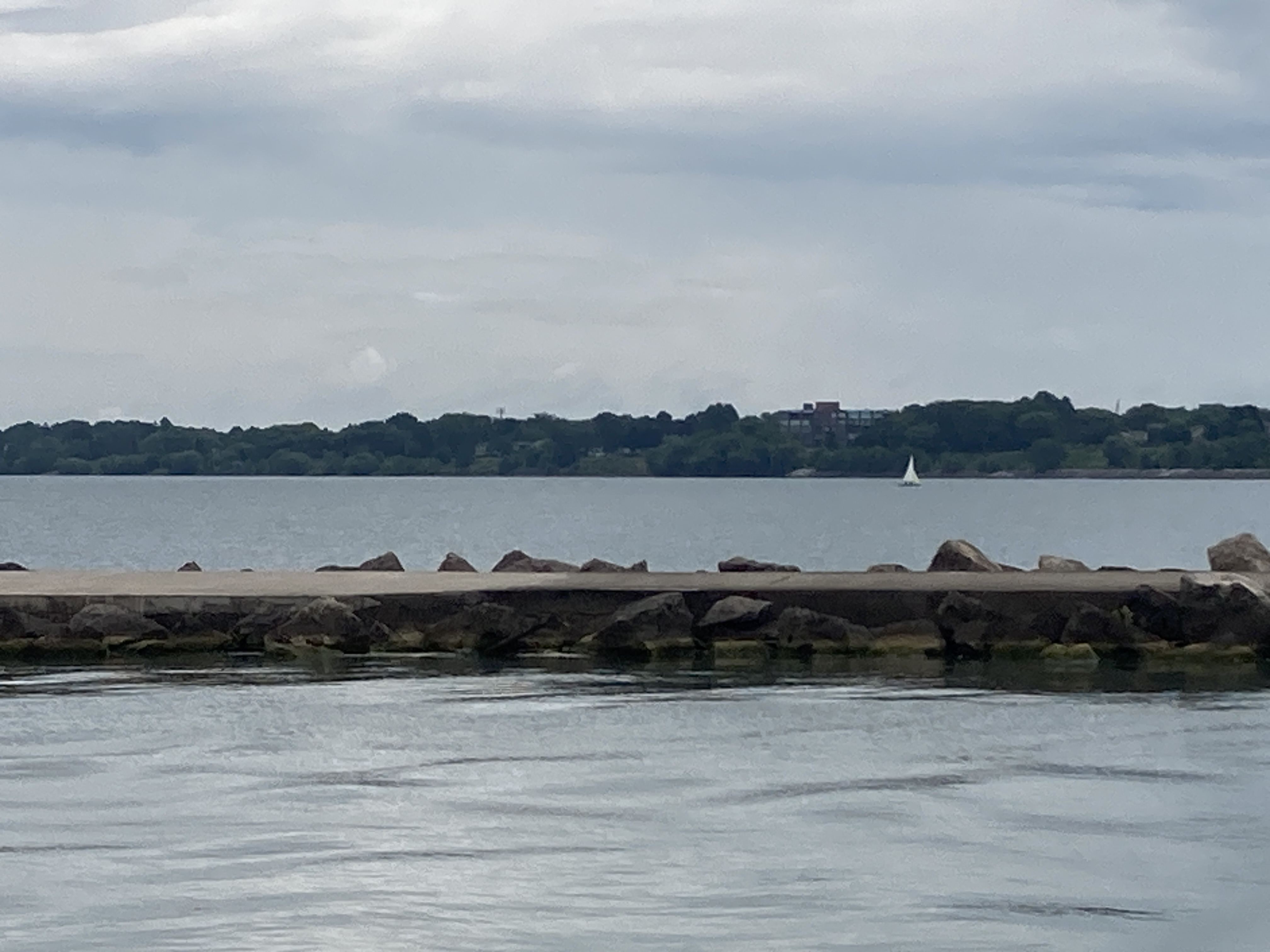
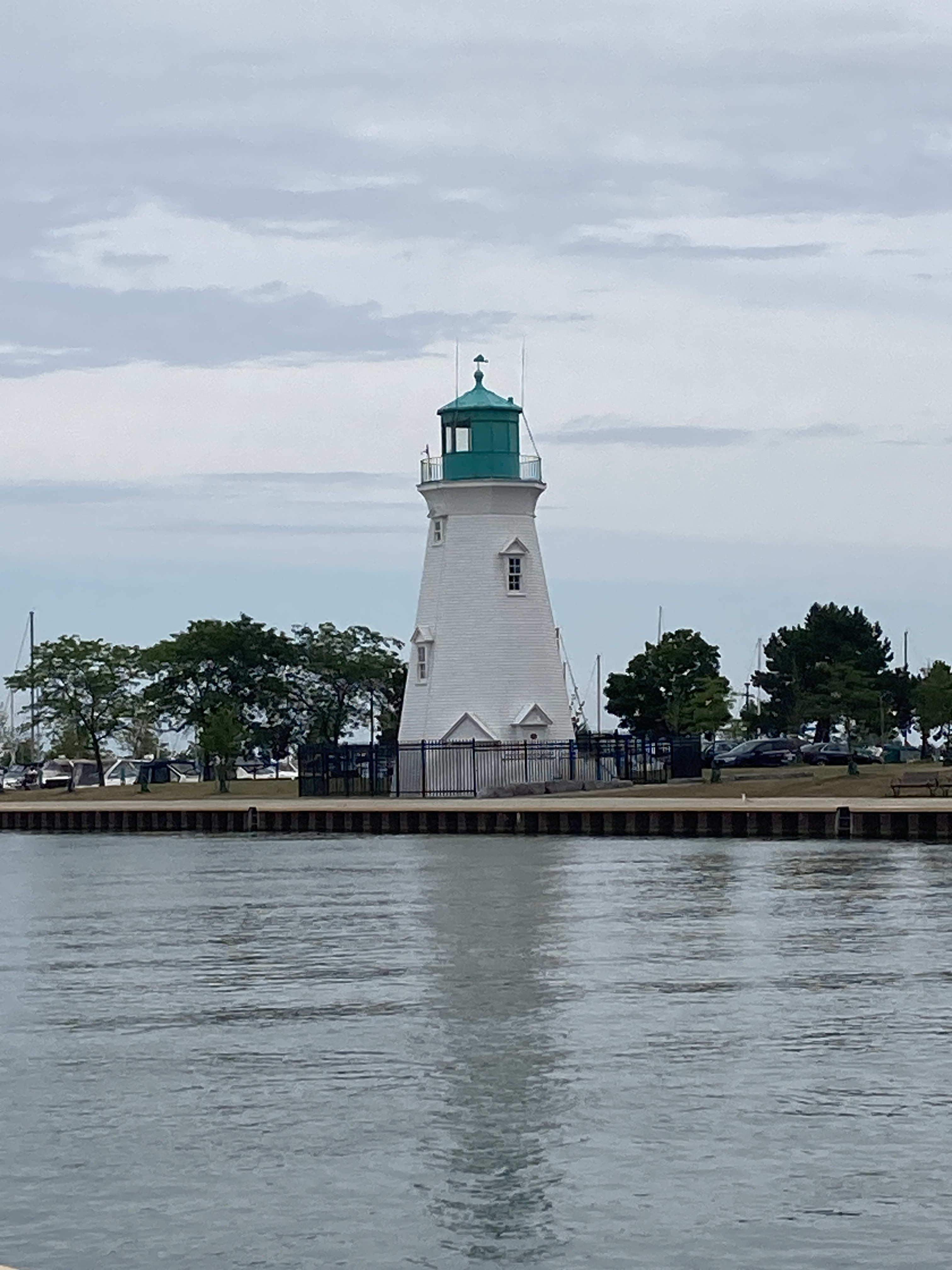
And yes, landing in the hometown of prog-metal’s finest drummer/lyricist was no coincidence; an outing to the town’s Lakeside Park (gorgeous even on an overcast day), complete with a picnic lunch in the shadow of the Neil Peart Pavilion brought the early Rush song of that name to vibrant life. (Fundraising for a memorial sculpture of Peart to be installed in the park has been in progress since last fall; click here for more information.)
If there’s a lesson, I suppose it’s this: a proggy vacation does not just happen; it must be carefully planned. So, fellow Progarchists: what’s your dream itinerary?

— Rick Krueger

P.S. Yes, all of the above is pretty retro; but new prog and more cool music piled up in my inbox while I was gone, so the appropriate Quick Takes are coming . . .
Rick’s Quick Takes: Box Set Report, Q1

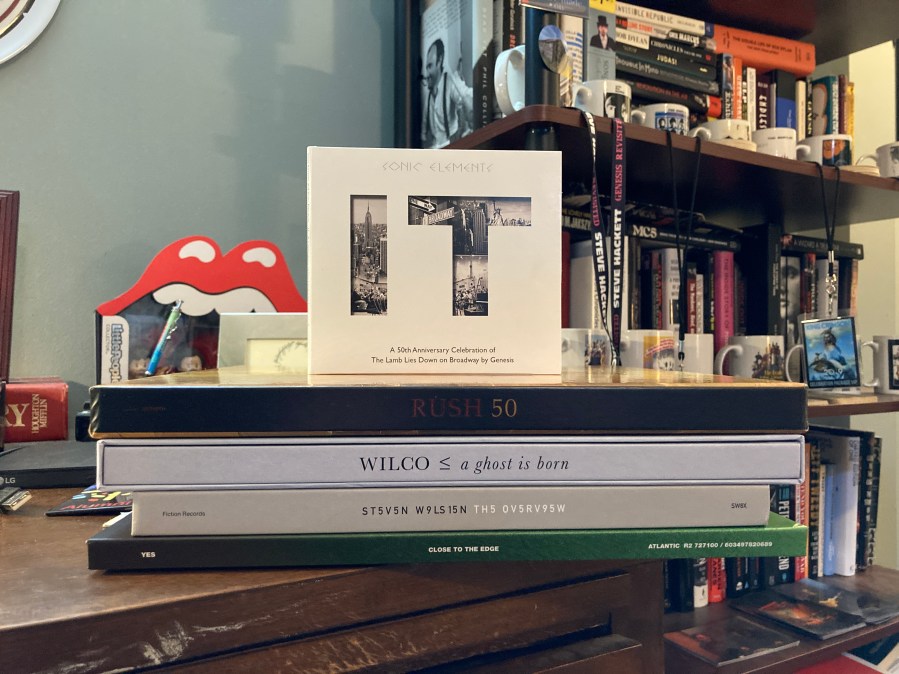
By January 31st of this year, I had already ordered a ridiculous number of multiple-CD box sets since Christmas. With three delayed in the production process, five have already landed on my doorstep (OK, one was small enough to fit in the mailbox). Reviews follow in the order that I tripped over them on the porch coming home from work. As usual, order links are embedded in the Artist/Title listing and streaming options follow whenever available.

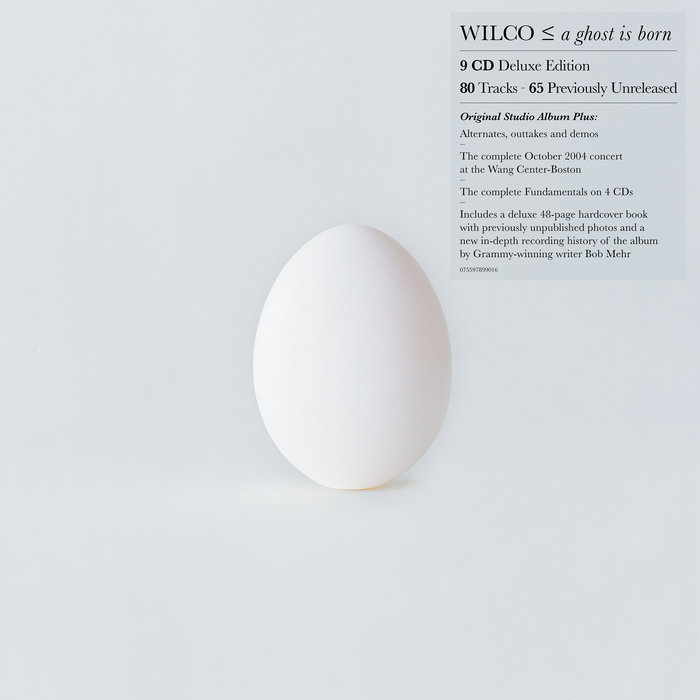
Wilco, A Ghost Is Born Deluxe Edition: springing from entangled hardcore and Americana roots, Jeff Tweedy had steered Wilco through band tumult and record company rejection to plant a left-field cultural marker with 2001’s freak-folk classic Yankee Hotel Foxtrot. The band’s 2004 follow-up A Ghost Is Born went to further extremes, a sputtering tornado of punky guitar thrash, electronic noise, avant-garde improvisational systems and lyrical grapplings with personal vulnerability, mental dysfunction and substance abuse. Heavy? Yep. But never offputting or boring; Glenn Kotche and John Stirratt lay down lateral yet accessible beats that float (“Muzzle of Bees”, “Wishful Thinking”) crackle (the hypnotic “Spiders (Kidsmoke)”) shuffle (“Handshake Drugs”, “Theologians”, “I’m A Wheel”) and stomp (“At Least That’s What You Said”, “The Late Greats”) while Leroy Bach and Mikael Jorgenson add spicy, soulful accents and colors. All the while Tweedy waxes deadpan yet primal, ripping holes in the fabric of his personal time and space, searching out both tender and torturous byways to catharsis and healing. If that kind of quest sounds up your alley, this reissue gives it up in excelsis: the finished album plus 4 discs of jammed “Fundamentals”, 2 discs of outtakes and alternates, and a double-disc live show with then-new members Pat Sansone and Nels Cline fleshing out Tweedy’s unique, unlikely Hero’s Journey. Great, extensive liner notes by Replacements biographer Bob Mehr as well. Already on my Favorites list for the year.

Yes, Close to the Edge Super Deluxe Edition: Well, I did ask for this — and Rhino delivered! The third in the series of SD Yes reissues, this captures what might be the quintessential prog band’s quintessential album in pristine, high-impact sound (both the original mix remastered and Steven Wilson’s latest remixes). It all comes down to the three original tunes from 1972 — the side-long title track, the majestic “And You and I” and the remarkably funky “Siberian Khatru” — with Jon Anderson’s wailing word games, Steve Howe’s lacerating guitar licks, Rick Wakeman’s extravagantly classical keys, and the simmering, bubbling rhythm work of Chris Squire and Bill Bruford all battling for space yet somehow fusing into a triumphant whole. Bonuses include plenty of rarities and alternates (including both versions of Yes’ classic take on Paul Simon’s “America”) and a complete live show from the tour that followed, with Alan White’s beefy thwack on drums replacing Bruford’s loose, limber dance. Well worth hearing and picking up, even if you have previous reissues; another instant Favorite.

Steven Wilson, The Overview: If Wilson has never realized his dream of broad pop stardom, he’s entranced the mainstream rock press this time around — both usual (Prog Magazine) and unusual (MOJO named it album of the month) suspects have hailed The Overview as a return to prog that doubles as a conceptual tour de force. For once, though, I’m underwhelmed; while intermittently galvanizing, the two-track album stubbornly refuses to coalesce in my ears. Is Wilson’s musical material stretched too thin? (Side One’s 23-minute suite “Objects Outlive Us” is ultimately a set of variations on one six-chord sequence.) Are his influences, for once, undigested? (The Dark Side of the Moon, Tangerine Dream and “Space Oddity” are practically italicized and bracketed on Side Two’s title suite.) Or is it more likely that I’m bouncing off Wilson’s main conceit (admittedly snarky paraphrase: “the universe is big, cold, and dead, so loosen up in your petty day-to-day lives and find your own existential purpose in the face of meaninglessness”)? As stunning as its high points can be, for me The Overview feels like Wilson’s chilliest, least empathetic effort since his 2008 solo debut Insurgentes. Still, I wouldn’t be surprised if hearing SW live this fall, backed by the players responsible for the instrumental highlights here (Randy McStine and Adam Holzman absolutely bring the goods) shifts my perspective. After all, I wound up advocating for The Future Bites . . . Bonuses of the sold-out deluxe edition include an orchestrated version of Side One and the complete take of album closer “Permanence”, with saxophonist Theo Travis lighting up Wilson’s ambient aural nebulas.

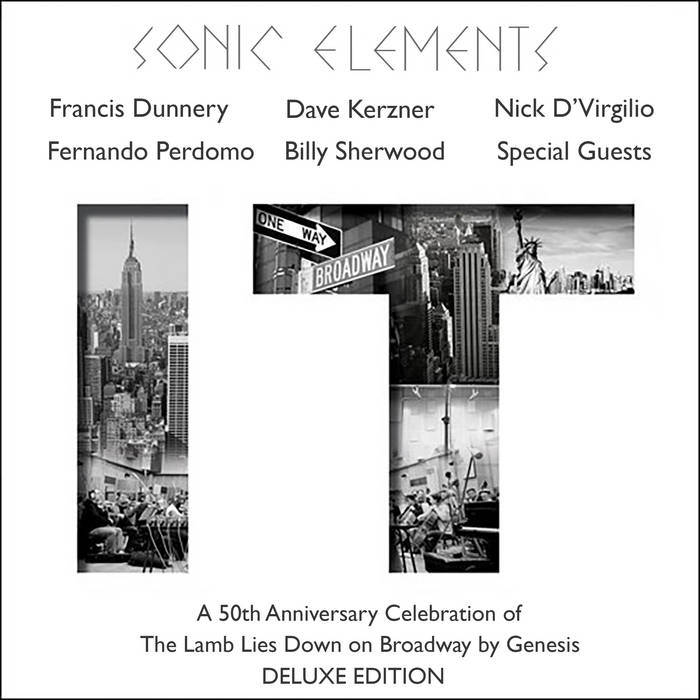
Sonic Elements, IT – A 50th Anniversary Celebration of The Lamb Lies Down on Broadway by Genesis: Genesis’ first entry into the superdeluxe marketplace, a 50th-anniversary remaster of their 1974 rock opera, wound up being delayed until June. In meantime, we have to content ourselves with this remake, masterminded by keyboardist/conceptualist extraordinaire Dave Kerzner. But never fear; there’s contentment — indeed, satisfaction — aplenty to be found! An all-star team of contemporary American giants (Kerzner, Fernando Perdomo on guitar, Billy Sherwood on bass) have the time of their lives rewiring The Lamb as a lushly upholstered, dynamic film score, complete with Nick D’Virgilio’s drums and orchestrations repurposed from a similar 2009 project. But the secret sauce here is vocalist Francis Dunnery (whose credits range from original lead singer for Brit neo-proggers It Bites to guitarist for Robert Plant); his magnificent, dramatic singing echoes Peter Gabriel’s originals while avoiding the safety of imitation. Dunnery absolutely inhabits Genesis’ Puerto Rican punk pilgrim Rael on his journey from the streets of New York through realms of embodied myth to absorption into Jung’s collective unconscious (I think). It’s all done with love, gusto and plenty of polish, and it’s absolutely thrilling. Available as a basic double-disc set, a Deluxe triple set with alternate versions of multiple tracks, or a hi-res download with even more alternate takes. Well worth every penny, whichever version you opt for, and in the running for the Favorites list.

Rush 50, Deluxe Edition: So how do you put together yet another Rush anniversary compilation — especially the first since the passing of Neil Peart? Rush 50 turns out to be a pretty ingenious solution to the problem — not just one of marketing, but of producing genuine value. Yes, it’s organized around the career arc of everyone’s favorite Canadian hard-prog power trio as usual; yes, there’s at least one song from every album, with career high points from Fly By Night to Clockwork Angels given extra representation. But more than half the 50 tracks are live versions — spanning the decades from an early TV appearance recorded at an Ontario secondary school to the encore from the final gig of the R40 tour, taken from the canonical All the World’s A Stage, the bonus concerts on recent 40th-anniversary reissues, later live video/audio packages, and the vaults. If some of the fledgling band’s material seems woefully unfashionable now — the Beatles’ “Bad Boy” spun into a psychedelic workout a la Cream, for example — we still get the privilege of eavesdropping as Alex Lifeson, Geddy Lee and Peart grow in muscularity, depth and confidence, building an audience with their audacity and prowess, while time stands still before our ears. The mouthwatering physical package, with sympathetic, well-reported overviews of the band’s first and final decades plus mouthwatering new art by the stalwart Hugh Syme, is the icing on the cake here. Even if most of this material is familiar to longtime fans, having it all in one box turns out to be a genuine pleasure.

— Rick Krueger

Rick’s Quick Takes for April

Short, sharp shocks this month: all albums and EPs reviewed below come in under the old school LP limit of 45 minutes! Purchasing links are embedded in each artist/title listing; album playlists or samples follow each review.

Entransient, Ghosts in the Halls: My hometown’s very own prog-metal band lays out the cards for all to see on their Facebook page: “Melodic neo/post-prog rock from Michigan. Influenced by Anathema, Alcest, and Porcupine Tree.” The good news is that guitarists Matt Schrauben & Doug Murray, bassist Nick Hagen, drummer Jeremy Hyde and vocalist/keyboardist Scott Murray refine those influences into a distinctive blend, marked by rich atmosphere and a towering core sound. The opening epic “Parasite” grabs hold immediately with its games of acoustic/electric musical chairs; “Synergize” and “Last Strawman” drive forward without mercy, as Murray testifies fiercely over bare grooves and fuzzed chords alike. More reflective moments like the title track, “Misplaced” and “Where the Shadows Lie” dial down the tempos and the lyrical angst while keeping the edge intact as the band prowls lush, more aerated soundscapes. (Kudos for Hagen’s mixing and engineering, as well as for the mastering work of The Pineapple Thief’s Steve Kitch; the band’s dynamic and textural range is captured with crystalline clarity throughout.) Entransient has an open, readily appealing touch to their music; as they blaze a fresh trail in a style that easily collapses into cliché, they’re well worth a listen.

Envy of None: No, this sounds nothing like Rush, even with Alex Lifeson’s guitar work in the mix. (If that’s what you want, the new anniversary edition of Moving Pictures is now available — and getting glowing reviews from unlikely sources like Pitchfork, for pete’s sake.) Lifeson does provide satisfying crunch, acoustic contrast, and creative lead work in spades, bedding in seamlessly with fellow core players Andy Curran (bass & guitar) and Alfio Annibalini (guitar and keys). They weave a darkly enticing aural mesh that cradles the understated, seductive singing of Maiah Wynne; her breathily fragile volleys, playing off the sticky minimalist hooks embedded in EoN’s web, are what might really ensnare you. Musically, this is all about basic song forms deployed in ambient/industrial/goth/post-rock styles; the seasoned instrumental interplay and Wynne’s preternaturally mature vocal work are what elevate the album above the obvious genre markers. So it’s old-fashioned chemistry and star quality, from veterans and newcomer alike, that turn out to be key to Envy of None’s appeal. Try it on that basis and see if it grabs you.

Continue reading “Rick’s Quick Takes for April”

Rolling Back the Clock With Rush’s “Roll the Bones”

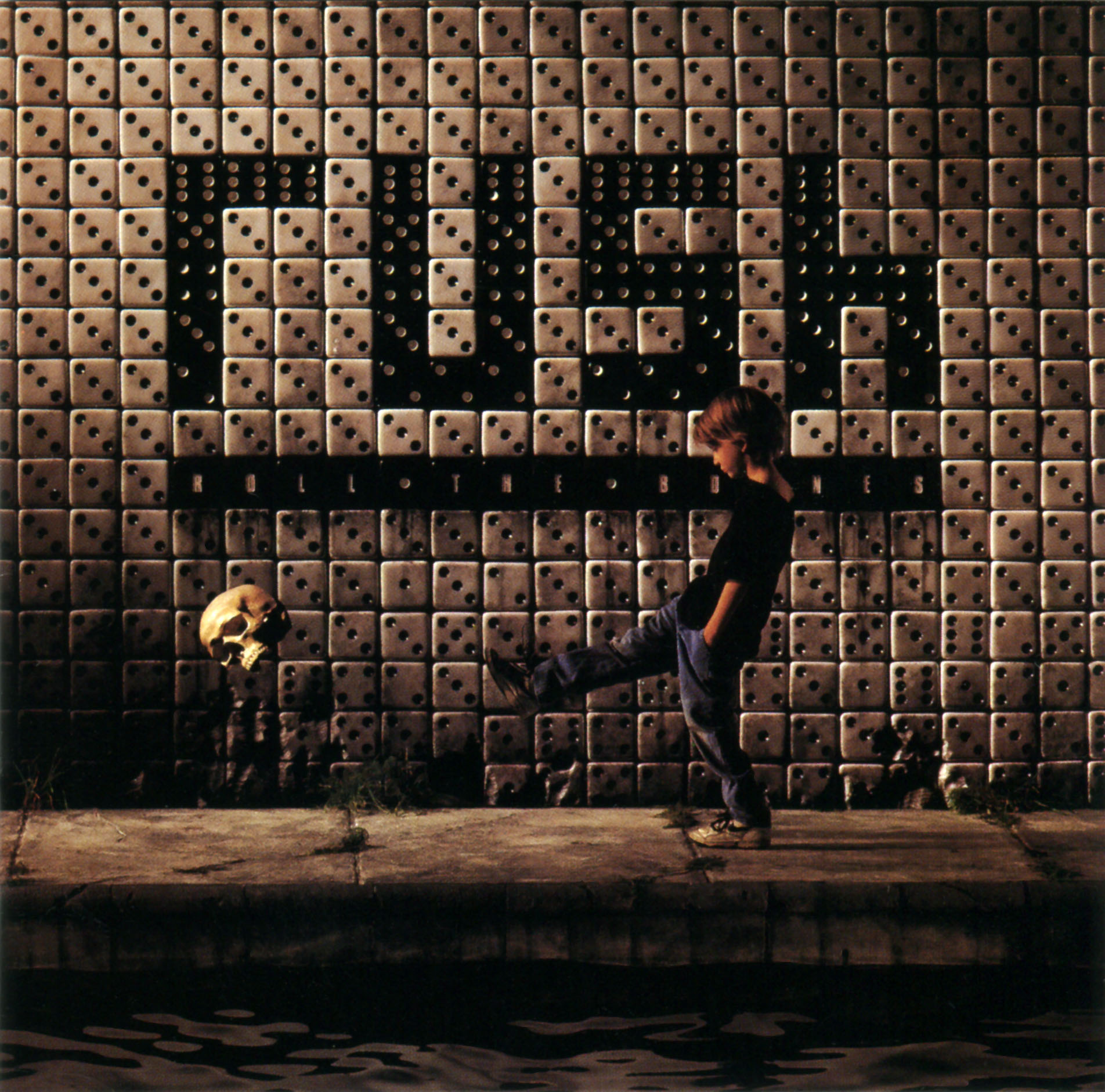
Rush roll the bones-coverIf I had to pick one Rush album between 1984-1996 to be my favorite, I would pick Roll the Bones without hesitation. I grew up with the early era of Rush (through Moving Pictures), and I didn’t come to the 80s (meaning post MP, which I consider to be more like their 70s output) music until I was in college. I’m in my late 20s, to give you a little perspective on where I’m coming from. I was drawn to the hard and heavy music and the rough philosophical and fantastical lyrics of that era of the band.
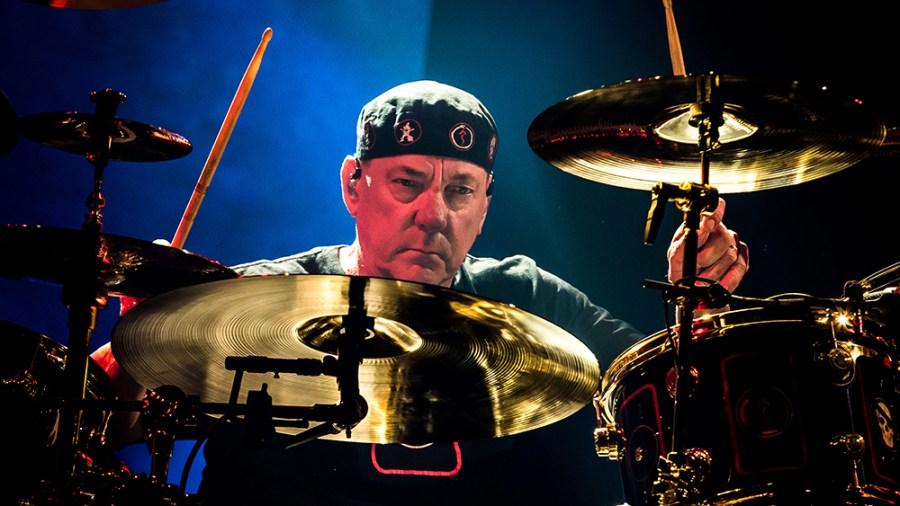
After Moving Pictures, the band’s sounds changed to reflect the times, although they changed very gracefully, which is more than I’ll say for other progressive rock bands in the 80s. The keyboards were far more prominent than they had been, with Lifeson’s stunning guitar work dropping back into the mix or taking on a more synthesized tone.

Neil Peart’s lyrics also changed. They remained philosophical, but his philosophy was maturing. It was less Ayn Randian and more Aristotelian. It was also far more poetic than his 70s lyrics, making it far more difficult to absorb, in my opinion. (I’m borrowing rather heavily from Brad Birzer’s Neil Peart: Cultural RePercussions. He has spent more years than I’ve been alive absorbing this era of Rush’s music, and he understands it far better than I do.)

I believe Roll the Bones marks a big change in direction for Rush. After a decade of the keyboards dominating, and arguably softening, Rush’s sound, the band returned to a heavier sound. “Dreamline,” the opening track, brings the rock back into the forefront. The first thing you hear is a simple drum beat quickly followed by Lifeson’s guitar. The guitar has an arena sound to it with a little bit of reverb – perhaps influenced by the larger and larger shows the band was playing over the previous decade.

Peart’s drums punch throughout, and Lifeson’s guitar leads the musical way with his signature tone. Instead of the swirling keyboard sounds, the band turned back to their core of drums, bass, and guitar. It sounds more like the Rush I originally fell in love with. While I have come to appreciate every Rush album, I much prefer their heavier rock side.

We even get the band’s first instrumental since “YYZ” with “Where’s My Thing?, Pt. 4: Gangster Of Boats Trilogy.” Geddy, Alex, and Neil all slay on this. We get some great guitar shredding, we get some in-your-face basslines, and we get Neil showing us why he’s the best drummer who ever lived.

With “The Big Wheel,” we get two very distinct styles. The chorus has a very pleasant and hummable melody, but the verses, are pure prog with complex musicality and jarring arrangements. The album is full of surprises.

Roll the Bones doesn’t really have the proto-metal elements of some of their early work, but it does have some unexpected influences that at least keep the album sounding fresh. I don’t think anyone was expecting a mild rap and funk influence on the title track, yet it totally works. Sure it may not be my favorite Rush song, but it’s certainly memorable – and not in a bad way. Lifeson’s guitar really brings things together on the title track. The inclusion of acoustic guitar was also a nice touch. The keyboards add flourishes, much like they did in their 70s music, rather than leading the way.

Continue reading “Rolling Back the Clock With Rush’s “Roll the Bones””

Alex Lifeson’s New Band Release New Track

It’s been a very long time since we’ve heard new music from Alex Lifeson. Apart from Alex’s guest appearances on other albums, it’s been a decade since Rush’s masterpiece, Clockwork Angels. Lifeson’s new band, Envy of None, sounds nothing like Rush, but this track off their upcoming album is excellent nonetheless.

After listening to the song, it shouldn’t be a surprise that Envy of None are signed to Kscope. They have an atmospheric and industrial edge to them that Kscope is known for. Hopefully the rest of the album will be just as good.

Check out more info on the album at Prog magazine: https://www.loudersound.com/news/alex-lifeson-returns-with-envy-of-none-and-a-brand-new-video-for-liar

Album due out April 11.

Envy of None – Liar – YouTube

RIP Mary Weinrib

Geddy Lee’s mother, Mary Weinrib, passed away on July 2 at the age of 95. Many of you probably already know this, but she was a Holocaust survivor who met her husband, Morris, at Auschwitz. She gave her total support to Geddy and his bandmates when they started Rush, and obviously without her we wouldn’t have been blessed with Rush’s music.

From her obituary:

Manya (Malka) Rubinstein was born in 1925 in Warsaw and grew up in Wierzbnik, a Jewish shtetl that was part of Starachowice, Poland, which was occupied by the Germans beginning in 1939. Mary endured the labor camp at the munition’s factory in Starachowice and the concentration camps at Auschwitz, where she met and fell in love with her husband Morris Weinrib, and at Bergen-Belsen, where she was finally liberated in April 1945. Reunited and married in 1946, Mary and Morris emigrated to Canada. After her husband Morris’s sudden death in 1965, Mary was left with three young children and a variety store that her husband had owned and managed. Mary was determined to learn the business; and, against the advice of well-meaning friends, she took over managing their store in Newmarket, and she successfully ran the business until she retired. People were drawn to her zest for life, her sense of humor, and her compassion and generous spirit. There’s a customer for everything, Mary would say, and if you couldn’t find it at Times Square Discount, you didn’t need it. Preparing family meals at Rosh Hashanah and Passover was a large-scale labor of love for Mary, who cherished her family above all; and after full days running the store, Mary would cook and bake over several nights, making everybody’s favorite dishes and desserts. The mother of Rush bass player and lead singer Geddy Lee, Mary was an early supporter and a fixture at Rush concerts. When the first Rush album was released, Mary plastered the windows of her store with Rush posters and gave albums away to any kids who wanted them but didn’t have the money to buy them. Among the longest living Holocaust survivors, Mary lived to see her family grow and prosper. 

We offer our sincerest condolences to Geddy Lee and the rest of his family, including Alex Lifeson, who I’m sure was close with Geddy’s mother as well, since they were childhood friends.

Read more at Rush is a Band: https://www.rushisaband.com/blog/2021/07/05/5630/Geddy-Lees-mother-and-Holocaust-survivor-Mary-Weinrib-has-passed-away-at-the-age-of-95

https://youtu.be/qehYgK_IsWs

In Praise of The Professor

Suddenly, you were gone
From all the lives you left your mark upon

Neil Peart, Afterimage

A natural byproduct of having a deep and abiding passion for music is that you collect musical heroes: individuals encountered on your musical journey who leave their mark on you. These individuals stand out from the crowd, whether it be for their skill as players, their talent as creators, their personality or their life choices. You didn’t need to spend long on social media these past two days to learn that, for a great many people, Neil Peart was one such individual.

Continue reading “In Praise of The Professor”

Neil Peart: A Misfit’s Hero

I’m still reeling from the news that Neil Peart is dead. I’m sure you all are too. None of us expected this. I think we all held out a glimmer of hope that Rush would play another show now and then or come out with another album without a tour. I certainly never imagined in 2015 that Peart would be dead within five years. My heart truly goes out to his wife, daughter, Geddy, and Alex.

This isn’t an obituary. Many others know the details of Peart’s life far more than I do, and I’ll direct you towards them for those kinds of remembrances. Instead, my thoughts on Peart and Rush are deeply personal. There is nothing unique about my experiences with Rush. I know for a fact that others, possibly thousands or millions, have had similar experiences. But this is mine.

Continue reading “Neil Peart: A Misfit’s Hero”

In Memory of Neil Peart (1952-2020)

Unlike so many writing about him in the wake of his passing, Neil Peart didn’t change my life.  By the time I first seriously listened to Rush in college, when I reviewed Permanent Waves for the student newspaper, my tastes were pretty set, and they didn’t lean toward heavy rock.  (Truth to tell, I looked down on “that stuff” back then.)  So while Permanent Waves, Moving Pictures and Exit Stage Left got me into a band my best buddies from high school still raved about — they were using keyboards now! — I basically thought, “hmm … noted and logged.  Buy their stuff from now on”, and kept moving.

So I bought and enjoyed Rush’s albums through A Show of Hands; picked them up again with Roll the Bones (probably my favorite, which I know makes me a schismatic or a heretic); lost track again following Peart’s family tragedies, retirement and comeback.  All the while I dug deeper and wider musically — into classical, jazz, country, folk — and finally embraced the heavy stuff.  (This happens when your stepson digs Led Zeppelin.)

But for me and Rush, 2007’s Snakes and Arrows finally sealed the deal.  An album this good after this many years of active service didn’t just catch my ears; it commanded my respect.  I knew I had to see them live, and my high school buddy Keith obliged with tickets to their 2008 Joe Louis Arena show.  And I saw something like this:

And I was gone.  And I saw Rush four more times before they retired from live performance (usually with those high school buddies); bought Clockwork Angels, all the concert videos and everything else Rush-related I could get my hands on; exulted at their elevation to the heights of Noughties celebrity by the movers and shakers of geek culture; cheered when they made the Rock & Roll Hall of Fame (and took over the induction ceremony), then finally made the cover of Rolling Stone; even grew to appreciate the over-the-top virtues of “By-Tor and the Snow Dog,” 2112 and A Farewell to Kings.

So yes, Neil Peart’s loss moves me.  But what ultimately drew me to him as a musician, a man, an artist, an exemplar?  Some attempts to unpack the mystery follow.

Continue reading “In Memory of Neil Peart (1952-2020)”

Erik Heter Remembers Neil Peart: “Exit The Warrior: Neil Peart, 1952-2020”

Erik Heter has written a beautiful piece on Neil Peart over at Spirit of Cecilia.

There are drummers, and then there are really good drummers.  And then there is Neil Peart.  It’s almost fitting of Peart that his death was not announced until today, January 10th, three days after his actual death on January 7th.  Whereas others did things in simple time and merely kept the beat, Peart’s timing – in drums and in life – was never conventional.  Hence the announcement of his death not on the day he died, but three days later.  The beats never fell quite where they were expected.

Read the rest – https://spiritofcecilia.com/2020/01/11/exit-the-warrior-neil-peart-1952-2020/