

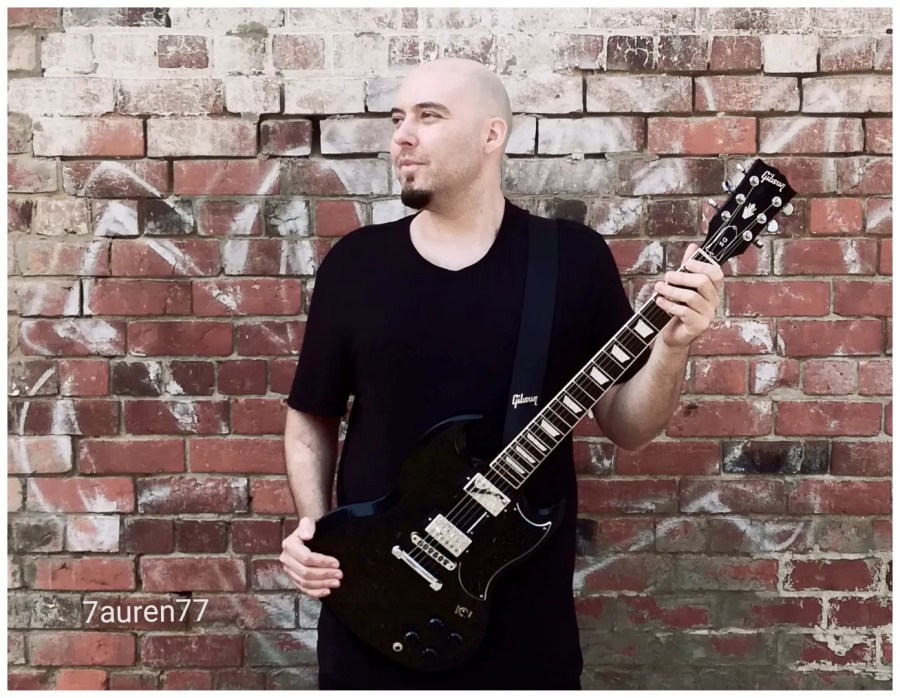
Stephen Murray, the creative force behind the Sun Raven project, has carved his own path in progressive metal by fusing a wide range of genres into immersive, complex instrumental works. Known for his ability to effortlessly weave together distinct musical influences, Murray continues to push boundaries with his interesting sound. With his second album Morphology, Murray takes listeners on a journey that stretches beyond progressive metal, weaving together elements of classic prog rock, ambient soundscapes, and modern heavy riffs. In this interview, Murray dives deep into the creative process behind Morphology, discussing everything from his musical influences and nature-inspired compositions to the evolution of his sound. He also shares insights on working as a one-man band, balancing technical proficiency with emotional depth, and how he stays true to his artistic vision.
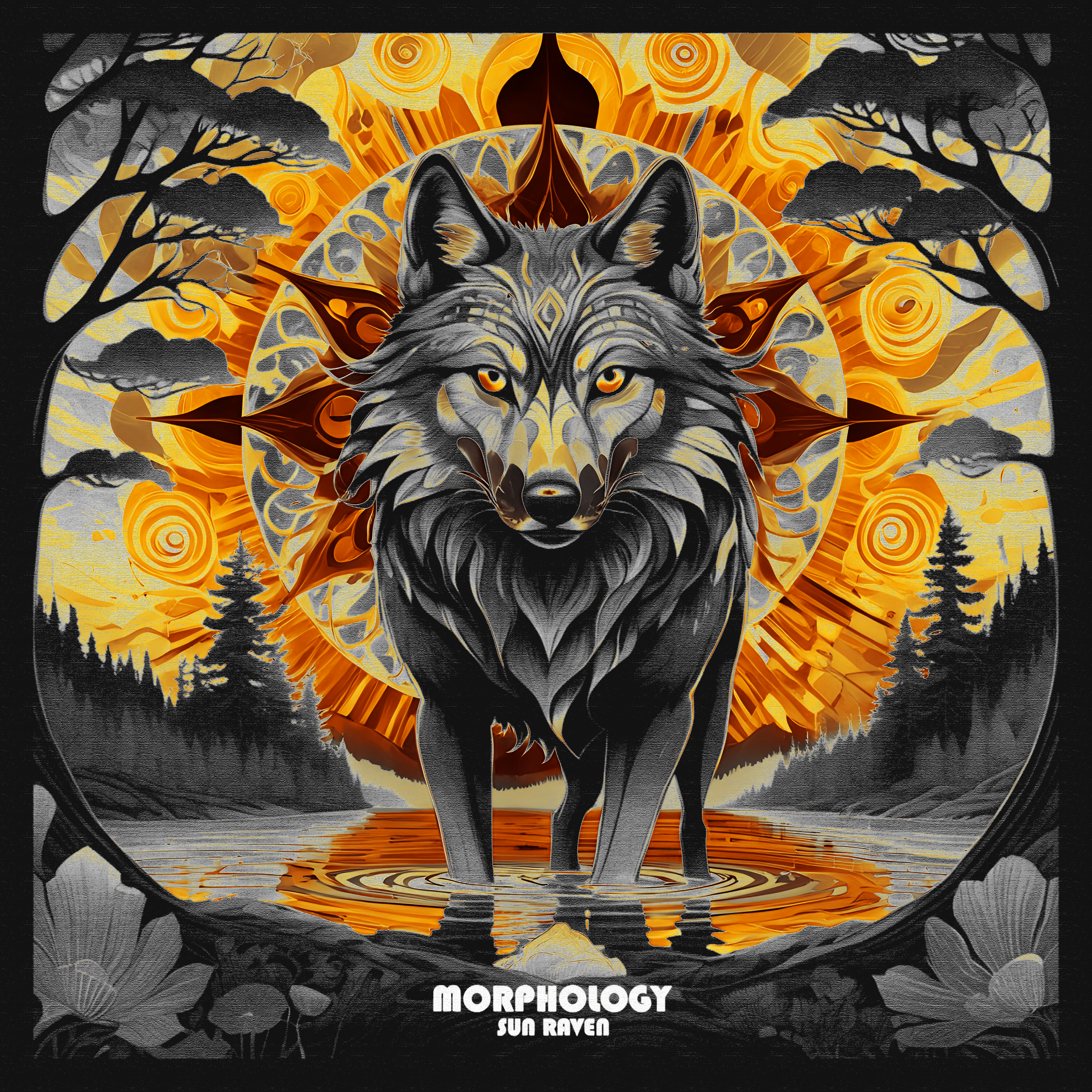
Morphology takes listeners on a genre-spanning journey with elements from progressive metal and beyond. What was the driving force behind your vision for this album, and how did you go about blending such diverse musical styles?
I didn’t have a specific concept in mind when I began writing Morphology. I wanted it to follow a similar style to my first album Liberation, but with more classic prog rock elements. I also aimed for a grungier, less polished sound, while still maintaining a solid technical playing level. To achieve this, I used different guitars, amps, and effects, and kept takes that might not be perfect but have a certain vibe, playing slightly ahead or behind the beat, rather than always being perfectly in time.
You’ve mentioned you’re fascinated by the idea of one style of music morphing into another. How did you balance these transitions in Morphology without losing cohesiveness?
I’ve always listened to a wide variety of music. I used to make playlists where one track would be metal, followed by classical or jazz. Similarly, when I’m jamming on guitar or drums, I might go from a metal riff to something ambient, and then to something funky. When I write, I experiment with different styles and see what works. The real challenge is to ensure the transitions between genres are smooth and cohesive—unless the song calls for something intentionally jarring.
On Morphology, you’ve integrated classic prog rock elements with a modern sound. What challenges did you face in modernizing these traditional influences while staying true to your heavier, groove-driven metal roots?
I used Drop C and D standard tuning across the entire album. It’s low enough to sound heavy and modern, yet versatile enough to evoke that classic prog rock vibe. This tuning naturally guided the riffs and ideas, allowing them to develop in a way that lent itself to both classic and modern styles.
As an instrumental project, Sun Raven relies heavily on intricate guitar work and composition. How do you balance showcasing lead guitar parts while ensuring the overall composition remains the focal point of each track?
Though I consider myself a lead guitarist, I’ve reached a point where I don’t feel the need to constantly play fast, technical solos just for the sake of it. The riff, chord progression, harmony, melody, and groove always come first. If the song benefits from a technical solo, I’ll go for it, but more often than not, I opt for melodic leads and solos.
You’ve spoken about how your understanding of music theory has evolved over the years. How did this influence the writing and arrangement process for Morphology?
A deeper understanding of music theory definitely made the recording process faster and more efficient. I know the time signature of a riff and which scales fit over certain chord progressions. While you can rely entirely on your ear, knowing theory helps me get the sound I’m looking for much quicker.
A common theme in your music is avoiding predictability. How did you challenge yourself to create fresh and original riffs, melodies, and solos in a genre with so many established conventions?
For Morphology, I recorded most of the lead guitar parts on a Fender Strat with a fuzz pedal and various delay and modulation effects. This setup inspired a psychedelic rock tone for the leads, which I combined with heavier modern riffs. It helped me come up with different sounding melodies and solos that didn’t follow the typical formula.
Nature plays a key role in your creative process. Can you share how specific environments or moments in nature influenced particular tracks on Morphology?
I live near the Australian bush, and I often jam outside with acoustic guitar. There’s a bird here that makes a sixteenth-note triplet sound, and I jammed along to that rhythm. This led to the creation of the heavy riff in “Wolf.” It’s funny to think that such an intense riff came from a small bird!
Although Morphology is instrumental, it carries a deep emotional resonance. How do your life experiences and relationships influence the mood and energy of the music, even without lyrics?
Most of the music I listen to has lyrics, especially rock and metal. So, even when I write instrumental songs, I often have a lyrical melody in mind. Some tracks are inspired by fantasy stories I create, while others, like “Starr,” are about real people in my life who evoke certain moods or vibes in the music.
The progressive metal genre often embraces technical complexity. How do you strike a balance between technical proficiency and emotional resonance in Morphology?
When writing, I’m not focused on creating “progressive metal” per se. I’m more interested in writing a heavy, melodic song with cool riffs. If a time signature or tempo change feels right, I’ll include it to keep things interesting, but I don’t aim to impress anyone with speed or technique. I see myself more as a rock/metal artist with prog influences, rather than a pure prog metal artist.
For aspiring musicians, you’ve emphasized creating music for yourself rather than seeking external approval. How do you maintain that mindset in an industry where success often hinges on public reception?
In my early 20s, I studied jazz and tried hard to fit into that world, but it drained my passion for music. I took a break, and when I returned, I decided to focus on creating music for myself. Now, I only care about whether I’m happy with what I’ve created. The joy of making something new is the ultimate reward for me.
What was your creative process like when developing the album’s overall theme and structure? Did you have a specific narrative in mind, or did the songs come together organically through experimentation?
The songs came together organically. I wrote them in the order they appear on the album, which is something I hadn’t done before. Only the first two songs had names initially; the rest came after I finished writing and recording.
You’ve now released two albums under Sun Raven. How do you feel your sound has evolved between your debut and Morphology, and what key lessons did you carry from the first album into this one?
The first album had more progressive death metal influences. Morphology is more accessible to a broader audience, but still maintains those heavier elements. I’ve also learned more about the engineering side, and I think I did a better job with the production on the second album.
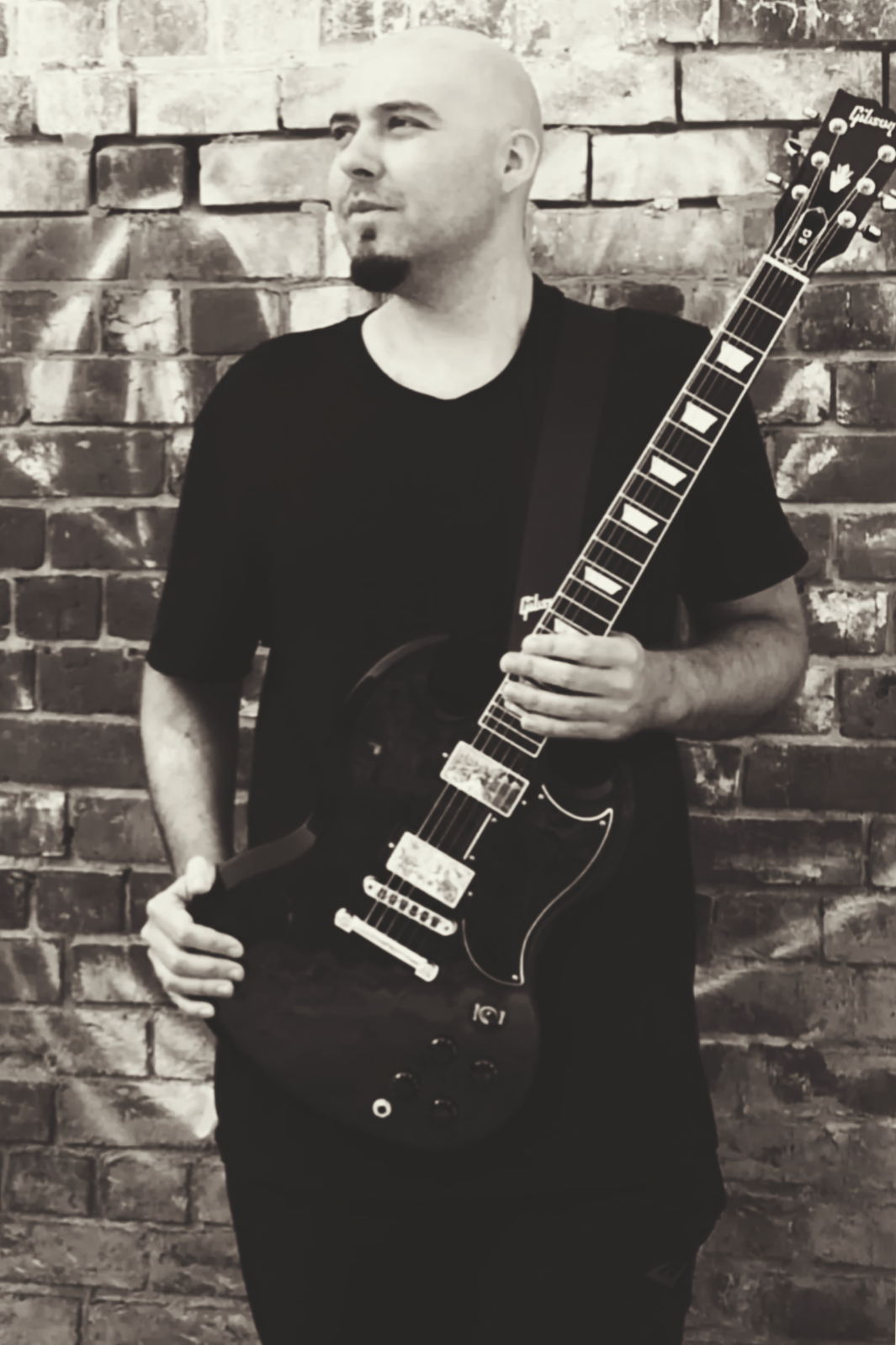
As a one-man band, you’re responsible for every aspect of the creative process. How do you stay motivated and focused when working solo, and what do you find most rewarding about having complete creative control?
When I started working on my first album, I was collaborating with a singer and bassist, but I ultimately felt the music worked better without vocals. Struggling to find like-minded musicians led me to take on everything myself, which I didn’t think I could do. Learning to program and play drums was the biggest challenge, but the freedom to explore any musical direction is the most rewarding part.
Are there any non-musical influences—books, films, or personal experiences—that played a significant role in shaping the themes or atmosphere of Morphology?
I’m a fan of thriller movies, and that suspenseful atmosphere likely influenced some tracks. Nature, both its beauty and danger, as well as societal and political issues, also inspire me. Standing up for what you believe in and challenging things that aren’t right are themes that resonate throughout my music.
Looking ahead, what are your aspirations for Sun Raven? Are there any new musical directions or projects you’re excited to explore in the future?
Since I don’t tour, I have plenty of time to create, and I’ve already started writing Sun Raven’s third album. I’m excited to keep pushing boundaries and exploring new musical directions.
Stream/download Morphology on Bandcamp. Sun Raven is on Facebook and Instagram.
 Progarchy