Crimson and Closure

If I were performing in public with King Crimson, then yes, I would be I would be practising at least four hours a day. But at the moment I’m no longer performing in public. There are other things I’m addressing which have greater necessity at the moment: essentially putting my affairs in order . . .

So there are no plans to start King Crimson?

No. When playing at the standard I set myself, it’s ‘Fracture’, ‘Larks’ Tongues in Aspic, Part Four’, ‘Frame by Frame’ – which equates to semi-quavers at 156 to 158 beat a minute … There is a certain kind of playing that is now, I have to accept, a severe challenge. Today I don’t feel it’s necessary for me to perform in public. I do feel it’s necessary for me to work with Guitar Craft students.

— Robert Fripp, interviewed in Uncut Magazine 353, July 2026

When Robert Fripp says “no” directly, he means it. And so, following Fripp’s recovery from a heart attack in 2025 and his milestone 80th birthday this past spring, any hopes King Crimson might reign again on tour or on a new album — the latter the subject of vastly overblown rumors, based on misinterpretations of Jakko Jakszyk’s comments last year — have been officially dashed. (The Uncut interview is well worth seeking out, BTW, as is the mouthwatering covermount CD spanning 60 years of Fripp collaborations with Brian Eno, David Byrne, Andy Summers, and two or three et ceteras.) For Crimson aficionados like me, Fripp’s words invite reluctant, if inevitable closure.

And to be honest, that’s fine. After all, the final incarnation of Crimson (The Seven-or-Eight-Headed-Beast, depending on the tour) was in action for seven years, and the results onstage were often spectacular (as reviewed by yours truly here, here, and here). The latest Crim release, NYC 2014, offers generous servings of the power and passion three drummers, two guitarists, bass/Stick and sax could cook up on classic tunes from the 1970s and more recent ProjecKtions. What’s more, it’s just a taster for a double BluRay set of every single concert from that year, 2014 (The Complete US Tour), coming in the fall. And it’s not as if the archival cupboards are bare, judging by the upcoming multi-format reissue of 1972’s Islands, featuring new Steven Wilson mixes plus the complete surviving sessions. (All these are, of course, available at Burning Shed’s King Crimson store.)

Meanwhile, Fripp’s long time partner-in-Crim Adrian Belew has been chasing his own onstage vision of the band’s 1980s glories with BEAT, barnstorming through Europe this summer and announcing another set of US dates for the fall, with Steve Vai tackling (in Fripp’s words) “Olympic-level” guitar parts and former Zappa/U.K./Missing Persons drummer Terry Bozzio now in Bill Bruford’s chair. Coordinated with BEAT’s European jaunt, Esoteric Recordings has released The Atlantic Years, 1989-1992, collecting three of Belew’s stunning, long out of print solo albums. Mr. Music Head, Young Lions, and Inner Revolution are all remarkable Cubist art-pop, their clear, streamlined sound spacious enough to hold – but never fully contain – Belew’s joyous vocal yelp, wondrously skewed guitar work, eccentrically hooky songwriting and shout-outs aplenty to The Beatles, Motown, Roy Orbison and David Bowie (who duets with Ade on two tracks). Enthusiastically spinning out tall tales and true stories with absurdist glee, mordant wit and an open heart, Belew has rarely been better on his own; this comp is an instant 2026 Favorite, definitely worth your time and money. (Order from Burning Shed.)

But if you crave new music with a Crimson flavor, your current best bet is Tu-Ner, which reunites the Double Duo incarnation’s rhythm buddies Trey Gunn and Pat Mastelotto in collaboration with touch guitar wizard Markus Reuter. Recorded live in concert, the trio’s Rendezvous Rodeo is the definition of a heavy, heavy monster sound. This proggy power trio dishes up heaping helpings of Crim Brutale here, riding the fine line between precision instrumentals and loose, full-on improv; “Cusp” slams, “The Mechanical Bride Wore Static” floats, “Absinthe and a Cracker” bounces funkily along. Add in Gunn/Mastelotto flashbacks from Fripp’s alliance with David Sylvain (“Firepower”) and turn-of-the-century KC (“Larks’ Tongues in Aspic, Part IV” and “Level Five”, both stretching out to delve new depths of lowering menace), and you see where Crimson might have gone if given time beyond The Power to Believe. (Reuter and Mastelotto have also teamed up with Tony Levin for the upcoming Stick Men album Let’s Thrak Again, out next month, which promises to mine a similarly dark, rich sonic vein.)

What all these releases point to is King Crimson’s continuing impact. Across five-and-a-half decades, Fripp, Belew and their many compatriots have consistently striven to be present in those ineffable moments when (again in Fripp’s words) “Music leans over and takes us into its confidence”. Given the evidence gathered here, their instincts have proven sound, their connection with the muse ongoing, innovative and rewarding. Though the entity Fripp sensed in that 1969 London rehearsal room seems to have finally taken its leave, its track record remains, and its influence continues on wherever curious players gather together, just to see what might happen.

Thanks to friend and fellow lover of music Cedric Hendrix for providing essential context and encouragement for this post. His blog Cirdec Songs is unmissable, especially if you adore new weird, wild stuff! Also, hats off to Tommy James and the Shondells via Joan Jett for inspiring the title: only the first of the truly terrible puns running through this riff on The Mighty Crim.

— Rick Krueger

Rick’s Quick Takes: Progging and Jamming and Twanging, Oh My!

Due to circumstances beyond my control — thanks to everybody who helped out! — this edition of Quick Takes is playing catch-up. This time around, purchase links are embedded in the release title, with any additional sample/streaming links labelled (LISTEN HERE).

The last few months’ progressive rock releases have skewed heavily toward reissues — for example, Keith Emerson and Greg Lake’s mid-1980s reunion with hard-rocker Cozy Powell in the drummer’s chair. Triple-cd box Emerson, Lake & Powell: The Complete Collection (LISTEN HERE) is a compact, yet worthy appendix to the ELP canon. The main album, ranging from extended throwbacks “The Score” and “The Miracle” through jazzy diversion “Step Aside” to souped-up classical gas like the single “Touch and Go” and Holst’s “Mars, the Bringer of War” is big, brash, widescreen stuff; both in the studio and on the two live discs included, Emerson’s thrusting digital synthesizer upgrades, Lake’s full-throated bravura vocals and Powell’s sleek percussive drive come on like gangbusters on new material and vintage classics such as “Pictures at an Exhibition” and “Pirates”. ELP’s mass appeal remained in the rear view mirror, but Emerson, Lake and Powell was a game try at reinvention for a different time.

Carl Palmer was playing drums for Asia during ELPowell’s flare and fade, but he’s remained engaged with his biggest band’s work, stepping up as legacy guardian after Emerson and Lake’s passing. Disc 1 of Palmer’s solo box Fanfare for the Common Man (a reissue/expansion of 2001’s Do You Wanna Play, Carl?) shows how he emerged from his bandmates’ shadows in the later 1970s, asserting himself in spellbinding trio jams, big band blowouts and a stylish, eclectic percussion concerto; disc 2 covers his roots in British R&B and psychedelia plus his later collaborations with Asia and others, while a new 3rd disc documents live work reinventing the ELP repertoire for guitar-based power trio. The accompanying BluRay video and biography are revealing, though scattered and even self-contradictory. But that’s a minor blemish: Palmer remains rightly admired and respected by musical peers and fans, and still on the road in his 70s, he retains the rhythmic fire and momentum that this set amply demonstrates.

ELP weren’t the only proggers trying to reinvent themselves after the mid-70s; on side one of 1977’s The Missing Piece (LISTEN HERE), the manic British sextet Gentle Giant made ever so coy feints at co-opting the energy of punk and New Wave (especially on the self-conscious spoof “Betcha Thought We Couldn’t Do It”). Side two was more relaxed; reaching for the soul-inflected art-pop that Genesis and Yes later rode to the top of the charts, the Shulman brothers & company still stirred in Baroque cross-rhythms (“As Old As You’re Young”), stately balladry (“Memories of Old Days”) and breakneck instrumental and vocal twists and turns (“Winning”). With Steven Wilson providing fresh stereo and spatial audio remixes, this is another delightful installment in the Giant’s ongoing series of album upgrades.

English folk-classicalists Renaissance kept plugging through the decades, with operatic lead singer Annie Haslam at the helm. 2000’s Tuscany (LISTEN HERE) was Haslam’s last go-round with key members guitarist Michael Dunford and drummer Terence Sullivan (plus limpid guest piano work from former keyboardist Jon Tout). Not as urgent as their 1970s work, it’s still a lovely, impressionistic album, gently meditating on the nexus of art (“Lady from Tuscany”, “Dear Landseer”), nature (“Pearls of Wisdom,” “Dolphin’ s Prayer”) and love (“In the Sunshine”, “One Thousand Roses”). A complete live show from Renaissance’s 2001 tour of Japan included as a bonus mixes new tunes with career standbys such as “Carpet of the Sun,” “Northern Lights” and “Mother Russia”, showing off Haslam and company’s musicality and consistency. As usual, Esoteric Recordings’ latest Renaissance reissue provides the context to better assess the work of this underrated band.

And in the wake of its new reissue, I now consider Yes’ 1994 album Talk the most unified effort of their post-prog decade. (It was also the least well-known, due to grunge taking over rock radio and Yes’ record company collapsing.) The only full-blown songwriting team-up of hippie muse Jon Anderson and guitarist/keyboardist/composer Trevor Rabin, Talk’s tunes ooze out-there ambition and hi-gloss appeal; the choral kick of “The Calling” and “Walls”, “Real Love’ jangle-pop/heavy metal synergy, the skip-hopping “State of Play” and the closing multi-part epic “Endless Dream” are stunningly remastered to devastating impact. Rhythm section Chris Squire and Alan White are at their most down and dirty; Tony Kaye leans in with expressive, gnarly organ work. And a bonus live set (from the soundboard at a 1994s tour stop) showed that this lineup could conjure a fairly close approximation of the classic sound on standbys like “Heart of the Sunrise” and “I’ve Seen All Good People”. If you loved Yes but wrote them off between 90125 and Union, I’m serious; give Talk a shot.

There have also been plenty of ear-opening new releases, mostly rooted in improvisation rather than composition. The latest posthumous set from piano legend Chick Corea has its source in a 2019 tour and follow-up sessions with eclectic banjo virtuoso Bela Fleck; the aptly-titled Remembrance (LISTEN HERE) covers an incredible range of sonic possibilities, with the duo wailing on Thelonious Monk’s “Bemsha Swing”, Scarlatti sonatas, brand new compositions and impromptus pulled from thin air. Impeccably tasty and always in the moment, Corea and Fleck spark off each other constantly, caught up in an unending sense of play and delight. Fans of either player will love this, and folks who dig acoustic jazz, bluegrass or both will find themselves smiling again and again when they hear it.

While Brad Mehldau is one of the numerous young lions who followed in Corea’s wake on piano, his sound and vision are uniquely his own, as a fresh pair of solo discs make clear. On After Bach II, Mehldau brings his love for the classical piano tradition and his improvisational chops to bear on a second set of J.S. Bach’s richly poised keyboard works, mingling preludes and fugues played straight with jazzier extrapolations (“Between Bach”) and superimposed twists of rhythm and counterpoint based on one of Bach’s pinnacles, the Goldberg Variations. Apres Fauré brings a similar freedom to the music of Gabriel Fauré, the French composer who became a unique bridge between the late Romantic and Impressionist schools; Mehldau responds to Fauré’s sense of adventure with sweeping repetitious bass lines, long-spun singing melodies, and thick two-handed harmonies. Plenty of rigorous development to chew on, plenty of knotty invention and lush sound to bask in on both of these!

On their new EP Tropic of Cancer, Chicago’s heavy-prog-jazzers Sons of Ra show how they can unspool variations on a theme with staggering impact. Setting a nimble, dancing idea with roots in fusion’s golden age into motion, multi-instrumentalists Erik Oldman and Keith Wakefield and drummer Michael Rataj put it through exhilarating paces over 23 minutes: you get wah-wah electric piano extrapolations, a sax/bass duet over a bed of guitar/sax noise; a wonderfully idiomatic folk/Celtic throwdown (complete with guests on violin, flute and pipa); a Santanesque guitar jam that spirals up dizzingly before it goes off like a fireworks display; and a gargantuan finish with hypnotic sax wailing over a shuddering guitar army. No jive; this is great stuff, and Sons of Ra are a band to which attention must be paid!

King Crimson-adjacent power trio Markus Reuter, Trey Gunn and Pat Mastelotto are also back with the ironically titled Tu-Ner for Lovers, another heaping helping of rich, doomy thrash. Sculpted from improvs recorded on their 2023 tour, the trio scrape, scratch and scrawl from the get-go, with Mastelotto laying down off-kilter tribal beats, Gunn rattling listeners’ innards with sludgy bass lines and Reuter slapping down arresting leads and color clusters on touch guitar. Stalking the abstract sublime, the music coalesces as the album progresses, locking in to galvanizing effect on closing stompers “They Call Him Threnody” and “Transistor Valentine”, wispily floater “I Put a Crush on You” and skittering finale “Combat and Courtship”. You may need to be in the right mood for this to grab you — alienation? Righteous anger? — but when you are, boy, does it hit home!

Kamasi Washington’s long-awaited double album Fearless Movement is every bit as kickass and sprawling as previous spectaculars The Epic and Heaven and Earth (the latter my 2018 Album of the Year), but somehow settles in a gentler, more welcoming vein. It kicks off with “Lesanu”, an Egyptian Orthodox chant of Psalm 96 riding first a free-jazz slam, then a finger-snapping, hand-clapping vamp and ends with “Prologue”, an Astor Piazzolla tango that morphs into a blaxploitation movie theme; at all points within and between, Washington on tenor sax, keyboardists Cameron Graves and Brandon Coleman, Ryan Porter and Dontae Winslow on brass, and a platoon of guests play and sing up a storm. But slower burning tracks like “Asha the First” and “Together” provide respite from the intensity of Washington’s sweep and surge, and a looser, relaxed sense of momentum on the Zapp cover “Computer Love” and the extended workout “Road to Self (KO)” helps you catch your breath. Washington and his friends are still making audacious spiritual jazz, building from whispers to screams again and again and dancing across barlines like they don’t exist; but somehow this set feels more like a place to make a home than a monument to visit. And yes, this one’s gonna be on my Favorites list this time around, too . . .

And sometimes, you just need some down-home picking and singing. On the heels of selling out the Ryman Auditorium (documented on record to great effect last year) and duetting with Willie Nelson, Charley Crockett pitches a passel of new songs our way on $10 Cowboy (LISTEN HERE) As with much of Crockett’s recent work, this album leans into soul nearly as much as country; the choogling brass and choral vocals of “America”, the piano-with-strings heartbreaker “Gettin’ Tired Again” and the funky “Diamond in the Rough” can’t help but call Motown and Memphis to mind. But there’s plenty of Nashville/Austin classicism too, in the steel guitar-laced single “Hard Luck and Circumstances”, the Latin-flavored acoustic revenge ballad “Spade” and the honky tonk shuffle “Ain’t Done Losing It” Whether this is the long-predicted breakthrough for Crockett or not, $10 Cowboy is a thoroughly satisfying album, capturing sharply defined snapshots of a nation wondering when things will get better.

And (thanks to the copious music collection found at the main branch of the Grand Rapids Public Library), I discovered that Sierra Ferrell’s 2021 debut Long Time Coming is every bit as good as her new one (Trail of Flowers, reviewed last time). My entire notes for this one consisted of the word “WOW!!”, so I’ll just point you in the direction of this review (from my go-to site for genre news and reviews, Saving Country Music), add Long Time Coming to my 2024 Favorites list and look forward to hearing her live in September!

— Rick Krueger

Rick’s Quick Takes: Summer, Part 3

Unless otherwise noted, title links are typically to Bandcamp for streaming and purchasing, or to Spotify/YouTube for streaming with a additional purchase link following the review.

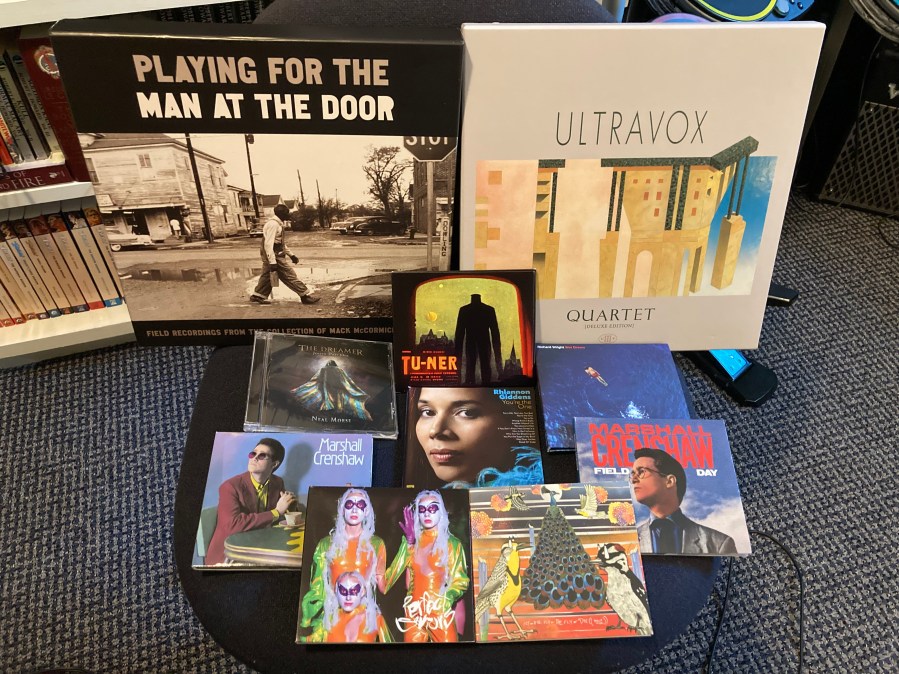
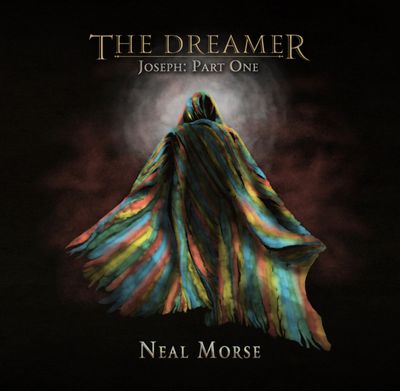
Neal Morse, The Dreamer – Joseph, Part One: For his latest rock opera a la 2019’s Jesus Christ the Exorcist, Morse and his studio sidekicks swerve toward hard-hitting blues-rock; the usual “Overture” and the narrative tracks “Burns Like A Wheel” and “Gold Dust City” are stuffed to the brim with chunky organ and grunged-up wah-wah guitar work. Wailing vocals from the cast of Christian Progressive Rock stalwarts who play Jacob, Joseph’s brothers and his Egyptian captors slot right in; even the power ballads (“The Pit”) have more grit this time around! And while the second half of the album is stylistically slicker (complete with classical chorale “I Will Wait on the Lord”), the hooky closer “Why Have You Forsaken Me?” pulls all the musical threads together, with Morse’s emotive portrayal of Joseph setting up intriguing possibilities for Part 2 — which, given his extravagant productivity, shouldn’t be too long in coming. Order from Radiant Records here.

Tu-Ner, T-1 Contact Information: Power trio improvisation that takes no prisoners, from another eerily luminous satellite band orbiting the gravity well of King Crimson. Trey Gunn and Pat Mastelotto formed one of Crimson’s most ferocious rhythm sections in the early 2000s, also recording together as TU; here Mastelotto clatters away merrily on his sonic smorgasbord of drums and percussion, while Gunn unleashes the deepest, fattest bass licks known to subwoofers. Above and around the Rhythm Buddies’ brutalist bedrock, Markus Reuter (who’s worked with Mastelotto in the duo Tuner and the trio Stick Men) unleashes slashing, swooping touch guitar lines and dark, brooding soundscape clouds — and when Gunn joins him on the higher end, sparks really fly. Always arresting, intermittently galvanizing, but the track titles (or this review for that matter) can’t really give you a feel for what this sounds like. In other words, you’ve gotta hear what Tu-Ner do to believe it.

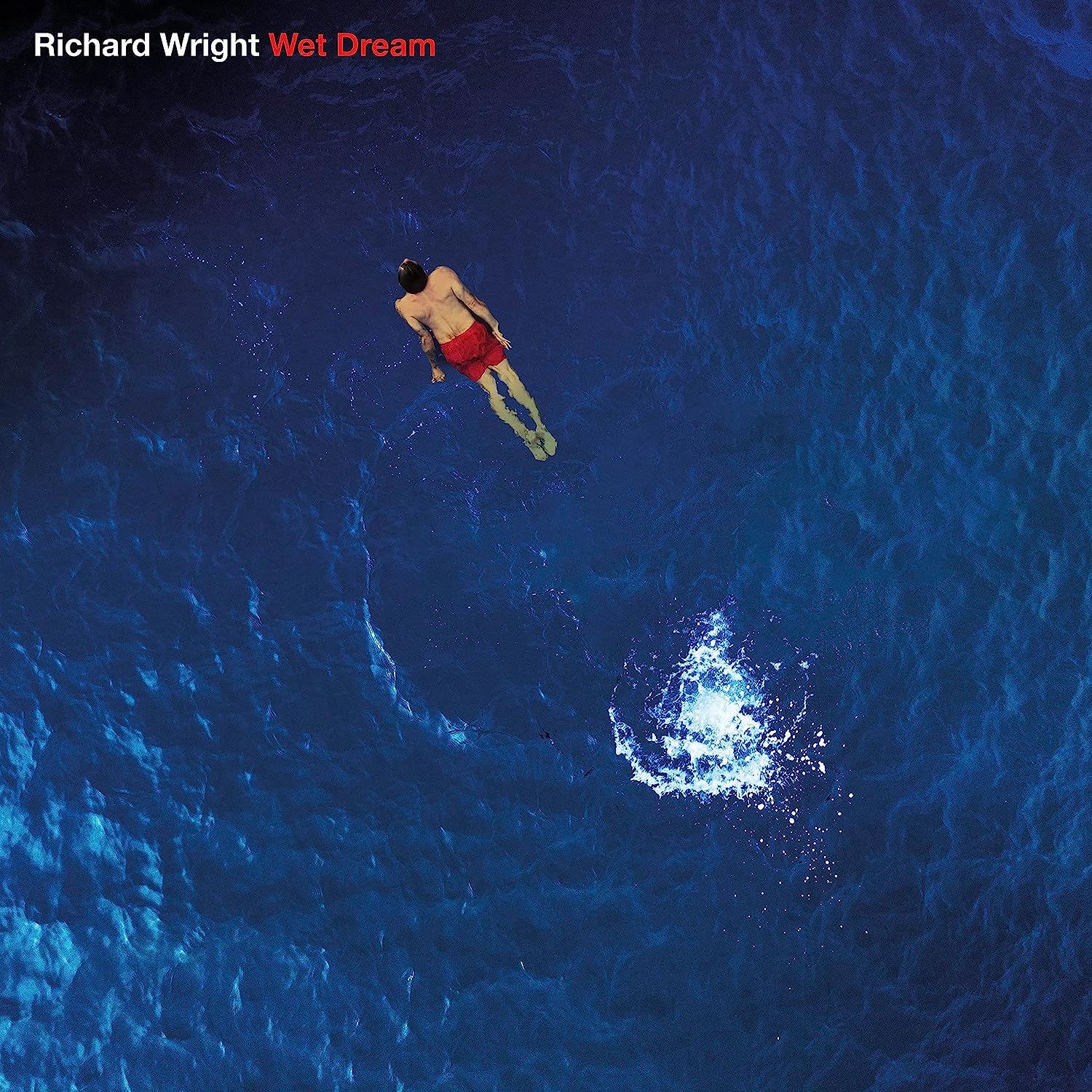
Richard Wright, Wet Dream: In case you ever wondered exactly what keyboardist Wright brought to Pink Floyd, his 1978 solo album has it in spades. On tracks like “Mediterranean C” and “Drop In from the Top” lush, floating chord progressions set up open-ended jams by guitarist Snowy White and sax legend Mel Collins; Wright’s reedy voice spins out languid vignettes of detachment and disillusion such as “Summer Elegy” and “Holiday”. All thoroughly gorgeous (especially in this immaculate new Steven Wilson remix), occasionally funky, ineffably melancholy — and not terribly urgent in isolation. Still, you can hear the breathing space that Floyd lost as Wright faded into the background and Roger Waters began repeatedly kicking his audience in the head on The Wall. Order from Rhino Records here.

Ultravox, Quartet [Deluxe Edition]: Speaking of immaculate Steven Wilson remixes: this is his third in a series for the British new wave quartet. Regrouping after early personnel changes, Ultravox struck a quirky vein of New Romantic post-punk on 1980’s Vienna, then pursued cutting-edge Krautrock on the follow-up Rage in Eden. Connecting with legendary producer/5th Beatle George Martin, frontman Midge Ure, violinist/keyboardist Billly Currie, bassist Chris Cross and drummer Warren Cann aimed straight for the charts; Quartet is as pure of a pop album as they ever achieved. The UK singles “Reap the Wild Wind,” “Hymn,” “Visions in Blue” and “We Came to Dance” have an irresistible mix of rock drive, synth-pop color and devil-may-care melody, and the album tracks slot right in; the whole thing’s overripe and melodramatic in the most appealing way. Plenty of extras in the 7-disc box too, with b-sides, rarities, rehearsal tapes, studio monitor mixes and an intense live set all included. Order from the Ultravox store here.

Continue reading “Rick’s Quick Takes: Summer, Part 3”